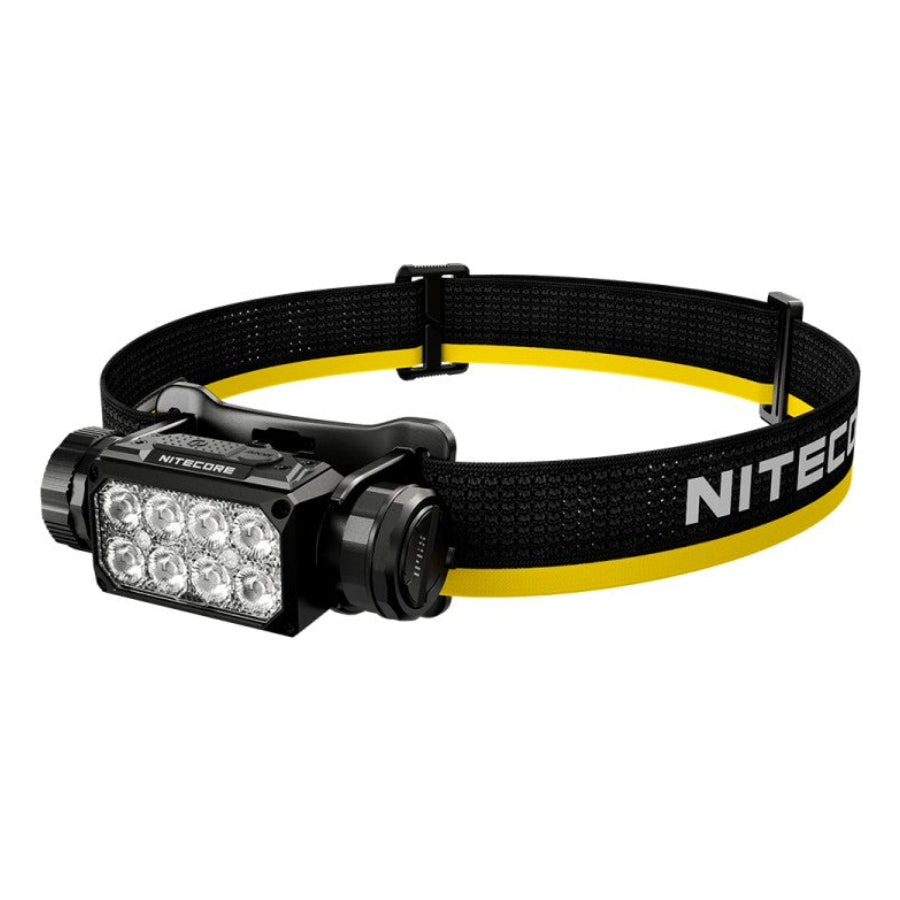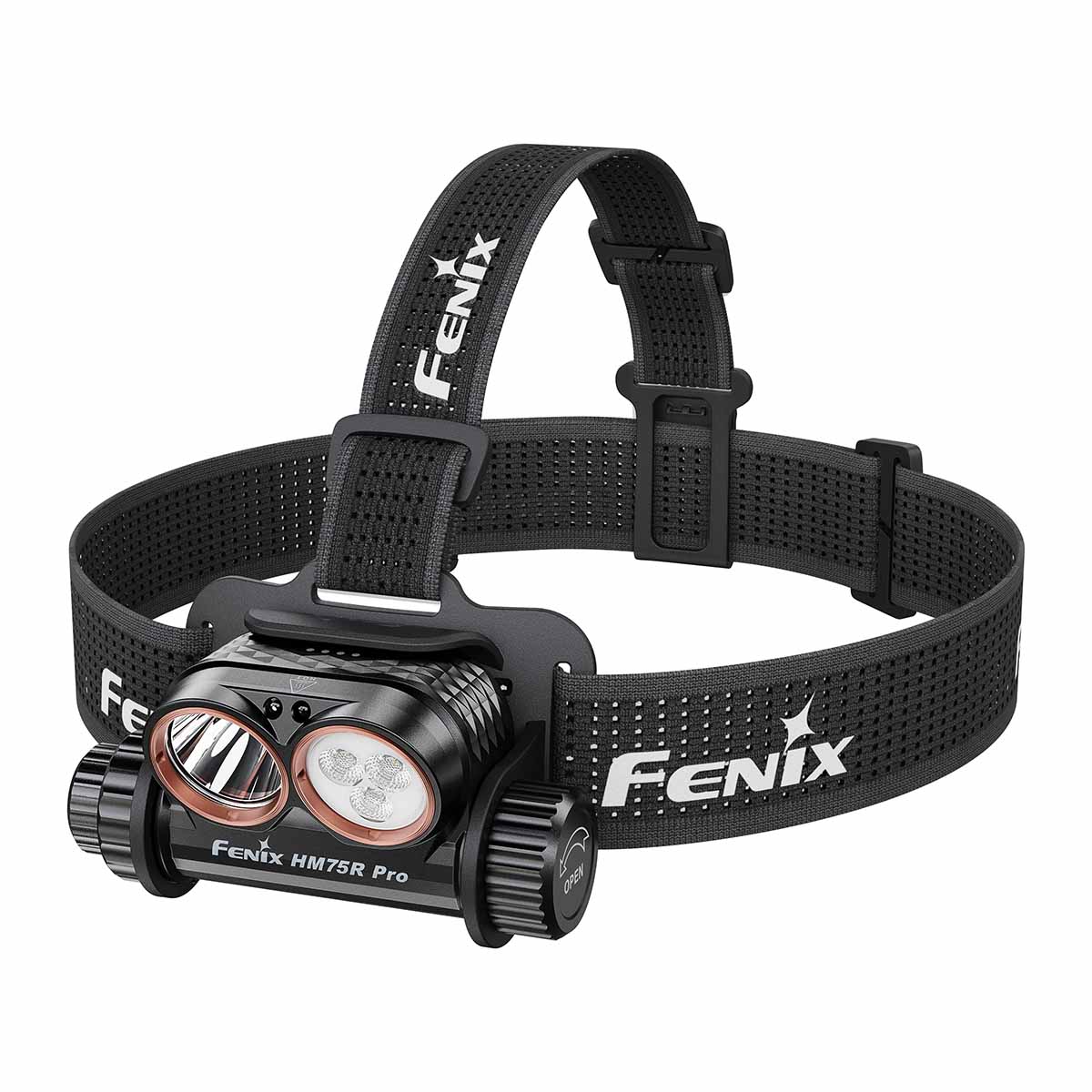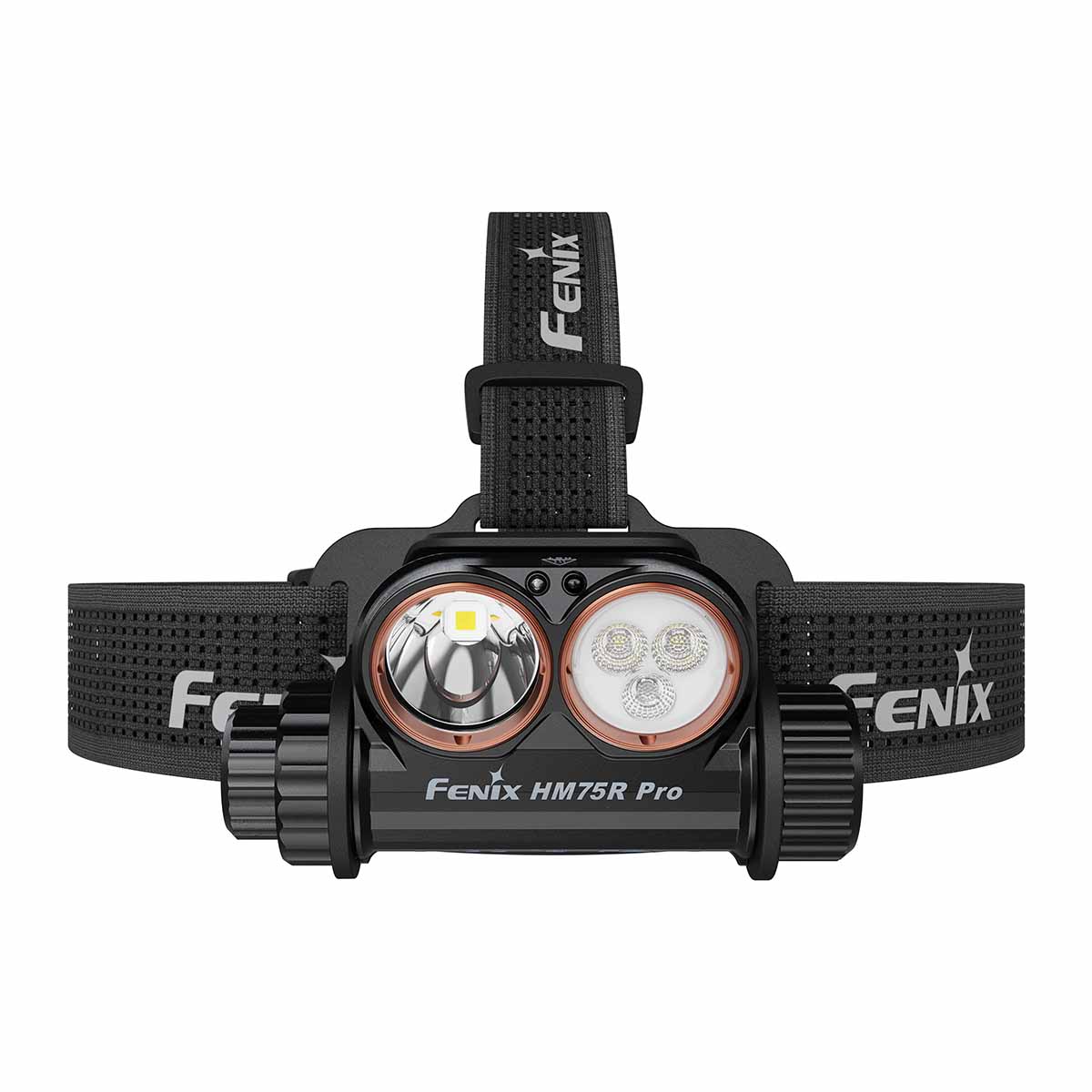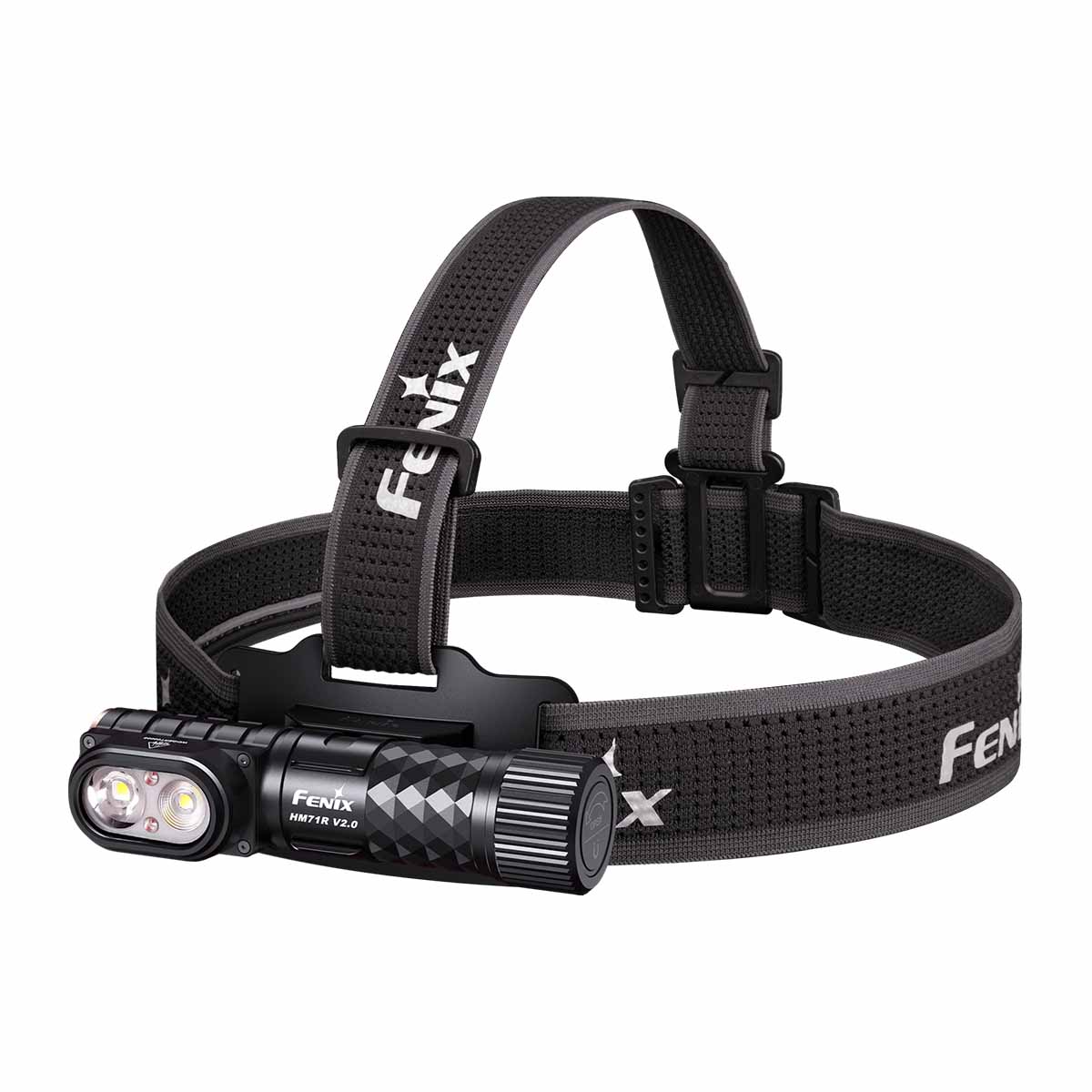

Tracking game or trailing wounded quarry across unfamiliar terrain after dusk presents a complex visual challenge. In thick timber, creek bottoms, and overgrown agricultural borders, standard floodlights often cause more problems than they solve—casting wide, undisciplined light that reflects off nearby foliage and tree trunks, blinding the tracker with foreground backscatter while leaving distant sign obscured in shadows. Ethical game recovery and successful nighttime tracking require a tactical flashlight engineered for long-distance throw, extreme candela density, and directional beam control. By understanding how high-intensity optical beams interact with terrain contours, micro-disturbances, blood signs, and animal physiology, hunters can locate trails faster and navigate low-light environments with tactical authority.

Low-Angle Raking Light and Micro-Shadow Extraction
When following faint tracks across packed dirt, crushed leaves, or rocky soil, aiming a flashlight straight down from chest height washes out subtle ground contours. Vertical light eliminates depth perception and fills track impressions with flat, uniform brightness.
Deploying a high-candela long-throw beam as a low-angle "raking light" transforms difficult-to-see sign into sharp, readable indicators:
-
The Oblique Angle Technique: Lower the flashlight body to knee or ankle level, casting the concentrated center hotspot parallel to the ground surface across several yards ahead.
-
Exaggerating Micro-Relief: The intense, collimated photons catch the raised edges of displaced dirt, overturned leaf litter, snapped twigs, and compressed grass blades. This projects elongated micro-shadows behind every physical disturbance, revealing directional travel that is invisible under overhead lighting.
-
Preserving Distance Context: Because a long-throw optical system concentrates light into a dense center beam rather than scattering wide flood, you can inspect ground details ten to twenty paces ahead without illuminating your immediate boots or blowing out your natural night vision.
Long-Distance Eyeshine Sweeps and Retroreflection Geometry
Locating nocturnal predators, wild hogs, or bedded game across vast open pastures requires leveraging the biological optical properties of animal eyes. Most nocturnal mammals possess a reflective layer of tissue behind the retina called the tapetum lucidum, which bounces incoming photons directly back toward the light source.
To maximize eyeshine detection without spooking game:
-
Tight Hotspot Alignment: Hold the long-throw light as close to your eye line or optic axis as possible. The retroreflected beam returns along the exact path of entry, making eyeshine appear dramatically brighter when your eyes are aligned with the flashlight's optical center.
-
Scanning with the Beam Perimeter: Avoid placing the blinding, high-candela hotspot directly onto open fields immediately. Instead, sweep the outer edge of the beam across distant tree lines and agricultural borders. The subtle halo catches distant eyeshine hundreds of yards away without triggering an immediate flight response from skittish animals.
-
Distinguishing Reflection Signatures: Predator eyes (such as coyotes and foxes) reflect a bright amber-gold or reddish luminescence, while herbivores and game animals typically produce pale green, yellow, or soft white reflections, allowing rapid threat and target confirmation from a distance.
Night Hunting & Tracking Optical Calibration Matrix
| Tracking Scenario | Primary Optical Profile | Recommended Beam Strategy | Key Environmental Advantage |
| Ground Sign & Track Indentations | High-Candela Narrow Hotspot | Low-angle raking sweep at ground level | Casts sharp micro-shadows behind crushed leaves and dirt |
| Long-Range Eyeshine Scanning | Extreme Throw (150,000+ cd) | High-axis sweep aligned with line of sight | Maximizes retroreflection return from tapetum lucidum |
| Dense Brush & Timber Trailing | Balanced Throw with Controlled Spill | Mid-elevation search pulses | Prevents near-field leaf glare while reaching deep thickets |
| Blood Trail Verification | High-CRI Neutral / Dedicated Spectrum | Oblique surface sweep (2 to 5 meters) | Highlights glistening hemoglobin against dry forest litter |
| Perimeter Boundary Confirmation | Maximum Turbo Spot Beam | Elevated horizontal boundary sweep | Identifies fence lines, ravines, and terrain drop-offs |
Spectrum Management and Color Contrast in Blood Trailing
Locating sparse blood droplets on varied autumn foliage, dry needles, and dark mud requires careful management of light spectrum and color fidelity.
The Role of High-CRI Neutral White Emitters
Standard cool-white LEDs (above 6000K) feature a pronounced blue spike that washes out organic red tones, making dried blood droplets appear dull brown or black against fallen leaves. High-CRI (Color Rendering Index) emitters—rated at 90+ CRI with a neutral 4000K to 4500K color temperature—render vibrant reds with natural depth. This makes wet blood glisten against vegetative backgrounds with clear contrast.
Multi-Wavelength Auxiliary Identification
Specialized tracking protocols often incorporate green, blue, or deep red auxiliary beams:
-
Green Light Penetration: Green wavelengths cut through moisture, fog, and light brush while offering higher contrast against outdoor backgrounds, allowing trackers to spot disturbed vegetation without drawing excessive attention.
-
Blue and Red Spectrum Contrast: Under specific monochromatic wavelengths, blood absorbs light differently than surrounding green and yellow foliage, causing blood drops to stand out as dark, high-contrast marks on the forest floor.

Beam Discipline and Thermal Management During Extended Trailing
Tracking is rarely a fast process; it often requires slow, methodical trailing that lasts several hours. Operating a high-output search beam requires smart power management to prevent premature battery depletion or aggressive thermal throttling.
-
Momentary Inspection Pulses: Rather than leaving the torch running continuously on maximum turbo, use momentary half-presses on the tactical switch to pulse the long-throw beam into suspected thickets or distant fence lines.
-
Sustained Constant-Current Mid Tiers: When actively following a continuous blood trail or ground sign, drop down to a flat-regulated mid tier (200 to 500 lumens). A long-throw reflector still produces ample center intensity at moderate power levels, keeping the chassis cool and extending continuous runtime across the entire night.
-
Marking Last Confirmed Sign: Pair your primary handheld thrower with physical trail markers or compact auxiliary lights at the last verified blood sign before advancing, ensuring you never lose your baseline if the trail turns abruptly.
Tactical Ecosystems and Field-Proven Hardware
Different manufacturers bring distinct technological strengths to night hunting and field tracking:
-
Nitecore leads extreme-distance throwing innovation with ultra-high candela LED platforms and laser-excited phosphor (LEP) optics equipped with real-time OLED telemetry screens for monitoring runtime during long grid searches.
-
Nextorch provides duty-ready hunting gear with multi-color rotary selectors, remote weapon pressure switches, and nano-ceramic glass-breaking strike bezels for harsh outdoor environments.
-
Klarus is celebrated for dual-tail switch ergonomics, delivering instantaneous one-touch maximum turbo bursts and tactical strobe access for predator defense.
-
Jetbeam offers precision CNC machining and smooth magnetic rotary control rings that allow seamless stepless analog dimming from sub-lumen firefly modes up to maximum search intensity.
Mastering advanced tracking techniques with a long-throw tactical light bridges the gap between raw optical horsepower and practical woodcraft. Integrating a high-candela thrower into your outdoor gear rotation and daily EDC loadout gives you the optical reach, contrast extraction, and reliable illumination needed to master the night and recover game with confidence.