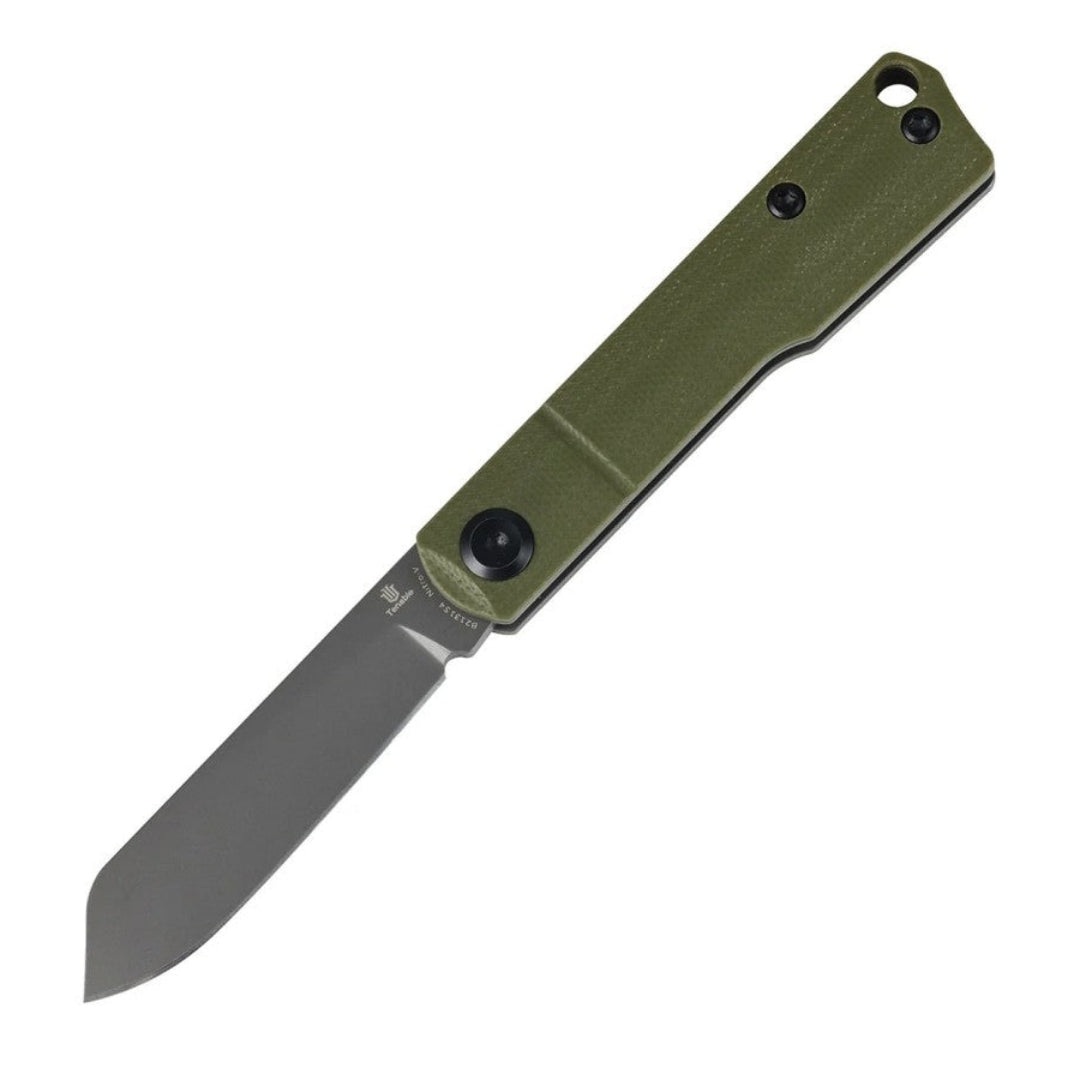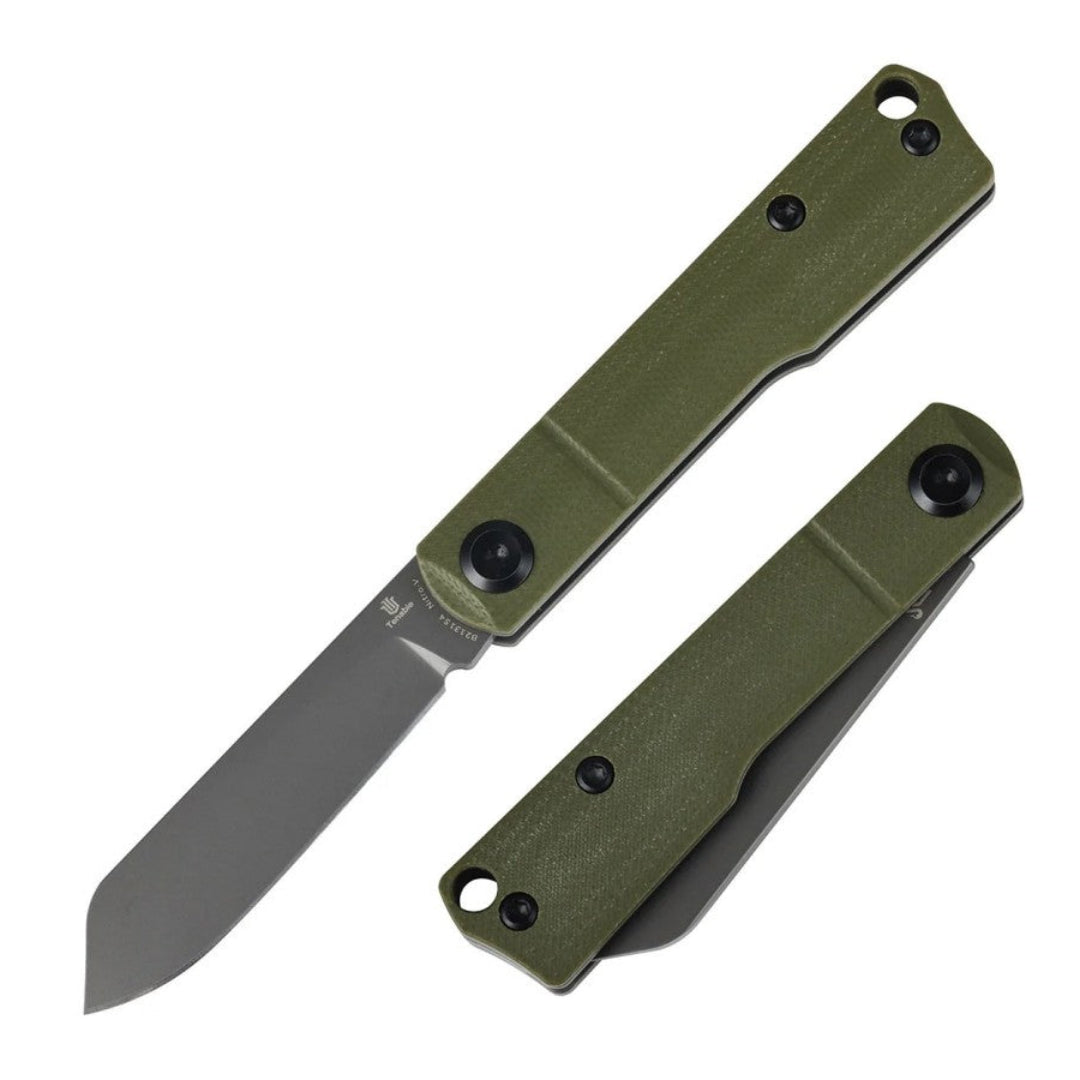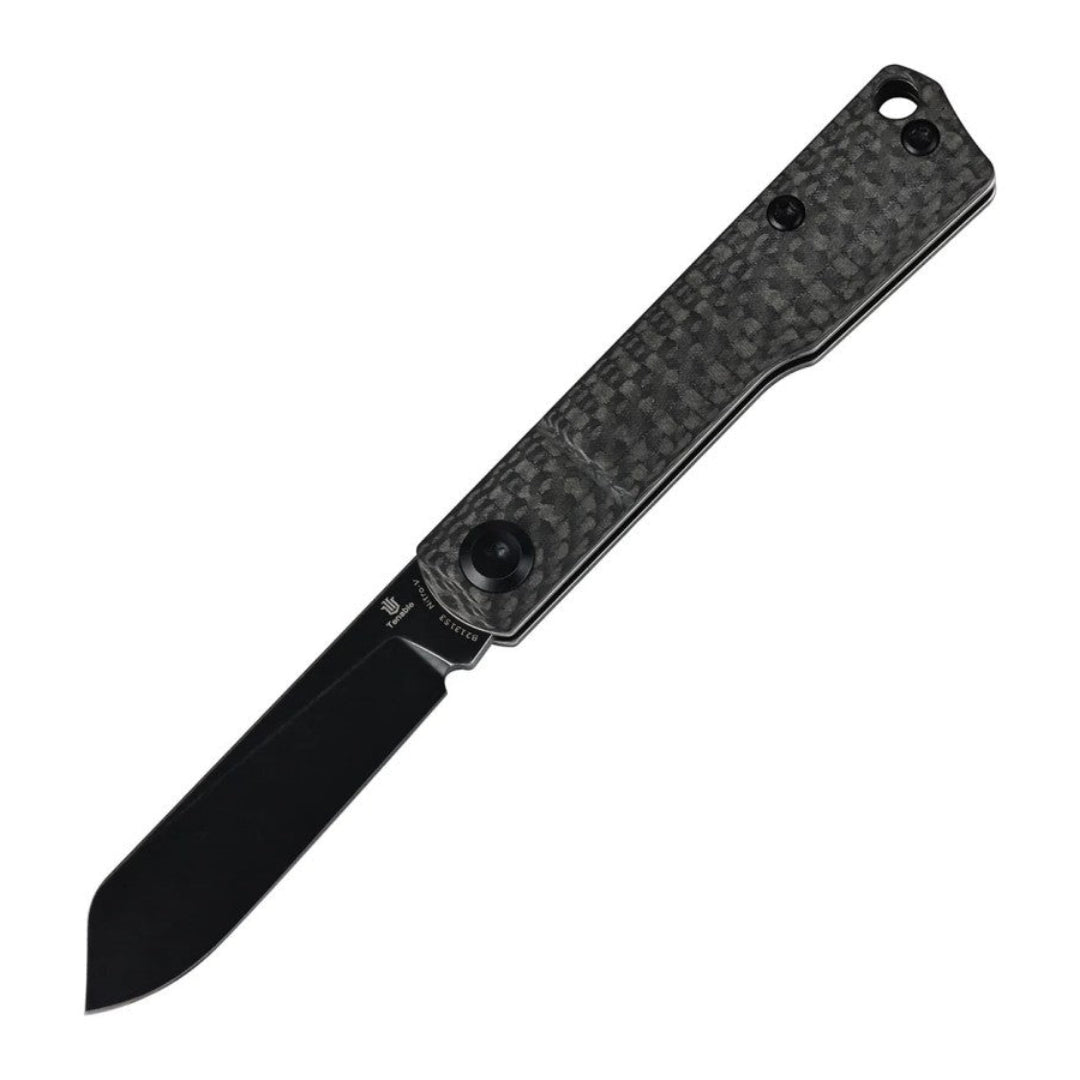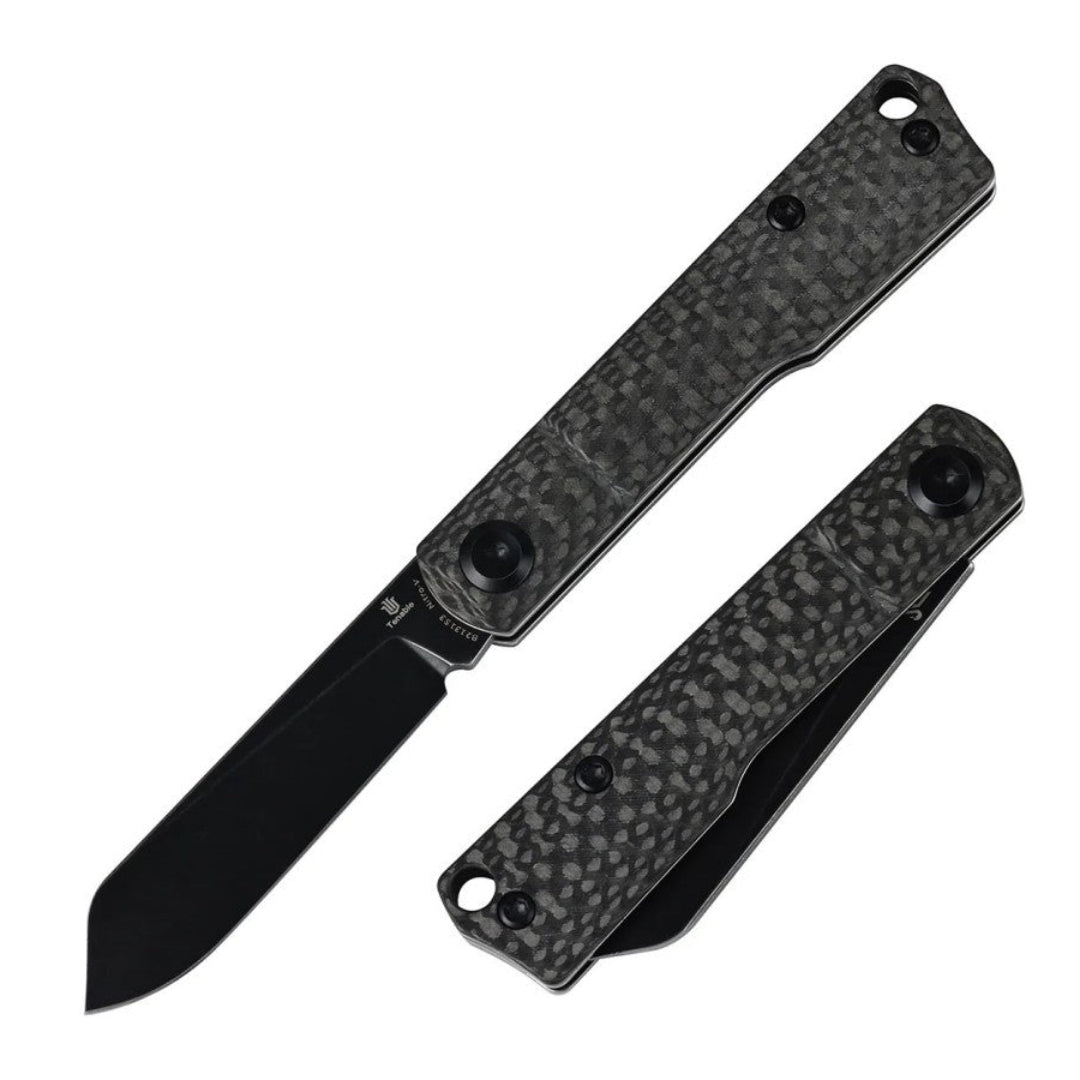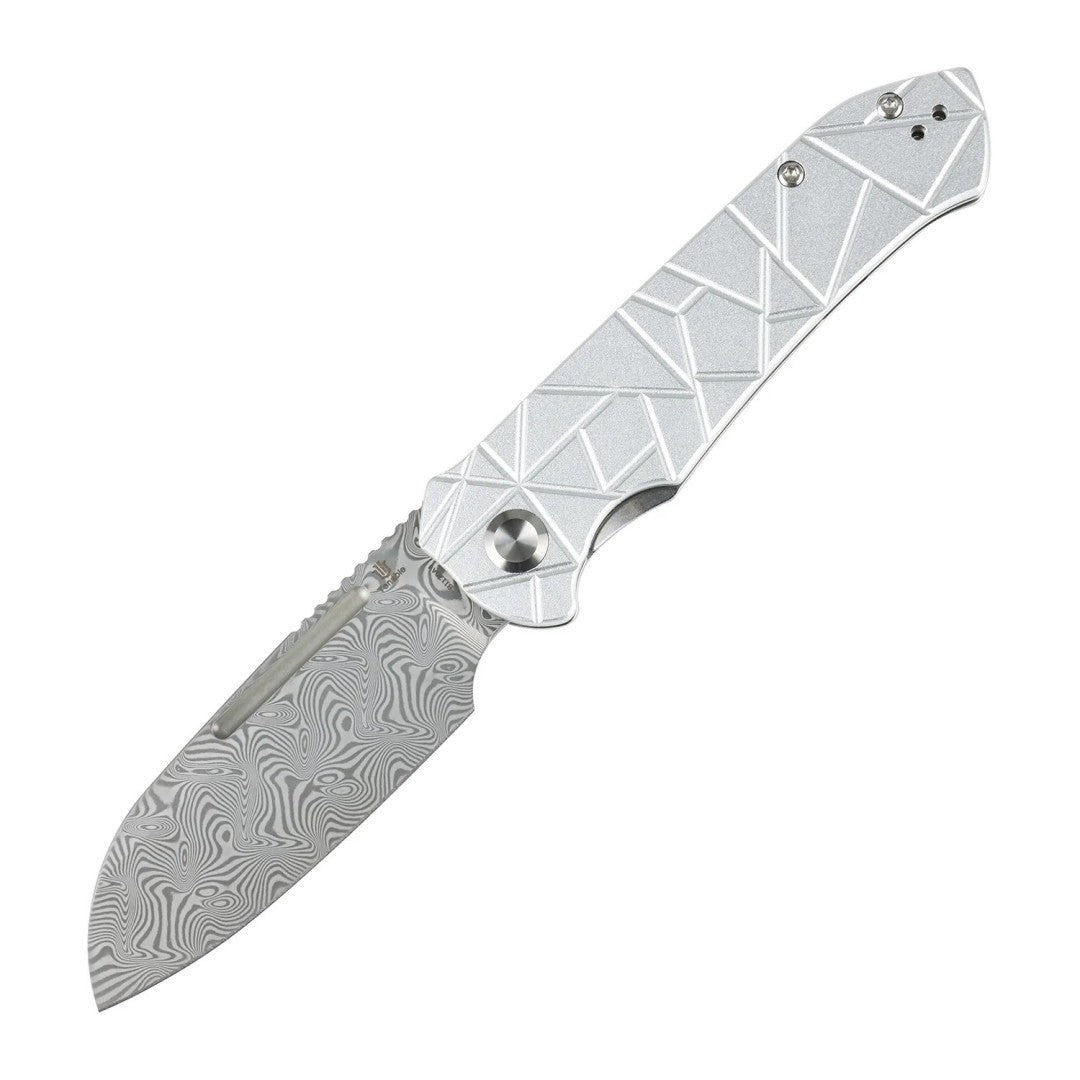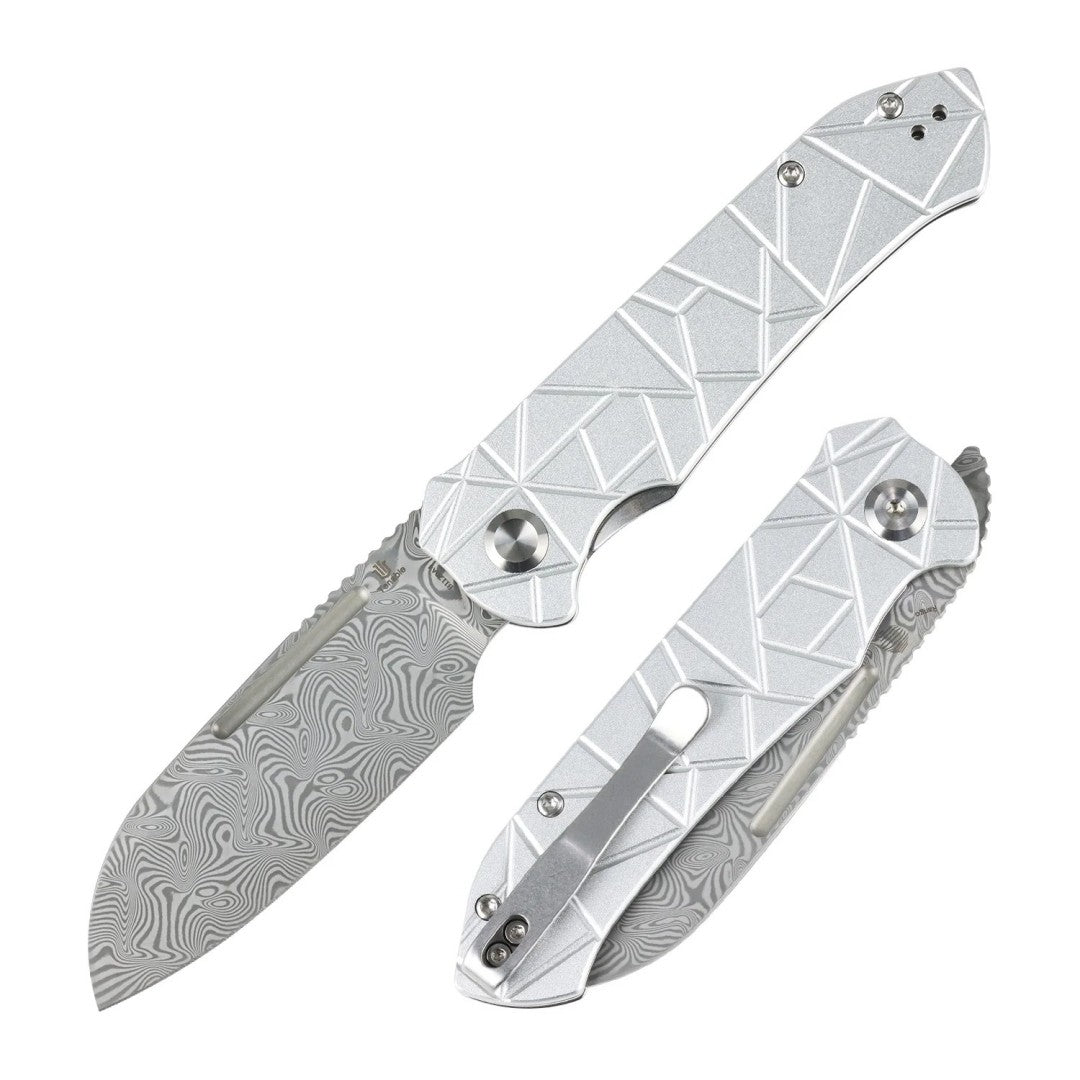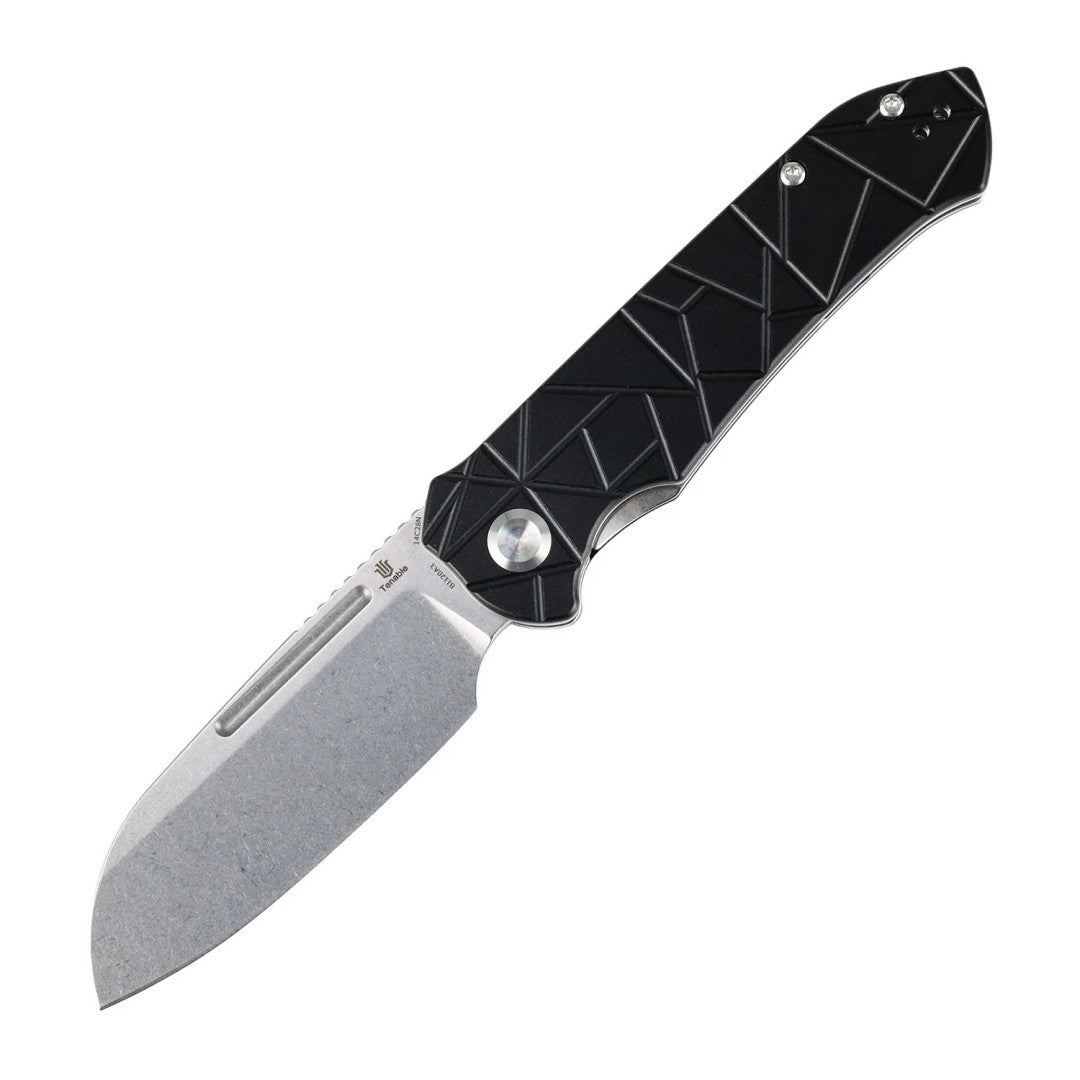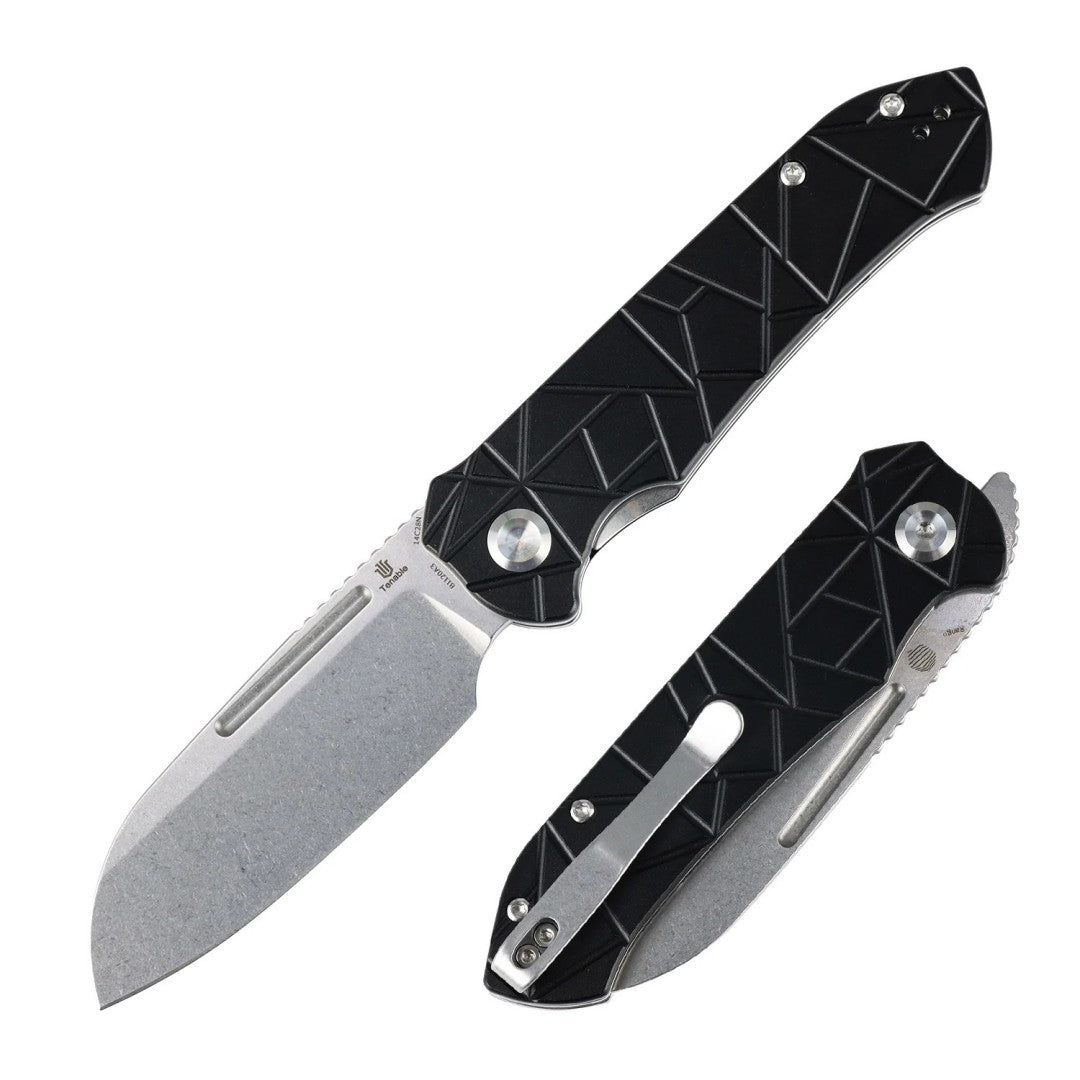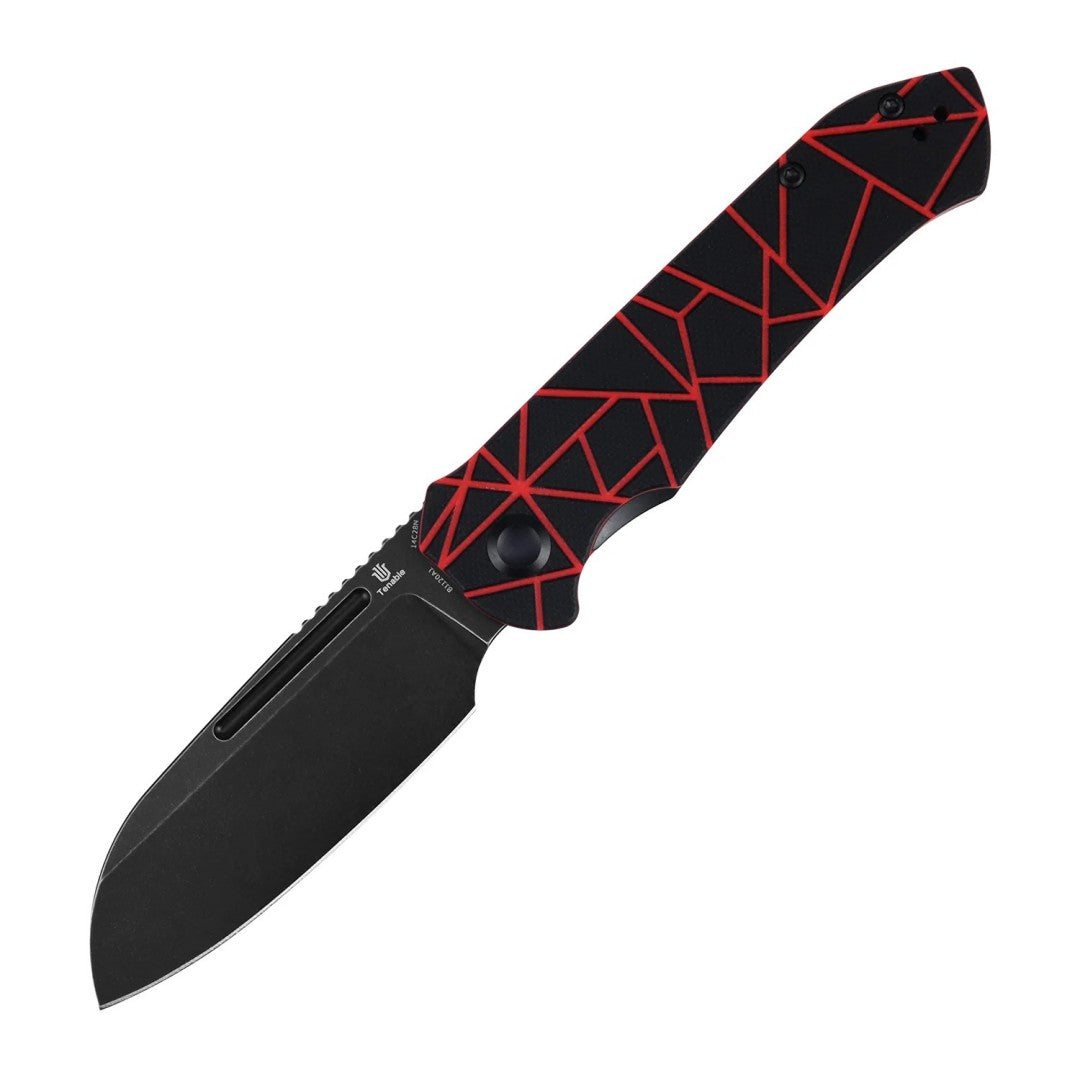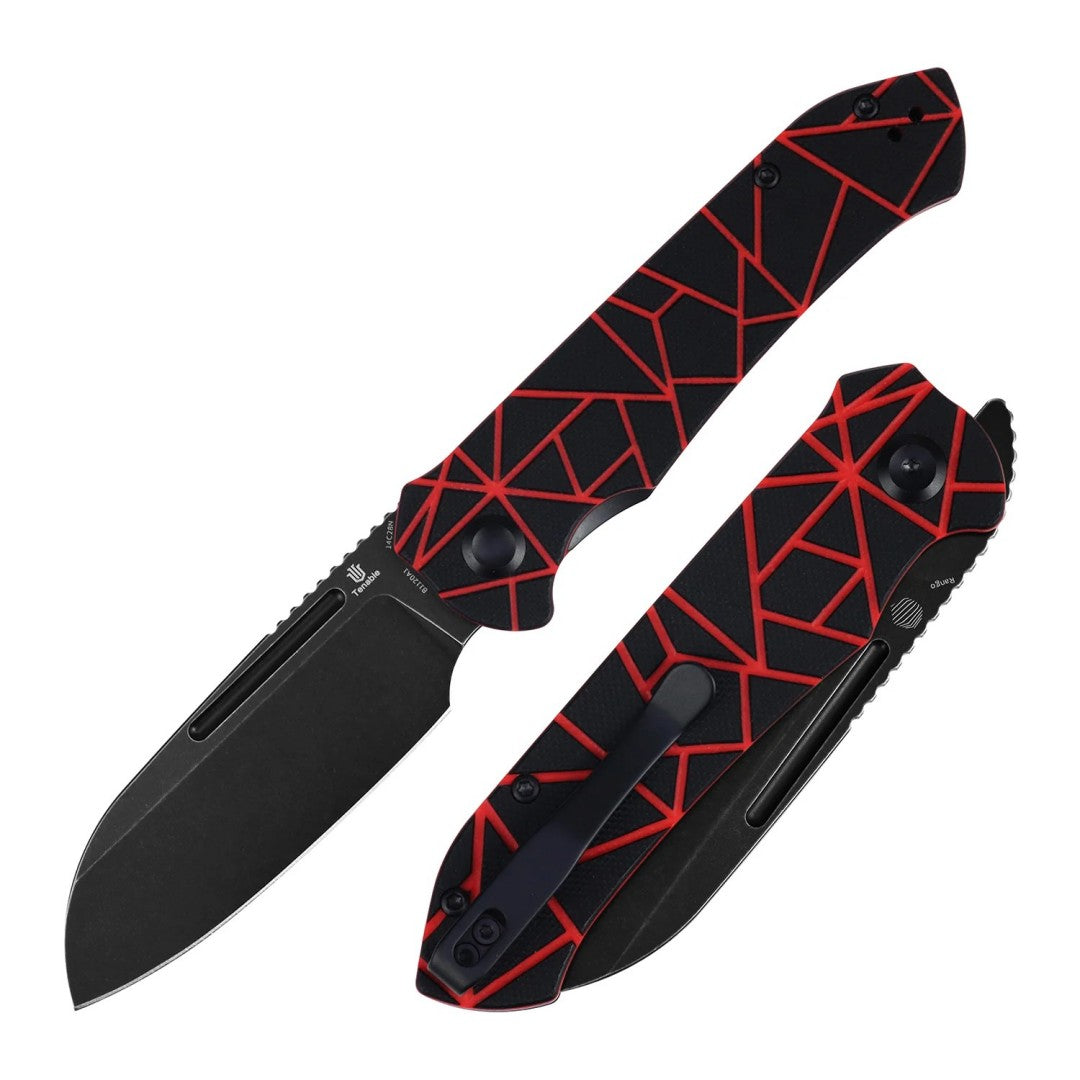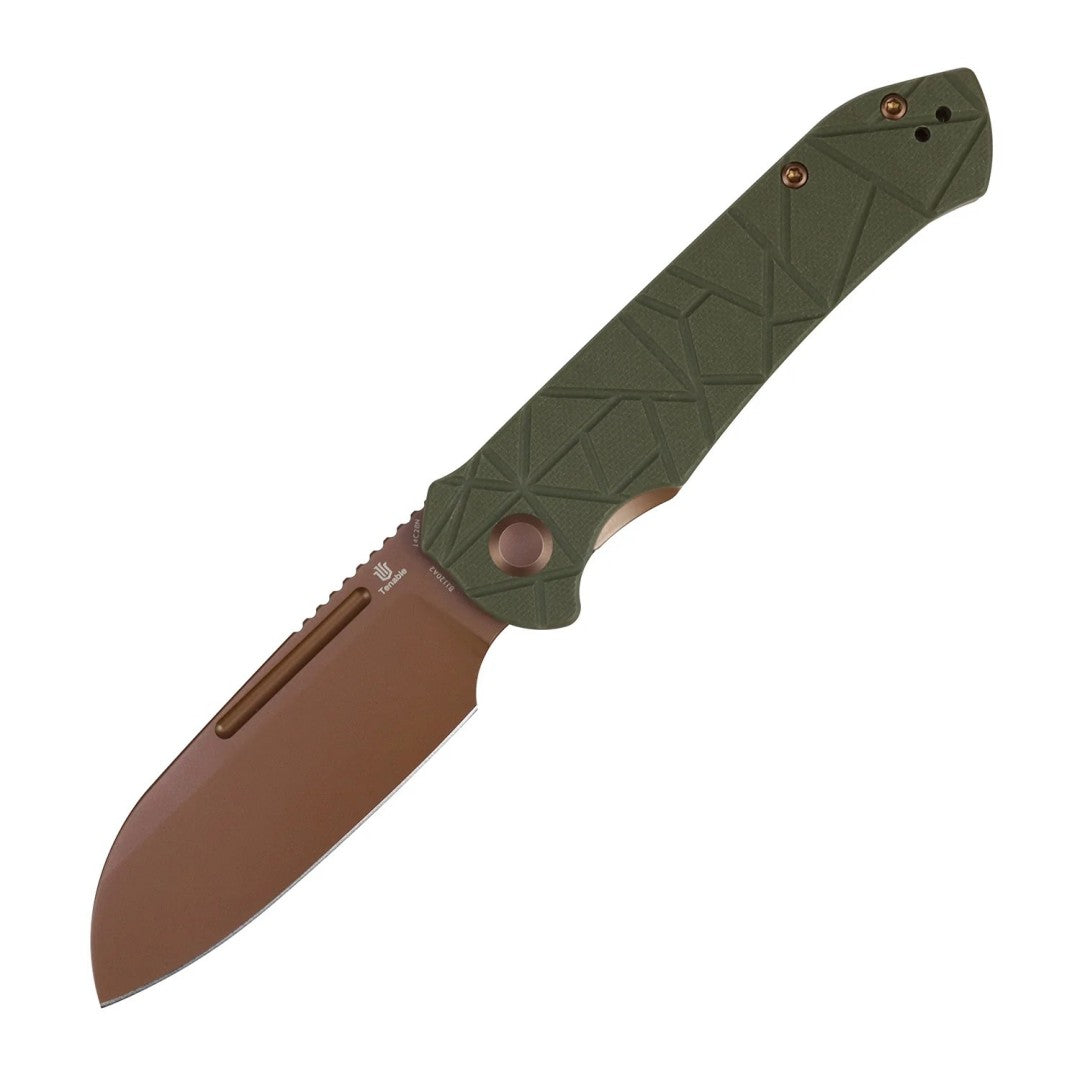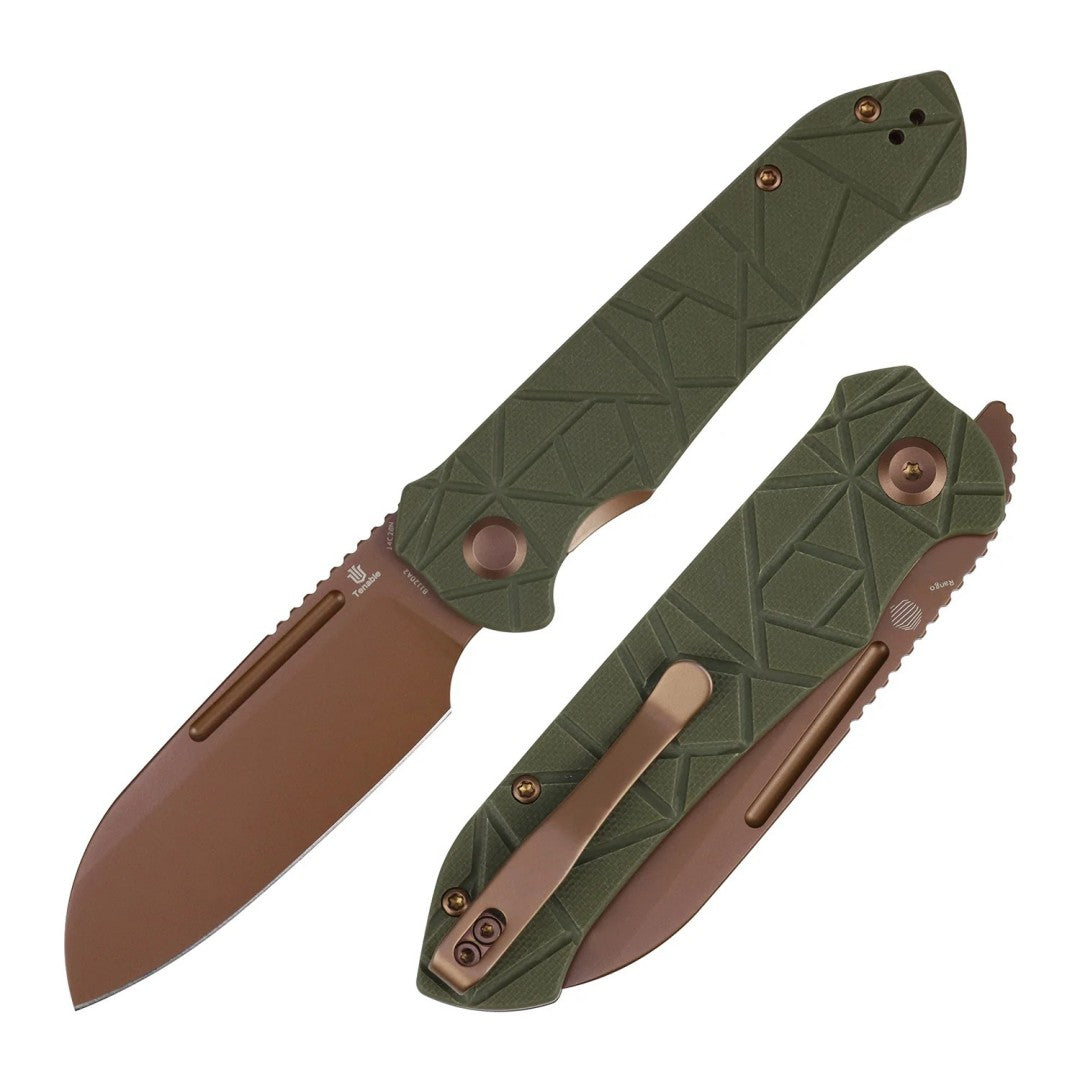
The everyday carry (EDC) community has long had a favorite budget hero. For years, if you asked anyone for a sub-$50 pocket knife recommendation, the answer was almost universally the classic liner-lock QSP Penguin. It won the market with its simple ergonomics, ultra-practical blade shape, and an honest price tag.

But as the knife world evolves, user preferences change. Today, enthusiast culture is heavily dominated by the "crossbar lock"—an ambidextrous, highly secure, and incredibly fidget-friendly locking mechanism. Recognizing this shift, QSP dropped a massive upgrade to their legendary platform: the QSP Penguin Glyde Lock.
Is this new crossbar configuration enough to dethrone other budget giants and retain the Penguin's crown as the king of budget EDC? Let’s break it down in this detailed review.
1. What is the Glyde Lock?
The standout feature of this new release is QSP’s proprietary execution of the crossbar lock, dubbed the Glyde Lock.
Instead of traditional smooth pins that can sometimes feel slick to the touch, QSP implemented uniquely textured, slightly stepped buttons on either side of the handle.
When you pull back on the Glyde Lock, it compresses internal omega springs and disengages a solid steel bar from the blade's tang. This allows the blade to swing completely free. It offers a totally ambidextrous layout and a high-fidget factor. More importantly, it keeps your fingers entirely out of the blade's path when closing the knife, adding a massive layer of safety for daily operations.
2. Upgraded Steel: Moving to Sandvik 14C28N
While the original budget Penguin made its name utilizing D2 tool steel, the Penguin Glyde Lock shifts gears by upgrading to Sandvik 14C28N stainless steel.
For a daily carry knife, this is a phenomenal directional change. D2 is incredibly hard and holds a working edge for an immense amount of time, but its semi-stainless nature means it can rust if exposed to moisture or sweat. 14C28N, a nitrogen-hardened Scandinavian steel, completely solves this issue.
-
Exceptional Corrosion Resistance: You can carry it in humid weather, slice open wet packages, or wash it in the sink without worrying about sudden rust spots.
-
Razor Sharpness: It takes a much finer, keener edge than D2 and is significantly easier for beginners to sharpen back to a hair-shaving edge on basic whetstones.
-
Toughness: It resists micro-chipping under impact, making it highly dependable for rough utility work.
3. Handle Architecture & Lightweight Scalability
To keep the price accessible while adding a premium lock mechanism, QSP offers the Penguin Glyde Lock in a variety of modern handle materials.
The entry-level models feature heavily textured FRN (Fiberglass Reinforced Nylon) scales. FRN is structurally rigid, virtually indestructible, and incredibly lightweight, dropping the total footprint of the knife down to roughly 2.82 ounces (80 grams). QSP molds a highly tactile cross-hatch texture into the scales, ensuring the tool won't slip out of your hands when working in greasy or wet environments.
For users who want a flashier look, QSP also offers upgraded tiers featuring G10 handle scales layered with infused Copper or Aluminum foil, as well as unique Glow-in-the-Dark resin finishes.
4. Retaining the Classic Utility Geometry
Despite the radical mechanical overhaul, QSP wisely left the blade geometry untouched. The Penguin Glyde Lock still carries the iconic 3.06-inch sheepsfoot / modified Wharncliffe blade shape.
Because the cutting edge is perfectly straight with zero belly curve, the blade acts as a powerful wedge during downward pull-cuts. When you are processing mountains of cardboard boxes, stripping wires, or scoring thick vinyl, the material is trapped against the flat edge and cannot slip away from the tool.
The blade features a gorgeous two-tone finish—boasting clean satin flats contrasted by a rugged, scratch-concealing stonewashed grind.

Head-to-Head Specifications
| Specification | QSP Penguin Glyde Lock Details |
| Overall Length | 7.06 inches (18.1 cm) |
| Blade Length | 3.06 inches (7.9 cm) |
| Blade Thickness | 0.12 inches (3.0 mm) |
| Blade Steel | Sandvik 14C28N Stainless Steel |
| Lock Type | Ambidextrous Glyde Lock (Crossbar) |
| Pocket Clip | Deep-Carry, Reversible Steel |
| Opening Mechanism | Manual Thumb Studs & Lock Bar Release |
The Verdict: The New Budget Crossbar King?
QSP took a massive gamble by messing with a winning formula, but it paid off beautifully. The Penguin Glyde Lock takes everything people loved about the original platform—the neutral ergonomics, the deep-carry pocket clip, and the outstanding box-cutting geometry—and fixes the minor flaws.
By replacing D2 tool steel with ultra-stainless 14C28N and integrating a highly tactile, glassy-smooth crossbar system, they have created a pocket knife that is safer, tougher against weather, and endlessly more fun to use. If you love the crossbar locking mechanism but don't want to spend premium prices on high-end brands, the QSP Penguin Glyde Lock is an absolute must-buy this year.
Frequently Asked Questions
What makes the Glyde Lock different from other crossbar locks?
QSP’s Glyde Lock features wider, distinctively stepped and textured thumb buttons instead of traditional smooth round pins. This added texture provides significantly better traction, making it much easier to actuate with gloved hands or wet fingers.
Is the QSP Penguin Glyde Lock fully left-hand friendly?
Yes! The crossbar mechanism is naturally symmetrical and can be operated identically with either hand. Additionally, the deep-carry pocket clip is fully reversible with pre-drilled holes on both sides of the handle scales for true ambidextrous carry.
Does the FRN handle scale feel cheap?
No. While Fiberglass Reinforced Nylon is incredibly lightweight, QSP uses high-density molding with an aggressive, non-slip texture pattern. It feels completely rigid with zero structural flexing or twisting under heavy hand pressure.