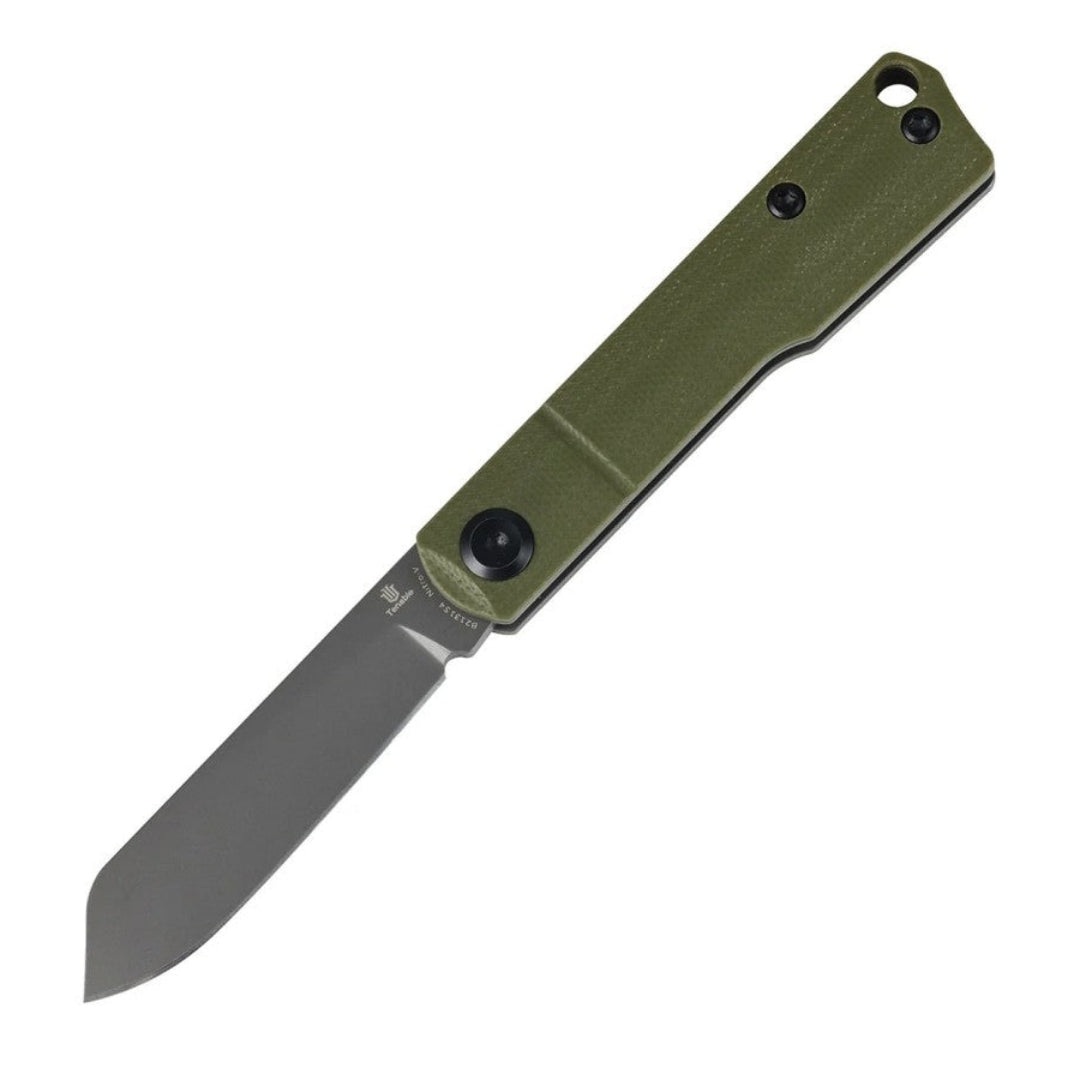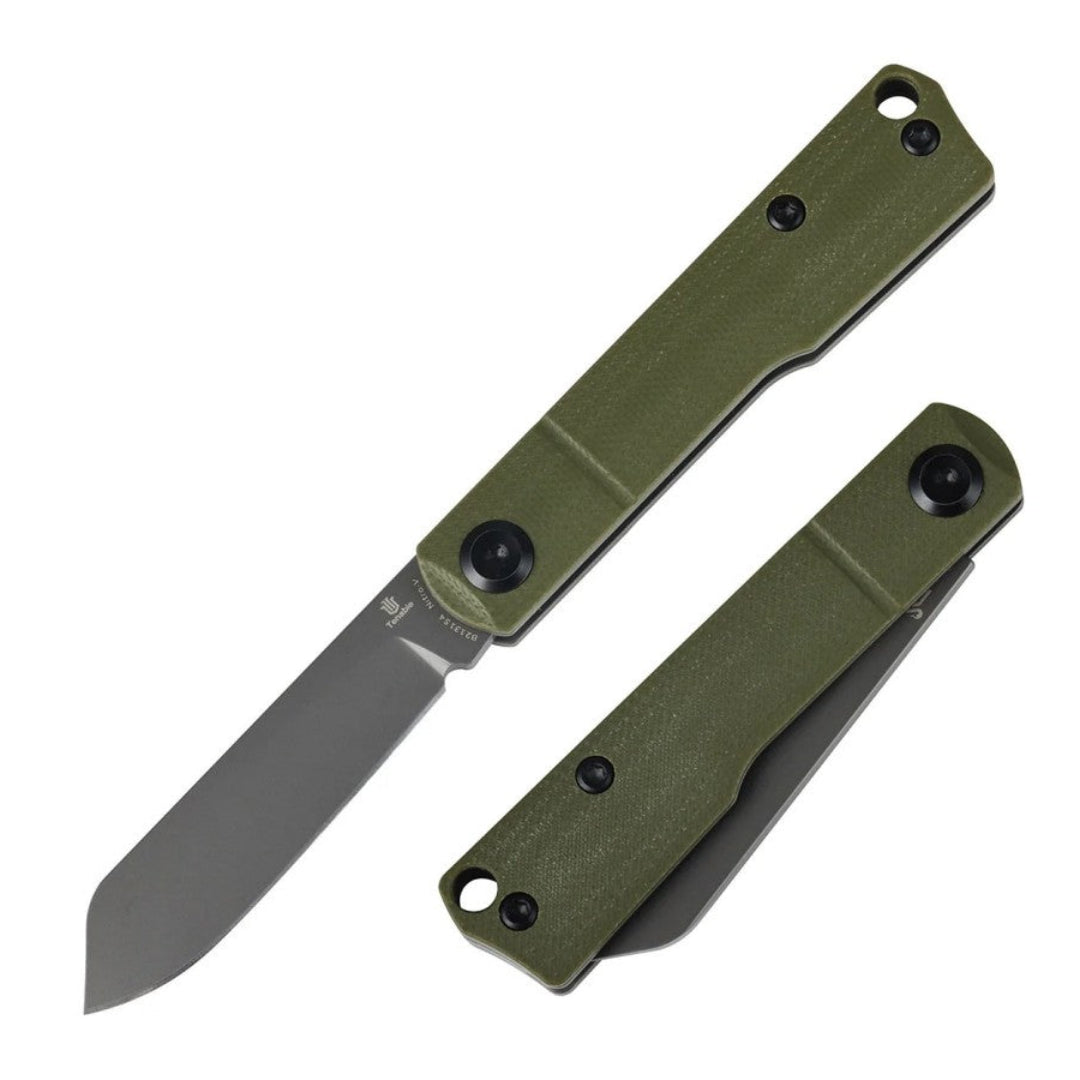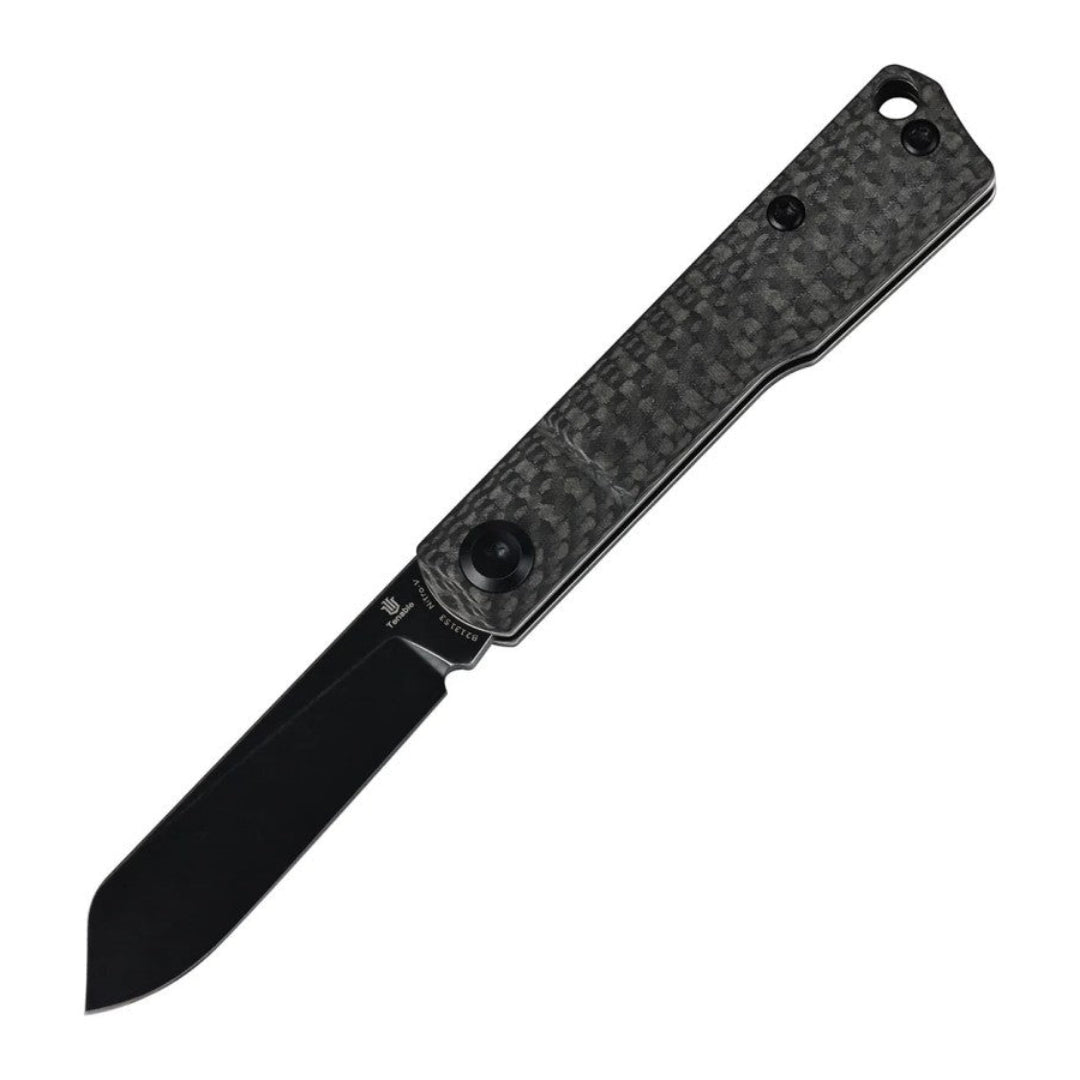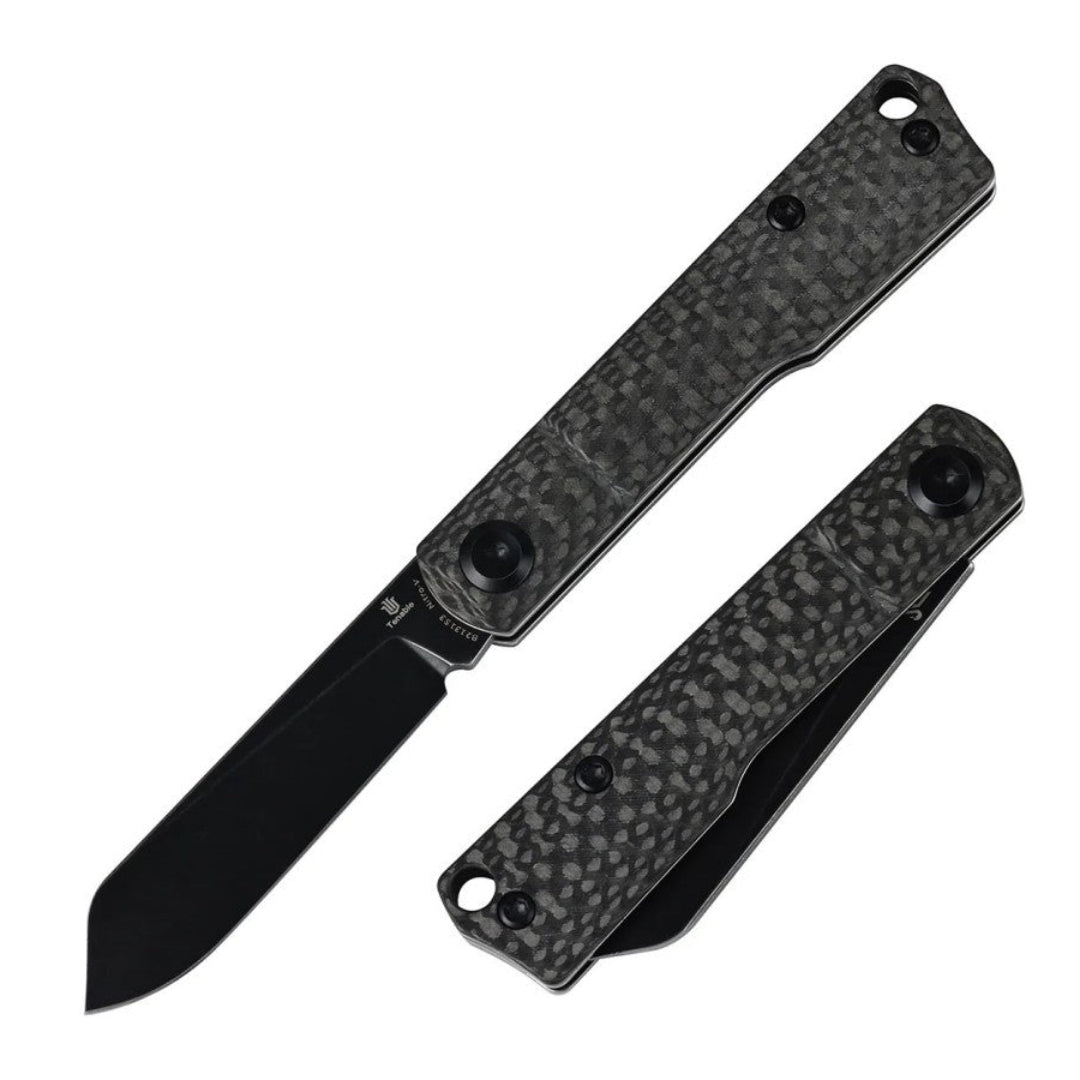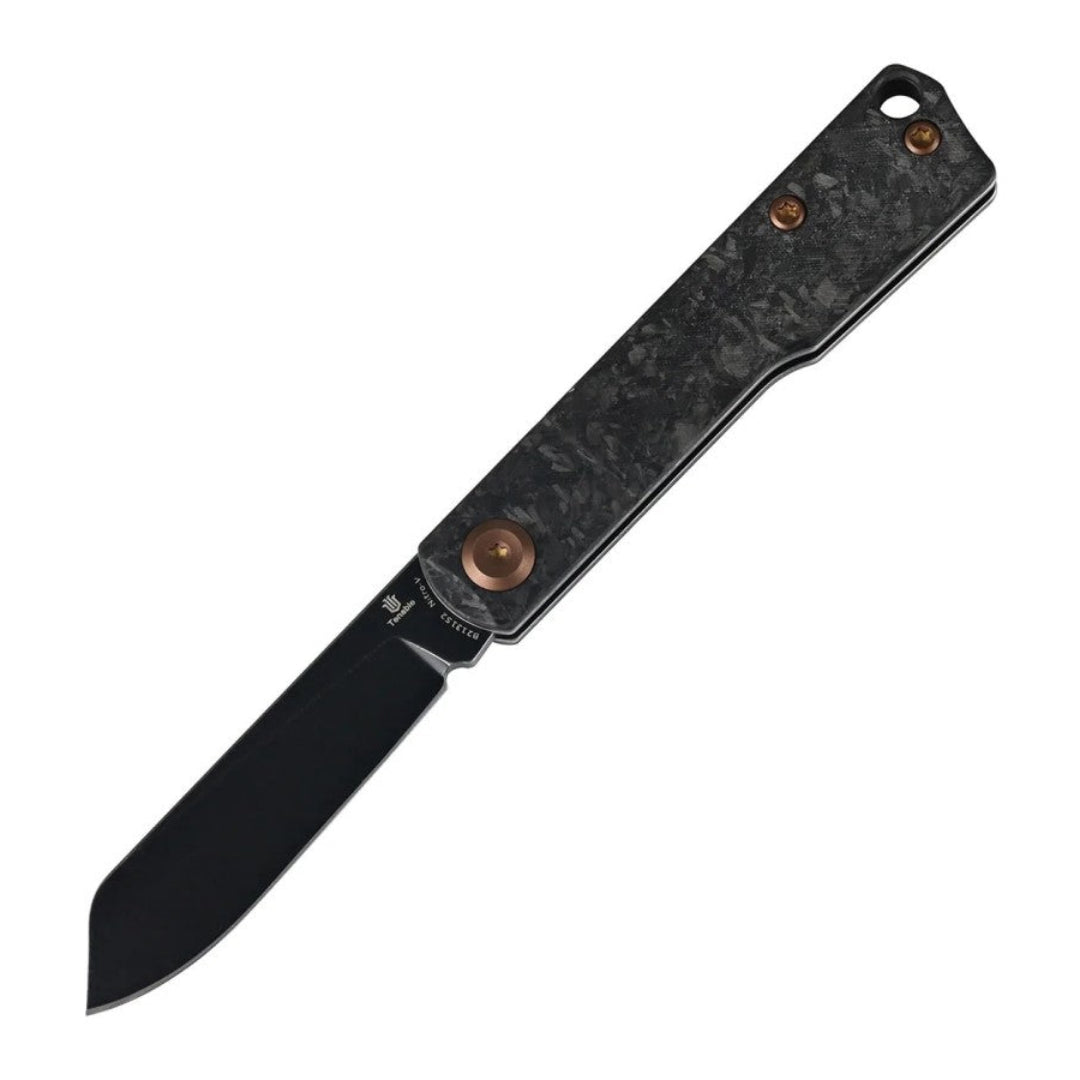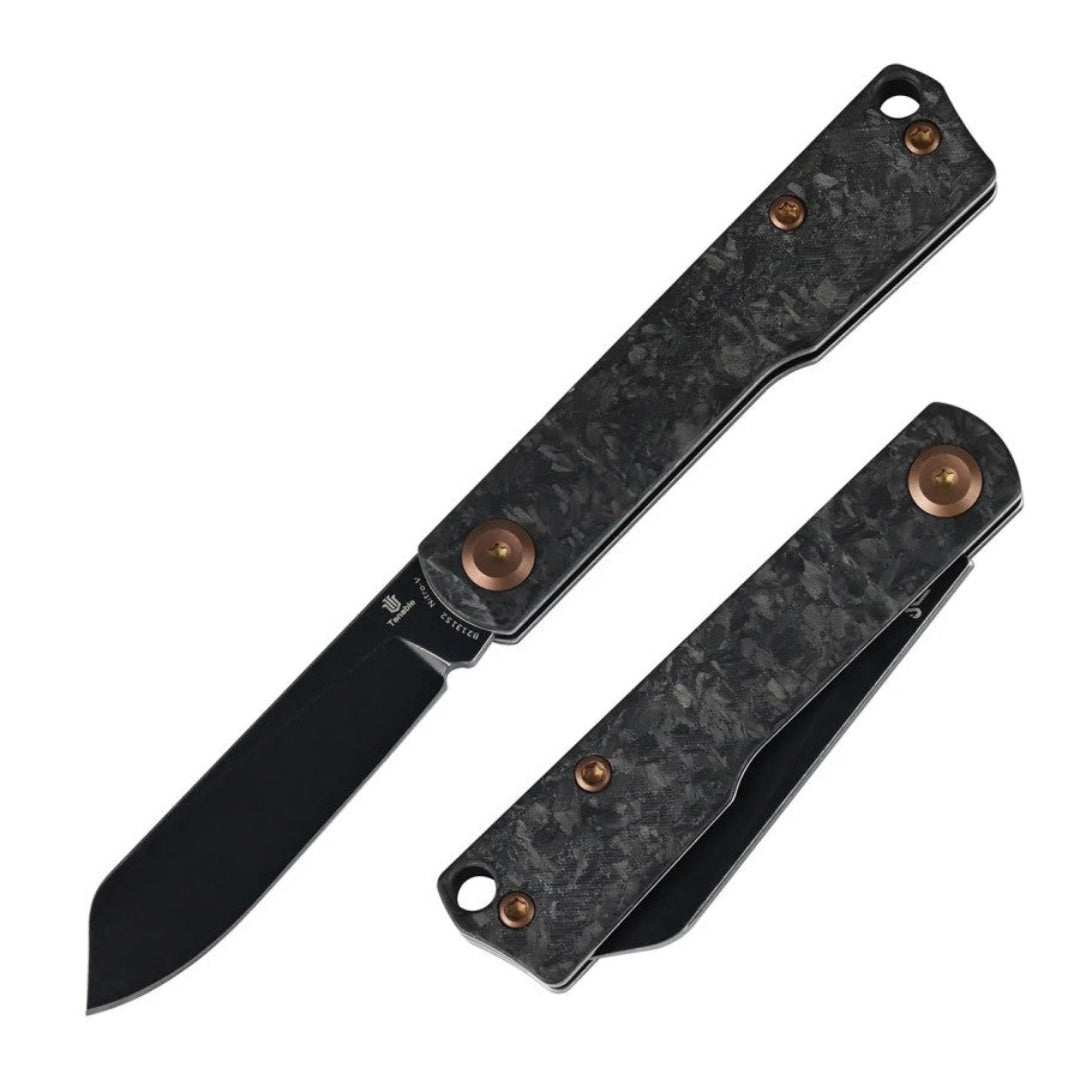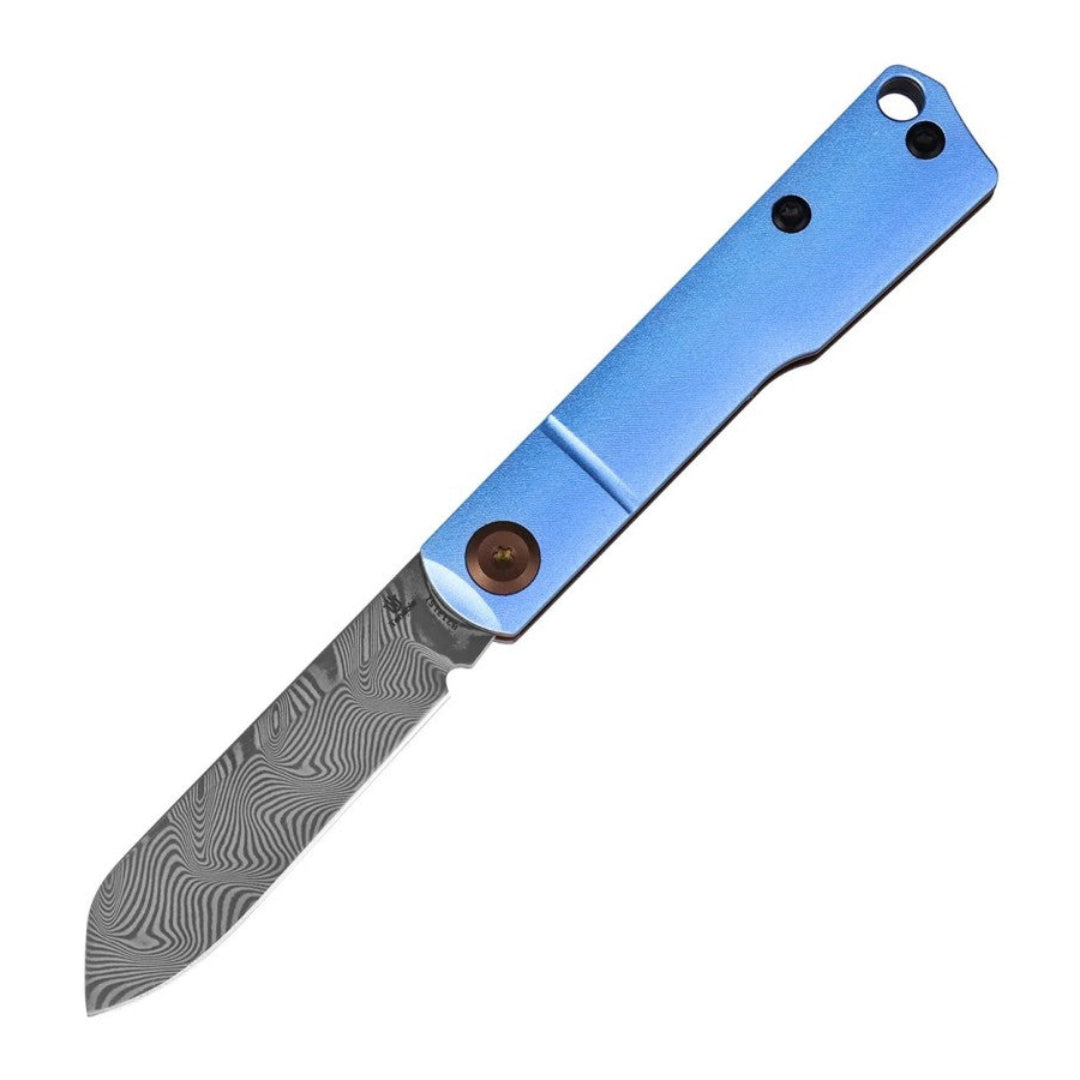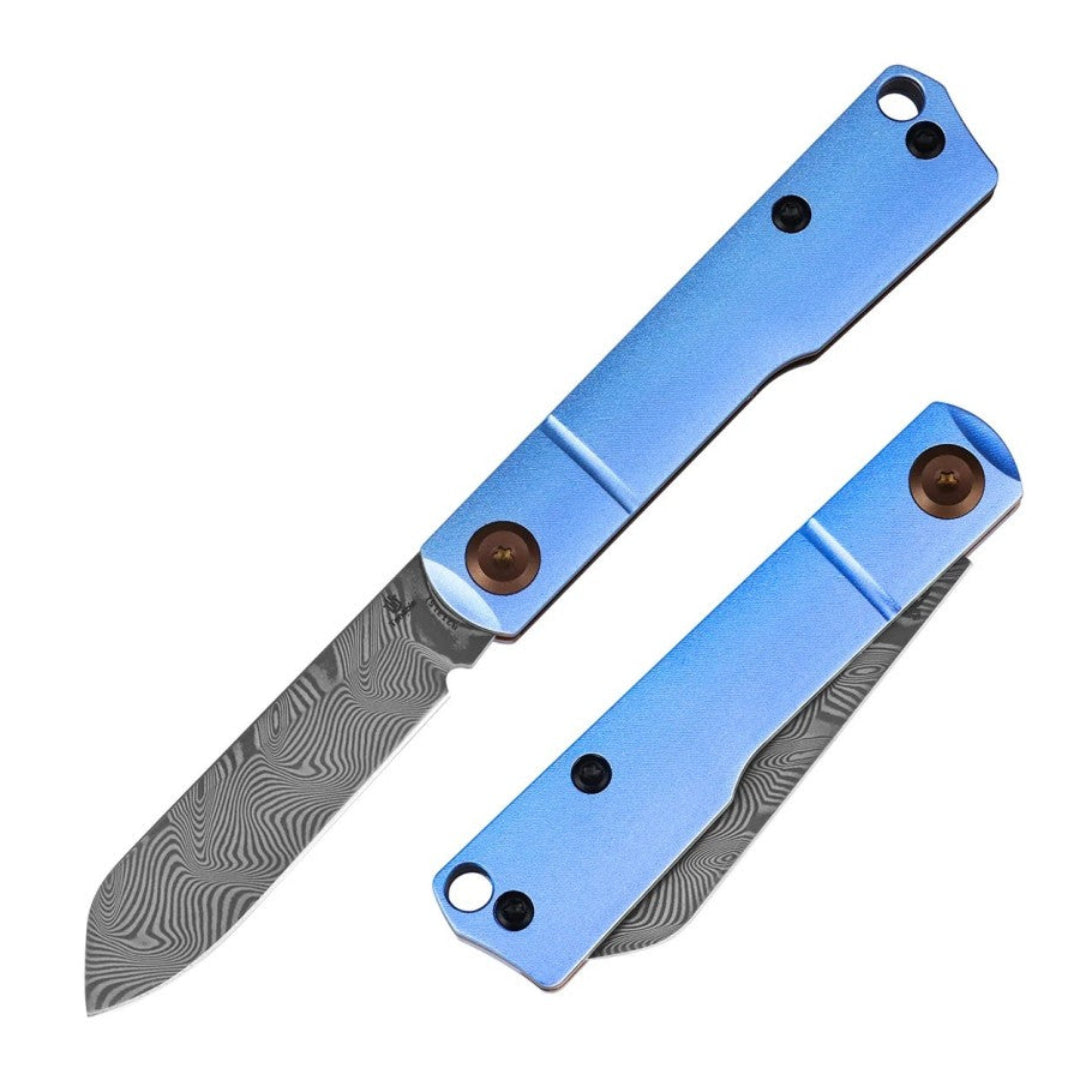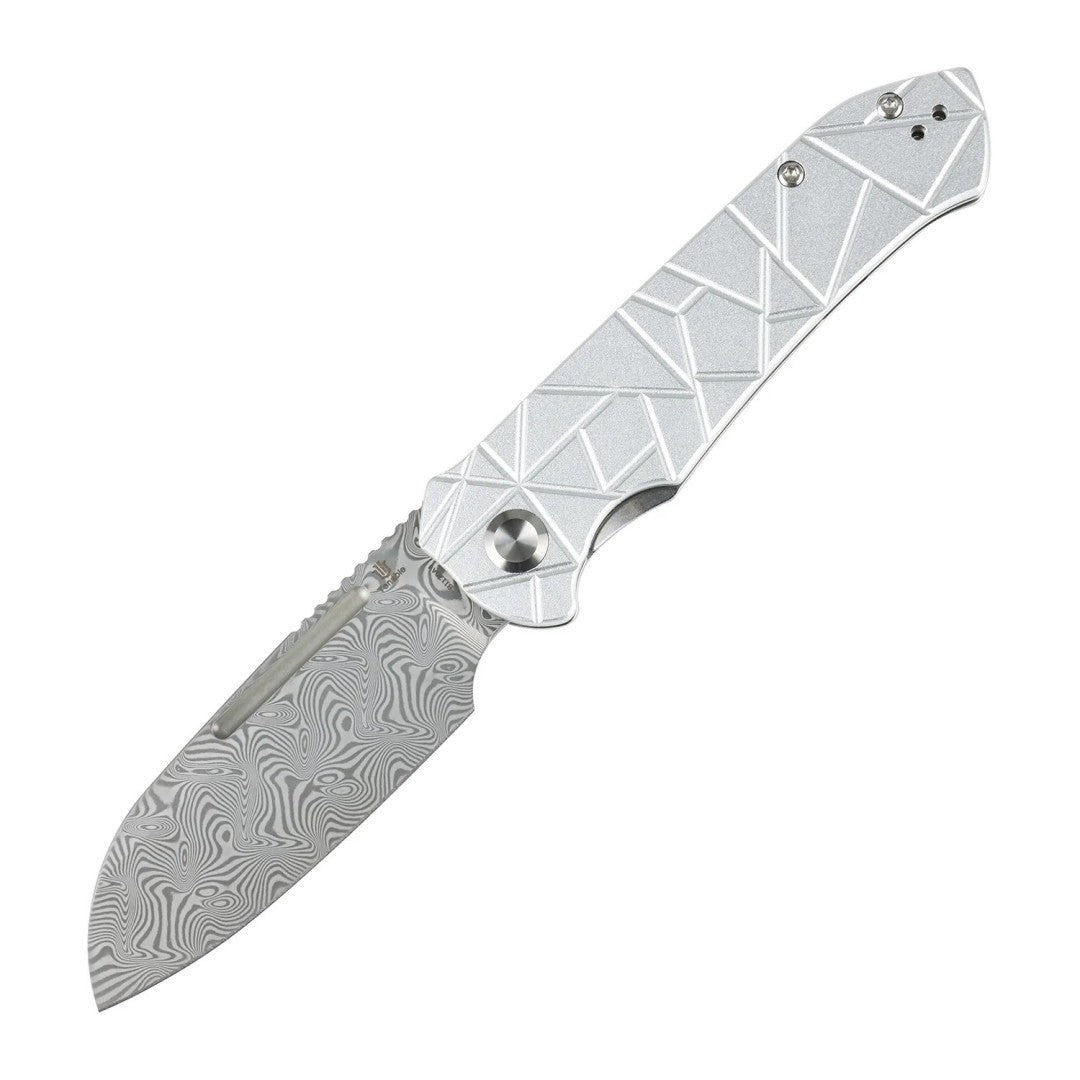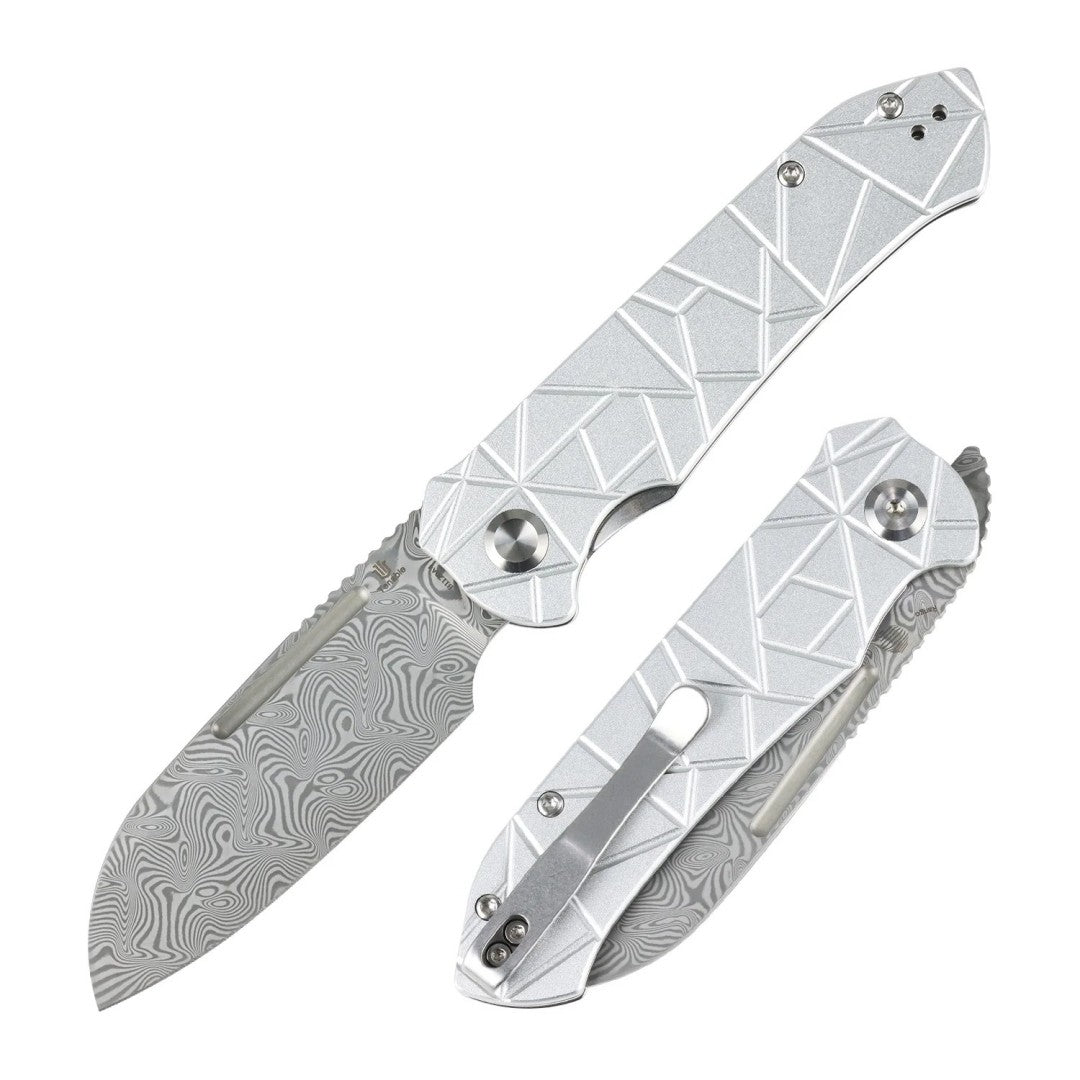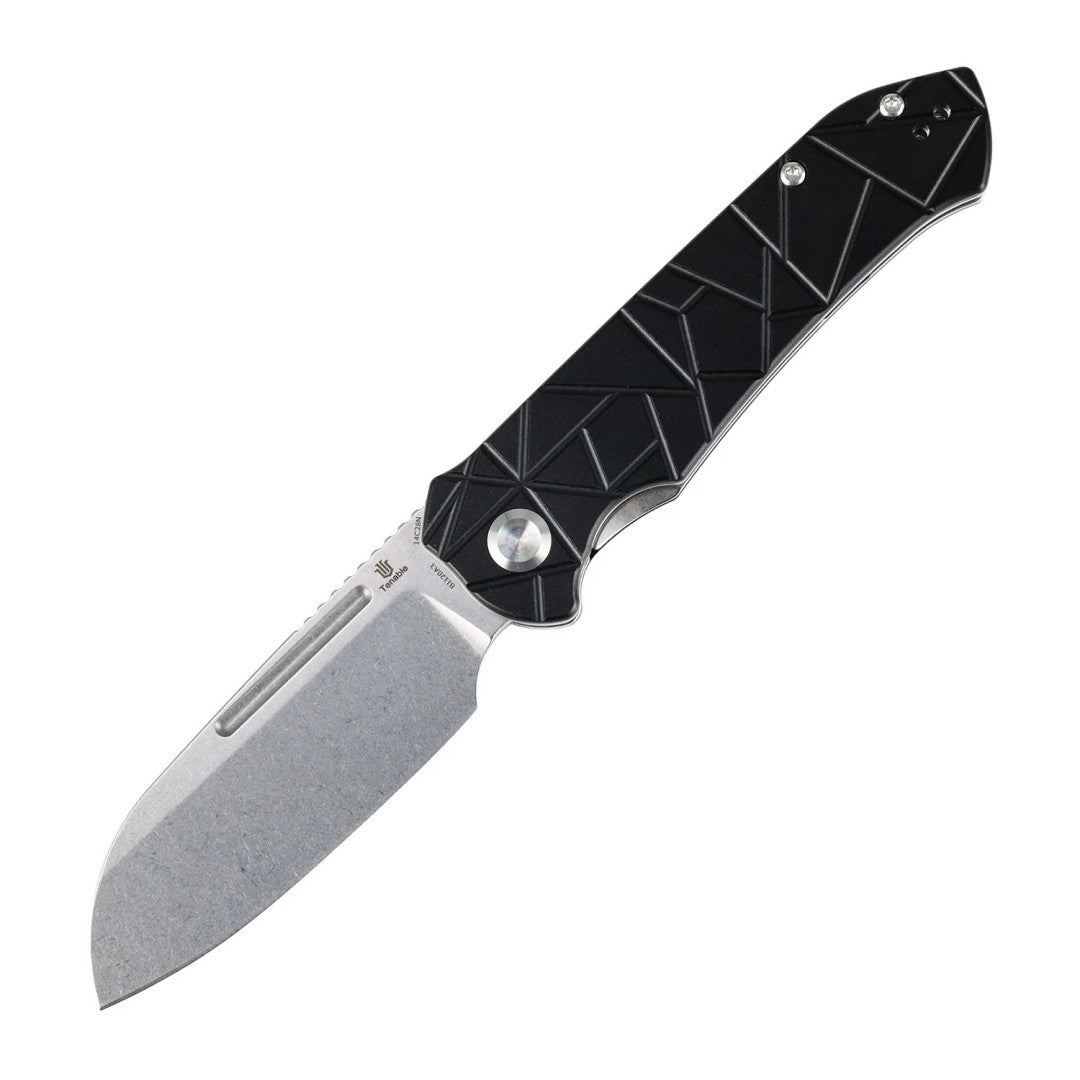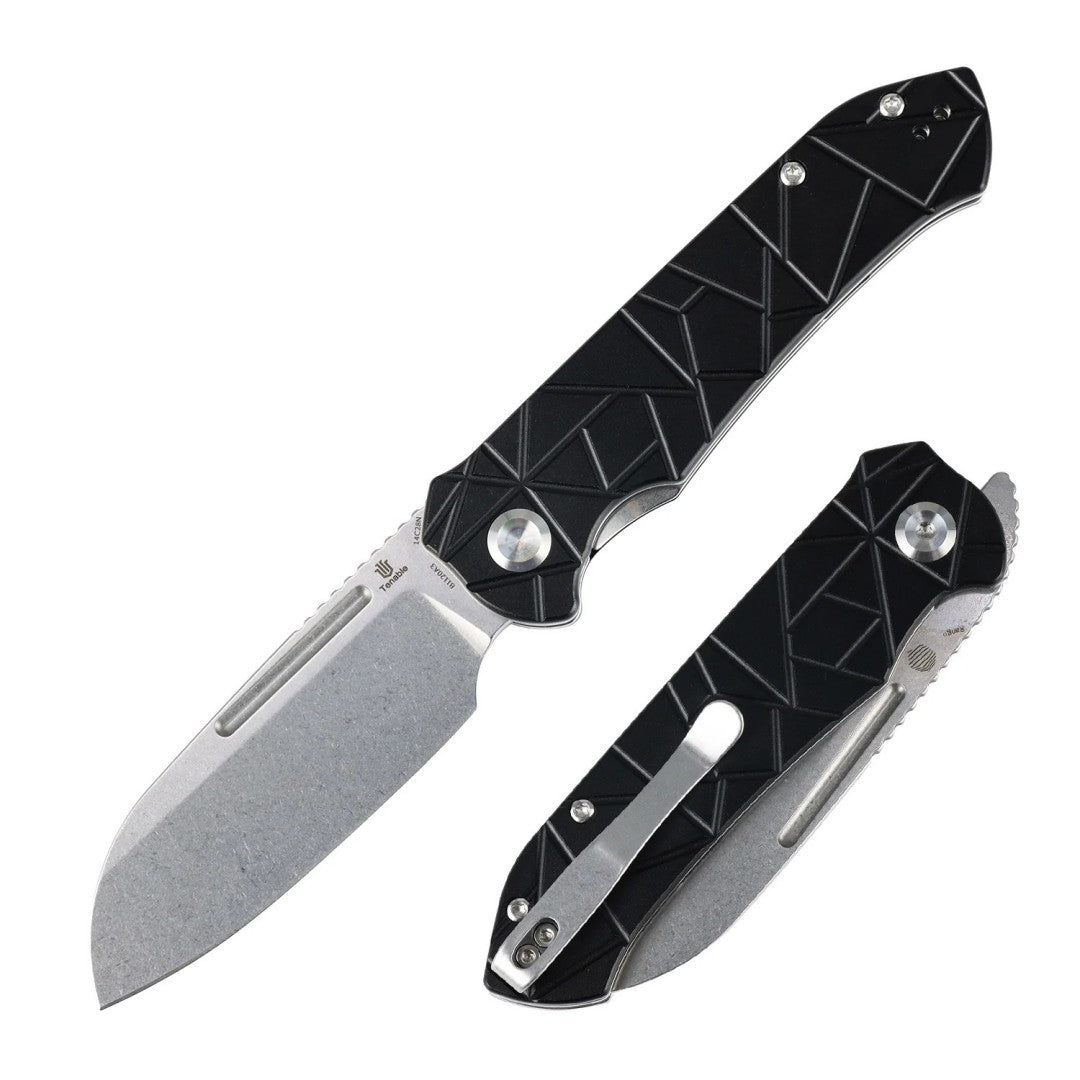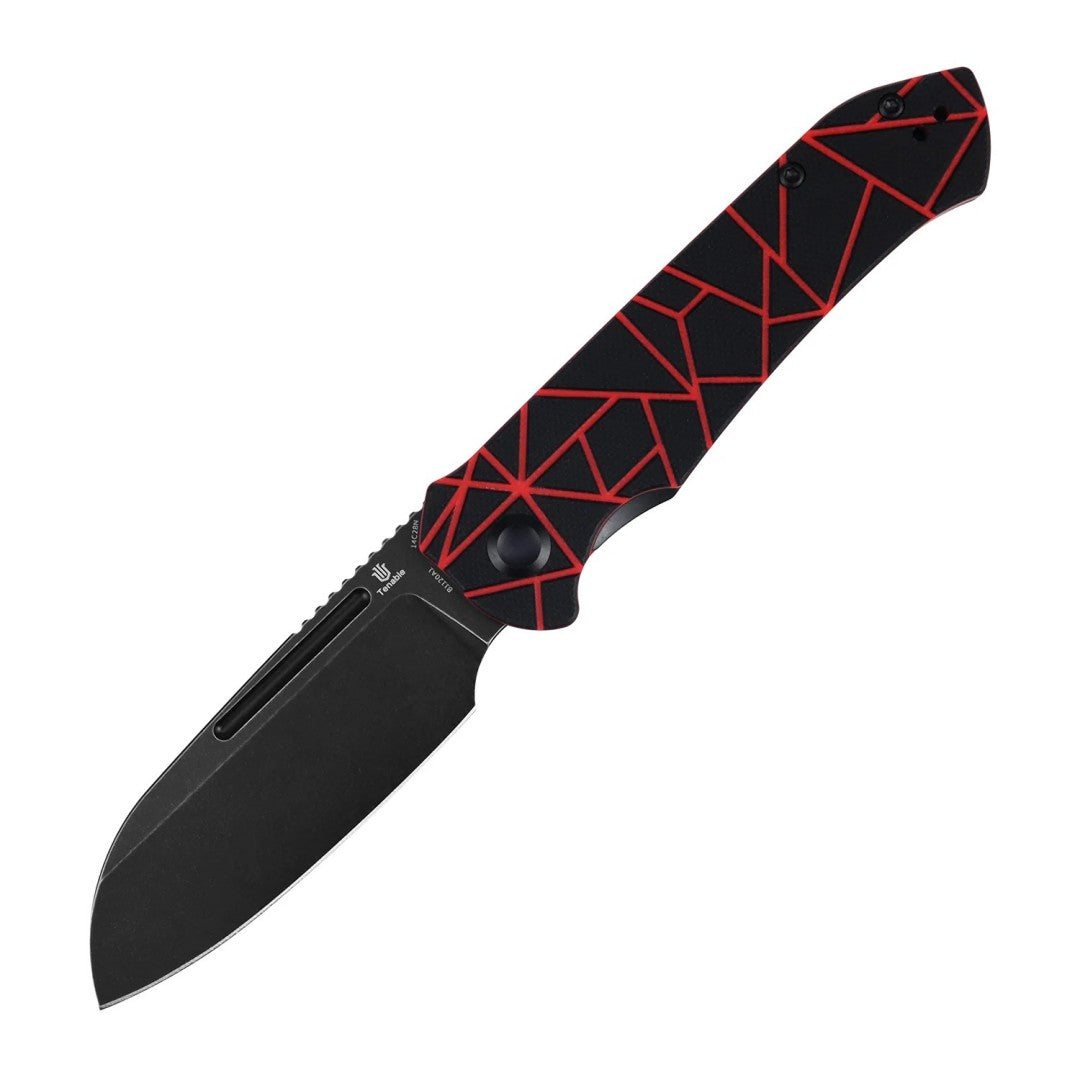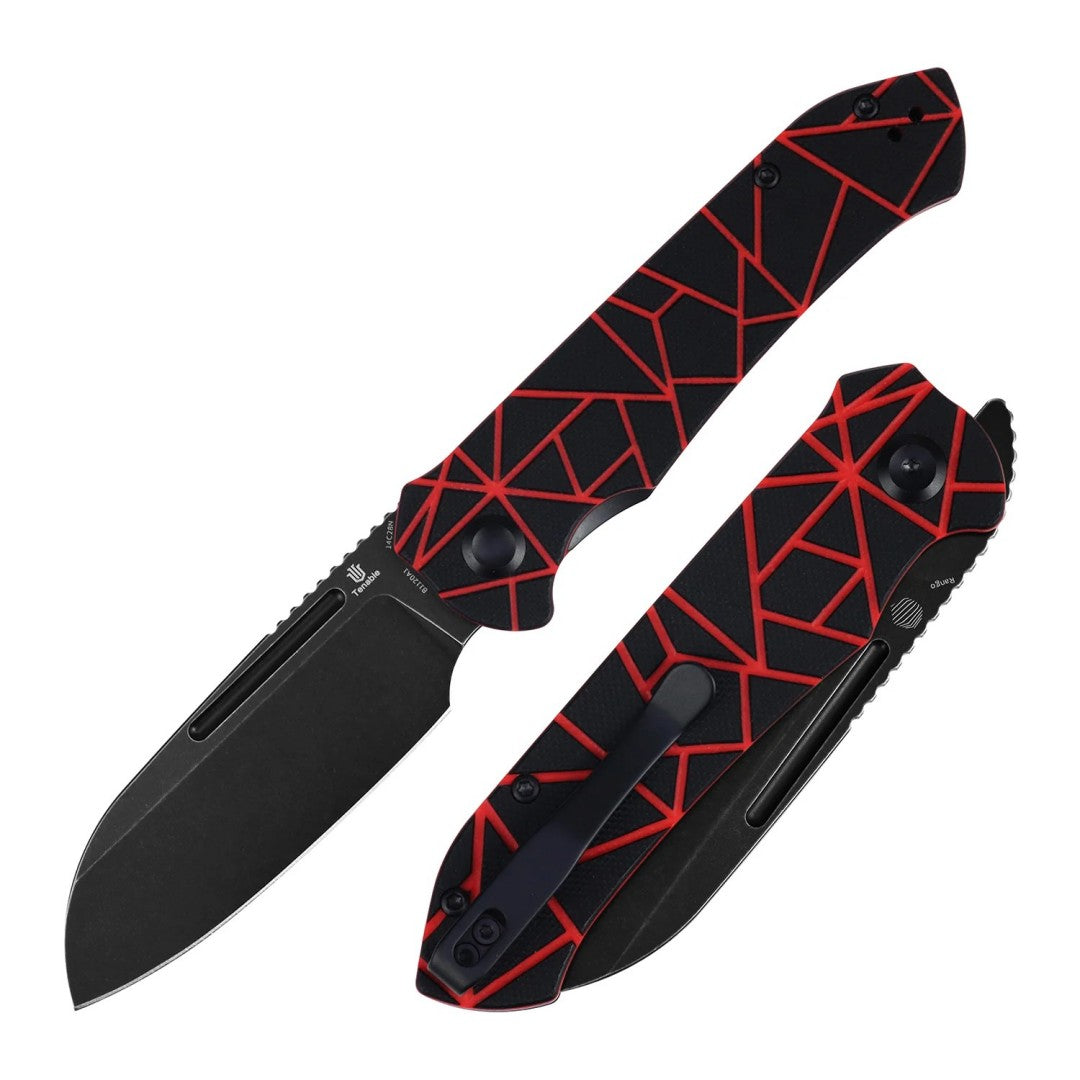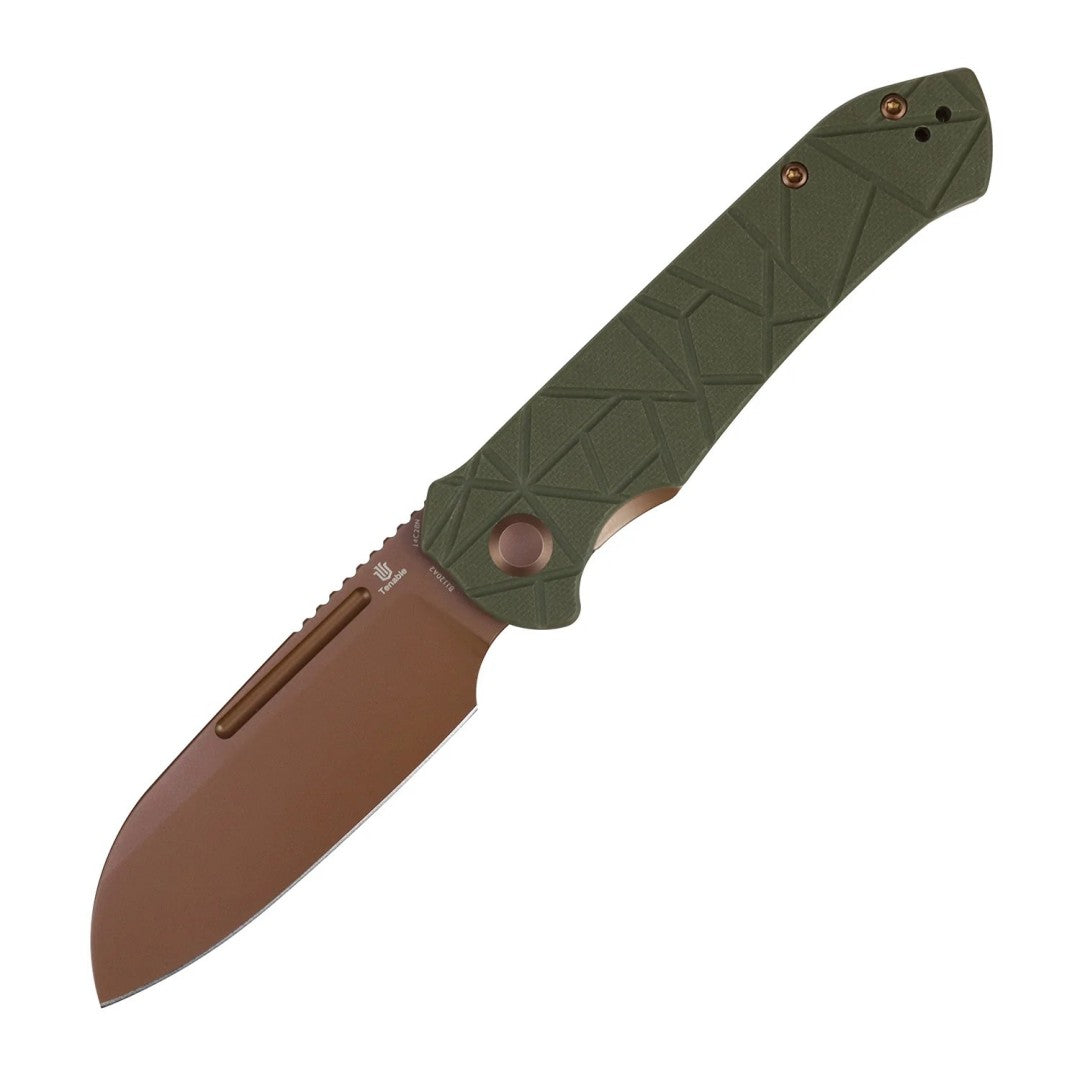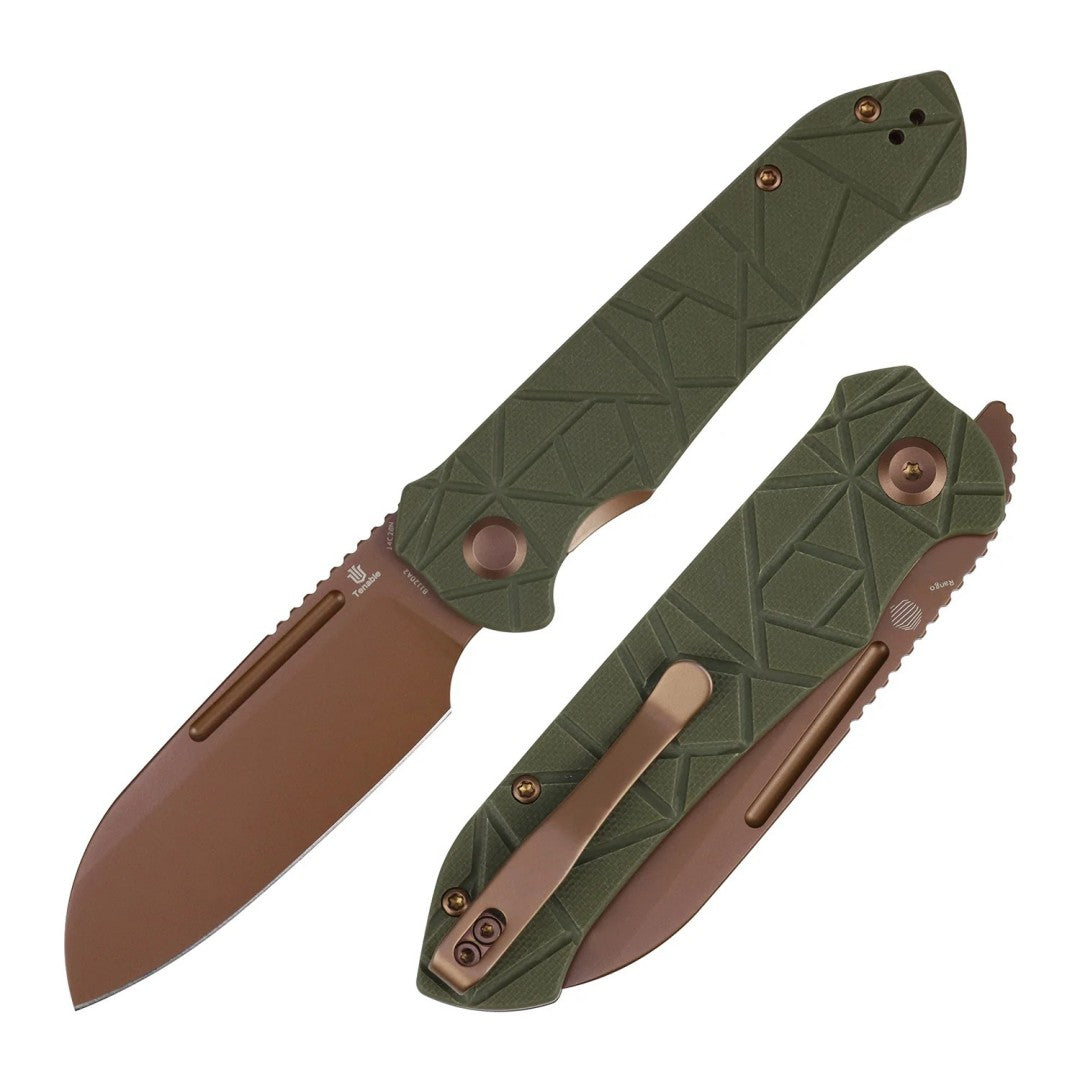
In the world of everyday carry (EDC) pocket knives, few blades have achieved the legendary status of the QSP Penguin. When it first launched, the original Penguin (V1) completely disrupted the budget knife market. It proved that you didn't need to spend triple digits to get a highly capable sheepsfoot blade, robust handle materials, and rock-solid reliability.
Because of its wild success, QSP quietly rolled out an updated version—the QSP Penguin V2. At first glance, these two folders look virtually identical, which has left many knife enthusiasts and retail shoppers incredibly confused. Is the V2 just a cosmetic change, or is it a complete mechanical overhaul?
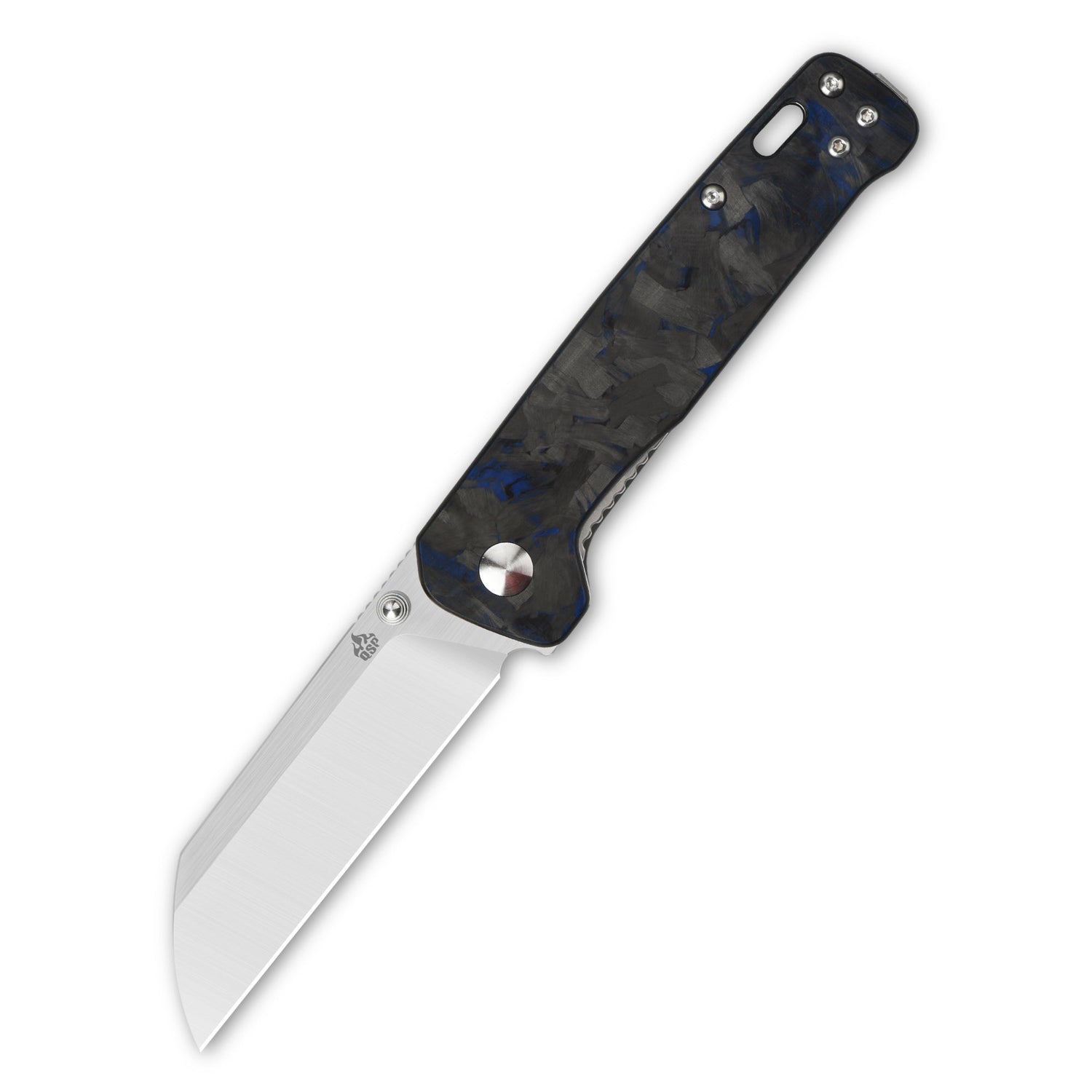

In this comprehensive QSP Penguin V1 vs. V2 comparison guide, we will break down every single hidden change, mechanical upgrade, and pocket-feel difference so you know exactly which version is right for your daily grind.
The Specs Snapshot: What Stayed the Same?
Before looking at the changes, it is important to understand that QSP did not want to ruin a masterpiece. The core blueprint remains completely untouched.
Both the V1 and V2 models share the exact same silhouette: An overall length of 7.125 inches, a closed footprint of 4.00 inches, and that incredibly utilitarian 3.125 inch straight-edged sheepsfoot blade shape. The neutral, boxy handle geometry remains identical, ensuring that the stellar ergonomics that accommodate all hand sizes are preserved.
The Key Differences: What Actually Changed?
While they look like twins on the outside, the internal mechanics and hardware choices create two entirely different user experiences. Here is everything you need to know about the evolution from V1 to V2.
1. The Pivot System (Washers vs. Ceramic Bearings)
This is the single most important mechanical distinction between the two versions and completely alters how the knife deploys.
-
QSP Penguin V1 (Classic): The original version runs on traditional phosphor bronze and copper washers. The deployment has a slow, deliberate, hydraulic-feeling resistance. It requires a firm thumb flick to pop open, mimicking the classic heavy-duty tool feel of older, industrial pocket knives.
-
QSP Penguin V2 (Upgraded): The V2 swaps out the bronze washers for a modernized caged ceramic ball bearing pivot system. This change gives the Penguin an incredible boost in speed. A light push on the dual thumb studs now launches the blade open instantaneously. It transforms the knife into a highly addictive, drop-shut "fidget toy" that snaps open with a crisp acoustic click.
2. The Pocket Clip Hardware (Domed vs. Recessed Screws)
If you carry a knife every day, you know that tiny details make a massive difference in terms of comfort.
The V1 features rounded, button-head screws that sit proudly on top of the deep-carry pocket clip. For users who wear heavy work denim or thick canvas pants, these proud screws can create a narrow bottleneck, causing the knife to snag, bite, or tear up the edge of the pocket hem over time.
QSP fixed this flaw on the V2 by counter-sinking the handle liners and scales, allowing the flat-head screws to sit perfectly flush and recessed inside the pocket clip cutout. Sliding the knife into and out of your pocket is now completely seamless and snag-free.
3. Steel and Handle Scale Diversity
When the V1 first dominated the market, it was known primarily as a D2 tool steel knife paired with linen micarta handle scales. While rugged and highly affordable, D2 is a semi-stainless steel that requires routine oil maintenance to prevent minor spot rusting.
With the launch of the V2 manufacturing line, QSP expanded the material lineup dramatically. The V2 generation regularly introduces incredibly robust stainless options like Sandvik 14C28N steel alongside premium configurations featuring titanium frame locks, shred carbon fiber, and vibrant canvas micartas.
Comparison Table: V1 vs. V2 At a Glance
| Feature / Upgrade | QSP Penguin V1 (Classic) | QSP Penguin V2 (Modernized) |
| Pivot Mechanism | Phosphor Bronze Washers | Caged Ceramic Ball Bearings |
| Deployment Feel | Slow, Smooth, Hydraulic | Fast, Snappy, Free-Falling |
| Pocket Clip Screws | Proud / Domed | Recessed / Flush |
| Pocket Snack Risk | Moderate (Depends on denim thickness) | Virtually Zero |
| Base Steel Options | Predominantly D2 Tool Steel | D2 and Sandvik 14C28N Stainless |
| Dirt/Lint Resistance | High (Hard for debris to jam washers) | Moderate (Bearings require occasional cleaning) |
Which Version Belongs in Your Pocket?
Now that you know the differences, the final decision comes down to your specific environment and how you prefer your folding knives to behave.
Why You Should Choose the V1 (Classic Washers)
The original bronze washer version is still actively produced and heavily loved by a specific segment of the community for a good reason: Durability in dirty environments.
Because phosphor bronze washers form a solid, enclosed sandwich barrier around the pivot, it is incredibly difficult for pocket lint, sand, sawdust, mud, or drywall dust to compromise the action. If you work on a dusty construction site, do heavy landscaping, or take your knife into the muddy wilderness, the V1 is much easier to maintain and far less likely to jam up in harsh conditions.
Why You Should Choose the V2 (Ceramic Bearings)
If you are primarily using your knife in urban, suburban, or office environments, the V2 is a massive quality-of-life upgrade.
The ceramic ball bearing action is lightyears ahead of the original in terms of deployment speed and pure fun. If you find yourself mindlessly opening and closing your pocket knife while sitting at your desk, the snappy dropping action of the V2 is incredibly satisfying. Furthermore, if you wear delicate clothing or thin trousers, the recessed pocket clip screws completely eliminate the worry of fraying your fabric.
Conclusion
The evolution from the QSP Penguin V1 to the V2 is a masterclass in how a manufacturer should listen to customer feedback. QSP left the perfect ergonomics and hyper-capable sheepsfoot blade completely intact, while modernizing the internals to match high-end modern standards.
If you want a rugged, dirt-resistant workhouse tool, stick with the classic V1 on washers. But if you want a lightning-fast, drop-shut action with premium pocket ergonomics, the V2 on ceramic bearings is absolutely worth the pick.
Frequently Asked Questions (FAQ)
1. Can I swap the ceramic bearings from a V2 into a V1 Penguin?
No. The interior liners of the V1 and V2 are milled out differently. The V2 features a specific circular recessed pocket to house the caged ceramic ball bearing washers, which is completely absent on the solid flat liners of the V1.
2. Is 14C28N steel on the V2 better than the D2 steel on the V1?
For everyday carry, yes. While D2 tool steel holds an edge slightly longer, Sandvik 14C28N stainless steel offers vastly superior corrosion resistance and high toughness. This means the V2 is much harder to chip and will not rust from pocket sweat.
3. Does the V2 bearing system make the knife slide open in the pocket by accident?
No. QSP precisely tuned the internal detent ball on the V2. The blade remains completely secure and locked inside the handle scales when closed, requiring a deliberate press on the thumb studs to break the detent resistance.