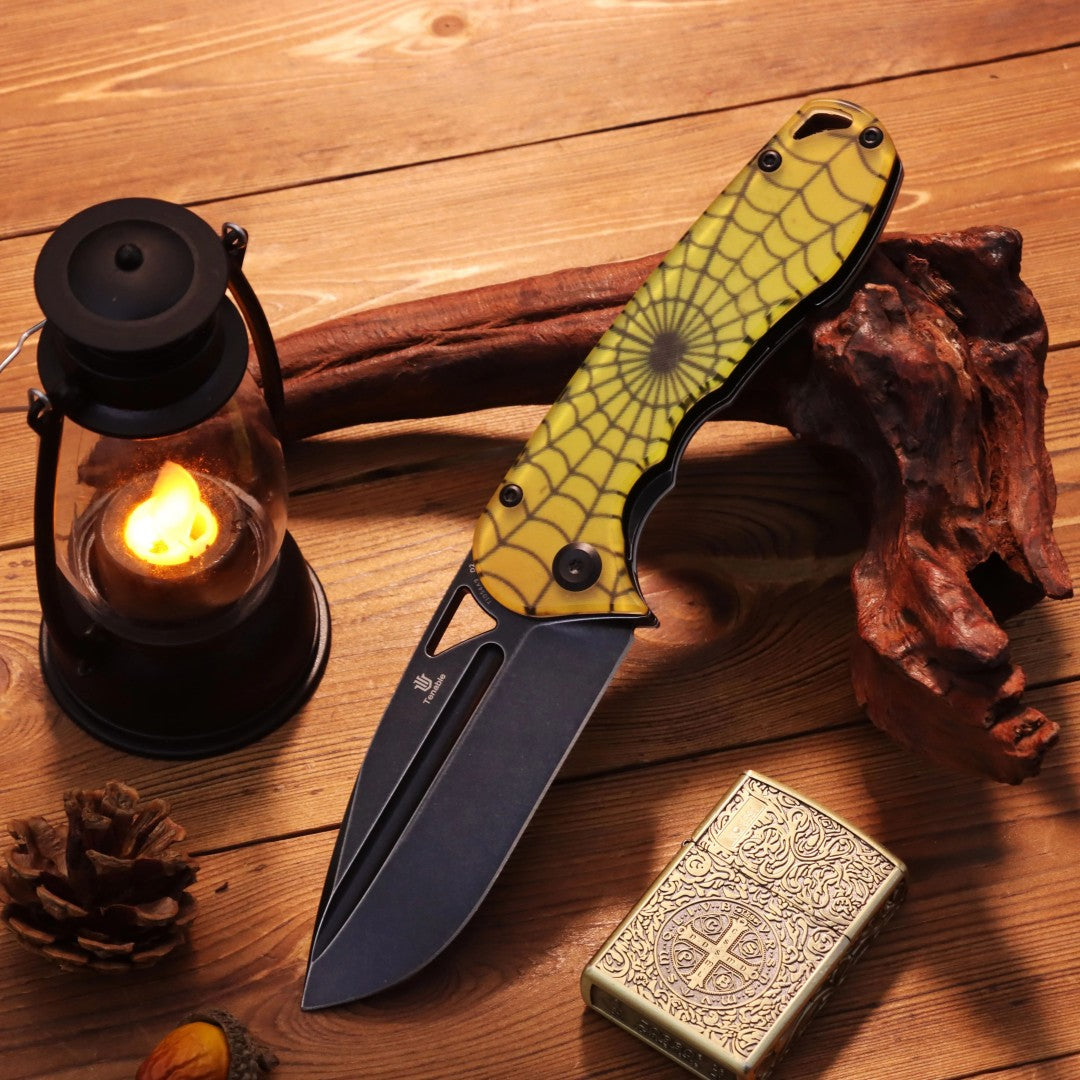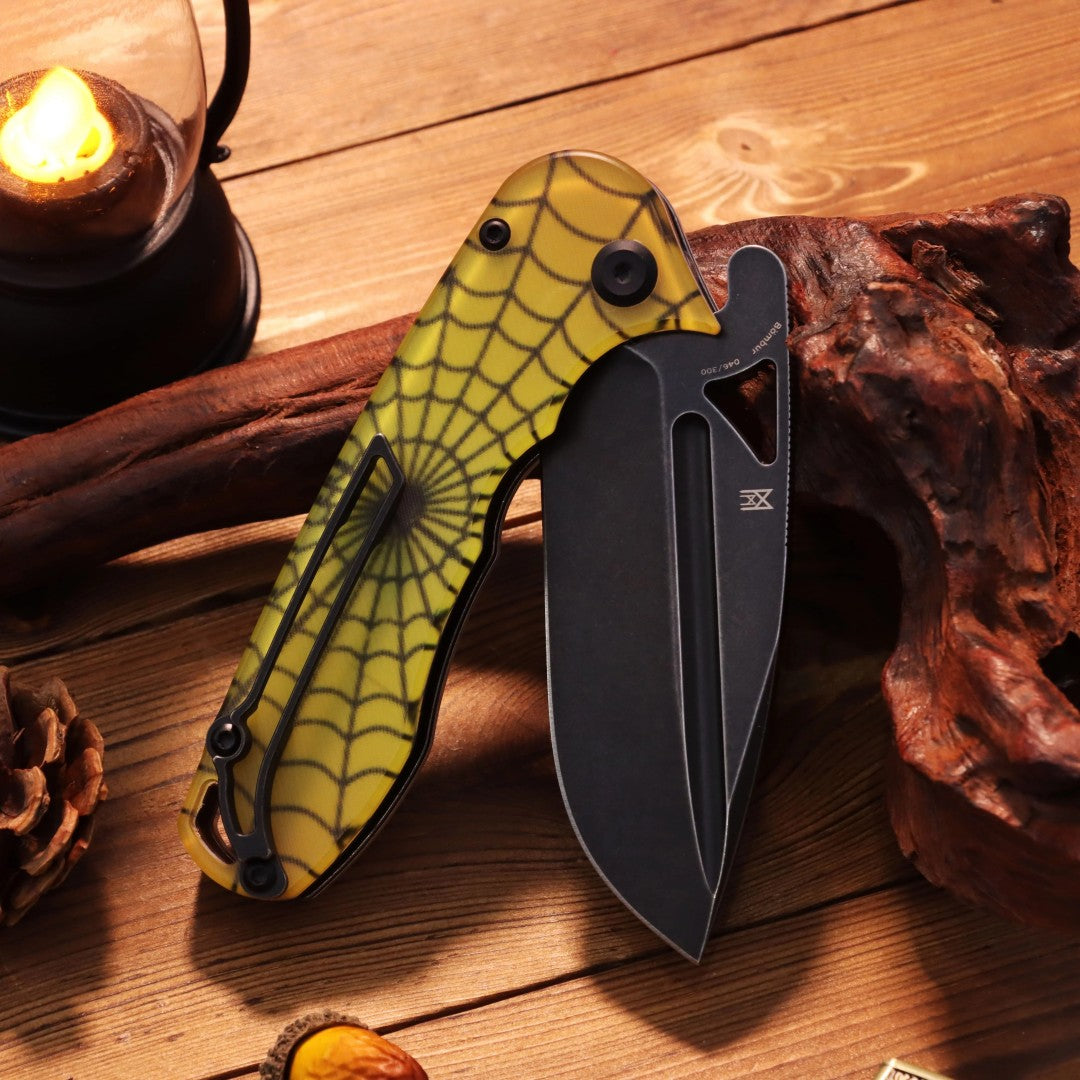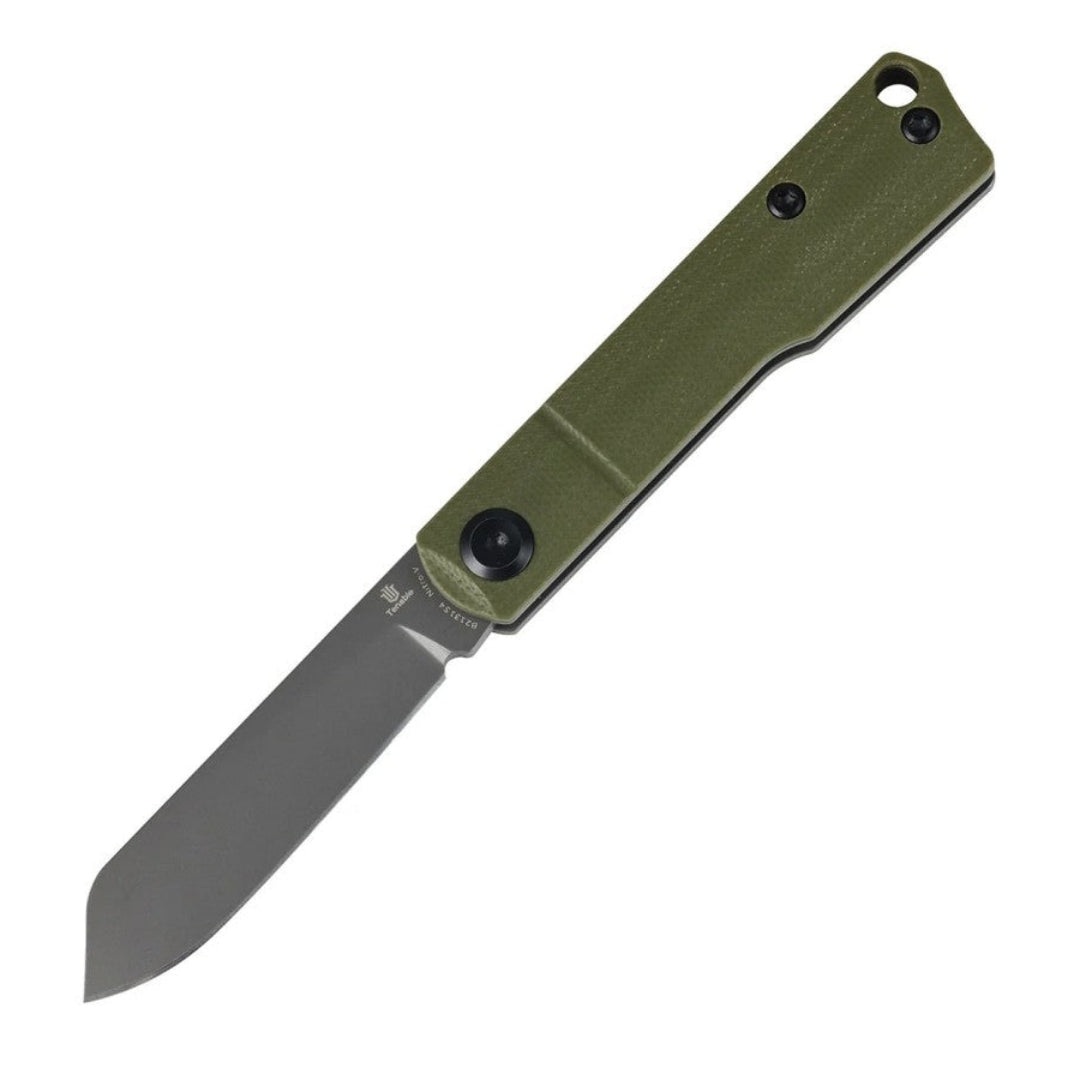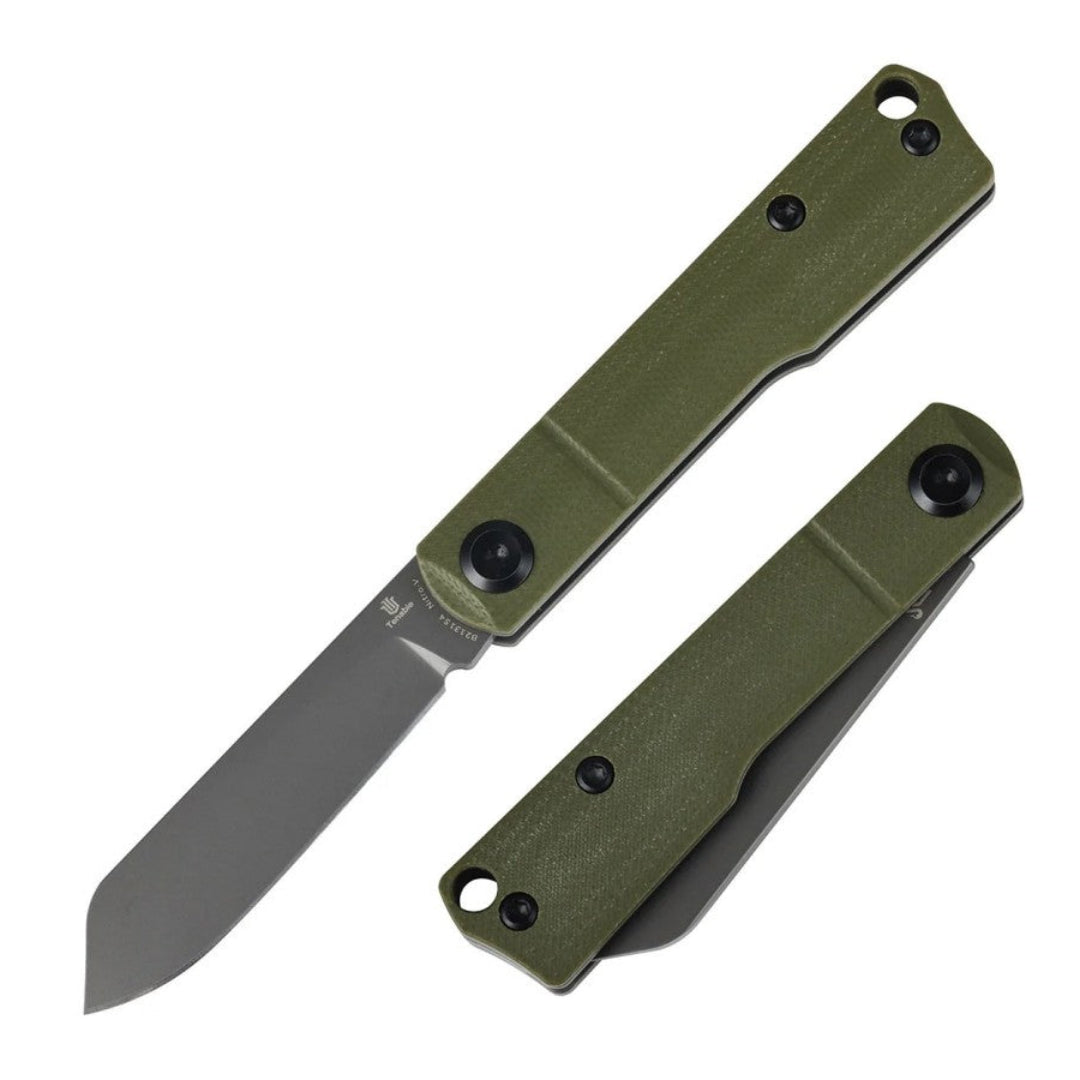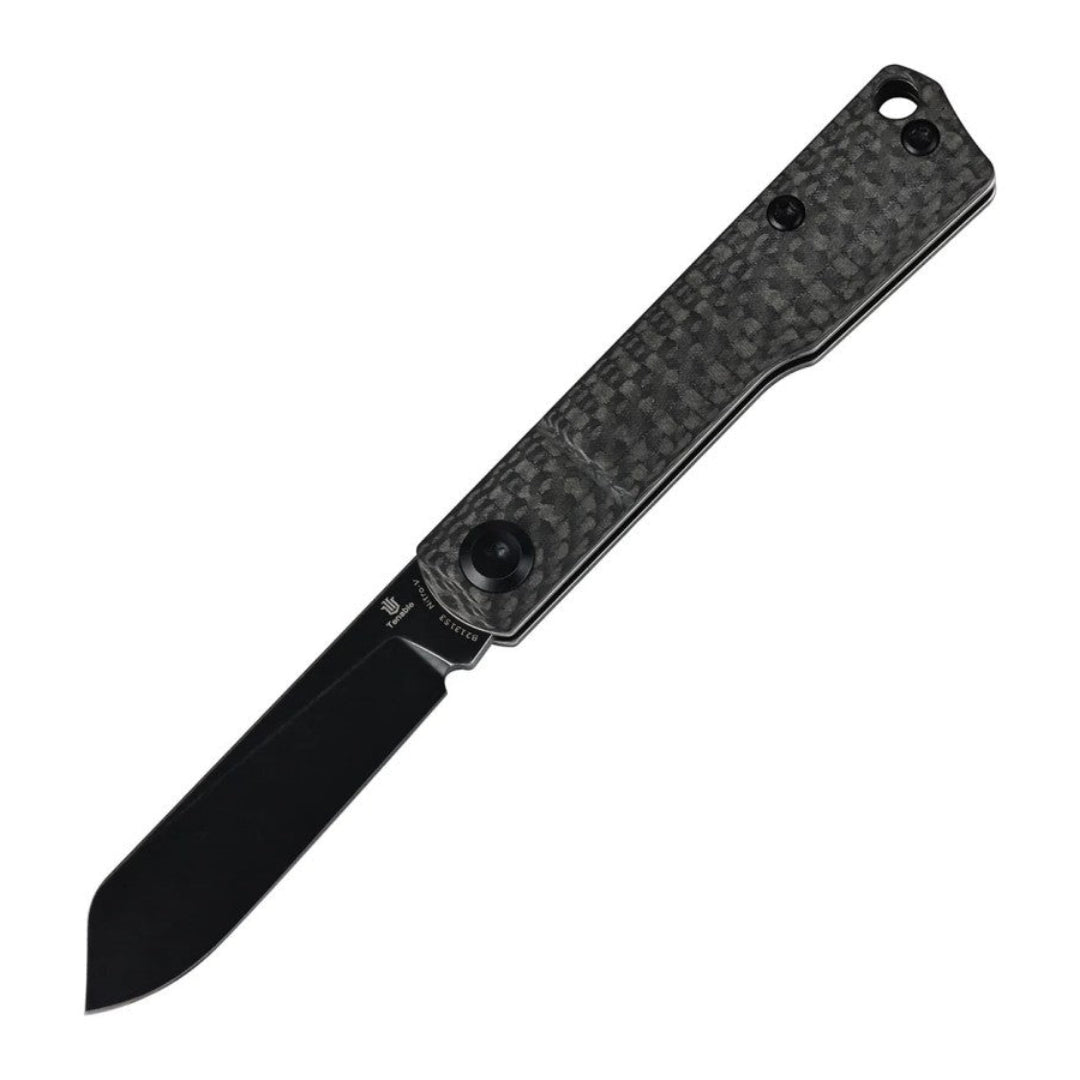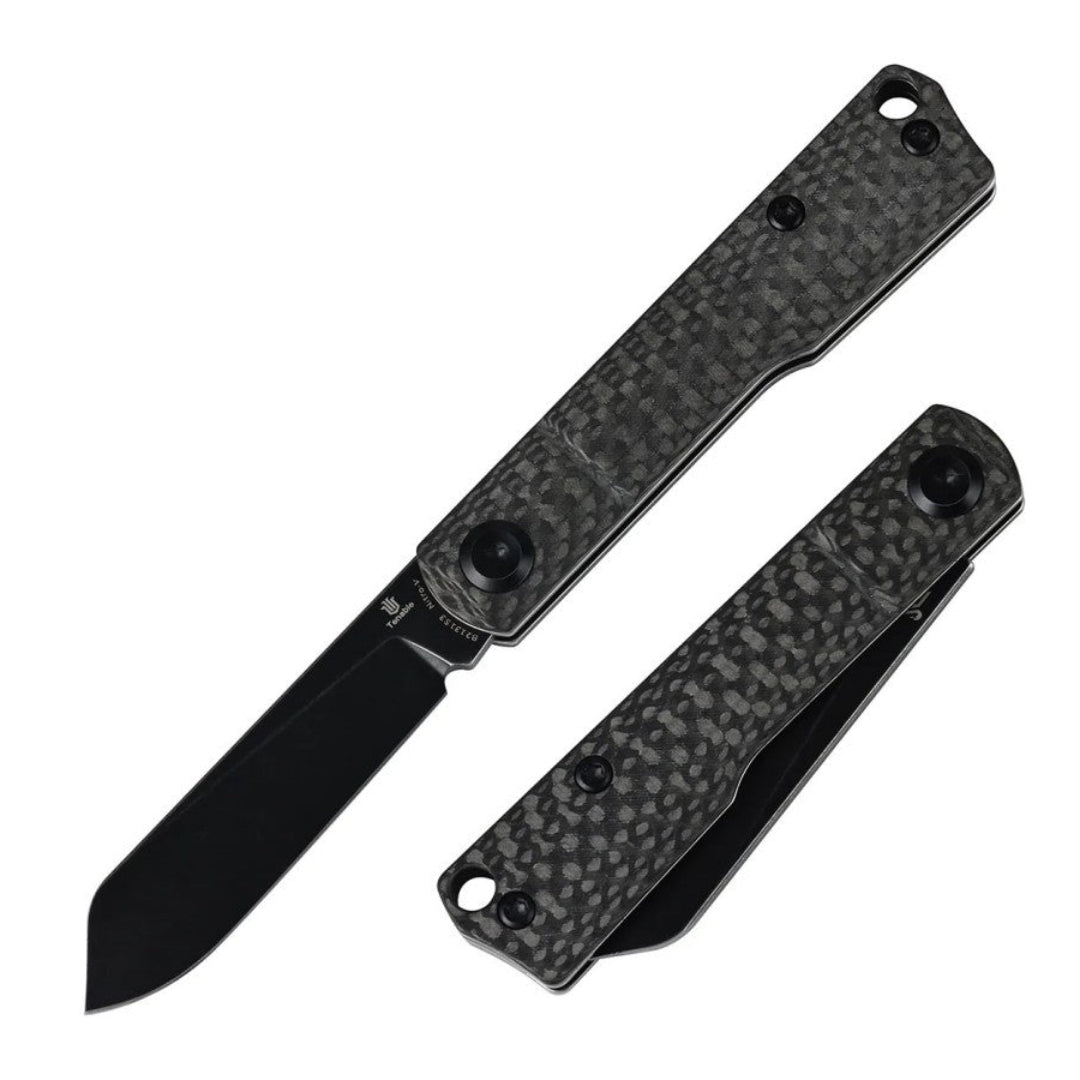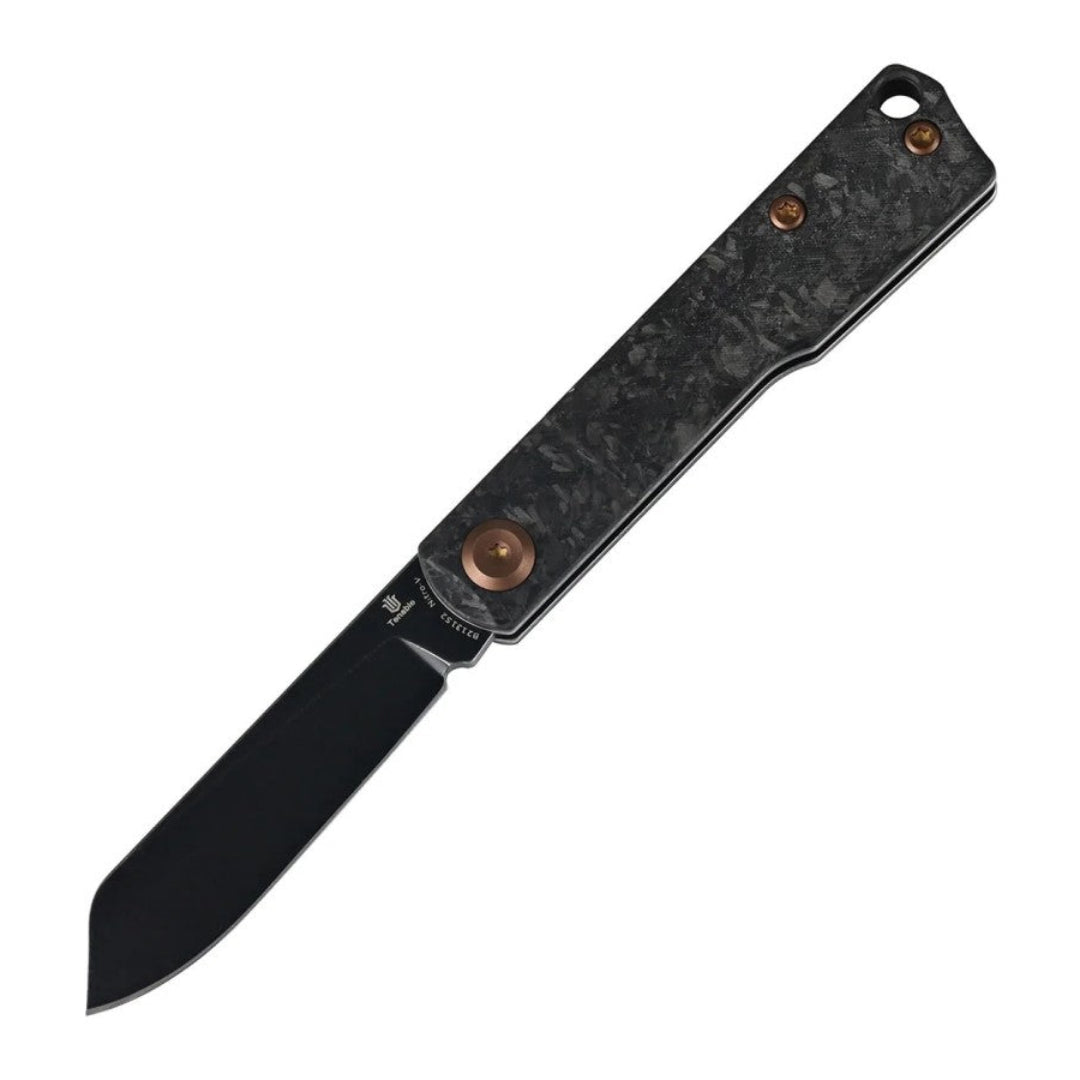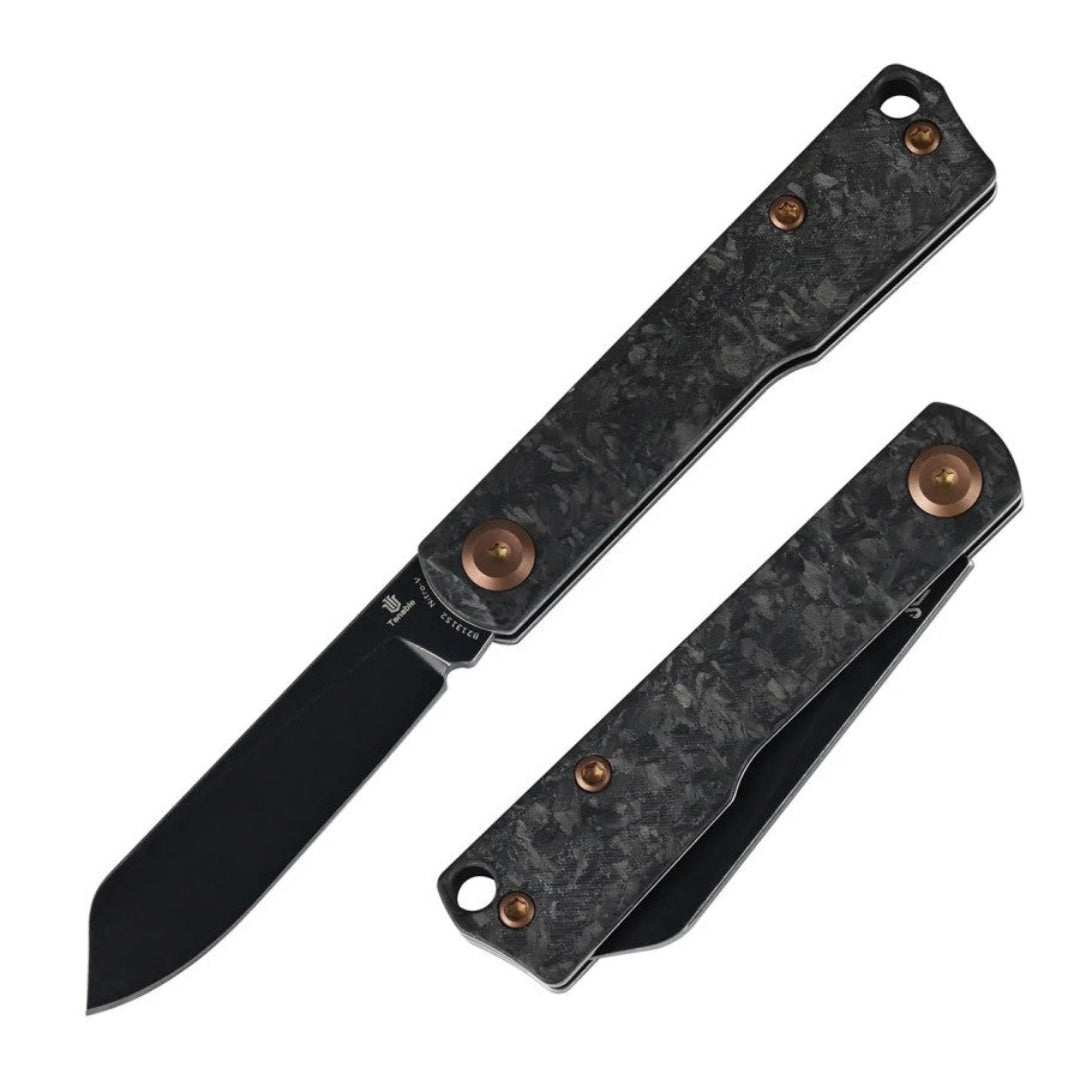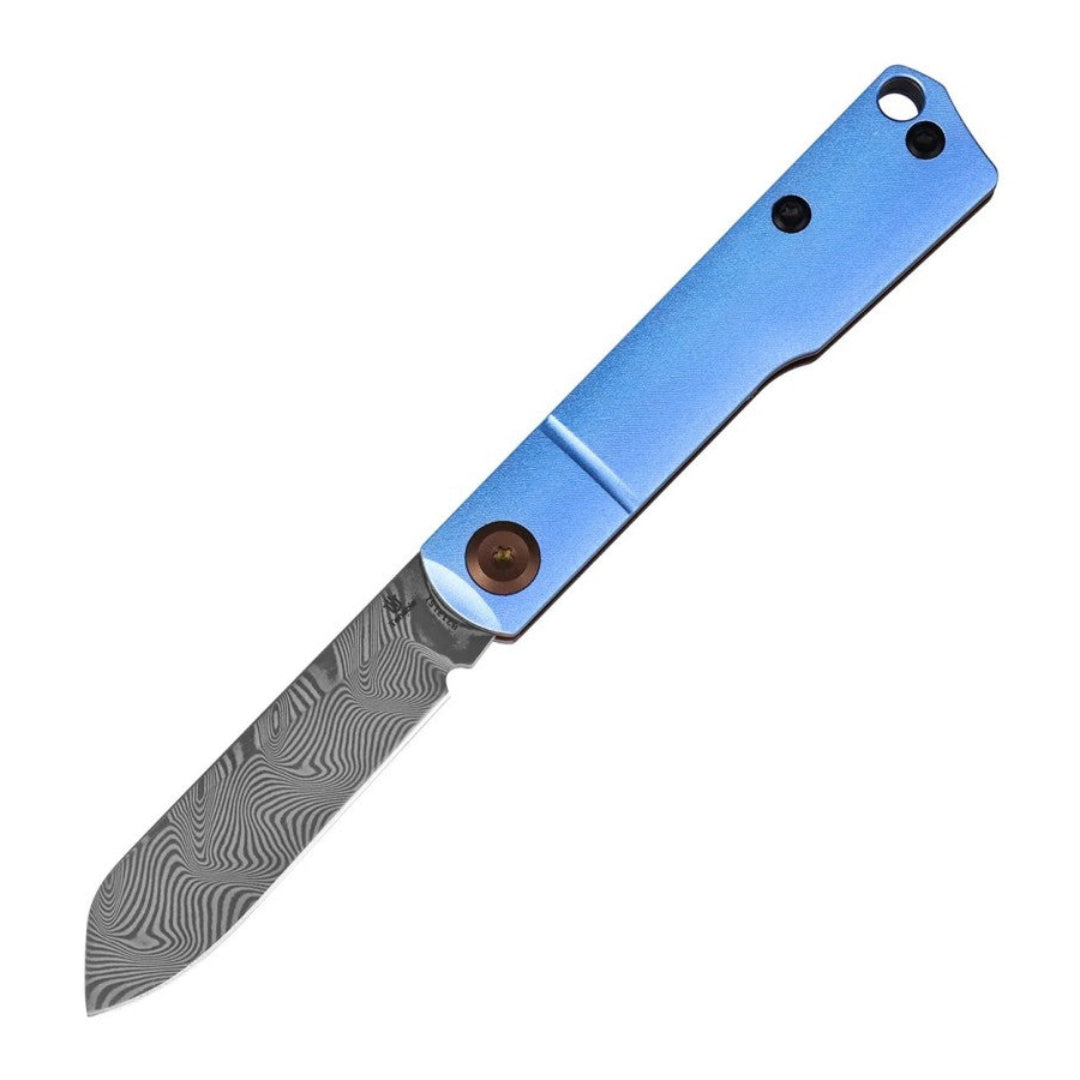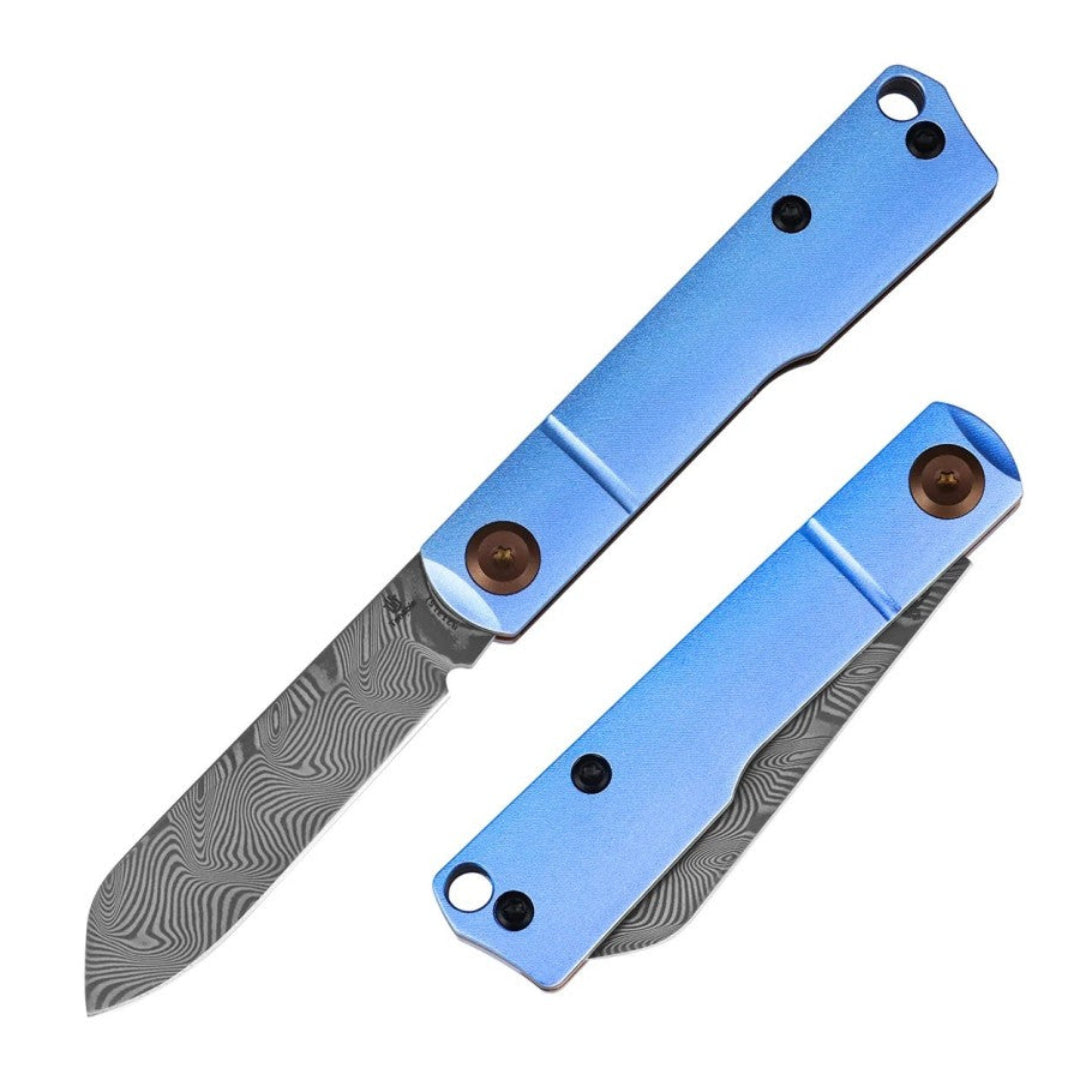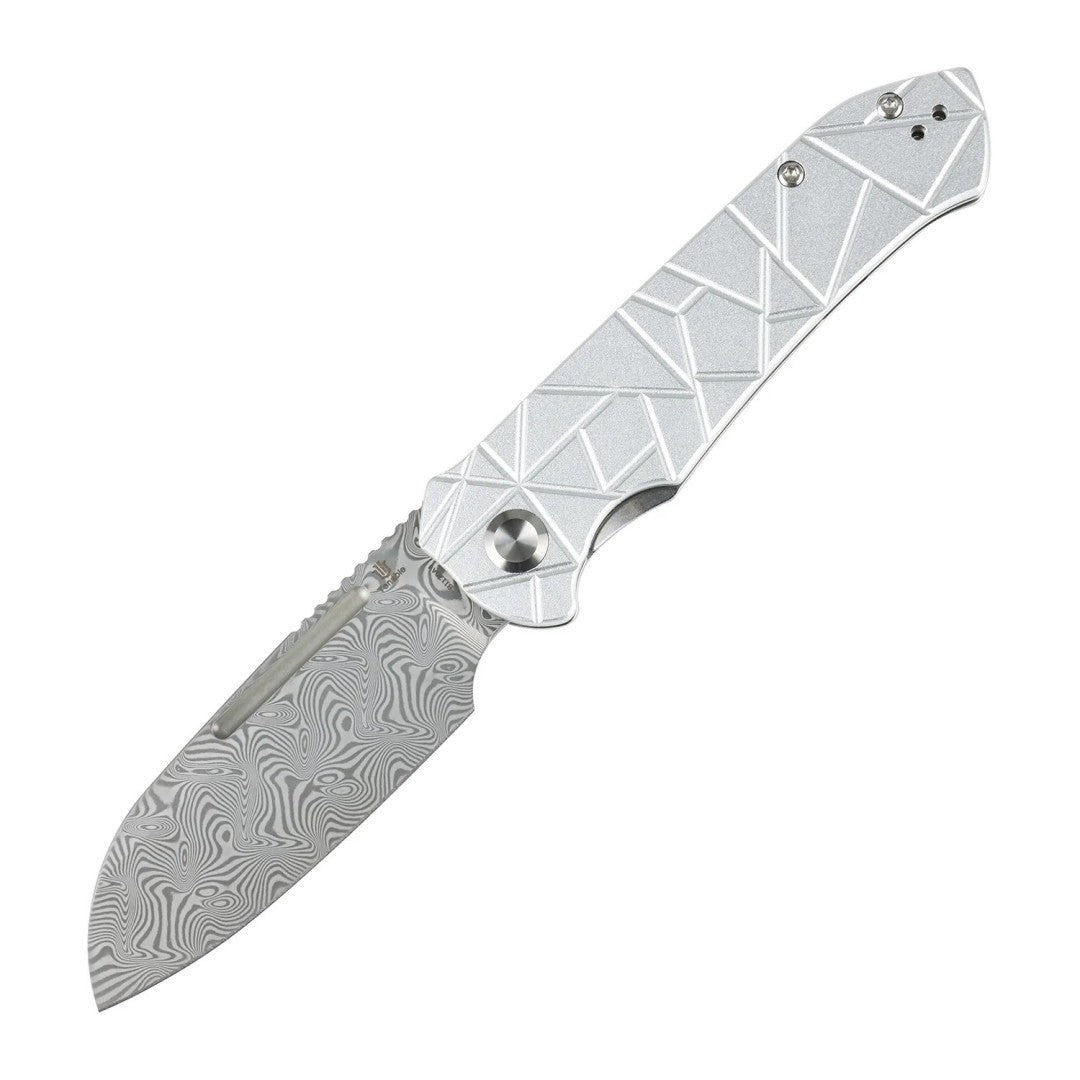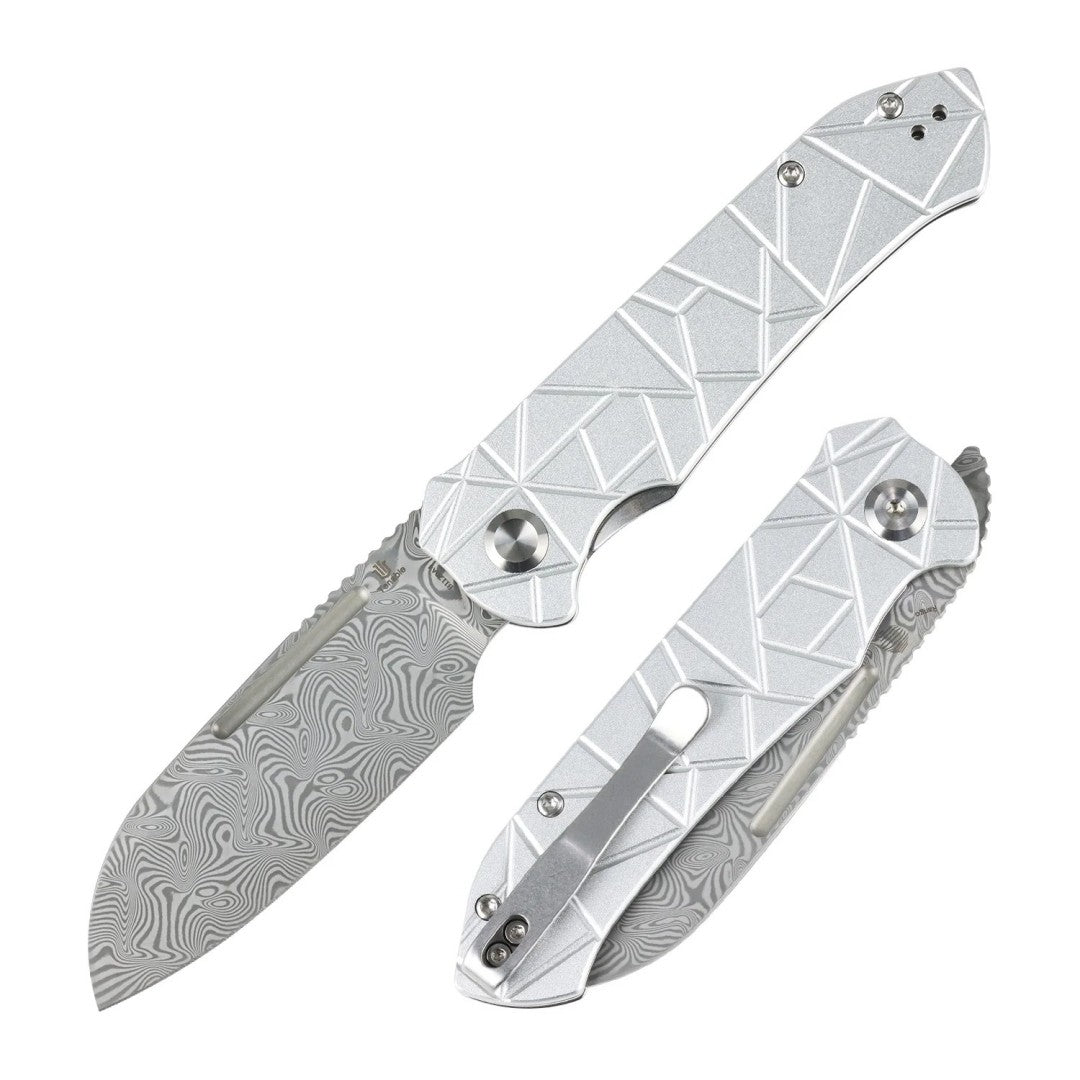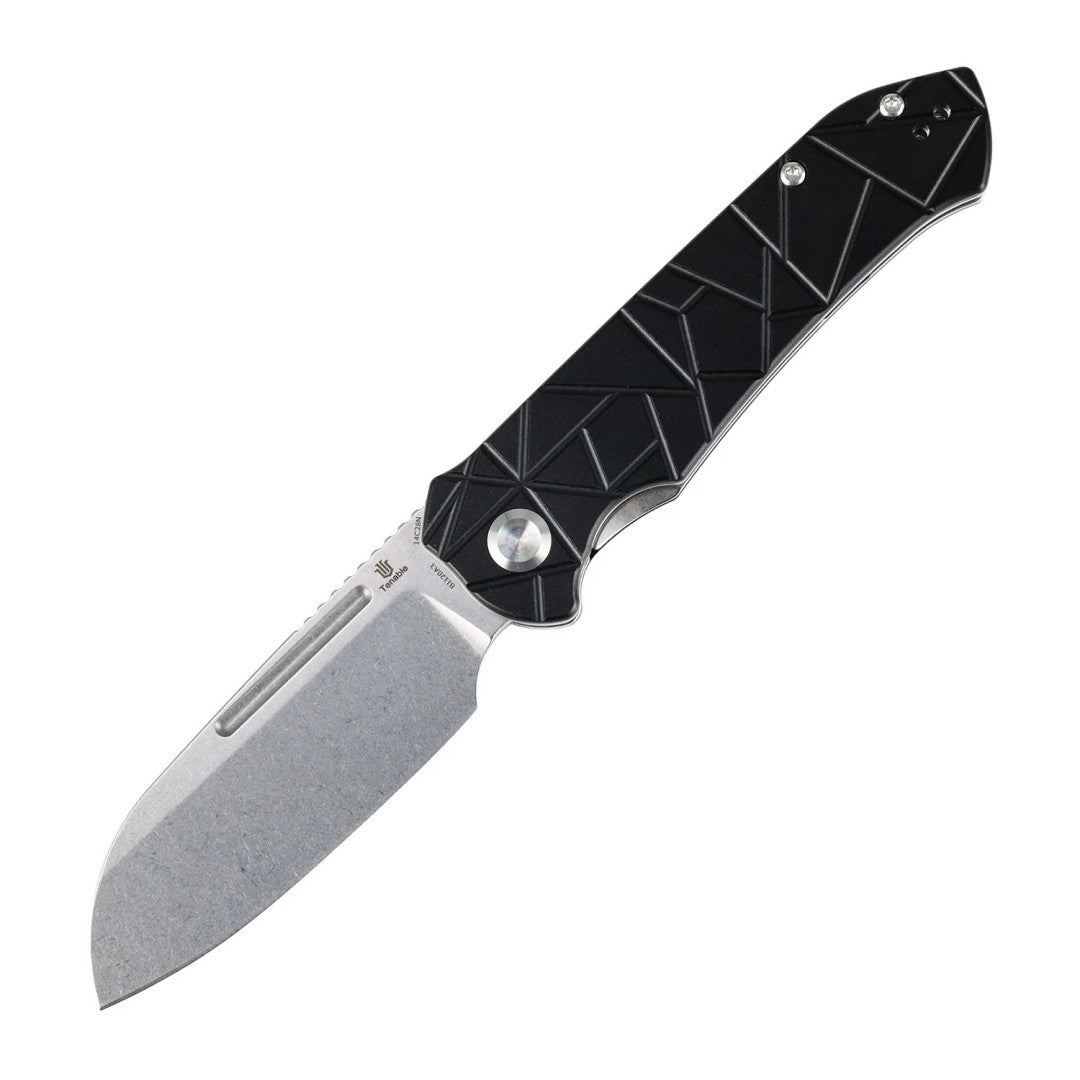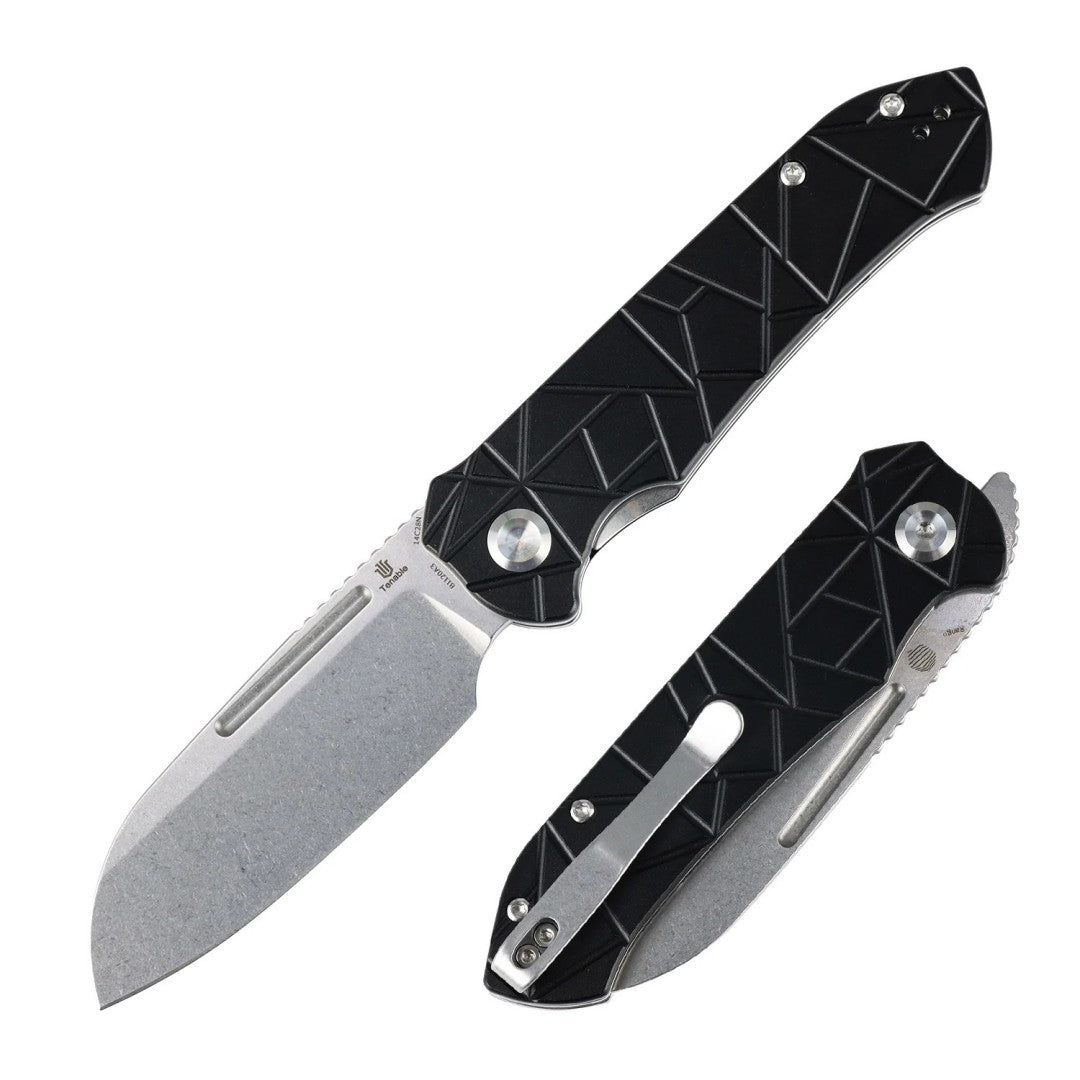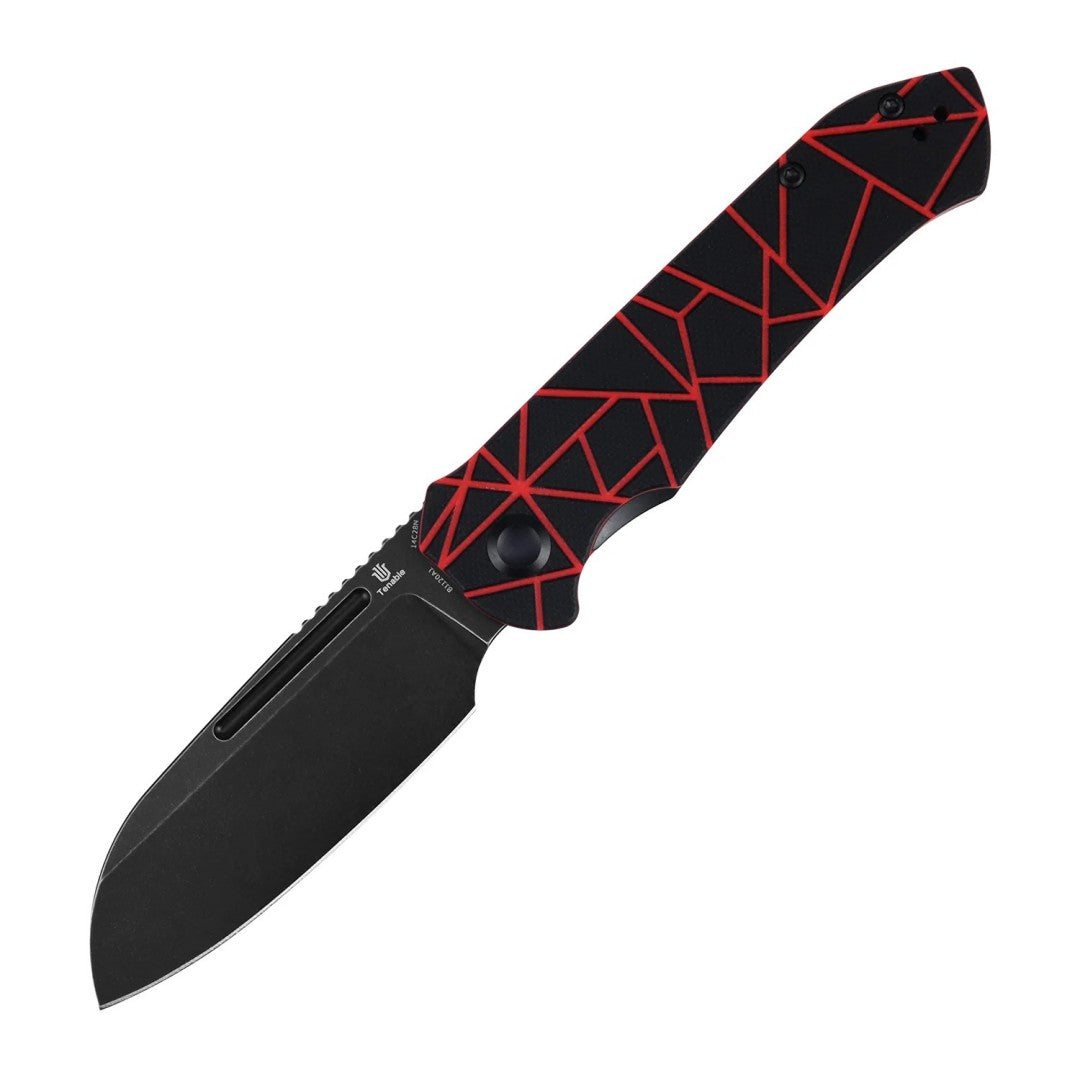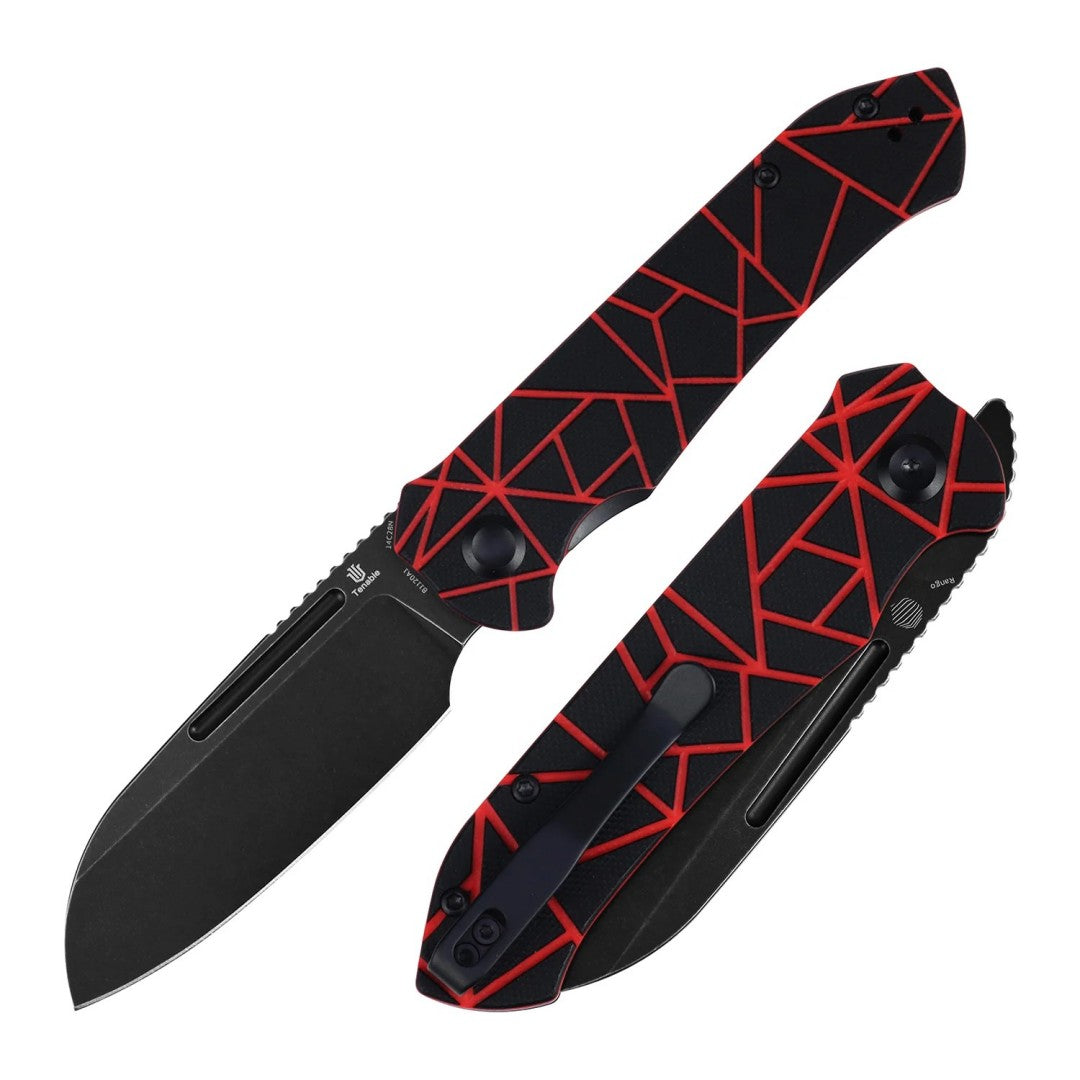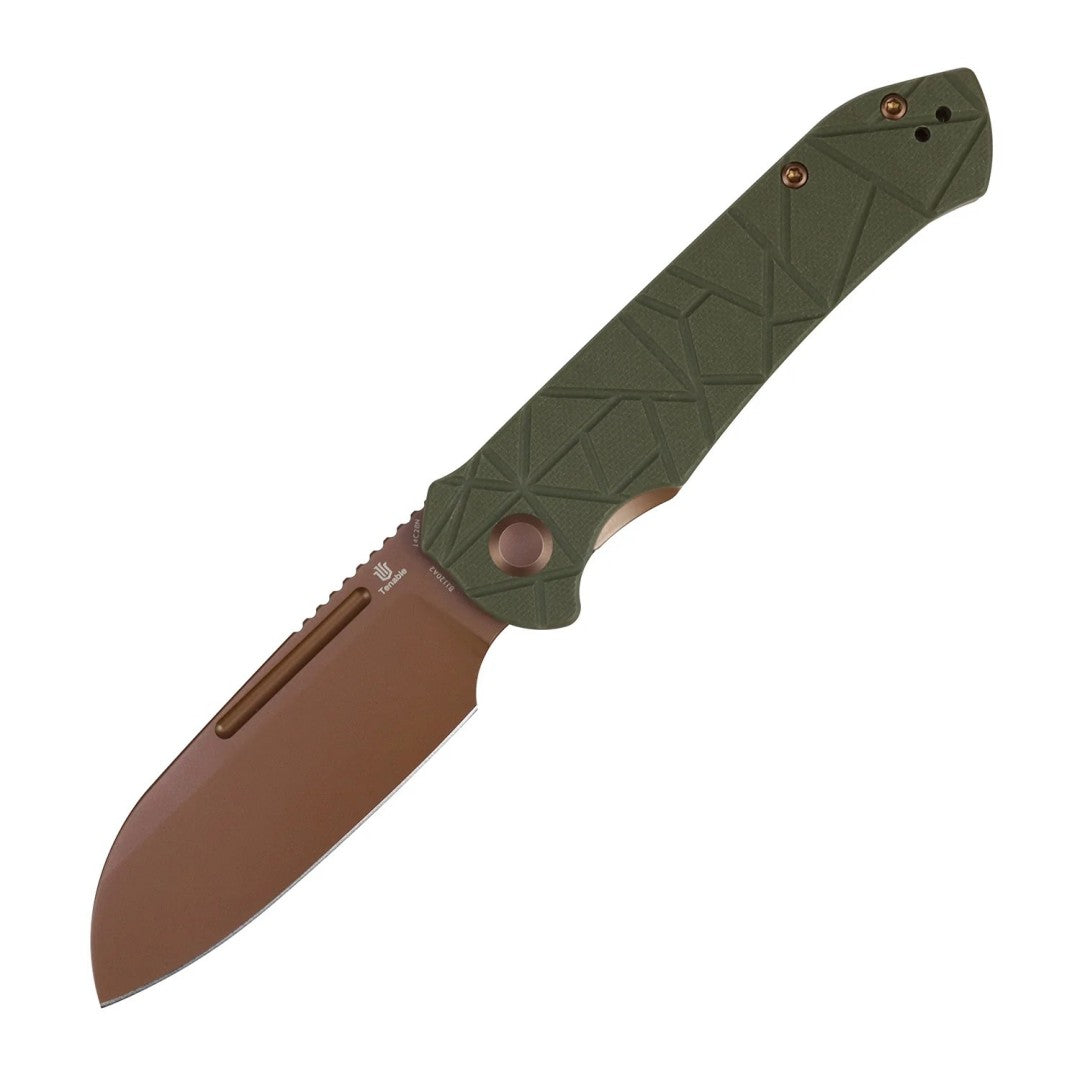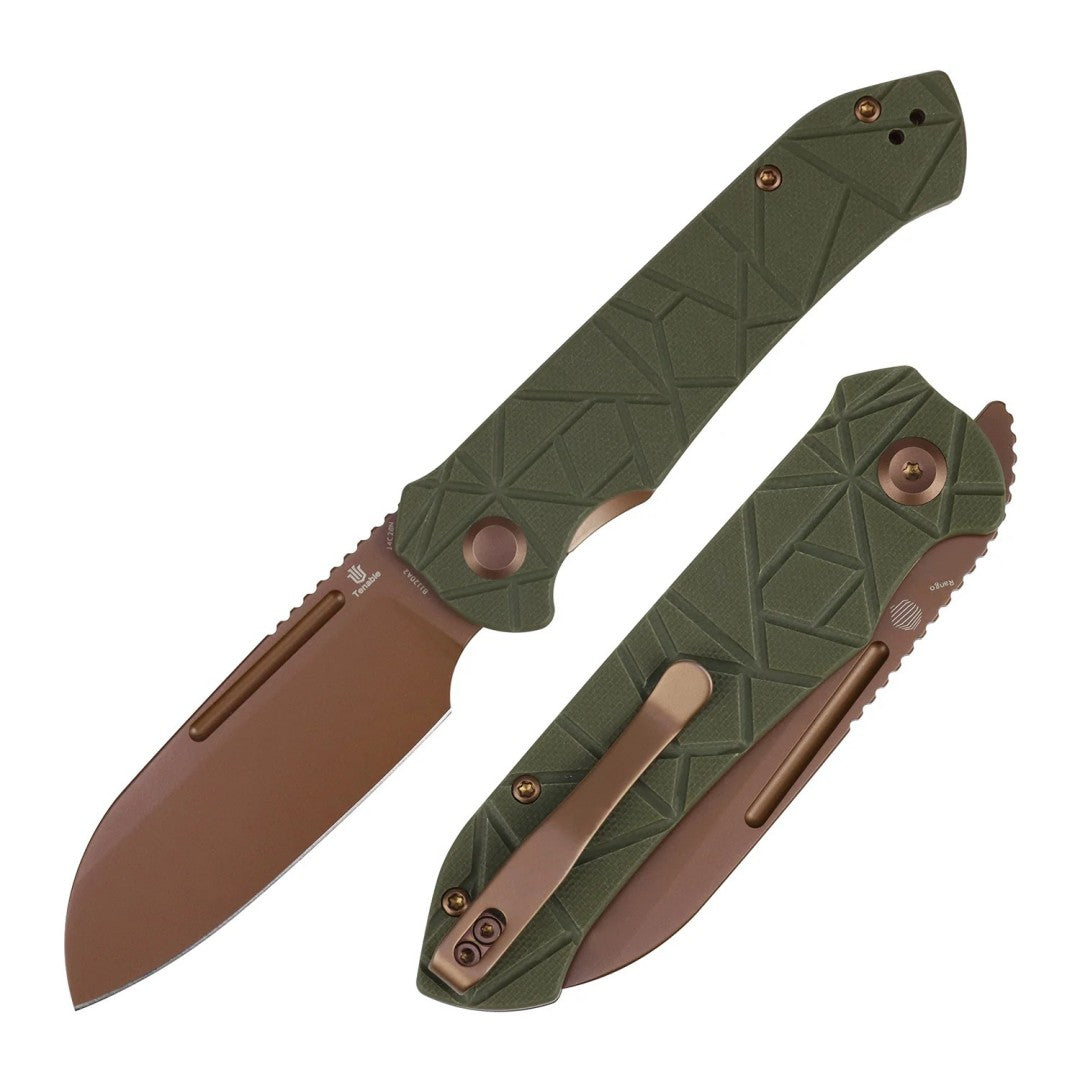
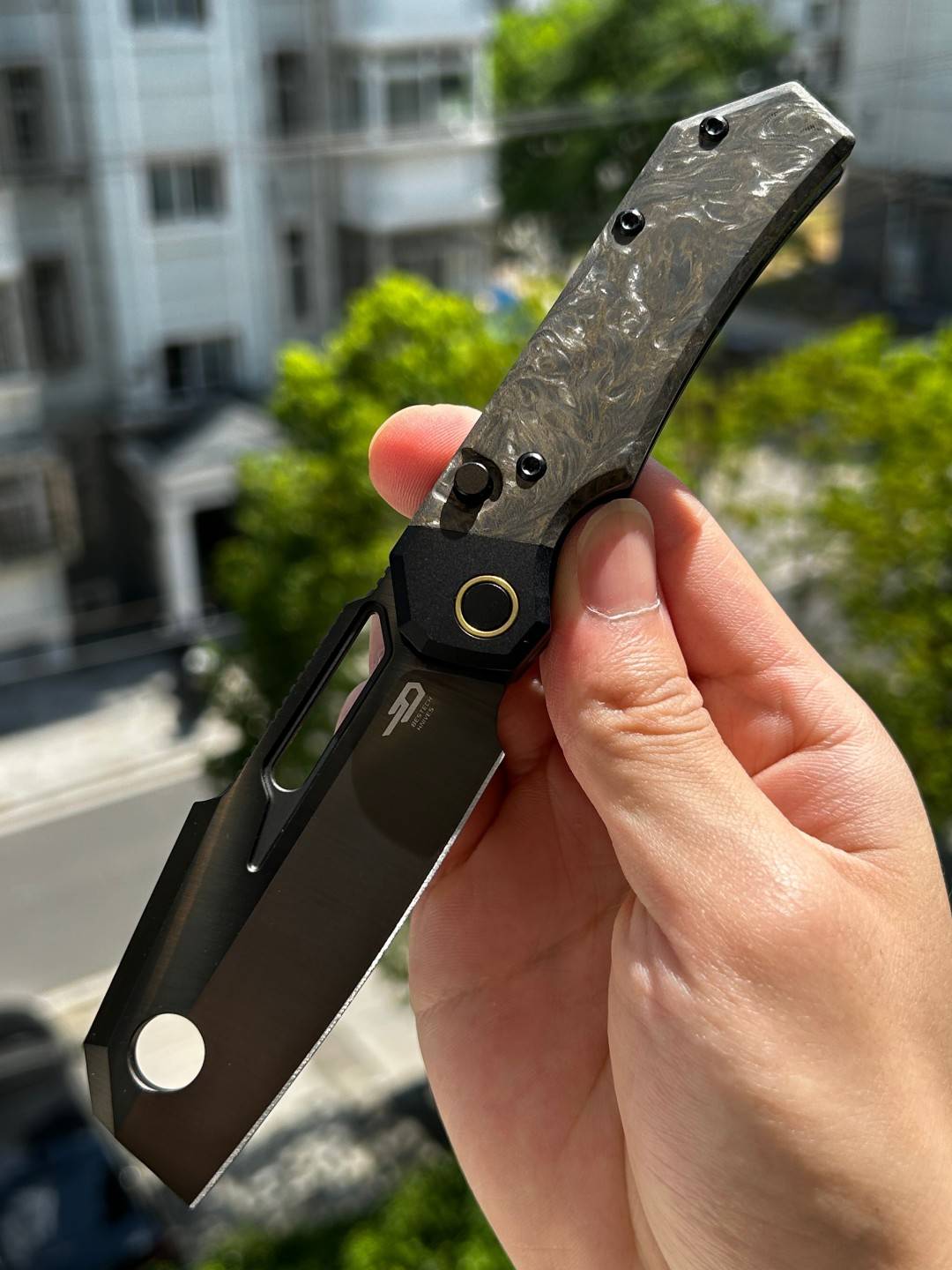
In the world of high-performance pocket cutlery, a dark blade finish is often sought after for its tactical appeal and non-reflective appearance. However, conventional black blade coatings have historically suffered from a major drawback: they scratch easily, wear off along the primary bevel, and show unsightly scuffs after moderate utility use. The Bestech Nyrrdreki eliminates these vulnerabilities by utilizing an advanced Diamond-Like Carbon (DLC) physical vapor deposition coating across its darkened blade variants. Rather than acting as a simple cosmetic layer, this specialized carbon treatment provides functional armor that dramatically elevates both surface hardness and environmental resilience.
The Nanoscale Engineering of Diamond-Like Carbon
Diamond-Like Carbon is not a paint, chemical dye, or baked-on synthetic polymer. It is an engineered nanocomposite film applied within a high-vacuum chamber via Physical Vapor Deposition (PVD). During this process, ionized carbon atoms are accelerated toward the substrate steel, condensing into an amorphous carbon matrix that bonds directly to the metallic surface on an atomic level.
The resulting film features a hybrid structure of diamond-like (sp3) and graphite-like (sp2) carbon bonds. The diamond bonds impart extreme surface hardness and scratch resistance, while the graphite bonds provide an inherently low coefficient of friction. Bestech applies this coating with microscopic uniformity, ensuring that fine machining tolerances, chamfered spine lines, and the keen factory edge remain crisp and uncompromised.
Micro-Hardness and Abrasive Scratch Resistance
The primary measure of a blade coating’s durability is its surface hardness, typically evaluated using the Vickers Hardness (HV) scale. While premium blade steels reach impressive levels of core hardness, diamond-like carbon coatings operate in an entirely different league of surface protection.
| Blade Surface Treatment | Application Method | Typical Surface Hardness | Scratch & Wear Resistance Profile |
| Bare Satin Finish | Abrasive Belt / Hand Rub | 60–61 HRC (~700–750 HV) | Baseline steel hardness; prone to micro-scratches from grit |
| Bead-Blasted Finish | Abrasive Media Impact | 60–61 HRC (~700–750 HV) | Open microscopic pores; highly susceptible to scuffs |
| Teflon / Cerakote / Paint | Sprayed & Baked Polymer | Sub-500 HV | Prone to peeling, flaking, and scraping off on hard contact |
| PVD / DLC Coating | Vacuum Vapor Deposition | 2,000–4,000+ HV | Diamond-matrix structure; impervious to typical abrasive media |
In a dedicated EDC carry environment, folding blades constantly encounter abrasive materials such as dirt-embedded cardboard, drywall dust, aluminum staples, and keys inside pockets. Materials that would quickly scratch raw steel or strip away budget paint finishes cannot penetrate the molecular carbon lattice of the Nyrrdreki’s DLC layer.
Synergistic Corrosion Defense with Böhler M390
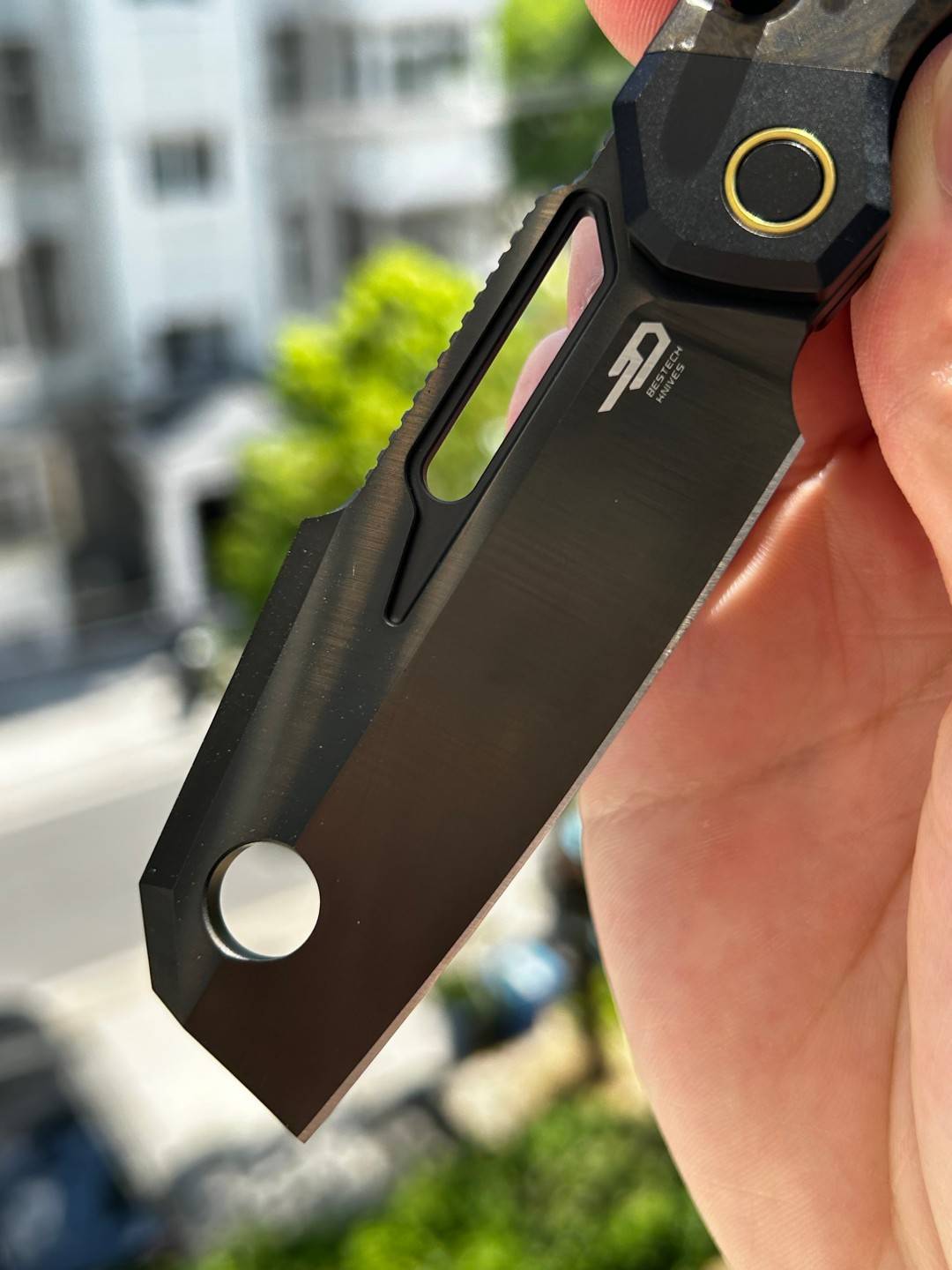
Underneath its high-tech carbon shell, the blade is ground from Austrian Böhler M390 microclean powder steel. While M390 already possesses high natural corrosion resistance thanks to its twenty percent chromium content, the DLC coating acts as a secondary physical barrier against environmental exposure.
Microscopic Pinhole Sealing
Even the finest powder-metallurgy steels have microscopic surface grain boundaries where acidic liquids or salt ions can theoretically initiate localized pitting under prolonged exposure. The dense vapor-deposited carbon film seals these boundaries, creating an impermeable barrier against corrosive agents.
Chemical Inertness
Carbon is chemically inert and unaffected by moisture, perspiration, saltwater, fruit acids, or harsh cleaning solvents. This makes the coated blade an exceptional choice for maritime use, humid climates, or food preparation tasks where standard coated blades risk flaking or degradation.
Low Friction Slicing and Reduced Cutting Drag
A significant yet frequently overlooked benefit of the DLC finish is its ultra-low coefficient of friction. Smooth graphite bonds embedded within the carbon matrix provide natural lubricity, allowing the blade to glide effortlessly through dense media.
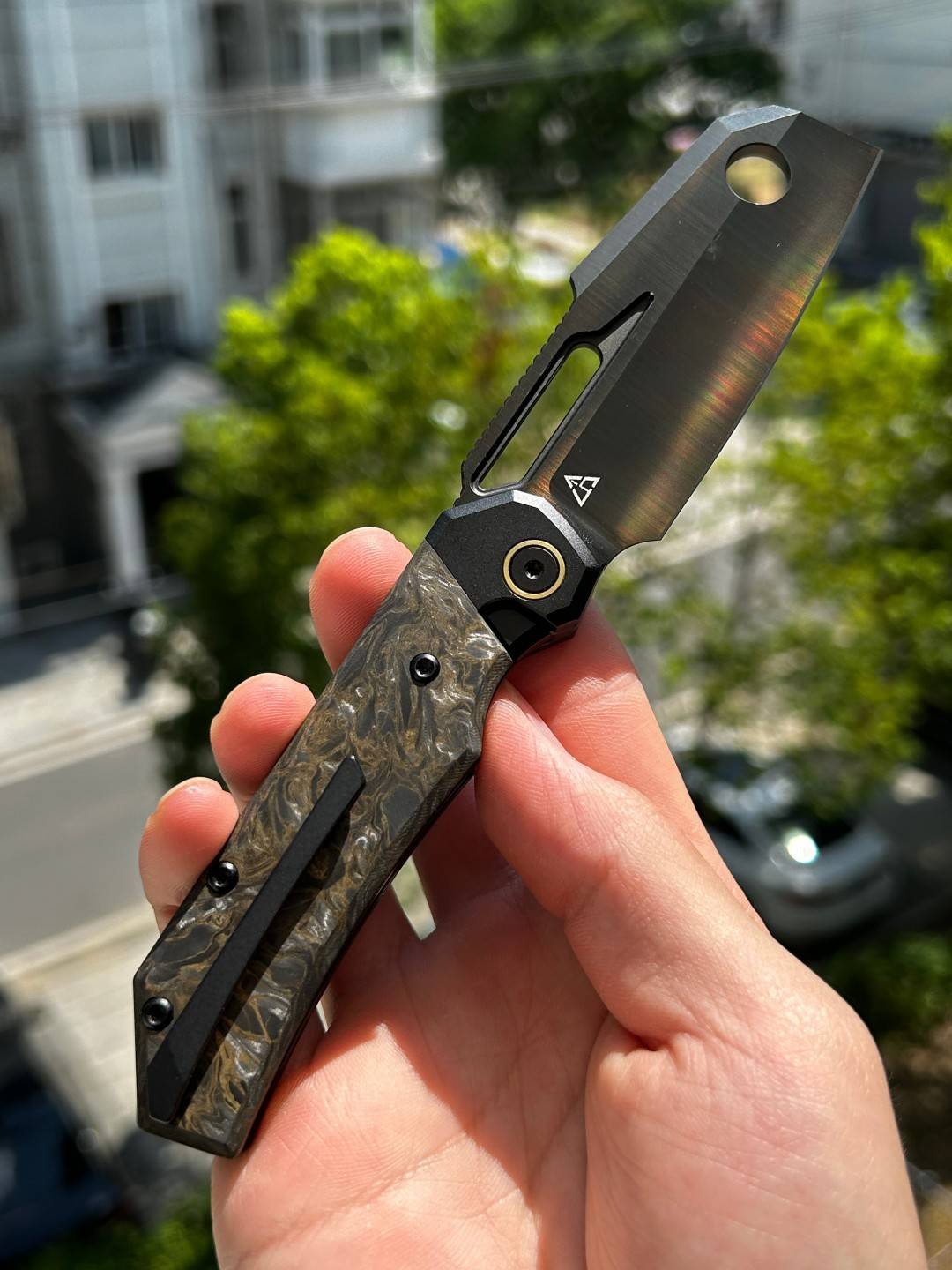
Conceived by Dutch designer Fabian Hobbelen, the Nyrrdreki features a steep, deep hollow grind. Pairing this acute grind geometry with a low-friction DLC surface creates a remarkably smooth cutting experience:
-
Corrugated Cardboard Breakdown: The blade slides through dense, multi-layer cardboard without the sticky drag commonly experienced with bare steel or textured finishes.
-
Synthetic Strap and Webbing Trimming: Low surface friction prevents synthetic fibers from binding against the blade flats during deep slicing motions.
-
Adhesive Tape and Residue Resistance: Sticky residue from packing tape and shipping labels adheres poorly to the slick DLC surface, making routine cleanup as simple as wiping the blade with a soft cloth.
Real-World Durability vs. Material Transfer
Enthusiasts new to high-grade DLC coatings sometimes mistake "material transfer" for a scratch. When the blade slices against softer metals—such as brass eyelets, aluminum cans, or mild steel staples—the harder DLC layer can shear off microscopic traces of the softer metal, leaving a light mark on the dark surface.
These marks are not scratches in the coating. Because the DLC layer is vastly harder than brass or aluminum, the underlying finish remains completely intact. A drop of mineral oil or isopropyl alcohol applied with a microfiber cloth or pencil eraser lifts the transferred metal effortlessly, restoring the uniform, dark luster of the blade.
 Long-Term Maintenance and Coating Care
Maintaining a DLC-treated folding knife is straightforward and requires minimal effort over years of continuous pocket duty:
-
Routine Cleaning: Wipe the blade with warm water and mild soap after processing food or cutting dirty materials, then dry thoroughly.
-
Surface Reconditioning: Applying a light coat of mineral oil or food-grade oil occasionally deepens the dark, rich tone of the carbon surface.
-
Edge Sharpening: Because the coating is only a few microns thick, normal sharpening on diamond or ceramic stones affects only the secondary edge bevel, leaving the surrounding dark flats fully protected.