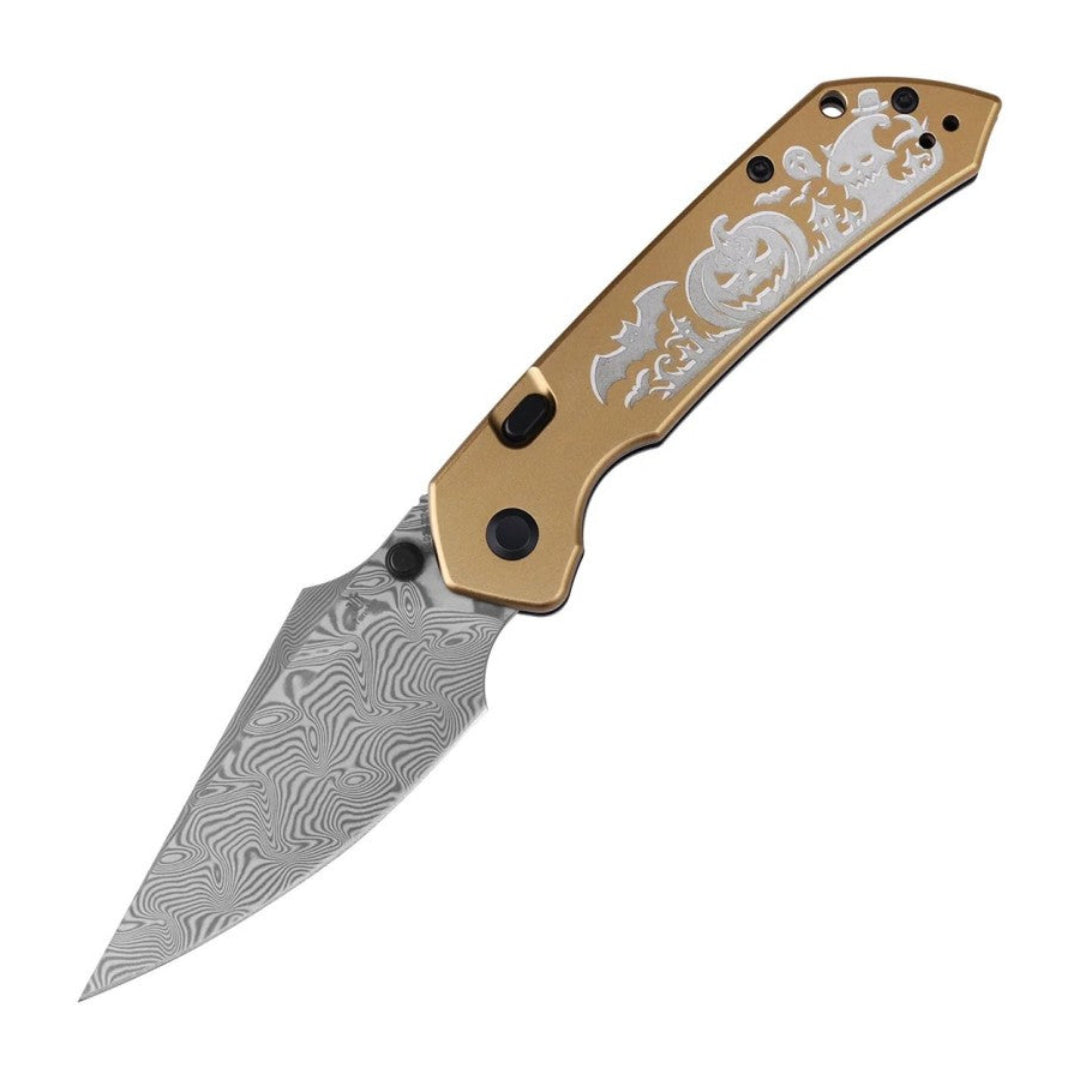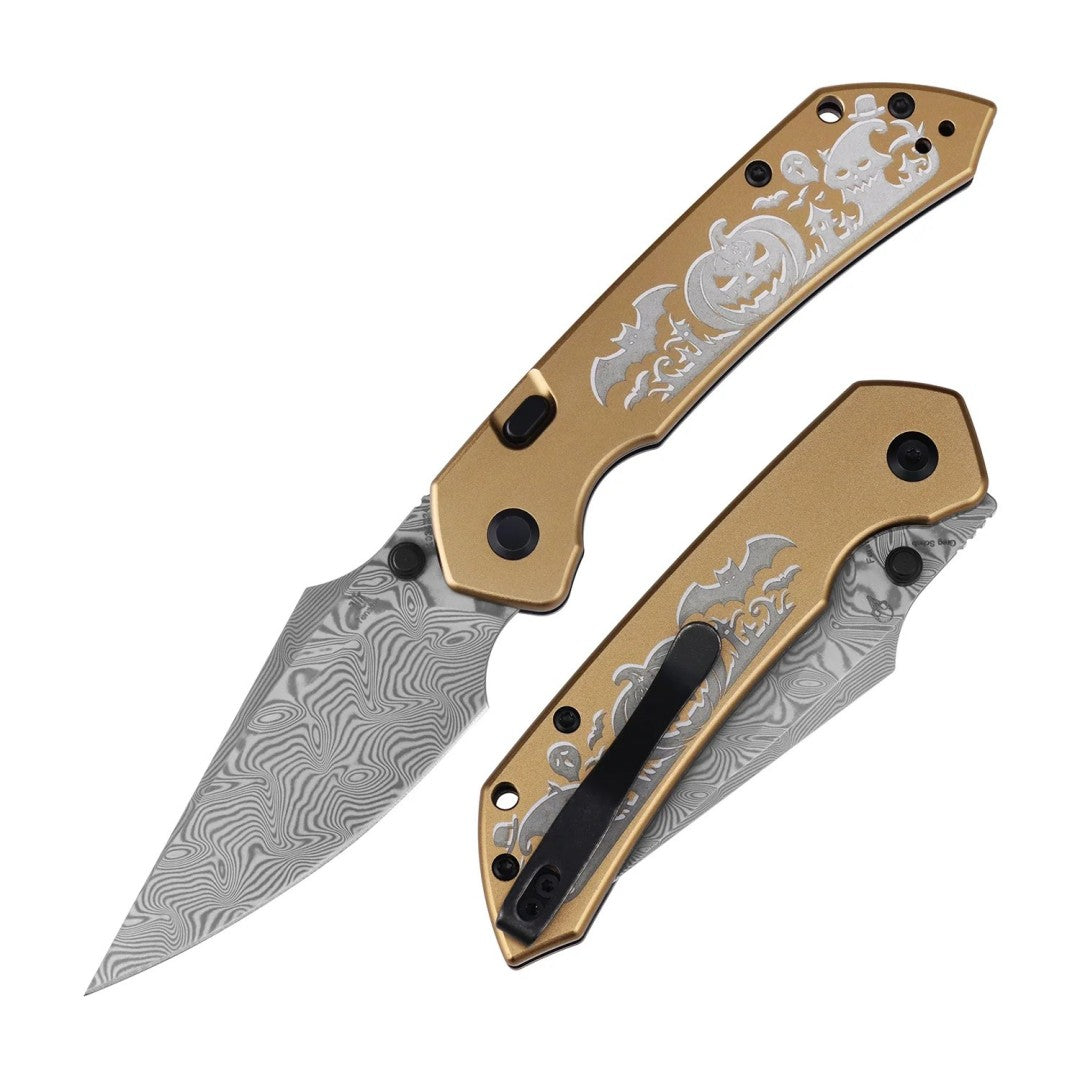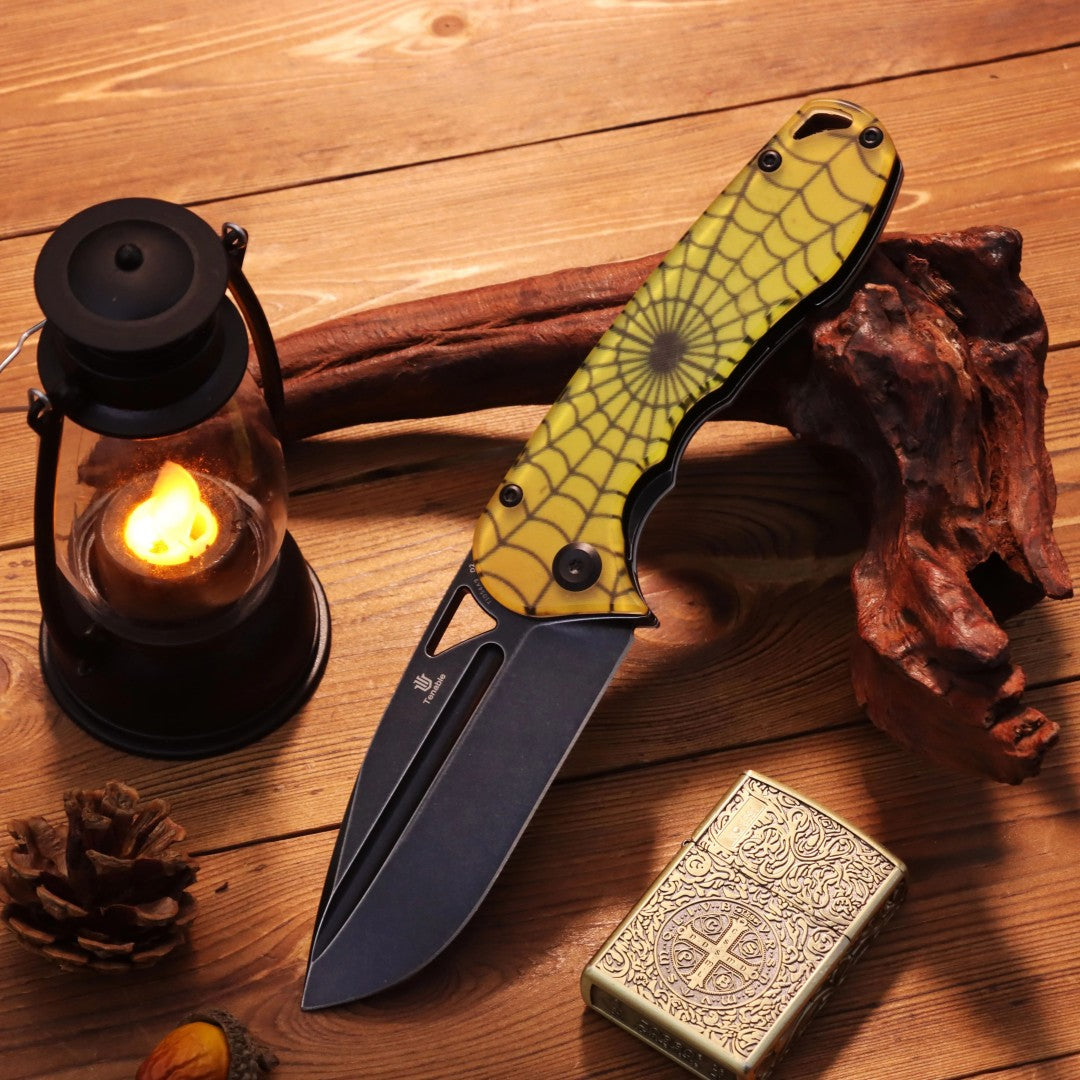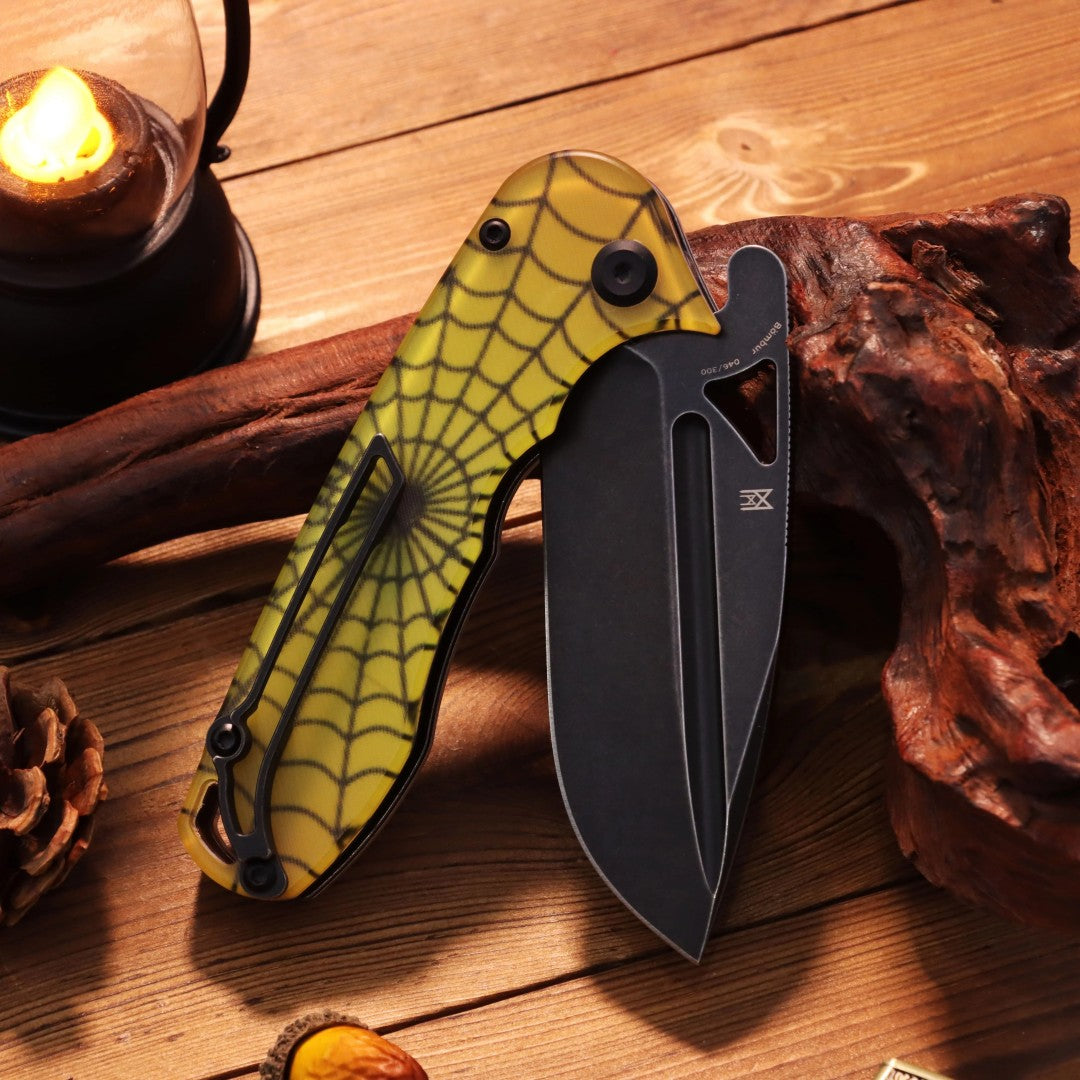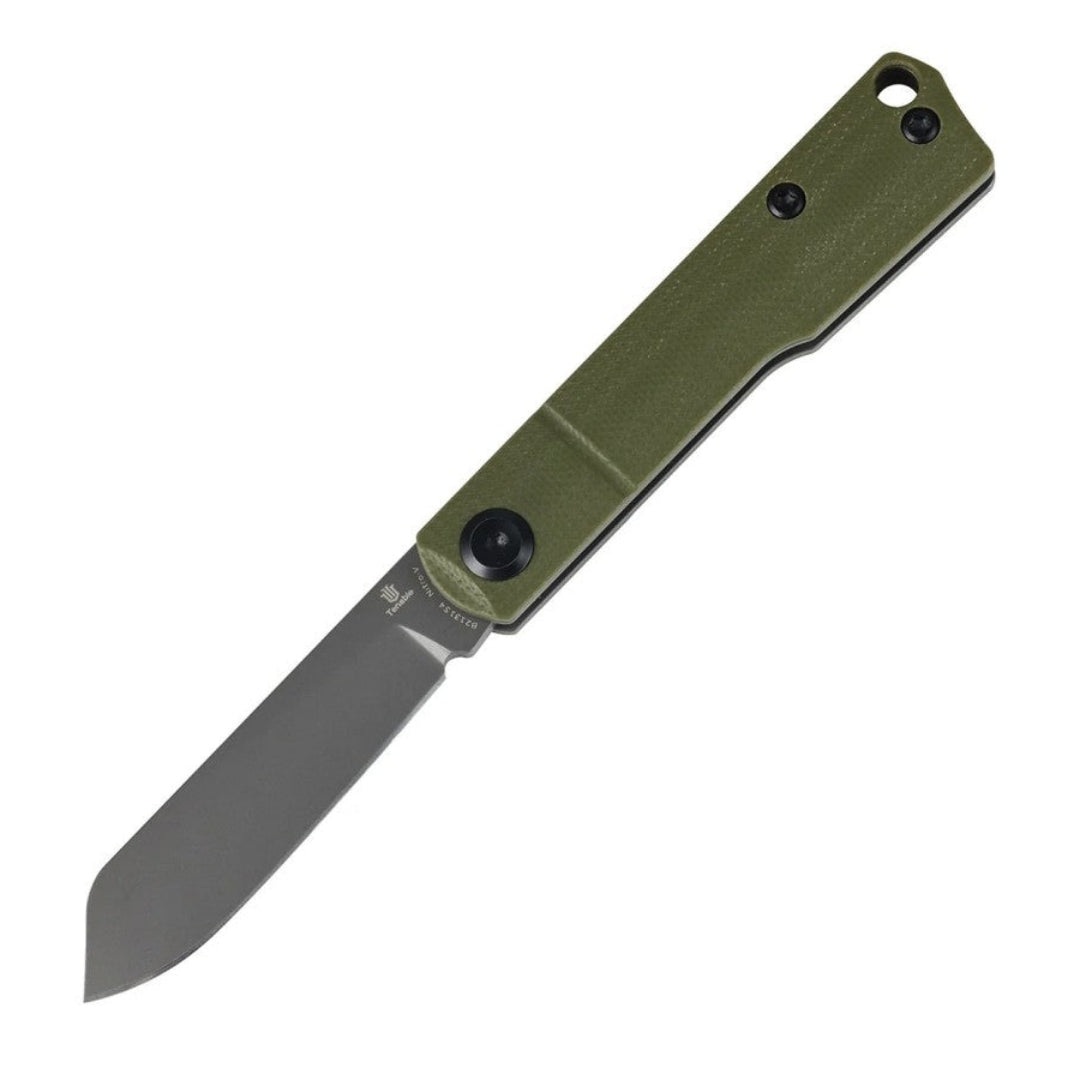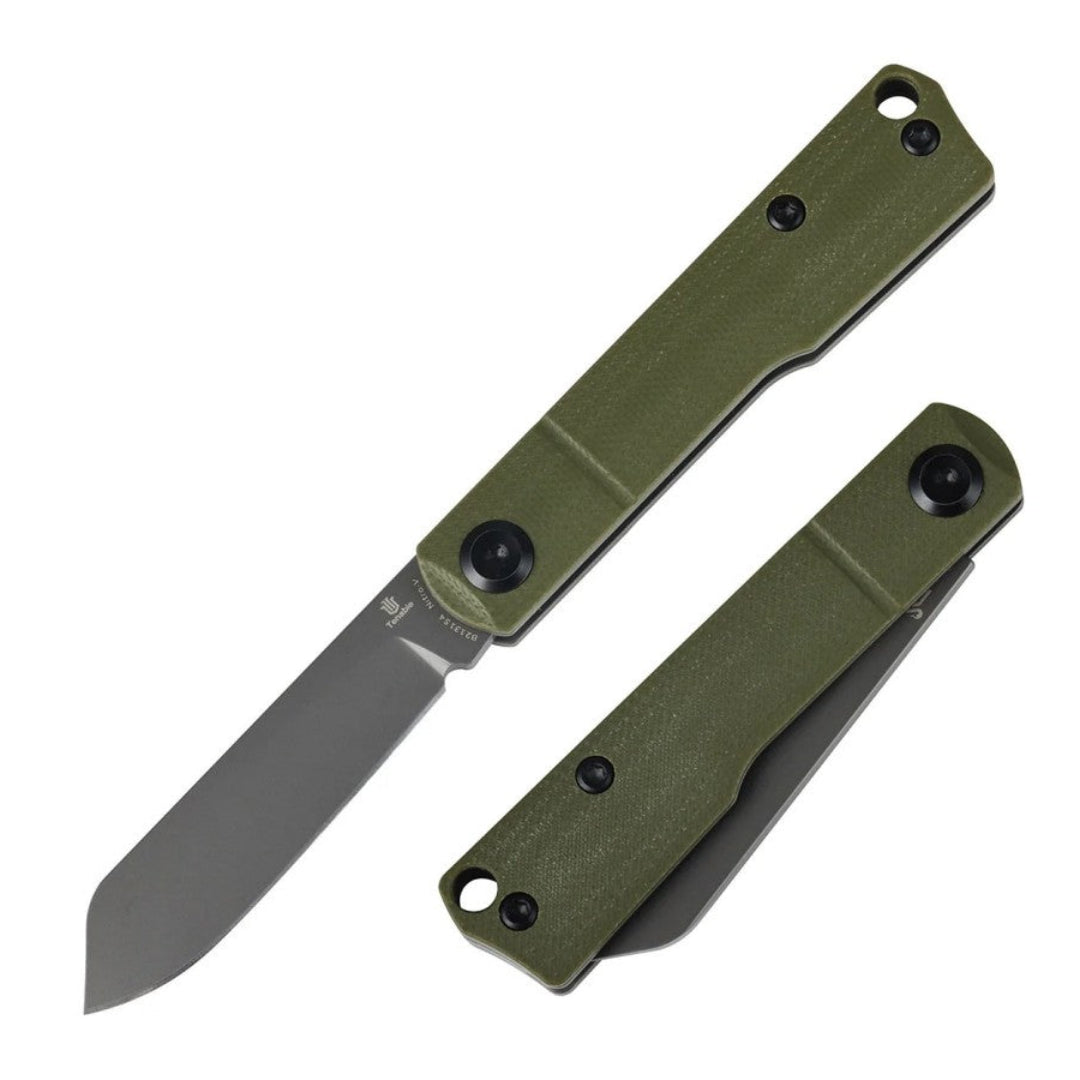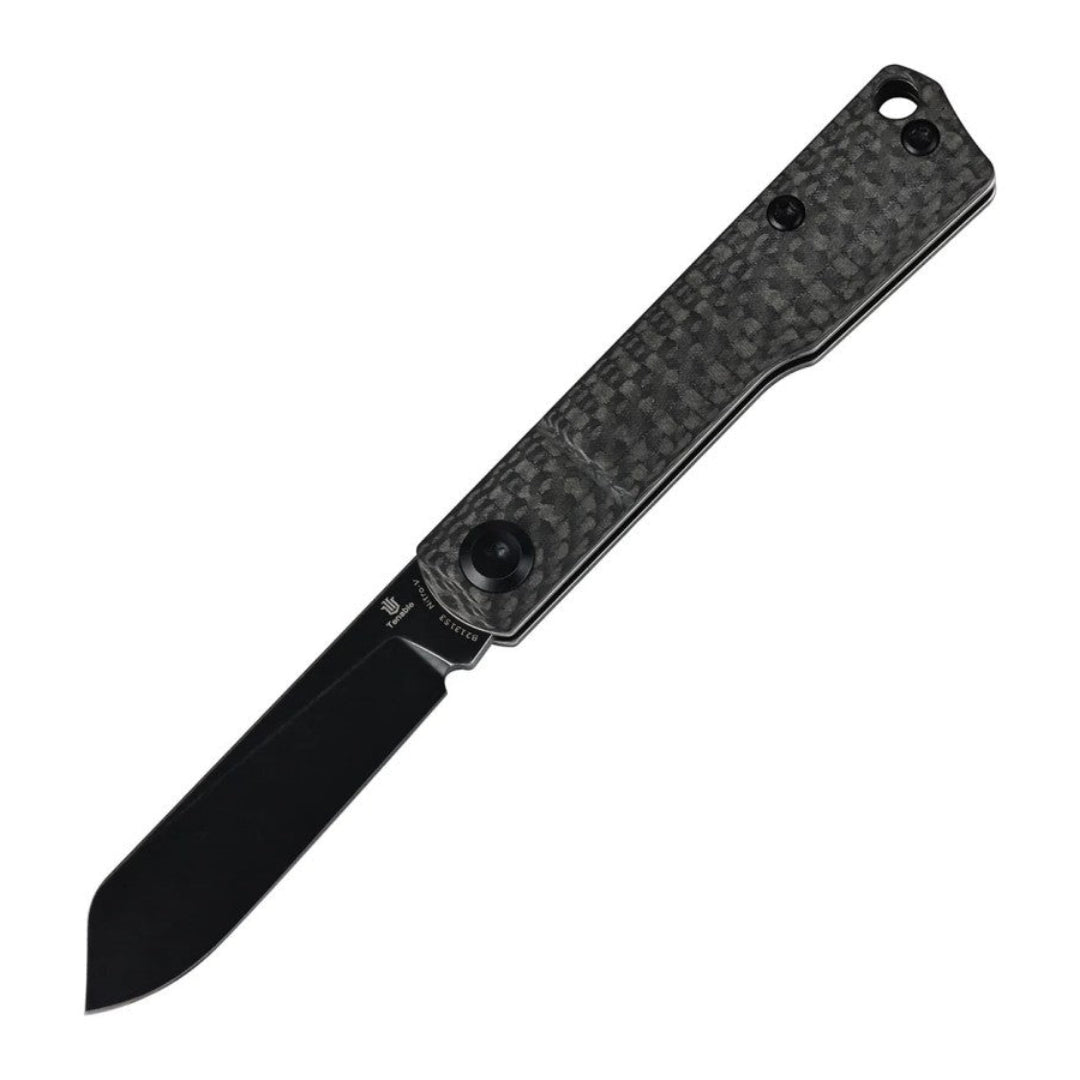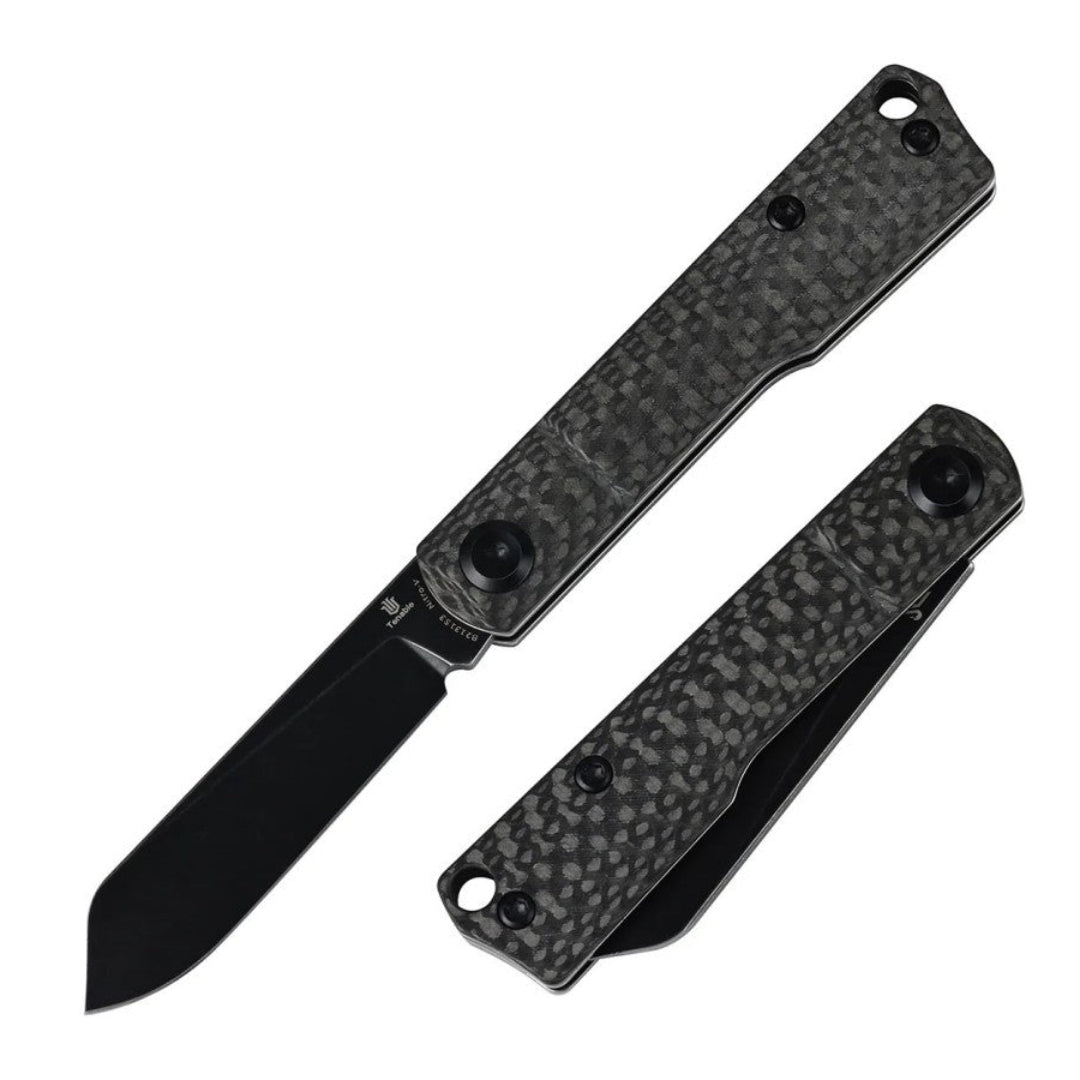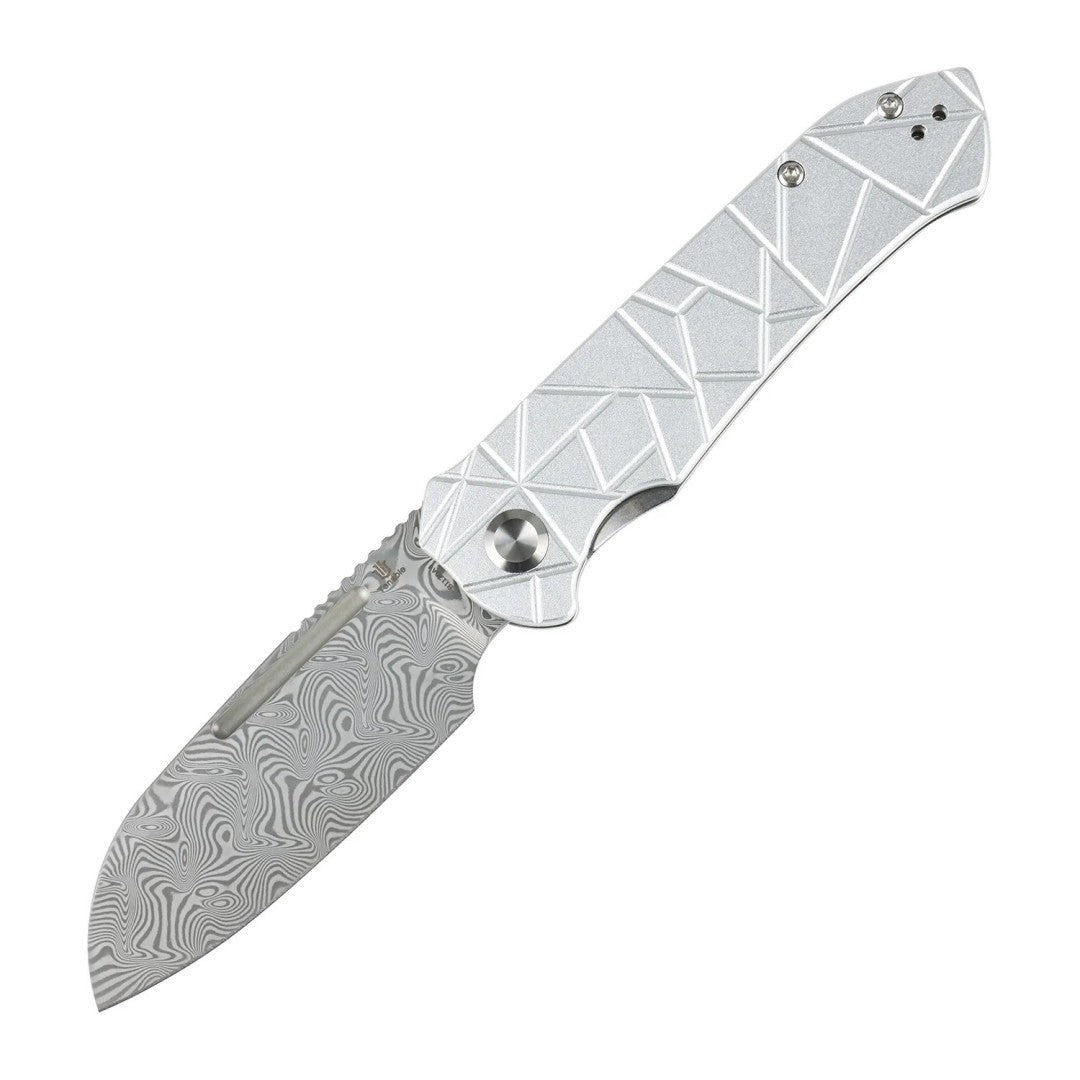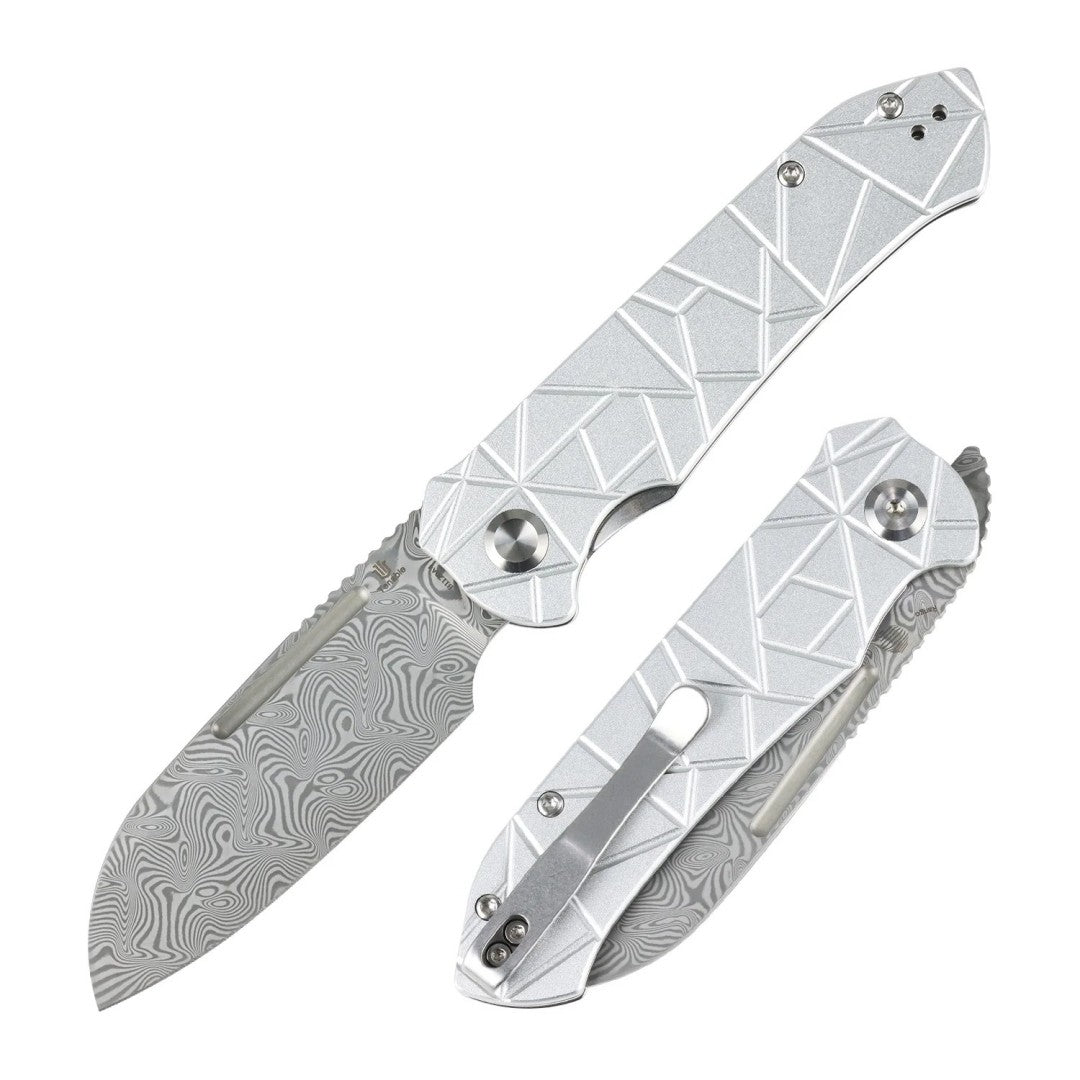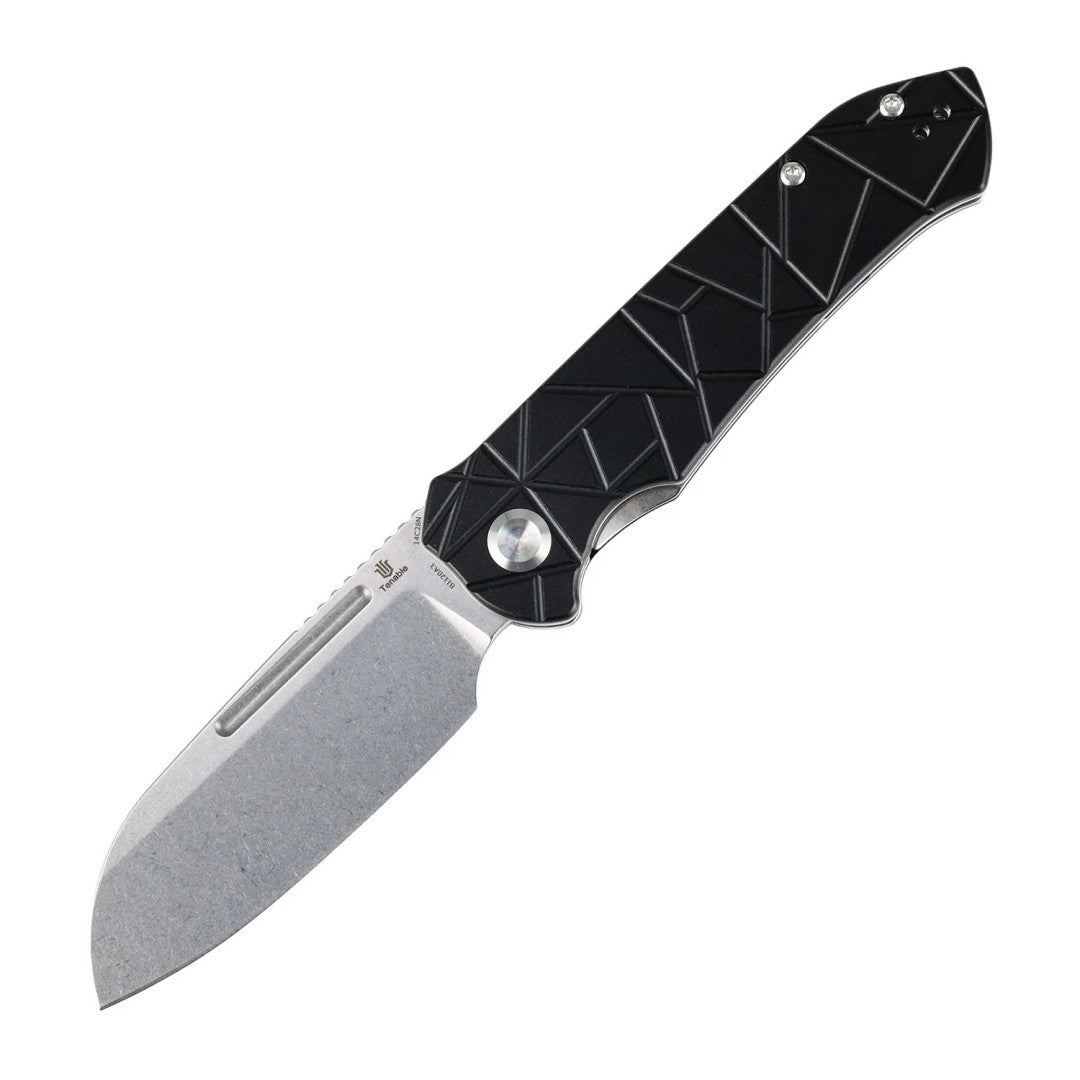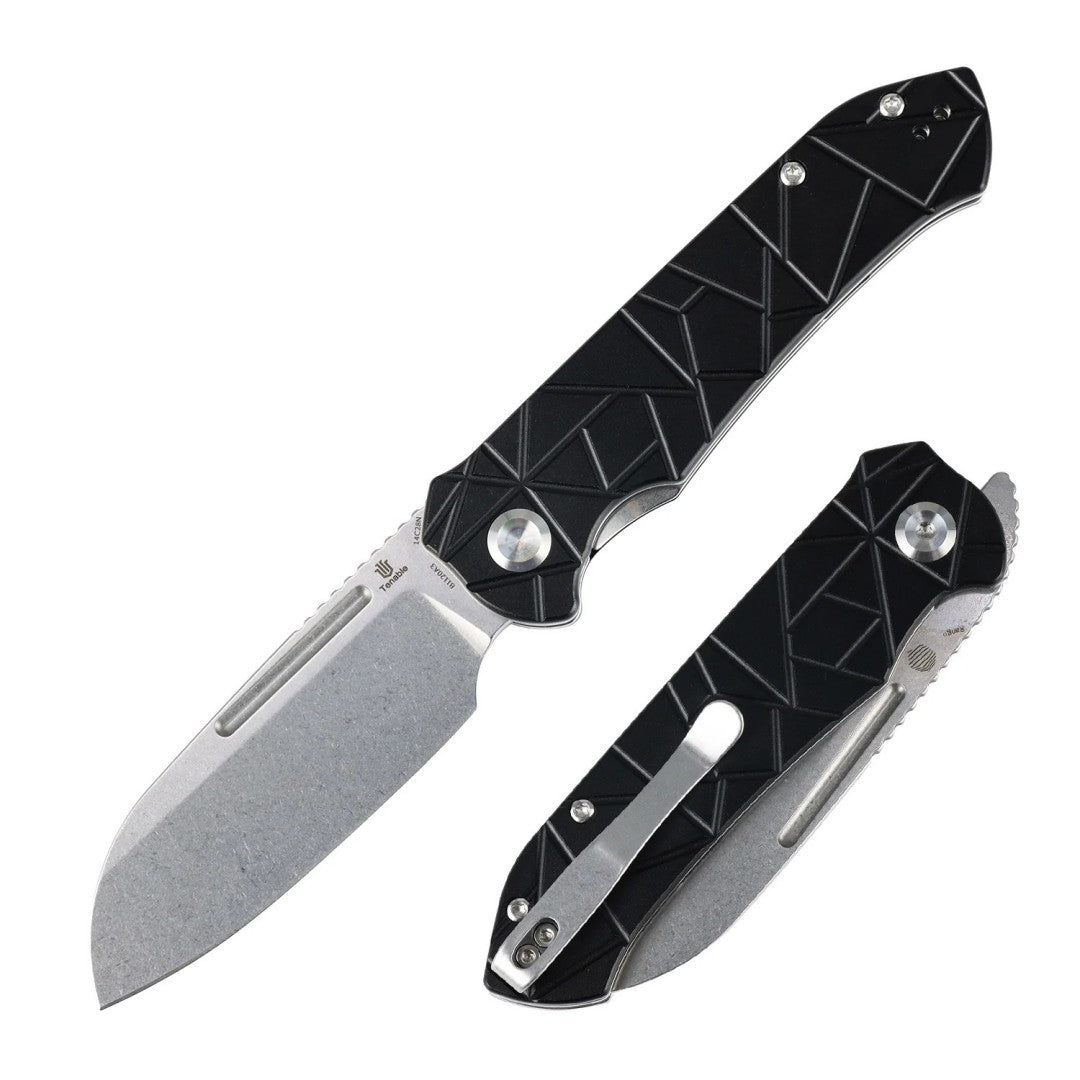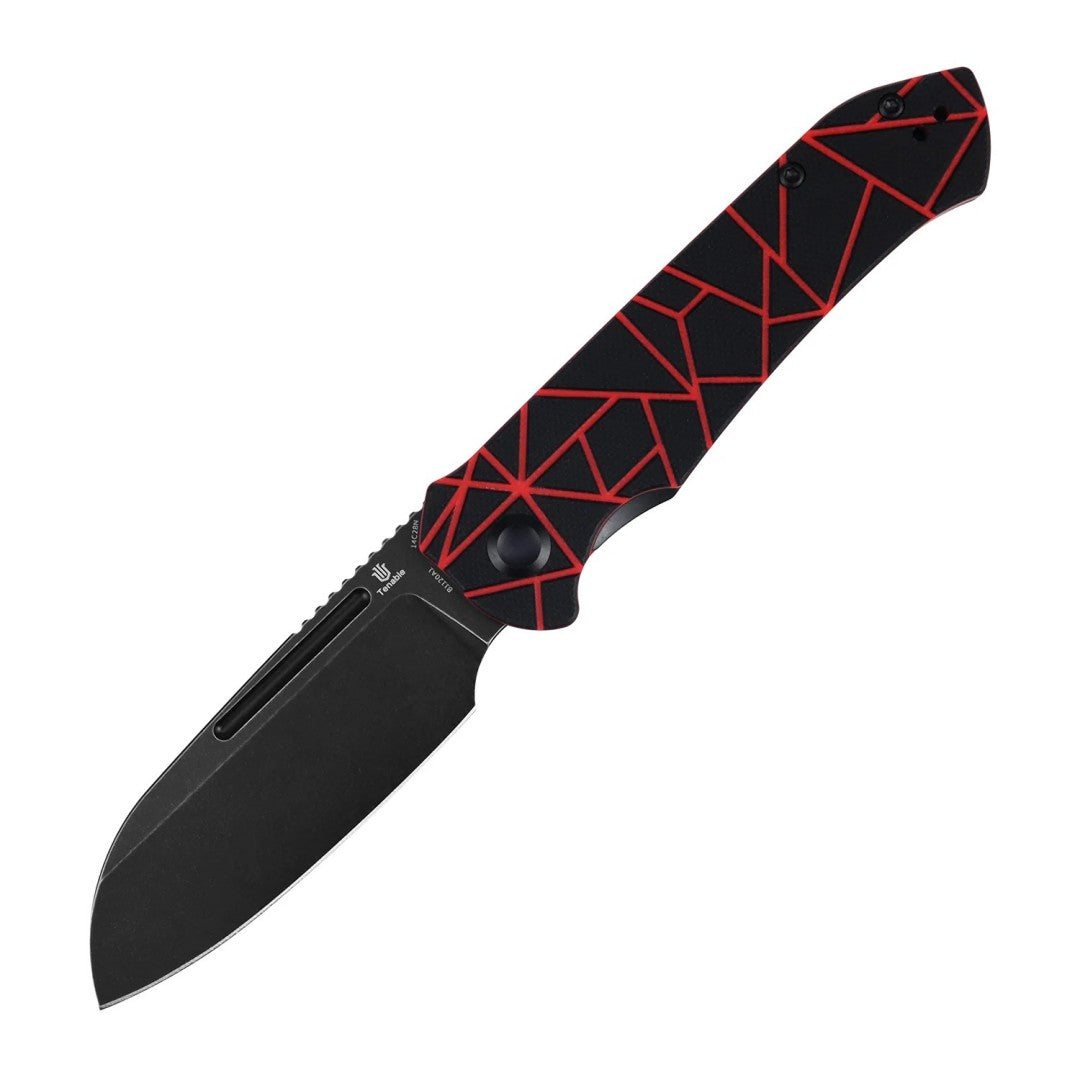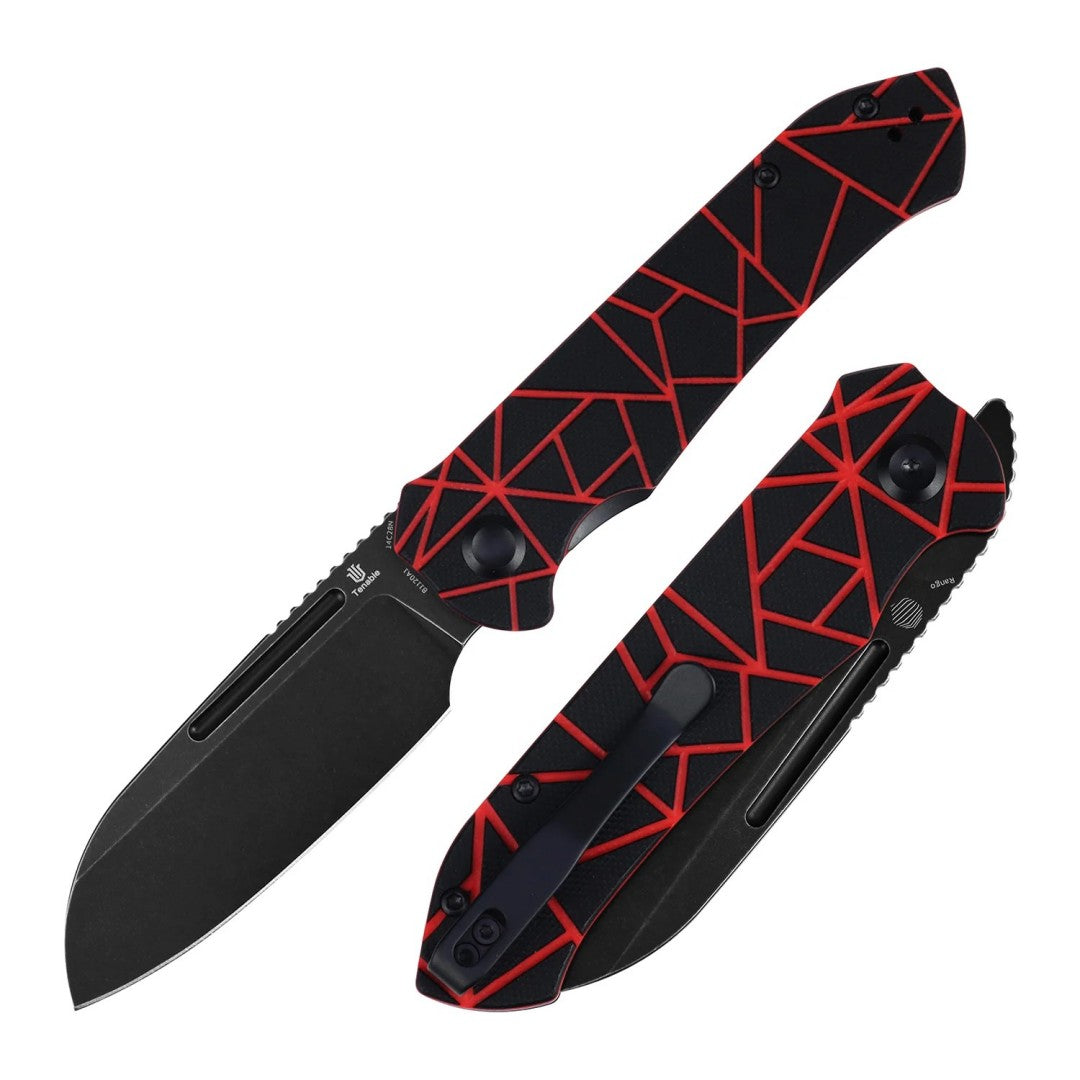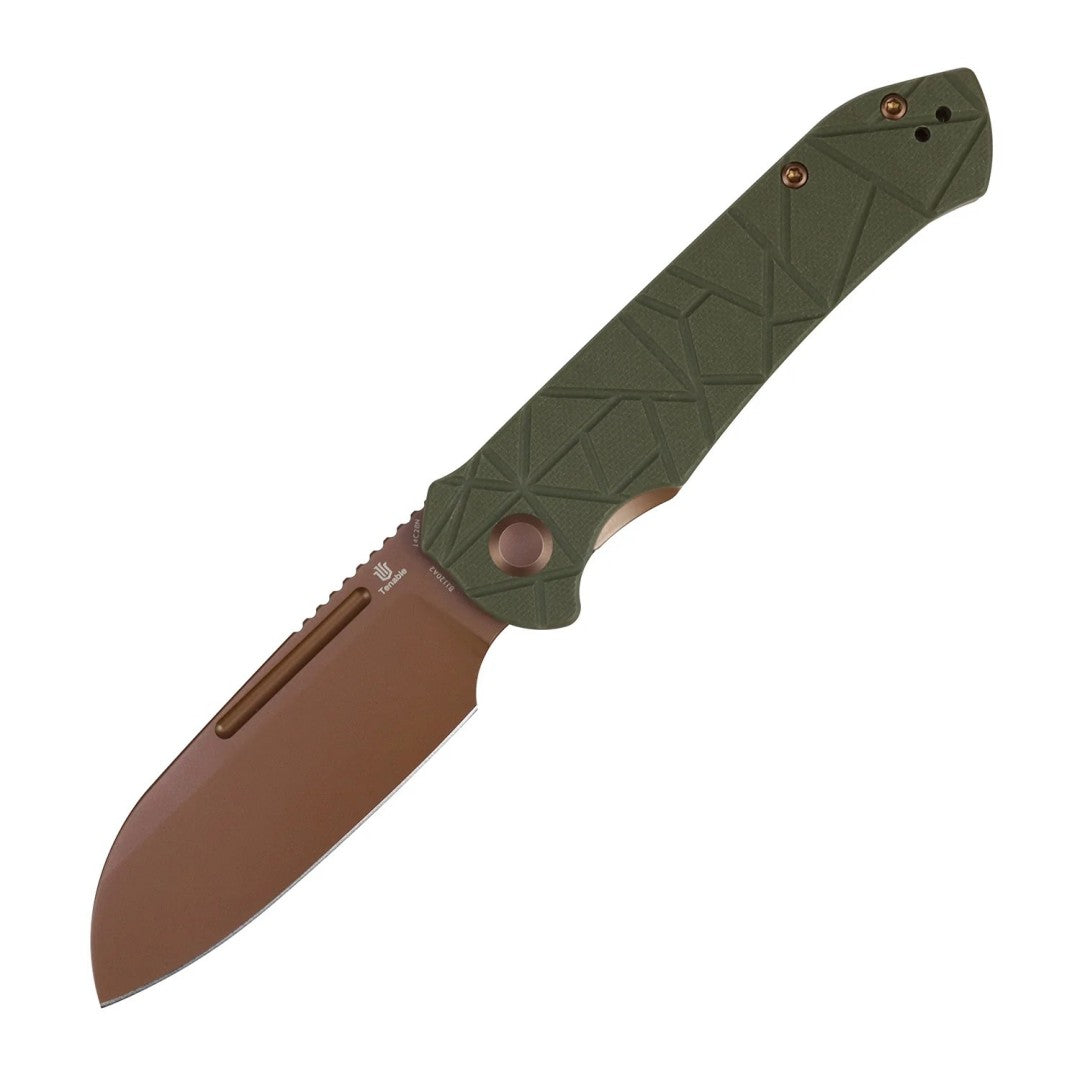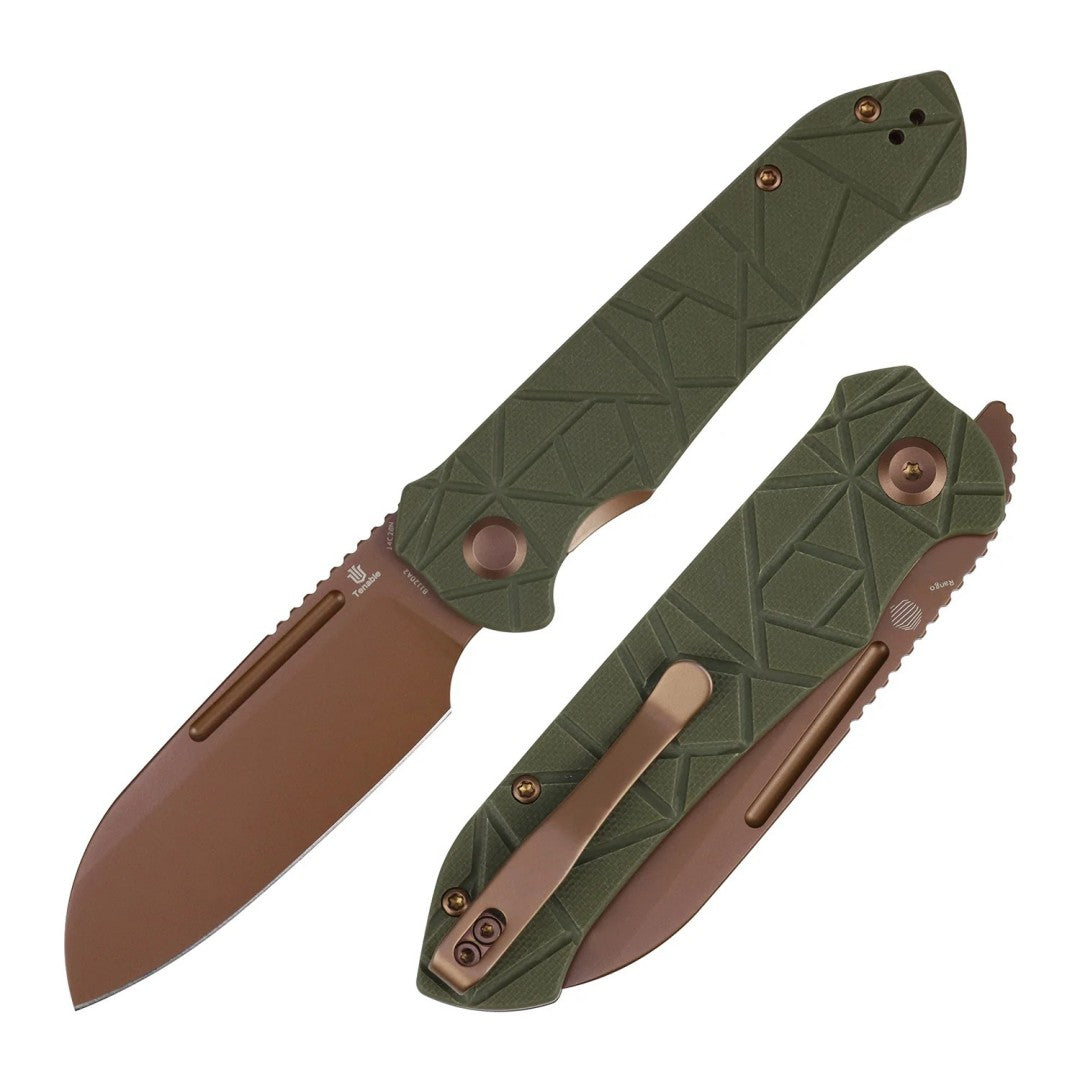

The mechanical interface between user and tool defines the daily experience of carrying a high-end everyday carry (EDC) folder. For a gentleman’s knife, opening action must be effortless and fluid, while the lockup must inspire total confidence during demanding cutting tasks. Oversized flipper tabs can disrupt sleek handle lines and snag on pocket seams, making manual deployment mechanisms the preferred choice for refined pocket gear.
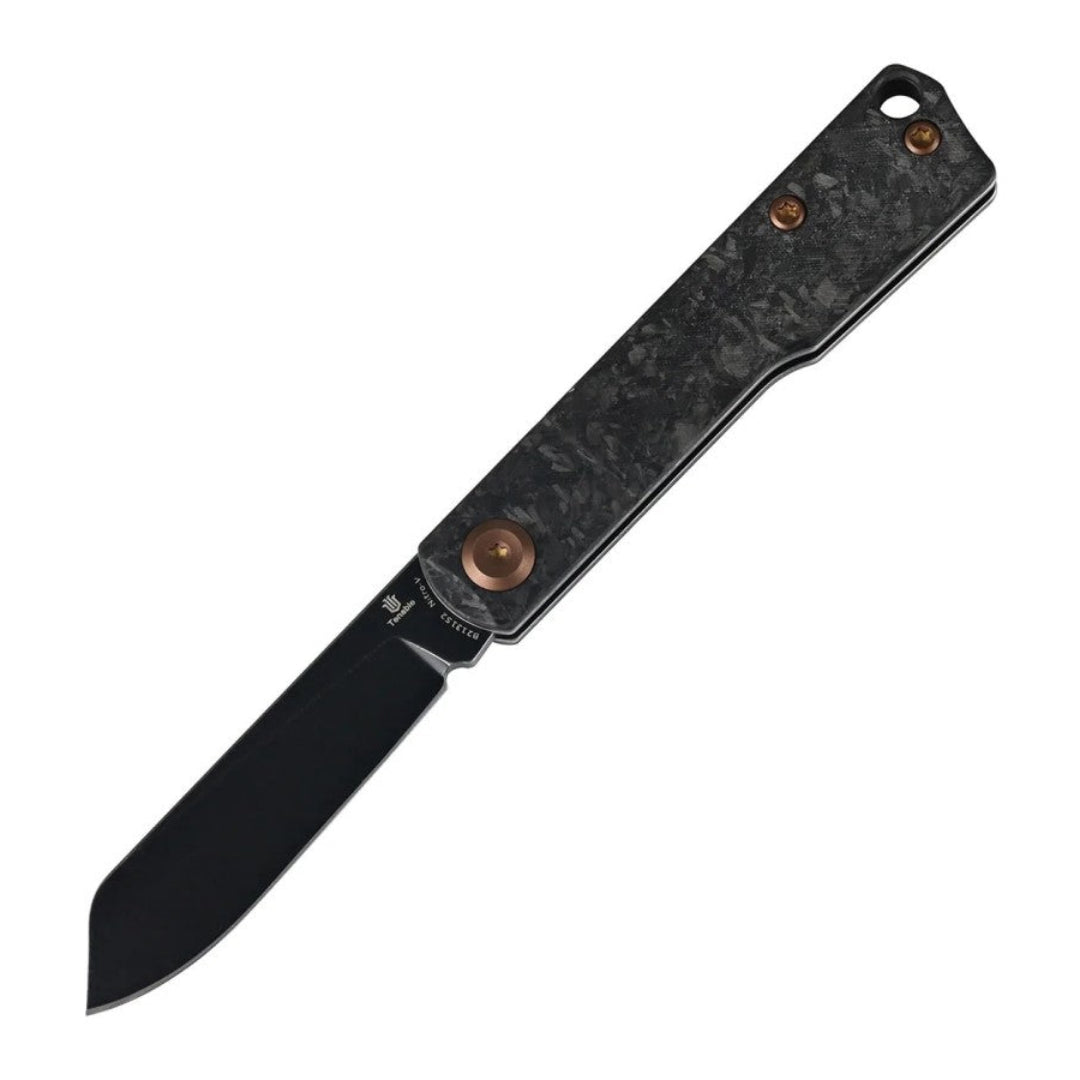
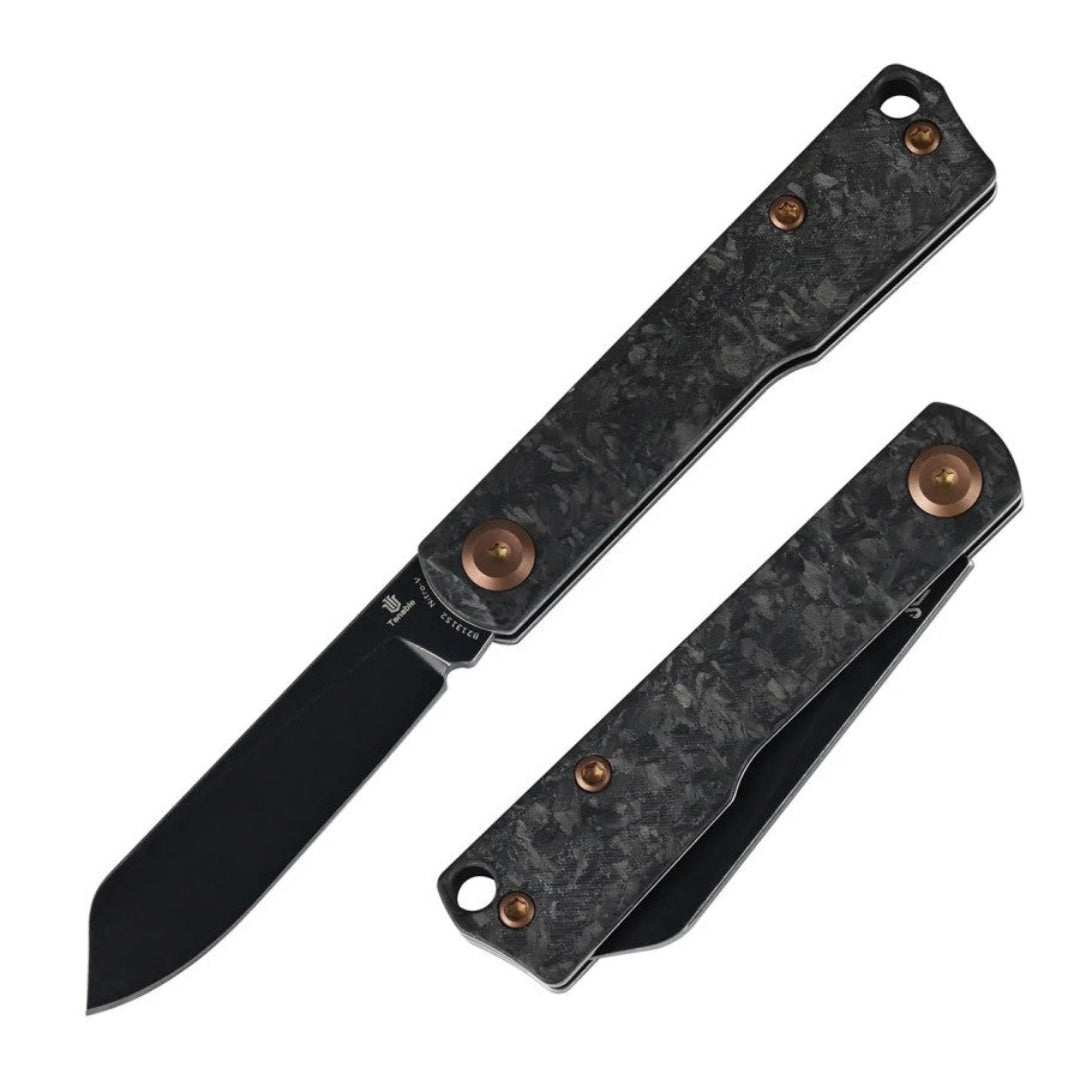
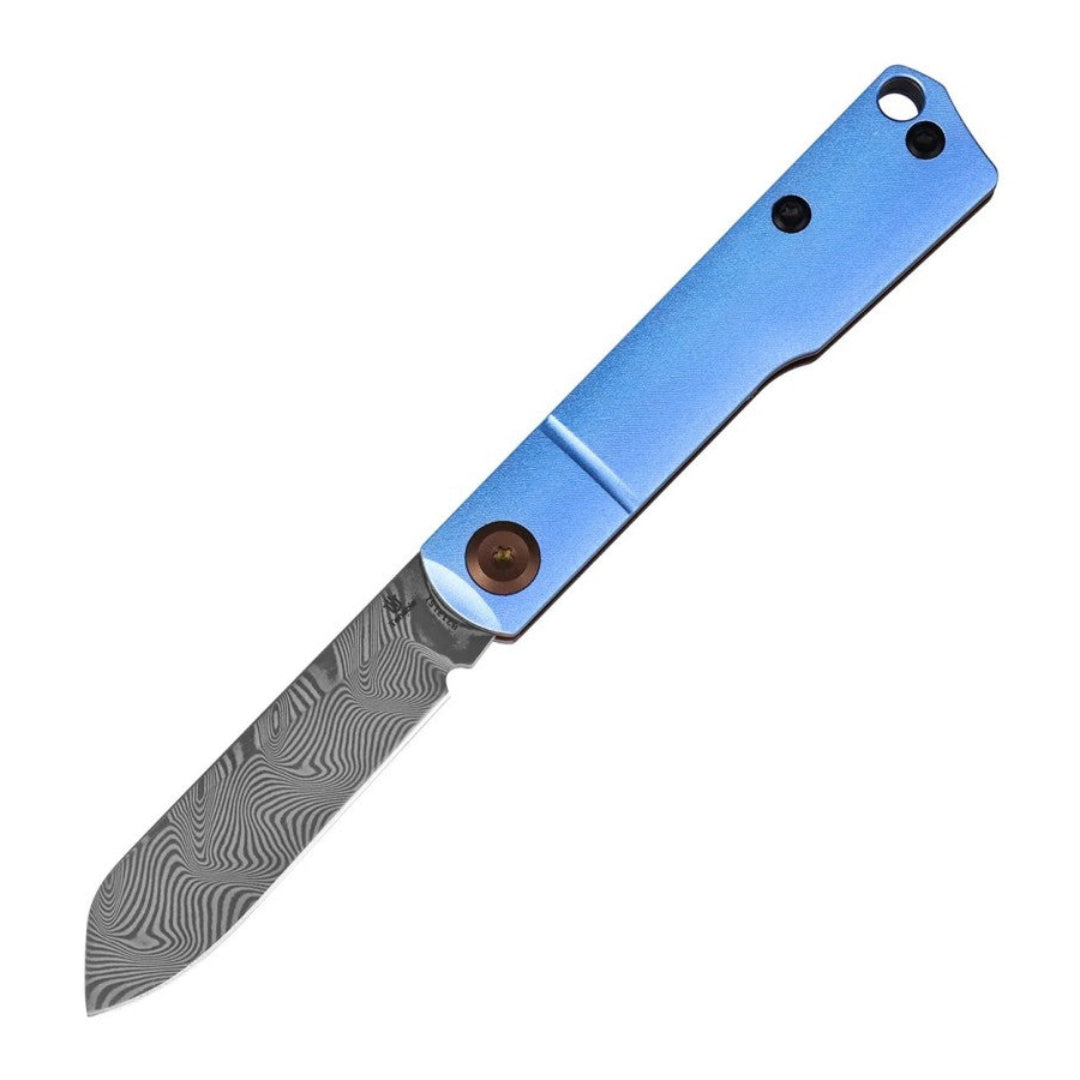
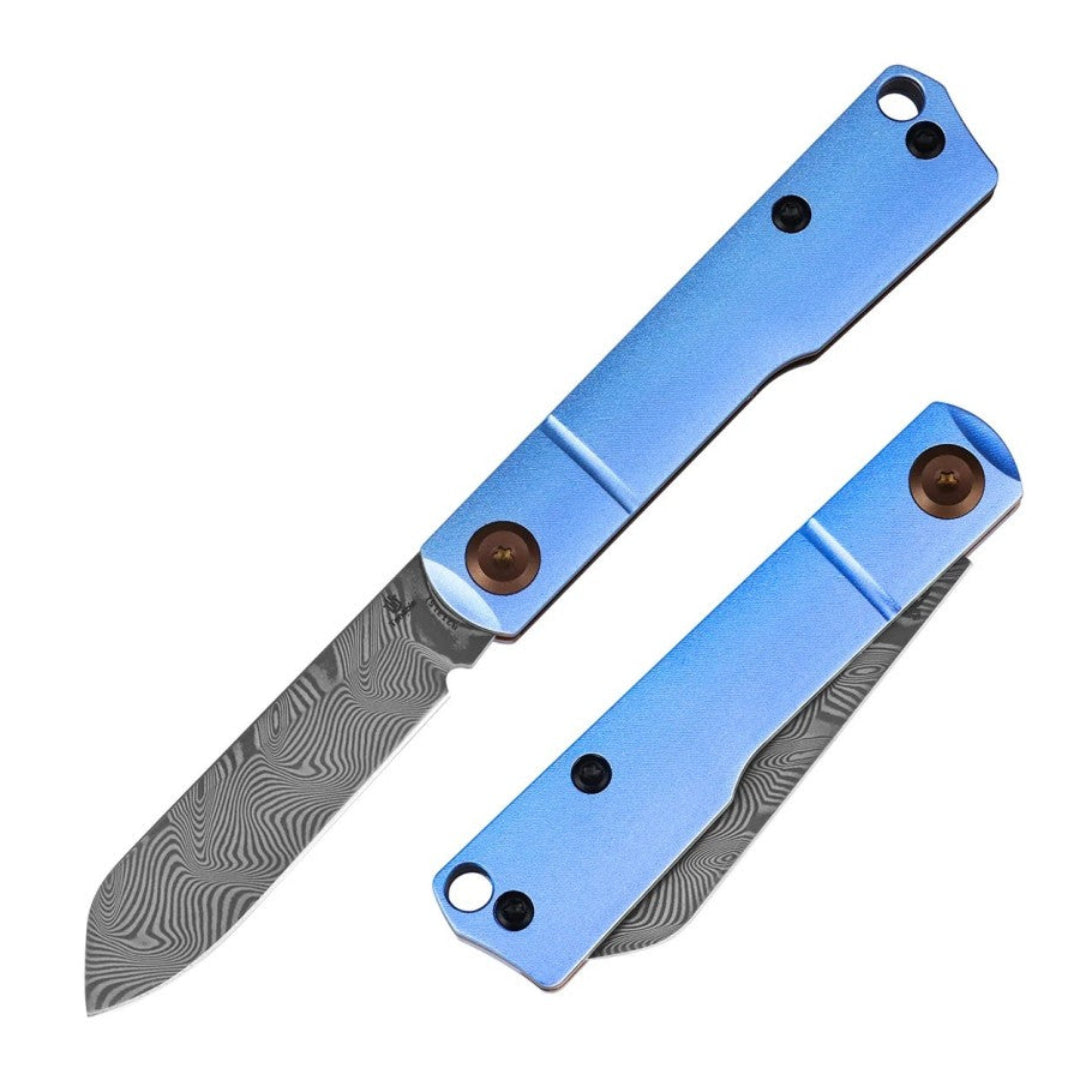
Designed in collaboration with custom knife maker Brandon Corbin and engineered by Kansept, the Kansept Mini Lanza strikes a balance between rapid blade deployment and structural security. By combining dual low-profile thumb studs, a caged ceramic ball-bearing pivot, and a concealed locking mechanism, this folder delivers a smooth opening glide and reliable lockup security.
Low-Friction Pivot Engineering: Caged Ceramic Bearings
The fluid opening action relies on a caged ceramic ball-bearing pivot system. Traditional phosphor-bronze or Teflon washers rely on sliding friction across a flat surface area, which requires a break-in period and creates noticeable drag.
| Pivot Mechanism Attribute | Standard Bronze / Polymer Washers | Caged Ceramic Ball-Bearing System |
| Friction Dynamics | Surface-to-surface sliding friction | Low-resistance rolling point contact |
| Action Tactile Feel | Stiff or hydraulic; requires manual break-in | Effortless, ultra-smooth out-of-the-box glide |
| Environmental Immunity | Bronze can tarnish; polymers wear out | Ceramic balls are completely immune to rust and corrosion |
| Tolerances & Alignment | Requires tight pivot adjustment | Caged races maintain strict axial alignment |
The ceramic bearing balls are housed within caged retainers surrounding the hardened pivot spindle, preventing individual bearings from shifting or wearing unevenly into the titanium handles. This setup minimizes opening resistance, allowing the blade to glide open smoothly while maintaining tight lateral tolerances that eliminate side-to-side blade play.
Ambidextrous Thumb Stud Geometry and Placement
Deploying a pocket knife should be fast and intuitive without sacrificing safety or cutting path efficiency.
Low-Profile Micro-Grooved Profile
The dual thumb studs feature subtle circumferential micro-grooves that provide positive thumb traction without feeling sharp or abrasive against the skin.
Clear Pass-Through Slicing Path
Positioned close to the pivot axis on the blade ricasso, the studs stay out of the primary cutting path. This placement allows the full flat grind to pass through cardboard, rope, and packaging materials without hardware catching or binding.
Balanced Ambidextrous Access
Mounted symmetrically on both sides of the spear-inspired drop-point blade, the studs provide identical leverage for both right-handed and left-handed users.
 Architectural Lockup Security: The Concealed Internal Lock
Lockup security depends on how cleanly the locking leaf engages the blade tang interface under load. Traditional frame locks or exposed liner locks leave the lock bar exposed along the outer handle scale, where hand squeeze pressure can flex the lock bar inward or cause binding during disengagement.
To isolate the locking mechanism from external interference, the folder incorporates an internal Nested Liner Lock.
| Mechanical Component | External Frame Lock Architecture | Internal Nested Locking Architecture |
| Lock Bar Location | Cut directly out of the outer handle scale | Recessed inside CNC-milled internal scale pockets |
| Grip Force Impact | Firm hand squeeze presses lock bar tighter | Outer scale shields lock leaf from external hand force |
| Detent Consistency | Variable detent drag depending on grip tightness | Consistent detent bias and crisp blade release |
| Exterior Profile | Scale cutouts disrupt handle lines | Smooth, continuous Grade 5 Titanium scale contours |
By recessing the hardened steel locking leaf inside precision CNC pockets milled into the inner face of the Grade 5 titanium handles, the outer scales act as a protective barrier. Squeezing the handle tightly during heavy downward cuts cannot press the lock leaf tighter against the blade tang or cause palm binding. When thumb pressure overcomes the detent ball, the blade snaps open smoothly and locks up with a crisp, reassuring mechanical click.
Premium Blade Metallurgy and Technical Specifications
A secure mechanical platform requires top-tier blade steel to maintain a wear-resistant tang interface over thousands of opening cycles.
| Specification Parameter | Measurement (Metric / Imperial) | Performance Function |
| Overall Length | 190.5 mm / 7.50 in | Proportioned for full four-finger grip leverage |
| Blade Length | 81.1 mm / 3.19 in | Generous edge reach with an efficient blade-to-handle ratio |
| Blade Thickness | 3.0 mm / 0.118 in | Slim spine stock optimizes deployment mass and slicing speed |
| Closed Length | 109.4 mm / 4.31 in | Compact footprint for deep, discrete pocket carry |
| Overall Weight | 127.3 g / 4.49 oz | Balanced center of gravity near the main pivot assembly |
| Primary Blade Steel | CPM-20CV Super Steel | Exceptional edge retention, 59-61 HRC, & 20% Chromium rust immunity |
| Collector Steel Option | Pattern-Welded Damascus Steel | Forged multi-layer alloy offering high visual contrast & slicing bite |
Hardened to 59-61 HRC, the flagship CPM-20CV blade tang provides a wear-resistant contact surface that mates precisely with the internal stainless steel lock leaf, preventing sticky lock disengagement over long-term use.
 Daily Pocket Retention and Fast Readiness
Smooth deployment must be paired with convenient pocket retrieval. Constructed with Grade 5 Titanium handle scales, the chassis stays lightweight and rigid.
A custom 3D-machined titanium pocket clip, configured for tip-up, right-hand carry, holds the folder securely against pocket seams. Its rounded contours allow the folder to slide out smoothly, placing the user's thumb directly onto the dual studs for immediate, fluid deployment.