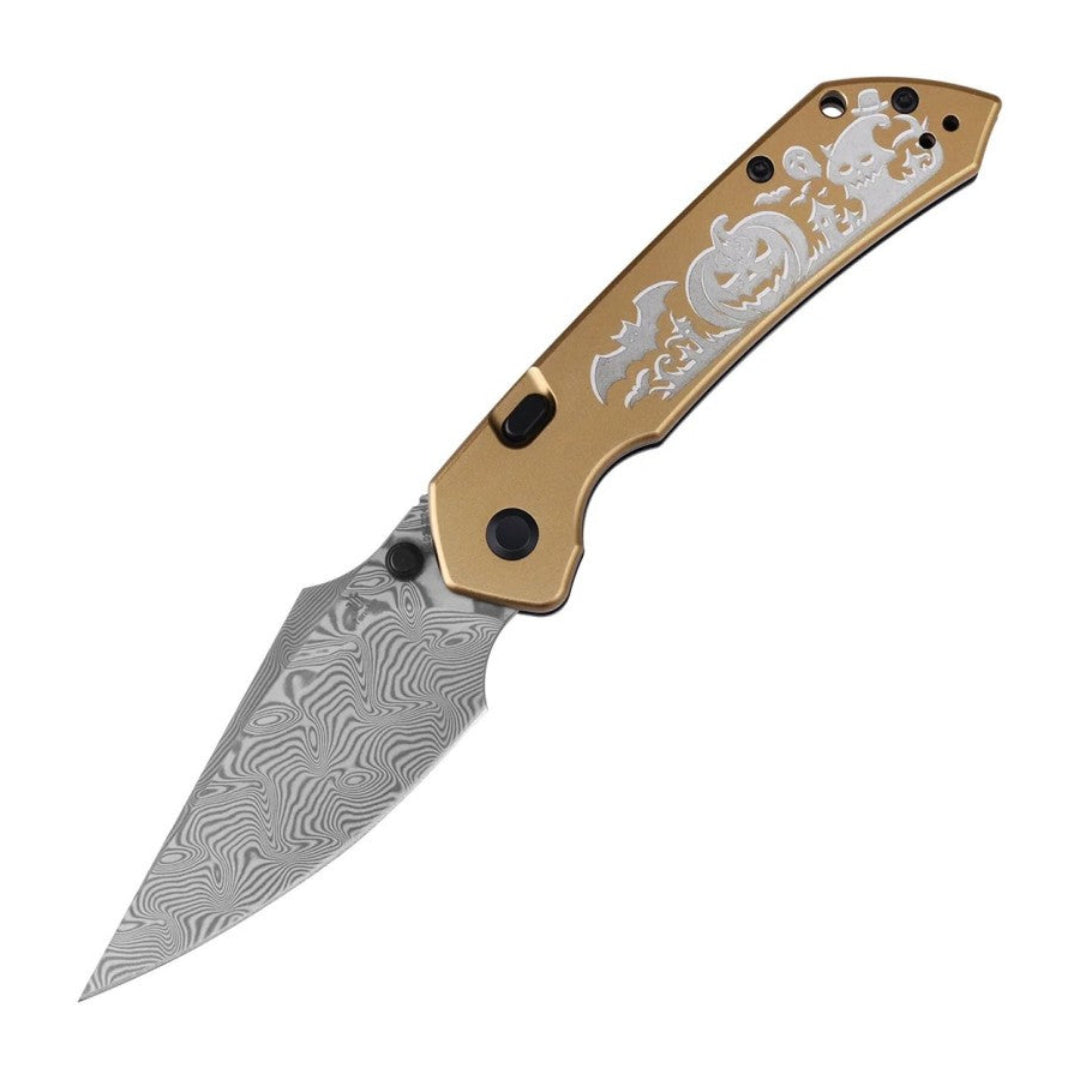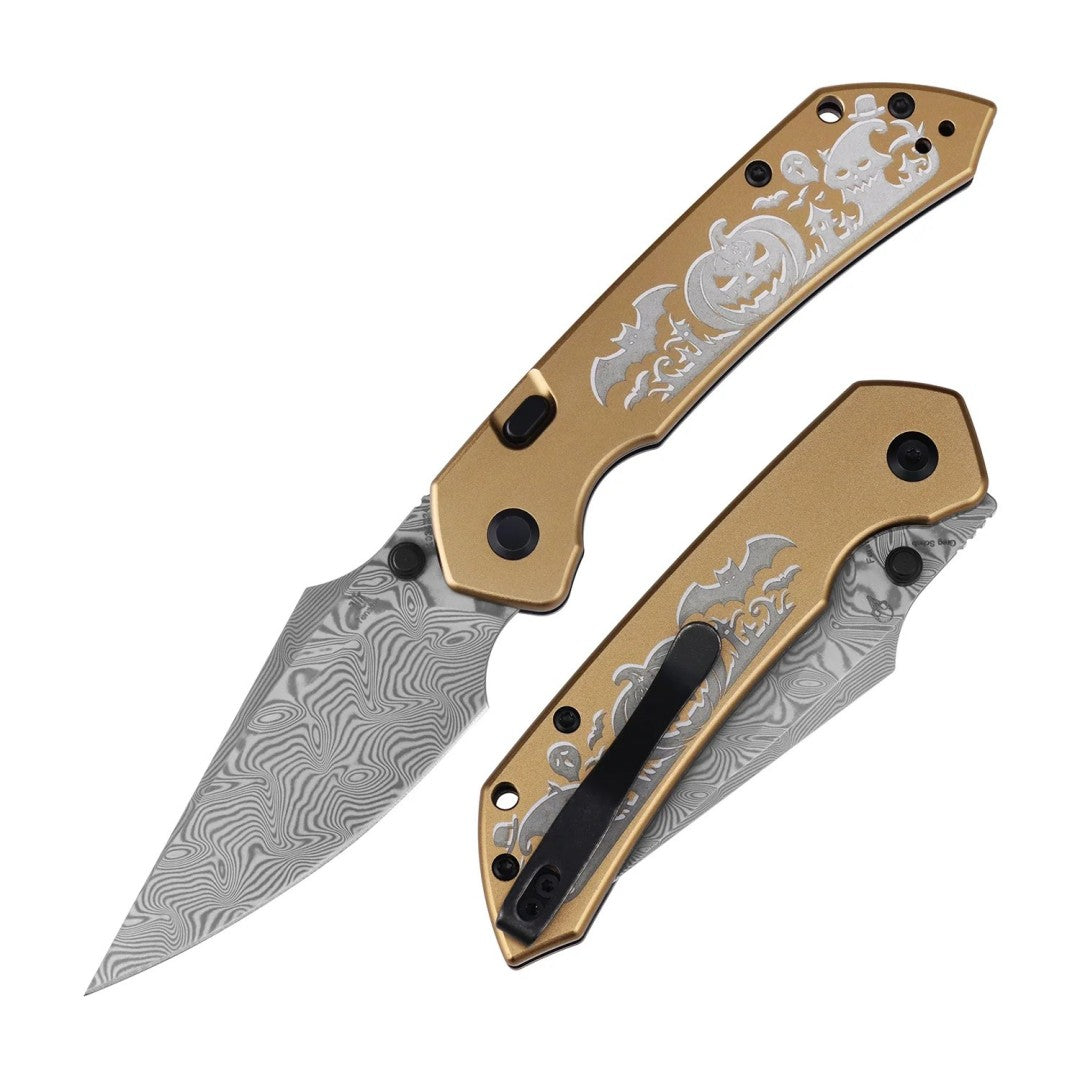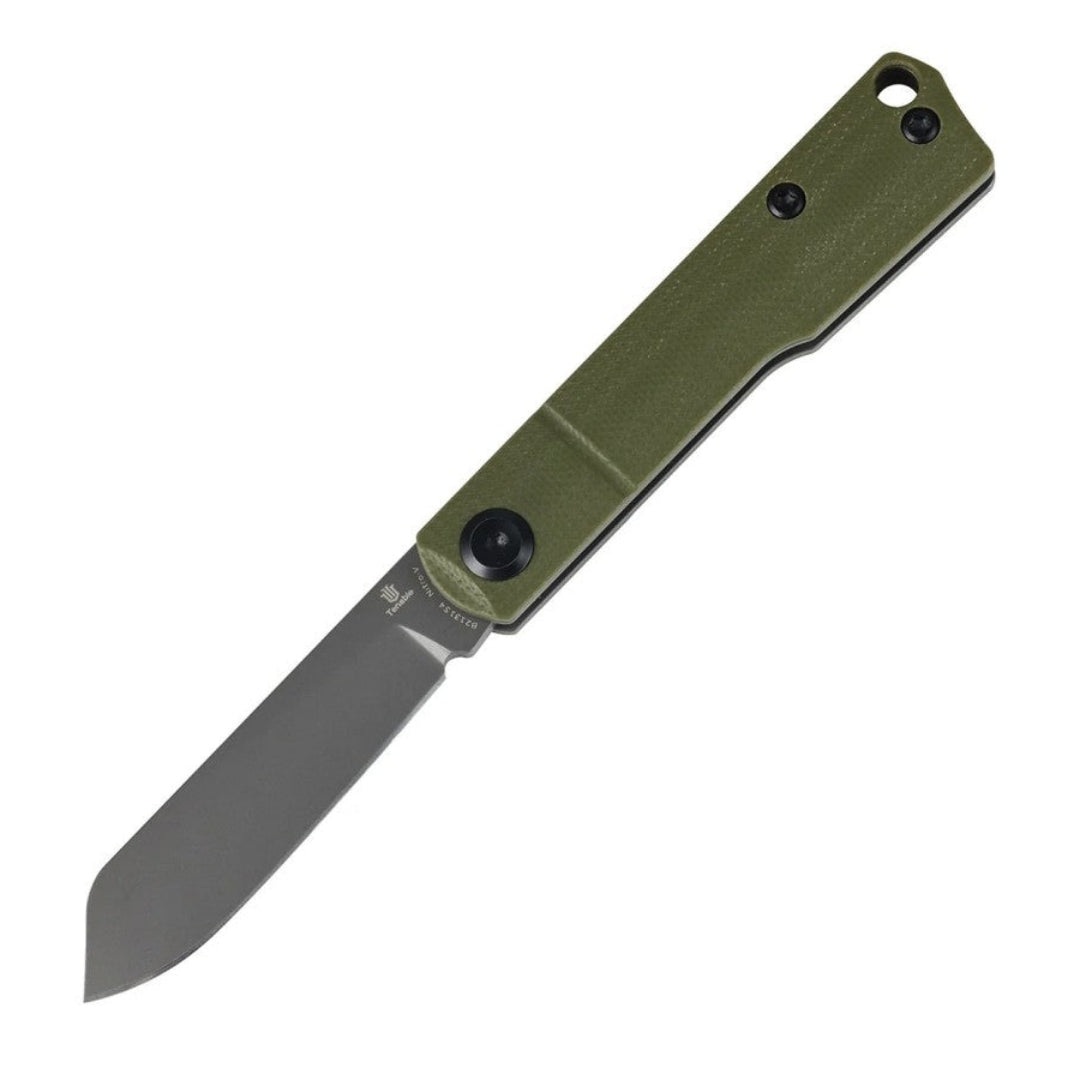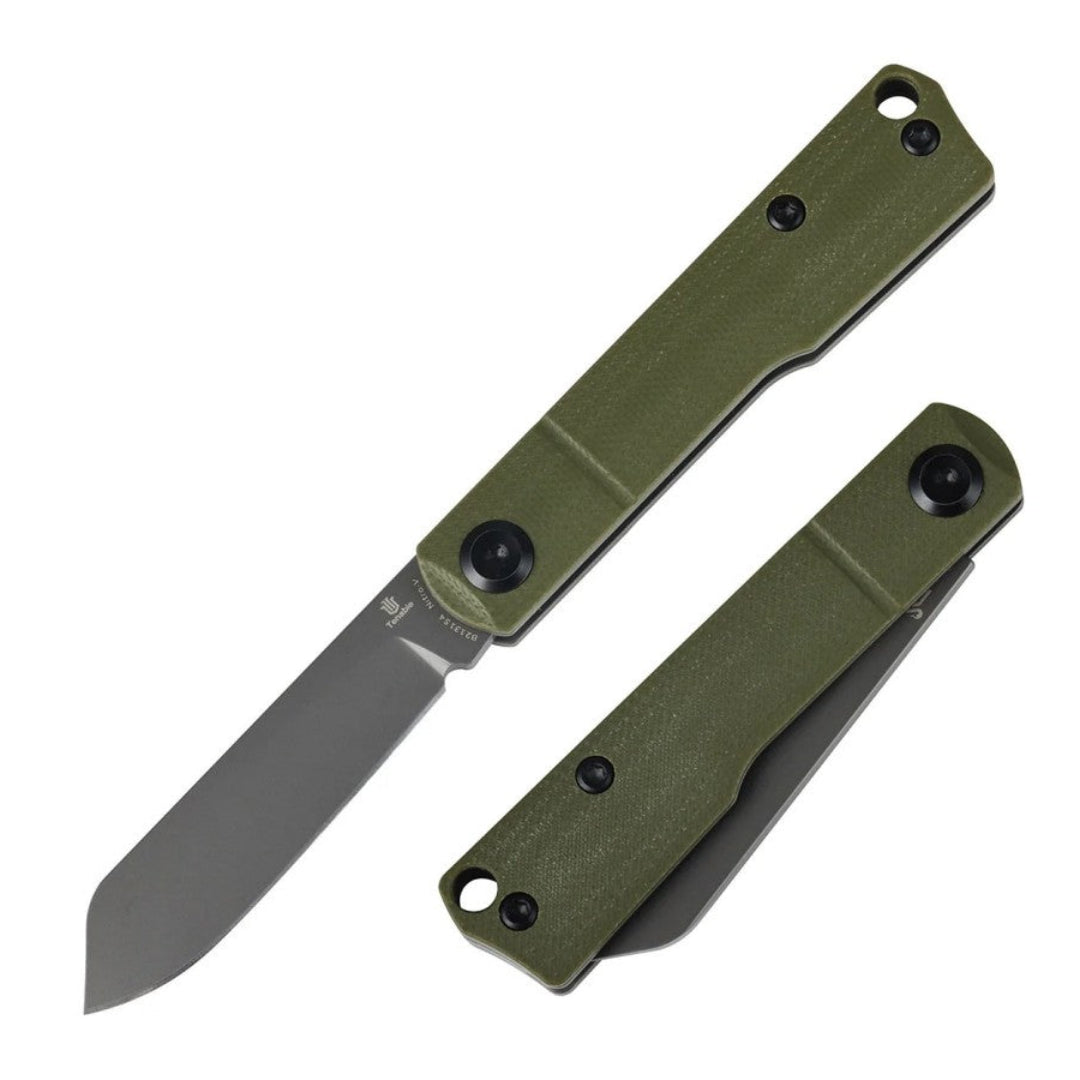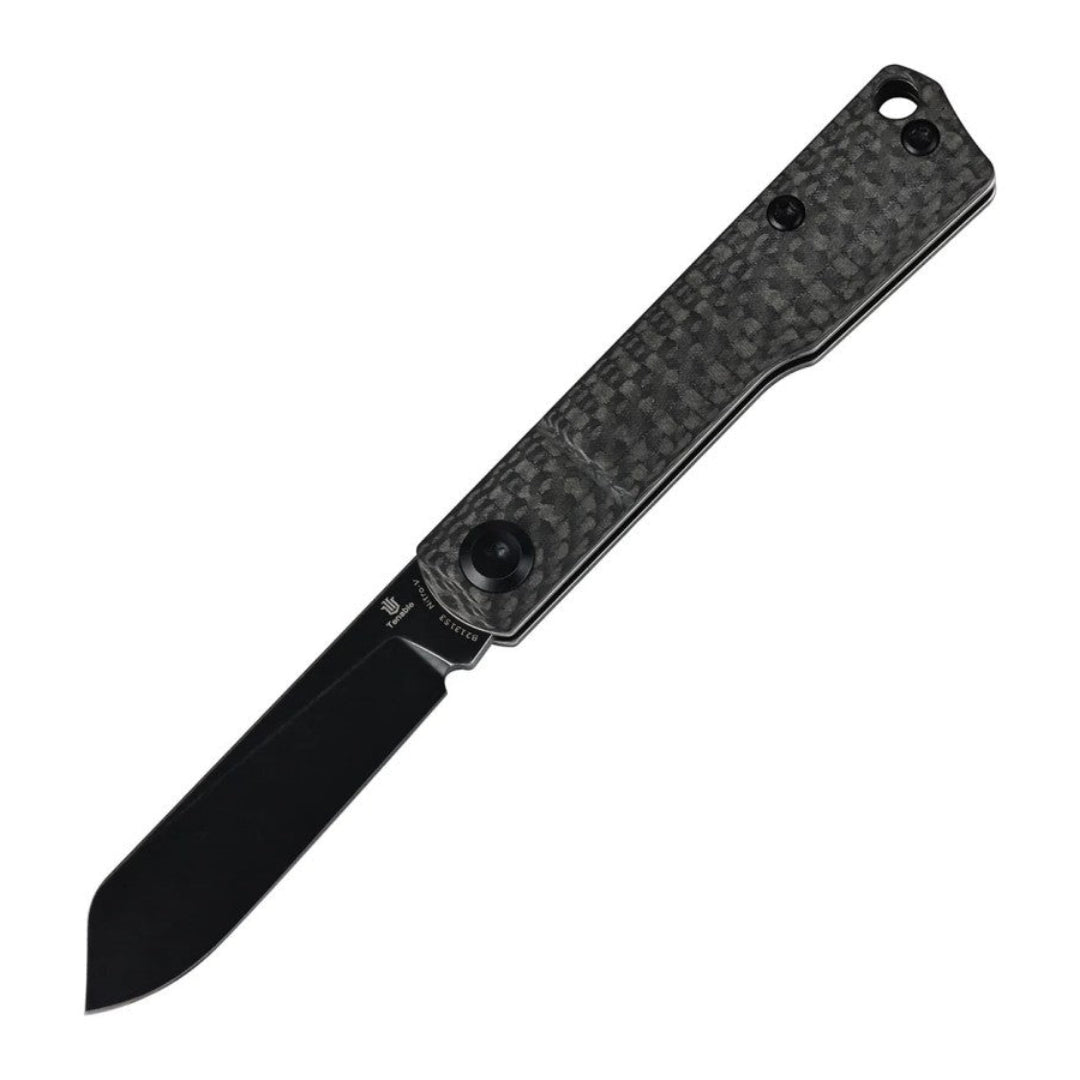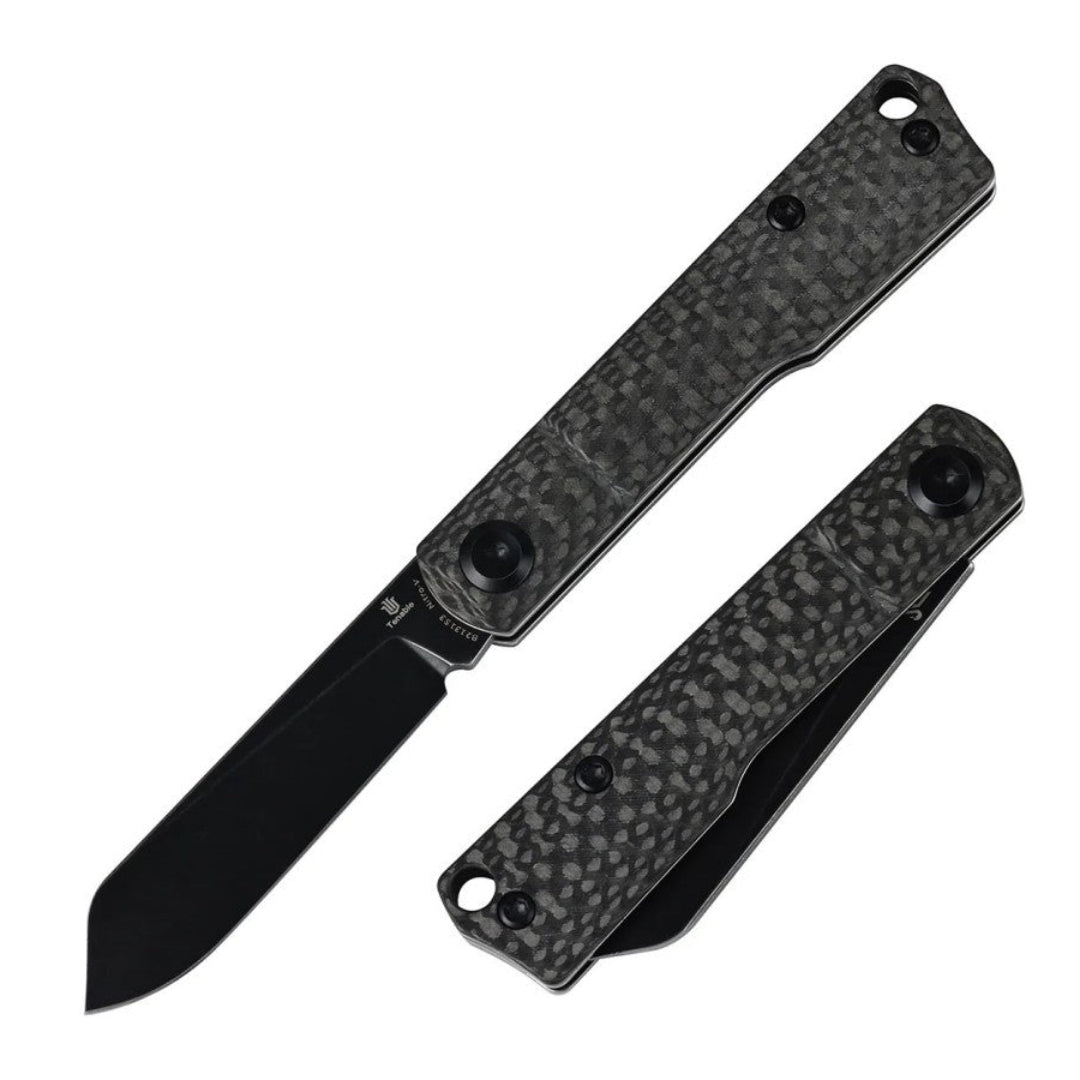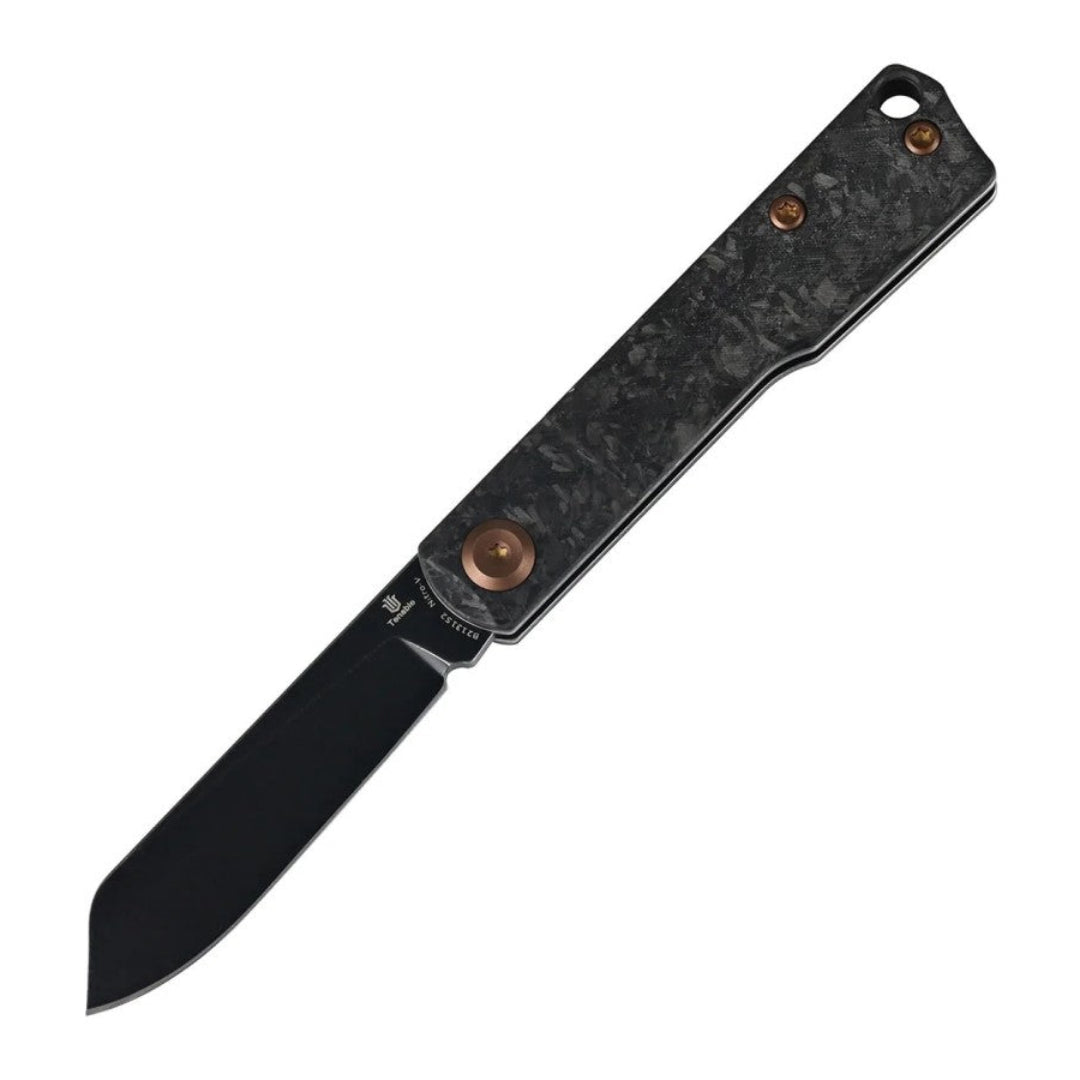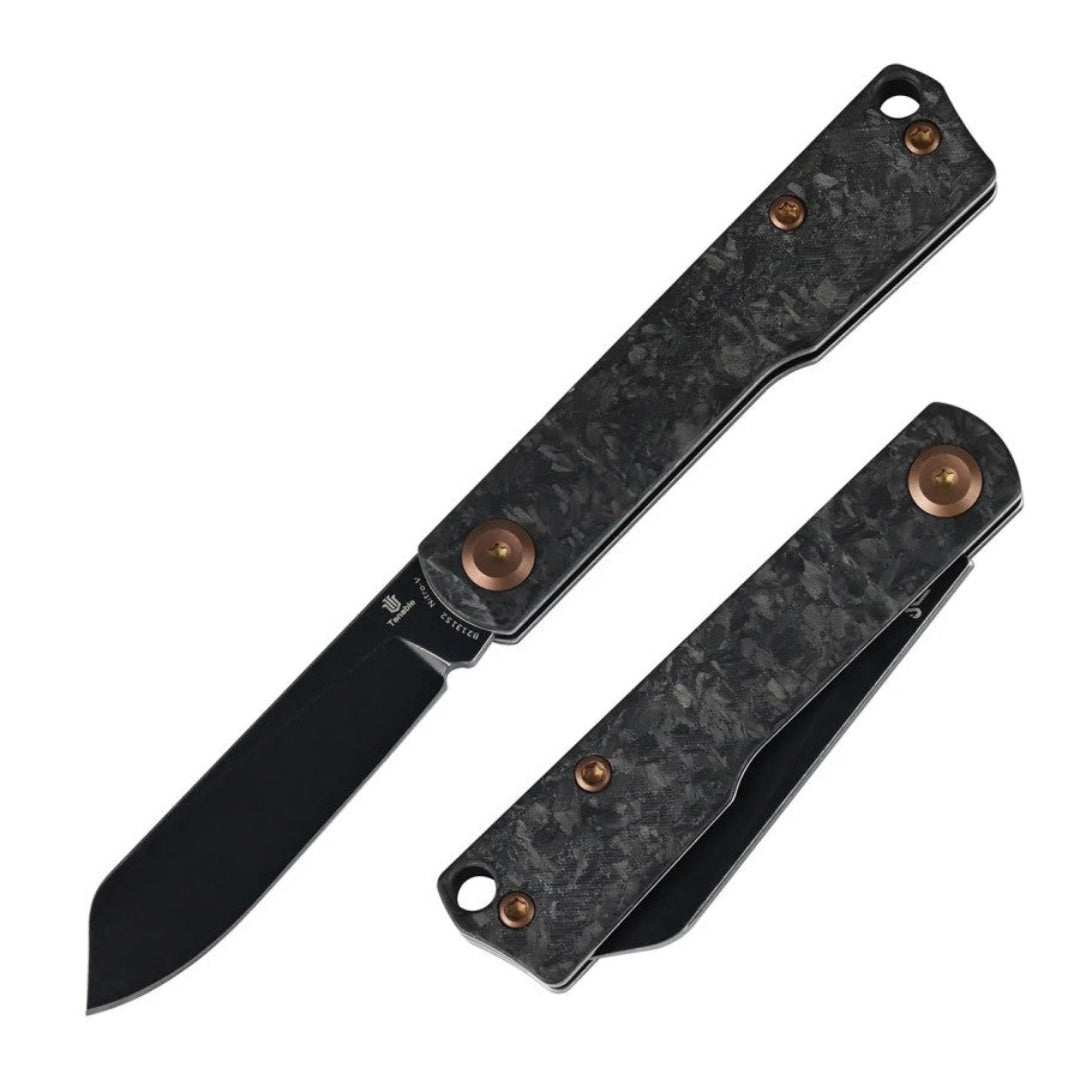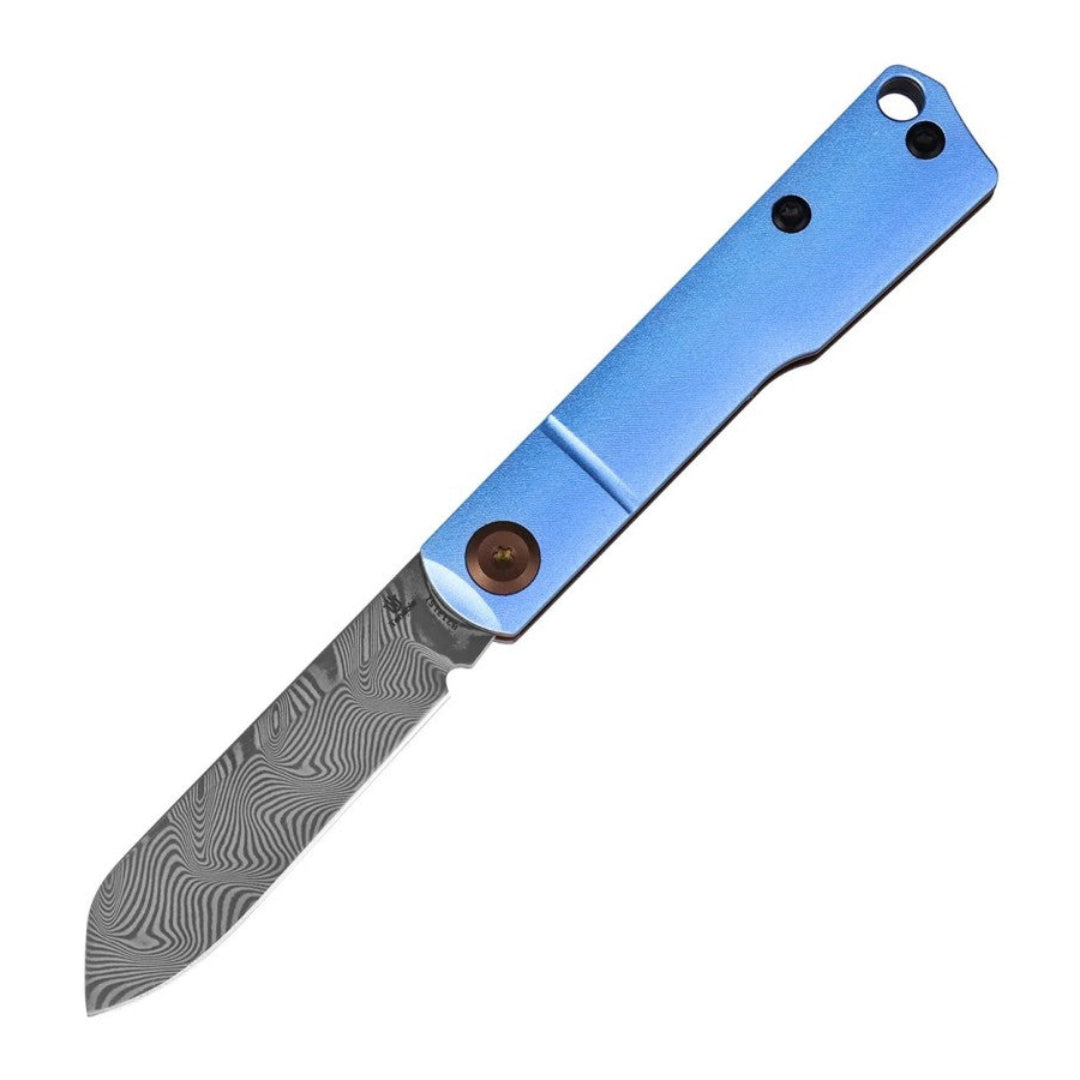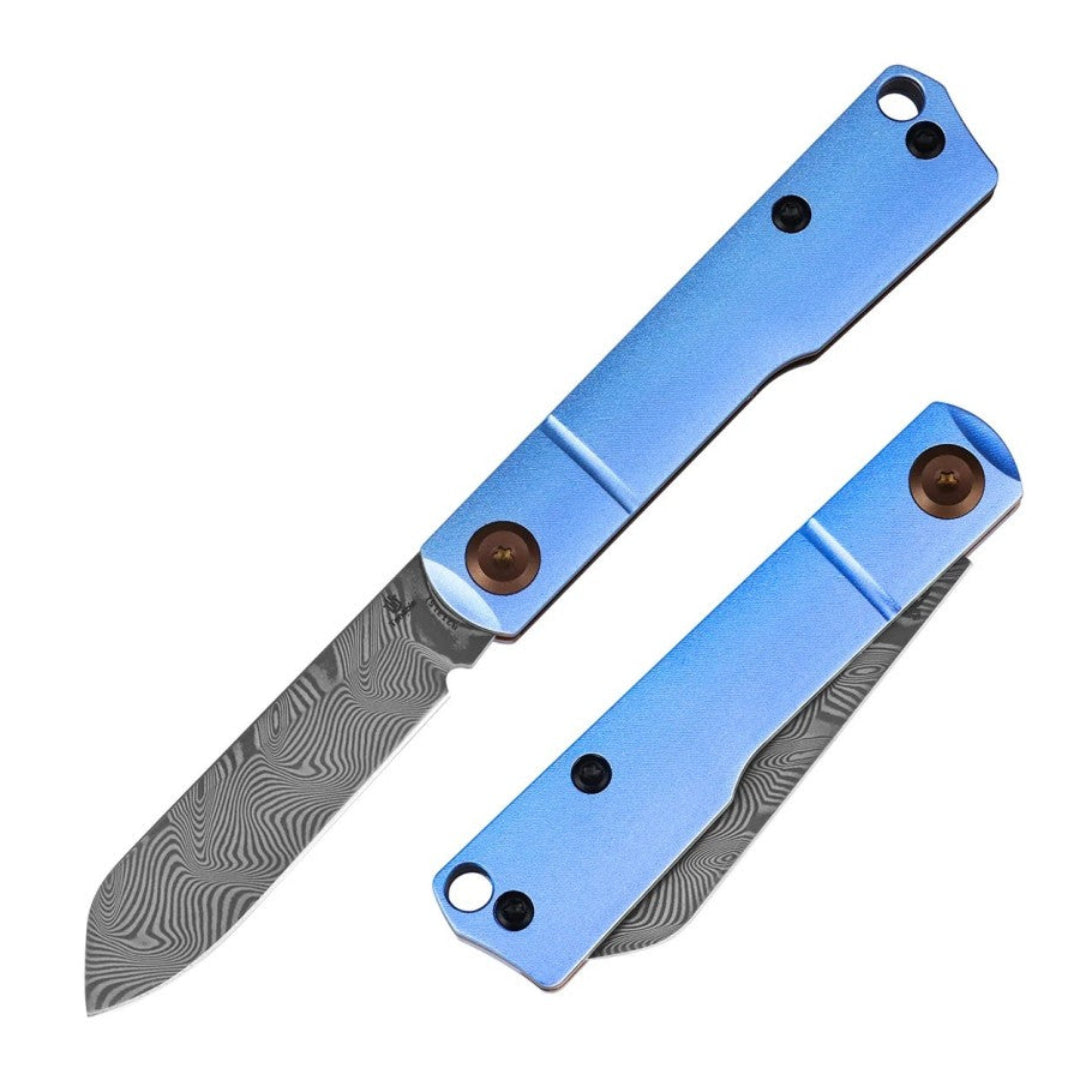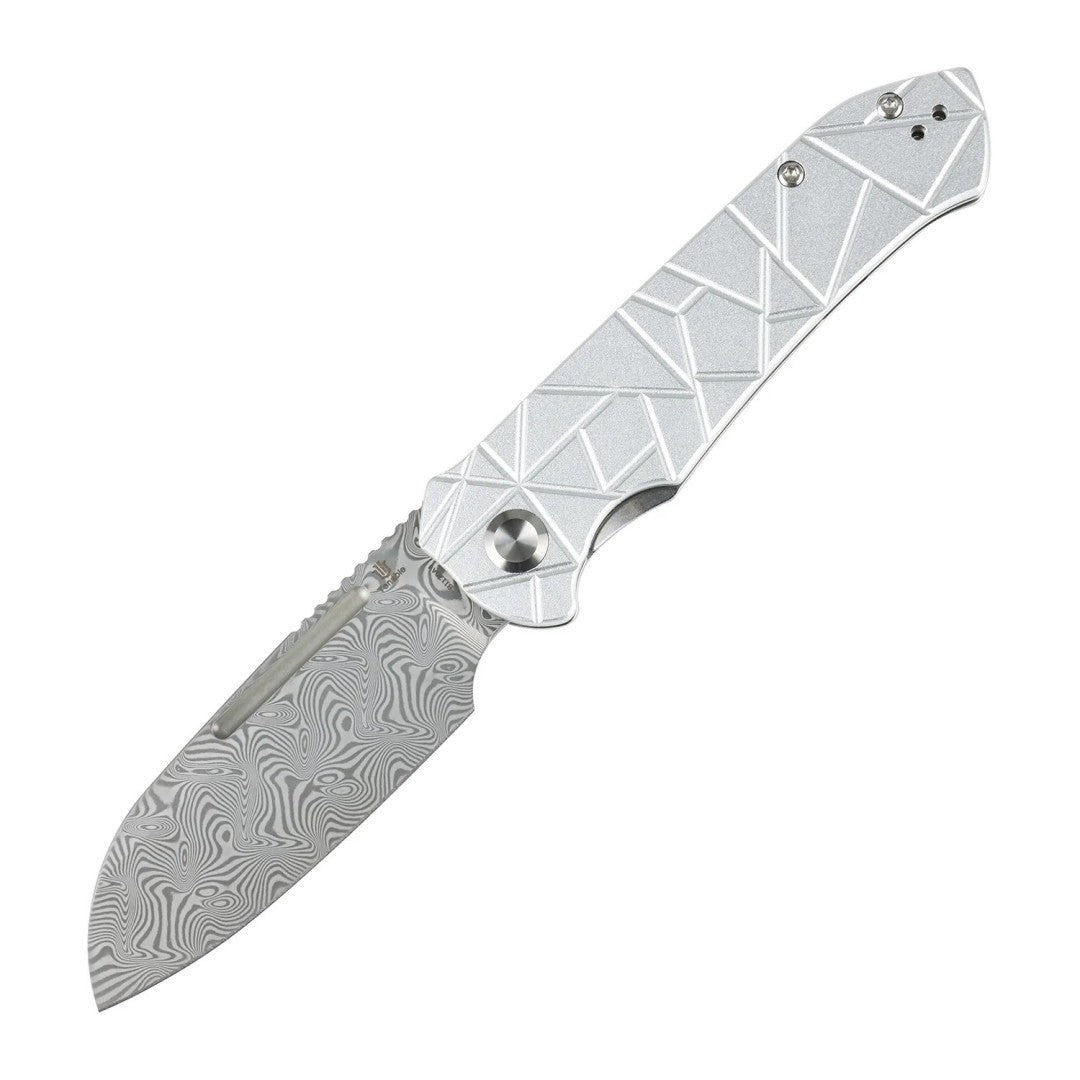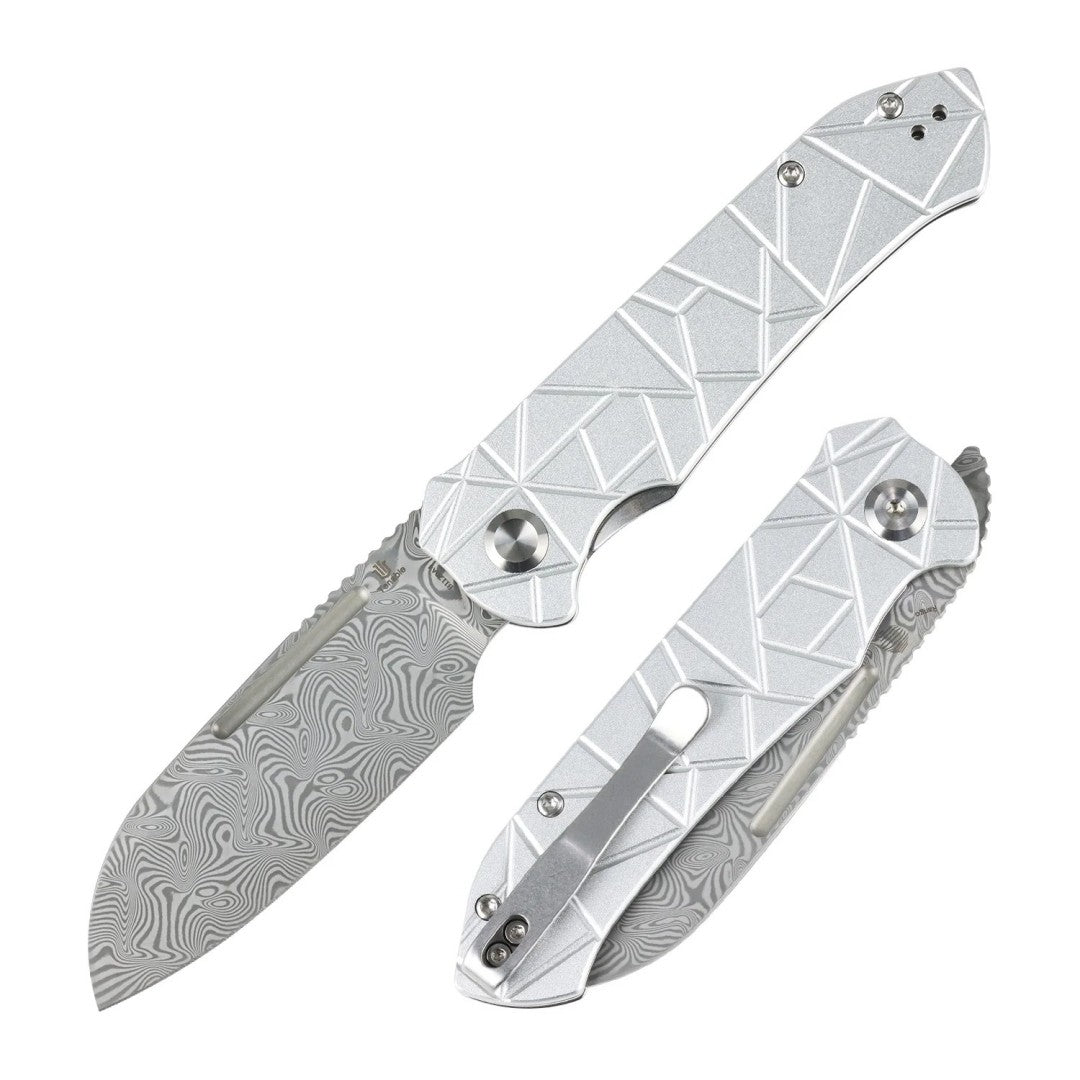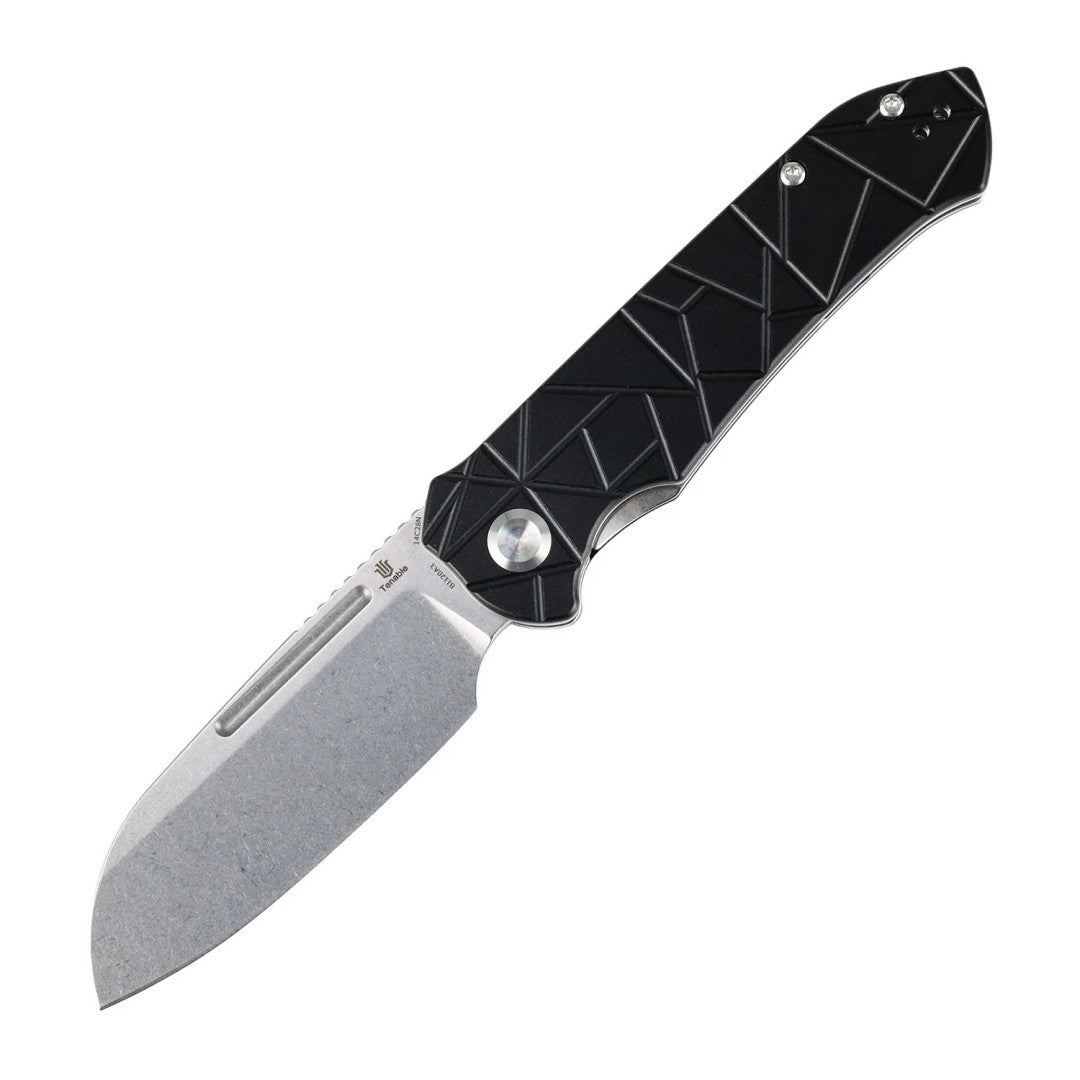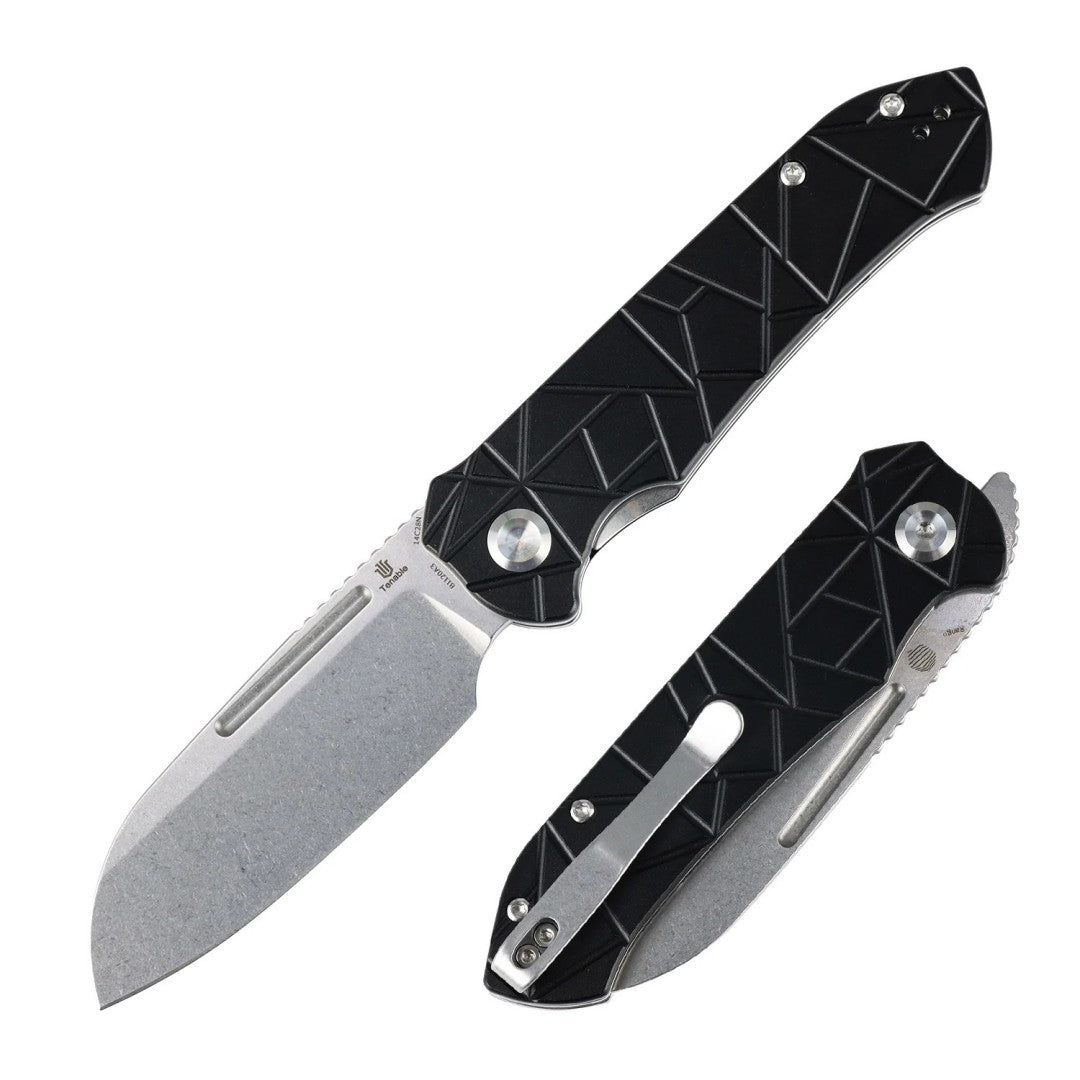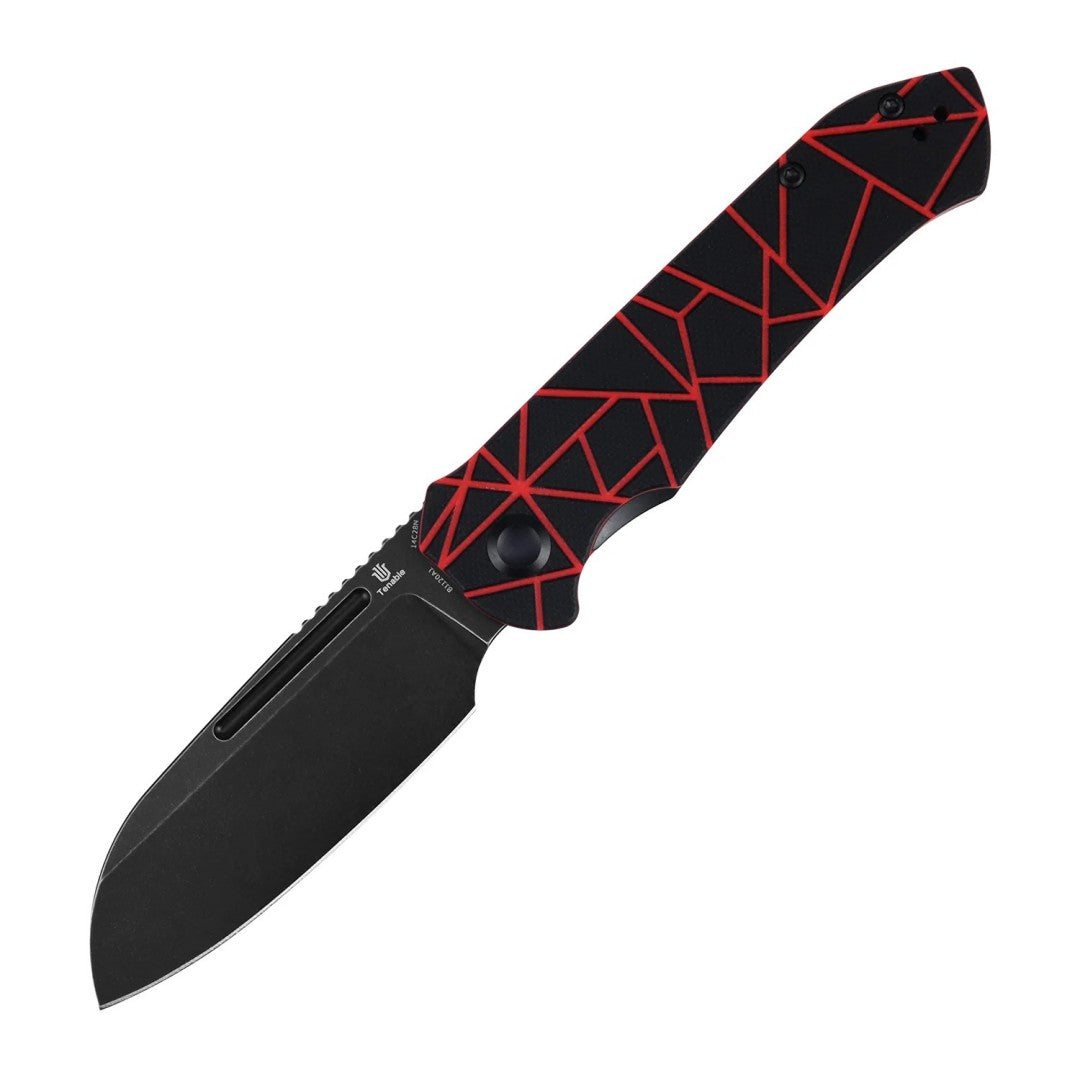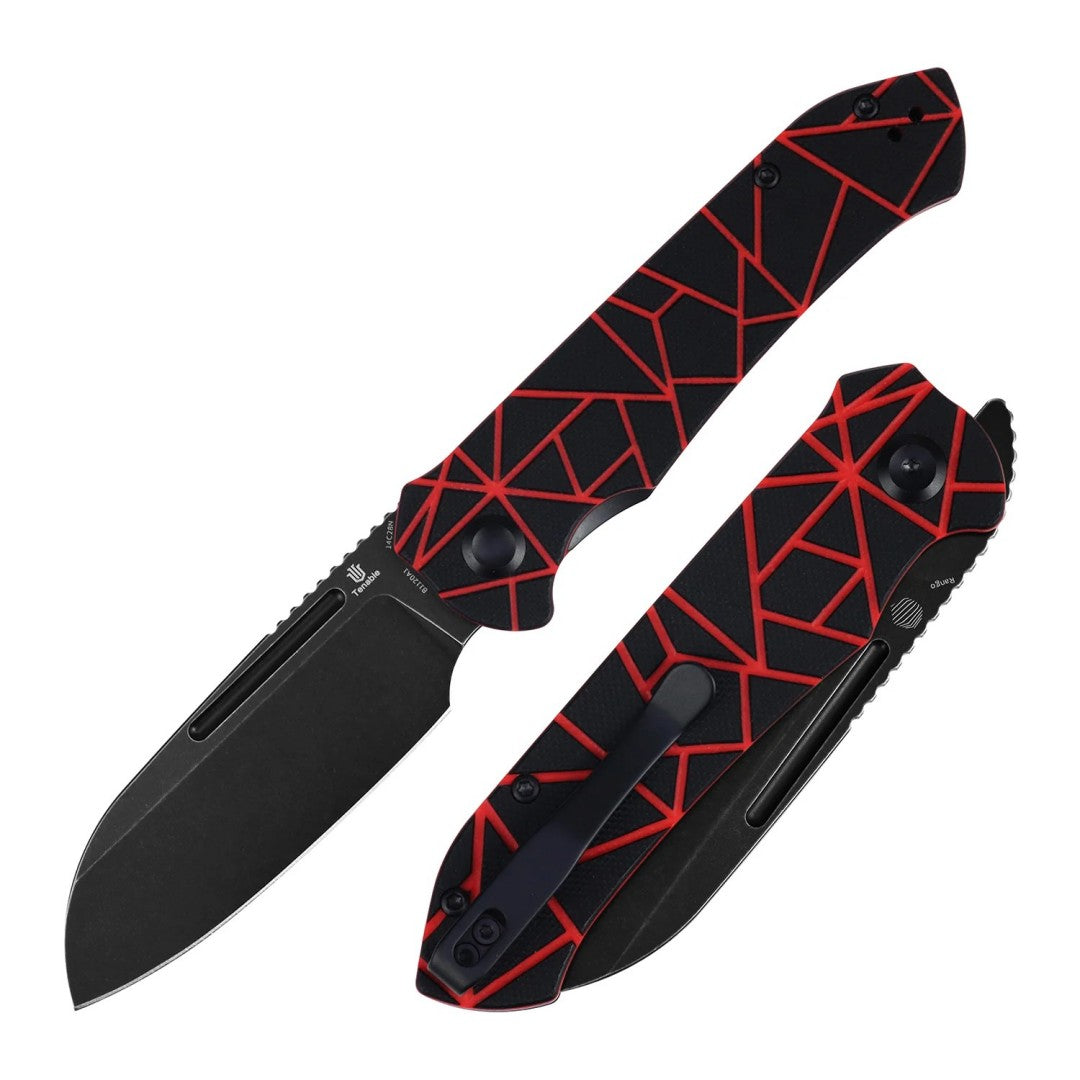

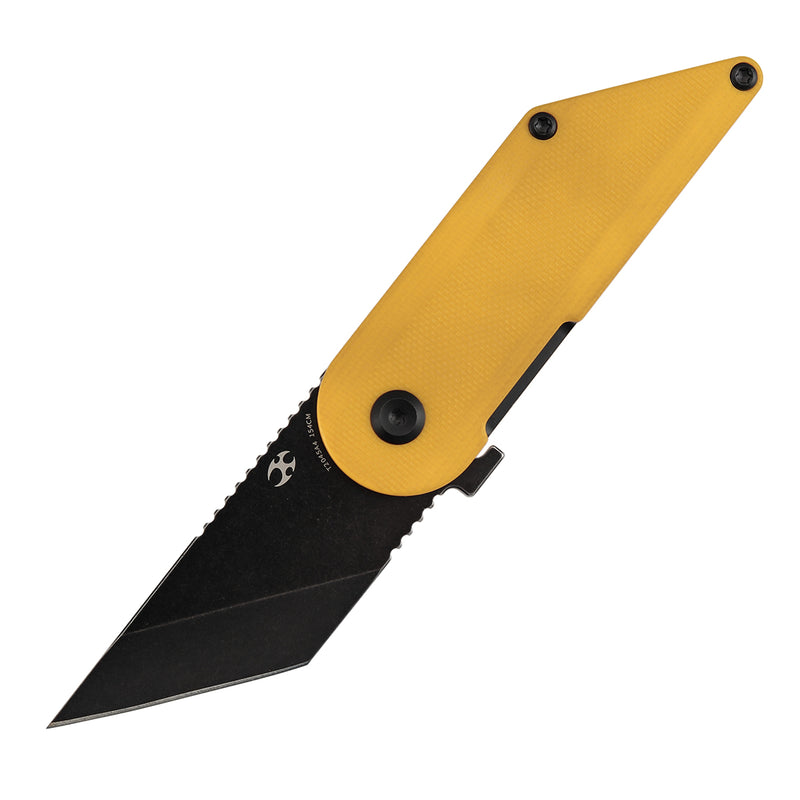
A pocket knife’s deployment system is the heart of its overall user experience. If a blade is sluggish, stiff, or awkward to open, it quickly gets left behind on the gear shelf. The Kansept Dash has become a legendary compact tool within the global EDC community specifically because its opening action is nothing short of addictive. Manufactured by Kansept, an industry-leading production house celebrated for its clinical machining tolerances and glassy pivots, this Dirk Pinkerton design bridges the gap between historical geometry and elite modern mechanics.
To understand why this miniature powerhouse deploys with such incredible speed and consistency, we have to look past the handle scales and dive deep into the precision internal engineering.
The Heart of the Action: Multi-Row Ceramic Ball Bearings
At the center of this knife's smooth action is its internal pivot assembly. While entry-level utility folders save money by using stiff nylon washers or simple bronze discs, Kansept equips this model with a high-end caged ceramic ball bearing system.
Ceramic bearings offer massive physical advantages over traditional metal ball bearings:
-
Zero Debris Deforming: Ceramic is incredibly hard, meaning microscopic pocket lint or dust particles will not scratch or deform the bearings over time.
-
Frictionless Fluid Path: The perfectly spherical shape of the ceramic bearings allows the 154CM stainless steel blade to glide on a completely frictionless path.
-
Zero Hydroplaning: Unlike bronze washers that can get sluggish when oiled, ceramic bearings provide a snappy, crisp deployment that requires zero break-in period right out of the box.
Mastering the Dual-Deployment Geometry
Dirk Pinkerton designed the framework to accommodate various deployment preferences. Depending on the specific model configuration you choose, the series utilizes two primary opening mechanics, each optimized for instant one-handed use:
1. The Front Flipper Tab
For the minimalist user, the front flipper version provides a completely clean silhouette when the knife is fully open. The flipper tab sits subtly on top of the handle spine when closed. It features ultra-fine, precise jimping (traction ridges) that catch the meat of your thumb or index finger. With a slight downward pull—similar to striking a match—the internal detent breaks, and the blade rockets open around the pivot instantly.
2. The Low-Profile Thumb Disk
For users who prefer a classic, controlled manual deployment, the thumb disk variation replaces traditional thumb studs. The circular disk sits flat against the blade spine, providing a wide, textured surface area for your thumb to press against. This configuration allows you to either "flick" the blade open at high speed or slowly rotate it open when working in quiet, professional office settings where a loud metallic snap might cause unnecessary alarm.

The Critical Role of the Tuned Ceramic Detent
A smooth bearing pivot is useless without a perfectly calibrated internal detent system. The detent is what holds the blade safely inside the handle scales when closed and builds the initial mechanical resistance required for a snappy opening.
Kansept presses a high-precision ceramic detent ball directly into the spring-tempered stainless steel liner lockbar. When the knife is closed, this ball rests inside a milled detent hole on the blade tang.
When you apply pressure to the flipper tab or thumb disk, the blade doesn’t just slowly creep open. Instead, it holds position until your finger exerts enough force to override the detent ball. The moment the ball slips out of its pocket, all that stored kinetic energy is instantly released, snapping the straight-edge blade into a rock-solid, fully locked configuration with an audible, crisp metallic clack.
Ergonomic Symmetry for Safe One-Handed Closing
True operational smoothness must extend to how the tool closes. Kansept engineered a deep scalloped access relief into the show-side handle scale. This intentional cutout exposes just enough of the jimped liner lockbar for your thumb to find immediate purchase.
The lock releases effortlessly without sticking against the blade tang. Because the ceramic bearings are so frictionless, once the lockbar is pushed aside, the blade drops closed smoothly and safely under its own weight with a slight bias towards the closed detent position. This fluid loop allows you to open, cut, and close the knife using only one hand, keeping your other hand free to steady your workspace.

Final Verdict: Mechanical Perfection
The Kansept Dash proves that an ultra-compact pocket tool can deliver the exact same luxury mechanical feedback as a $500 custom art knife. By pairing Dirk Pinkerton's brilliant utility angles with a flawless matrix of caged ceramic bearings, calibrated detents, and ergonomic handle cutouts, Kansept has created a masterclass in modern folding deployment. If you value fluid, highly responsive, and completely reliable pocket gear, this tool is engineered to satisfy your standards with every single flip.