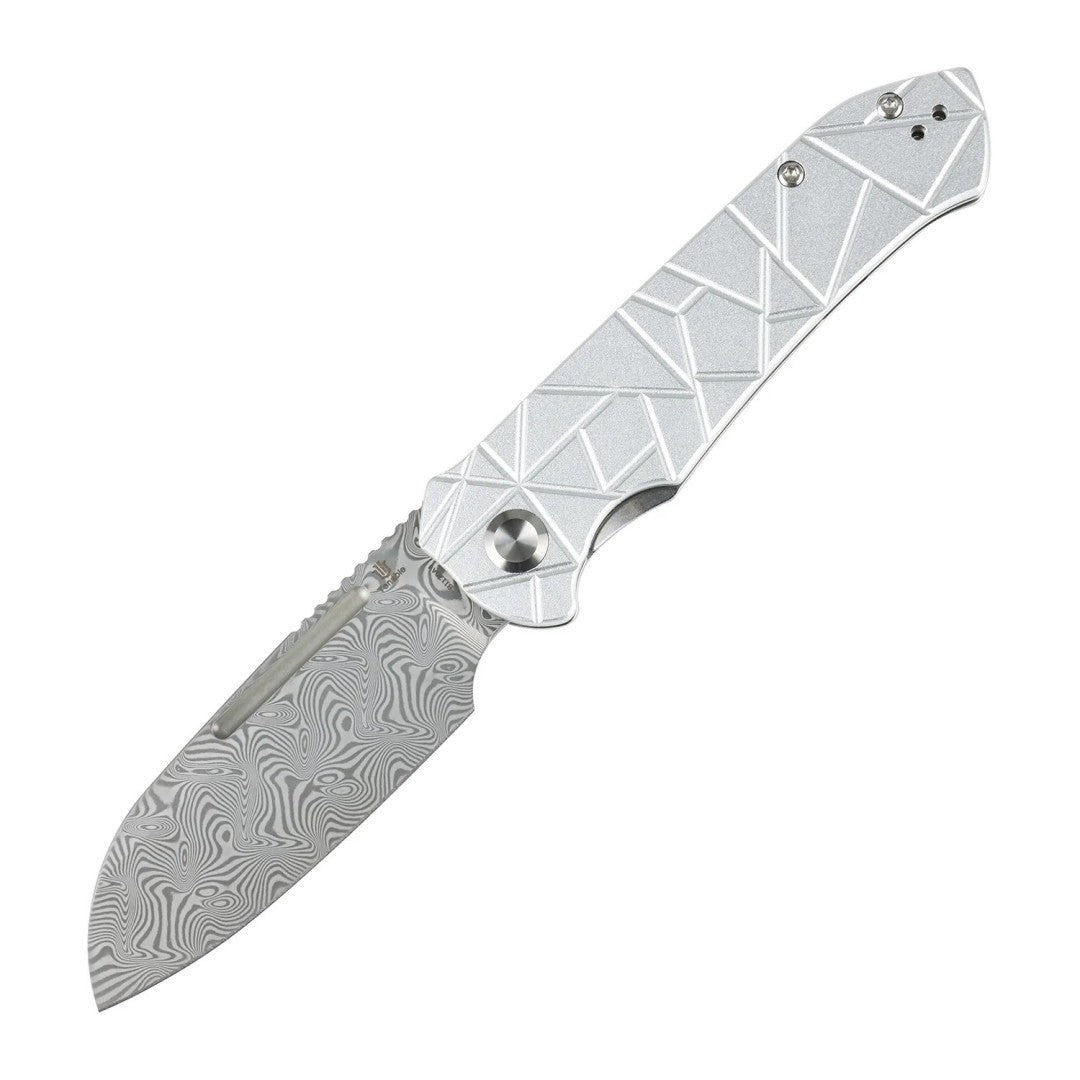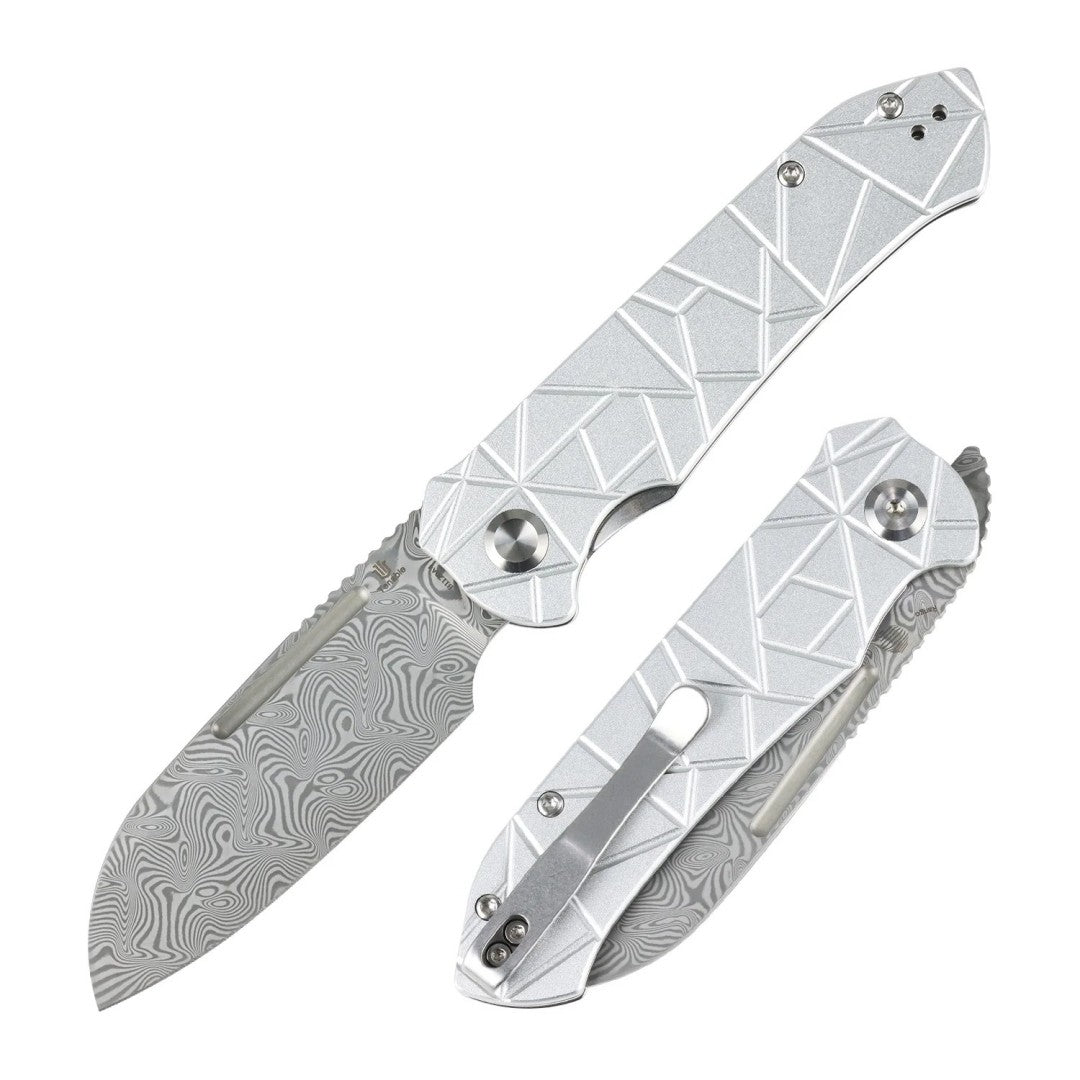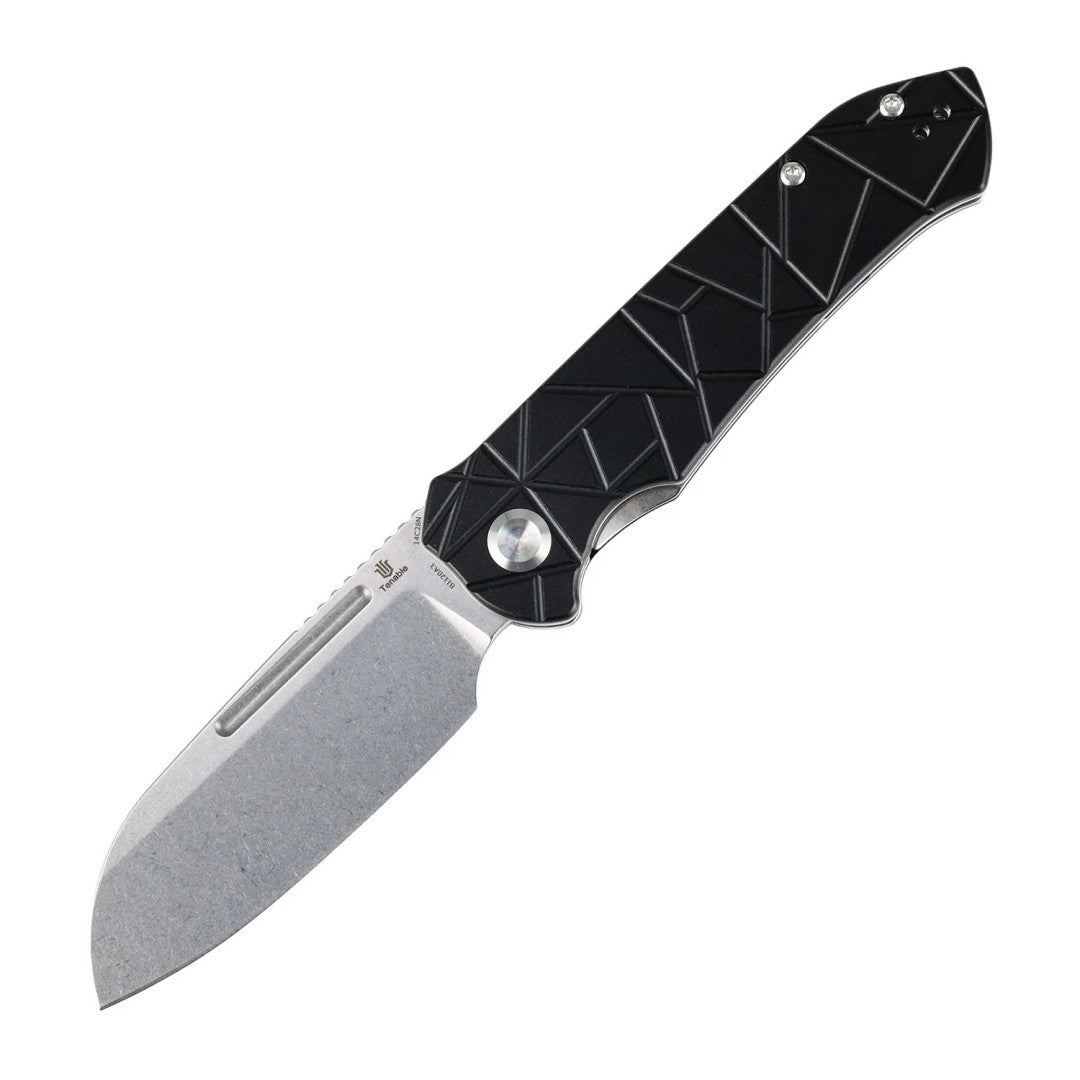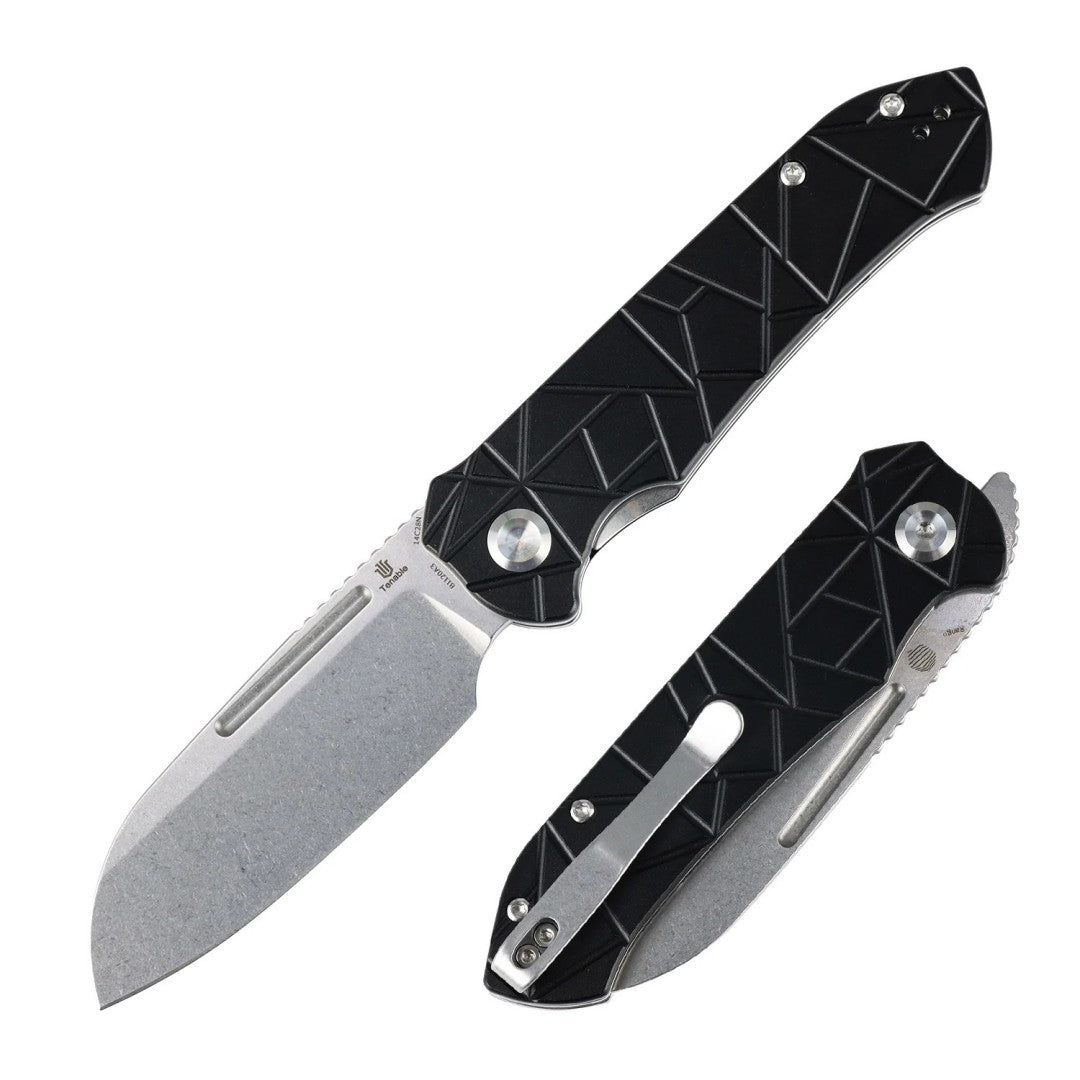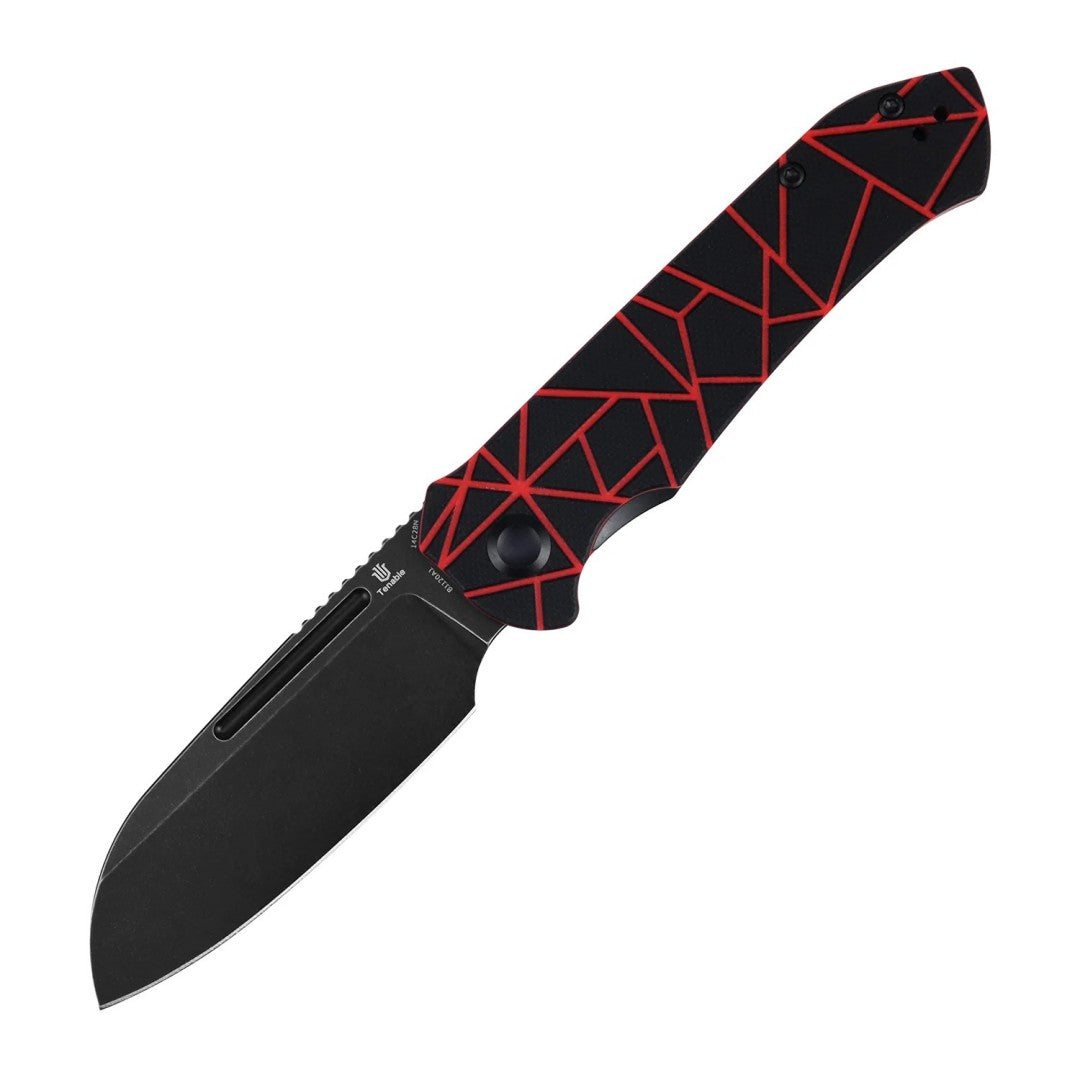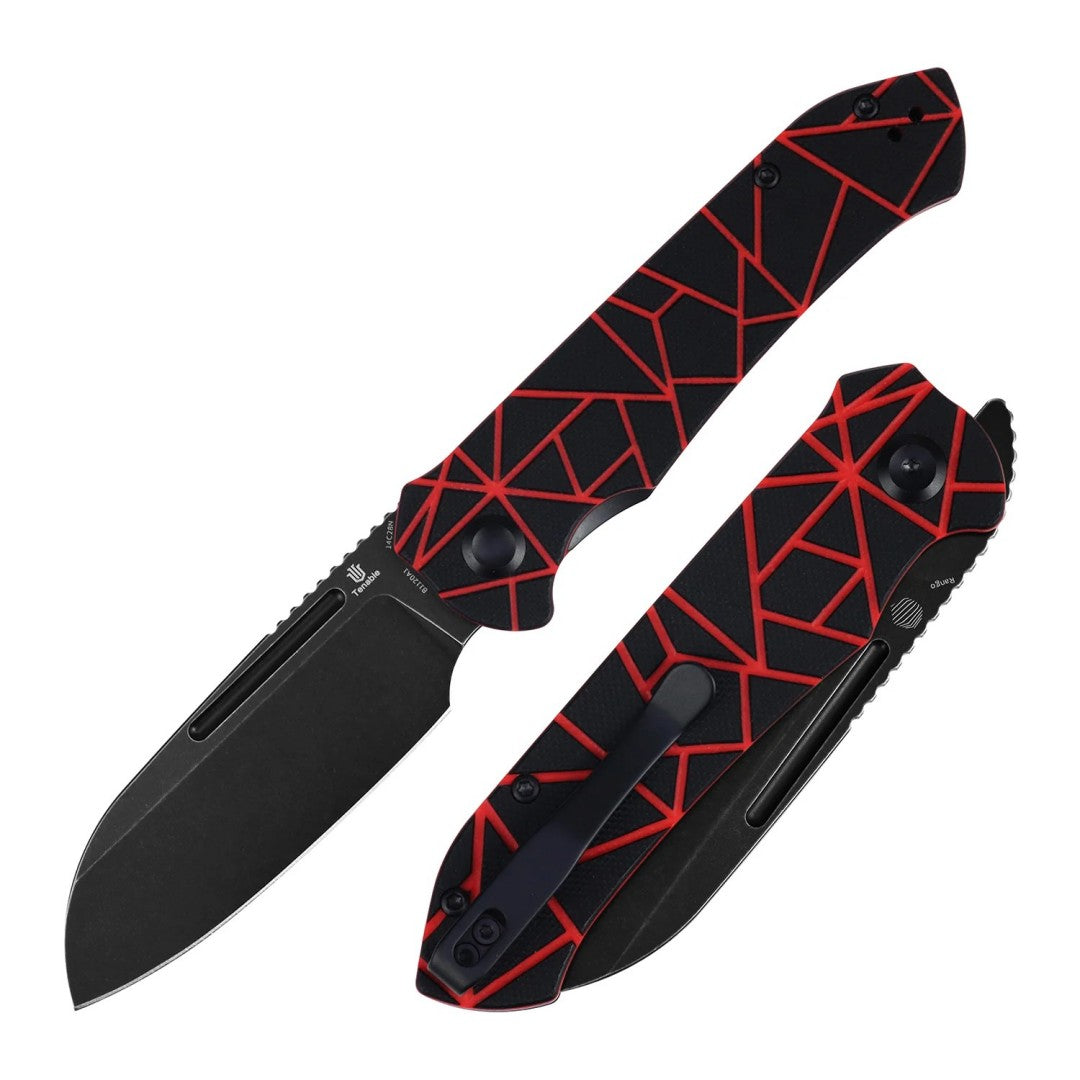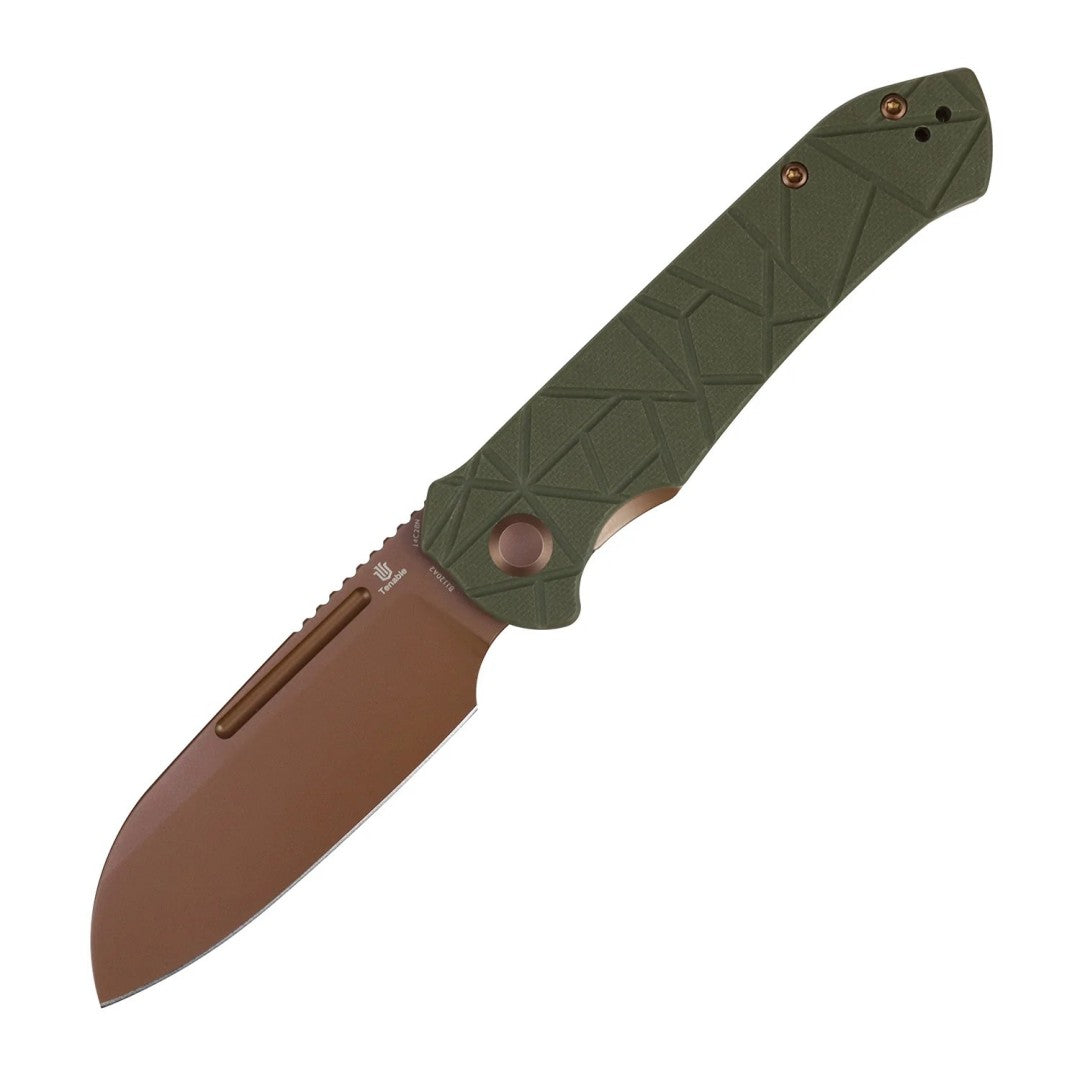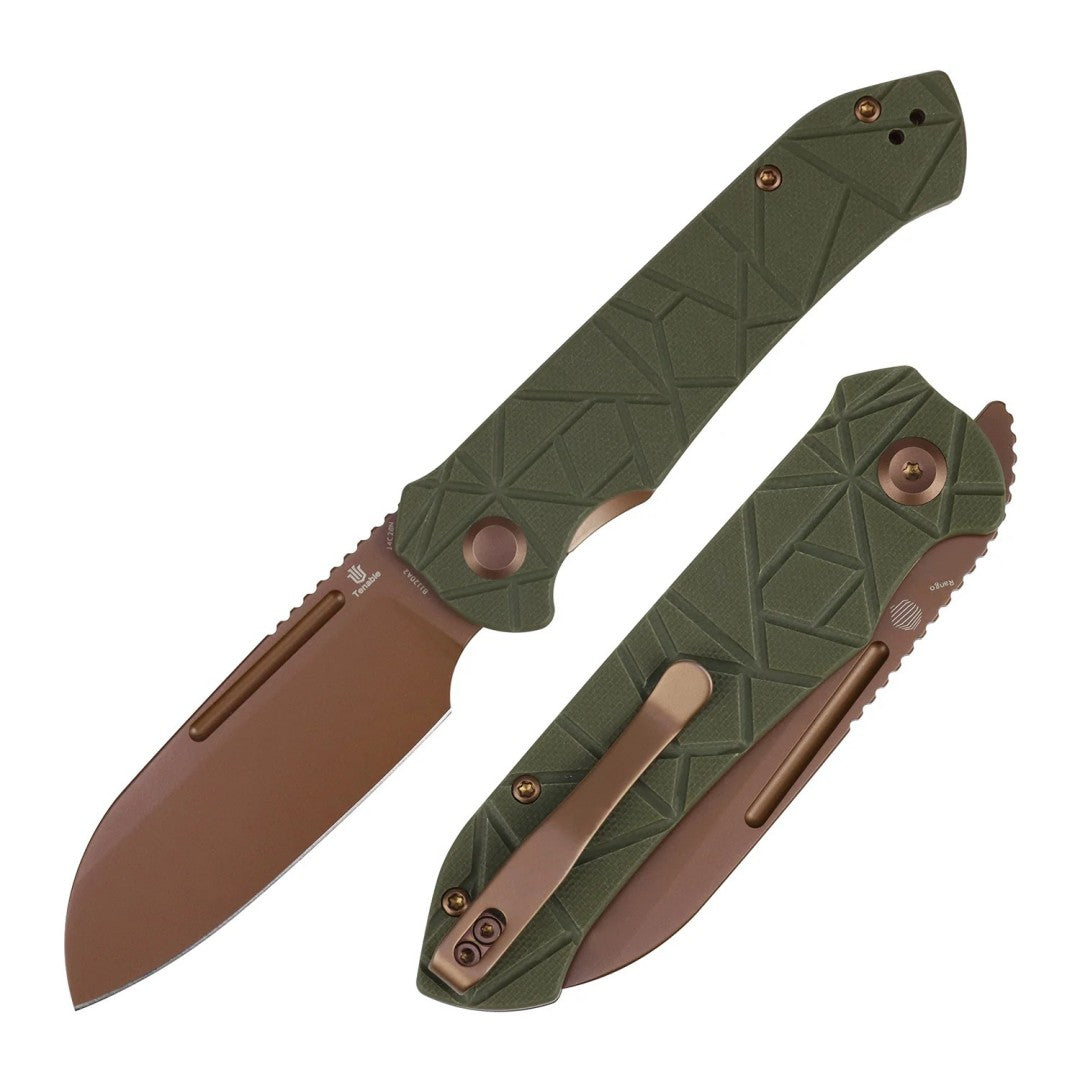
Finding a reliable pocket folder in today's crowded knife market often comes down to choosing between mass-market production designs and custom-inspired craftsmanship. The Tenable Tuckamore, designed by custom knifemaker Jonathan Styles for Tenable, has emerged as a standout contender among mid-range pocket folders. But how does this sleek, wilderness-inspired knife truly perform when pitted against the market's most popular mid-range options? In this detailed comparison, we break down blade steel, geometry, handle ergonomics, and deployment mechanics to help you decide whether this exceptional folding knife deserves the next spot in your daily EDC rotation.

Blade Geometry and Real-World Cutting Utility
Most popular mid-range pocket knives rely on standard drop point or clip point profiles featuring a pronounced curved belly. While those curved shapes excel at skinning or hunting tasks, they often struggle during flat-surface slicing, box opening, and heavy package processing.
The series takes a functionally superior approach for daily work:
-
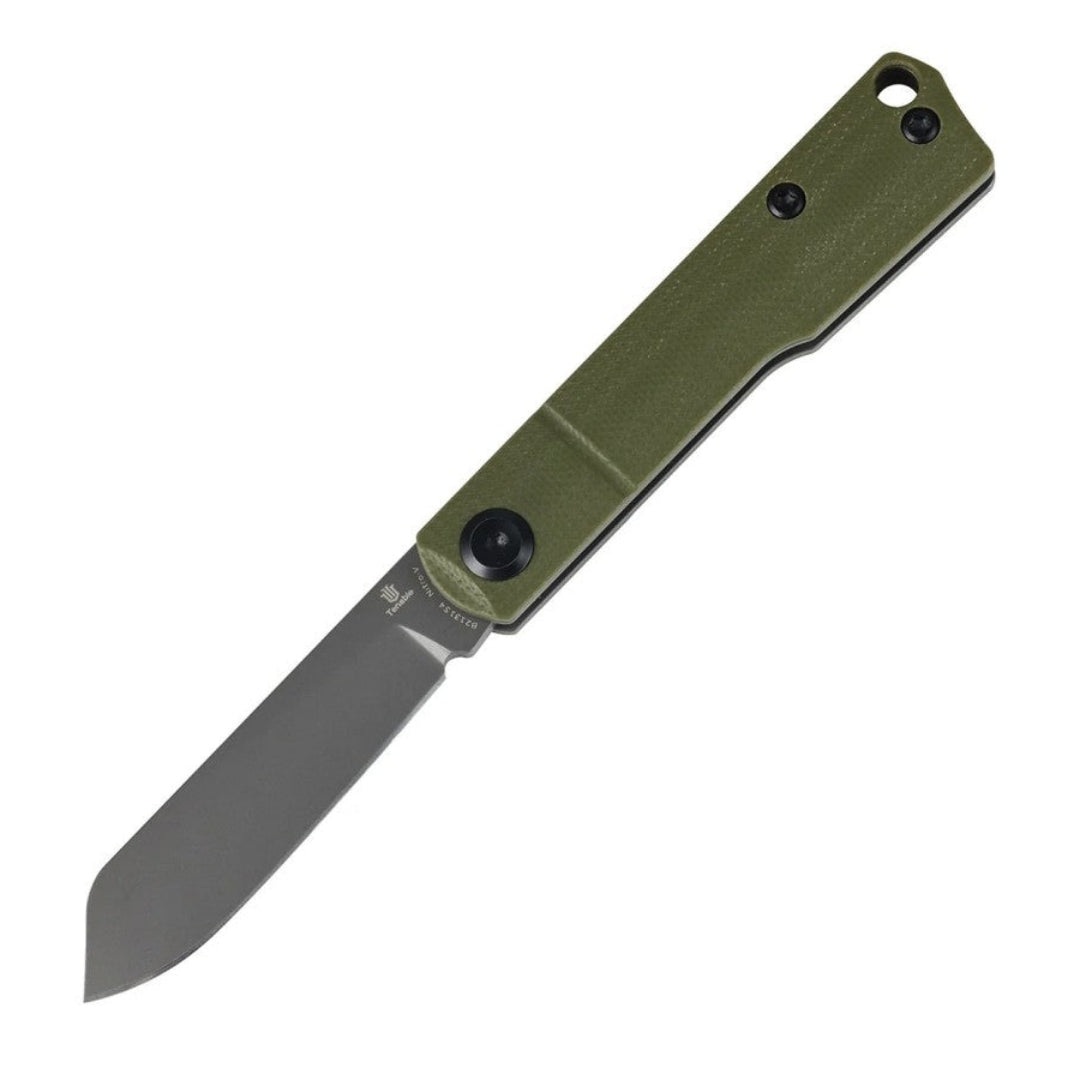
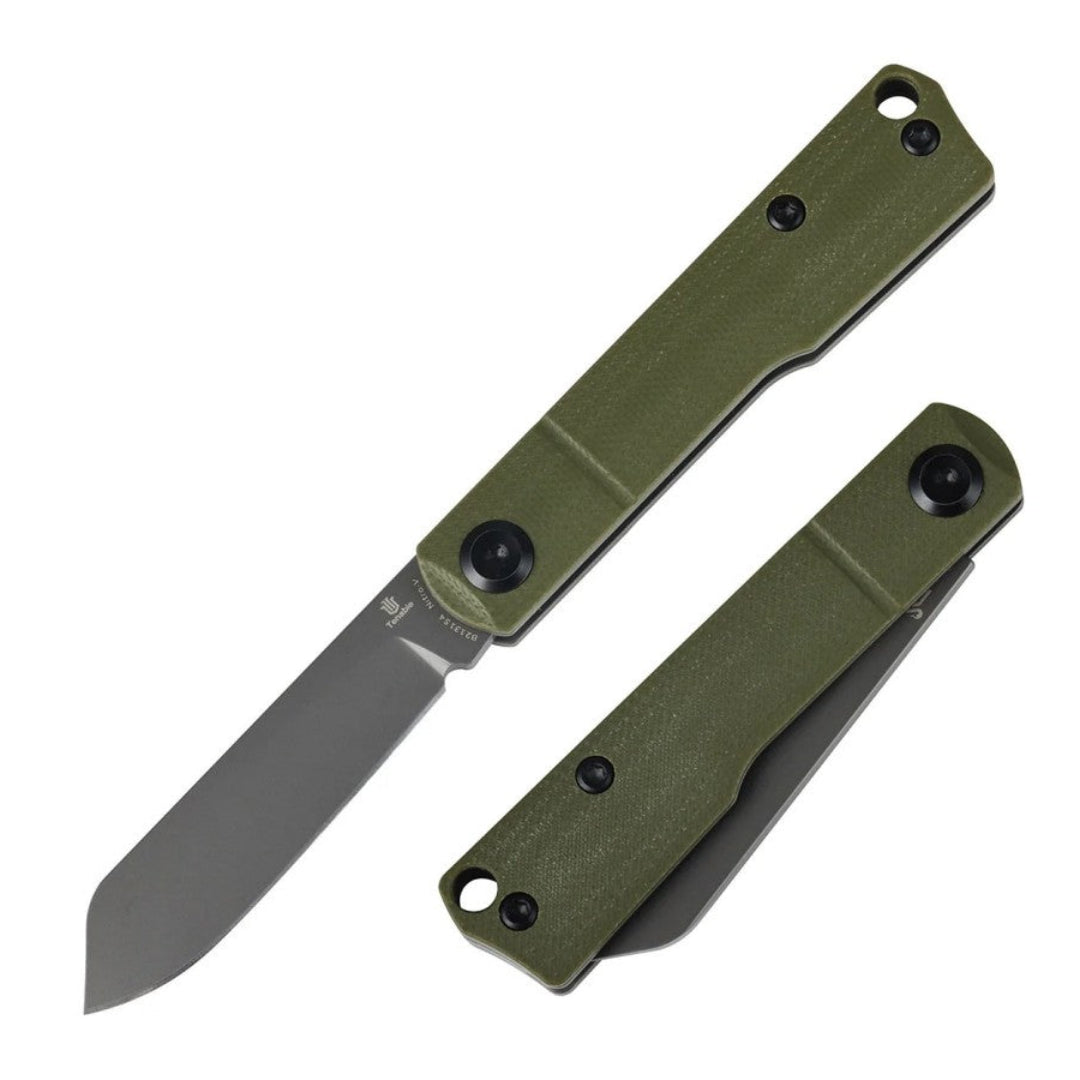
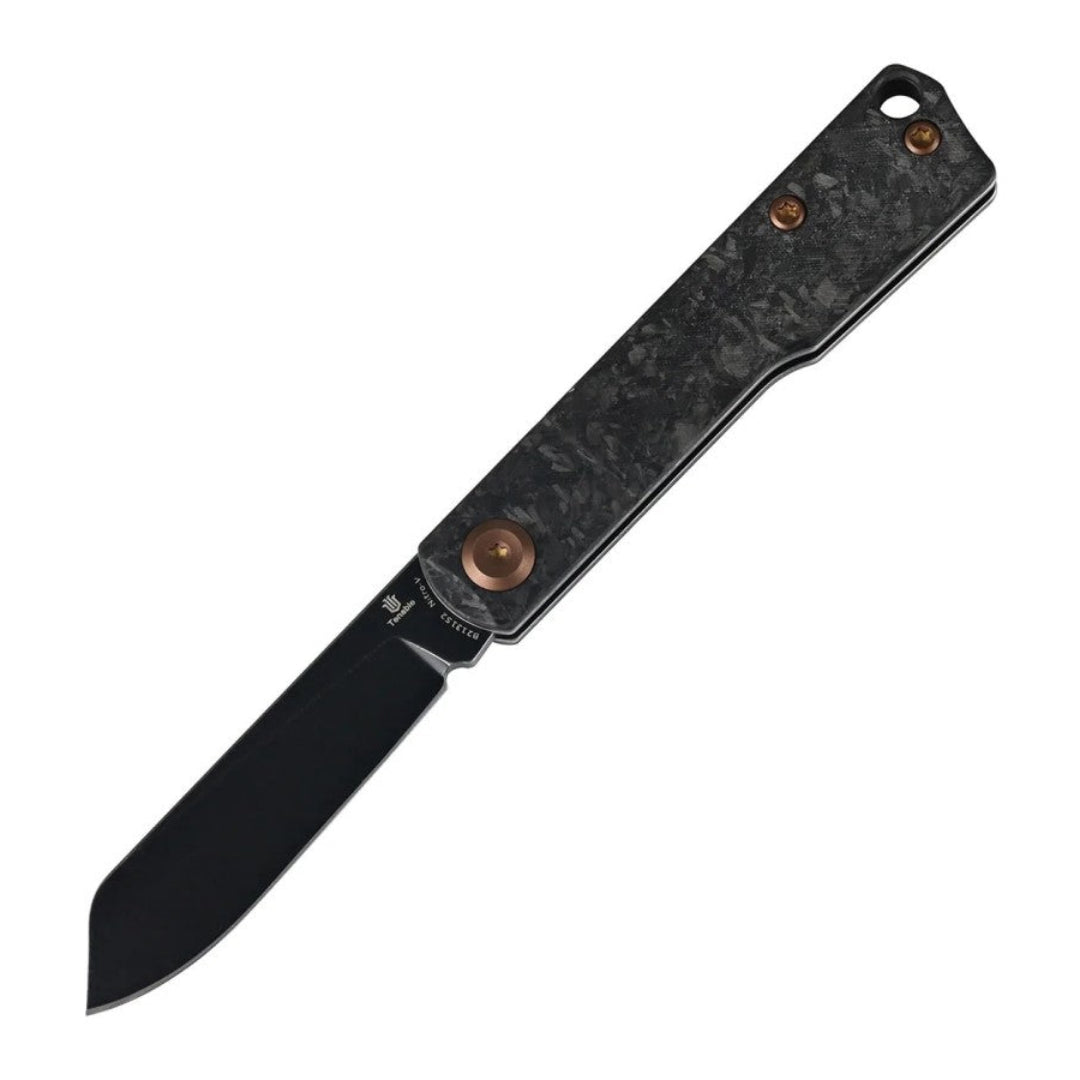
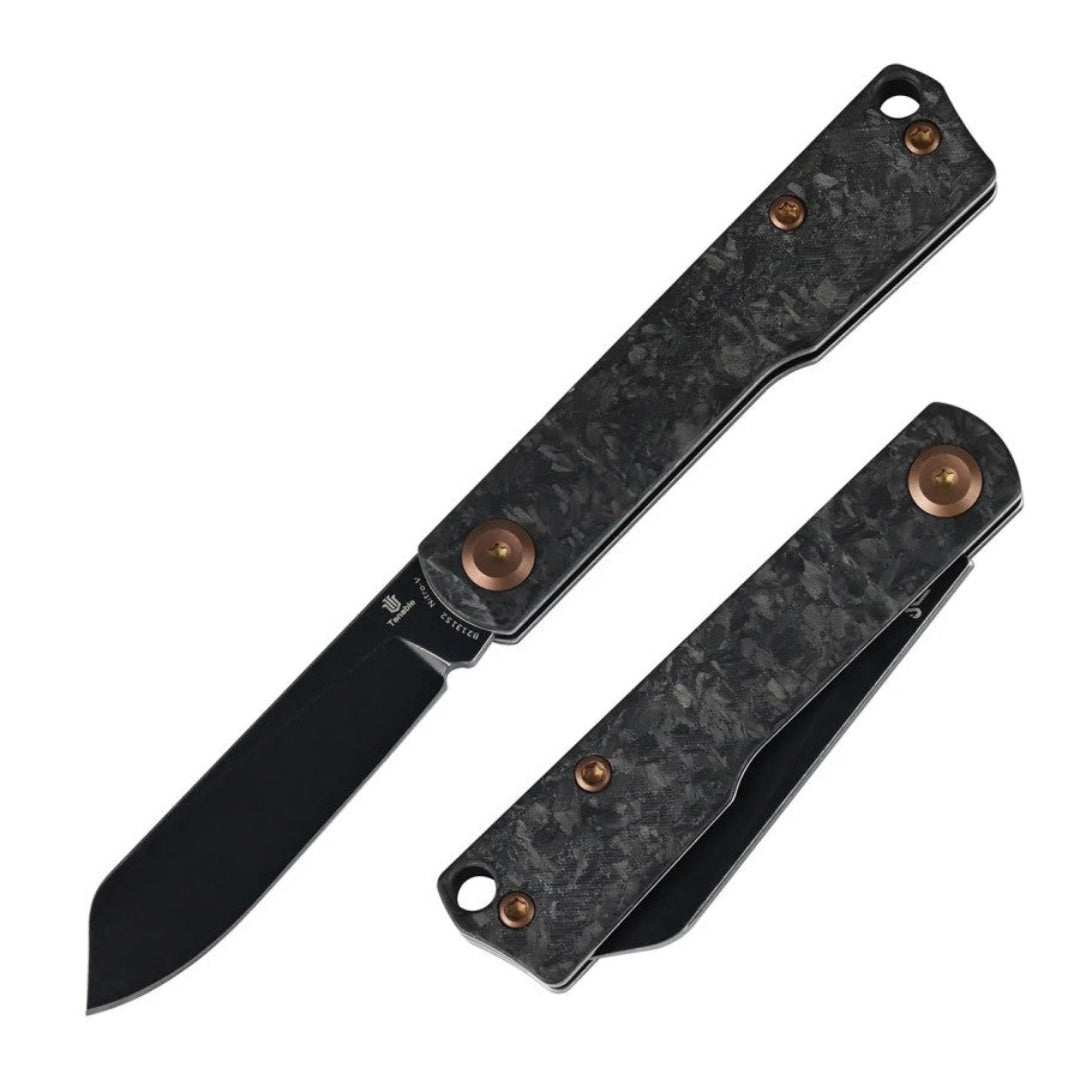
Dedicated Sheepsfoot Profile: Featuring a 3.54-inch (90 mm) straight cutting edge, the blade maintains flat surface contact across cardboard, leather, cordage, and plastic shipping straps. Materials do not roll off the edge during heavy push cuts.
-
Full Flat Grind: Ground from a slim 0.126-inch (3.2 mm) blade stock, the full flat grind tapers smoothly from spine to edge. This minimizes slicing resistance compared to the thick hollow or saber grinds common on competing production blades.
-
Controlled Tip Scoring: The downward-sloping sheepsfoot spine places the tip directly in line with your index finger for surgical draw cuts, making it easy to open sealed packages without damaging internal contents.
-
Spine Jimping for Precision: Machine-milled jimping along the upper spine gives your thumb a tactile anchor, ensuring maximum grip stability when choking up for detail work.
Steel Options and Handle Material Versatility
In the mid-range pocket knife segment, many production folders settle for budget-tier D2 tool steel (which can rust easily under humid conditions) or basic 8Cr-series stainless alloys paired with plain black G10 or plastic FRN scales.
In contrast, this design elevates material standards across two distinct tiers:
-
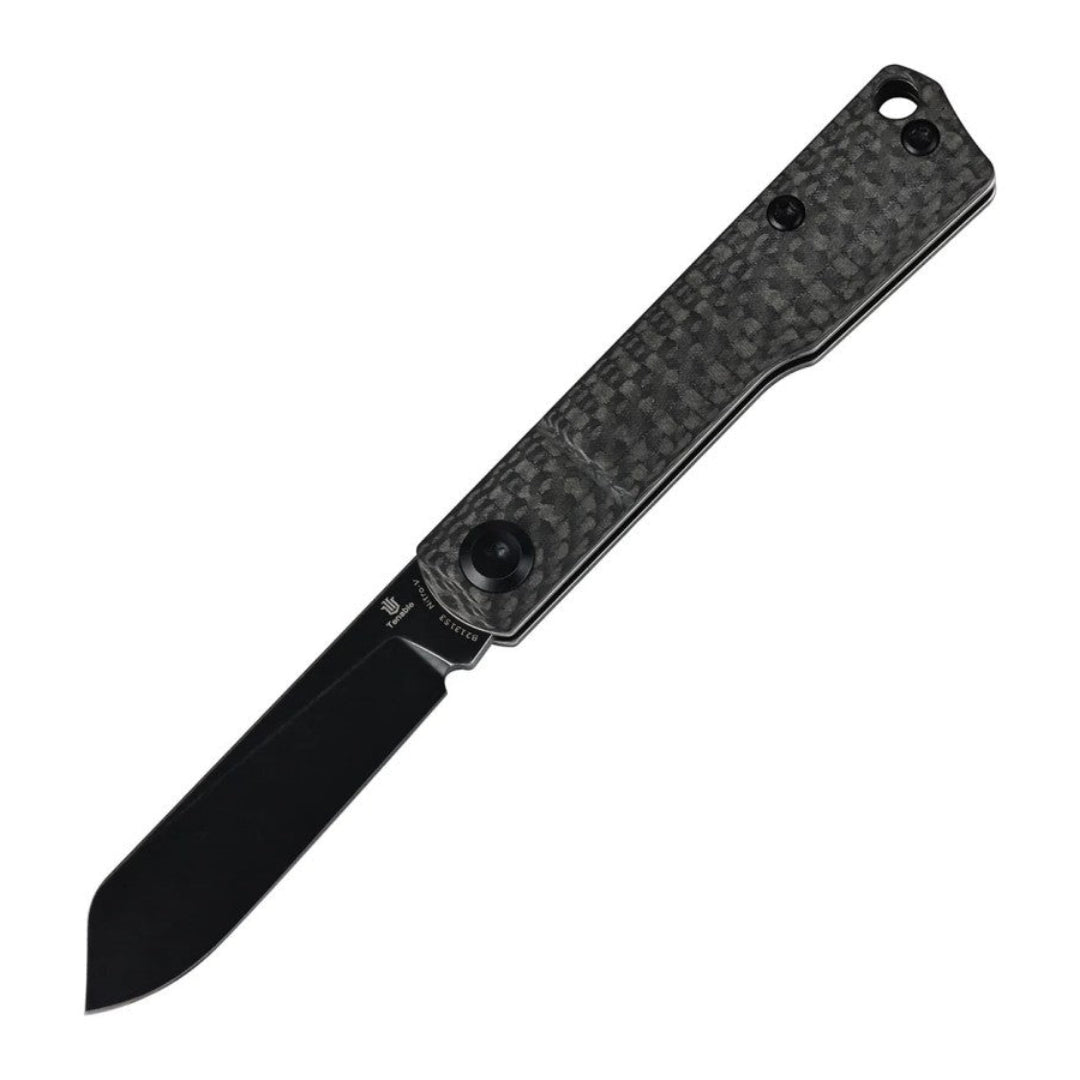
Nitro-V Stainless Steel (59–61 HRC): Nitrogen-enriched and vanadium-fortified, Nitro-V delivers exceptional edge toughness against chipping, superior corrosion resistance, and effortless field re-sharpening compared to conventional mid-tier steels.
-
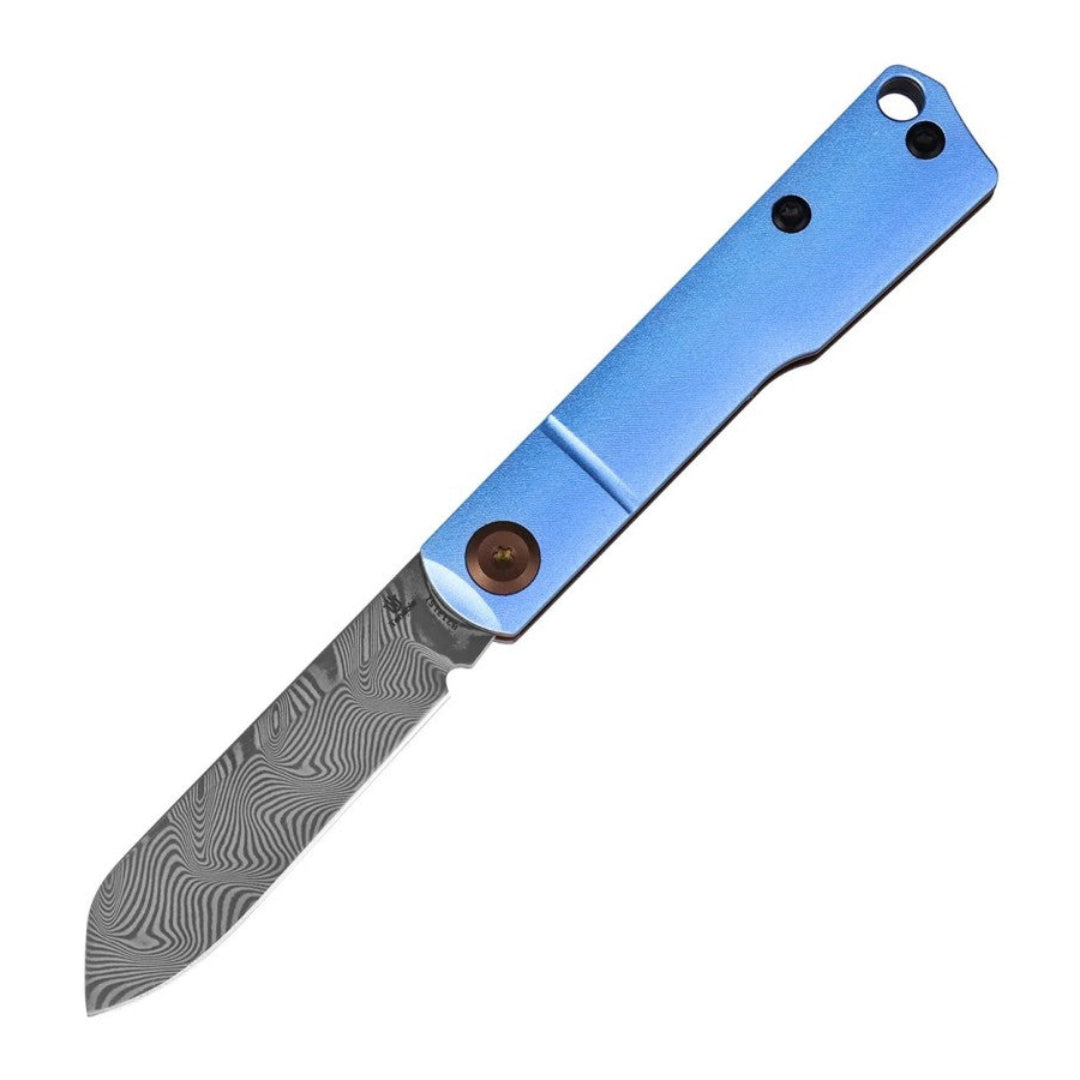
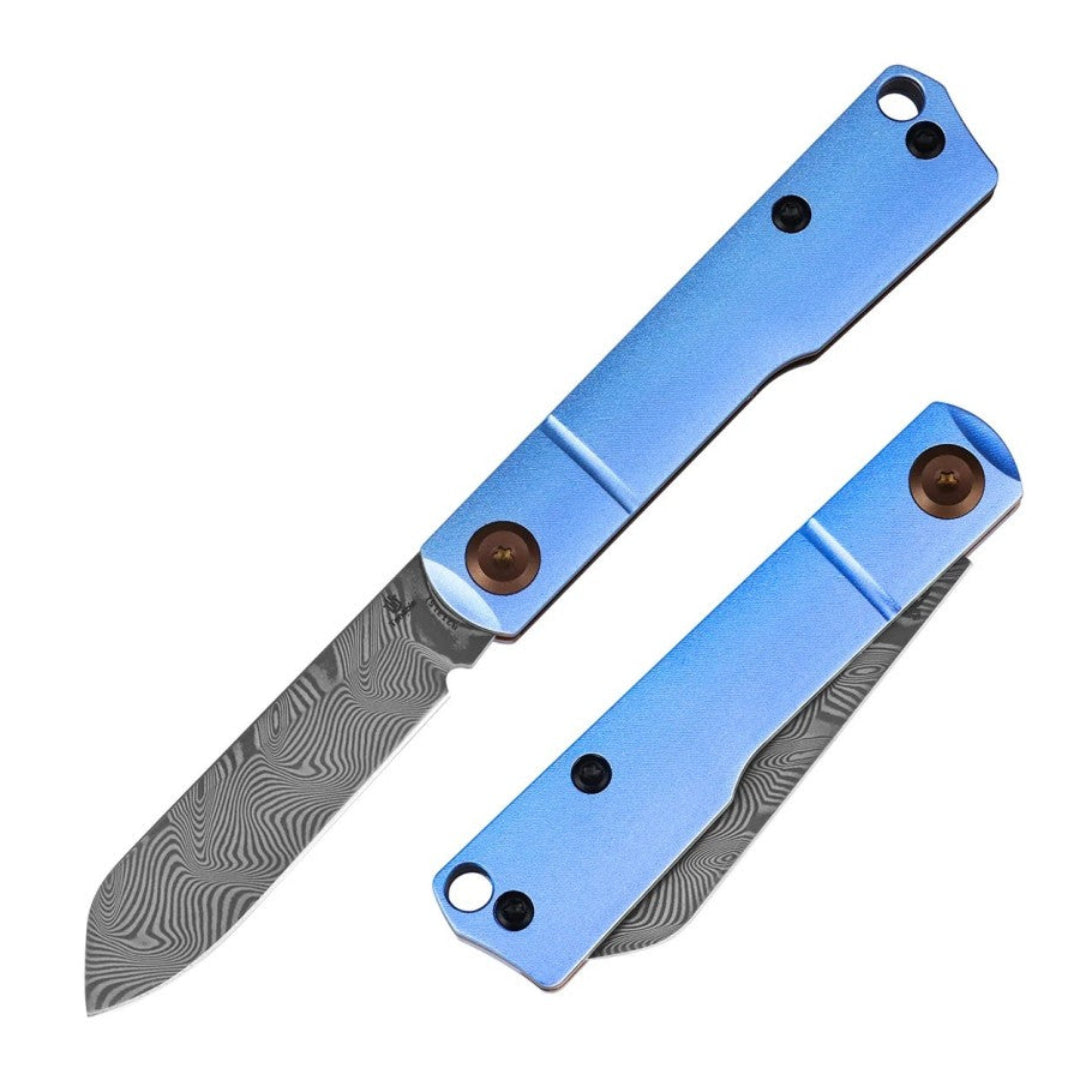
Water Ripple Damascus Steel: For collectors wanting custom visual flair, the flagship edition features forge-welded Damascus wave patterns that pair visual prestige with aggressive slicing power.
-
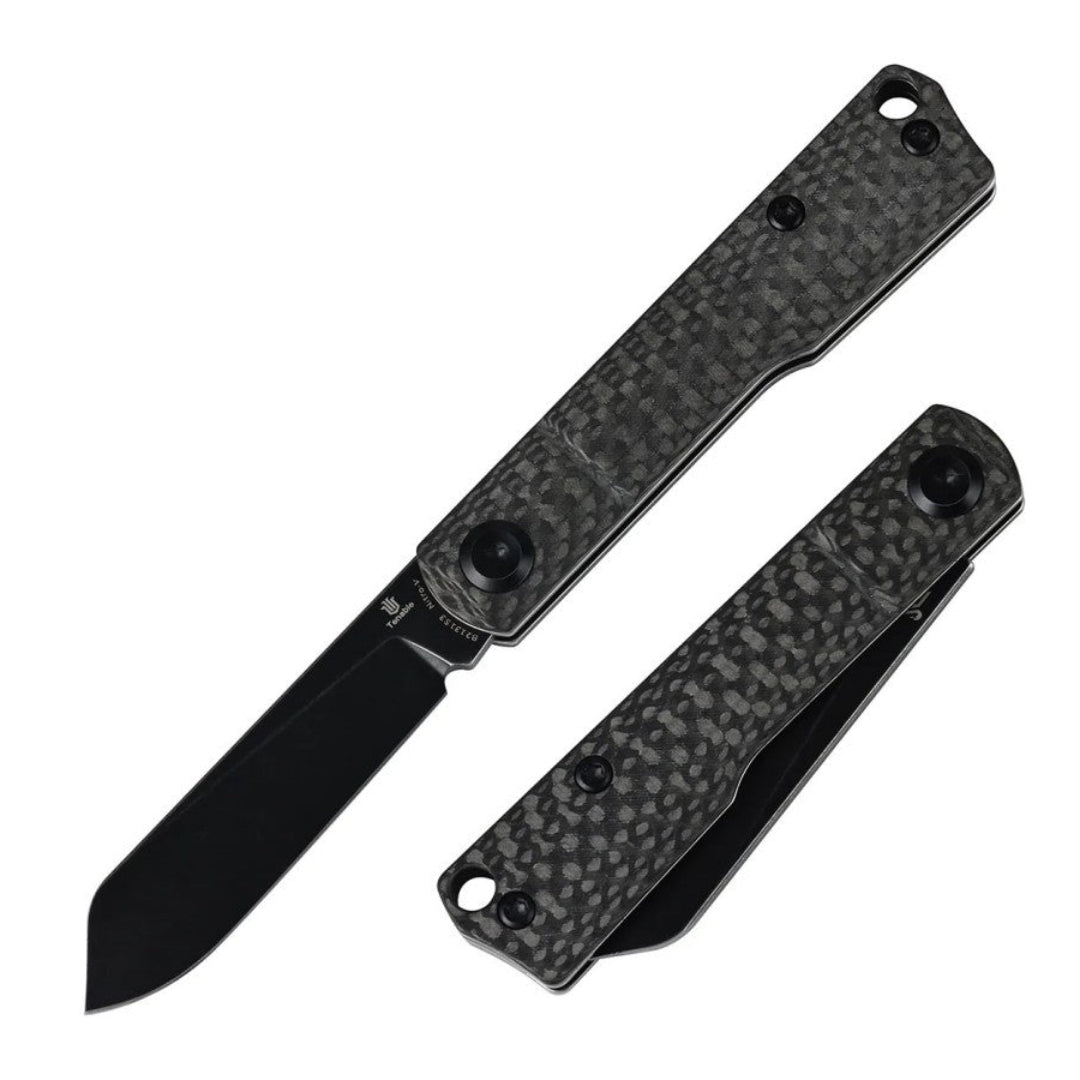
Tactile Handle Scales: Rather than flat, abrasive handle slabs, options include premium Micarta (in rich Green, Brown, or Blue & Yellow Vortex tones) and Red and Black Rose Carbon Fiber. Micarta offers a warm, tactile grip that becomes grippier when wet, while carbon fiber delivers high structural rigidity with a modern aesthetic.

Ergonomics, Pocketability, and Deployment Action
A full-sized folder needs to feel comfortable during extended carving or cutting sessions without feeling heavy or bulky inside your pocket throughout the day.
-
Full-Sized Reach, Lightweight Profile: Measuring 8.07 inches (205 mm) overall with a 4.53-inch (115 mm) closed length, the knife provides a full four-finger grip. Yet, at approximately 3.74 ounces (106 grams), it carries lighter than many heavier competitors in the 3.5-inch blade category.
-
Custom Ergonomics by Jonathan Styles: Designed with real-world hand feel in mind, the handle features smooth edge chamfering, subtle finger contours, and functional palm swell. This eliminates palm hot spots during heavy press cuts.
-
Fluid Bearing Deployment: Operating on a high-precision ceramic ball bearing pivot system paired with a wide thumb hole, deployment is fast, smooth, and intuitive. A precision-machined liner lock mechanism snaps firmly into place with zero blade play.
-
Deep-Carry Convenience: Equipped with a stainless steel deep-carry pocket clip, the knife rides low and discreetly in your pocket for convenient daily transport.
Head-to-Head Specification Breakdown
To see how this knife stacks up against average industry benchmarks, here is a side-by-side feature comparison:
| Feature / Metric | Tenable Tuckamore Series | Typical Mid-Range EDC Competitor |
| Blade Profile | 3.54" Sheepsfoot (Straight Utility Edge) | 3.0"–3.5" Drop Point / Clip Point (Curved) |
| Blade Steel | Nitro-V Stainless (59–61 HRC) or Damascus | D2, 8Cr13MoV, or Standard VG10 |
| Blade Thickness | 0.126" (3.2 mm) | 0.125"–0.140" (3.2 mm–3.5 mm) |
| Pivot System | Smooth Ceramic Ball Bearings | Phosphor Bronze Washers or Nylon Spacers |
| Handle Material | Contoured Micarta or Rose Carbon Fiber | Flat G10, FRN (Plastic), or Aluminum |
| Deployment | Wide Ergonomic Thumb Hole | Small Thumb Studs or Flipper Tab |
| Overall Weight | Approx. 3.74 oz (106 g) | 4.0 oz – 5.2 oz (113 g – 147 g) |
| Pocket Clip | Deep-Carry Stainless Steel Pocket Clip | Standard High-Riding Pocket Clip |

Final Verdict: Why the Tuckamore Outperforms the Competition
While standard mid-range folders offer decent baseline utility, the Tenable Tuckamore stands in a category of its own by blending custom knife aesthetics with production-grade reliability. By combining Jonathan Styles' ergonomic vision with high-performance Nitro-V sheepsfoot geometry, smooth ceramic bearing action, and premium Micarta or carbon fiber handles, Tenable delivers a far superior cutting experience.
If you are looking to upgrade your daily carry rotation with a knife that offers exceptional cutting control, premium materials, and distinctive custom design heritage, this folder proves to be one of the best value-for-performance choices on the market today.