In the modern Everyday Carry (EDC) community, a knife is rarely just a cutting instrument. It is a reflection of personal taste, a marvel of engineering, and, increasingly, a piece of industrial art. While many brands focus solely on technical specs, the collaboration between Kansept Knives and Koch Tools has produced something that stands out for its visual soul.
The Kansept Wasp is not merely a compact folder; it is a masterclass in "The Geometry of Style." By examining the iconic lines and architectural choices of designer Justin Koch, we can begin to understand why this specific model has achieved cult status among collectors and gear enthusiasts worldwide.
The Justin Koch Aesthetic: Stout, Bold, and Purposeful
To appreciate the Wasp, one must first recognize the design language of Justin Koch. Known for his "stout" design philosophy, Koch’s work often features chunky profiles, aggressive angles, and a sense of playful ruggedness.
The Wasp takes these "pocket jewelry" aesthetics and translates them into a highly functional tool. The geometry of the Wasp is defined by a series of intentional curves and sharp transitions that create a silhouette unlike anything else on the market. It manages to look both futuristic and mechanical, yet strangely organic—like a high-tech insect ready for action.
Breaking Down the Visual Geometry
1. The Leaf-Shaped Blade Profile
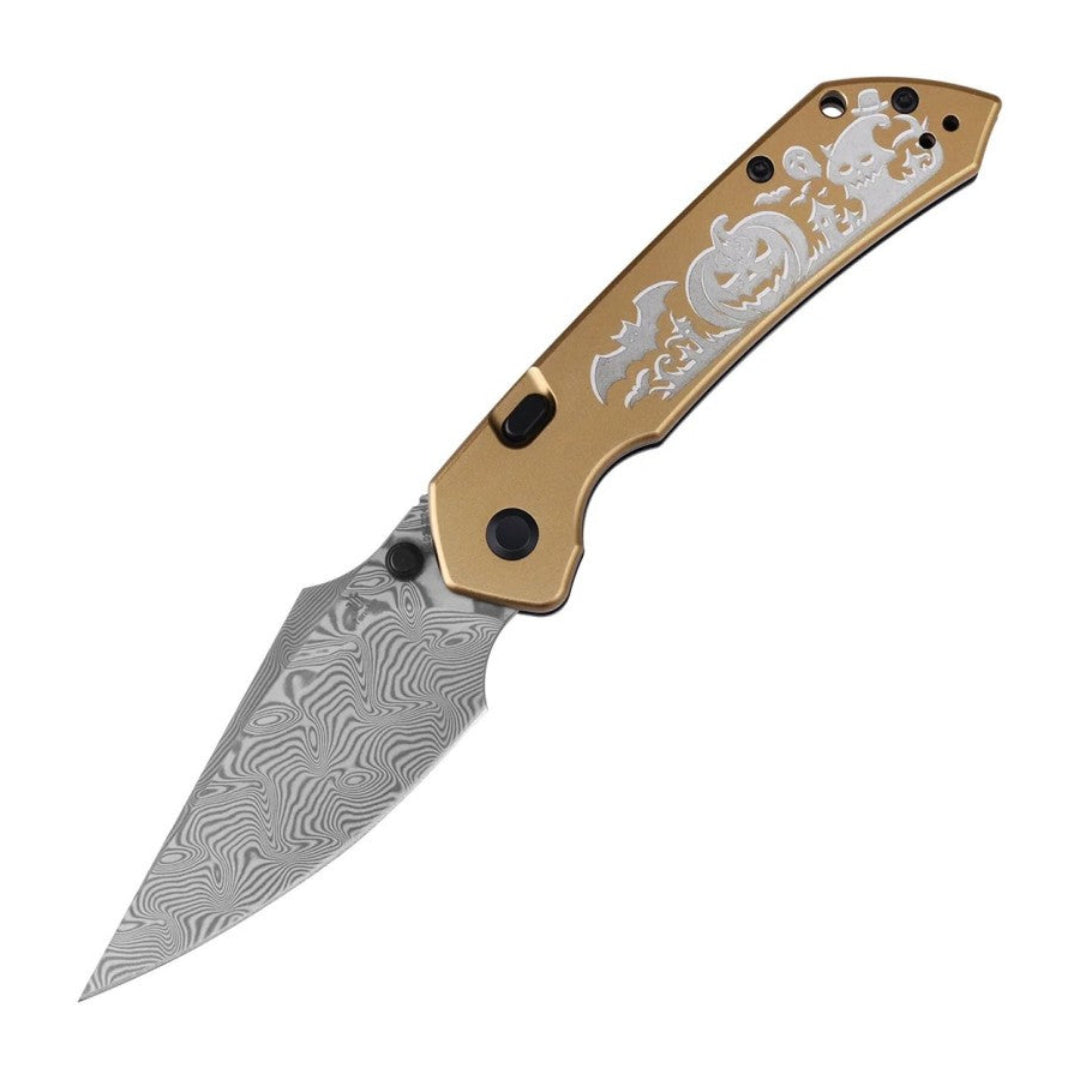
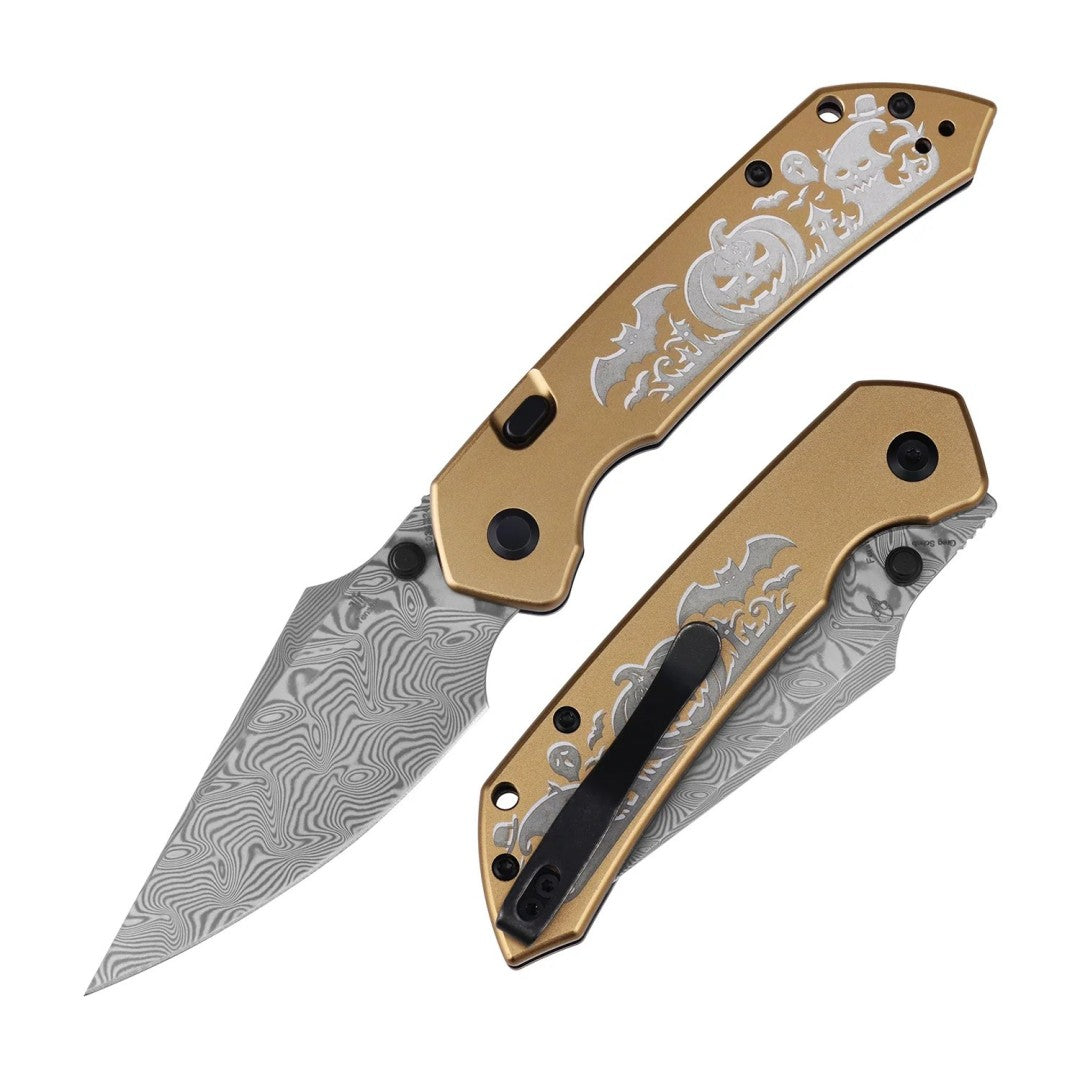
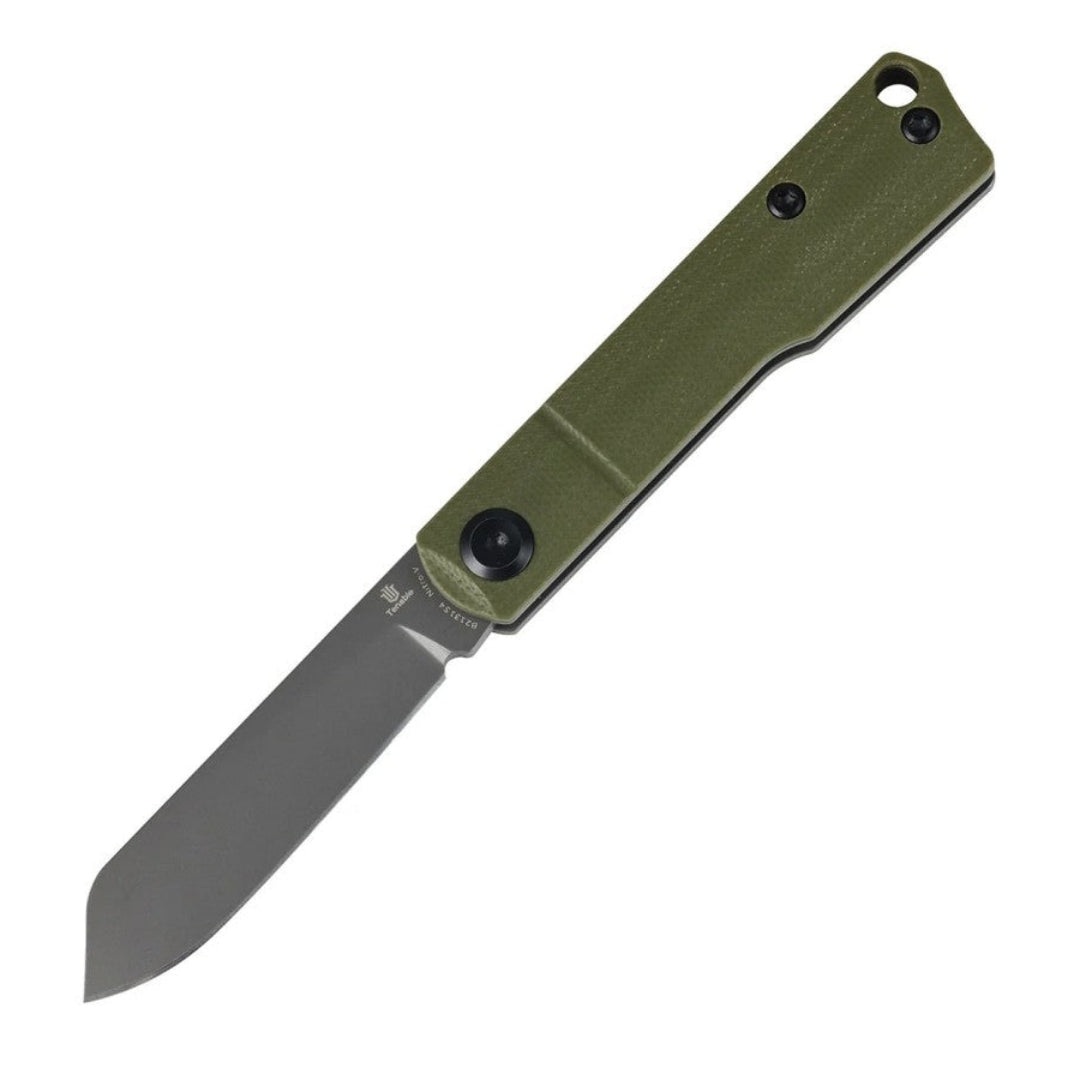
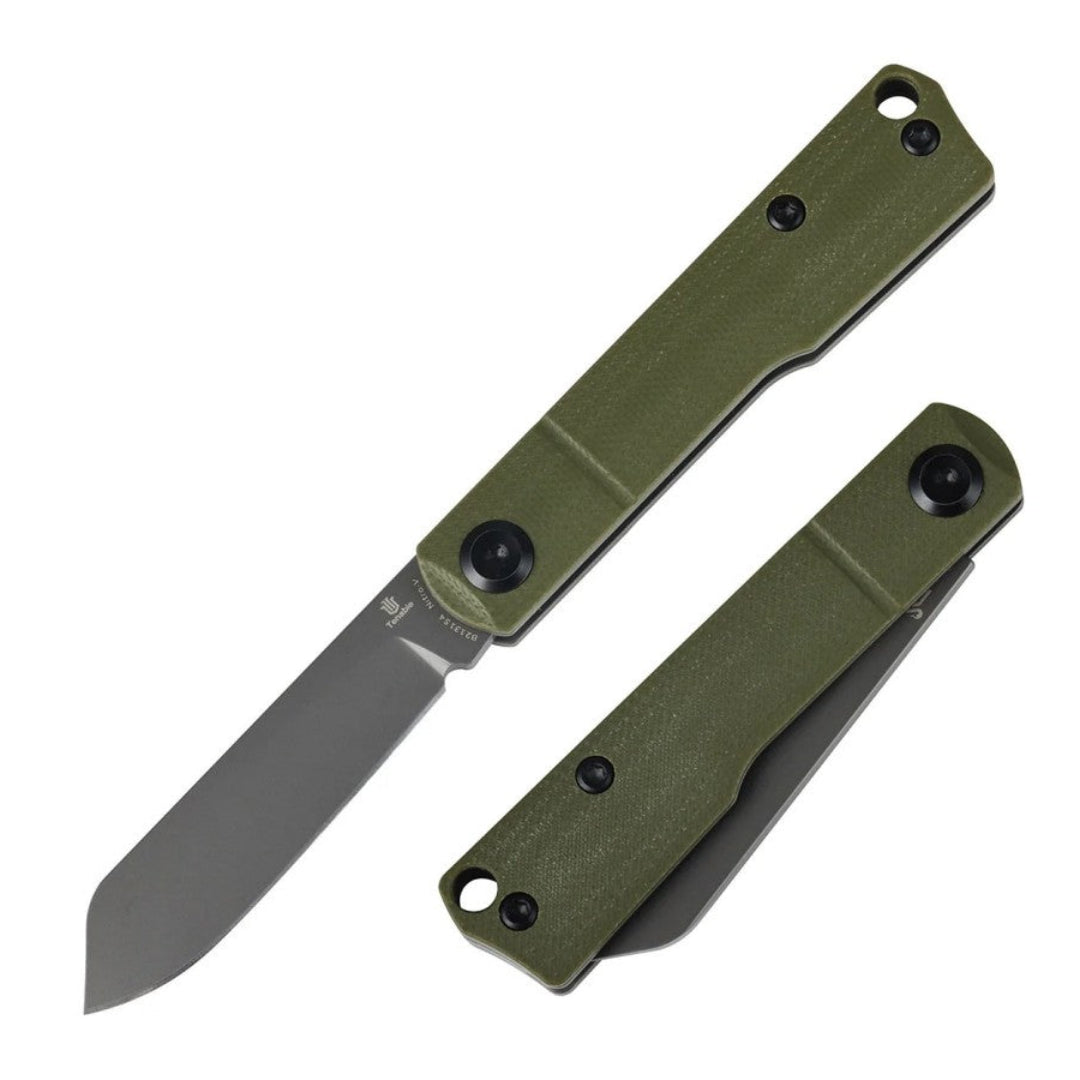
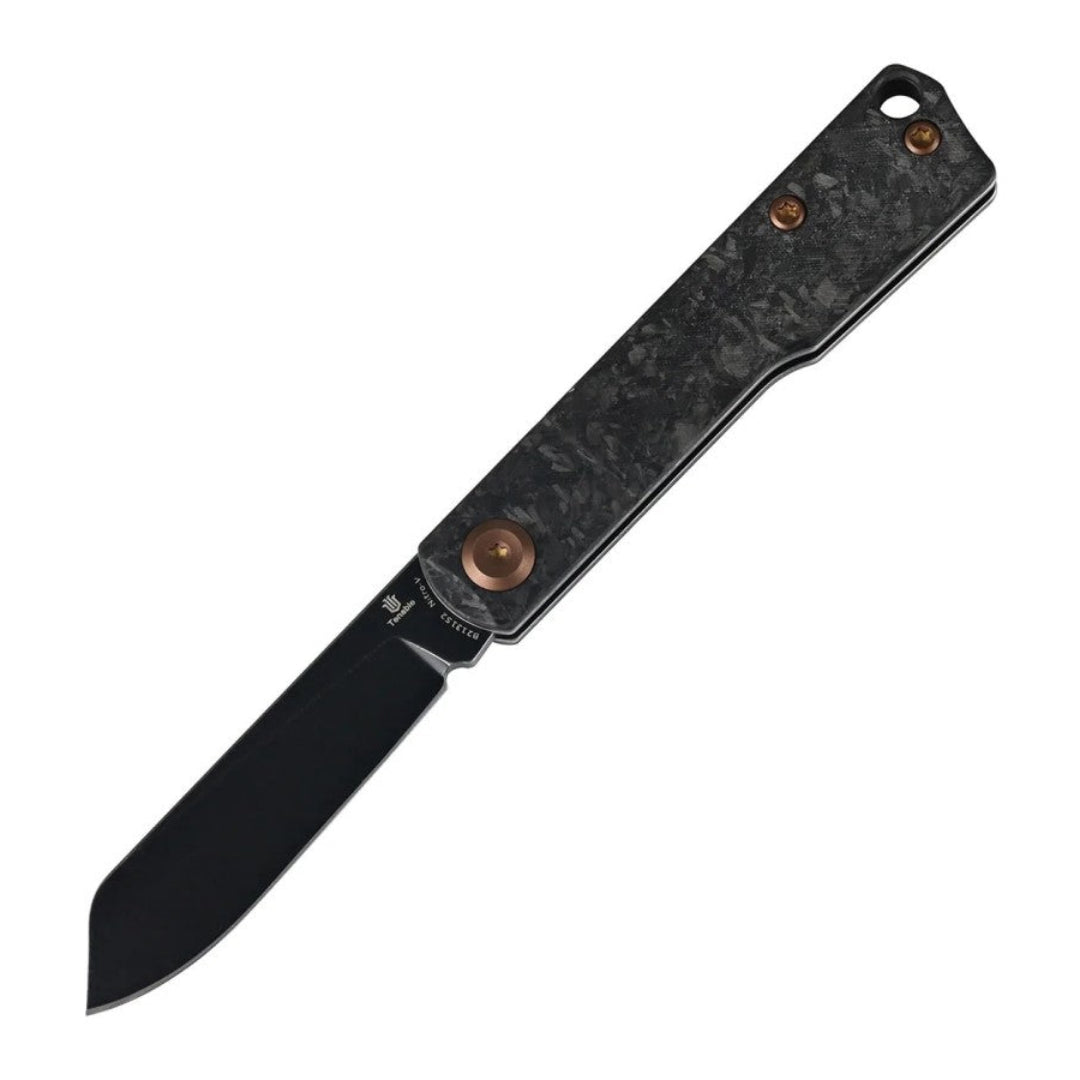
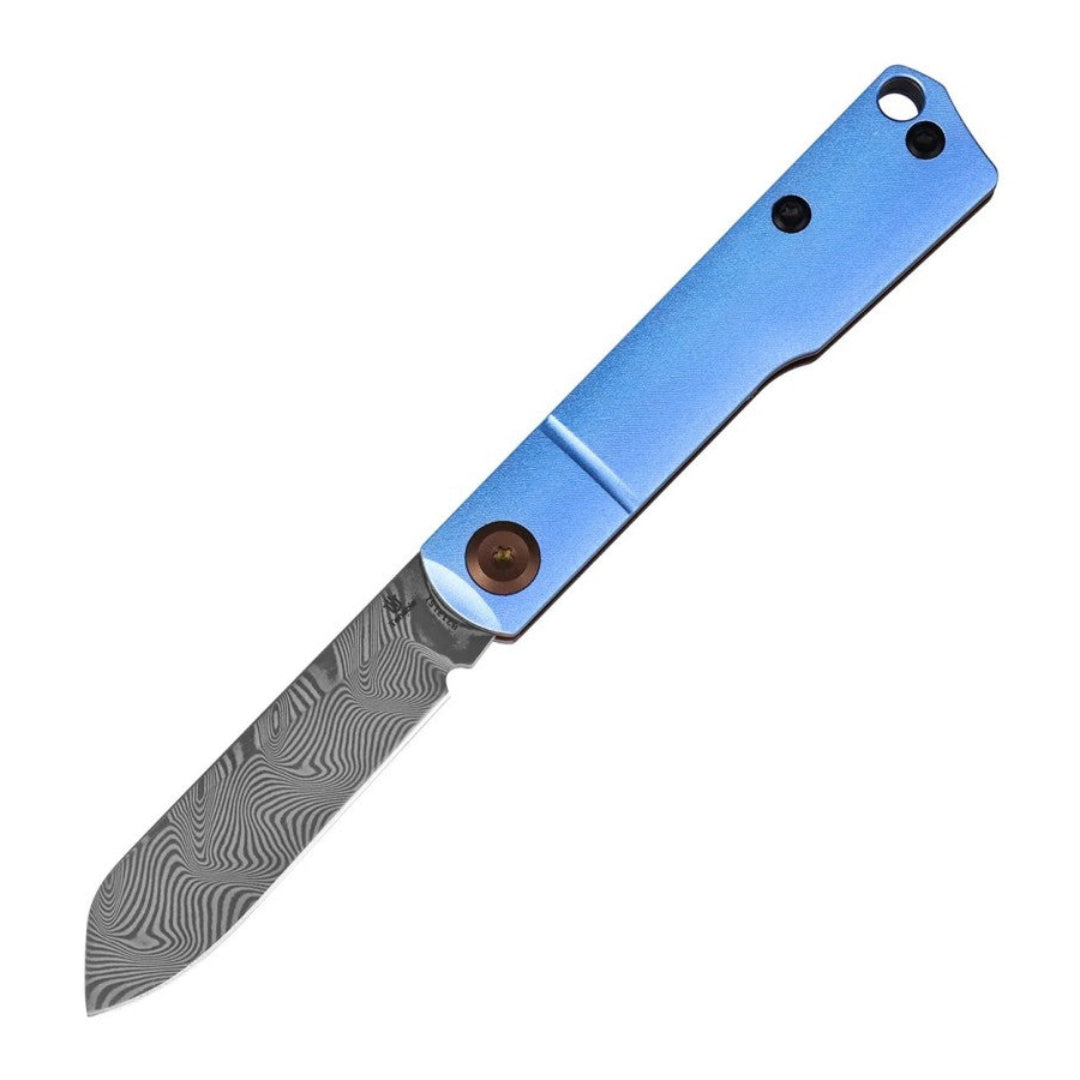
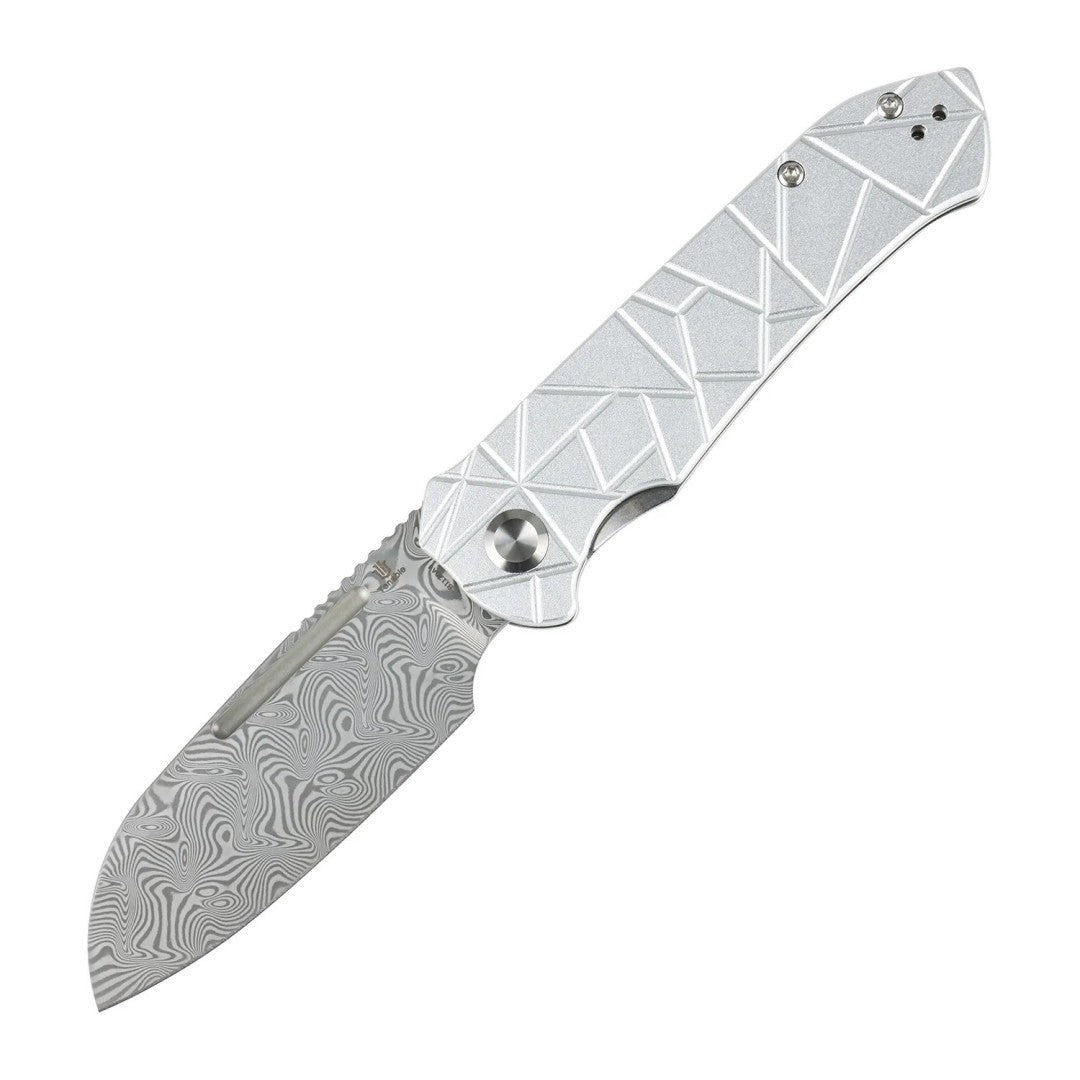
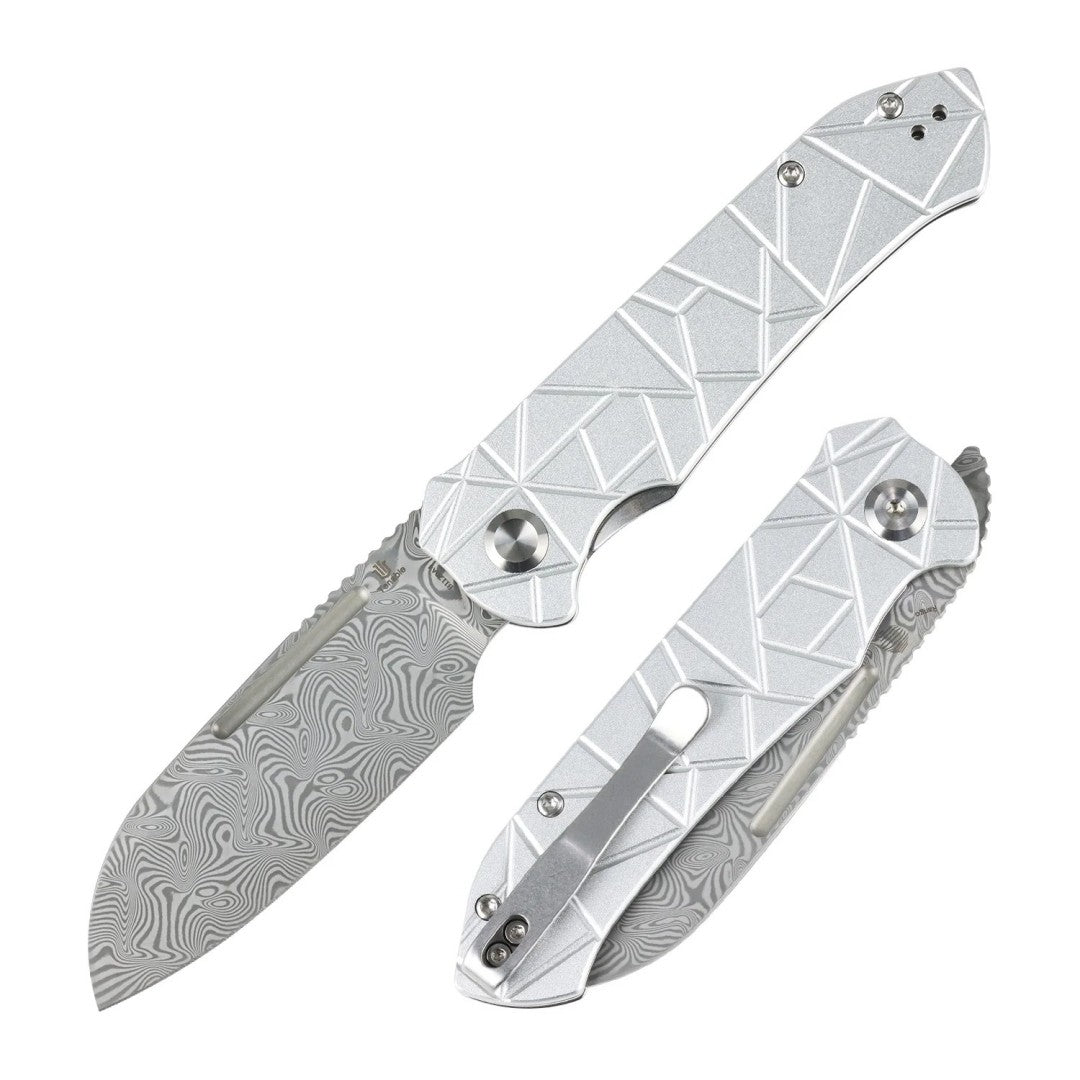
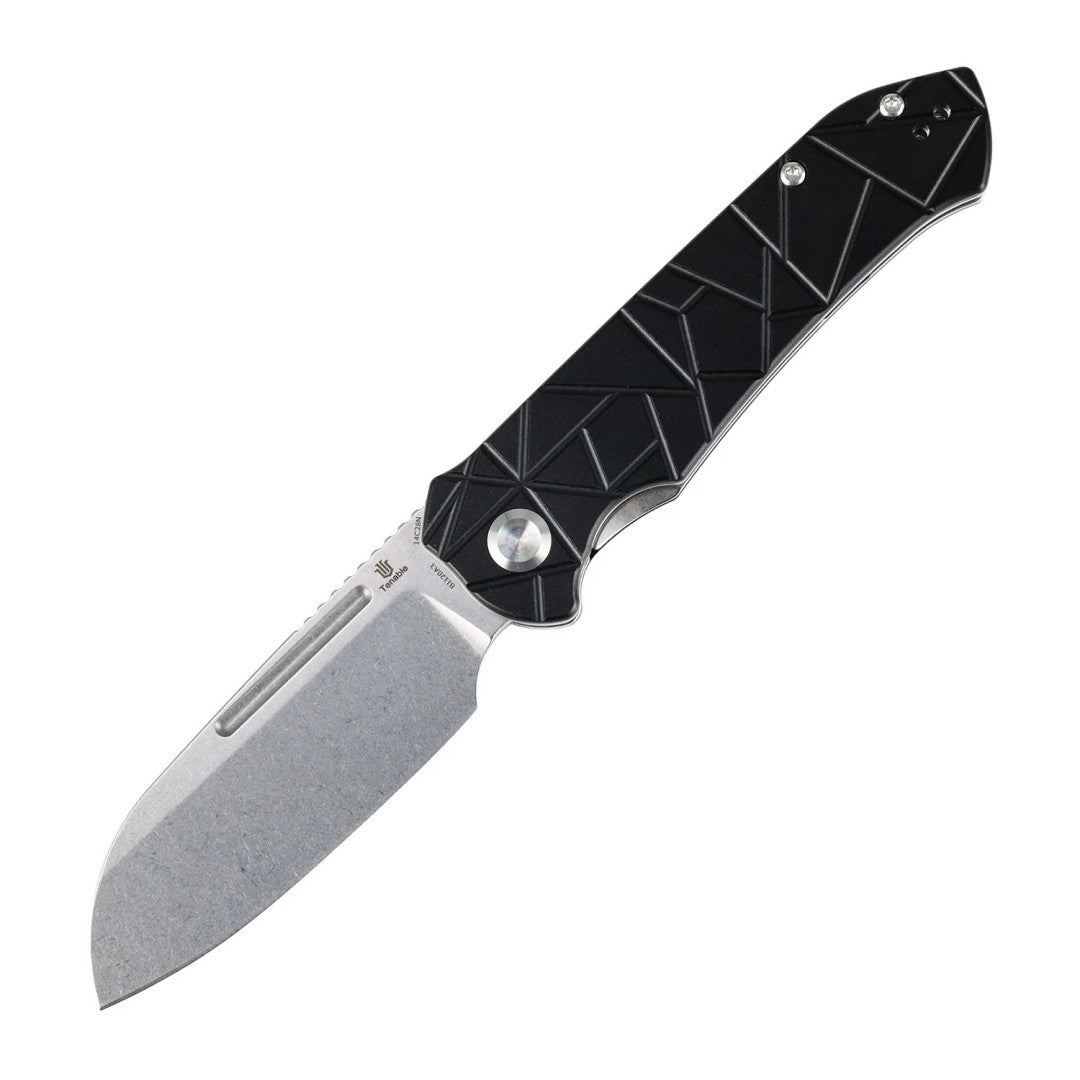
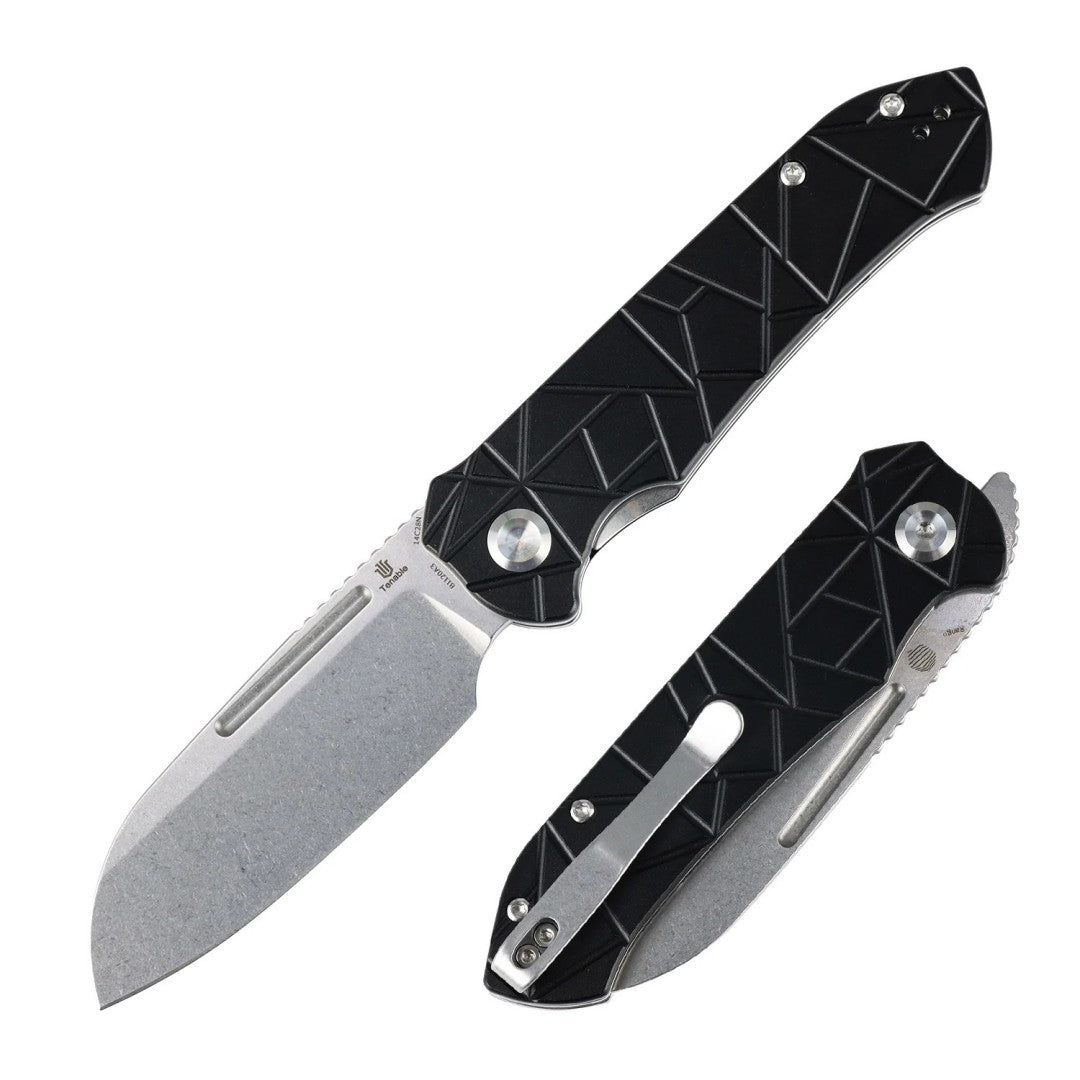
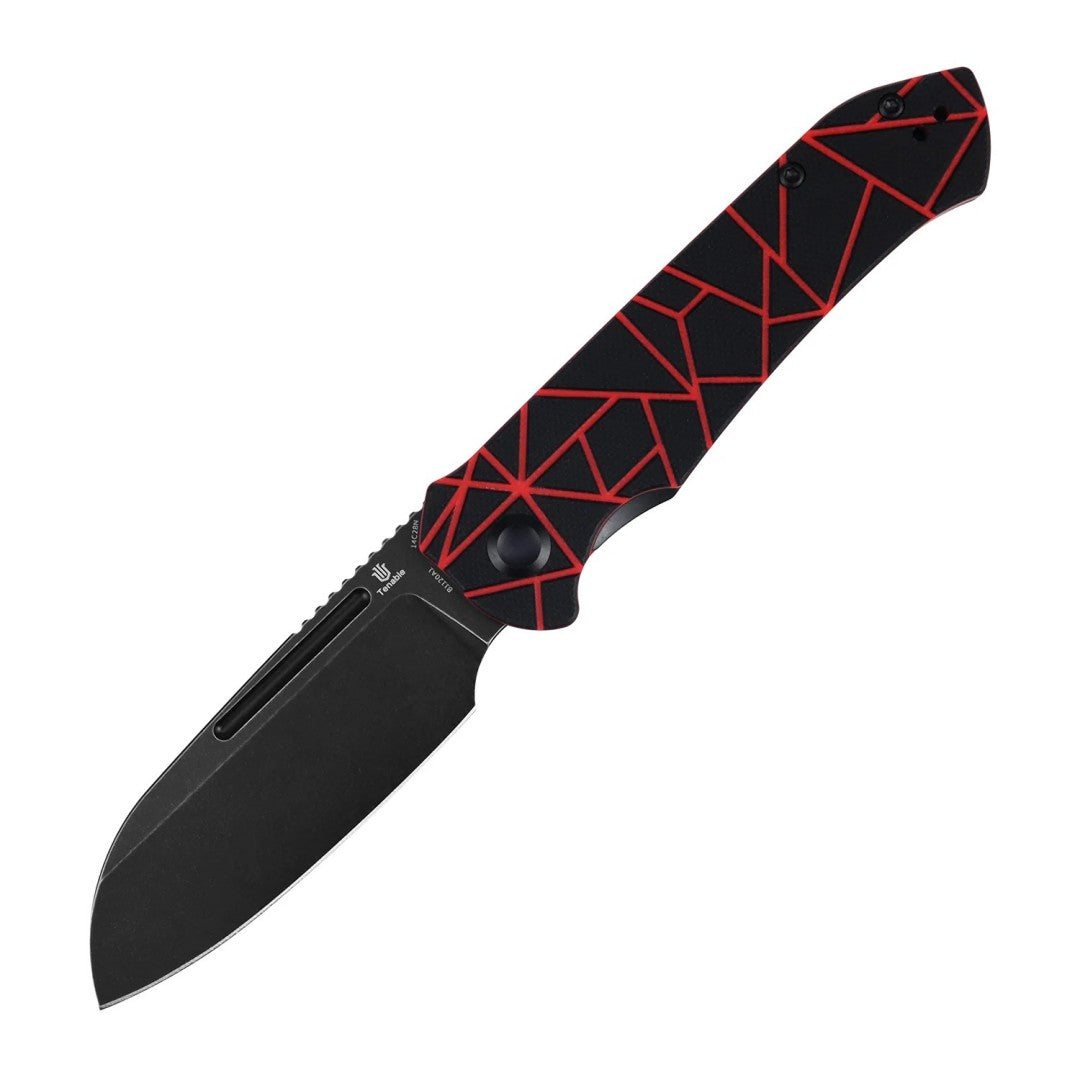
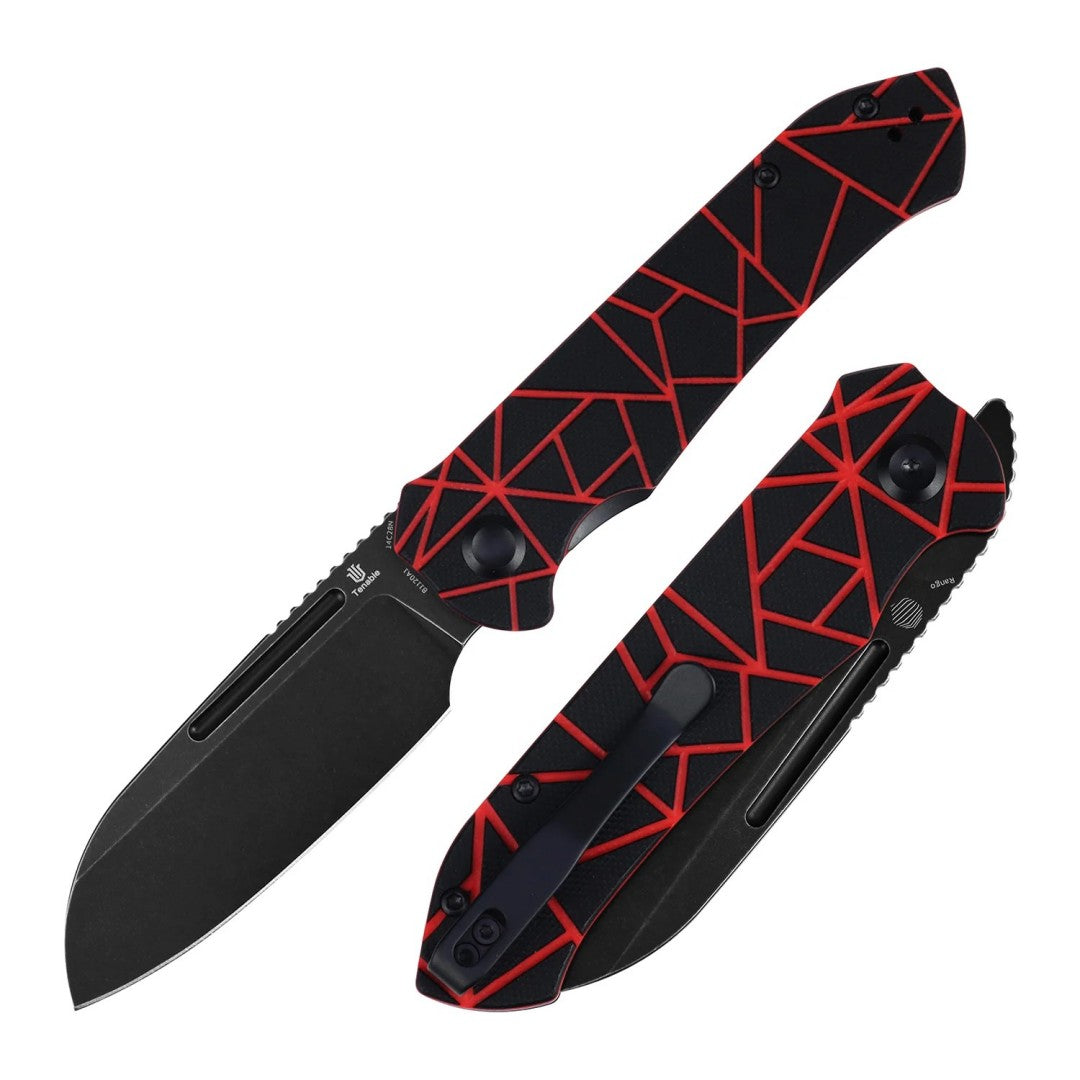
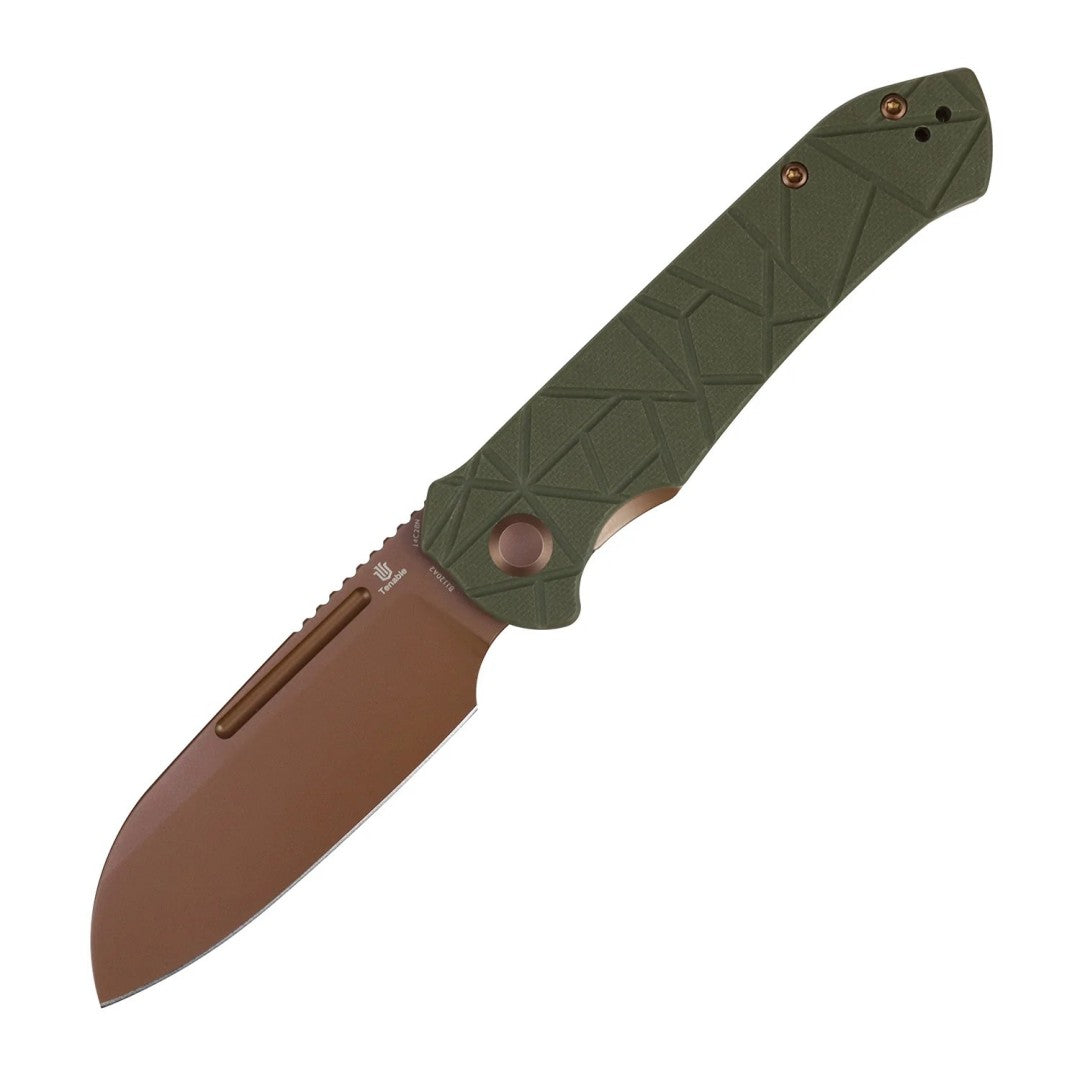
The most striking element of the Wasp is its broad, modified Wharncliffe blade. Unlike a traditional drop point, the Wasp utilizes a steep, descending spine that meets a nearly flat cutting edge. This creates a triangular geometry that is exceptionally strong at the tip.
Visually, the width of the blade compared to its length gives it a "bulldog" stance. This isn't just for looks; the geometry provides a massive amount of surface area for your thumb to rest on the jimping, allowing for incredible leverage during precision cuts.
2. The Ergonomic "Negative Space"
One of the most iconic lines of the Wasp isn't a solid part of the knife, but rather the curve of the finger choil. Justin Koch masterfully uses negative space to solve the problem of small-handle ergonomics.
The deep circular cutout at the base of the blade allows the user to "choke up," placing the index finger safely ahead of the pivot. This geometric choice effectively turns a sub-3-inch handle into a full-sized grip. It creates a seamless flow from the handle to the blade, making the knife feel like an extension of the hand rather than a separate object.
3. The Angular Handle Architecture
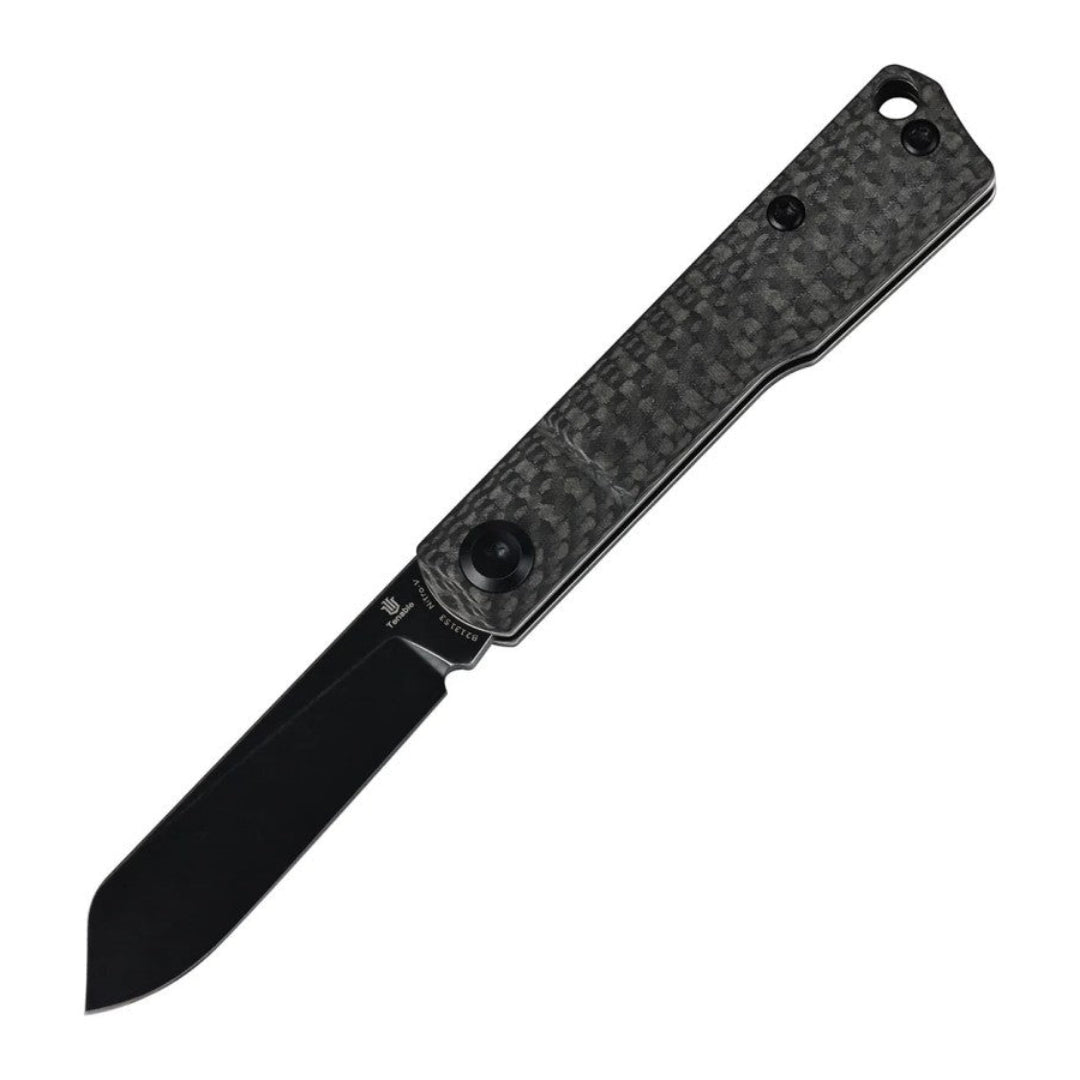
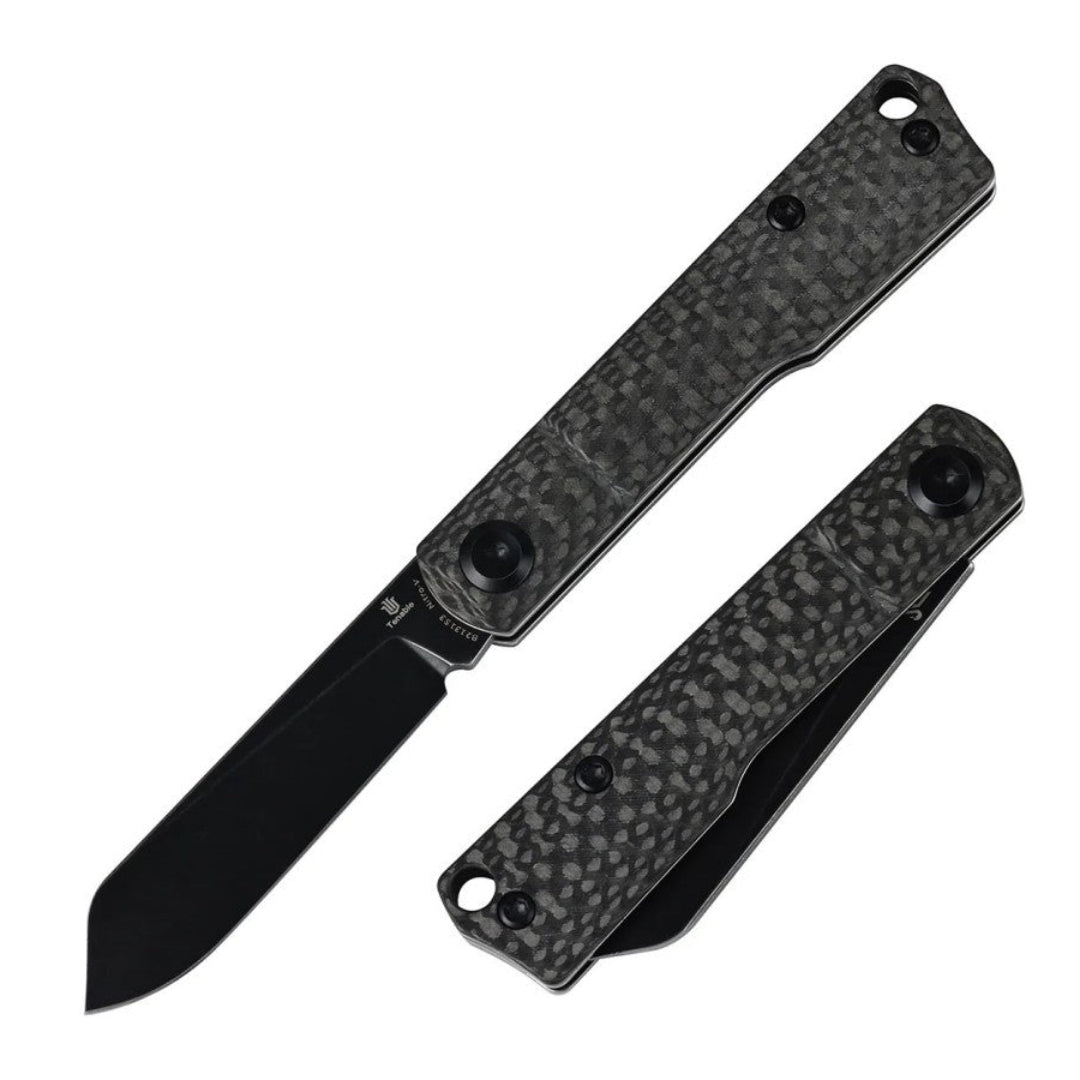
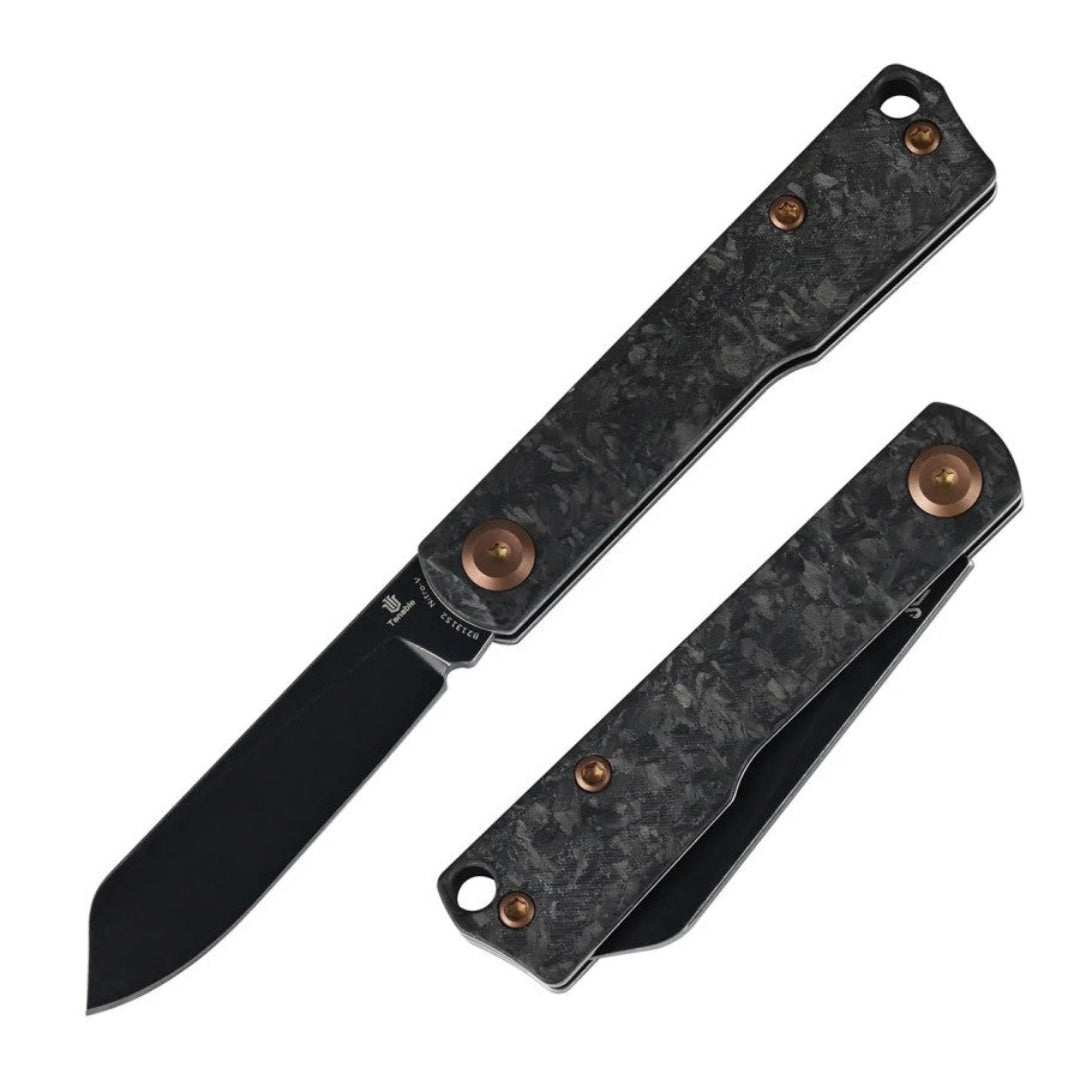
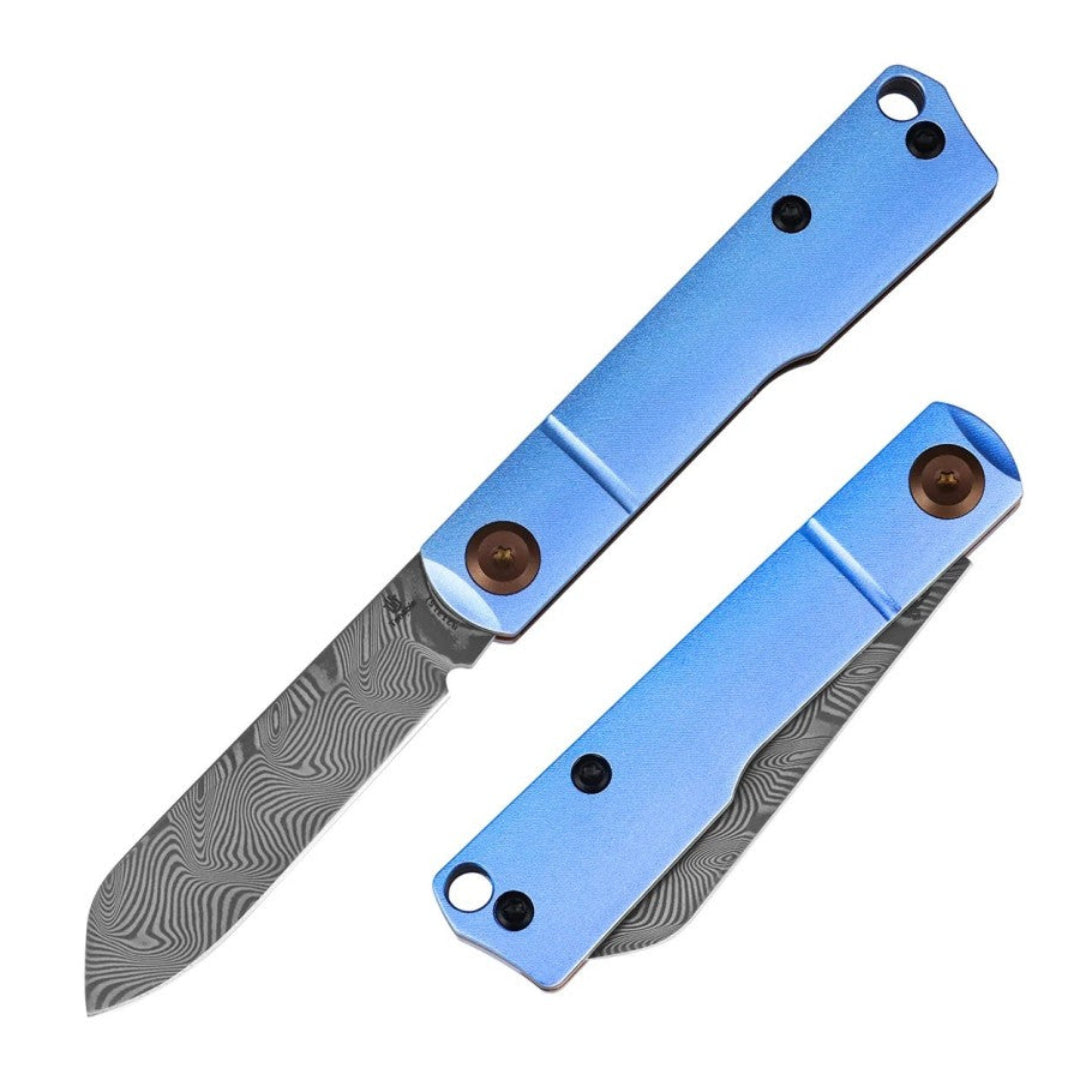
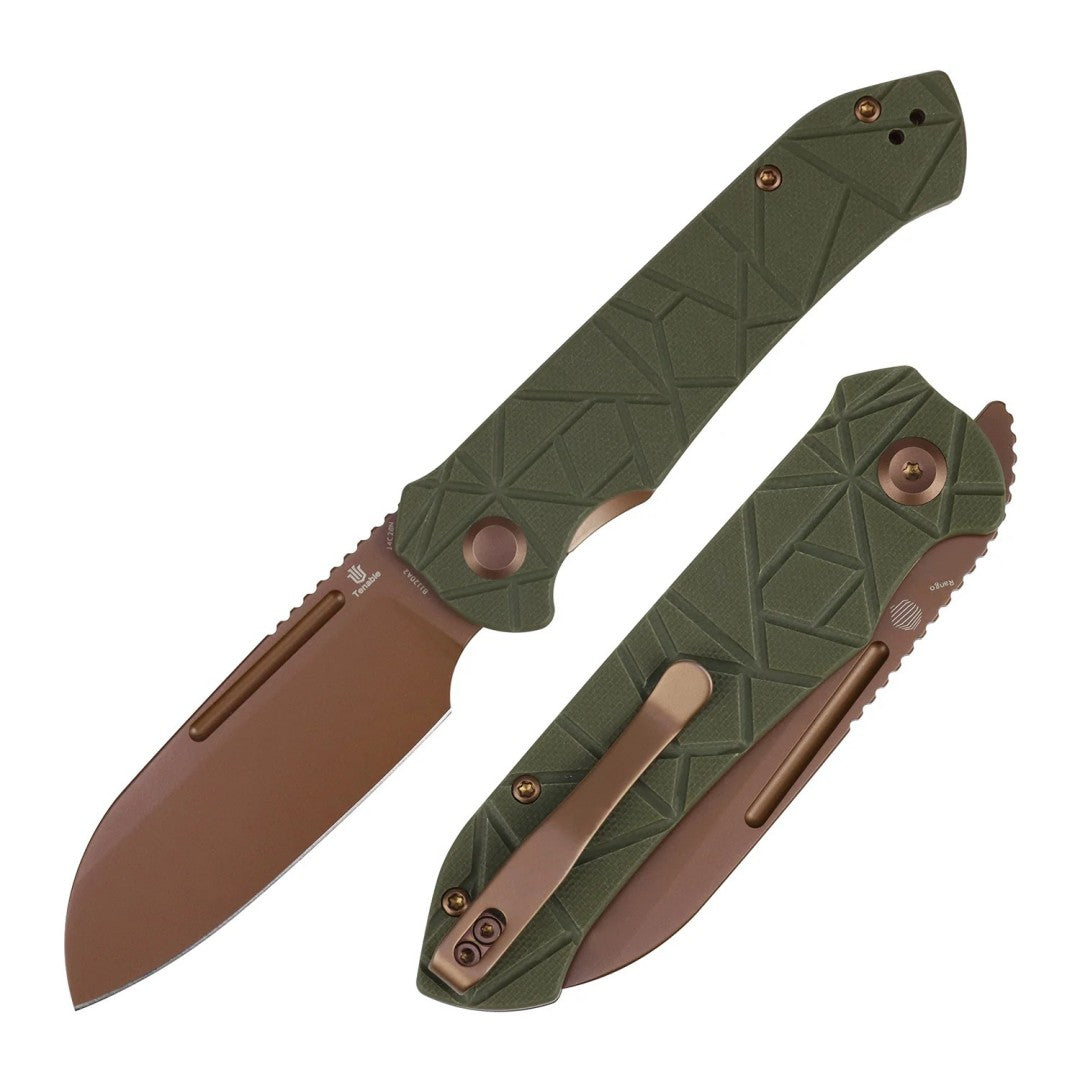
Whether the handle is made of 6AL4V Titanium, Micarta, or Carbon Fiber, the lines remain consistent. The handle is characterized by subtle chamfering and hard-line transitions that catch the light beautifully.
On the titanium versions, you often see 3D milling patterns—geometric grooves or "honeycomb" textures—that reinforce the Wasp theme. These lines provide tactile feedback (grip) while enhancing the "techno-industrial" vibe of the piece.
Symmetry and Balance: The Double-Detent System
True style requires balance, and the Wasp achieves this through its mechanical "geometry." As a non-locking slipjoint, the Wasp relies on a double-detent mechanism.
From a design perspective, this allows the pivot area to remain clean and symmetrical. There are no bulky lock bars or protruding buttons to break the visual flow. The knife opens with a crisp, geometric "snap" that is as satisfying to hear as it is to feel. This symmetry makes the Wasp an ideal choice for the minimalist EDC enthusiast who values clean lines and mechanical transparency.
Materiality as a Design Element
The "Geometry of Style" is further elevated by the contrast of materials found in the Kansept Wasp collection.
-
The Contrast of Finishes: Kansept often pairs a dark Blackwash blade with vibrant, anodized hardware. The hard lines of the pocket clip and the circular pivot collars provide "pops" of color that draw the eye to the knife's mechanical heart.
-
Textural Geometry: The use of shredded carbon fiber or canvas Micarta adds a chaotic, organic texture that contrasts perfectly with the precise, machined lines of the titanium frame.
-
The Premium Edge: By utilizing CPM-S35VN super steel, the geometry of the edge stays sharp and defined, maintaining the "crispness" of the design even after months of heavy use.
Why "Pocket Geometry" Matters for SEO and Sales
In the world of e-commerce, a knife must look good in a photograph to sell. The Wasp’s iconic lines make it one of the most "photogenic" knives in the EDC world.
For the collector, the Wasp is a "grail" design made accessible. It fits into the "fifth pocket" of a pair of jeans, yet it commands the same attention as a custom piece. When we talk about the lifestyle of EDC, we are talking about carrying items that bring joy through their craftsmanship. The Wasp’s geometry isn't just about cutting—it's about the satisfaction of owning a perfectly designed object.
Conclusion: A Modern Icon
The collaboration between Kansept and Koch Tools has proven that a small knife can have a massive personality. The Kansept Wasp is a celebration of line, form, and function. It takes the aggressive, stout DNA of Justin Koch’s custom work and refines it into a production masterpiece that is accessible to everyone.
Whether you are drawn to the stonewashed titanium for its industrial grit or the sleek carbon fiber for its modern elegance, you are carrying a piece of design history. The Wasp isn't just a tool; it’s a statement that style and performance are two sides of the same coin.
Ready to add a piece of iconic design to your rotation? Explore the full Kansept x Koch Tools Wasp collection at EDCMall and find the geometry that fits your life.