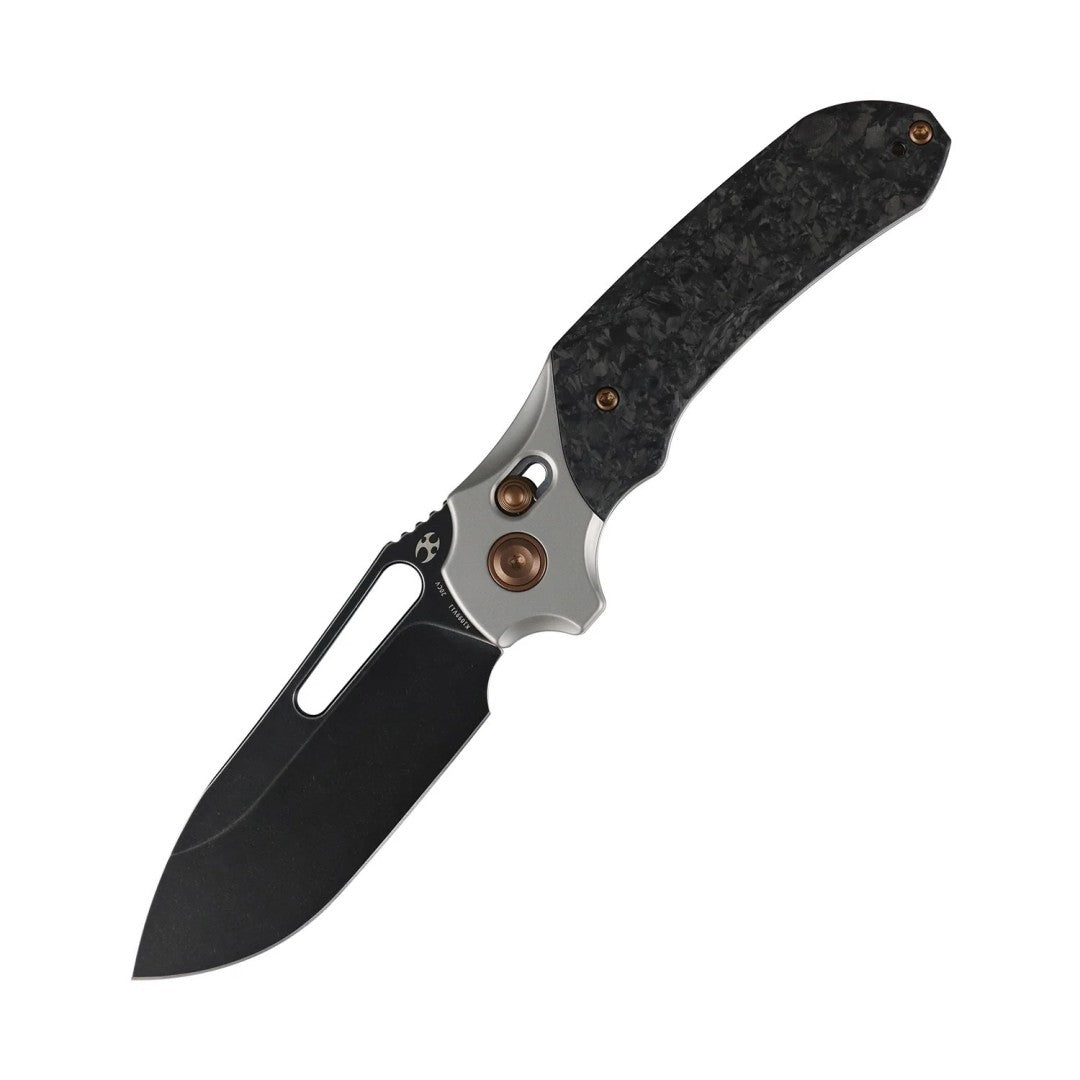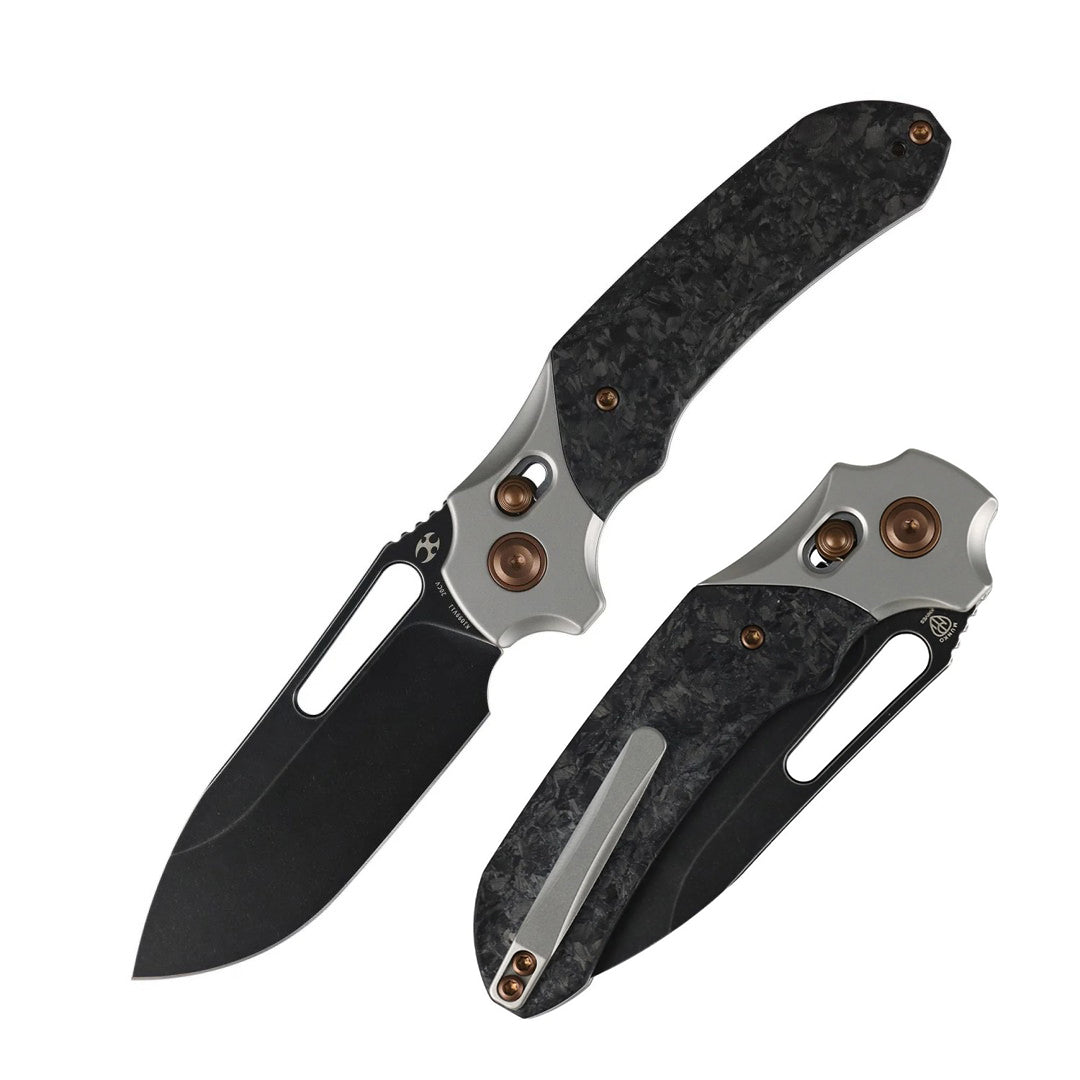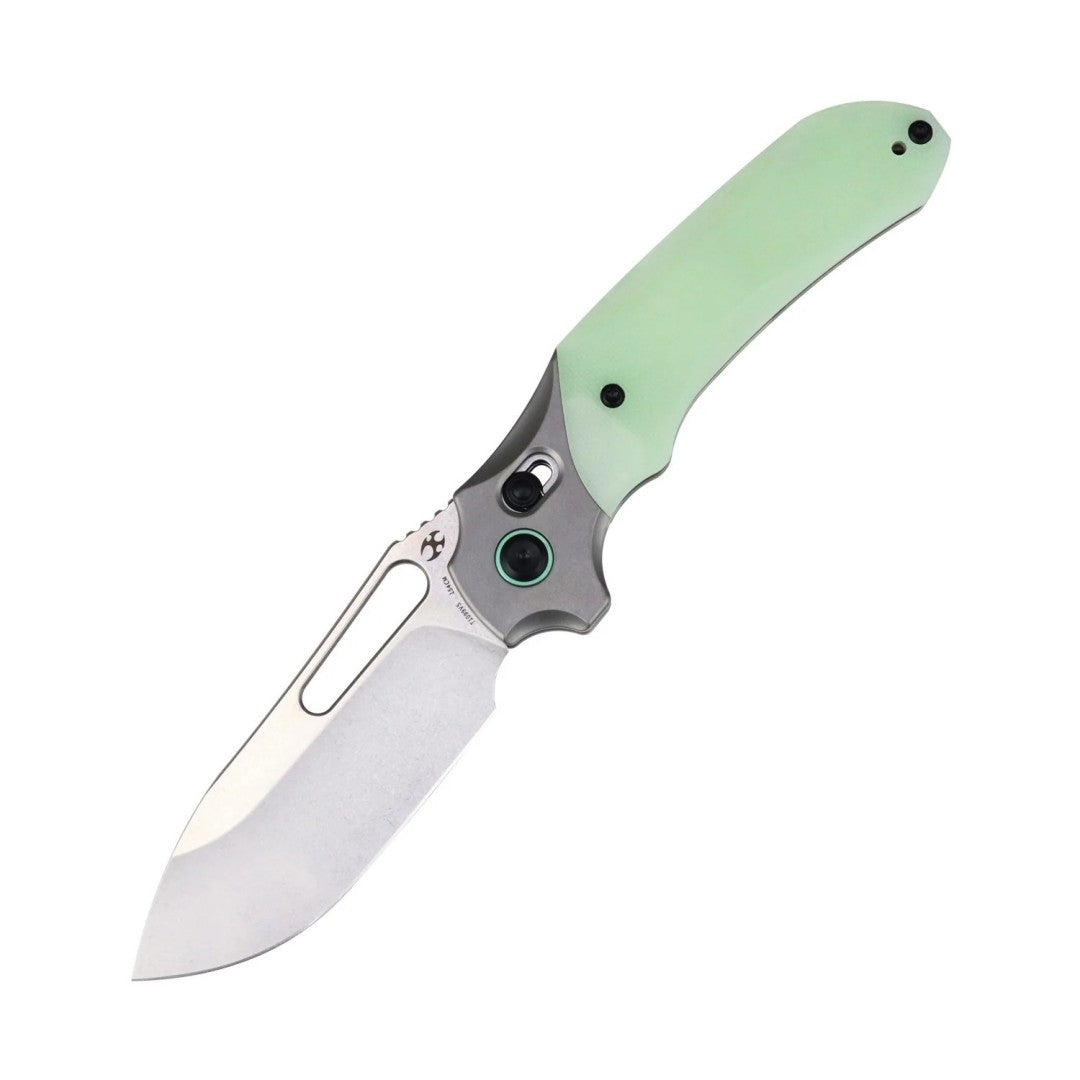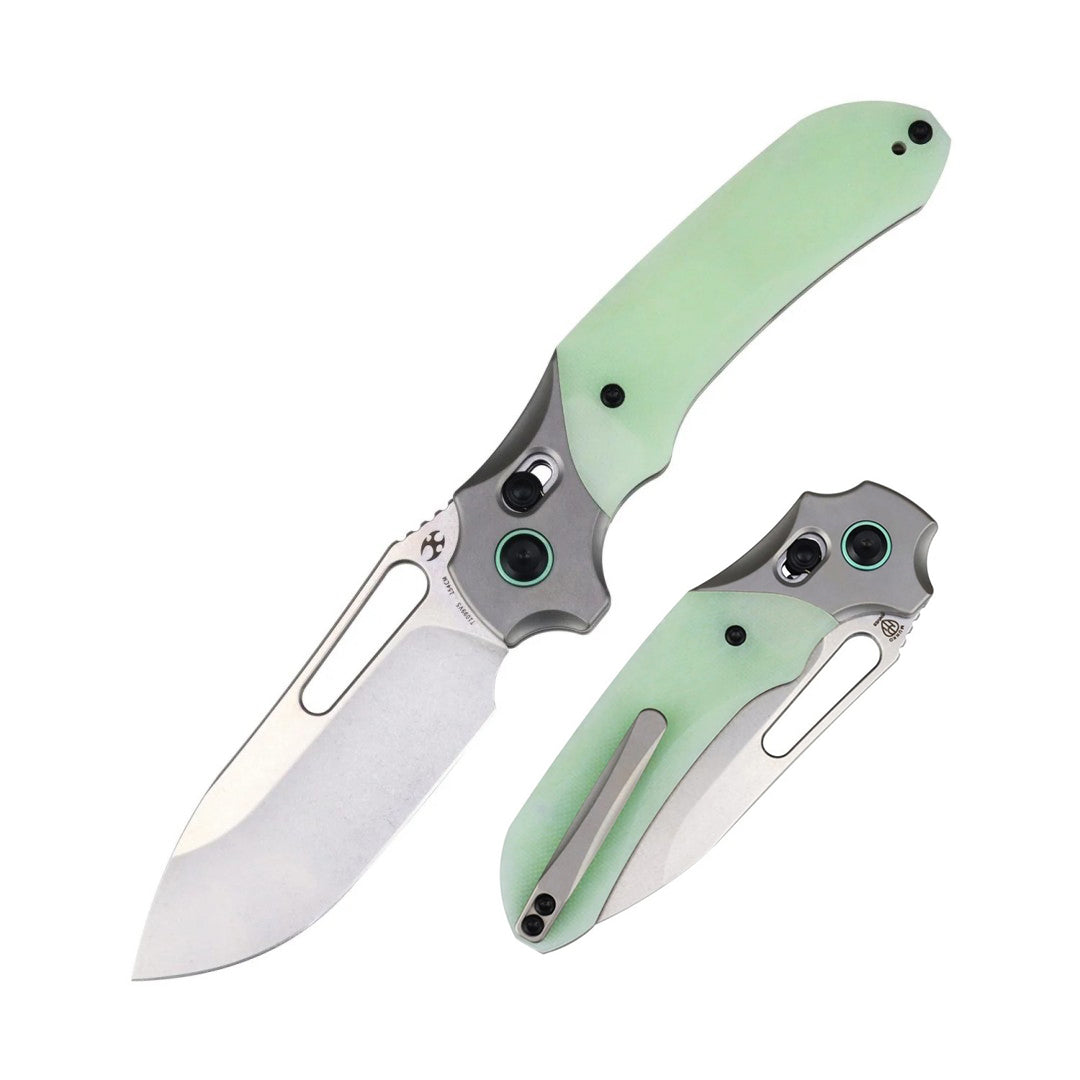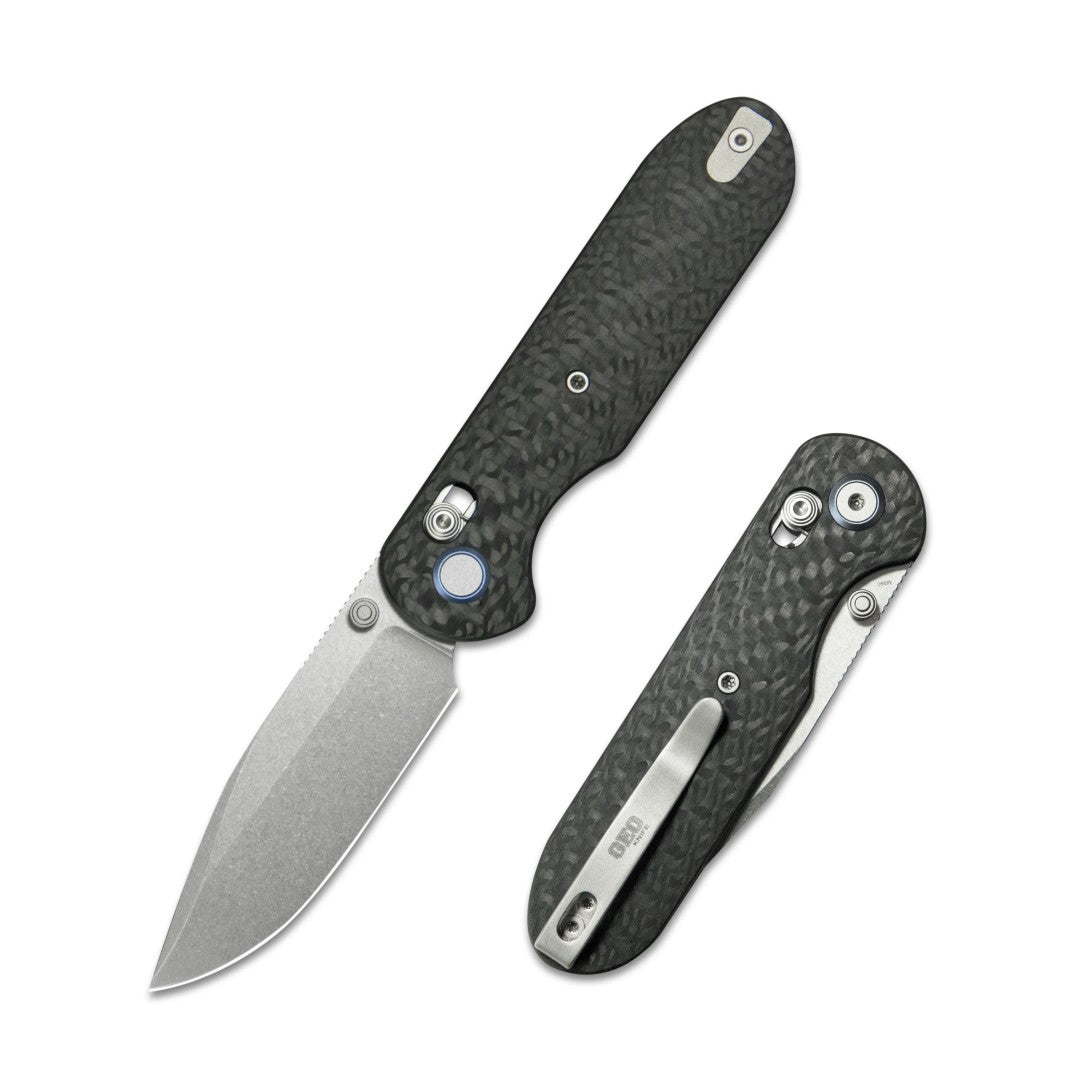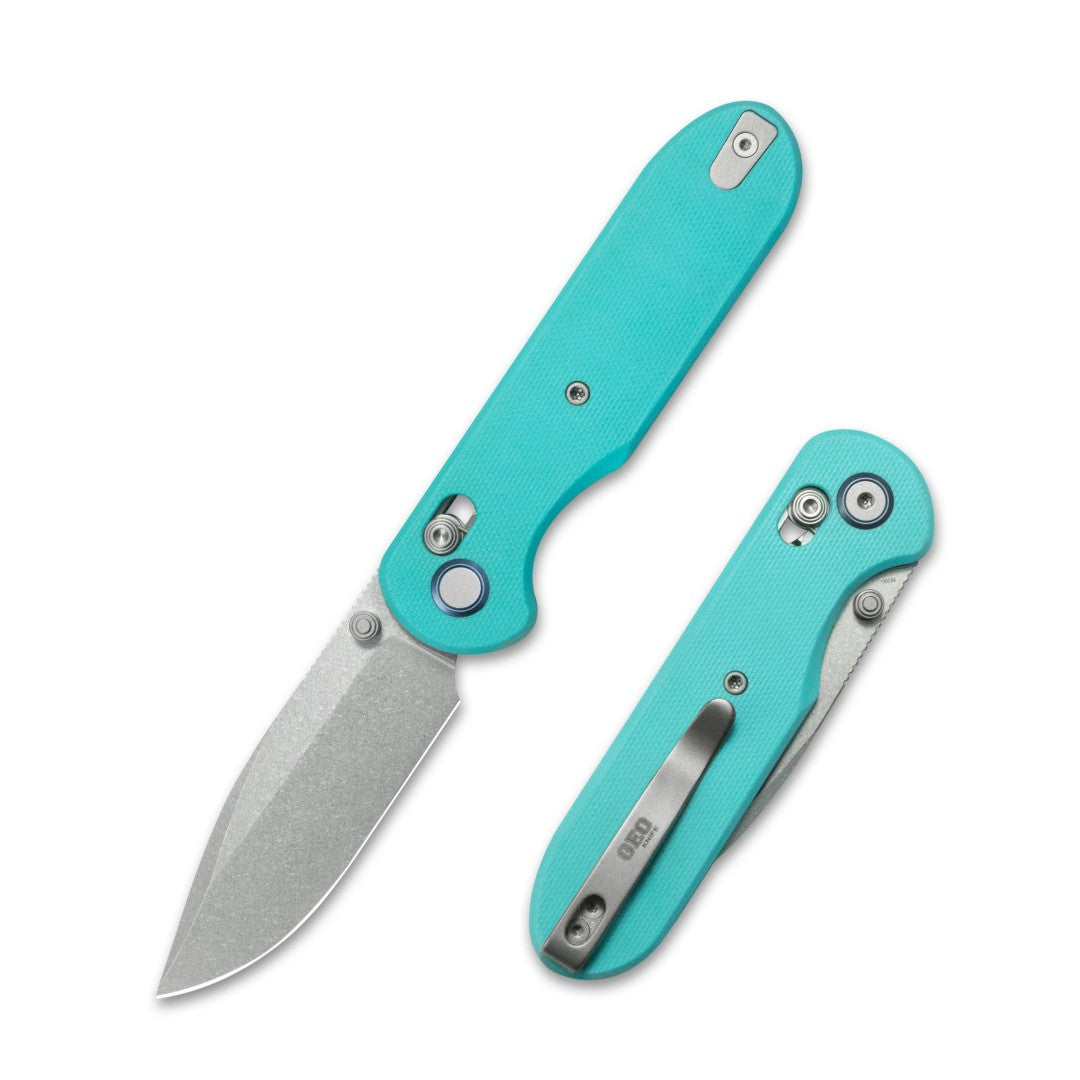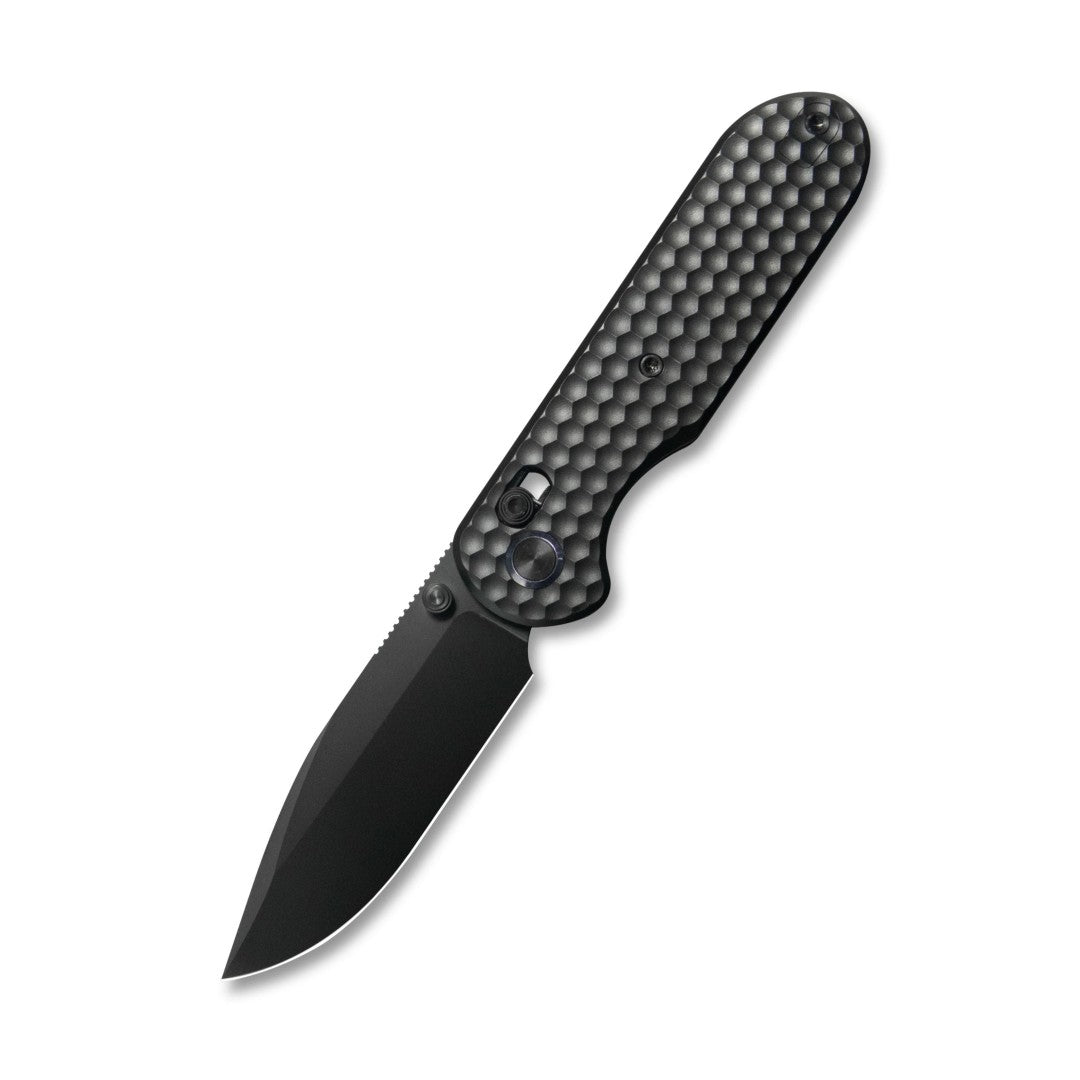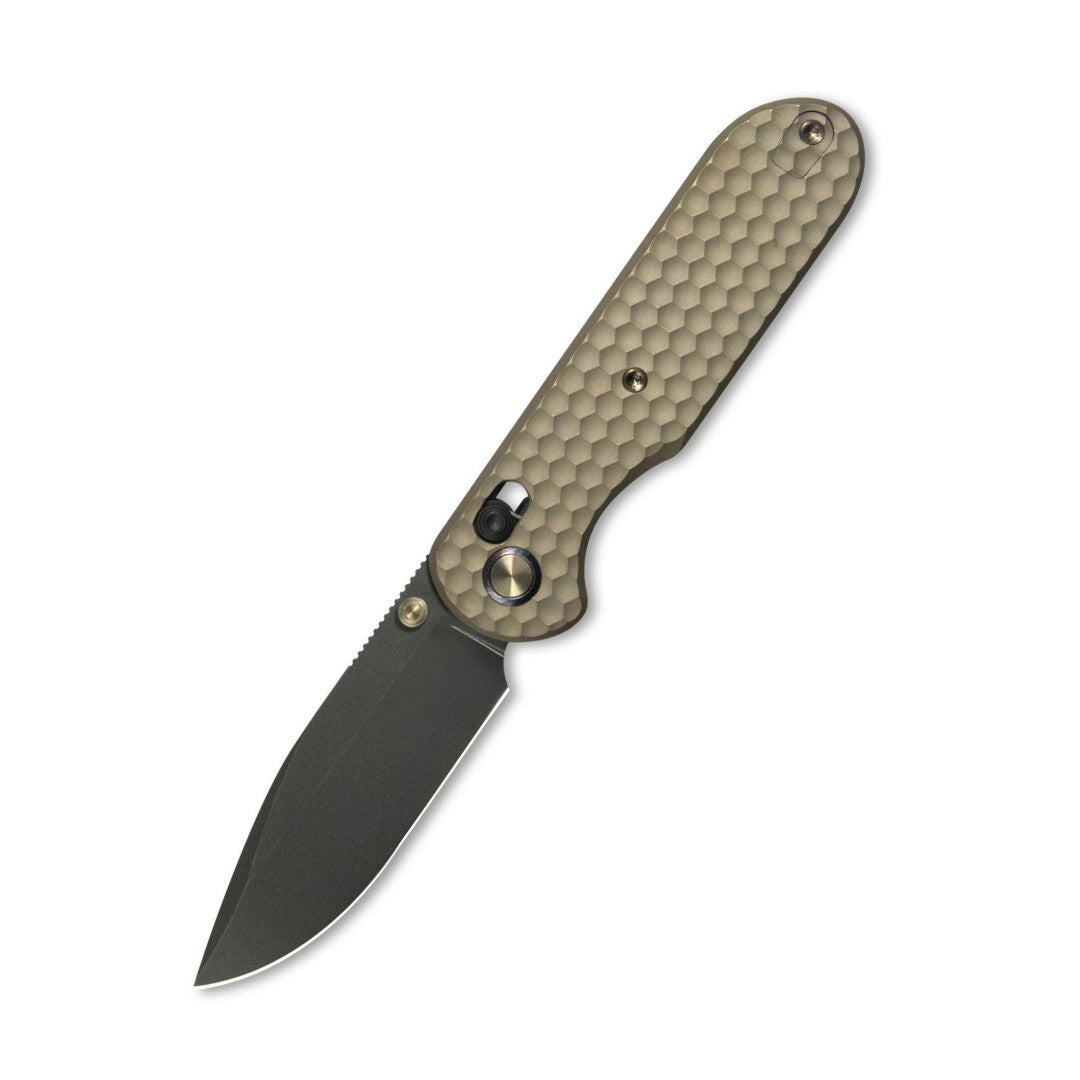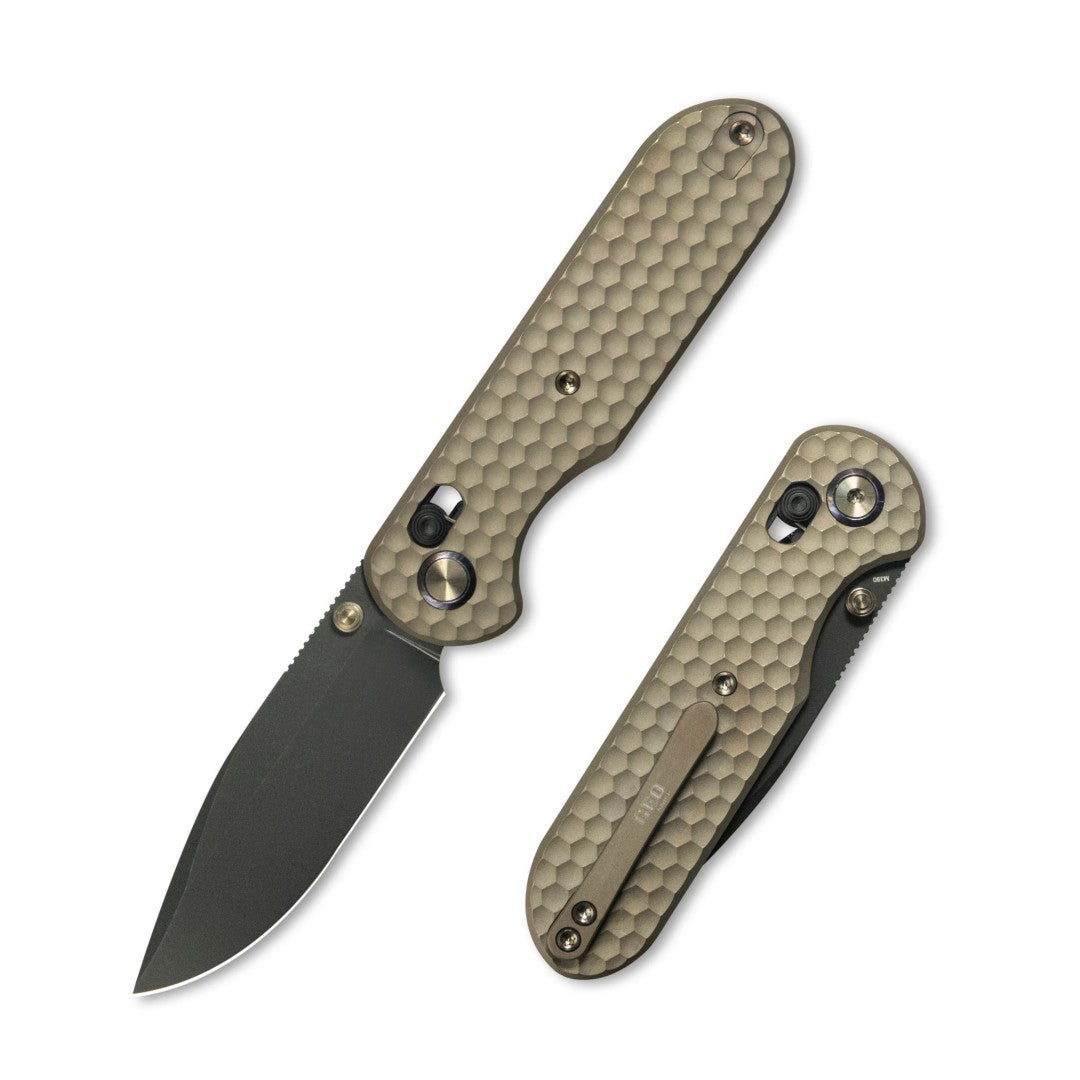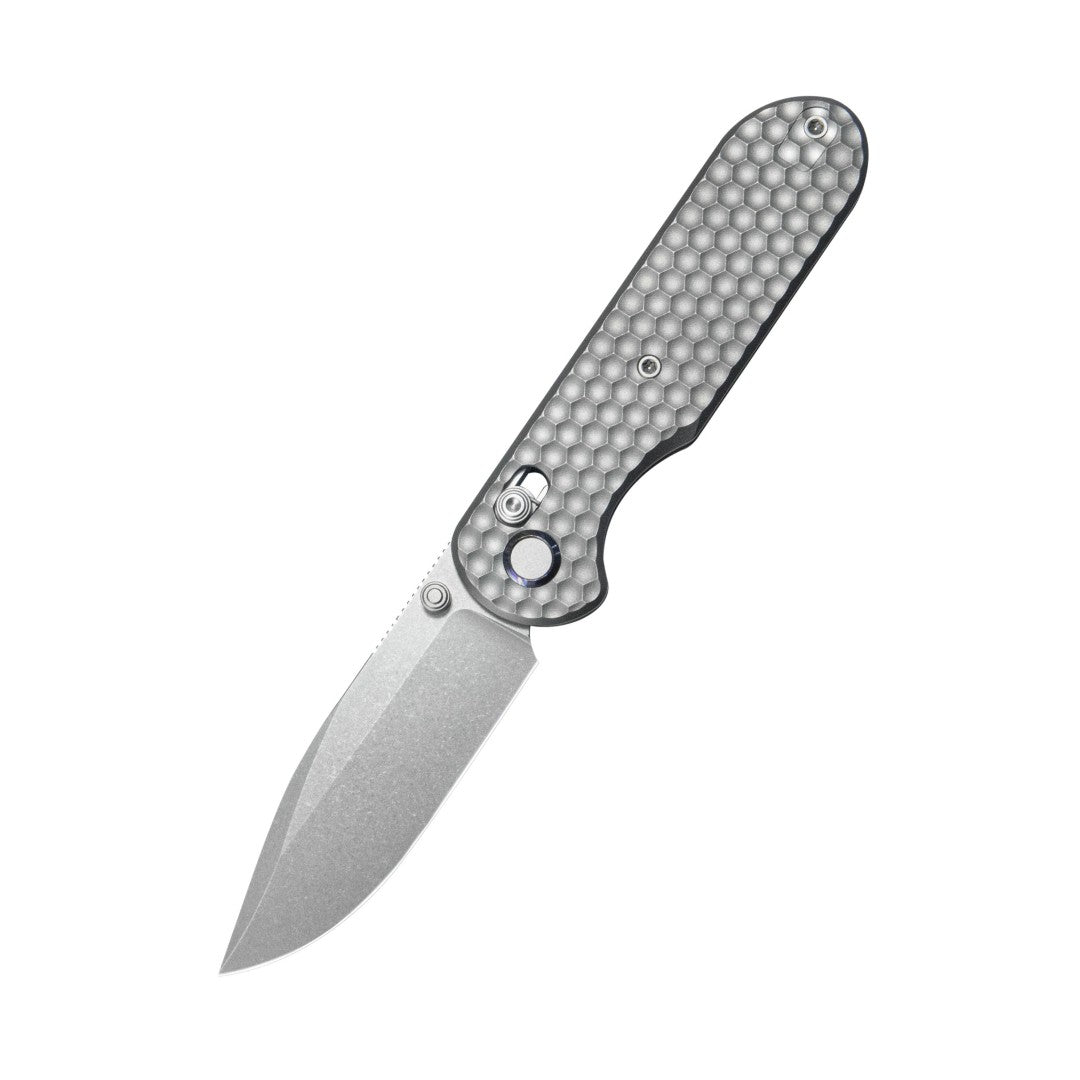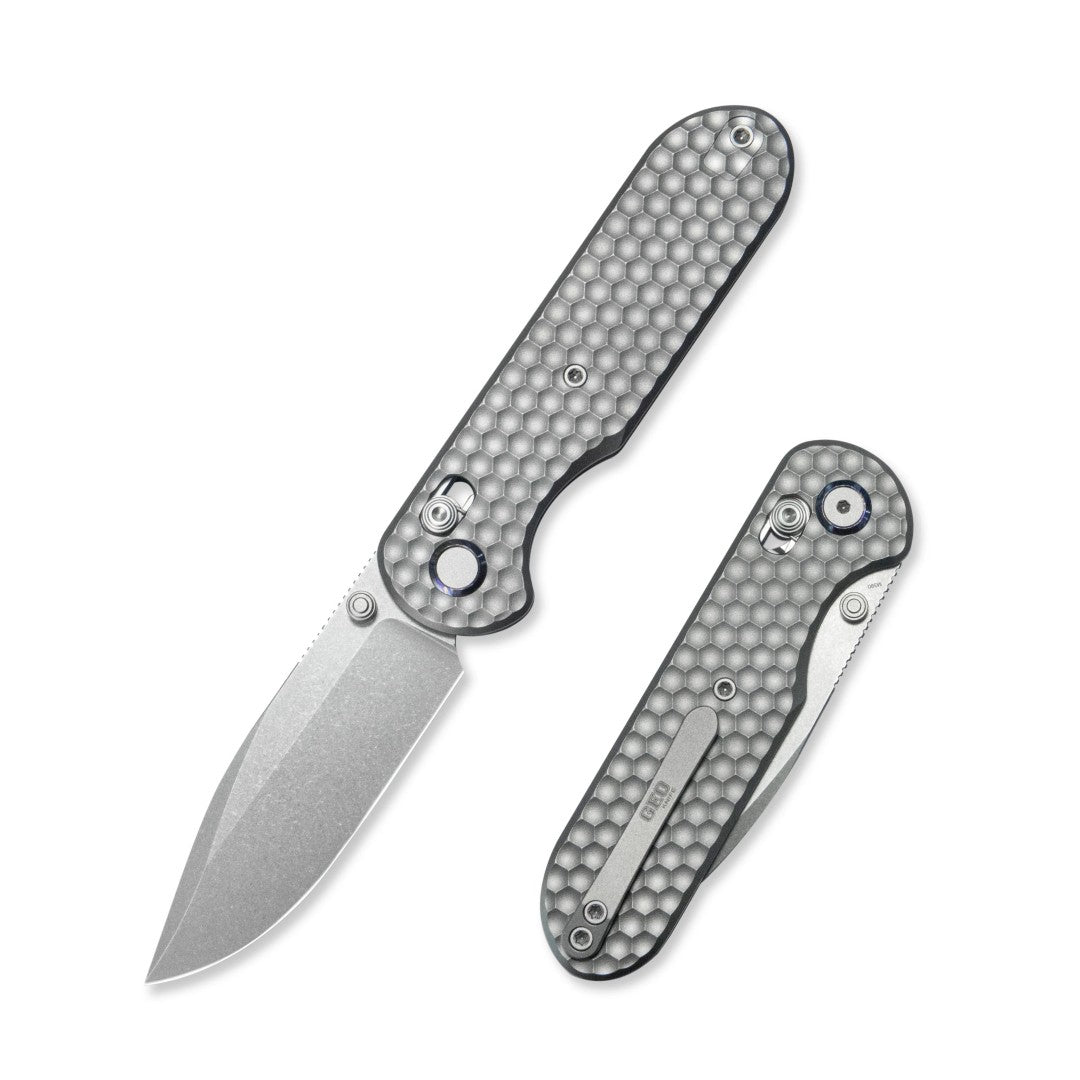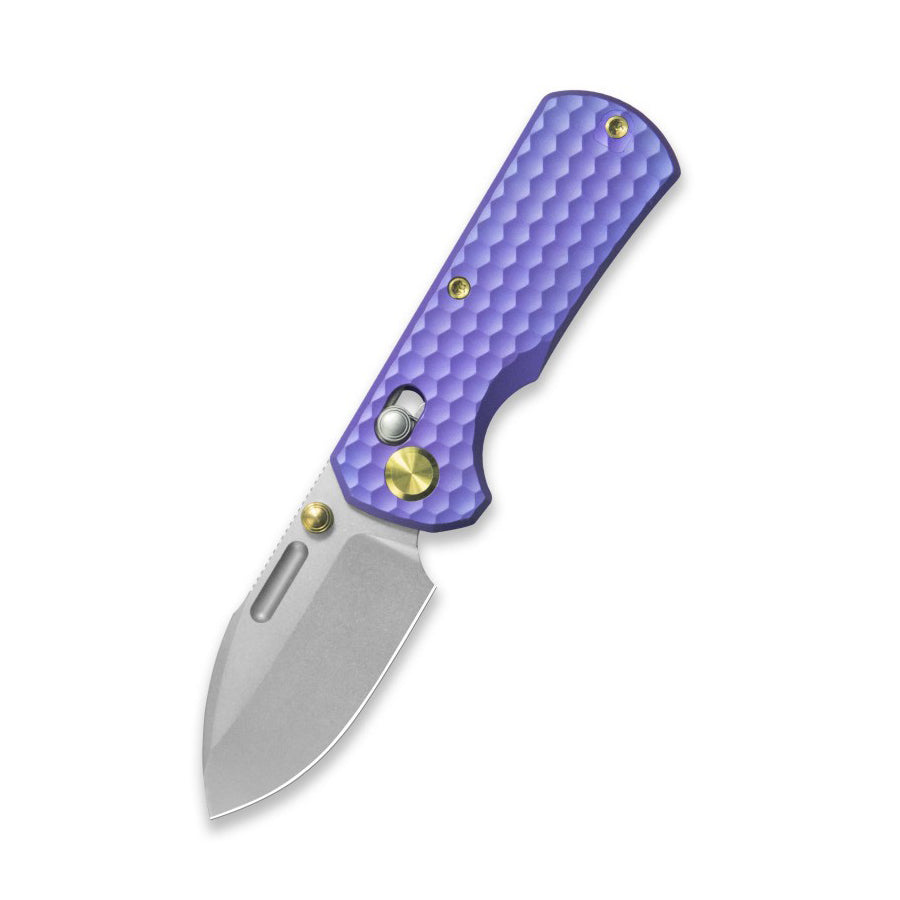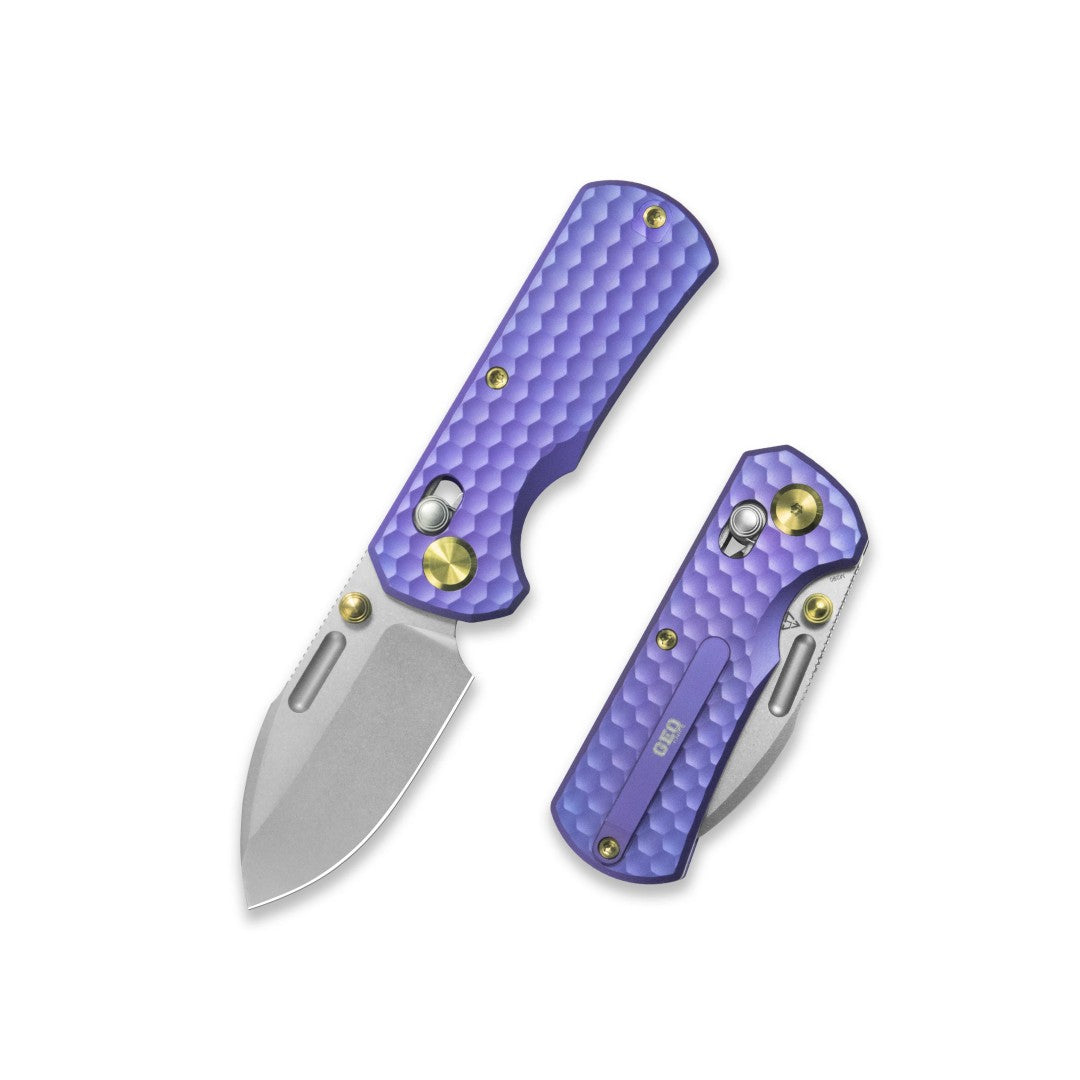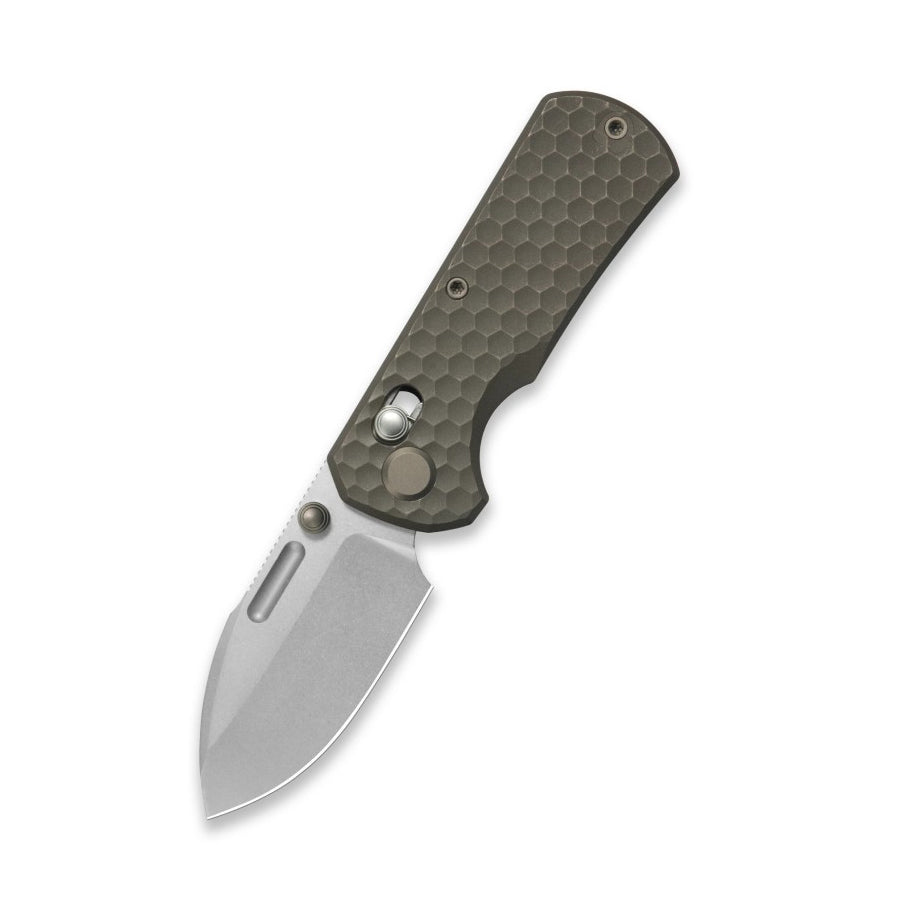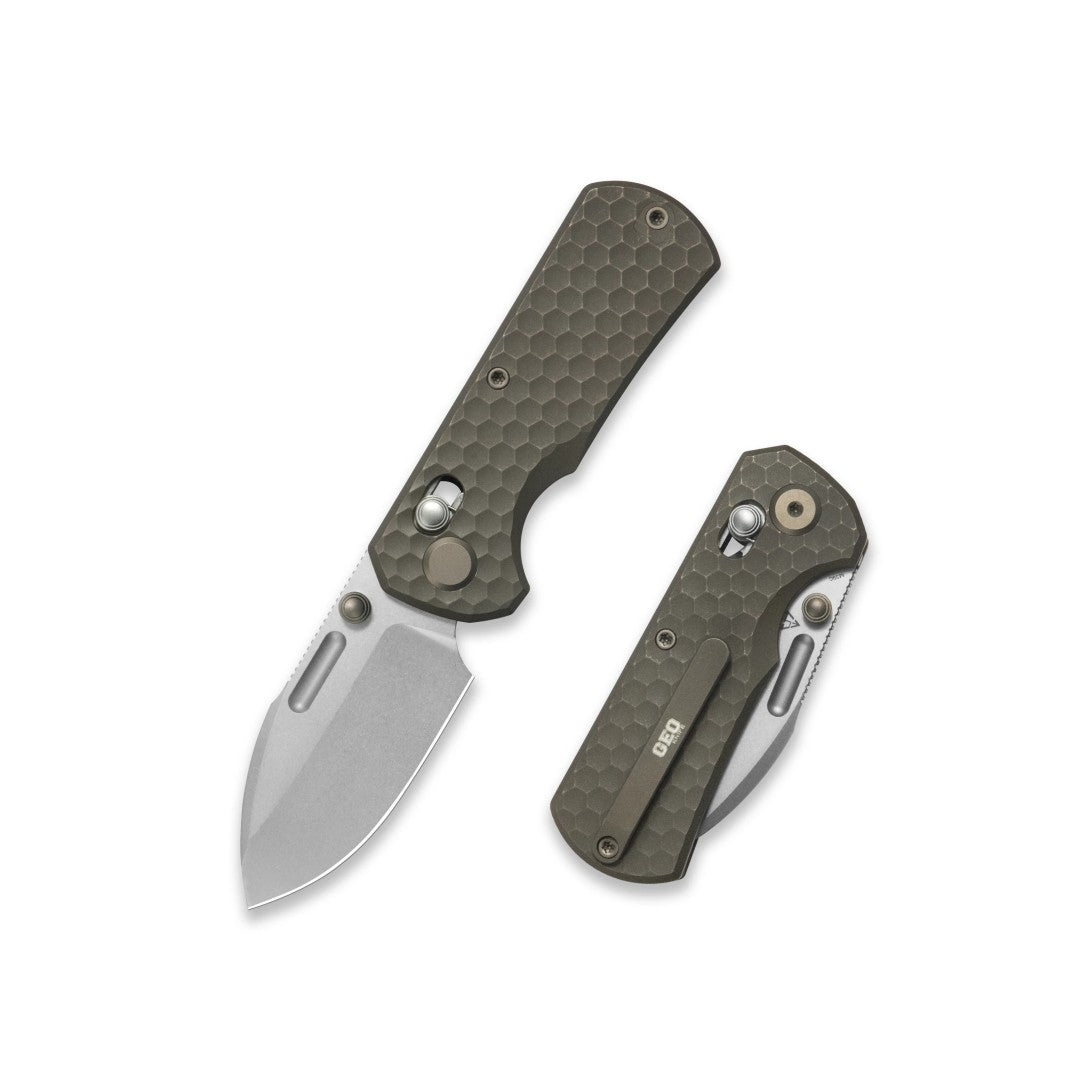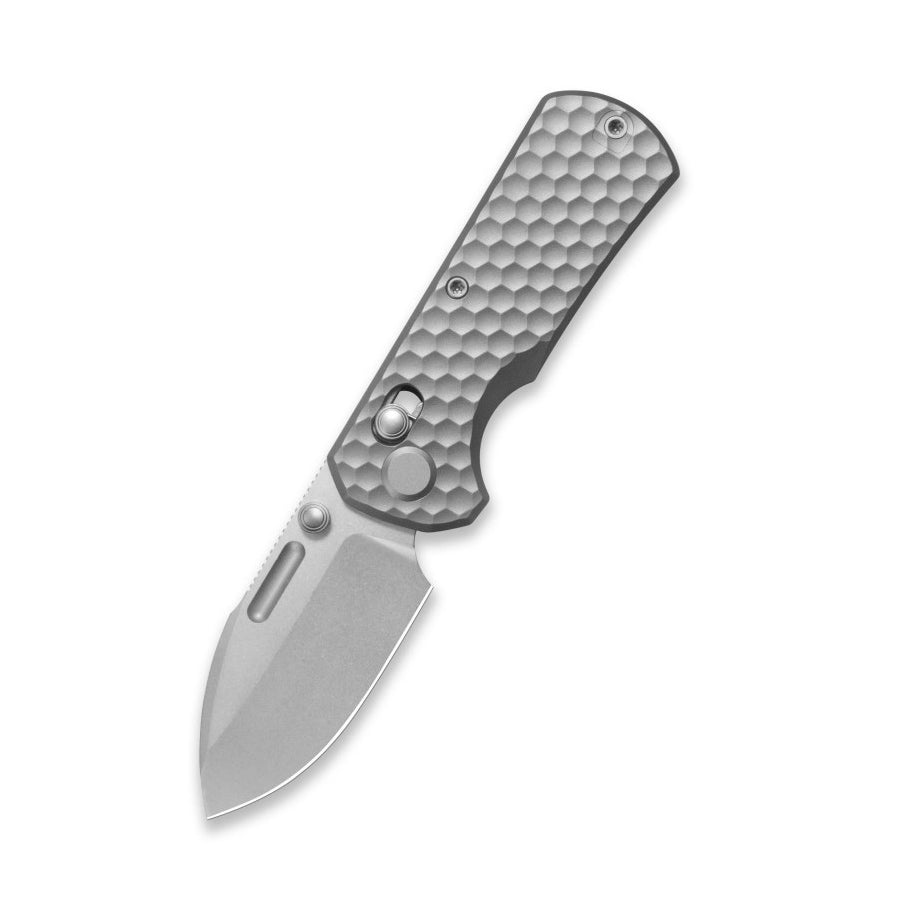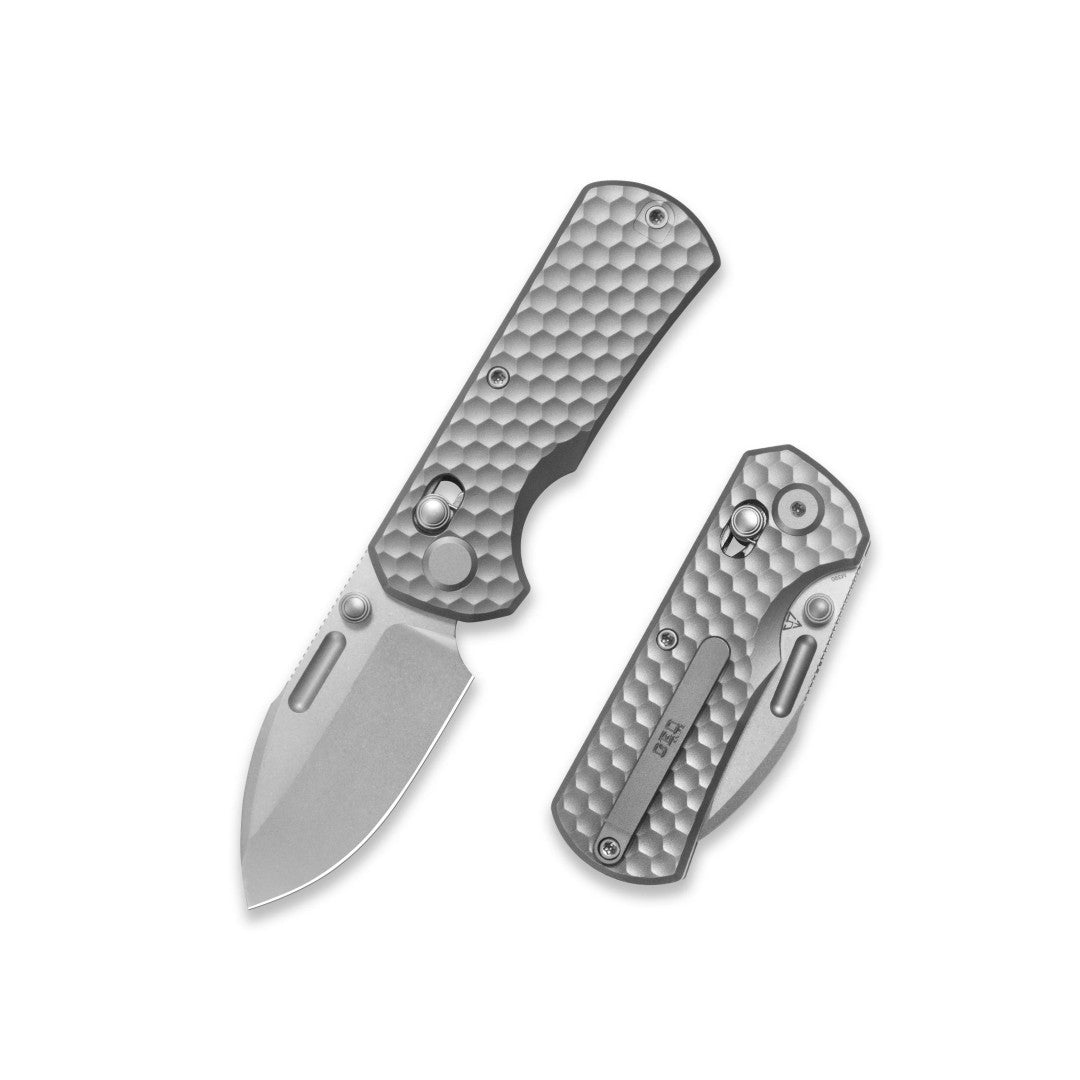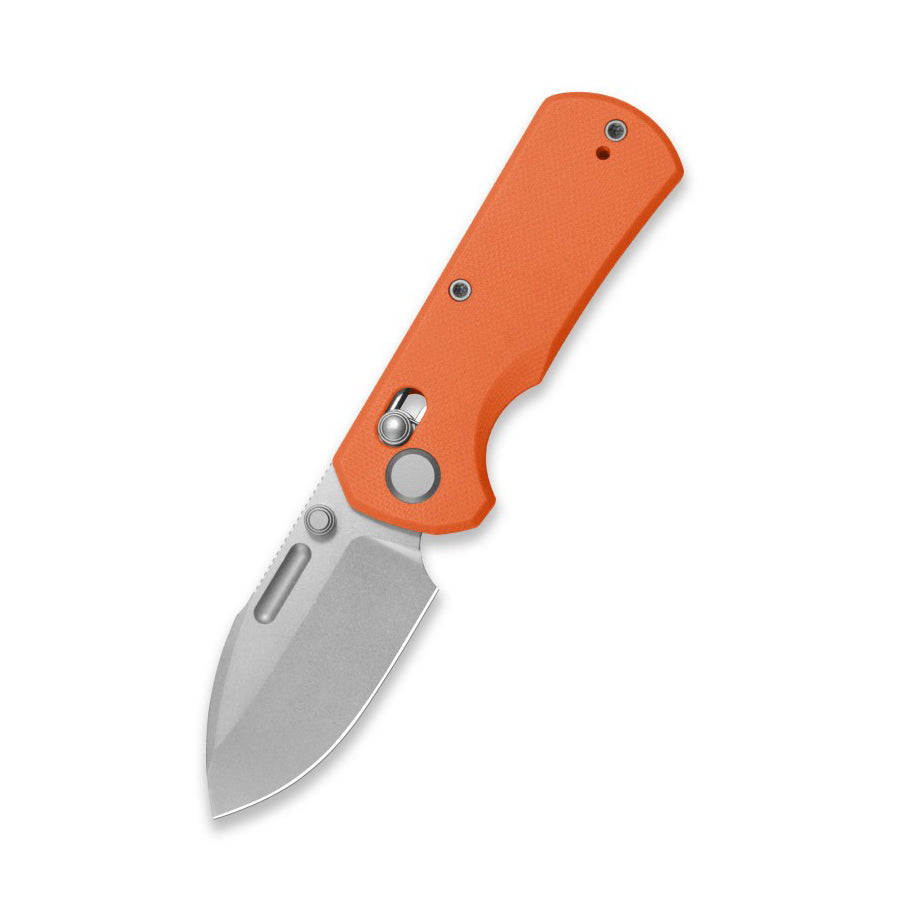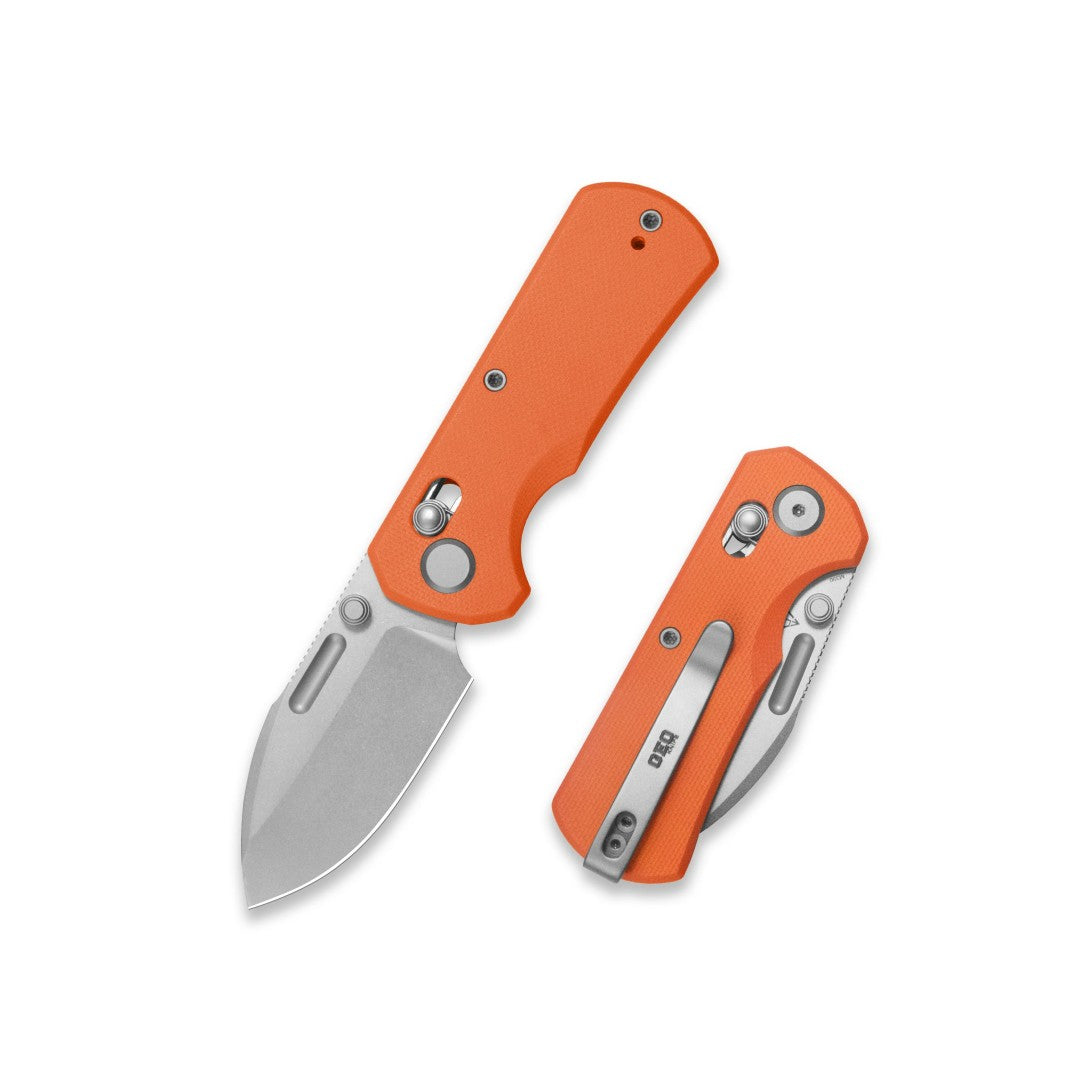
If you’ve spent any time researching high‑performance knife steels, you’ve almost certainly come across the name 154CM. Revered by custom knifemakers and adopted by top production brands alike, 154CM has earned a reputation as one of the most reliable and well‑balanced stainless steels in the cutlery world. But what exactly is 154CM steel? Where did it come from, and why does it continue to be a favorite among knife enthusiasts decades after its introduction?
This comprehensive guide will walk you through everything you need to know about 154CM—from its surprising origins in aerospace engineering to its chemical composition, real‑world performance, pros and cons, and how it stacks up against other popular blade steels. Whether you’re a seasoned collector or a first‑time buyer looking for your next EDC companion, read on to discover why 154CM remains a gold standard in blade metallurgy.
What Is 154CM Steel? A Quick Definition
154CM is a high‑carbon, high‑chromium martensitic stainless steel originally developed by Crucible Industries. The name “154CM” itself tells a story: it stands for 15% Chromium and 4% Molybdenum—the two key alloying elements that give the steel its distinctive properties. (Some sources also suggest the “CM” refers to Climax Molybdenum, the company that originally produced the alloy, but the 15‑4 composition explanation is the one most widely accepted.)
In simple terms, 154CM is a premium stainless steel that offers an excellent balance of edge retention, corrosion resistance, hardness, and toughness. It was one of the first “super steels” to gain widespread acceptance in the knife industry, and even today, it remains a benchmark against which many newer steels are measured.
The Fascinating History of 154CM
From Jet Engines to Knife Blades
The story of 154CM begins not in a cutlery workshop, but in the demanding world of aerospace engineering. In 1959, Crucible Industries—in collaboration with the Wright Air Development Center of the U.S. Air Force—developed 154CM for high‑stress applications, particularly jet engine turbine bearings and other components that required both corrosion resistance and “hot hardness” (the ability to maintain hardness at elevated temperatures).
For more than a decade, 154CM served its purpose in industrial and aerospace settings. Then, in 1972, legendary custom knifemaker Bob Loveless recognized the steel’s potential for producing world‑class blades. Loveless began using 154CM in his handmade knives, and its popularity exploded almost overnight.
The Rise of a Legend
By the early 1990s, major manufacturers like Benchmade had adopted 154CM as their top‑tier stainless steel. For more than a decade, it was widely considered the #1 stainless steel for cutlery. Even today, after the introduction of powder metallurgy super steels like S30V, S35VN, and M390, 154CM continues to be used by dozens of reputable brands, including Emerson Knives, Kizer, Gerber, Hogue, CRKT, and many others.
The Chemistry of 154CM: What’s Inside?
The performance of any steel comes down to its chemical composition. Here’s what makes 154CM tick:
| Element | Percentage | What It Does |
|---|---|---|
| Carbon (C) | 1.05% | Increases hardness and edge retention |
| Chromium (Cr) | 13.5–14.0% | Provides corrosion resistance and contributes to hardness |
| Molybdenum (Mo) | 4.0% | Enhances strength, wear resistance, and hot‑hardness |
| Manganese (Mn) | 0.5% | Improves hardenability and wear resistance |
| Silicon (Si) | 0.3–0.8% | Increases strength and contributes to hardness |
Why This Composition Matters
The 1.05% carbon content places 154CM in the “high carbon” category, which is essential for achieving high hardness and excellent edge retention. The 14% chromium gives it true stainless properties, while the 4% molybdenum is the secret ingredient that sets 154CM apart from earlier steels like 440C. Molybdenum significantly improves wear resistance, toughness, and the steel’s ability to hold an edge even under abrasive cutting conditions.
Technically speaking, 154CM is a modification of 440C martensitic stainless steel with molybdenum added and chromium slightly reduced. This seemingly small tweak resulted in a steel that outperforms 440C in virtually every meaningful category.
Key Properties and Performance
Hardness (HRC)
After proper heat treatment, 154CM typically achieves a hardness of 58–61 HRC (Rockwell Hardness Scale). At this range, the steel offers an ideal balance of edge retention and durability. Some manufacturers push it slightly higher (up to 62–63 HRC), but that can come at the expense of toughness.
Edge Retention
One of 154CM’s strongest attributes is its ability to hold a sharp edge for a long time. Thanks to the high carbon and molybdenum content, the steel forms hard, wear‑resistant carbides that resist dulling during cutting tasks. Crucible’s own data indicates that 154CM offers approximately 20% better edge retention than 440C.
Toughness
154CM offers good toughness for a stainless steel, meaning it resists chipping and cracking under normal use. However, like all hard steels, it can become brittle at higher hardness levels. If a blade is overheated during grinding or heat‑treated to the extreme upper end of its range (above 61–62 HRC), it may be more prone to chipping under lateral stress.
Corrosion Resistance
With 14% chromium, 154CM is a true stainless steel. It offers very high corrosion resistance, significantly better than non‑stainless steels like D2 or tool steels, and noticeably better than 440C in many applications. In practice, a 154CM blade can handle moisture, humidity, and even saltwater exposure better than most high‑carbon alternatives—though no stainless steel is completely immune to rust if neglected.
Wear Resistance
The combination of high carbon and 4% molybdenum gives 154CM excellent wear resistance. In abrasive cutting scenarios—cutting cardboard, rope, wood, or other fibrous materials—154CM blades stay sharp significantly longer than standard stainless steels like 440C or AUS‑8.
Pros and Cons of 154CM Steel
Advantages
-
Excellent edge retention – Holds a working edge much longer than entry‑level stainless steels
-
Very good corrosion resistance – Reliable in wet or humid environments
-
Good toughness – Resists chipping under normal use
-
Holds a fine, sharp edge – Can be sharpened to a razor‑like finish
-
Proven track record – Decades of real‑world use in military, tactical, and everyday knives
-
Widely available – Used by many major knife manufacturers at reasonable price points
Disadvantages
-
Can become brittle at very high hardness – Requires proper heat treatment and tempering
-
More difficult to sharpen than softer steels – Takes more time and skill to restore a dull edge
-
Not as tough as premium powder metallurgy steels – Steels like CPM‑154 or S35VN offer superior toughness
-
Higher cost than basic stainless steels – A premium steel with a premium price tag
154CM vs. Other Knife Steels
154CM vs. CPM‑154
This is one of the most common comparisons in the knife world. CPM‑154 is the powder metallurgy version of 154CM, introduced by Crucible in 2004. The chemical composition is identical, but the manufacturing process is different. CPM‑154 is made using Crucible’s proprietary particle metallurgy process, which results in a finer, more uniform carbide distribution and thus superior toughness and edge stability. In practice, CPM‑154 is the better steel—but 154CM remains an excellent choice, especially at a lower price point.
154CM vs. 440C
154CM is a direct improvement over 440C. It offers better edge retention, better corrosion resistance, better wear resistance, and higher attainable hardness. In fact, Crucible states that 154CM outperforms 440C in every key performance metric relevant to knife makers. If you’re choosing between these two, 154CM is the clear winner.
154CM vs. S30V / S35VN
S30V and S35VN are newer powder metallurgy steels from Crucible that incorporate vanadium and niobium for improved toughness and wear resistance. S35VN, in particular, offers superior toughness while maintaining similar hardness and edge retention. However, 154CM is generally easier to sharpen and more affordable. For heavy‑duty use, S35VN is better; for EDC and general purpose knives, 154CM remains a fantastic choice.
154CM vs. VG‑10
VG‑10 is a Japanese stainless steel that is very similar to 154CM in overall performance. Both offer excellent edge retention and corrosion resistance. Some users find VG‑10 slightly easier to sharpen, while 154CM may hold an edge a bit longer. In practice, the difference is subtle, and both are considered premium blade steels.
What Is 154CM Steel Best Used For?
Thanks to its balanced properties, 154CM is incredibly versatile. Common applications include:
-
Everyday Carry (EDC) Folding Knives – The combination of edge retention and corrosion resistance makes it ideal for daily utility tasks
-
Hunting and Outdoor Knives – Holds up well to skinning, field dressing, and general camp chores
-
Tactical and Military Knives – Emerson Knives has used 154CM for over 30 years in blades carried by U.S. special operations forces
-
Fishing and Marine Knives – Excellent corrosion resistance stands up to saltwater exposure
-
Kitchen Cutlery – High‑end kitchen knives benefit from 154CM’s edge retention and stain resistance
-
Folding and Fixed‑Blade Knives – A true all‑rounder suitable for virtually any cutting task
Applications sourced from MWalloys and product listings
Is 154CM Steel Right for You?
154CM is an excellent choice for anyone who wants a high‑performance stainless steel without venturing into the higher price brackets of powder metallurgy super steels. It delivers exceptional edge retention, reliable corrosion resistance, and good toughness in a proven, time‑tested package.
If you’re a knife user who:
-
Wants a blade that stays sharp through weeks of regular use
-
Needs corrosion resistance for outdoor or marine environments
-
Prefers a steel that can be sharpened with standard abrasives (diamond stones recommended)
-
Wants a premium steel without paying premium powder‑metallurgy prices
…then 154CM is an outstanding choice.
If you need extreme toughness for hard‑use chopping or batoning, a tougher steel like CPM‑3V or S35VN might be a better fit. But for the vast majority of EDC, hunting, and general‑purpose cutting tasks, 154CM hits the sweet spot between performance, durability, and value.
Final Thoughts: The Legacy of 154CM
Few knife steels can claim the kind of legacy that 154CM has built over more than six decades. Born in the aerospace industry, adopted by a visionary knifemaker, and embraced by generations of users, 154CM has earned its place in the hall of fame of blade steels. It may not be the newest or flashiest steel on the market, but it remains one of the most reliable, well‑rounded, and battle‑tested options available today.
Whether you’re adding a new knife to your collection or making your first serious purchase, a blade made from 154CM steel is an investment in quality that will serve you well for years to come.
Looking for knives made from 154CM steel? Browse our collection to find EDC folders, hunting knives, and outdoor tools featuring this legendary blade steel.