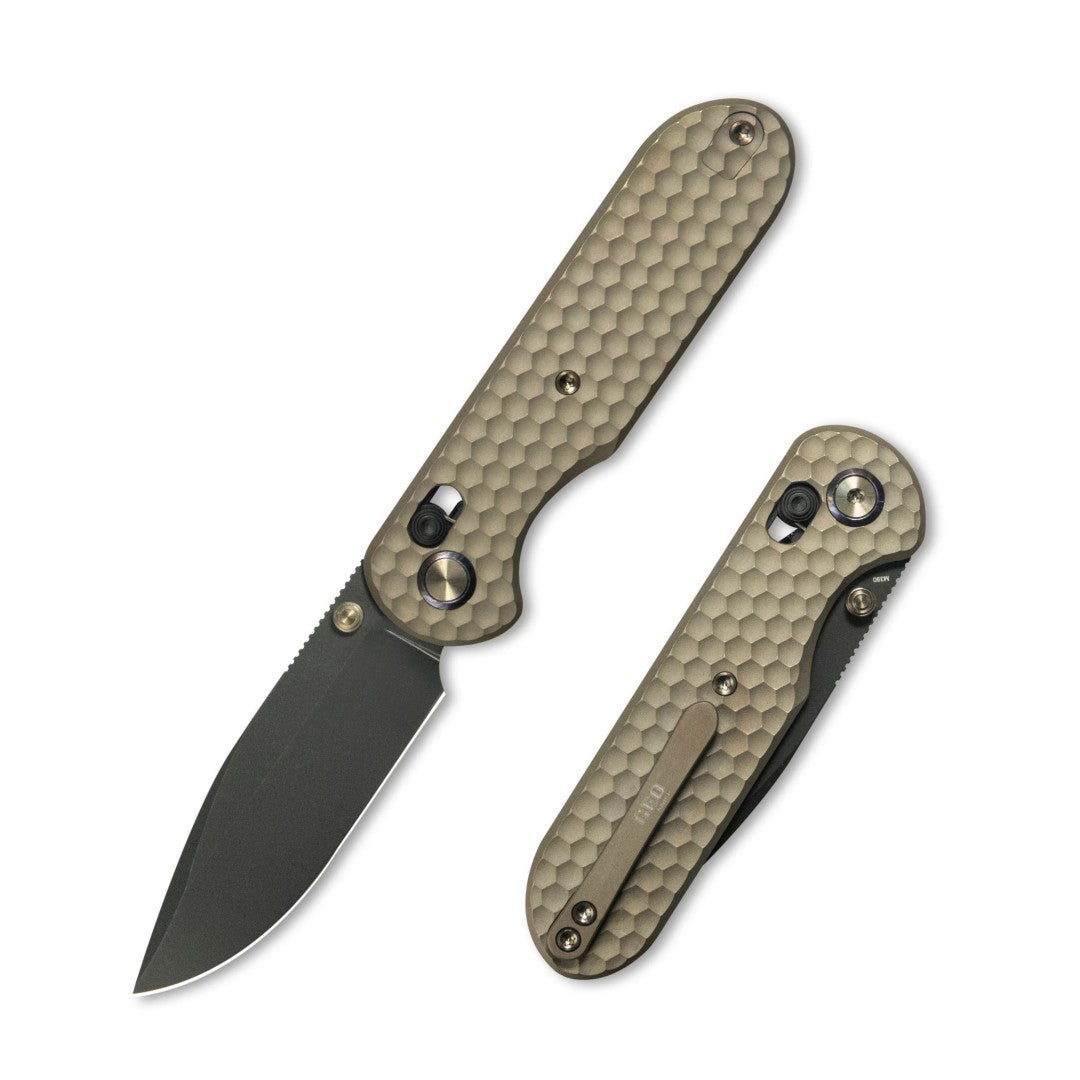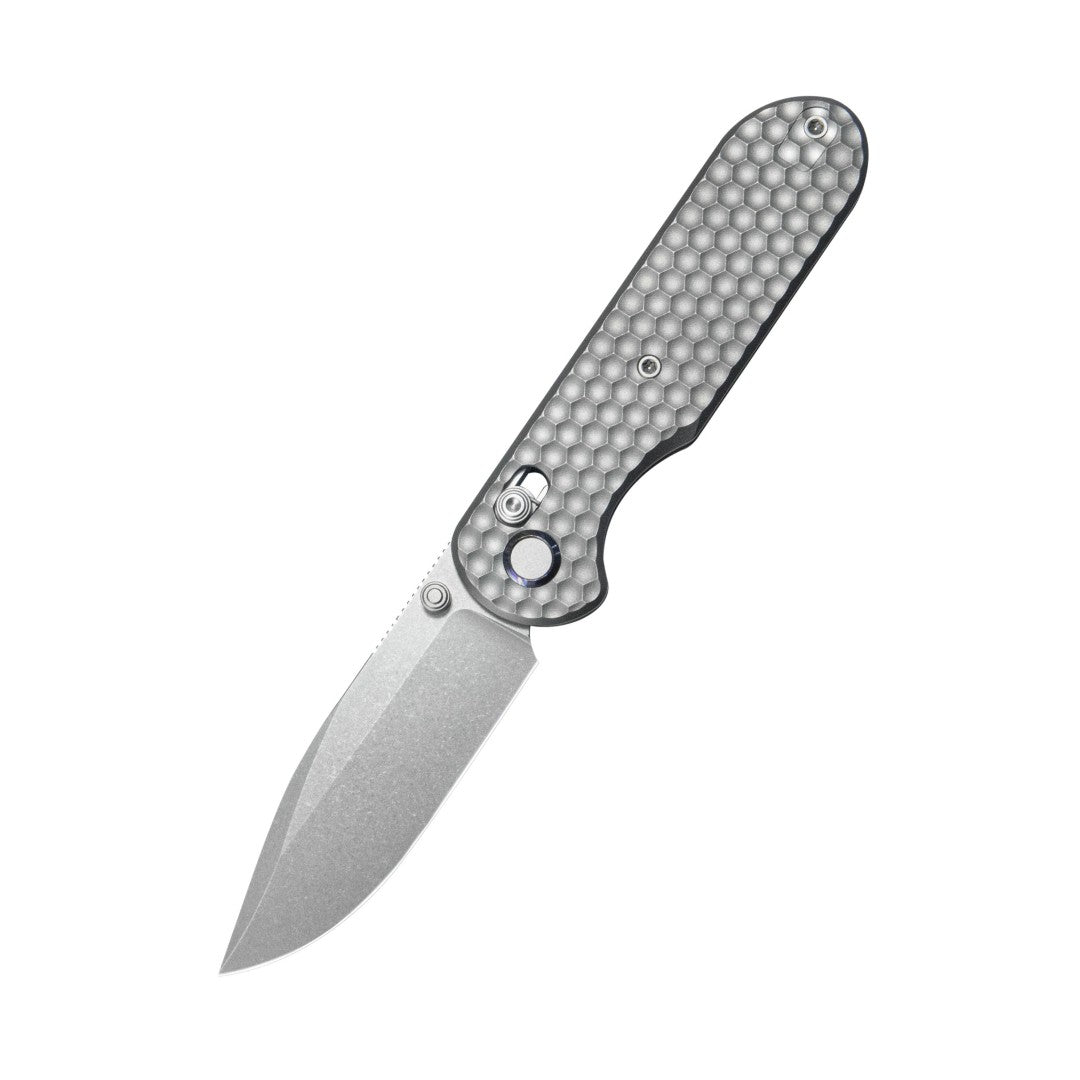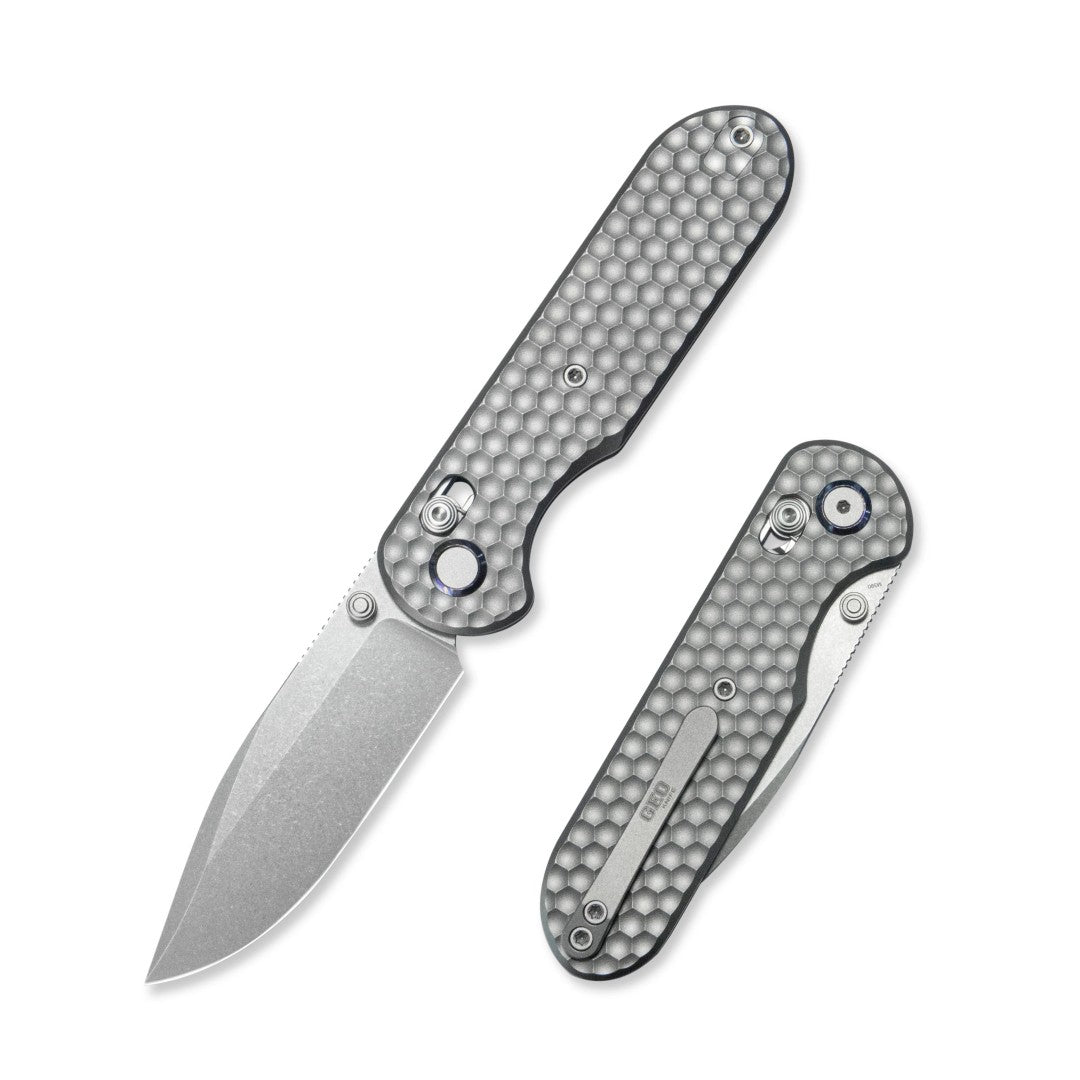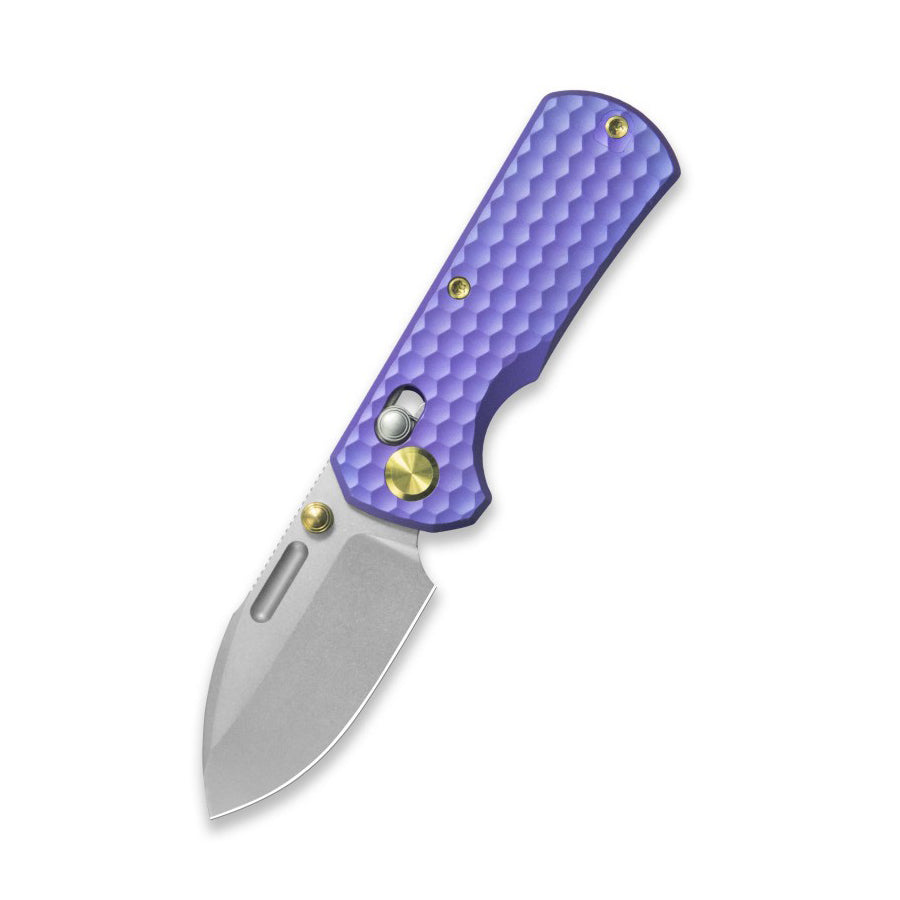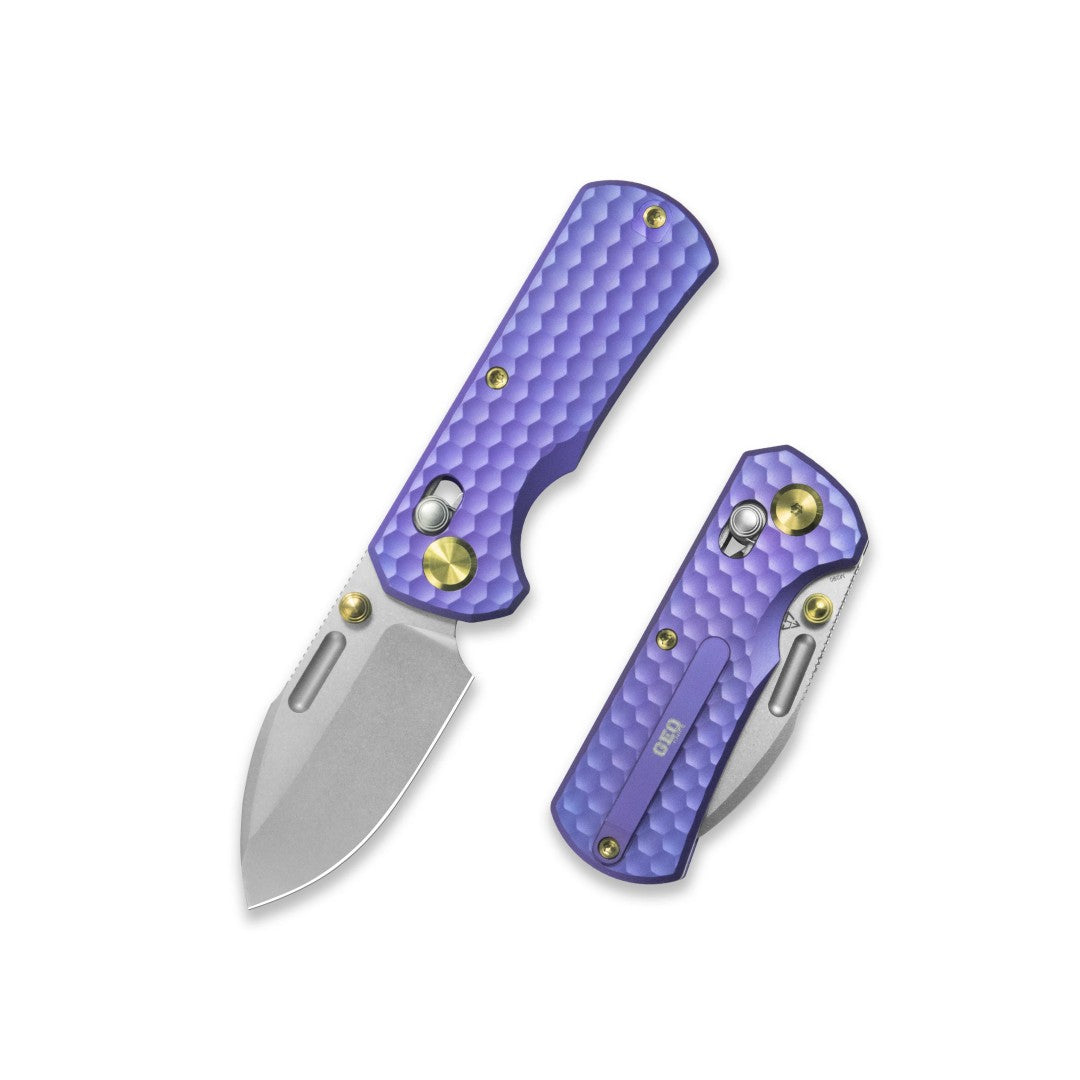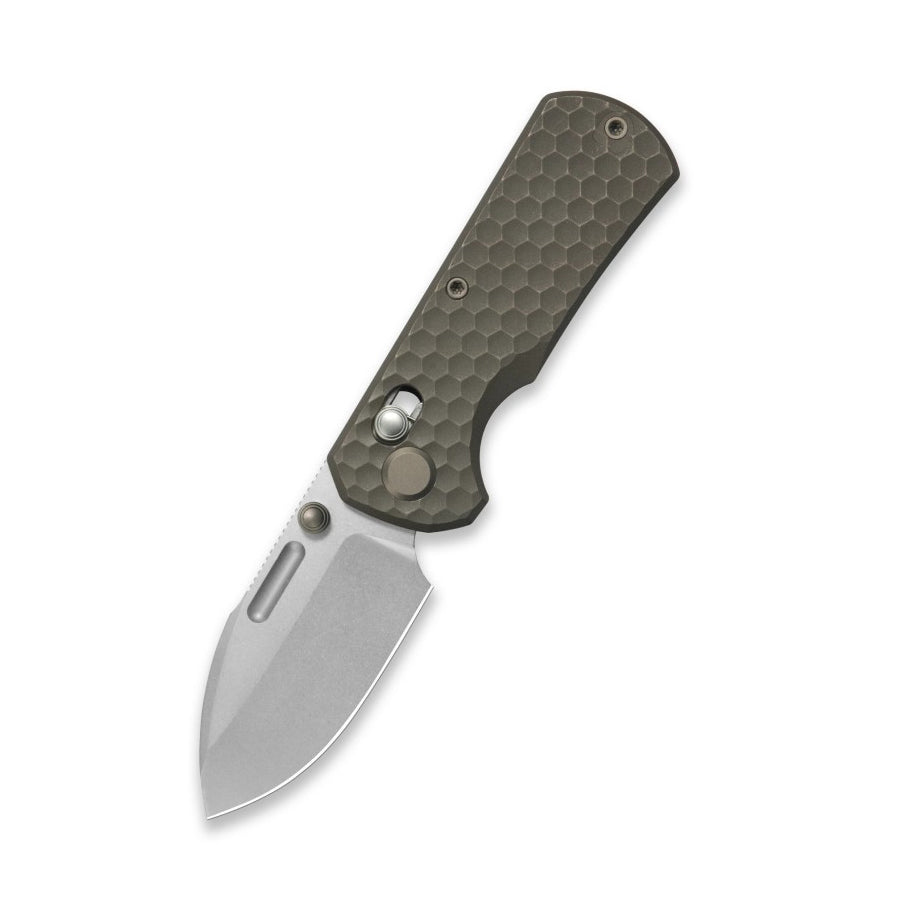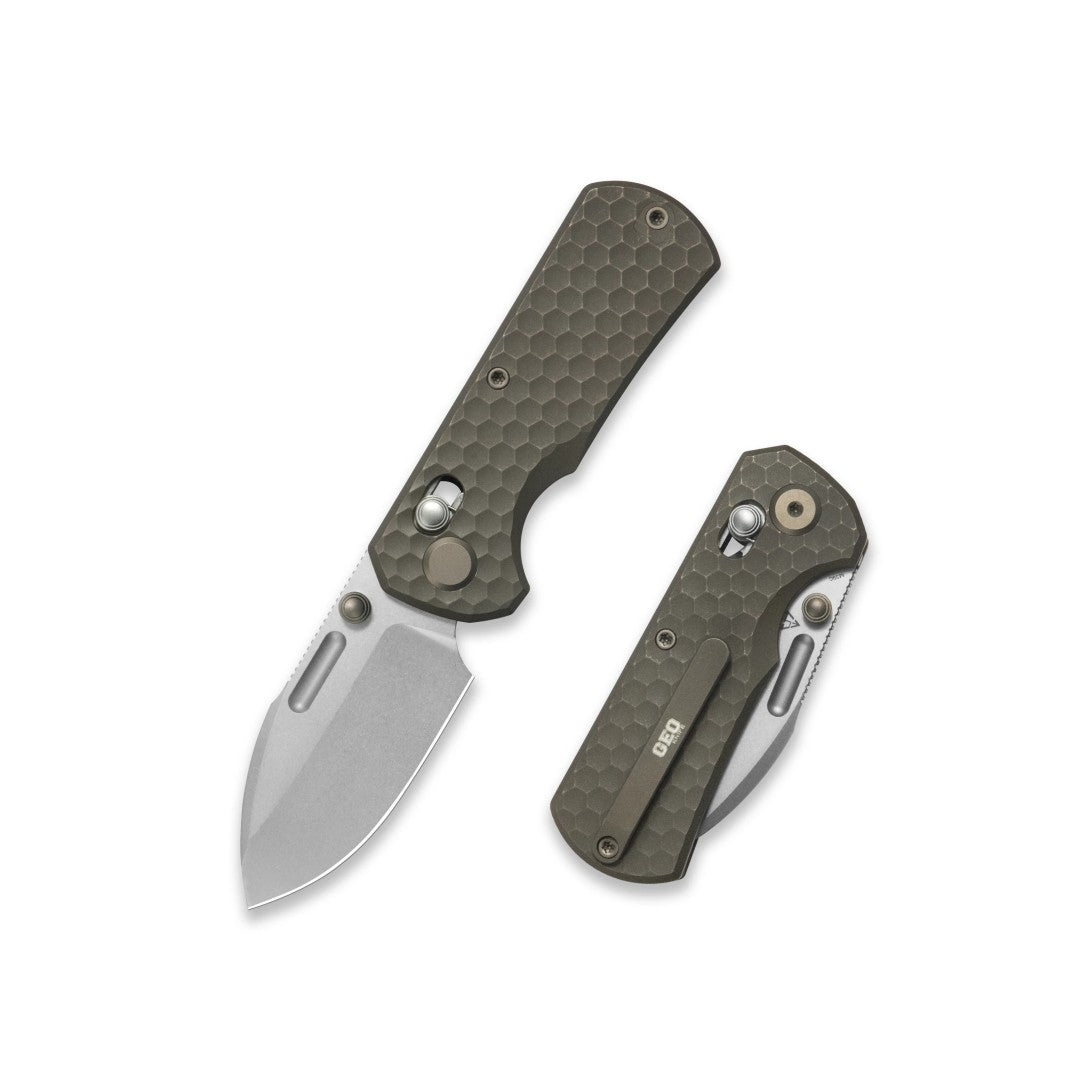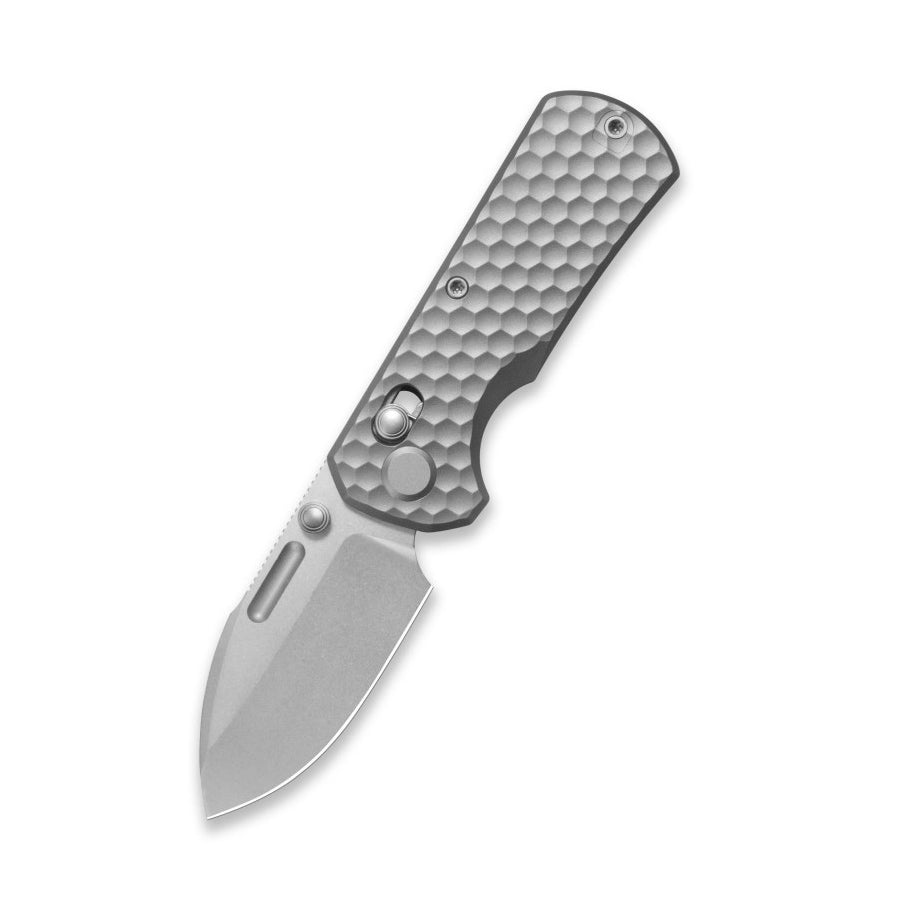
In the world of high‑performance blade steels, few alloys command as much respect—or as steep a price—as CPM‑10V. For decades, this ultra‑premium tool steel has been the secret weapon of custom knifemakers, industrial tooling specialists, and knife enthusiasts who demand the absolute best in wear resistance and edge retention. But what exactly makes CPM‑10V so extraordinary? Is it the right choice for your next knife, or is it a specialist steel best left to collectors and hard‑use professionals?
This comprehensive guide will walk you through everything you need to know about CPM‑10V steel—from its groundbreaking history and chemical composition to its real‑world performance, how it compares to other premium blade steels, and whether it is the right choice for your needs.
What Is CPM‑10V Steel? A Quick Definition
CPM‑10V is a high‑vanadium, powder metallurgy cold‑work tool steel manufactured by Crucible Industries. The “CPM” stands for Crucible Particle Metallurgy, an advanced manufacturing process that produces an ultra‑fine, extremely homogeneous grain structure. CPM‑10V was the first high‑vanadium tool steel ever made using powder metallurgy, and it was specifically designed to deliver industry‑leading abrasive wear resistance while preserving good toughness and predictable fabrication behavior.
In simple terms, CPM‑10V is a wear‑resistance champion—a tool steel that excels in applications where abrasive materials dull lesser blades rapidly. It is not a stainless steel, and it is not for everyone, but for users who need a blade that simply will not dull, CPM‑10V is one of the best options on the market.
A Brief History: The Birth of the First High‑Vanadium PM Steel
The story of CPM‑10V begins in the mid‑20th century, when metallurgists discovered that high vanadium steels offered exceptional wear resistance. Vanadium carbides are among the hardest carbides known, making them extremely effective at resisting abrasive wear. However, conventional steelmaking had a hard limit: with more than about 4–5% vanadium, the steel would become so brittle that it could not be forged without cracking.
Around 1970, Crucible Industries introduced industrial‑scale powder metallurgy steel production. This technology allowed alloying elements to remain uniformly distributed and finely structured even when large amounts of alloy additions were made. Crucible metallurgists soon realized that much higher alloy steels were possible with PM, particularly high‑vanadium steels.
In 1978, Crucible introduced CPM‑10V to the world—the first powder metallurgy steel to utilize a microstructure made up entirely of vanadium carbides. It was an immediate breakthrough. For the first time, a steel could achieve the wear resistance of materials approaching carbide grades while maintaining sufficient toughness for practical cold‑work applications. Over the past four decades, CPM‑10V has become the global benchmark for high‑wear‑resistance tool steels.
The Chemical Composition of CPM‑10V Steel
Understanding the chemistry of CPM‑10V is key to understanding its legendary performance. Here is the typical composition:
| Element | Percentage | What It Does |
|---|---|---|
| Carbon (C) | 2.45% | Extremely high carbon content enables the formation of a very large volume of hard carbides |
| Vanadium (V) | 9.75% | The star of the show; forms extremely hard vanadium carbide (VC) particles that provide exceptional abrasive wear resistance |
| Chromium (Cr) | 5.25% | Provides mild corrosion resistance and contributes to hardenability; insufficient for stainless classification |
| Molybdenum (Mo) | 1.30% | Enhances toughness, strength, and high‑temperature performance |
| Silicon (Si) | 0.90% | Acts as a deoxidizer and improves strength |
| Manganese (Mn) | 0.50% | Improves hardenability and tensile strength |
| Iron (Fe) | Balance | Base element |
Source: Crucible Industries datasheet and Baidu Baike
The 9.75% vanadium content is the defining feature of CPM‑10V. In its heat‑treated state, the steel contains approximately 16–18% vanadium carbide by volume—a population of extremely hard, wear‑resistant particles distributed uniformly throughout a tough martensitic matrix. For comparison, D2 contains only about 4–5% carbide volume, and the carbides in D2 are primarily softer chromium carbides rather than the much harder vanadium variety.
The CPM Advantage: Powder Metallurgy at Its Best
CPM‑10V’s chemistry is brought to life through Crucible’s proprietary particle metallurgy process. Traditional steelmaking casts large ingots that cool slowly, causing alloying elements to clump together into oversized, brittle carbides. The CPM process takes a fundamentally different approach:
-
Molten CPM‑10V is high‑pressure gas atomized into a fine spray of droplets
-
These droplets cool almost instantly into a fine powder, “freezing” the alloying elements in place before they can form oversized clusters
-
The powder is collected, heated, and subjected to massive pressure in a process called Hot Isostatic Pressing (HIP)
-
The result is a steel with a perfectly uniform distribution of elements and extremely fine carbides—typically well below 5 microns in size
This uniformity is what allows CPM‑10V to achieve its remarkable combination of extreme wear resistance and good toughness. The fine, evenly distributed carbides do not act as stress risers the way large, clustered carbides do in conventionally produced steels. The CPM process also produces superior dimensional stability and grindability compared to conventional processes.
Key Properties and Performance
Hardness
After proper heat treatment, CPM‑10V typically achieves a hardness of 58–64 HRC, with most knives falling in the 60–62 HRC range and some custom pieces reaching 64 HRC or higher. The steel is typically delivered in an annealed state at ≤280 HB, then heat‑treated using a process of austenitizing at 1145–1180°C followed by multiple tempering cycles at 550–585°C.
Wear Resistance
Wear resistance is where CPM‑10V truly dominates. Independent testing has shown that CPM‑10V’s wear resistance is approximately 9 times greater than D2 in certain applications. This makes it one of the most wear‑resistant tool steels available for knife making. In fact, CPM‑10V even surpasses S90V and S110V in wear resistance, putting it in the very top tier of all blade steels.
Edge Retention
Because wear resistance and edge retention are closely linked, CPM‑10V delivers exceptional edge retention that few other steels can match. In real‑world cutting tests, a CPM‑10V blade at 62.5 HRC with a thin, 15‑degree edge bevel showed no detectable loss of cutting aggression after extensive use, while D2 and VG‑10 blades dulled noticeably. Users consistently report that CPM‑10V “holds the edge forever” in normal use.
Toughness
Given its extreme wear resistance, one might expect CPM‑10V to be brittle. In fact, its toughness is comparable to D2 and M2—perfectly adequate for cutting applications, though not in the same league as ultra‑tough steels like CPM‑3V. The powder metallurgy process and fine, uniform carbide distribution allow CPM‑10V to maintain reasonable impact toughness even at high hardness levels. This makes it suitable for most cutting tasks, though prying or heavy lateral stress is not recommended.
Corrosion Resistance
CPM‑10V is not a stainless steel. With only 5.25% chromium—well below the 10.5% threshold required for stainless classification—it will rust if neglected. Users report that bare CPM‑10V bars have been known to rust just sitting in a shop environment. However, with reasonable care—wiping the blade dry after use and applying a light coat of oil or a product like Marine Tuf‑Cloth—most users find corrosion to be manageable. Many production knives in CPM‑10V are also offered with protective coatings.
Ease of Sharpening
Sharpening CPM‑10V is not for beginners. The steel is extremely hard and packed with vanadium carbides that resist abrasion. Expect to use diamond stones and to spend significantly more time sharpening than you would with a conventional stainless steel. That said, the reward is a blade that stays sharp for months of regular use. One experienced user noted that sharpening takes about 30 seconds from “won’t shave arm hair dull” to very, very sharp—provided you have the right equipment.
CPM‑10V vs. Other Knife Steels
CPM‑10V vs. D2
This is the most direct comparison, as D2 is the conventional high‑carbon, high‑chromium die steel that CPM‑10V was designed to outperform. CPM‑10V offers approximately 9 times the wear resistance of D2 while maintaining comparable toughness. D2 is more affordable and easier to sharpen, but CPM‑10V completely outclasses it in edge retention and abrasive wear resistance.
CPM‑10V vs. CPM‑M4
CPM‑M4 is a high‑speed tool steel that offers an excellent balance of wear resistance and toughness. CPM‑10V offers superior wear resistance to CPM‑M4 —in some cases, double the tool life—while CPM‑M4 is generally tougher and easier to sharpen. Choose CPM‑M4 for a balanced steel that still offers great edge retention; choose CPM‑10V when maximum wear resistance is your absolute priority.
CPM‑10V vs. K390
K390 is Böhler‑Uddeholm’s direct competitor to CPM‑10V, developed roughly 30 years later. CPM‑10V has better edge retention than K390 according to some sources, while K390 is slightly tougher. Their corrosion resistance is essentially identical. Both are exceptional ultra‑wear‑resistant steels, with CPM‑10V holding a slight edge in wear resistance.
CPM‑10V vs. CPM‑3V
CPM‑3V is the benchmark for toughness in the knife steel world. CPM‑3V is far tougher than CPM‑10V —significantly more resistant to chipping and breaking under impact. However, CPM‑10V offers vastly superior wear resistance and edge retention. Choose CPM‑3V for blades that will see heavy impact, chopping, or prying; choose CPM‑10V for blades that will see highly abrasive cutting tasks where maximum edge retention is required.
CPM‑10V vs. CPM‑15V
CPM‑15V is the next step up in Crucible’s high‑vanadium family, with an astonishing 15% vanadium content. CPM‑15V offers even higher wear resistance than CPM‑10V , but it is even more difficult to sharpen and more expensive. For most users, CPM‑10V represents the sweet spot of extreme wear resistance without the additional challenges of CPM‑15V.
What Is CPM‑10V Steel Best Used For?
Thanks to its exceptional wear resistance, CPM‑10V is best suited for applications where abrasive wear is the primary challenge.
Knife Applications
-
Hunting and Outdoor Knives – CPM‑10V excels at processing game, where fine grit and hair can quickly dull lesser steels. It is also ideal for camp knives used for wood processing and other abrasive tasks.
-
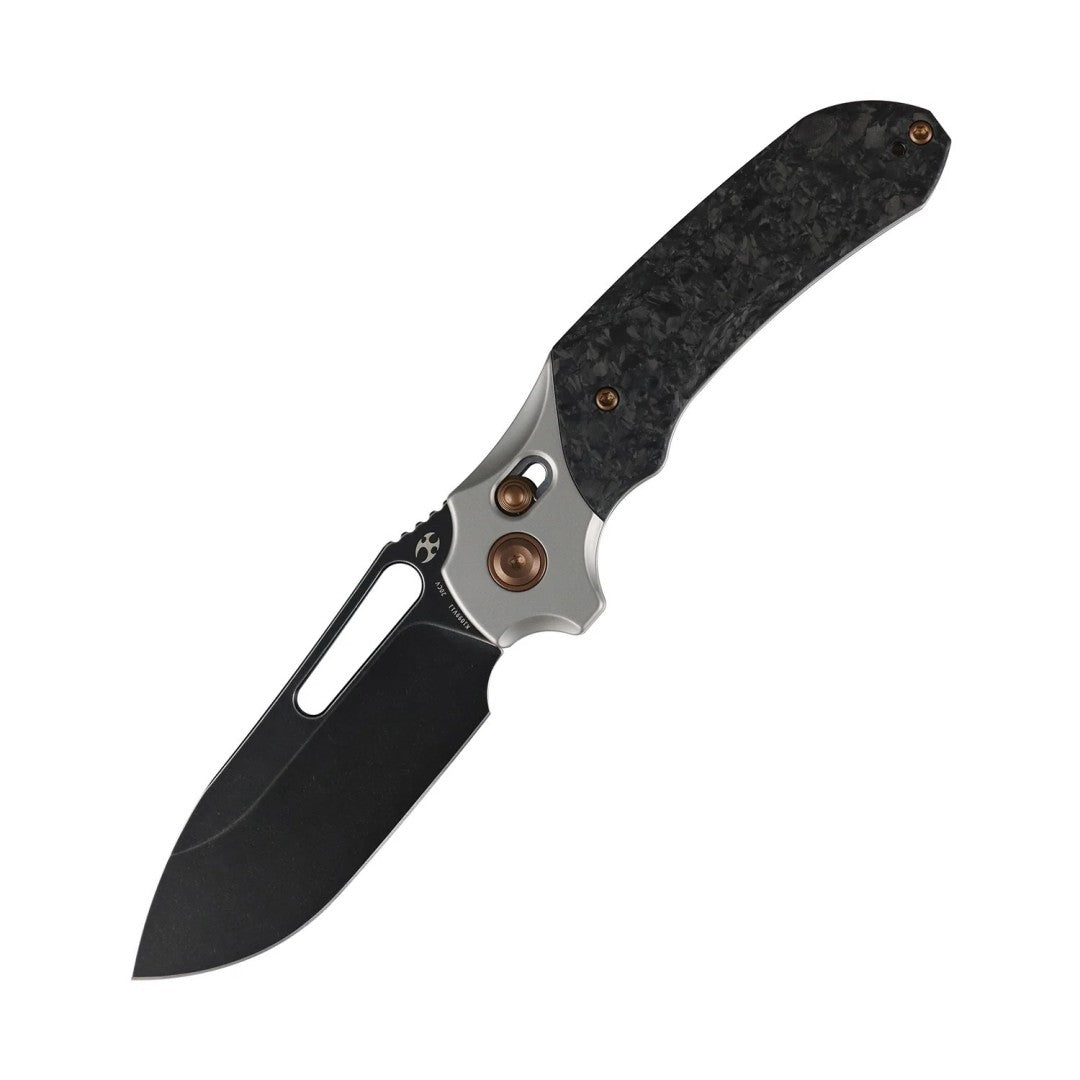
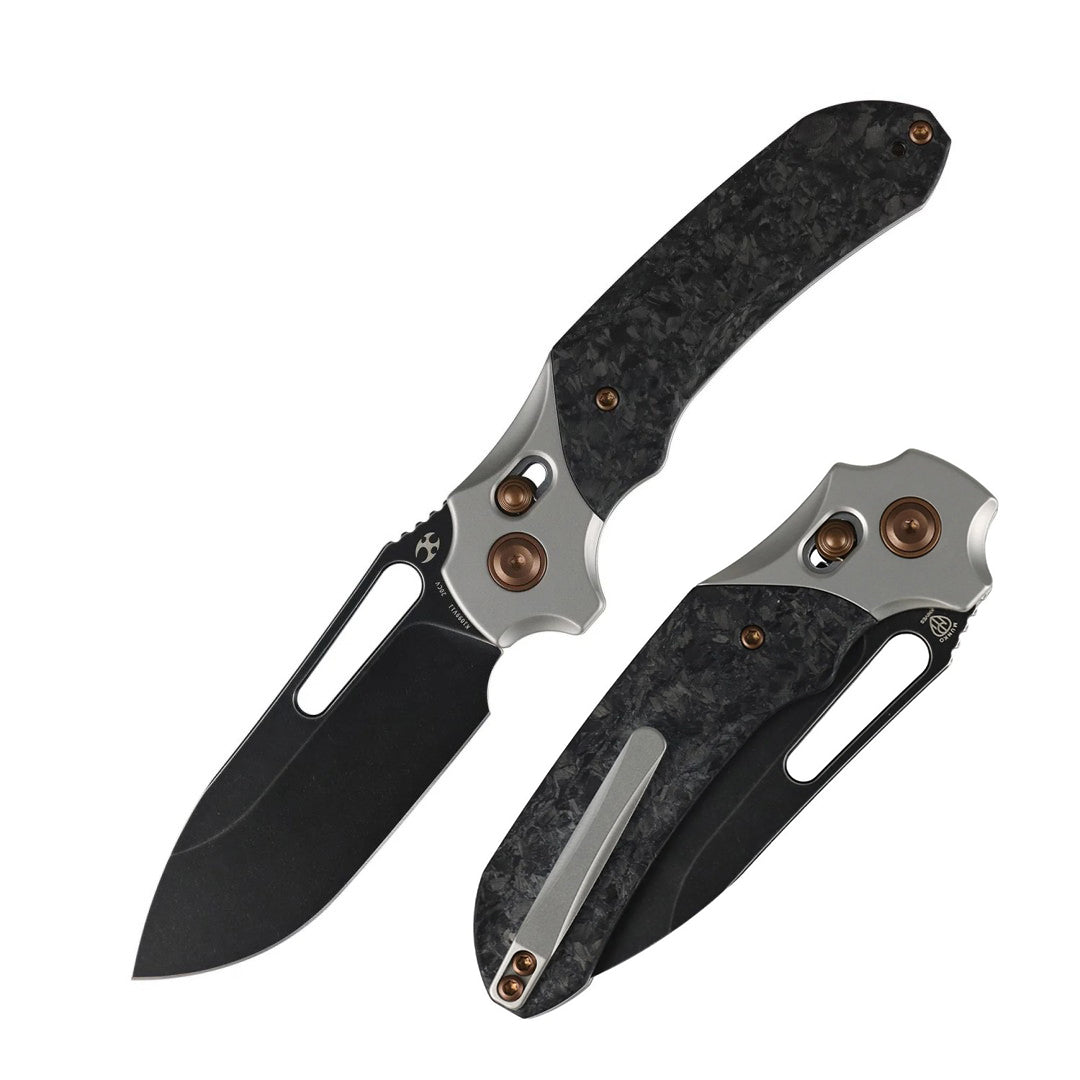
Everyday Carry (EDC) Folding Knives – Spyderco’s K2 was the first production folding knife to feature CPM‑10V, and the steel has since appeared in other premium folders.
-
Industrial Cutting Tools – Beyond knives, CPM‑10V is widely used for cold shear blades, pelletizer knives, trim dies, and other industrial cutting applications where wear resistance is critical.
Industrial Tooling Applications
-
Cold punching and blanking dies
-
Cold forming rolls
-
Powder compacting tools
-
Plastic mold inserts
-
Woodworking tools
Pros and Cons of CPM‑10V Steel
Advantages
-
Exceptional wear resistance – Approximately 9× greater than D2; among the highest of any knife steel
-
Outstanding edge retention – Holds a working edge through extensive cutting
-
Good toughness for a high‑wear steel – Comparable to D2 and M2; more than adequate for cutting tasks
-
High attainable hardness – 58–64 HRC, with custom pieces reaching 64+ HRC
-
Fine, uniform carbide structure – Superior to conventional high‑vanadium steels
-
Proven track record – Over 45 years of use in demanding industrial applications
Limitations
-
Not stainless – Will rust if neglected; requires cleaning and oiling
-
Difficult to sharpen – Requires diamond stones and patience
-
Expensive – One of the most costly blade steels available
-
Limited availability – Relatively few production knives use CPM‑10V
-
Not for prying or heavy lateral stress – Toughness is good for a high‑wear steel, but not extreme
Is CPM‑10V Steel Right for You?
CPM‑10V is a specialist steel for serious users. It is not for casual knife collectors or first‑time buyers. But for those who need a blade that can handle highly abrasive cutting tasks day after day without dulling, CPM‑10V is one of the best choices available.
Choose CPM‑10V if you:
-
Need maximum edge retention for highly abrasive cutting tasks (game processing, woodworking, heavy cardboard, abrasive rope)
-
Are willing to invest in diamond stones and learn to sharpen a challenging steel
-
Live in a dry climate or are willing to provide diligent maintenance to prevent rust
-
Appreciate having one of the most extreme wear‑resistant steels in existence
-
Are willing to pay a premium for top‑tier performance
Look elsewhere if you:
-
Need a stainless steel for humid or marine environments
-
Are not comfortable with difficult sharpening
-
Require extreme toughness for prying or heavy impact
-
Want a budget‑friendly option
Final Thoughts
CPM‑10V steel represents a true milestone in metallurgical history—the first powder metallurgy steel to crack the vanadium ceiling and deliver wear resistance that had previously been impossible. For over 45 years, it has remained the benchmark for high‑wear‑resistance tool steels, used everywhere from industrial punch dies to custom hunting knives.
It is not a steel for everyone. It is not stainless. It is not easy to sharpen. It is not cheap. But for users who need a blade that simply refuses to dull, CPM‑10V delivers performance that few other steels can match. It is a specialist’s tool—and for those who have a use for it, it is worth every penny.
Looking for knives made from CPM‑10V steel? Browse our collection to find premium hunting knives, EDC folders, and outdoor tools featuring this legendary wear‑resistant blade steel.