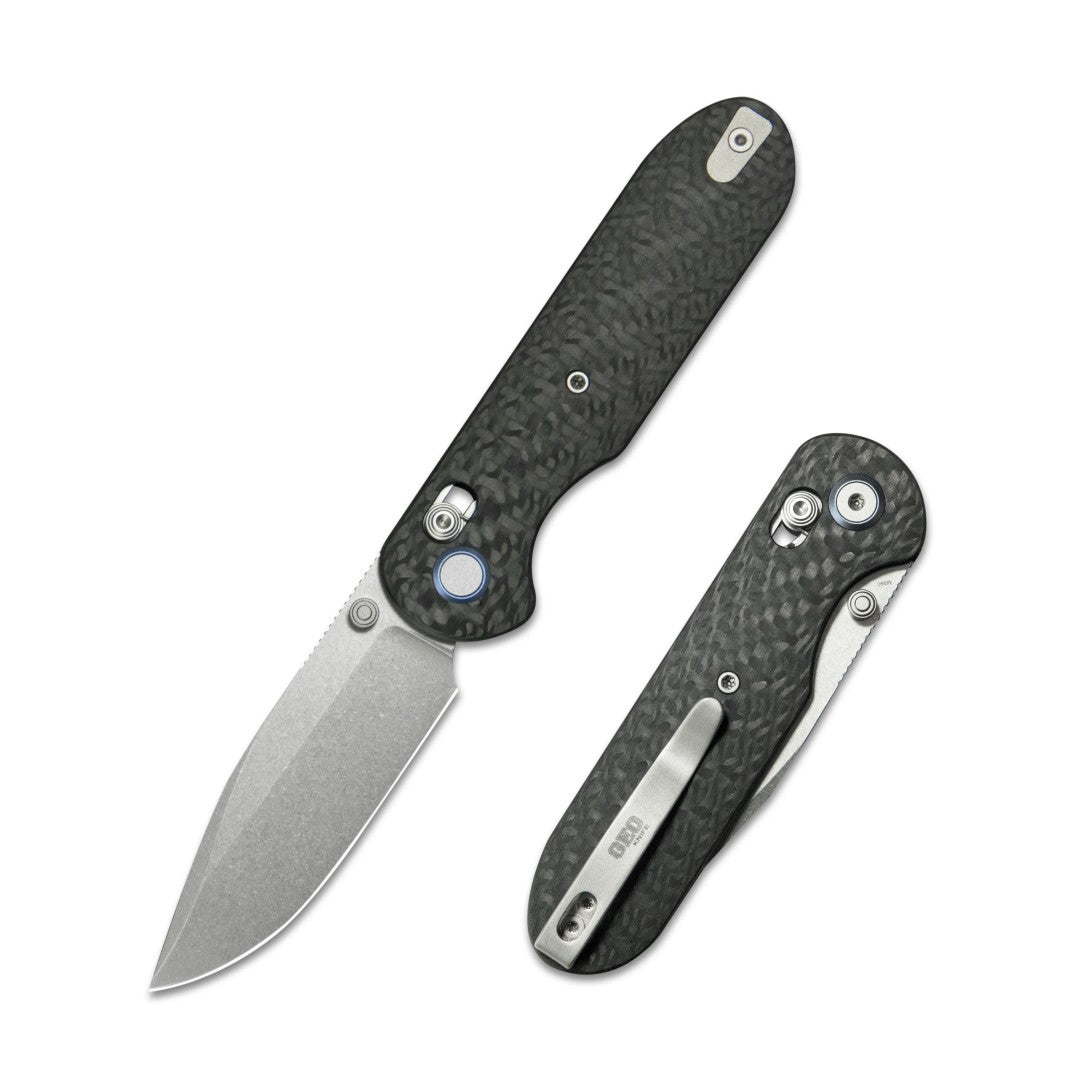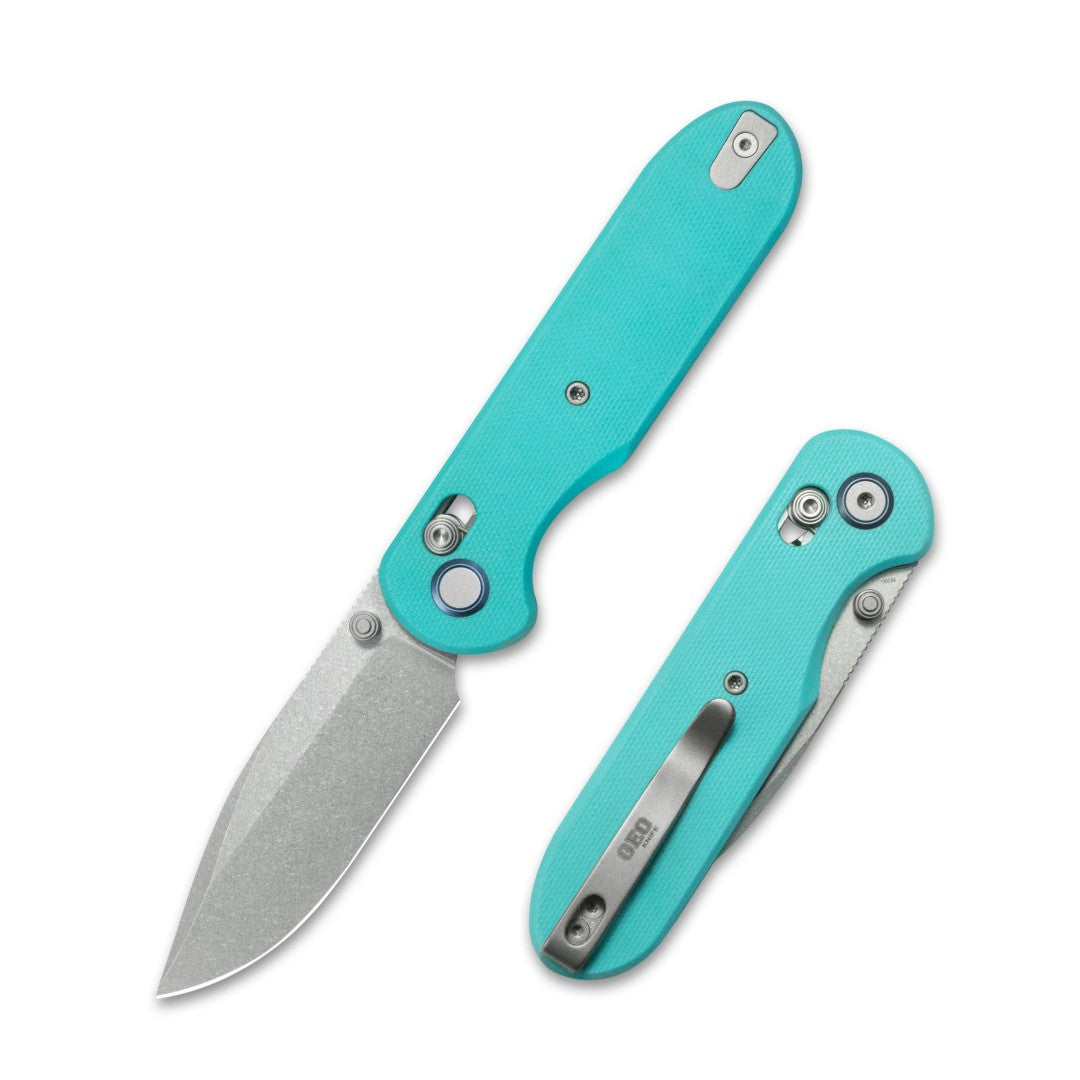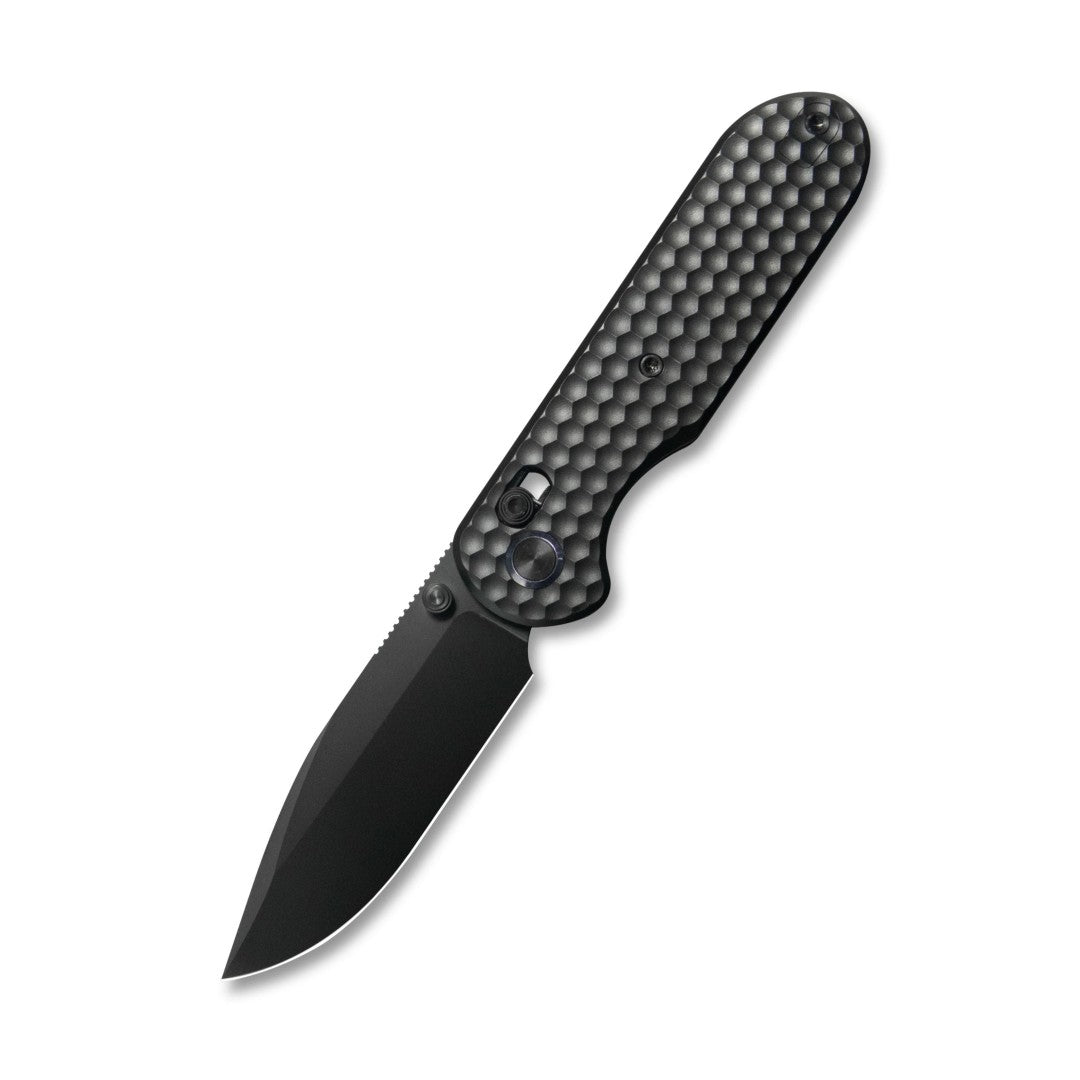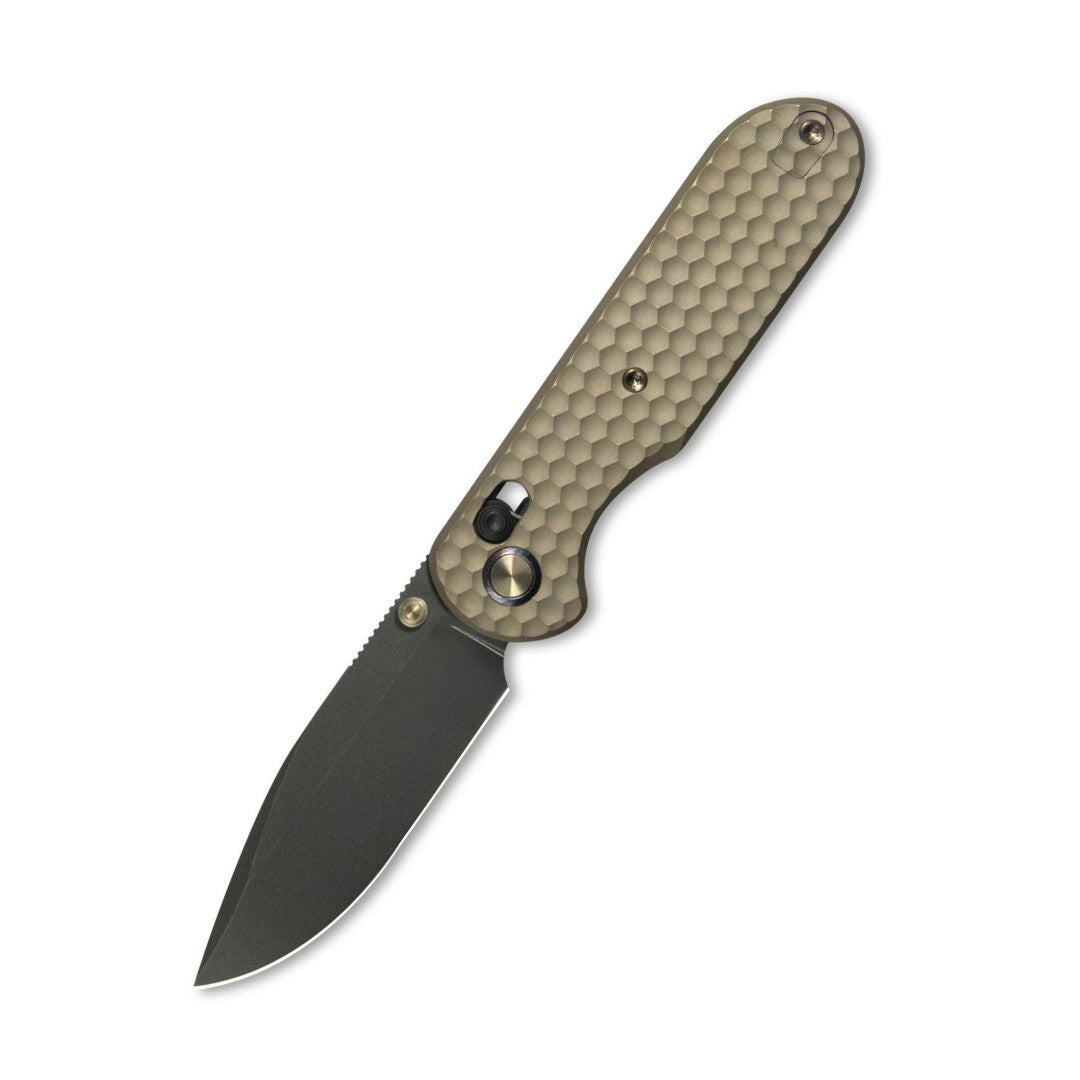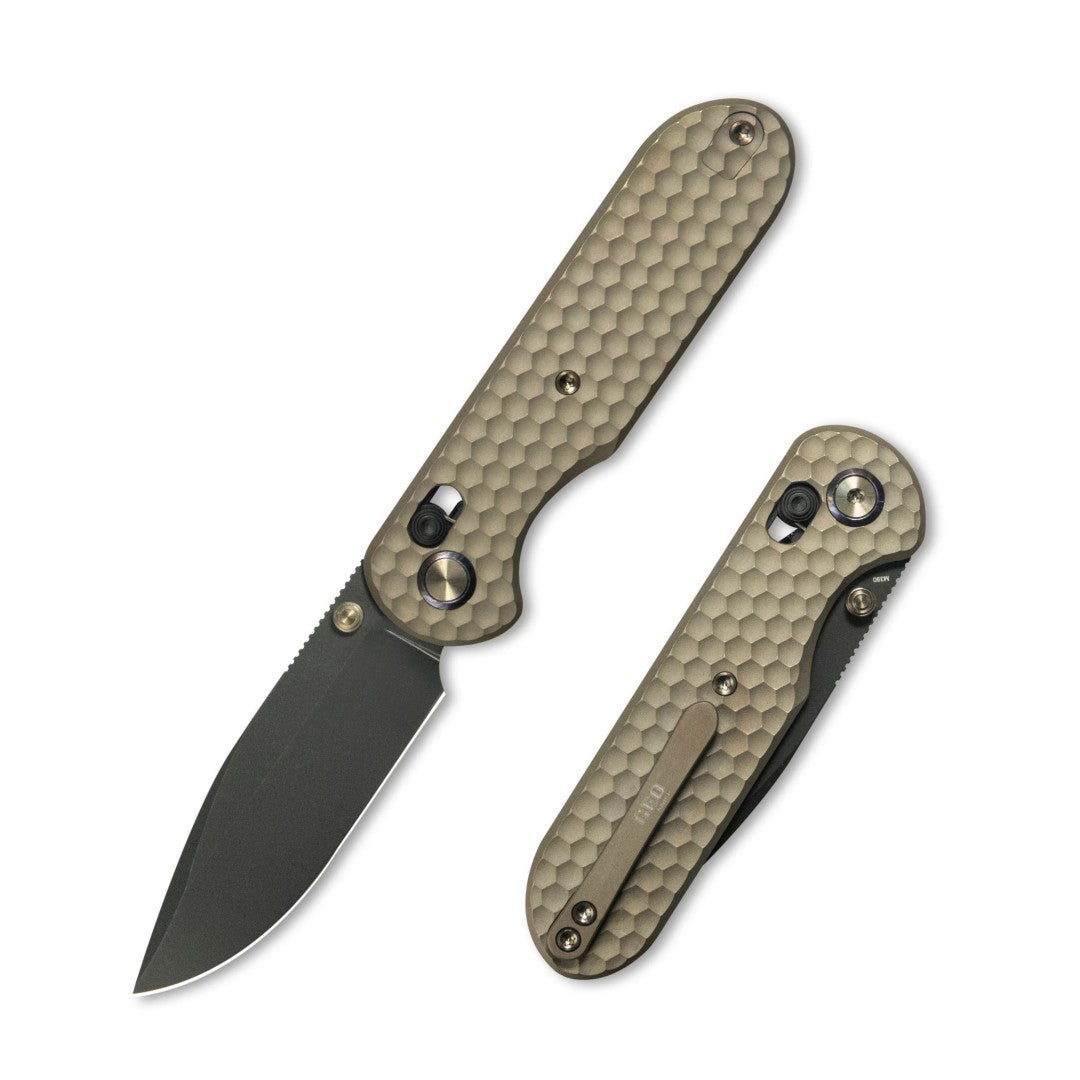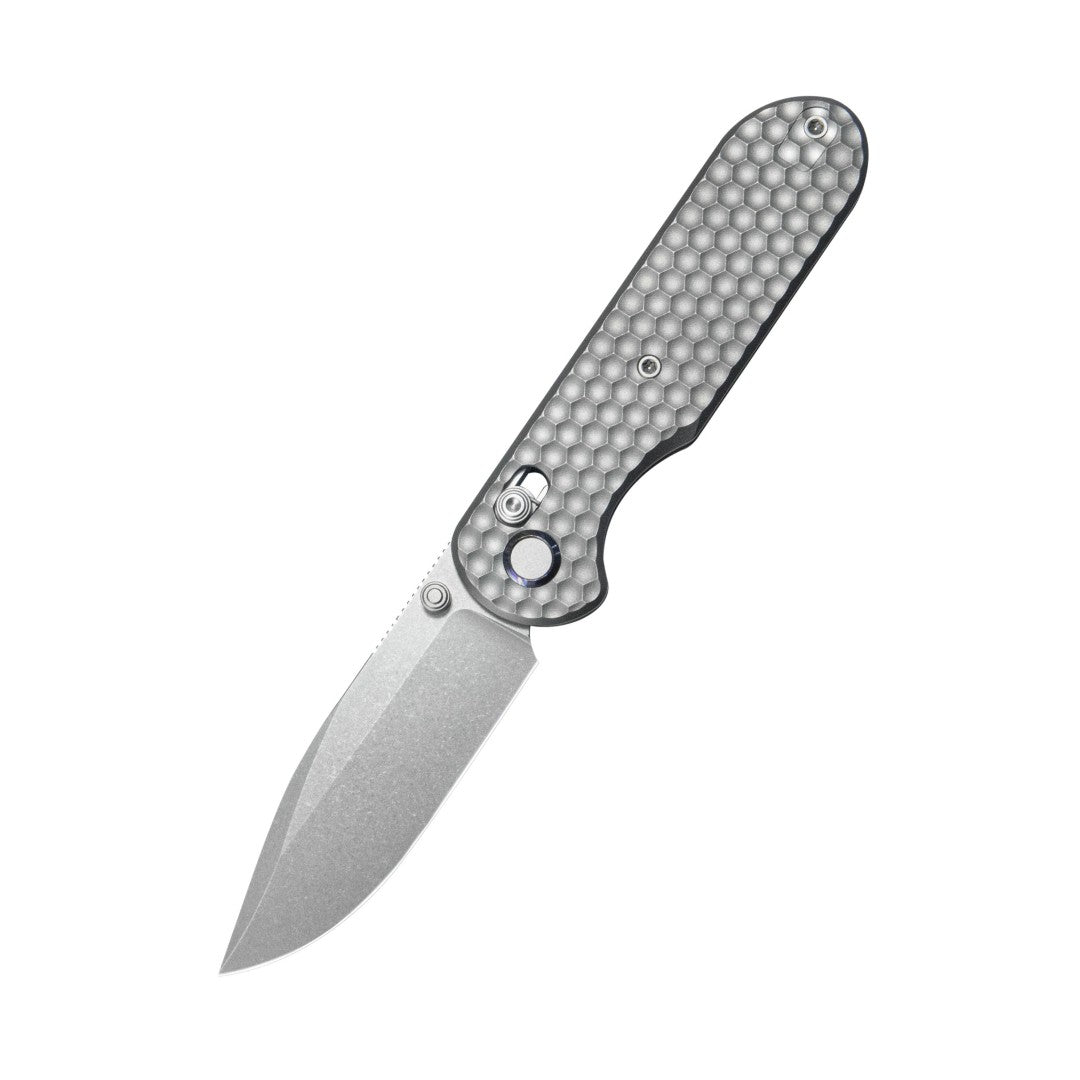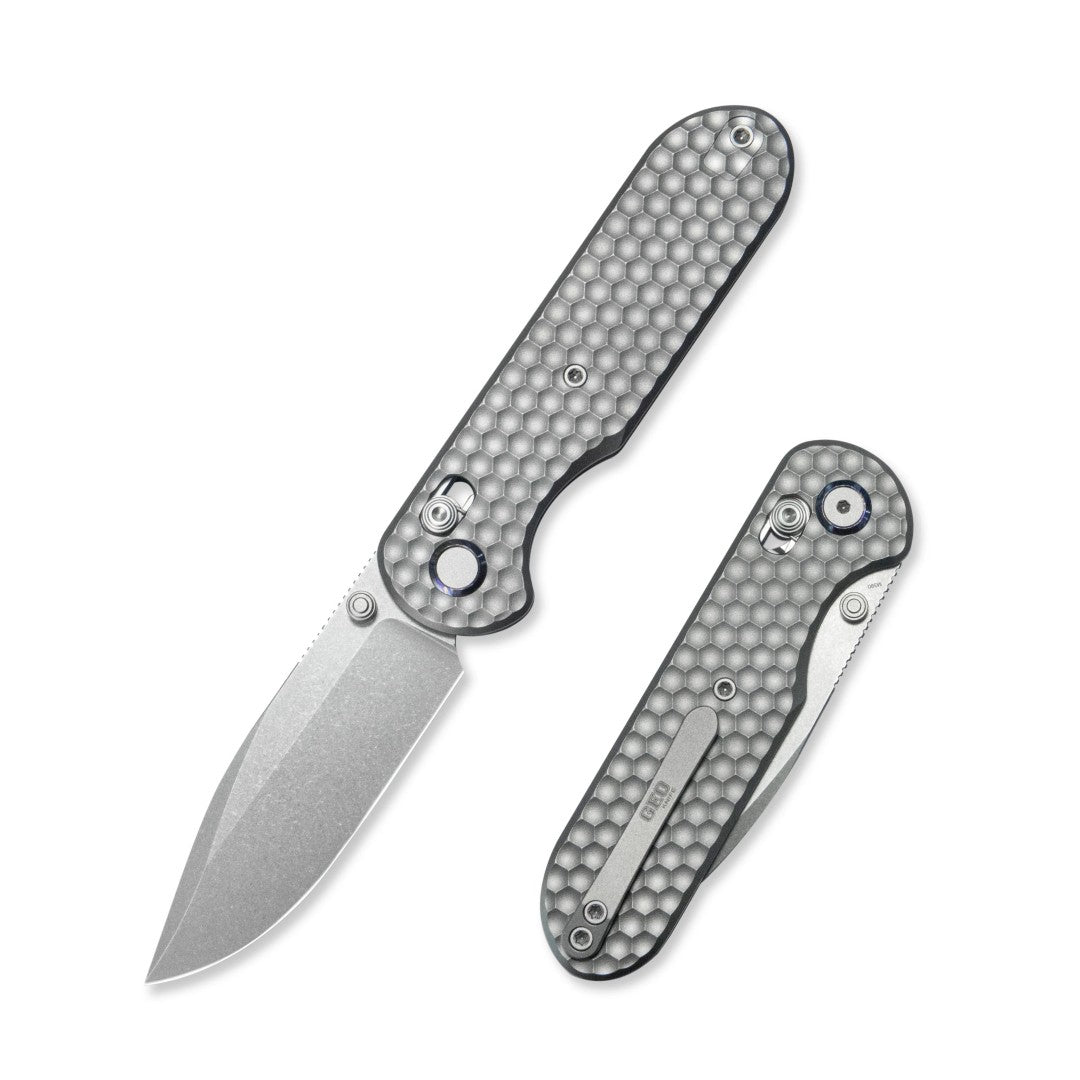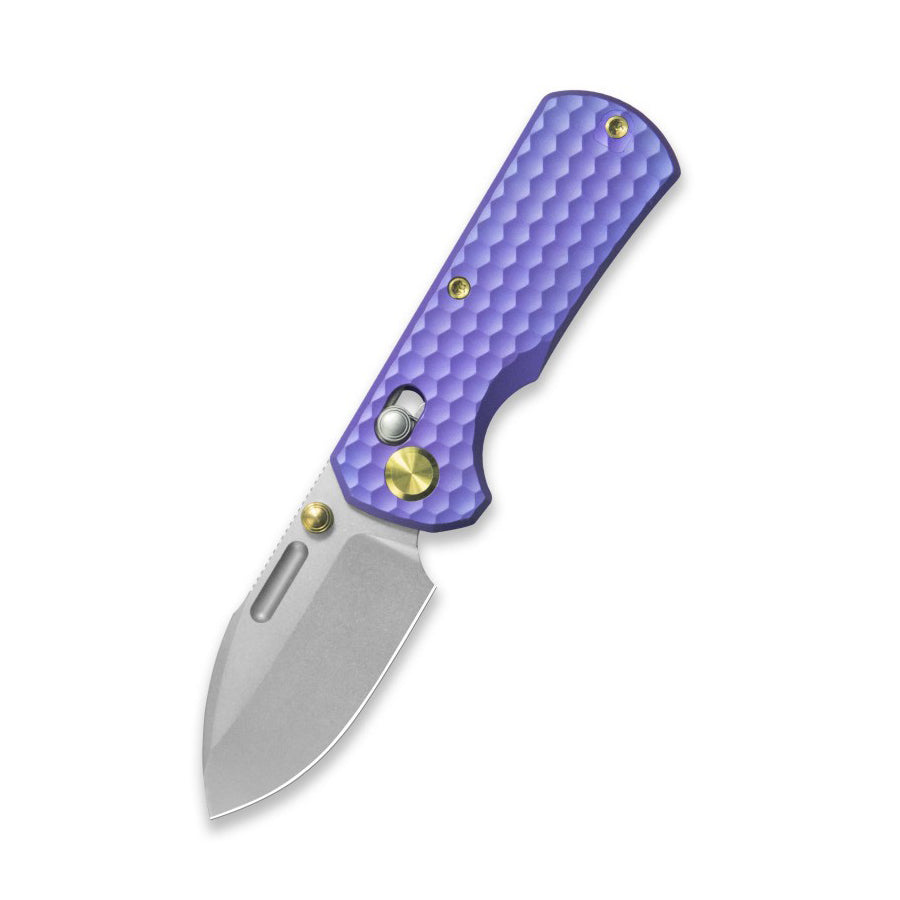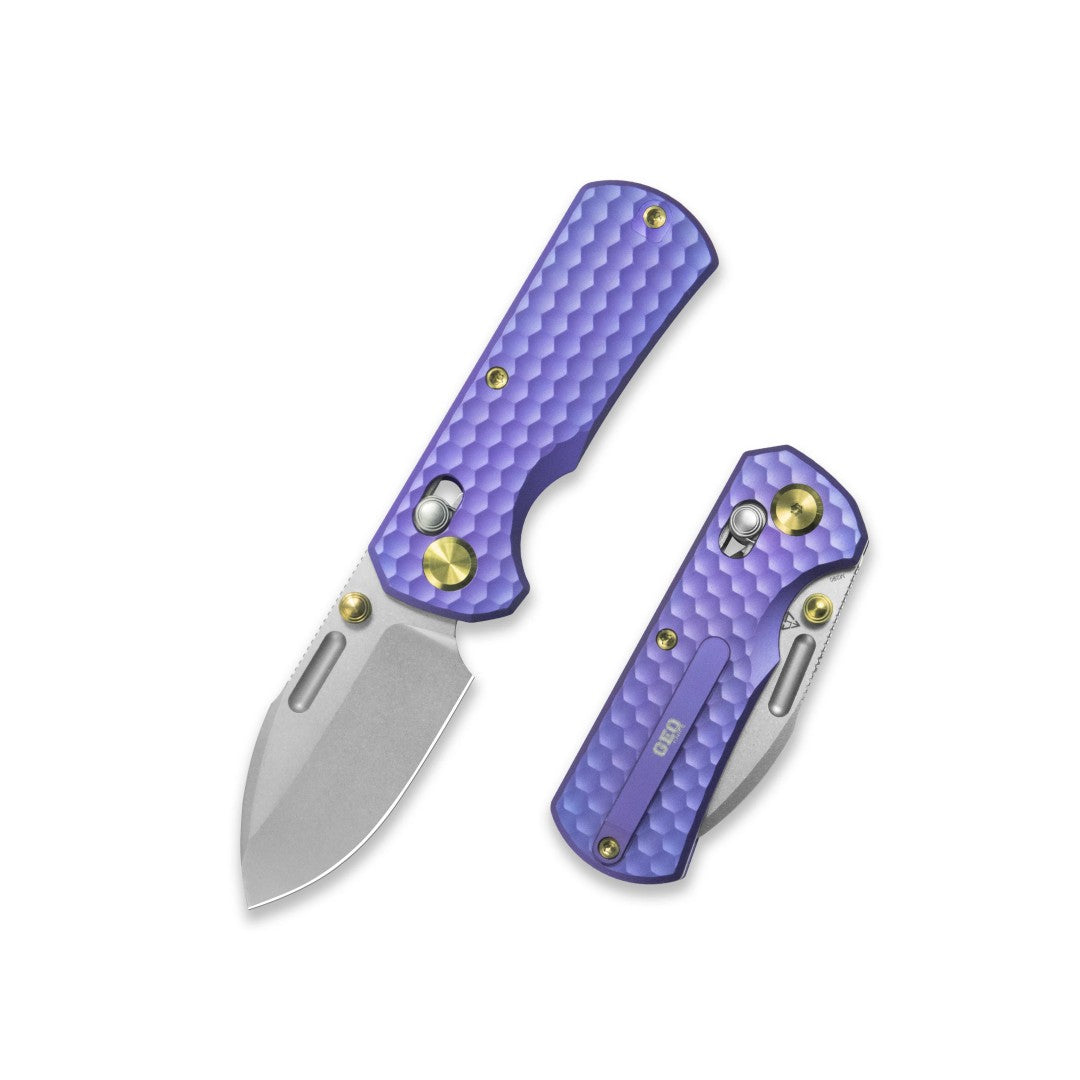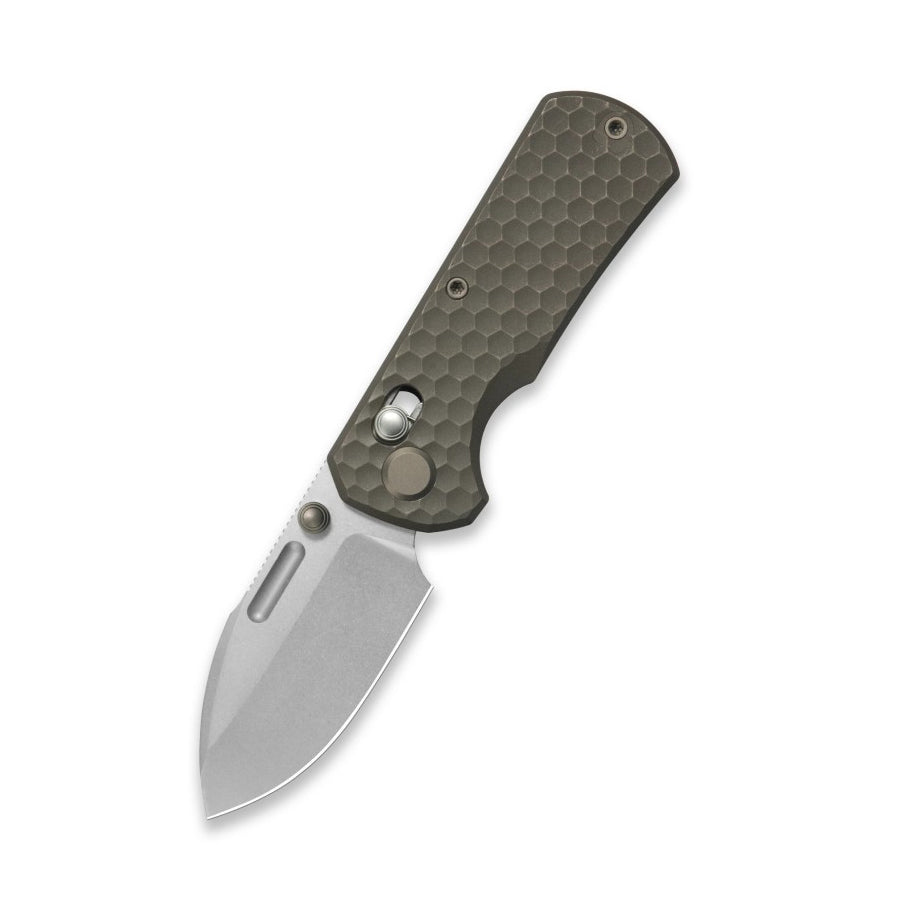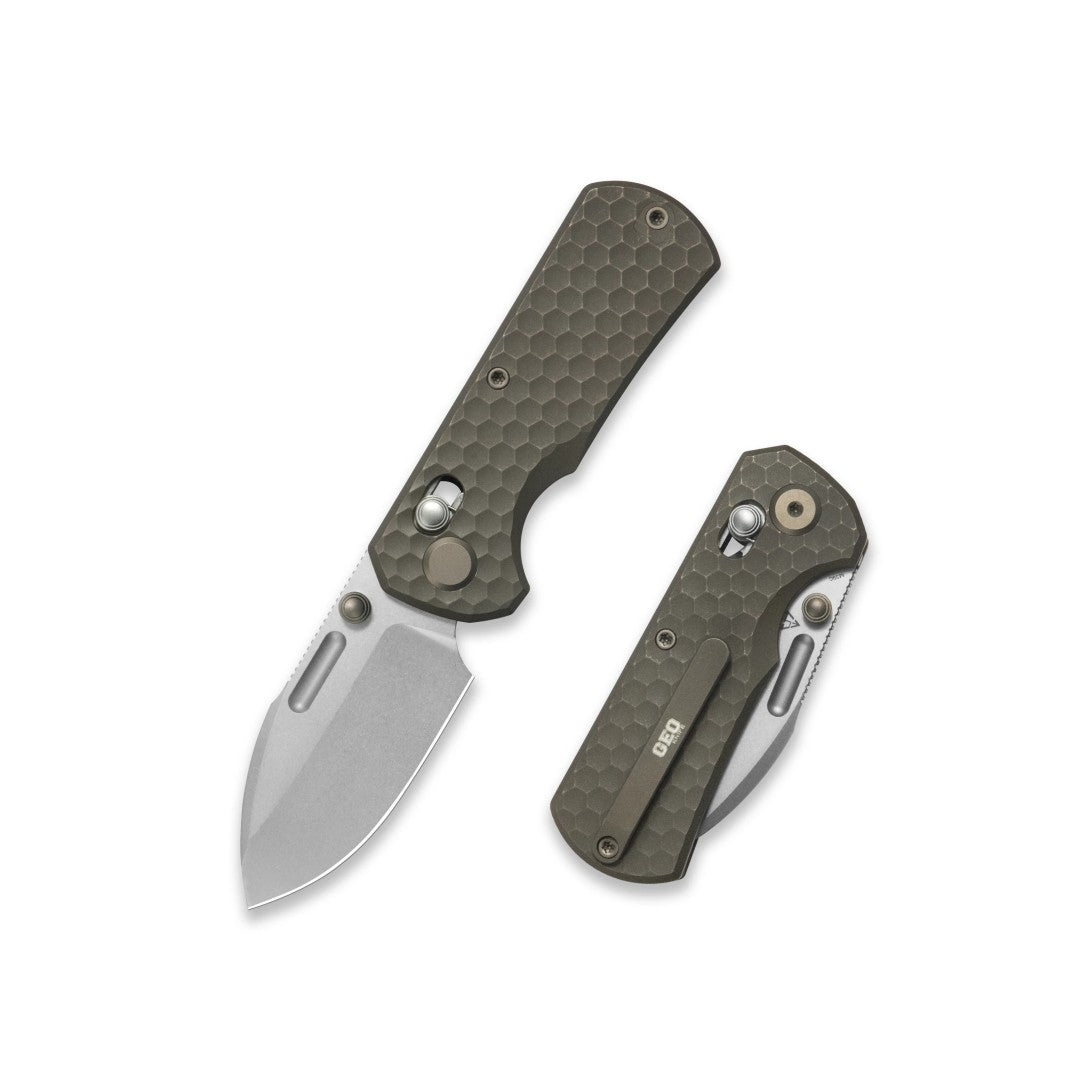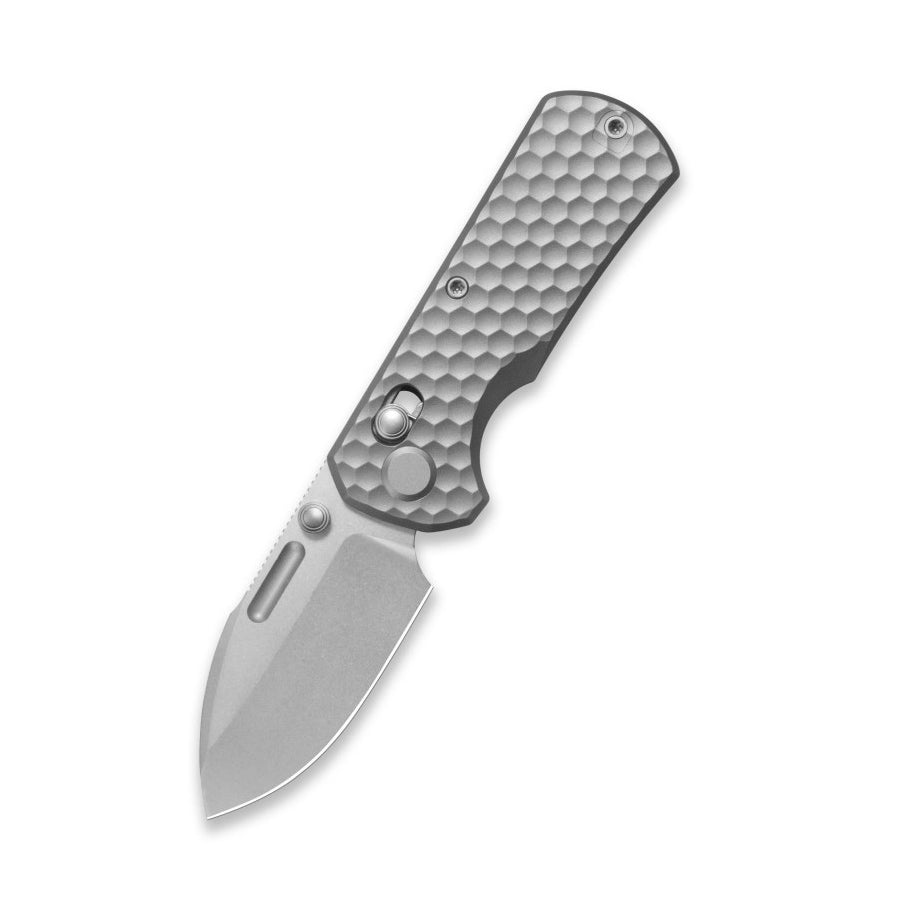

For decades, knife makers faced an unavoidable compromise: high wear resistance came at the expense of toughness, and corrosion resistance often meant sacrificing edge stability. Every blade steel forced you to pick two out of three desirable properties—but never all three. Then, in 2021, everything changed with the introduction of CPM MagnaCut. Engineered from the ground up specifically for knives, MagnaCut shattered the old rules and delivered what many had considered impossible: a stainless steel that combines exceptional toughness, outstanding corrosion resistance, and impressive wear resistance in a single alloy.
This comprehensive guide will walk you through everything you need to know about CPM MagnaCut—from its fascinating origin story and groundbreaking metallurgy to its real‑world performance, how it compares to other premium steels, and why it has become the new gold standard in the knife world.
What Is CPM MagnaCut Steel? A Quick Definition
CPM MagnaCut is a powder metallurgy stainless steel specifically designed for cutlery applications. The “CPM” stands for Crucible Particle Metallurgy, the advanced manufacturing process that gives the steel its exceptional properties. Unlike virtually every other premium blade steel on the market—which were originally developed for industrial applications like cold‑work die casting or high‑speed machining—MagnaCut was purpose‑built for knives from the ground up.
The name itself reflects its ambition: “Magna” comes from Latin meaning “great” or “awesome,” while “Cut” pays homage to the Vanadium Alloys Steel Company (VASCO) that pioneered high‑speed steels using a similar naming convention. It was a name chosen to signal that this steel was something truly different.
A Brief History: The Quest for the “No‑Compromise” Steel
The story of CPM MagnaCut begins not in a corporate laboratory, but at knife shows. Dr. Larrin Thomas, a metallurgical engineer with a PhD in the field, grew up surrounded by knives—his father, Devin Thomas, was a renowned Damascus steel maker. Listening to knifemakers describe their “secret steels” and “special heat treatments,” Thomas grew curious. That curiosity led him to pursue a doctorate in metallurgical engineering.
While analyzing existing stainless steels, Thomas noticed a glaring gap on the chart plotting toughness versus wear resistance—a large empty space where a better steel could theoretically exist. He approached Crucible Industries with his idea, armed with experimental data and predictive models. As he put it, “You never really know if a new development will work until you try it”.
MagnaCut came out of its first heat working exactly as predicted—and its corrosion resistance turned out even better than expected. Released in 2021, MagnaCut rapidly transitioned from a niche interest for custom makers to a global industry standard.
The Chemistry That Changed Everything
MagnaCut’s revolutionary performance comes down to its carefully engineered chemical composition. Here is the full recipe:
The key innovation lies in how these elements work together. Traditional stainless steels contain 14% to 21% chromium, but much of that chromium ends up trapped in large, coarse chromium carbides that act as stress risers and cause brittleness. MagnaCut uses a leaner 10.7% chromium, and through its carefully balanced chemistry, all of that chromium remains in solid solution—dissolved in the steel matrix where it actively fights rust.
Meanwhile, vanadium and niobium “hog” the carbon instead, forming exceptionally hard, fine MC‑type carbides (VC and NbC) that provide the “teeth” for edge retention without compromising the steel’s integrity. The result is an 8% volume of fine, microscopic carbides evenly sprinkled like pepper rather than rock salt boulders.
The CPM Manufacturing Advantage
MagnaCut’s chemistry is brought to life through Crucible’s particle metallurgy (CPM) process. Traditional steelmaking casts large ingots that cool slowly, causing alloying elements to clump together into oversized, brittle carbides. The CPM process takes a different approach:
-
Molten MagnaCut is high‑pressure gas atomized into a fine spray of droplets
-
These droplets cool almost instantly into a fine powder, “freezing” the alloying elements in place before they can form oversized clusters
-
The powder is collected in a steel canister, heated, and subjected to massive pressure in a process called Hot Isostatic Pressing (HIP)
-
The result is a steel with a perfectly uniform distribution of elements, carbides that remain microscopic (under 3 µm), and a grain size under 2 µm
This uniformity is what allows MagnaCut to respond so predictably to heat treatment, reaching high hardness levels while maintaining the structural integrity needed to resist chipping and breaking.
Key Properties and Performance
Hardness
CPM MagnaCut is heat treatable to 59–65 HRC, with the Crucible datasheet specifying an optimal operational range of 60–64 HRC. Most production knives are heat‑treated in the 60–62 HRC range, while custom makers often push to 62–64 HRC for maximum edge retention. The 62.5 HRC mark is widely considered the ideal balance of toughness and wear resistance.
Toughness
Toughness is MagnaCut’s standout property. Charpy C‑notch testing shows MagnaCut achieving approximately 38 ft‑lbs at 62.5 HRC—a figure that nudges past CPM 4V and completely outclasses S35VN (25 ft‑lbs) and 20CV (15 ft‑lbs). In plain English, MagnaCut is tough enough to resist chipping and breaking even under heavy use, allowing blades to be ground thinner behind the edge for superior cutting performance without fear of failure.
Corrosion Resistance
Despite its low 10.7% chromium content, MagnaCut delivers corrosion resistance comparable to or better than many high‑chromium stainless steels. Knife Steel Nerds’ metallurgical research found no visible corrosion on MagnaCut after 72 hours in a 1% saltwater solution, while CPM 20CV showed small spots under identical conditions and other steels displayed substantial rusting. The zKnives metallurgical database ranks MagnaCut between CPM 20CV and Vanax for corrosion resistance, surpassing CPM‑154, S30V, S35VN, and SG2.
Wear Resistance and Edge Retention
CATRA (Cutlery & Allied Trades Research Association) testing measures wear resistance relative to a 440C baseline. At 62.5 HRC, MagnaCut scored 135% of 440C—placing it between S35VN at 130% and S45VN at 140%. While not the absolute highest in wear resistance (S90V scores 195%), MagnaCut’s edge retention is more than adequate for virtually all real‑world cutting tasks, and it achieves this without sacrificing the toughness that makes the steel so versatile.
Edge Stability and Ease of Sharpening
Because MagnaCut’s carbides are small, fine, and uniformly distributed, the steel exhibits excellent edge stability—meaning the edge wears evenly and predictably rather than fracturing at large carbide particles. This fine carbide structure also makes MagnaCut significantly easier to sharpen than many other premium stainless steels. Users report that a diamond plate can restore a sharp edge in just three passes.
MagnaCut vs. Other Knife Steels
MagnaCut vs. CPM 4V
CPM 4V is a non‑stainless tool steel that served as one of MagnaCut’s design templates. MagnaCut offers comparable toughness to CPM 4V but adds genuine stainless performance—the corrosion resistance that CPM 4V lacks entirely. For users who want 4V‑level toughness without worrying about rust, MagnaCut is the answer.
MagnaCut vs. LC200N / Vanax
LC200N and Vanax are nitrogen‑based stainless steels prized for their extreme corrosion resistance. MagnaCut’s corrosion resistance is very close to LC200N’s, with LC200N winning by only a narrow margin. However, MagnaCut offers superior edge retention due to its fine vanadium‑niobium carbide structure, while LC200N is slightly tougher. For marine environments where absolute corrosion resistance is the priority, LC200N remains the gold standard; for everything else, MagnaCut’s balance is superior.
MagnaCut vs. S35VN / S45VN
S35VN and S45VN are excellent powder metallurgy stainless steels with good corrosion resistance and edge retention. MagnaCut is significantly tougher than either—at 62.5 HRC, MagnaCut’s Charpy impact toughness of 38 ft‑lbs completely eclipses S35VN’s 25 ft‑lbs. MagnaCut also offers comparable or better corrosion resistance. For users who value toughness and want a blade that resists chipping under hard use, MagnaCut is the clear winner.
MagnaCut vs. M390 / 20CV
M390 and 20CV are high‑carbide stainless steels renowned for exceptional wear resistance and edge retention. However, their large chromium carbide content makes them significantly less tough than MagnaCut (15 ft‑lbs for 20CV vs. 38 ft‑lbs for MagnaCut) and much harder to sharpen to a truly fine edge. Choose M390 if your priority is maximum abrasive wear resistance; choose MagnaCut if you want a steel that is still wear‑resistant but far tougher, easier to sharpen, and more versatile.
What Is CPM MagnaCut Steel Best Used For?
Thanks to its unparalleled balance of properties, MagnaCut is incredibly versatile and has been adopted across virtually every knife category:
-
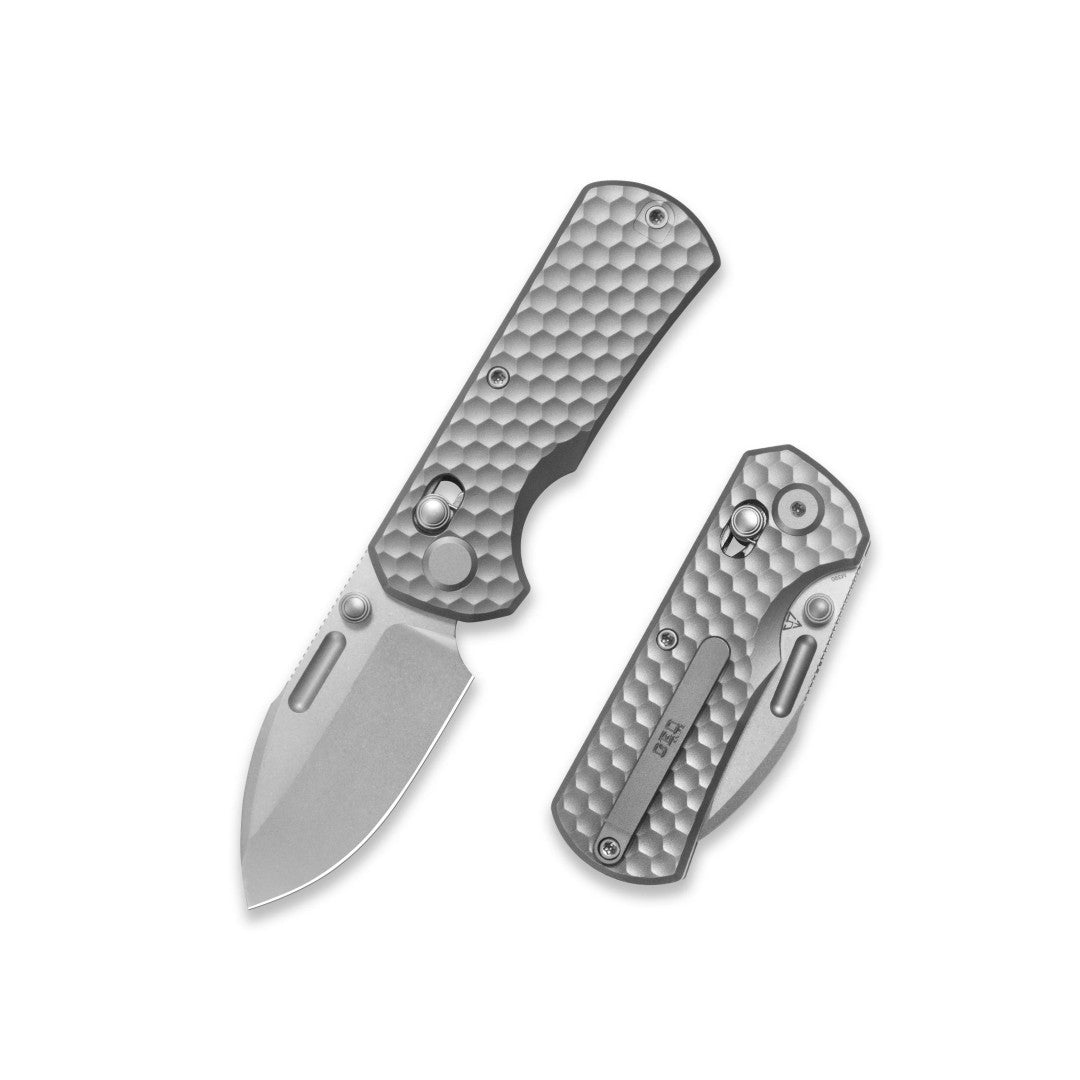
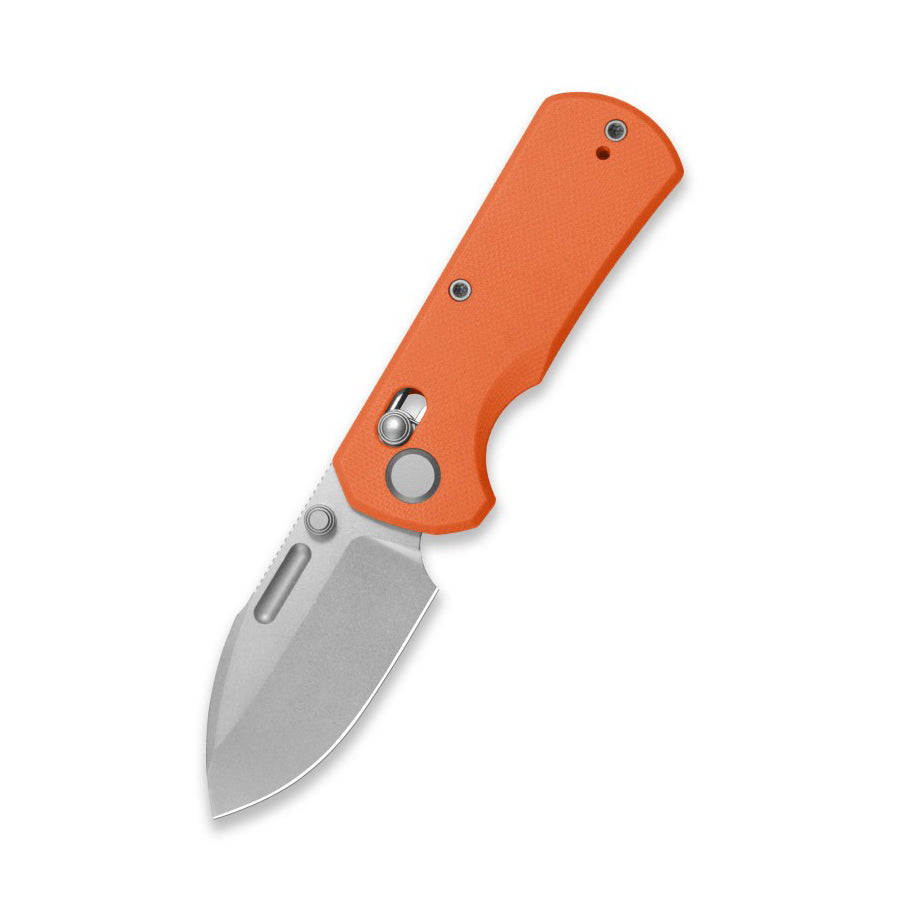
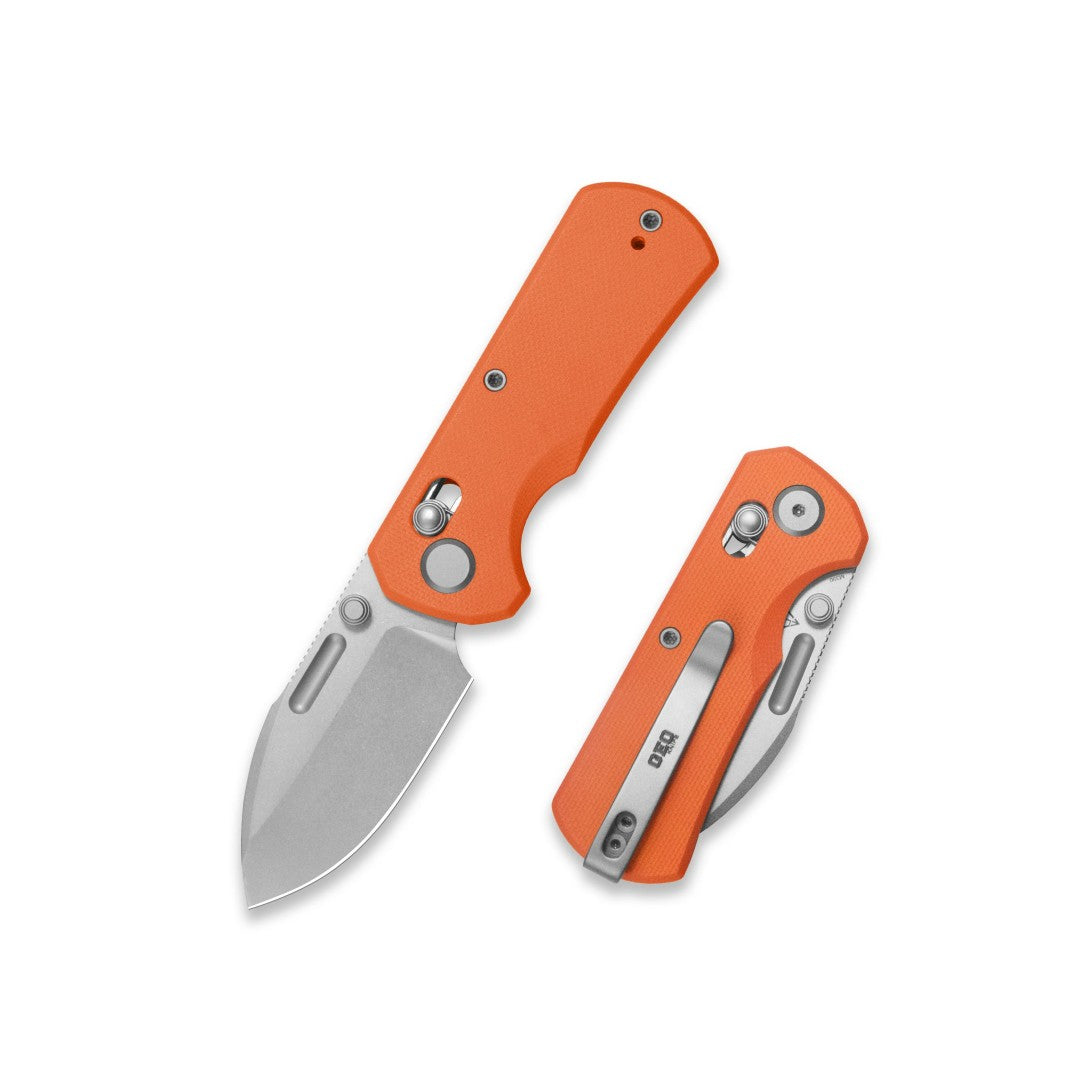
Everyday Carry (EDC) Folding Knives – Spyderco’s Paramilitary 2 Salt and Manix 2 Salt lines feature MagnaCut, as do numerous Benchmade and Kershaw models
-
Bushcraft and Outdoor Knives – Brands like White River Knives and Bark River use MagnaCut for fixed blades designed to handle chopping, batoning, and camp chores
-
Kitchen Cutlery – Excellent edge stability and high corrosion resistance make MagnaCut ideal for chef’s knives and gyutos that see constant use with acidic foods
-
Tactical and Survival Knives – The combination of toughness, edge retention, and corrosion resistance makes MagnaCut a top choice for hard‑use tactical blades
-
Hunting and Fishing Knives – Spyderco’s Salt series, designed specifically for maritime use, now includes MagnaCut models, demonstrating the steel’s suitability for wet environments
-
Multi‑tools – Leatherman’s Garage 005 special edition featured the first multi‑tool use of MagnaCut, followed by MKM’s Campo 7
Pros and Cons of CPM MagnaCut Steel
Advantages
-
Unprecedented balance of properties – The first stainless steel to deliver high toughness, high corrosion resistance, and high wear resistance simultaneously
-
Exceptional toughness – Comparable to CPM 4V and Vanadis 4 Extra; far tougher than S35VN, M390, or 20CV
-
Outstanding corrosion resistance – No visible rust after 72 hours in saltwater; ranks between 20CV and Vanax
-
Good wear resistance – 135% CATRA score; outperforms S35VN and is sufficient for most real‑world cutting
-
Easy to sharpen – Fine carbide structure allows quick, efficient sharpening with diamond plates
-
Excellent edge stability – Fine, uniform carbides mean edges wear evenly and resist micro‑chipping
-
Engineered for knives – Unlike other premium steels, MagnaCut was purpose‑built for cutlery
Limitations
-
Premium price – Knives made from MagnaCut command a higher price due to the advanced manufacturing process and material costs
-
Not the absolute highest in any single category – If you need maximum wear resistance, S90V or M390 will outperform MagnaCut; if you need ultimate corrosion resistance, LC200N has an edge
-
Requires proper heat treatment – Performance depends on the manufacturer’s heat‑treating expertise (though MagnaCut is known for being forgiving)
Is CPM MagnaCut Steel Right for You?
CPM MagnaCut is arguably the most versatile high‑performance knife steel ever created. It is not the absolute best in any single category, but it is the first steel that delivers excellence in all three of the knife steel “holy trinity”: toughness, corrosion resistance, and edge retention.
Choose MagnaCut if you:
-
Want a blade that can handle any cutting task without worrying about chipping, rusting, or dulling quickly
-
Appreciate a steel that is tough enough to be ground thin for superior cutting performance
-
Need a blade that works well in wet, humid, or salty environments but don’t want to sacrifice edge retention or toughness
-
Value versatility and want one steel that does everything well
-
Are willing to pay a premium for the most advanced stainless steel available today
Look elsewhere if you:
-
Require the absolute highest abrasive wear resistance and are willing to accept lower toughness (choose S90V or M390)
-
Need the ultimate corrosion resistance for prolonged saltwater submersion (choose LC200N)
-
Want a budget‑friendly option (MagnaCut commands a premium price)
Final Thoughts
CPM MagnaCut represents a true breakthrough in knife metallurgy. For the first time, knife users do not have to choose between toughness and corrosion resistance, or between edge retention and ease of sharpening. Dr. Larrin Thomas and Crucible Industries solved a problem that had frustrated the knife industry for decades, delivering a steel that performs brilliantly across every metric that matters.
Today, MagnaCut is used by premier manufacturers including Spyderco, Benchmade, Kershaw, Pro‑Tech, White River Knives, Bark River, Leatherman, and countless custom makers. It has rapidly become the benchmark by which other premium knife steels are measured—and for good reason. Whether you are an everyday carry enthusiast, an outdoor adventurer, a professional chef, or simply someone who appreciates a truly great blade, a knife made from CPM MagnaCut is an investment in performance that simply did not exist before 2021.
Looking for knives made from CPM MagnaCut steel? Browse our collection to find EDC folders, bushcraft blades, kitchen cutlery, and outdoor tools featuring this revolutionary stainless steel—the first no‑compromise blade steel.