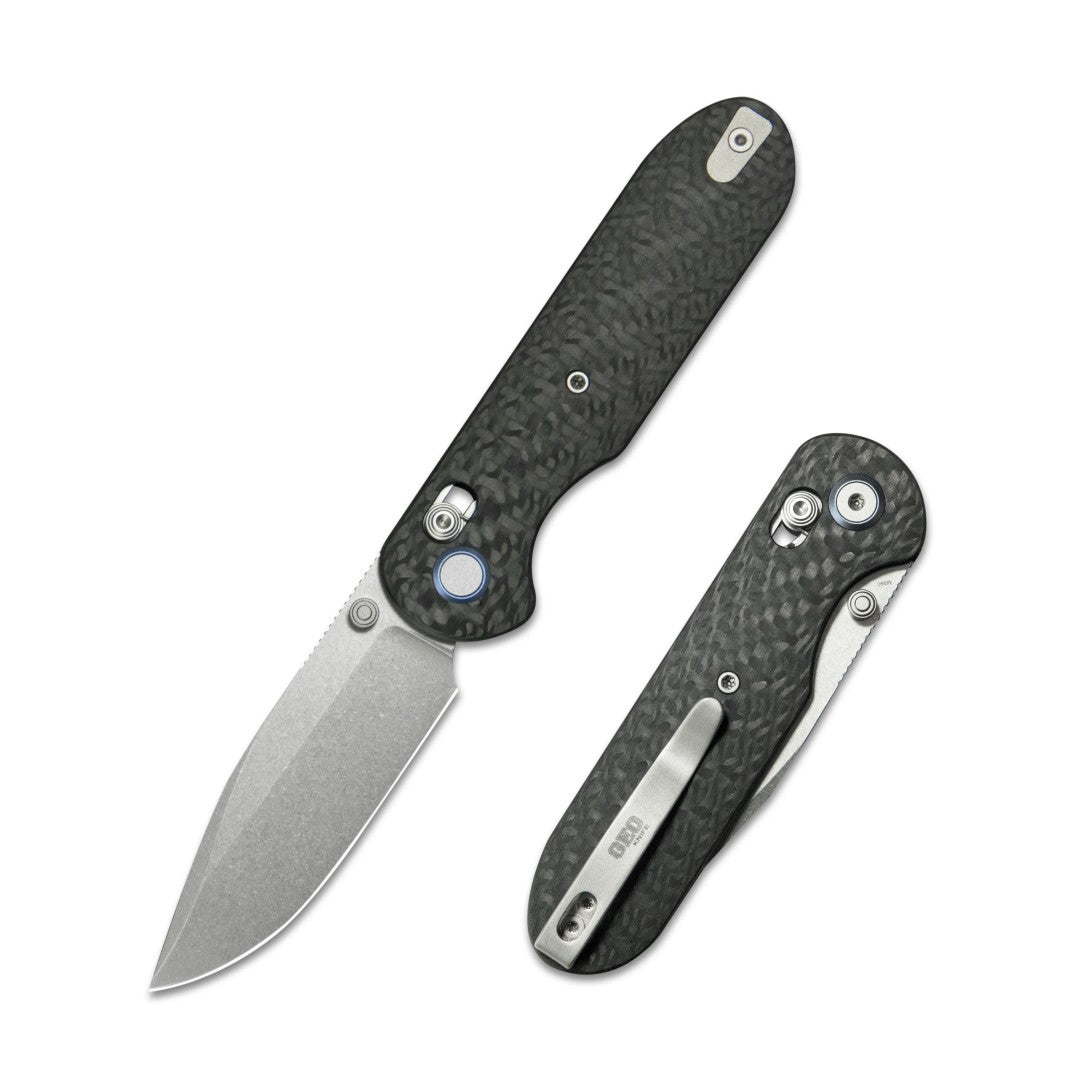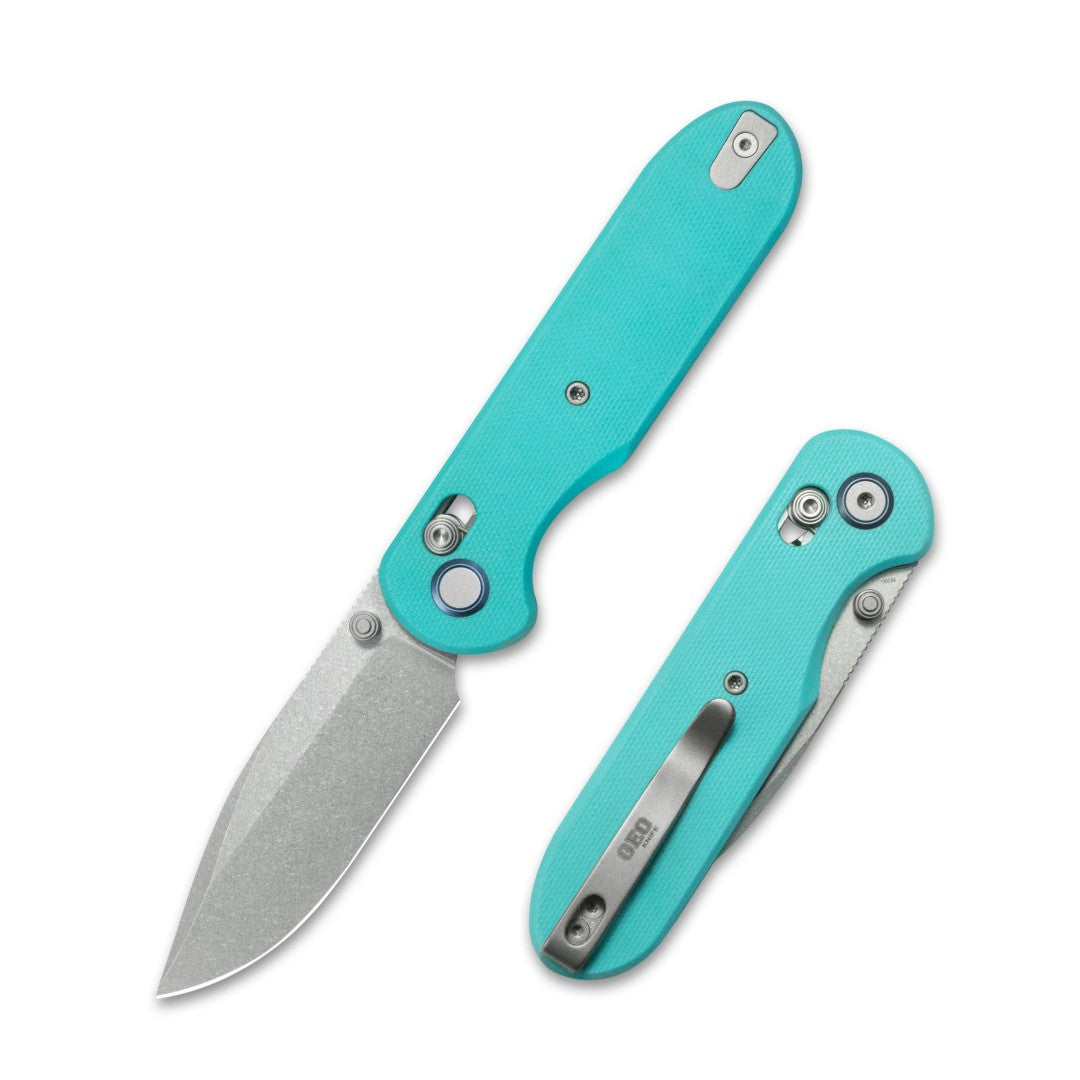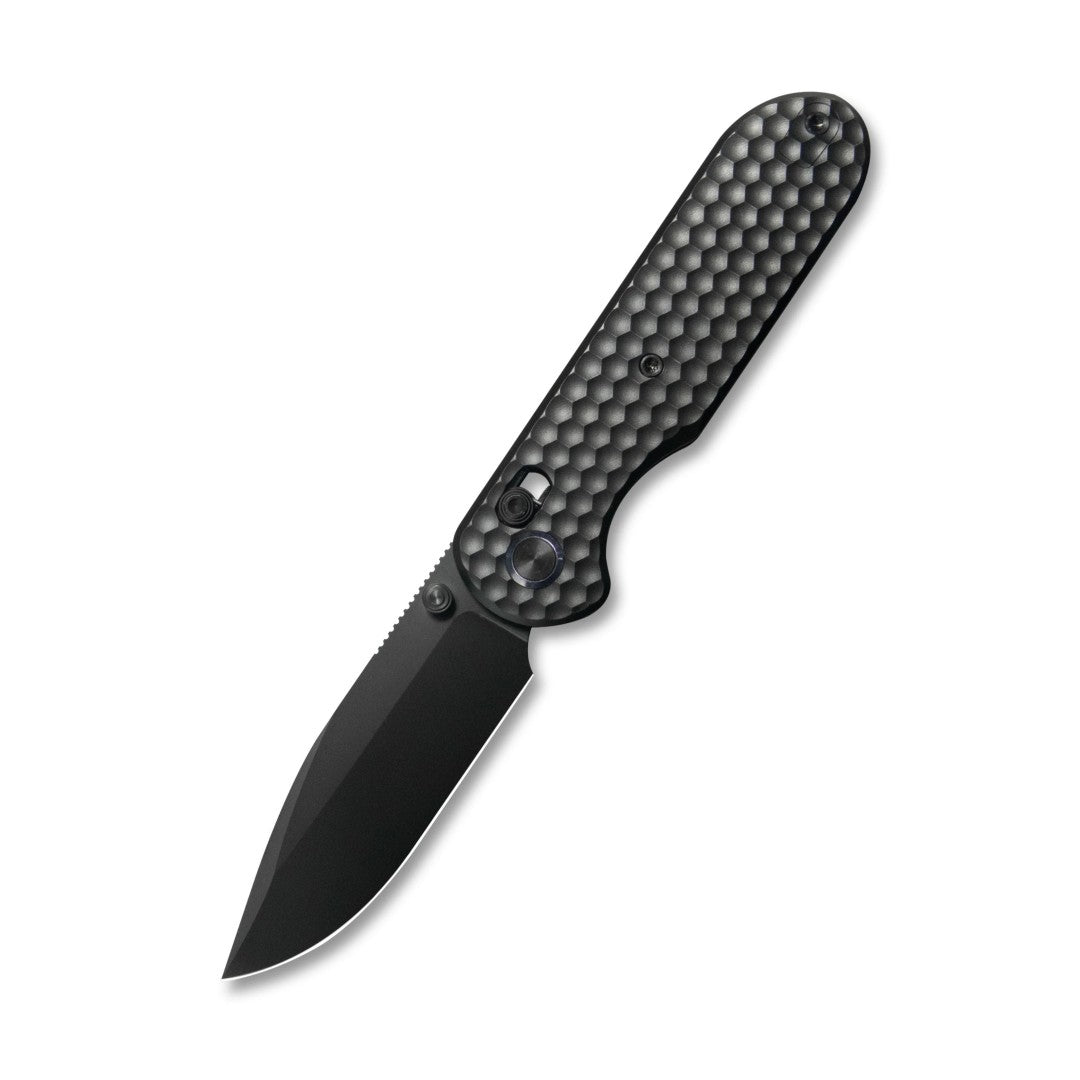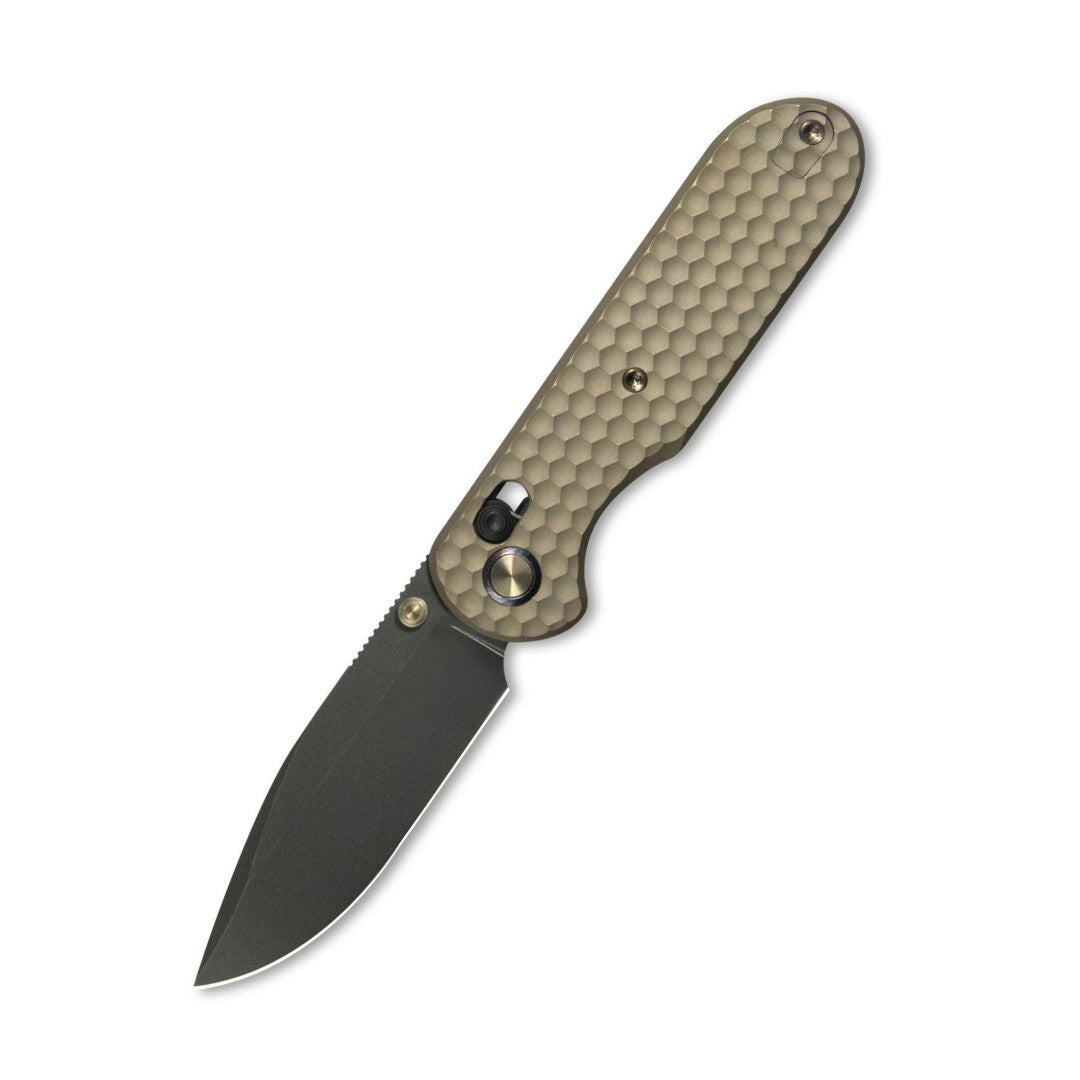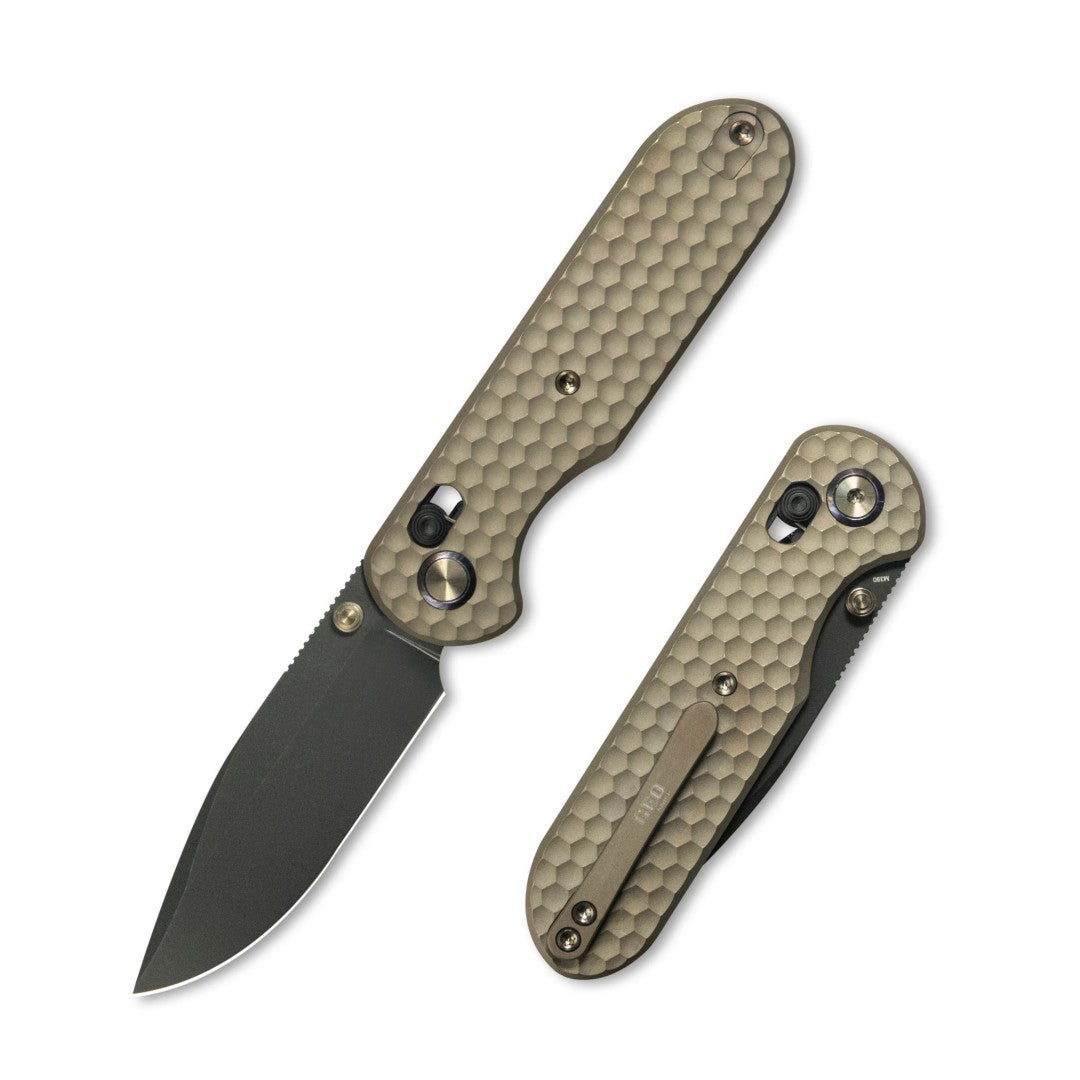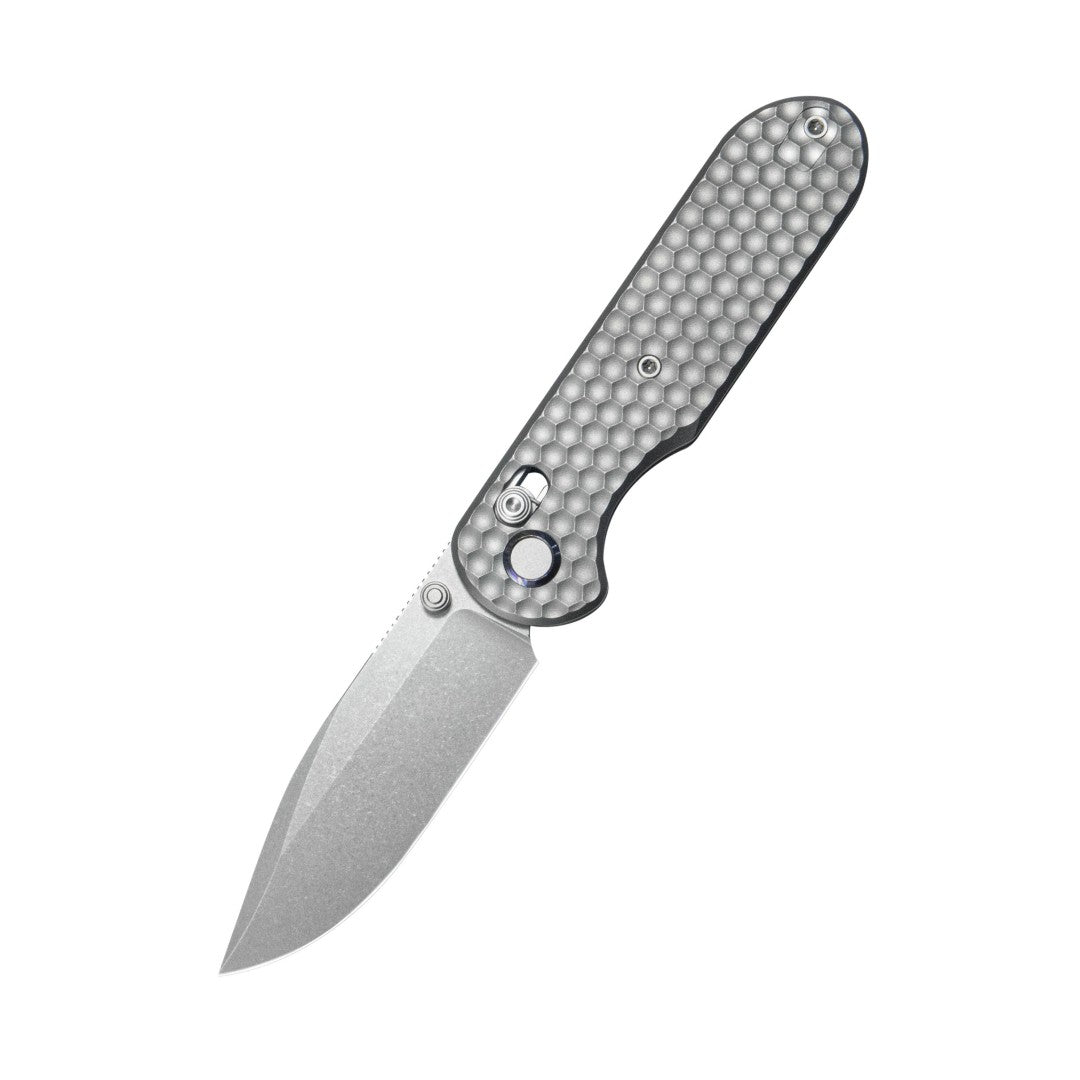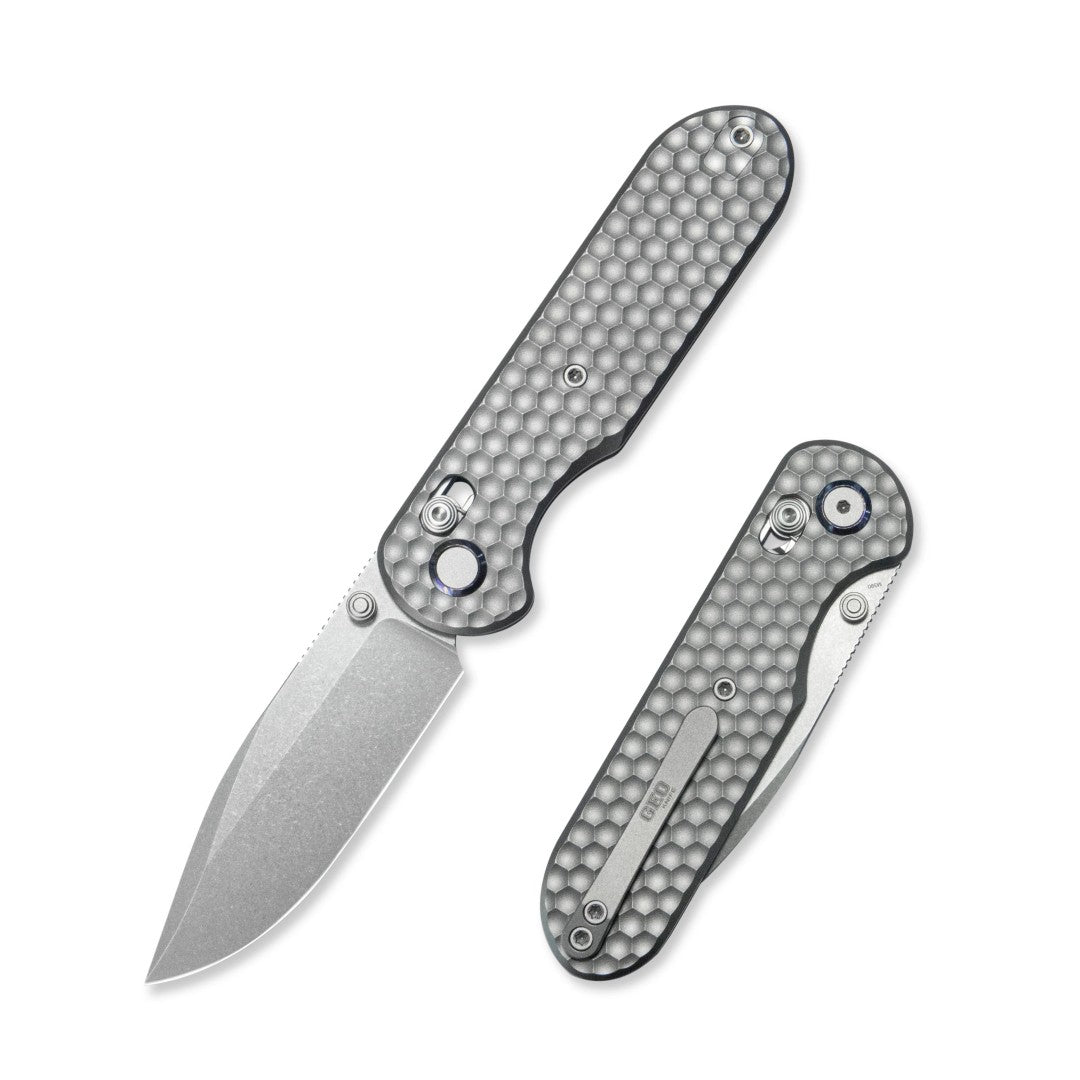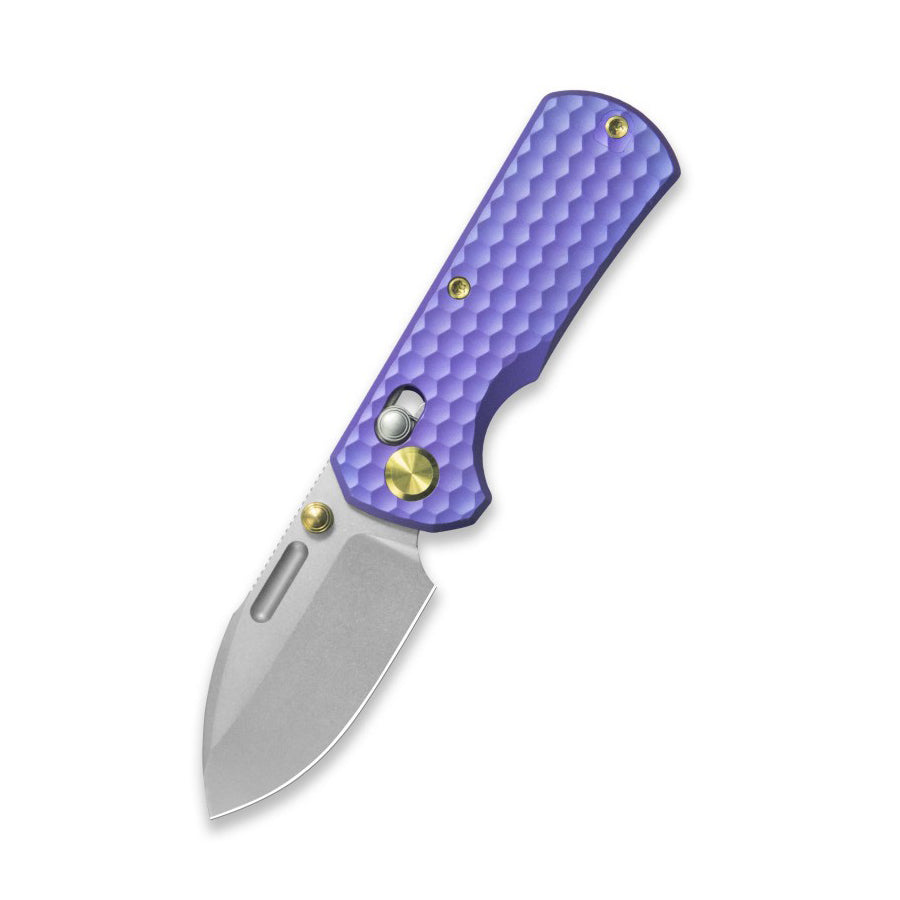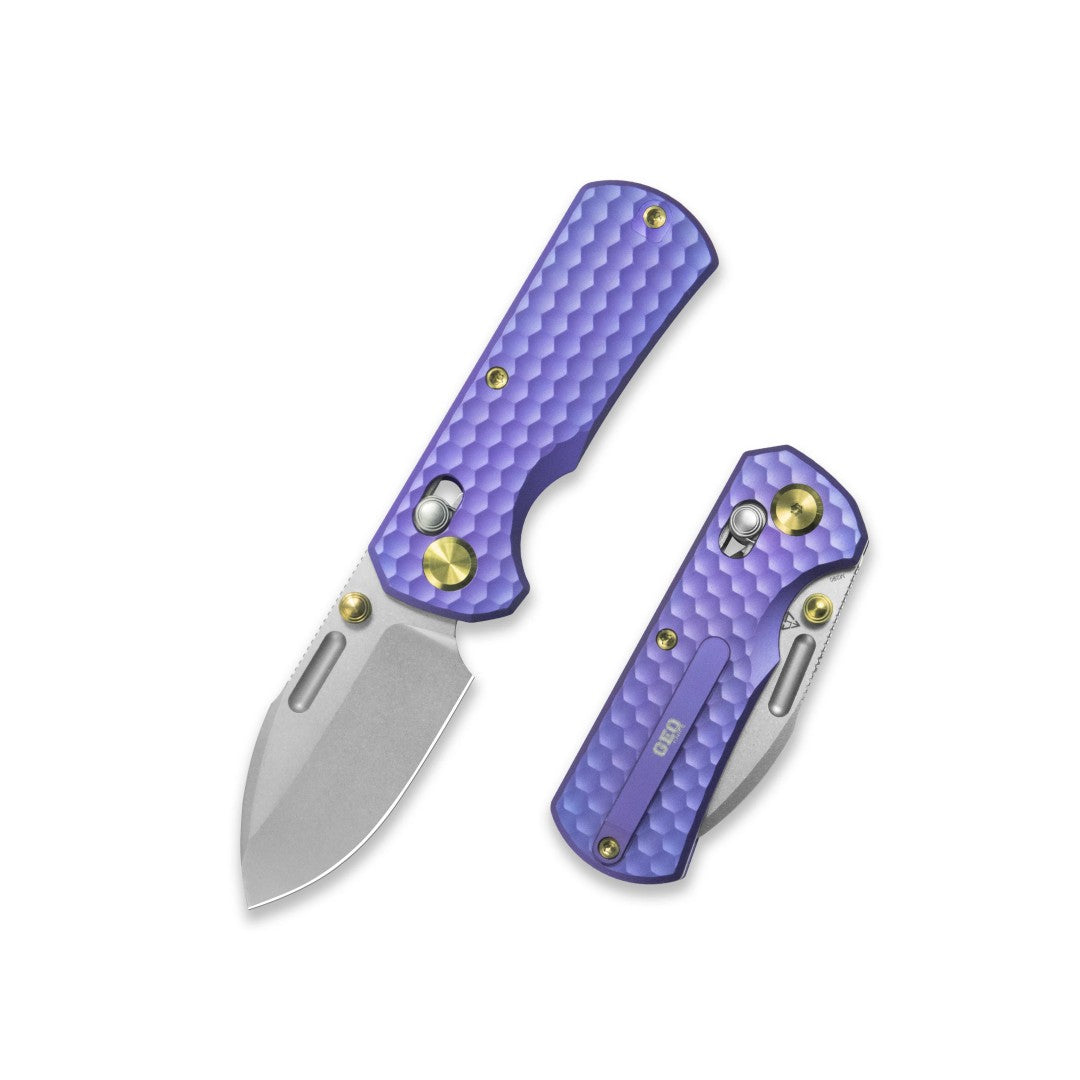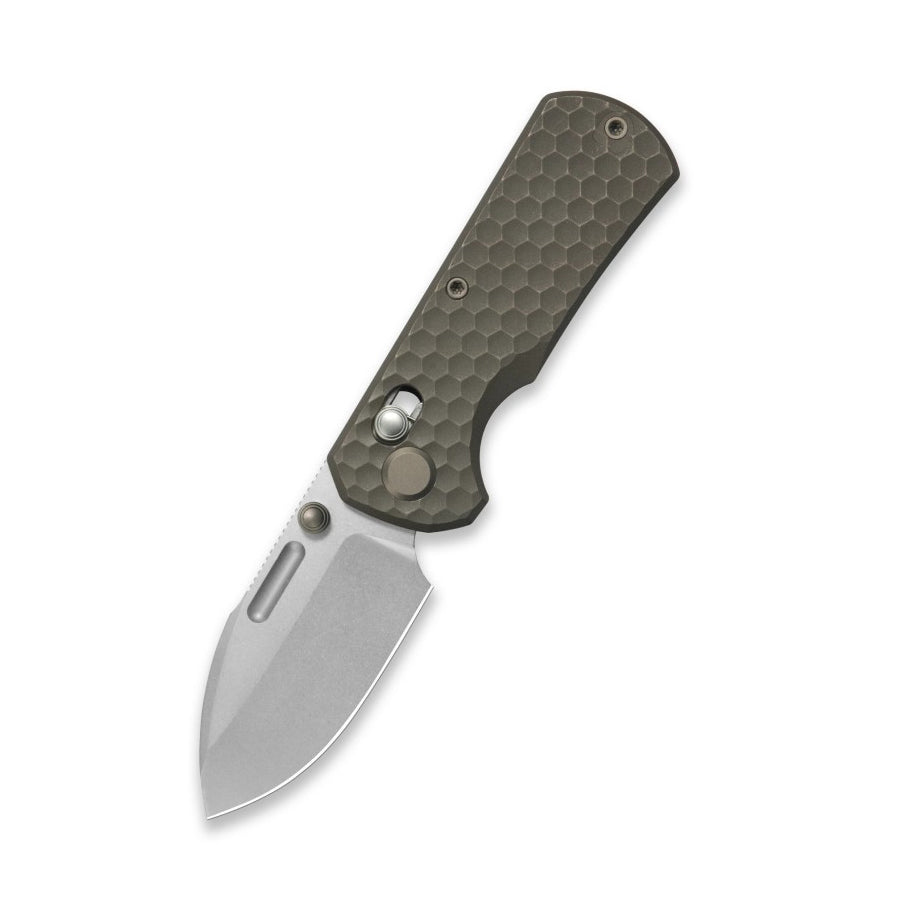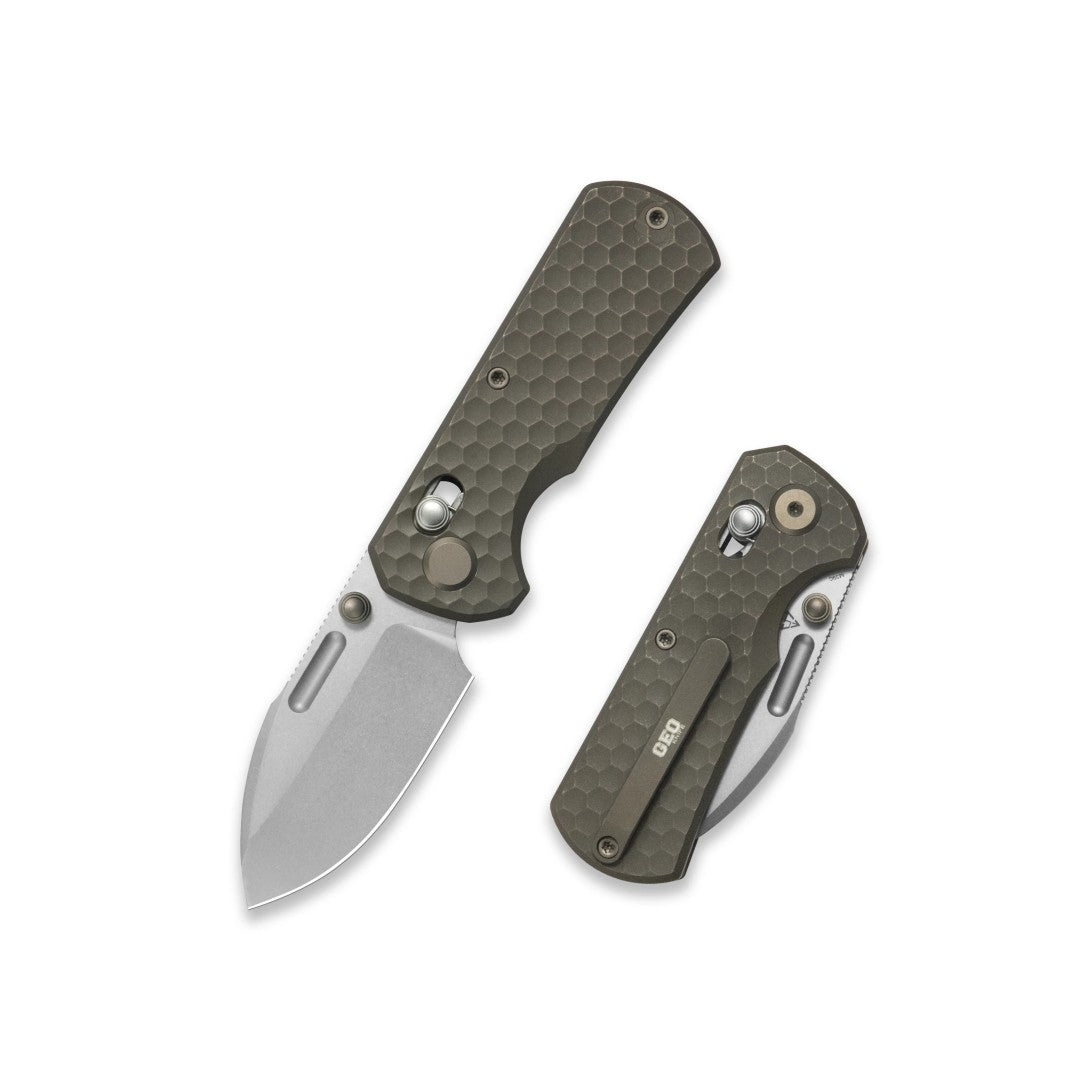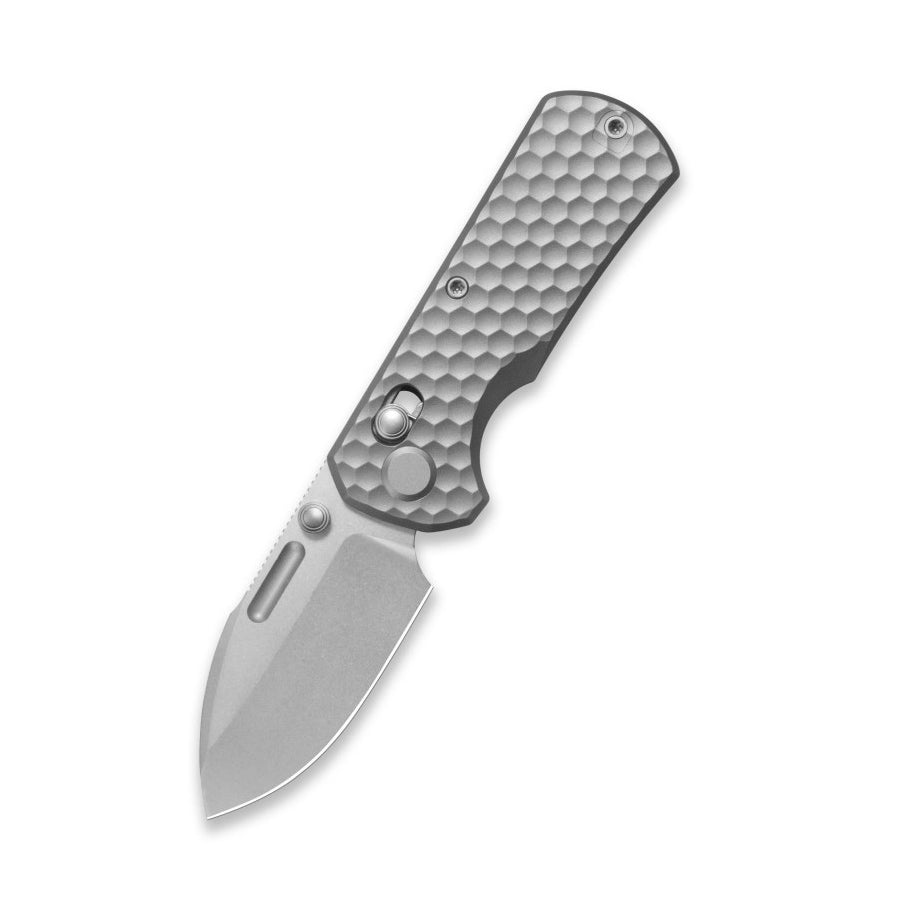

In the ever‑expanding universe of premium blade steels, few alloys have generated as much quiet enthusiasm as CPM CruWear. Developed by Crucible Industries as a powder metallurgy upgrade to a classic tool steel design, CruWear has carved out a unique niche among knife enthusiasts who demand the perfect balance of toughness, wear resistance, and edge stability. If you have seen limited‑edition Sprint Runs from Spyderco or hard‑use folders from Benchmade featuring this steel, you have likely wondered: What exactly makes CPM CruWear so special?
This comprehensive guide will walk you through everything you need to know about CPM CruWear—from its fascinating origins and chemical composition to its real‑world performance, how it compares to other popular blade steels, and whether it is the right choice for your next knife.
What Is CPM CruWear Steel? A Quick Definition
CPM CruWear is an air‑hardening powder metallurgy tool steel manufactured by Crucible Industries. The “CPM” stands for Crucible Particle Metallurgy, an advanced manufacturing process that produces an ultra‑fine, extremely homogeneous grain structure with superior dimensional stability, grindability, and toughness compared to conventionally melted steels. The original conventionally melted CruWear was designed as an upgrade to A2 and D2 tool steels, offering better wear resistance, greater toughness, and higher attainable hardness. The CPM version takes those benefits even further, making the steel easier to machine, more resistant to chipping, and capable of achieving higher hardness through a secondary hardening response.
In simple terms, CPM CruWear is a non‑stainless tool steel that delivers exceptional toughness without sacrificing wear resistance—a combination that few other blade steels can match. It occupies a sweet spot between the extreme toughness of CPM 3V and the high‑wear resistance of CPM M4, making it one of the most versatile high‑performance steels on the market today.
A Brief History of CPM CruWear
The story of CruWear begins with its predecessor, conventional CruWear, which was developed by Crucible Industries as an improvement over A2 and D2 tool steels. D2 had long been respected in the cutlery business for its wear resistance, while A2 was valued for its toughness. CruWear was engineered to combine the best of both worlds.
Recognizing the limitations of conventional ingot metallurgy—specifically, the tendency toward carbide segregation and the risk of chipping during use—Crucible introduced the CPM version of CruWear. The powdered metallurgy process ensures that alloying elements are distributed uniformly throughout the steel, eliminating the large, uneven carbides that can act as stress risers in conventionally melted steels. The result is a steel that is easier to machine, more resistant to chipping, and capable of attaining higher hardness through the secondary hardening response provided by tungsten and molybdenum.
Spyderco was the first production knife company to offer CPM CruWear to the public, and the steel quickly gained a devoted following. Today, CPM CruWear is used by major brands including Spyderco, Benchmade, Zero Tolerance, Bark River, and many custom knifemakers.
CPM CruWear Chemical Composition
The performance of CPM CruWear comes down to its carefully balanced chemistry. Here is the typical composition according to the official Crucible data sheet:
The most striking feature of this composition is what is not present. Unlike stainless steels that rely on 13–14% chromium for corrosion resistance, CPM CruWear contains only 7.5% chromium—well below the 10.5% threshold required for stainless classification. Instead, the steel’s designers prioritized toughness and wear resistance, using vanadium, molybdenum, and tungsten to create fine, evenly distributed carbides that deliver outstanding performance in non‑corrosive environments.
Key Properties and Performance
Hardness
After proper heat treatment, CPM CruWear is heat treatable to HRC 60–65, with the ability to reach up to HRC 65 through the secondary hardening response provided by tungsten and molybdenum. Most production knives are tempered in the 61–63 HRC range, striking an ideal balance between edge retention and toughness. Spyderco’s heat treatment, for example, often targets around 64.5 HRC, demonstrating the steel’s ability to achieve very high hardness levels.
Toughness
Toughness is the defining characteristic of CPM CruWear. Independent testing shows that CPM CruWear has significantly higher impact toughness than common stainless options like S30V at comparable hardness. According to the official data sheet, at 62 HRC, CPM CruWear achieves an impact toughness of 35 ft‑lbs, compared to just 21 ft‑lbs for D2 at 60 HRC. This superior toughness translates directly into real‑world benefits: blades that resist chipping under lateral stress or impact, can be ground thinner behind the edge for better cutting performance, and inspire confidence during hard use.
Wear Resistance
CPM CruWear offers wear resistance that surpasses D2 and approaches M2 high‑speed steel. The high vanadium content (2.40%) produces fine vanadium carbides, which are significantly harder than the chromium carbides found in D2 and much more effective at providing wear resistance. For knife users, this means the blade will maintain a working edge through extended cutting sessions involving abrasive materials like cardboard, rope, and wood.
Edge Retention
CPM CruWear offers moderate to good edge retention, rated approximately 5 out of 10 in comprehensive steel rankings. While this may seem modest, it is important to understand the context. CPM CruWear’s edge retention is comparable to S35VN, maintaining sharpness well for moderate periods of cutting. More importantly, its exceptional toughness allows it to be ground to extremely thin, acute edge geometries without fear of chipping—and a thin, acute edge not only cuts better but also exhibits superior edge retention compared to a thicker edge made of a more wear‑resistant steel.
Corrosion Resistance
CPM CruWear is not a stainless steel. With only 7.5% chromium, it lacks the chromium content needed to form a fully passive oxide layer. In practice, this means the steel will rust if neglected. However, many users report that CPM CruWear is surprisingly resistant to corrosion for a non‑stainless tool steel, outperforming D2 and certainly surpassing high‑carbon steels like M4. With reasonable care—drying the blade after use, wiping it clean, and applying a light coat of oil occasionally—most users find corrosion to be a non‑issue. Many knives in CPM CruWear are also offered with protective coatings like Cerakote to mitigate potential corrosion issues.
Ease of Sharpening
One of CPM CruWear’s most user‑friendly attributes is its ease of sharpening. Compared to high‑carbide stainless steels like M390 or S90V, CPM CruWear takes a keen edge and refreshes much faster. The fine, uniform carbide distribution means that the steel does not resist abrasion the way that large‑carbide steels do. Users report that diamond stones work best, but high‑quality ceramic stones are also effective. Compared to CPM M4, which is notoriously difficult to sharpen, CPM CruWear is significantly more forgiving.
CPM CruWear vs. Other Knife Steels
CPM CruWear vs. D2
This is the most direct comparison, as CPM CruWear was explicitly designed as an upgrade to D2. CPM CruWear offers superior wear resistance, much greater toughness, and higher attainable hardness than D2. D2 contains 1.55% carbon and 11.5% chromium, resulting in a higher overall carbide content, but those carbides are coarse and uneven. CPM CruWear’s lower carbon and chromium, combined with higher vanadium and tungsten, produce a finer, more uniform microstructure that is significantly tougher and more resistant to chipping. While D2 offers slightly better edge retention in highly abrasive cutting, CPM CruWear wins in virtually every other category—and is noticeably easier to sharpen.
CPM CruWear vs. CPM 3V
CPM 3V is the benchmark for toughness in the knife steel world. CPM 3V is tougher than CPM CruWear, but CPM CruWear offers superior wear resistance and edge retention . The choice between these two steels comes down to your priorities. If you need a blade for extreme impact applications—batoning, chopping, or prying—CPM 3V is the better choice. If you want a steel that is still very tough but holds an edge longer, CPM CruWear is the winner. Many users find CPM CruWear to be the more versatile all‑around choice for everyday carry and tactical applications.
CPM CruWear vs. CPM M4
CPM M4 is a high‑speed tool steel renowned for its extreme wear resistance and edge retention. CPM M4 offers superior edge retention and wear resistance compared to CPM CruWear, making it a favorite for users who prioritize cutting performance above all else. However, CPM M4 has significantly poorer corrosion resistance and is much more difficult to sharpen than CPM CruWear. CPM CruWear also has slightly better toughness. For users who want a balance of properties—good edge retention, good toughness, reasonable corrosion resistance, and ease of sharpening—CPM CruWear is the better choice. For those who demand absolute maximum edge retention and are willing to accept the trade‑offs, CPM M4 is the answer.
CPM CruWear vs. S30V / S35VN
S30V and S35VN are premium stainless steels that offer excellent corrosion resistance and good edge retention. CPM CruWear is significantly tougher than either S30V or S35VN, making it much more resistant to chipping under impact. However, S30V and S35VN offer superior corrosion resistance due to their higher chromium content (14%). In terms of edge retention, CPM CruWear is comparable to S35VN. The choice here depends on your environment. If you need a stainless blade for humid or marine conditions, S30V or S35VN are better choices. If you value toughness and are willing to provide basic maintenance, CPM CruWear offers superior performance.
CPM CruWear vs. CPM 4V
CPM 4V is a close relative of CPM CruWear, with a similar balance of toughness and wear resistance. CPM 4V generally offers slightly higher toughness and edge stability at higher working hardnesses, but CPM CruWear is easier to sharpen and has slightly better corrosion resistance. In practice, the differences are subtle, and both steels are excellent choices for high‑performance knives.
What Is CPM CruWear Steel Best Used For?
Thanks to its exceptional balance of properties, CPM CruWear is incredibly versatile. Common applications include:
-
Everyday Carry (EDC) Folding Knives – The combination of good edge retention, excellent toughness, and reasonable corrosion resistance makes CPM CruWear an ideal choice for daily carry. Models like the Spyderco Para 3, Manix 2, and Military in CPM CruWear have become collector favorites.
-
Tactical and Outdoor Knives – Benchmade’s Adamas and Mini Adamas lines feature CPM CruWear, capitalizing on its exceptional toughness for hard‑use applications. The steel’s ability to resist chipping under lateral stress makes it ideal for tactical and survival scenarios.
-
Hunting and Bushcraft Knives – CPM CruWear holds up well to the demands of field dressing, skinning, and camp chores. Its toughness allows blades to be ground thin for fine wood carving without fear of edge damage.
-
Kitchen Cutlery – While not stainless, CPM CruWear’s excellent edge stability and ease of sharpening make it a favorite among custom kitchen knife makers. With proper care (drying the blade after use), it performs admirably in the kitchen.
-
Industrial Tooling – Beyond knives, CPM CruWear is widely used for punches, blanking dies, shear blades, thread rolling dies, coining dies, and other demanding tooling applications where wear resistance and toughness are both critical.
Pros and Cons of CPM CruWear Steel
Advantages
-
Exceptional toughness – One of the toughest tool steels available for knife making; highly resistant to chipping and cracking under impact.
-
Excellent wear resistance – Surpasses D2 and approaches M2 high‑speed steel.
-
High attainable hardness – Heat treatable to HRC 60–65, with the ability to reach HRC 65 through secondary hardening.
-
Good edge retention – Comparable to S35VN, with outstanding performance when ground thin.
-
Easier to sharpen than many premium steels – Much more forgiving than CPM M4 or high‑carbide stainless steels.
-
Balanced performance – One of the few steels that does not force you to choose between toughness and wear resistance; it delivers both.
-
Excellent dimensional stability – Minimal distortion during heat treatment due to the CPM process.
Limitations
-
Not stainless – Will rust if neglected; requires cleaning, drying, and occasional oiling.
-
Moderate edge retention compared to ultra‑wear‑resistant steels – Does not hold an edge as long as CPM M4, S90V, or M390 in highly abrasive cutting.
-
Moderate corrosion resistance – While better than CPM M4, it is not suitable for prolonged saltwater exposure without a protective coating.
-
Premium price – Knives made from CPM CruWear are typically more expensive than those made from D2 or 440C.
Is CPM CruWear Steel Right for You?
CPM CruWear is an excellent choice for anyone who wants a high‑performance blade that delivers exceptional toughness without sacrificing wear resistance. It is not stainless, but for users who are willing to provide basic care—wiping the blade dry after use and applying a light coat of oil occasionally—CPM CruWear offers one of the best balances of properties available in any knife steel.
Choose CPM CruWear if you:
-
Need a blade that can withstand impact, chopping, and lateral stress without chipping
-
Value toughness as much as—or more than—edge retention
-
Want a steel that is easier to sharpen than CPM M4 or high‑carbide stainless steels
-
Are willing to provide basic maintenance (cleaning and oiling) to prevent rust
-
Appreciate a well‑balanced steel that excels in a wide range of applications
Look elsewhere if you:
-
Need a true stainless steel for saltwater or high‑humidity environments (consider MagnaCut, LC200N, or S35VN)
-
Require the absolute best edge retention and are willing to sacrifice some toughness (consider CPM M4 or M390)
-
Prefer a maintenance‑free blade that can be left wet without concern
-
Want a budget‑friendly option (CPM CruWear commands a premium price)
Final Thoughts
CPM CruWear steel represents the culmination of decades of metallurgical expertise from Crucible Industries. By combining the best elements of A2 and D2—the toughness of the former and the wear resistance of the latter—and then enhancing them with the Crucible Particle Metallurgy process, CruWear delivers a level of balanced performance that few other steels can match.
It may not be stainless, and it may not be the absolute best in any single category. But for users who want a blade that is tough enough to take a beating, wear‑resistant enough to stay sharp, and easy enough to sharpen without frustration, CPM CruWear is a steel that delivers on every front. It is a true all‑rounder in the best sense of the word—and once you have carried a knife made from it, you will understand why enthusiasts speak of it with such quiet reverence.
Looking for knives made from CPM CruWear steel? Browse our collection to find premium EDC folders, tactical knives, and outdoor tools featuring this exceptionally balanced blade steel.