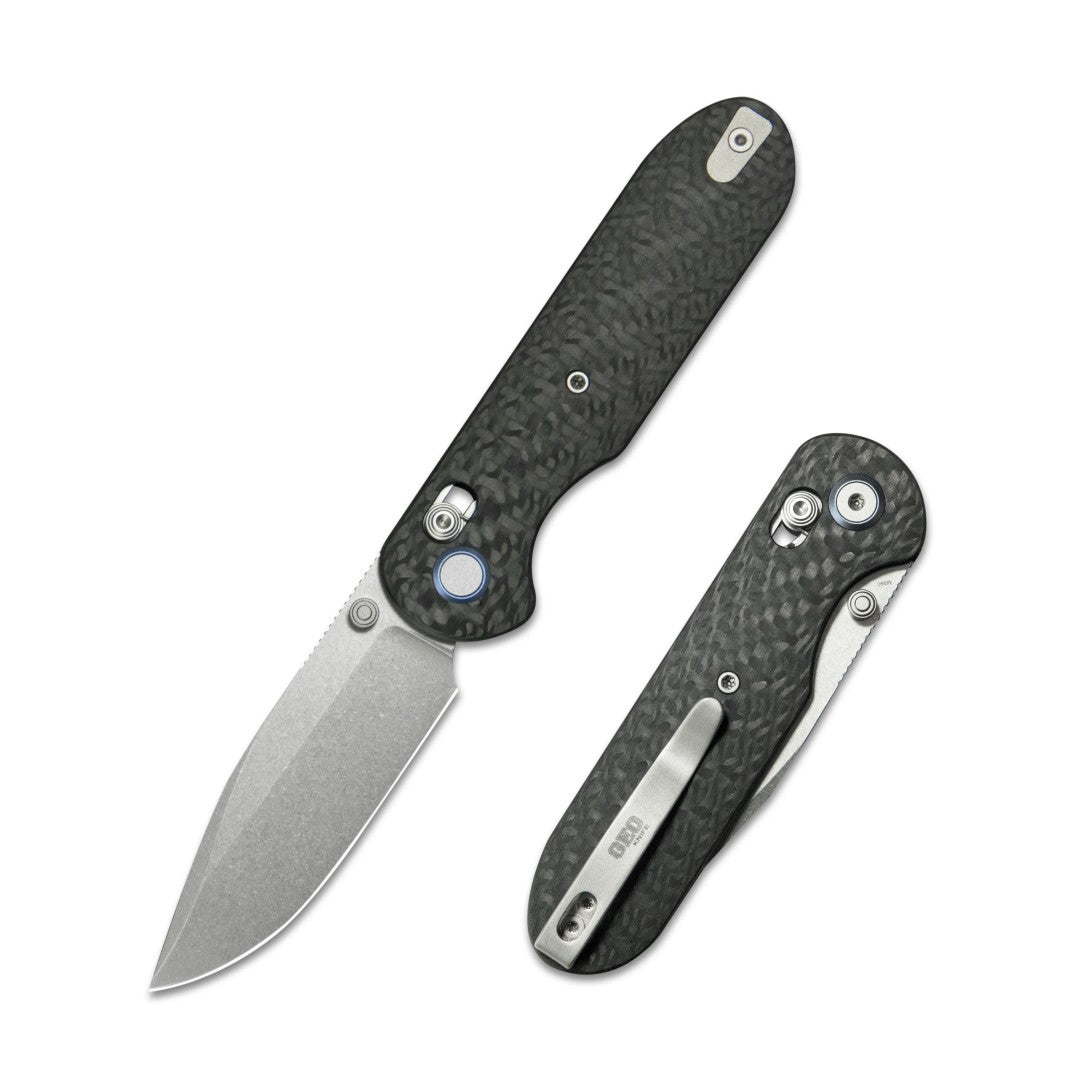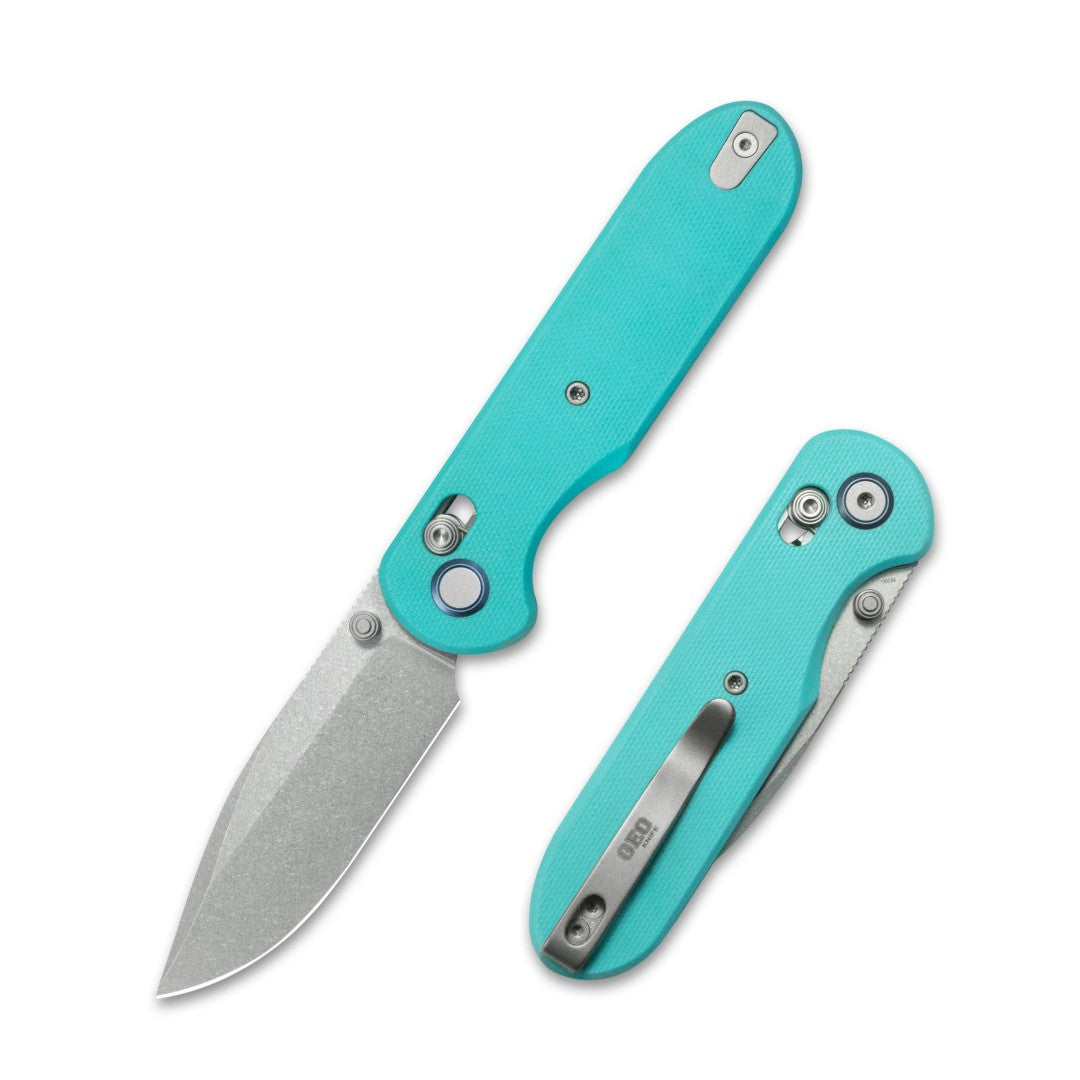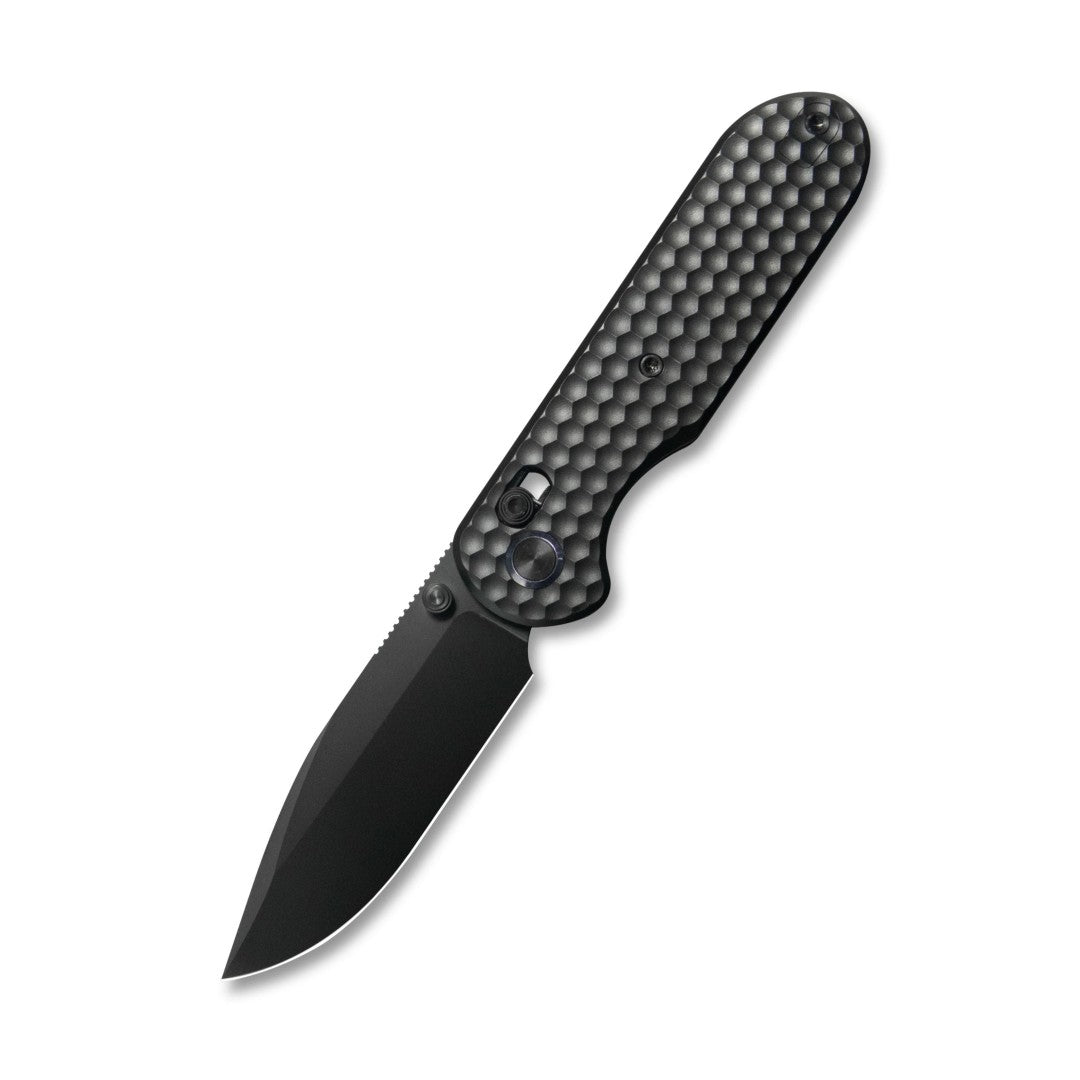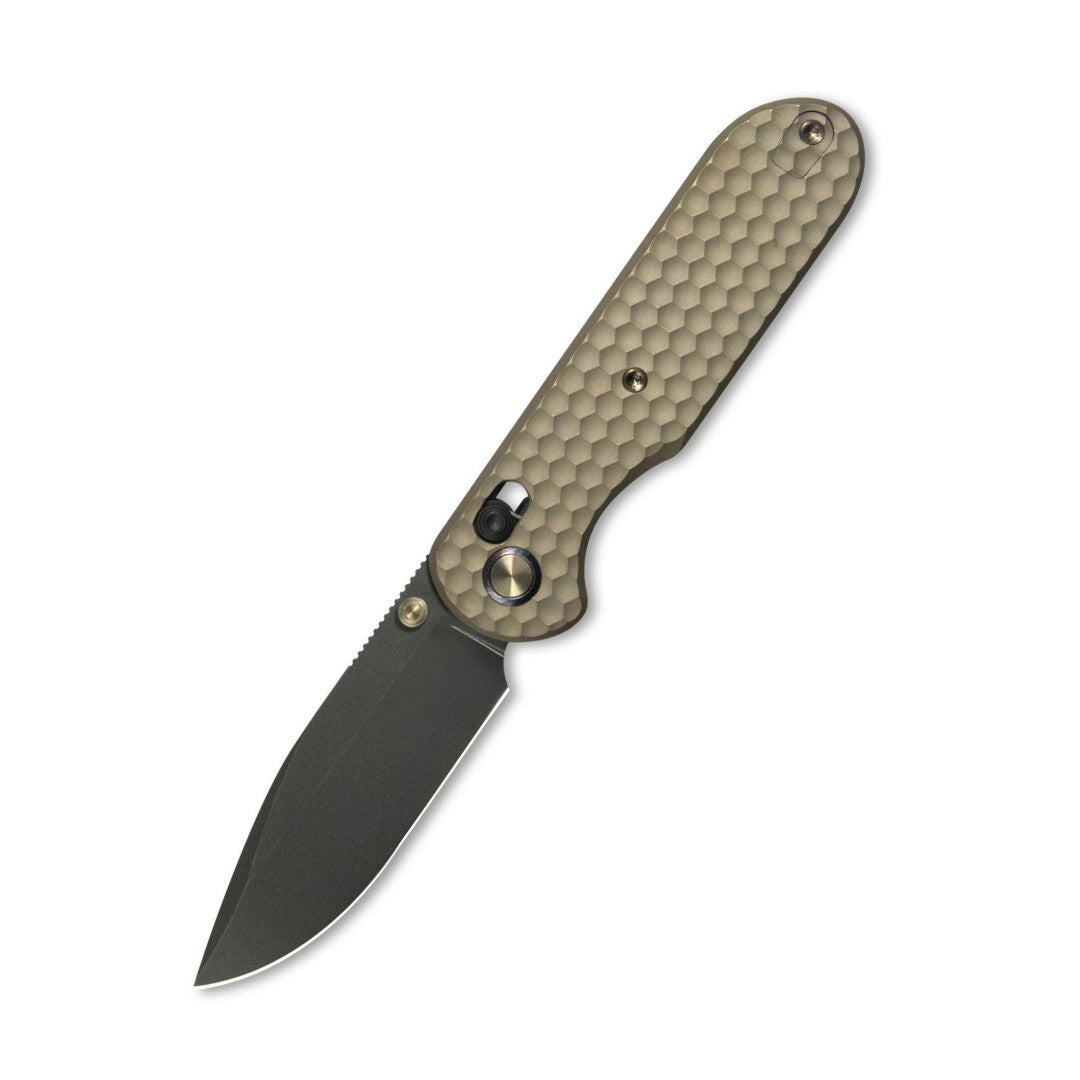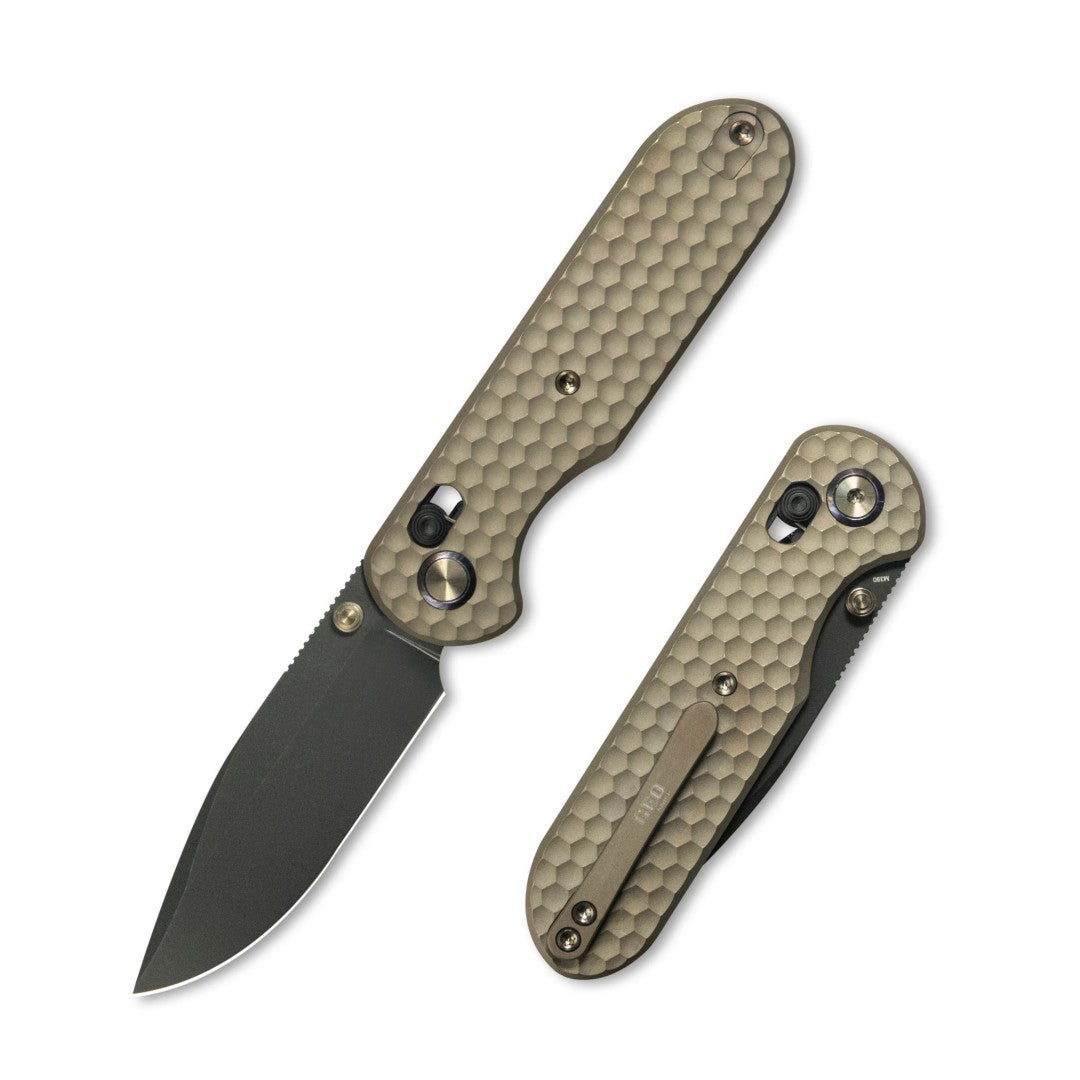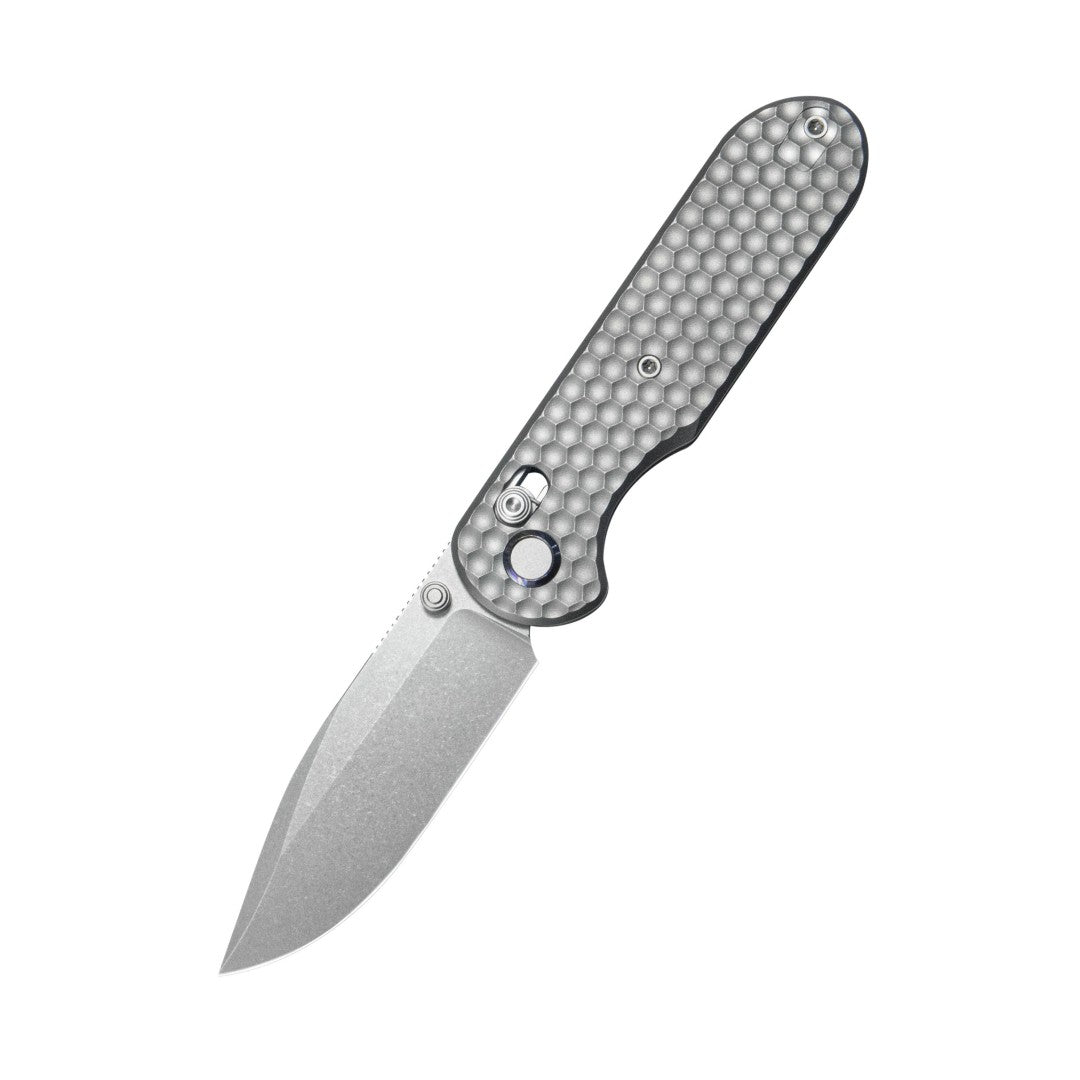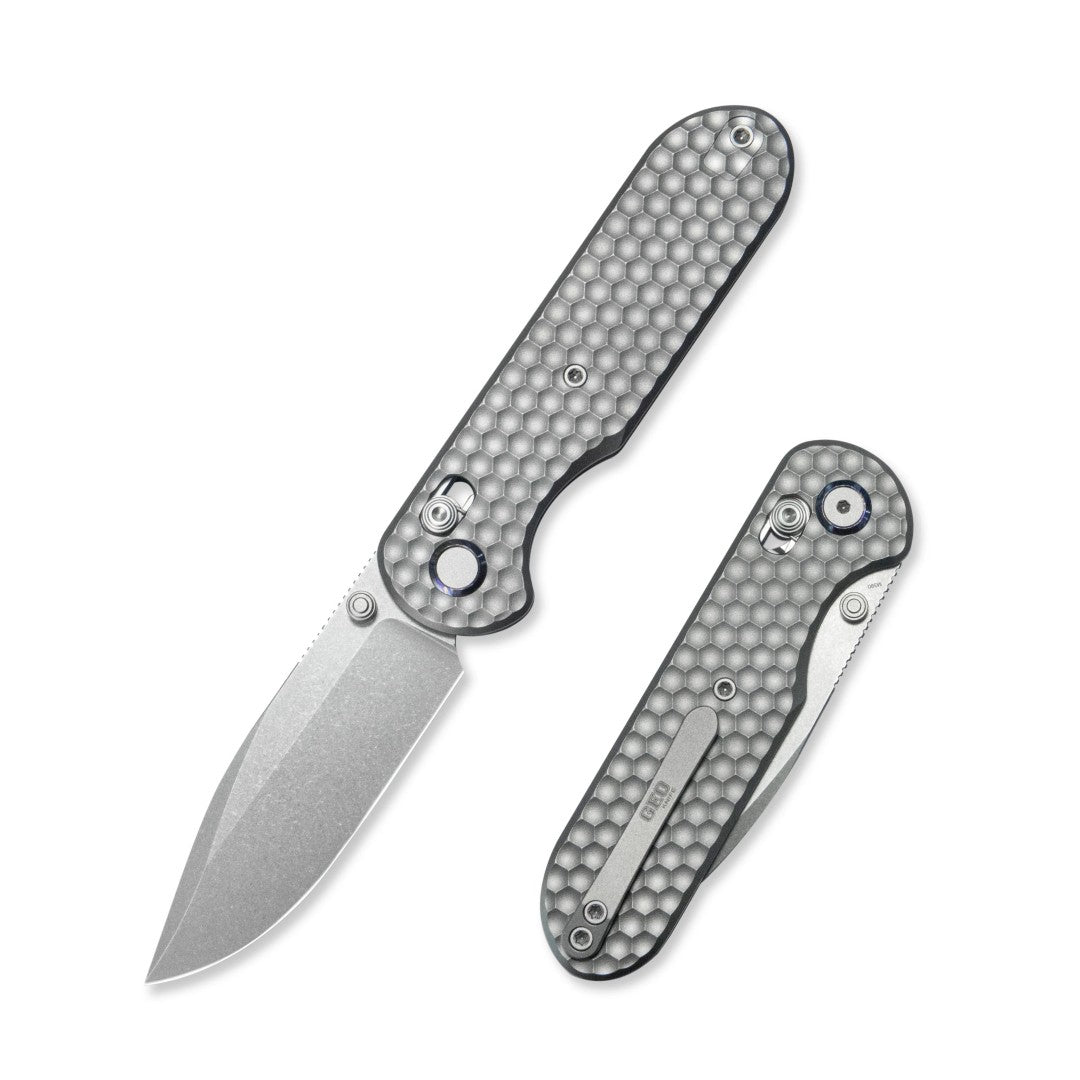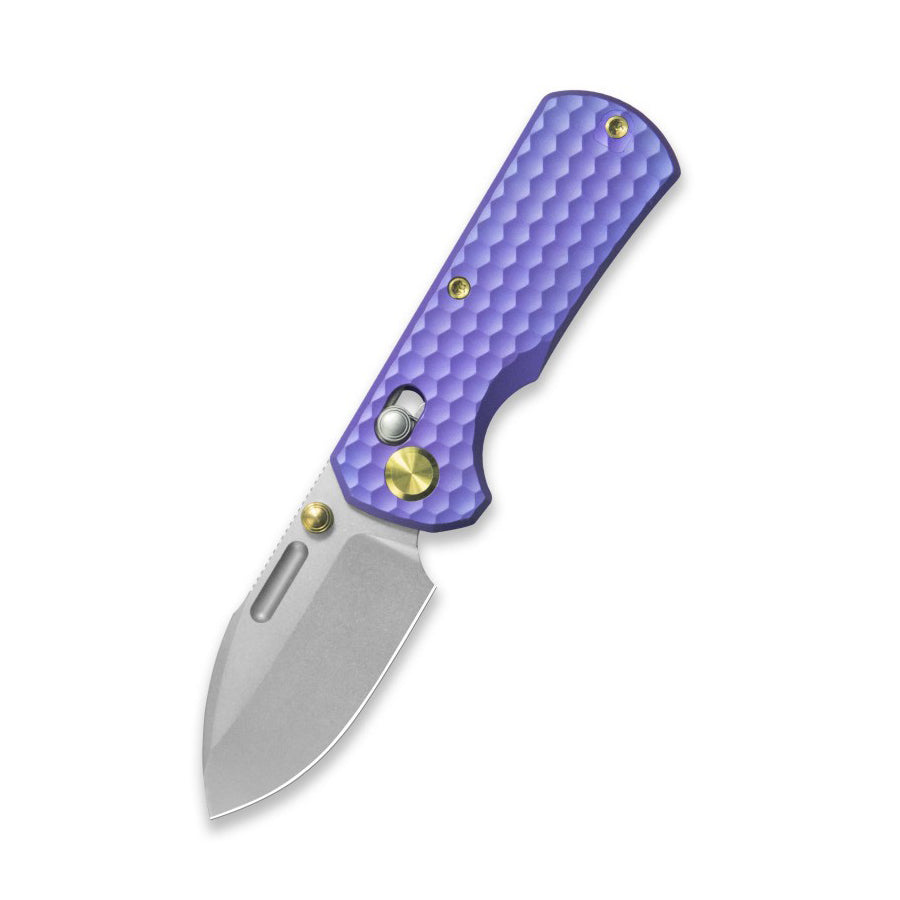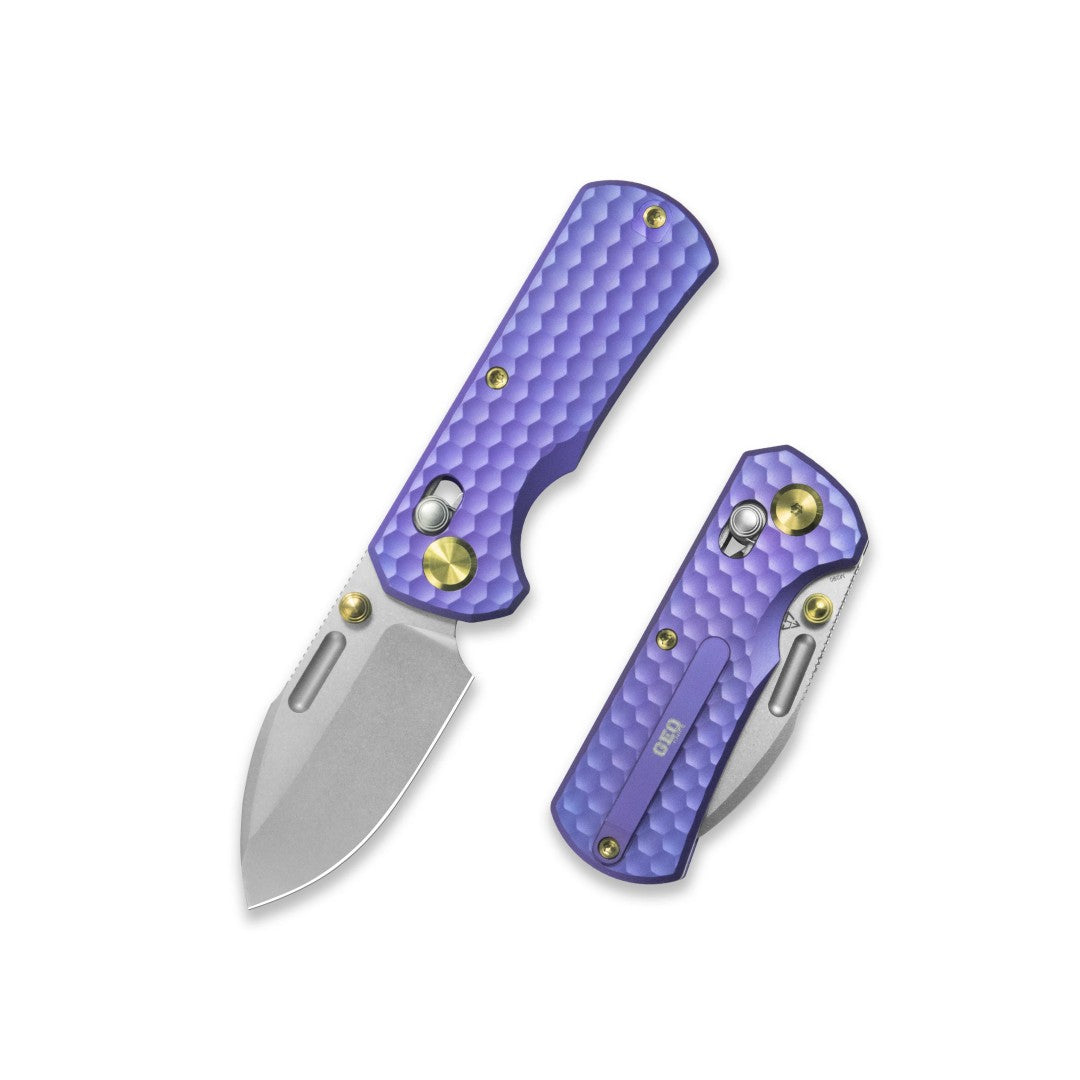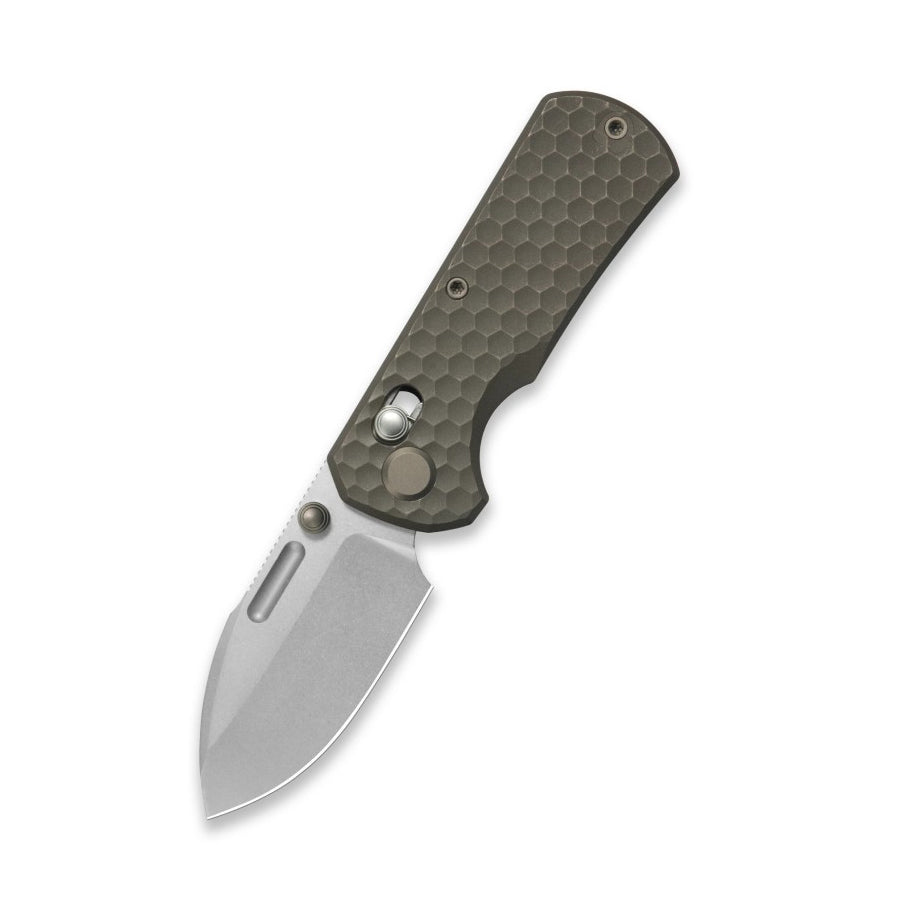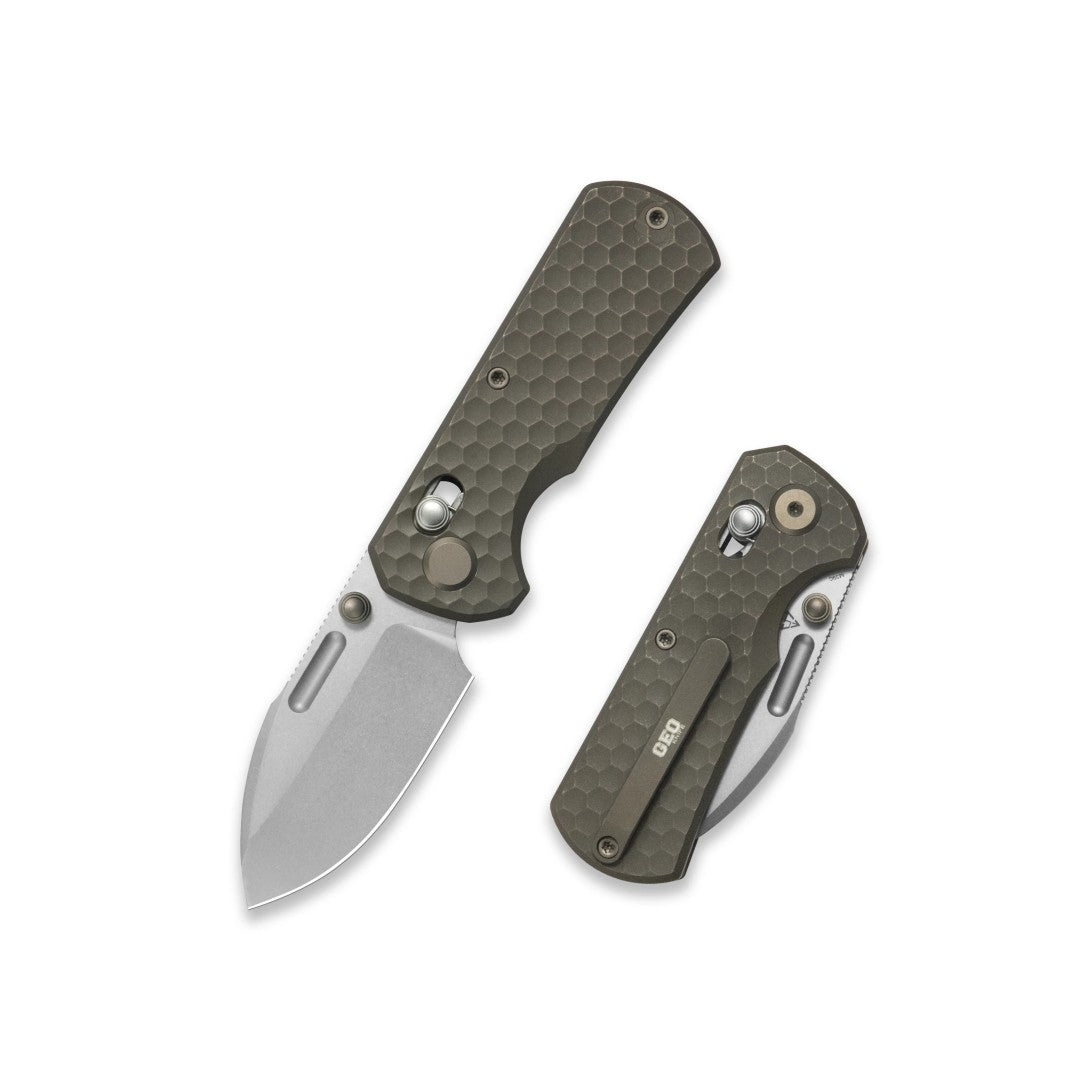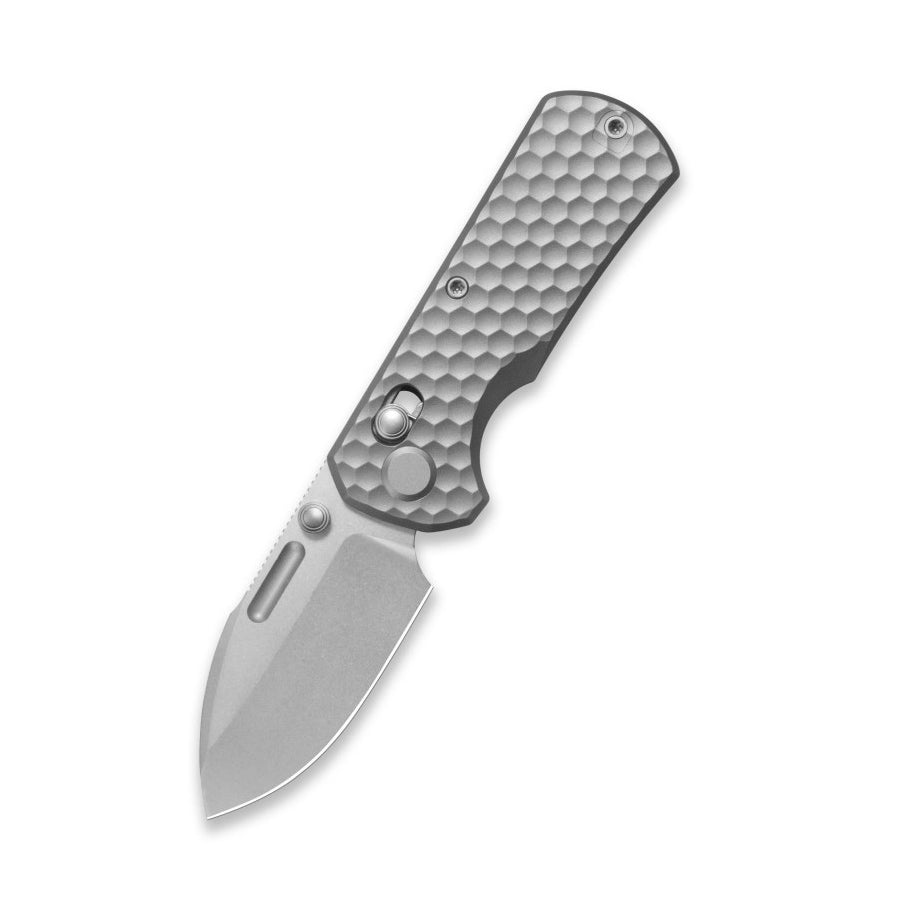

If you have been researching knives for any length of time, you have almost certainly encountered AUS‑8 steel. It is one of the most widely used and respected blade steels in the mid‑range market—appearing in everything from everyday carry folders to tactical knives, hunting blades, and even professional kitchen cutlery. But what exactly makes AUS‑8 so popular? Is it a good choice for your next knife, or should you look for something newer and more advanced?
This comprehensive guide will walk you through everything you need to know about AUS‑8 steel—from its Japanese origins and chemical composition to its real‑world performance, how it compares to other common blade steels, and whether it is the right choice for your needs.
What Is AUS‑8 Steel? A Quick Definition
AUS‑8 is a martensitic stainless steel developed by Aichi Steel Corporation in Japan. It belongs to the AUS family of steels, which also includes AUS‑6 (lower carbon) and AUS‑10 (higher carbon). AUS‑8 sits in the middle of this family, offering a well‑balanced combination of corrosion resistance, toughness, and ease of sharpening that has made it a staple in the knife world for decades.
In simple terms, AUS‑8 is a “middle‑of‑the‑road” premium stainless steel—it is not the hardest or most wear‑resistant steel on the market, but it delivers reliable, no‑nonsense performance at a very attractive price point. It has become the Chinese steel 8Cr13MoV’s direct equivalent, with nearly identical composition and performance characteristics.
A Brief History of AUS‑8 Steel
The story of AUS‑8 begins in post‑war Japan. In 1960, Fukami Steel Company was founded, and in 1968 they introduced AUS‑4 and AUS‑6. AUS‑6 was a stainless steel with moderate carbon and small additions of molybdenum and vanadium, very similar to Sandvik’s 12C27.
AUS‑8 was introduced in the 1970s as a direct evolution of AUS‑6, with carbon increased to approximately 0.8%. AUS‑6 and AUS‑8 quickly became very common in Japanese factory knives, including Kershaw’s imported knives introduced in the late 1970s. The steel gained widespread popularity in the 1990s and early 2000s as knife manufacturers sought an alternative to the commonly used 440 series stainless steels. Compared to 440A and 440B, AUS‑8 offered better edge retention and slightly improved toughness.
Today, AUS‑8 remains a trusted and respected steel, used by major brands including Cold Steel, SOG, Ka‑Bar, Ontario Knife Company, and many others.
The Chemical Composition of AUS‑8 Steel
Understanding the chemistry of AUS‑8 steel is key to understanding its performance. Here is the typical composition range for AUS‑8:
The ~0.75% carbon content is the key to AUS‑8’s character—it is high enough to achieve good hardness and edge retention, but low enough to maintain excellent toughness and ease of sharpening. The 13–14.5% chromium provides good corrosion resistance, while the small additions of molybdenum and vanadium refine the grain structure and improve wear resistance beyond what simple stainless steels can achieve.
Key Properties and Performance
Hardness
After proper heat treatment, AUS‑8 typically achieves a hardness of 57–59 HRC on the Rockwell scale, with some reports reaching up to 60 HRC. This is a moderate hardness range that balances edge retention with toughness—hard enough to hold a good edge, but not so hard that the blade becomes brittle or difficult to sharpen.
Edge Retention
AUS‑8 offers decent to good edge retention. While it will not hold an edge as long as higher‑carbon steels like 440C or premium super steels like S30V, it provides enough retention to handle most everyday cutting tasks with minimal fuss. Users consistently report being impressed with its edge retention in real‑world use, noting that AUS‑8 takes a razor edge and holds it well through normal cutting.
Toughness
Toughness is one of AUS‑8’s standout strengths. For a stainless steel, its toughness is notable, giving it good resistance to chipping during heavy use. The addition of nickel (0.49%) and the refined grain structure from vanadium contribute to this toughness, making AUS‑8 blades less likely to chip or crack under lateral stress or impact.
Corrosion Resistance
With 13–14.5% chromium plus a small molybdenum addition, AUS‑8 offers good corrosion resistance—though not exceptional. Compared to 440C, AUS‑8 has slightly better corrosion resistance (due to its lower carbon content leaving more free chromium available) but slightly lower hardness. The addition of molybdenum also helps combat localized pitting corrosion. For everyday use in humid or wet environments, AUS‑8 performs admirably, though prolonged saltwater exposure is not recommended without proper care.
Ease of Sharpening
This is one of AUS‑8’s most beloved characteristics. The steel sharpens readily with basic tools, making it user‑friendly for those who may not have access to professional sharpening equipment. Many users report that AUS‑8 takes a razor edge with minimal effort and is forgiving even for beginners. Compared to harder steels like 440C or VG‑10, AUS‑8 is significantly easier to maintain in the field—a quality that has made it especially favored among tactical and outdoor knife users.
Wear Resistance
AUS‑8 offers moderate wear resistance, offering slightly better edge retention than lower‑grade stainless steels but falling short of premium steels with higher carbon or vanadium content. For most general cutting tasks—opening packages, food preparation, camping chores—the wear resistance is perfectly adequate. For heavy, abrasive cutting (e.g., cutting through hundreds of cardboard boxes or abrasive rope), a more wear‑resistant steel would be a better choice.
AUS‑8 vs. Other Knife Steels
AUS‑8 vs. 440C
440C is a higher‑carbon (0.95‑1.20%) stainless steel that excels in hardness and edge retention. 440C offers superior edge retention compared to AUS‑8, but it is also more difficult to sharpen and slightly less corrosion‑resistant. AUS‑8, by contrast, offers a better balance of toughness, easy sharpening, and moderate corrosion resistance. Choose 440C if maximum edge retention is your priority; choose AUS‑8 if you value ease of maintenance and overall balance.
AUS‑8 vs. 8Cr13MoV
8Cr13MoV is the direct Chinese equivalent of AUS‑8, with nearly identical composition and performance. In real‑world use, the differences are negligible. If you see a knife labeled 8Cr13MoV, you can expect essentially the same performance as AUS‑8, though quality control and heat treatment may vary by manufacturer.
AUS‑8 vs. VG‑10
VG‑10 is a Japanese stainless steel with higher carbon (approximately 1%) and the addition of cobalt. VG‑10 is harder and provides better edge retention than AUS‑8, but it is more difficult to sharpen and more prone to chipping under impact. AUS‑8 is easier to maintain and more forgiving in daily use, making it a better choice for users who prefer low maintenance over ultimate edge retention.
AUS‑8 vs. 154CM
154CM is a premium stainless steel with higher carbon (1.05%) and 4% molybdenum. 154CM offers superior edge retention and wear resistance compared to AUS‑8, but it is also more difficult to sharpen and more expensive. AUS‑8 is tougher and significantly easier to maintain, making it a better choice for hard‑use applications where chipping resistance matters.
AUS‑8 vs. AUS‑10
AUS‑10 is the higher‑carbon member of the AUS family, with approximately 1.0% carbon. AUS‑10 offers better edge retention and toughness than AUS‑8, but it requires more care during sharpening and is slightly less forgiving in use. AUS‑8 is softer, easier to sharpen, and more suited for users who want consistent performance without special maintenance.
What Is AUS‑8 Steel Best Used For?
Thanks to its balanced combination of properties, AUS‑8 is incredibly versatile. Common applications include:
-
Everyday Carry (EDC) Folding Knives – AUS‑8’s ease of sharpening and good corrosion resistance make it ideal for daily pocket carry. The Ontario RAT folders, widely appreciated by bushcrafters and EDC enthusiasts, are famous examples.
-
Tactical and Outdoor Knives – Cold Steel used AUS‑8 extensively in bestsellers like the Recon 1 and Voyager series. Its toughness and field‑sharpening ease make it a favorite for demanding conditions.
-
Hunting and Fishing Knives – The stainless nature makes AUS‑8 particularly appealing for field use where moisture is a constant factor.
-
Kitchen Cutlery – AUS‑8 performs reliably in the kitchen, offering a sharp edge and resistance to rust that holds up during daily prep. It is especially good for slicing vegetables and fruits, chopping herbs and garlic, and mincing ingredients evenly.
-
Survival and Bushcraft Knives – The combination of good toughness, easy field sharpening, and corrosion resistance makes AUS‑8 a practical choice for backcountry use.
-
General Utility and Work Knives – For users who need a reliable blade without breaking the bank, AUS‑8 delivers solid all‑around performance.
Pros and Cons of AUS‑8 Steel
Advantages
-
Excellent balance of properties – Good corrosion resistance, decent edge retention, and notable toughness all in one steel
-
Very easy to sharpen – Takes a razor edge with minimal effort; forgiving for beginners
-
Good toughness for a stainless steel – Resists chipping during heavy use
-
Good corrosion resistance – Suitable for humid and wet environments
-
Affordable and widely available – Used by many major knife brands at reasonable prices
-
Forgiving in use – Less prone to chipping than harder, more brittle steels
-
Proven track record – Decades of reliable performance in real‑world applications
Limitations
-
Moderate edge retention – Does not hold an edge as long as higher‑carbon or super steels
-
Moderate wear resistance – Not ideal for heavy, highly abrasive cutting tasks
-
Not exceptional in any single category – A jack‑of‑all‑trades, master of none
-
Performance depends on heat treatment – Poorly heat‑treated AUS‑8 will underperform
-
Not recommended for saltwater use – While corrosion resistance is good, prolonged saltwater exposure will eventually cause issues
Is AUS‑8 Steel Right for You?
AUS‑8 is an excellent choice for anyone who wants a reliable, easy‑to‑maintain knife without spending a fortune on premium super steels. It is not the best steel on the market, nor is it trying to be. Instead, it occupies a valuable sweet spot: affordable enough for everyday users, yet capable enough to handle most routine cutting tasks.
Choose AUS‑8 if you:
-
Want a budget‑friendly to mid‑range knife for everyday use
-
Value ease of sharpening over ultimate edge retention
-
Need good corrosion resistance for normal environments (but not extreme saltwater)
-
Appreciate toughness and resistance to chipping
-
Are new to knives and want a quality introduction without a high investment
-
Want a knife you can use hard and sharpen easily in the field
Look elsewhere if you:
-
Need extreme edge retention for prolonged, heavy cutting sessions
-
Require the absolute best wear resistance for abrasive materials
-
Want a steel that stays sharp for months between sharpenings
-
Need exceptional corrosion resistance for saltwater environments
-
Are willing to pay a premium for top‑tier performance
Final Thoughts
AUS‑8 steel may not have the glamour of powder metallurgy super steels like S30V or M390, but it has earned its reputation through decades of reliable, no‑nonsense performance. Developed by Aichi Steel in Japan and proven in countless knives from Cold Steel, SOG, Ontario, and many others, AUS‑8 offers a compelling combination of good corrosion resistance, notable toughness, decent edge retention, and exceptional ease of sharpening.
Whether you are a first‑time knife buyer, an outdoor enthusiast, a home cook, or a seasoned collector looking for a dependable workhorse, AUS‑8 is a steel that will serve you well without demanding special care or breaking the bank. It is a true classic for a reason.
Looking for knives made from AUS‑8 steel? Browse our collection to find EDC folders, tactical knives, hunting blades, and kitchen cutlery featuring this versatile Japanese stainless steel.