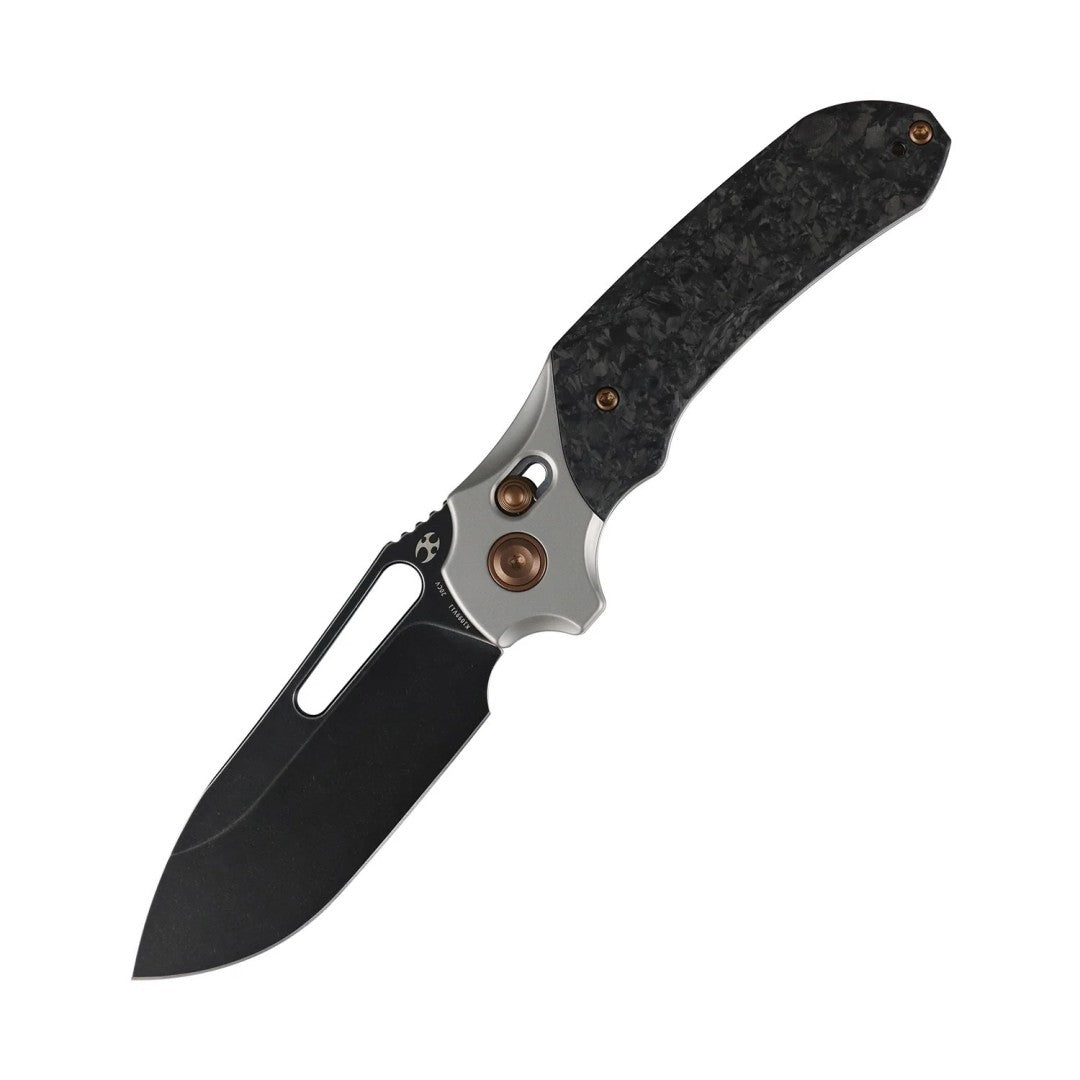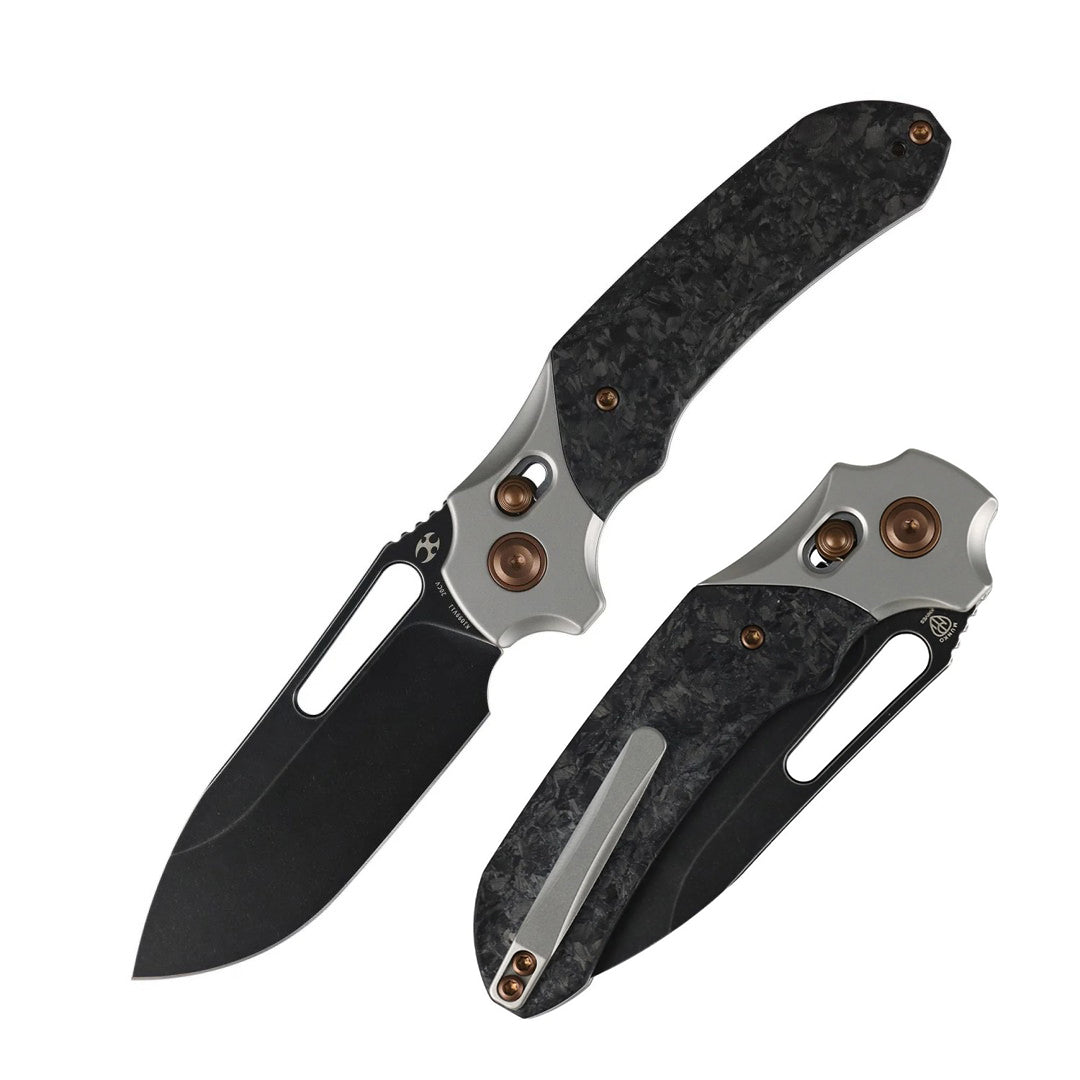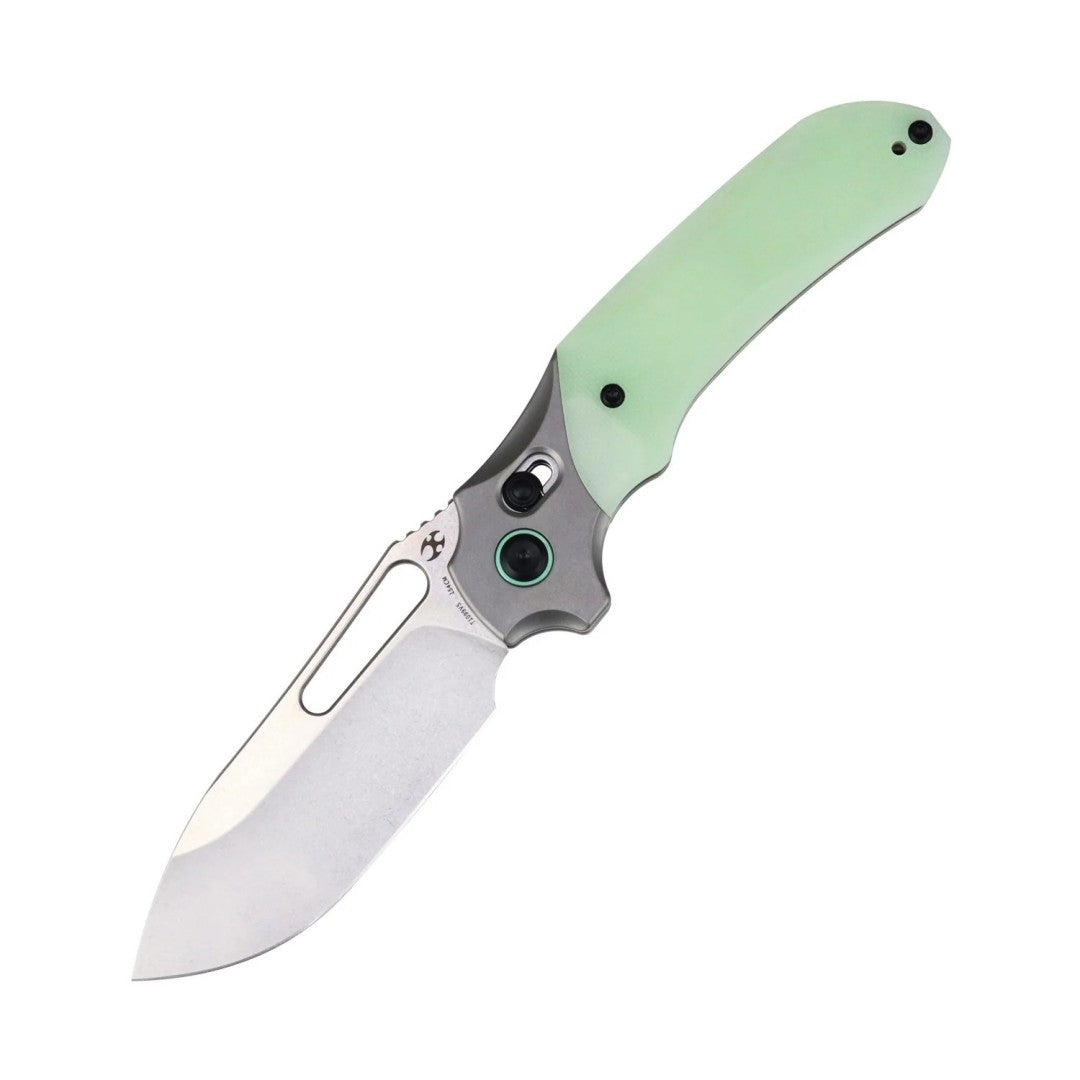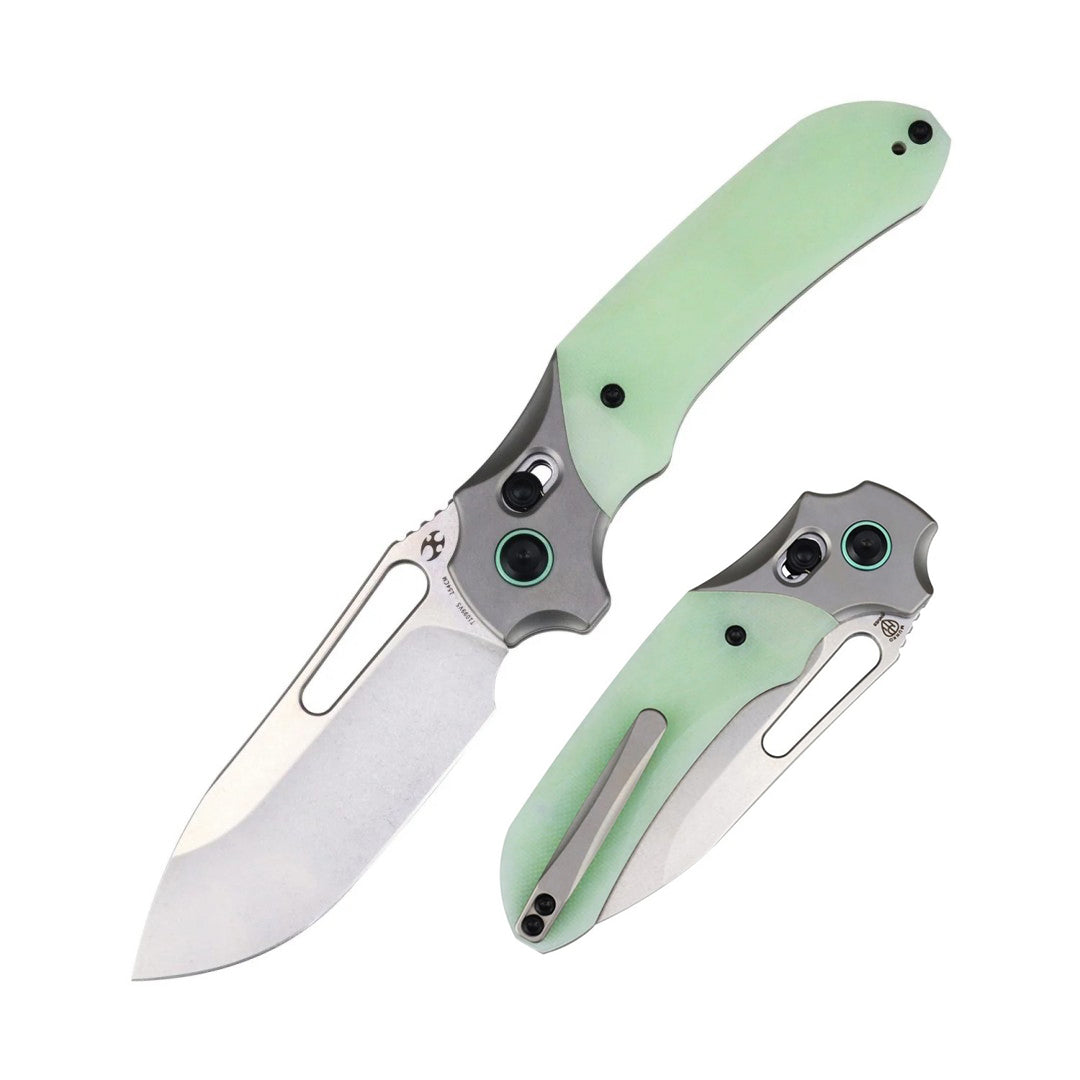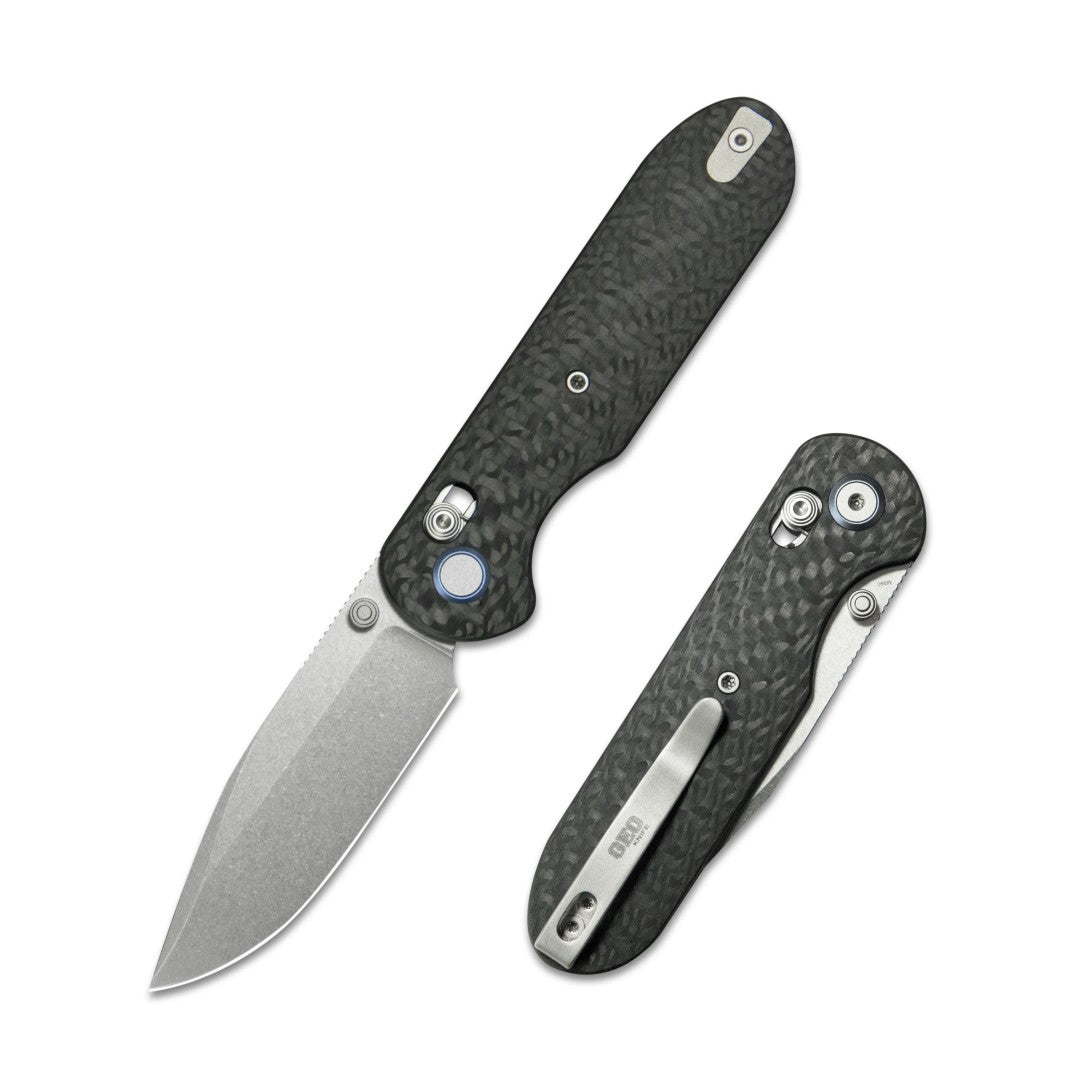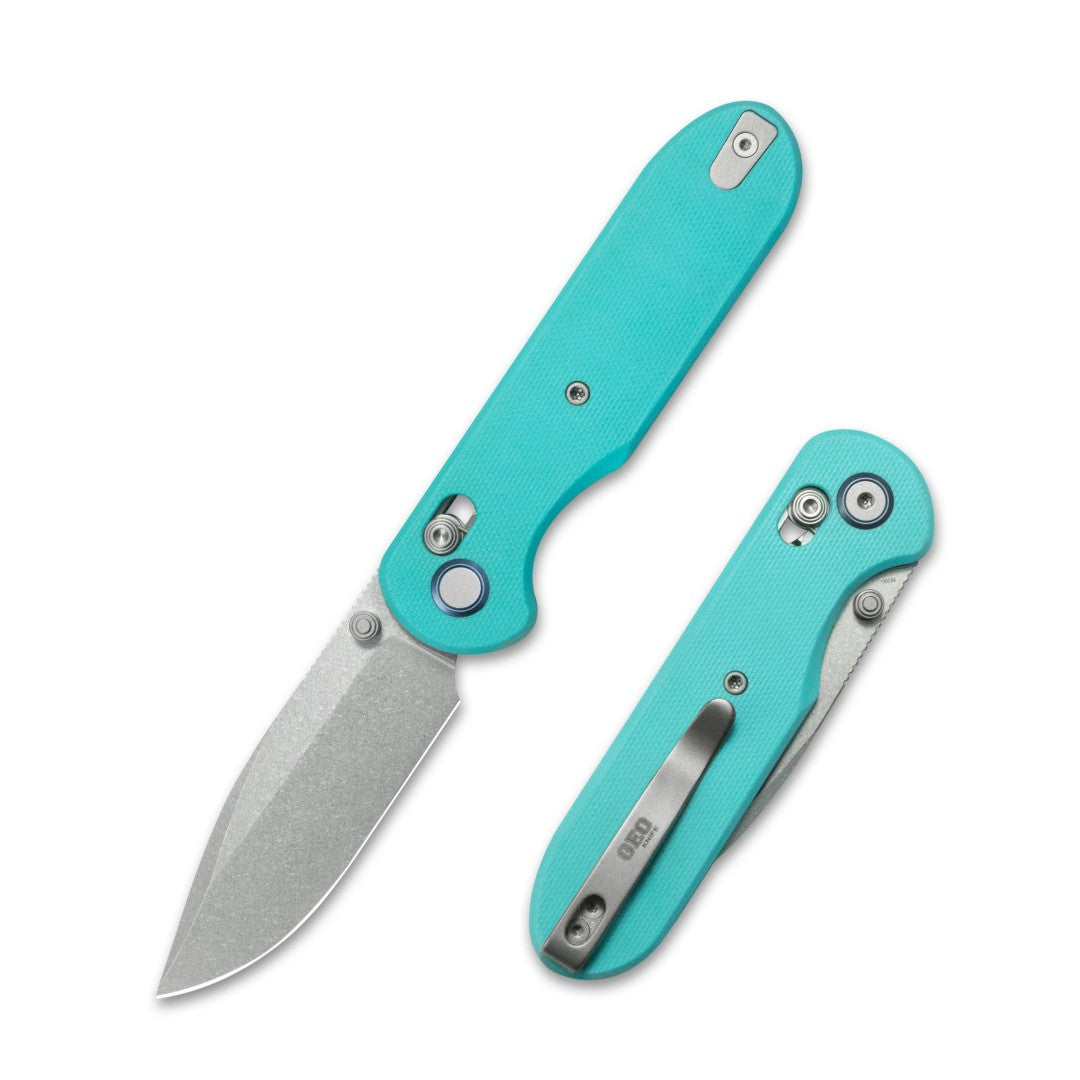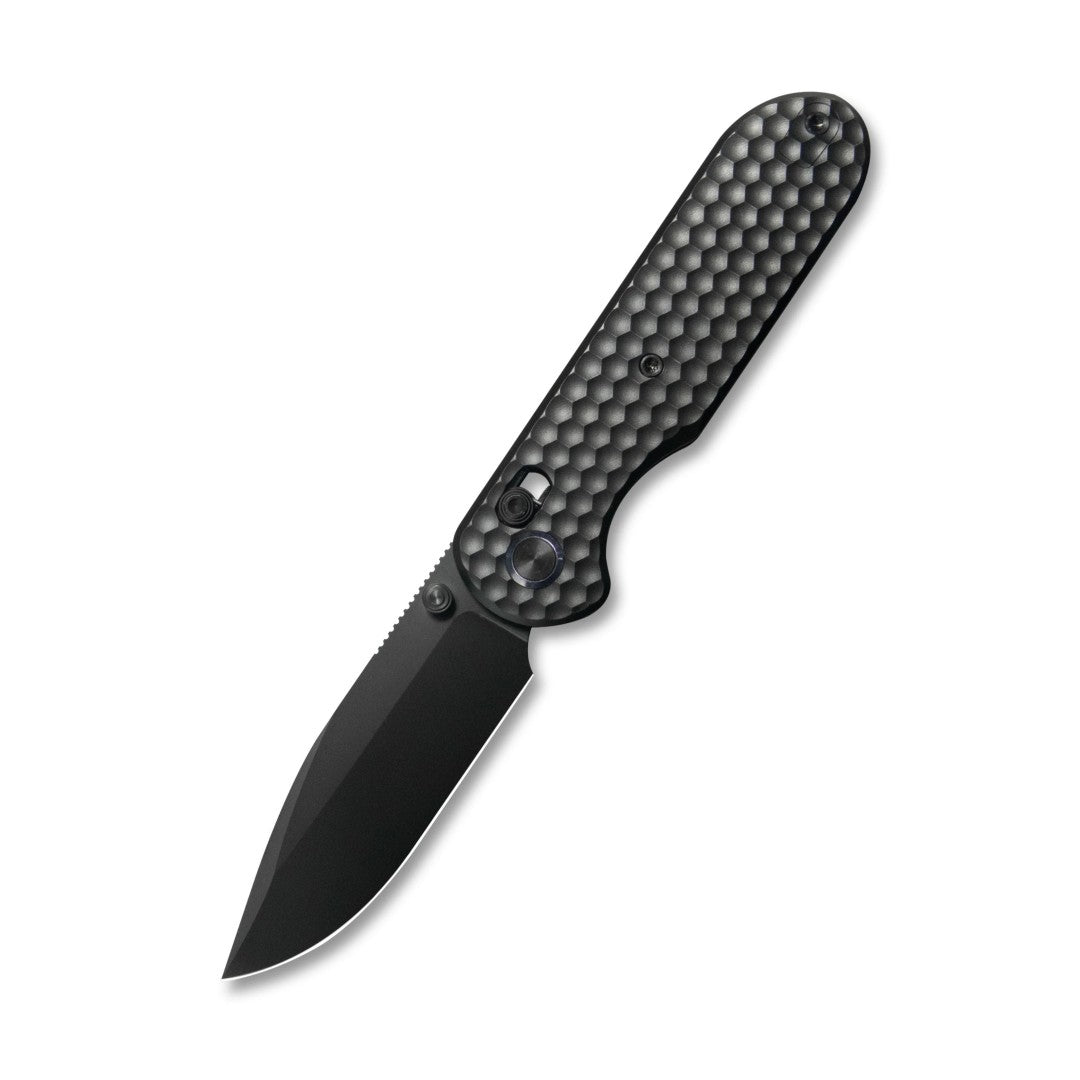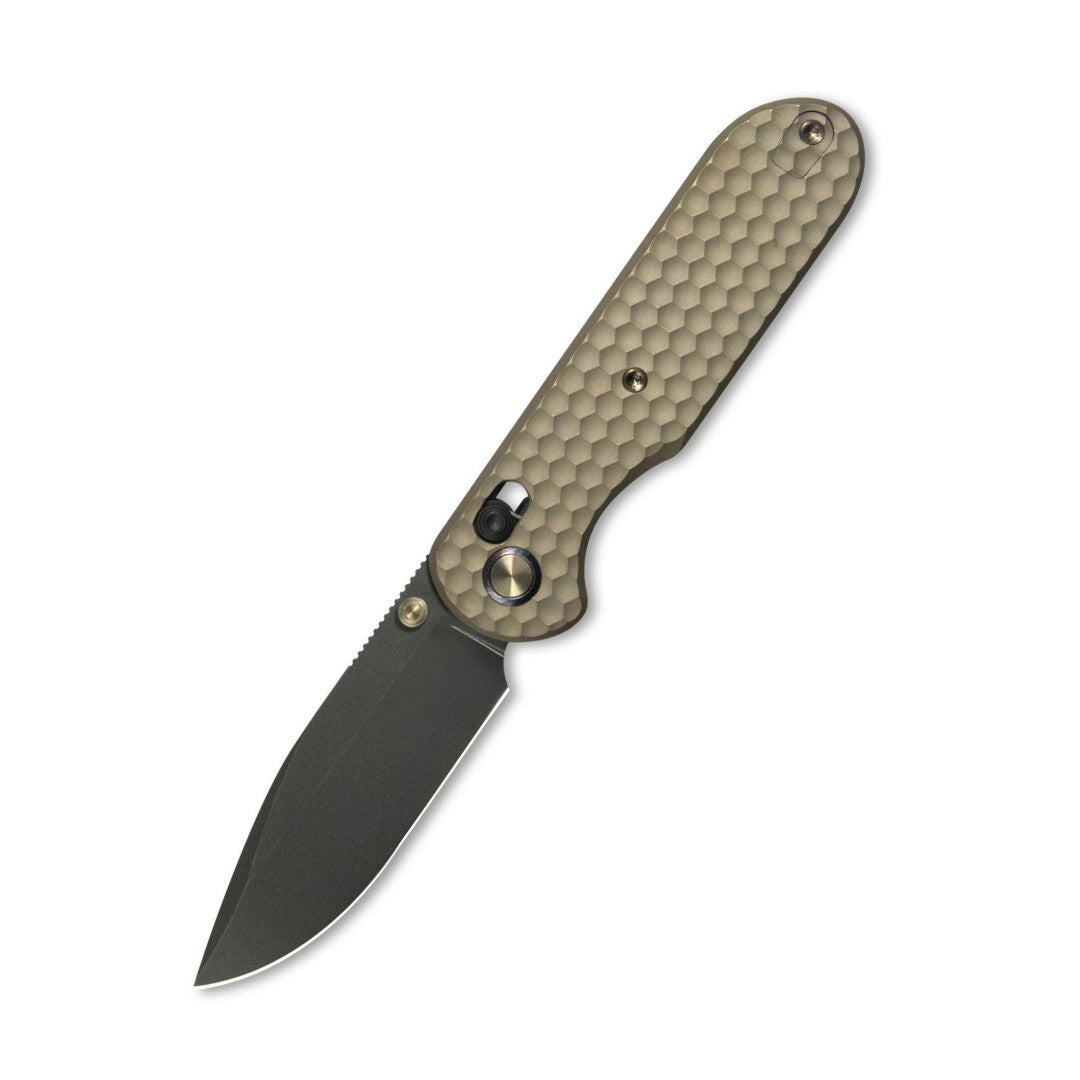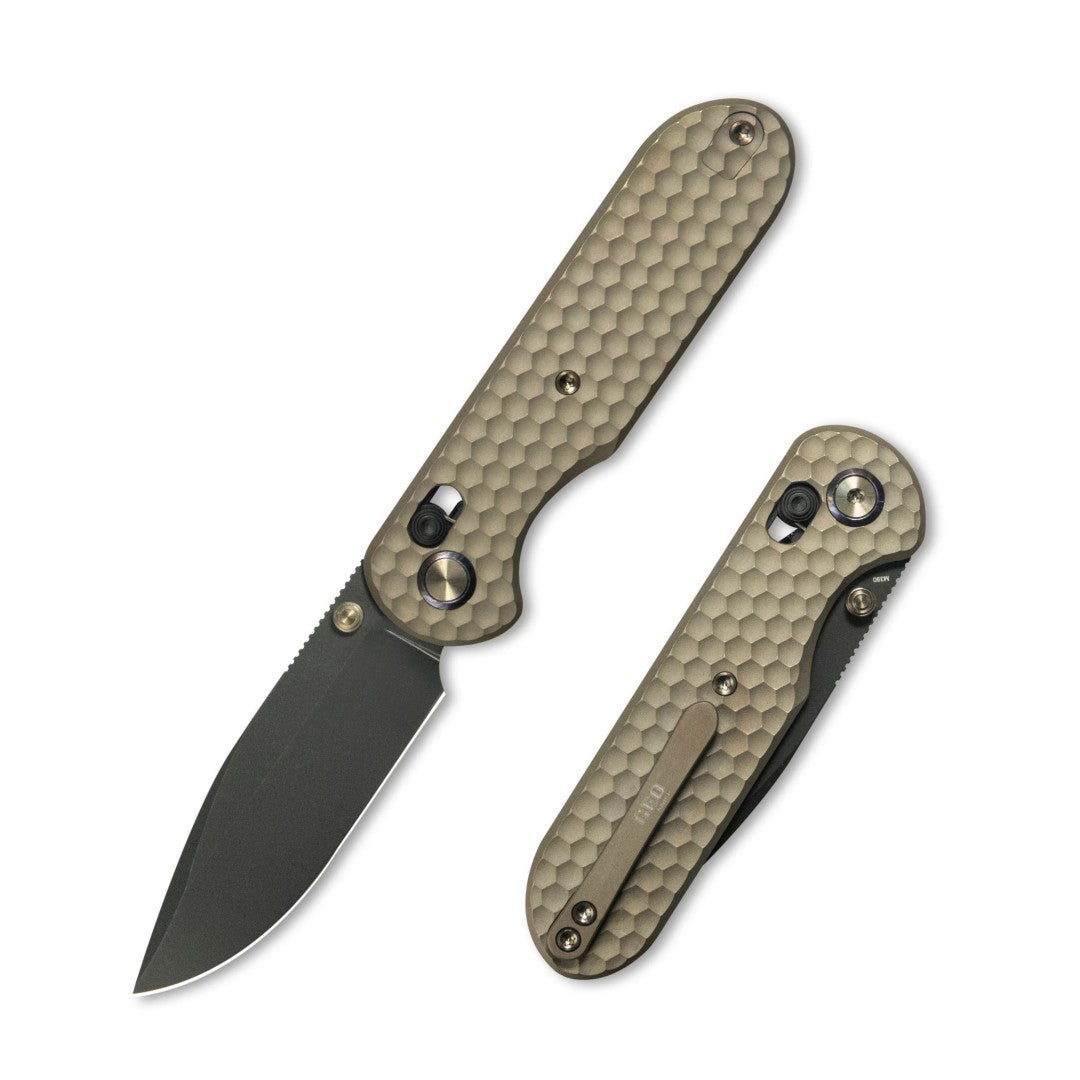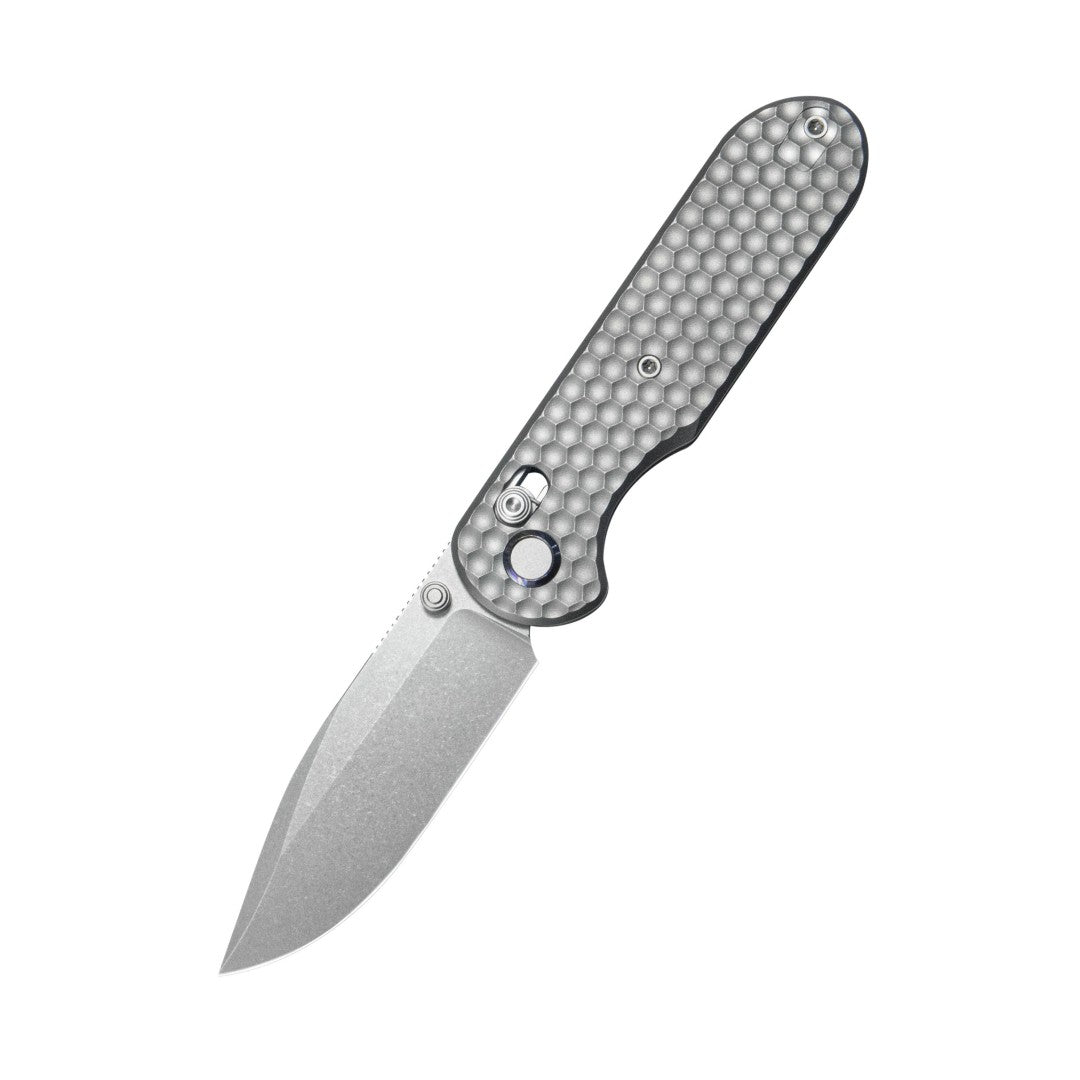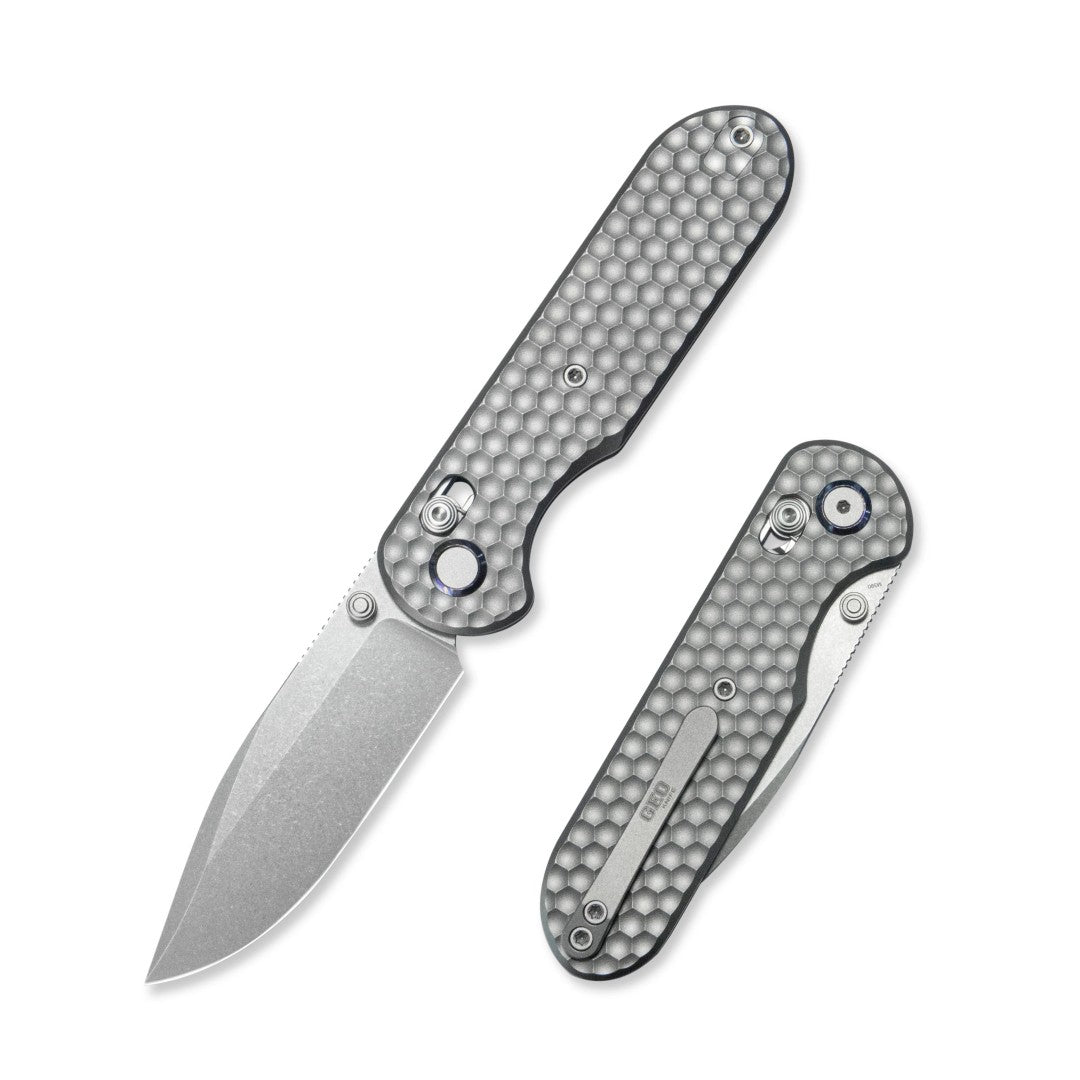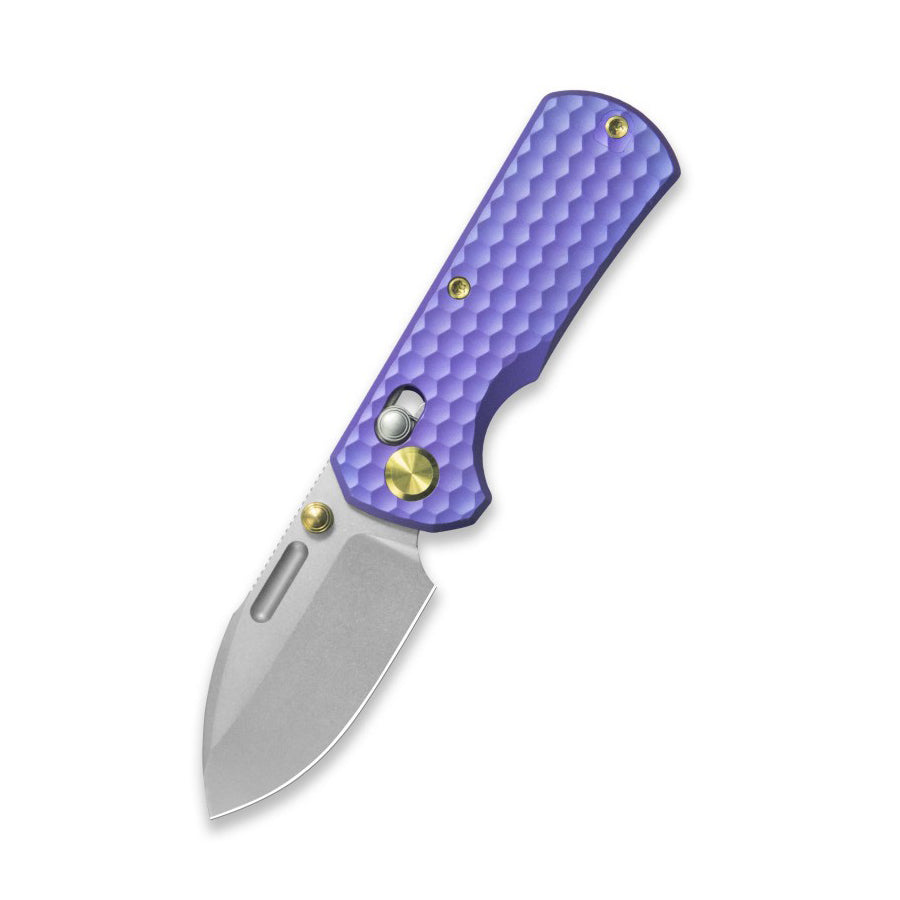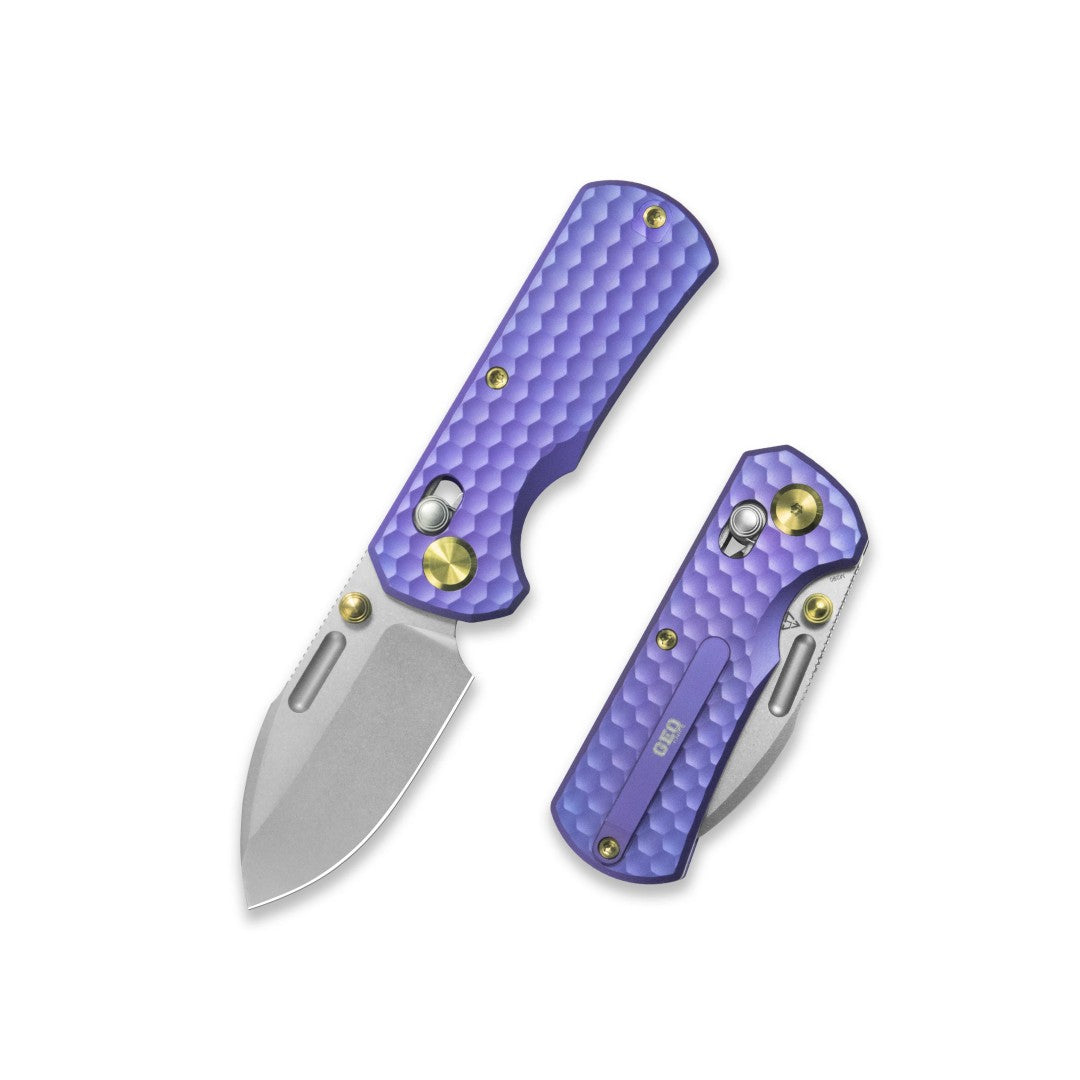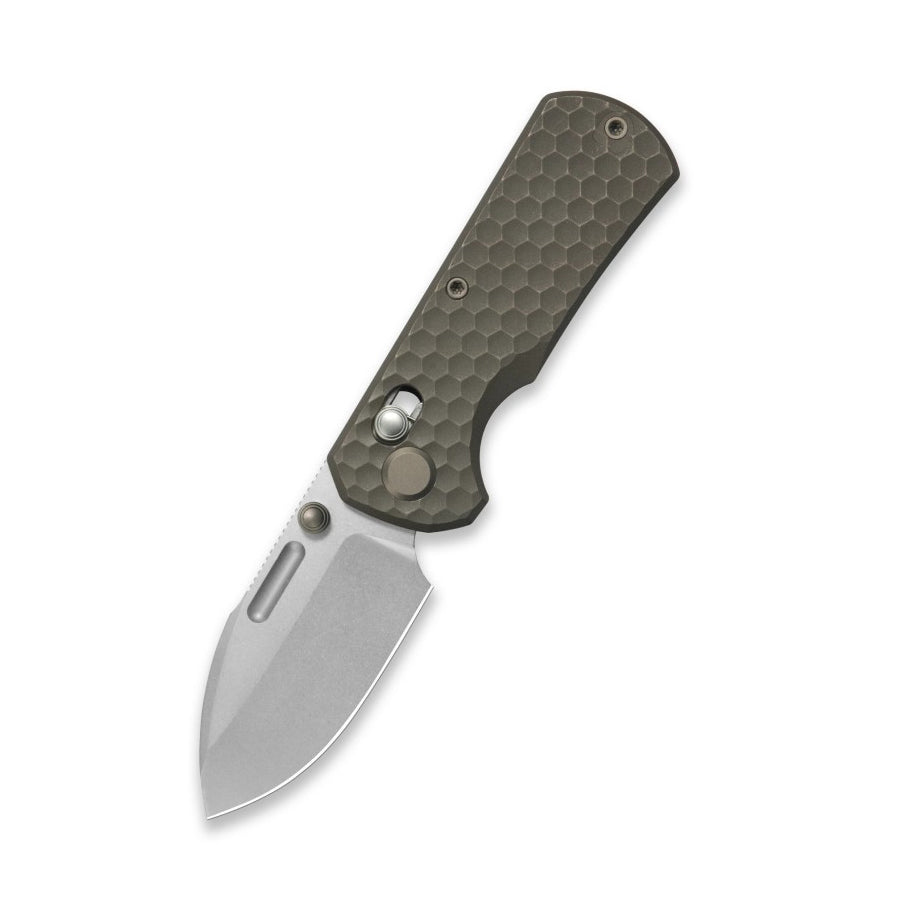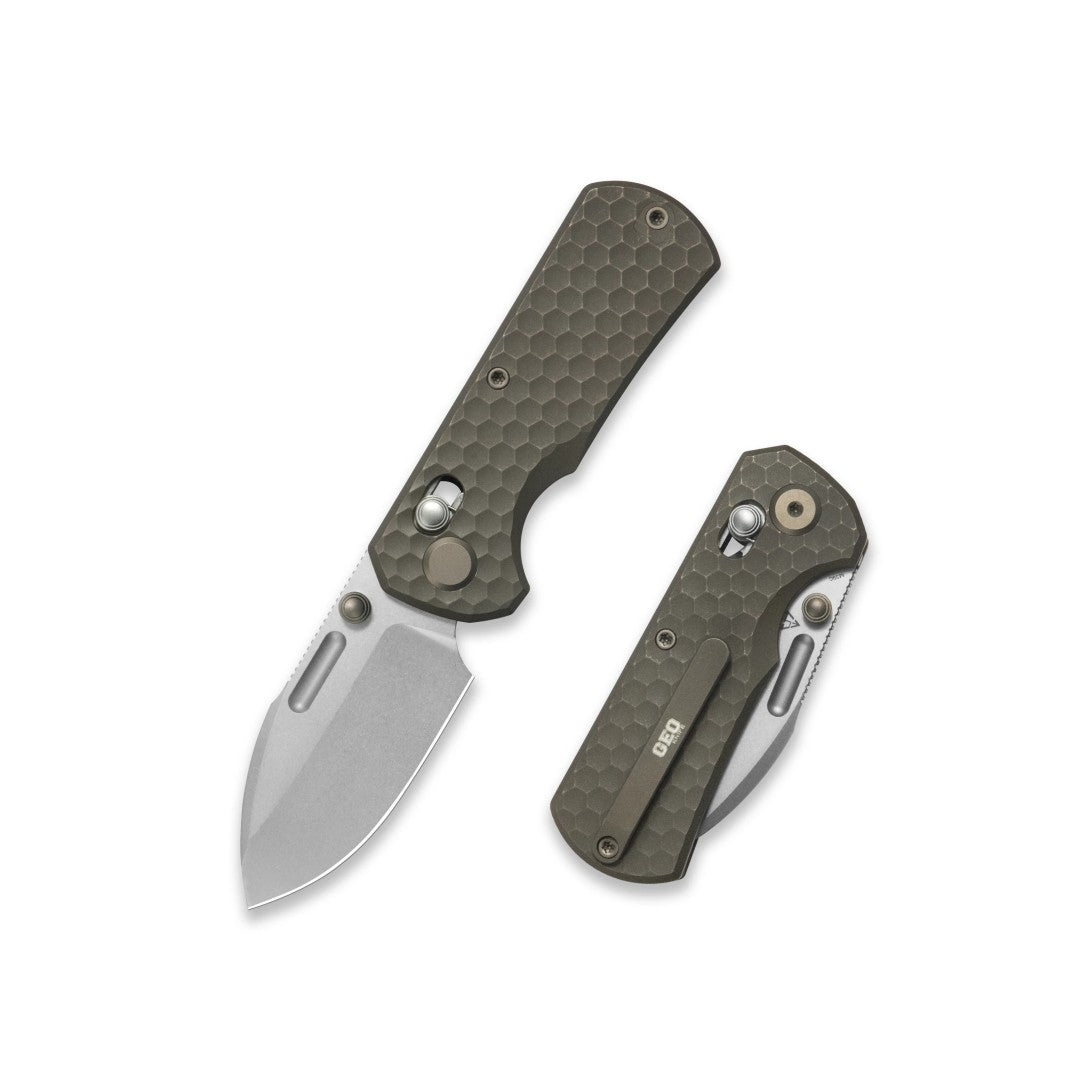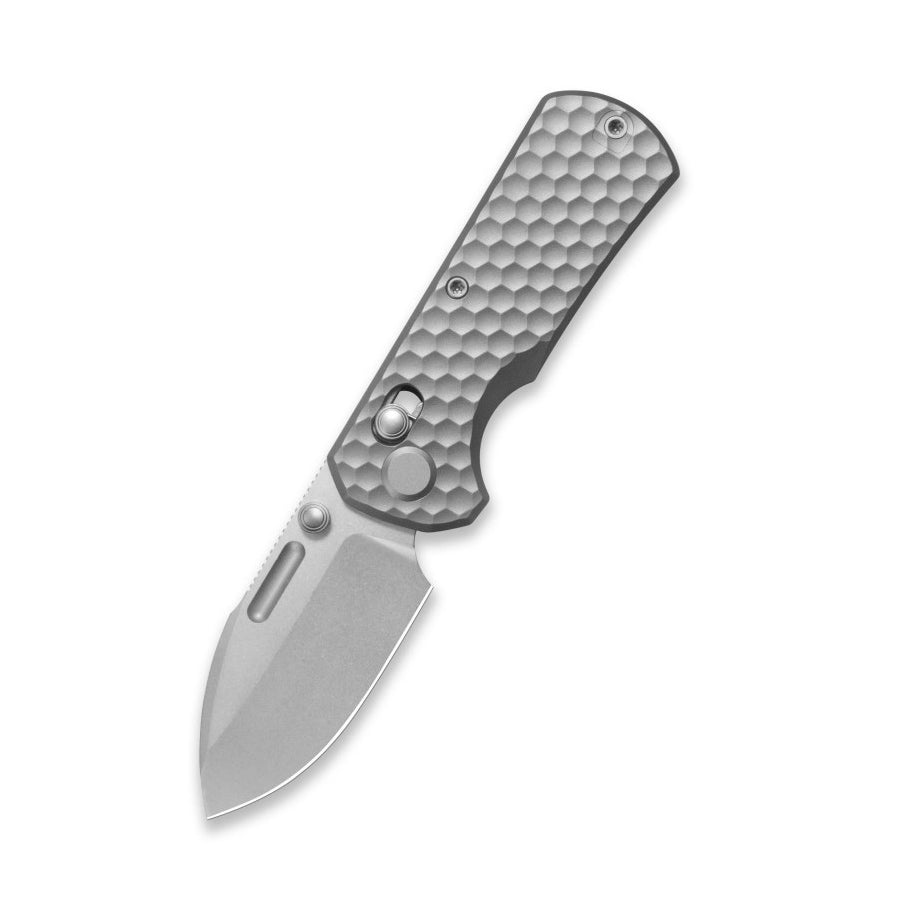

In the world of knife steels, you will find alloys that prioritize extreme edge retention, some that excel in corrosion resistance, and others that push hardness to the limit. But few steels can match the exceptional toughness and razor‑sharp edge stability of AEB‑L. Originally developed for the demanding world of industrial razor blades, AEB‑L has quietly become a favorite among custom knifemakers, culinary professionals, and outdoor enthusiasts who demand a blade that simply will not chip.
This comprehensive guide will walk you through everything you need to know about AEB‑L steel—from its fascinating history and chemical composition to its real‑world performance, how it compares to other popular blade steels, and why it might just be the best stainless steel you have never heard of.
What Is AEB‑L Steel? A Quick Definition
AEB‑L is a martensitic stainless steel originally developed by Uddeholm of Sweden for the production of razor blades. The “L” in AEB‑L stands for “low carbon,” distinguishing it from its predecessor AEB, which had a higher carbon content. By reducing carbon to approximately 0.67%, Uddeholm created a steel with a remarkably fine, uniform carbide structure that allows it to take an incredibly sharp edge while maintaining exceptional toughness and corrosion resistance.
In simple terms, AEB‑L is a stainless steel that behaves much like a simple carbon steel in use—it sharpens easily, takes a frighteningly keen edge, and resists chipping even under heavy use—but offers the corrosion protection of a true stainless alloy. It is the ultimate “best of both worlds” blade steel.
A Brief History of AEB‑L Steel
From Patents to Razor Blades
The story of AEB‑L begins with its predecessor, AEB, which was patented by Uddeholm in 1928—making it one of the earliest stainless steels on the market. AEB was developed during a time when companies were racing to circumvent the foundational stainless steel patents held by Harry Brearley and Elwood Haynes. With approximately 1% carbon and 13.5% chromium, AEB offered decent hardness and corrosion resistance, but its carbide structure was too coarse for truly fine edges.
The razor blade industry underwent a seismic shift in the 1950s and early 1960s. Wilkinson Sword introduced stainless razors on a broad scale in the early 1960s, disrupting the market so thoroughly that even industry giant Gillette saw massive losses—dropping 8% in 1963 and a further 11.5% in 1964. Uddeholm produced the majority of stainless steel for razors during this period, with 85% of the market supplied by the company in 1961.
It was in this competitive environment that AEB‑L emerged as a superior solution. The “L” represented a significant shift in composition—carbon was reduced to around 0.65‑0.70%, resulting in a much finer carbide structure. This change improved edge sharpness, toughness, cold‑rolling properties, and blanking performance during manufacturing. AEB‑L became the gold standard for razor blade steel, and it remains the No.1 steel grade for industrial knives to this day.
The Chemical Composition of AEB‑L Steel
The performance of any steel comes down to its chemistry. Here is the typical composition of AEB‑L:
Sources: Rockblade Kilns, Maritime Knife Supply, Barmond Sheffield
The 0.67% carbon content is the key to AEB‑L’s unique character. This is actually a moderate carbon level for a blade steel—significantly lower than 440C (0.95‑1.20%) but higher than many budget stainless steels. This moderate carbon content, combined with precise heat treatment, produces a microstructure of extremely fine, uniformly distributed carbides, typically below 1 micron in size. For comparison, the carbides in 440C can exceed 10 microns. This fine grain structure is what gives AEB‑L its legendary toughness and its ability to take a razor‑sharp edge.
AEB‑L and Its Equivalent: Sandvik 13C26
It is important to note that Sandvik 13C26 is essentially identical to AEB‑L, with variations in composition of only 0.1%. Sandvik developed 13C26 as their own version of the same razor blade steel concept. In practice, the two are interchangeable, and any performance differences are negligible. You may also see references to German W‑Nr 1.4037, which is very similar.
Key Properties and Performance
Hardness
After proper heat treatment, AEB‑L typically achieves a hardness of 60–64 HRC, with the ability to reach up to 65 HRC when optimized with cryogenic treatment. At 1080°C austenitizing followed by liquid nitrogen treatment, as‑quenched hardness can reach 65 HRC. The working hardness range of 60‑64 HRC gives knifemakers tremendous flexibility depending on the intended use of the blade.
Toughness
Toughness is the defining characteristic of AEB‑L steel. It is widely considered the toughest stainless steel available for knife making, and it surpasses many carbon and tool steels as well. One source rates AEB‑L’s toughness as 9 out of 10—extremely high toughness, suitable for any size of blade from scalpels and razors to machetes and swords.
In quantitative terms, AEB‑L has approximately twice the toughness of CPM‑154 at comparable hardness levels, making it far more resistant to chipping and cracking under impact or lateral stress. This exceptional toughness means that AEB‑L blades can be ground very thin behind the edge without fear of edge failure—a property that directly translates into superior cutting performance.
However, it is worth noting that toughness decreases significantly as hardness increases. Going from 60 HRC to roughly 63 HRC causes the steel to lose more than half of its toughness in favor of hardness and edge retention. This trade‑off must be considered when selecting a heat treatment target.
Edge Retention
AEB‑L offers moderate edge retention that is often rated as 3 out of 10—better than almost all carbon steels but lower than most premium stainless steels. This may sound unimpressive, but there is a crucial nuance.
Because AEB‑L is so tough, it can be ground to extremely thin, acute edge geometries that would cause more brittle steels to chip or fail. A thin, acute edge not only cuts better but also has much better edge retention than a thicker edge made of a more wear‑resistant steel. As Larrin Thomas of Knife Steel Nerds has demonstrated, AEB‑L knives can achieve both better cutting ability and superior edge retention than more wear‑resistant steels when used with an edge geometry where it excels.
In practical terms, an AEB‑L blade that is properly heat‑treated and ground thin will hold a working edge through many kitchen prep sessions or outdoor cutting tasks. However, for users who prioritize maximum abrasive wear resistance above all else, a higher‑carbide steel like D2 or M390 may be a better fit.
Edge Stability
One of AEB‑L’s most valuable properties is edge stability—the ability of the edge to resist micro‑chipping, rolling, or crumbling under use. The fine, uniform carbide distribution means that the edge wears evenly and predictably, rather than fracturing at large carbide particles. Users report that AEB‑L edges tend to roll rather than chip under stress, which is far easier to fix with a quick touch‑up on a fine stone.
Corrosion Resistance
With 13% chromium, AEB‑L offers good corrosion resistance—rated approximately 7 out of 10—on par with many other common stainless steels like CPM‑154 and Nitro‑V. While it does not have the extreme corrosion resistance of high‑chromium or nitrogen‑alloyed steels like 14C28N, it is more than adequate for most everyday use, including kitchen, outdoor, and EDC applications. However, for prolonged saltwater exposure, a steel with higher corrosion resistance would be a better choice.
Ease of Sharpening
AEB‑L is exceptionally easy to sharpen—far easier than most other stainless steels and comparable to simple carbon steels. This is a direct result of its fine carbide structure. Large, hard carbides (like those found in D2 or S30V) resist abrasion during sharpening, making the process slow and requiring diamond stones. AEB‑L’s small, evenly distributed carbides allow it to be sharpened quickly and easily with conventional aluminum oxide or ceramic stones. It also takes a full mirror polish finish beautifully, which is rare among stainless steels.
Wear Resistance
AEB‑L’s wear resistance is moderate, which is both an advantage and a limitation. The steel is easily blunted by highly abrasive wear, but this also means it is easy to grind, hand sand, and polish compared to other stainless steels—especially alloys high in vanadium. For knifemakers, this translates into reduced finishing time. For end users, it means the steel is easier to sharpen at home.
How AEB‑L Compares to Other Knife Steels
AEB‑L vs. Sandvik 14C28N
14C28N is Sandvik’s modern evolution of the razor blade steel concept, with the addition of nitrogen for improved corrosion resistance and hardness. At the same hardness (~61 HRC), AEB‑L has a toughness of approximately 32 foot‑pounds while 14C28N is around 30 foot‑pounds—very close, with AEB‑L holding a slight edge. 14C28N offers slightly better corrosion resistance due to its nitrogen content, but it trades away a little toughness. In practice, both are among the toughest and easiest‑to‑sharpen stainless steels available. Many users find the differences negligible in real‑world use.
AEB‑L vs. Sandvik 12C27
12C27 is Sandvik’s most well‑rounded knife steel, offering excellent edge performance and good corrosion resistance. AEB‑L and 12C27 are very close in composition and performance, with both offering fine carbide structures and good toughness. 12C27 may have slightly better corrosion resistance, while AEB‑L is generally considered to have slightly higher toughness at higher hardness levels.
AEB‑L vs. Nitro‑V
Nitro‑V is a modern stainless steel developed as an improved version of AEB‑L, incorporating nitrogen and a small amount of vanadium. Nitro‑V offers slightly better edge retention (rated 4/10 vs. AEB‑L’s 3/10) and slightly better corrosion resistance (8/10 vs. 7/10). However, AEB‑L is approximately 15% less expensive than Nitro‑V, and many users report no discernible performance difference in actual use. Both are excellent choices, but AEB‑L offers better value for money.
AEB‑L vs. CPM‑154
CPM‑154 is a premium powder metallurgy stainless steel with superior edge retention and wear resistance compared to AEB‑L. However, AEB‑L is approximately twice as tough as CPM‑154 at comparable hardness levels, making it far more resistant to chipping under impact. For thin‑bladed kitchen knives or outdoor blades that may see lateral stress, AEB‑L’s toughness is a significant advantage. For users who prioritize edge retention above all else and are willing to accept lower toughness, CPM‑154 is the better choice.
AEB‑L vs. 440C
440C is a high‑carbon stainless steel that is significantly harder and more wear‑resistant than AEB‑L, but it is also much more brittle and difficult to sharpen. AEB‑L offers superior toughness, better edge stability, and easier sharpening, while 440C offers better edge retention and wear resistance. For heavy‑use outdoor knives that may be subjected to impact, AEB‑L is the safer choice. For blades that will see primarily abrasive cutting in clean conditions, 440C may perform better.
What Is AEB‑L Steel Best Used For?
Thanks to its unique combination of properties, AEB‑L is incredibly versatile. Common applications include:
-
Kitchen Cutlery (Chef’s Knives, Gyutos, Paring Knives) – The ability to take an extremely thin, acute edge makes AEB‑L a favorite among culinary professionals. It resists chipping on bones or hard foods, sharpens easily, and offers excellent corrosion resistance for acidic foods.
-
Bushcraft and Outdoor Knives – Exceptional toughness and good corrosion resistance make AEB‑L ideal for knives that will be used for carving, feather sticking, and general camp tasks. It can be ground thin for fine woodwork while still resisting edge damage.
-
Everyday Carry (EDC) Folding Knives – Easy sharpening and excellent edge stability make AEB‑L a practical choice for daily carry tasks.
-
Razors and Scalpels – As the steel’s original application, AEB‑L continues to excel in applications requiring the absolute keenest possible edge.
-
Fillet and Fishing Knives – Good corrosion resistance and toughness make AEB‑L suitable for wet environments and flexing applications.
-
Scissors and Shears – The steel’s ability to take a fine edge and resist chipping makes it ideal for cutting tools that see repetitive use.
Notable Brands Using AEB‑L
Brands that have released models in AEB‑L include Bark River, Bradford Knives, Kizer, L.T. Wright Knives, Spyderco, and Buck Knives among others. In the custom realm, AEB‑L is widely praised for being easy to work with, highly polishable, and forgiving in heat treatment—an ideal steel for both new makers and seasoned metallurgists.
Pros and Cons of AEB‑L Steel
Advantages
-
Exceptional toughness – Arguably the toughest stainless steel available for knife making; resistant to chipping and cracking
-
Extremely fine grain structure – Takes an incredibly sharp, razor‑like edge
-
Excellent edge stability – Edges wear evenly and resist micro‑chipping
-
Very easy to sharpen – Can be sharpened quickly with conventional stones, not diamond
-
Good corrosion resistance – Sufficient for most everyday and kitchen applications
-
Can be ground very thin – Superior cutting performance due to thin edge geometries
-
Takes a mirror polish – Achieves a beautiful, high‑luster finish
-
Excellent value – More affordable than many premium powder metallurgy steels
Limitations
-
Moderate edge retention – Does not hold an edge as long as high‑carbide steels like D2, M390, or CPM‑154 in highly abrasive cutting
-
Moderate wear resistance – Blunts more quickly in abrasive materials (cardboard, rope, etc.)
-
Not extreme corrosion resistance – Not recommended for prolonged saltwater exposure
-
Performance depends heavily on heat treatment – Requires proper thermal processing to achieve full potential
-
Toughness decreases significantly at higher hardness – Users must balance hardness and toughness based on intended use
Is AEB‑L Steel Right for You?
AEB‑L is an excellent choice for anyone who values toughness, ease of sharpening, and the ability to take an incredibly sharp edge over maximum abrasive wear resistance. It is not the right steel for every application, but for many users, it is the best‑kept secret in the knife steel world.
Choose AEB‑L if you:
-
Want a blade that takes and holds a razor‑sharp, high‑performance edge
-
Need exceptional toughness for outdoor, bushcraft, or hard‑use applications
-
Prefer a steel that is easy to sharpen at home with conventional stones
-
Value edge stability and resistance to chipping
-
Use your knife for kitchen prep, hunting, fishing, or general EDC
-
Want a stainless steel that behaves like a carbon steel
Look elsewhere if you:
-
Need maximum abrasive wear resistance for cutting thousands of boxes or rope
-
Require extreme corrosion resistance for saltwater environments (consider 14C28N or LC200N)
-
Are unwilling to accept moderate edge retention in exchange for other benefits
-
Prefer a steel that stays sharp for months between sharpenings (though at the cost of more difficult sharpening)
Final Thoughts
AEB‑L steel is a true unsung hero of the knife steel world. Born from the fierce competition of the razor blade industry and refined over decades of metallurgical expertise, it offers a combination of properties that few other steels can match: exceptional toughness, a remarkably fine grain structure, easy sharpening, and good corrosion resistance.
It may not have the flashy name recognition of modern powder metallurgy super steels, but AEB‑L has earned its reputation the hard way—through decades of real‑world performance. Whether you are a professional chef, an outdoor enthusiast, a knifemaker, or simply someone who appreciates a truly sharp blade, AEB‑L deserves a place in your collection.
Looking for knives made from AEB‑L steel? Browse our collection to find premium kitchen cutlery, outdoor knives, and EDC blades featuring this legendary ultra‑tough stainless steel.