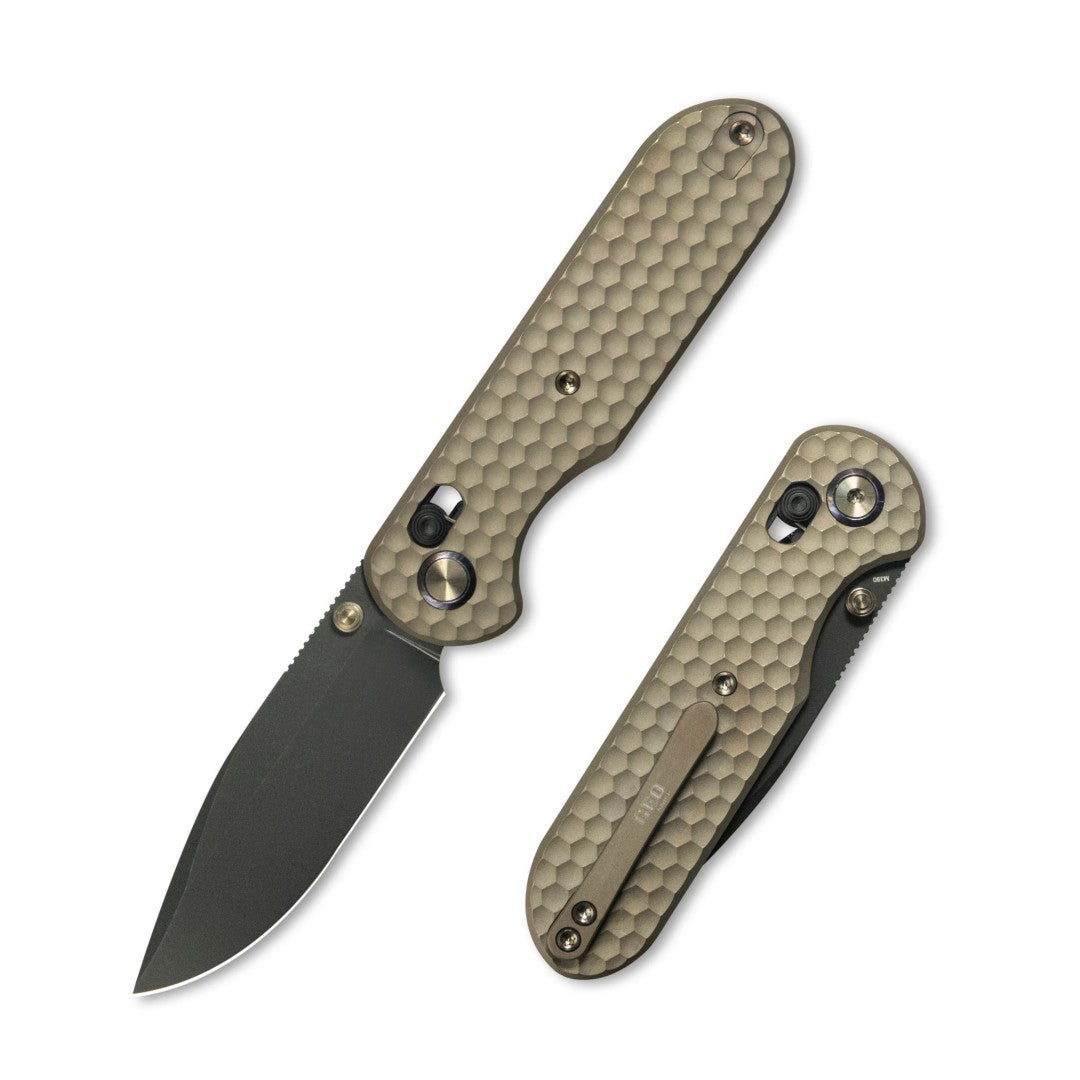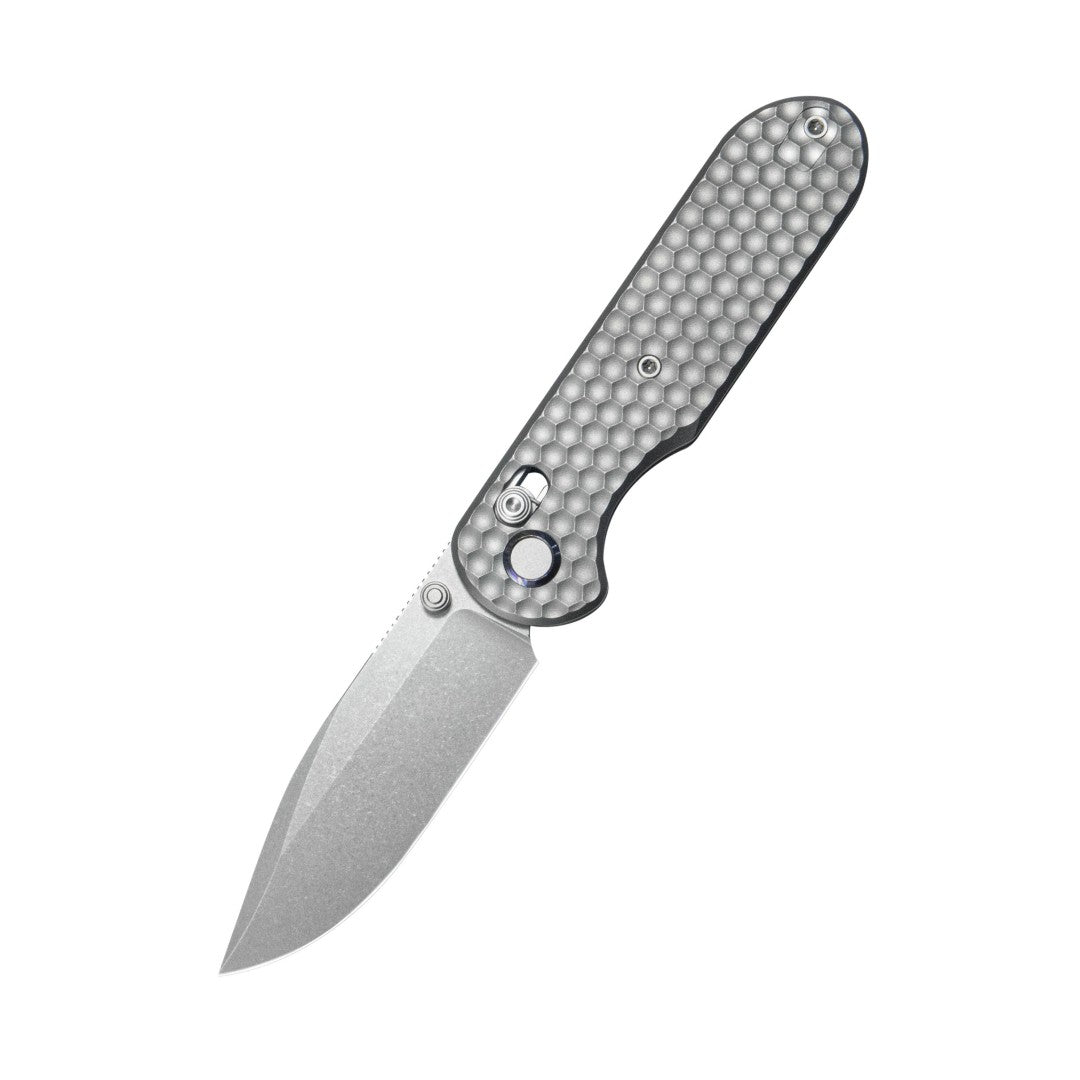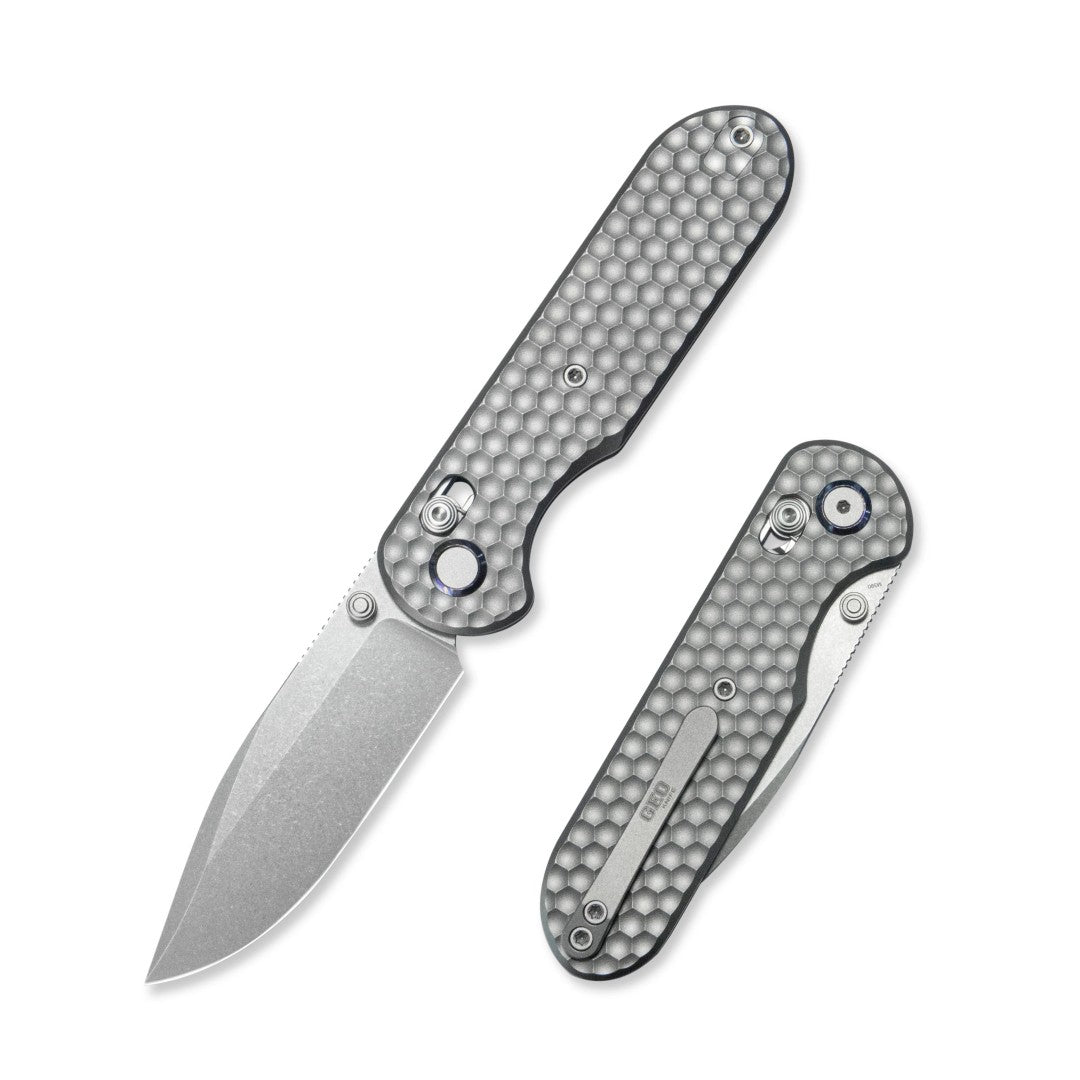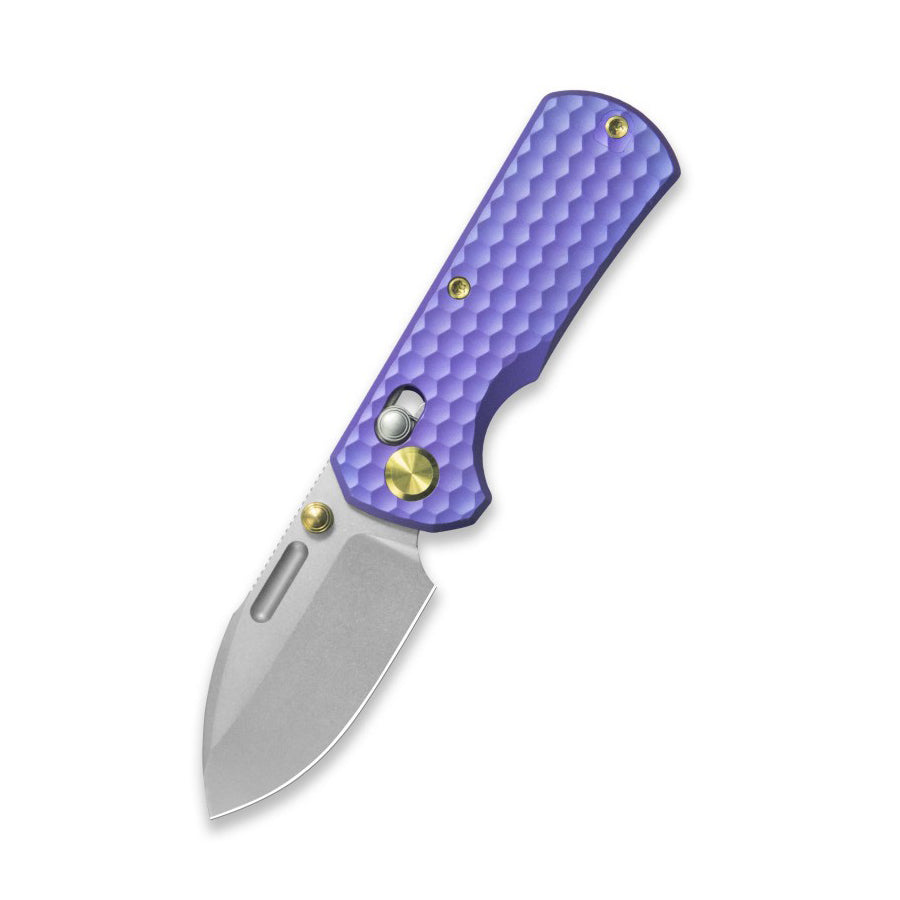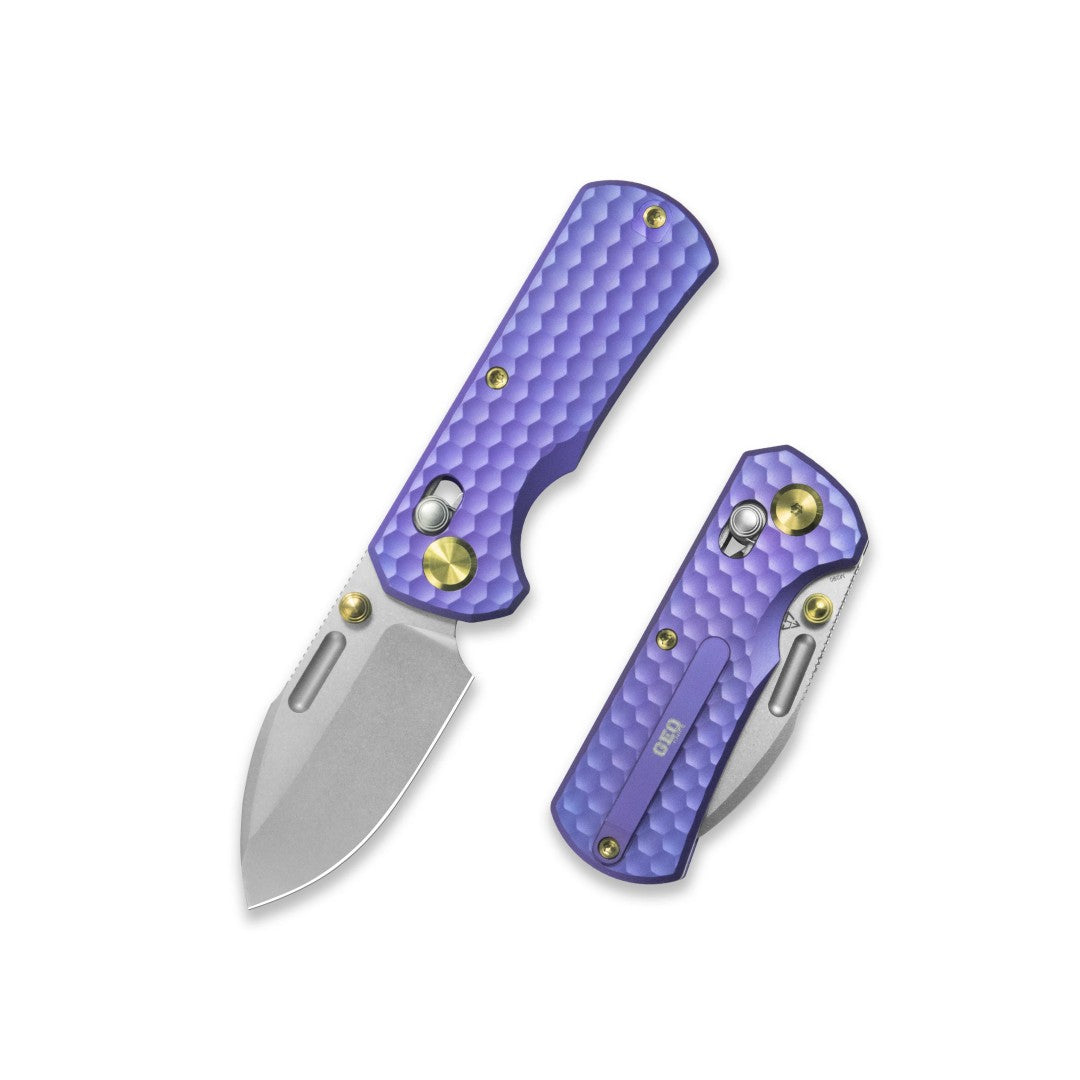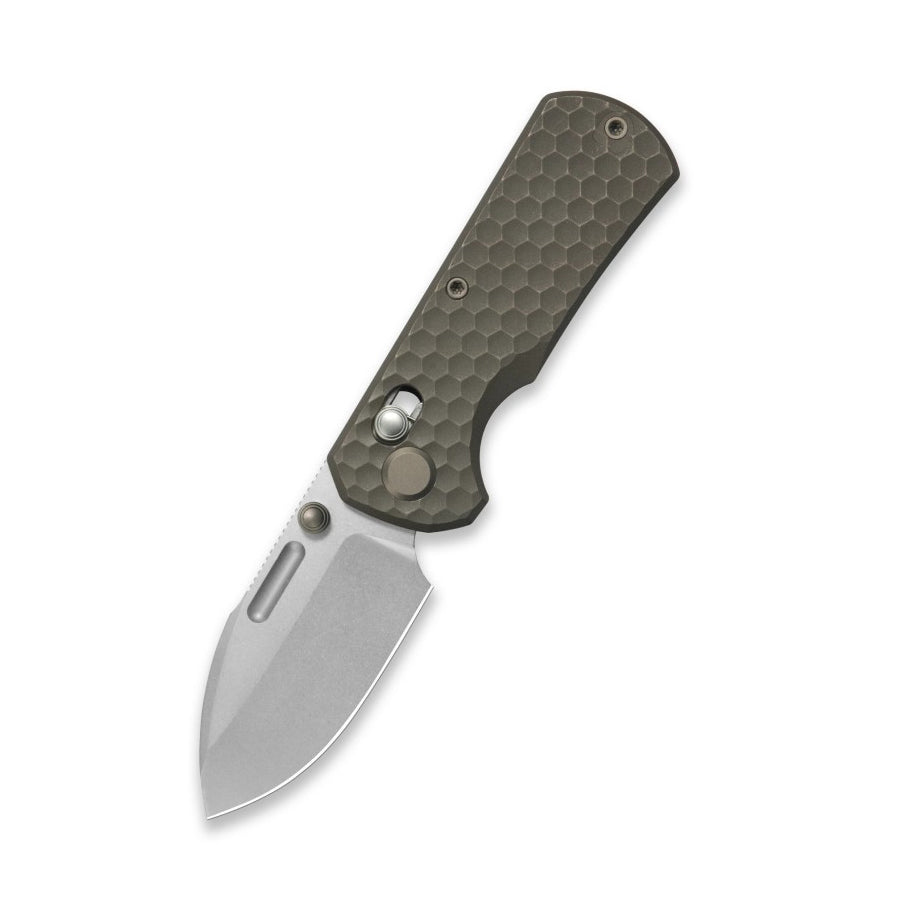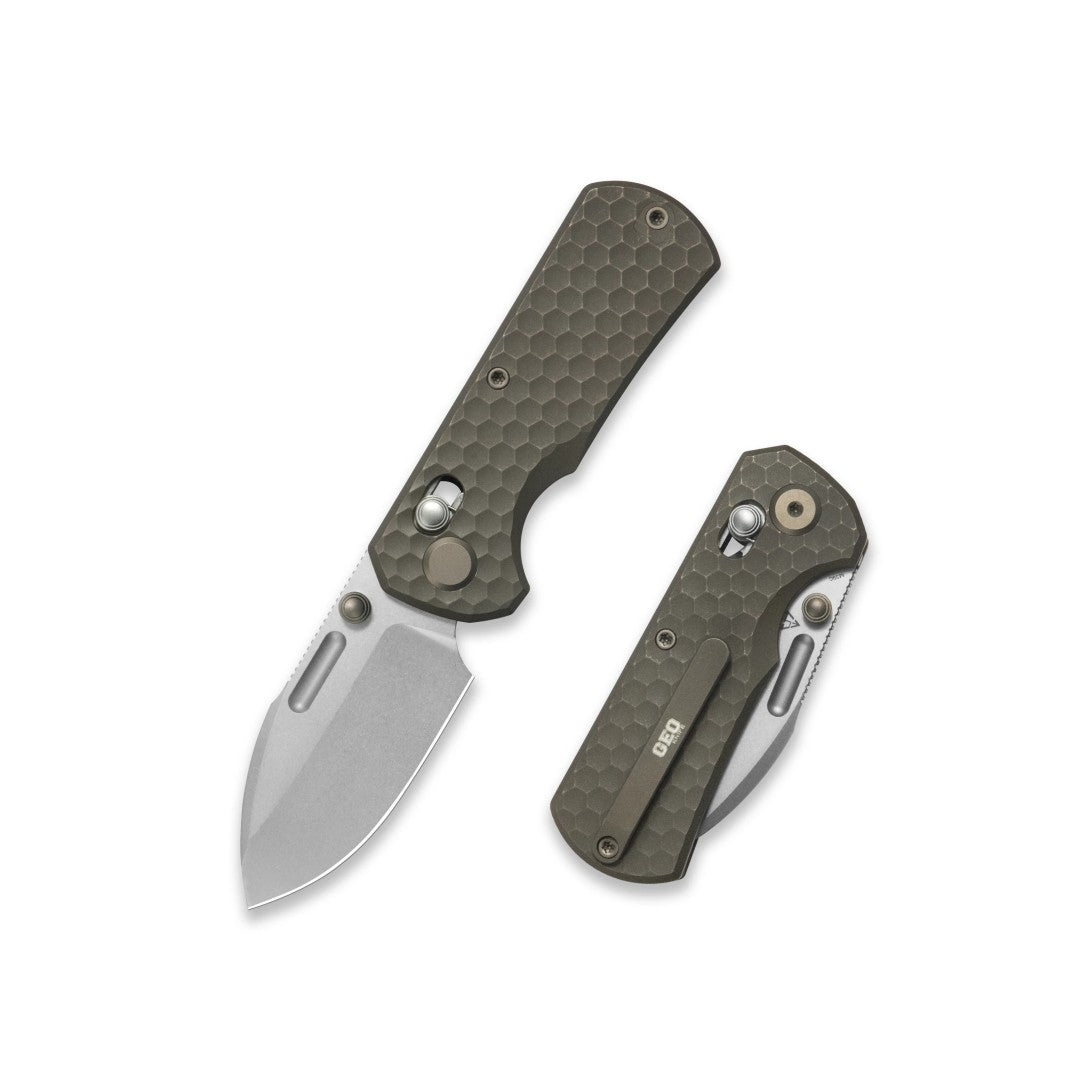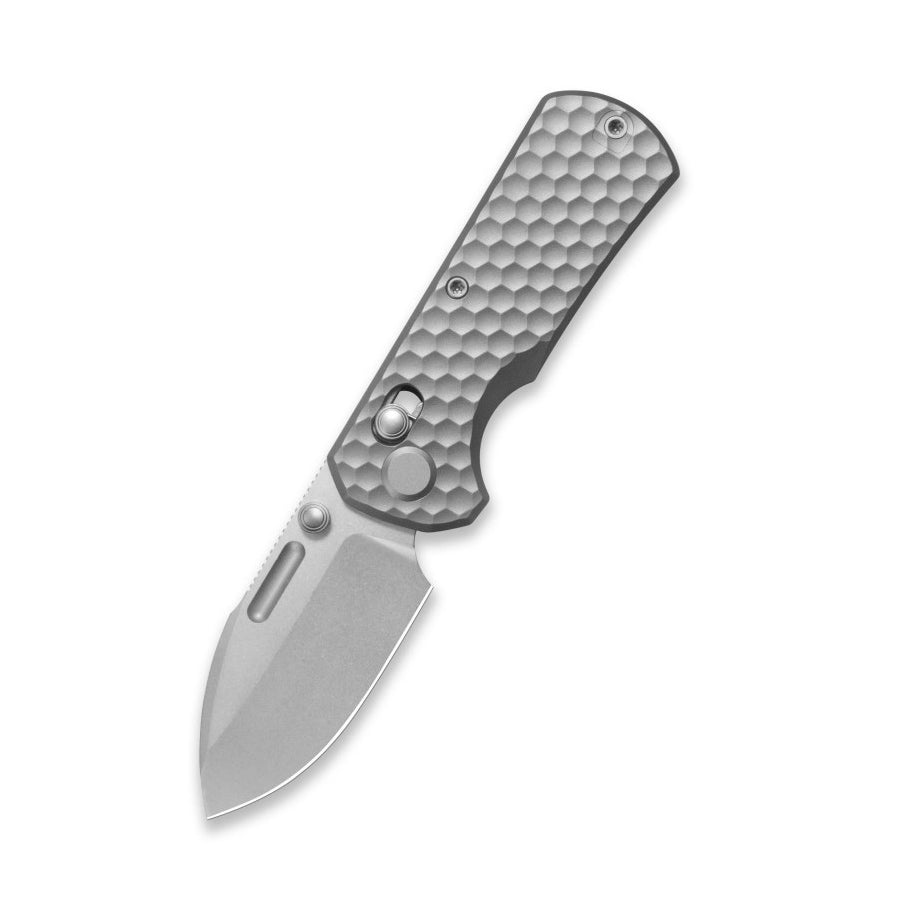
When a steel has “CPM” in its name, you know it’s something special. CPM‑154 is a powder metallurgy upgrade of the legendary 154CM—the stainless steel that revolutionized custom knife making in the 1970s. But CPM‑154 isn’t just a minor improvement; it represents a fundamental leap forward in how steel can perform, combining exceptional toughness, outstanding edge retention, and reliable corrosion resistance in a single, highly refined alloy.
This comprehensive guide will walk you through everything you need to know about CPM‑154 steel—from its fascinating history and groundbreaking manufacturing process to its real‑world performance, how it stacks up against other popular blade steels, and whether it’s the right choice for your next knife.
What Is CPM‑154 Steel? A Quick Definition
CPM‑154 is a premium martensitic stainless steel manufactured by Crucible Industries using the Crucible Particle Metallurgy (CPM) process. It is the powder metallurgy version of the classic 154CM steel, sharing the same chemical composition but delivering significantly enhanced performance thanks to a more uniform carbide structure.
The “CPM” stands for Crucible Particle Metallurgy, an advanced manufacturing process that atomizes molten steel into fine powder and then consolidates it under high pressure and temperature. The result is a steel with a superior working hardness range of 58–62 HRC and a uniform carbide structure that outperforms conventional 154CM in virtually every meaningful way.
A Brief History: From Jet Engines to Powder Metallurgy
The story of CPM‑154 begins with its predecessor, 154CM, which was developed in 1959 by Crucible Industries in collaboration with the Wright Air Development Center of the U.S. Air Force. Originally designed for high‑stress applications—particularly jet engine turbine bearings—154CM’s superior properties soon caught the attention of the knife‑making community.
In 1972, legendary custom knifemaker Bob Loveless began using 154CM in his handmade knives, recognizing its potential for producing world‑class blades. His adoption marked a significant shift in custom knife making, setting new standards for performance and durability.
In 2004, building upon the success of 154CM, Crucible introduced CPM‑154 using their proprietary powder metallurgy process. This variant combined the proven composition of 154CM with the advanced benefits of powder metallurgy, offering knife makers a material with enhanced toughness, improved wear resistance, and better machinability than its conventionally cast predecessor.
The Chemical Composition of CPM‑154 Steel
CPM‑154 shares its chemical composition with conventional 154CM—but the CPM process ensures that these elements are distributed uniformly throughout the matrix, eliminating the banding and segregation issues often found in ingot steels.
| Element | Percentage | What It Does |
|---|---|---|
| Carbon (C) | 1.05% | Primary hardening element; forms carbides for wear resistance and edge retention |
| Chromium (Cr) | 14.00% | Provides corrosion resistance (over 10.5% makes it true stainless) and contributes to hardenability |
| Molybdenum (Mo) | 4.00% | Enhances pitting resistance, toughness, and secondary hardening; also provides “hot hardness” |
| Manganese (Mn) | 0.50% | Deoxidizer that refines grain structure and aids hardenability |
| Silicon (Si) | 0.30% | Used for deoxidation during the melting process |
| Vanadium (V) | Trace (0.4% max) | Grain refinement; lower than S30V to favor polishability |
The 1.05% carbon content provides excellent hardness and edge retention, while the 14% chromium delivers robust corrosion resistance. The 4% molybdenum is the secret ingredient that sets 154‑series steels apart from 440C, driving the secondary hardening response and allowing the steel to maintain its hardness even after exposure to elevated temperatures.
The CPM Advantage: Powder Metallurgy Explained
The primary distinction between CPM‑154 and conventional 154CM lies in their manufacturing processes, which significantly influence their microstructure and, consequently, their performance.
Conventional 154CM is produced through traditional ingot metallurgy, where raw materials are melted and cast into molds to solidify. While effective, this method can lead to uneven carbide distribution, resulting in larger carbide formations that may affect the steel’s toughness and machinability. This inconsistency can make grinding and polishing more labor‑intensive for knife makers.
CPM‑154, on the other hand, is manufactured using the Crucible Particle Metallurgy process:
-
Molten steel is high‑pressure gas atomized into a fine spray of droplets
-
These droplets cool almost instantly into a fine powder
-
The powder is collected, heated, and subjected to massive pressure in a process called Hot Isostatic Pressing (HIP)
This method ensures a uniform distribution of carbides, leading to a finer and more homogeneous microstructure. The result is enhanced toughness, improved wear resistance, and better machinability compared to traditional ingot‑processed steels.
Key Properties and Performance
Hardness
CPM‑154 is capable of reaching a maximum hardness of 63–64 HRC straight out of the quench, but the usable working hardness is typically tempered down to 58–62 HRC to balance toughness.Most production knives are heat‑treated in the 60–61 HRC range, offering an ideal blend of edge retention and durability.A cryogenic treatment immediately after quench can add 1 to 2 points of HRC hardness and significantly improve dimensional stability.
Toughness
Toughness is one of CPM‑154’s standout characteristics. The finer, more uniform microstructure makes it more resistant to chipping and cracking under stress than conventional 154CM.In fact, CPM‑154 is reported to have almost double the toughness of its conventionally cast counterpart, making it far more forgiving in real‑world use.This superior toughness allows blades to be ground thinner behind the edge without fear of failure—a property that directly translates into better cutting performance.
Edge Retention
CPM‑154 offers very good edge retention that has earned praise from users across a wide range of applications. Field reports from hunters and outdoorsmen consistently note that CPM‑154 blades retain their shaving edges much longer than many competing steels, even after processing multiple game animals.Compared to 440C, CPM‑154 offers better edge retention and chipping resistance, making it a clear upgrade.
Wear Resistance
Wear resistance is measured by the pin abrasion method (lower mg means better wear resistance). Conventional 154CM scores 49 mg, while 440C scores 66 mg and 55 mg in different tests.CPM‑154 retains similar wear properties to 154CM while adding enhanced toughness and grindability—meaning you get the same wear resistance with better overall performance.
Corrosion Resistance
With 14% chromium, CPM‑154 offers very good corrosion resistance that matches 154CM and significantly outperforms many other premium steels. It is rated “very good” in most steel comparison charts, making it suitable for everyday carry, kitchen, hunting, and outdoor applications.While it may not match the extreme corrosion resistance of nitrogen‑based steels like LC200N, it is more than adequate for virtually all non‑marine applications.
Ease of Sharpening
CPM‑154 is significantly easier to sharpen than many other premium steels, including S30V and M390. The uniform carbide distribution means the steel does not resist abrasion the way that large‑carbide steels do. Users report that CPM‑154 takes a keen edge with conventional stones and refreshes quickly.It is also noted for being easier to grind and polish than conventional 154CM, which makes it a favorite among custom knifemakers who appreciate its excellent hand‑finishing characteristics.
Mirror Polish Finish
One of CPM‑154’s most distinctive attributes is its ability to take a beautiful mirror polish finish. The fine, uniform microstructure allows it to achieve a glassy, highly reflective surface that few other stainless steels can match.This makes CPM‑154 a popular choice for high‑end presentation knives and collectible pieces where aesthetics matter as much as performance.
CPM‑154 vs. Other Knife Steels
CPM‑154 vs. 154CM
This is the most direct comparison, and the differences are clear. CPM‑154 offers almost double the toughness of 154CM while retaining the same edge retention and corrosion resistance.The CPM process also makes the steel easier to grind and polish, saving time for knife makers. For end users, CPM‑154 blades are more resistant to chipping under stress and can be ground thinner for better cutting performance.Unless you are a knife maker or sharpening enthusiast, however, you may not notice the difference in daily use.
CPM‑154 vs. S35VN
S35VN is a premium powder metallurgy stainless steel from Crucible that includes niobium for improved toughness. In comparison:
-
Toughness: S35VN offers slightly higher toughness than CPM‑154
-
Corrosion Resistance: S35VN has excellent corrosion resistance, slightly better than CPM‑154
That said, many users prefer CPM‑154 for its easier sharpening and proven field performance.In a BladeForums poll asking users to choose between CPM‑154 and S35VN for a 4‑inch EDC blade, CPM‑154 received 56.4% of the votes—a testament to its enduring popularity among knowledgeable knife users.
CPM‑154 vs. S30V
S30V is another popular powder metallurgy stainless steel known for its excellent edge retention. However, many users report that CPM‑154 is significantly easier to sharpen than S30V and holds an edge just as well in practical use.Some of the worst blades for edge retention that one experienced knife maker has encountered were made from S30V—while CPM‑154 has consistently impressed.
CPM‑154 vs. MagnaCut
MagnaCut is a newer powder metallurgy steel specifically designed for knives, offering exceptional toughness and corrosion resistance. While MagnaCut may outperform CPM‑154 in some metrics, CPM‑154 remains a more affordable and proven option that still delivers outstanding performance for the vast majority of users.
CPM‑154 vs. 440C
440C is the high‑carbon stainless steel that served as the predecessor to the 154‑series. CPM‑154 offers better corrosion resistance, better wear resistance, better hot‑hardness, and higher toughness than 440C. For knifemakers, it offers better edge retention and chipping resistance.
What Is CPM‑154 Steel Best Used For?
Thanks to its balanced combination of properties, CPM‑154 is incredibly versatile. Common applications include:
-
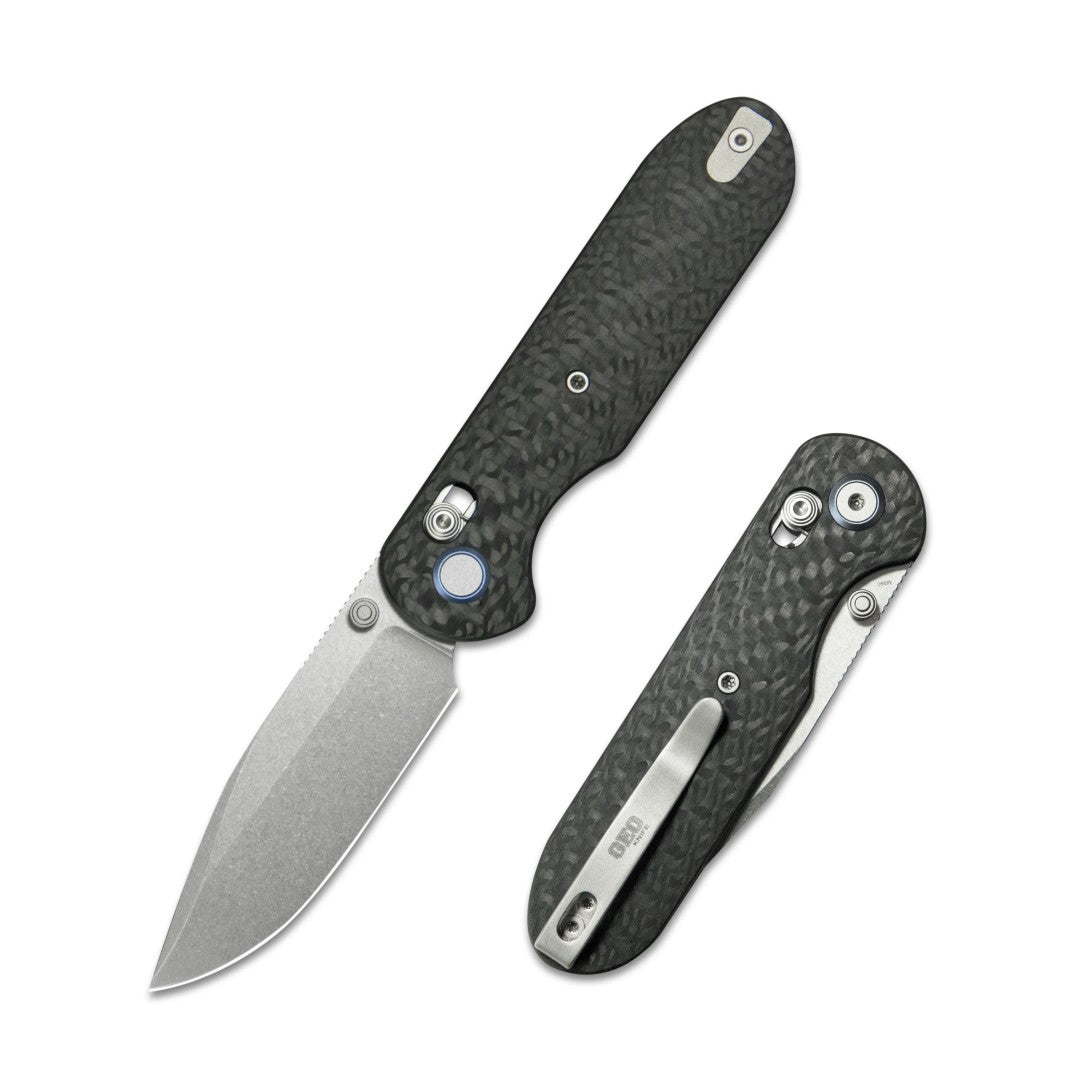
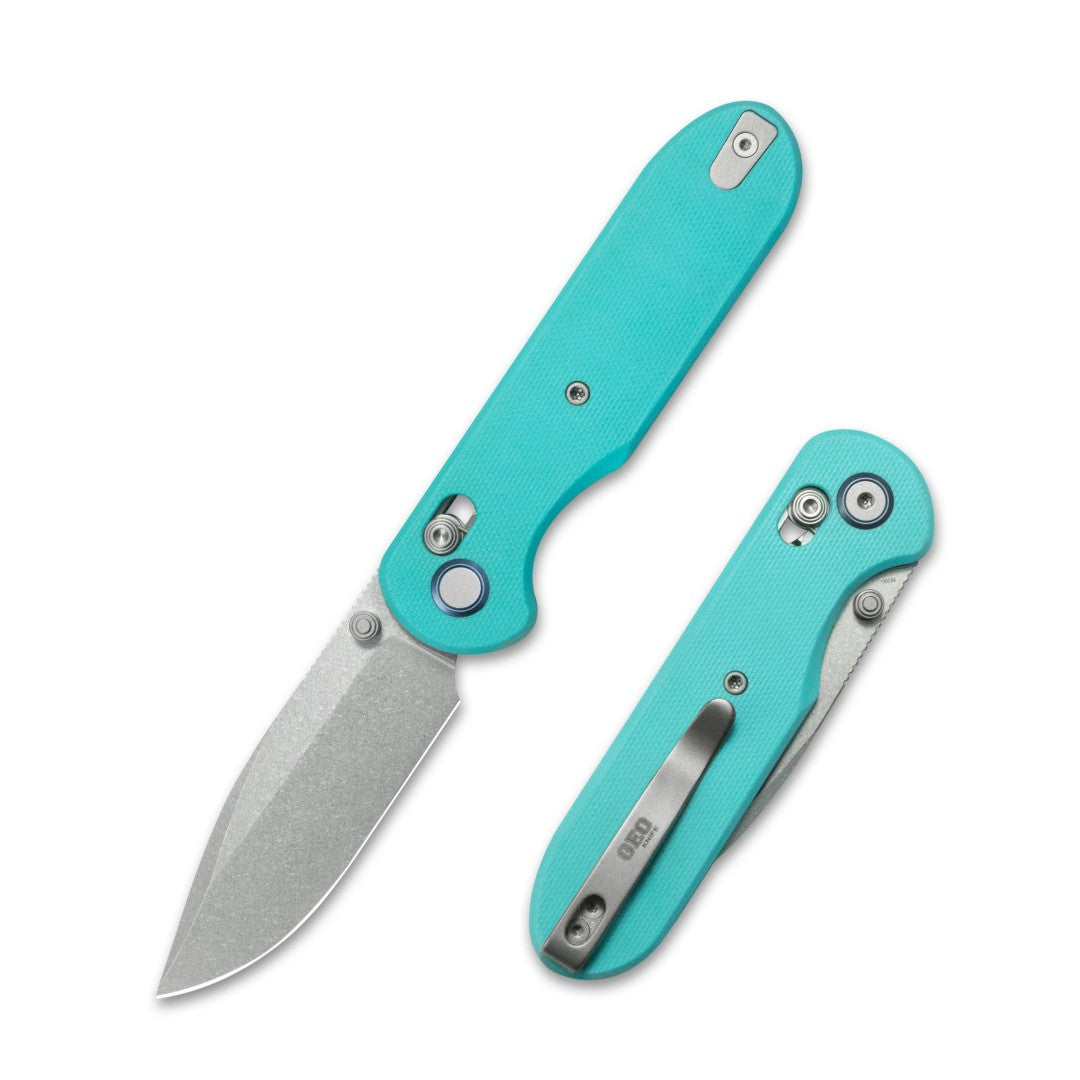
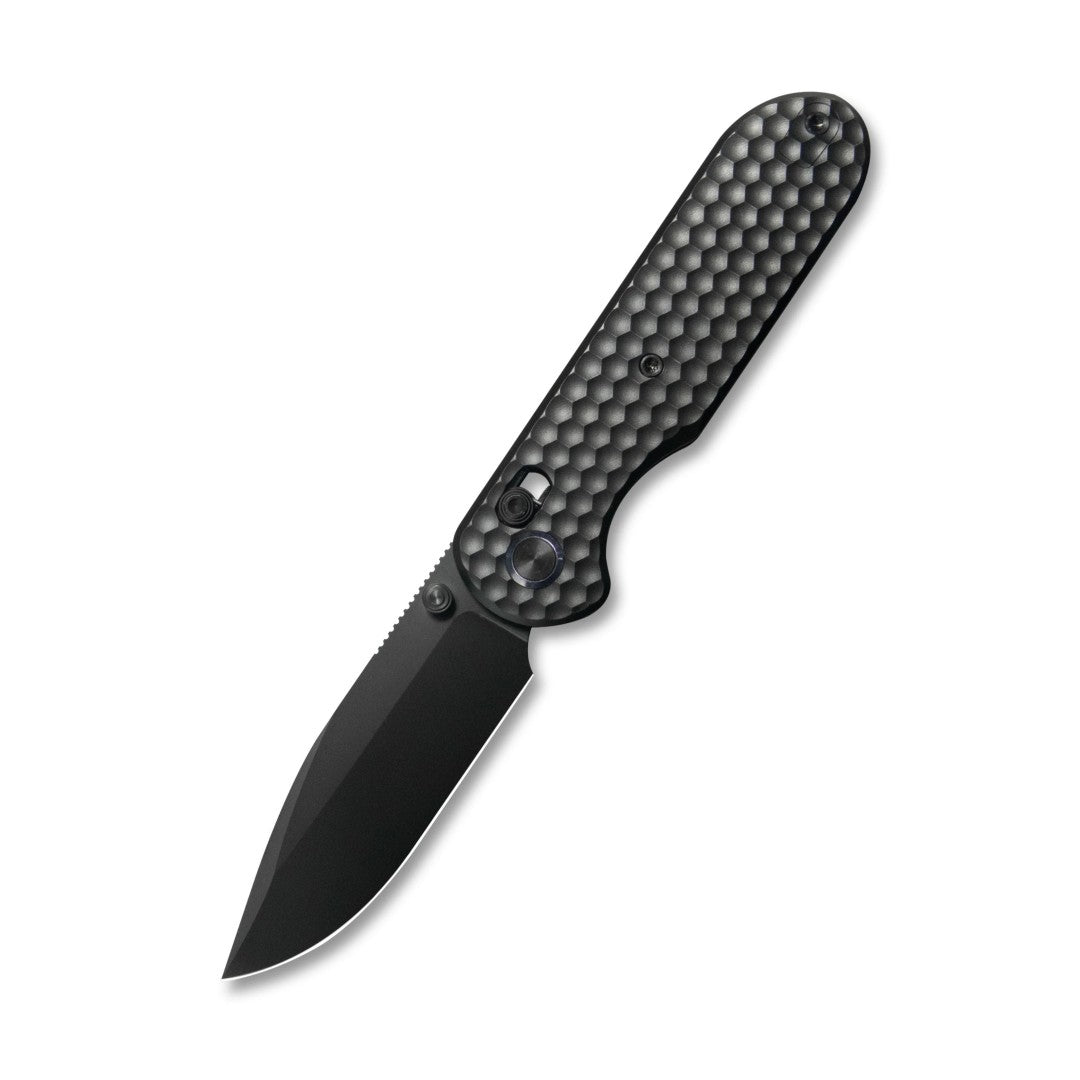
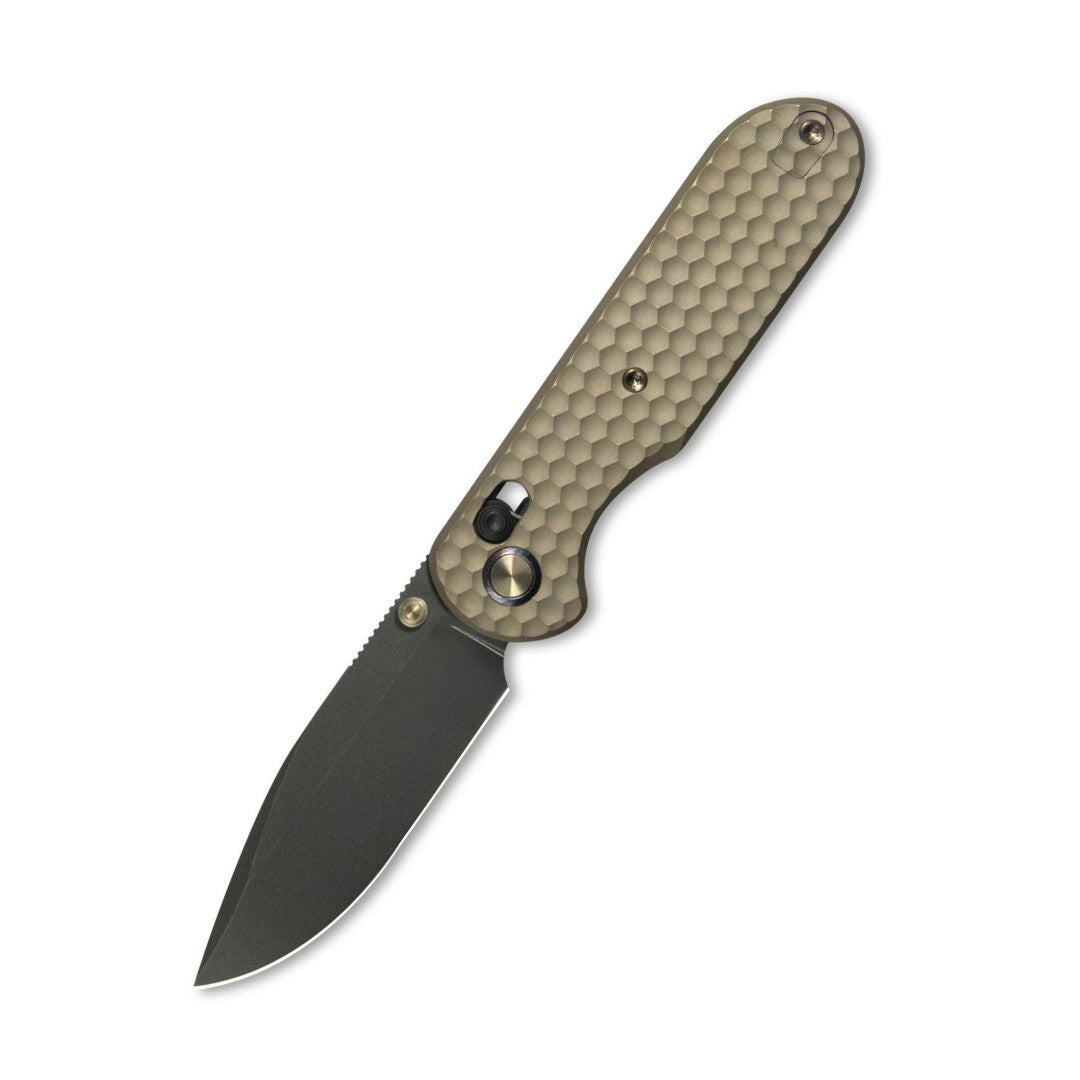
Everyday Carry (EDC) Folding Knives – The combination of good edge retention, excellent toughness, and corrosion resistance makes CPM‑154 an ideal choice for daily carry. Brands like Hogue, Kershaw, Boker, and Kansept offer CPM‑154 models in the $60–$150 range.
-
Hunting and Outdoor Knives – Field reports confirm that CPM‑154 blades can process multiple game animals without needing resharpening, making it a favorite among hunters and outdoorsmen.
-
Kitchen Cutlery – CPM‑154’s ease of sharpening and good corrosion resistance make it excellent for chef’s knives and general kitchen use.
-
Tactical and Professional Knives – The steel’s balance of toughness and edge retention suits demanding tactical applications.
-
Custom and High‑End Knives – CPM‑154’s ability to take a mirror polish finish makes it a favorite among custom knifemakers for presentation pieces and high‑end collectibles.
-
Industrial Tooling – Beyond knives, CPM‑154 is also used in bearings, corrosion‑resistant tooling, and other industrial applications requiring wear resistance and dimensional stability.
Pros and Cons of CPM‑154 Steel
Advantages
-
Excellent toughness – Approximately double the toughness of conventional 154CM, making it highly resistant to chipping under stress
-
Very good edge retention – Proven to hold a shaving edge through extended use
-
Good corrosion resistance – 14% chromium provides robust protection against rust and pitting
-
Easier to sharpen than many premium steels – Much more forgiving than S30V or M390
-
Excellent polishability – Takes a beautiful mirror finish
-
Better machinability than 154CM – Easier to grind and machine, saving time for knife makers
-
Proven track record – Over two decades of use in premium knives and tooling
-
Excellent dimensional stability – The CPM process minimizes distortion during heat treatment
Limitations
-
Premium price point – More expensive than conventional 154CM and budget stainless steels
-
Moderate toughness compared to extreme‑toughness steels – While good, it is less tough than CPM‑3V or S35VN
-
Not ideal for heavy chopping or prying – While tough for its class, it is not designed for extreme impact abuse
-
Can show wear under extreme abrasion – Not as wear‑resistant as CPM‑10V or high‑vanadium steels
Is CPM‑154 Steel Right for You?
CPM‑154 is an excellent choice for anyone who wants a premium stainless steel that delivers exceptional toughness, very good edge retention, and reliable corrosion resistance—all while being easier to sharpen than many competing premium steels. It is not the cheapest option, nor is it the absolute best in any single category, but it offers one of the best overall balances of properties available in a blade steel.
Choose CPM‑154 if you:
-
Want a premium stainless steel with excellent toughness that resists chipping
-
Need very good edge retention for hunting, EDC, or general‑purpose cutting
-
Prefer a steel that is easier to sharpen than S30V or M390
-
Appreciate the ability to achieve a beautiful mirror polish finish
-
Want a proven, reliable stainless steel with a track record of excellence
-
Are willing to pay a premium for significantly better performance than conventional 154CM
Look elsewhere if you:
-
Need extreme toughness for heavy chopping or prying (consider CPM‑3V)
-
Require the absolute best wear resistance for highly abrasive cutting (consider CPM‑10V)
-
Want a budget‑friendly option (consider 154CM or AUS‑8)
-
Need ultimate corrosion resistance for saltwater environments (consider MagnaCut or LC200N)
Final Thoughts
CPM‑154 steel represents the perfect marriage of classic composition and modern manufacturing. By taking the proven chemistry of 154CM—the steel that Bob Loveless made famous—and processing it through Crucible’s advanced powder metallurgy process, CPM‑154 delivers a level of balanced performance that few other steels can match.
It is not the newest steel on the market, nor is it trying to be. But for knife users who value toughness, edge retention, corrosion resistance, and ease of sharpening in a single, refined package, CPM‑154 remains one of the best choices available. Whether you are a hunter processing game in the field, an everyday carry enthusiast, a custom knifemaker, or simply someone who appreciates a truly great blade, CPM‑154 is a steel that will serve you well for years to come.
Looking for knives made from CPM‑154 steel? Browse our collection to find premium EDC folders, hunting knives, and kitchen cutlery featuring this legendary powder metallurgy stainless steel.