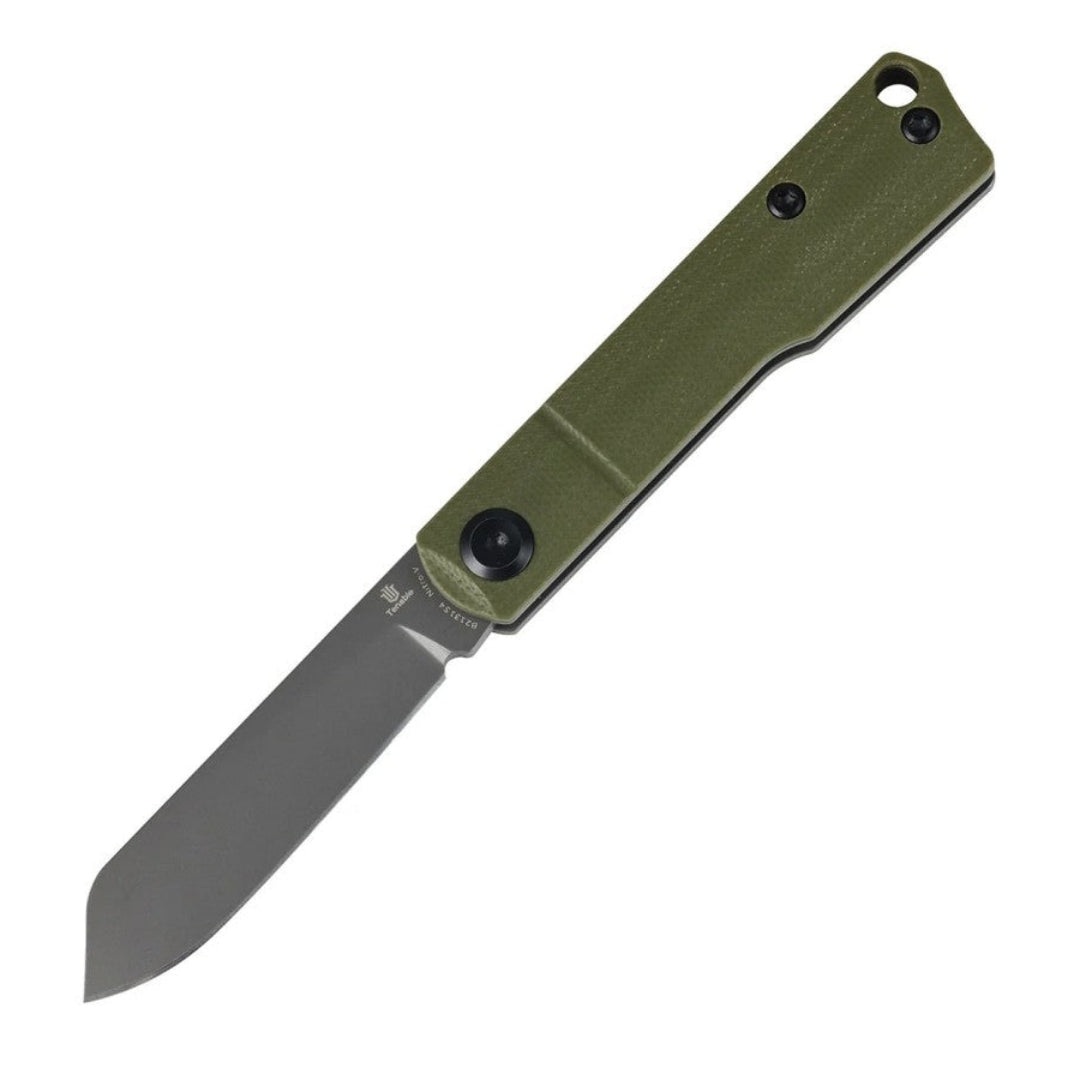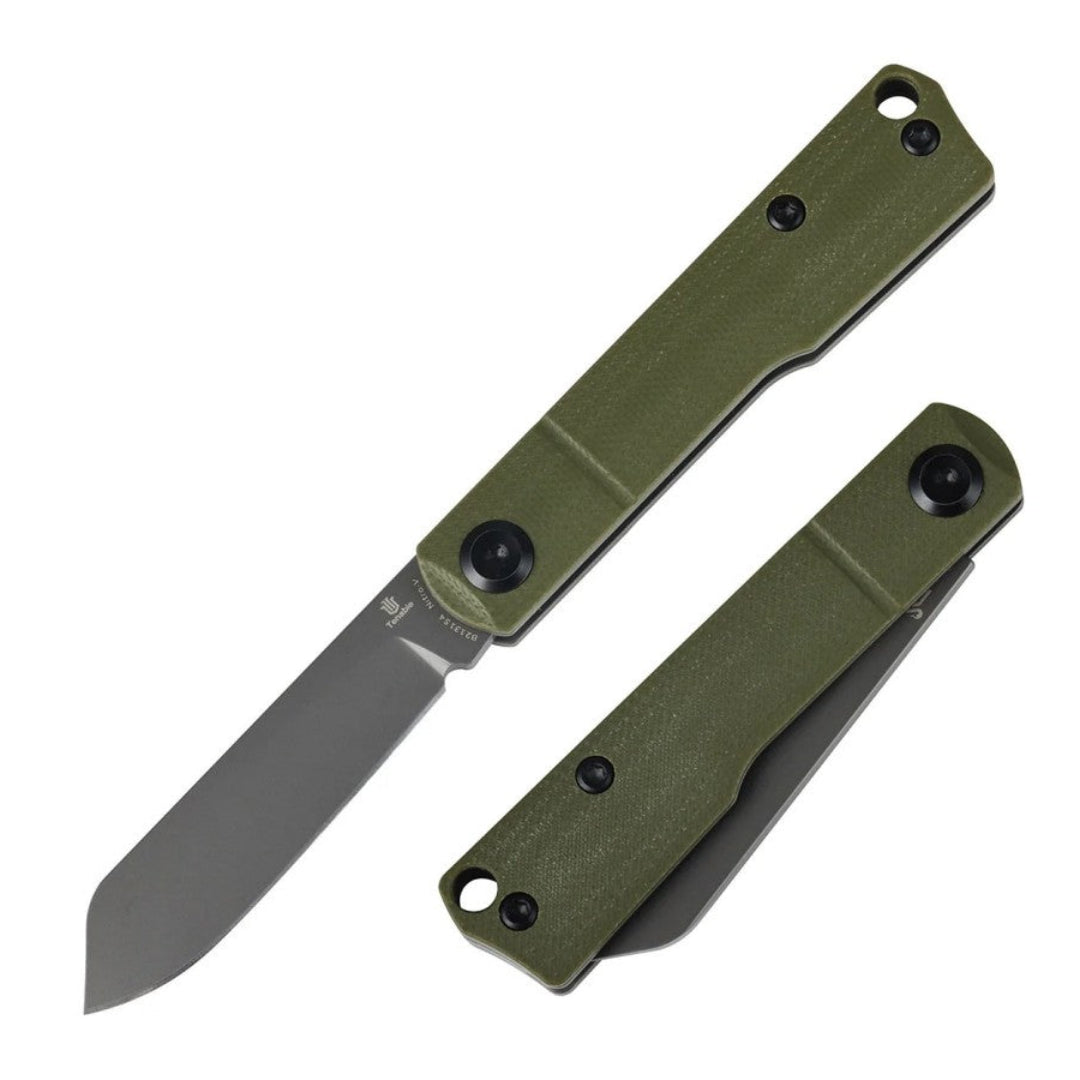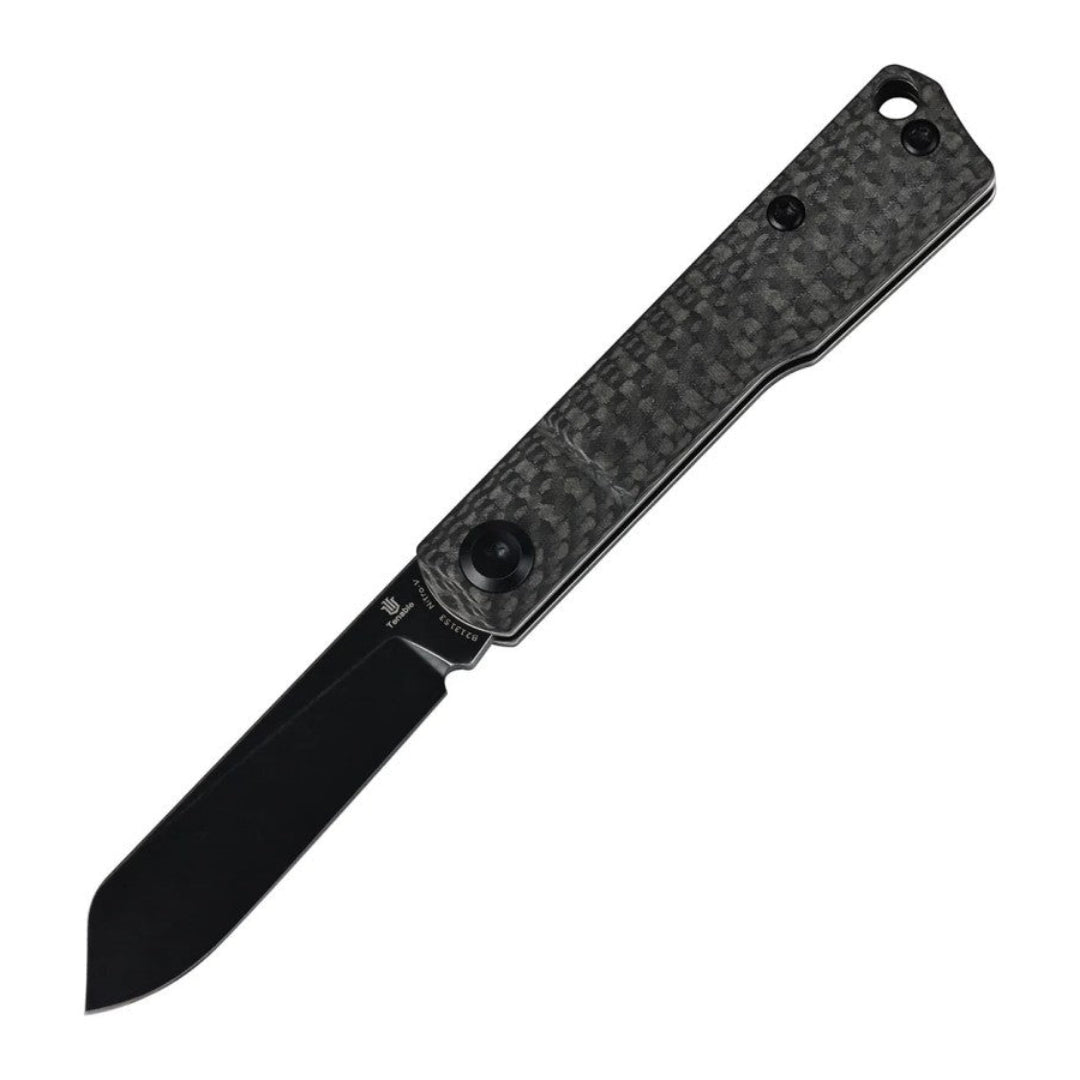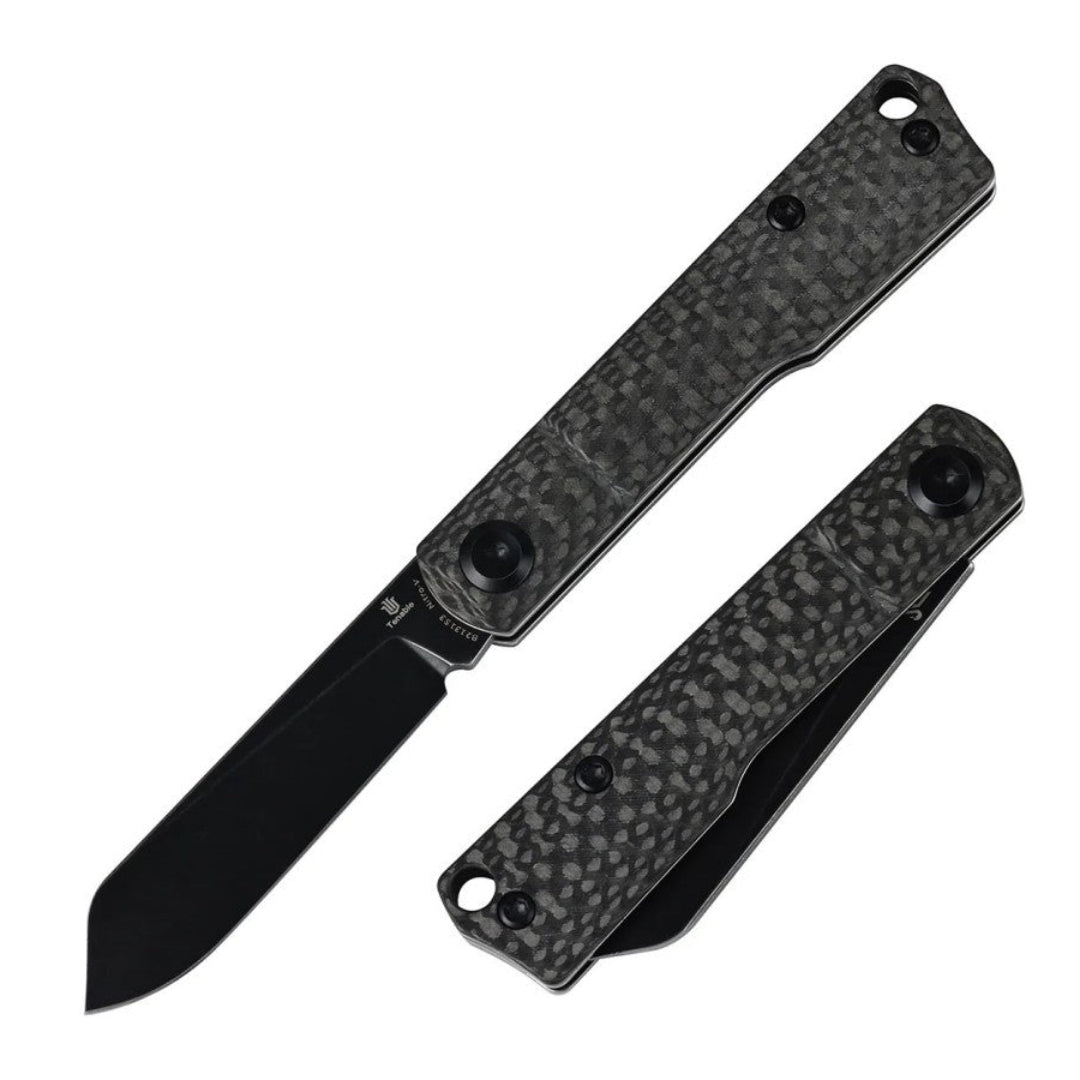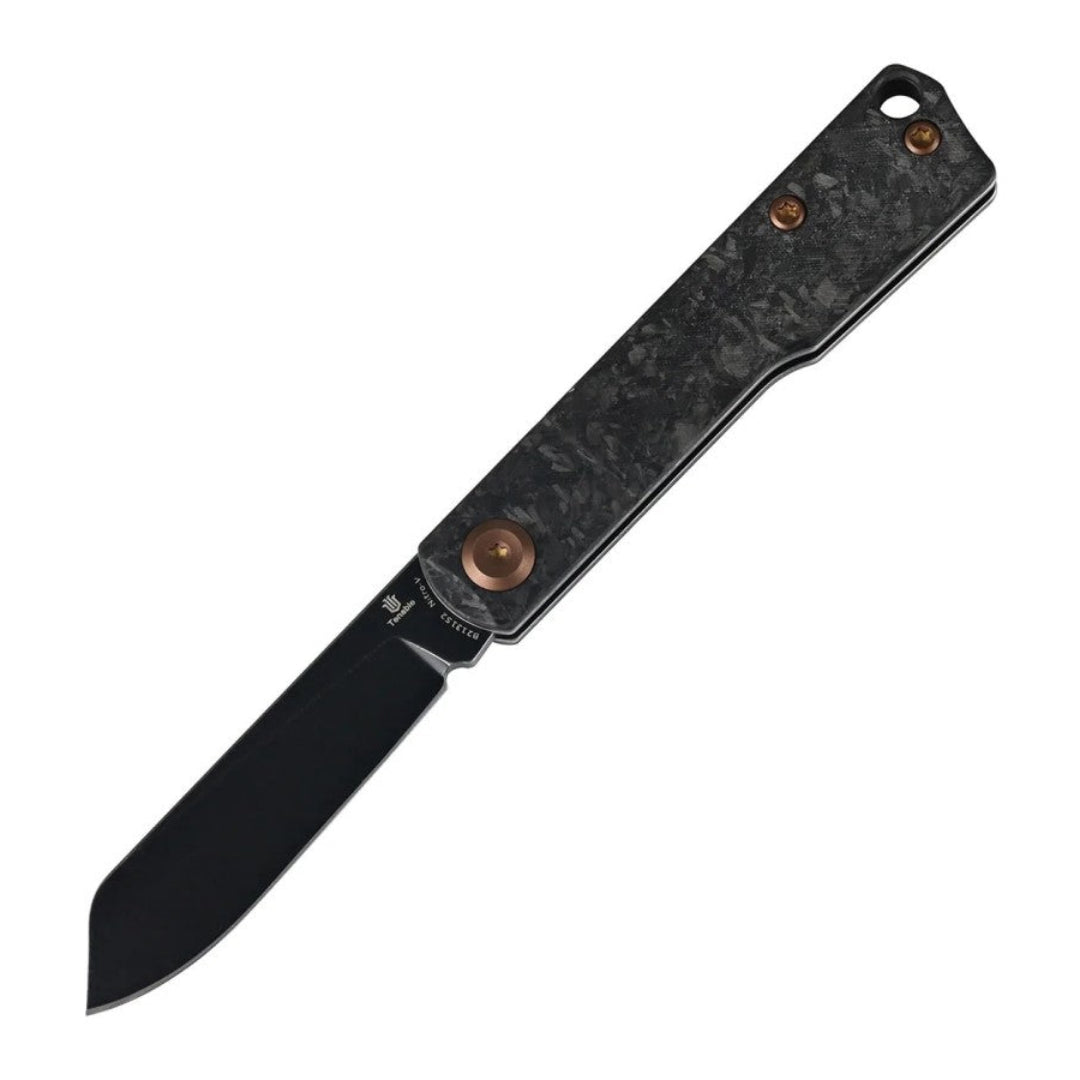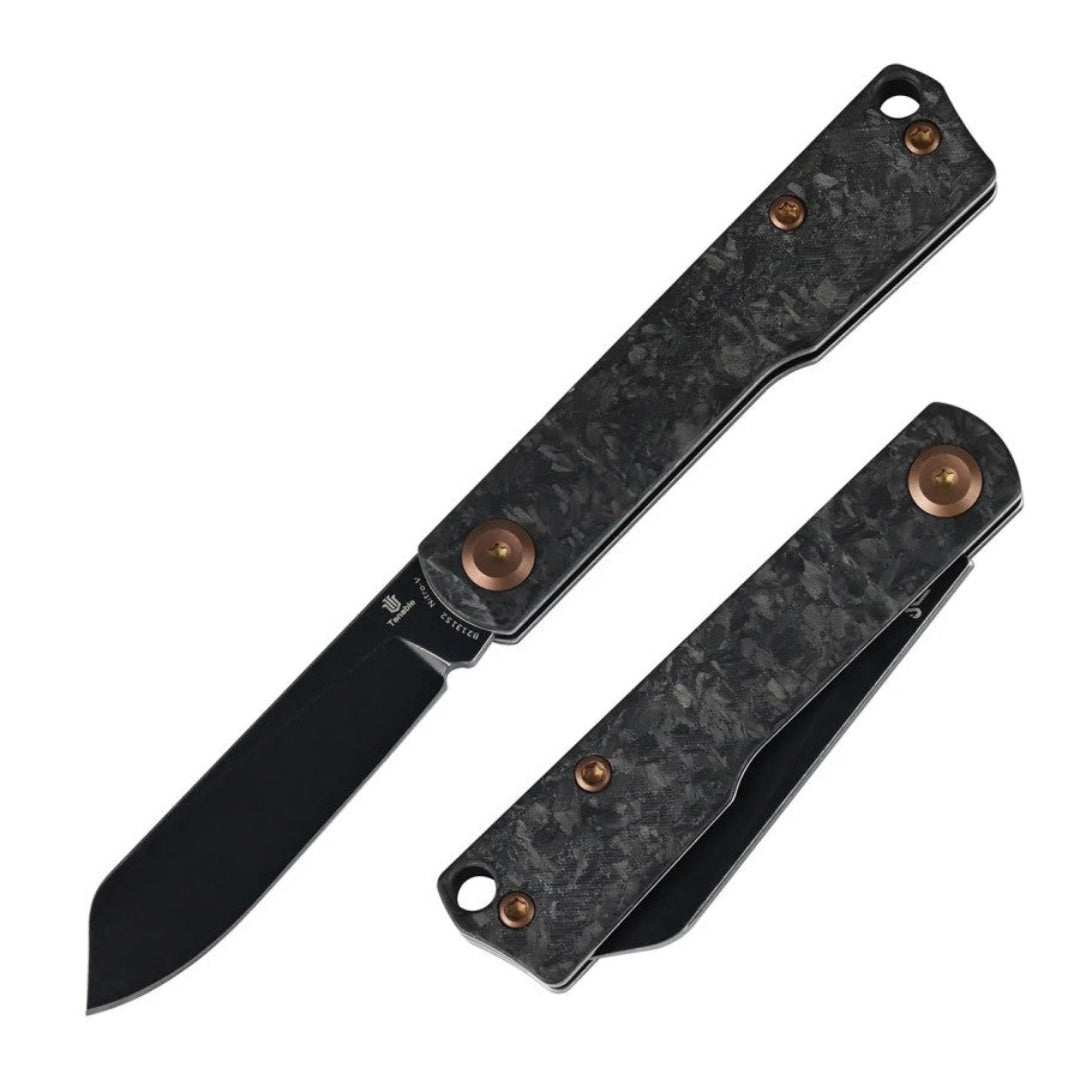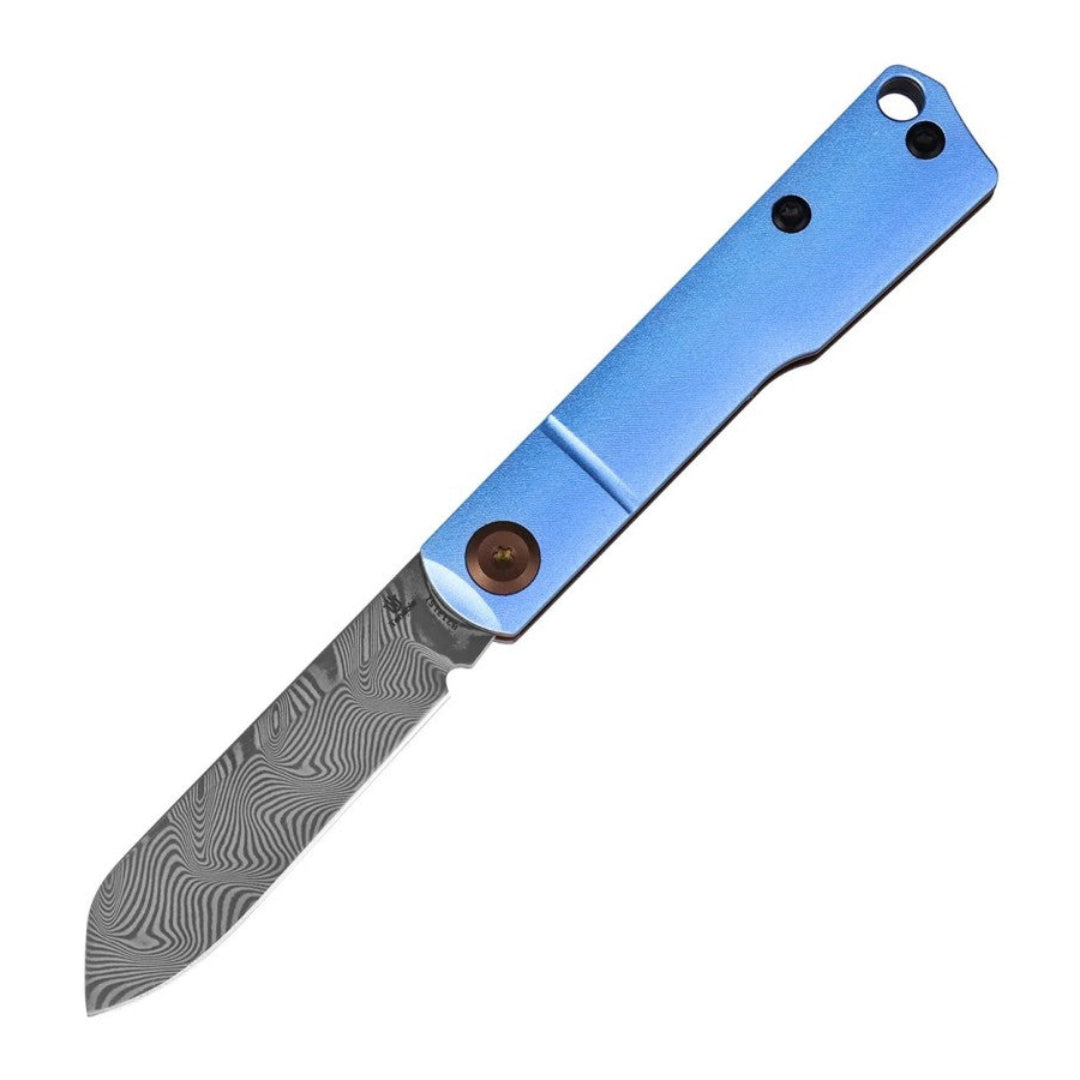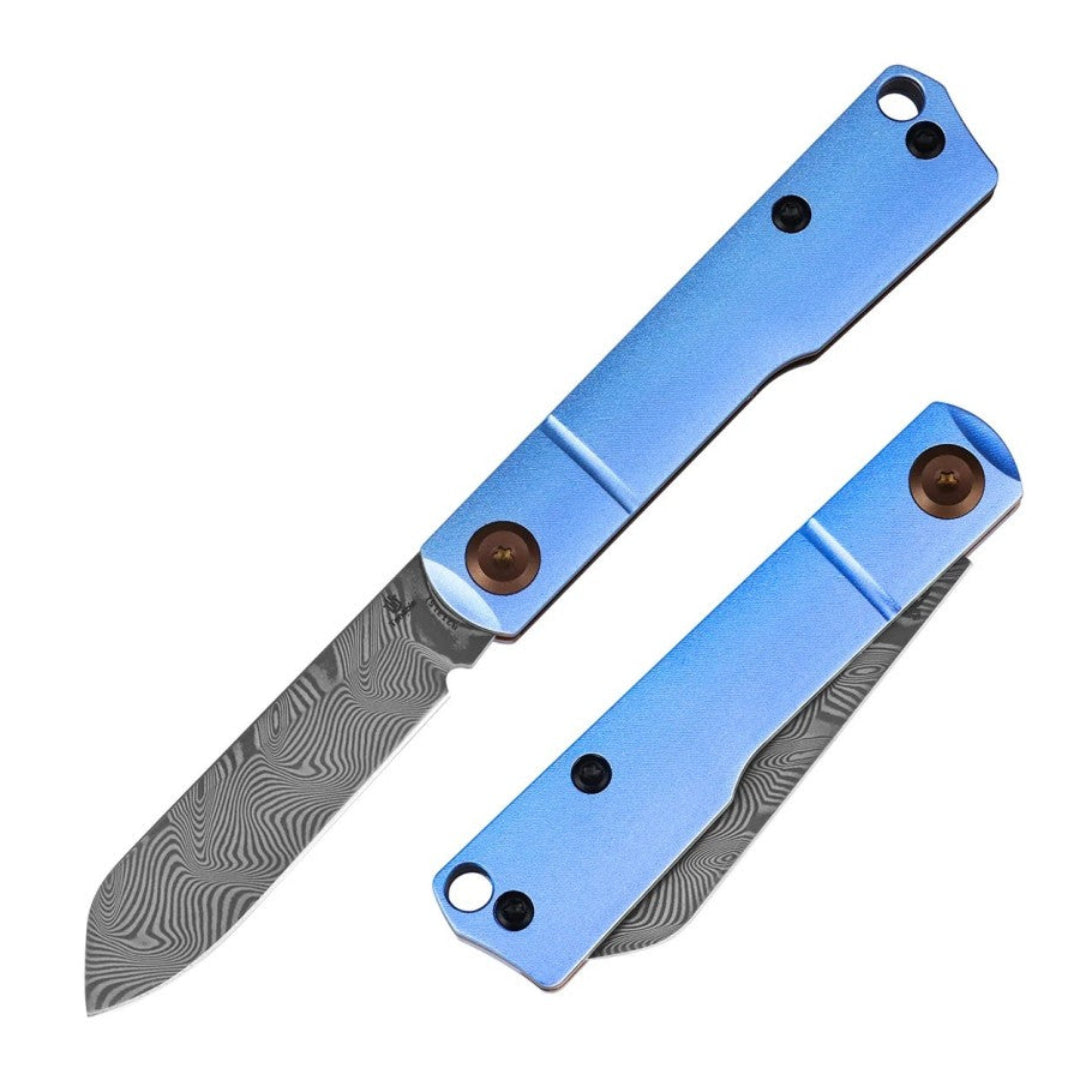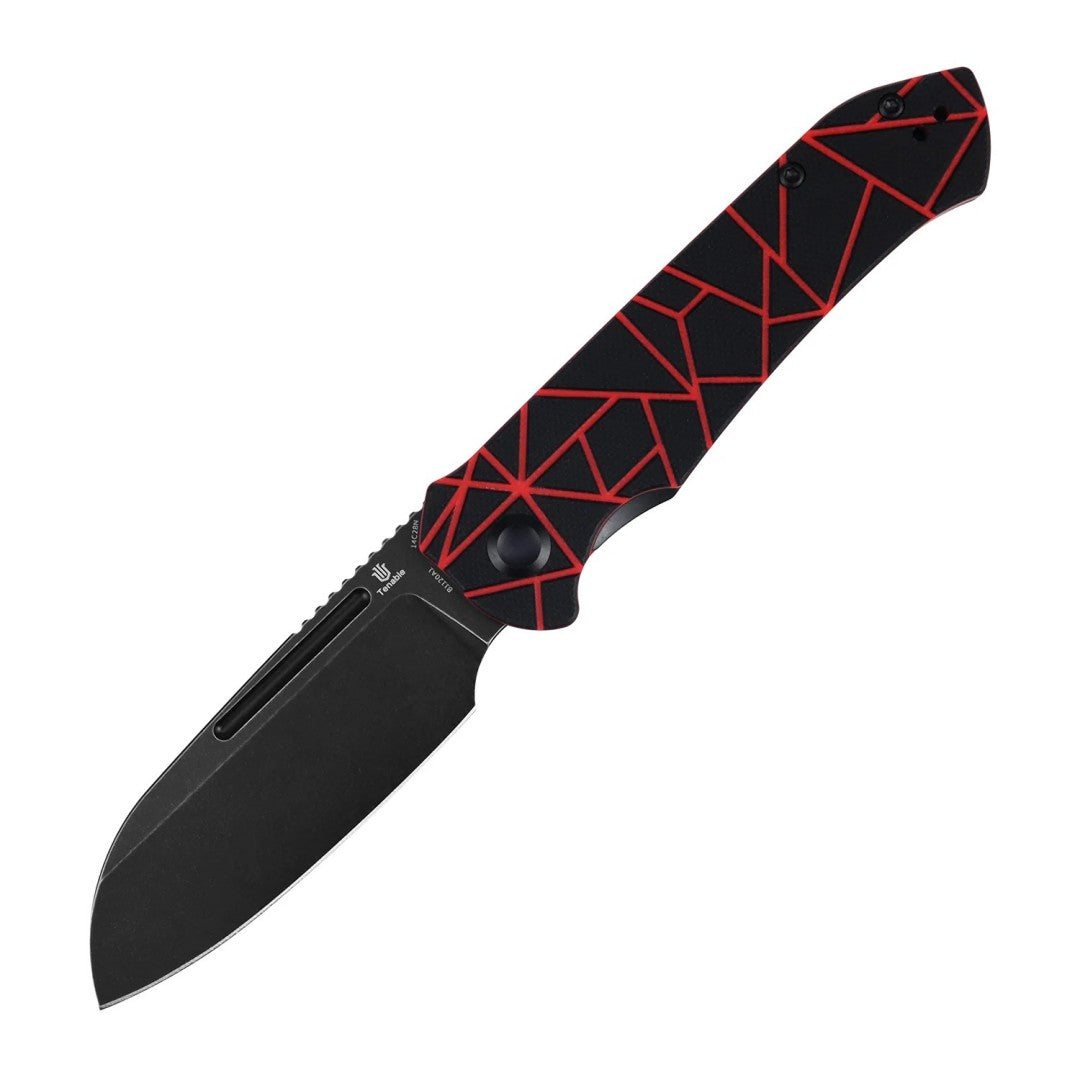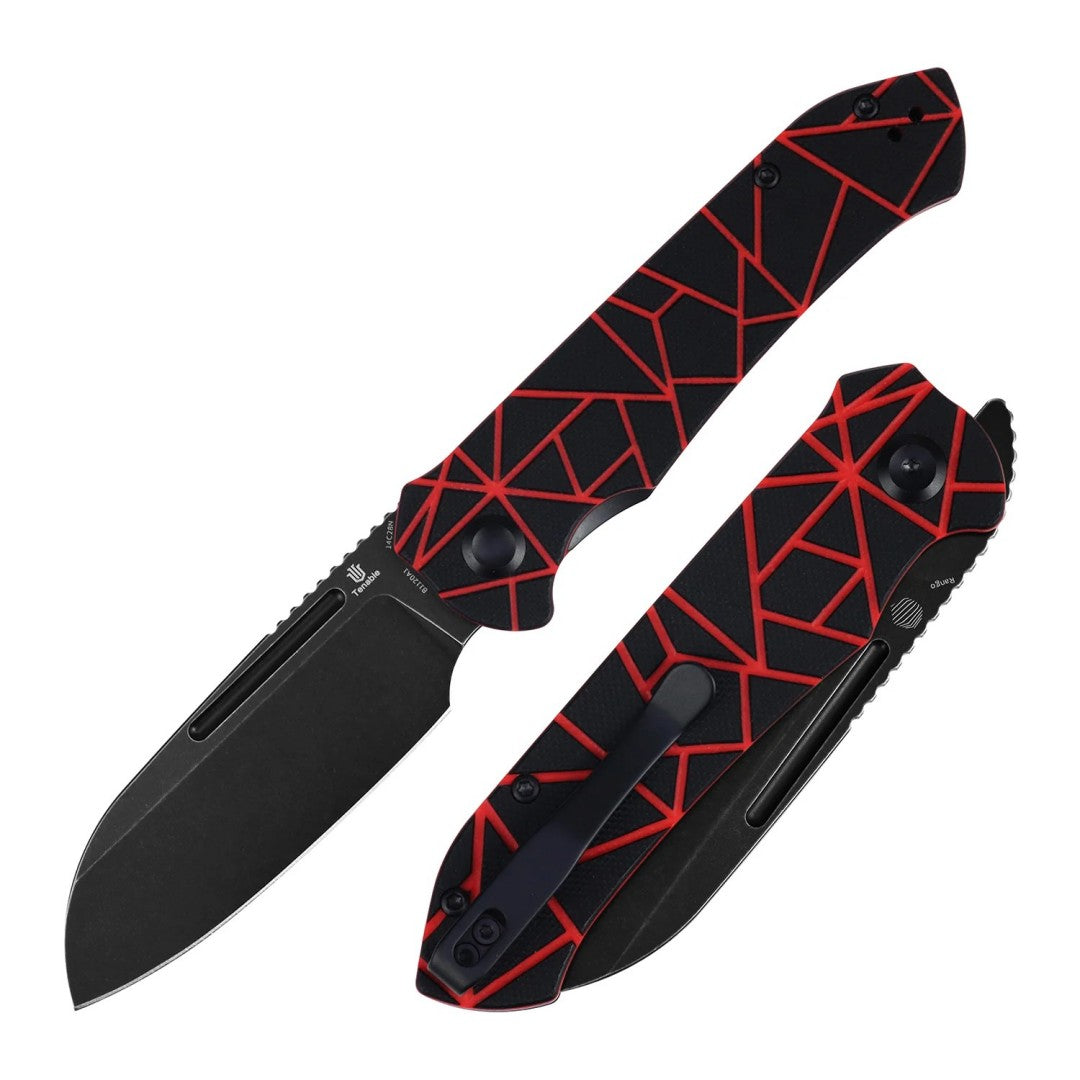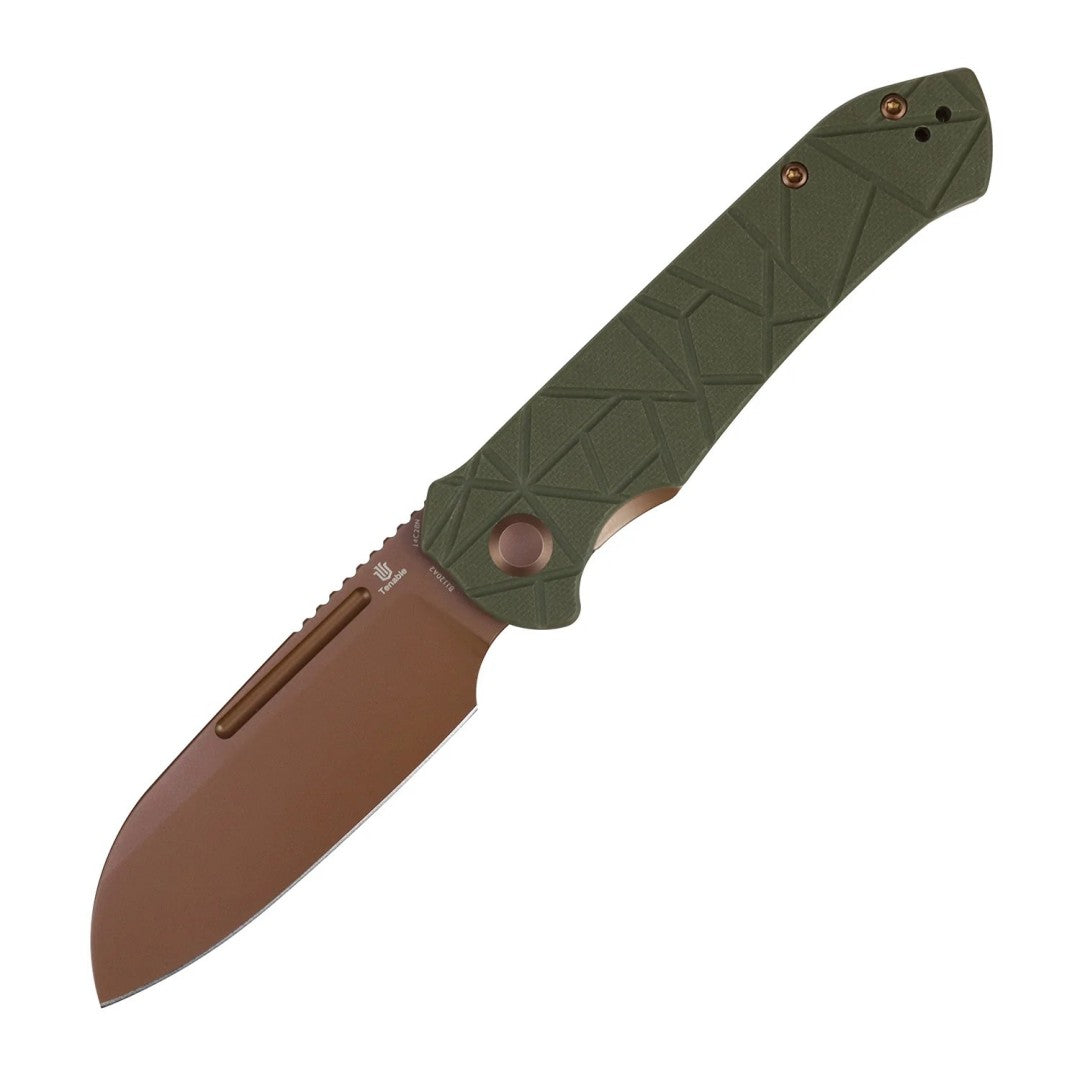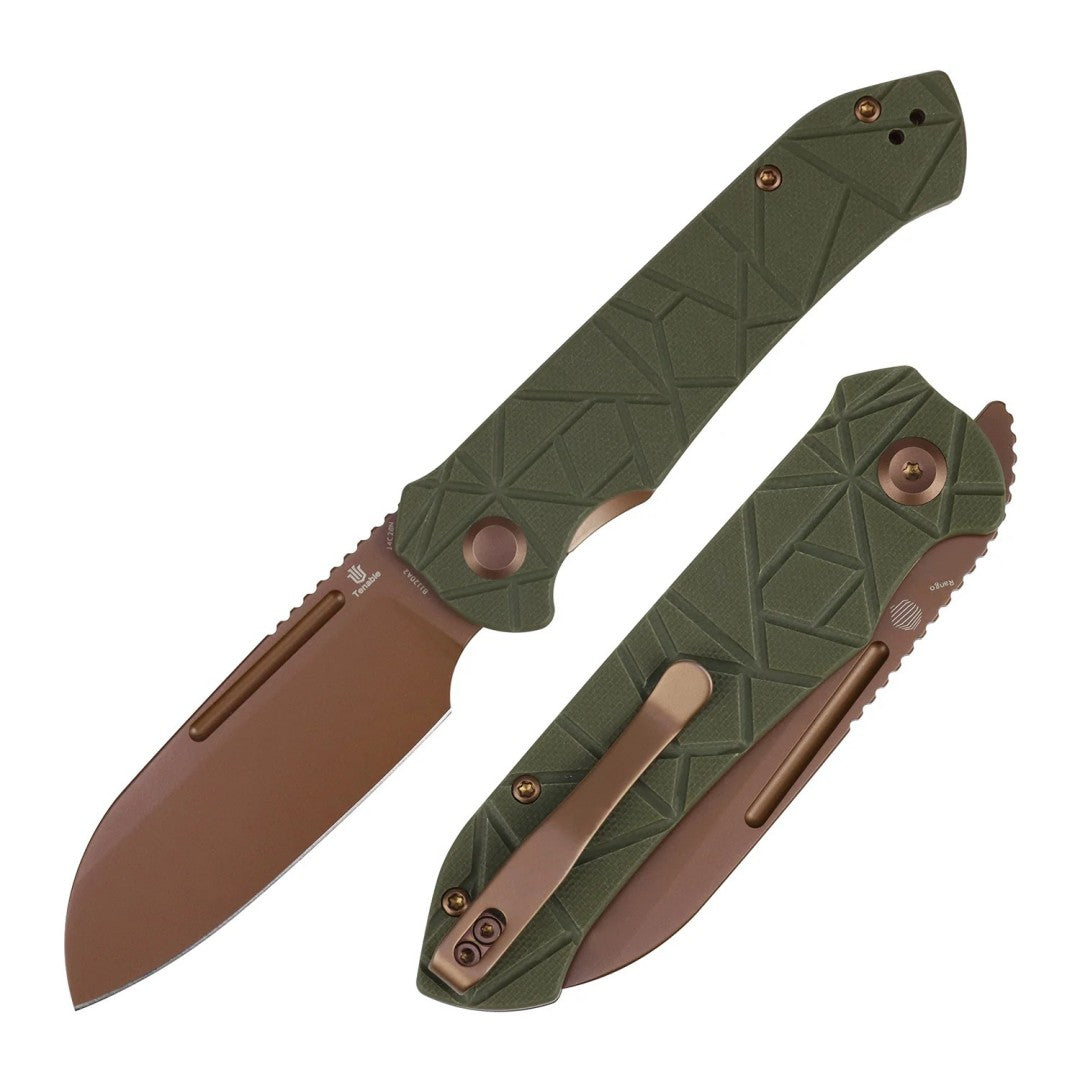
In the world of high-performance knife steels, most alloys force you to choose between toughness and wear resistance. You either get a blade that stays sharp forever but chips if you look at it wrong, or a blade that can take a beating but dulls after a few cuts. CPM-3V shatters that compromise. Engineered by Crucible Industries to solve chronic breakage and chipping in industrial tooling, CPM-3V has become the gold standard for hard-use knives that absolutely must not fail—whether you are batoning firewood, processing game, or trusting your blade with your life in the backcountry.
What Is CPM-3V Steel?
CPM-3V is a powder metallurgy, air-hardening tool steel manufactured by Crucible Industries using their patented Crucible Particle Metallurgy (CPM) process. The “3V” designation places it in Crucible’s high-vanadium family, with vanadium content playing a key role in its performance. Unlike stainless steels that prioritize corrosion resistance, CPM-3V was designed from the ground up to provide maximum resistance to breakage and chipping while still delivering excellent wear resistance. In practical terms, it is one of the toughest tool steels available for knife making—period.
A Brief History
CPM-3V was introduced by Crucible Industries in 1997 as a powder metallurgy solution for industrial tooling applications where chronic tool breakage and chipping were unacceptable. According to Crucible, the steel was intended to replace high-alloy tool steels in wear applications where “chronic tool breakage and chipping problems are encountered”.
Knife makers quickly discovered that these same properties made CPM-3V ideal for outdoor and survival knives. Blades could be ground thin for exceptional cutting performance while remaining tough enough to handle batoning, chopping, and even prying. Andrew Demko, owner of Demko Knives, puts it simply: “My favorite steel for a field knife is 3V. It has exceptional edge-holding capability for its level of toughness, and I’d rather re-sharpen a knife rather than have it break”.
The Chemistry Behind the Performance
The performance of CPM-3V comes down to its carefully balanced composition. Here is the breakdown:
| Element | Percentage | What It Does |
|---|---|---|
| Carbon (C) | 0.80% | Provides hardness and supports carbide formation |
| Chromium (Cr) | 7.50% | Provides mild corrosion resistance; well below stainless threshold |
| Vanadium (V) | 2.75% | Forms fine, hard vanadium carbides for wear resistance and grain refinement |
| Molybdenum (Mo) | 1.30% | Enhances toughness, strength, and hardenability |
The 0.80% carbon content is high enough to support a substantial volume of vanadium carbides—which provide wear resistance—but low enough to preserve exceptional toughness. The 2.75% vanadium is the key to the steel’s wear resistance, producing fine, evenly distributed vanadium carbide particles that resist abrasion without making the steel brittle. The 7.5% chromium provides some corrosion protection—better than plain carbon steels—but is well below the 10.5% threshold required for stainless classification.
Key Properties and Performance
Toughness (The Defining Characteristic)
CPM-3V offers impact toughness greater than A2, D2, Cru-Wear, or CPM M4, approaching the levels of S7 and other shock-resistant grades. In real-world terms, this toughness translates to blades that can withstand batoning, chopping through frozen wood, and even impact against hard materials like nails or concrete blocks without catastrophic failure. I have seen 3V blades go through torture tests that would make you wince—chopping through nails, frozen wood, even concrete blocks. While the edge might roll or deform, the blade itself stays intact.
Quantitatively, Crucible’s data shows that CPM-3V at 58 HRC has comparable adhesive wear resistance to Cru-Wear at 62 HRC with nearly three times the impact resistance. That is an extraordinary margin of superiority.
Hardness
CPM-3V is typically heat-treated to 58–62 HRC, with the sweet spot for most knife applications being 58–60 HRC. At this range, the steel achieves its best balance of toughness and wear resistance. Recommended heat treatment from Crucible: austenitize at 1950°F (1065°C), hold 30–45 minutes, and temper three times at 1000°F (540°C) for a target hardness of 58–60 HRC. Higher austenitizing temperatures can be used to obtain higher hardness (up to 62–64 HRC for smaller blades), but this comes at a slight decrease in impact resistance.
Edge Retention and Wear Resistance
CPM-3V offers good edge retention that is perfectly adequate for most outdoor and everyday cutting tasks. It provides approximately 50% better abrasion resistance than D2. While it may not match the extreme edge-holding of some specialty steels like CPM-M4 or MagnaCut, it maintains a serviceable edge through normal use. Importantly, because of its exceptional toughness, CPM-3V can be ground to much thinner, more acute edge geometries than more brittle steels—and a thin, acute edge not only cuts better but also exhibits superior edge retention in practice.
Edge Stability
One of CPM-3V’s most valuable—and often overlooked—properties is its edge stability. When 3V finally does get dull, it degrades gracefully. You do not get sudden chips or rolls that take you from sharp to useless in one bad cut. The edge wears evenly and predictably rather than fracturing at large carbide particles, which is a common failure mode in high-carbide steels.
Corrosion Resistance
CPM-3V is not a stainless steel. With only 7.5% chromium, it lacks the chromium content needed to form a fully passive oxide layer. In practice, this means the steel will develop a patina and can rust if neglected, especially in humid environments or around saltwater.
That said, CPM-3V offers better corrosion resistance than any plain carbon steel. Many users report that with reasonable care—wiping the blade dry after use and applying a light coat of oil occasionally—corrosion is a non-issue. In humid or marine environments, a protective coating (such as Cerakote) is a recommended option.
Ease of Sharpening
Because of its high wear resistance, CPM-3V is harder to sharpen than simpler steels like 1095 or 440C. However, it is significantly easier to sharpen than many other premium powder metallurgy steels with higher carbide volumes. Diamond-coated or ceramic stones are recommended for best results. The fine, uniform carbide structure means that the steel responds well to sharpening and takes a very keen edge. In the field, many users find that CPM-3V maintains a working edge for long enough that resharpening is infrequent.
CPM-3V vs. Other Knife Steels
CPM-3V vs. MagnaCut
MagnaCut is a newer stainless steel designed by Dr. Larrin Thomas to balance toughness, corrosion resistance, and edge retention. The main distinction is that MagnaCut has higher alloy content, including increased chromium, vanadium, niobium, and carbon, giving it higher hardness, wear resistance, and corrosion resistance, though CPM-3V is more resistant to impact. In most cutting tasks, MagnaCut holds an edge noticeably longer than CPM-3V—typically outperforming it by 20–40% in total cutting length before the edge degrades to a set sharpness level. However, CPM-3V remains the tougher steel overall, making it the better choice for chopping, batoning, and hard-use applications where impact resistance is the priority.
CPM-3V vs. D2
D2 is a high-carbon, high-chromium tool steel that offers good wear resistance but significantly lower toughness. CPM-3V is dramatically tougher than D2 and approaches S7 in impact resistance, making it far less prone to chipping under impact. It also offers better corrosion resistance and is easier to sharpen. For any application where the blade might be subjected to impact or lateral stress, CPM-3V is the superior choice.
CPM-3V vs. Cru-Wear
Cru-Wear is a balanced, high-performance tool steel from Crucible that excels in toughness for hard use. The key difference: CPM-3V is significantly tougher than Cru-Wear. According to Crucible, at 58 HRC, CPM-3V has comparable wear resistance to Cru-Wear at 62 HRC with nearly three times the impact resistance. If extreme toughness is your priority, CPM-3V is the winner; if you want better corrosion resistance and slightly higher edge retention in a balanced package, Cru-Wear is a strong contender.
CPM-3V vs. CPM-4V
CPM-4V contains significantly more carbon, vanadium, and molybdenum than CPM-3V, resulting in a steel that is capable of higher attainable hardness and even greater abrasion resistance. However, CPM-4V is slightly less tough than CPM-3V, and its corrosion resistance is also lower. CPM-3V is easier to sharpen and more corrosion-resistant, making it the better choice for users who prioritize toughness and maintainability over maximum edge retention.
Best Applications for CPM-3V Steel
Thanks to its exceptional toughness and good wear resistance, CPM-3V is best suited for applications where impact resistance and reliability are the highest priorities:
-
Chopping and Bushcraft Knives – Widely considered the best steel for choppers and large outdoor knives. It can withstand batoning, chopping through frozen wood, and impact with hard materials without chipping or breaking.
-
Survival and Tactical Knives – The steel’s exceptional toughness makes it ideal for survival knives that may be called upon to perform tasks far beyond normal cutting.
-
Hunting Knives – Holds up well to field dressing, skinning, and processing game, even when blades make contact with bone.
-
Camping and Outdoor Knives – Resistant to chipping and complete breakage under the influence of impact or twisting, making it ideal for forest and backcountry use.
Notable brands using CPM-3V include Demko Knives, Bark River Knives, LionSteel, Böker, Cold Steel, and Spyderco, as well as numerous custom makers.
Pros and Cons
Advantages
-
Exceptional toughness – One of the toughest tool steels available for knife making; highly resistant to chipping, cracking, and breakage under impact.
-
Excellent wear resistance – Approximately 50% better than D2, approaching M2 high-speed steel levels.
-
Good edge retention – Maintains a working edge through extended cutting tasks.
-
Excellent edge stability – Edge wears evenly and predictably, degrades gracefully without sudden chipping.
-
Can be ground very thin – Toughness allows extremely thin edge geometries for superior cutting performance.
-
Fine grain structure – Takes a keen edge and responds well to sharpening.
-
Proven track record – Over 25 years of use in demanding industrial and knife applications.
Limitations
-
Not stainless – Will rust if neglected; requires cleaning, drying, and occasional oiling.
-
Moderate edge retention compared to ultra-wear-resistant steels – Does not hold an edge as long as CPM-M4, S90V, or MagnaCut in highly abrasive cutting.
-
Harder to sharpen than simple steels – Requires diamond or ceramic stones for best results.
-
Premium price point – Knives made from CPM-3V are more expensive than those made from D2 or 440C.
Is CPM-3V Right for You?
CPM-3V is an excellent choice for anyone who needs a blade that can withstand impact, chopping, batoning, and hard use without chipping or breaking. It is not stainless, and it does not offer the absolute best edge retention of any steel on the market. But for users who prioritize toughness above all else—and are willing to provide basic maintenance to prevent rust—CPM-3V is one of the best options available.
Choose CPM-3V if you:
-
Need a blade for chopping, batoning, or heavy outdoor use where impact resistance is critical
-
Value toughness as your highest priority in a blade steel
-
Are willing to provide basic maintenance (cleaning, drying, and occasional oiling) to prevent rust
-
Want a steel that can be ground thin for superior cutting performance
-
Need a blade that will not chip or break even under abusive conditions
Look elsewhere if you:
-
Need a stainless steel for saltwater or high-humidity environments (consider MagnaCut or LC200N)
-
Require the absolute best edge retention for highly abrasive cutting (consider CPM-M4 or S90V)
-
Prefer a maintenance-free blade that can be left wet without concern
-
Want a budget-friendly option
Final Thoughts
CPM-3V steel is a true legend in the world of high-performance blade steels. Developed by Crucible Industries in 1997 to solve the problem of chronic tool breakage and chipping, it has become the go-to choice for knifemakers who need blades that are virtually indestructible under normal use. With exceptional toughness, excellent wear resistance, and good edge retention—all delivered through the advanced Crucible Particle Metallurgy process—CPM-3V offers a level of balanced performance that few other steels can match.
It is not stainless. It is not the easiest to sharpen. It is not cheap. But for users who need a blade that can take a beating and keep on cutting, CPM-3V is a steel that delivers. Whether you are a bushcrafter, a survivalist, a hunter, or simply someone who demands the very best from their tools, a knife made from CPM-3V is an investment in reliability that you will not regret.