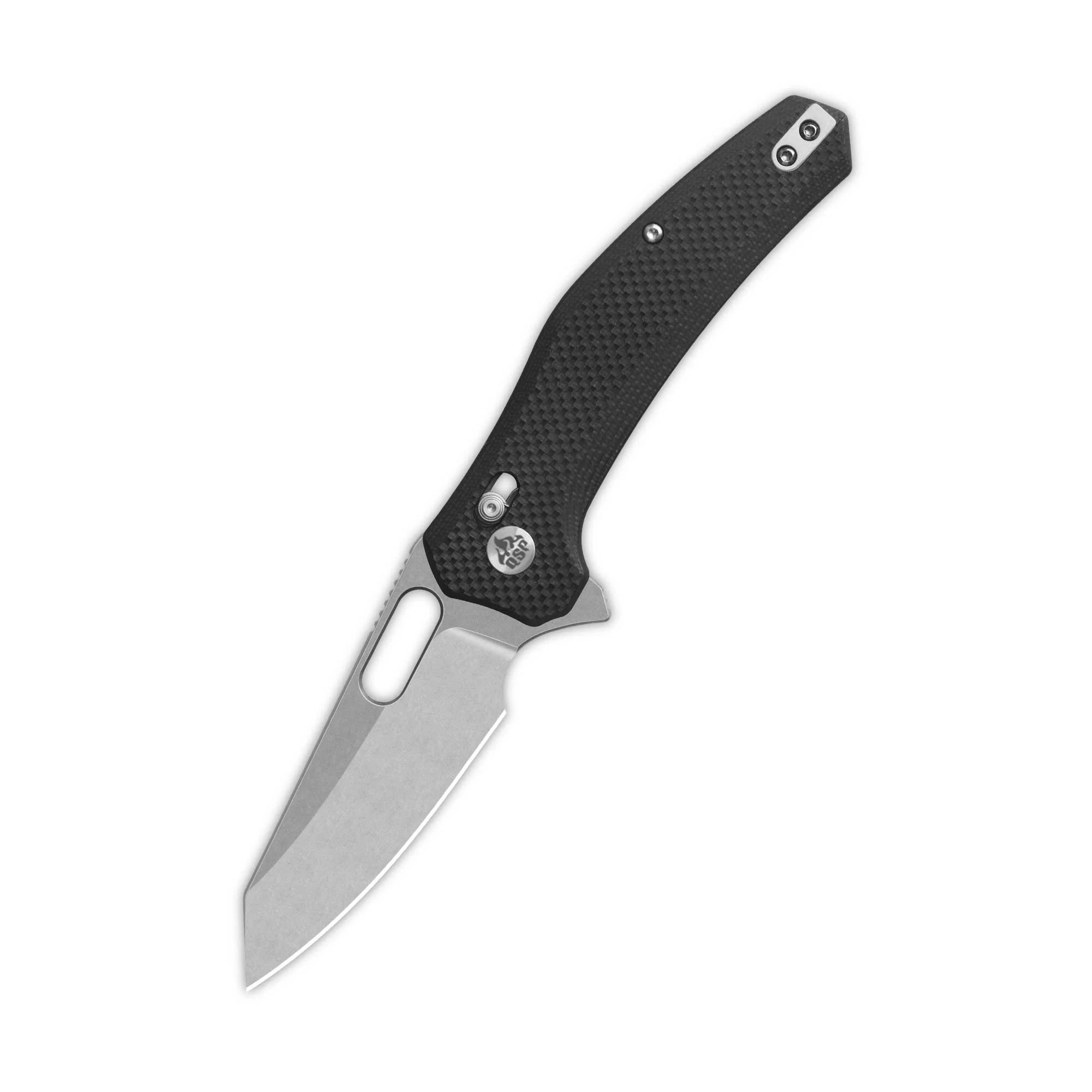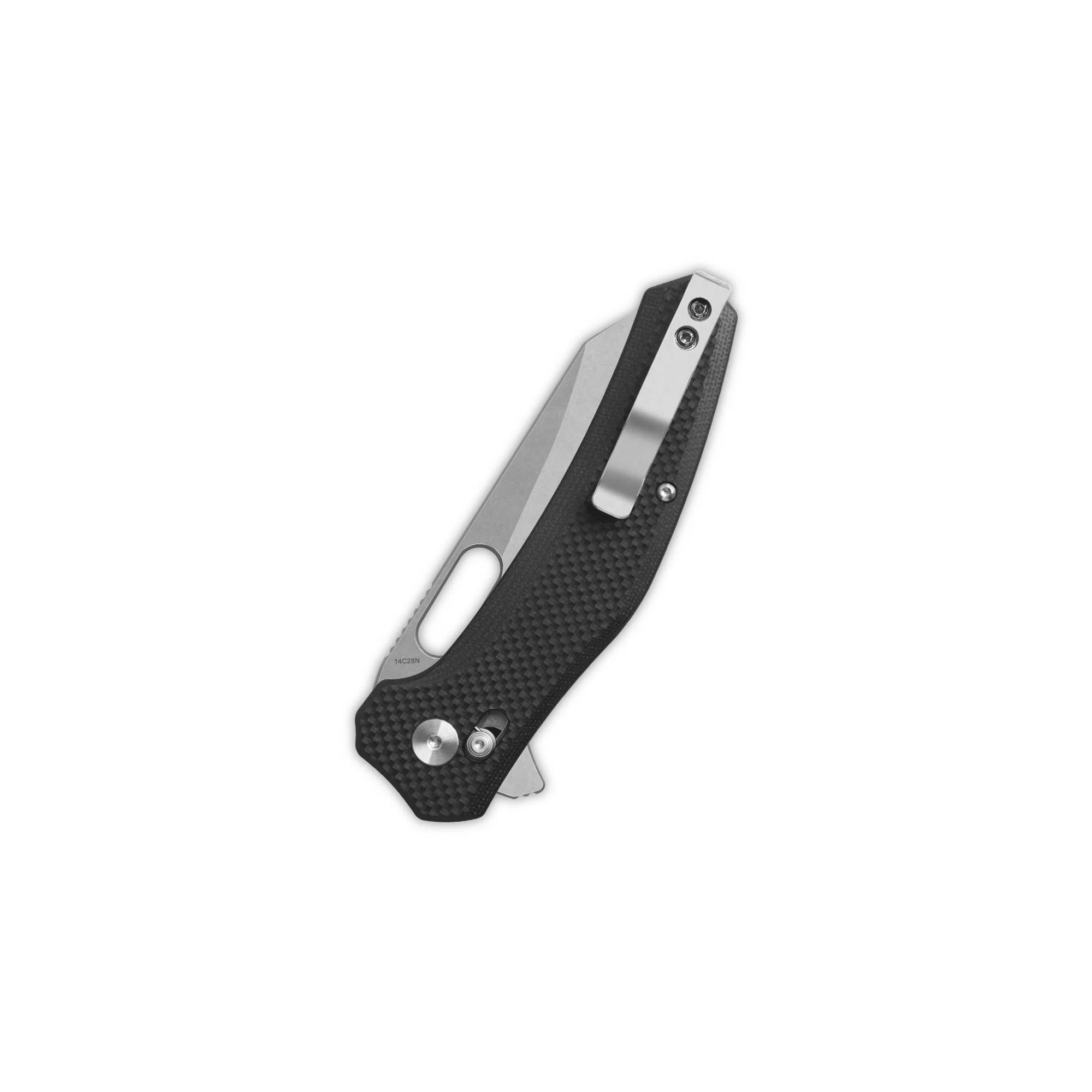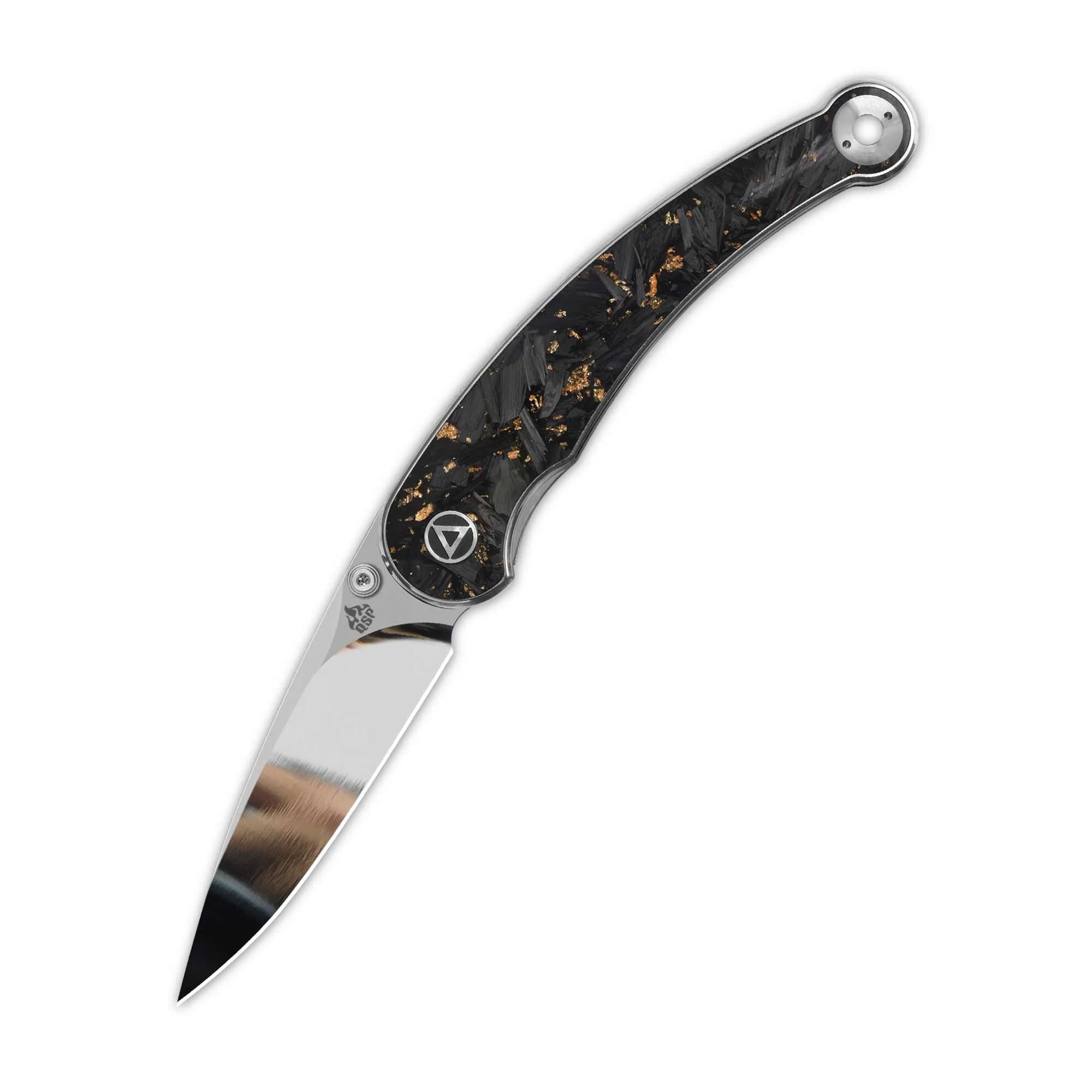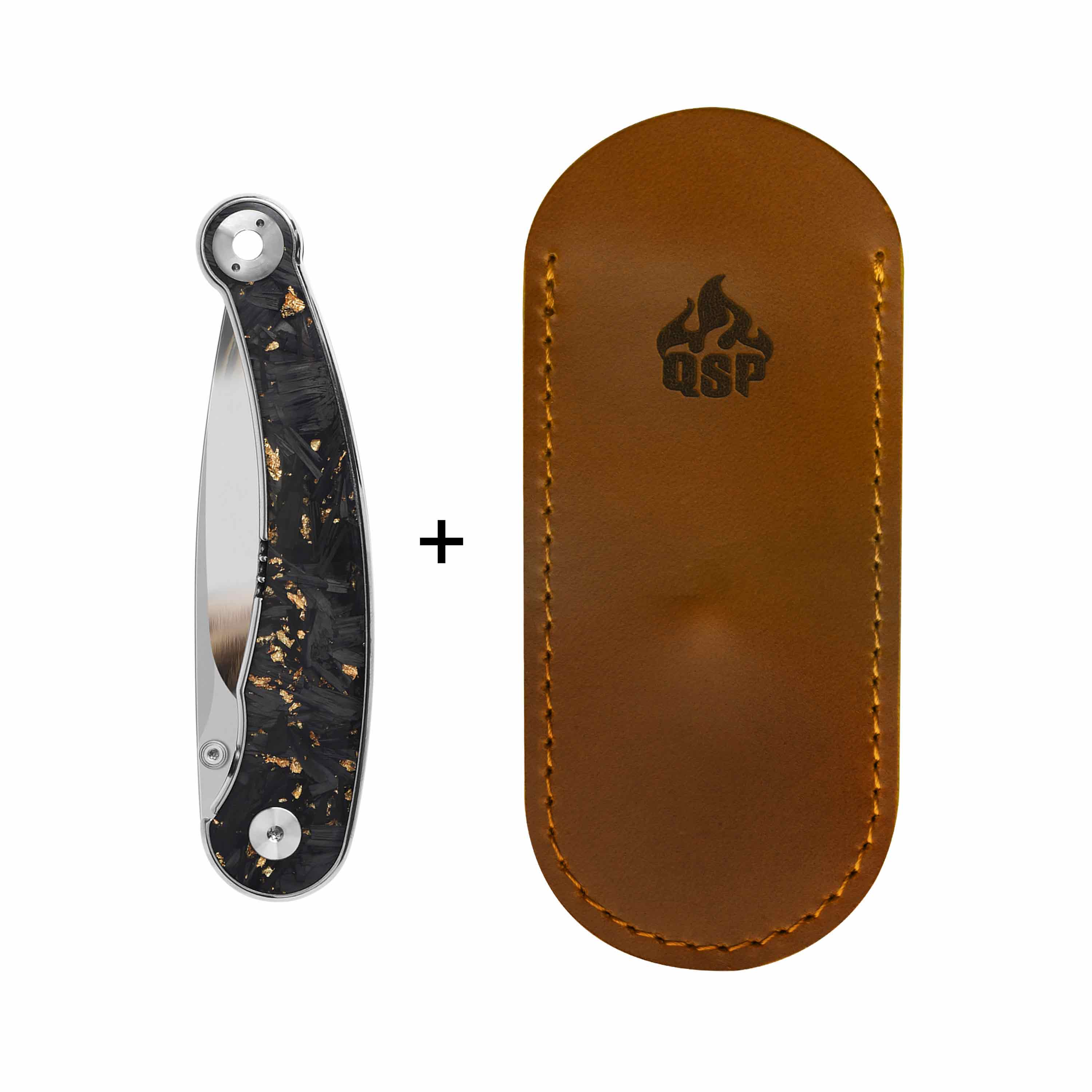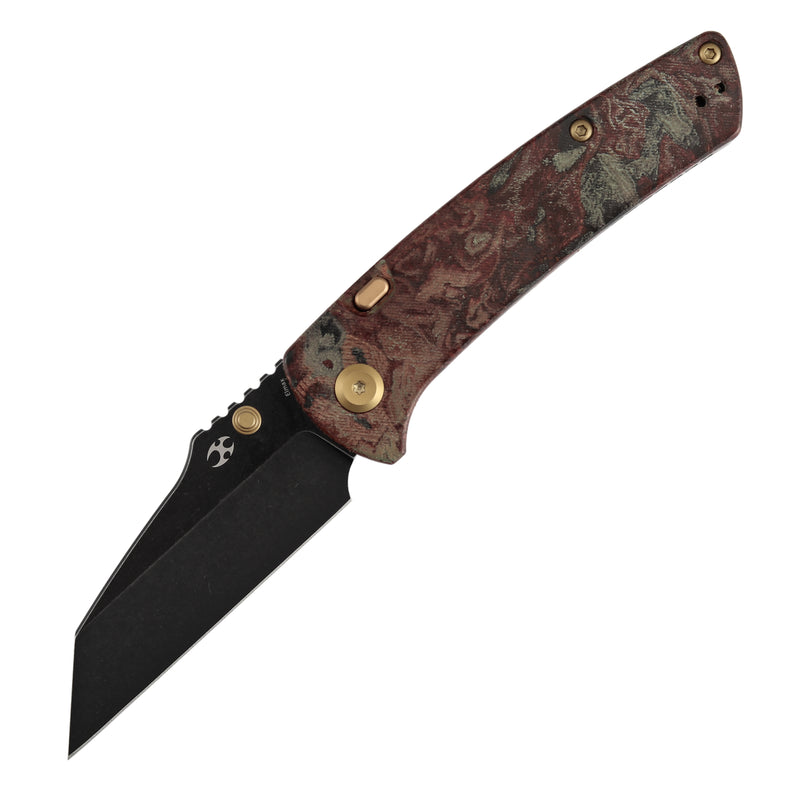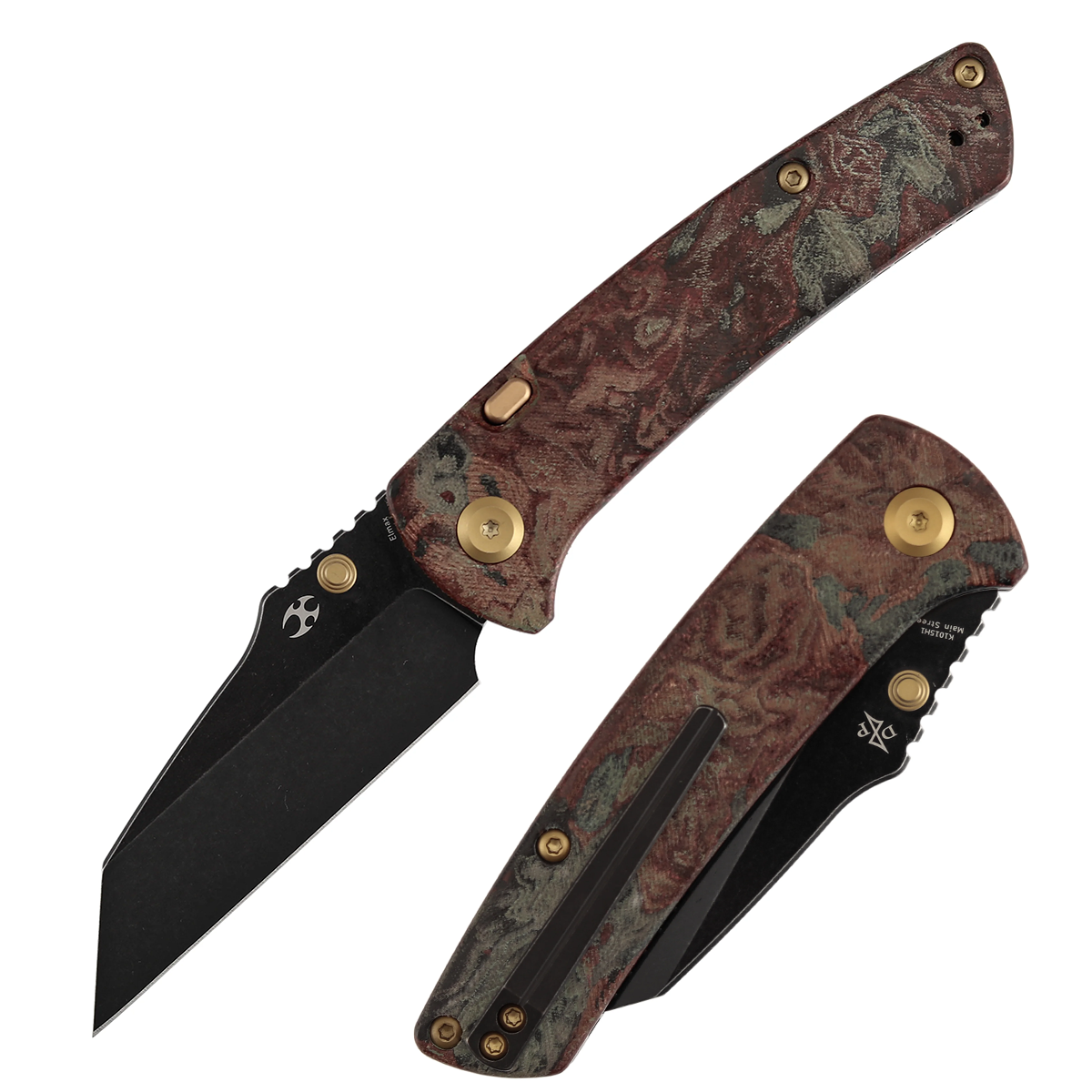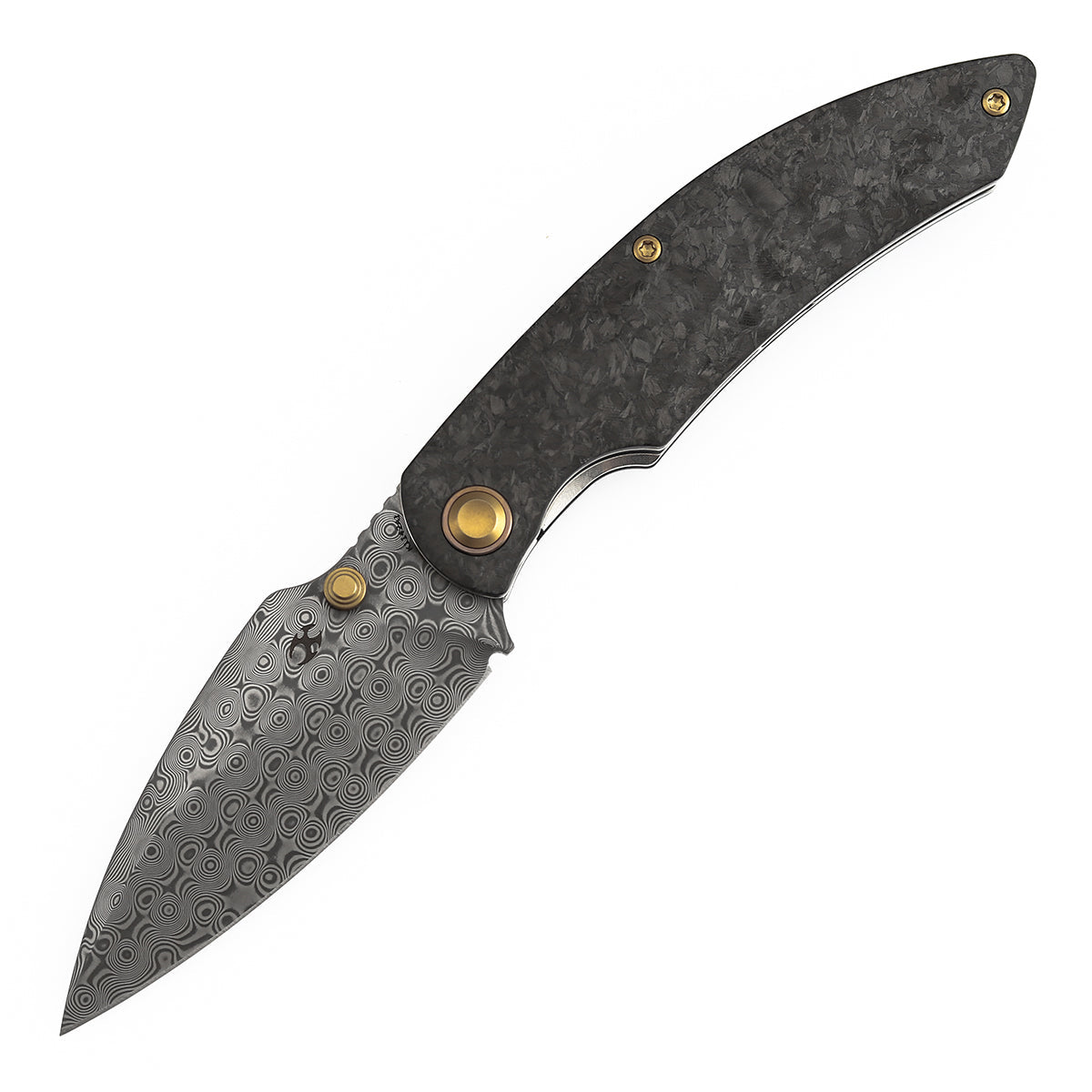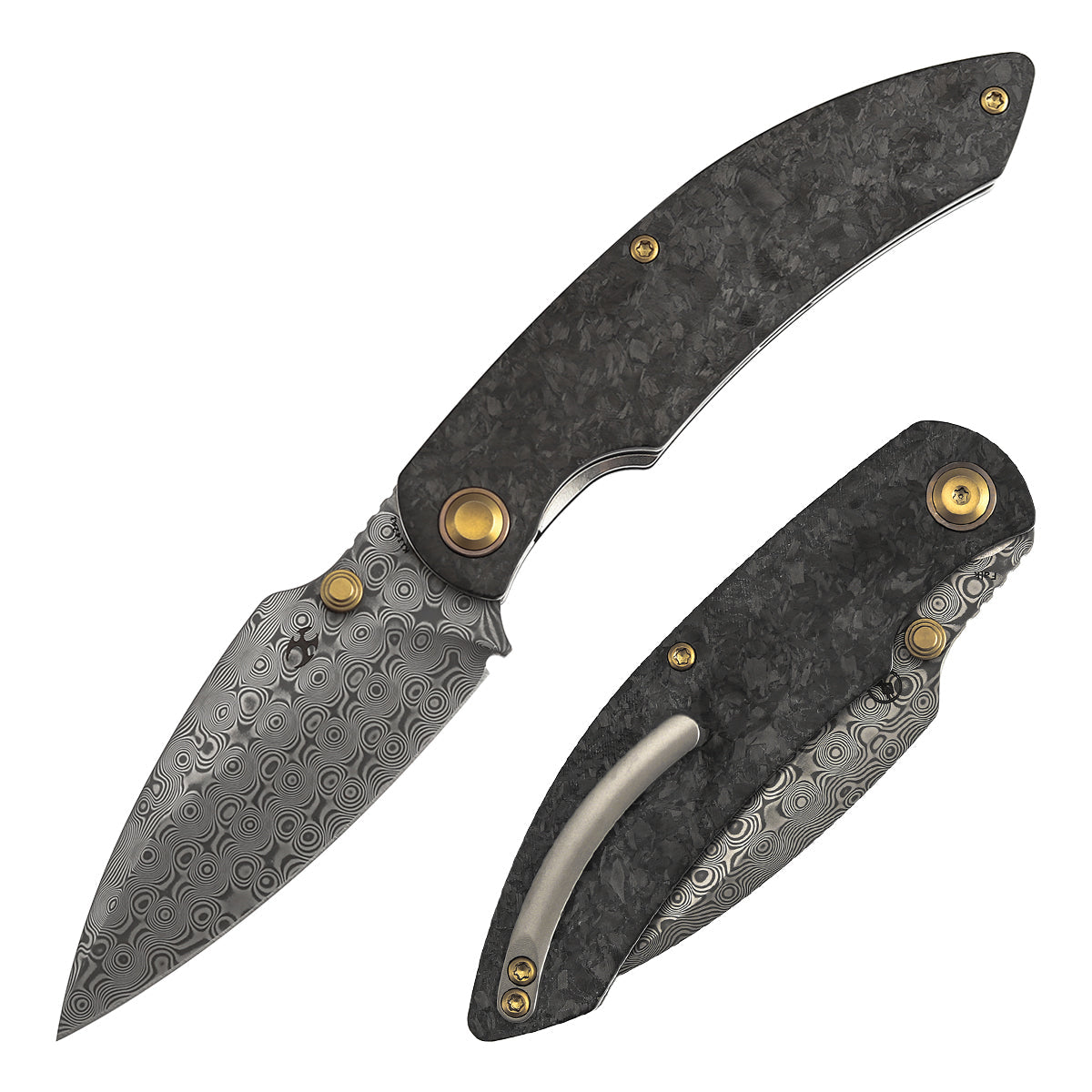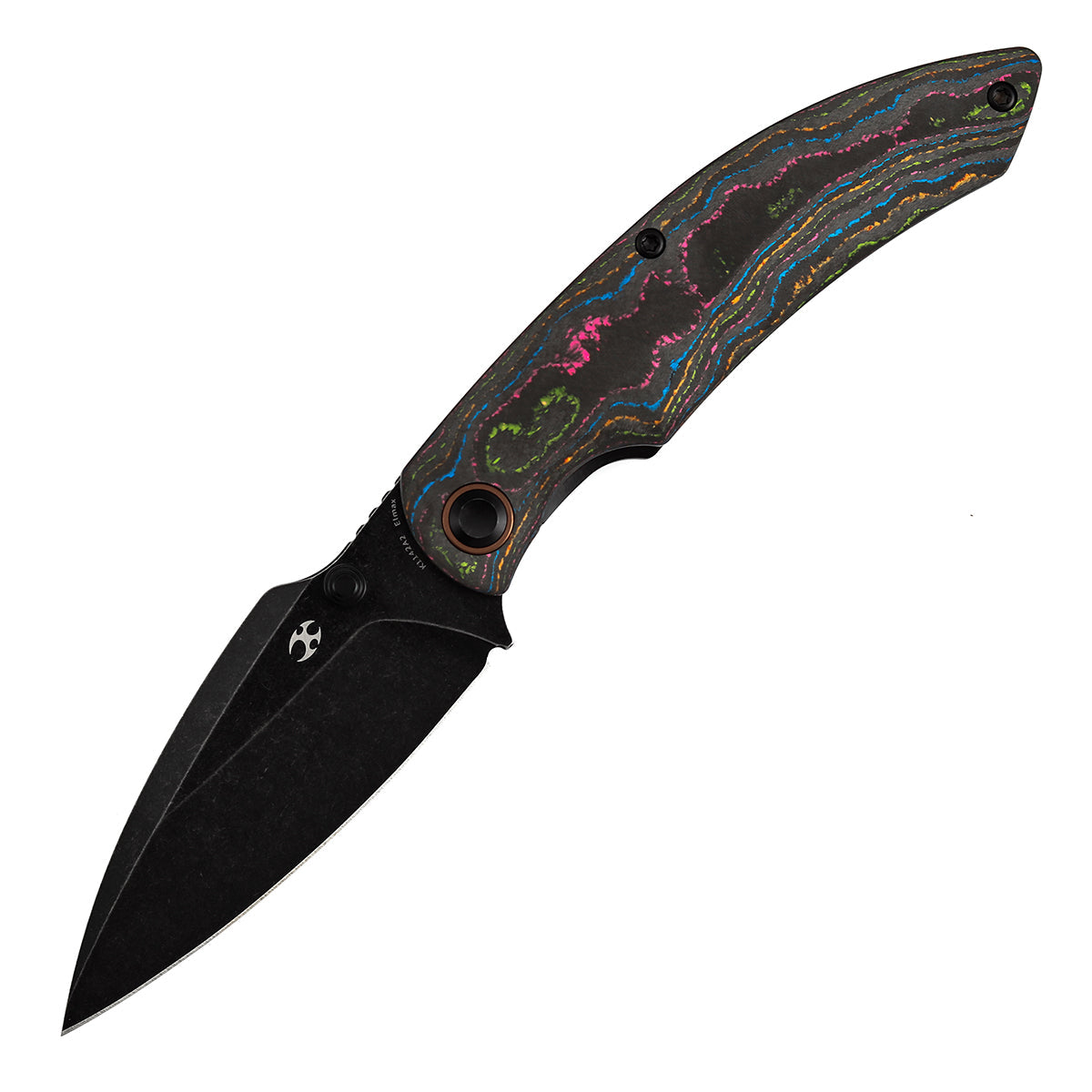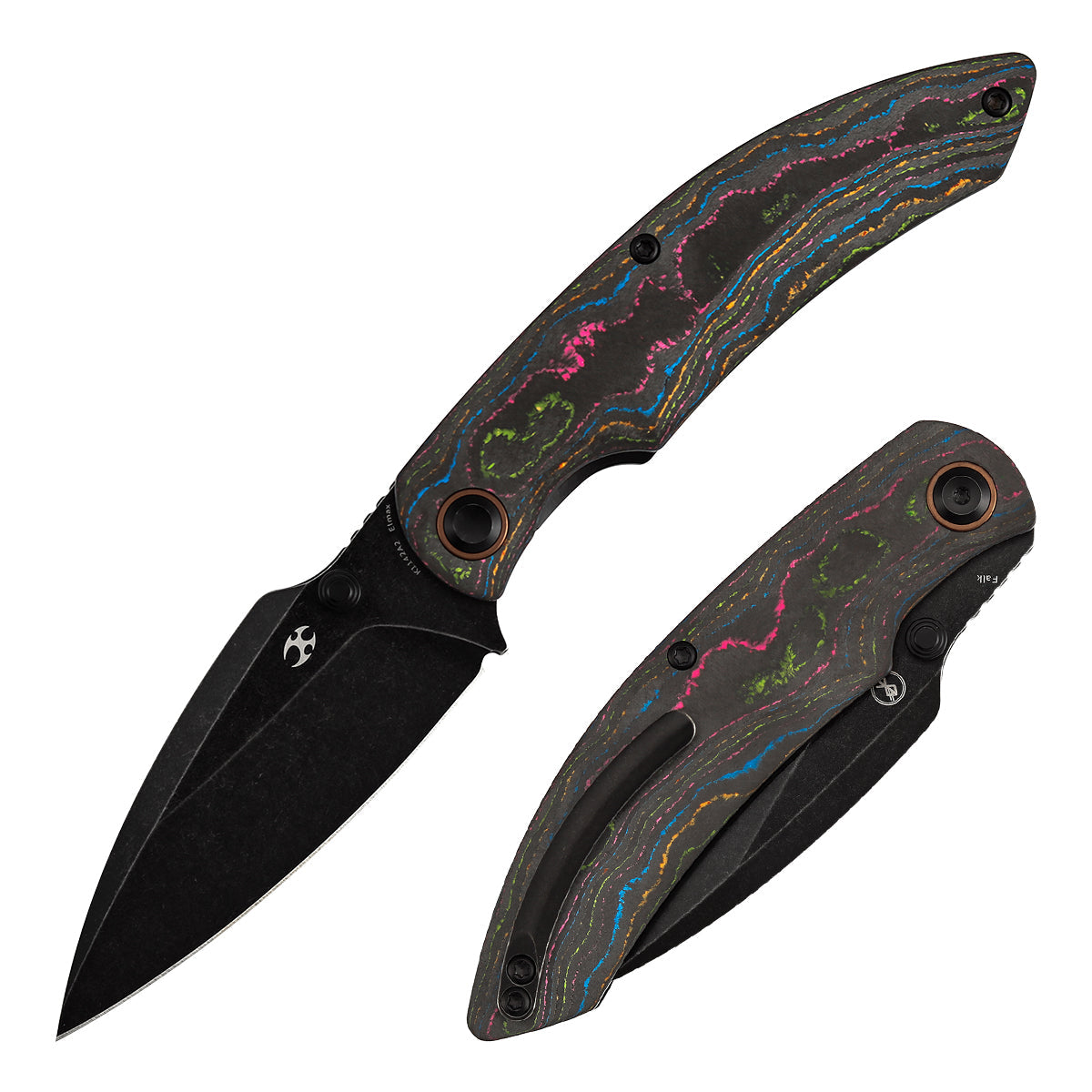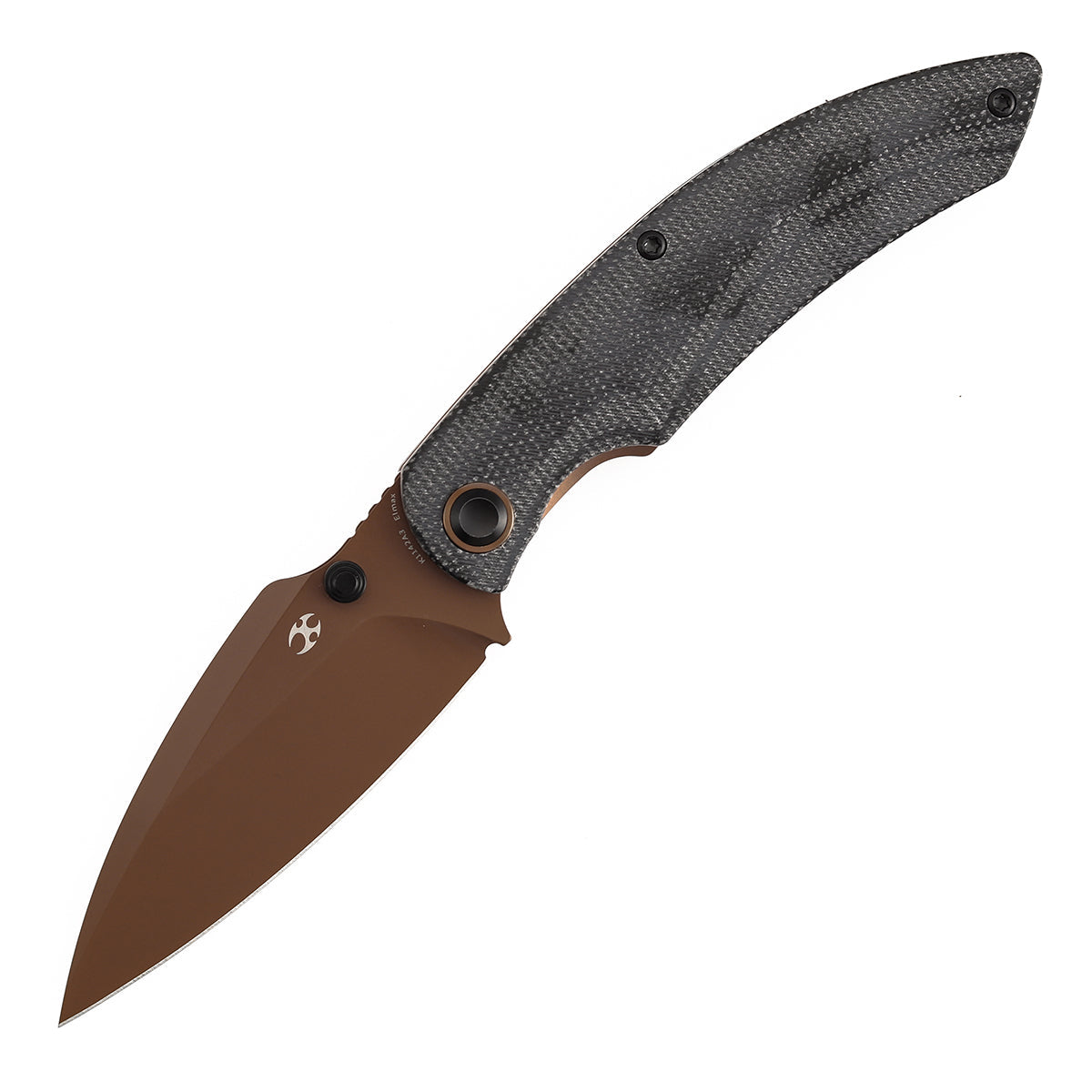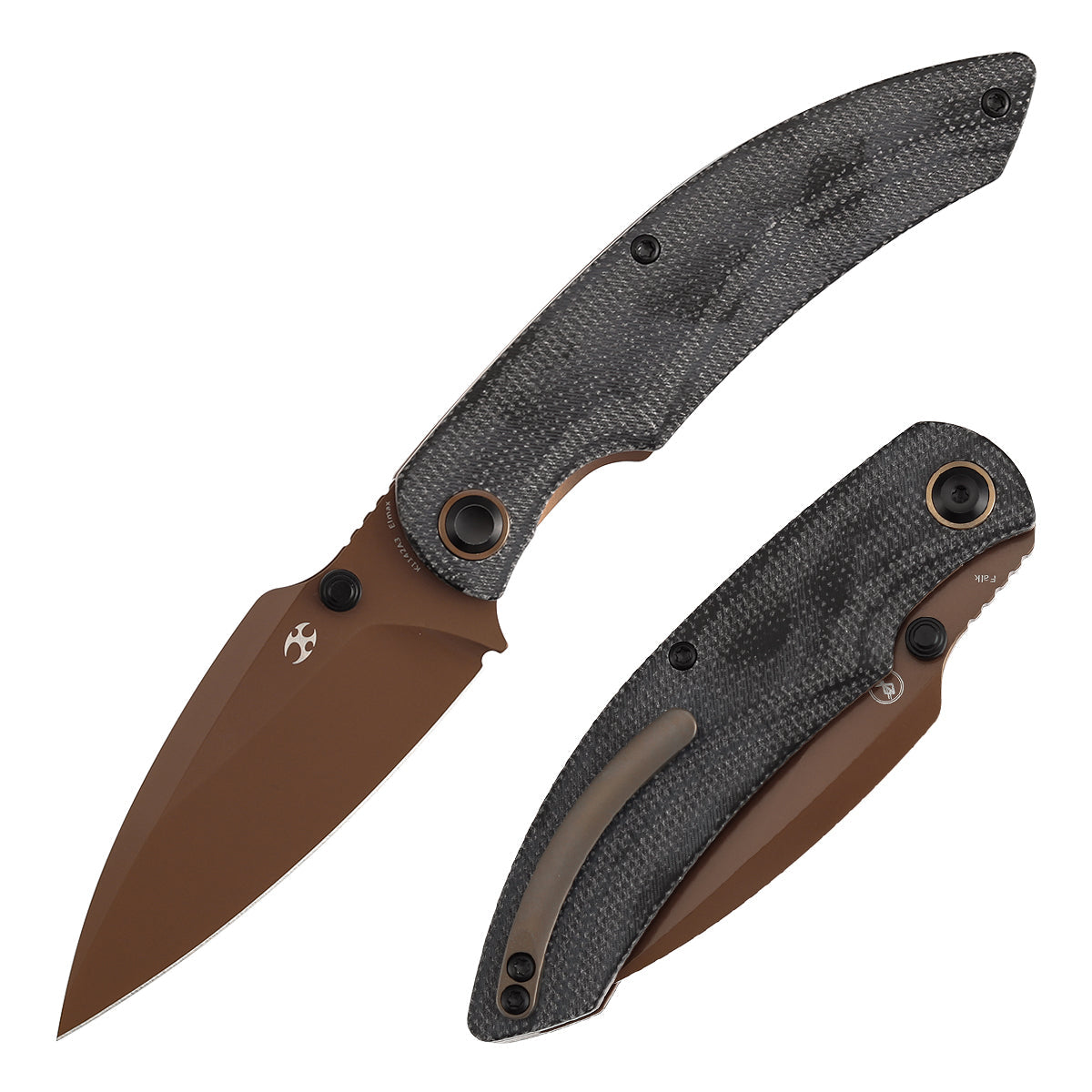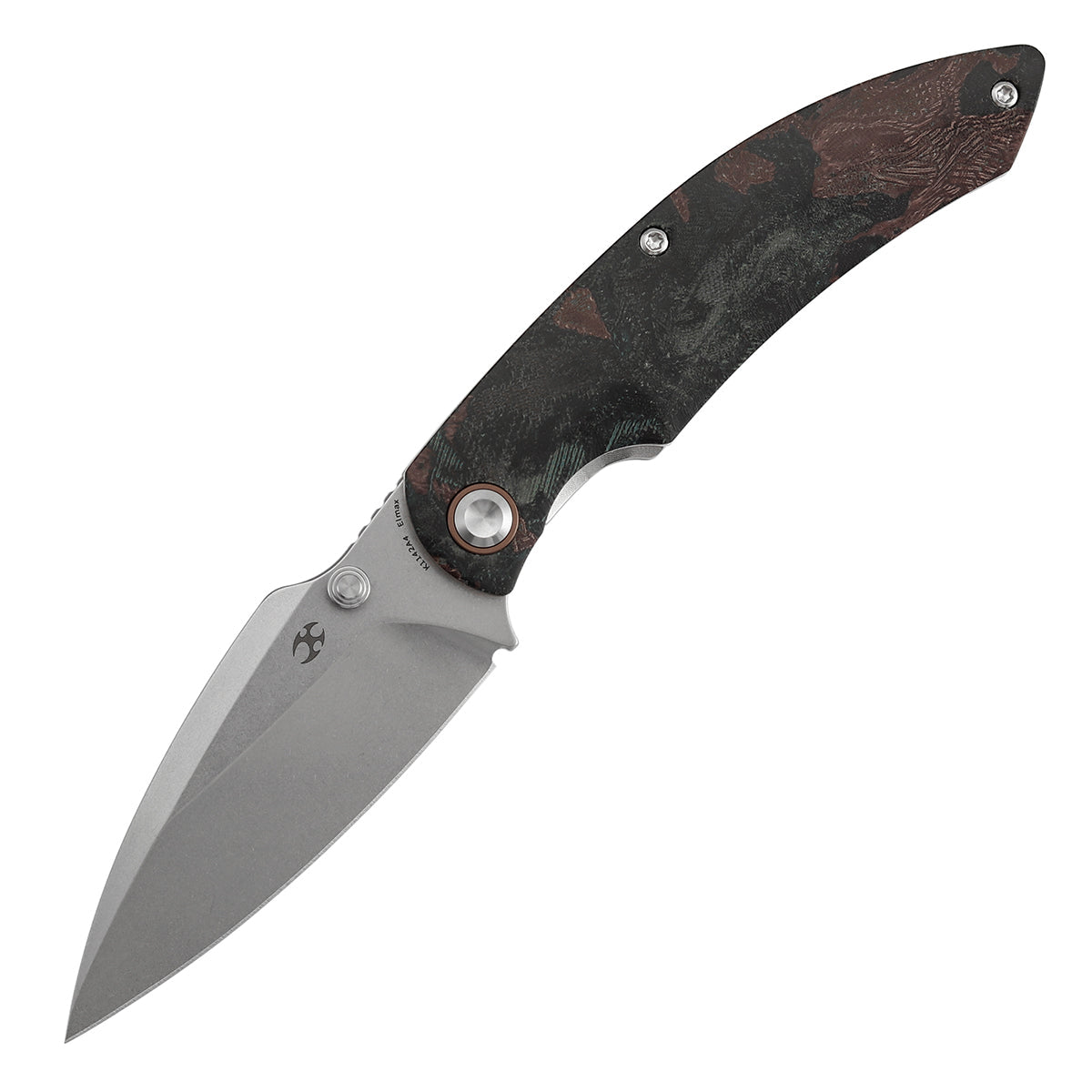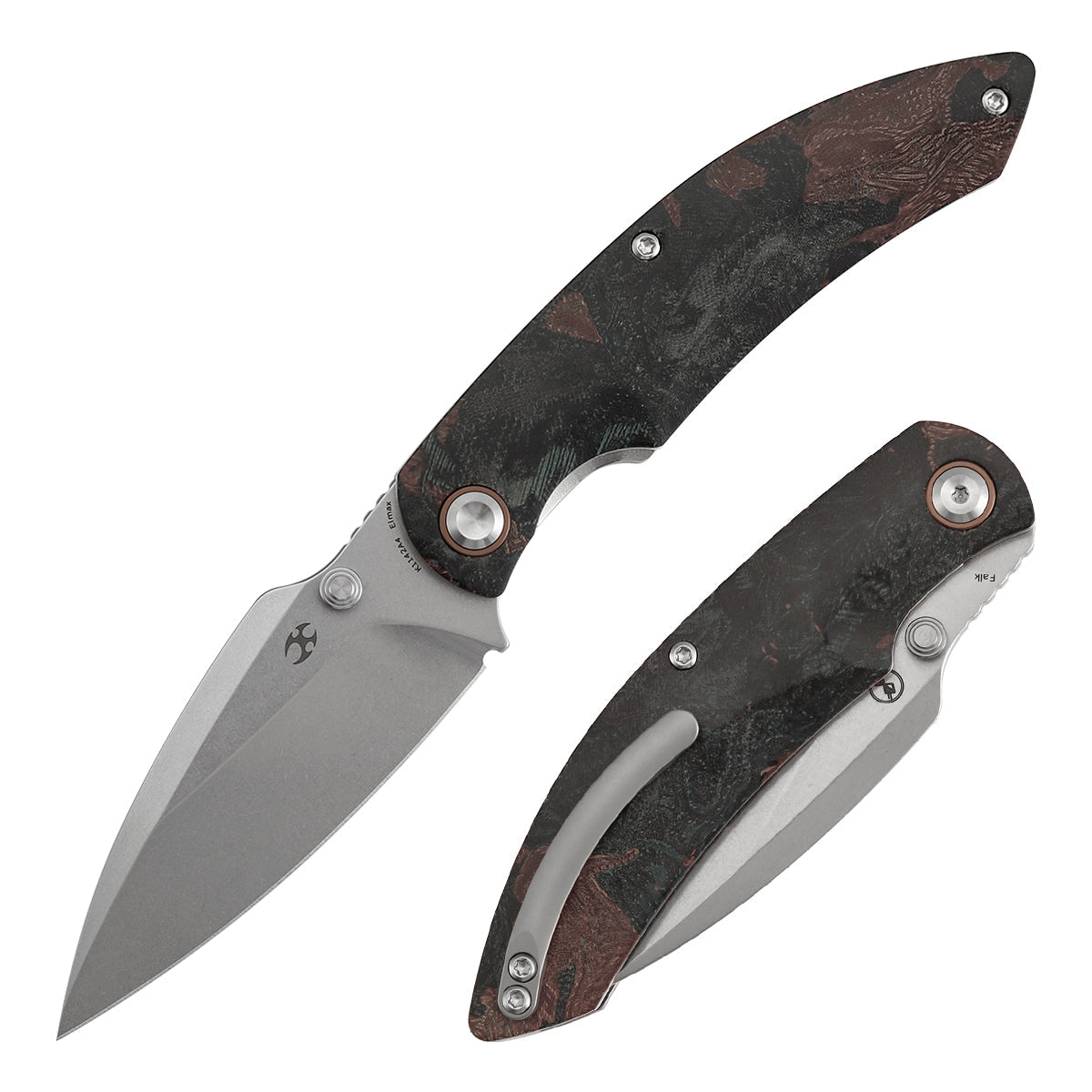

For pocket knife enthusiasts, a folding knife is much more than just a sharp piece of steel. It is a complex mechanical puzzle where the detent, pivot physics, and locking architecture must work in perfect harmony. While casual users look at a blade and see a tool for opening boxes, enthusiasts look at the lock up, deployment acoustics, and physical fluid action.
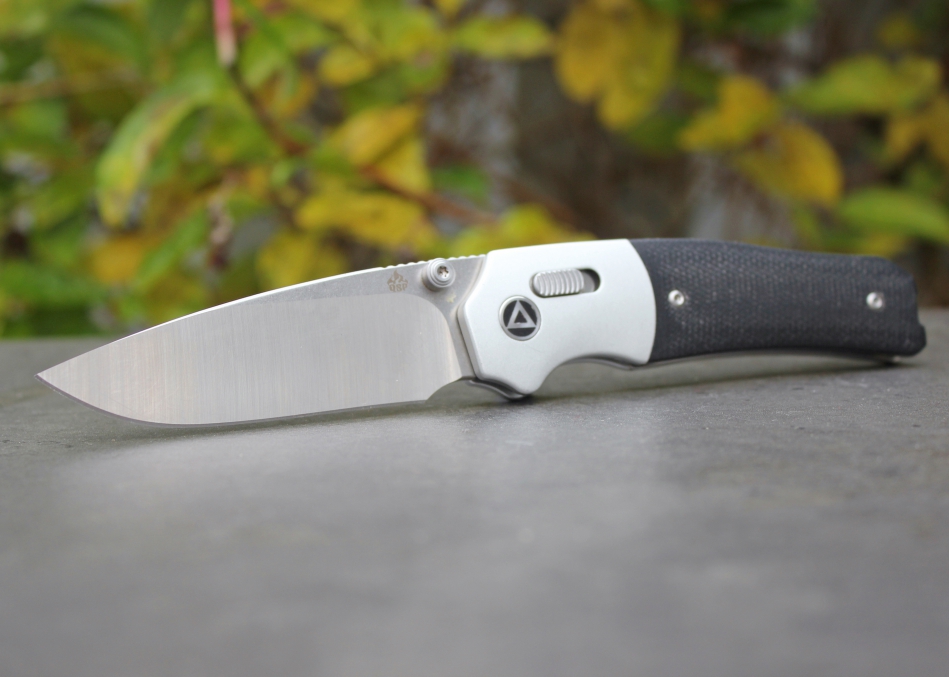
When QSP announced the QSP Vault, designed by custom visionary Jacob Lundquist, the knife community immediately zeroed in on its core feature: the proprietary Glyde Lock mechanism. Crossbar locks are famously difficult to tune properly, but QSP's execution has captured the attention of seasoned collectors and hard-use EDC enthusiasts alike. Let's look deep into the engineering details to understand why knife purists are absolutely obsessed with the smooth mechanics of the Glyde Lock.
1. Eradicating the "Mushy" Crossbar Detent
The single biggest complaint knife collectors have with traditional crossbar-style locks is a weak, mushy closed retention. Because standard crossbar setups rely heavily on internal wire omega springs rather than a classic ceramic detent ball dropping into a blade hole, many competitive knives can feel spongy. If you shake the handle frame too hard, the blade can drift out, presenting a pocket hazard.
The Glyde Lock mechanism completely redefines this dynamic. QSP masterfully adjusted the internal spring tension and tang geometry to deliver a crisp, deliberate closed bias.
-
The Break: Initiating deployment requires a firm, positive press on the dual ambidextrous thumb studs.
-
The Snap: Once you cross that resistance threshold, the blade breaks free instantly, rocketing open along its path.
-
The Sound: The deployment finishes with a highly resonant, metallic clack as the solid steel bar slides over the tang, satisfying the acoustic expectations of true knife nerds.
2. Frictionless Ceramic Ball Bearing Integration
A smooth lock mechanism is entirely dependent on the pivot system it runs alongside. To maximize the potential of the Glyde Lock, QSP paired it with a high-grade ceramic ball-bearing pivot framework.
Many crossbar folders utilize brass or Teflon washers to control manufacturing tolerances, which can induce physical drag. By integrating micro ceramic bearings, the travel path of the 3.25-inch Sandvik 14C28N stainless steel blade becomes entirely frictionless.
When you slide the textured Glyde Lock buttons backward, you release all lockbar tension against the blade's pivot tang. The blade swings completely free, dropping closed under its own weight with an addictive, hydraulic smoothness. This finger-safe, ultra-fluid operational flow provides an endless fidget factor that enthusiasts love.
3. Self-Adjusting Lock Longevity
Enthusiasts don’t just evaluate how a pocket folder handles on day one; they focus deeply on how it will perform after thousands of open-and-close cycles. Traditional liner locks or frame locks wear down over time, causing the locking face to travel further across the tang until the interface develops structural "lock rock" or horizontal blade wiggle.
The Glyde Lock bypasses this mechanical degradation completely through its angled wedging geometry.
| Operational Phase | Mechanical Interaction | Structural Result |
| Initial Deployment | Lockbar seats firmly at the peak of the tang radius | Solid, wiggle-free lockup with zero side play |
| Long-Term Wear | The spring-loaded bar automatically creeps further down the ramp | Continually self-corrects for microscopic metal loss |
| Hard-Use Torquing | Force pushes the crossbar deeper into the steel frame channel | The lock tightens naturally under load rather than slipping |
This self-adjusting engineering architecture ensures that the QSP Vault locks up just as tightly on its ten-thousandth cycle as it did right out of the box, offering a level of longevity that collectors highly value.

4. Perfect Ergonomic Synergy with Lundquist's Design
A mechanical lock can be brilliantly engineered, but if the handle framework forces your fingers into awkward, uncomfortable angles to actuate it, the design fails. Jacob Lundquist’s architectural layout on the Vault ensures that the Glyde Lock is perfectly positioned for human hands.
The textured slider buttons emerge gracefully from the beautifully contoured, anodized aluminum bolsters. The spacing is calculated precisely to allow your thumb and index finger to pinch and retract the bar naturally, without requiring you to adjust your grip.
Furthermore, because the handle frame lacks protruding flipper tabs, the closed profile remains sleek and aerodynamic. This allows the gorgeous canvas Micarta or foil-infused carbon G10 handle scales to shine visually while keeping the knife incredibly comfortable during extended, heavy-use carving or slicing tasks.
5. Absolute Left-Handed Equity
The knife world has traditionally sidelined left-handed users. Standard frame locks and liner locks are inherently biased, forcing lefties to awkwardly manipulate tabs or change their hand stability to safely close their tools.
Because the Glyde Lock operates via a solid bar passing completely through both steel inner liners, it offers perfect ambidextrous symmetry. Left-handed enthusiasts can pull the slider buttons, deploy via the dual thumb studs, and utilize the reversible deep-carry pocket clip with the exact same speed, safety, and mechanical fluid smoothness as a right-handed collector. This total operational equity makes the Vault an incredibly welcoming and practical addition to any collection.
The Verdict: A Mechanical Masterpiece for the Money
The smooth QSP Vault Glyde Lock mechanism isn't just a marketing gimmick; it is an incredibly thoughtful, finely tuned evolution of crossbar technology. By fixing the historical flaws of mushy detents, matching the lock bar with high-speed ceramic bearings, and housing the assembly inside a beautifully bolstered Lundquist design, QSP has built an absolute winner. For pocket knife enthusiasts who demand mechanical perfection, fluid handling, and rock-solid durability for under $100, the Vault's Glyde Lock is an absolute revelation.
Frequently Asked Questions (FAQ)
What makes QSP’s Glyde Lock different from other crossbar locks?
The Glyde Lock features a much firmer, crisp closed bias right out of the box. This prevents the blade from shaking open accidentally, an issue that frequently plagues older crossbar style designs.
Do I need to lubricate the Glyde Lock components frequently?
No. The system runs cleanly with minimal maintenance. A tiny drop of standard, low-viscosity knife oil on the pivot bearings and along the internal slider tracks every few months is all it takes to keep the action ultra-smooth.
Can the Glyde Lock bar wear down the blade tang over time?
The Glyde Lock bar is engineered with an angled geometry that naturally self-adjusts as the metal surfaces interface. It naturally settles deeper onto the tang over years of use, preventing any blade play from developing.