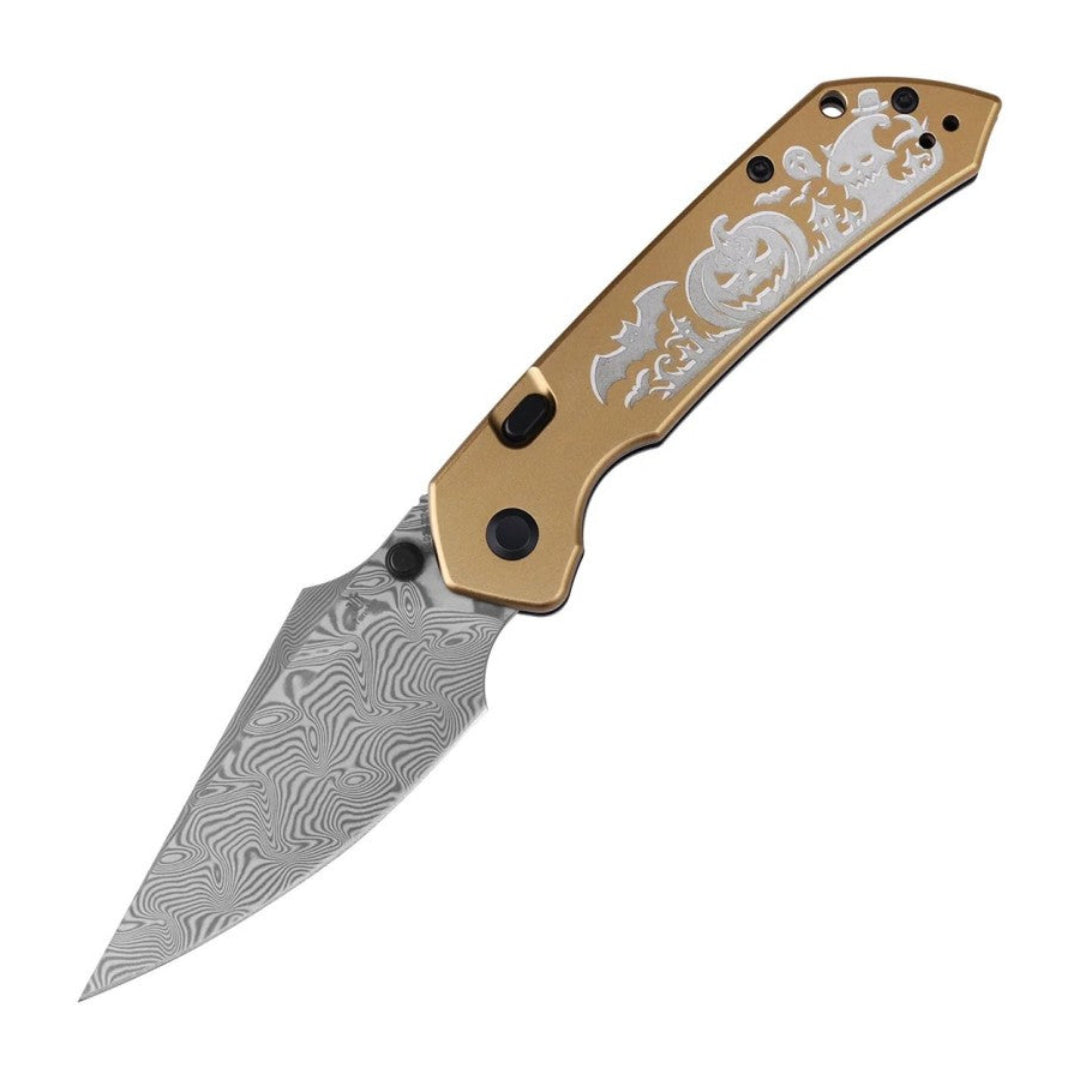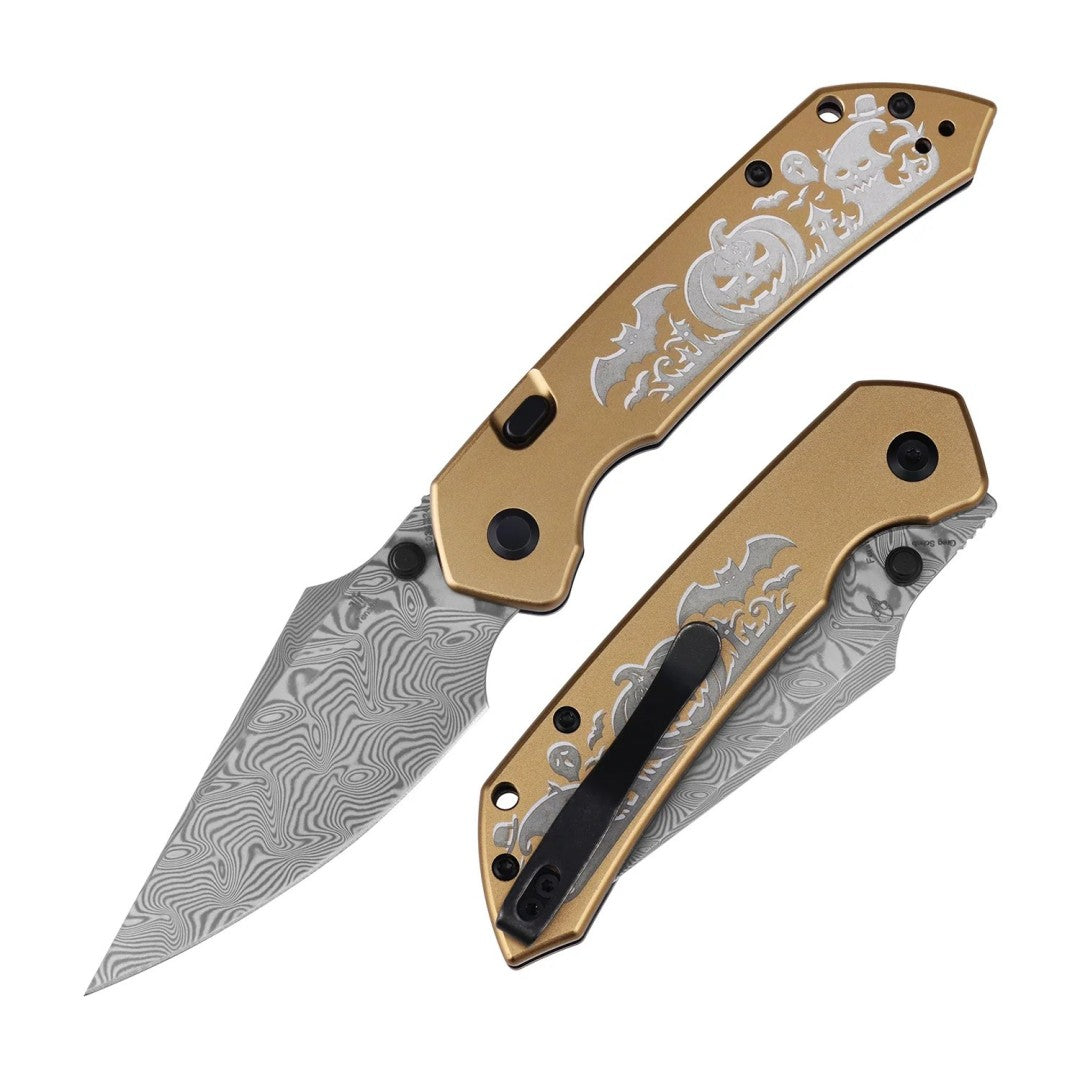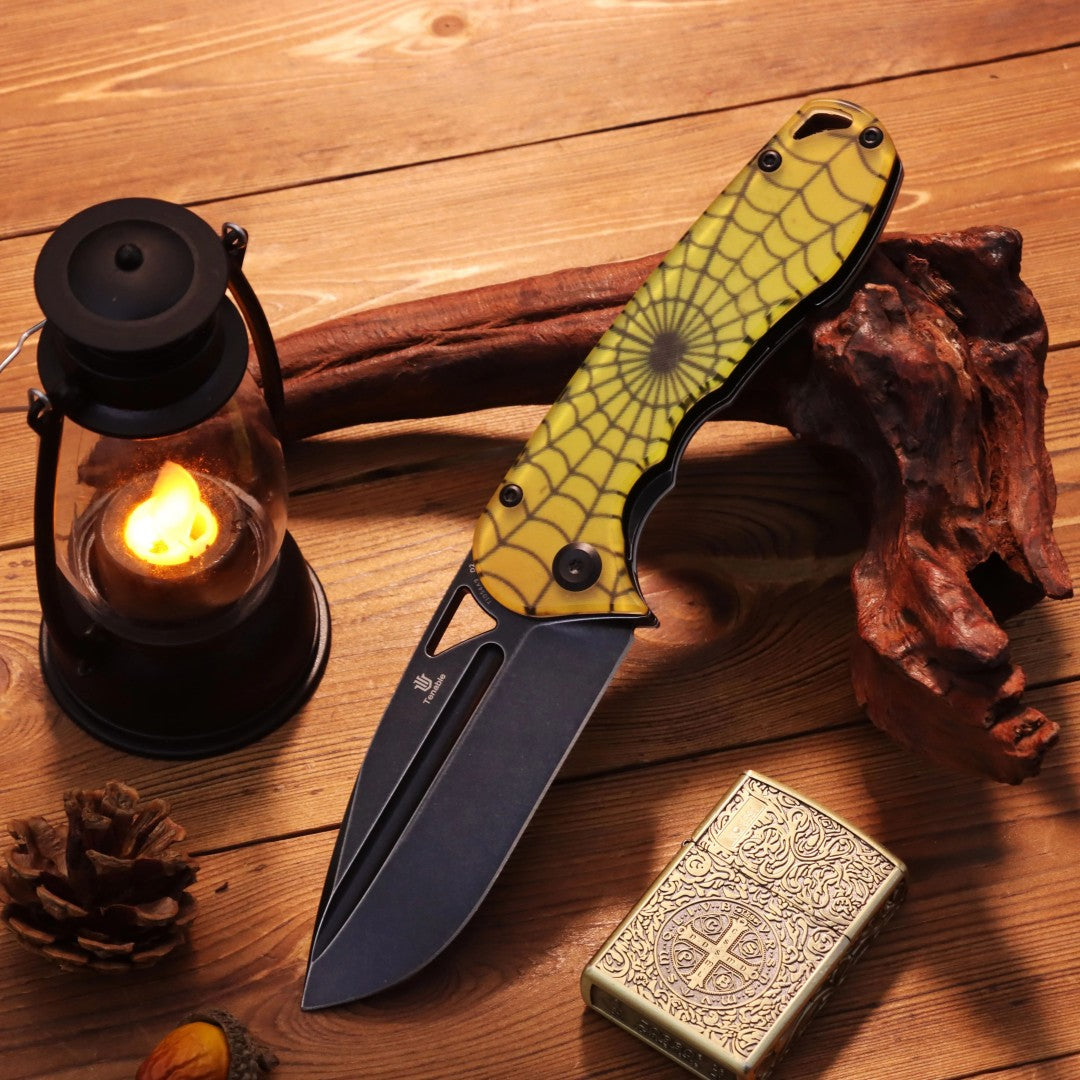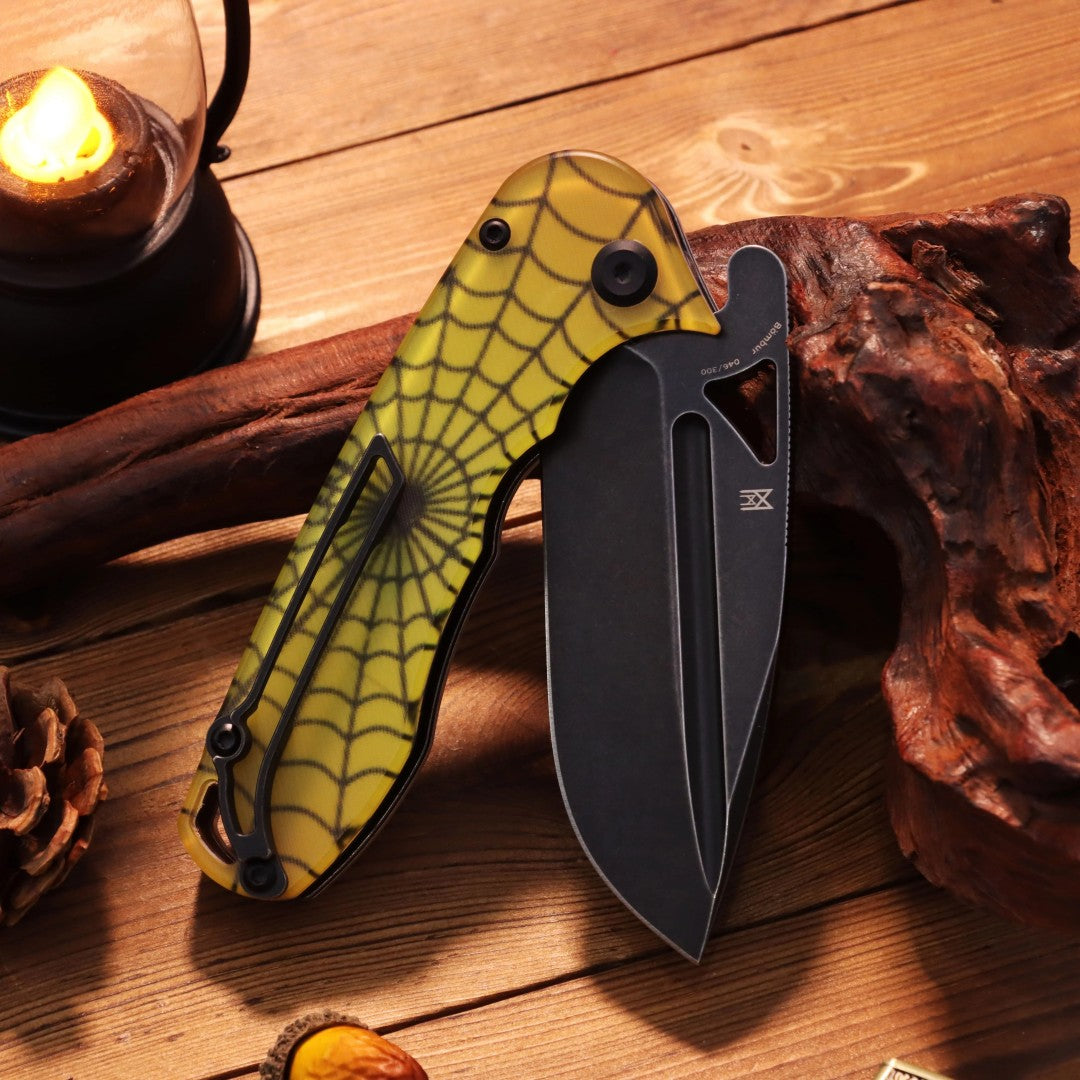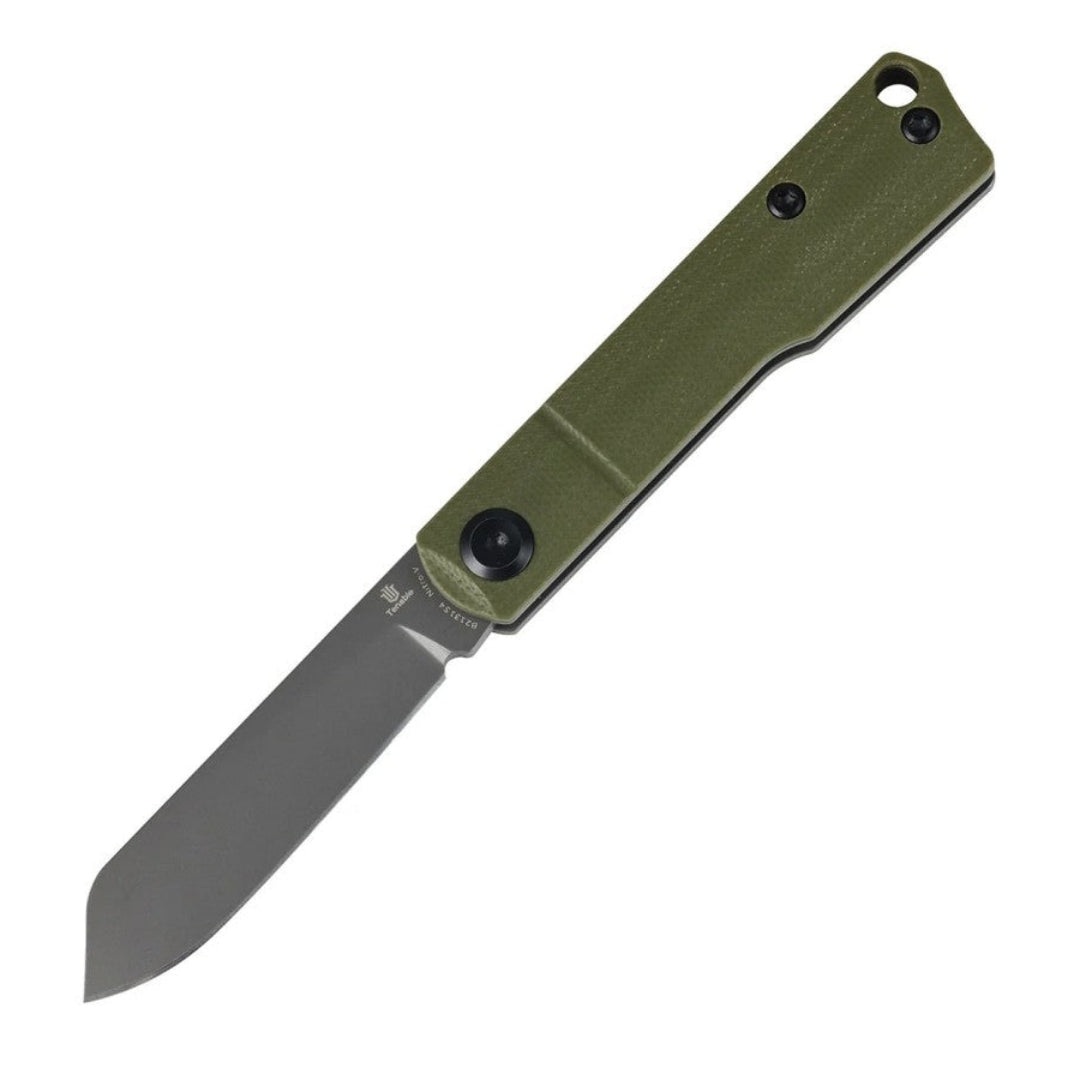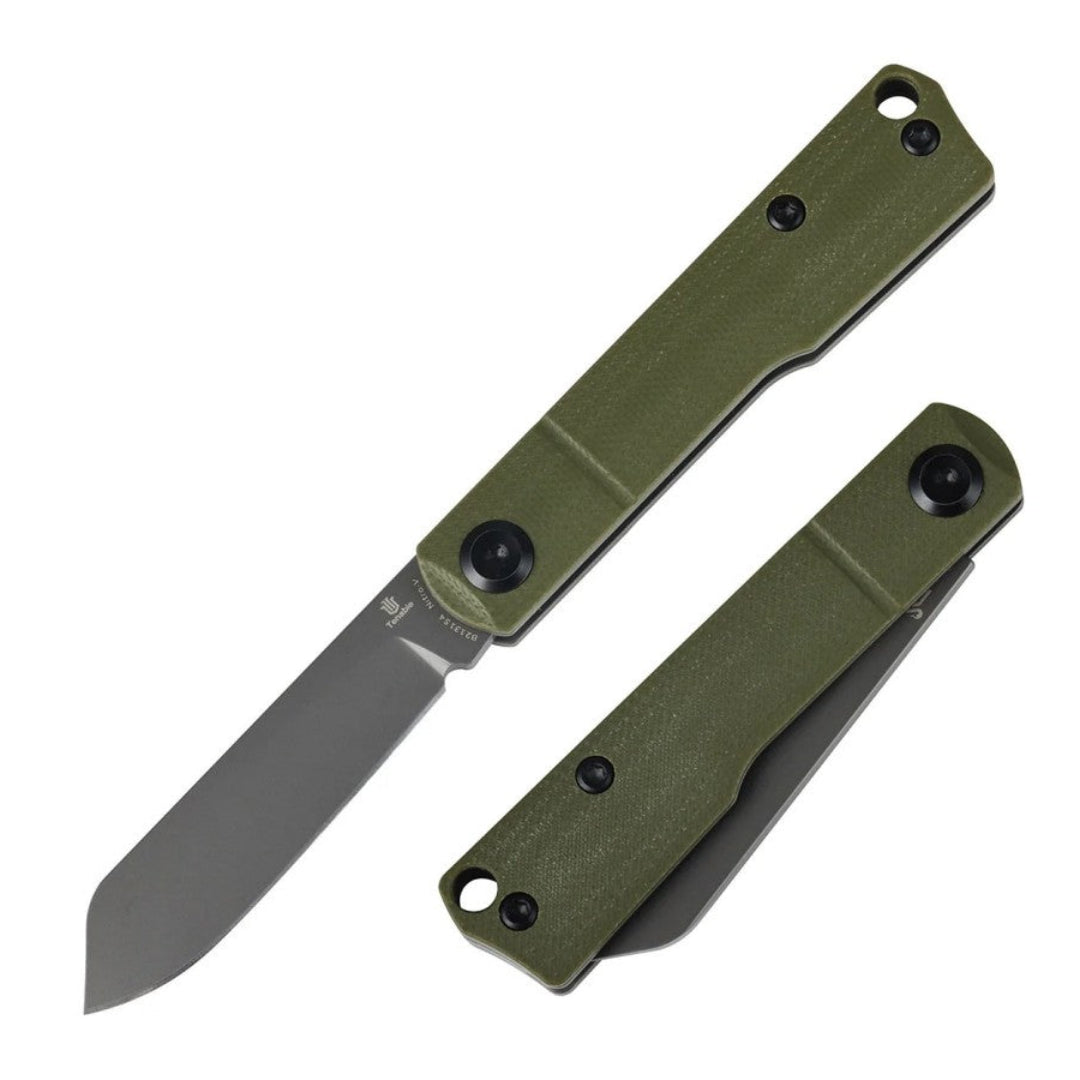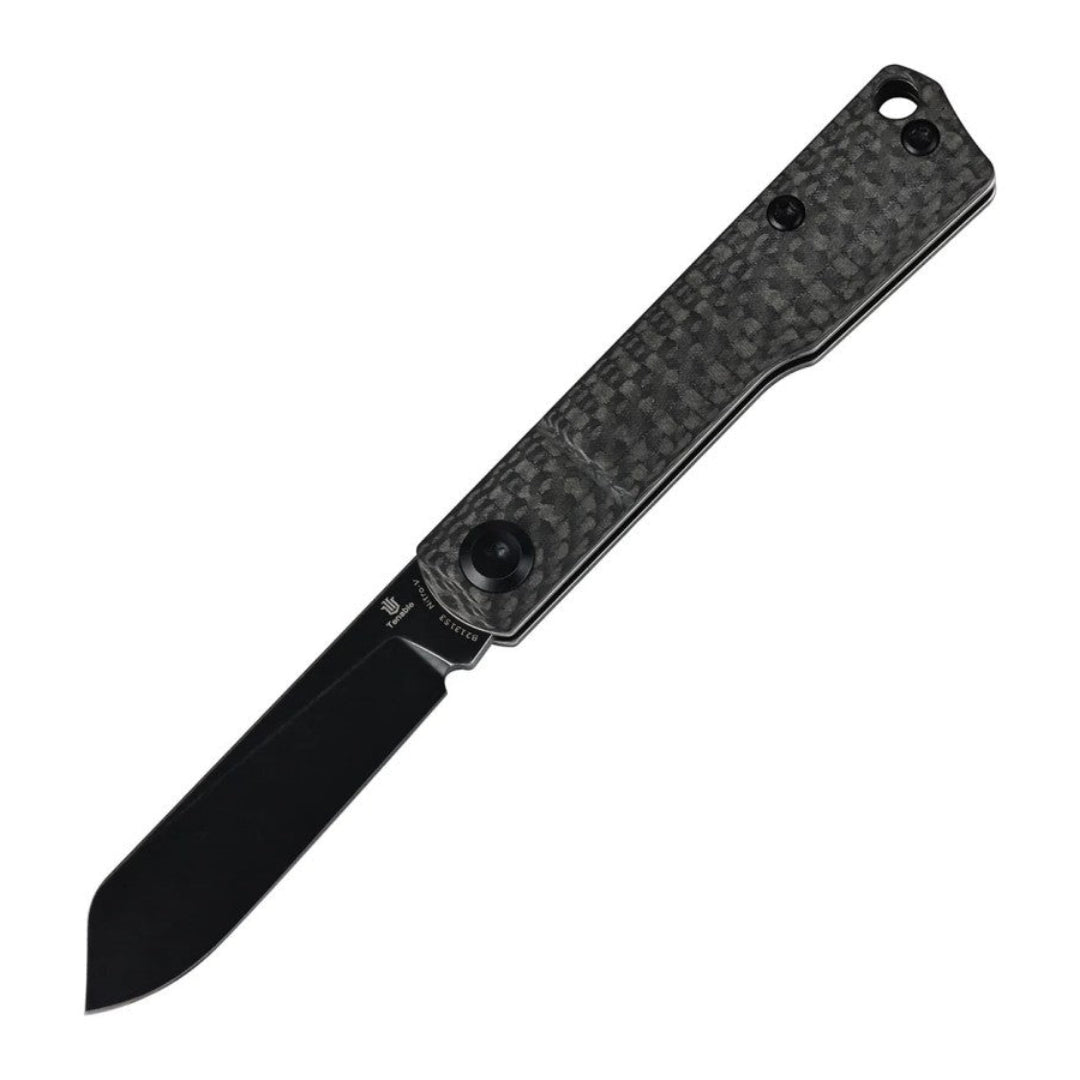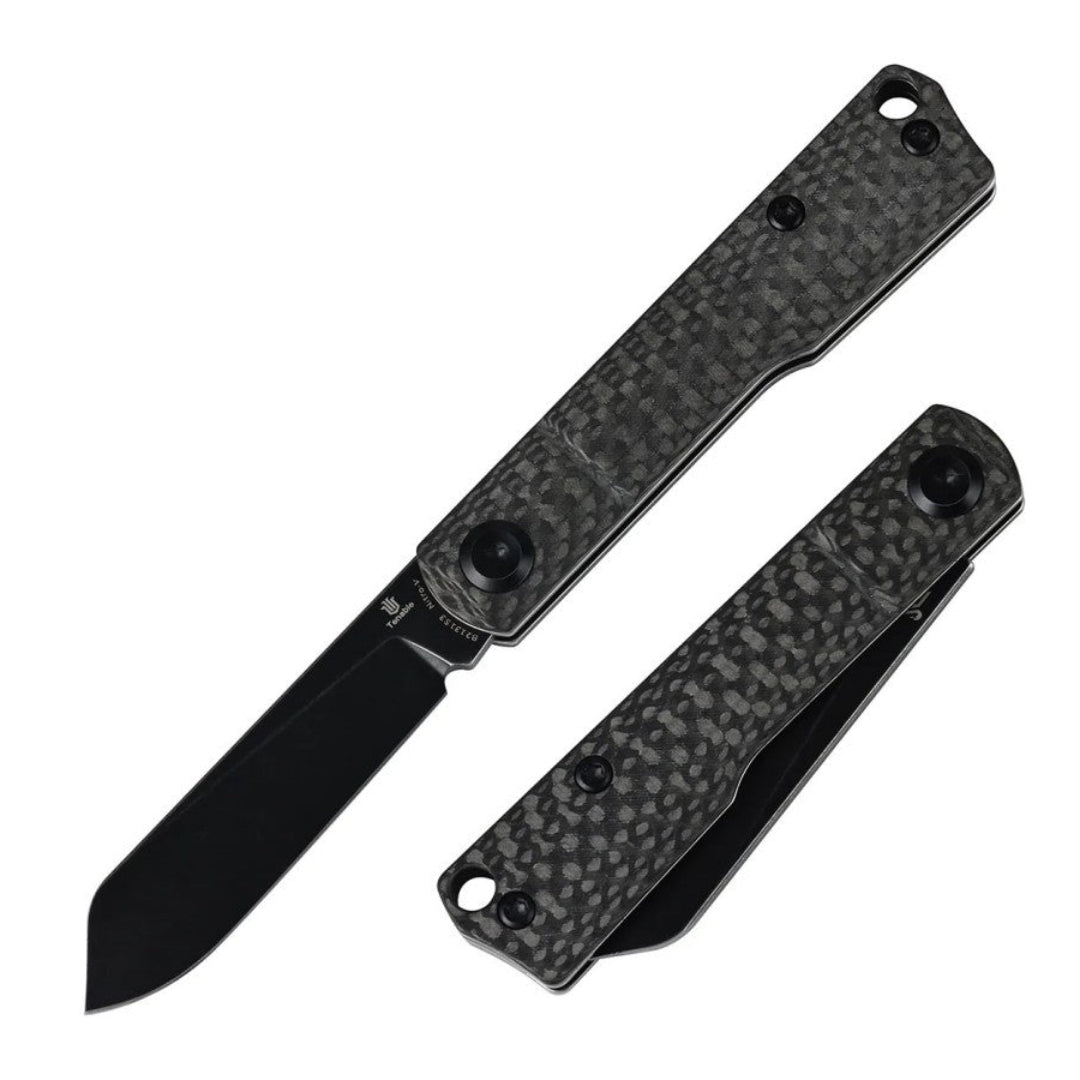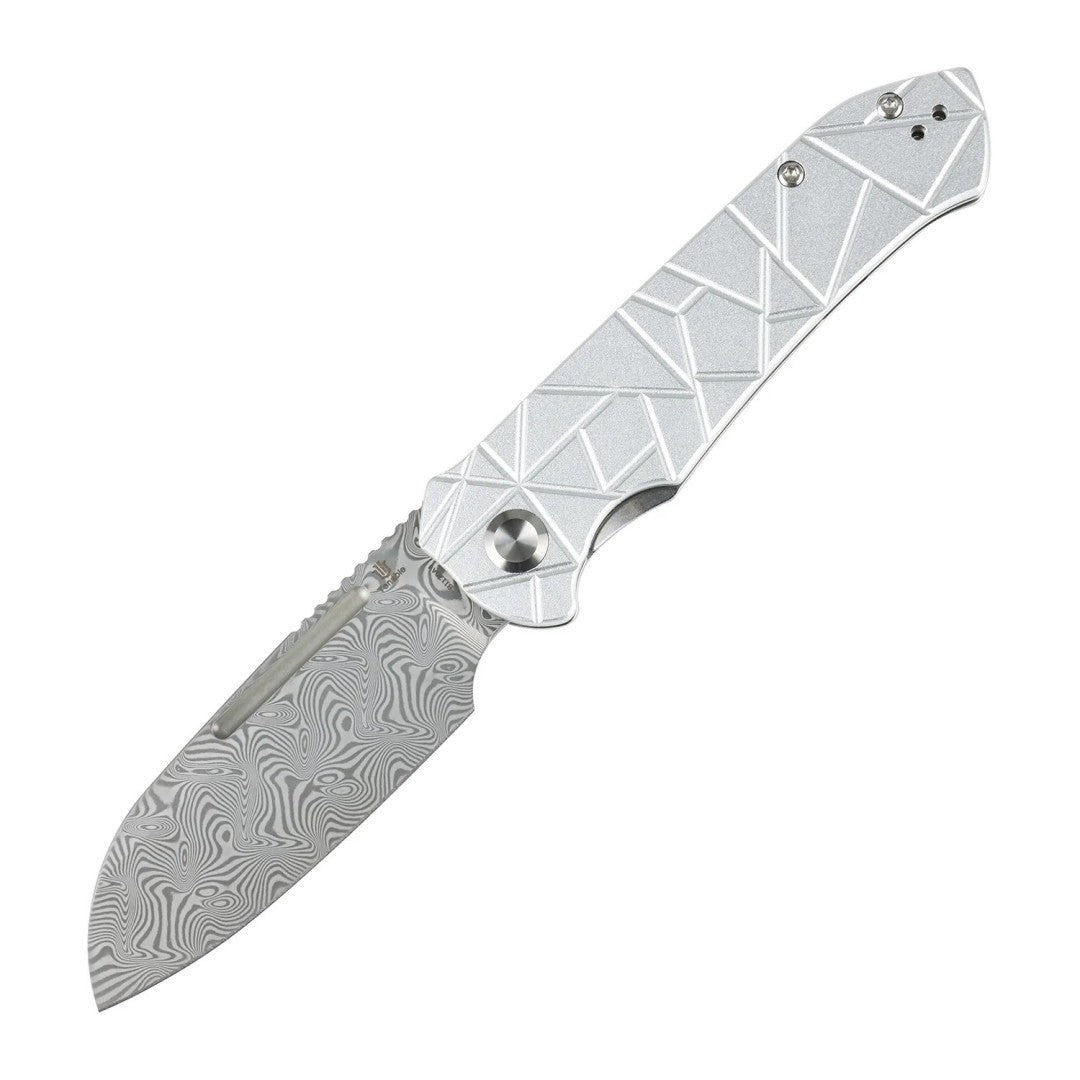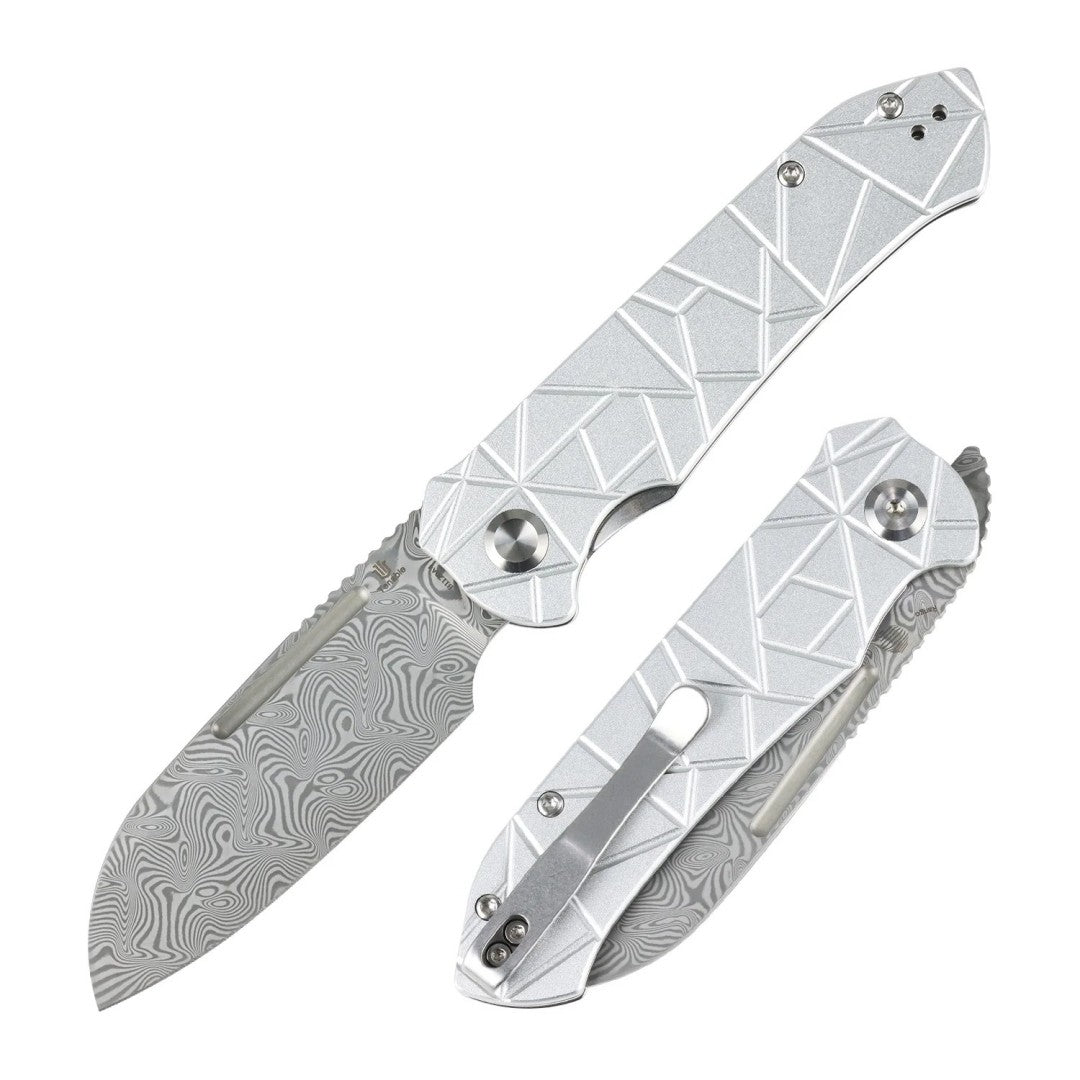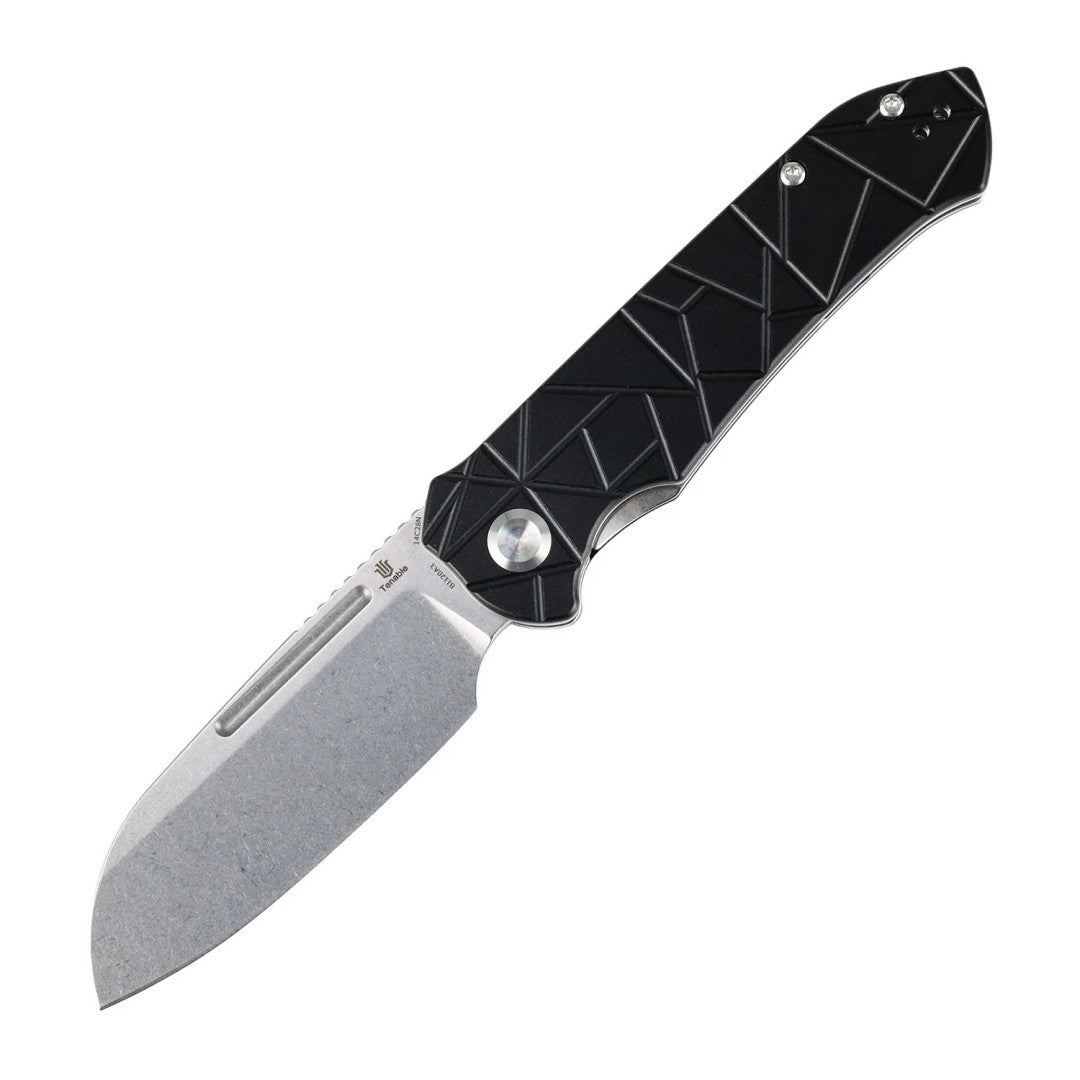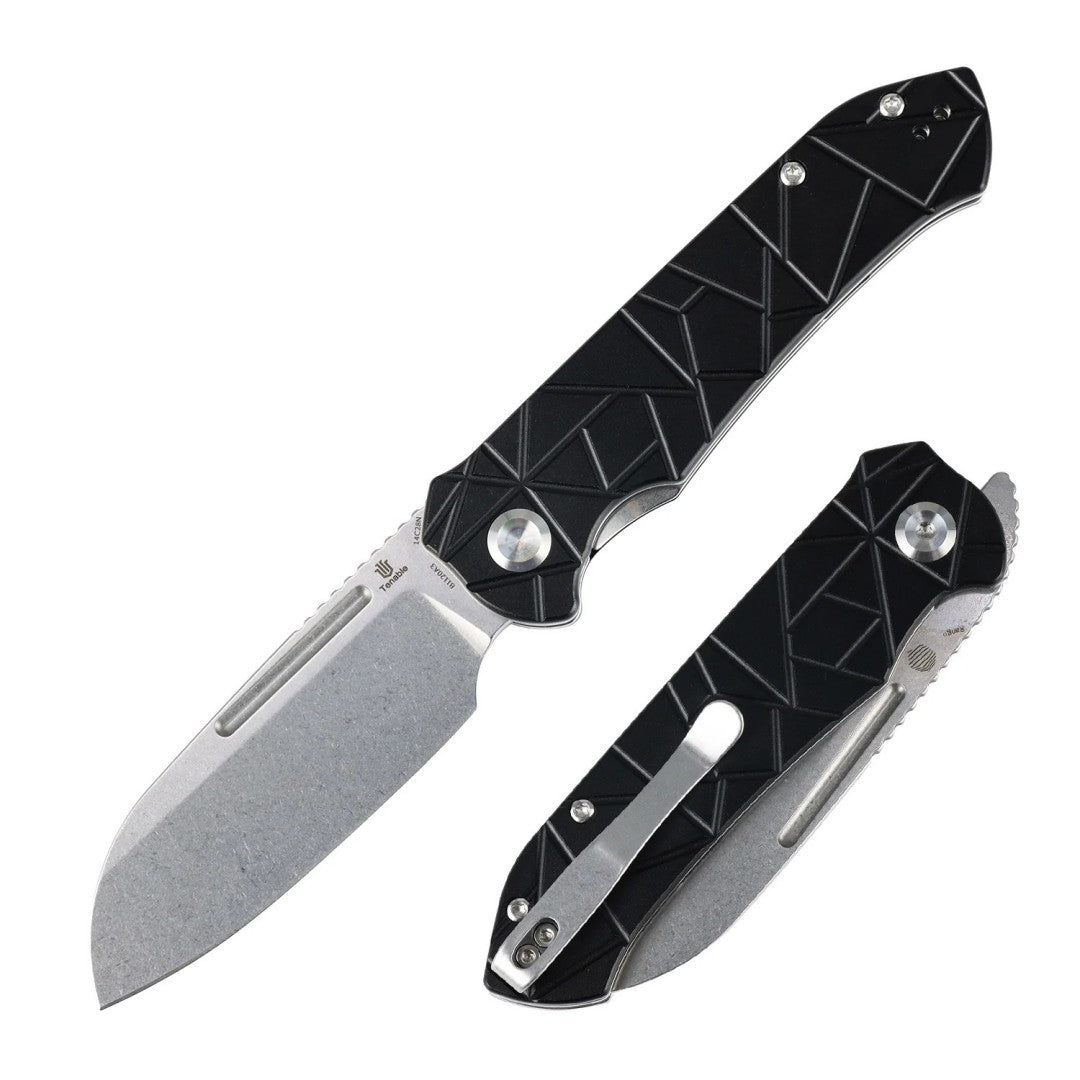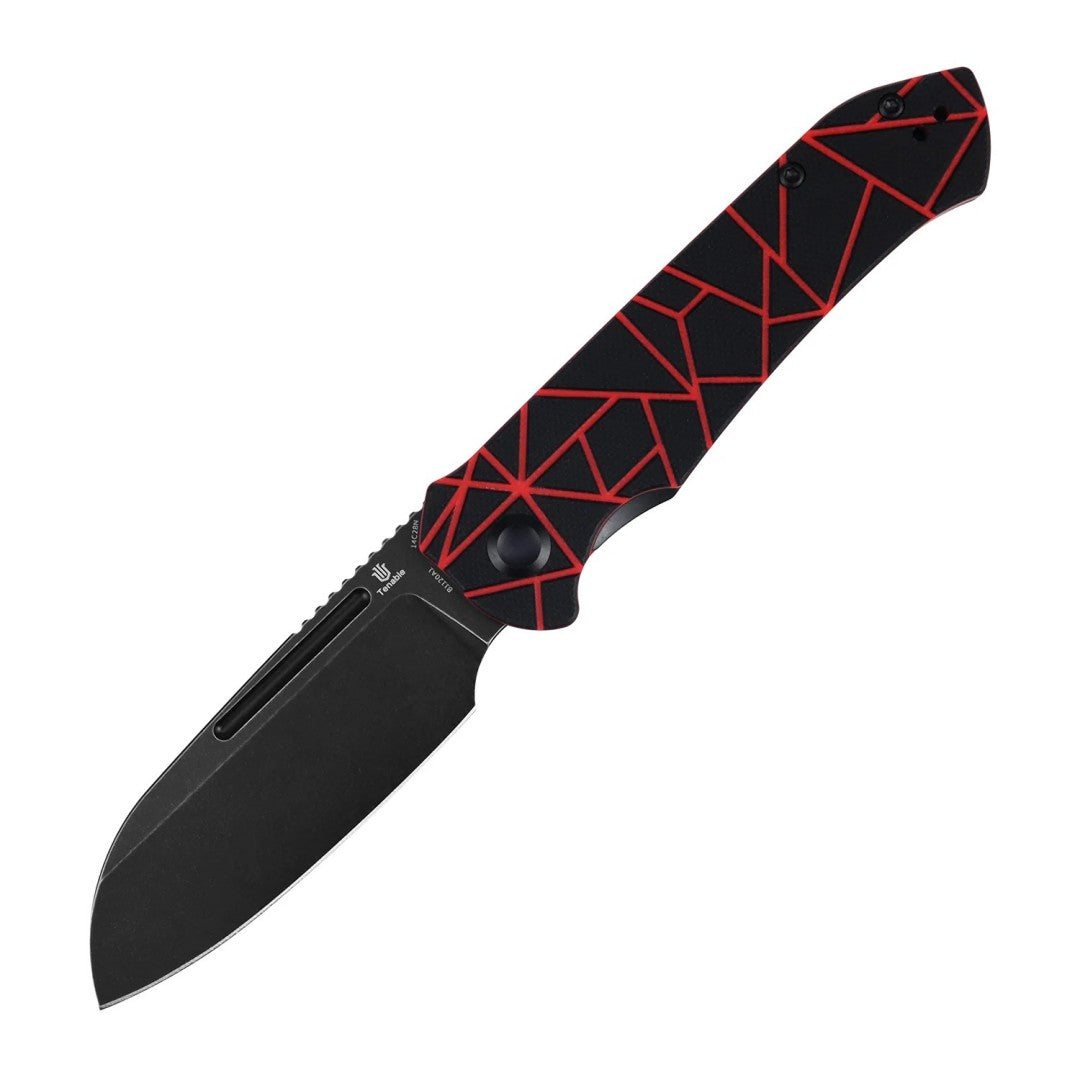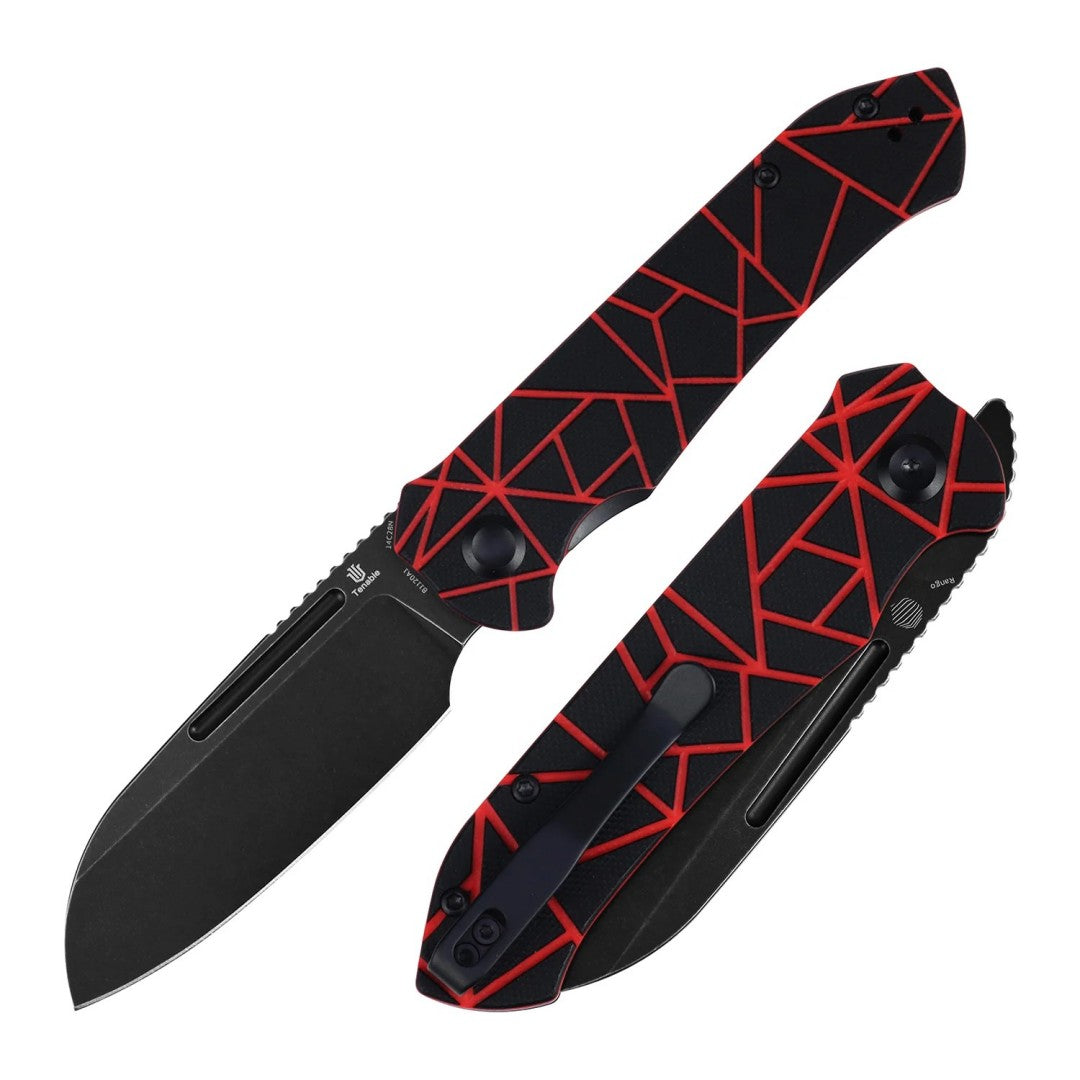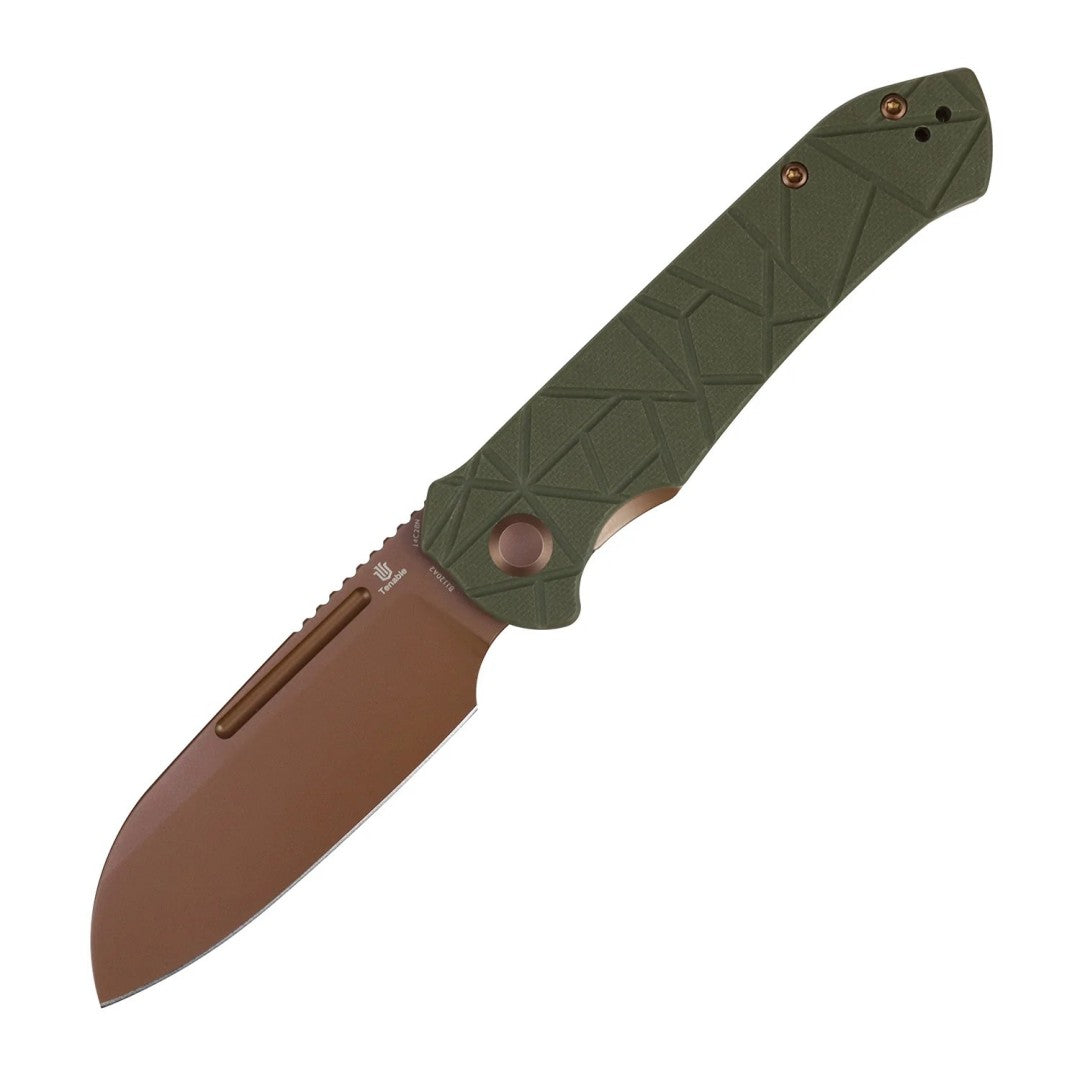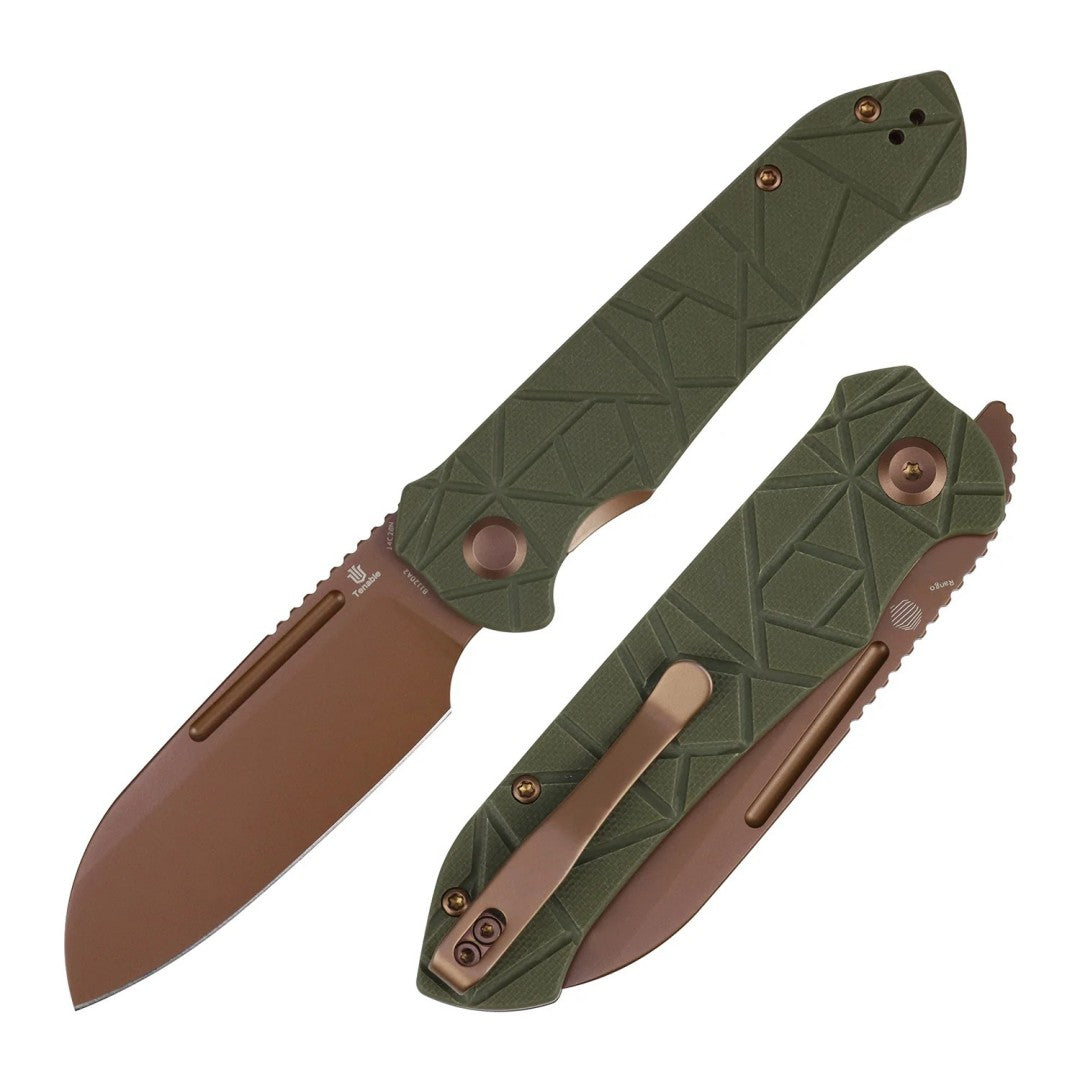
Executing precise, controlled cuts requires far more than just a sharp edge; it demands a cutting platform that optimizes the mechanical physics between your hand and the material. When a knife has an awkward center of gravity, a long distance between the grip and the cutting edge, or a bulky blade profile, cutting force is lost to lateral instability and wrist strain. Users are forced to squeeze harder and push with excessive effort, increasing the likelihood of slipping off the cutting path. The Bestechman Smuga solves this challenge through deliberate ergonomic architecture and low-drag blade geometry. Designed by acclaimed Polish custom knifemaker Grzegorz Grabarski (Kombou) and manufactured by Bestechman, this refined folding knife provides exceptional mechanical leverage and surgical cutting control across every demanding EDC task.
 The Physics of Mechanical Advantage and Grip Proximity
Mechanical leverage in cutting tools operates on the principle of moment arms: the greater the distance between the primary pivot point of your hand and the contact point of the blade, the more downward force is required to part dense media. In poorly designed folders, long ricassos or deep handle setbacks create an extended lever arm that forces the wrist to bear the brunt of resistance.
The Smuga eliminates this mechanical inefficiency by positioning the primary gripping zone directly adjacent to the cutting bevel. By minimizing the distance between the user's index finger and the blade heel, the design shortens the resistance lever arm. Downward muscular force generated from the forearm travels directly through the center of the palm and into the sharpened edge without wasted rotational torque, allowing users to slice through tough materials with effortless efficiency.
Forward Choil Indexing and Spine Placement for Pinpoint Pressure
Achieving true cutting control requires the ability to adapt your grip depending on whether a task calls for raw power or delicate precision:
Sculpted Forward Finger Choil
The Smuga integrates a dedicated, radiused forward choil at the base of the handle and blade ricasso. Choking up into this choil places your index finger directly beneath the blade's rotational axis, locking your hand into an immovable anchor point that prevents forward slippage onto the razor-sharp AEB-L blade.
Ergonomic Thumb Ramp and Spine Swedge
Along the top spine of the 3.55-inch drop-point blade, smooth chamfering and a subtle swedge create an ideal resting platform for the thumb or index finger. When executing controlled push-cuts through heavy plastic strapping or shallow scoring cuts through delicate packaging, placing thumb pressure directly over the spine directs downward force along the central axis, preventing the tip from wandering or digging too deep.
 Full Flat Grind Geometry: Amplifying Cutting Leverage
Leverage is only effective if the blade geometry does not fight against the material being cut. Thick, wedge-like blades generate high sidewall friction that resists penetration, negating the mechanical advantage of a good grip.
Bestechman pairs the Smuga’s ergonomic chassis with a full flat grind that tapers smoothly from a 0.13-inch (3.2 mm) spine down to an ultra-thin cross-section behind the sharpened bevel. Because there are no abrupt bevel shoulders to cause binding, the blade glides through dense double-wall cardboard, heavy rubber tubing, and fibrous utility ropes with minimal surface resistance. The sweeping belly profile extends the usable cutting contact area, ensuring that sweeping draw-cuts utilize the full mechanical momentum of the slicing motion.
Cutting Leverage and Mechanical Control Comparison
| Design Parameter | Traditional Bulky Folder | Standard Non-Choil Utility Knife | Bestechman Smuga (BMK22) |
| Grip-to-Edge Distance | Long (> 25 mm gap) | Moderate (15–20 mm gap) | Ultra-Short (< 10 mm with Choil) |
| Mechanical Lever Strain | High wrist torque required | Moderate forearm fatigue | Minimal (Direct Force Transfer) |
| Tip Tracking & Scoring | Vague (Thick spine blocks view) | Moderate tip control | Pinpoint (Centered Swedged Drop Point) |
| Blade Drag Under Pressure | High (Thick saber/wedge grind) | Moderate (Standard flat grind) | Ultra-Low (Thin Full Flat Grind) |
| Chassis Torsional Stability | Prone to frame flex under load | Moderate rigidity | Rock-Solid (Nested Stainless Liners) |
| Total Carry Weight | 4.5 oz – 6.0 oz (Heavy mass) | 3.5 oz – 4.5 oz | 2.75 oz / 78 grams (Ultralight Agility) |
Nested Frame Rigidity and Rock-Solid Lockup Under Load
Applying high-leverage downward force requires complete confidence in the structural integrity of the knife frame. If a locking mechanism yields or the chassis twists under heavy torque, cutting precision is lost and user safety is compromised.
The Smuga anchors its cutting platform using skeletonized stainless steel liners nested within precision-milled pockets inside the 3D-chamfered G10 scales. When open, a hardened stainless steel stop pin absorbs upward cutting forces while the internal Liner Lock secures the blade tang with 25% to 35% engagement coverage. This dual-point contact eliminates vertical blade play and horizontal deflection, ensuring that all downward leverage converts directly into clean, controlled cutting performance.
 Frequently Asked Questions
How does choking up on the Smuga's forward choil improve cutting safety?
Choking up places your index finger securely in the sculpted choil directly behind the blade flare. This prevents your hand from sliding forward onto the sharpened edge while positioning your grip closer to the cutting point for maximum stability and control.
Does the lightweight 2.75 oz design compromise heavy cutting leverage?
No. Despite its light weight, the Smuga utilizes nested skeletonized stainless steel liners, a hardened stop pin, and rigid G10 handle scales that eliminate chassis flex, allowing you to exert heavy downward cutting pressure with complete structural stability.
What cutting tasks benefit most from the Smuga's forward grip leverage?
Tasks requiring high precision or heavy continuous pressure benefit most, including breaking down dense double-wall shipping boxes, scoring tough plastic blister packaging, carving wood notches, and cleanly slicing thick nylon cordage.
How does the full flat grind on AEB-L steel assist in controlled slicing?
The full flat grind creates a continuous, thin taper from spine to apex, minimizing side friction and wedging drag. This allows the razor-sharp AEB-L edge to glide through dense materials smoothly without requiring excessive downward force.