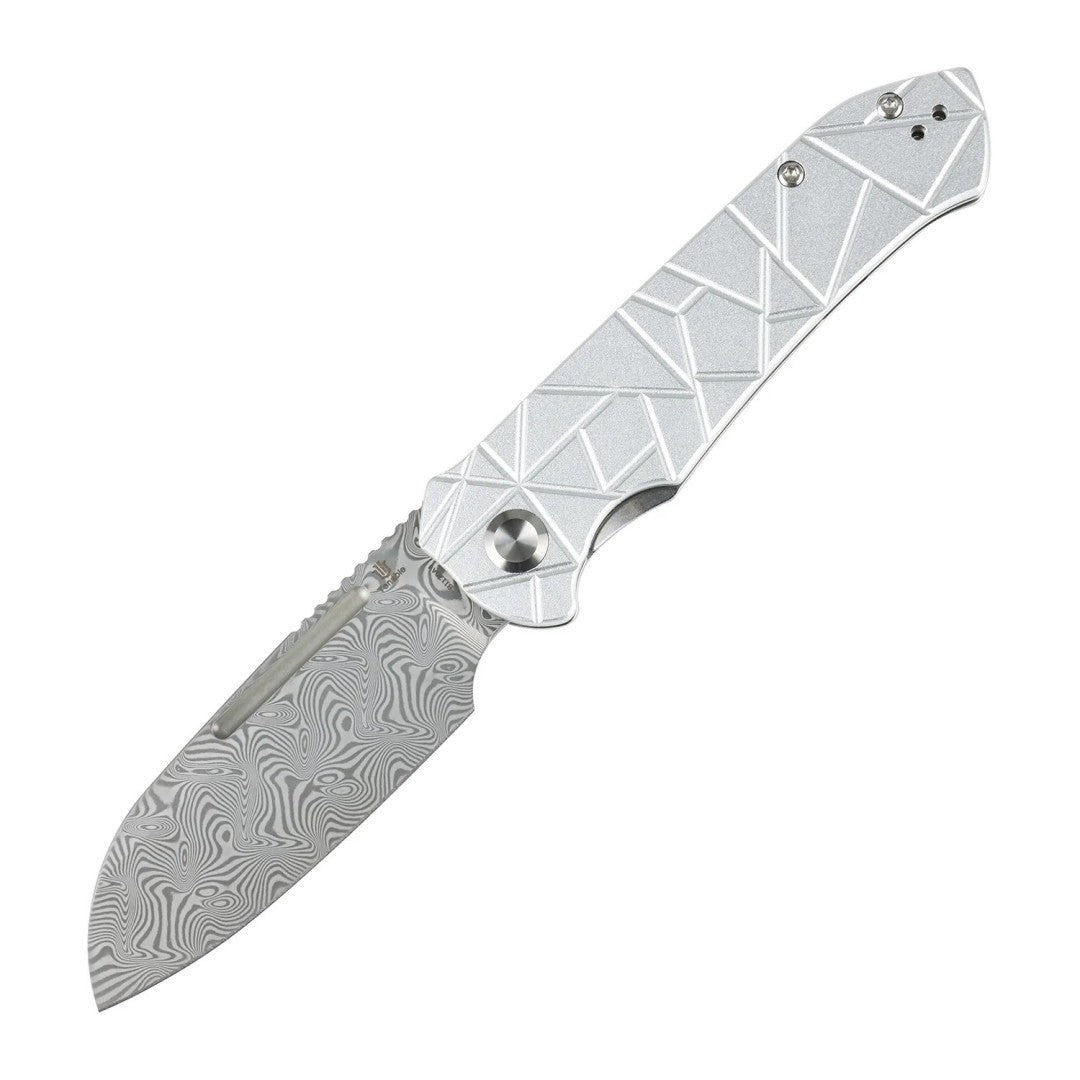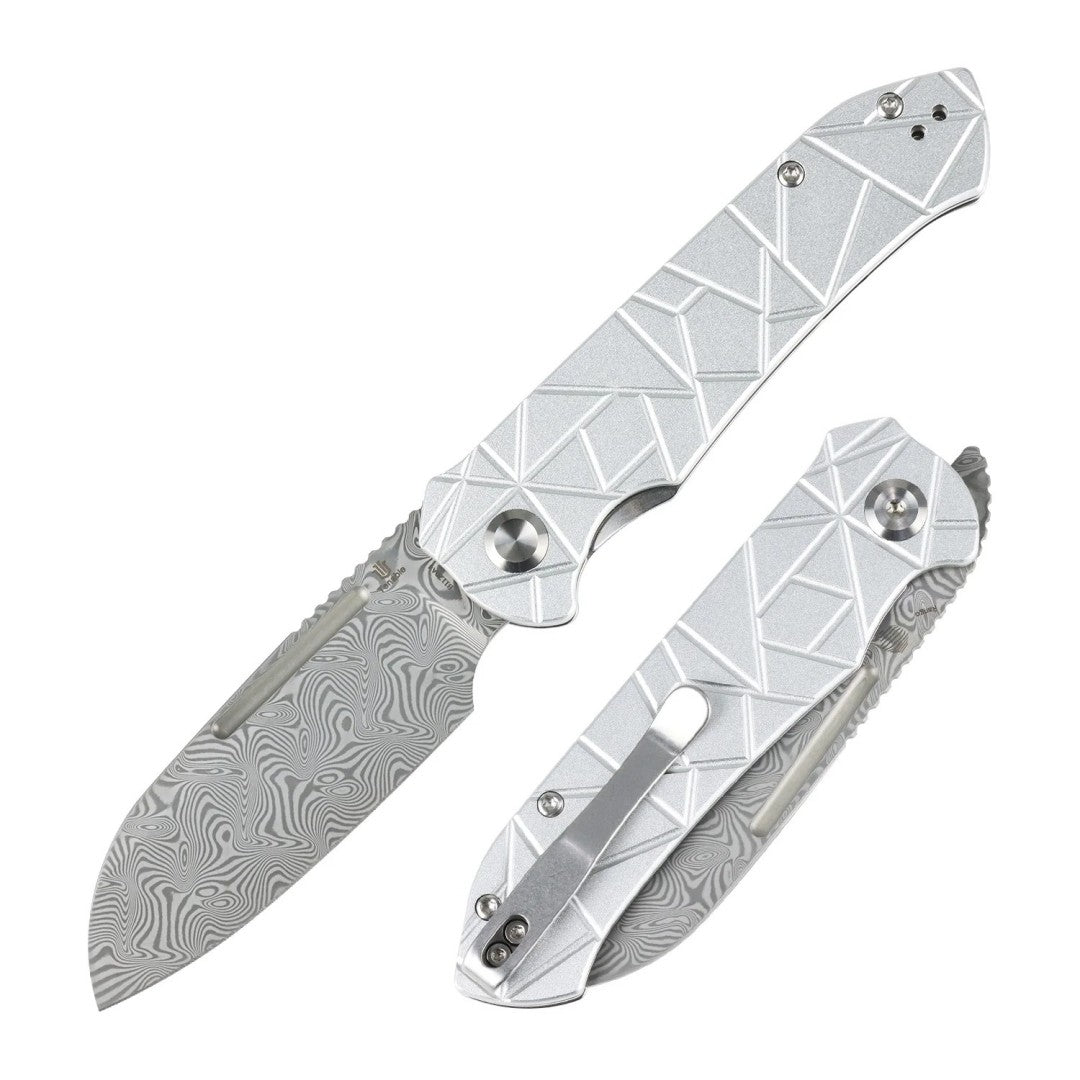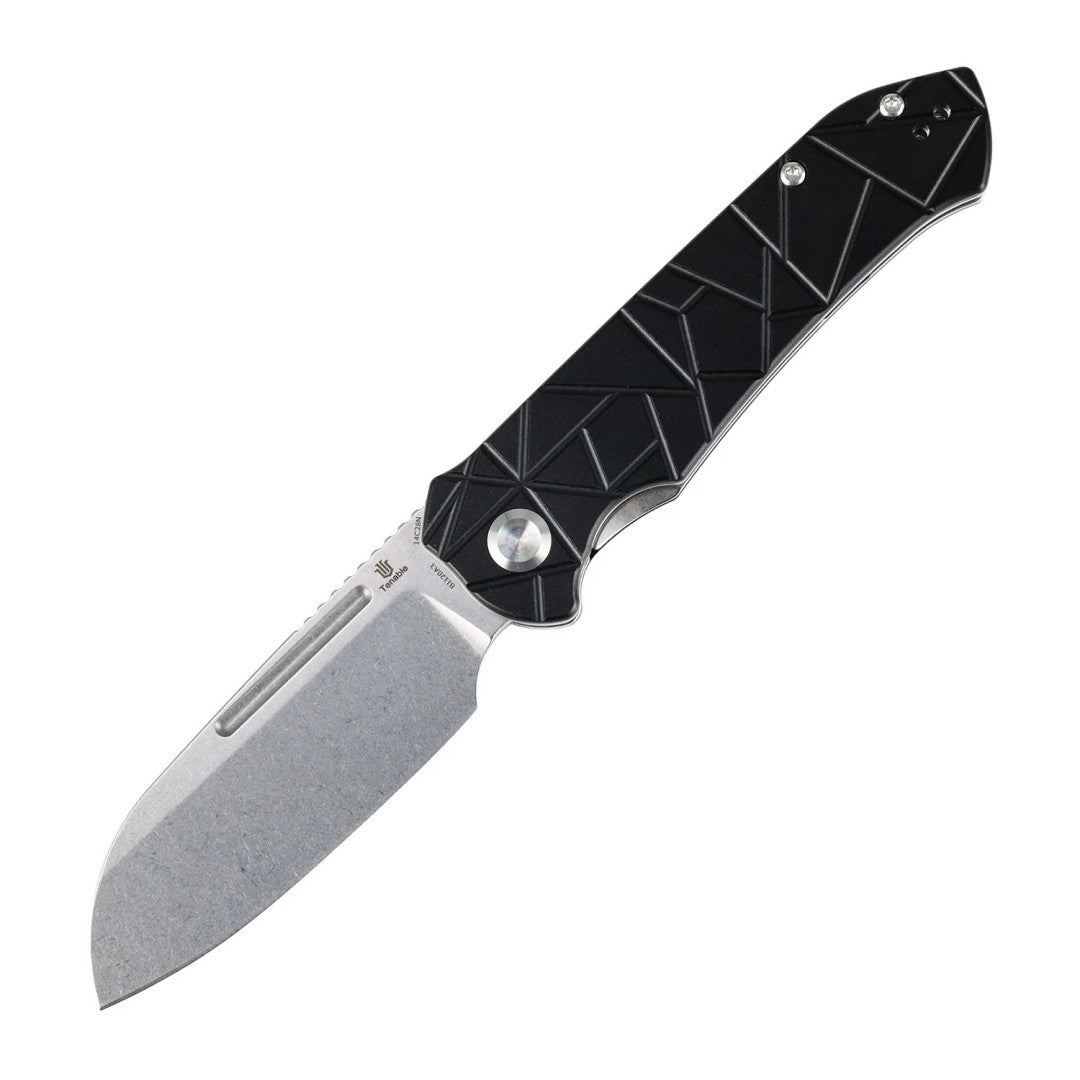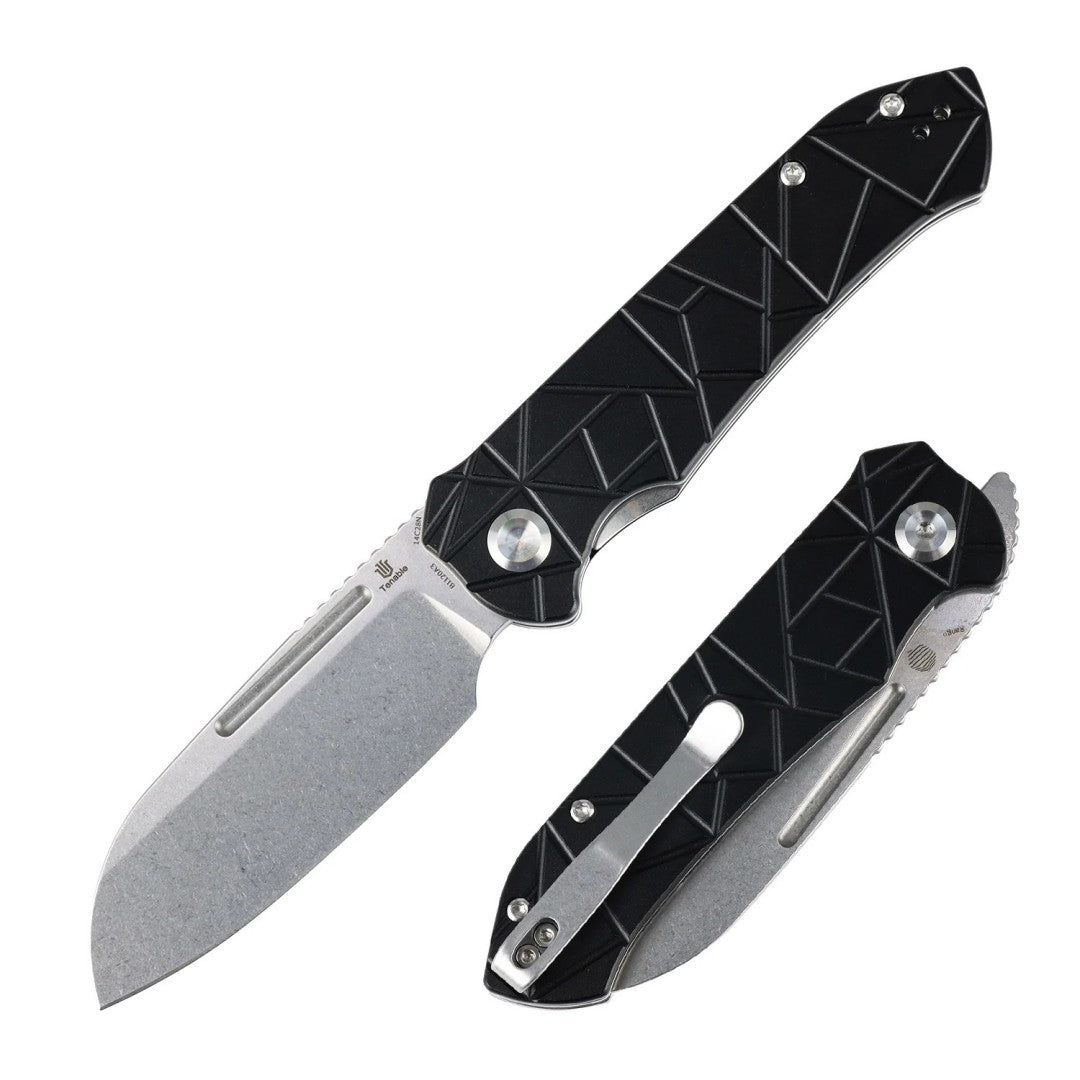

When evaluating a folding pocket knife for everyday carry (EDC), performance metrics usually focus on blade steel, edge retention, and aesthetic appeal. While those attributes dictate how well a knife cuts, there is one critical mechanism that dictates your physical safety during operation: the lock. A premium blade is only as good as the system keeping it from closing on your fingers during heavy-duty tasks.
The original QSP Penguin won the hearts of the knife community as an ultra-reliable budget liner lock. However, with the introduction of the upscaled QSP Penguin Plus , QSP elevated the design into the premium mid-range sector. One of the most significant engineering upgrades in this premium tier is the transition to a Titanium Frame Lock mechanism on its high-end models.

If you use your EDC tool for demanding structural cutting, puncture tasks, or heavy manual labor, understanding the mechanics of a frame lock is vital. This comprehensive review analyzes exactly why the QSP Penguin Plus frame lock delivers ultimate safety and structural security for everyday carry.
The Anatomy of Frame Lock Mechanics
To understand why a frame lock is inherently safer than standard budget locking mechanisms, it helps to look at how it differs structurally from a traditional liner lock.
Standard Liner Locks
In a typical liner lock knife, a thin sheet of metal (the liner) is nested inside the handle scales. When the blade is deployed, this internal liner springs outward to wedge itself against the rear tang of the blade. While effective for light cutting, thin liners are susceptible to flexing under heavy torque or spine-impact forces, which can cause the lock to fail.
The Frame Lock Advantage
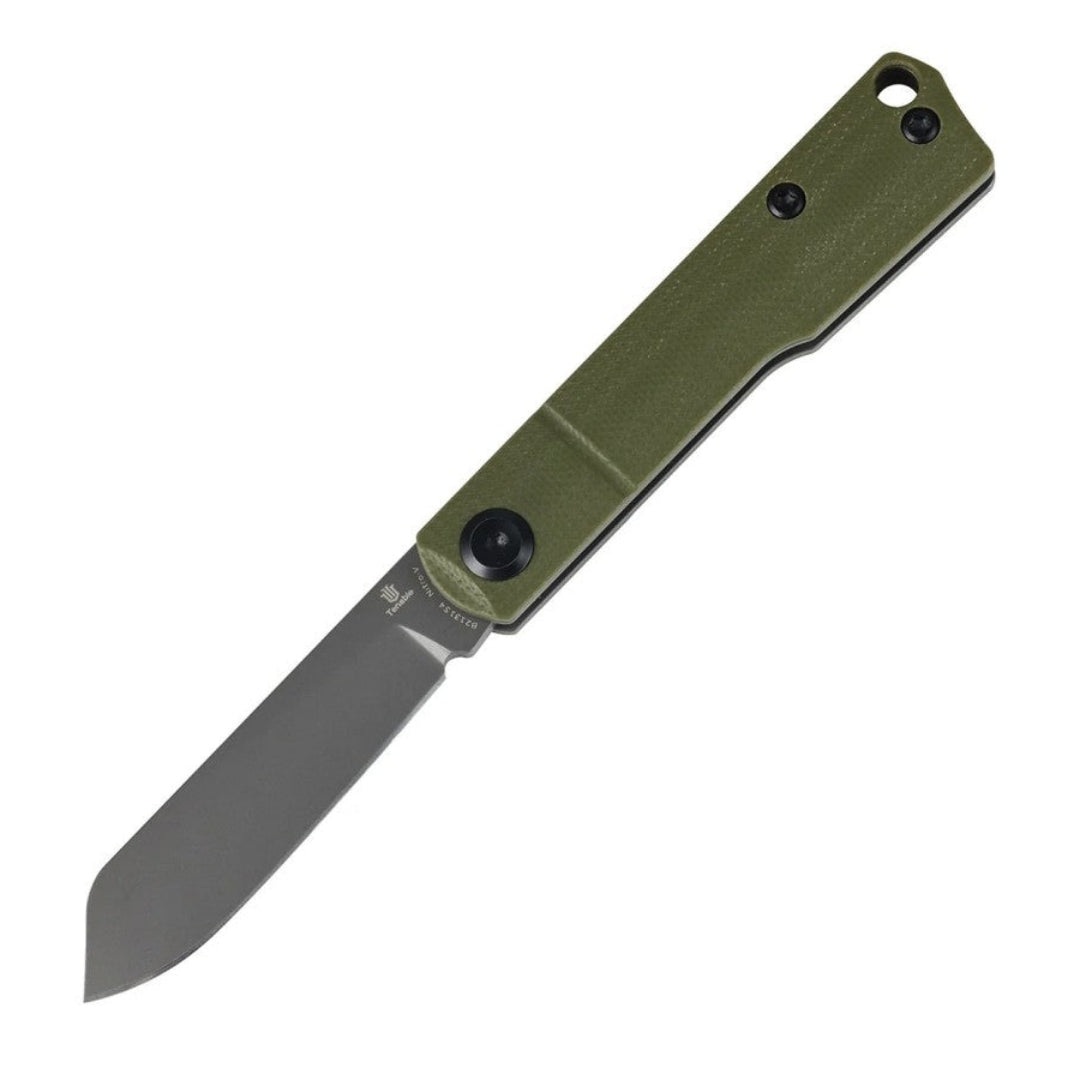
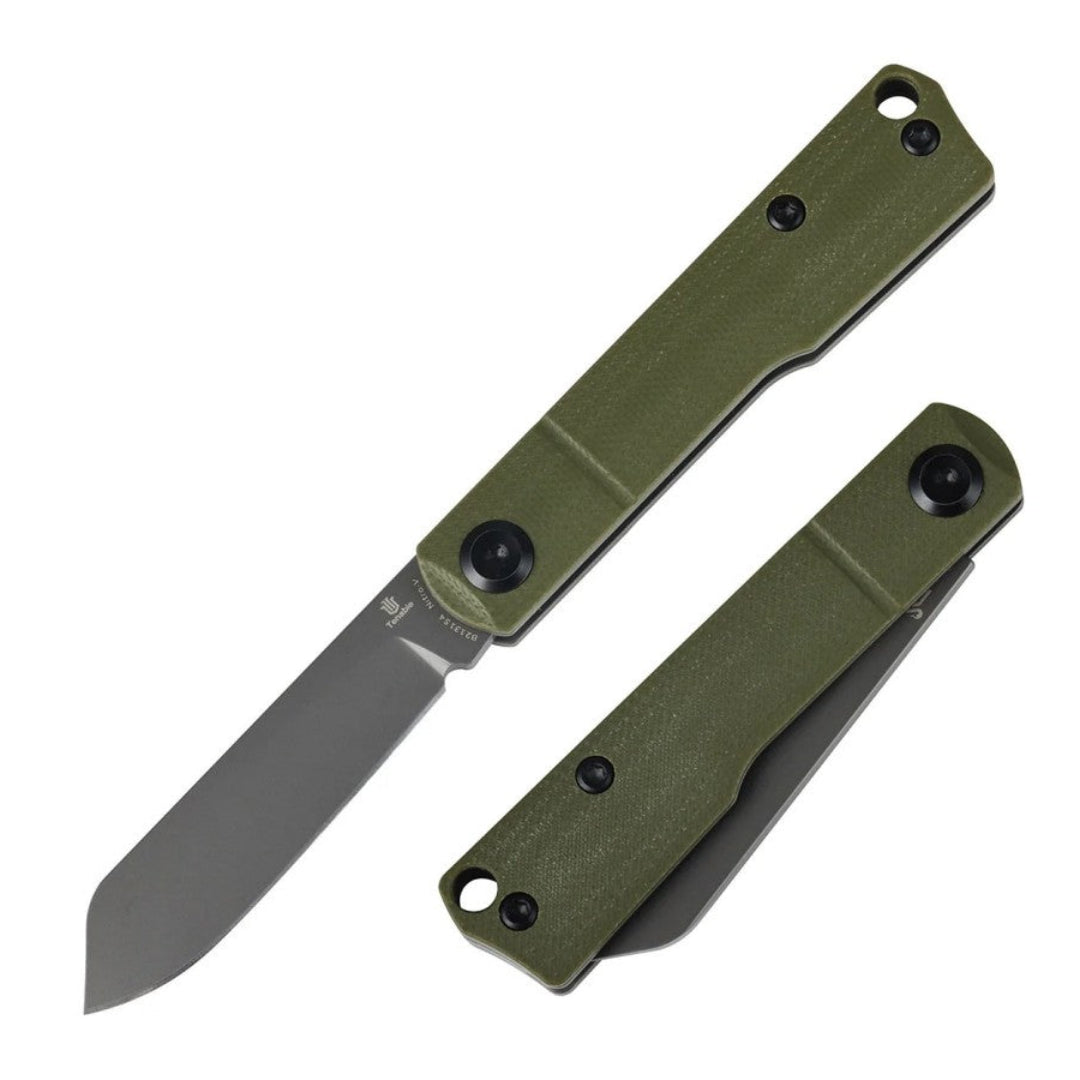
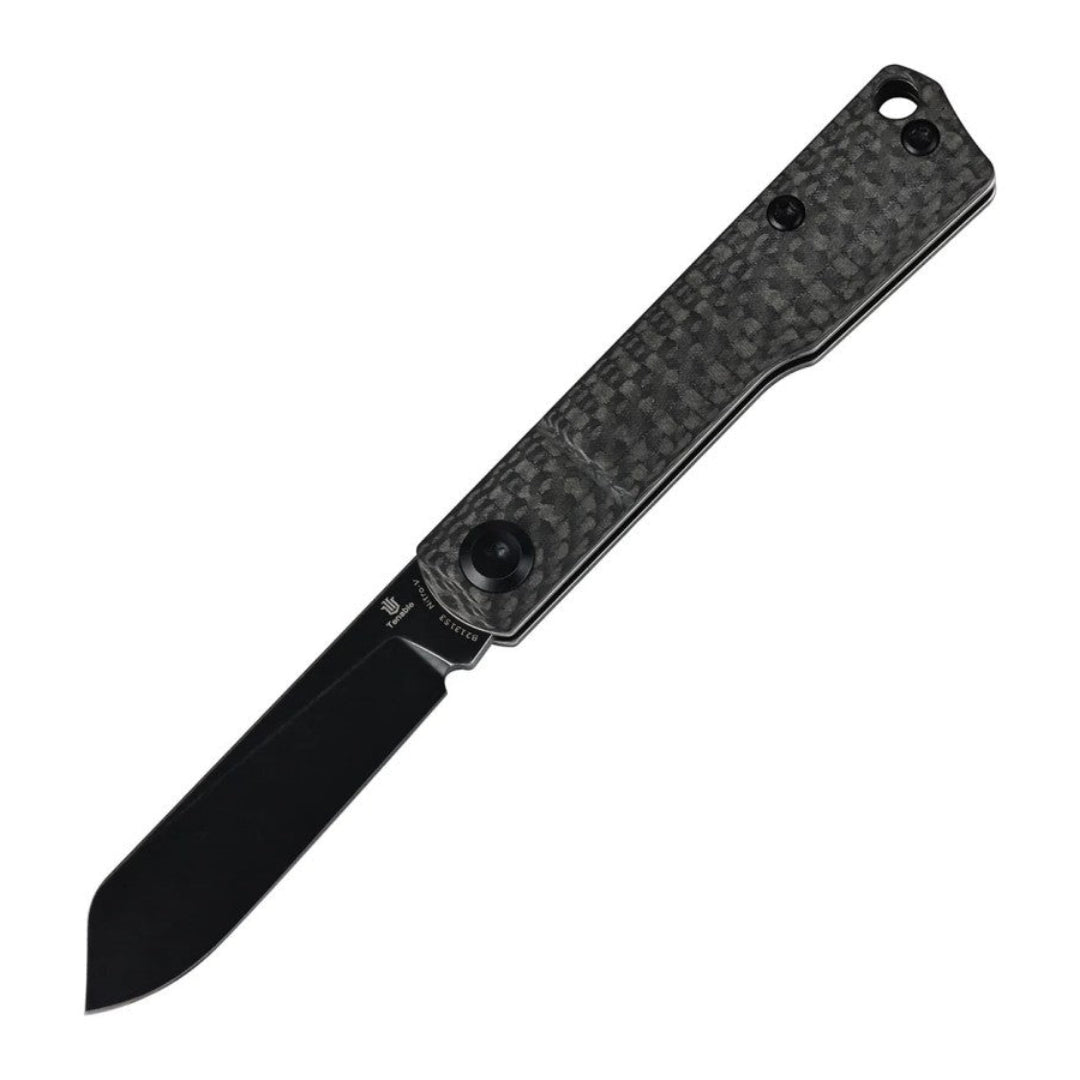
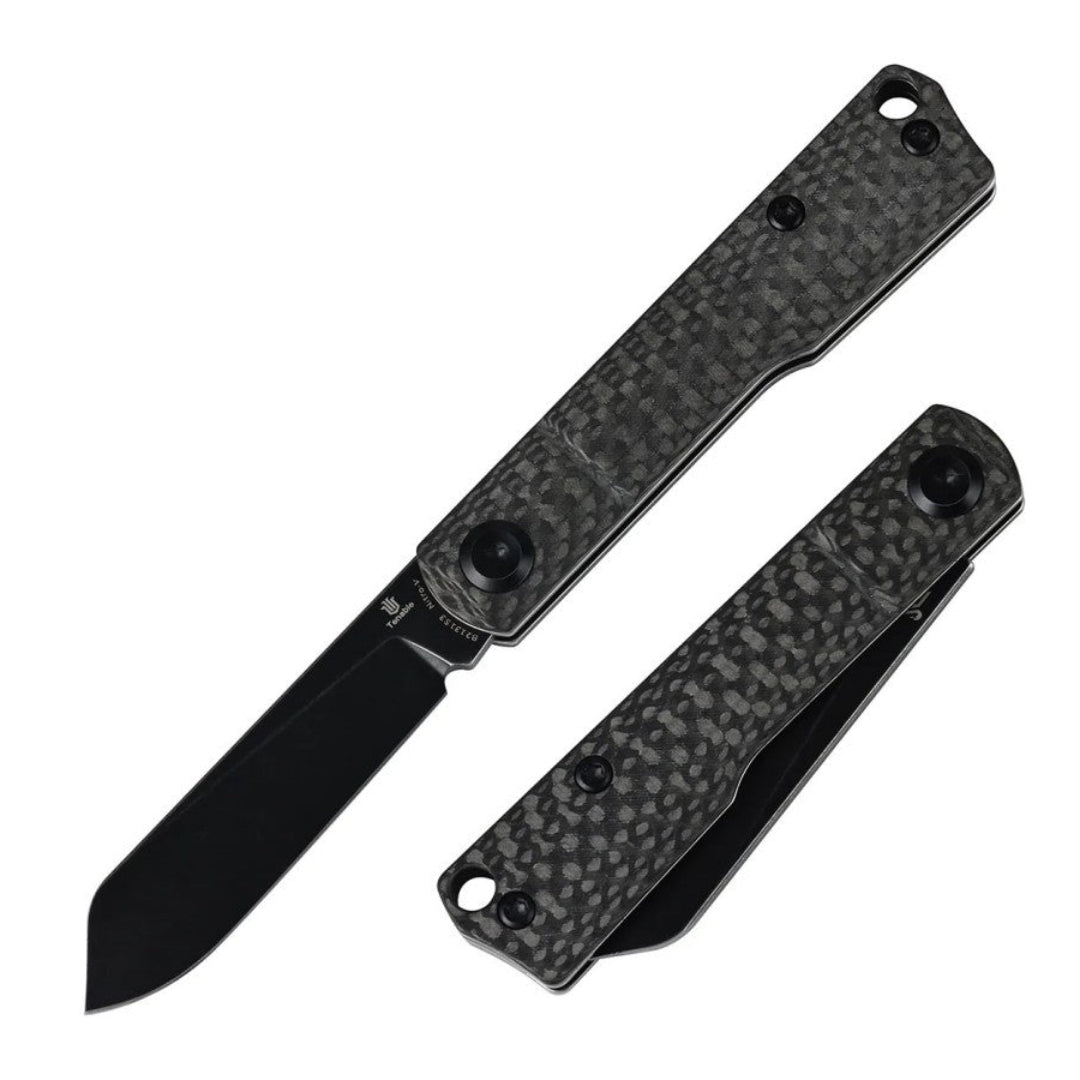
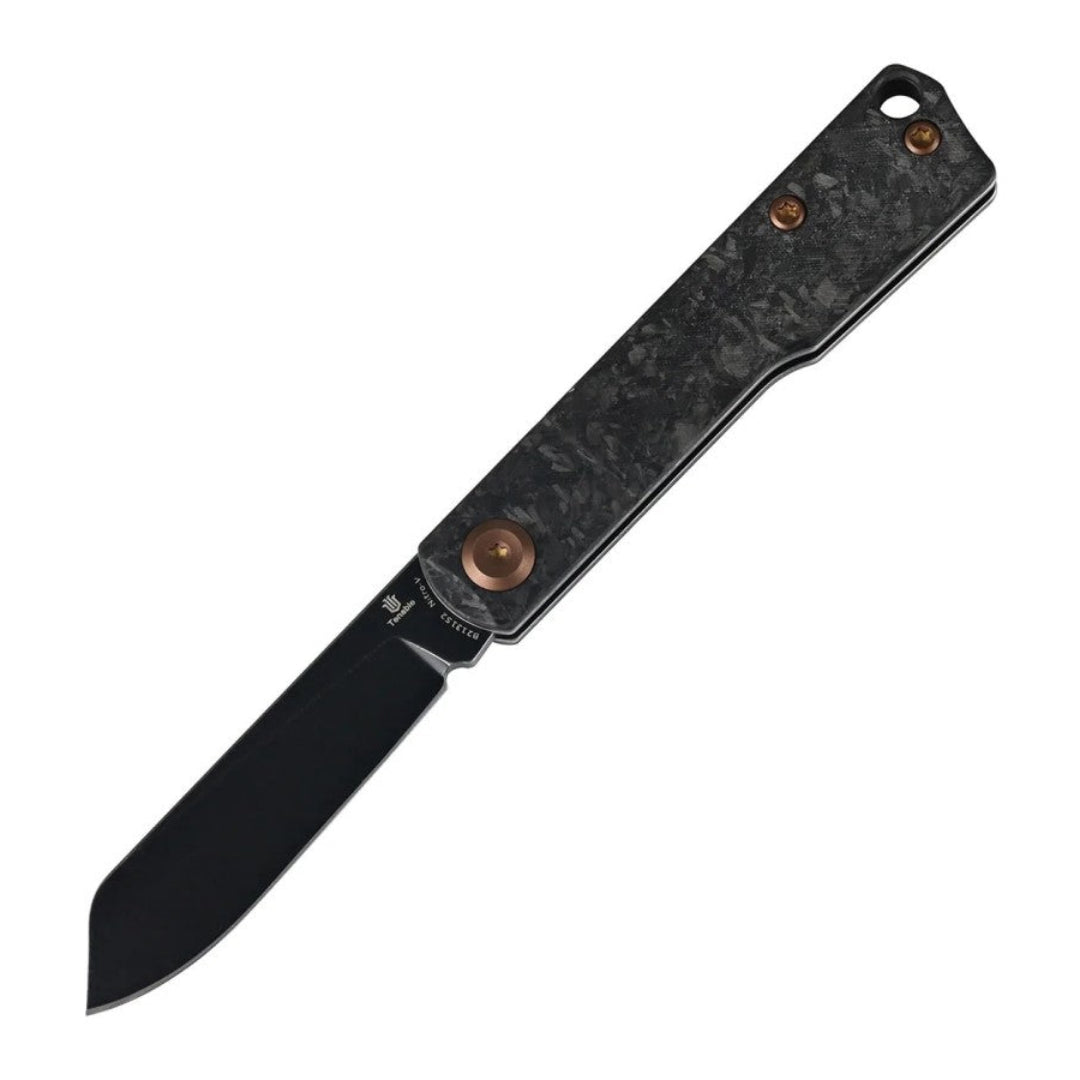
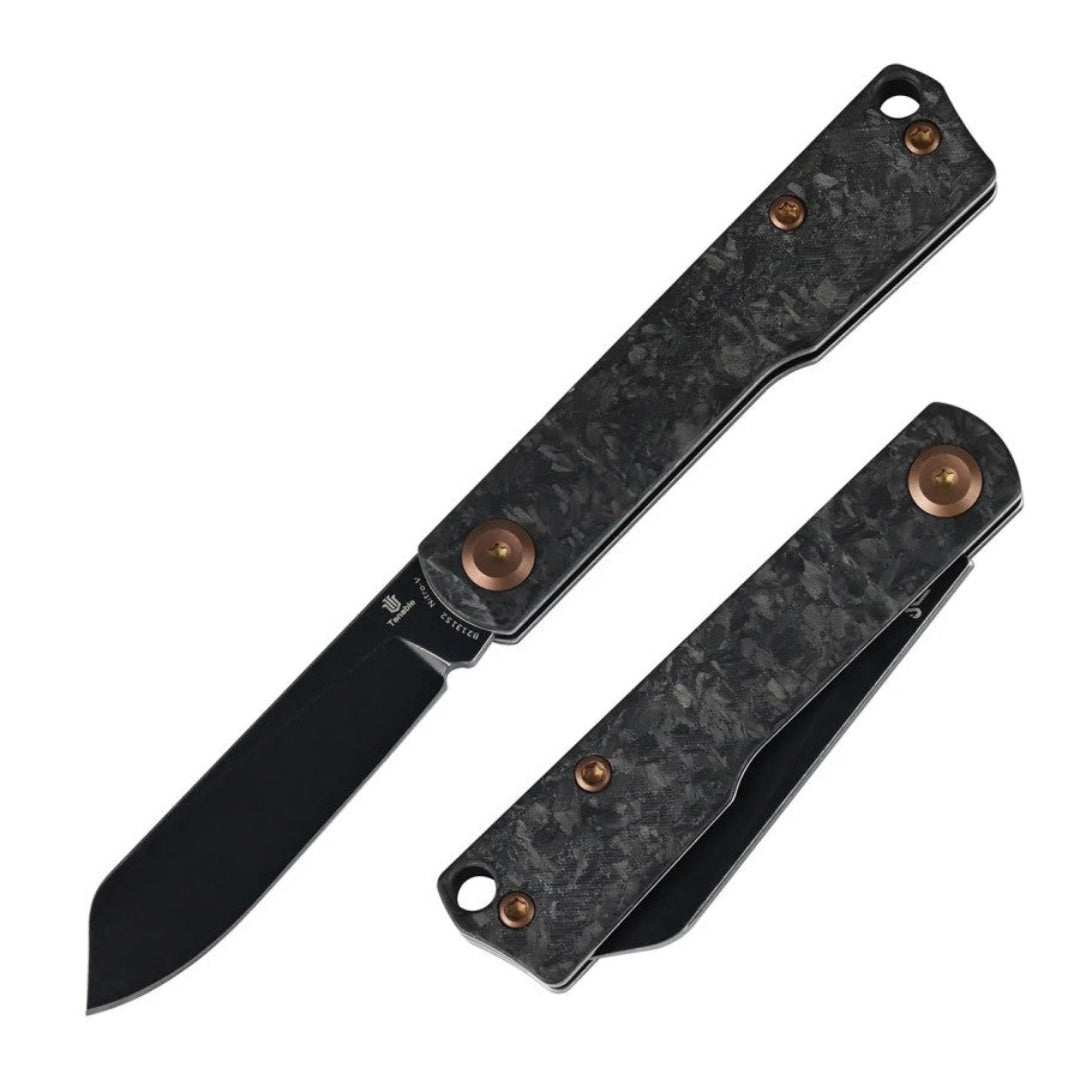
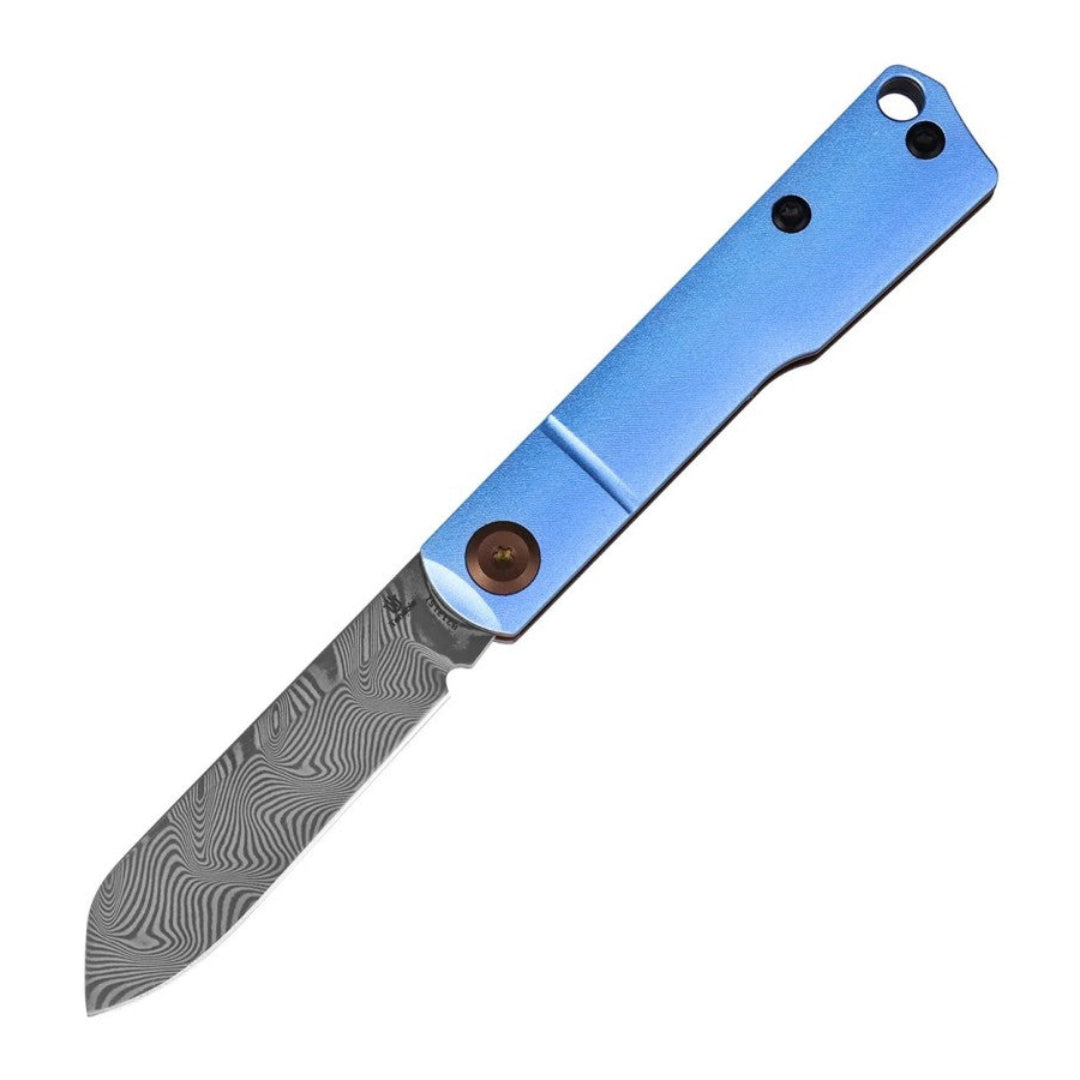
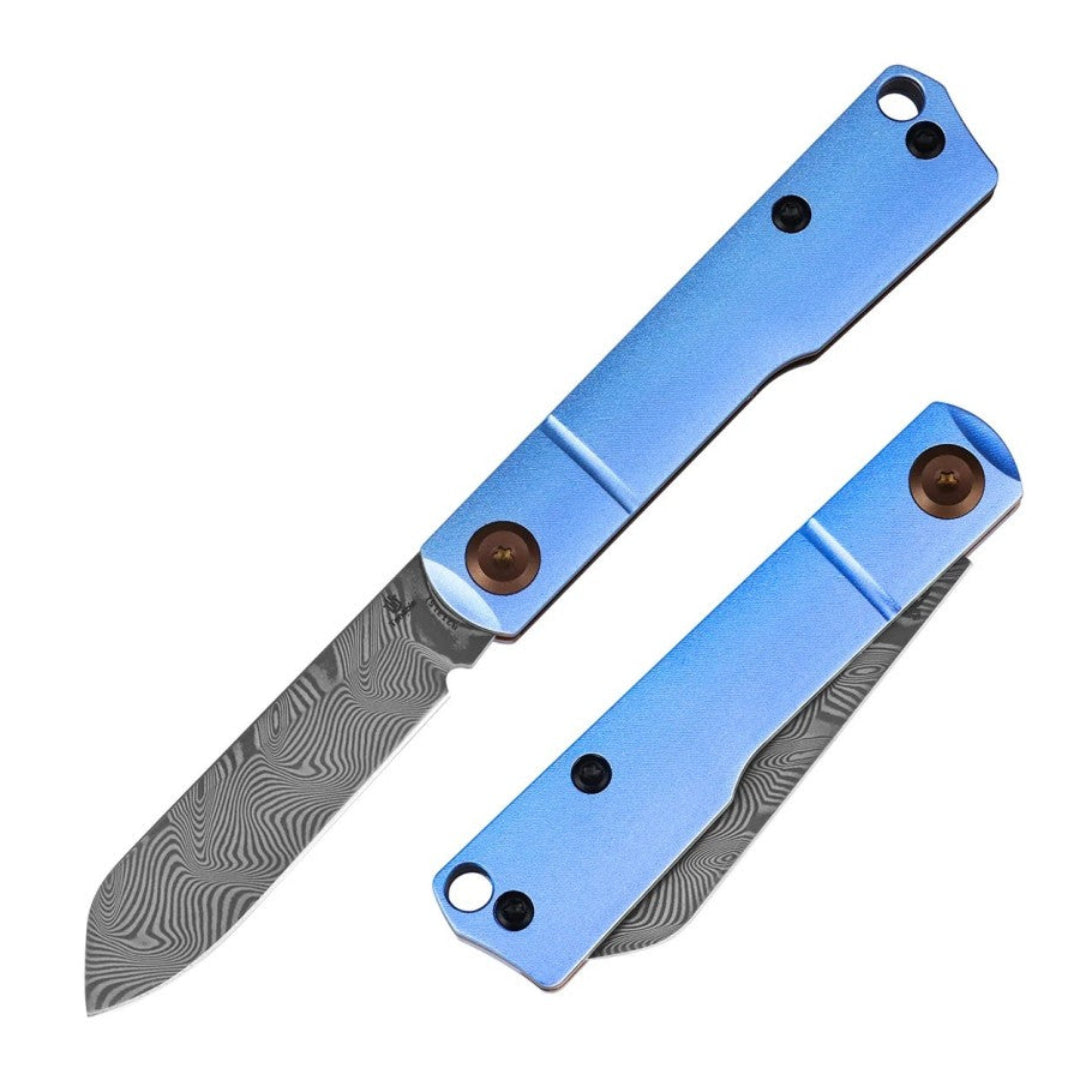
The QSP Penguin Plus frame lock variants (such as the QS130XL-C and the carbon-fiber inlaid QS130XL-F2) utilize a radically different approach. Instead of relying on an internal liner, the handle scale itself acts as the locking mechanism.
The handle is machined out of thick, solid 6Al4V aircraft-grade titanium. A precise relief cut allows a massive section of this titanium slab to function as a spring bar. When the blade snaps open, this heavy-duty titanium bar moves directly behind the blade tang. Because the lock bar is constructed from the same thick material as the handle frame, it possesses immense structural rigidity, making it virtually impossible to bend, flex, or defeat under extreme downward pressure.
The Proportional Safety Principle: The Harder You Grip, the Safer It Gets
The most compelling safety feature of the QSP Penguin Plus frame lock is a mechanical phenomenon known as the Proportional Safety Principle.
When using a pocket knife for intensive tasks—such as carving dense wood, piercing thick plastic drums, or slicing through heavy industrial rubber—you naturally wrap your hand tightly around the handle in a firm "hammer grip."
On a standard liner lock knife, a white-knuckle grip can sometimes cause your fingers to inadvertently shift or press against the exposed liner, accidentally disengaging the lock while the blade is under load.
On the Penguin Plus titanium frame lock, the opposite occurs. Because the locking bar is located on the exterior frame of the handle, your fingers naturally rest directly on top of the lock bar while gripping the knife. The harder you squeeze the handle to execute a difficult cut, the more pressure your hand applies directly to the lock bar, forcing it deeper and more securely into the blade tang. The knife effectively becomes a fixed-blade tool when held tightly, minimizing the risk of accidental mid-task closures.
Preventing Wear and Tear: The Hardened Steel Lock Bar Insert
While titanium is celebrated in the aerospace and knife industries for its incredible strength-to-weight ratio and natural spring properties, it is technically a softer metal than hardened blade steel. Over years of deployment, raw titanium rubbing against a hardened steel blade tang can cause a micro-abrasion effect known as "lock stick," or worse, it can wear down the lock face, causing the blade to develop dangerous horizontal or vertical wiggle.
QSP addressed this mechanical reality flawlessly. Every titanium frame lock model in the Penguin Plus lineup features a hardened steel lock bar insert secured to the interface.
This small but crucial piece of engineering ensures that when the knife locks open, the contact point is strictly steel-on-steel. Steel-on-steel interfaces provide an incredibly crisp lockup with absolutely zero sticky resistance when trying to close the knife. More importantly, it completely eliminates long-term wear on the titanium frame, ensuring the lock face remains perfectly aligned, solid, and safe for decades of continuous deployment.
Zero Blade Play Through Flawless Machining
Lock safety is deeply interconnected with manufacturing tolerances. If a knife has microscopic gaps in the pivot or lock interface, micro-movements will eventually widen into structural failures.
The Penguin Plus is built with tight tolerances that challenge luxury custom folders double its price. Running on a captive ceramic ball bearing pivot system, the blade deploys smoothly and seats itself securely into the lock channel with a distinct, authoritative acoustic snap. There is absolutely zero side-to-side wobble or up-and-down movement. This complete lack of play ensures that energy from a cut transfers safely through the blade and into the frame without stressing the lock components.

The QSP Penguin Plus Lock Configurations
The Penguin Plus collection available at EDCMALL demonstrates how QSP tailors different lock configurations to match varying user preferences and budgets.
| Model Group | Blade Steel | Handle Materials | Locking Mechanism Type | Safety Level |
| QS130XL-A Series |
CPM-20CV |
Flax Micarta / Textured G10 |
Heavy-Duty Internal Liner Lock |
High (Standard Utility) |
| QS130XL-C Series |
CPM-20CV |
Full 6Al4V Titanium |
Solid Titanium Frame Lock + Steel Insert |
Ultimate (Heavy-Duty Work) |
| QS130XL-F2 Model |
CPM-20CV |
Shredded Carbon Fiber & Titanium Inlay |
Solid Titanium Frame Lock + Steel Insert |
Ultimate (Heavy-Duty Work) |
While the micarta liner lock versions provide excellent safety for standard daily cutting chores, users looking for the absolute pinnacle of structural security will find their perfect match in the full titanium or carbon fiber frame lock variants.
Pros & Safety Highlights
-
Maximum Structural Rigidity: Thick titanium frame handles form an unyielding barrier against lock failure.
-
Ergonomic Reinforcement: Human grip pressure naturally locks the mechanism deeper into place during heavy use.
-
Steel Interface Insert: Hardened steel lock bar insert prevents wear and tear, ensuring a lifetime of secure lockups.
-
Dual Over-Travel Stop: The steel insert acts as an integrated stop, preventing the user from over-bending the titanium spring during disengagement.
Conclusion: Peace of Mind in Your Pocket
The QSP Penguin Plus is more than just a beautifully upscaled version of an EDC classic—it is an expertly engineered cutting tool where safety serves as the foundation of its design. By transitioning the beefier sheepfoot platform onto a titanium frame lock system complete with a hardened steel insert, QSP has eliminated the mechanical vulnerabilities common in standard budget folders.
When you carry the Penguin Plus frame lock, you are not just carrying a razor-sharp CPM-20CV super-steel blade; you are carrying the peace of mind that comes with knowing your tool is mechanically incapable of failing when you need it most.
Ready to invest in the ultimate standard of everyday carry security? Explore the authentic QSP Penguin Plus Collection at EDCMALL today and select the titanium frame lock model built to protect your hands on every project.