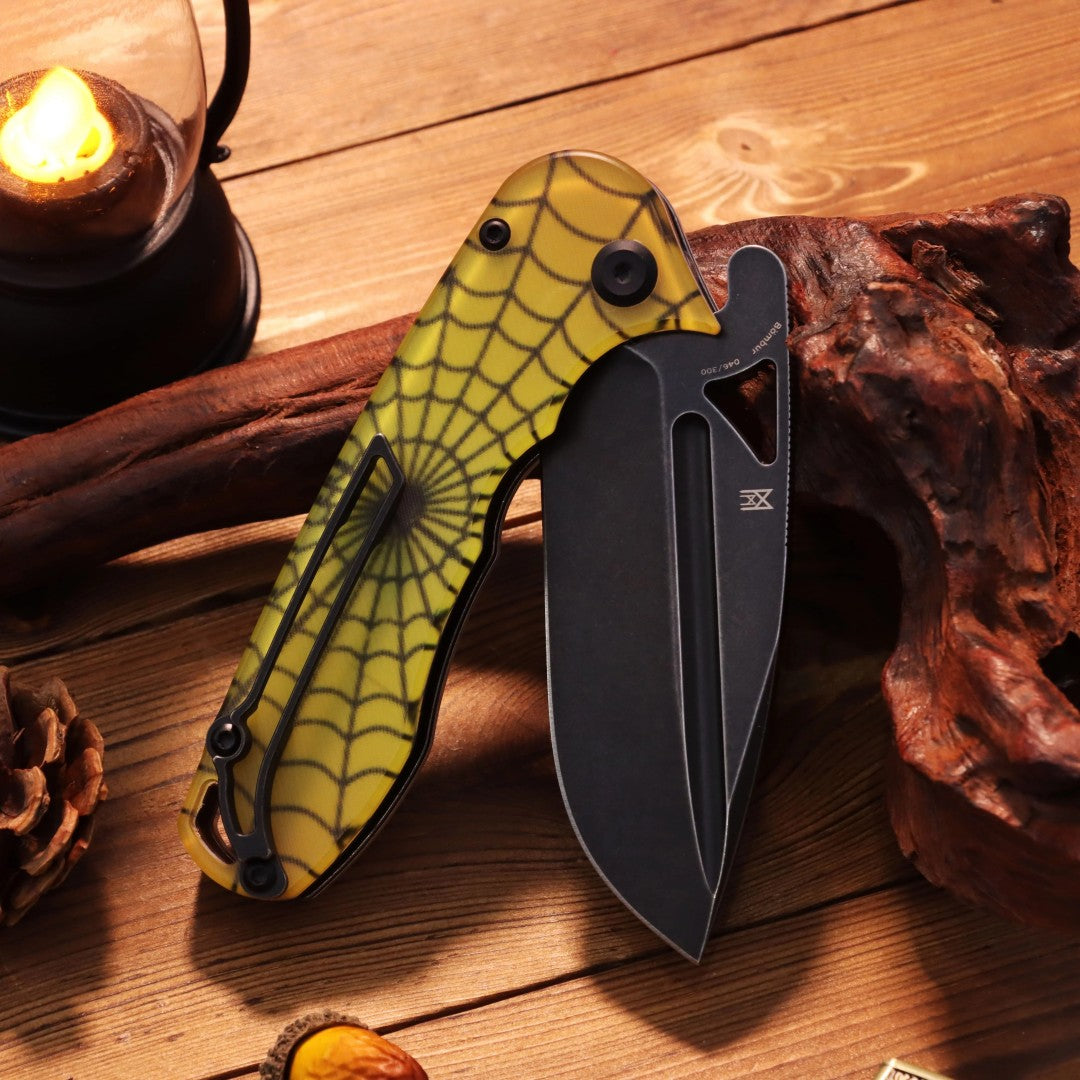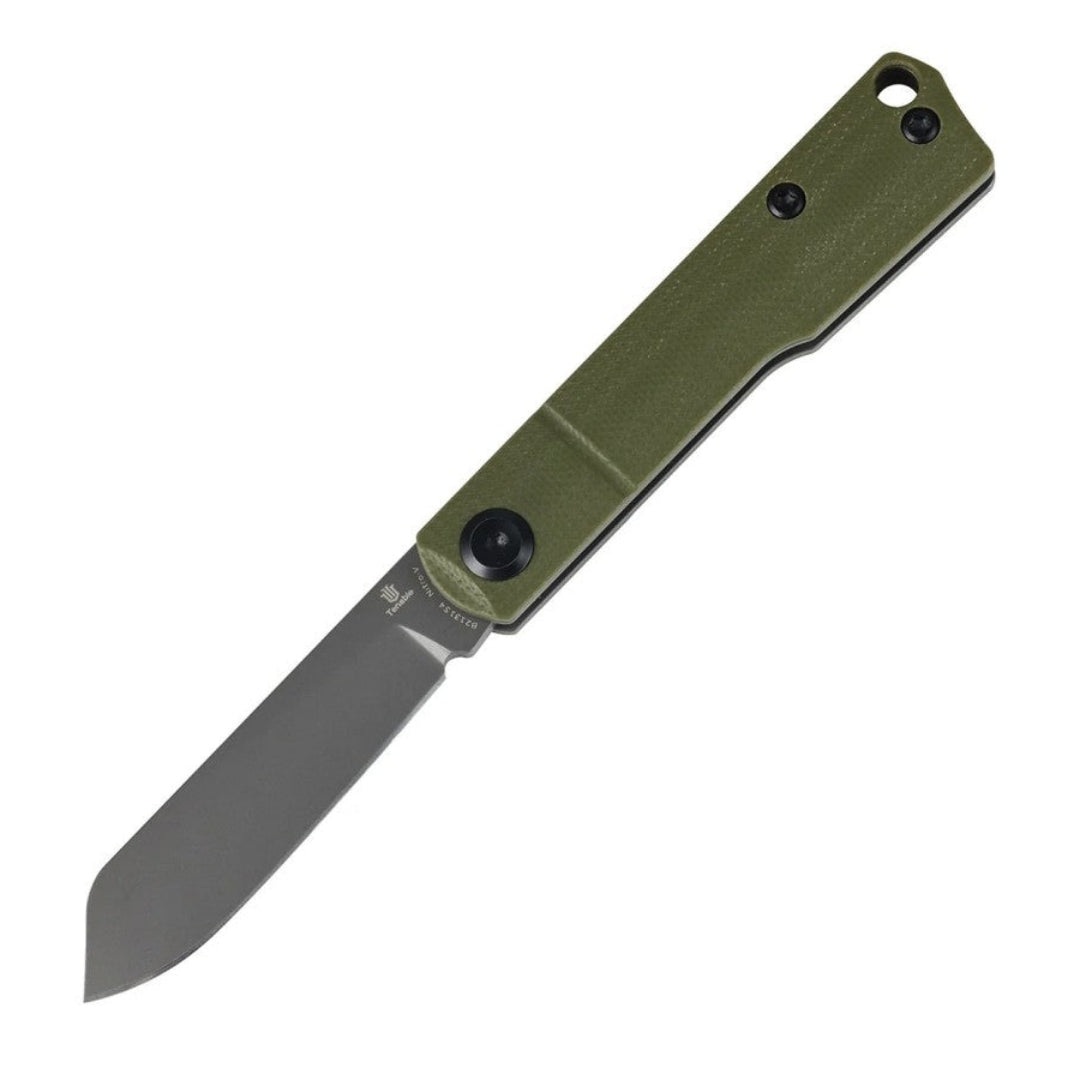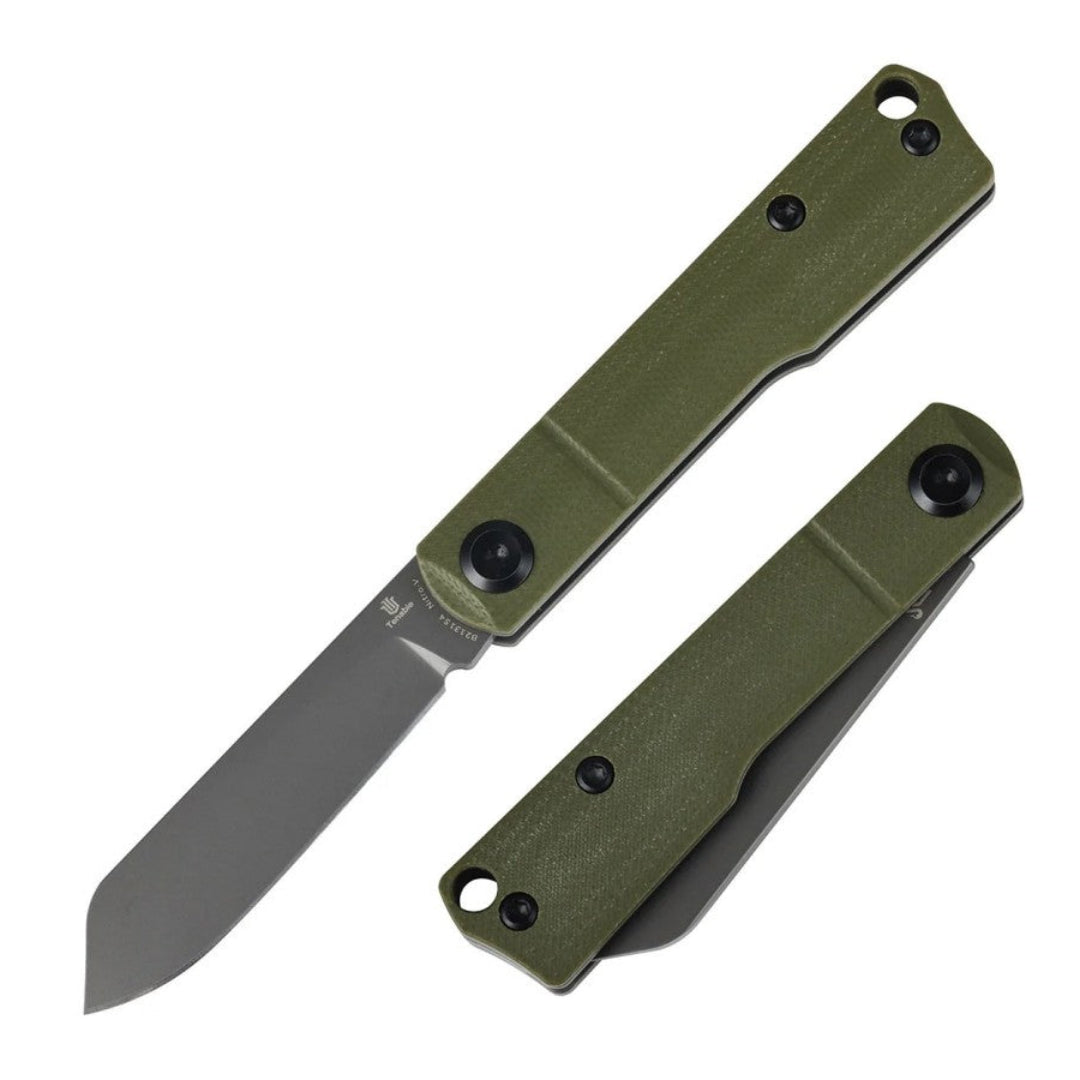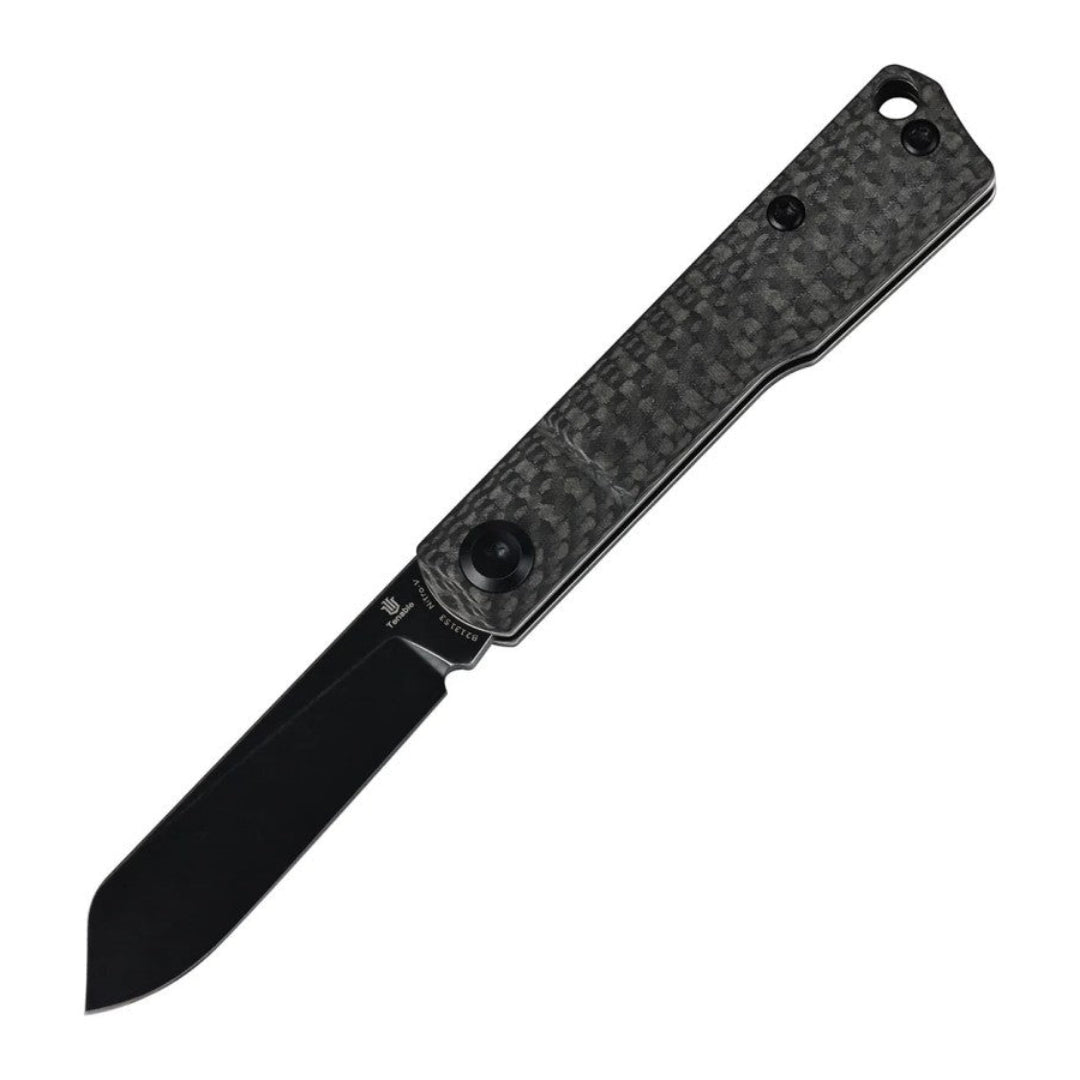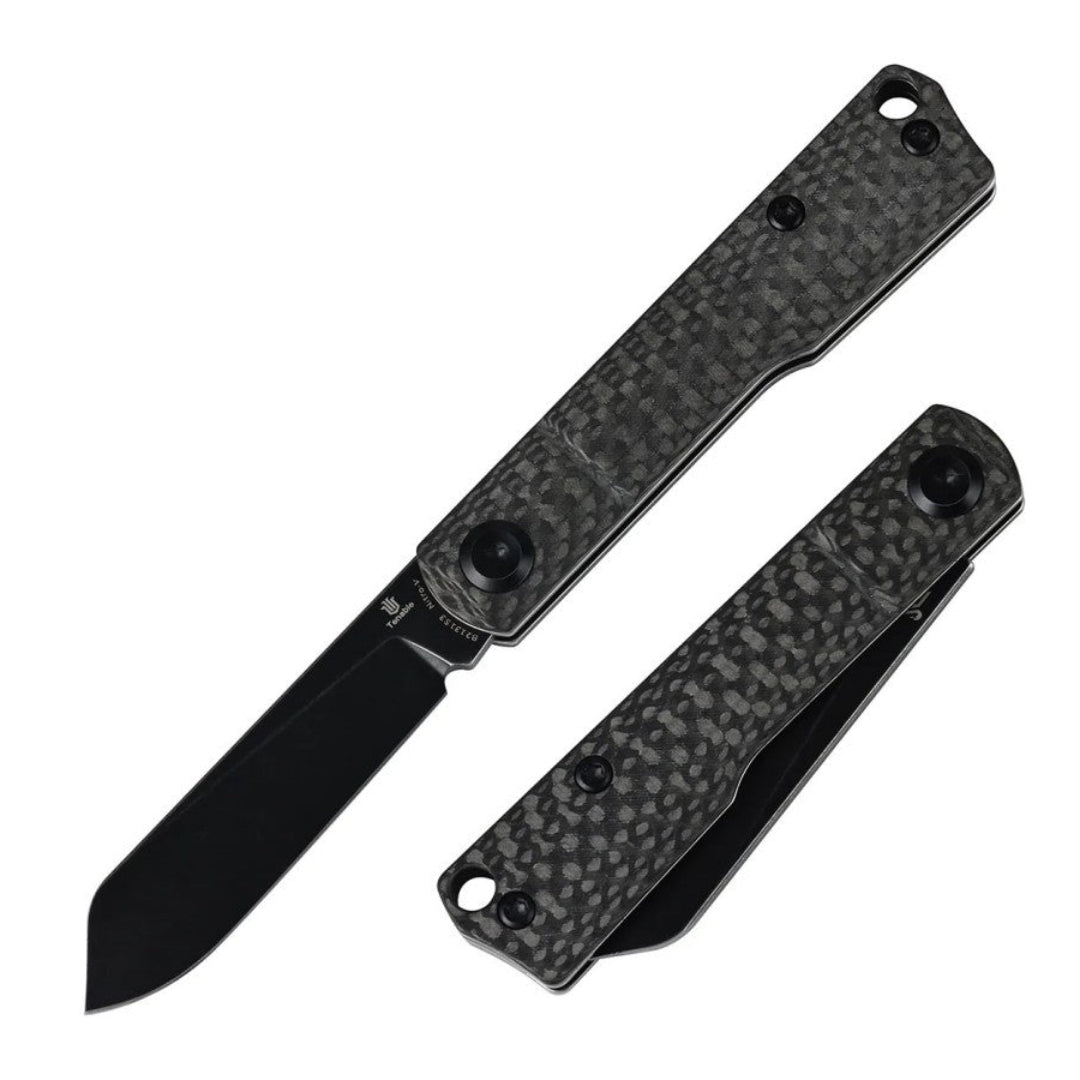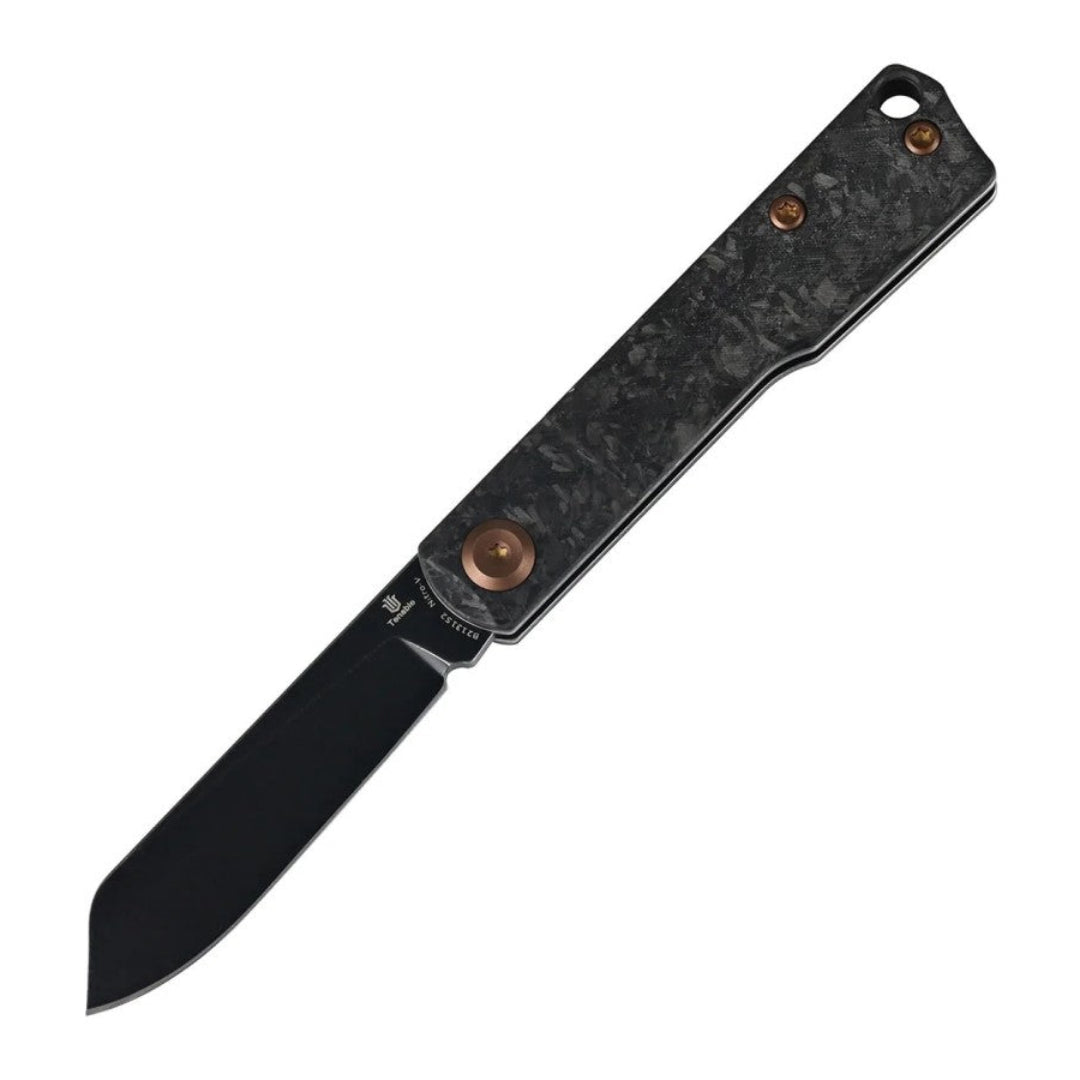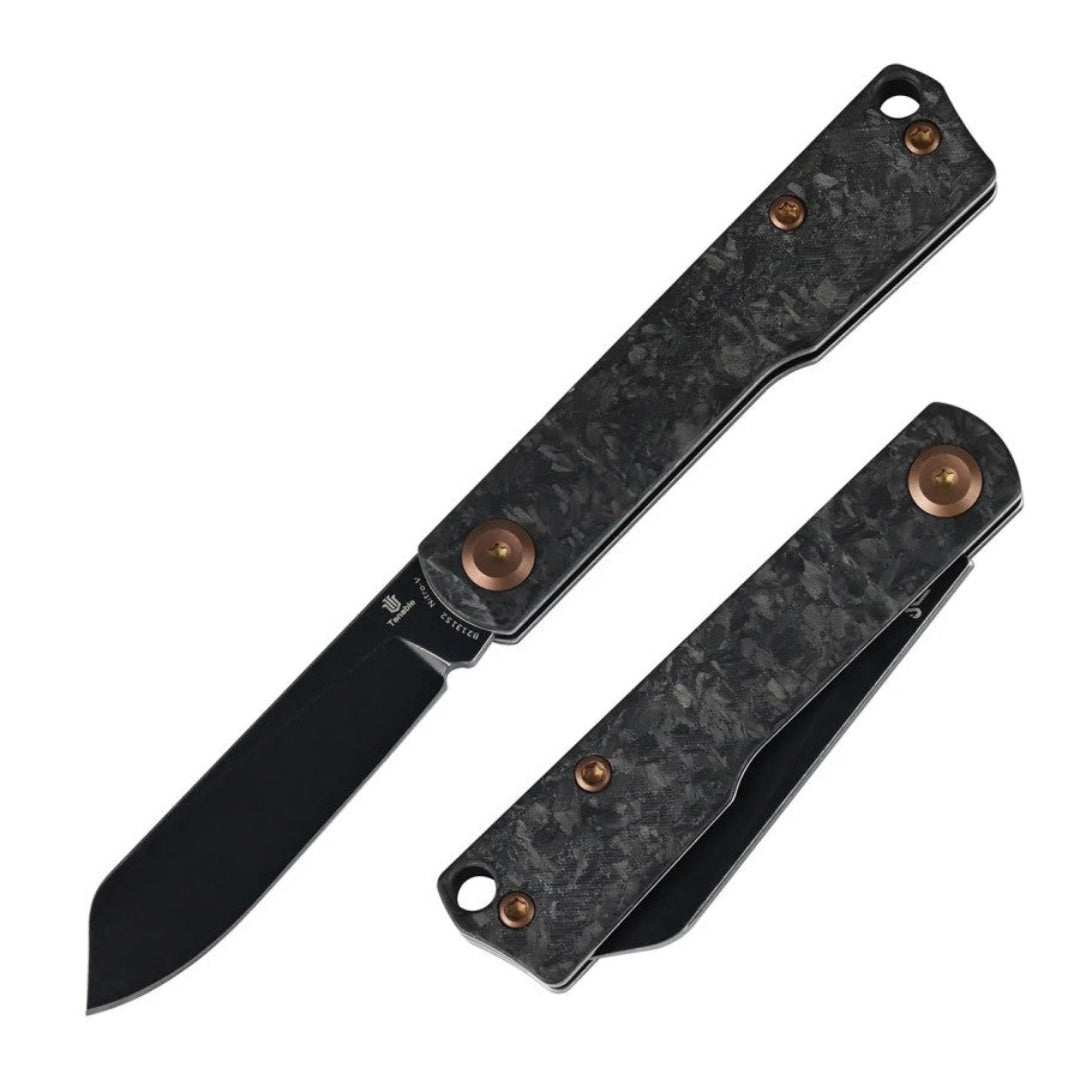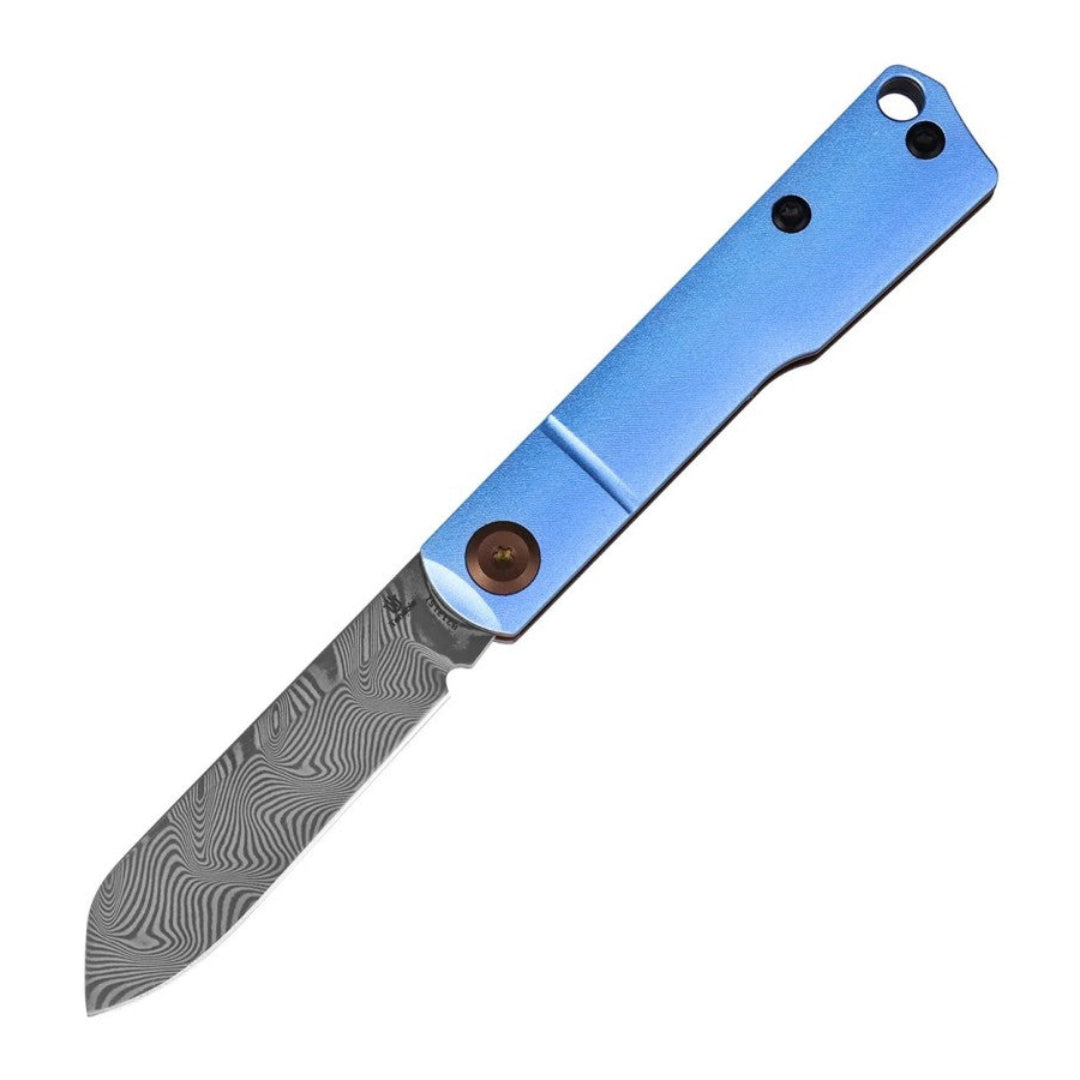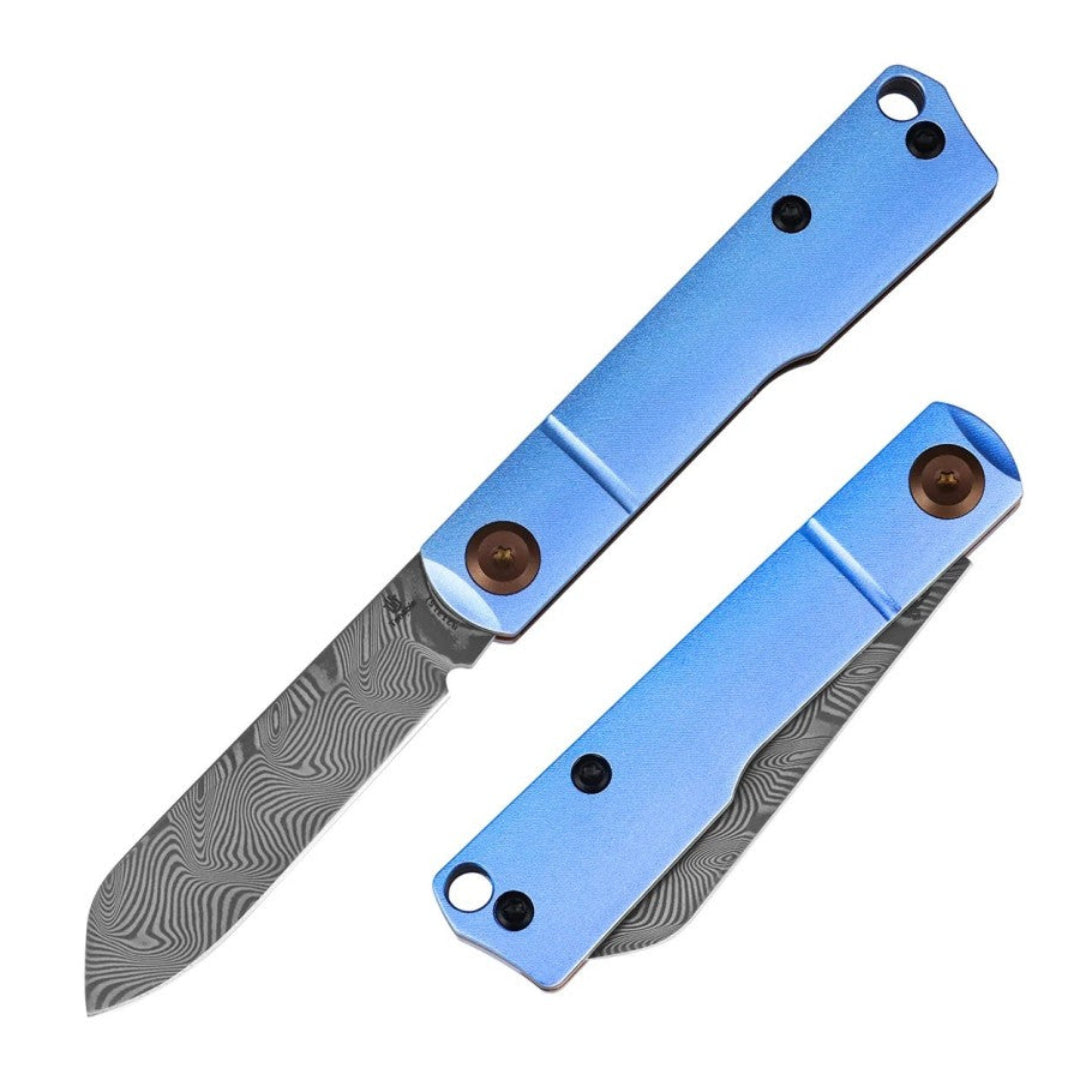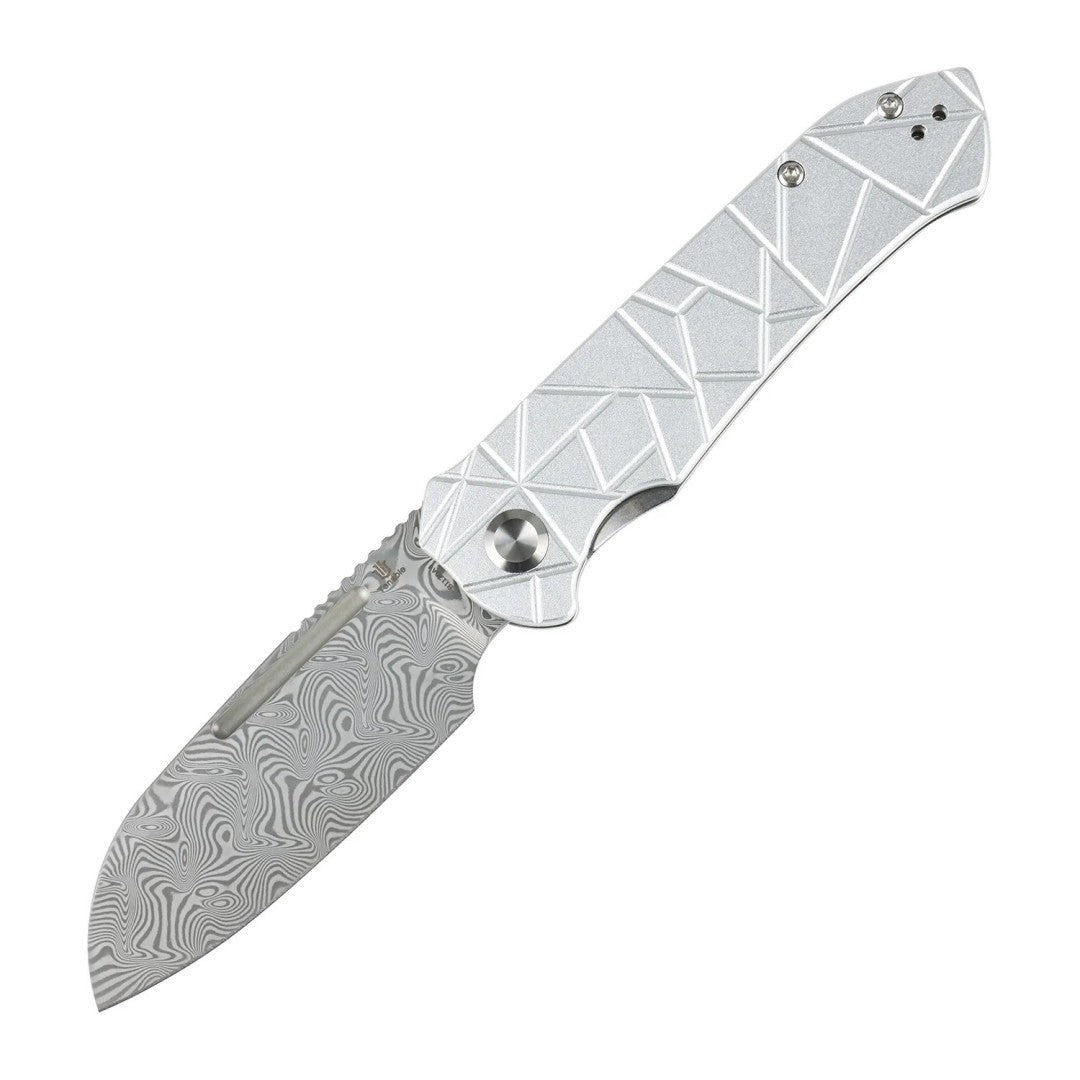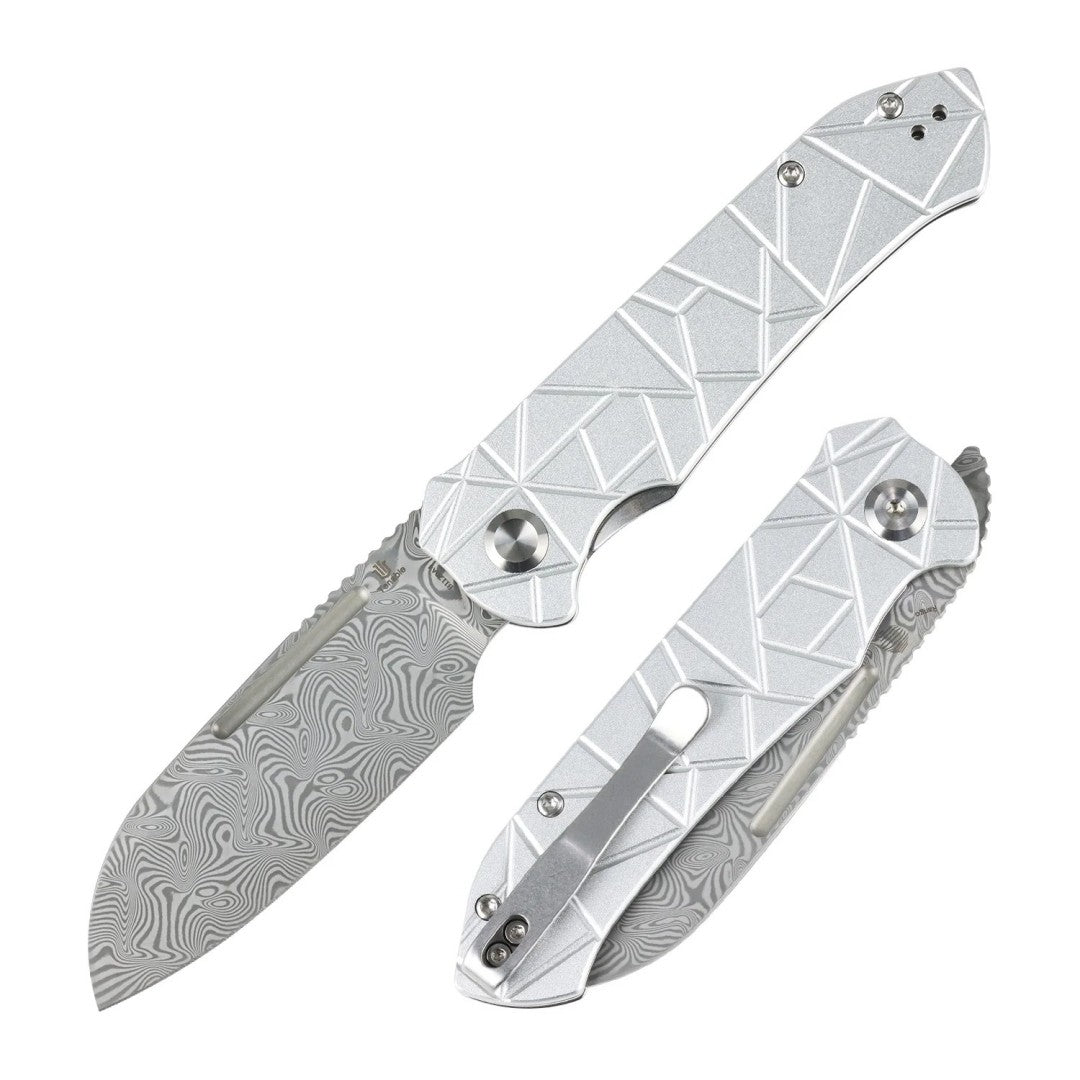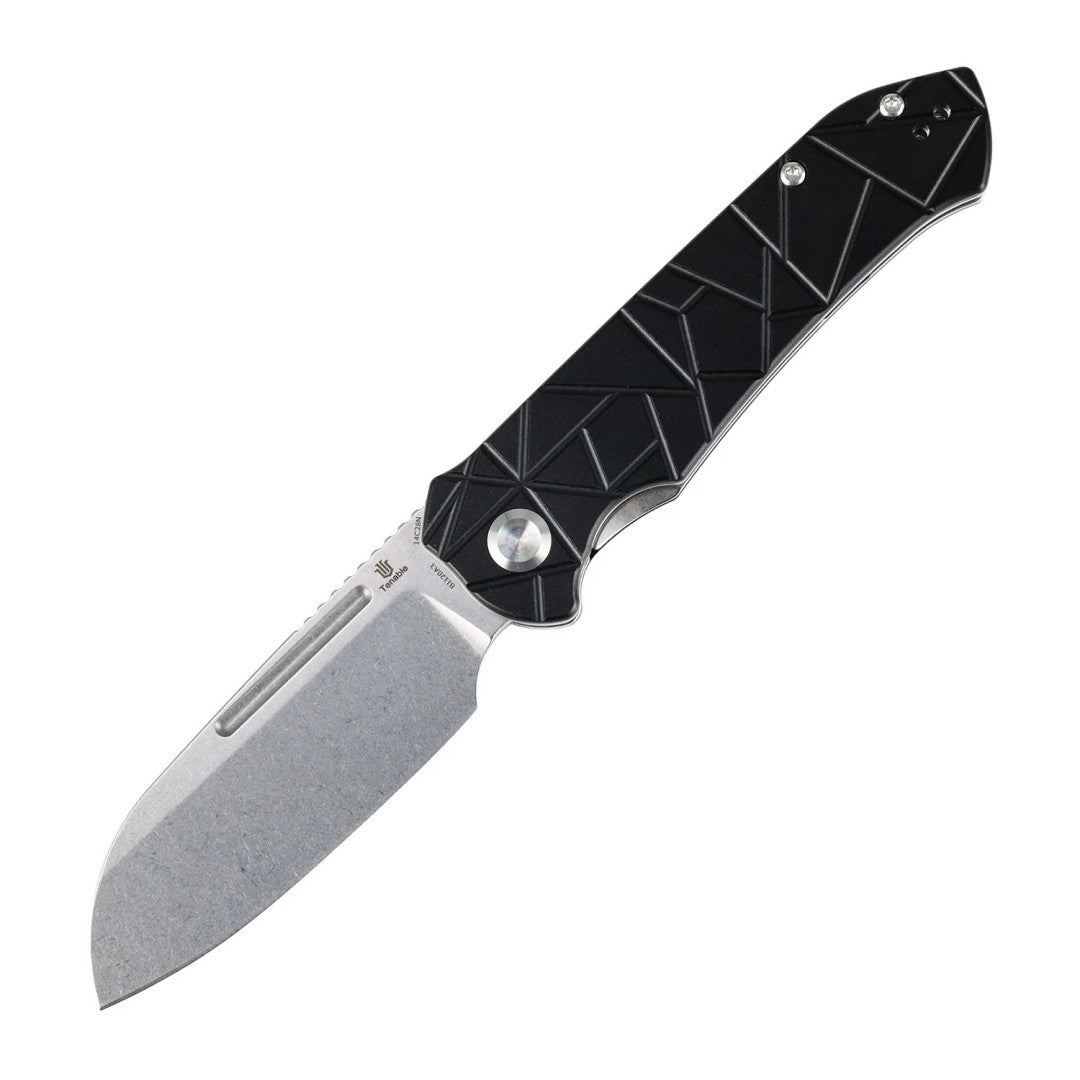

When shopping for a reliable everyday carry (EDC) pocket knife on Shopify, it is easy to get distracted by visual handle scales or flash blade coatings. However, seasoned gear enthusiasts know that the soul of a high-performance folding knife lies entirely in its lock system. The locking mechanism is the lone mechanical barrier protecting your fingers from a razor-sharp edge during high-pressure work.
The QSP Canary Folder has rapidly ascended the global EDC rankings. While its premium Swedish steel and stellar price point garner heavy praise, its lock engineering is a masterclass in structural durability. QSP offers the Canary in two highly distinct, hard-use locking configurations: a classic Inset Liner Lock and the ultra-modern, ambidextrous Glyde Lock crossbar system.
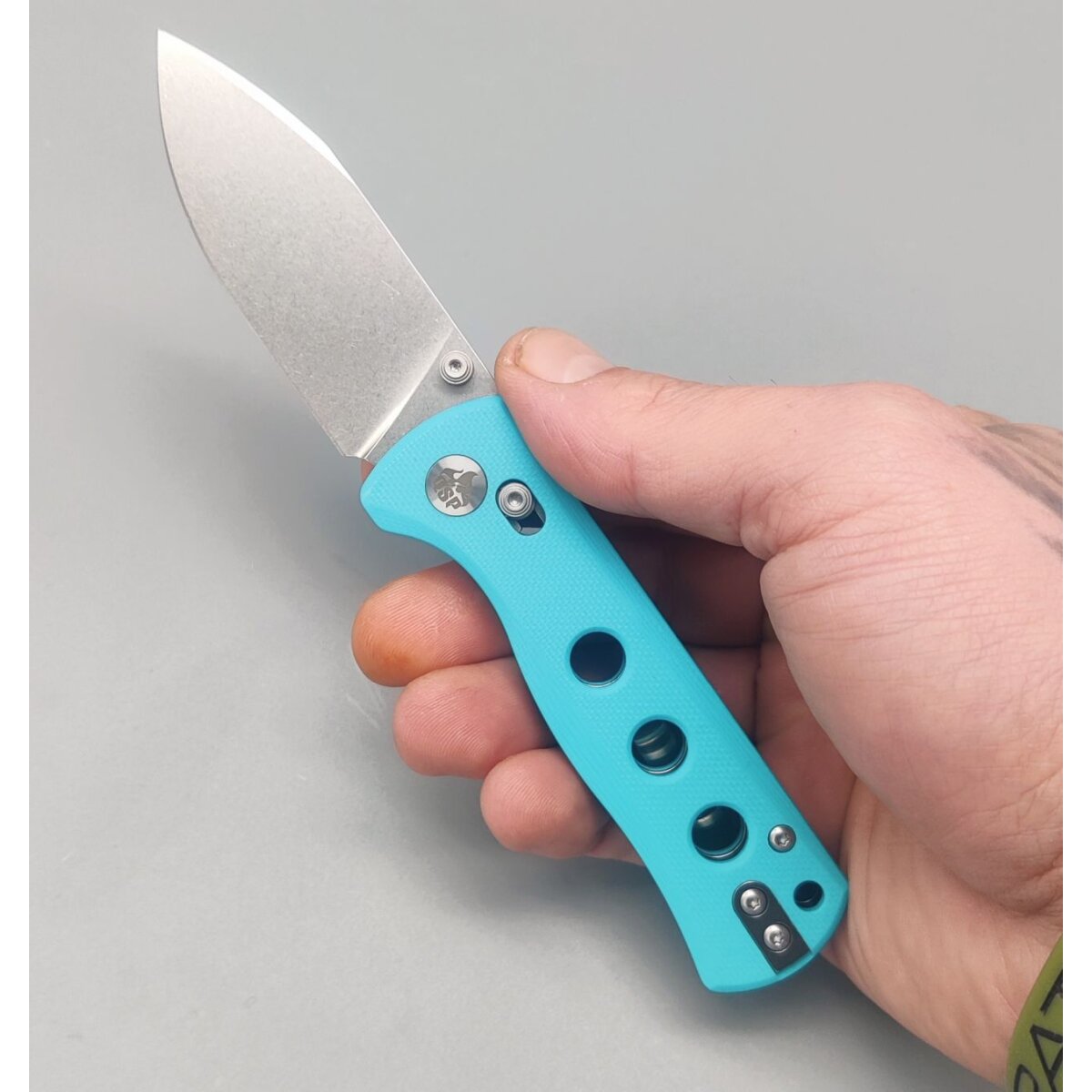
In this deep dive, we will take a closer look at the physics, metallurgy, and real-world strength behind the QSP Canary Folder lock system to show you exactly why this budget workhorse delivers premium-tier safety you can trust with your hands.
The Lock Security Overview
Lock Mechanism Varieties: Precision-Machined Inset Liner Lock / Ambidextrous Glyde Lock (Crossbar Axis)
Internal Frame Structural Support: Skeletonized Heat-Treated Stainless Steel Liners
Blade Tang Geometry: Optimized Angled Ramp for Friction-Lock Reinforcement
Lateral Stability Rating: Zero Perceptible Horizontal or Vertical Blade Wobble
Pocket Protection: Integrated Ceramic Detent Safety Ball System
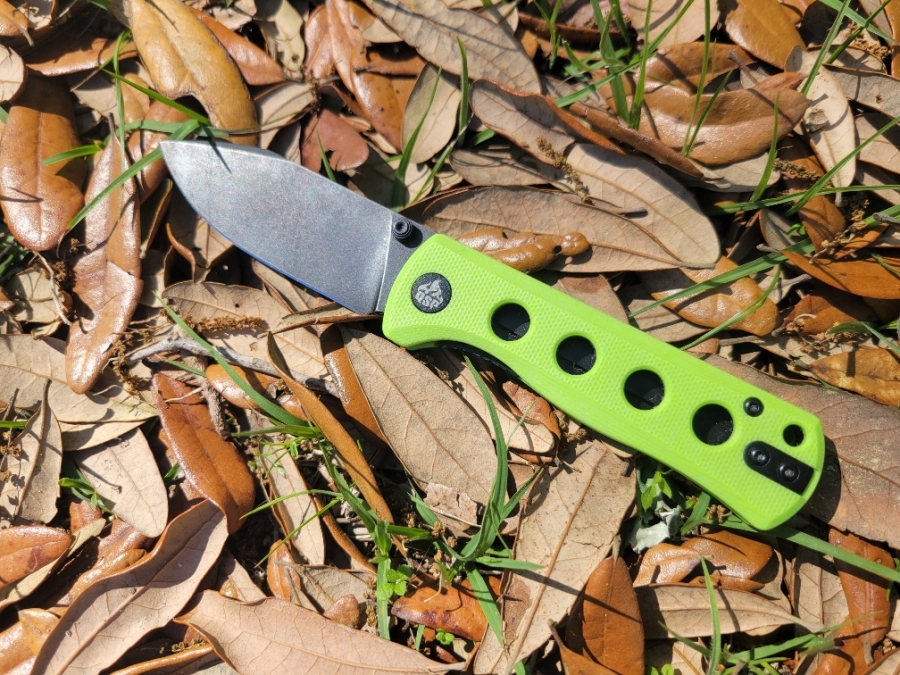
The Foundation: Skeletonized Stainless Steel Internal Liners
True lock strength cannot exist without a rigid chassis to back it up. No matter which Canary Folder variation you choose, the underlying structure relies on dual, skeletonized stainless steel internal liners.
QSP handles this by deeply milling out non-essential metal inside the liners to drop the total knife weight down to a feather-light 2.6 ounces. However, they leave thick steel reinforcement zones exactly where the lock system interfaces with the blade pivot. This robust internal frame prevents the handle scales from flexing, bowing, or warping when you apply immense torque during heavy cutting tasks.
Variant 1: The Inset Liner Lock Anatomy
The most widespread version of the Canary Folder utilizes a classic Inset Liner Lock. While liner locks are incredibly common in the budget knife industry, cheap manufacturers frequently mess up the internal tolerances, leading to dangerous lock slips under pressure. QSP remedies this with precision engineering.
Geometric Angled Tang Interface
A liner lock bar functions via wedge mechanics. QSP machines the contact face of the Canary's blade tang at a precise, microscopic angle. When you flick the thumb stud, the spring-tempered stainless steel lock bar slides over to securely engage the first 30% to 45% of that ramped surface. This provides an incredibly solid "early lockup." As you apply heavy downward cutting force, the physics of the ramp push the lock bar tighter into the blade tang rather than forcing it to slip open.
Hand Squeeze Safety Protection
A common failure point of standard liner locks occurs when a user grips the knife tightly during heavy twisting work; the palm can accidentally compress an exposed lock bar and close the blade on their fingers. QSP solves this by completely insets the locking liner inside the handle scale profile. This recessed design keeps the lock perfectly protected from accidental palm disengagement.
Variant 2: The Glyde Lock Crossbar Revolution
For users who demand maximum breaking strength and modern, lightning-fast deployment, the QSP Canary Glyde Lock version is a game-changer. This system utilizes an advanced crossbar mechanism driven by dual, high-tension omega steel springs.
Bi-Directional Axis Rigidity
Instead of relying on a single piece of bent metal sliding against the side of the blade like a liner lock, the Glyde Lock pushes a solid steel cylindrical pin completely through both stainless steel liners. When the blade snaps open, this heavy-duty steel pin is driven forward by the omega springs, seating itself directly over the massive, solid shoulder of the blade tang.
To cause a Glyde Lock to fail under load, a user would have to apply enough raw force to physically shear that solid steel crossbar pin in half. It is a mechanical threshold that standard human hand pressure simply cannot breach, making it one of the safest folding knife actions on the market.
Total Hand Isolation Safety
The ultimate safety advantage of the Glyde Lock comes down to blade closure. To fold the knife away, you simply use your thumb and index finger to pull back on the ambidextrous crossbar tabs. The blade swings freely shut on its frictionless ceramic ball bearing pivot without your fingers ever crossing the path of the sharp cutting edge.
Closed Safety: The Ceramic Detent System
A lock system's safety responsibilities don't stop when the knife is closed. An accidental blade deployment inside a packed pocket can lead to serious injuries when reaching for your phone or car keys.
To prevent this, the QSP Canary Folder incorporates a premium ceramic detent ball pressed into the locking liner. When the blade is folded completely shut, this ultra-hard ceramic ball drops into a precision-drilled hole on the blade tang. This creates a highly crisp, intentional resistance gate. The knife will never shake or vibrate open on its own inside your pocket, yet it releases instantly with a deliberate flick of the thumb studs.
Conclusion: A Built-to-Last Guarantee
The massive success of the QSP Canary Folder lineup ultimately boils down to a refusal to compromise on user safety. QSP did not just build another cheap budget folder; they precision-engineered a heavy-duty, abuse-tolerant cutting system. Whether you prefer the streamlined security of their Inset Liner Lock or the bulletproof, ambidextrous strength of the Glyde Lock, the Canary Folder guarantees premium structural reliability. It is a dependable pocket tool that fully respects your daily workload, your budget, and above all, the safety of your hands.
Frequently Asked Questions (FAQ)
Q1: Does the QSP Canary Liner Lock version suffer from annoying "lock stick"?
A: No. Lock stick happens when unrefined metals gall and seize together. QSP uses high-grade, heat-treated stainless steel for their liners, ensuring that the lock bar disengages smoothly and effortlessly every single time without catching or binding.
Q2: Are the internal omega springs in the Canary Glyde Lock version durable?
A: Yes. QSP utilizes premium, high-elasticity spring steel for their internal omega springs. They are specifically rated for tens of thousands of continuous mechanical cycles without losing their crisp, responsive tension.
Q3: Can pocket lint or dirt cause the Canary's lock mechanism to fail?
A: It is highly unlikely. The Canary Folder utilizes an open-back pillar design, meaning standard pocket debris and dust pass right through the handle structure. A quick rinse with warm water or a blast of compressed air keeps the locking surfaces completely clean.