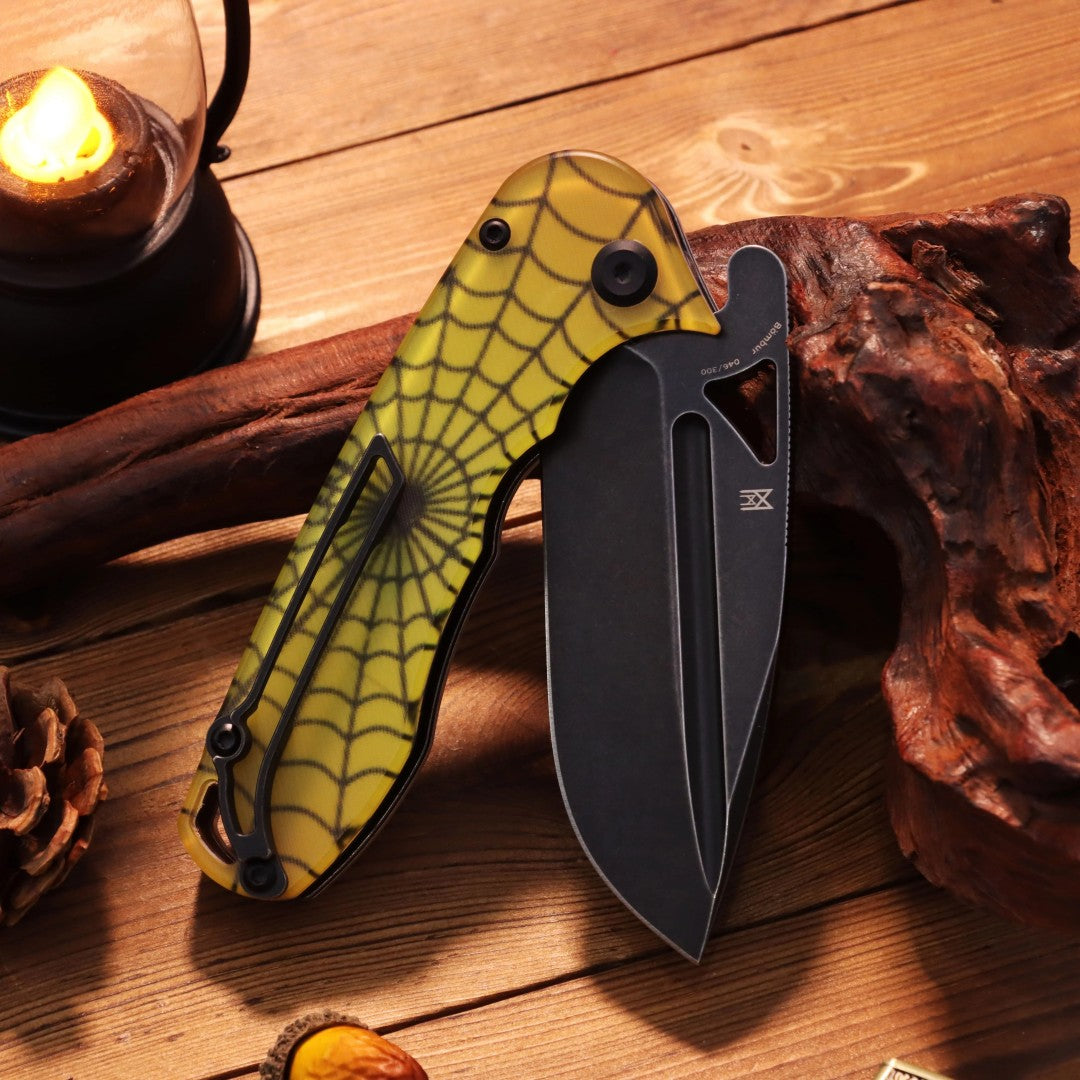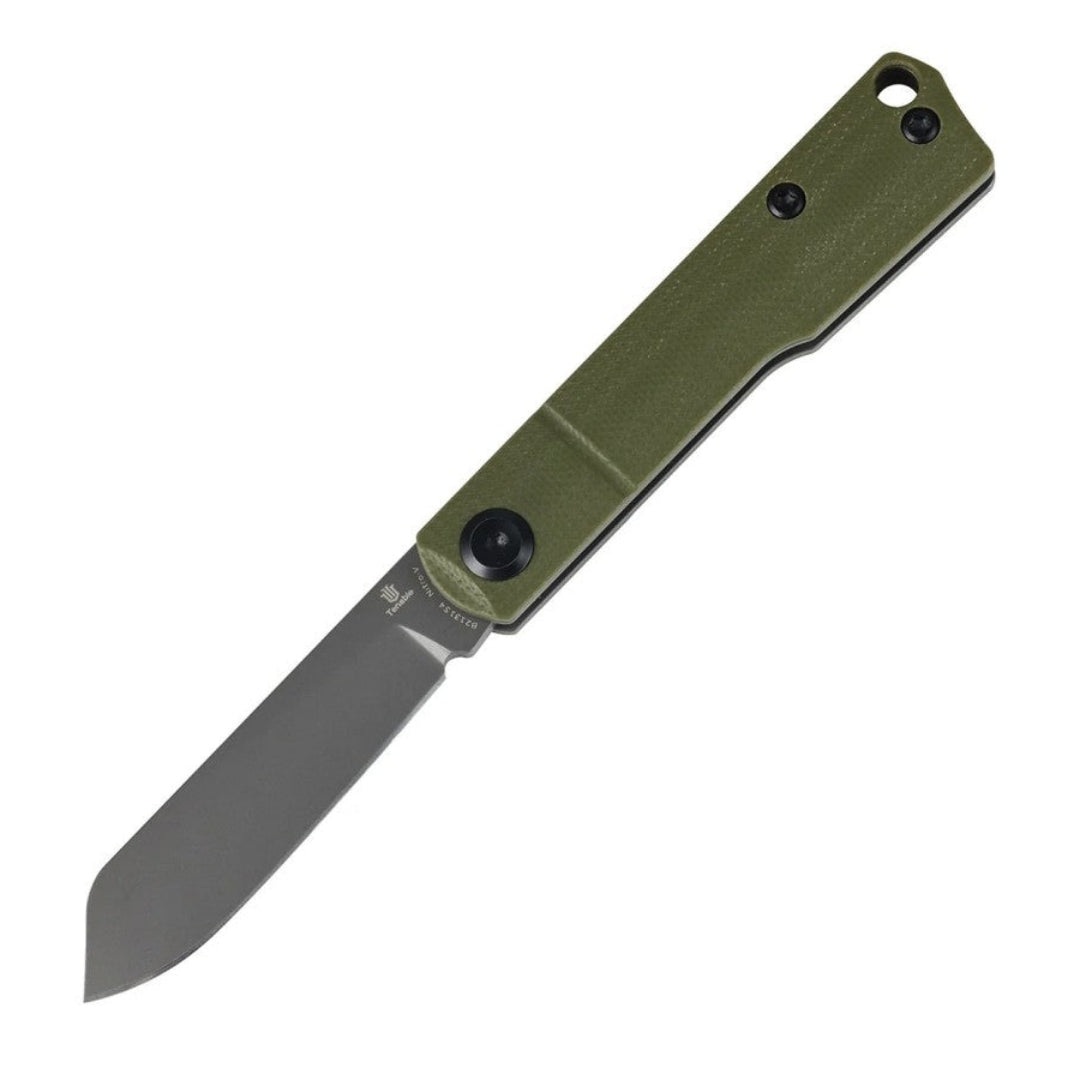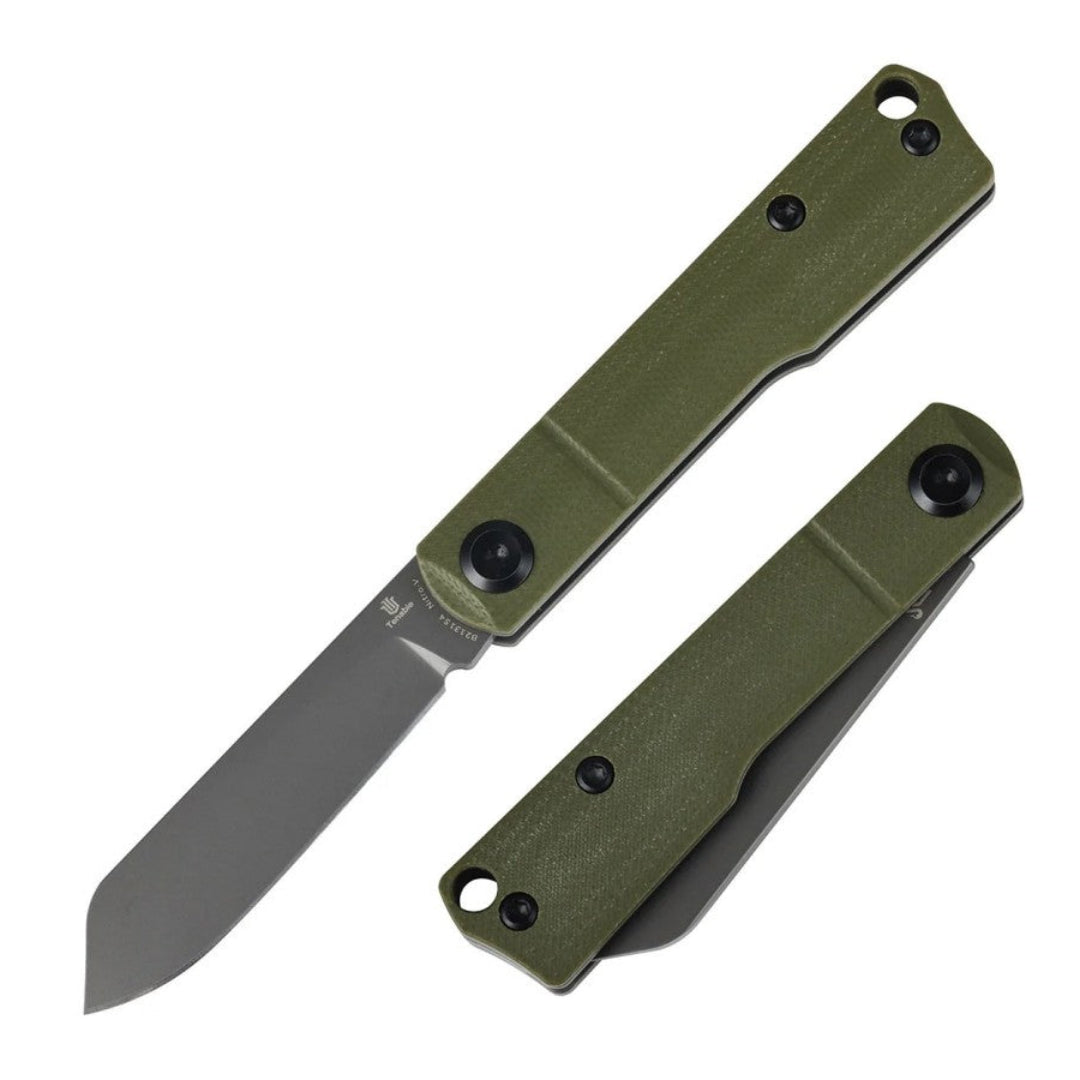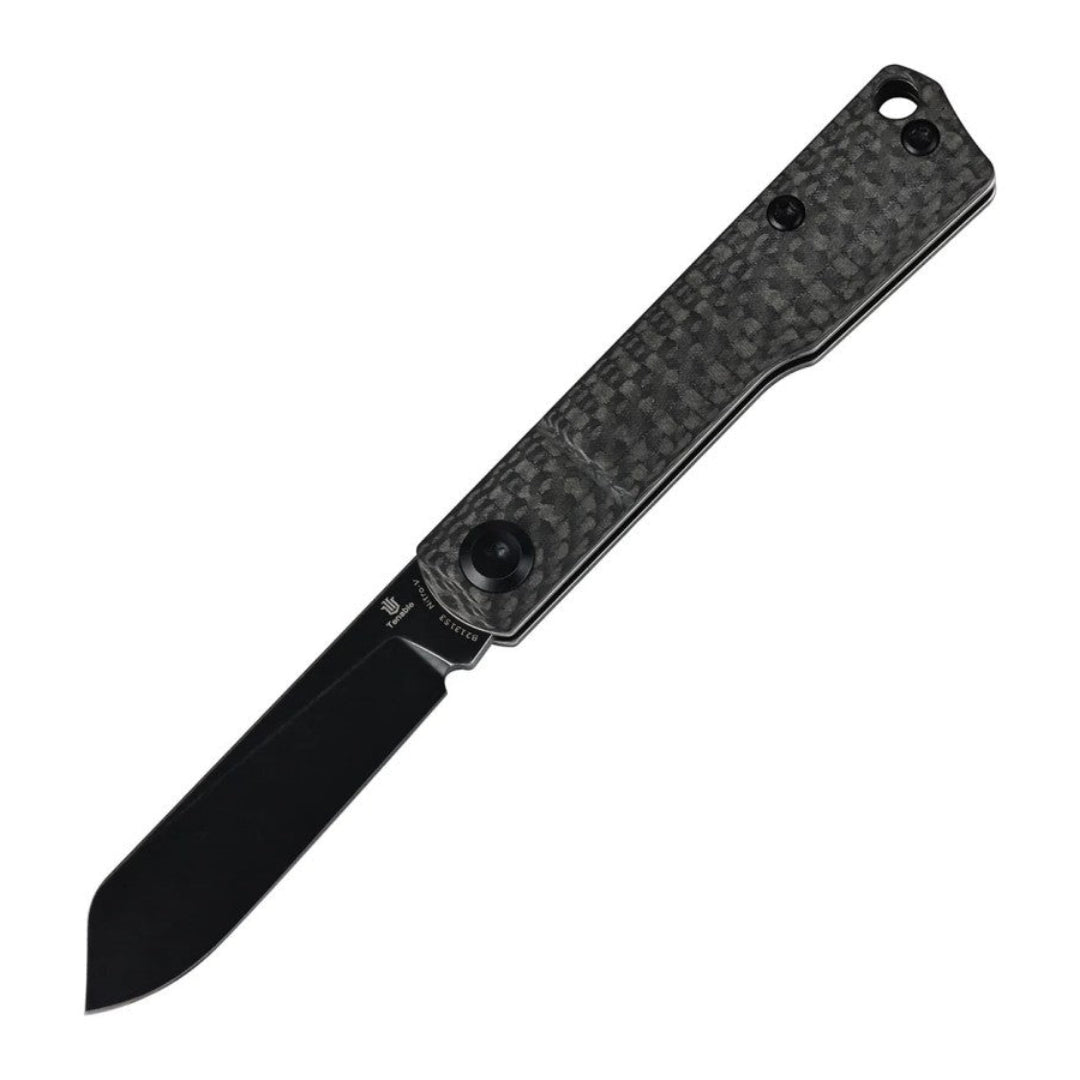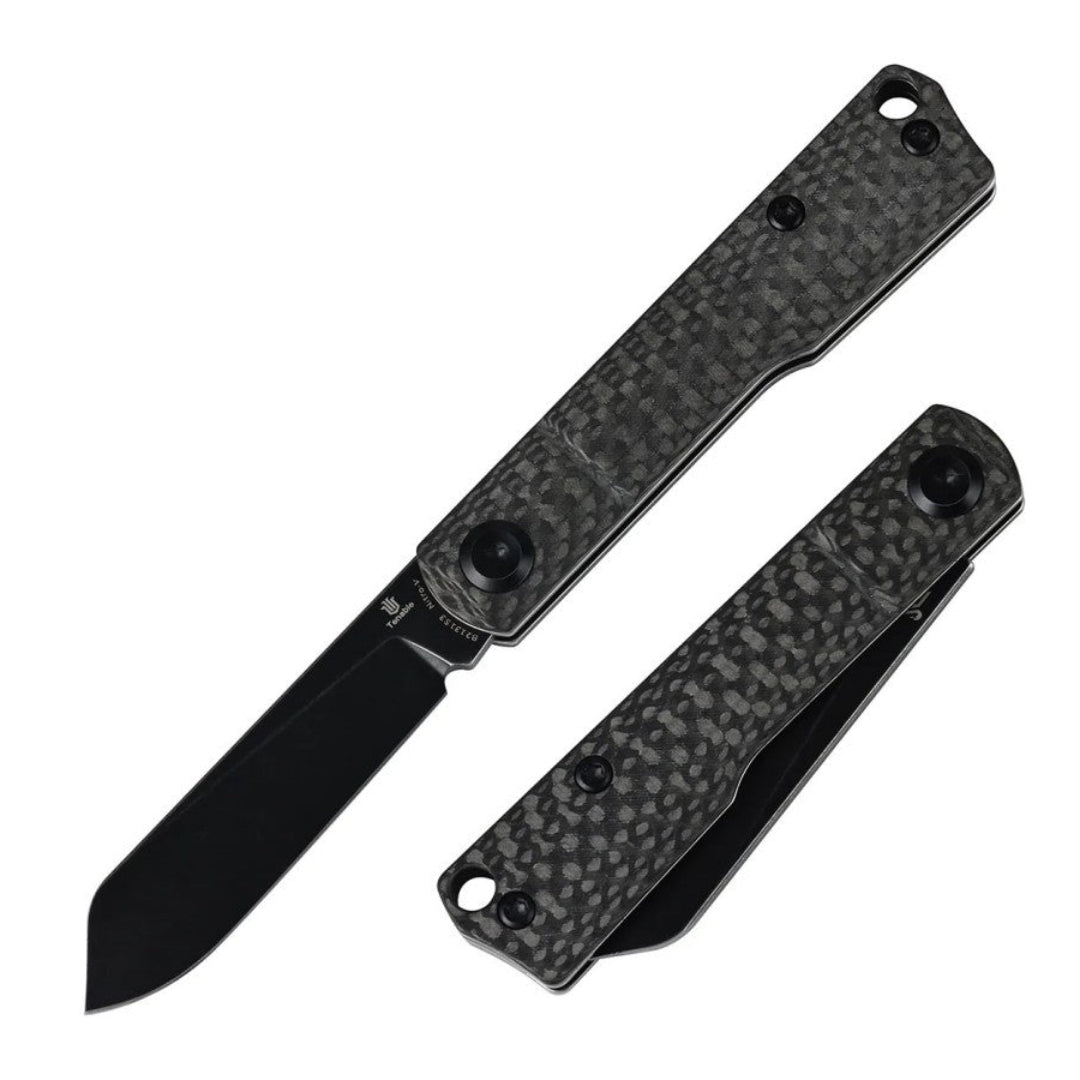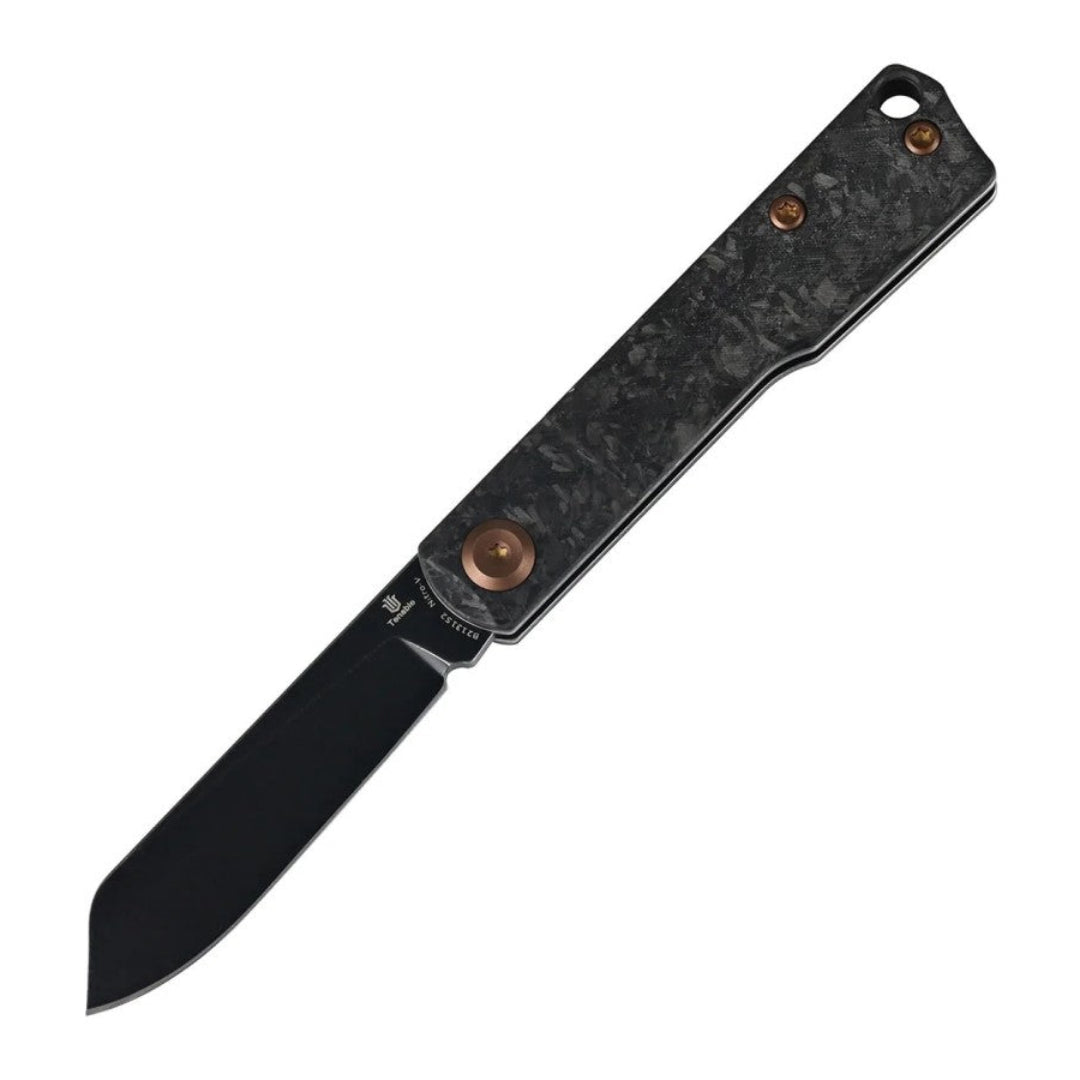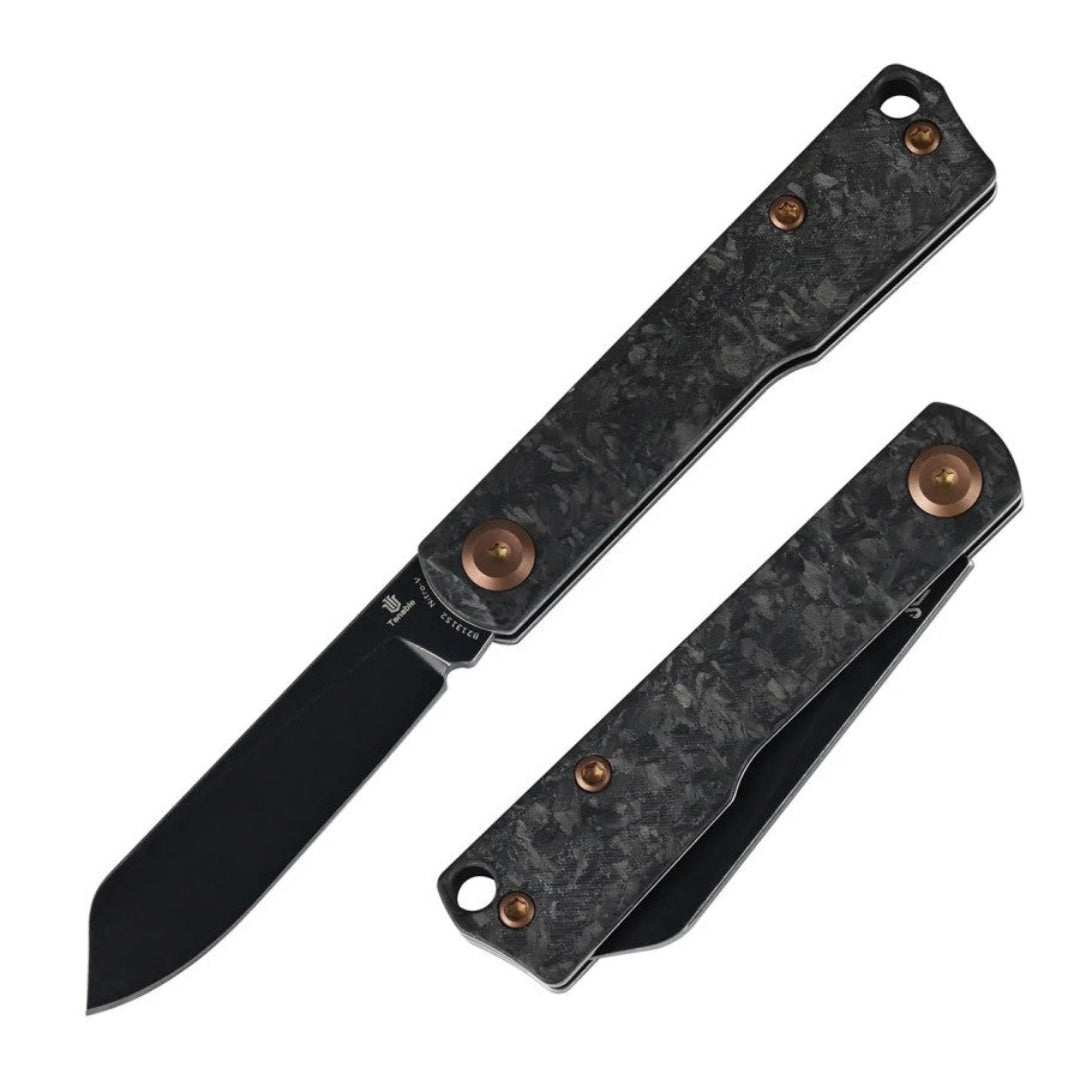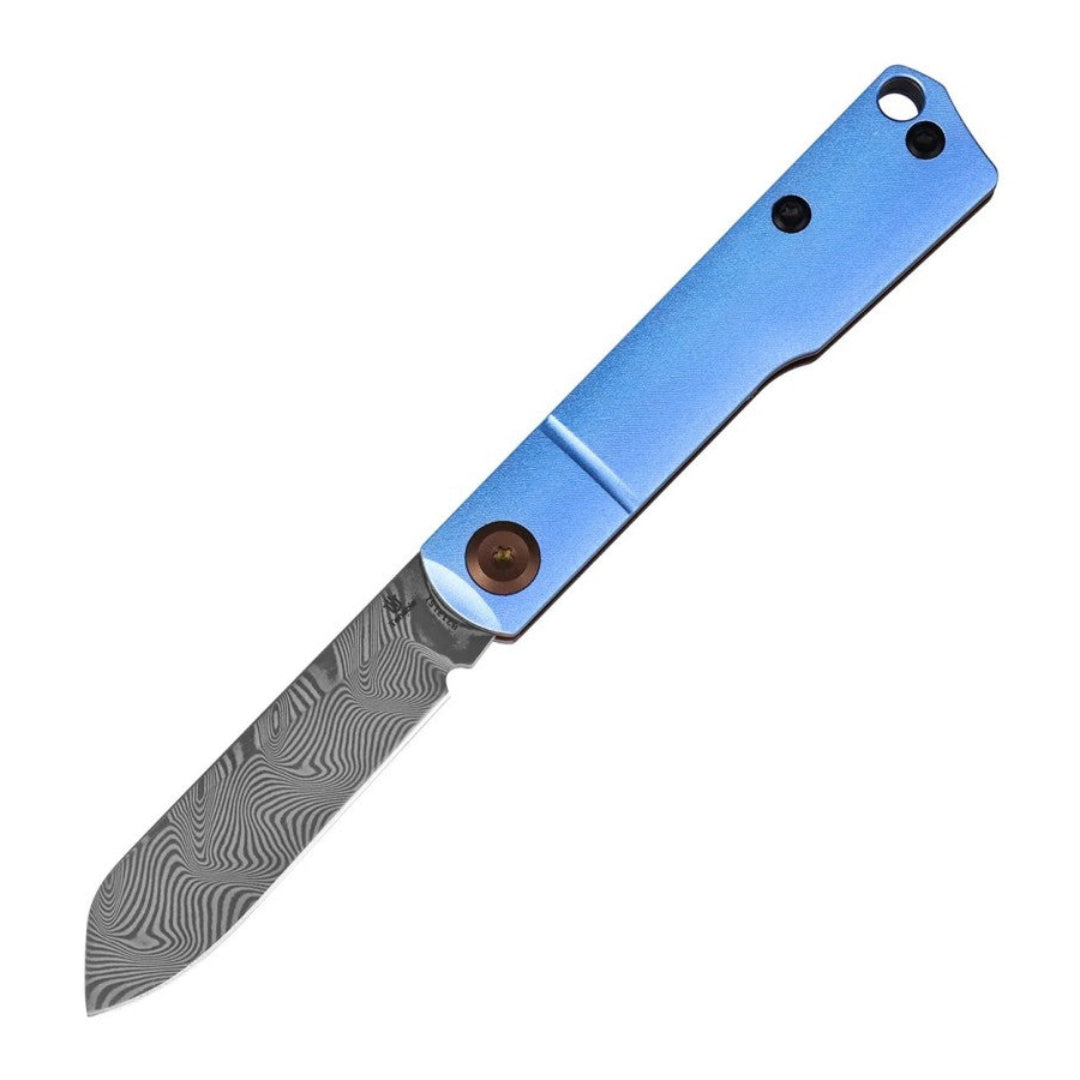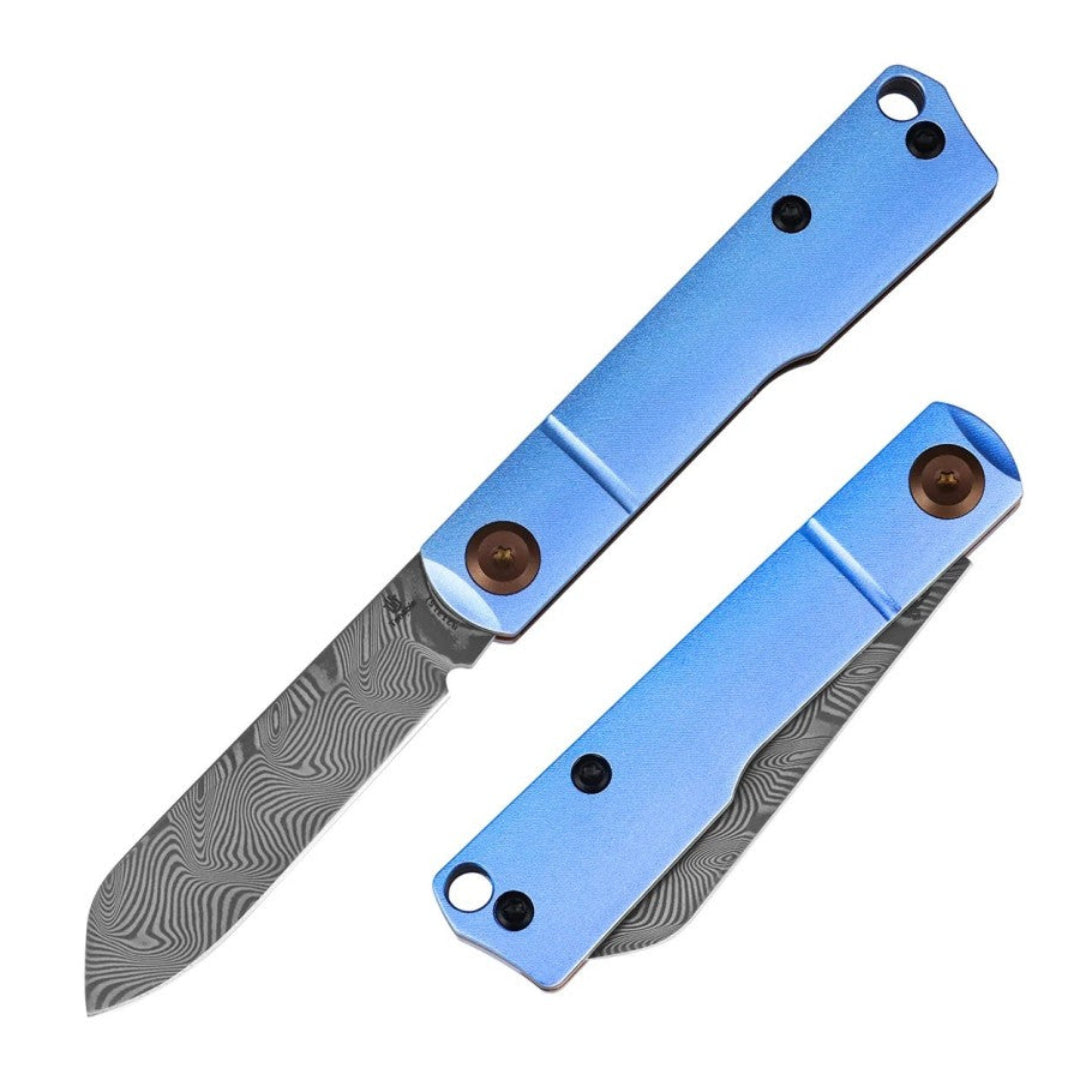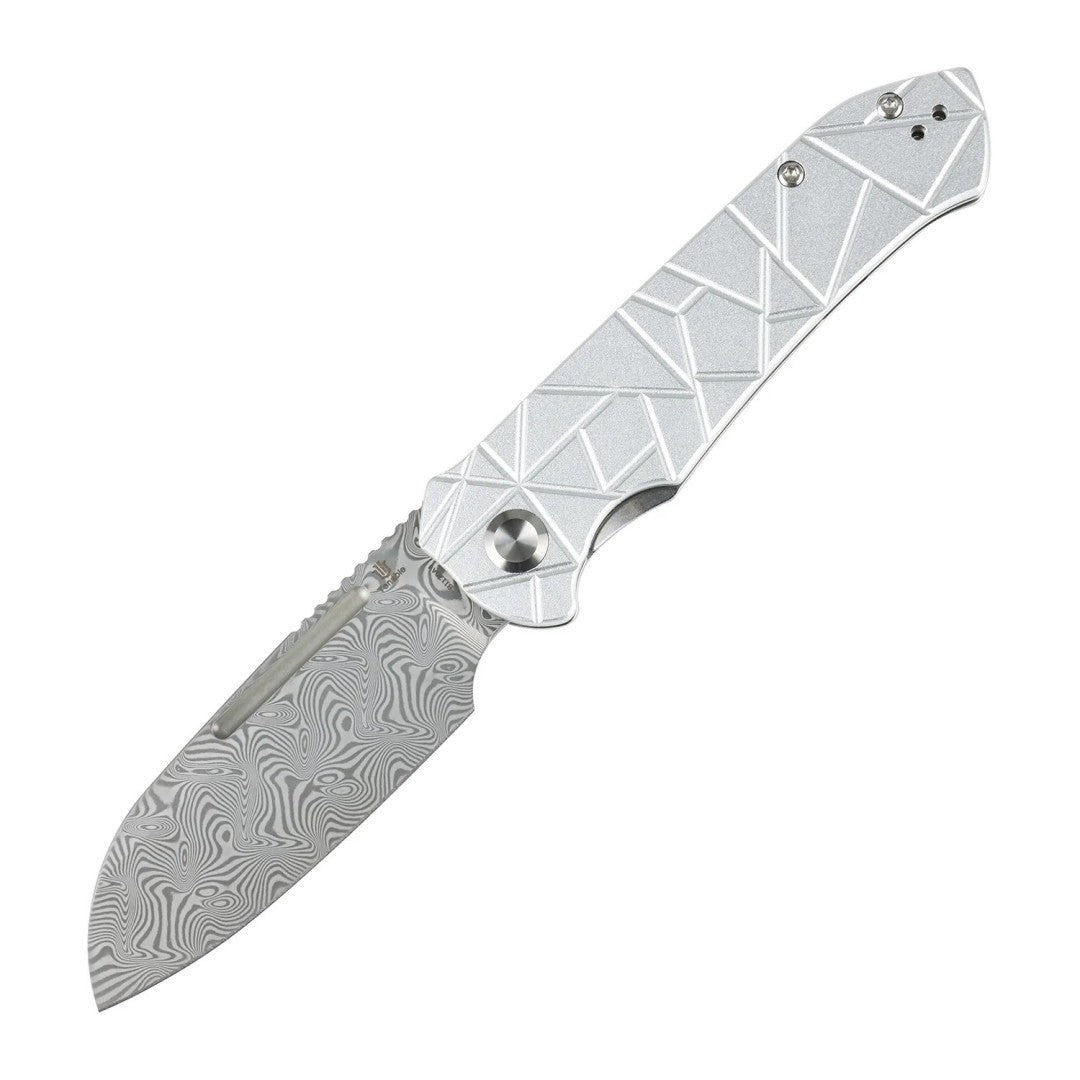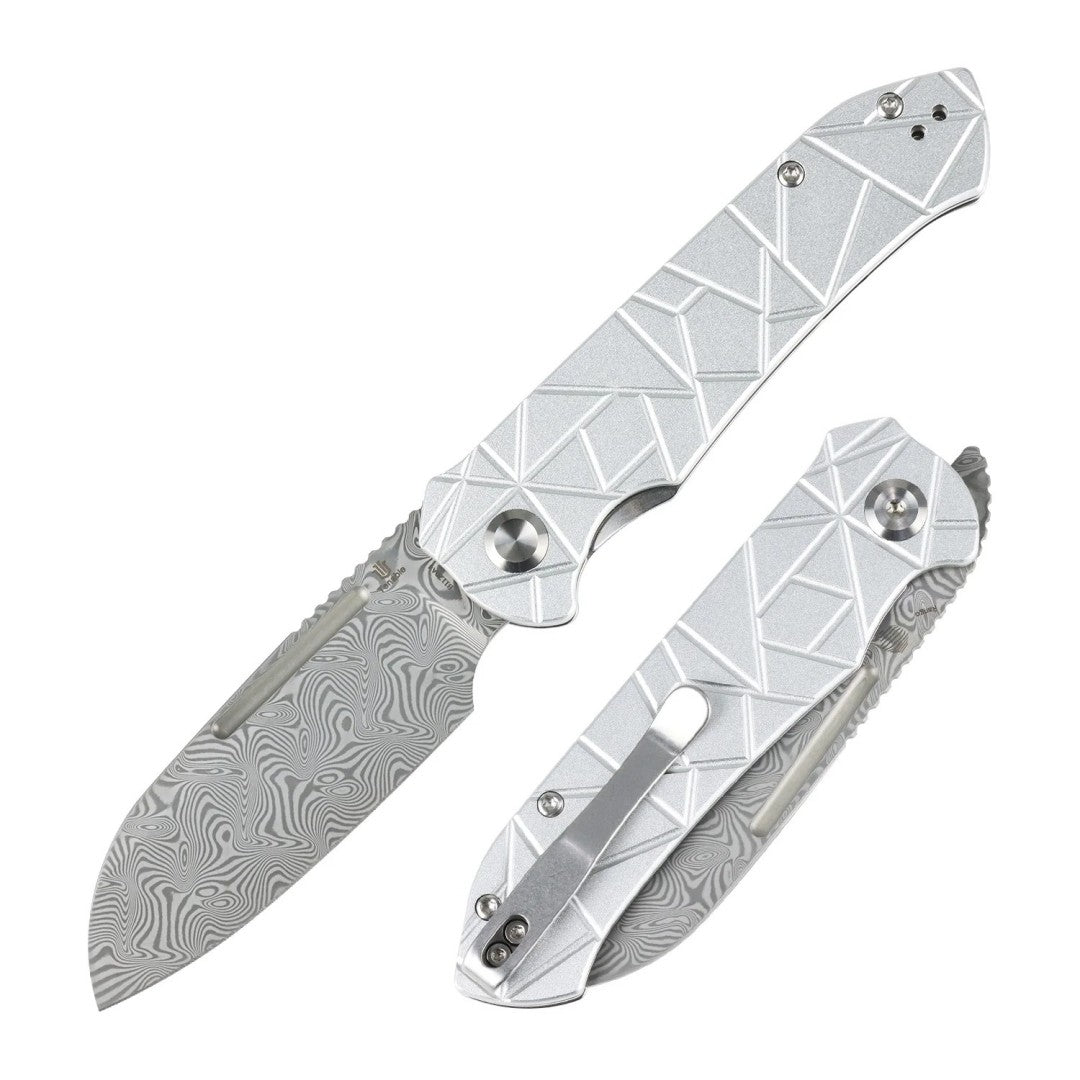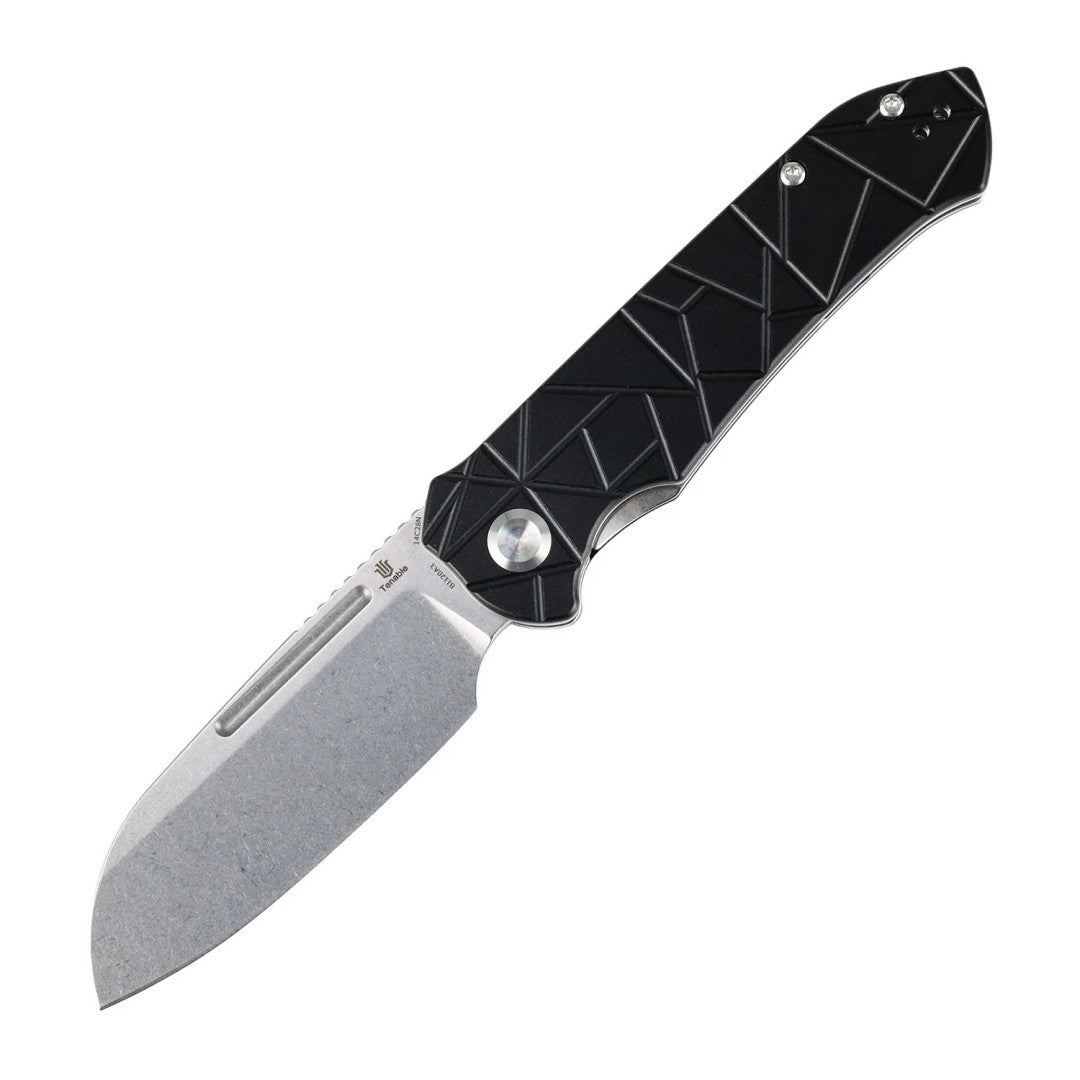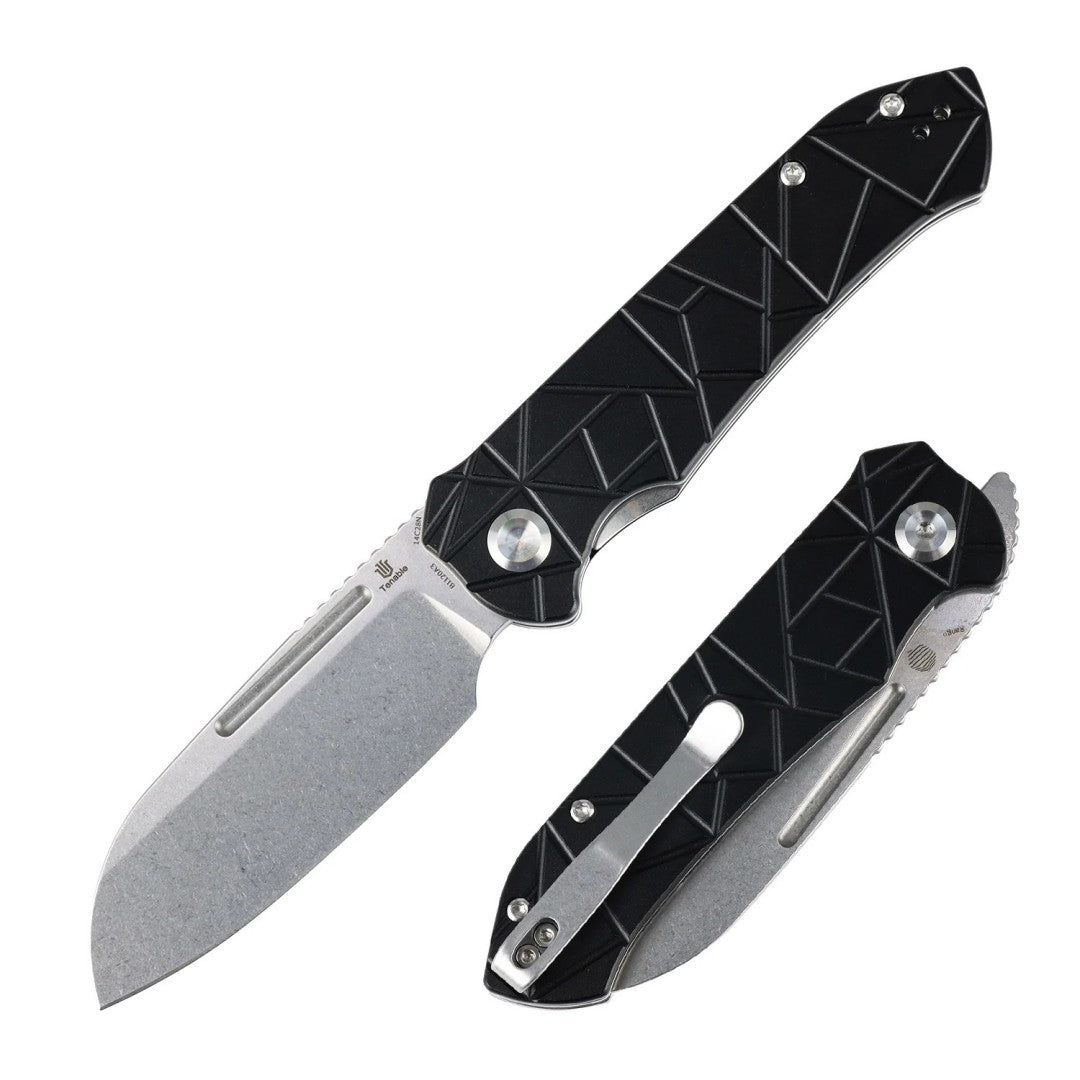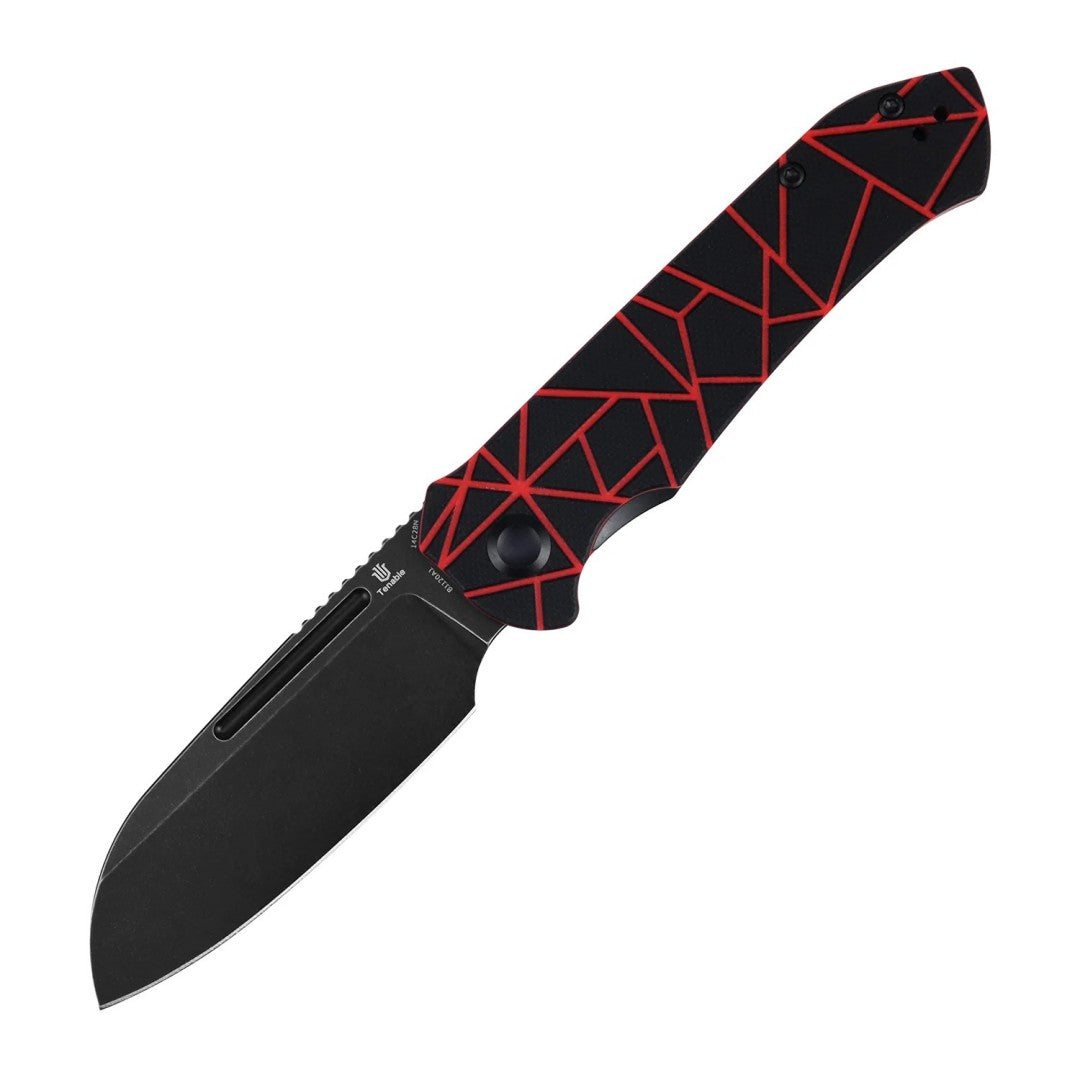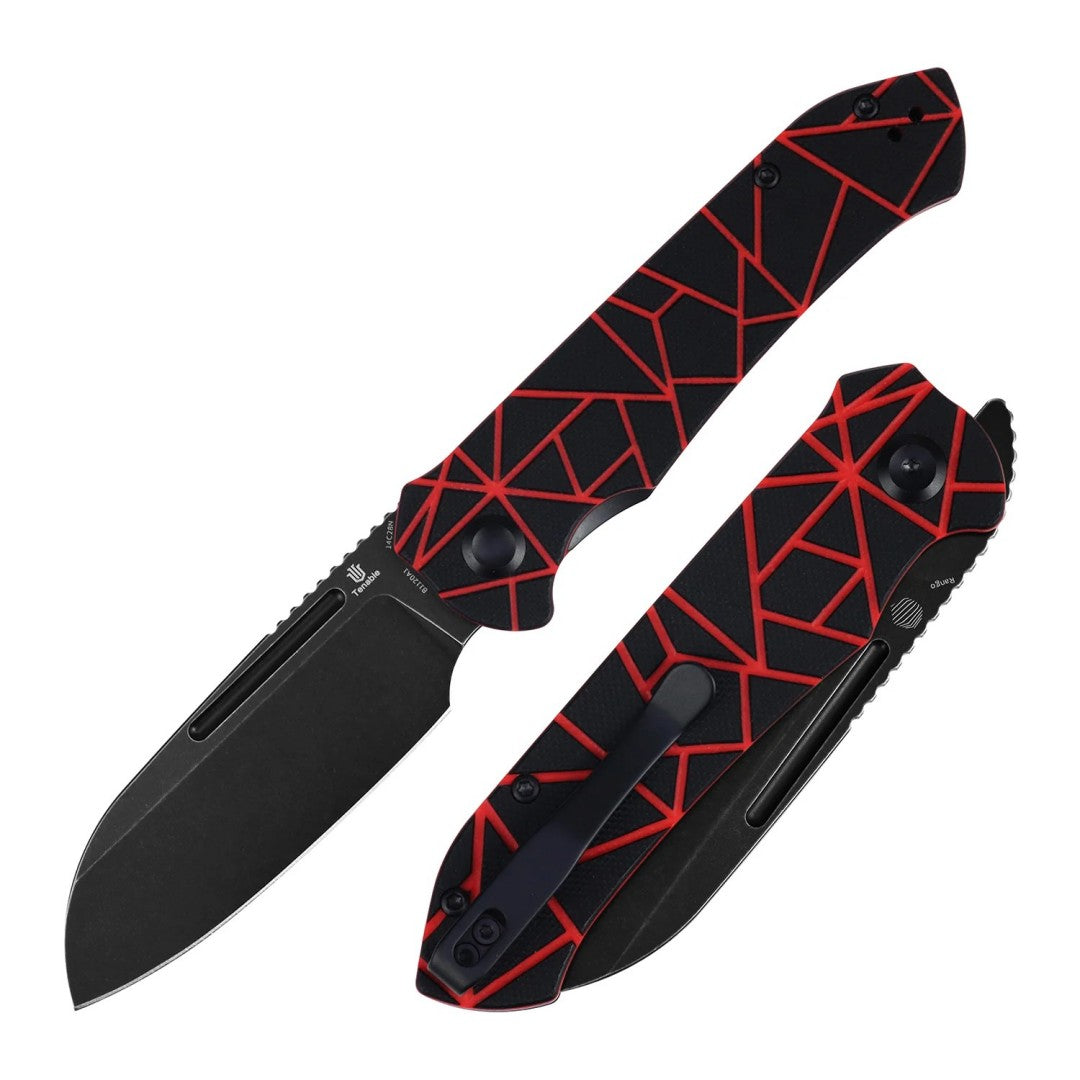

When evaluating a new folding pocket knife for everyday carry (EDC), most users instantly check the blade steel or the handle aesthetics. However, experienced knife enthusiasts know that the single most important component of any folding knife is its lock. The locking mechanism is the only barrier protecting your fingers from a sharp blade under heavy workload pressures.
The QSP Canary Folder has taken the EDC community by storm, and while its premium Swedish steel and smooth deployment get plenty of praise, its lock engineering is the true unsung hero. Whether you choose the rock-solid Inset Liner Lock variant or the highly ambidextrous Glyde Lock crossbar mechanism, QSP has engineered a platform focused entirely on user protection.

In this comprehensive guide, we will break down the engineering behind the QSP Canary Folder’s lock safety, analyze how it handles extreme mechanical stress, and explain why this budget-friendly knife delivers hard-working reliability that you can trust with your hands.
The Safety Spec Sheet
Lock Options: Inset Stainless Steel Liner Lock / Ambidextrous Crossbar Glyde Lock
Internal Structure: Skeletonized Stainless Steel Liners
Lock Engagement: Precision-Machined Face with Optimized Geometric Contact Tang
Blade Play Rating: Zero Vertical or Horizontal Movement Under Standard High-Pressure Loads
Deployment Safety: Integrated Ceramic Detent Ball System

1. The Inset Liner Lock: Classic Security Engineered to Perfection
The most widespread variant of the QSP Canary Folder utilizes a classic, time-tested Inset Liner Lock. While liner locks are common in the knife industry, many budget manufacturers cut corners on tolerances, leading to dangerous lock slips or premature failures. QSP approaches this mechanism with strict aerospace-grade manufacturing tolerances.
Precision Geometric Tang Engagement
A liner lock only works safely if the angle of the locking bar matches the angle of the blade tang perfectly. If the angle is too steep, the lock slips open under pressure; if it is too shallow, the lock gets stuck. QSP machines the Canary Folder with a perfect "early lockup" geometry. When you flick the thumb stud, the thick stainless steel liner slides over to cover roughly 30% to 50% of the blade tang face. This creates a solid, wedged mechanical block that grows tighter as more downward force is applied.
Inset Structural Integrity
Unlike standard liner locks that sit lazily on top of plastic handles, QSP deeply insets the steel locking liner directly into the rugged G10 or high-performance Ultem handle scales. This inset architecture ensures that even when you squeeze the handle with extreme torque during heavy slicing tasks, your hand won't accidentally depress the locking bar and close the blade on your fingers.

2. The Glyde Lock: Ambidextrous Crossbar Freedom
For users who prefer a modern, lightning-fast locking system, QSP introduced select variations of the Canary Folder equipped with their proprietary Glyde Lock. This mechanism is a variation of the highly coveted crossbar lock style, using a solid steel pin that slides forward into a notch on the blade tang via omega springs.
Bi-Directional Axis Strength
The ultimate mechanical advantage of the Glyde Lock is its sheer breaking strength. Instead of relying on a single piece of bent metal like a liner lock, the Glyde Lock passes a solid steel bar completely through both skeletonized internal stainless steel liners. When the blade opens, this bar sits directly over the solid heel of the blade tang. To fail, the solid steel bar would have to physically shear in half—a mechanical feat that standard human hand force cannot achieve.
Total Ambidextrous Hand Protection
The Glyde Lock is completely ambidextrous, operating seamlessly via pull-tabs on both sides of the handle scales. More importantly, it provides a massive safety benefit when closing the knife: your fingers never have to cross the path of the cutting edge. You simply pull back on the crossbar tabs, and the blade swings shut freely on its frictionless ceramic ball bearings while your fingers remain entirely clear of the blade track.
3. The Role of the Ceramic Detent in Closed Safety
Safety isn’t just about keeping a knife locked open; it is equally about keeping the knife safely locked closed inside your pocket. An accidental pocket deployment can lead to severe lacerations when reaching for your phone or keys.
The QSP Canary Folder solves this by embedding a premium ceramic detent ball directly into the internal locking liner. When the blade is folded shut, this incredibly hard ceramic ball drops into a precision-drilled alignment hole on the blade tang. This creates a crisp, reliable resistance barrier. The knife will not shake loose or deploy on its own, even if dropped, yet it releases instantly with a deliberate flick of your thumb stud.
4. Zero Blade Play: Real World Abuse Testing
To verify QSP's lock reliability, we put the Canary Folder through a multi-week operational field test involving heavy utility stress.
-
Heavy Piercing Tasks: Pushing the knife vertically through thick, molded plastic storage bins exerts massive backward pressure on the lock mechanism. The Canary's lock remained rock-solid with absolutely zero slipping or flexing.
-
High-Torque Slicing: When twisting through dense, fibrous ropes or green wood, lateral forces can cause lesser locks to shift or stick. The Canary Folder maintained a perfectly centered lockup with zero horizontal or vertical wobble.
-
Gloved Access: QSP thoughtfully milled a dedicated access relief notch into the show-side handle scale. This ensures that even if you are wearing thick leather work gloves, you can safely locate, depress, and operate the lock without awkward fumbling.
Conclusion
The massive success of the QSP Canary Folder boils down to a commitment to user safety. QSP did not just build a cheap folding knife; they precision-engineered an abuse-tolerant tool focused on structural dependability. By combining perfect geometric lock engagement, robust internal steel liner support, and advanced closed-detent safety systems, the Canary Folder guarantees premium-tier structural reliability. It is a pocket tool that respects your budget, your daily workload, and above all, the safety of your hands.
Frequently Asked Questions (FAQ)
Q1: Does the liner lock version of the QSP Canary Folder suffer from "lock stick"?
A: No. Lock stick happens when cheap metals seize up under pressure. QSP uses high-grade, heat-treated stainless steel for their liners, ensuring that the lock bar disengages smoothly and effortlessly without sticking or jamming against the blade tang.
Q2: Are the internal omega springs in the Glyde Lock version prone to snapping?
A: QSP utilizes premium, high-elasticity spring steel for their omega springs. They are rated for tens of thousands of cycles and maintain consistent tension over years of heavy daily opening and closing without failing.
Q3: Can dirt or pocket lint cause the lock mechanism to fail to engage?
A: It is highly unlikely. The Canary Folder features an open-back pillar design, meaning pocket debris passes right through the handle structure. A simple rinse or a quick blast of compressed air keeps the locking surfaces entirely clean.