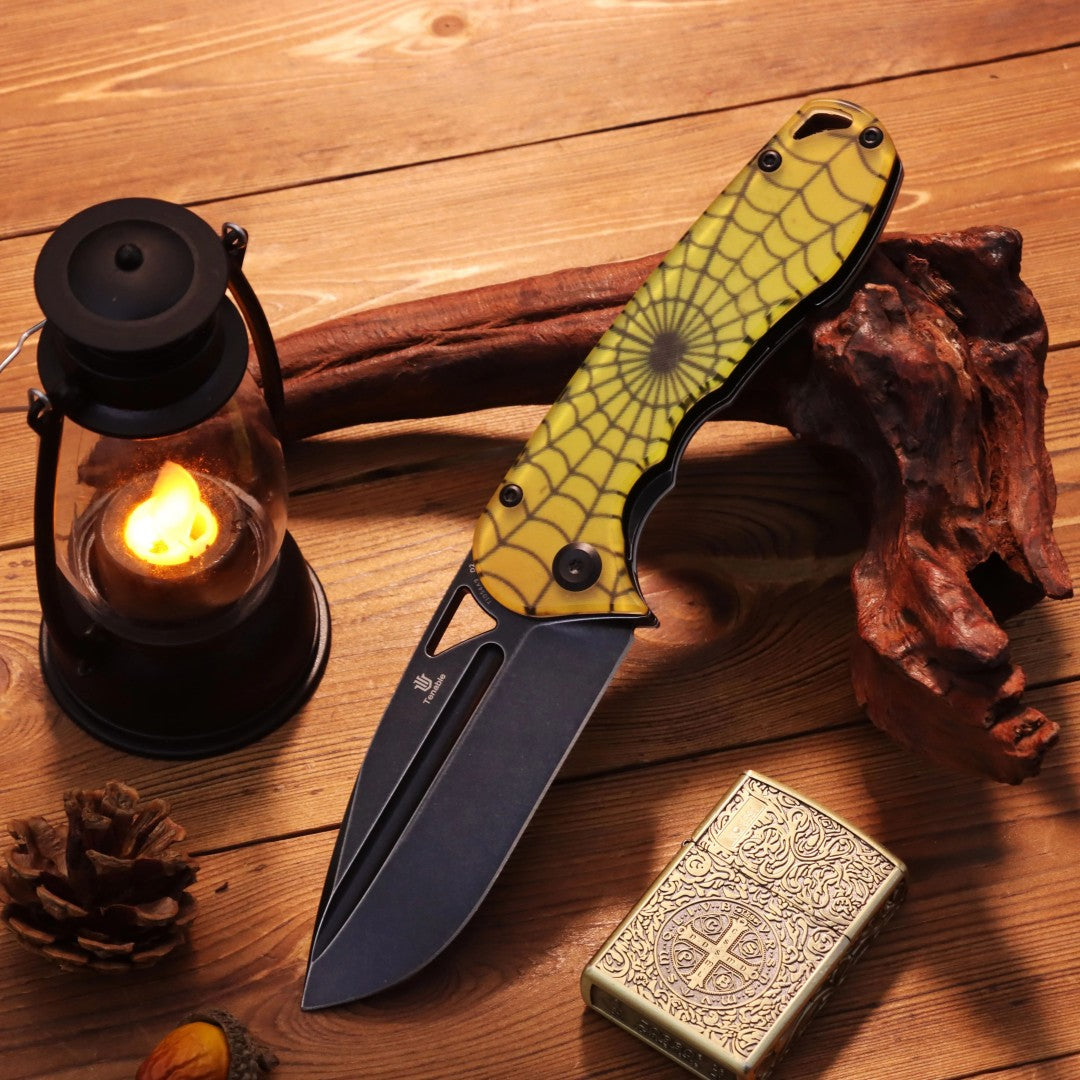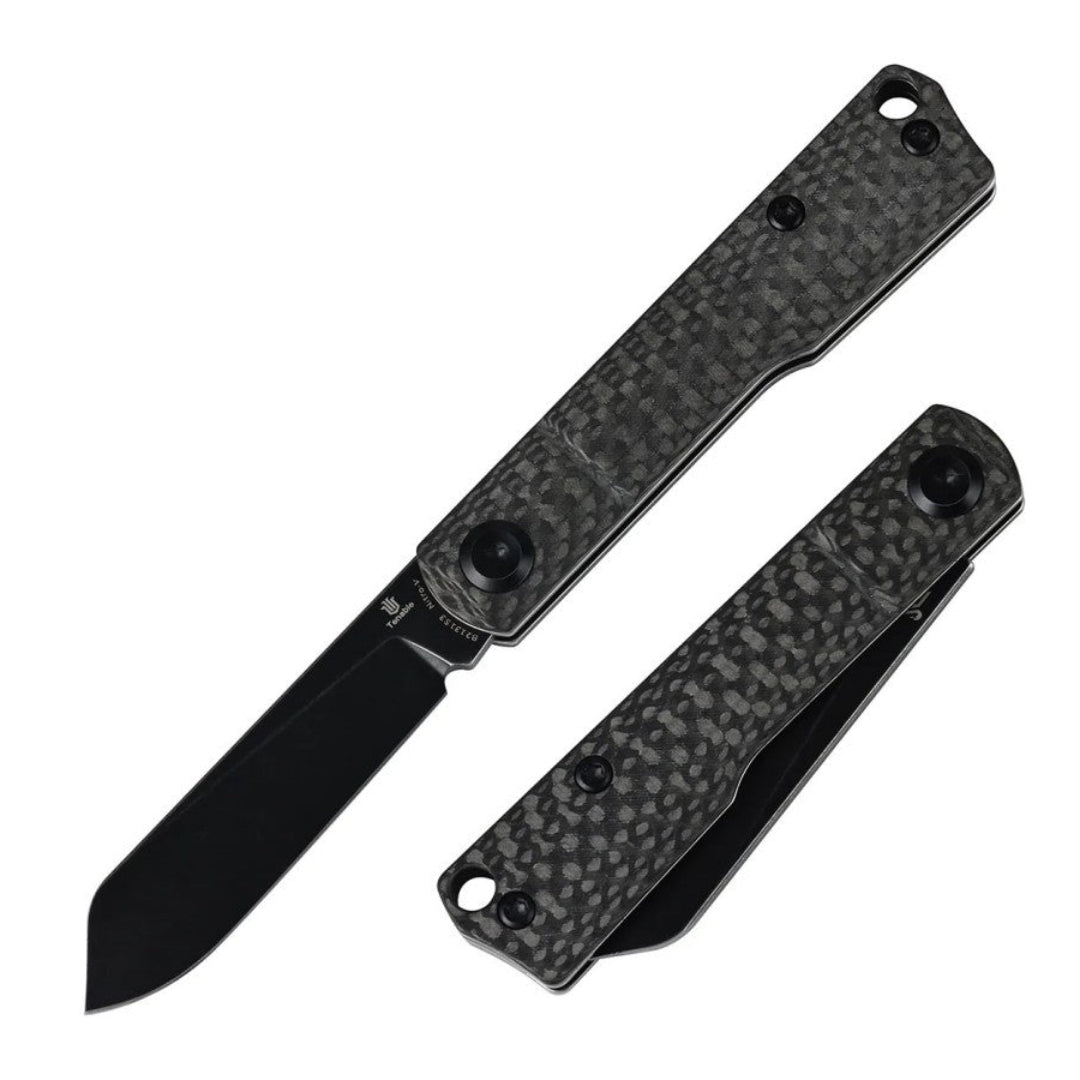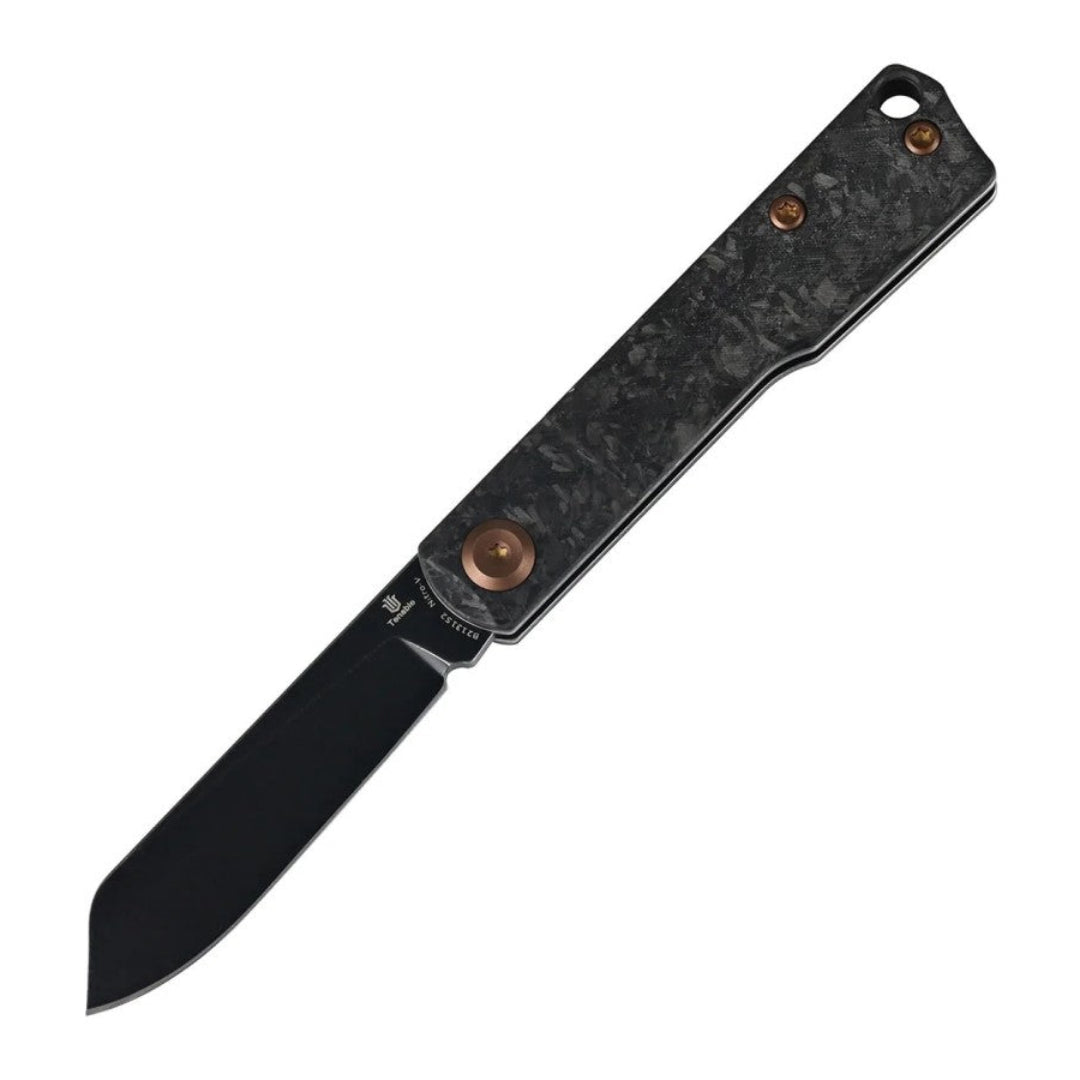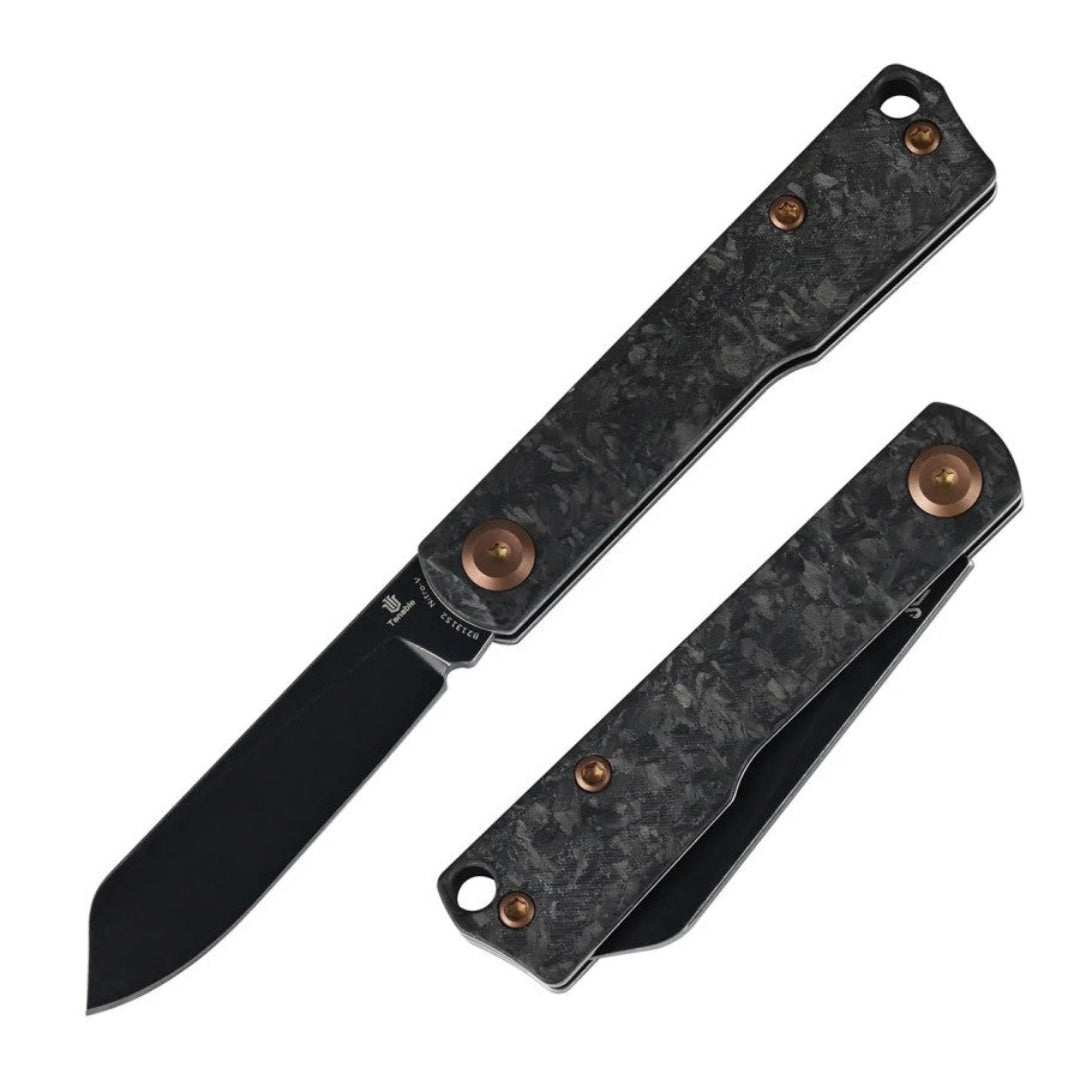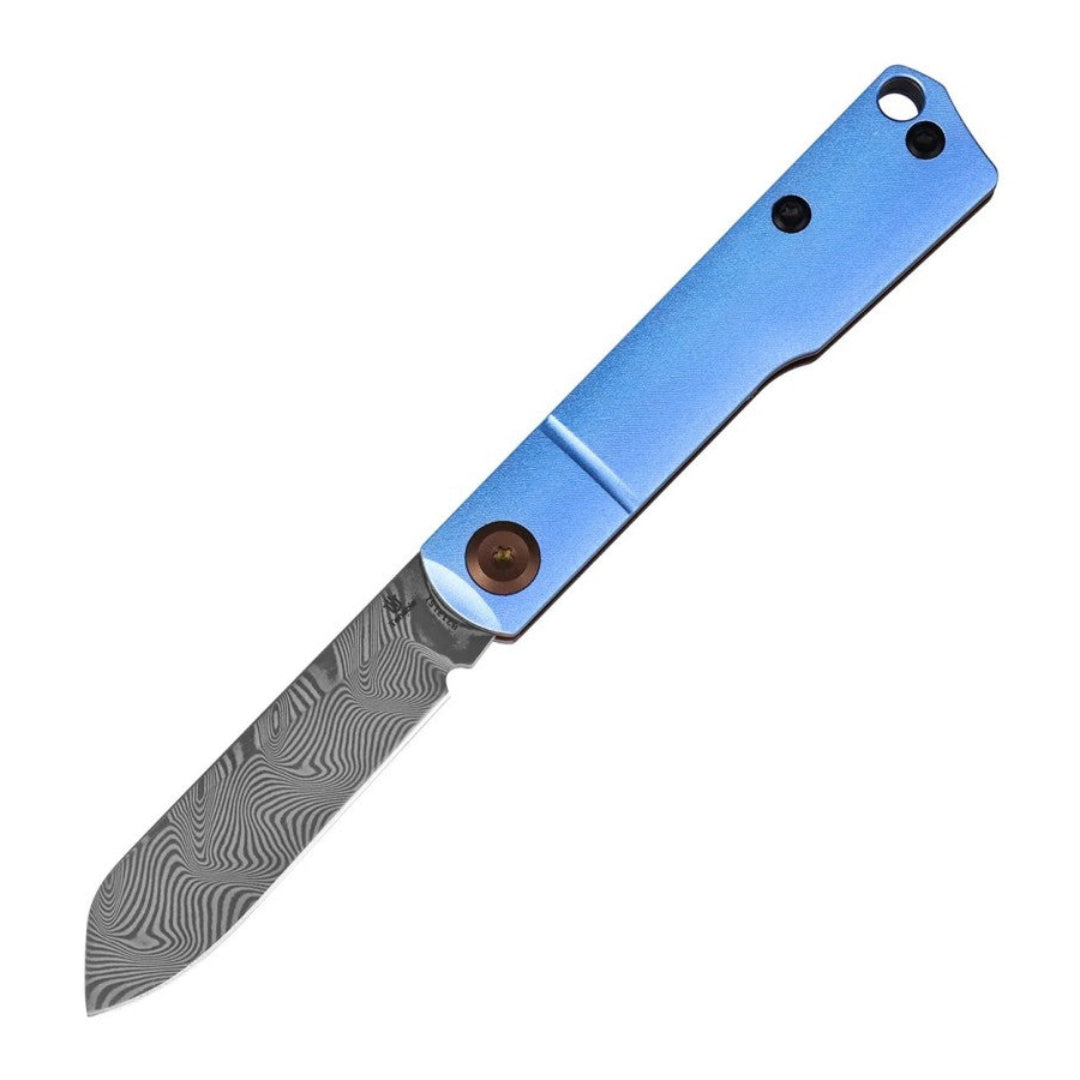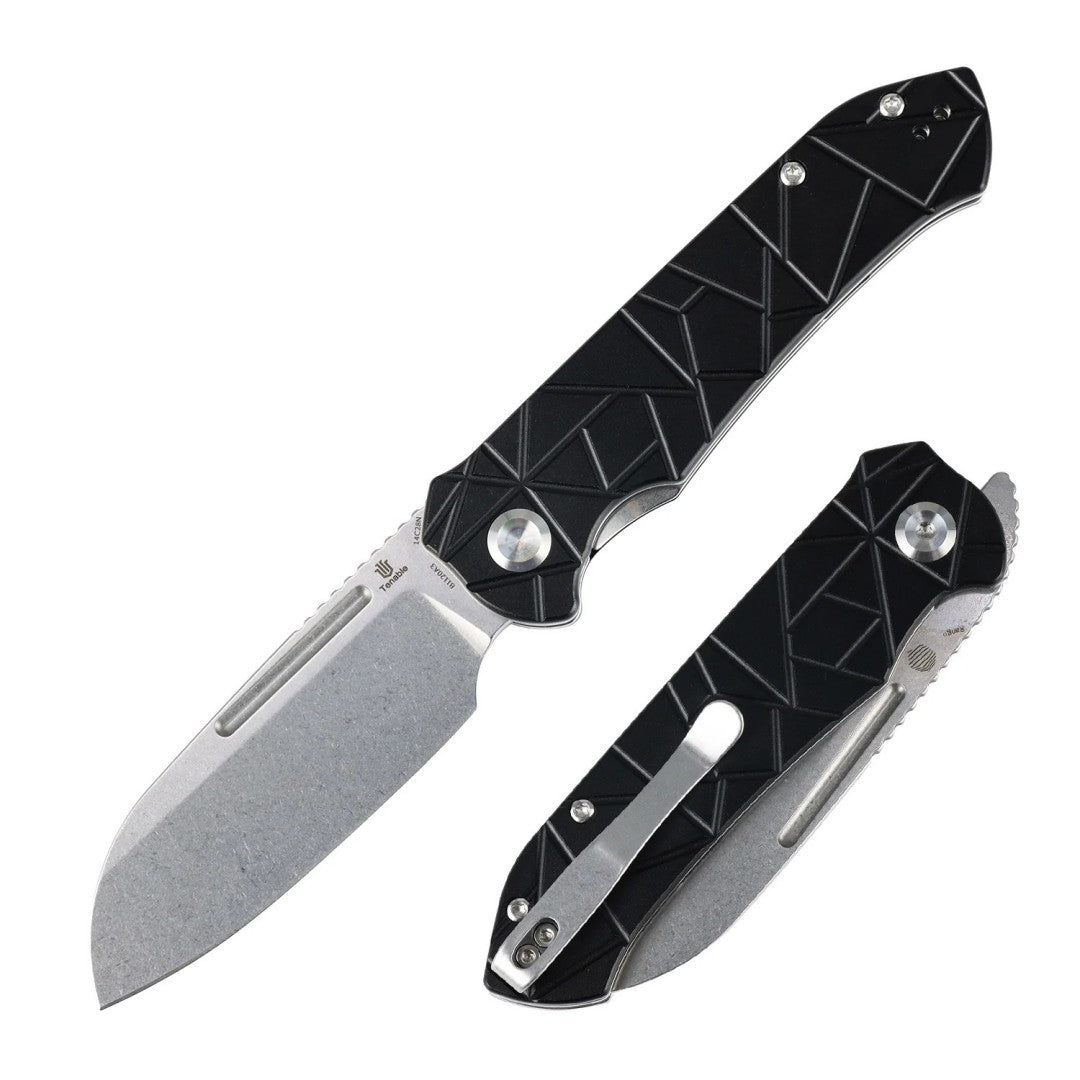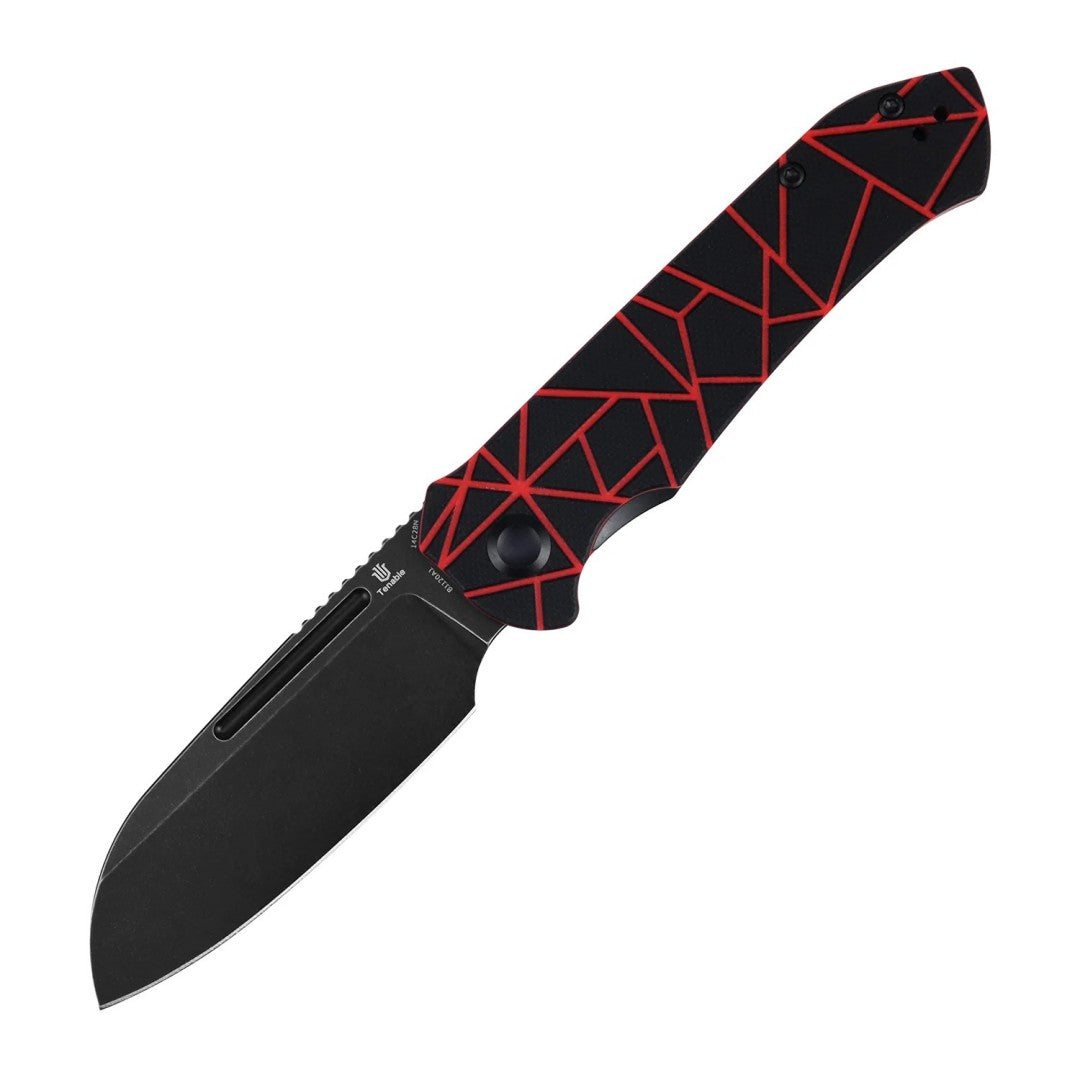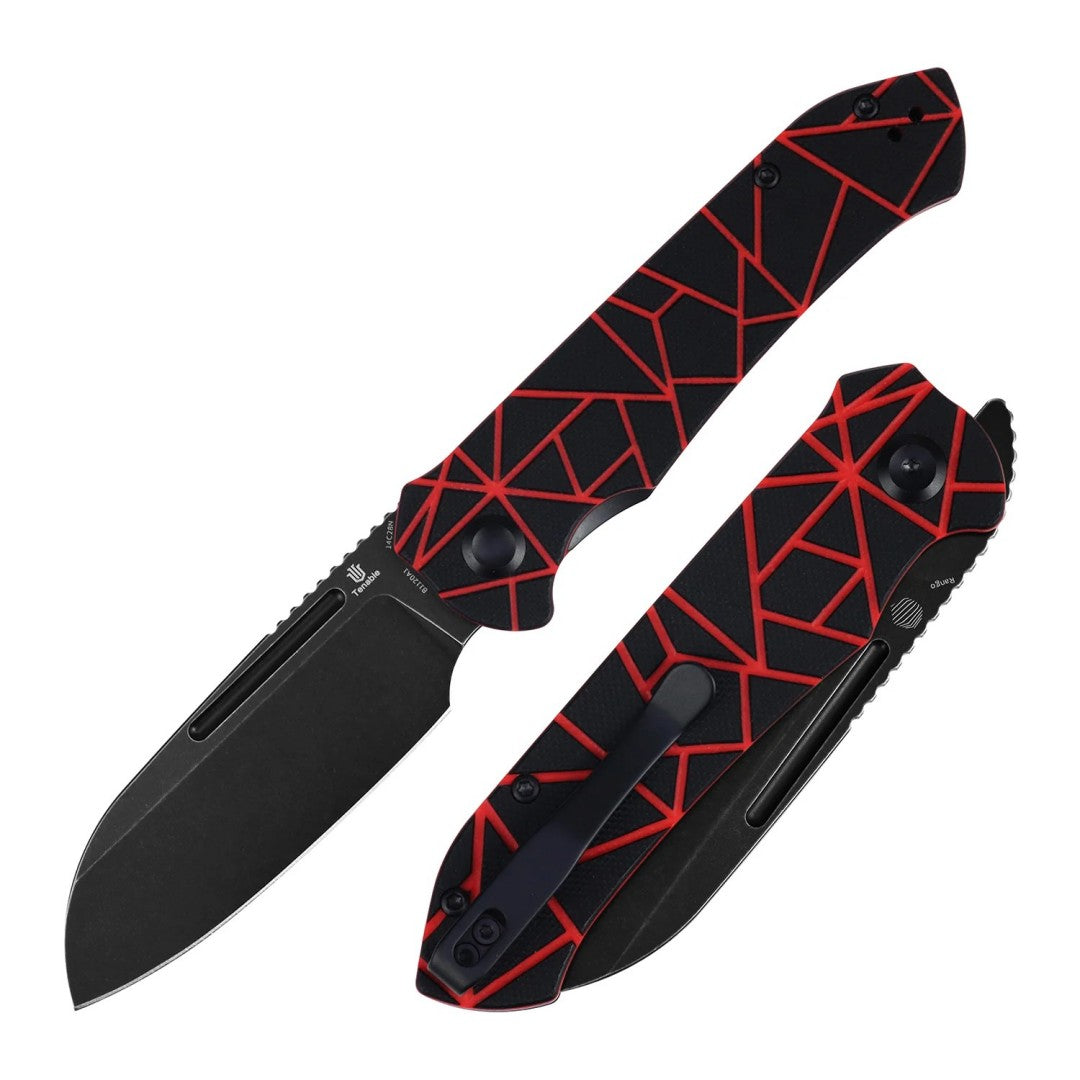
When evaluating a pocket folding tool, the internal safety and locking mechanism is just as important as blade sharpness or handle aesthetics. The Tenable Tarkin folding knife series has made significant waves among utility gear fans for combining crisp action with sleek manufacturing tolerances. Crafted under Tenable—an innovative sub-brand produced by Kansept—this folder utilizes a classic internal lock bar system designed to hold up under daily workloads.
In this straightforward breakdown, we look at the practical pros and cons of the Tenable Tarkin locking mechanism to help you determine if it belongs in your daily rotation.

Key Highlights & Specifications
Before diving into the mechanics, here is a quick overview of what the Tenable Tarkin brings to the table:
-
Locking Mechanism: Internal steel liner lock with tuned spring engagement.
-
Pivot Hardware: Ceramic ball-bearing system for swift, fluid blade deployment.
-
Blade Steel Options: High-nitrogen Nitro-V stainless steel or layered Damascus steel.
-
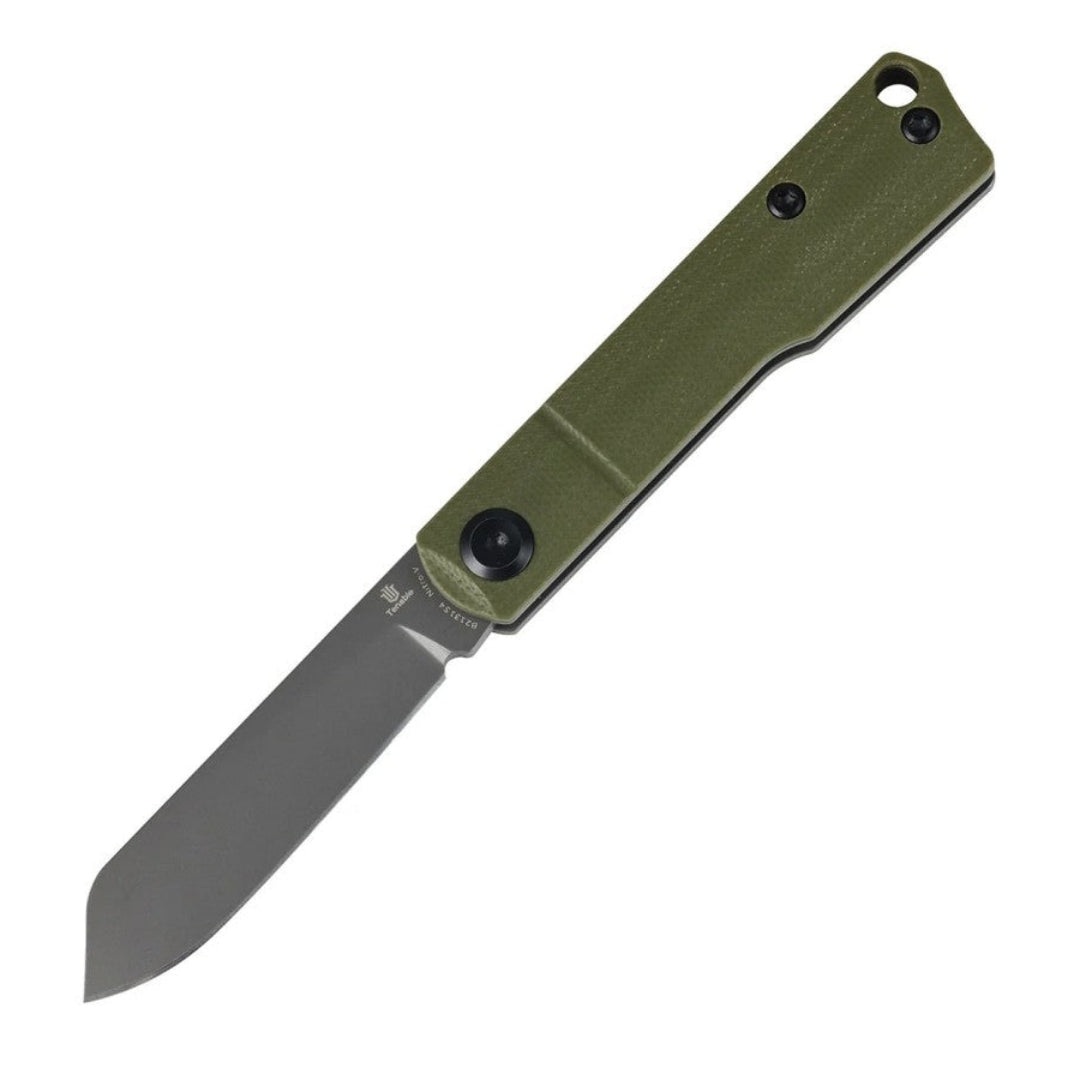
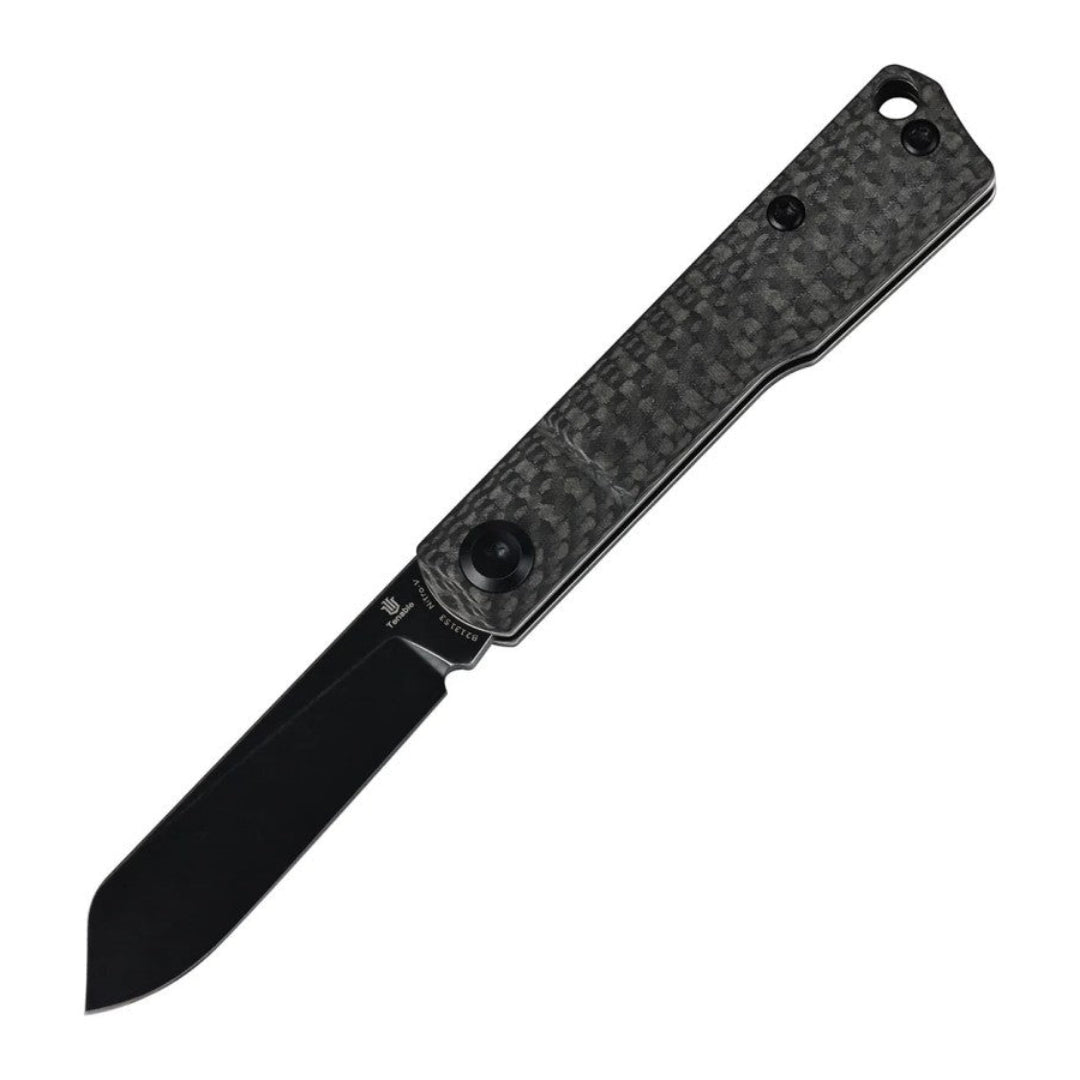
Handle Materials: Anodized aircraft aluminum, textured black G10, or twill carbon fiber.
-
Primary Category: Modern EDC utility and daily pocket carry.
The Pros: What Makes the Mechanics Excel?
The internal lock bar configuration on the Tenable Tarkin provides several immediate benefits for daily knife users.
1. Smooth One-Handed Operation
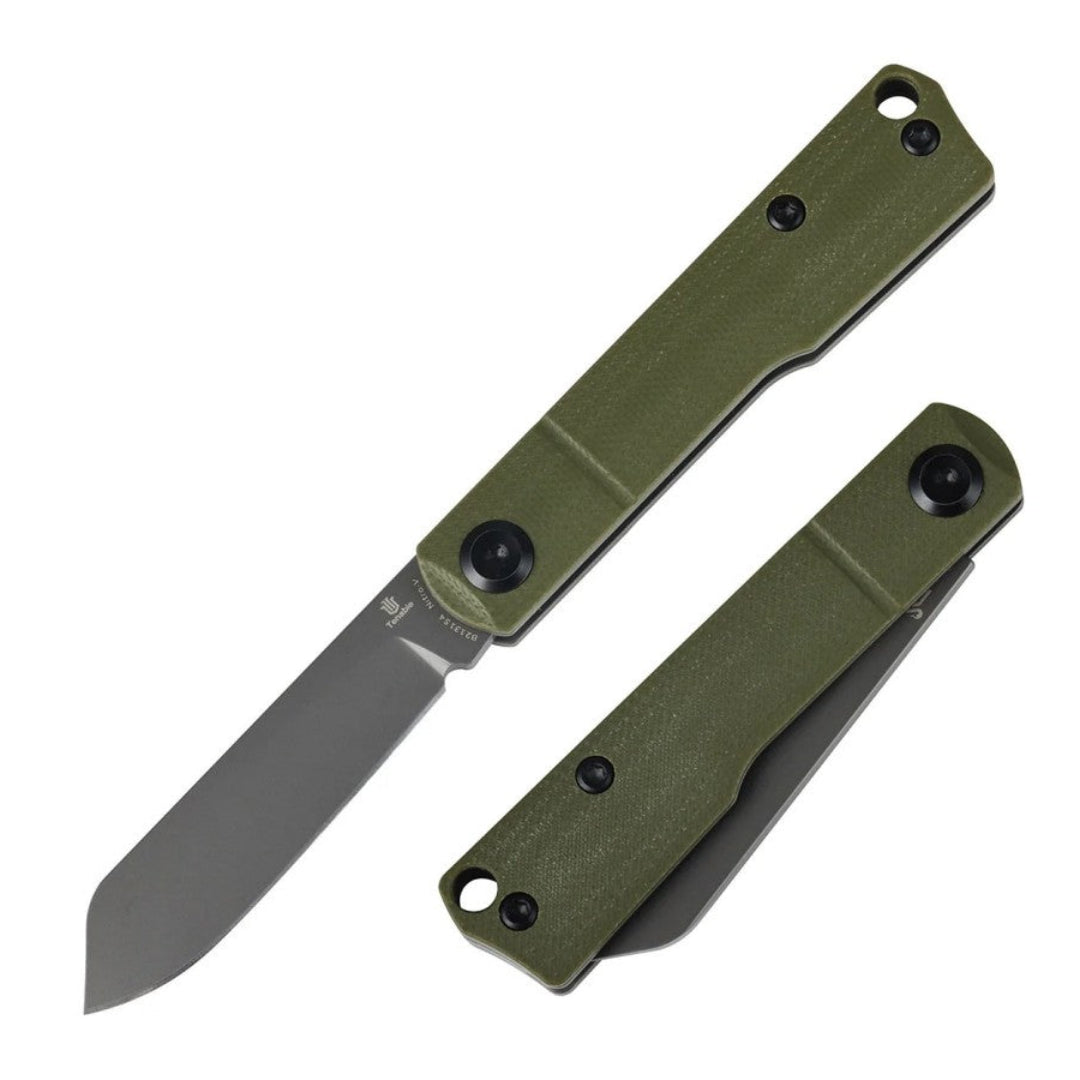
The tuned spring tension on the lock bar allows you to close the blade effortlessly with one hand. Simply press the exposed lock tab inward with your thumb while sweeping the blade closed with your index finger—allowing your other hand to stay free while working.
2. Rock-Solid Locking Security
When flicked open, the internal lock bar snaps against the blade tang with a reassuring, tactile click. The contact geometry is precisely milled to prevent any vertical play or horizontal wobble when applying heavy pressure during push-cuts.
3. Sleek, Uninterrupted Ergonomics
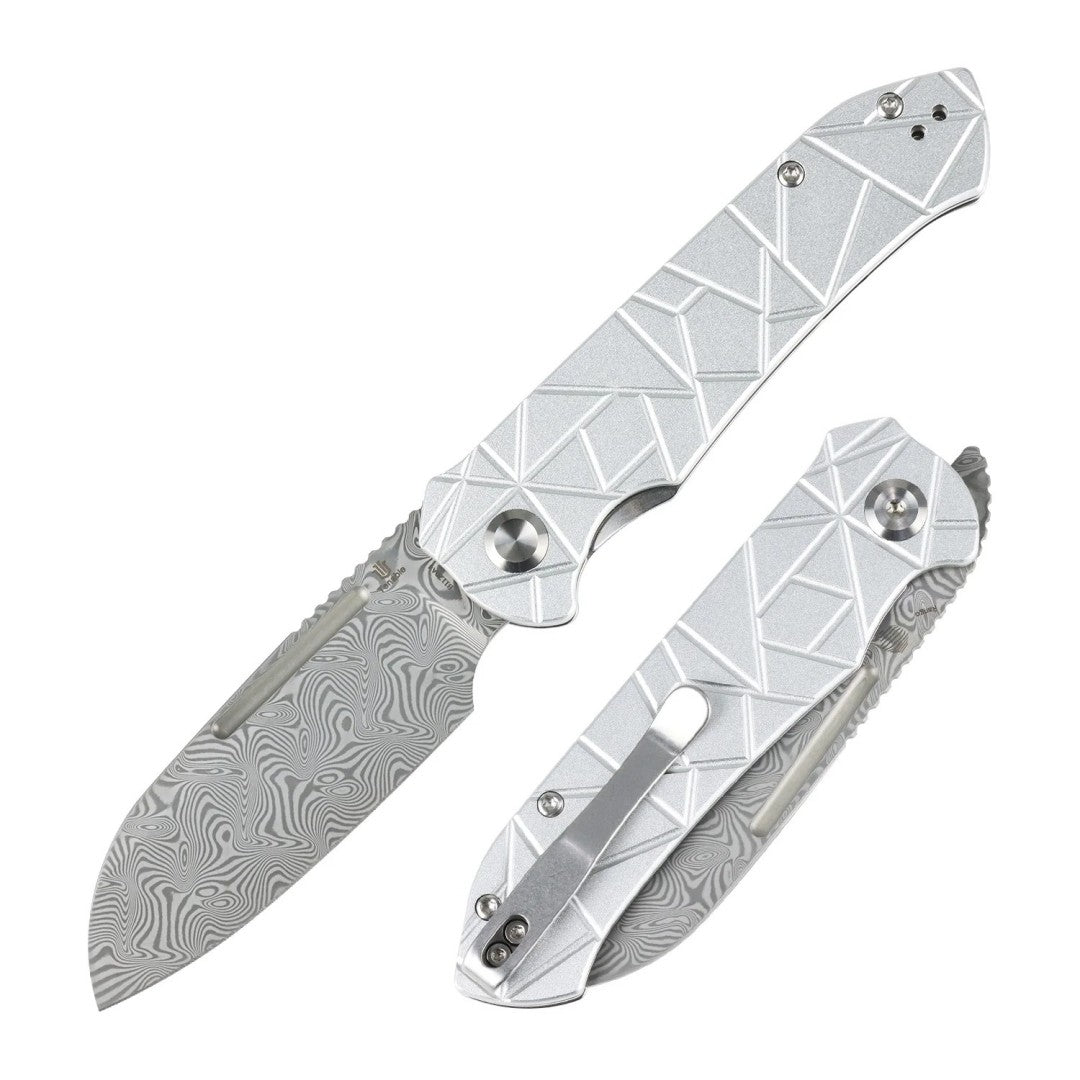
Because the locking mechanism rests entirely inside the handle scales, the exterior profile of the Tenable Tarkin stays smooth and clean. There are no bulky external levers or buttons to snag on pocket seams or irritate your palm during extended slicing tasks.

The Cons: Important Trade-offs to Consider
While the Tenable Tarkin lock mechanism is highly reliable, keeping a few practical factors in mind ensures realistic expectations:
1. Right-Hand Optimized Layout
The lock bar cutouts on the Tenable Tarkin are tailored primarily for right-handed thumb operation. Left-handed users can easily operate the knife with minor adjustments, but it is not inherently ambidextrous in design.
2. Maintenance in Dusty Environments
Because the lock bar functions within the internal handle cavity, fine grit, pocket lint, or drywall dust can occasionally settle inside over time. However, thanks to the open-back stand-off design, flushing out the handle cavity with compressed air or water takes only seconds.
Material Configurations Across the Tarkin Lineup
Tenable offers four distinct model configurations built around this locking platform:
-
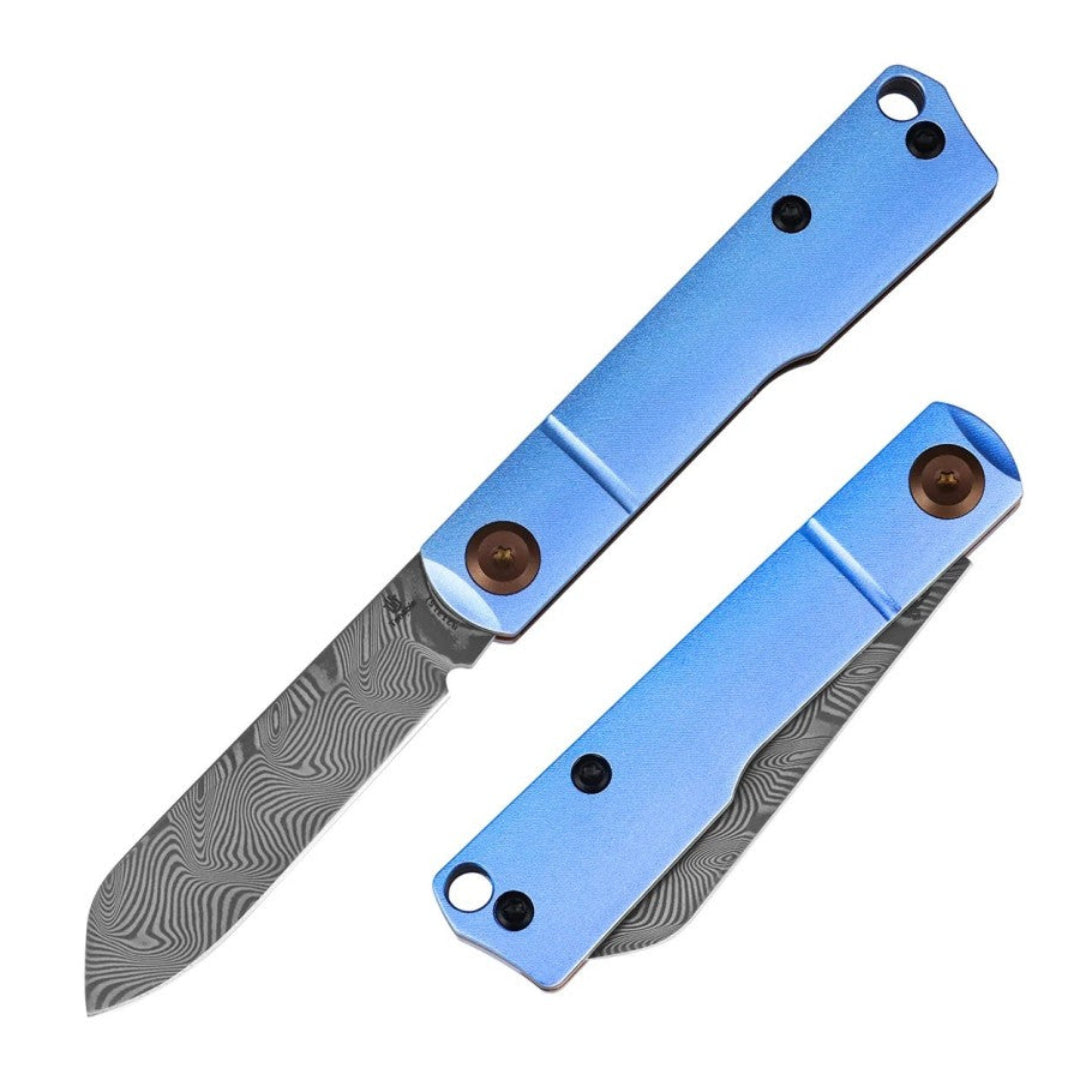
Aluminum Nitro-V Models (B1078A1 & B1078A2): Smooth anodized handles in gray or blue paired with corrosion-resistant Nitro-V steel for a clean industrial feel.
-
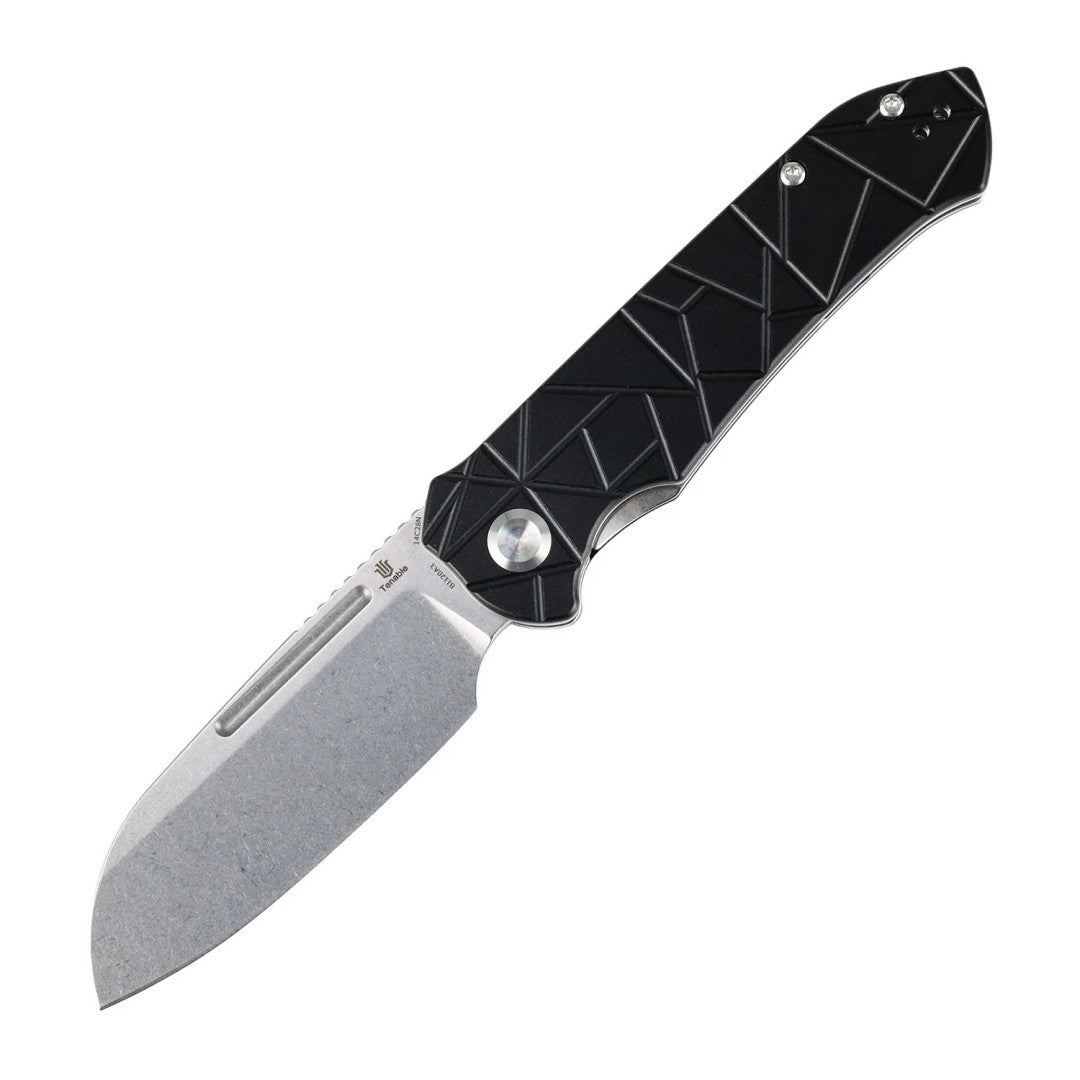
G10 Nitro-V Model (B1078A3): Textured black G10 scales over steel liners, providing incredible wet-weather traction for tough jobsite utility.
-
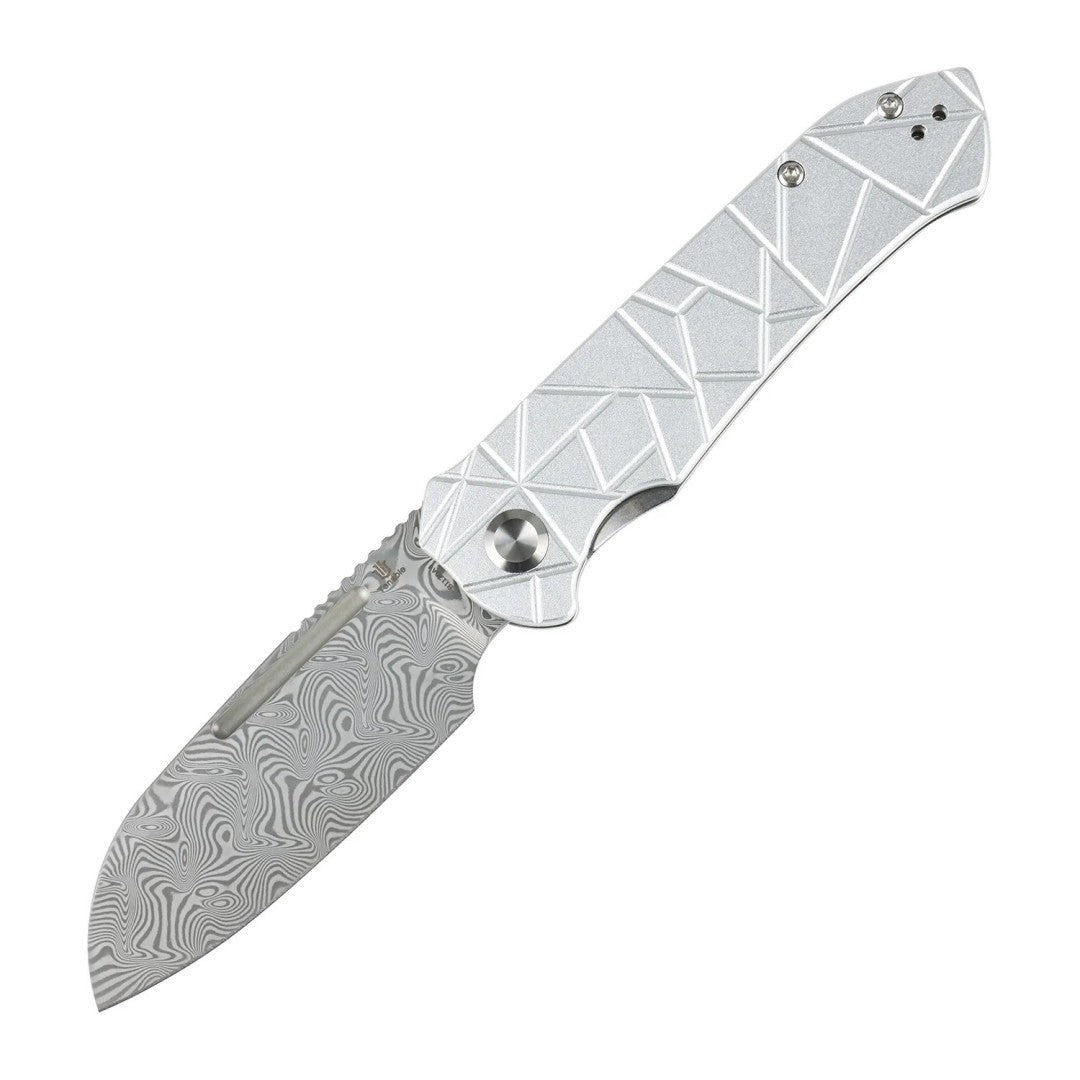
Damascus Flagship Model (B1078A4): Beautiful pattern-welded Damascus steel paired with lightweight twill carbon fiber and G10 handle scales.

Is the Tenable Tarkin Worth It?
If you value quick deployment, solid safety, and clean ergonomics in a compact frame, the Tenable Tarkin hits the sweet spot. Backed by Kansept's precise manufacturing standards, Tenable ensures that every lock bar engages cleanly for years of dependable use.