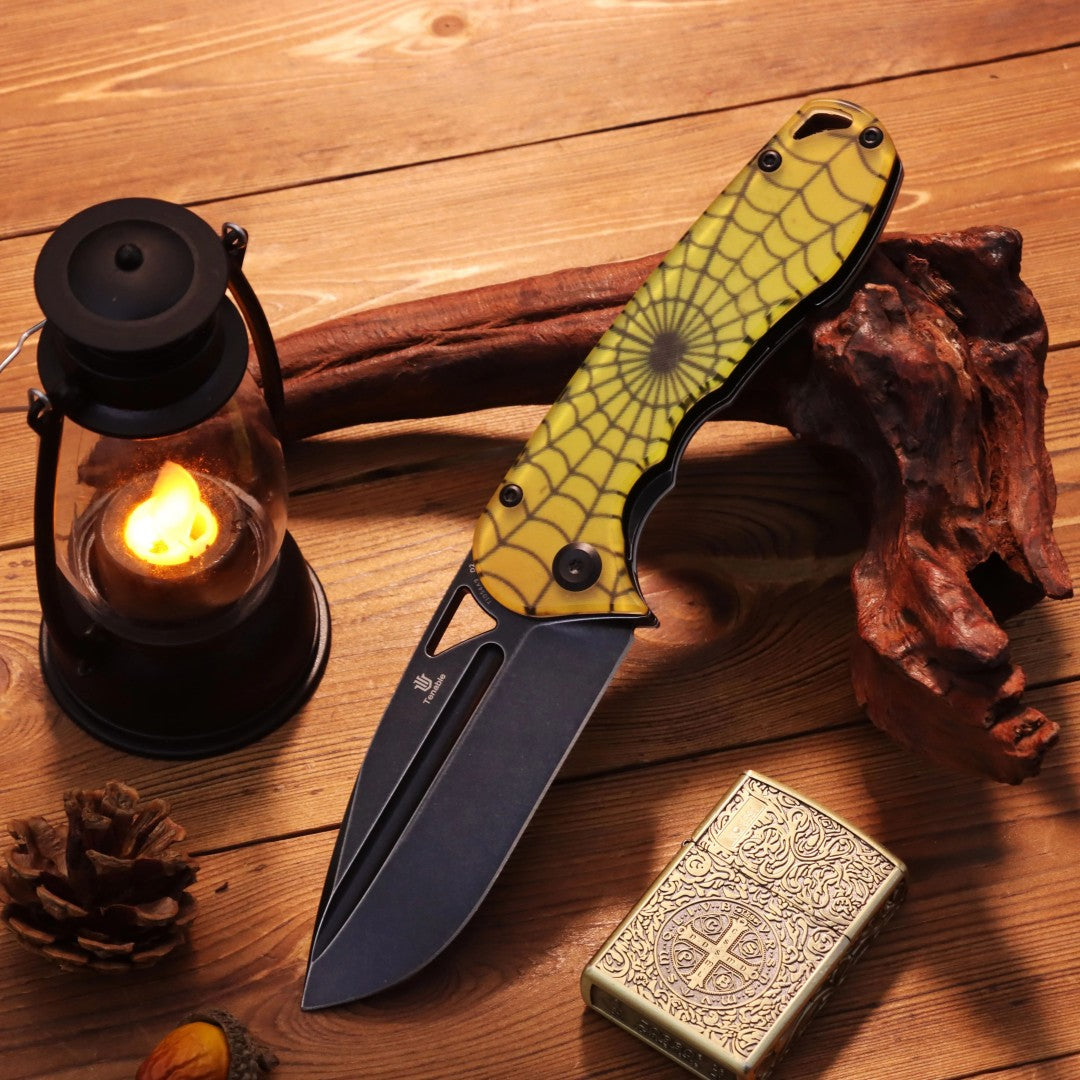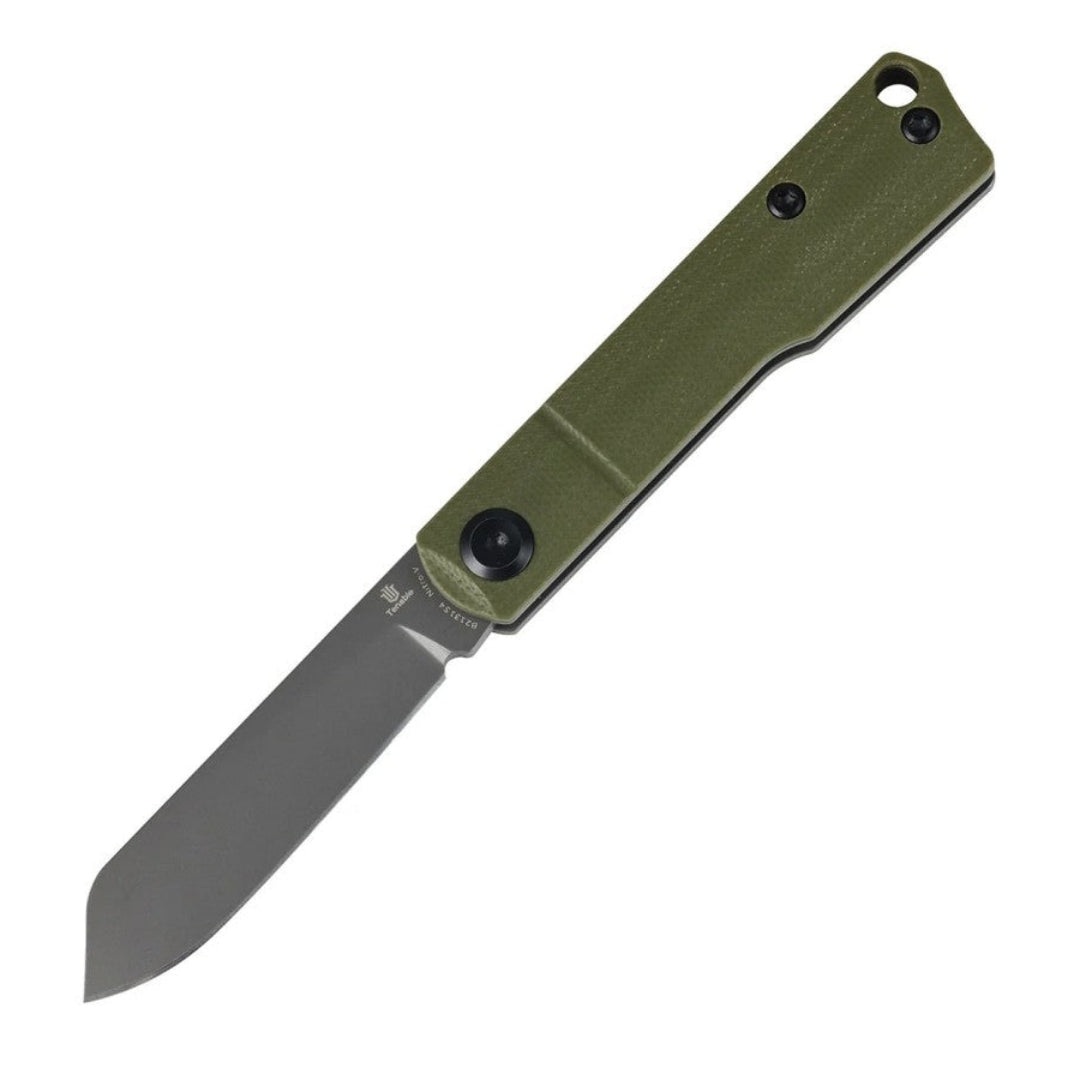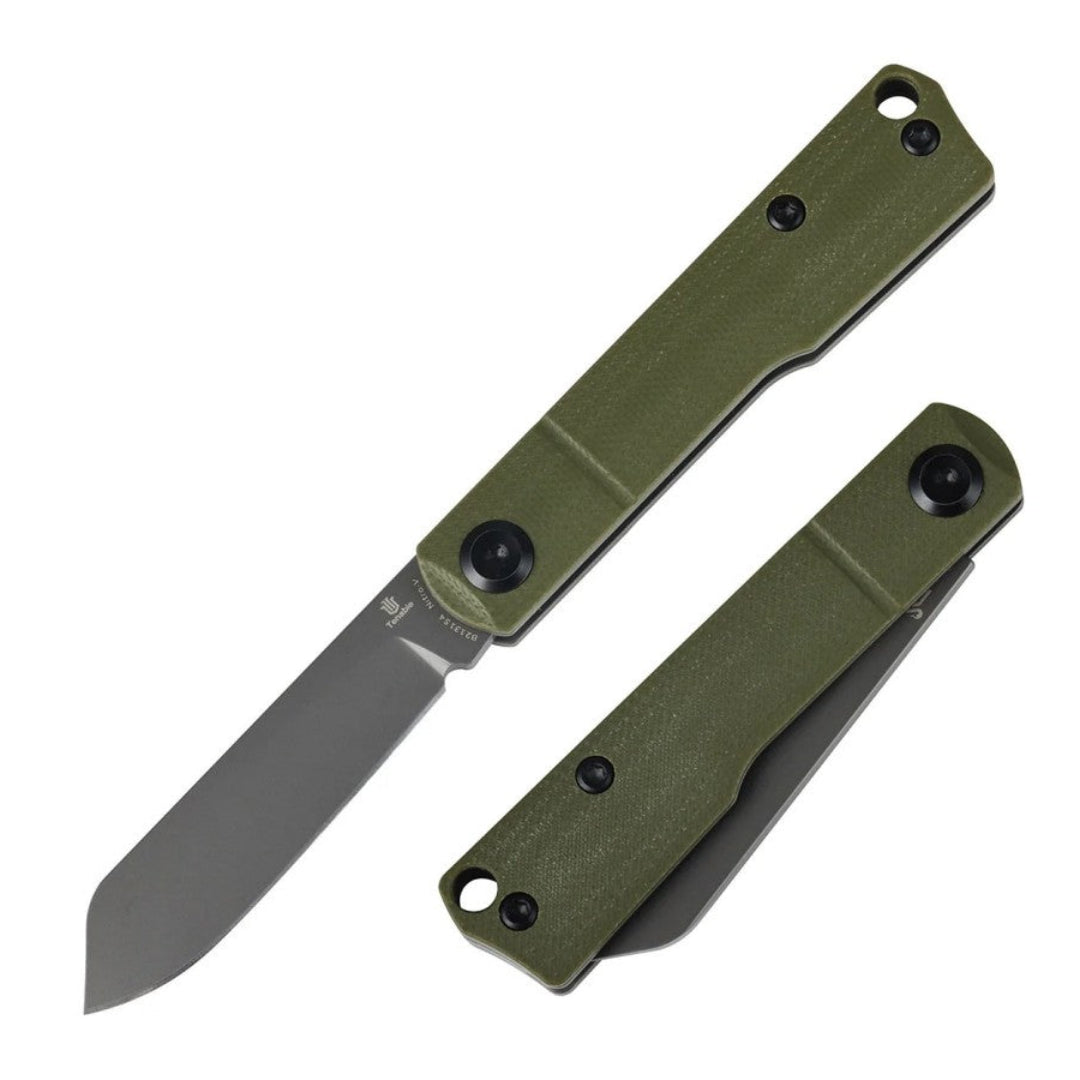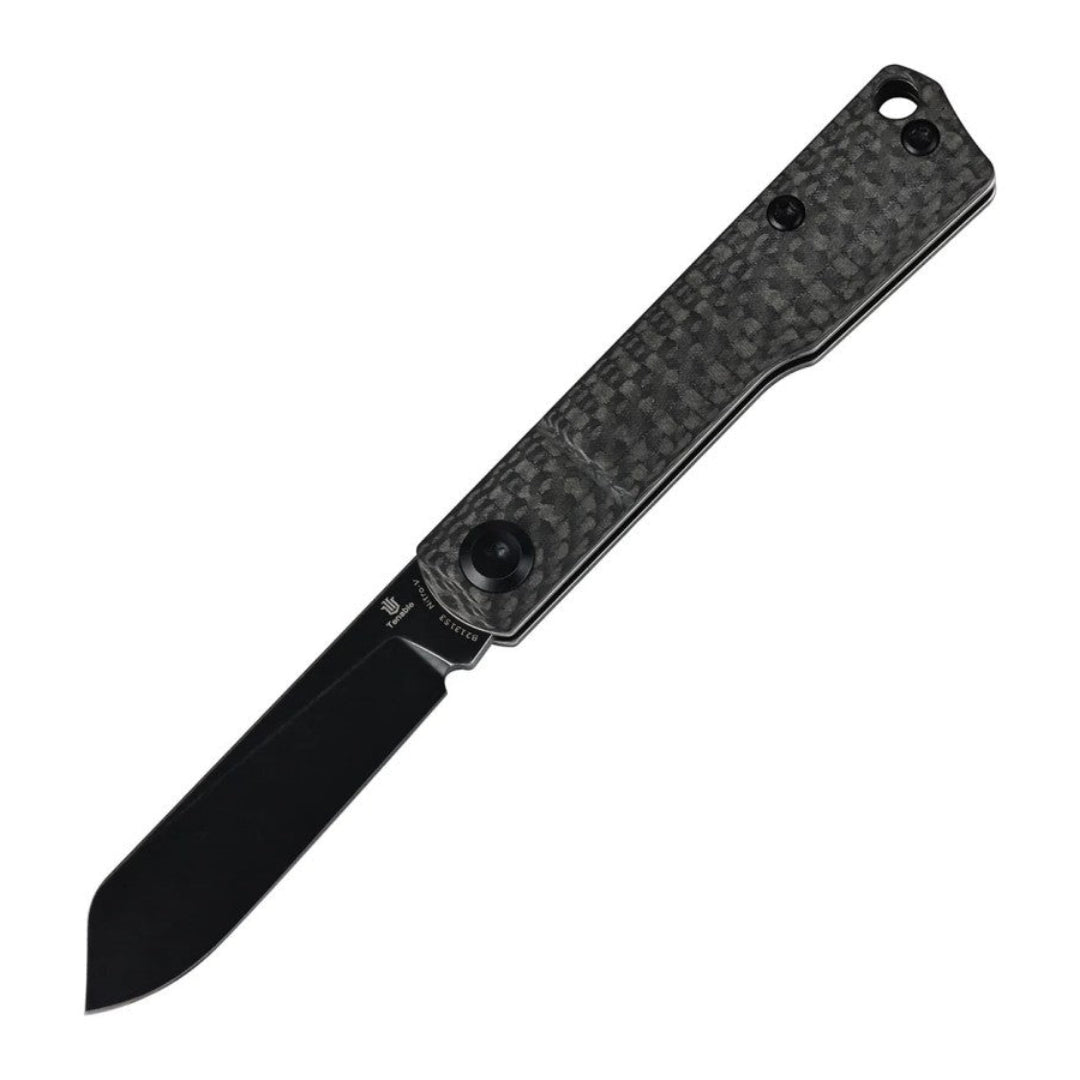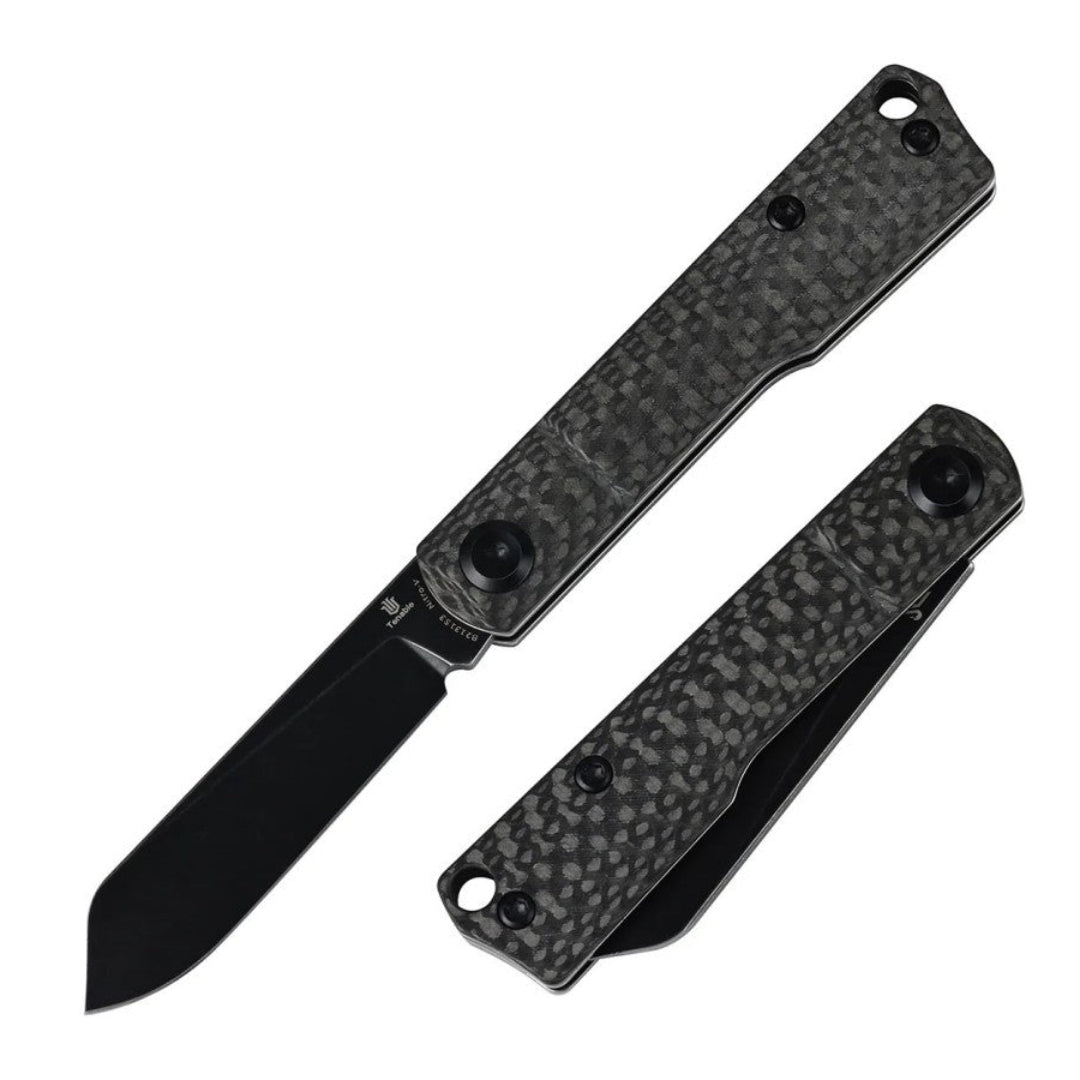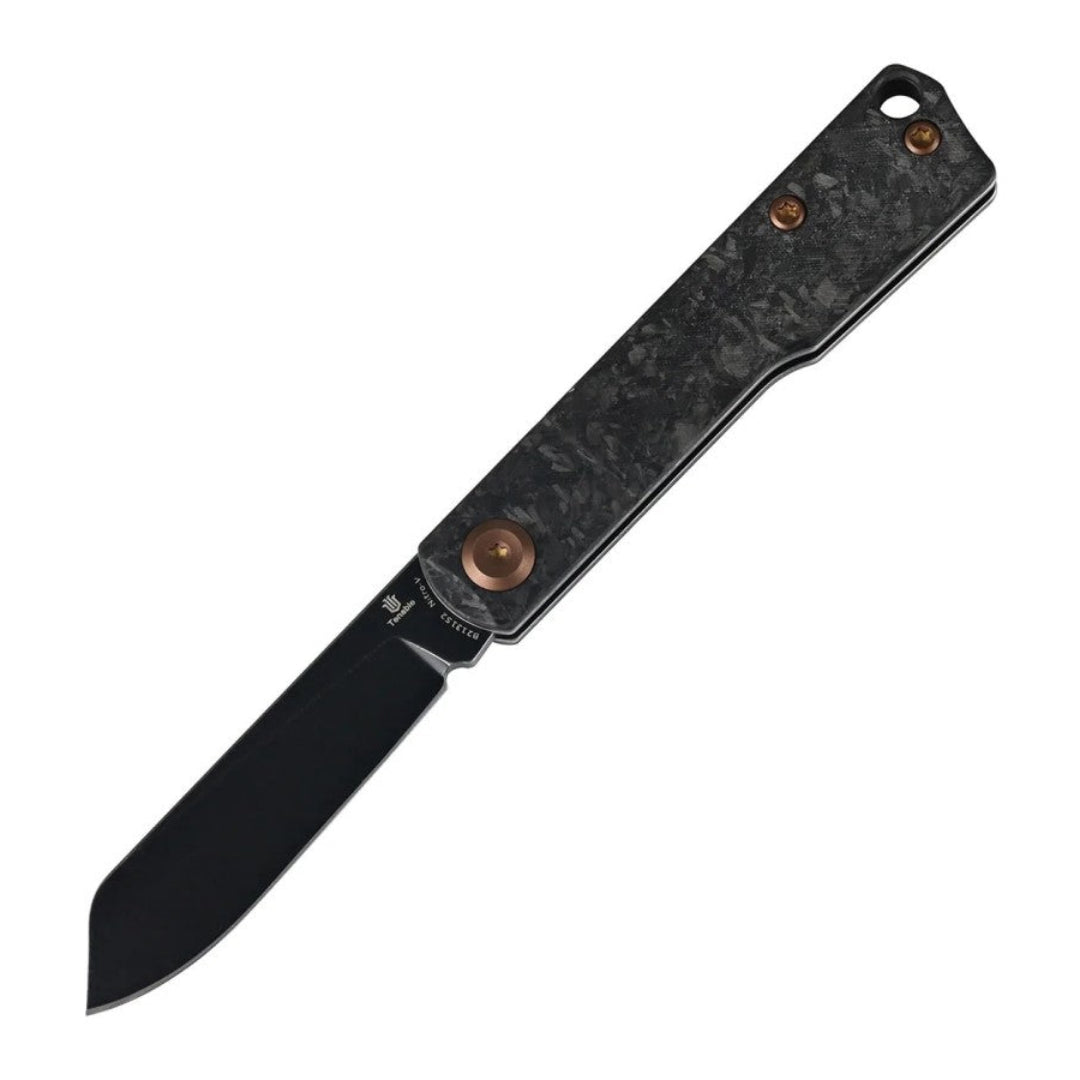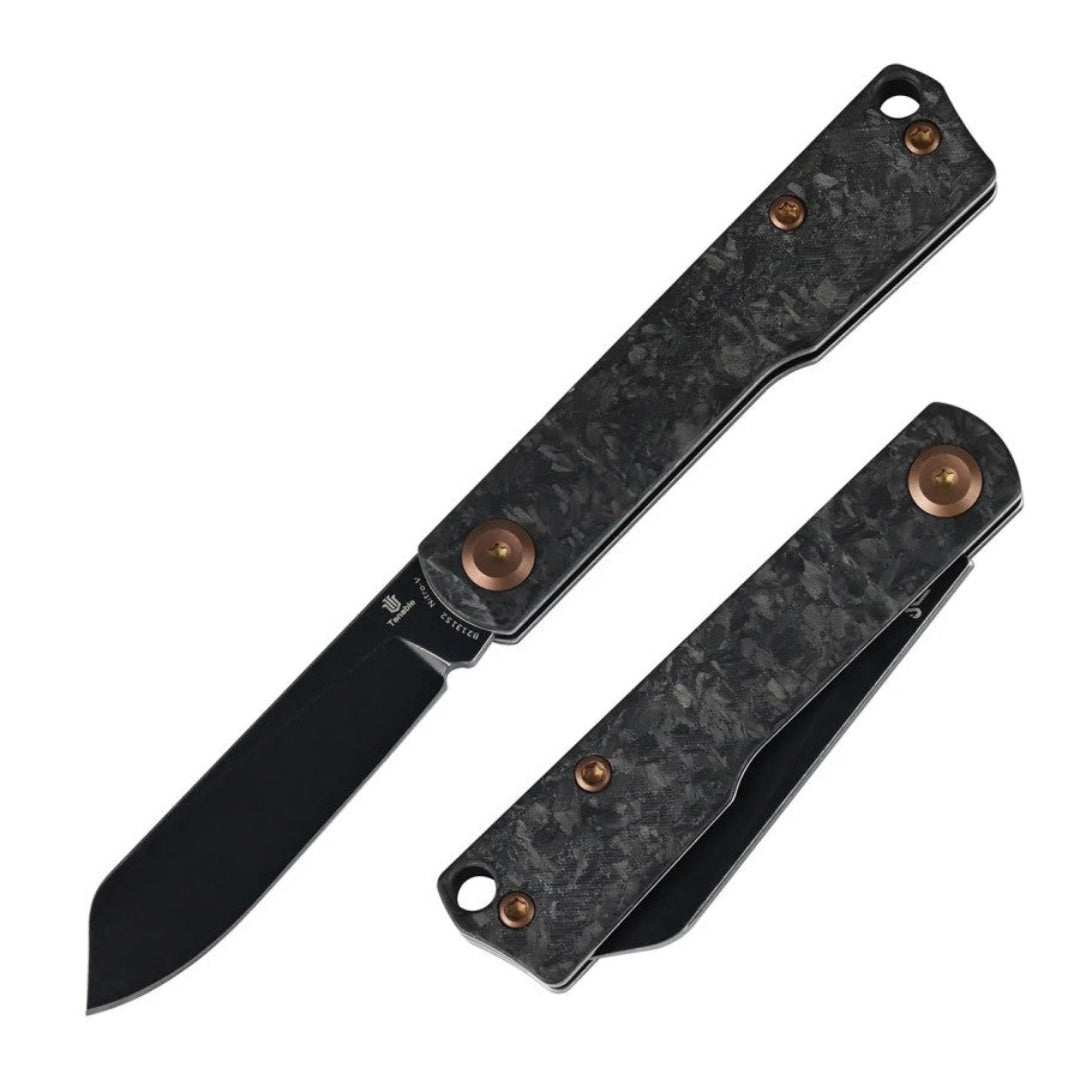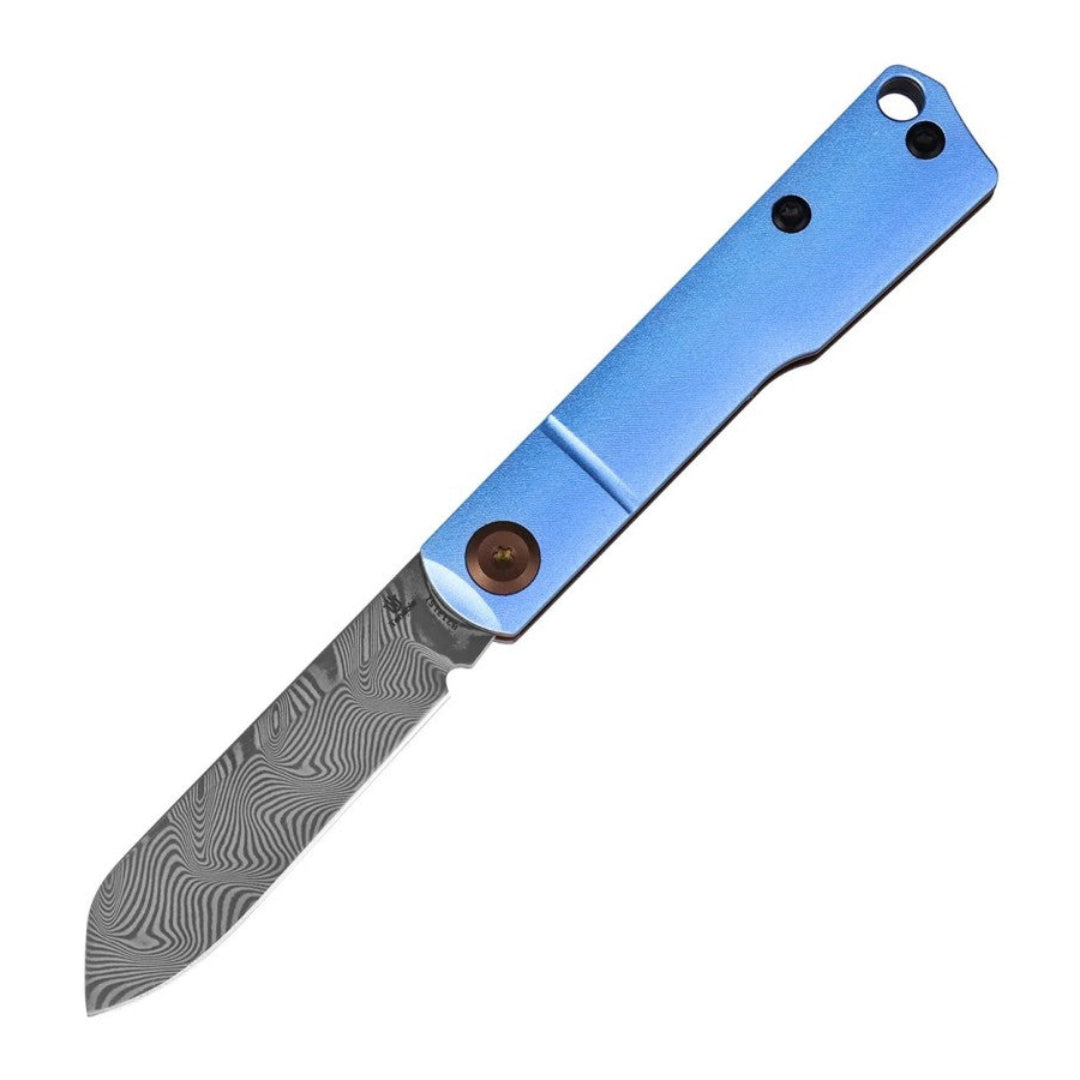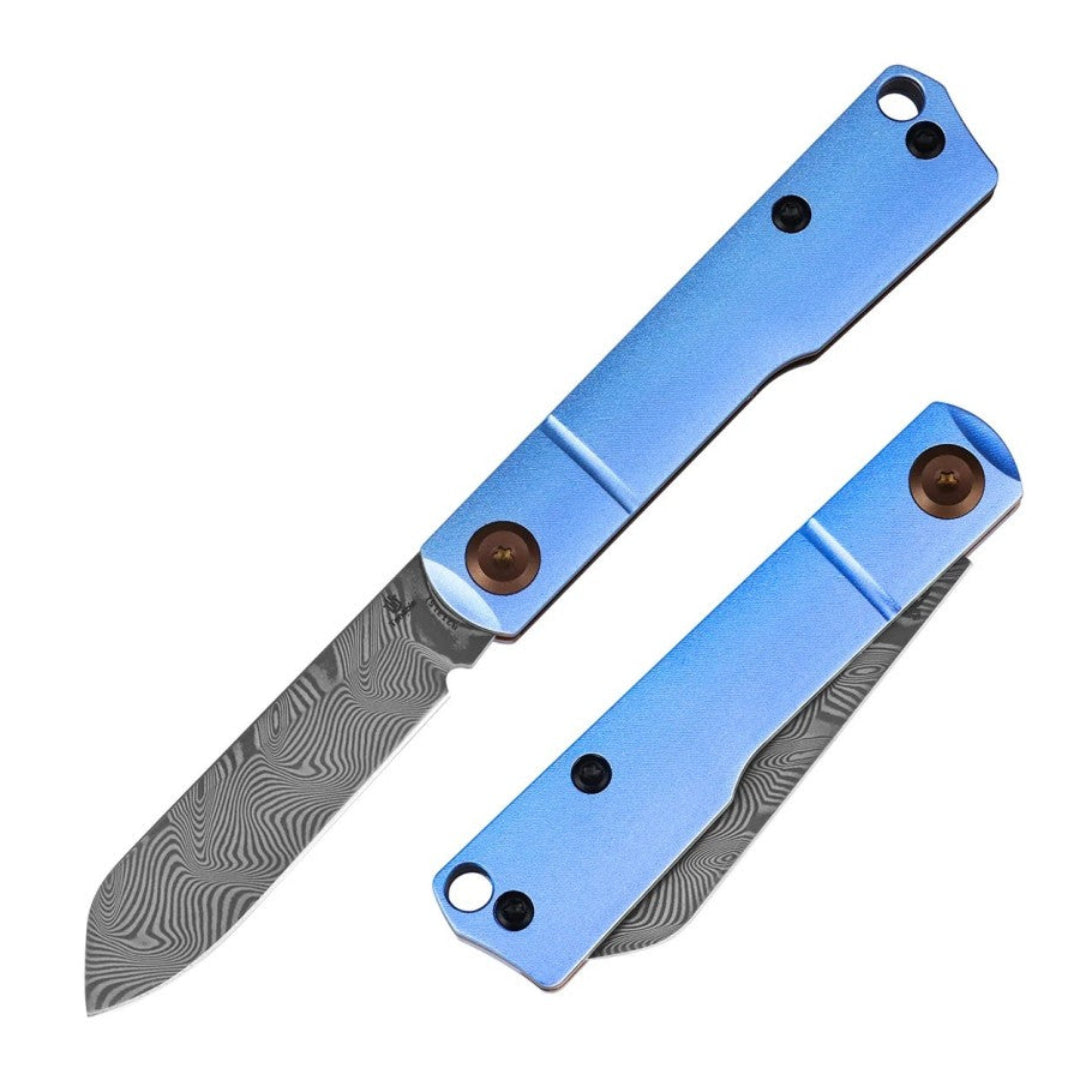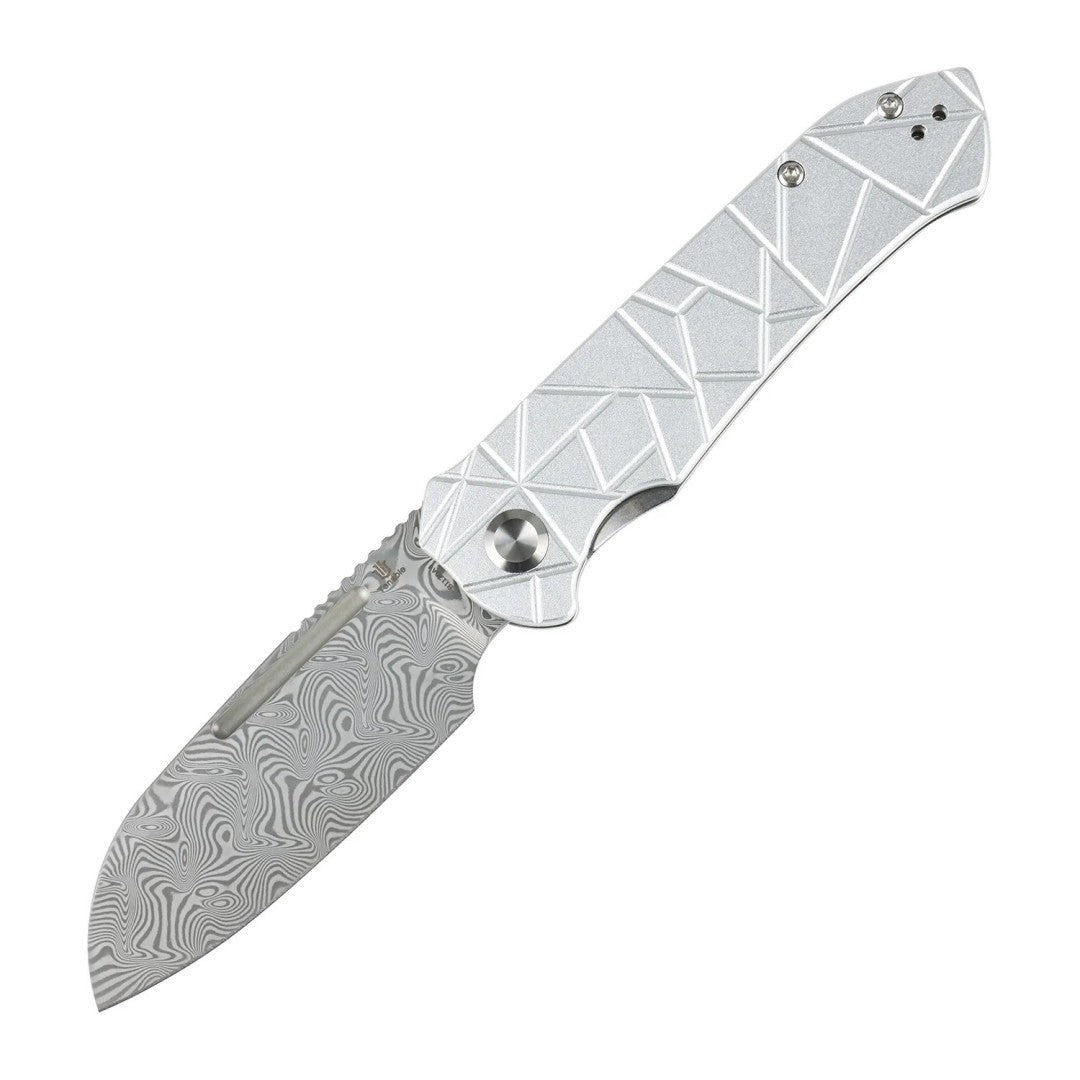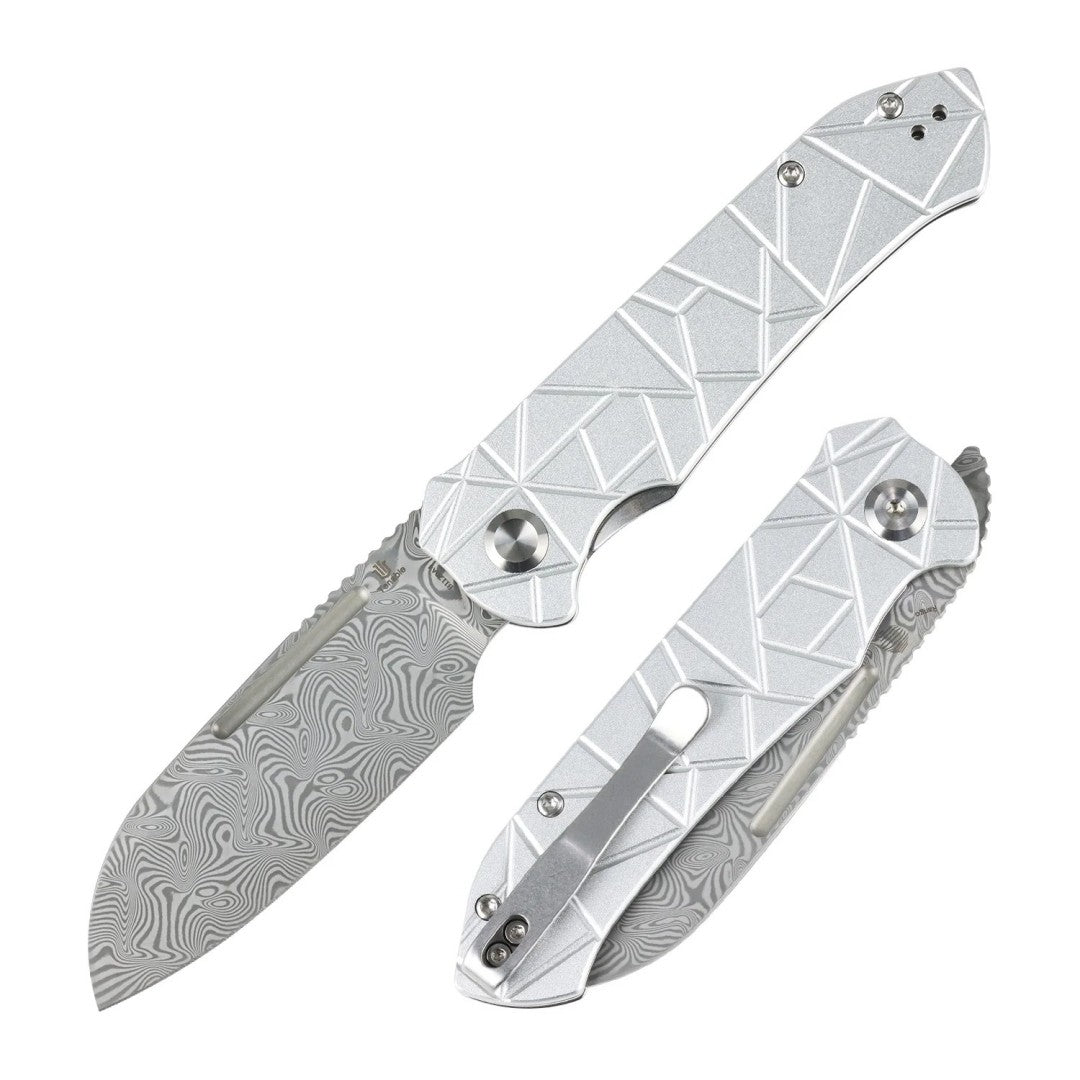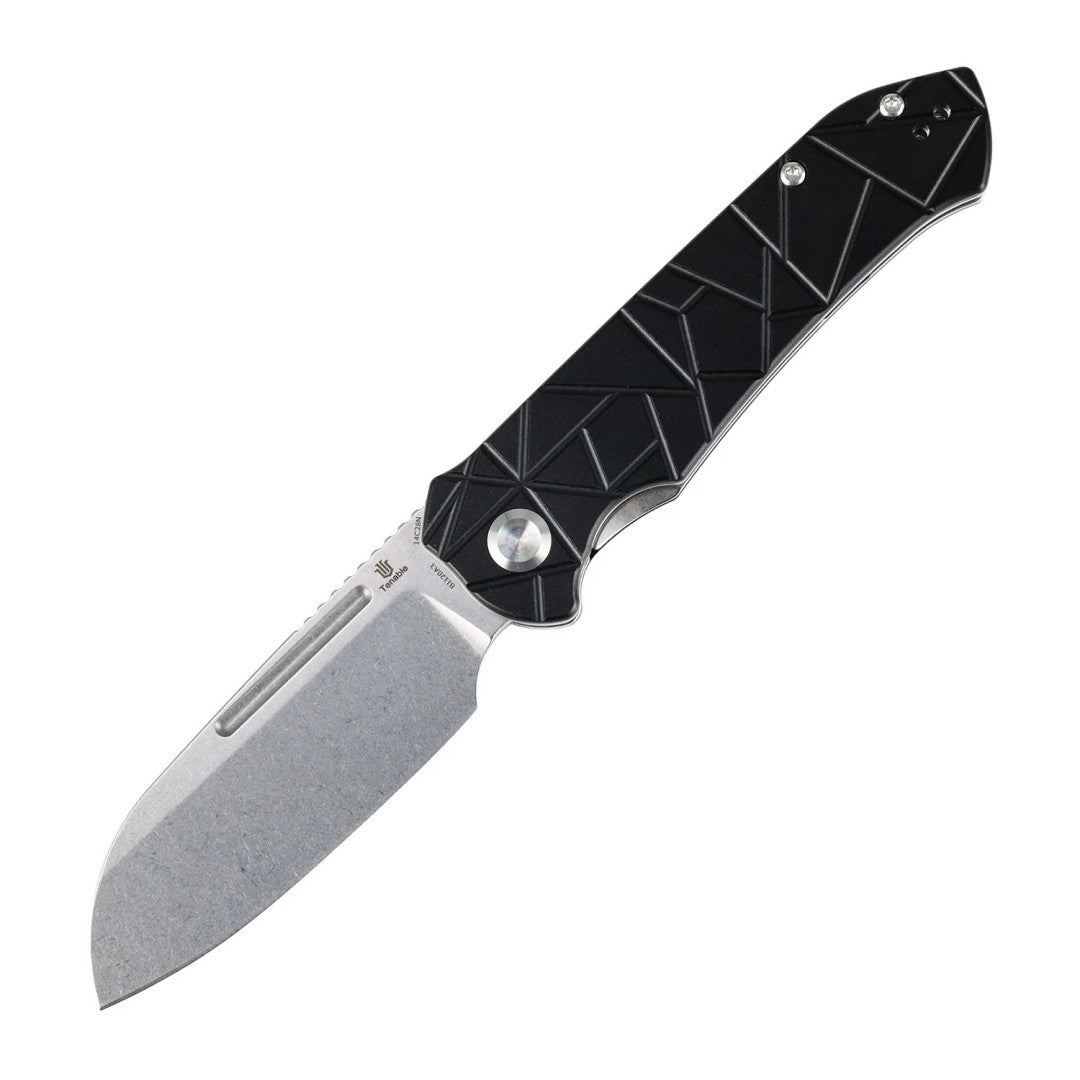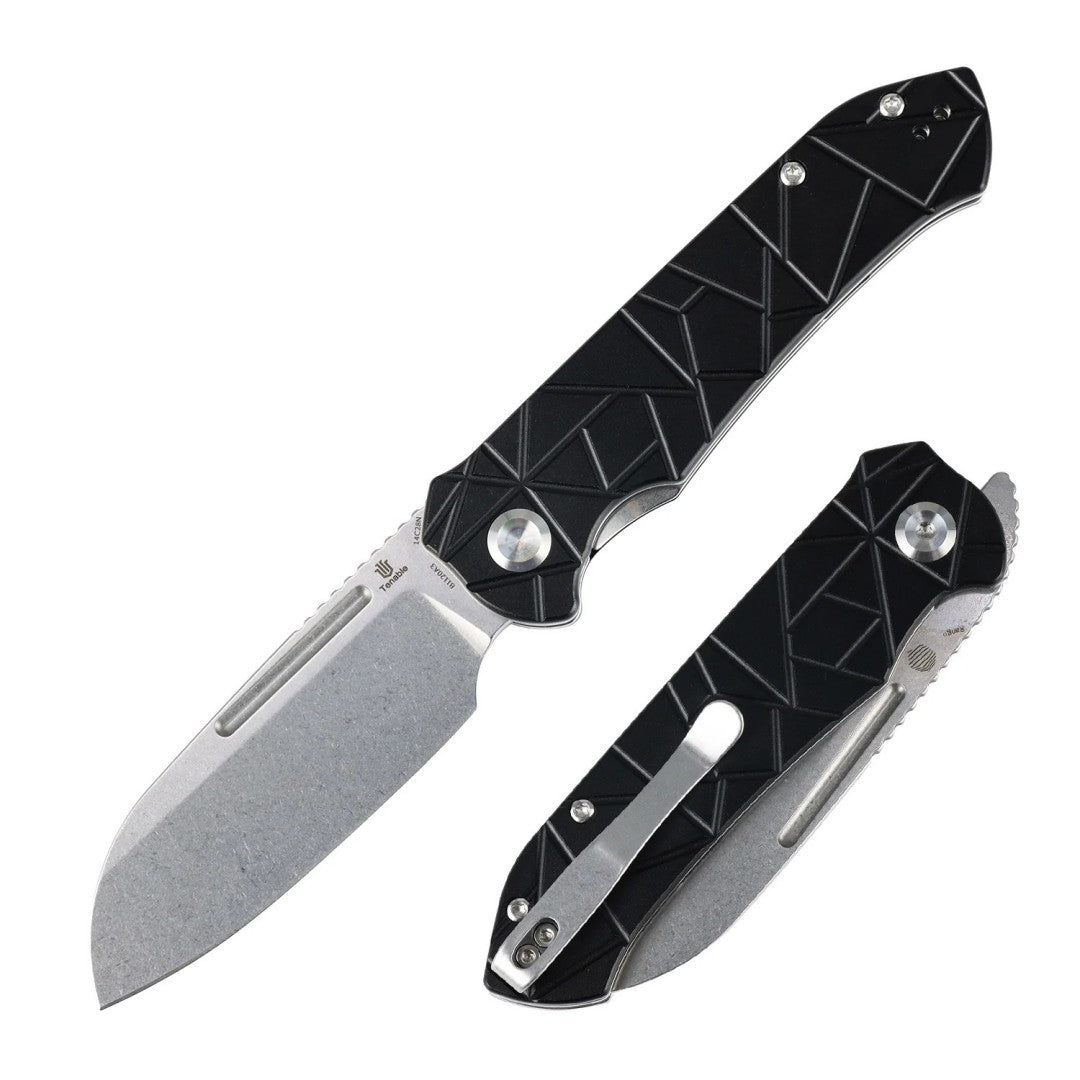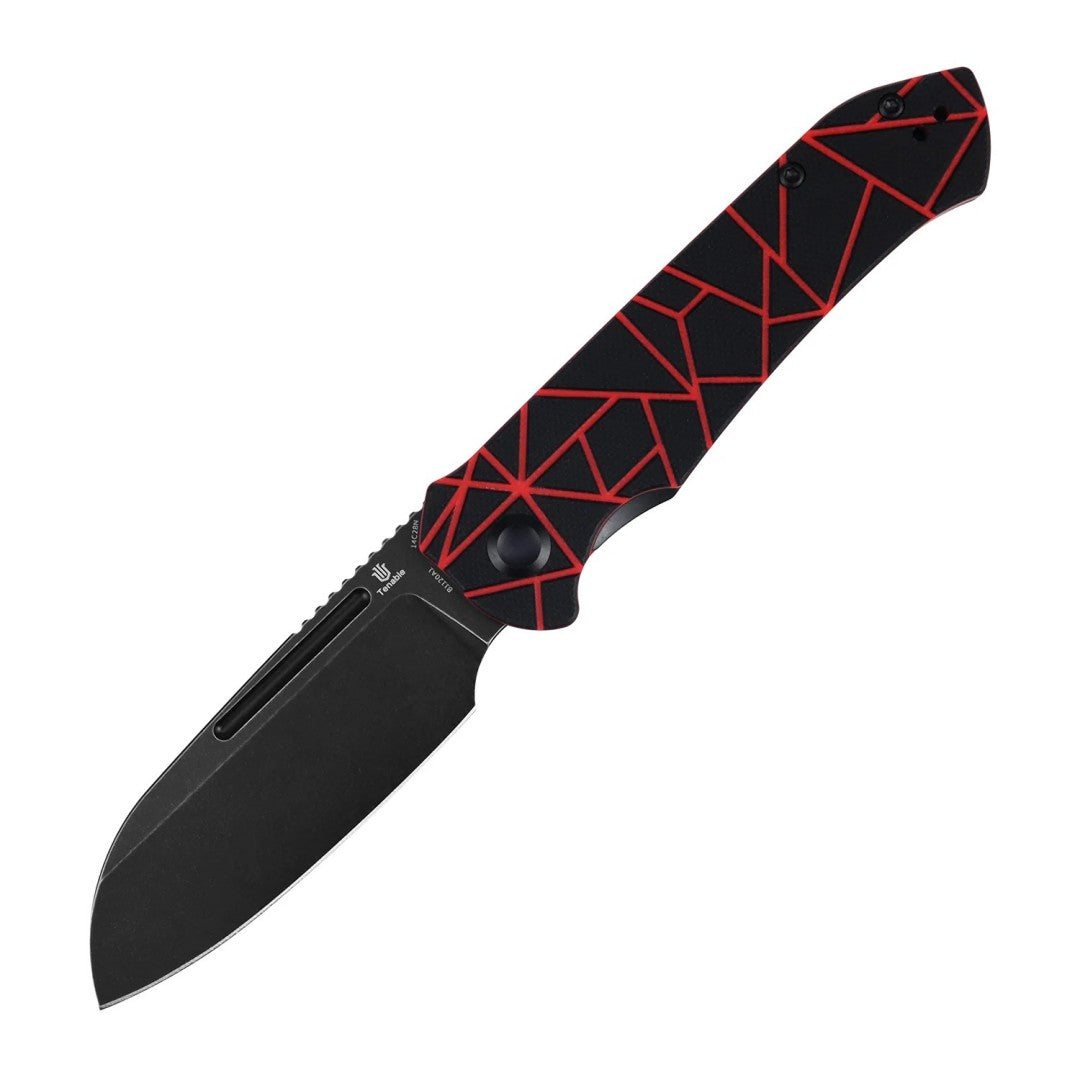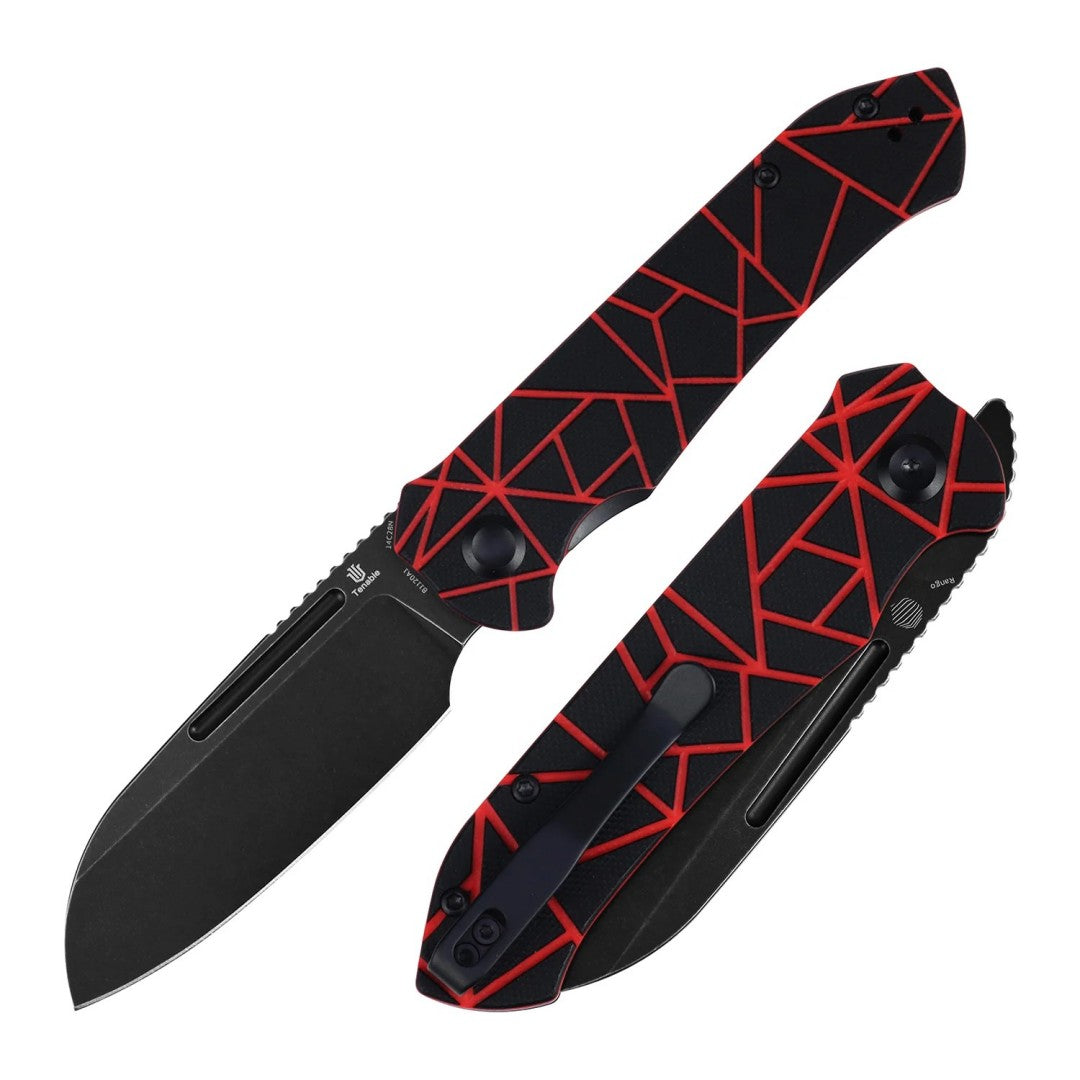
When selecting a pocket folding knife for daily utility, the locking mechanism plays a decisive role in ensuring user safety, action smoothness, and long-term durability. The Tenable Tarkin folding knife series has earned wide acclaim among pocket tool enthusiasts for its modern aesthetics, ergonomic grip, and reliable performance. Manufactured by Tenable—a precision-focused sub-brand backed by Kansept's world-class engineering—the Tarkin relies on a classic, well-tuned internal steel locking mechanism.
If you are considering adding the Tenable Tarkin to your daily rotation, this honest breakdown explores the detailed advantages and potential trade-offs of its locking design.

Understanding the Steel Locking System
The primary safety feature on the Tenable Tarkin is its internal spring-loaded steel lock bar. As the blade rotates open on its smooth caged ceramic ball bearings, the lock bar springs inward to sit flush against the rear tang of the blade. This mechanical engagement prevents the blade from accidentally closing on the user's fingers during heavy cutting tasks.
The Pros: Why the Mechanism Excels
The locking system chosen for the Tenable Tarkin provides several distinct operational advantages for everyday utility users:
1. One-Handed Operation and Fluid Action
Deploying and closing the Tenable Tarkin is fast and effortless. The internal spring bar releases smoothly with slight thumb pressure, allowing users to safely disengage the lock and fold the blade closed using only one hand—a crucial benefit when your other hand is busy holding materials.
2. Rock-Solid Lockup Security
When opened fully, the internal steel liner lock delivers a crisp, audible click. The spring tension holds the blade rigid with zero vertical or horizontal movement, providing maximum confidence when performing push-cuts through heavy double-walled cardboard or dense plastic strapping.
3. Sleek Exterior Profile
Because the locking bar sits entirely within the handle scales, the exterior of the Tenable Tarkin maintains clean, uninterrupted lines. This clean architecture prevents the locking mechanism from snagging on pocket lining or clothing during fast draws.

The Cons: Considerations for Specific Users
To maintain an honest evaluation, buyers should keep a few inherent considerations in mind:
1. Right-Handed Optimization
Like most traditional internal lock bars, the mechanism on the Tenable Tarkin is designed primarily for right-handed index finger or thumb manipulation. Left-handed users can still operate the tool efficiently, but it requires slight muscle memory adaptation.
2. Debris Sensitivity in Hard Utility Environments
Because the lock operates inside the handle cavity, extremely dirty environments (such as loose mud or fine masonry dust) can occasionally enter the mechanism. Fortunately, the open-backed column design of the Tenable Tarkin makes blowing out debris with compressed air quick and straightforward.
Premium Materials Across the Tarkin Lineup
Beyond its reliable locking hardware, Tenable offers the Tarkin platform in four distinct material configurations to match your personal carrying style and budget:
-
High-Performance Nitro-V Steel (B1078A1–A3): Equipped with nitrogen-enriched Nitro-V stainless steel for exceptional rust resistance and edge toughness. Available in sleek gray aluminum, vibrant blue aluminum, or grippy black G10 handles.
-
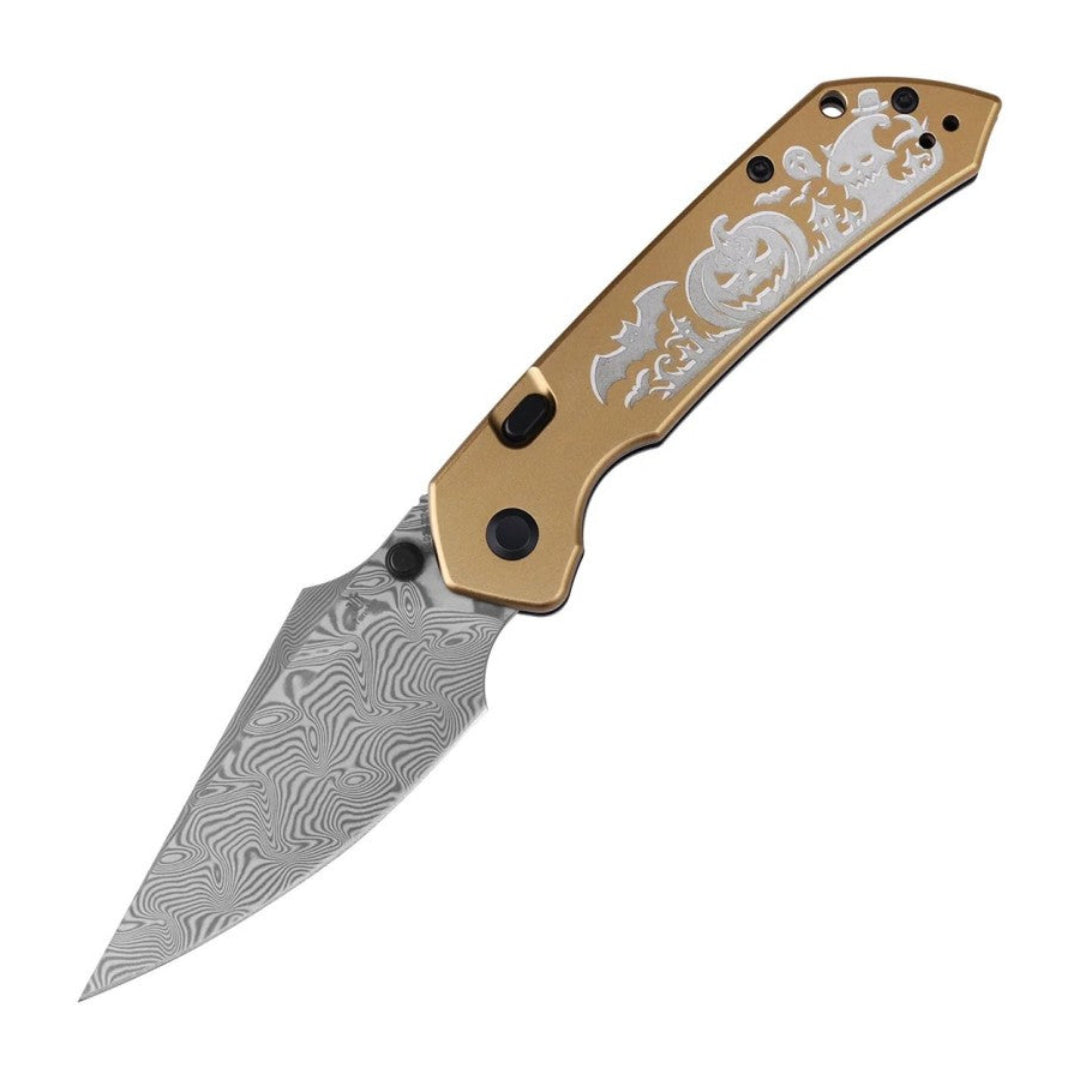
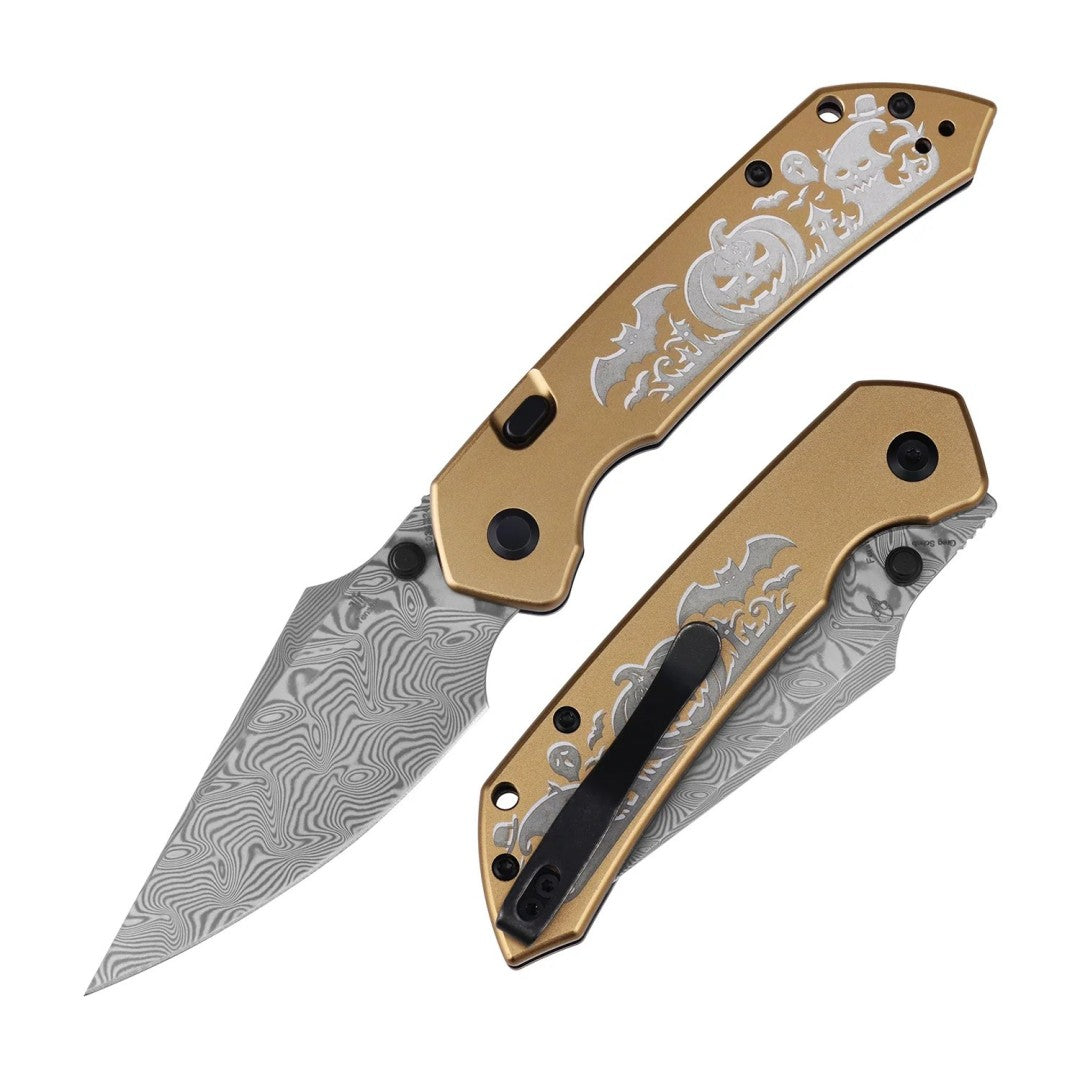
Flagship Damascus & Carbon Fiber (B1078A4): Pairs an eye-catching forged Damascus steel blade with layered twill carbon fiber and G10 handle scales for ultimate visual refinement.

Is the Tenable Tarkin Right for Your Pocket?
For the vast majority of EDC users, the locking mechanism on the Tenable Tarkin hits the sweet spot between fast deployment, rock-solid safety, and minimal pocket bulk. Backed by Kansept's high manufacturing standards, Tenable ensures that every lock bar engages at the ideal geometry for long-lasting, worry-free operation.