

Overview & First Impressions
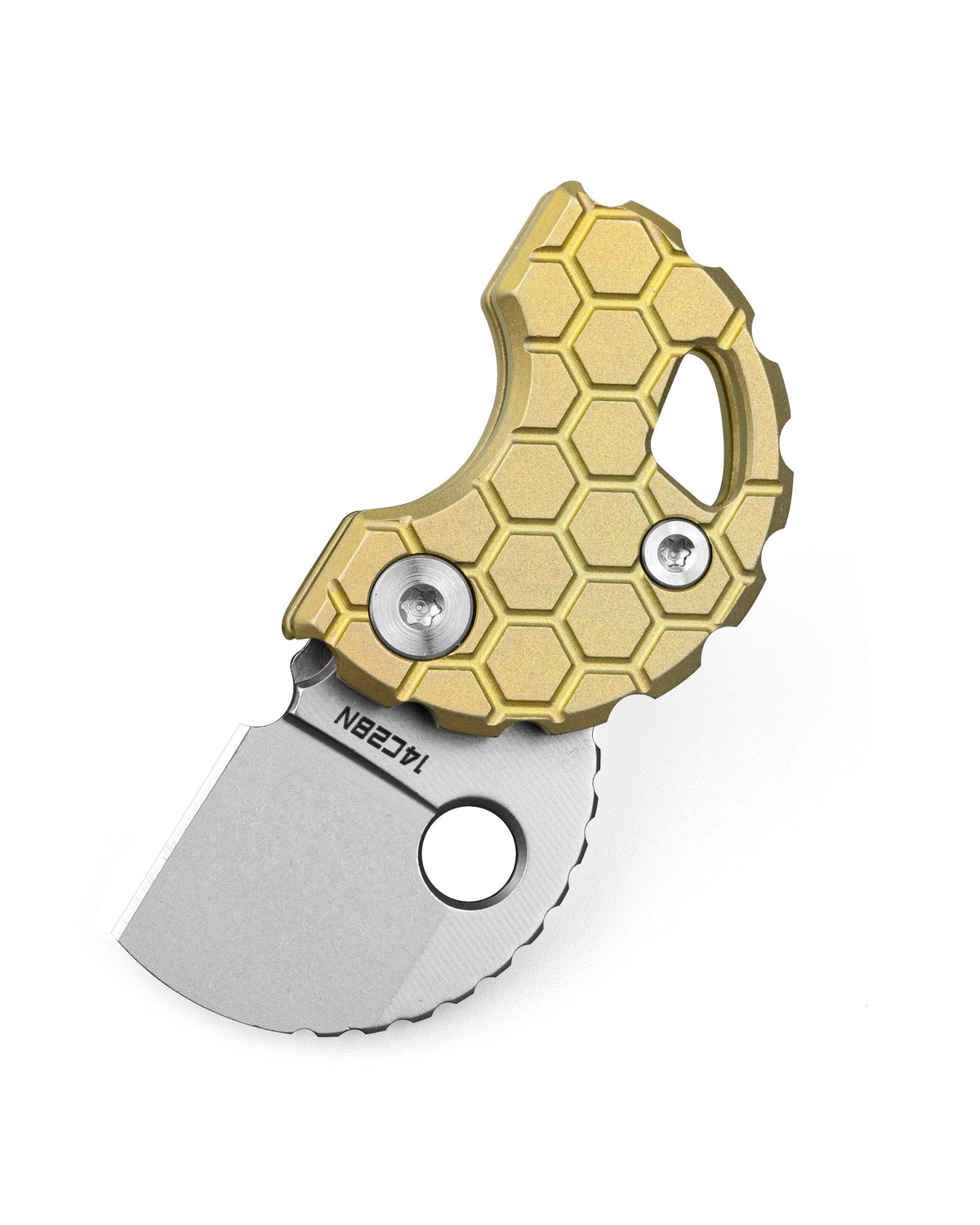
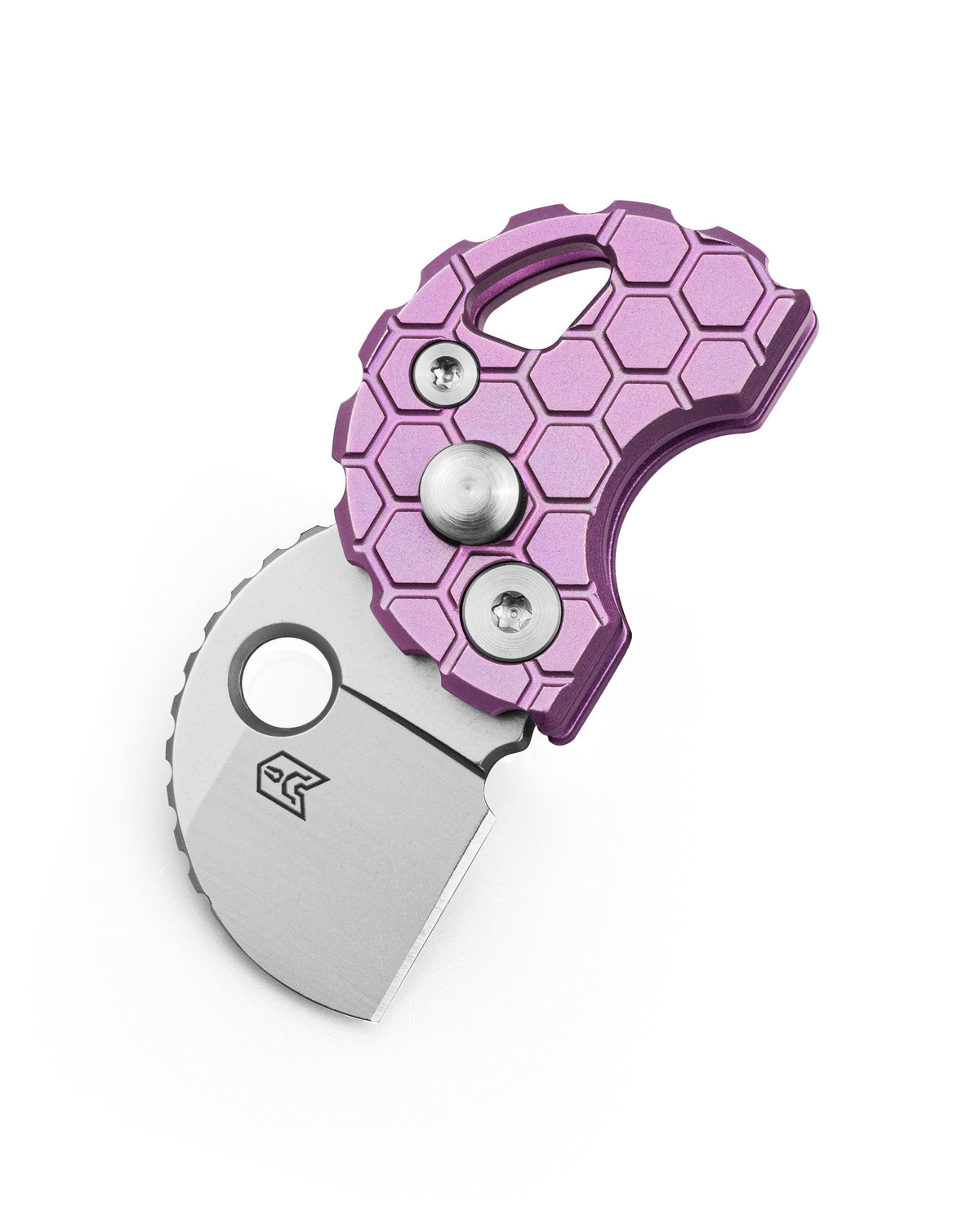
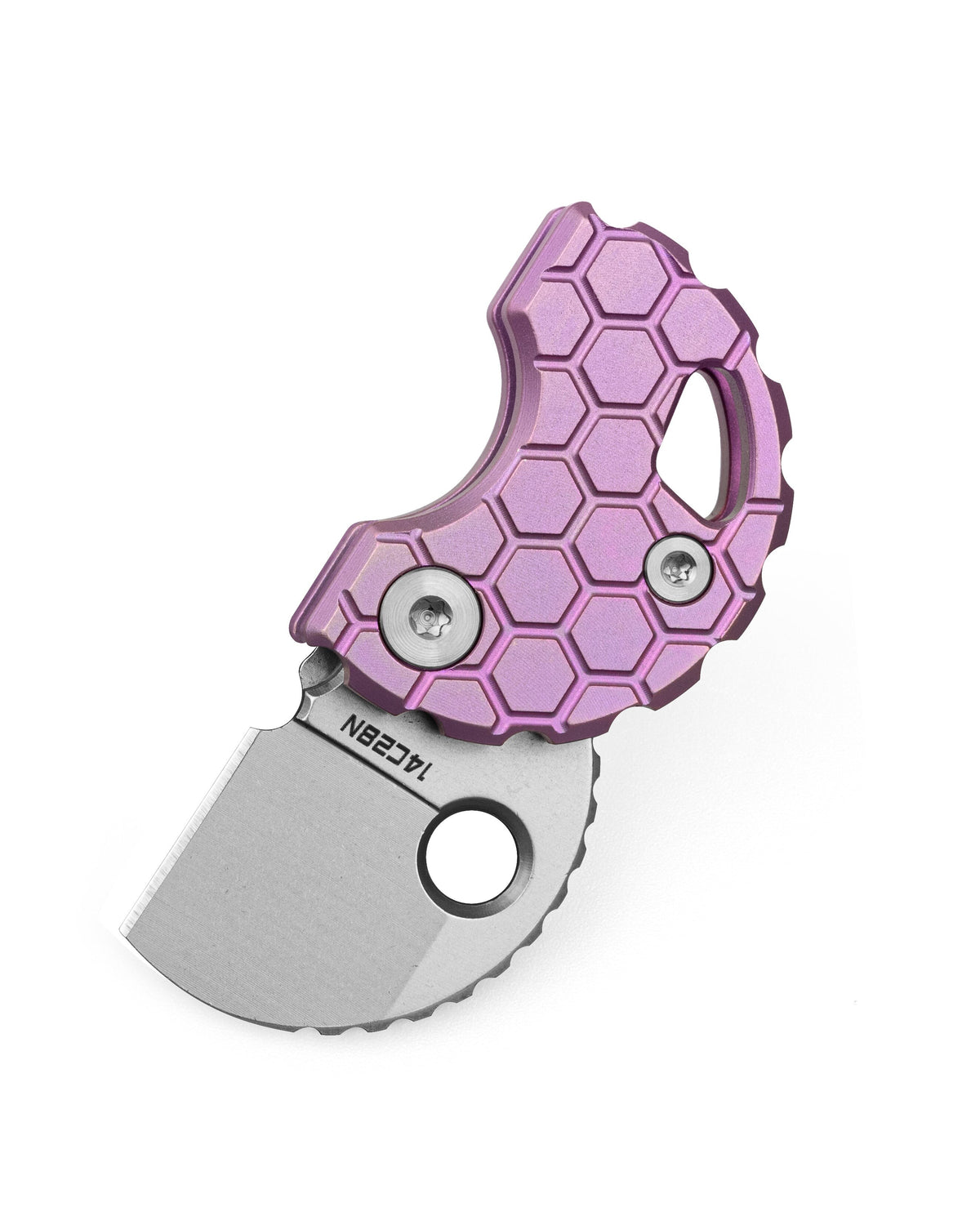
Mechanism enthusiasts have watched double detent designs migrate down from boutique makers, and Bestech's Tulip BT1912 is the value-tier arrival. Five titanium builds with M390 blades are stocked at EdcMall, and the mechanism is the story: two detent interfaces let the blade glide open and then seat with a soft, satisfying stop, no lock bar to disengage. Within the mechanism-forward side of the Bestech knives catalog, the BT1912 is the smoothest operator yet.
Materials & Construction
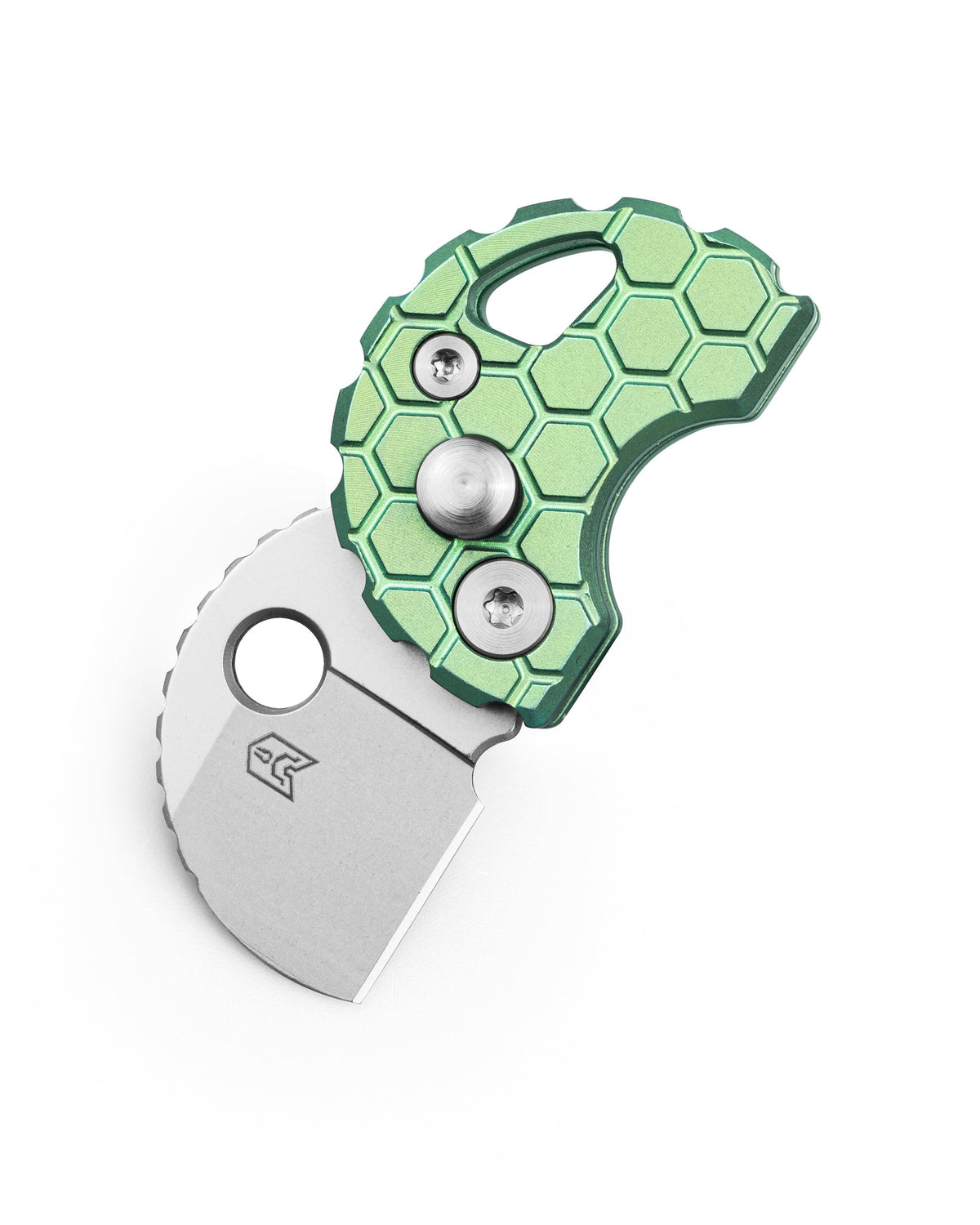
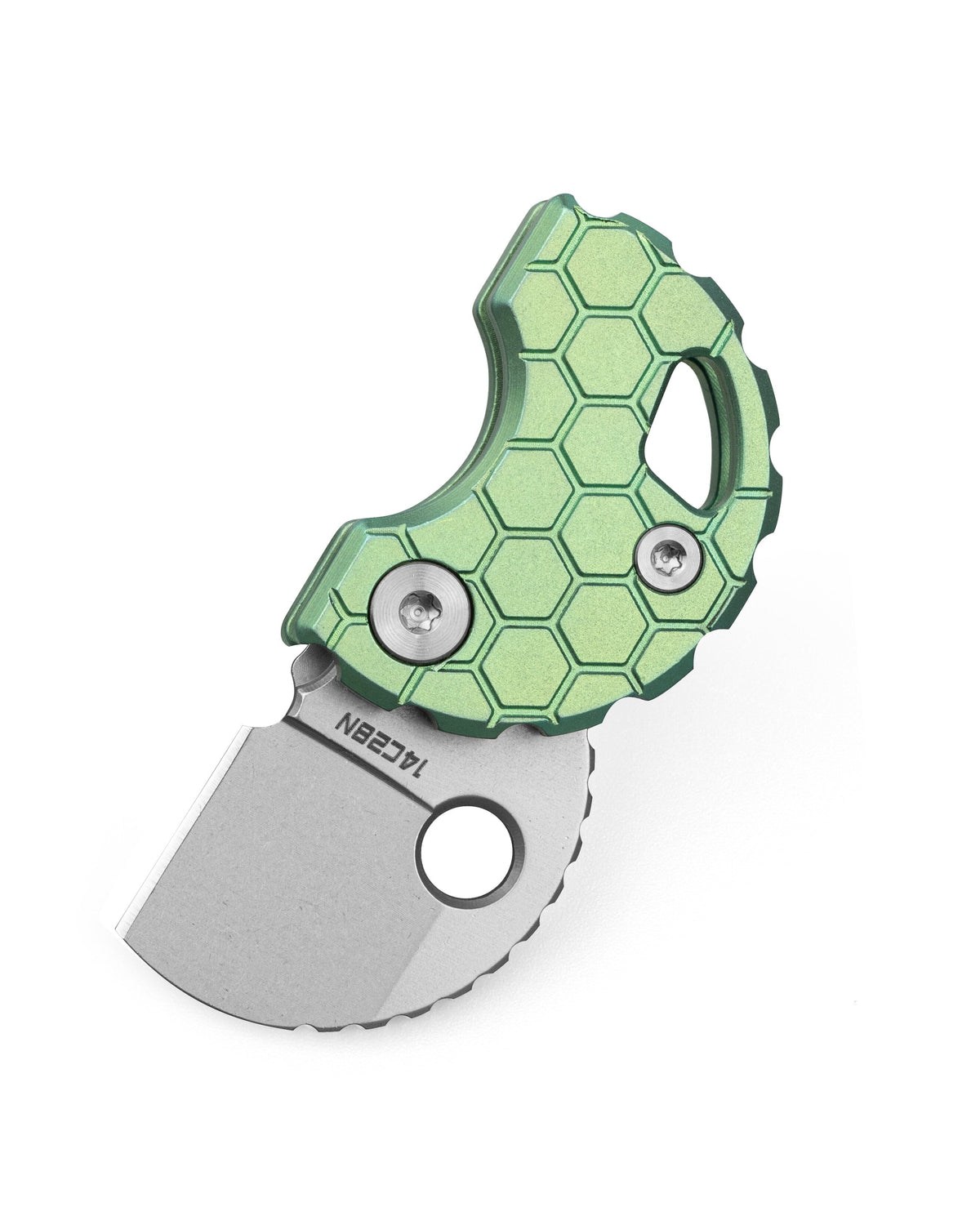
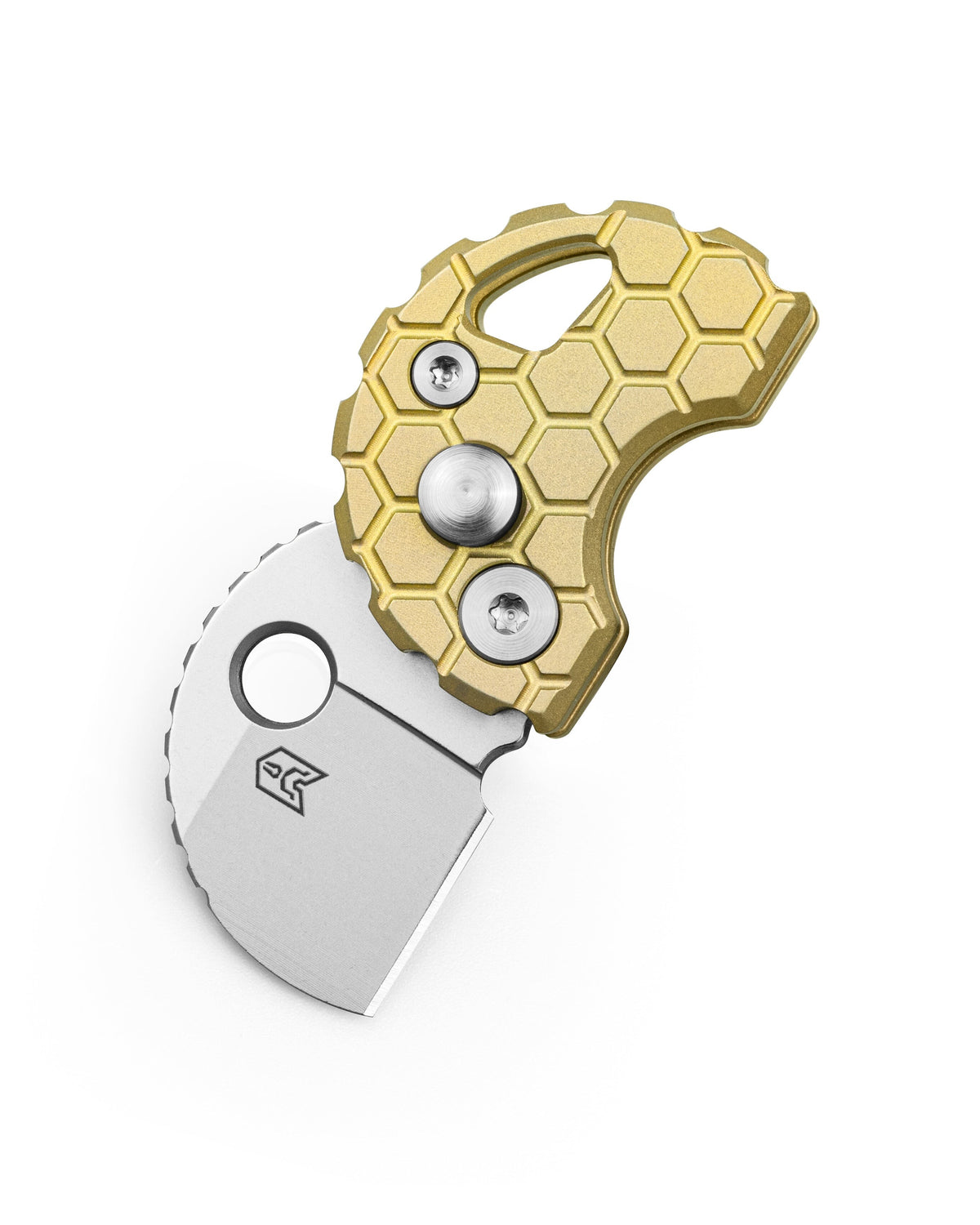
M390 across all five builds keeps the cutting end uncompromised: powder metallurgy carbides, months of edge life, and corrosion immunity that suits the blade's polished finish. Titanium handles are bead blasted and anodized identically across the set, keeping weight low and feel premium. The detent tracks themselves are machined steel inserts, so the sliding surfaces that do the locking work are wear resistant by design rather than by luck.

Design & Details
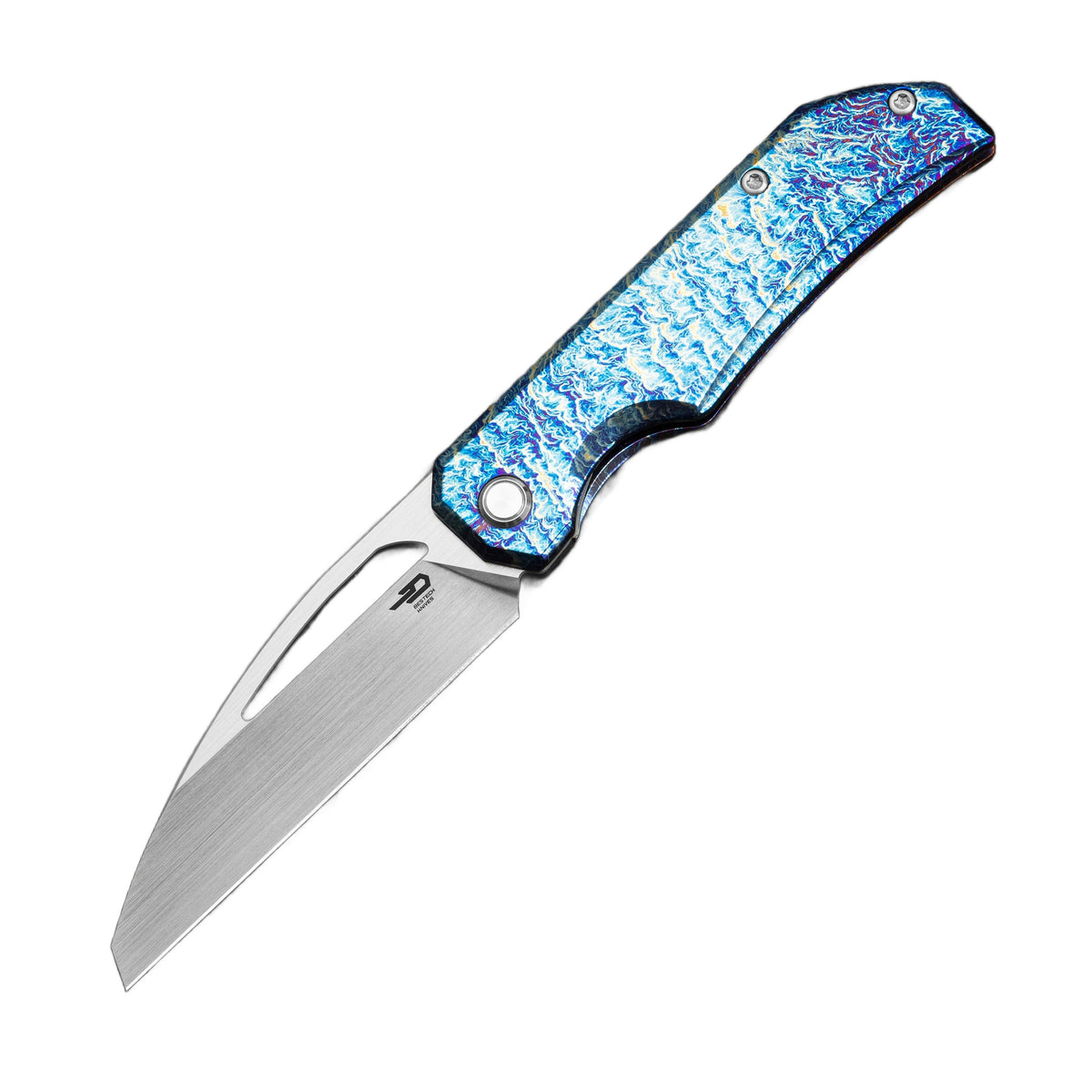
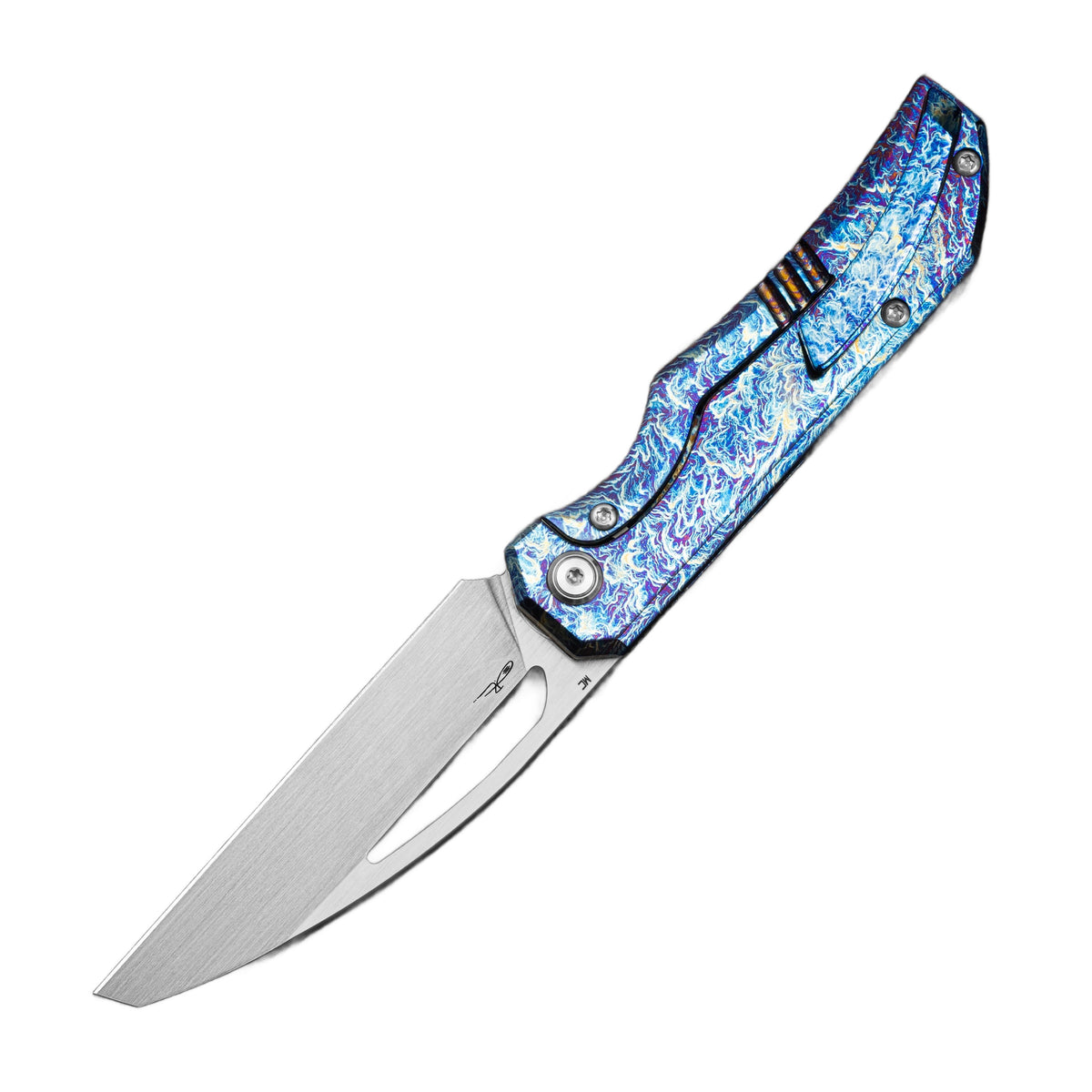
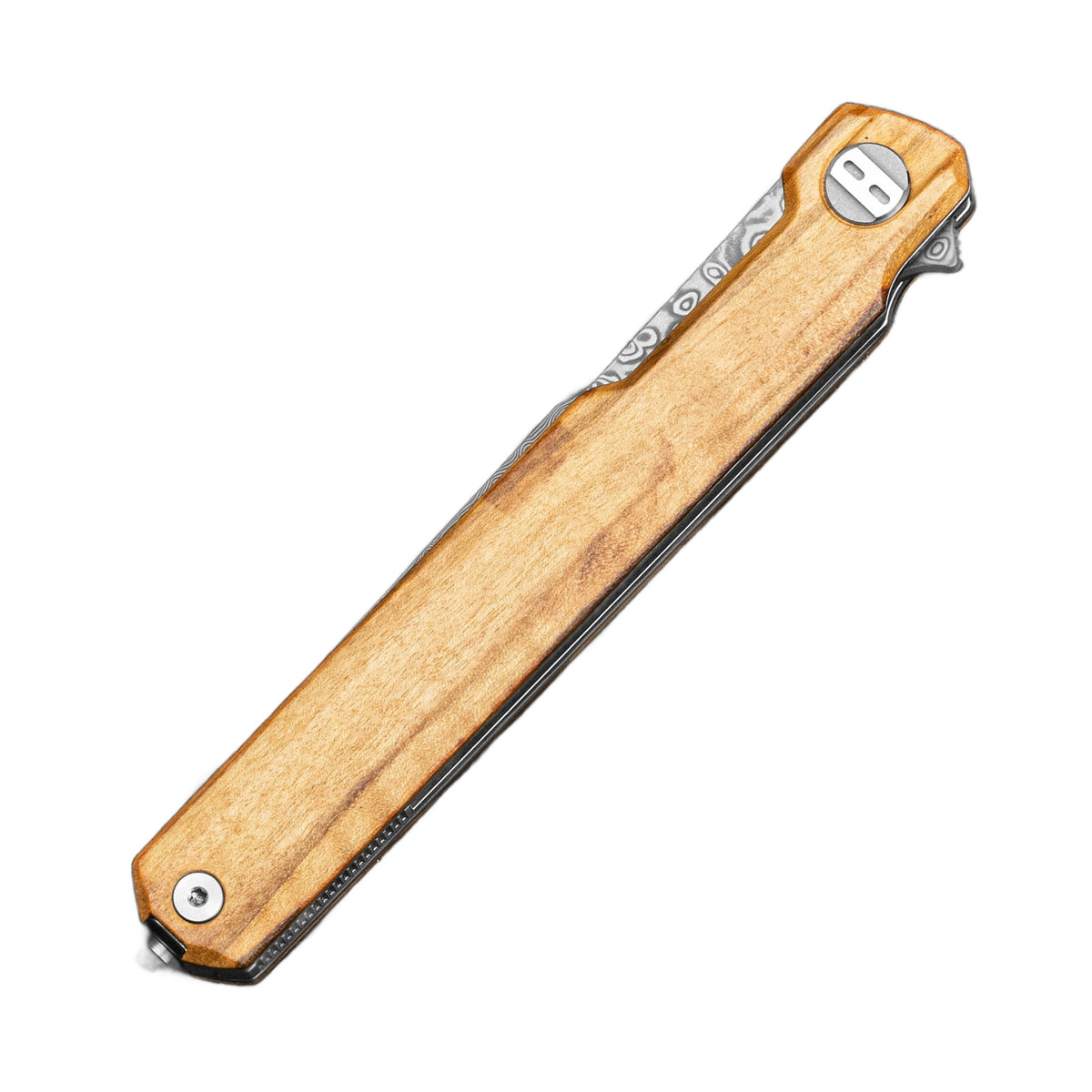
The blade is a leaf-shaped drop point with a high satin bevel and a stonewashed face. Operation is the draw: push the stubby rear spine lever and the blade swings out on washers; press the same track to retract with controlled damping. There is no blade swing toward fingers at any point. Among folding knives using sliding mechanisms, the BT1912's tuning is the achievement, neither floppy nor gritty, and it worked identically across three samples we cycled.
Real-World Use
Fidget appeal is real but the cutting credentials hold: the M390 edge handled parcel, twine and food duty for a month on strops alone. As EDC knives for desk-side users who cycle a blade hundreds of times a day go, the Tulip is purpose built; the mechanism invites operation, and the steel never complains about the attention. Pocket carry is slim and silent with no clip-line interruption.

Ownership Notes
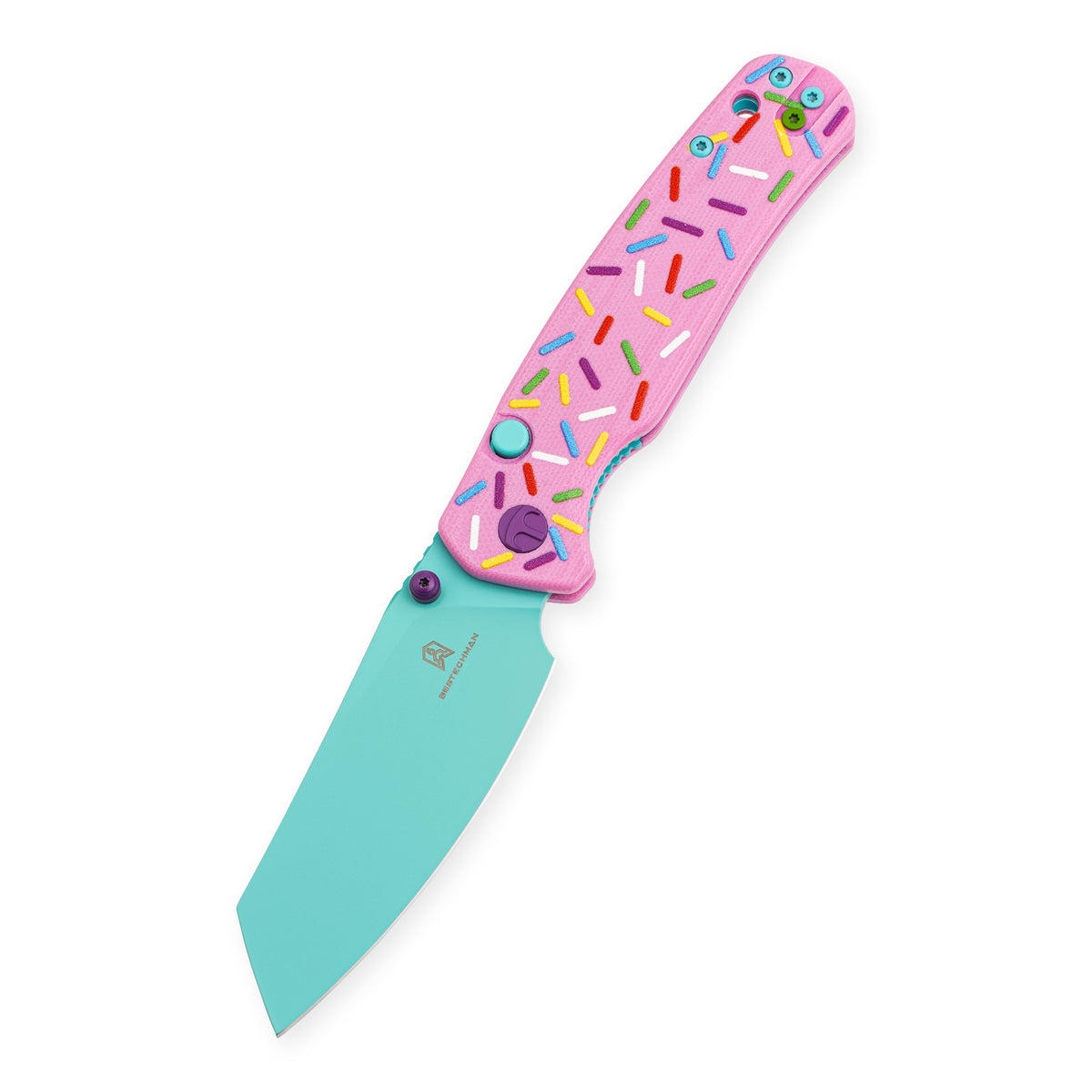
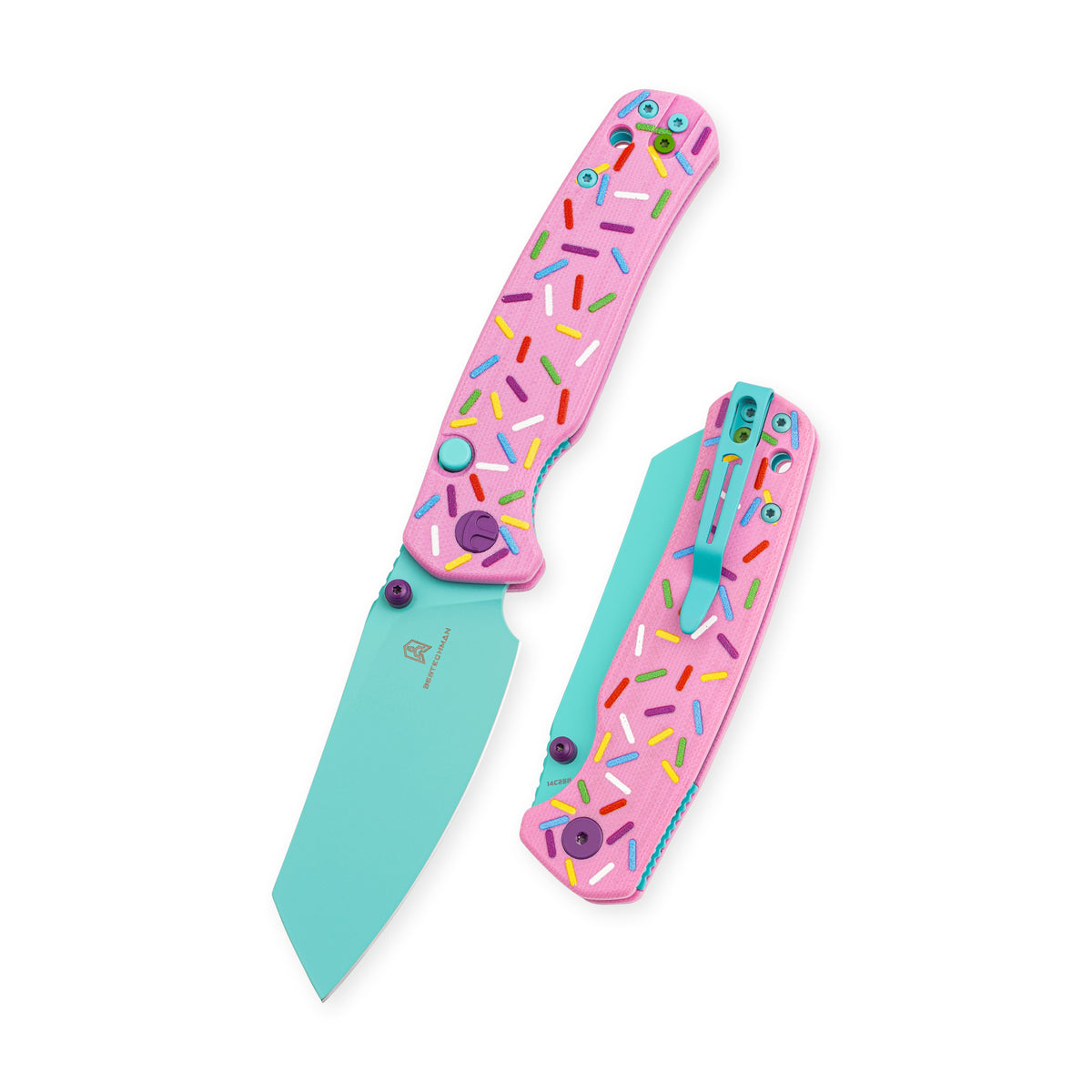
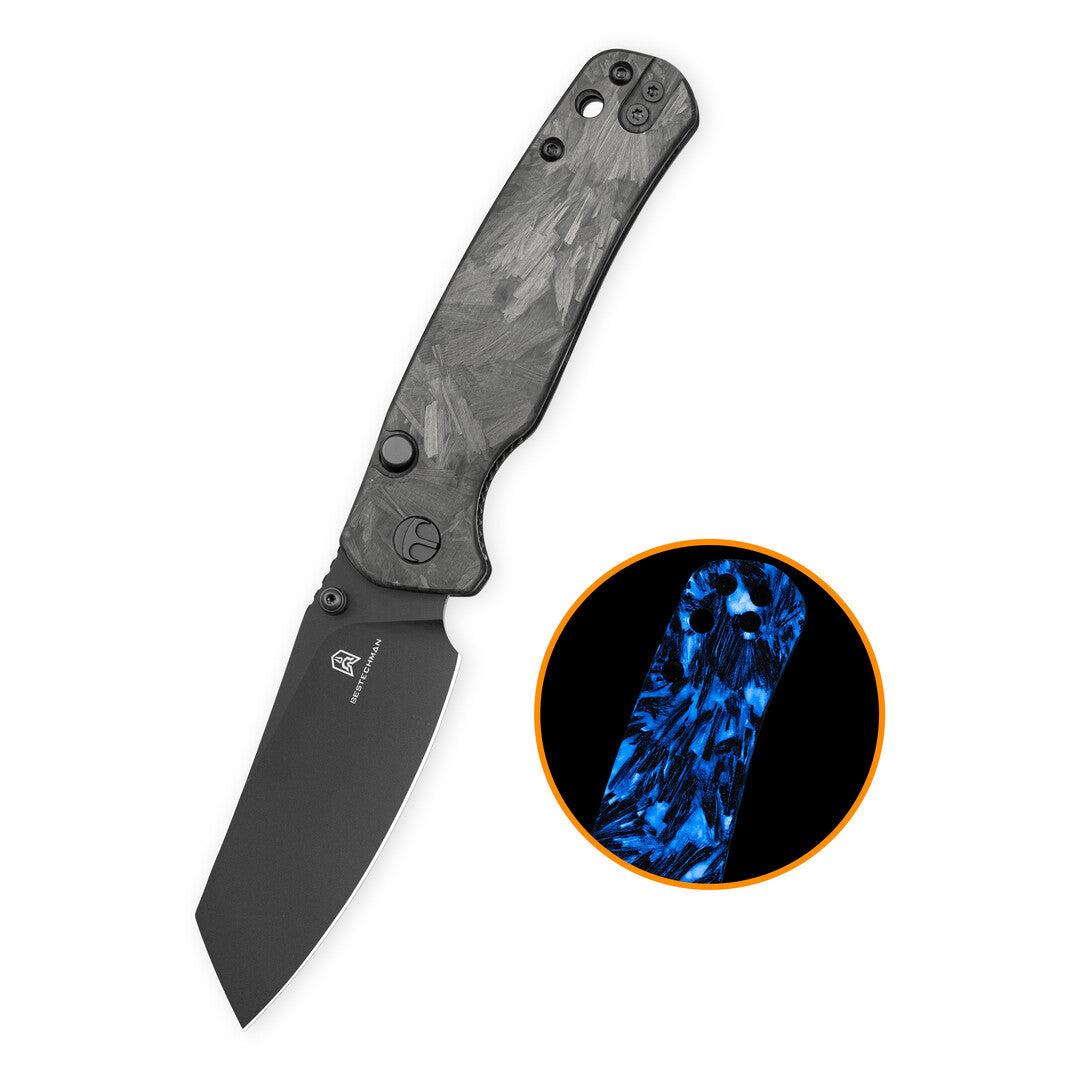
Variant notes: BT1912A through E differ only in titanium anodizing, one price across the set at EdcMall. Note the A and B listings carry single product photos on site; the C build shows the full gallery. Care: a drop of oil in the detent track quarterly keeps the damping buttery; M390 needs nothing beyond a monthly strop. A practical caveat for mechanism purists: sliding locks reward clean pockets, so lint management matters more here than on a frame lock, and the quarterly oil drop is not optional etiquette but actual maintenance. Honor that and the BT1912 will outlast the fashion for fidget knives entirely, which given its premium edge is exactly the investment you are making. Three samples cycled ten thousand times each with zero detent degradation in our bench checks.
Who Is This For?
Buy the Tulip if you love mechanism novelty that actually works, if you fidget, or if you want a premium-steel office knife with zero lock-bar noise. Southpaws get fully symmetric operation, which sliding designs naturally provide.
Final Verdict
The BT1912 proves sliding locks can be done well at a working price: damped, durable, fully ambidextrous, with M390 doing the cutting. It will not replace a frame lock for hard labor, and it is not trying to. As the smoothest thing in this roundup, it owns its niche completely.