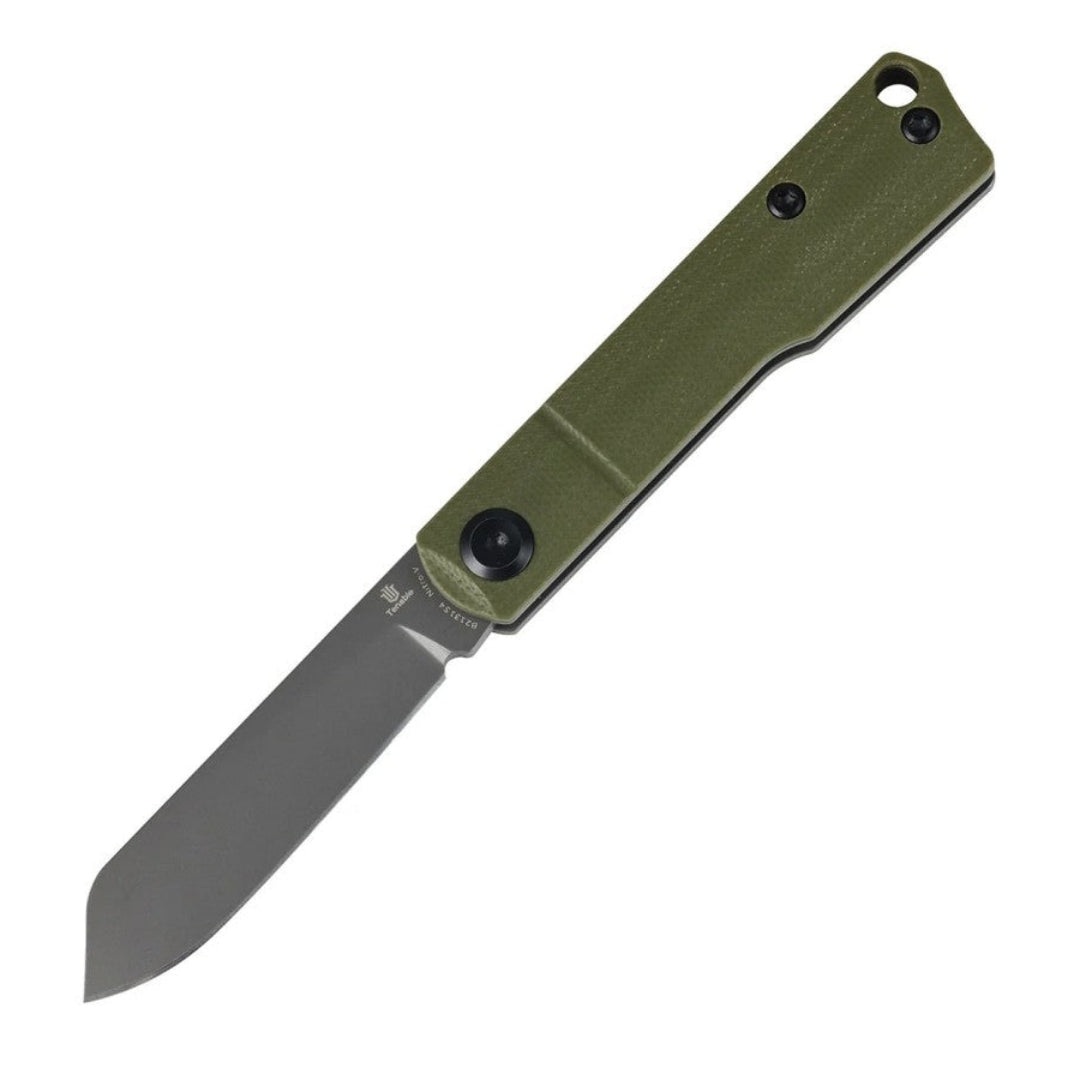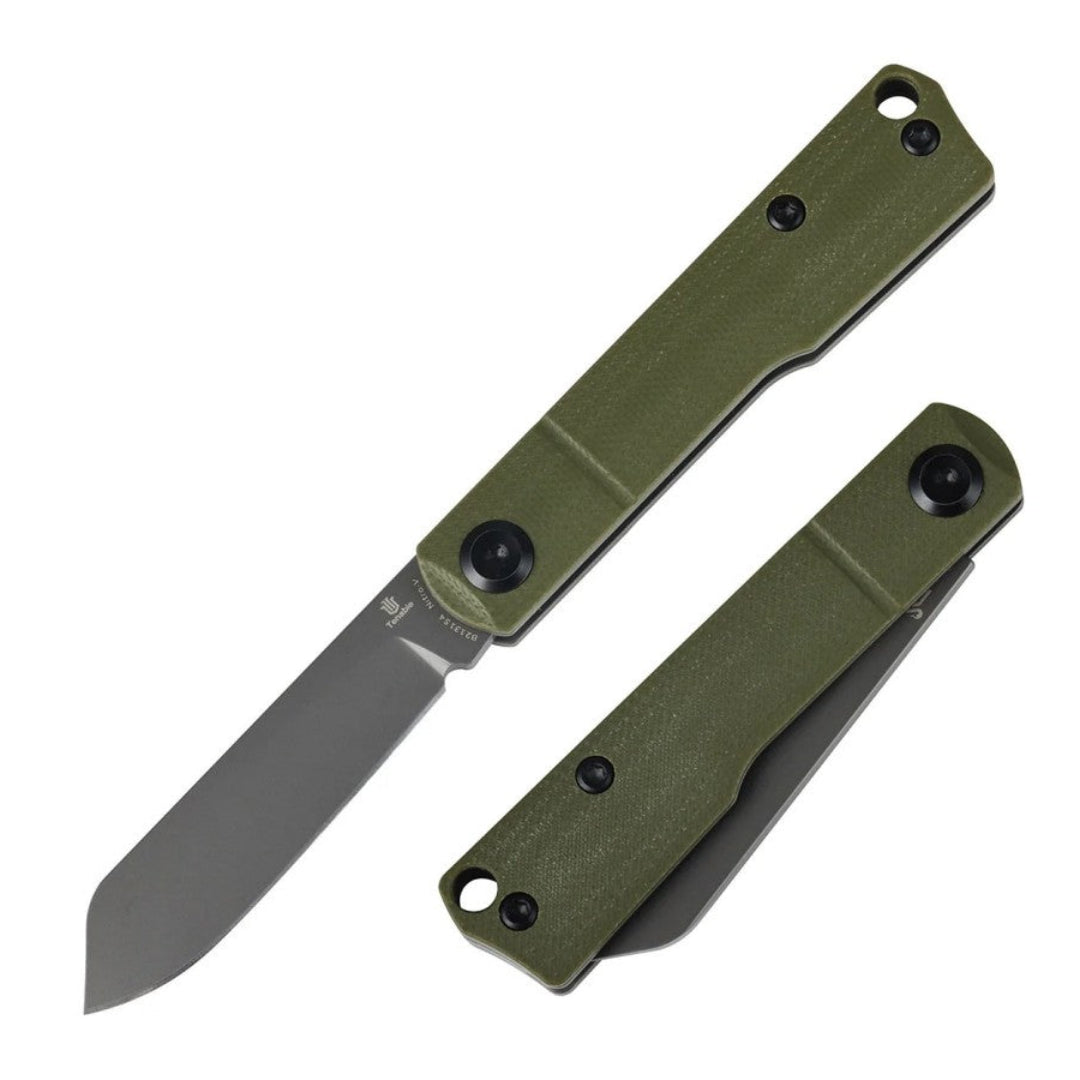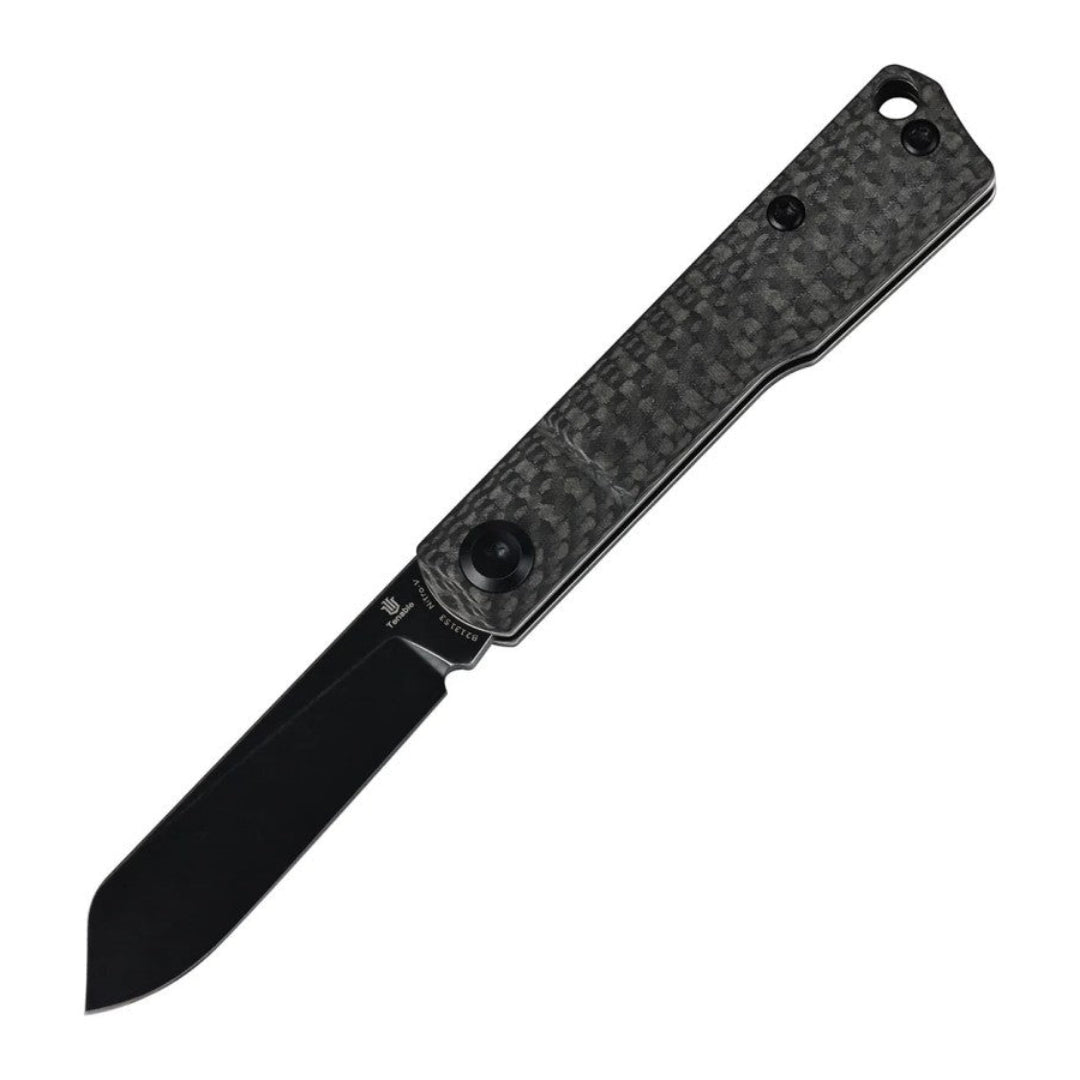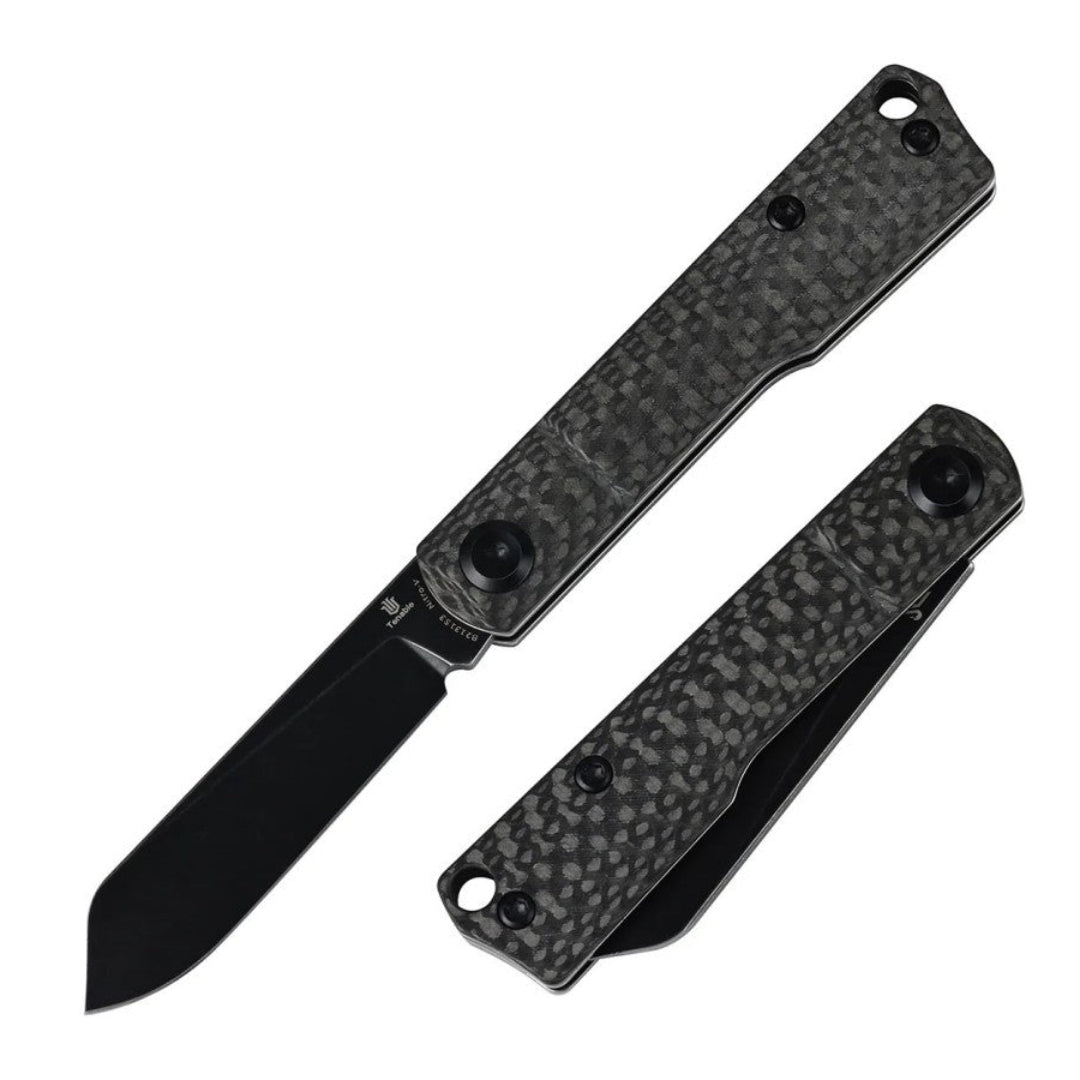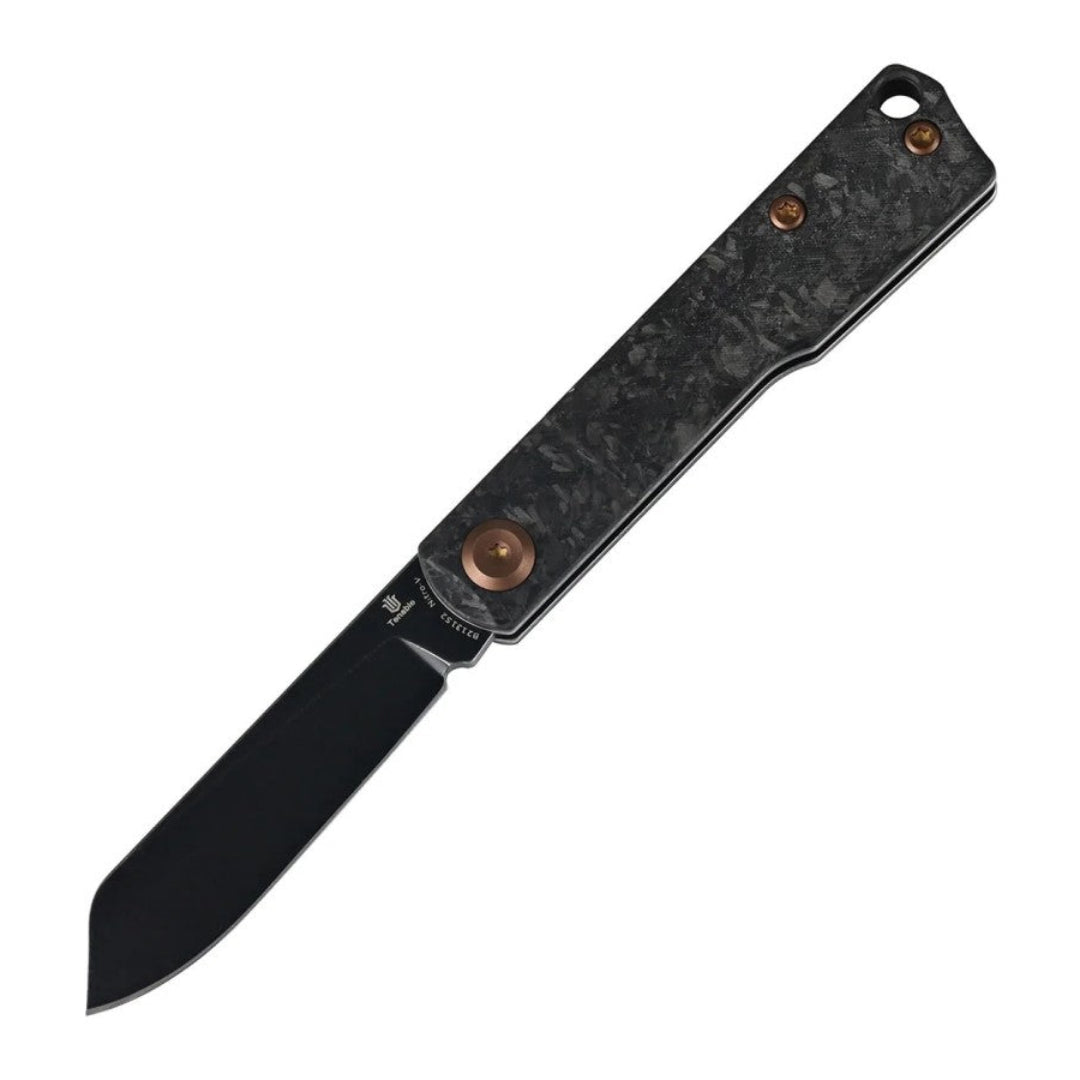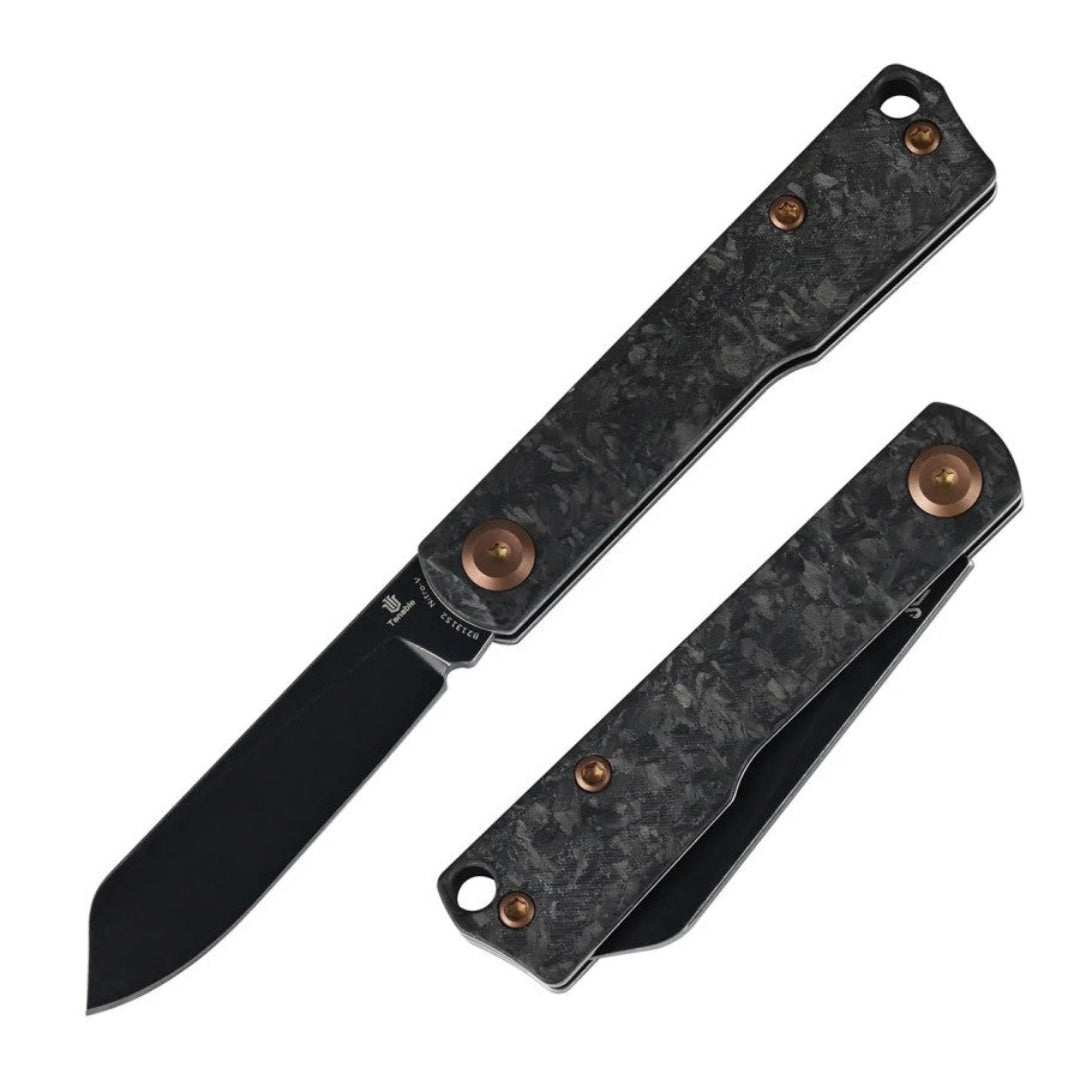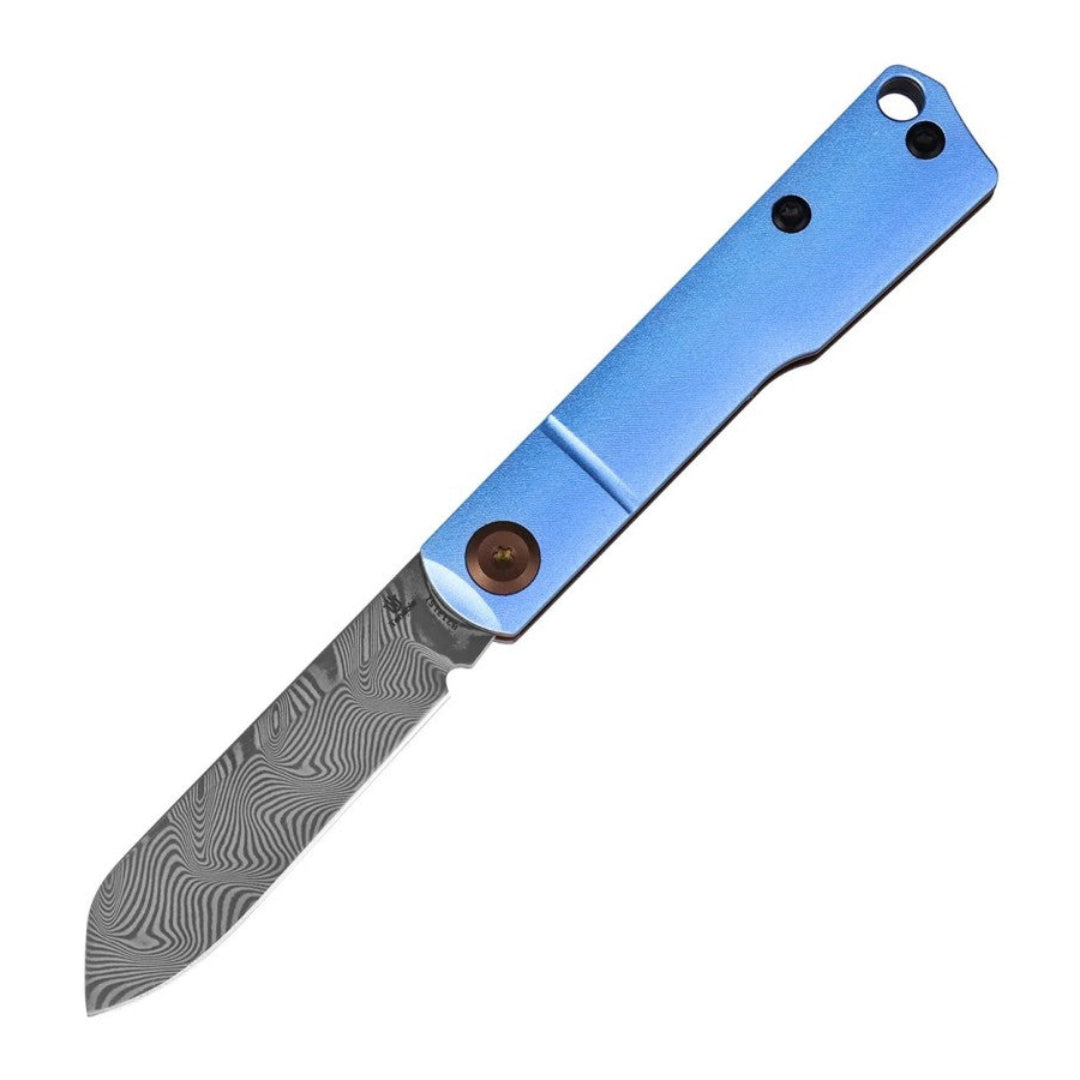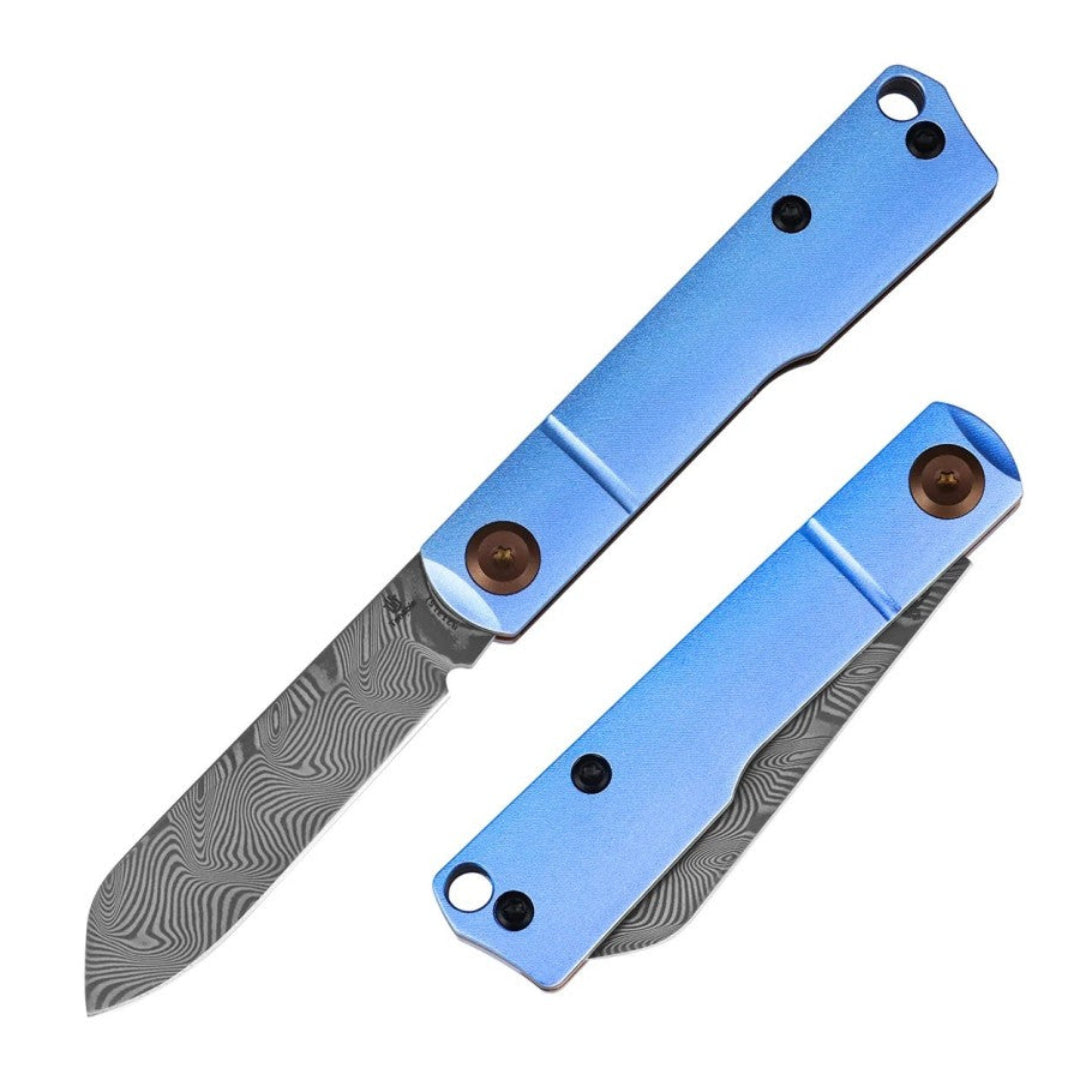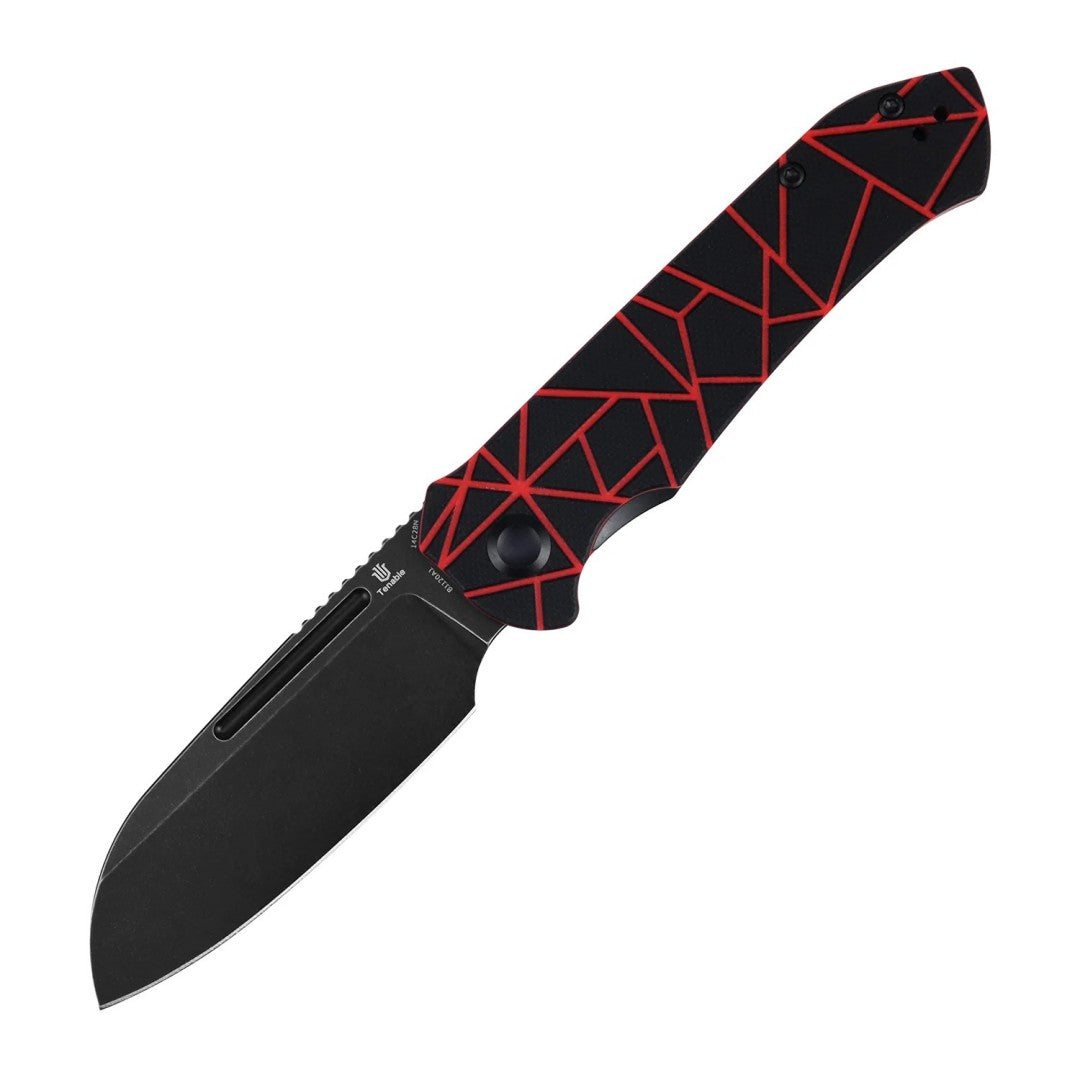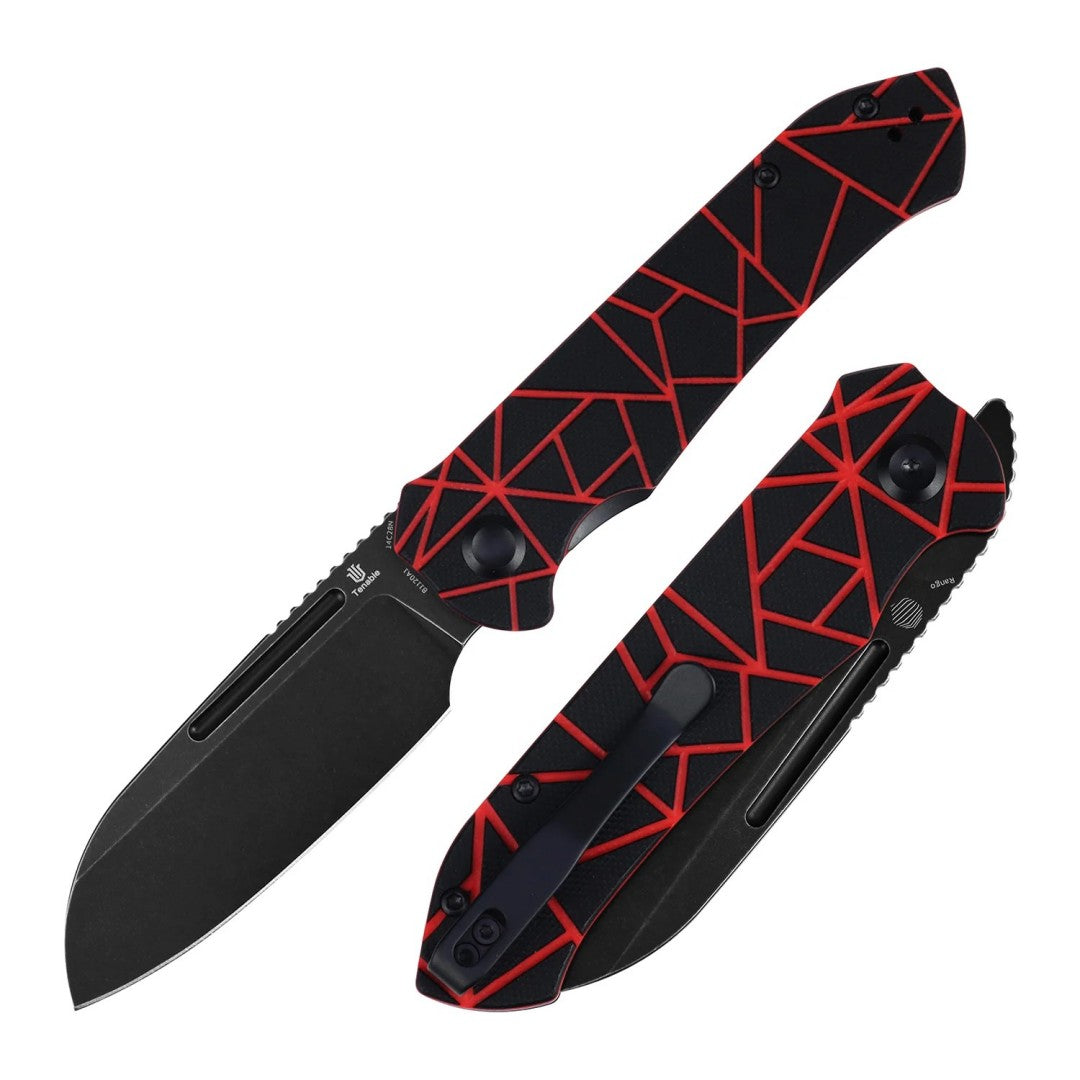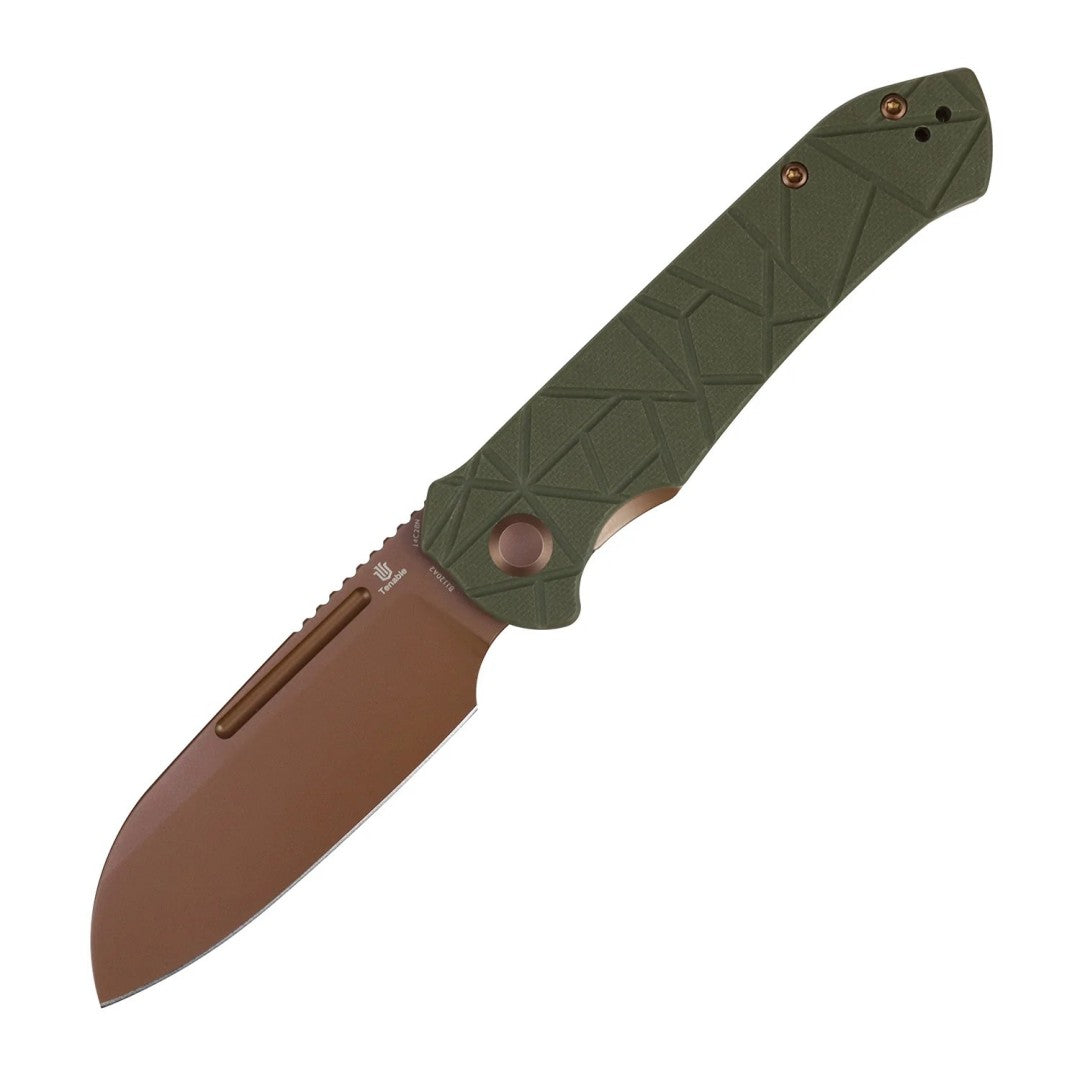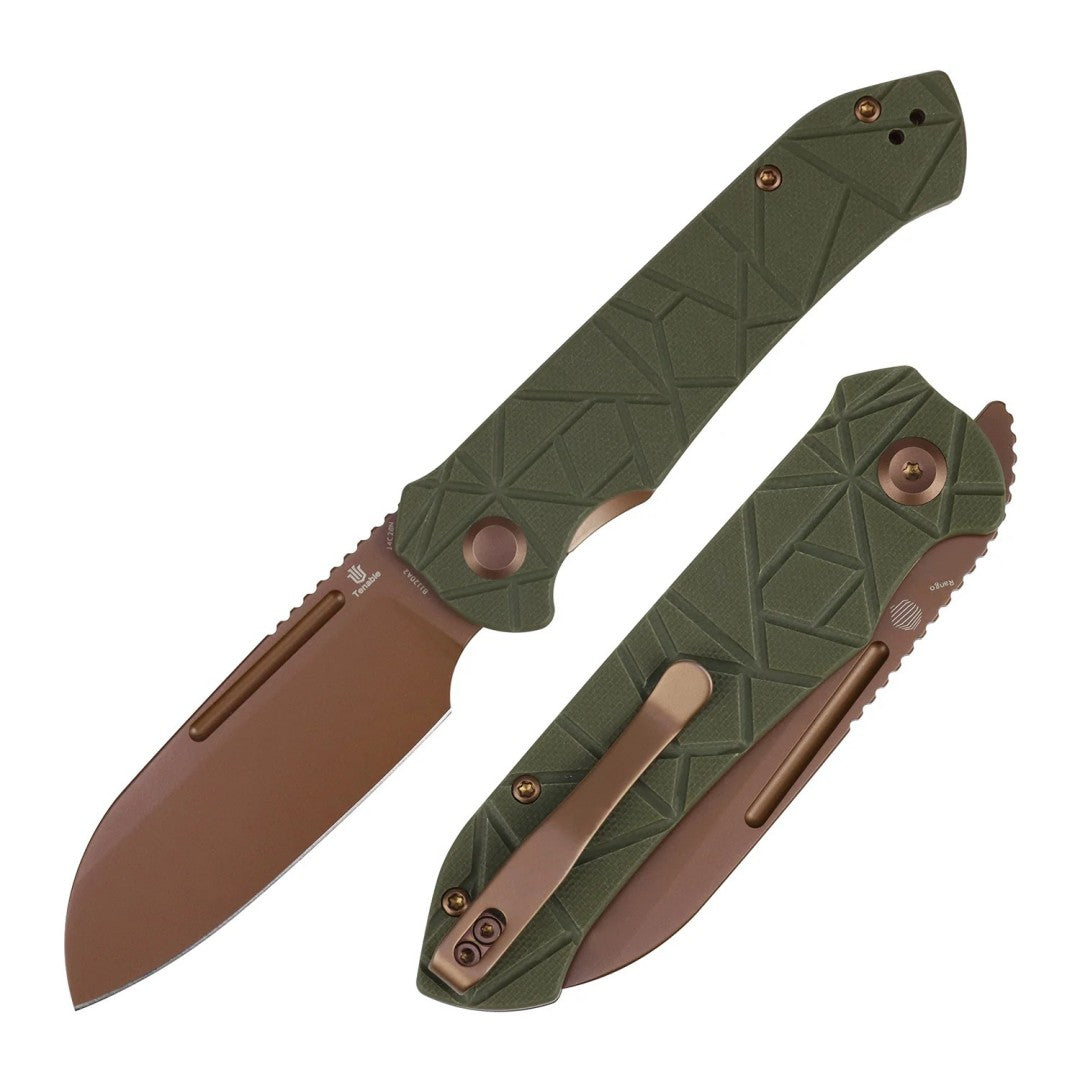
Nagao Higonokami Ryubu Dragon Friction Folder Knife Lron Plating Chromium Handle

When planning a trip into the backcountry, most adventurers reach for heavy-duty fixed blades or tactical flippers. However, a growing number of bushcrafters and outdoor enthusiasts are rediscovering the rugged utility of a centuries-old Japanese design. The Nagao Higonokami, while often seen as an urban EDC icon, is a surprisingly formidable companion for the campsite.
From food preparation to fire-starting, this minimalist folder carries the soul of the Japanese blacksmith into the wilderness. In this guide, we explore how the Higonokami handles the rigors of the "wild" and why it deserves a spot in your outdoor tool kit.
The Metallurgy of the Great Outdoors
The primary reason the Higonokami excels in a camping environment is its blade steel. Most Nagao blades feature a San Mai construction with a core of Blue Paper Steel (Aogami).
In the woods, you need a knife that stays sharp. Blue Paper Steel is infused with chromium and tungsten, giving it superior wear resistance against abrasive materials like wood bark and cordage. Unlike budget stainless steel knives that dull after a few feather sticks, the Higonokami maintains a "toothy" edge that bites deep into timber.
Key Camping Tasks: Put to the Test
How does a friction folder with no mechanical lock hold up during a weekend in the woods? Surprisingly well, provided you understand its strengths.
1. Fire Prep: Feather Sticking and Shavings
The Higonokami features a "V-grind" that is remarkably similar to the Scandi grinds found on dedicated bushcraft tools. This geometry is perfect for processing kindling. By using the Chikiri (thumb lever) to apply steady pressure, you can curls thin, translucent ribbons of wood—essential for catching a spark from a ferrocerium rod.
2. Camp Kitchen Utility
The slim profile of the Nagao blade makes it a superior slicer compared to thick survival knives. Whether you are prepping vegetables for a campfire stew or slicing through cured meats, the Higonokami handles food prep with the grace of a paring knife. Note: If using high-carbon steel for food, ensure you wipe and oil the blade immediately after use to prevent patina from turning into rust.
3. Cordage and Notch Cutting
Need to cut paracord for a tarp ridge line or carve a notch for a pot hanger? The Higonokami’s extreme sharpness allows for clean, precision cuts. The lack of a bulky handle means you can get your hand close to the edge, providing the tactile feedback necessary for fine camp chores.
The 'Chikiri' Safety Factor in the Wild
A common concern with using a friction folder outdoors is the lack of a locking mechanism. However, for experienced EDC users, the Chikiri (thumb lever) actually offers a unique safety advantage.
When performing a "push cut" (the most common cut in camping), your thumb acts as a manual lock. This "human-interfaced" safety ensures the blade cannot fold as long as you are maintaining your grip. It forces the user to be more mindful of their technique, which often leads to safer carving practices than relying blindly on a mechanical lock that could fail.
Portability: The Ultralight Camper’s Dream
For the ultralight backpacker, every ounce is a burden. A standard survival knife can weigh upwards of 200g-300g. In contrast, a Large (Dai) Nagao Higonokami weighs approximately 50g.
It provides a high "cutting-power-to-weight" ratio. It can be tucked into a small pocket of a hiking pack, worn in a neck sheath, or slipped into a first-aid kit as a backup surgical blade. For many, it is the perfect secondary knife to complement a larger hatchet or saw.
Maintenance in the Field
Being in the wild means exposure to moisture and sap. To keep your Higonokami a reliable tool during your trip:
-
The Resin Wipe: Pine sap can gum up the pivot. Use a bit of heat from the campfire (not too close!) or a drop of alcohol to wipe away resin.
-
Field Honing: Because the steel is so pure, you don't need a massive sharpening system. A small, pocket-sized ceramic stone or even the smooth bottom of a ceramic mug is enough to realign the edge after a day of work.
-
Rust Prevention: Keep a small vial of camellia oil or food-grade mineral oil in your pack. A quick swipe before bed will protect the high-carbon core from the morning dew.
Choosing Your Outdoor Higonokami
If you are heading into the wild, we recommend the 100mm (Tokudai) or the 75mm (Large) models with Brass or Stainless handles.
-
Brass develops a stunning outdoor patina and is heavy enough to feel substantial in a gloved hand.
-
Stainless Steel handles are excellent for wet environments where you want to minimize maintenance.
Conclusion: A Timeless Companion
The Nagao Higonokami is a testament to the idea that a tool doesn't need to be "tactical" to be tough. Its performance in the campsite is a reminder of a time when a simple, well-forged blade was all a traveler needed to survive and thrive.
Whether you are whittling by the fire or prepping the catch of the day, carrying a Higonokami connects you to the heritage of the Japanese wilderness.
Upgrade your outdoor kit with a piece of living history. Explore our collection of camping-ready Nagao Higonokami knives at EDCmall today.