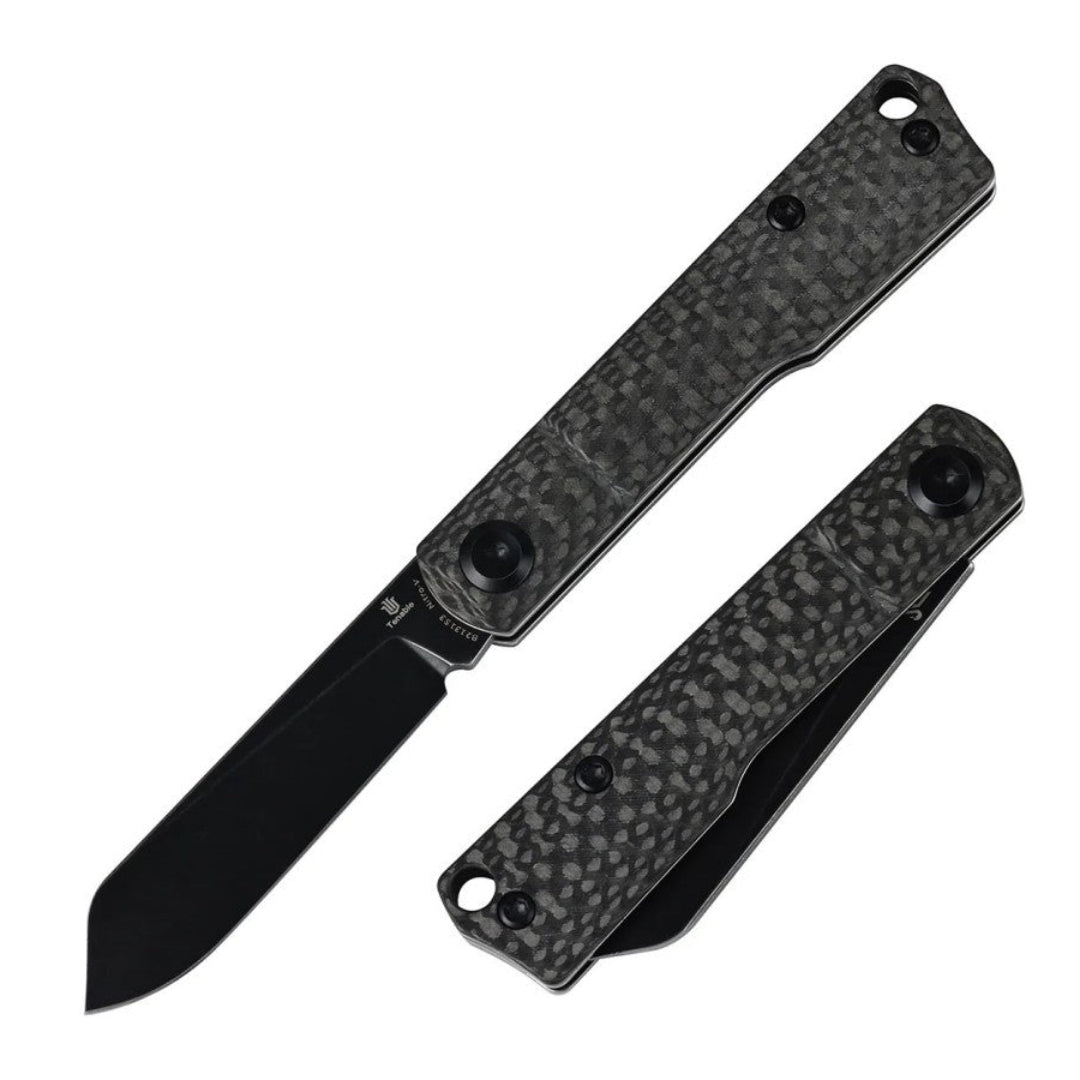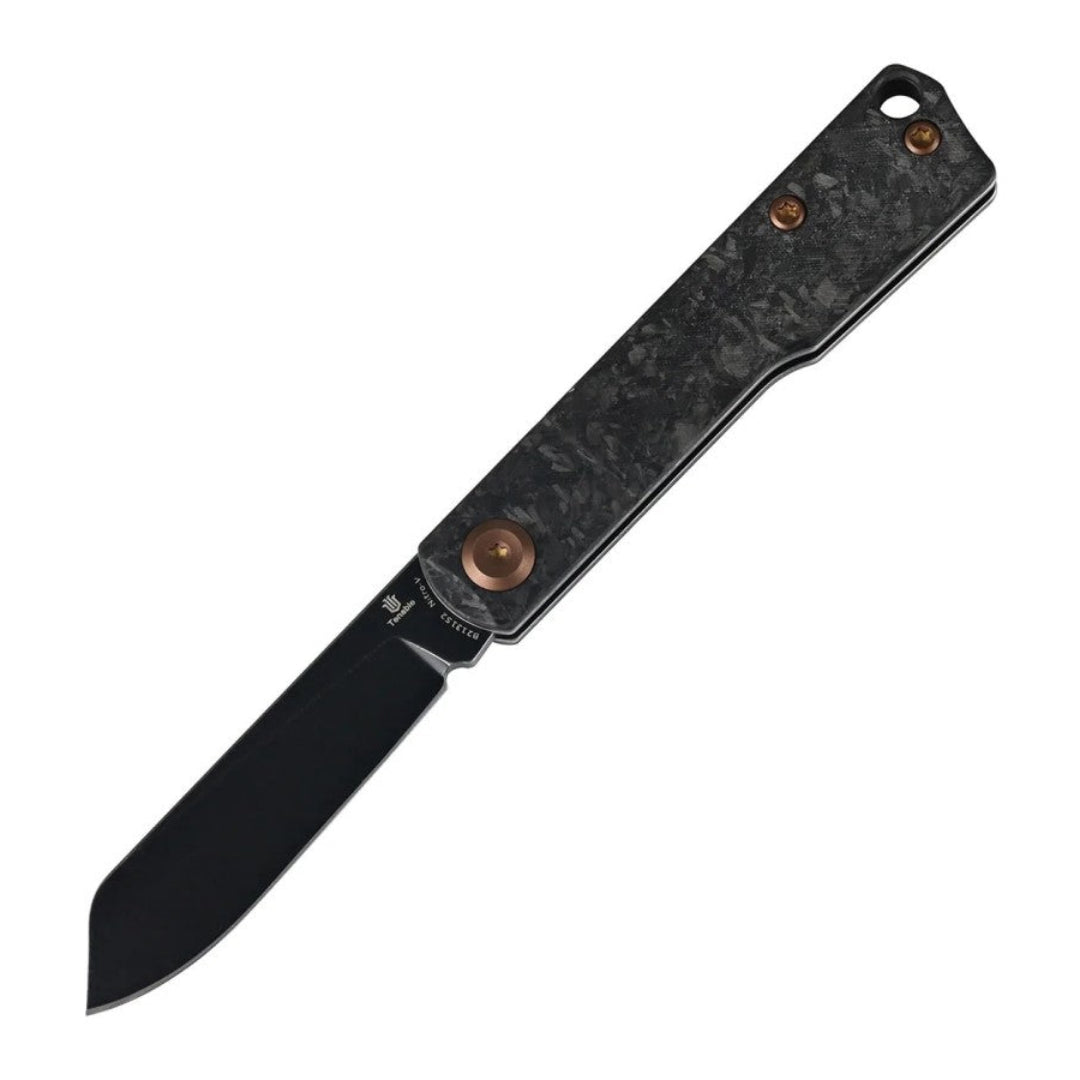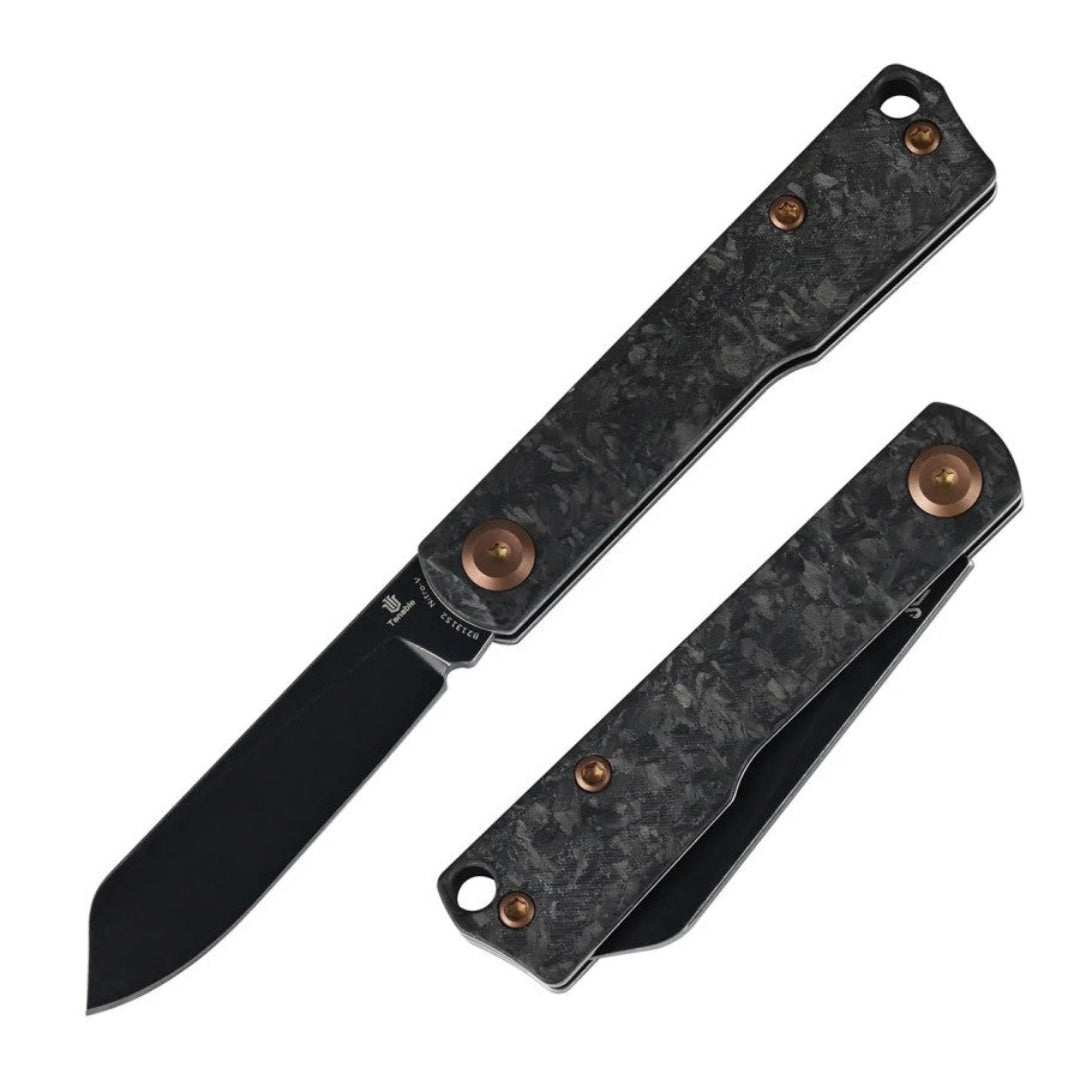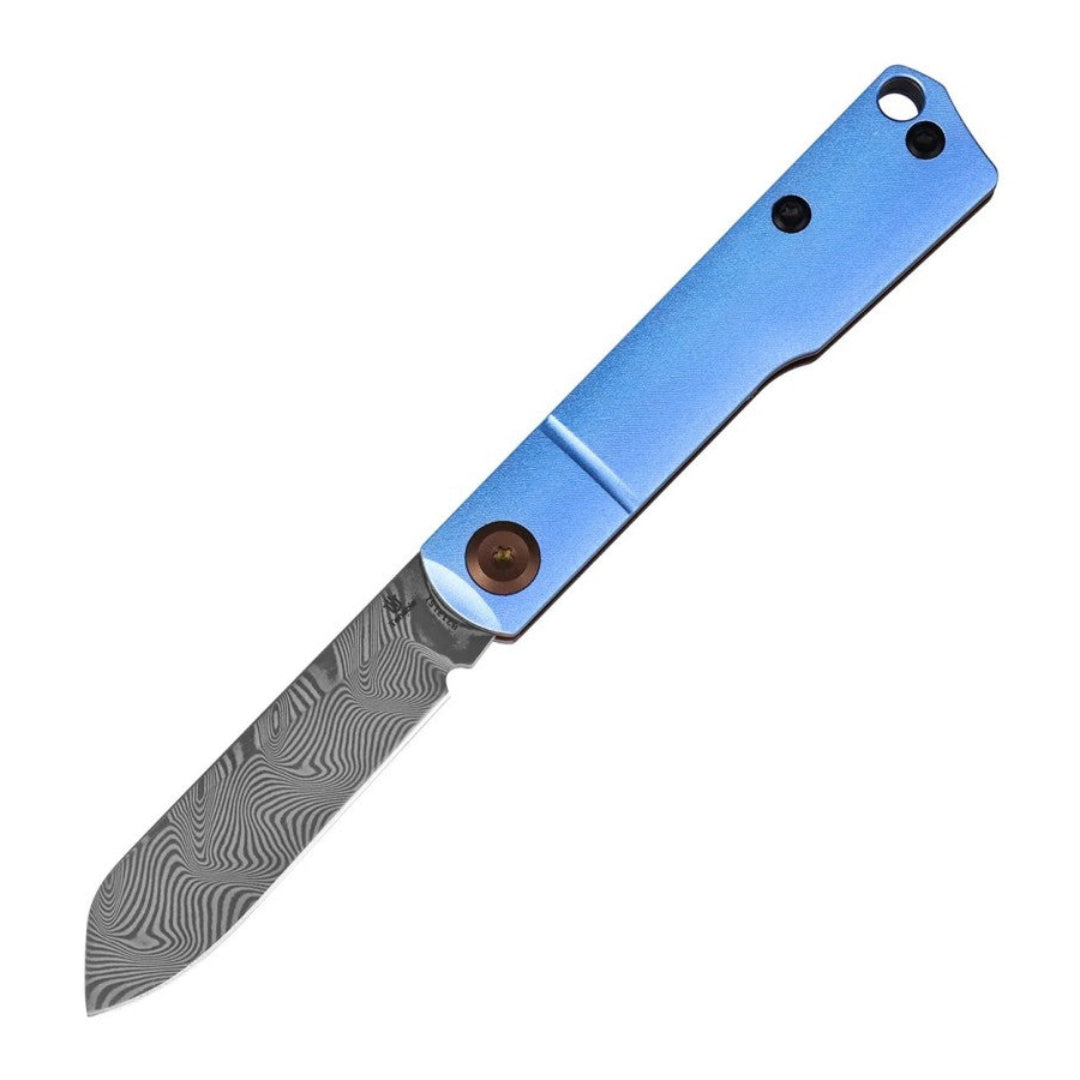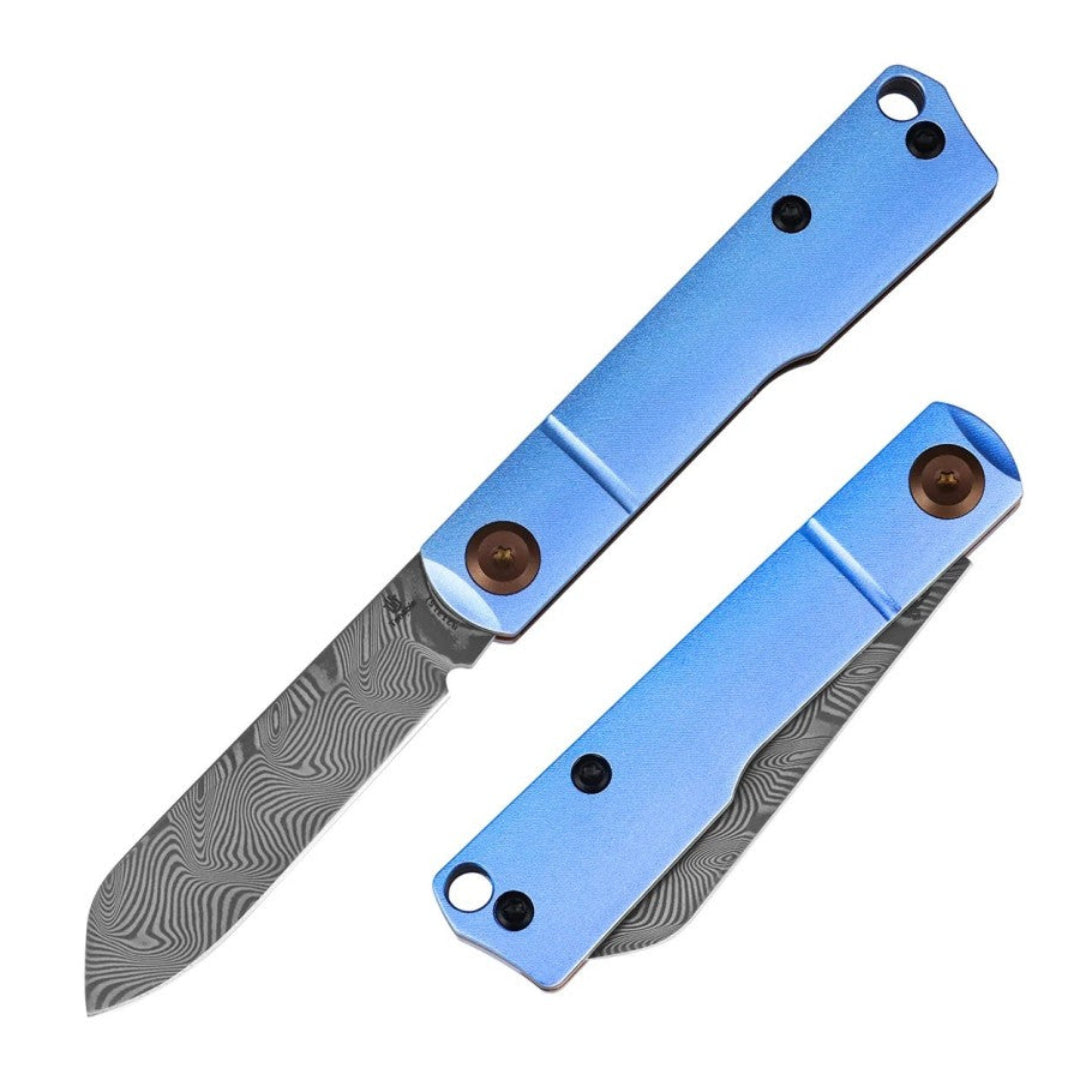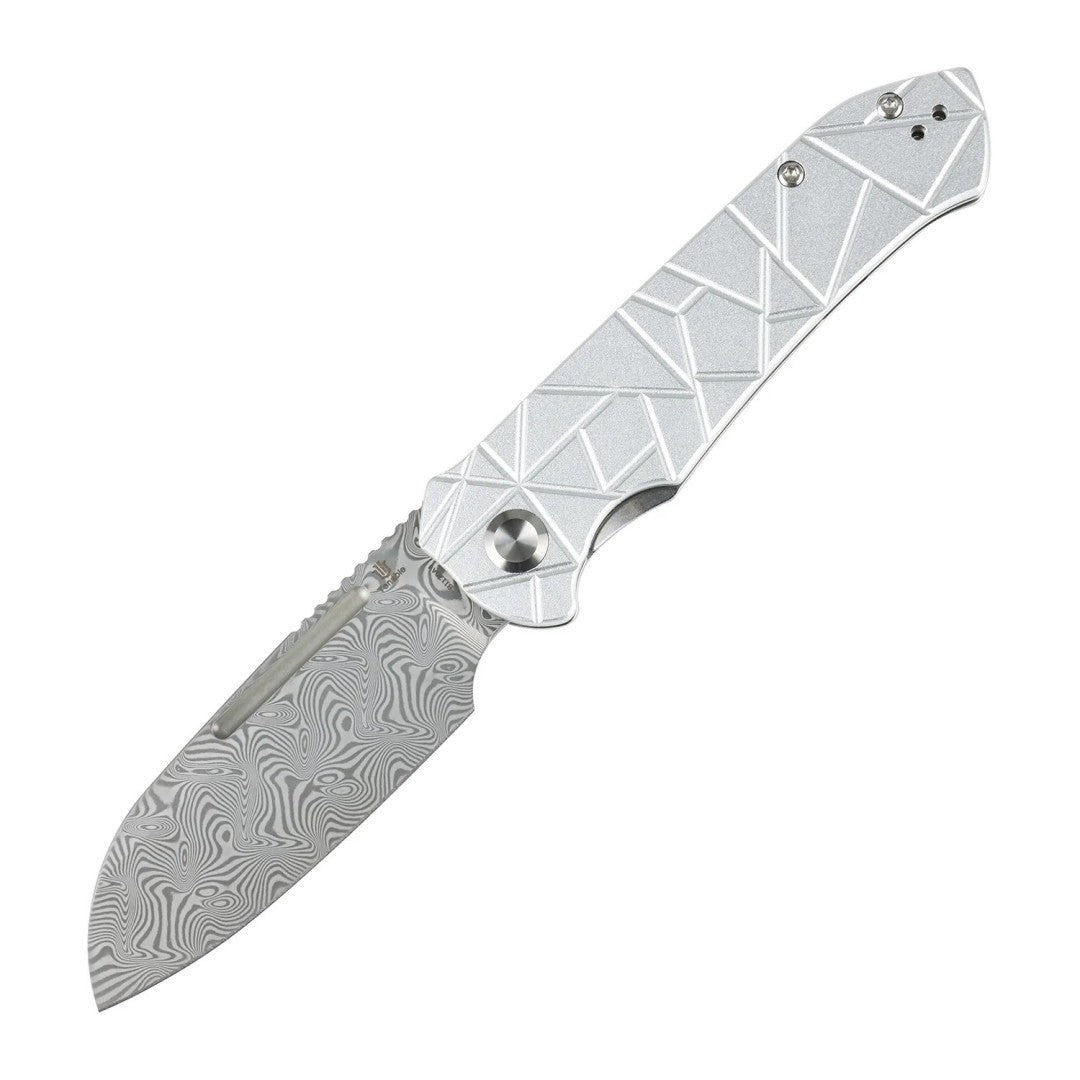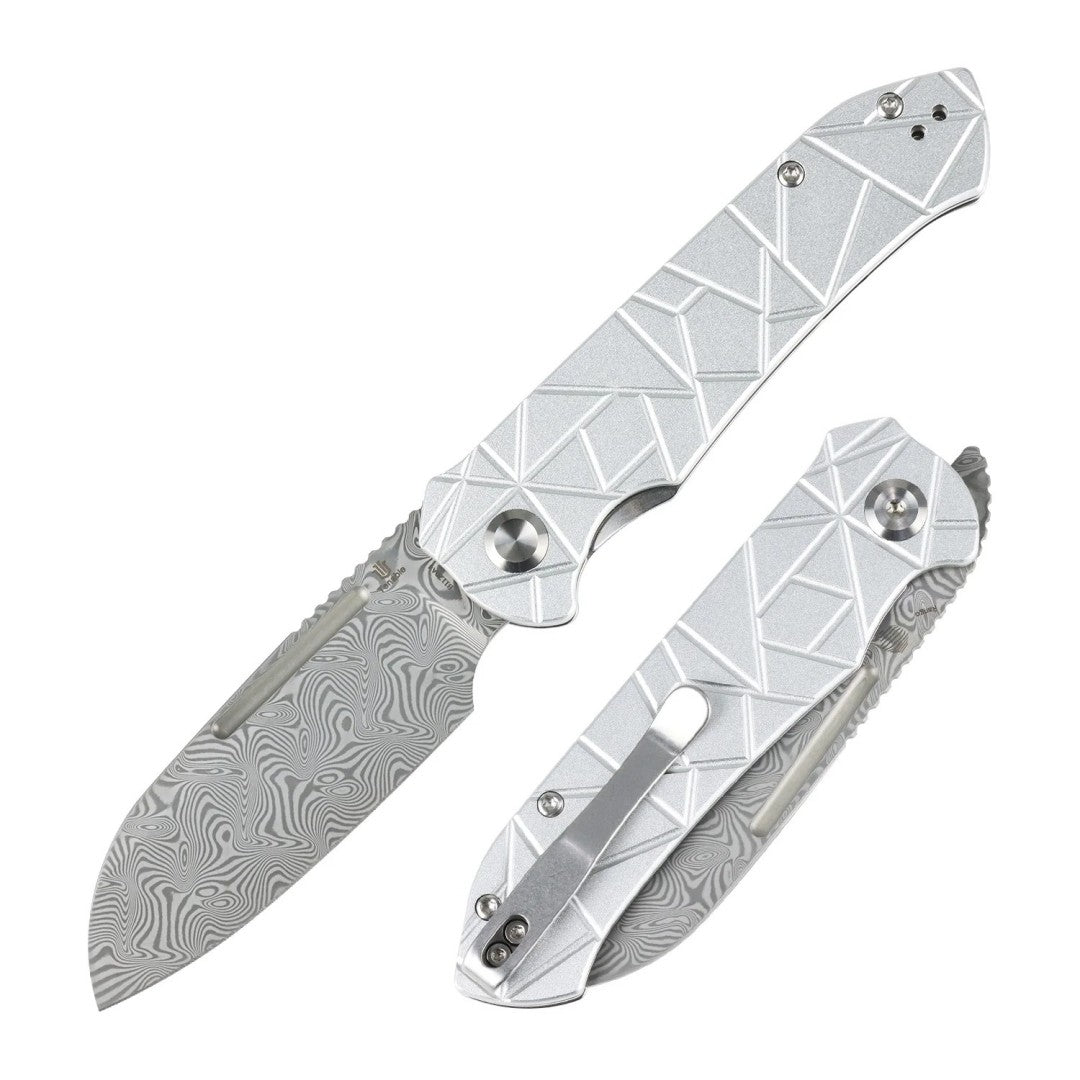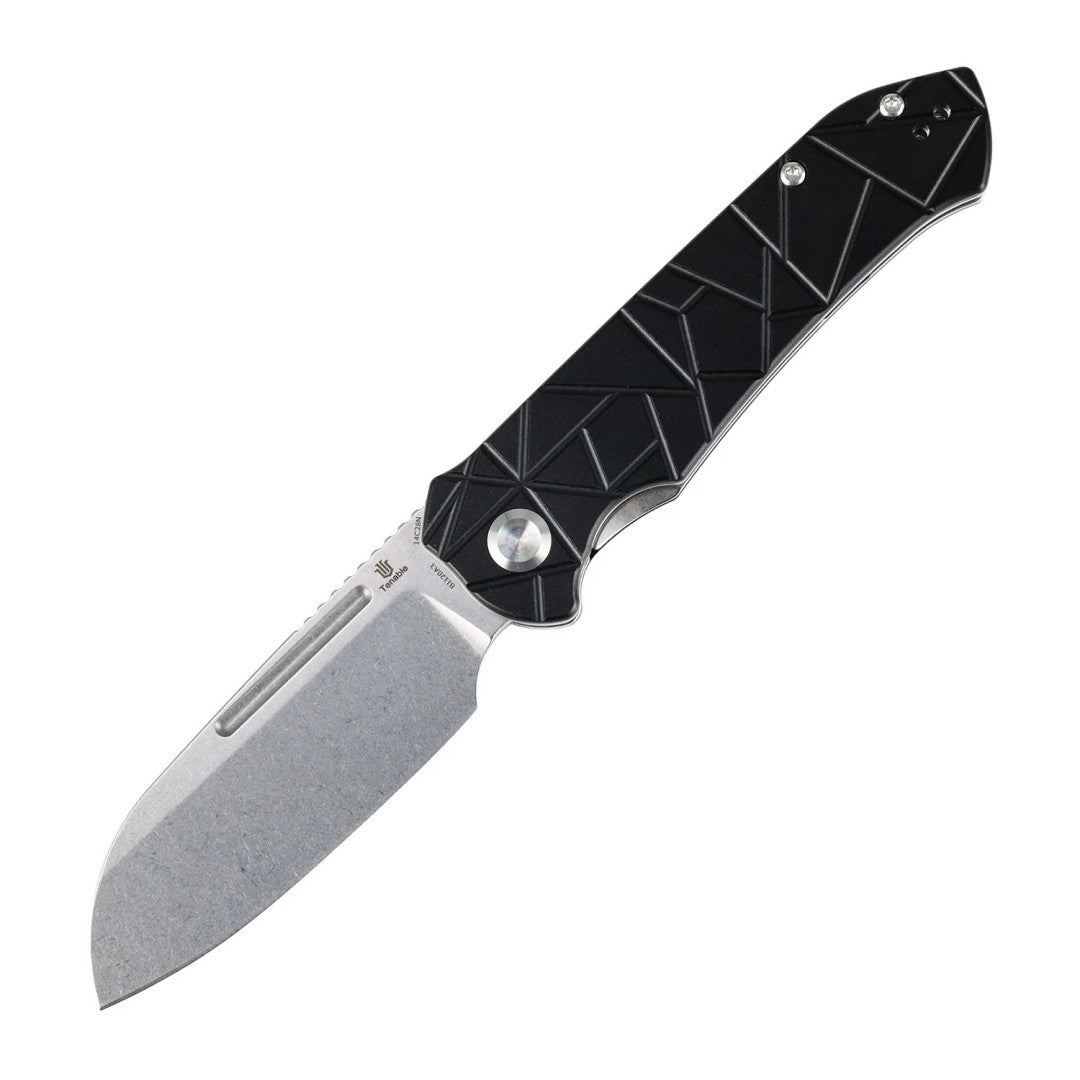
Nagao Higonokami Ryubu Dragon Friction Folder Knife Brass Handle

In the modern world of logistics, e-commerce, and constant deliveries, the "box opener" has become one of the most frequently used tools in our daily lives. Most people reach for a disposable plastic slider or a bulky utility knife with snap-off blades. However, a growing community of Everyday Carry (EDC) enthusiasts is turning back the clock, discovering that the traditional Japanese Higonokami isn’t just a historical curiosity—it is arguably the most efficient box-opening tool ever forged.
While modern utility knives prioritize disposability, the Higonokami prioritizes geometry, steel quality, and soul. In this guide, we explore why this 19th-century Japanese folder outperforms modern industrial cutters in the battle against cardboard and tape.
1. Superior Blade Geometry: Slicing vs. Tearing
Most modern utility knives use thin, flat-ground razor blades. While sharp out of the box, they lack lateral strength and often "stutter" when cutting through heavy-duty, double-walled corrugated cardboard.
The Nagao Higonokami features a laminate construction—typically a hard Blue Paper Steel (Aogami) core sandwiched between tougher iron layers. The blade is ground with a slight convex or "Scandi-style" taper. This geometry allows the knife to act as a wedge, parting the cardboard fibers rather than just tearing through them. The result is a smoother, more effortless glide that requires less physical force from the user.
2. Ergonomics and the 'Chikiri' Advantage
A common complaint with retractable utility knives is the lack of a secure grip. Your hand is often far from the cutting edge, and the plastic handles offer little tactile feedback.
The Higonokami solves this through its iconic Chikiri (the forged thumb lever). When you open a Higonokami to tackle a stack of boxes, your thumb rests naturally on this lever. This provides two massive benefits for EDC users:
-
Manual Locking: Your thumb pressure prevents the blade from folding, giving you the safety of a fixed blade with the portability of a folder.
-
Precision Steering: Because your thumb is directly "connected" to the spine of the blade, you have surgical control over the depth of the cut. This ensures you slice the tape and cardboard without damaging the precious contents inside the box.
3. Sustainability and Longevity
The modern "disposable" culture suggests that when a blade gets dull, you should snap it off or throw it away. This creates unnecessary waste and leaves you with a tool that never feels truly "yours."
A Higonokami is a lifetime tool. The high-carbon Japanese steel used by the Nagao forge is famous for its edge retention. When it finally does lose its "bite," a quick 30-second touch-up on a whetstone or a ceramic rod brings it back to a hair-popping sharpness. There are no plastic tracks to break, no springs to rust, and no specialized replacement blades to buy. It is the ultimate eco-friendly choice for a sustainable EDC kit.
4. The "Zero-Bulk" Profile
Modern utility knives are often chunky, designed to be held in a toolbox rather than a pocket. For those who value a streamlined carry, the Higonokami is unbeatable.
Constructed from a single folded sheet of brass, iron, or stainless steel, the Higonokami is incredibly slim. It can slide into a pocket alongside a smartphone or sit at the bottom of a pouch without creating an unsightly bulge. Despite its slimness, the handle is long enough to provide a full-hand grip, offering the "cutting power" of a much larger knife in a fraction of the space.
5. Aesthetics and Professionalism
There is a psychological component to the tools we carry. Pulling out a battered, plastic box cutter feels utilitarian and disposable. Pulling out a hand-forged Nagao Higonokami is a statement of appreciation for craftsmanship and tradition.
The brass handles develop a stunning patina over time, darkening and character-marking based on how you hold it. In a professional warehouse or office environment, it stands out as a sophisticated piece of equipment—a conversation starter that performs as well as it looks.
Comparison: Higonokami vs. Standard Utility Knife
| Feature | Nagao Higonokami | Standard Utility Knife |
| Blade Material | Hand-Forged Blue Paper Steel | Stamped Stainless/Carbon |
| Edge Life | Exceptional (Resharpenable) | Short (Disposable) |
| Handle Construction | One-piece Brass/Iron | Multi-part Plastic/Zinc |
| Control | High (Via Thumb Lever) | Moderate (Via Slider) |
| Pocket Space | Ultra-Slim | Bulky |
How to Maintain Your Higonokami for Daily Work
If you are using your Higonokami as a daily box opener, follow these simple tips to keep it in peak condition:
-
Clean the Adhesive: Packing tape leaves a sticky residue. Wipe the blade with a bit of alcohol or citrus cleaner to keep the slicing action smooth.
-
Oil the Pivot: A drop of mineral or camellia oil once a month keeps the friction-fold action consistent.
-
Strop Frequently: Don't wait for it to get dull. A few strokes on a leather strop will maintain that "factory edge" indefinitely.
Final Thoughts: Elevate Your Daily Tasks
The act of opening a box doesn't have to be a chore. With the right tools, it becomes a small moment of appreciation for quality engineering. The Nagao Higonokami offers a level of cutting power, durability, and ergonomic control that modern utility knives simply cannot match.
Whether you are a warehouse professional, a retail manager, or an EDC enthusiast who receives a lot of mail, it’s time to retire the plastic sliders. Experience the precision of Japanese steel and make the Higonokami your ultimate daily companion.
Stop tearing and start slicing. Shop our collection of authentic Nagao Higonokami knives at EDCmall today and upgrade your everyday carry.