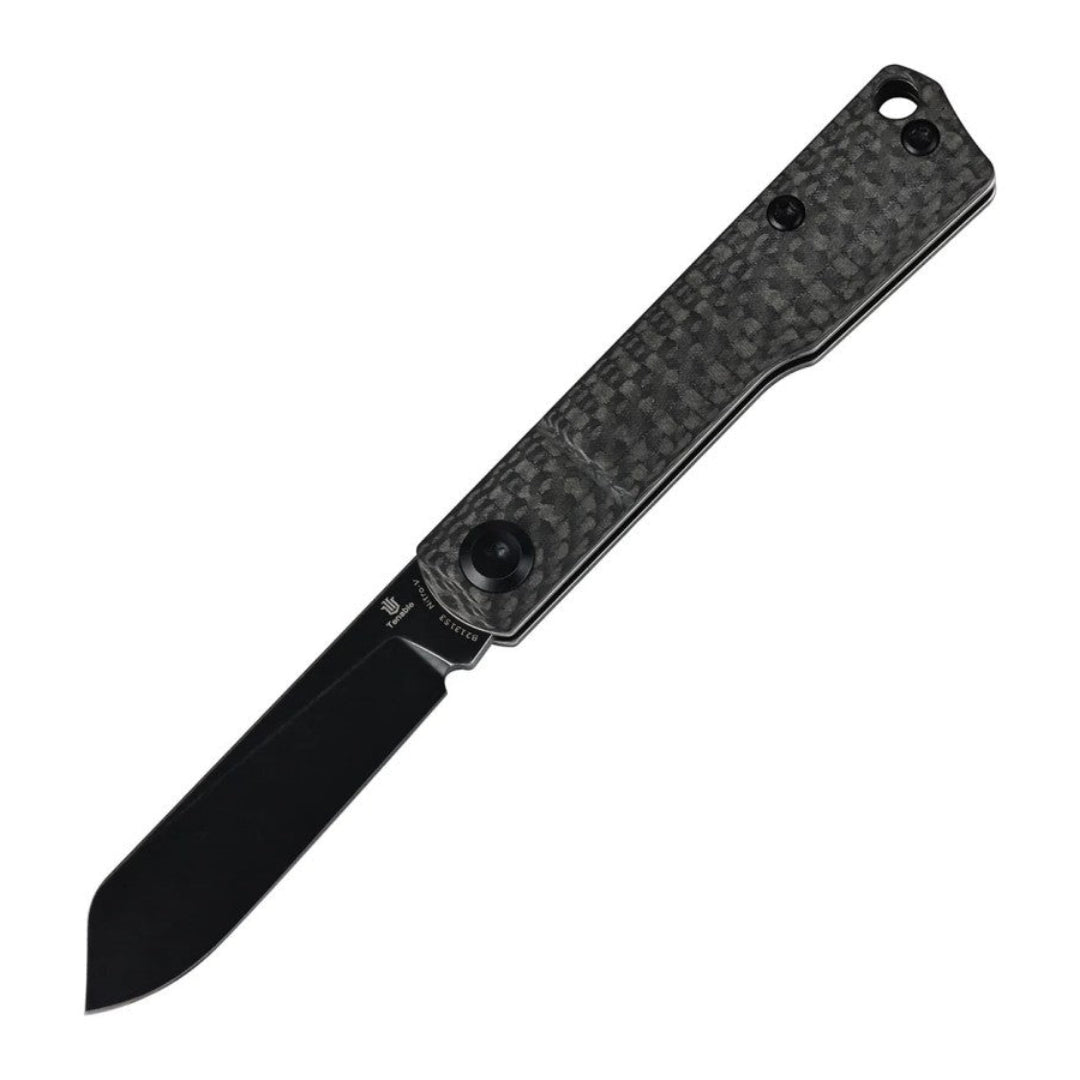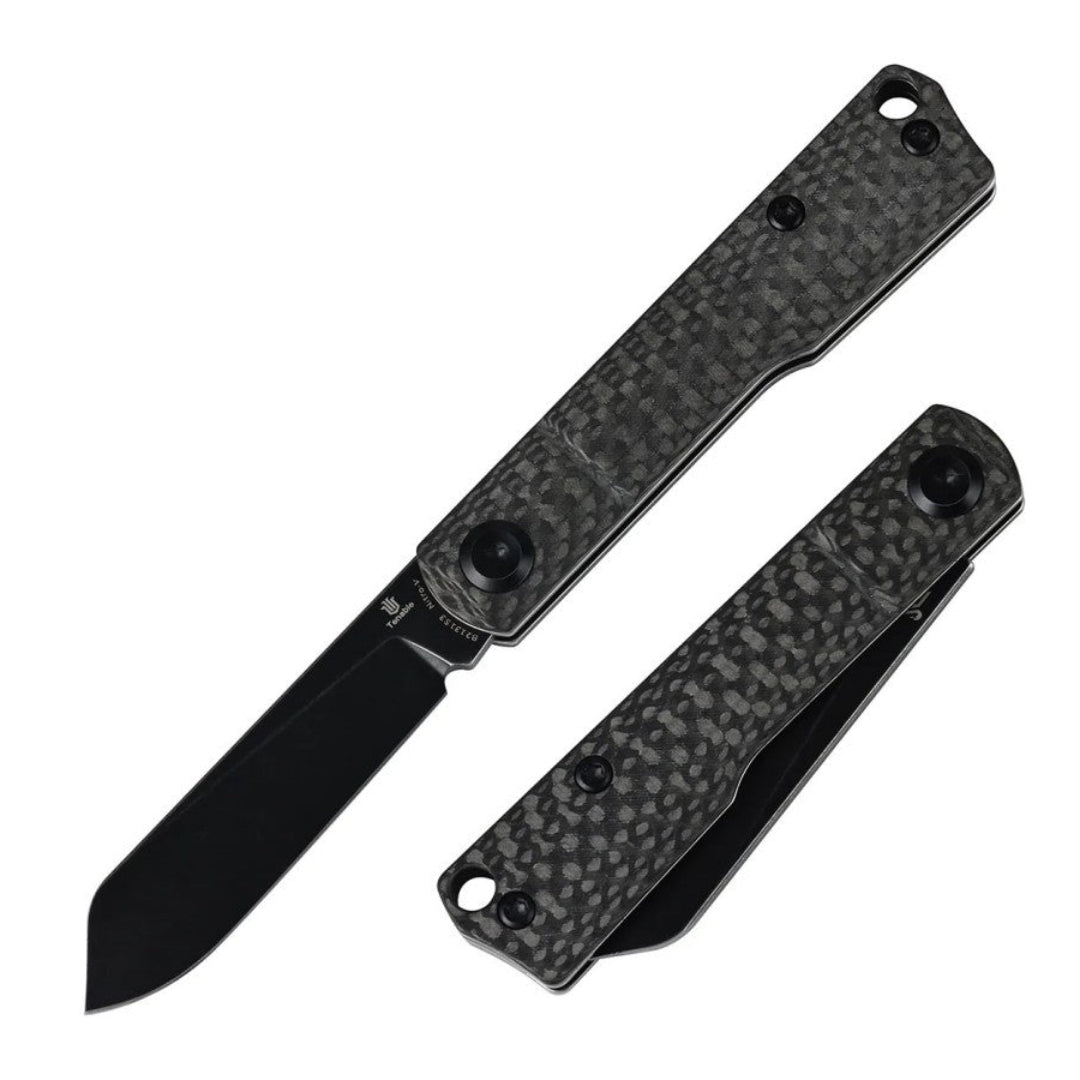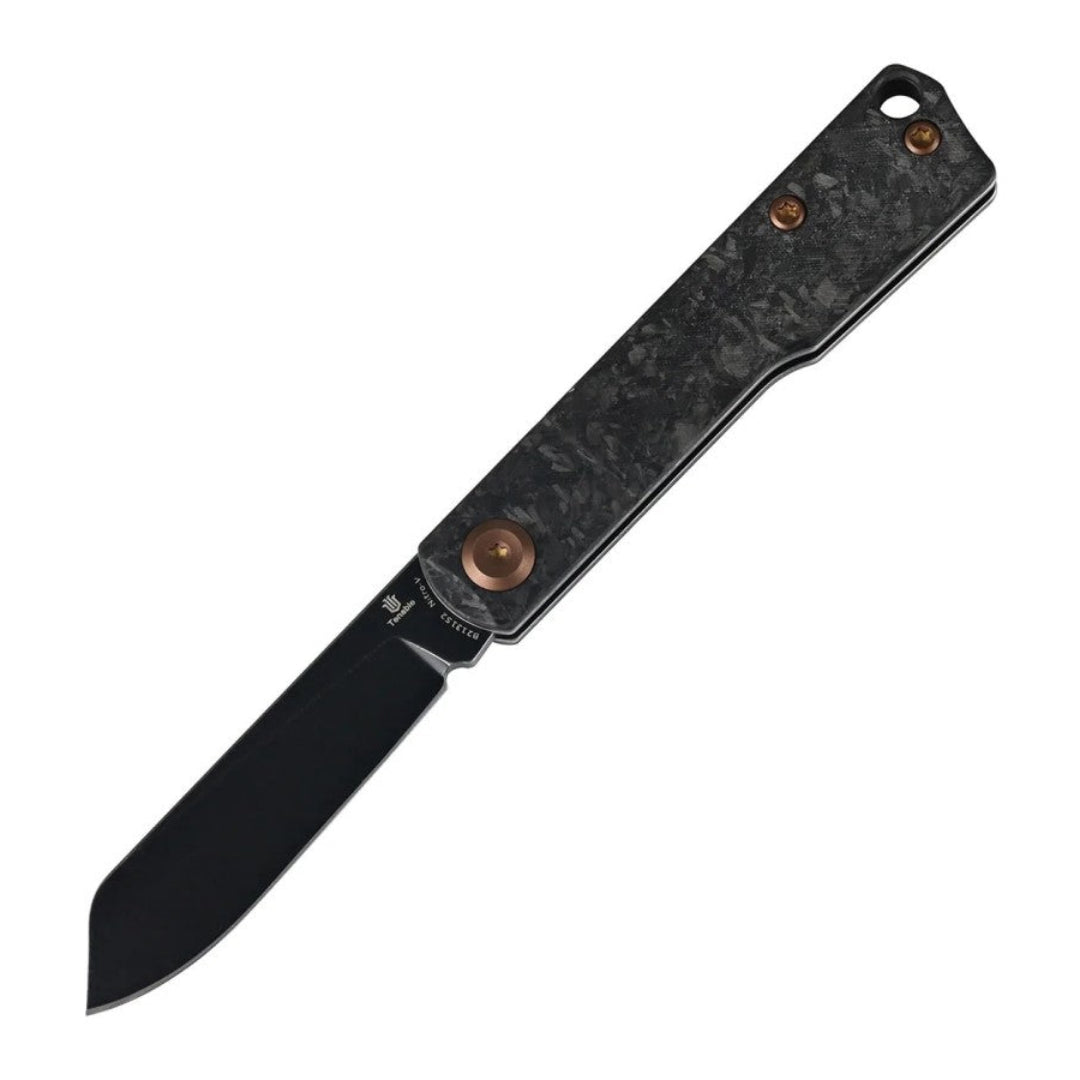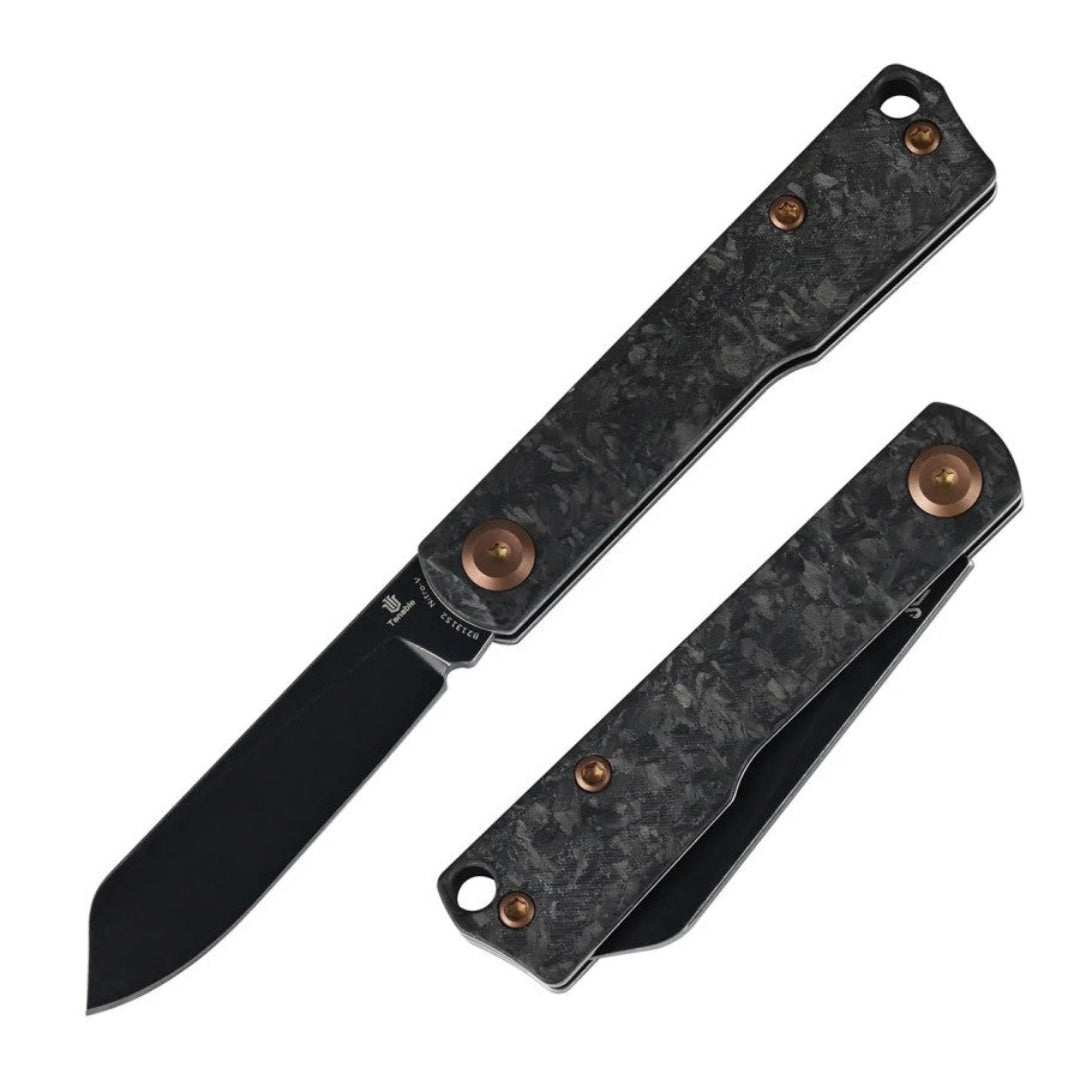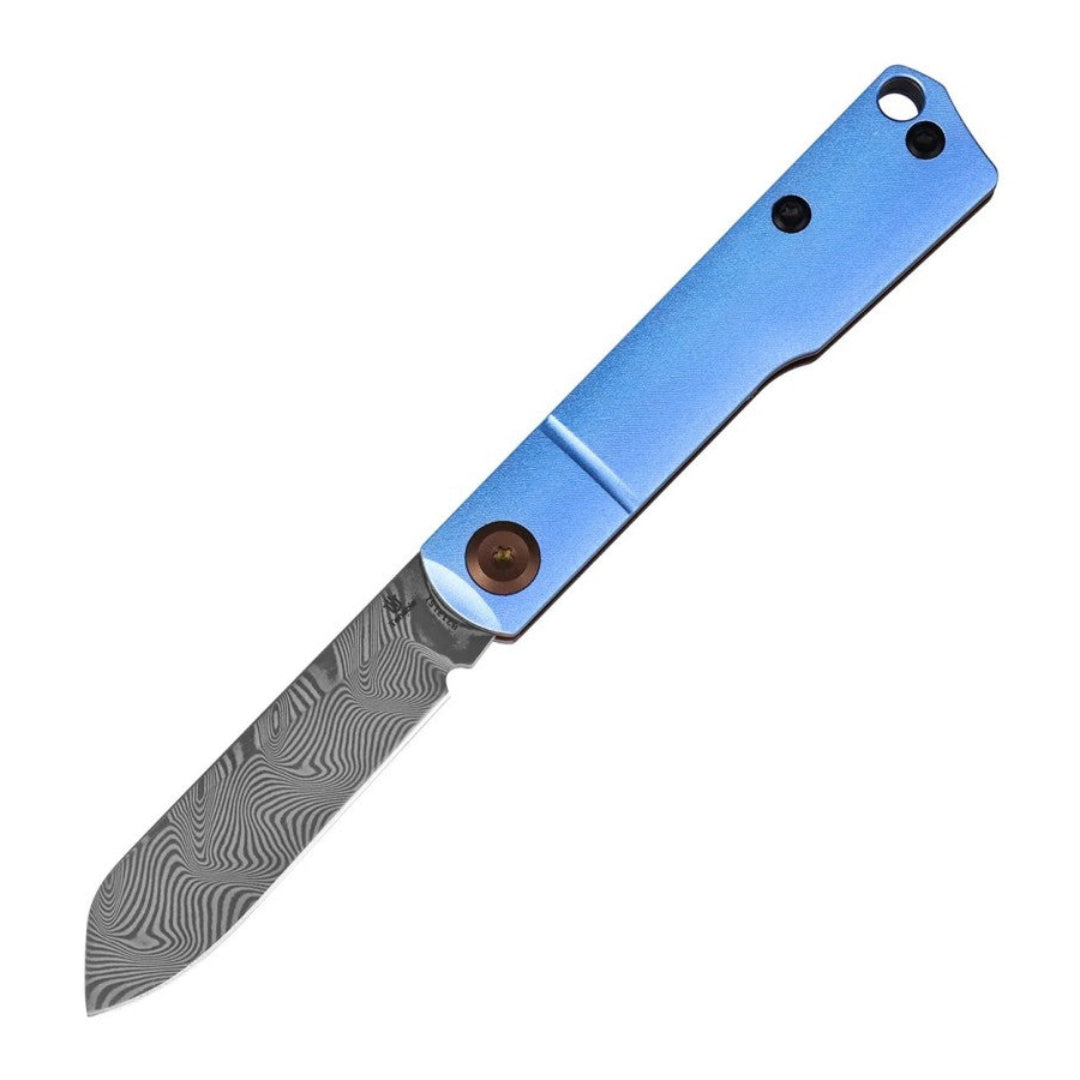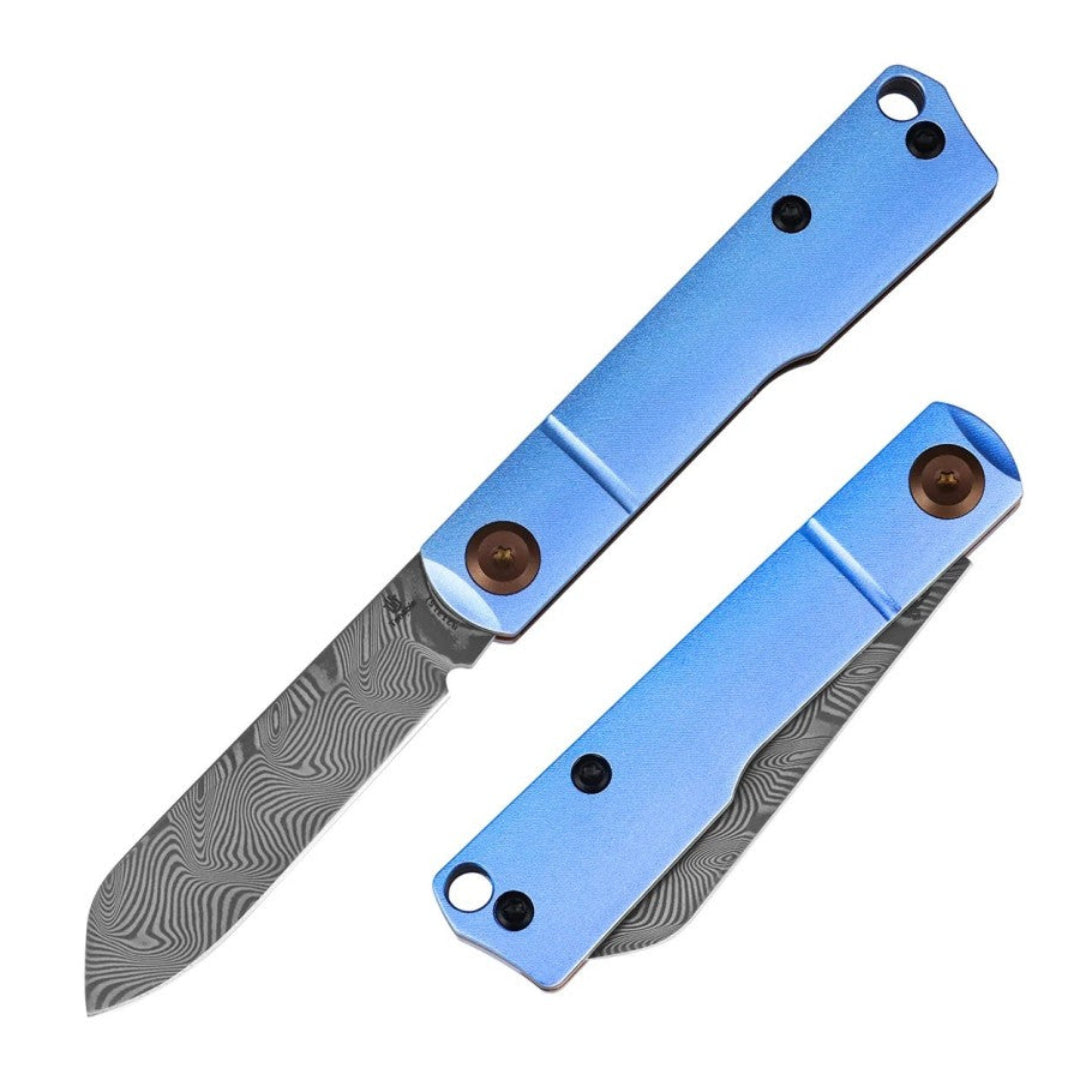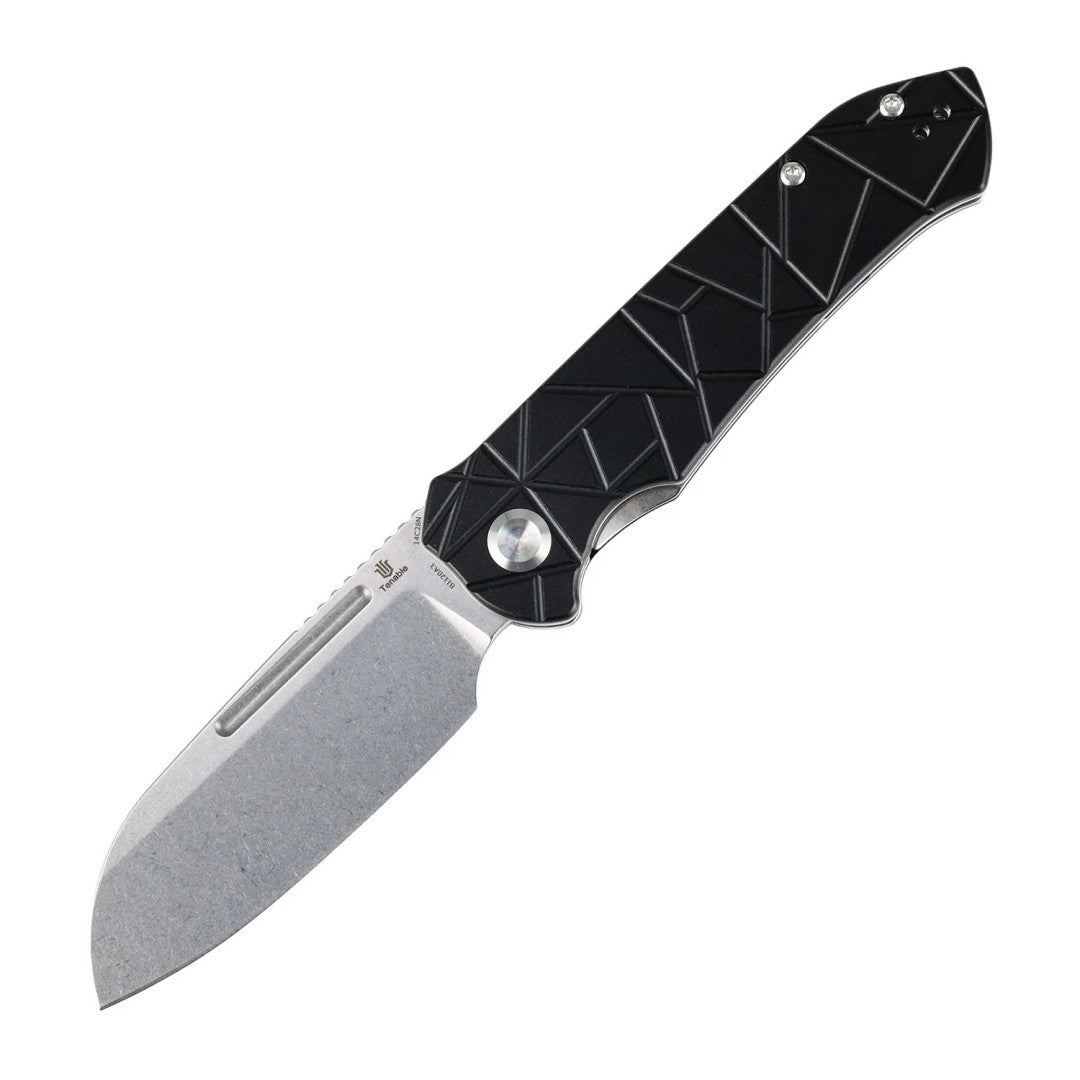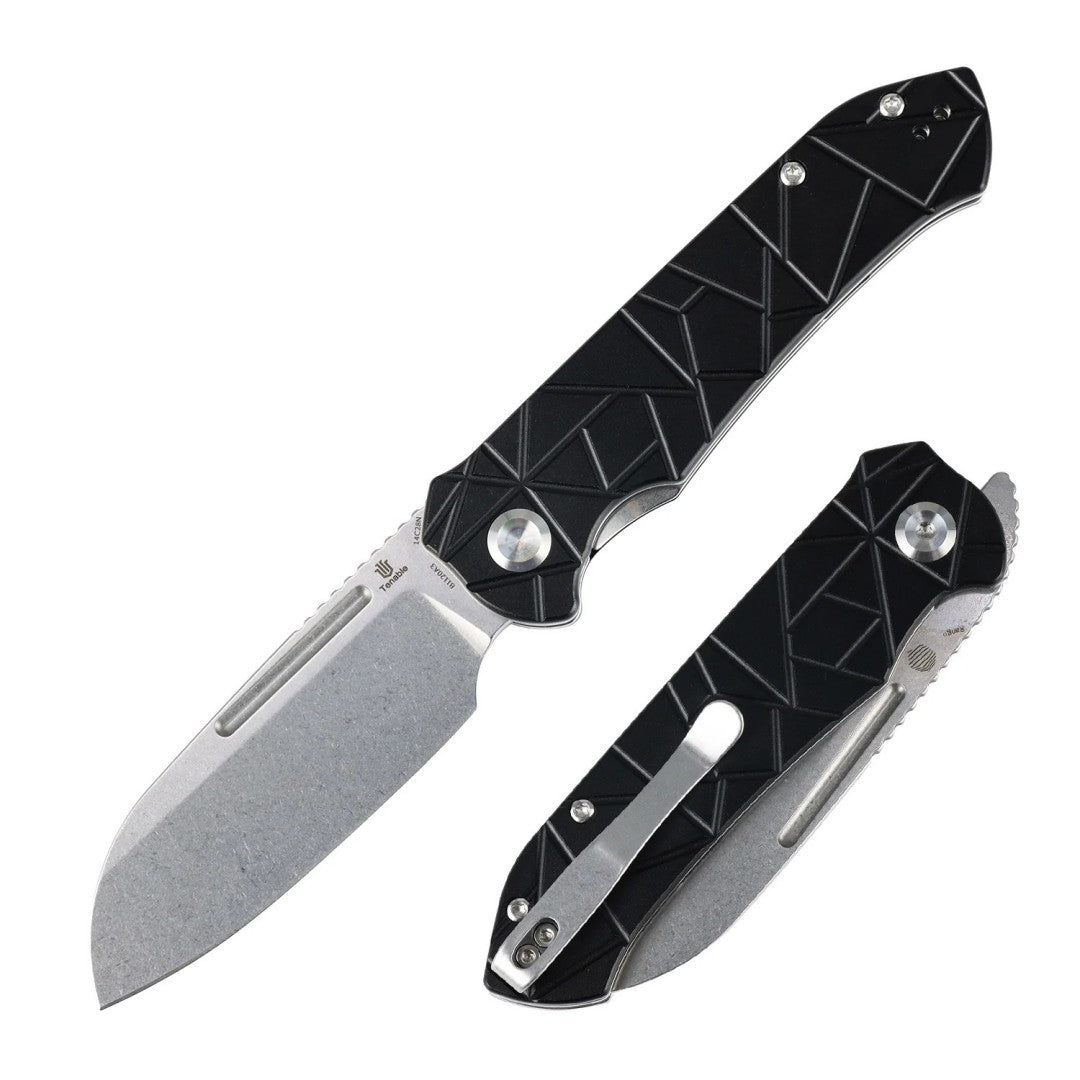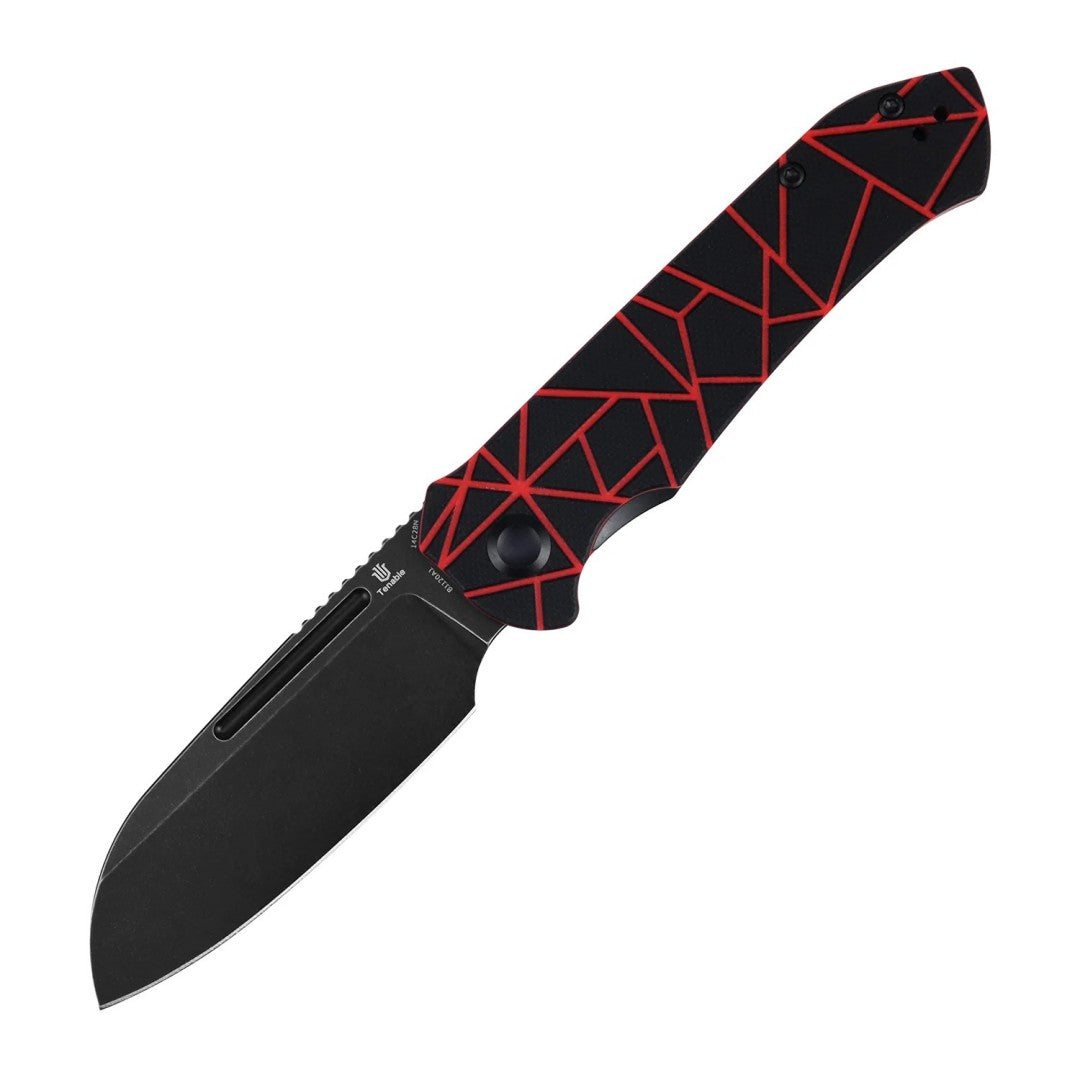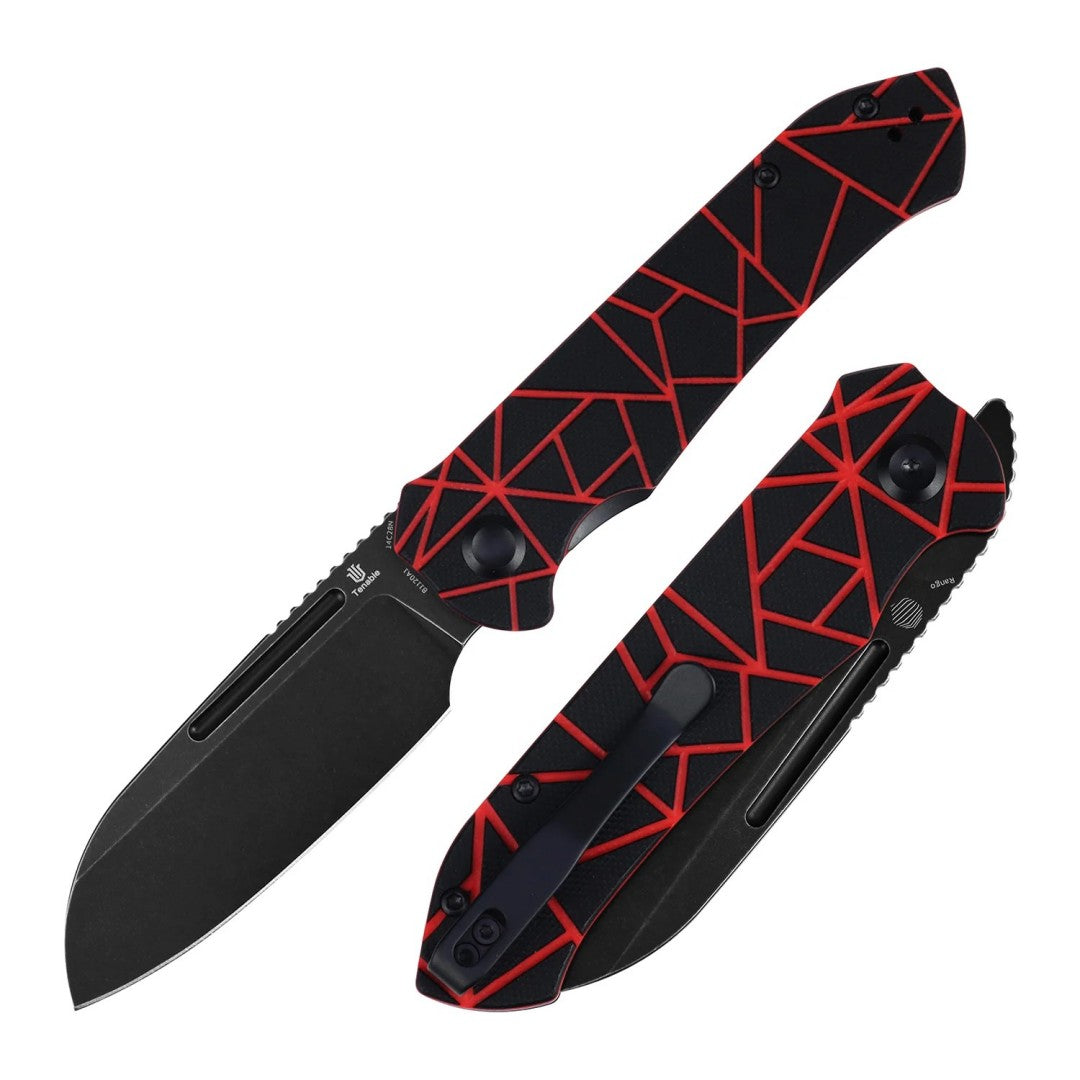
Nagao Higonokami Friction Folder Knife Black Brass Handle Blue paper steel

In the modern world of woodworking, we are often surrounded by high-tech power tools and specialized carving sets. However, there is a profound satisfaction in returning to the basics: a single piece of wood and a hand-forged blade. The Nagao Higonokami, Japan’s iconic friction folder, has long been a favorite among Everyday Carry (EDC) enthusiasts, but its true prowess is often discovered in the quiet art of whittling.
Whether you are a seasoned woodworker or a hobbyist looking for a meditative weekend project, the Higonokami offers a carving experience that modern mechanical folders simply cannot replicate. In this guide, we explore why this legendary blade is a powerhouse for traditional wood carving.
The Anatomy of a Carving Legend
To understand why the Higonokami excels at whittling, we must look at its construction. Unlike mass-produced pocket knives, the Nagao Higonokami features a laminate construction. A core of extremely hard Blue Paper Steel (Aogami) is forge-welded between layers of softer iron.
This "San Mai" structure is essential for carving. The hard core allows the edge to be sharpened to a steep, razor-like angle that bites into wood fibers without rolling or chipping. Meanwhile, the softer outer layers provide the flexibility needed to withstand the lateral pressure applied during a deep carving stroke.
Why the Higonokami is a Top-Tier EDC Tool for Carvers
For those who prioritize EDC utility, a knife must be versatile. The Higonokami earns its place in your pocket through three specific carving advantages:
1. The Scandi-Style Geometry
The Higonokami typically features a flat or slightly convex grind that goes nearly all the way to the edge. This is very similar to the "Scandi grind" favored by bushcrafters. It allows the blade to act as a wedge, lifting wood curls effortlessly and providing excellent "tracking" through the grain.
2. The Power of the 'Chikiri' (Thumb Lever)
In whittling, safety and control are paramount. The Chikiri—the forged lever extending from the spine—is the secret to the Higonokami’s power. By placing your thumb firmly on this lever, you create a manual lock. This prevents the blade from folding during a "push cut" and allows you to apply immense downward force when removing large chunks of material.
3. Minimalist Ergonomics
The slim, folded-metal handle might look simple, but its low profile allows your hand to get close to the cutting edge. This proximity provides superior tactile feedback, letting you feel the density of the wood and the direction of the grain as you work.
Testing the Whittling Power: Hardwood vs. Softwood
We put the Nagao Higonokami to the test across various types of wood to see how it performs as a primary carving tool:
-
Softwoods (Pine, Basswood): The Higonokami glides through these materials. You can produce paper-thin "feather sticks" or execute delicate detail work on a carving project with almost zero resistance.
-
Hardwoods (Oak, Walnut): This is where the Blue Paper Steel shines. While lesser blades might dull after a few minutes of carving oak, the Higonokami maintains its "bite." The edge retention is remarkable, requiring only a quick strop to return to a hair-popping sharpness.
Essential Whittling Techniques with a Friction Folder
If you are new to using a friction folder for carving, mastering these two grips will elevate your results:
-
The Chest Lever Grip: Hold the knife with the blade facing away from you, resting your thumb on the Chikiri. Use your back muscles to pull your arms apart. This is the most powerful cut for removing bulk material safely.
-
The Thumb-Push Cut: For fine detail, keep the knife stationary and use the thumb of your non-dominant hand to push the back of the blade. This offers surgical precision for notches, grooves, and fine facial features in caricature carving.
Maintenance: Keeping Your Carving Tool Sharp
Wood is naturally abrasive. To ensure your Nagao Higonokami remains a top-performing tool, regular maintenance is a must:
-
Stropping is Key: Don't wait for the knife to get dull. A few passes on a leather strop with green honing compound every 20 minutes of carving will keep the edge in peak condition.
-
Preventing Corrosion: Wood sap and moisture can cause high-carbon steel to rust. Always wipe your blade clean and apply a thin layer of camellia oil after a carving session.
-
Tension Adjustment: If heavy carving loosens the pivot, a light tap on the rivet with a hammer will tighten the friction, ensuring the blade stays exactly where you want it.
Conclusion: A Legacy in Every Cut
The Nagao Higonokami is more than just a piece of EDC gear; it is a bridge to a time when tools were an extension of the craftsman’s soul. Its ability to transform a simple branch into a piece of art is a testament to the enduring quality of Japanese blacksmithing.
Whether you are whittling a spoon by a campfire or carving intricate patterns in your workshop, the Higonokami provides a level of connection to the material that modern knives simply can't match.
Ready to start your next carving project? Explore our collection of authentic Nagao Higonokami knives at EDCmall and discover the power of tradition in the palm of your hand.