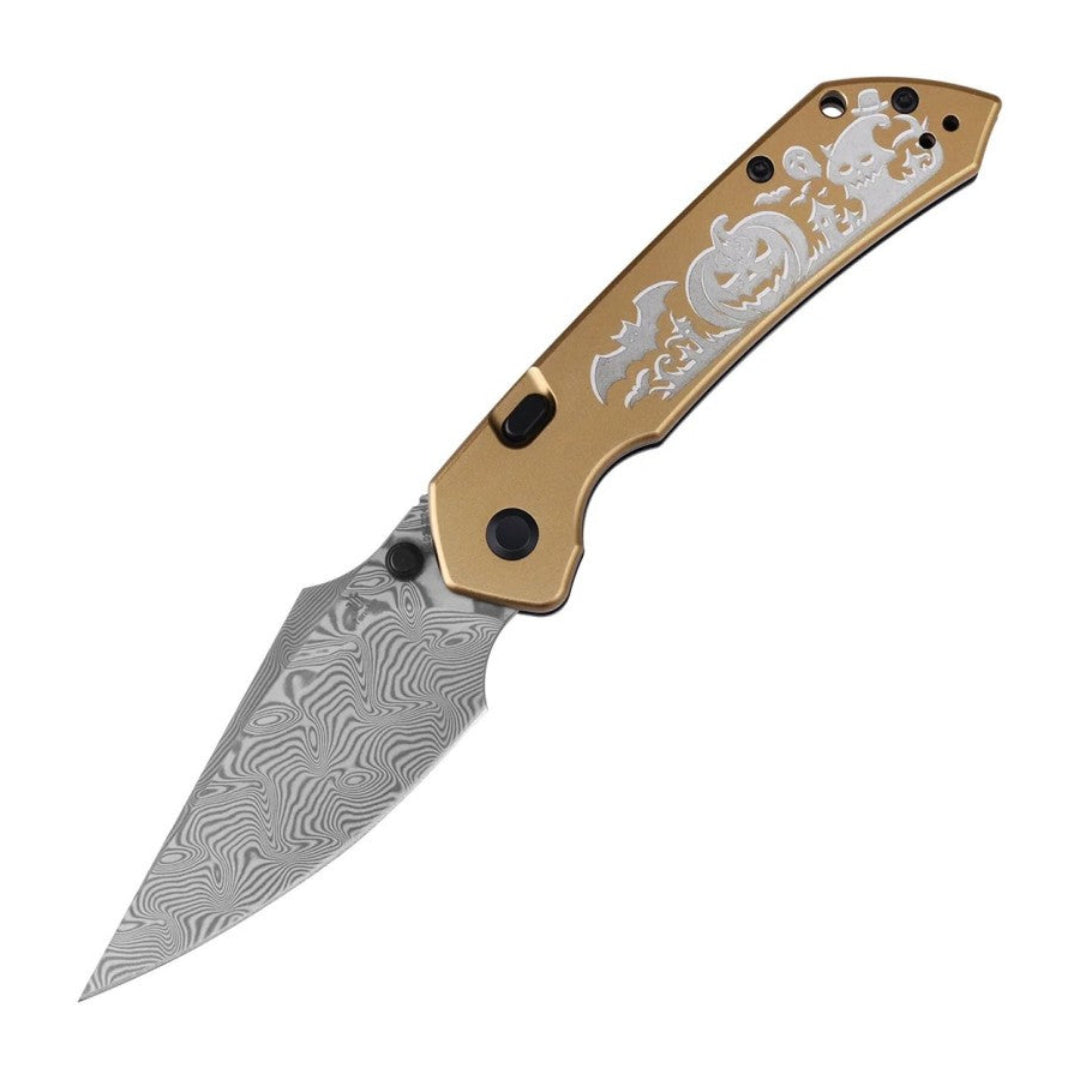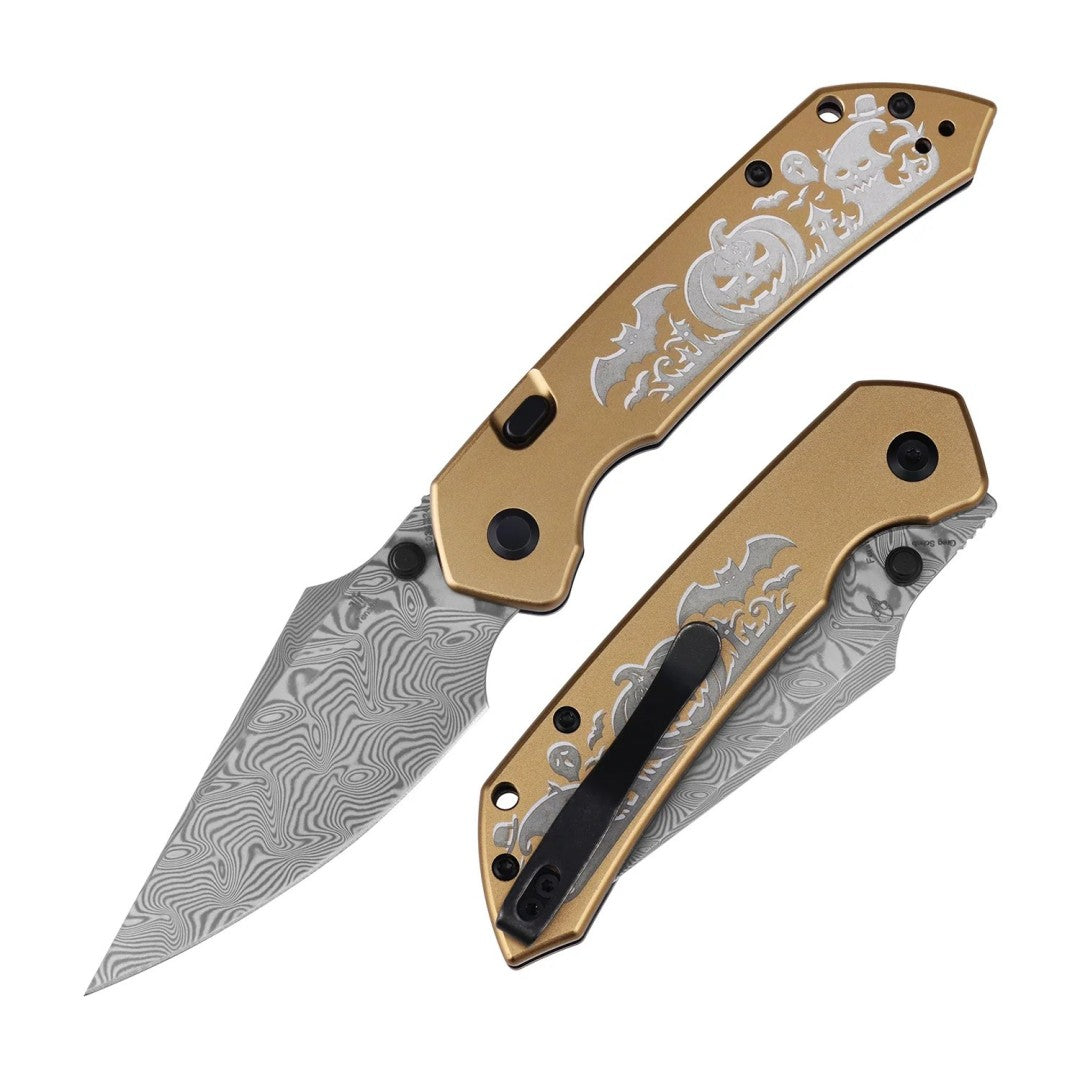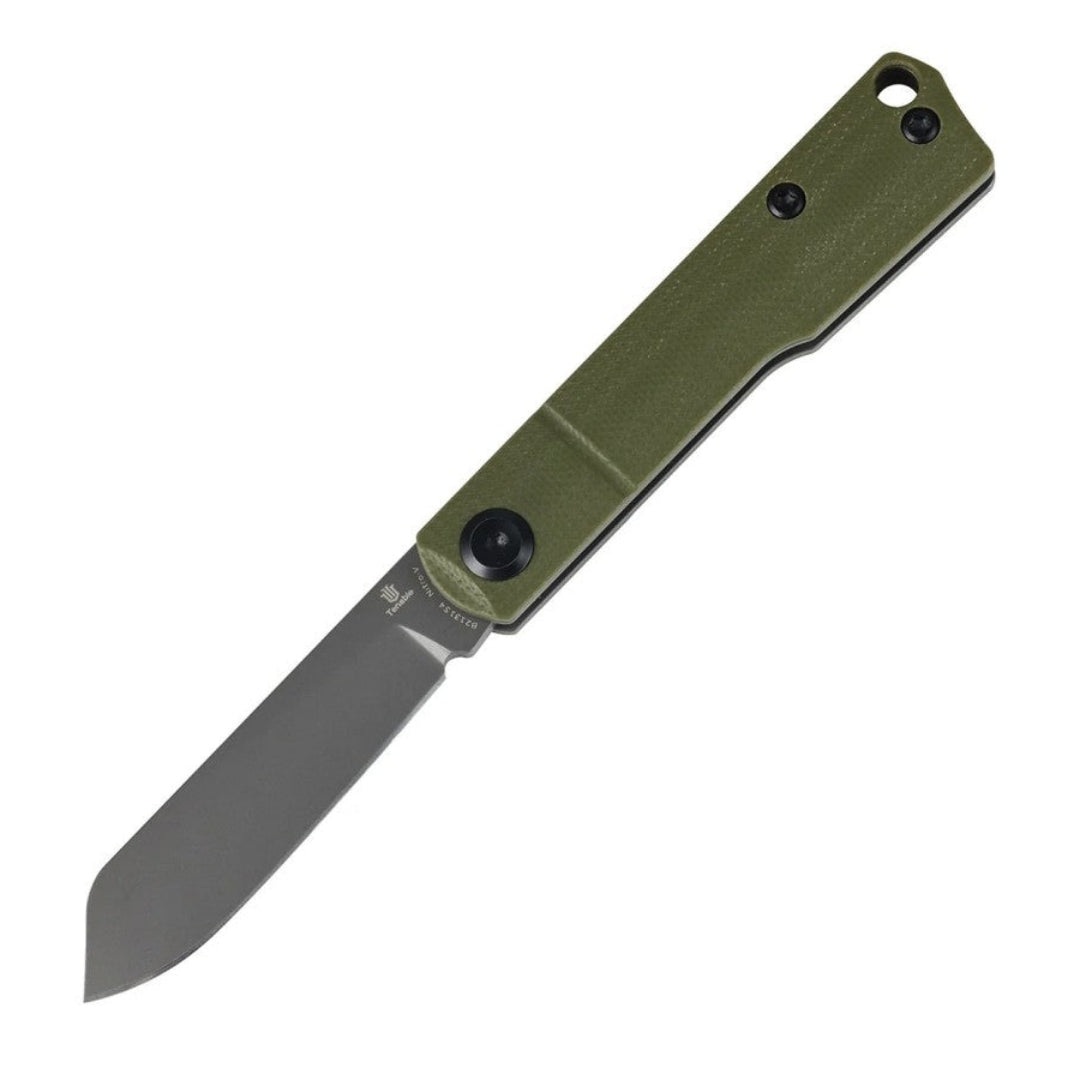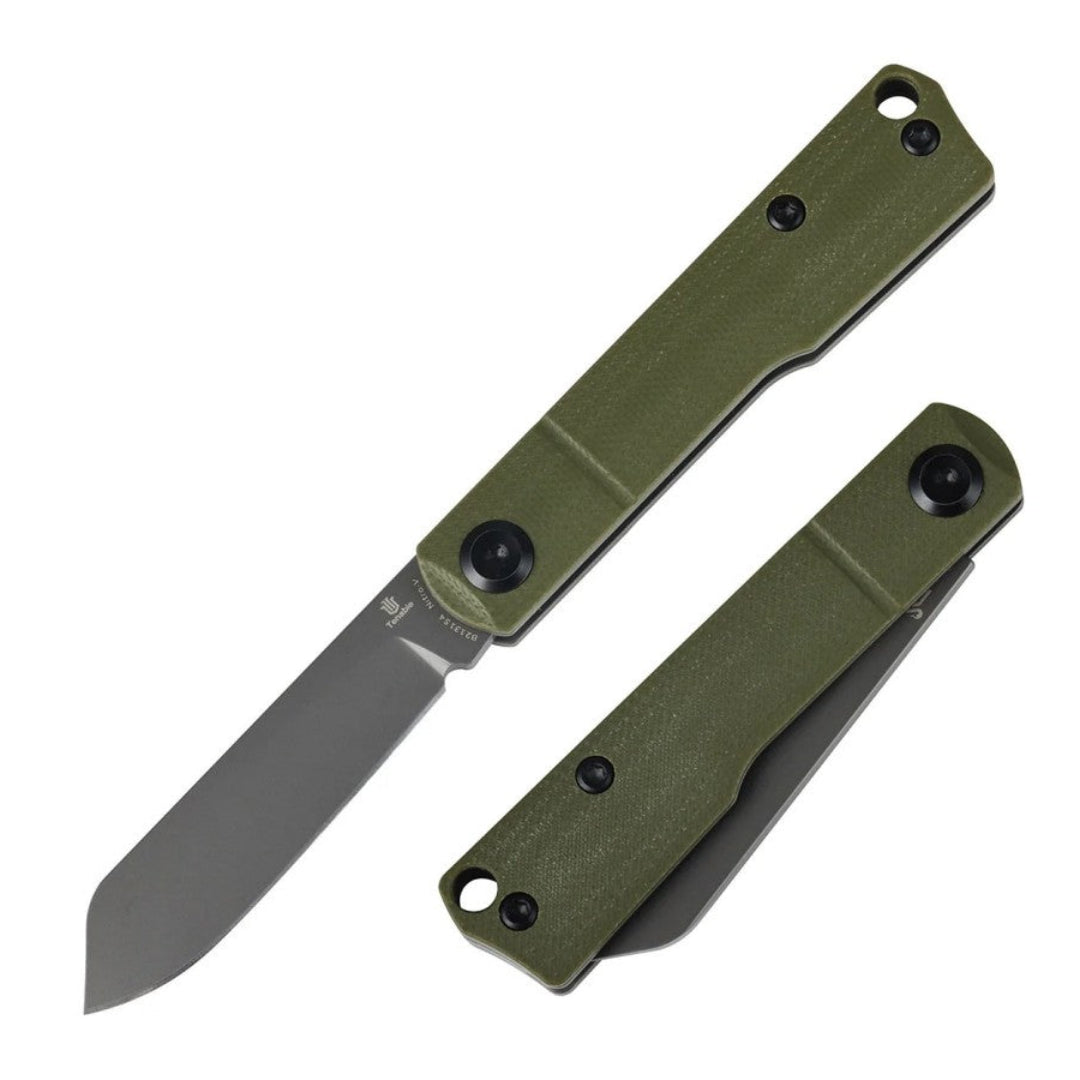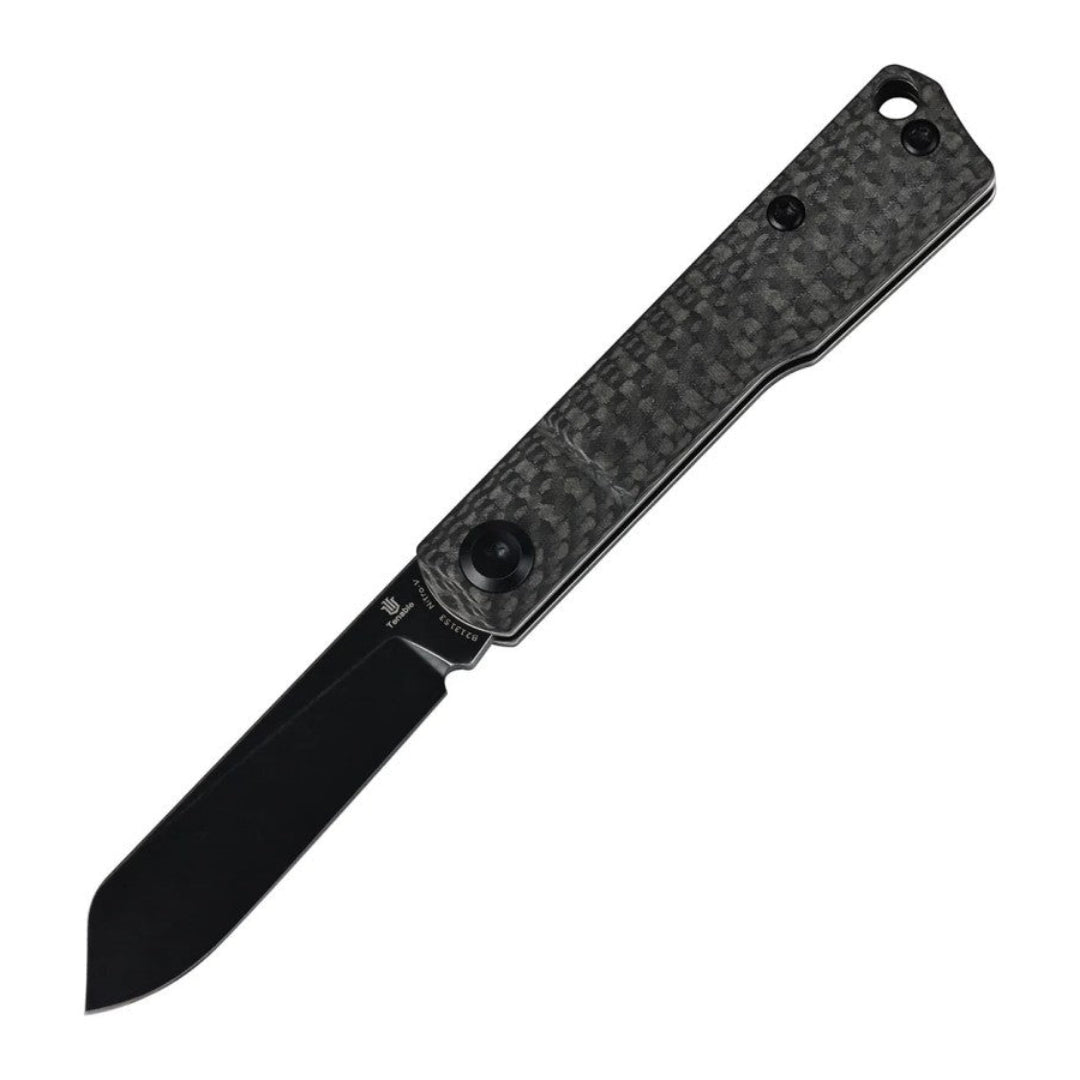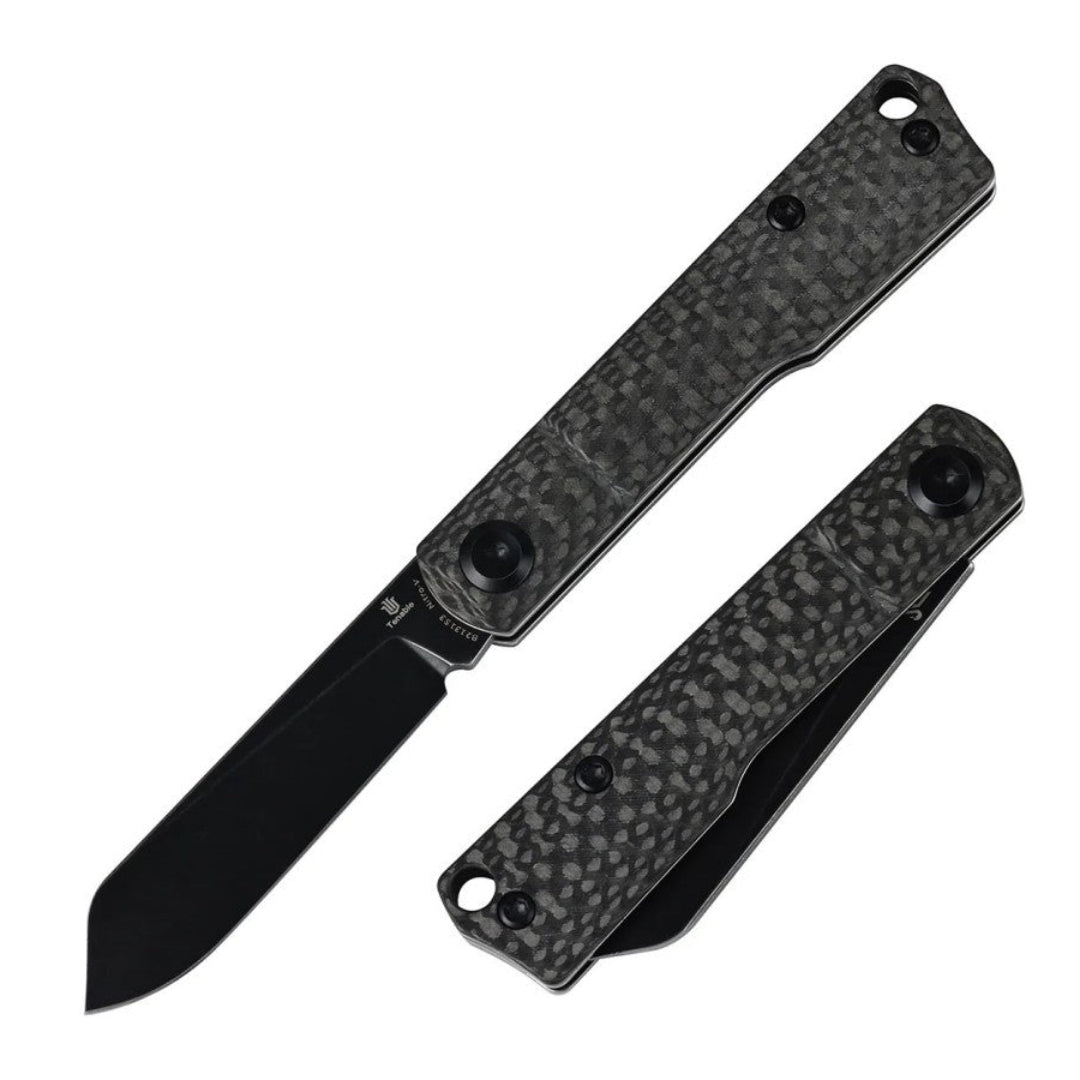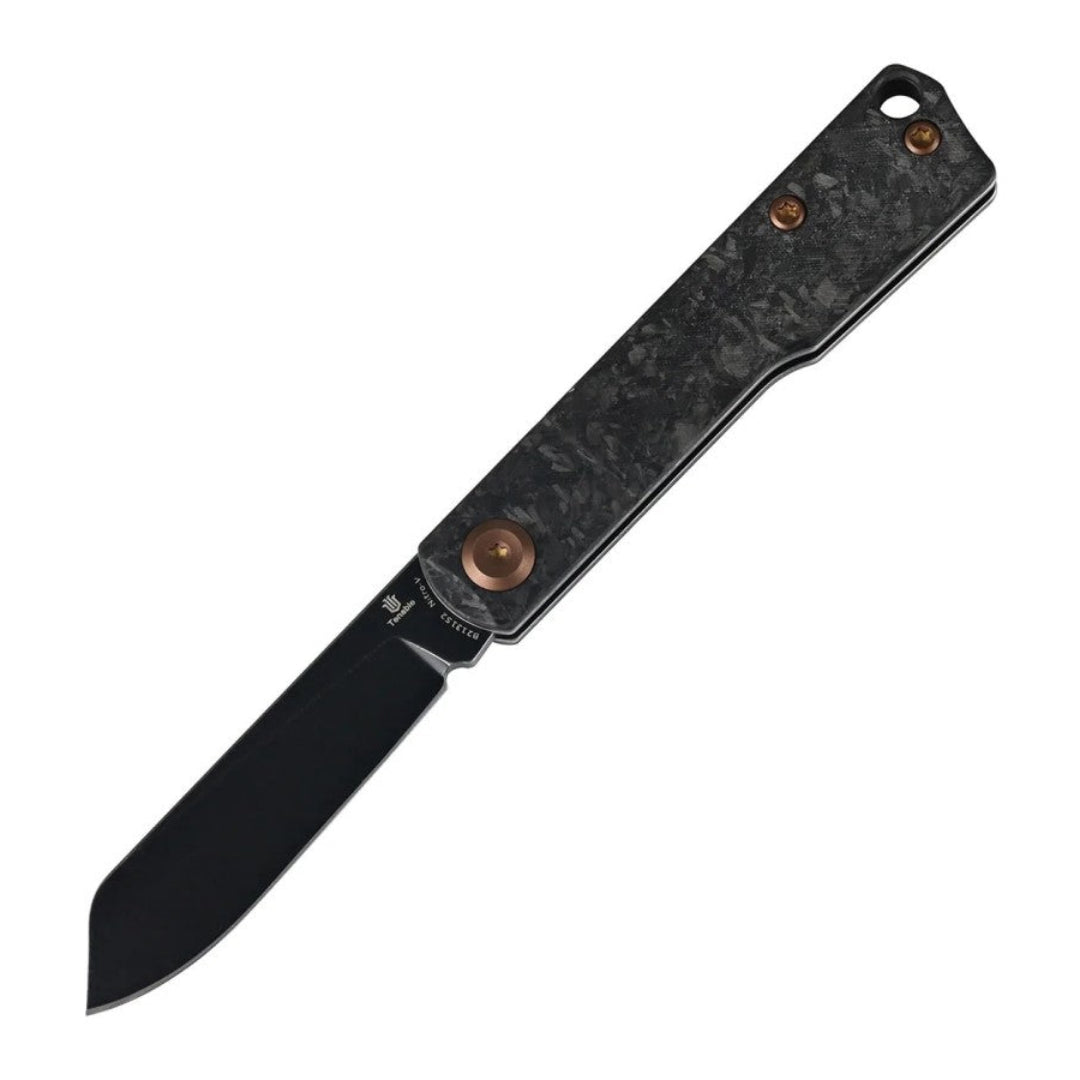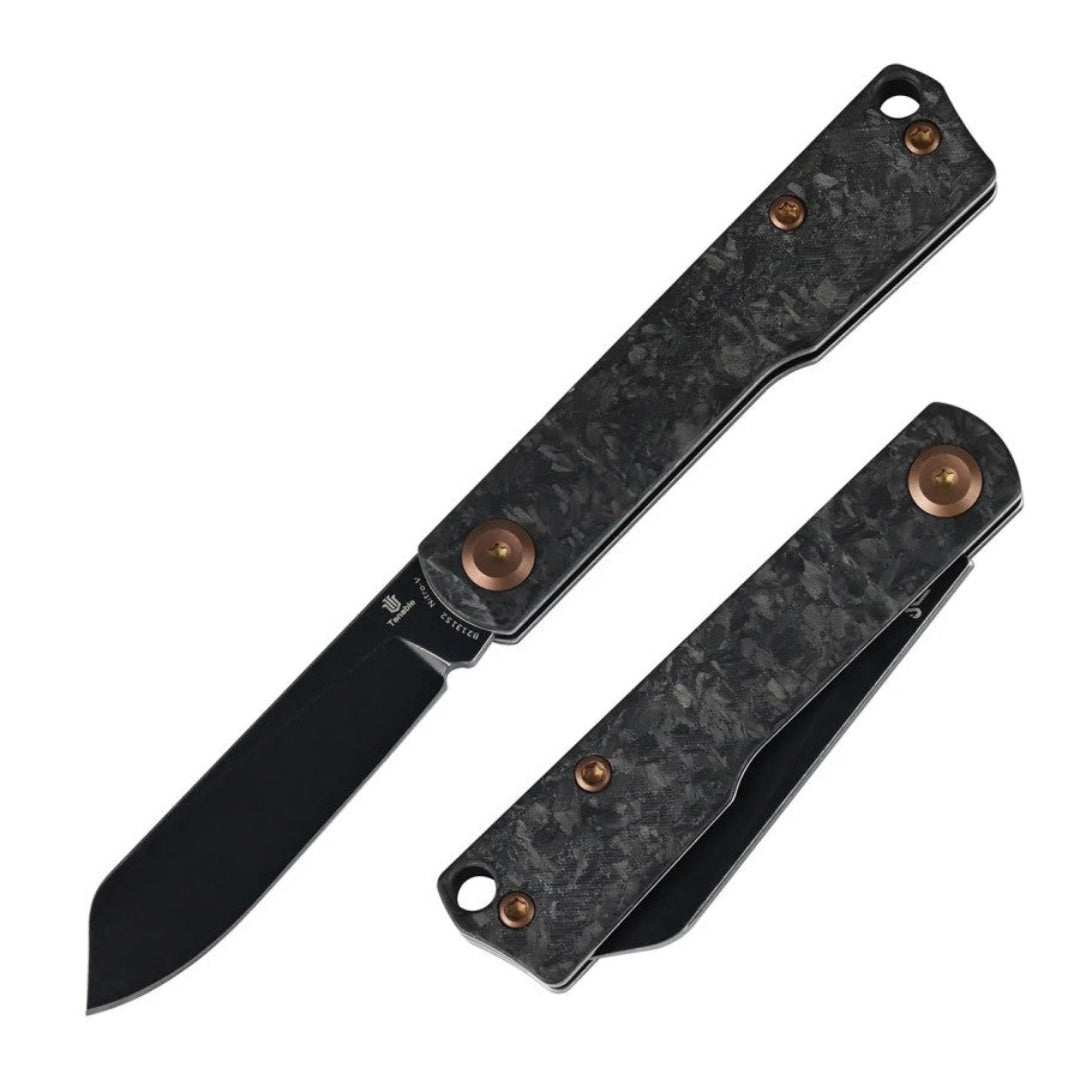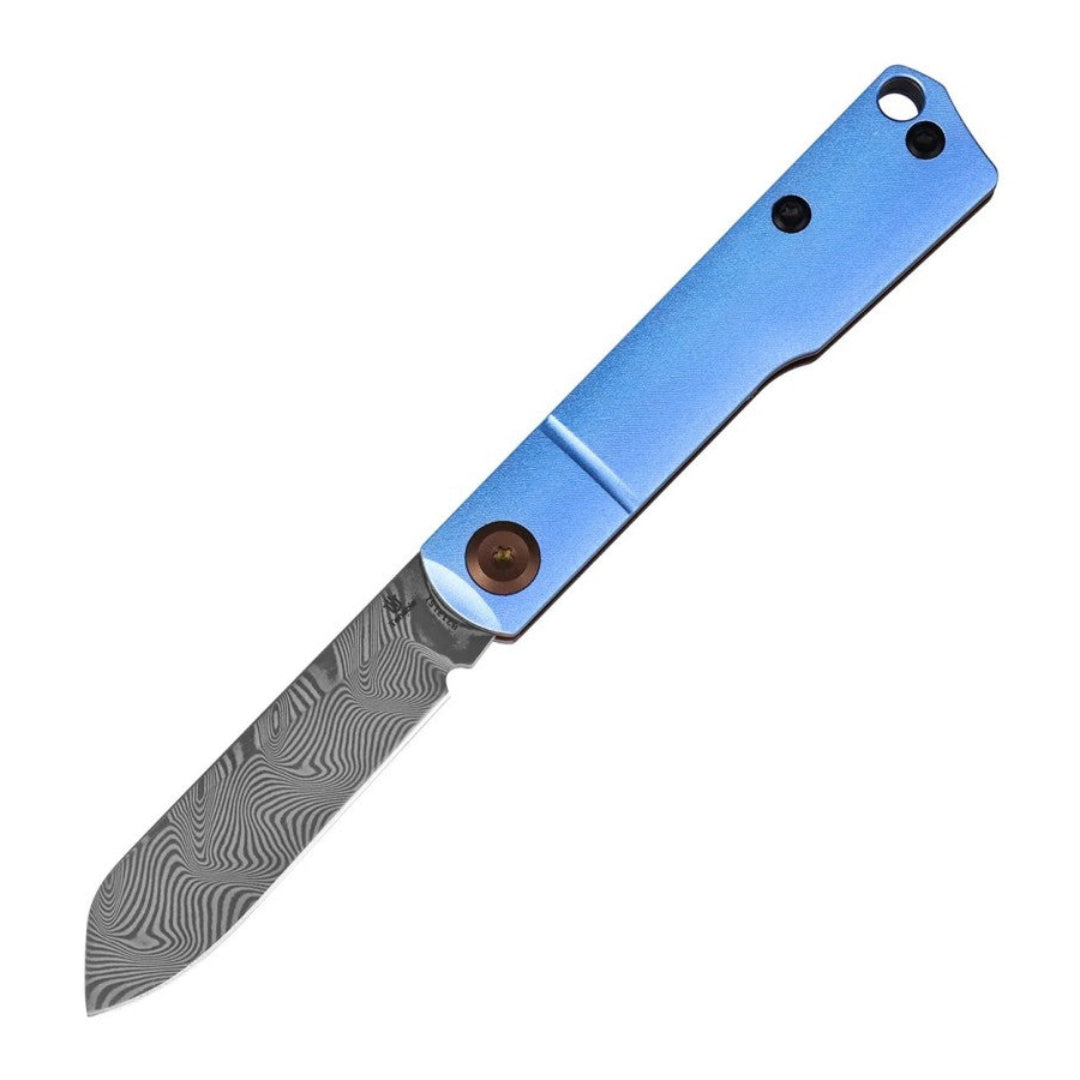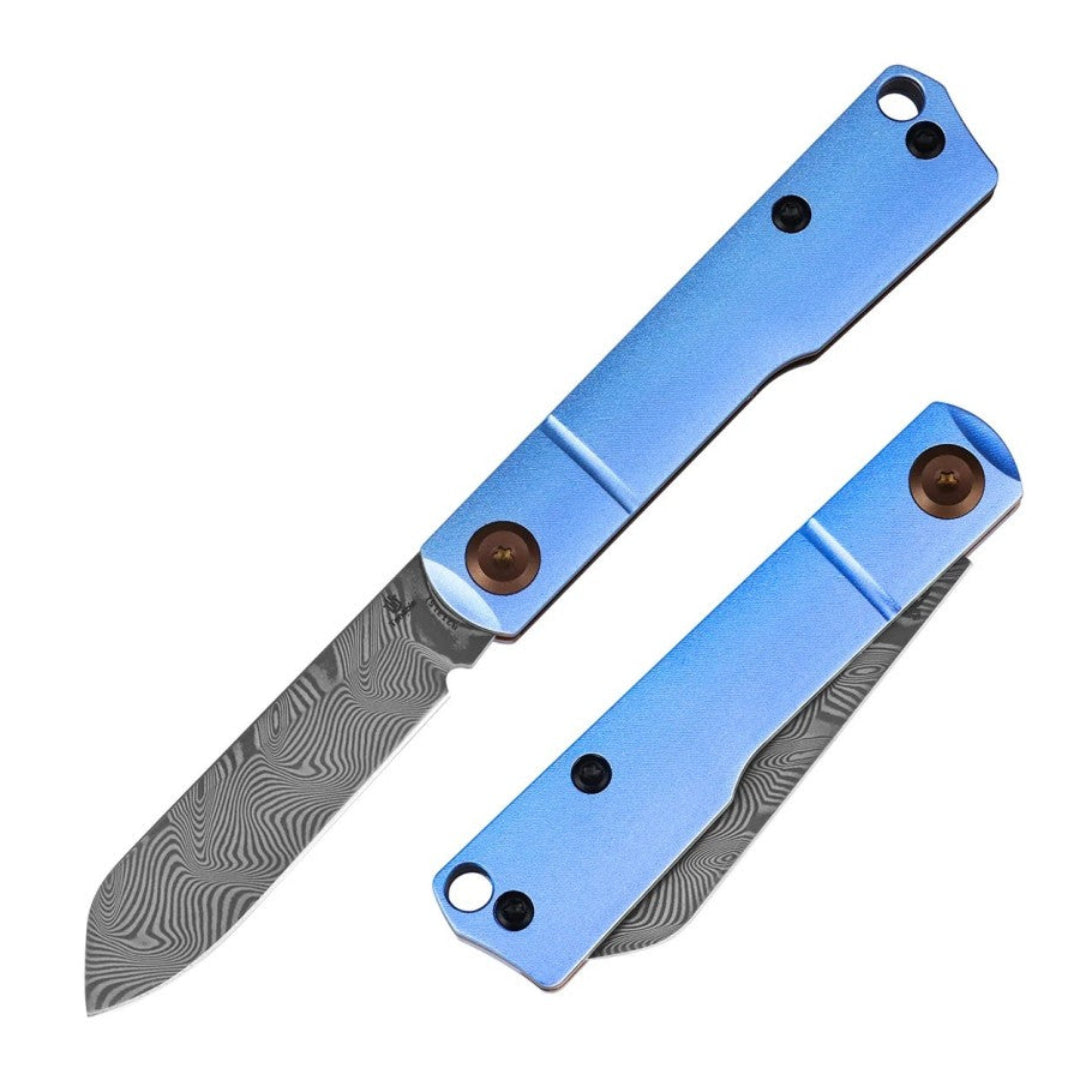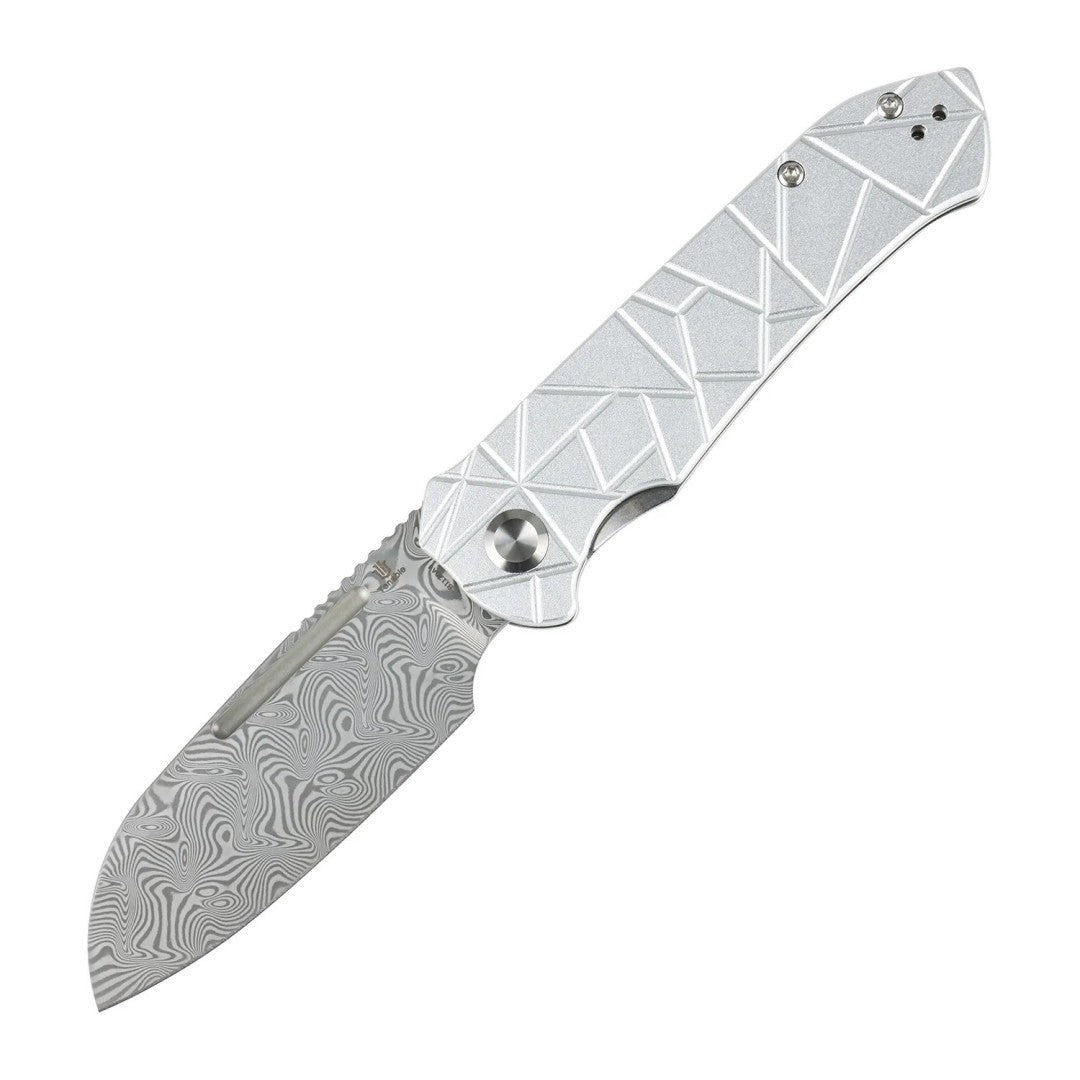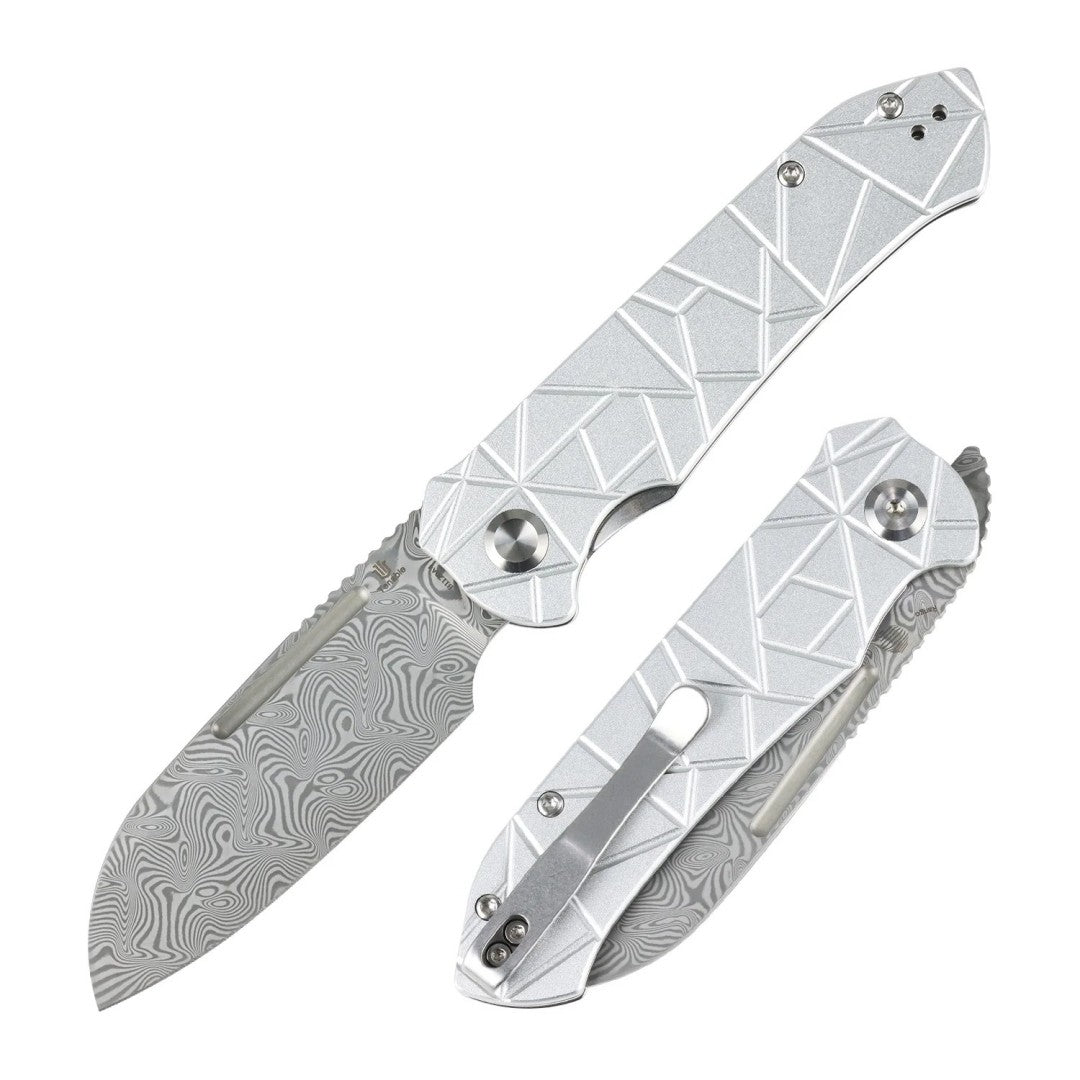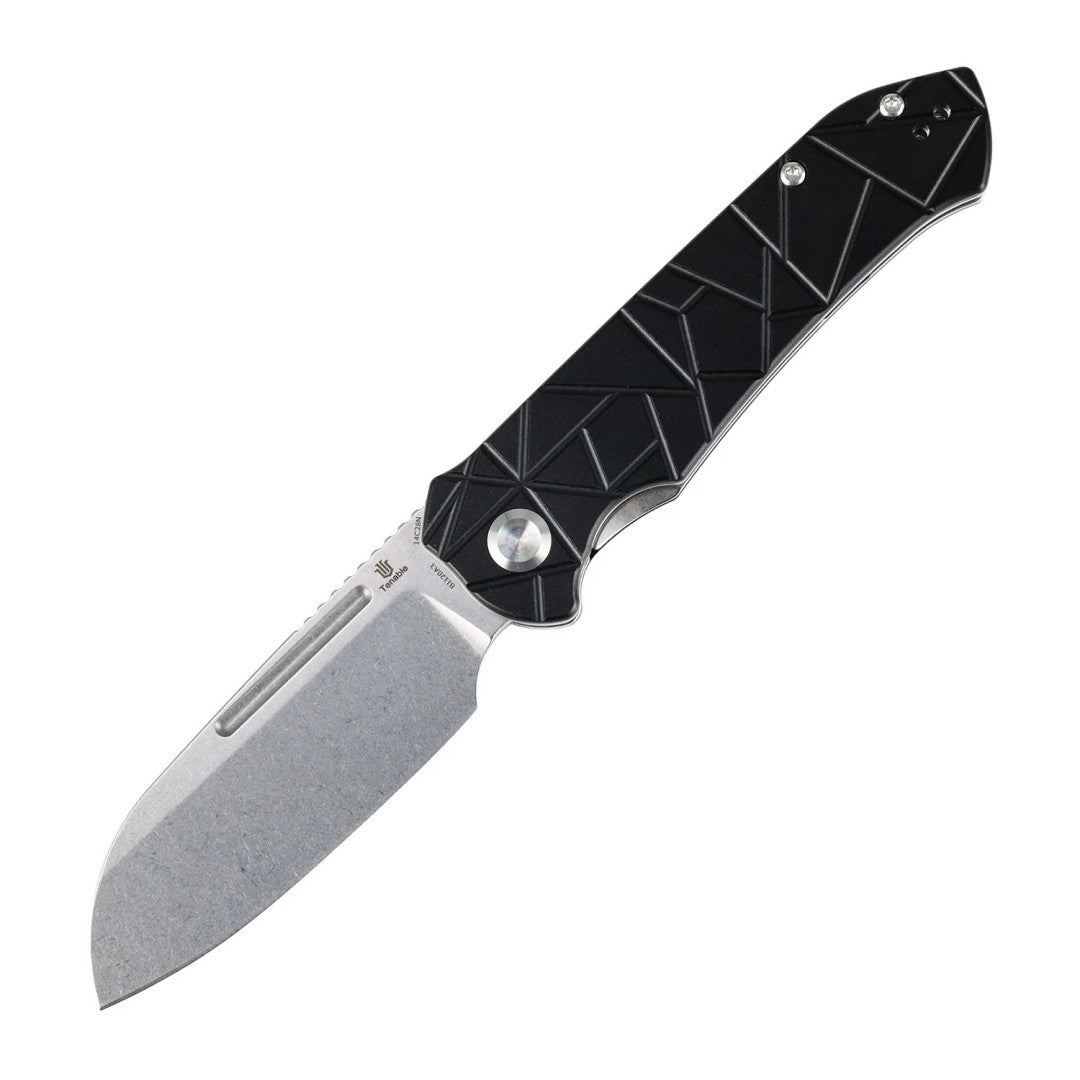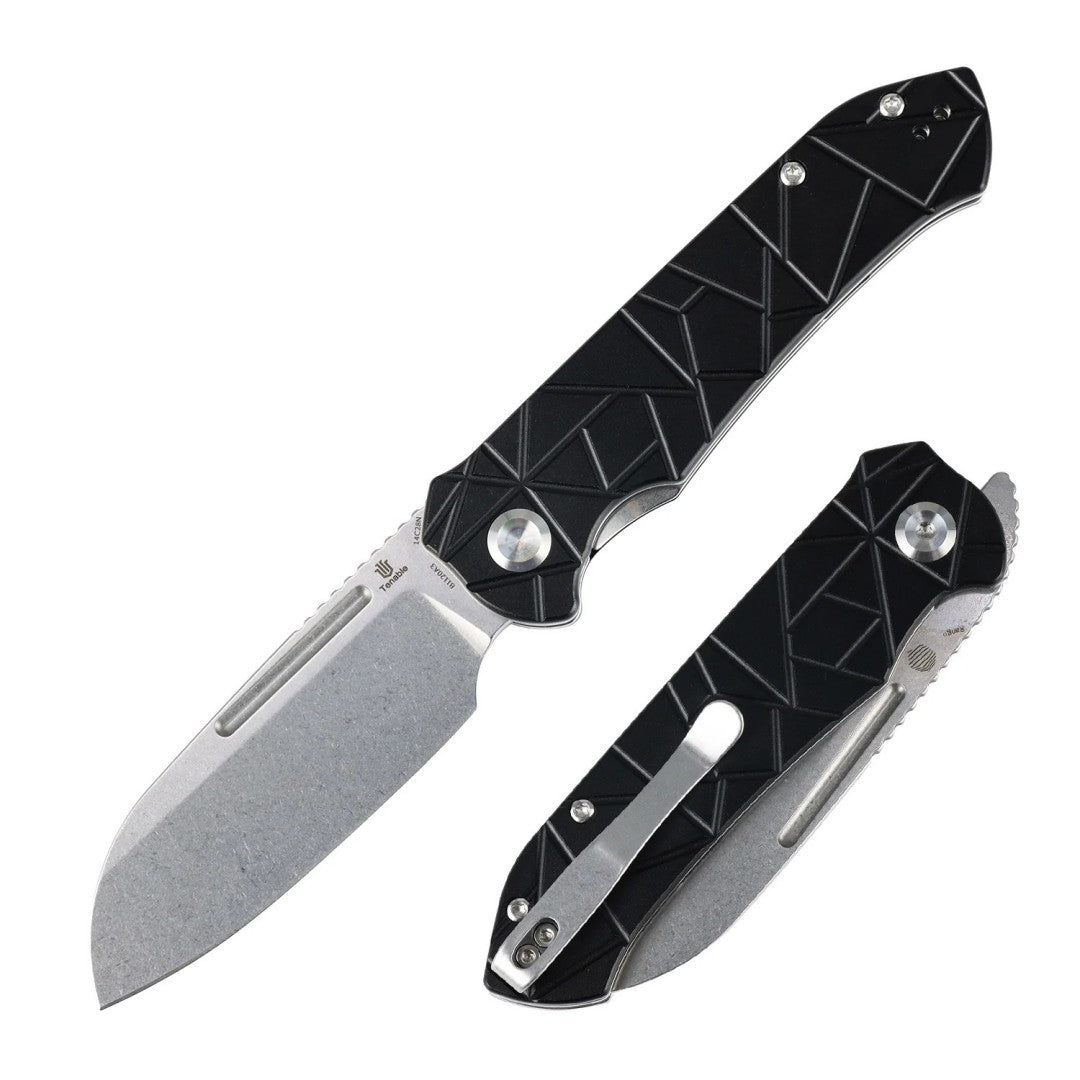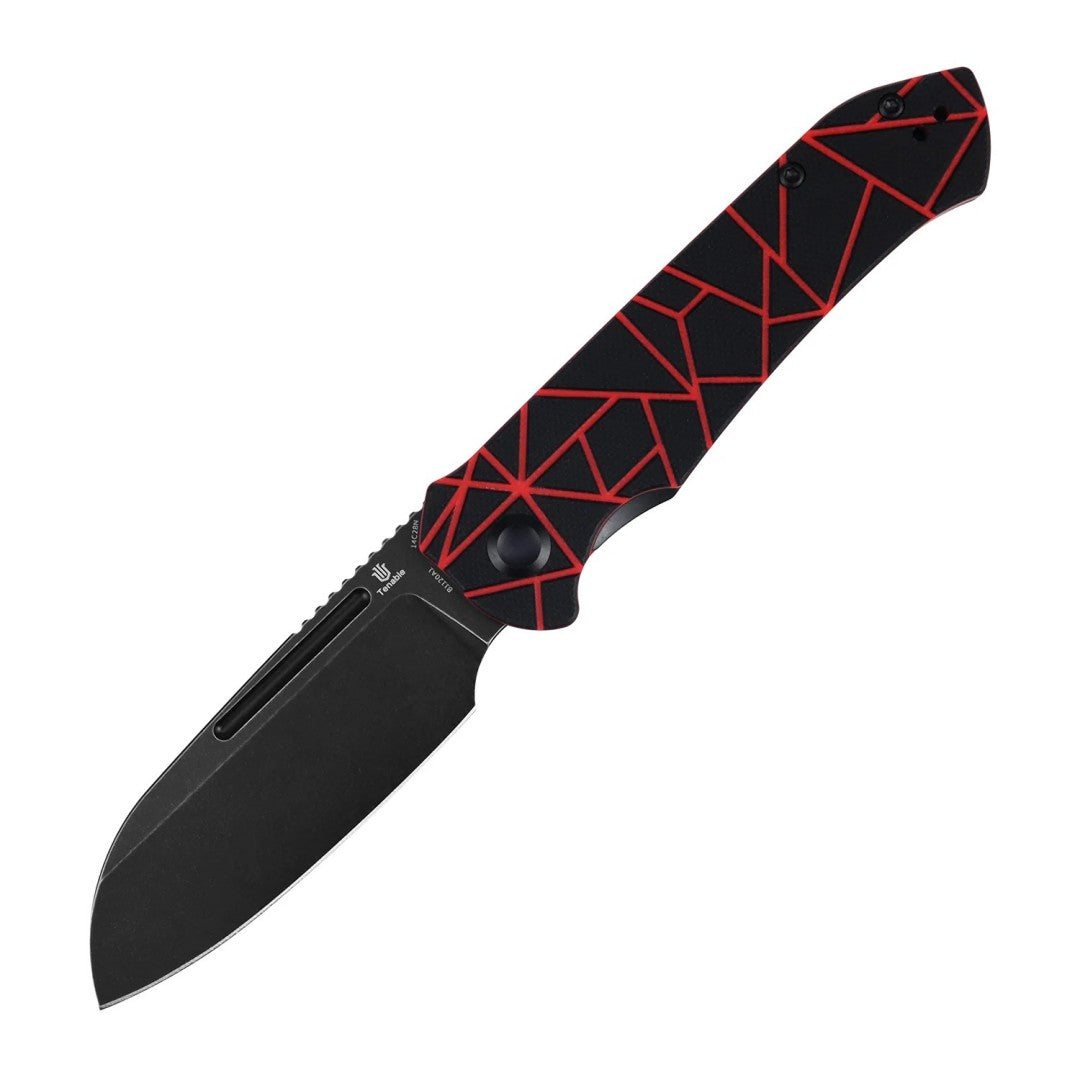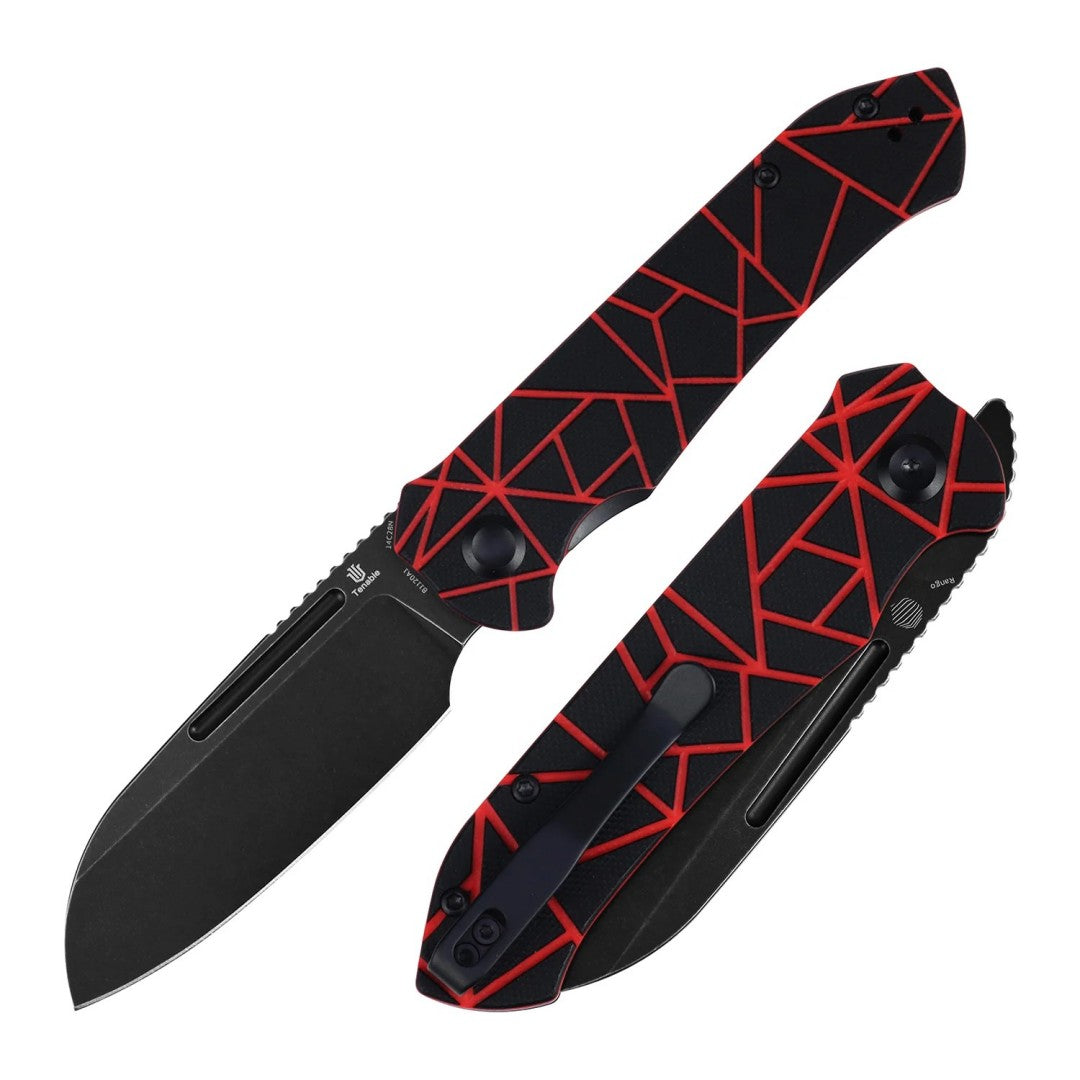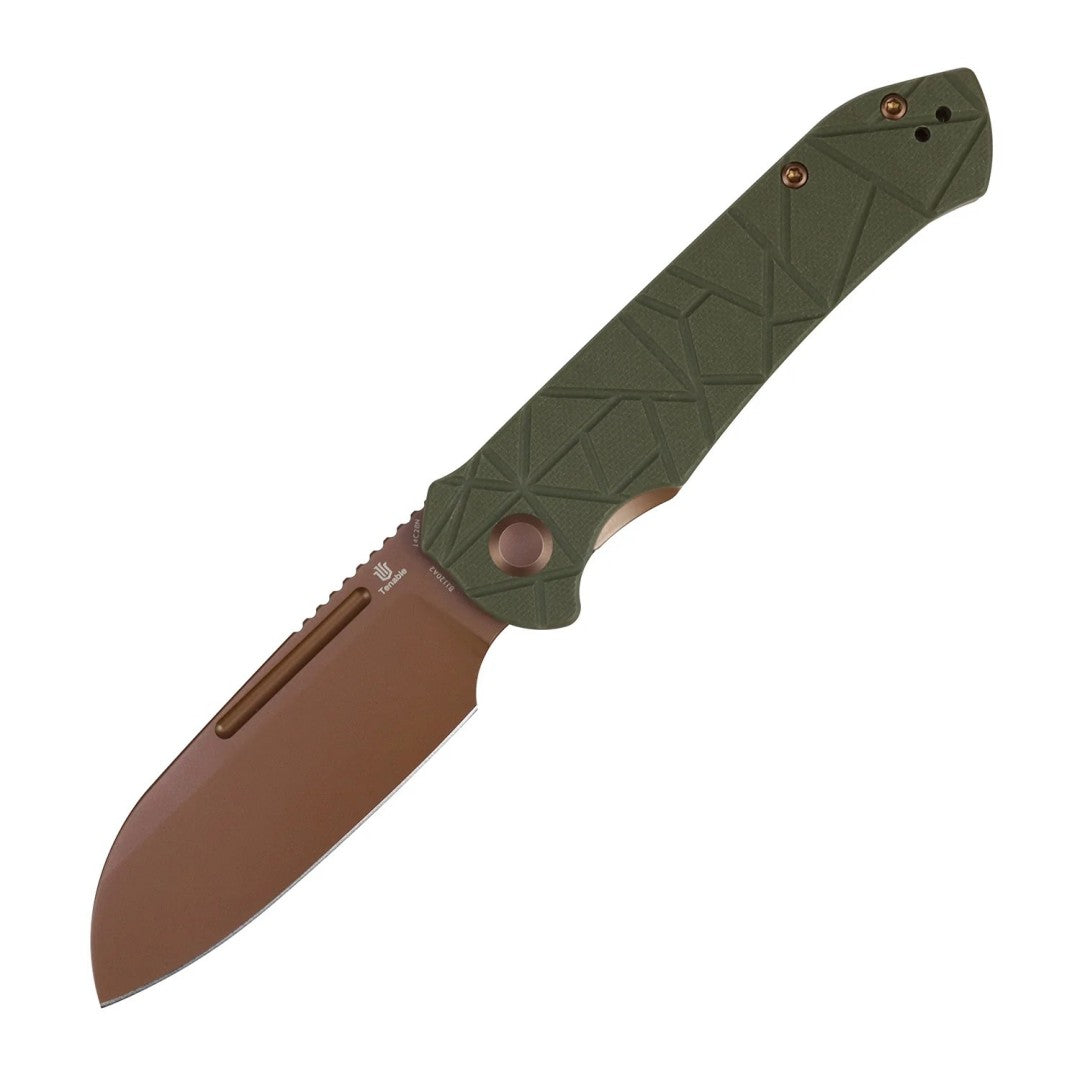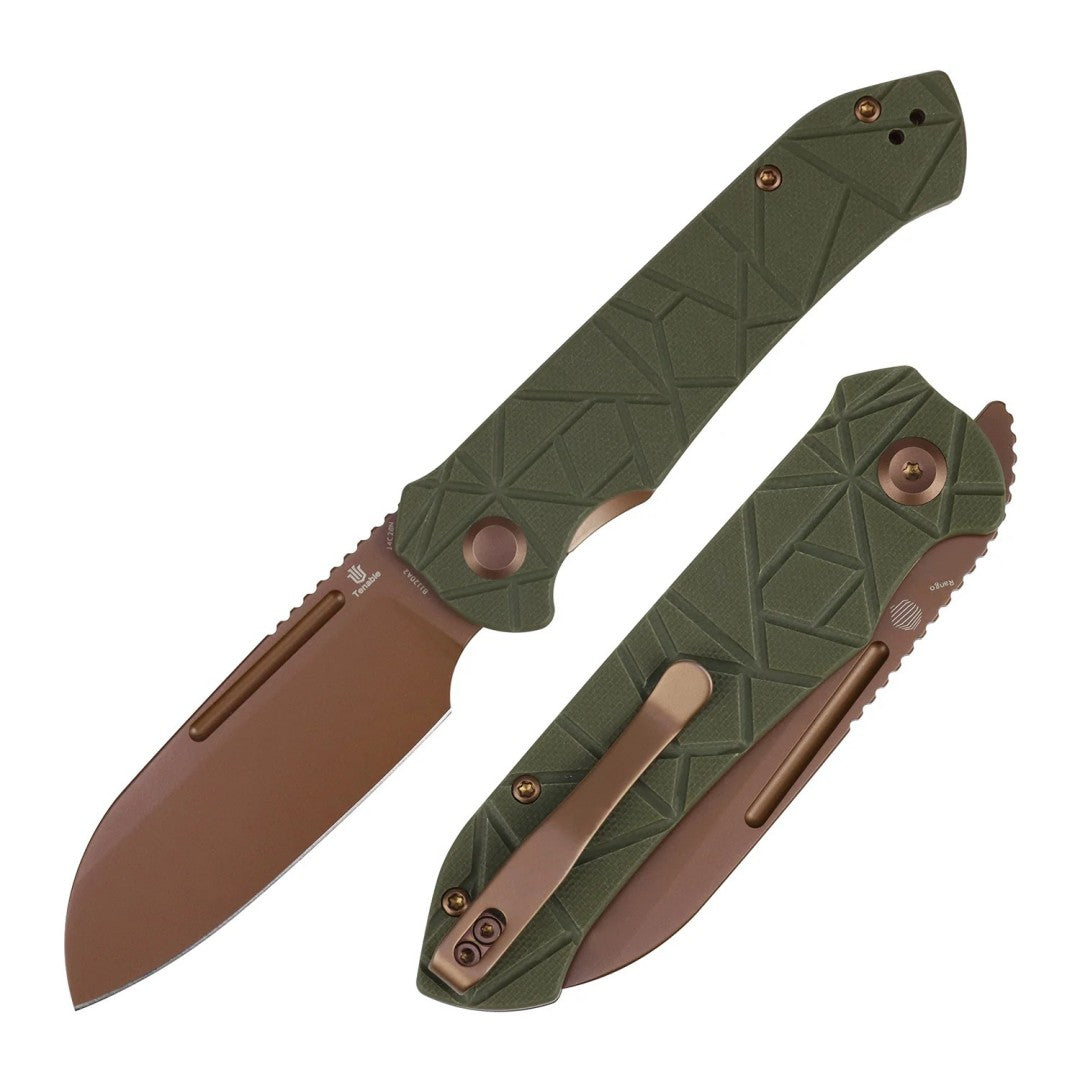
Choosing the right blade steel for a pocket tool requires balancing edge retention, structural toughness, corrosion resistance, and sharpening ease. With the release of the Bestech Nyrrdreki, knife enthusiasts frequently examine how its Austrian powder-metallurgy blade stacks up against other high-end alloys in an active EDC rotation. While chemical composition charts provide baseline data, the true performance of a blade comes from the relationship between metallurgy, thermal treatment, and grind geometry under daily cutting pressure.
 The Chemical Architecture of Böhler M390 Microclean
Austrian steel manufacturer Böhler engineered M390 using third-generation gas atomization powder technology. By rapidly solidifying molten steel into microscopic droplets, this production method prevents the formation of coarse, brittle carbide clusters common in traditional ingot-melted steels.
-
Vanadium Carbide Matrix: A four percent vanadium content precipitates ultra-hard vanadium carbides throughout the martensitic structure, providing exceptional resistance against abrasive wear.
-
Passivation and Rust Immunity: Twenty percent chromium forms a dense chromium-oxide barrier, making the steel virtually impervious to sweat, moisture, and acidic food juices.
-
Apex Structural Stability: The microscopic, uniform carbide grain structure supports an acute, hair-shaving edge that resists chipping during standard utility tasks.
Comparative Analysis: M390 vs. Competing Premium Alloys
To understand how the Nyrrdreki’s blade performs across different cutting environments, comparing it against other renowned cutlery steels highlights key mechanical trade-offs.
| Steel Alloy | Primary Metallurgy Type | Edge Longevity | Corrosion Resistance | Impact Toughness | Sharpening Effort |
| Böhler M390 | Powder Metallurgy | Exceptional | Superior | High | Moderate |
| CPM MagnaCut | Powder Metallurgy | High | Superior | Extreme | Moderate-Easy |
| CPM S35VN | Powder Metallurgy | High | High | Very High | Easy-Moderate |
| Böhler Elmax | Powder Metallurgy | High | High | Very High | Moderate |
| Böhler M398 | Powder Metallurgy | Maximum | Superior | Moderate | Difficult |
| Nitro-V | Nitrogen Ingot | Moderate | High | Superior | Very Easy |
 Head-to-Head Category Matchups
Evaluating M390 alongside other popular blade choices reveals distinct strengths depending on specific cutting requirements:
M390 vs. CPM MagnaCut
CPM MagnaCut has gained widespread acclaim for eliminating the trade-off between toughness and corrosion resistance by removing chromium carbides entirely. In heavy impact tasks, MagnaCut offers higher resistance to gross fracture. However, M390’s dense vanadium and chromium carbide volume provides higher abrasive wear resistance, allowing the Nyrrdreki to retain a keen slicing bite longer when cutting abrasive materials like dirty cardboard and fibrous rope.
M390 vs. CPM S35VN and Elmax
CPM S35VN and Böhler Elmax represent balanced powder steels favored for general outdoor and pocket knives. Both alloys offer slightly higher lateral toughness and take a working edge more quickly on basic ceramic or aluminum oxide stones. In contrast, M390 holds a fine, highly polished apex significantly longer, making it the superior choice for users who prioritize extended intervals between full sharpening sessions.
M390 vs. Böhler M398
As an evolution of M390 with increased carbon and vanadium content, M398 pushes edge retention to extreme levels. However, this increase in wear resistance reduces apex toughness and makes field sharpening significantly more demanding. By applying a vacuum heat treatment with a deep cryogenic soak targeted at 60–61 HRC, Bestech captures the ideal operational window for M390, offering high edge longevity without making maintenance overly tedious.
Grind Geometry Synergy and Real-World Slicing
Steel metallurgy only tells half the story; blade geometry dictates how easily that steel passes through material. Conceived by Dutch knifemaker and artist Fabian Hobbelen, the Nyrrdreki avoids the common trap of thick, wedge-like cleaver bevels.
| Engineering Attribute | Dimension & Execution | Practical Performance Benefit |
| Blade Stock | 0.16 in (4.0 mm) | High torsional rigidity across the spine |
| Grind Profile | Deep Radius Hollow Grind | Thins cross-section behind the edge to under 0.020 in |
| Factory Bevel Angle | 18–20 Degrees Per Side (DPS) | Balances push-cut keenness with reliable apex support |
| Blade Profile | Modified Cleaver / Sheepsfoot | Delivers continuous belly slicing and controlled draw cuts |
Because the deep hollow grind carves away mass behind the cutting bevel, the blade experiences minimal surface drag. When breaking down heavy packaging, the acute geometry allows the wear resistance of M390 to shine without wedging inside the cut.
 Field Maintenance and Edge Care
To keep the Nyrrdreki performing at its peak, understanding its sharpening dynamics ensures long-term reliability for this compact folding knife.
-
Preventative Stropping: Routine stropping on a leather or basswood base loaded with 1.0-micron to 0.5-micron diamond paste easily realigns the apex, maintaining razor keenness without removing blade steel.
-
Abrasive Selection: When full sharpening or angle adjustment is required, diamond or silicon carbide stones cut through the hard vanadium carbides cleanly, preventing burr fatigue.
The Bestech Nyrrdreki showcases why M390 remains a benchmark standard in premium pocket tools, offering a refined balance of wear resistance, stain immunity, and dependable cutting geometry.