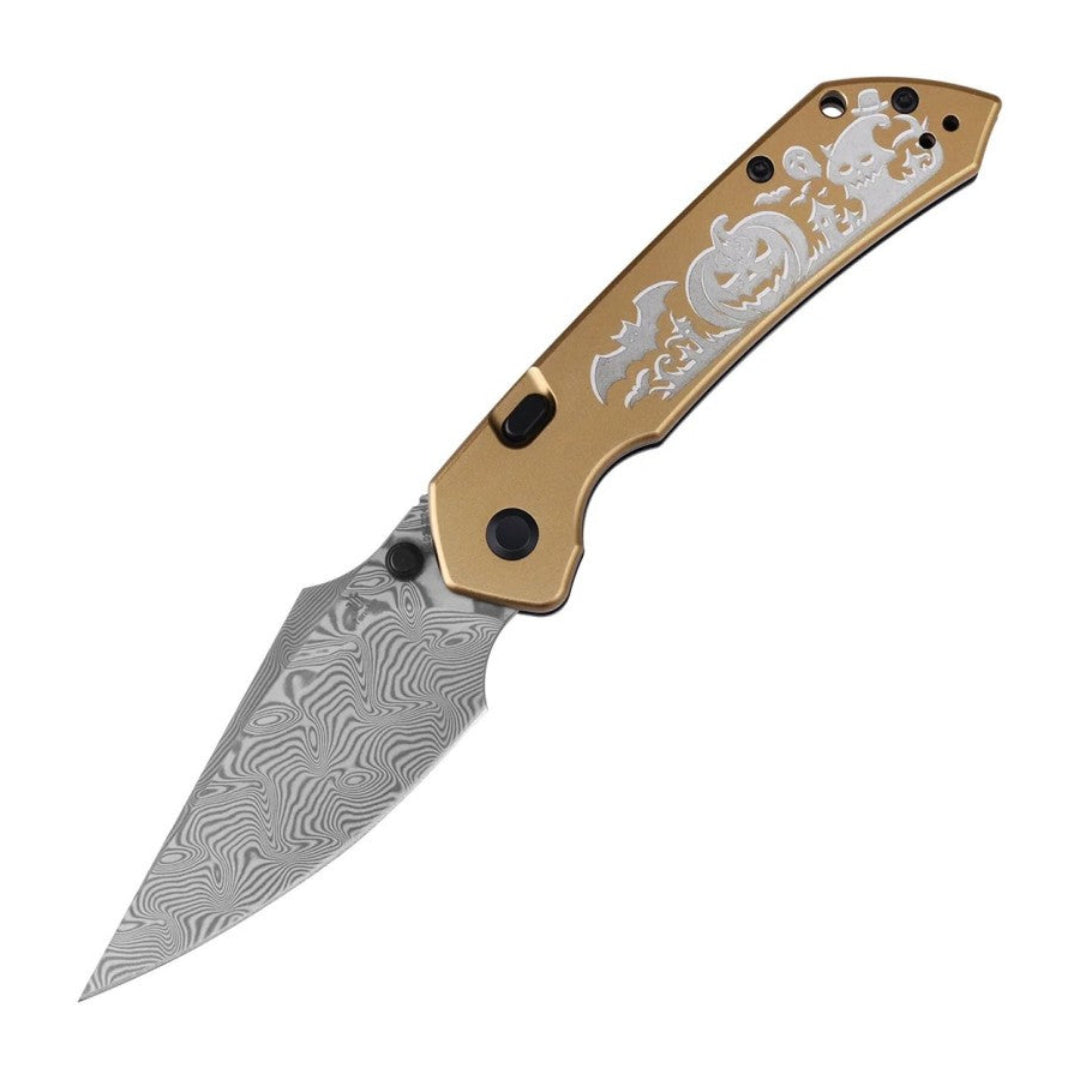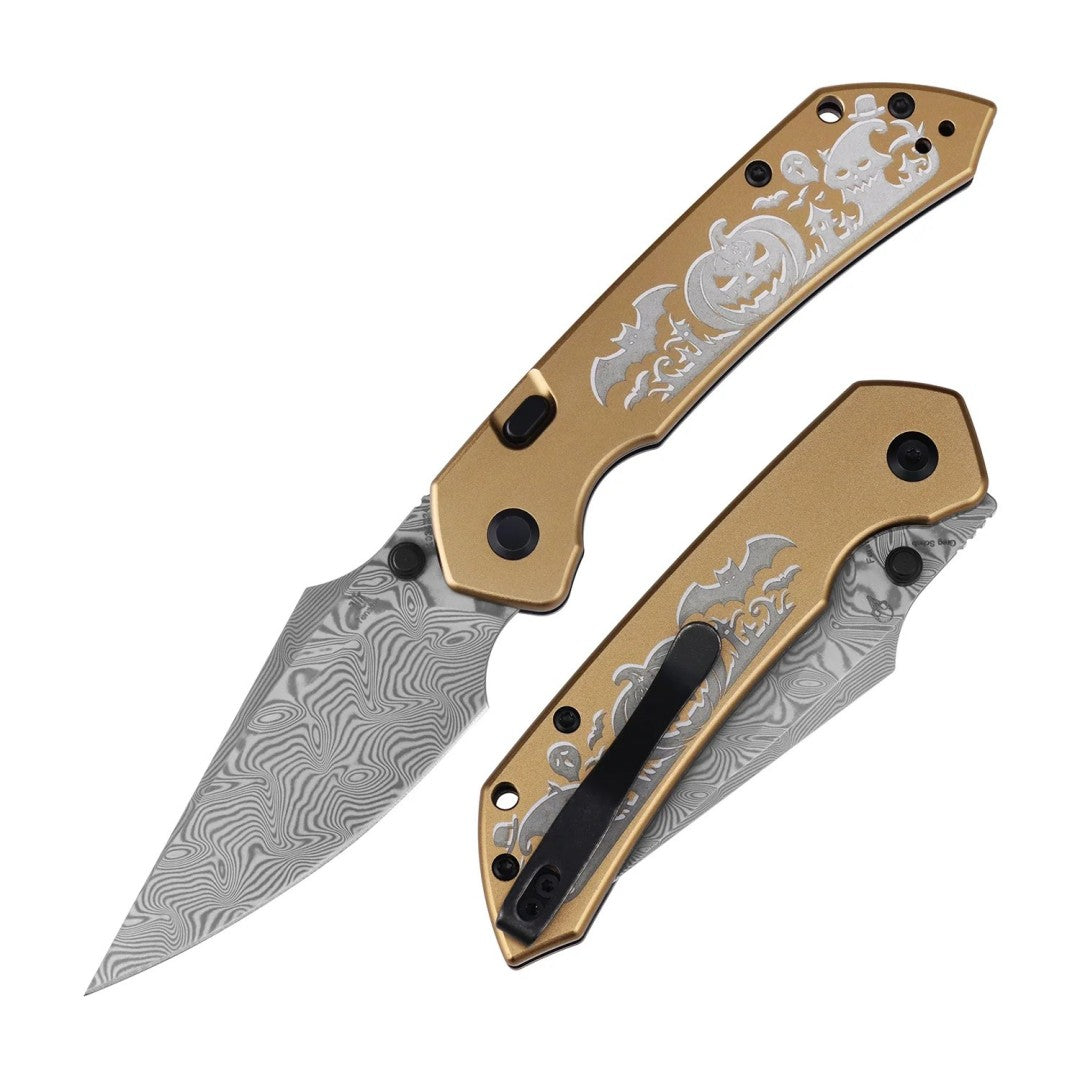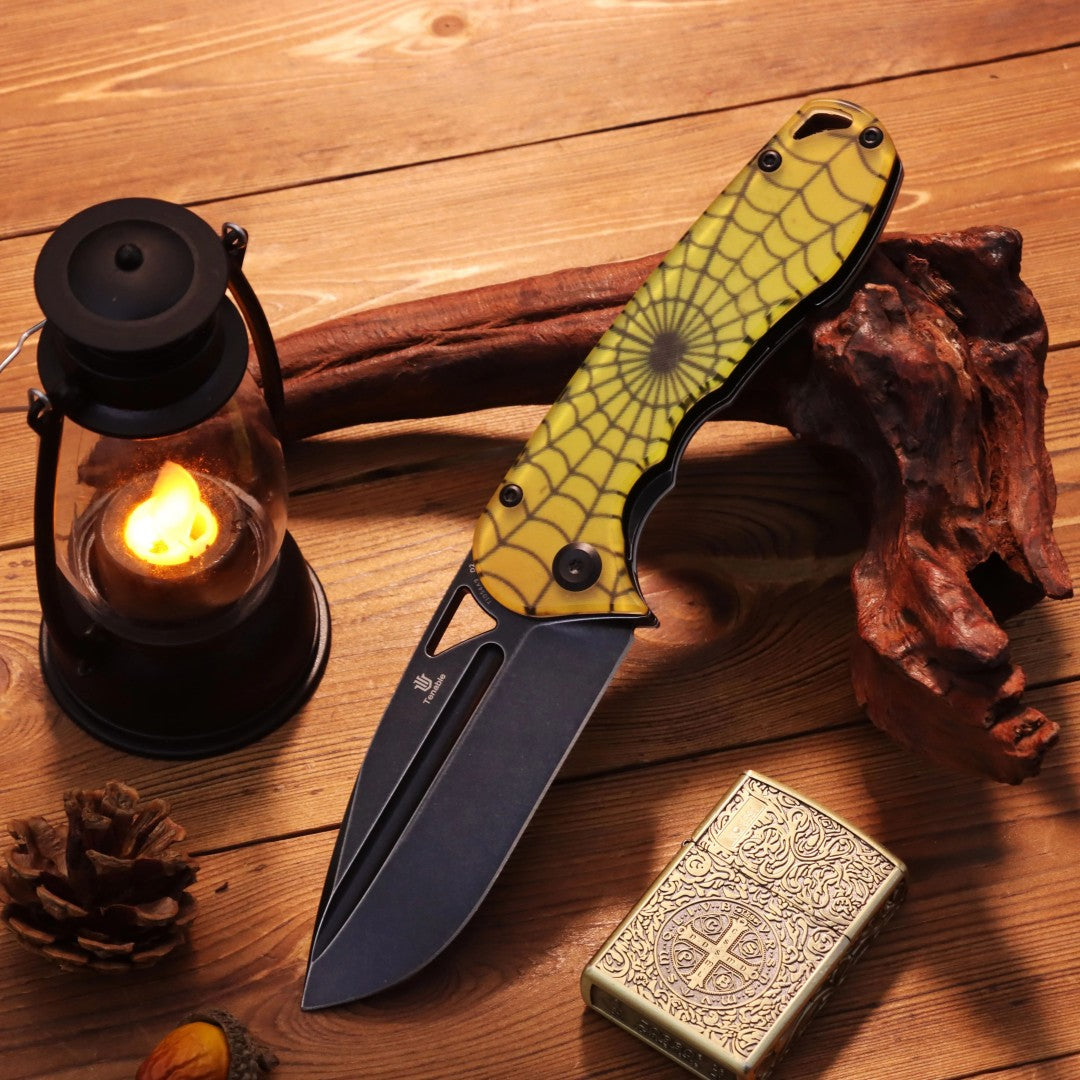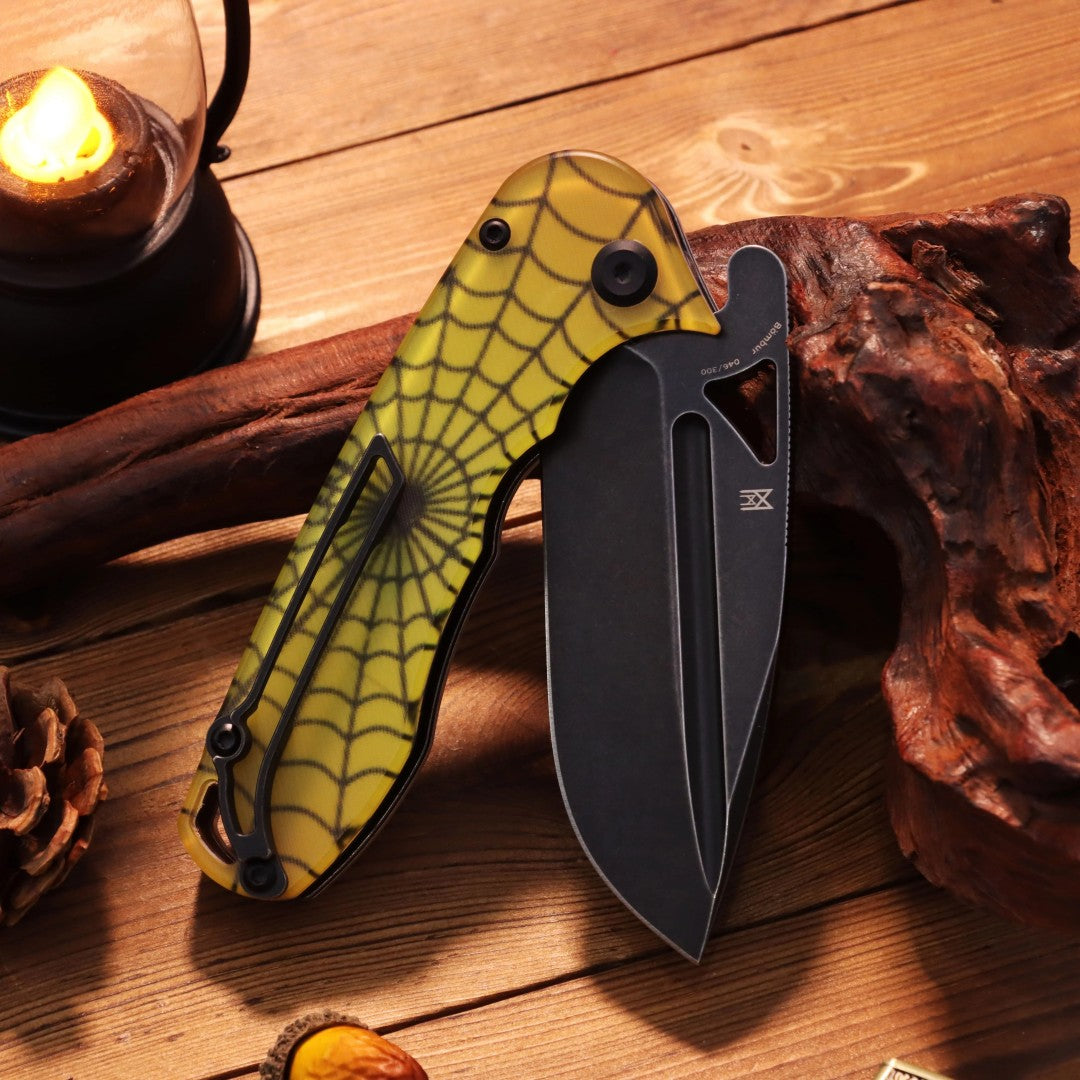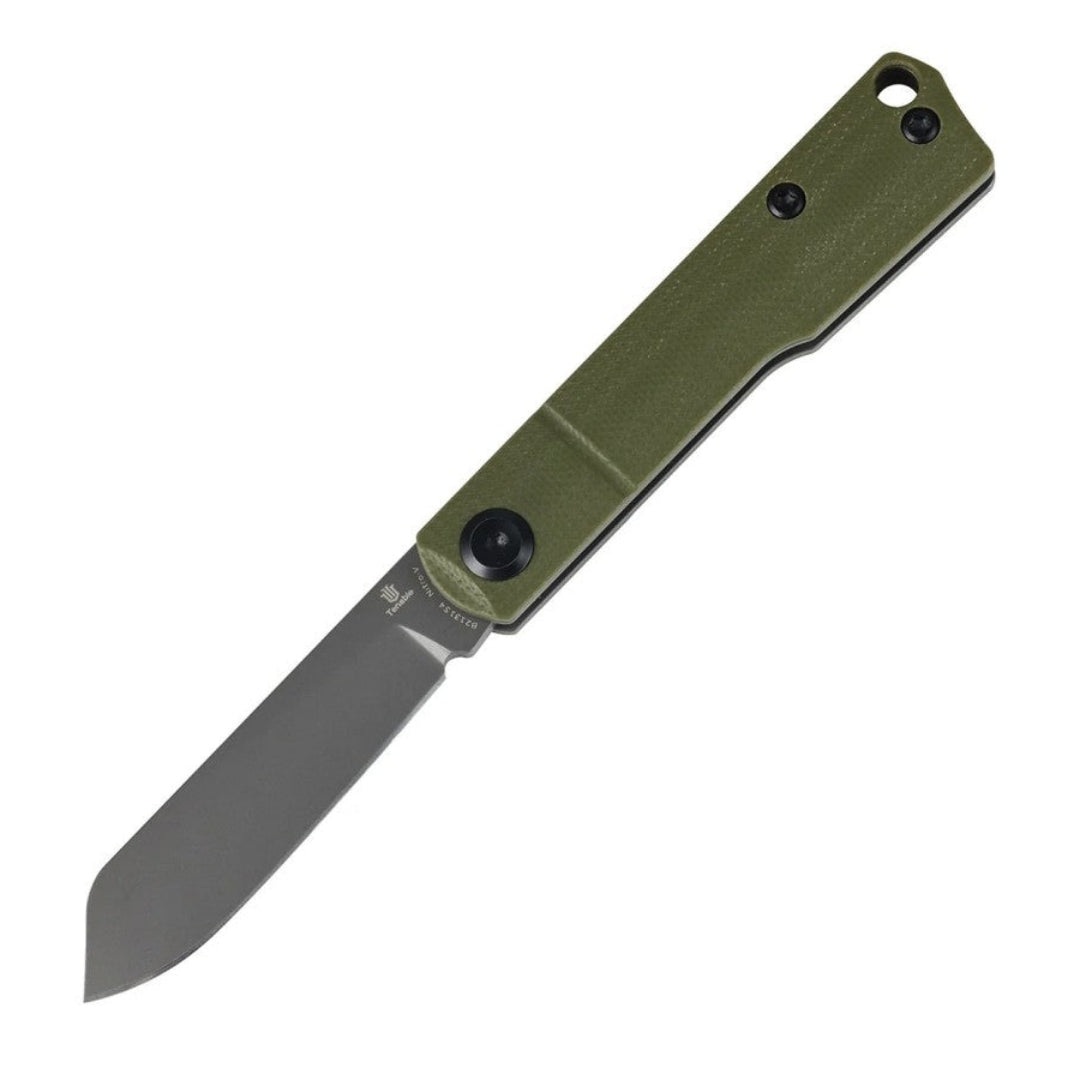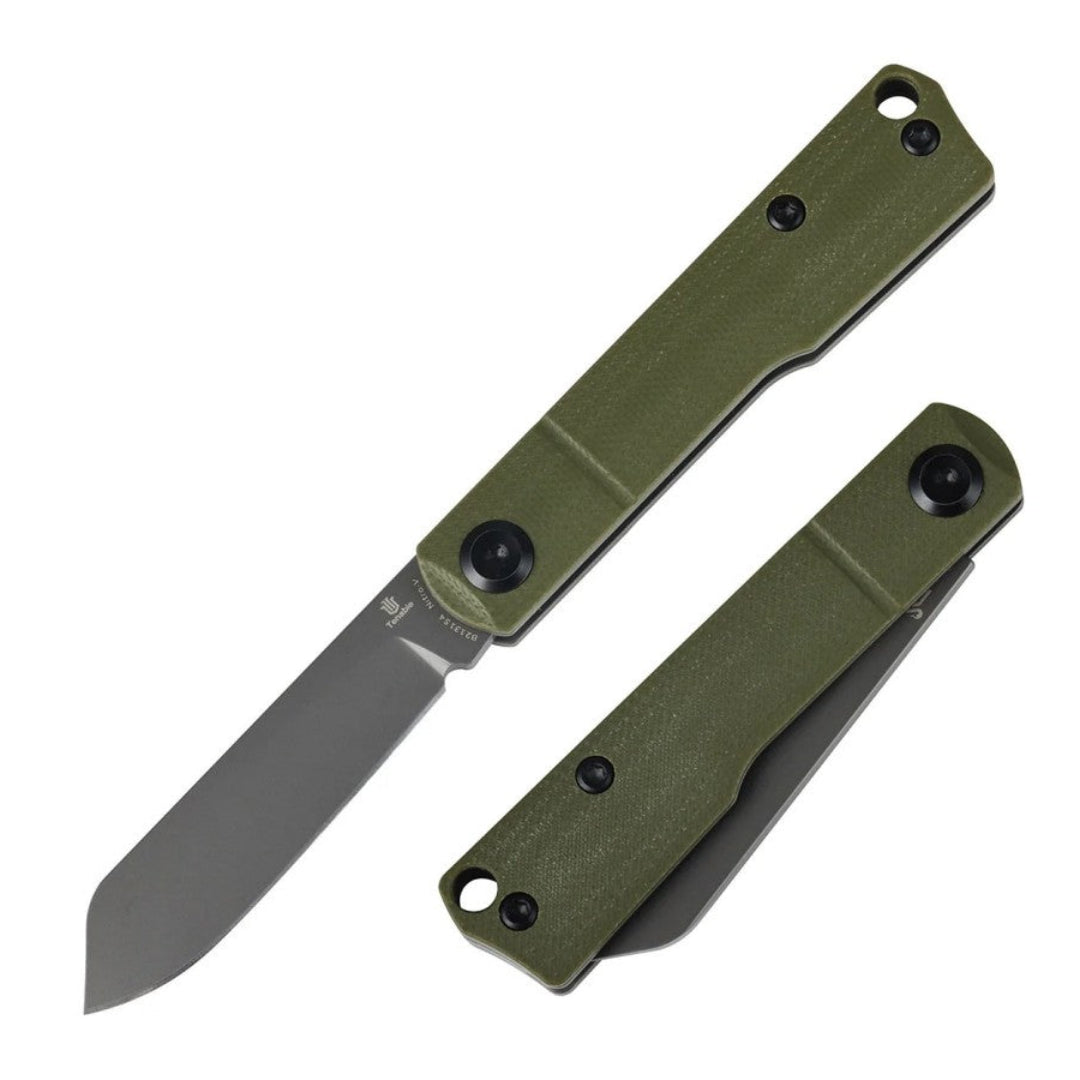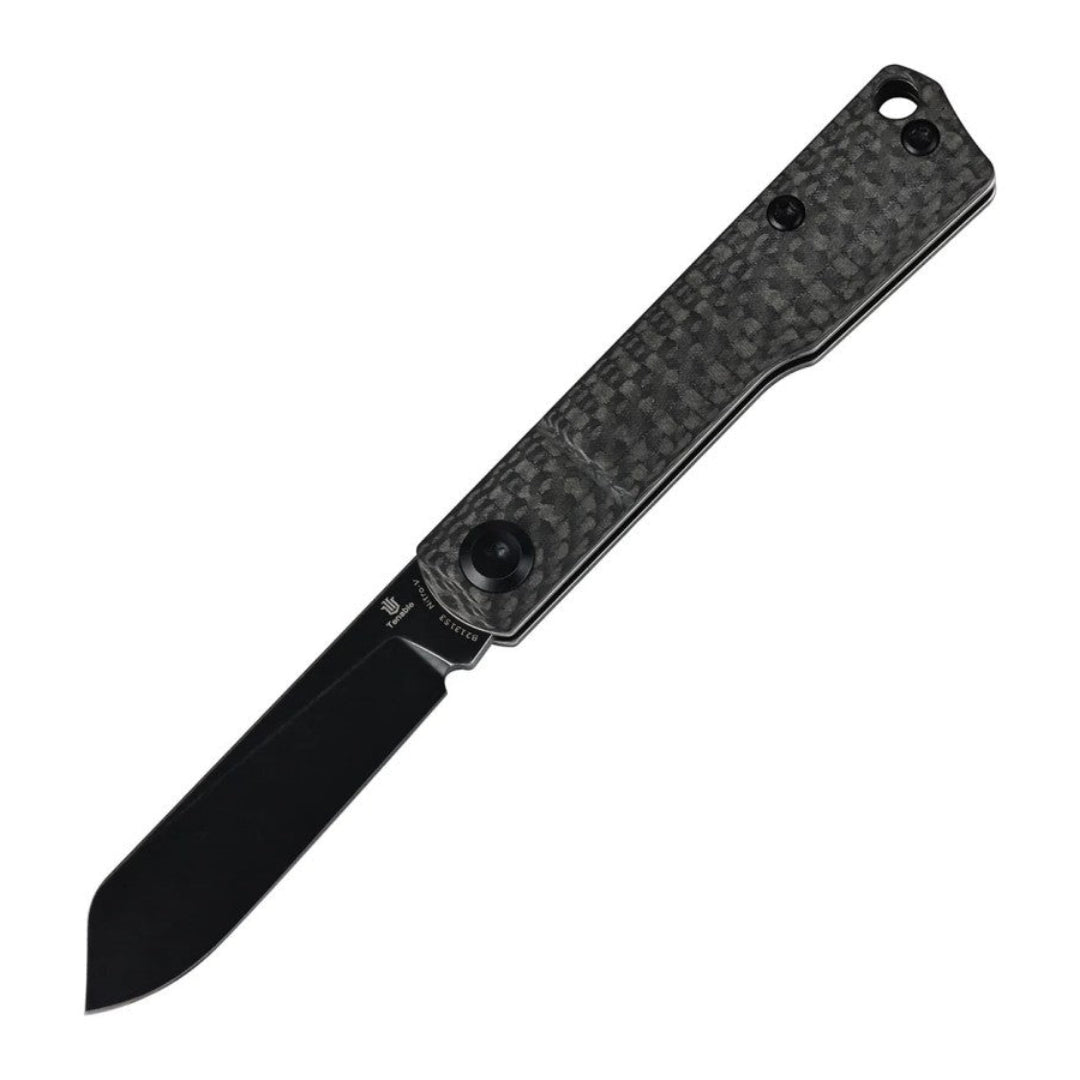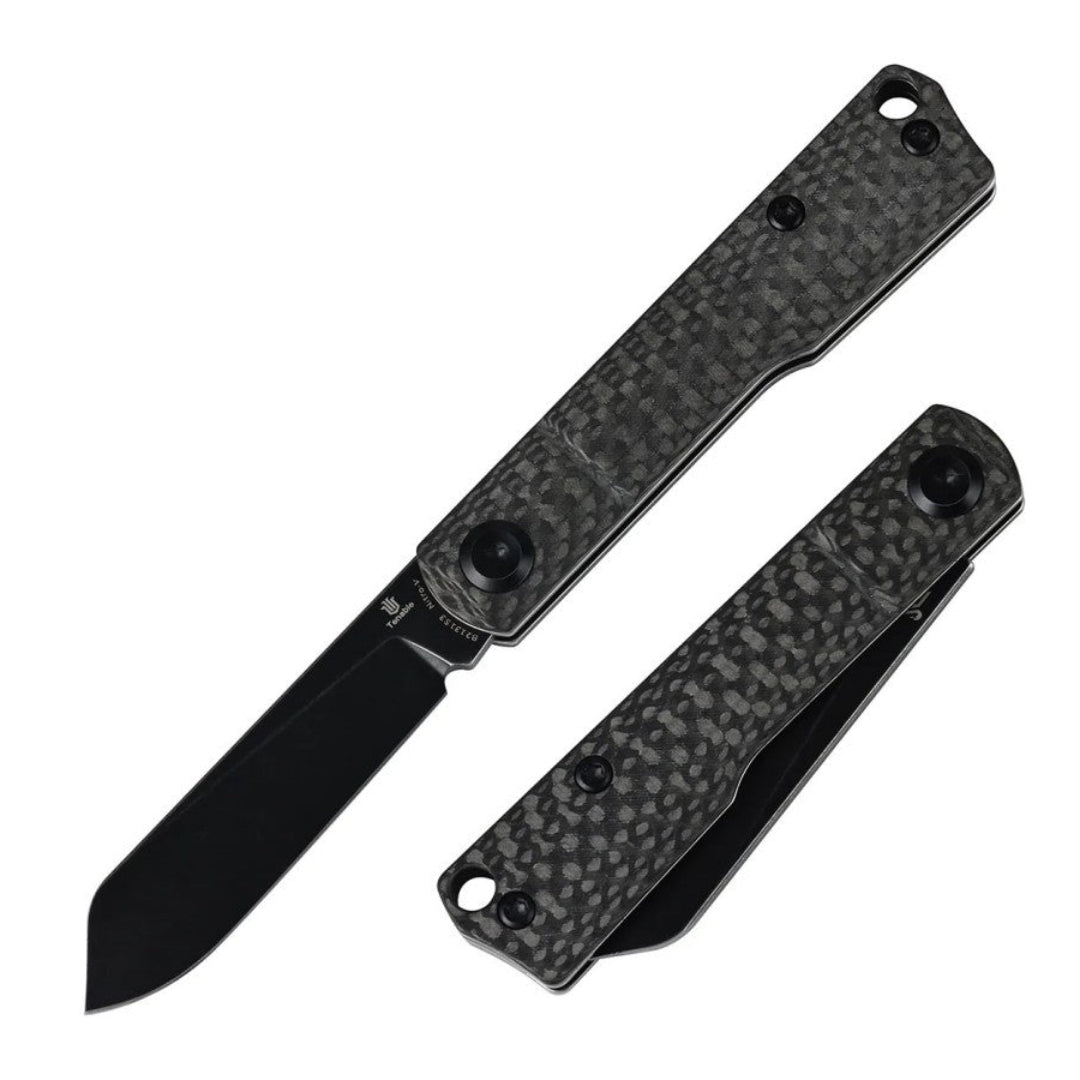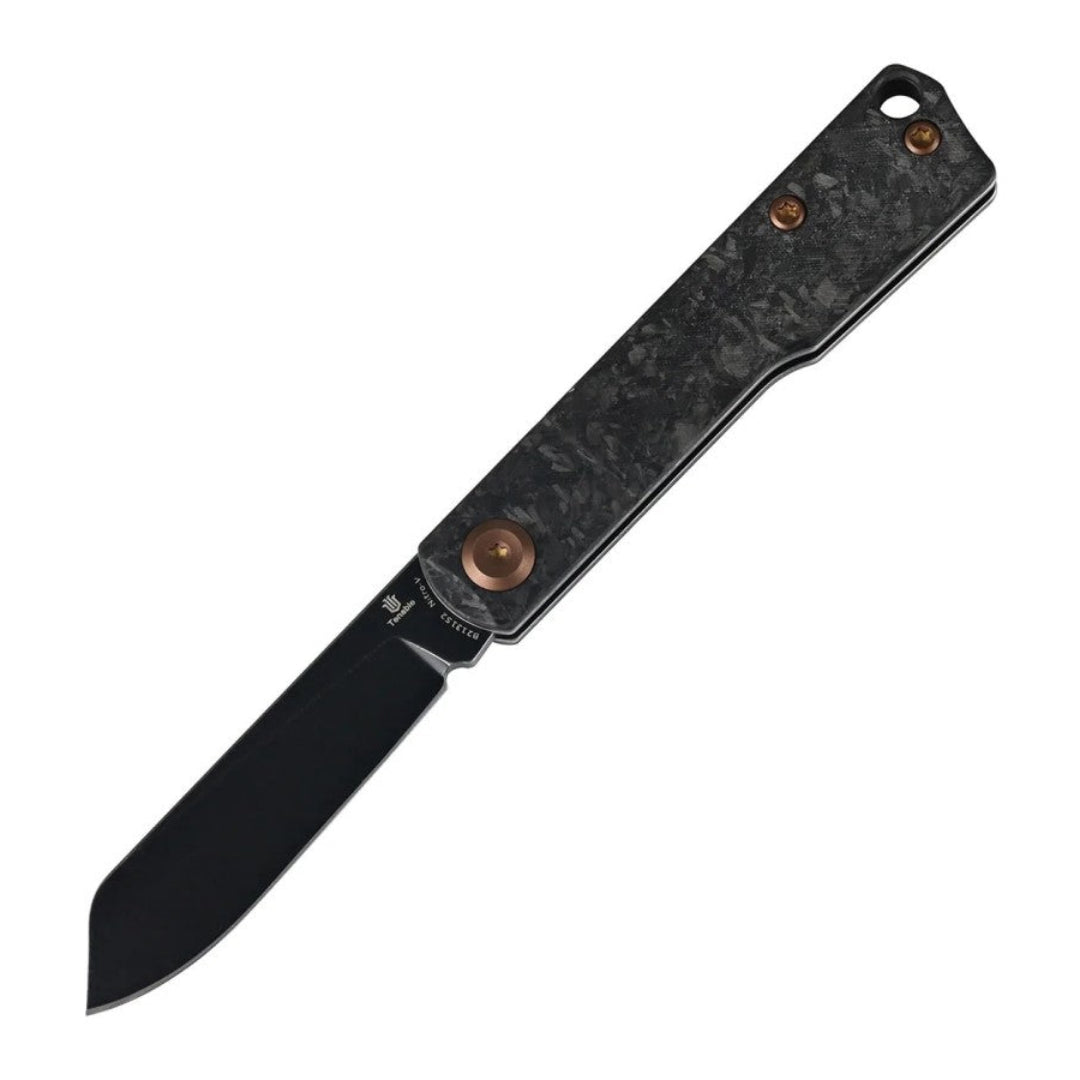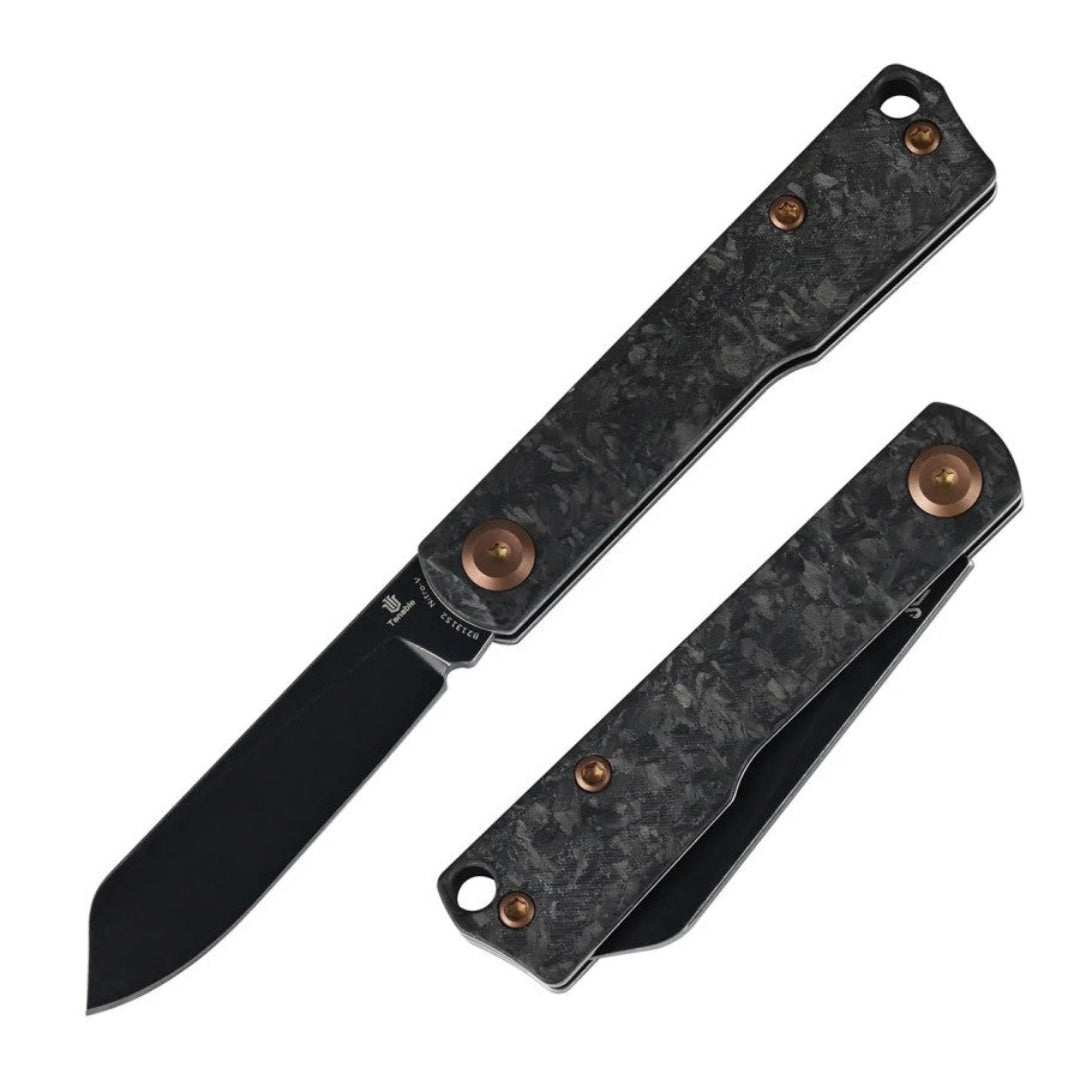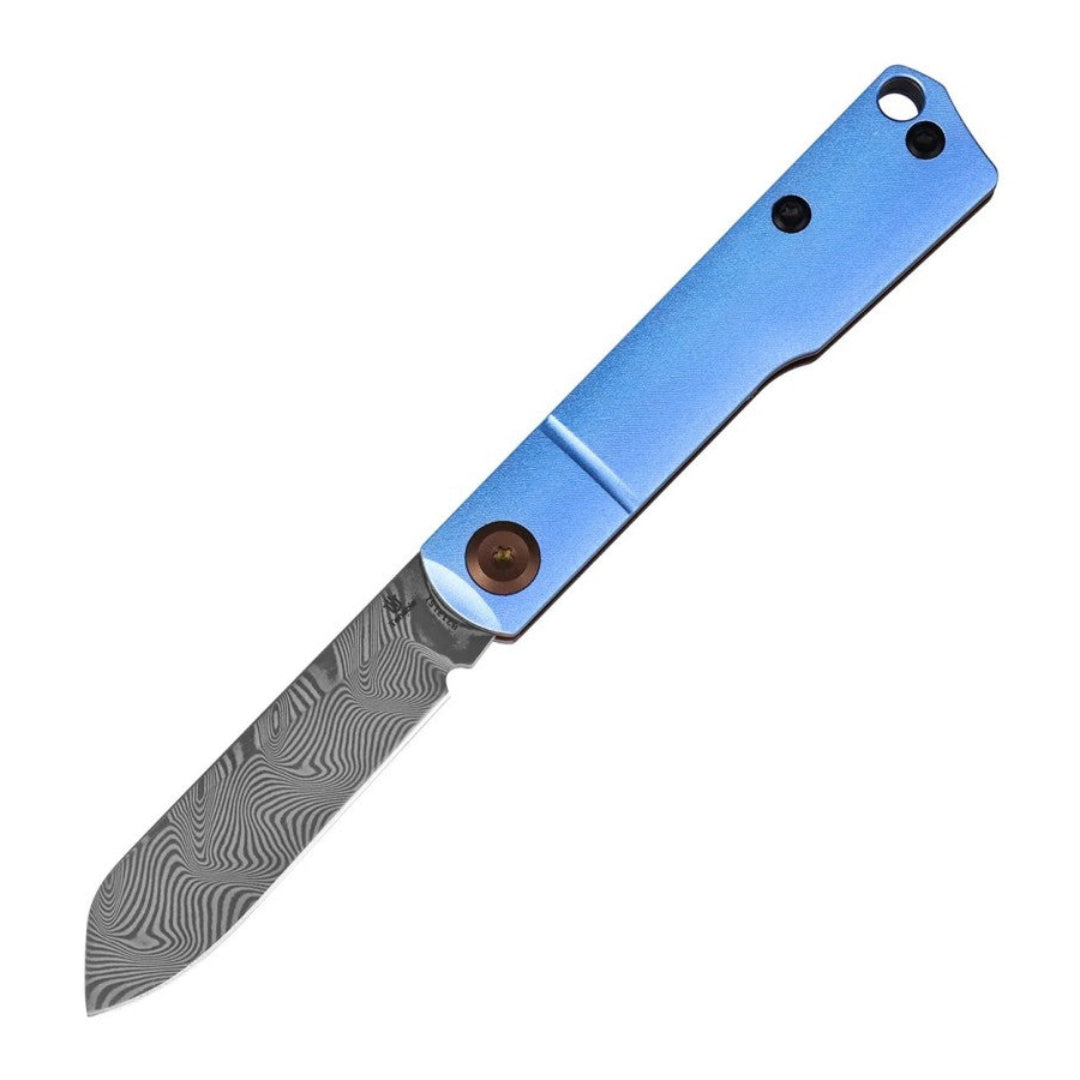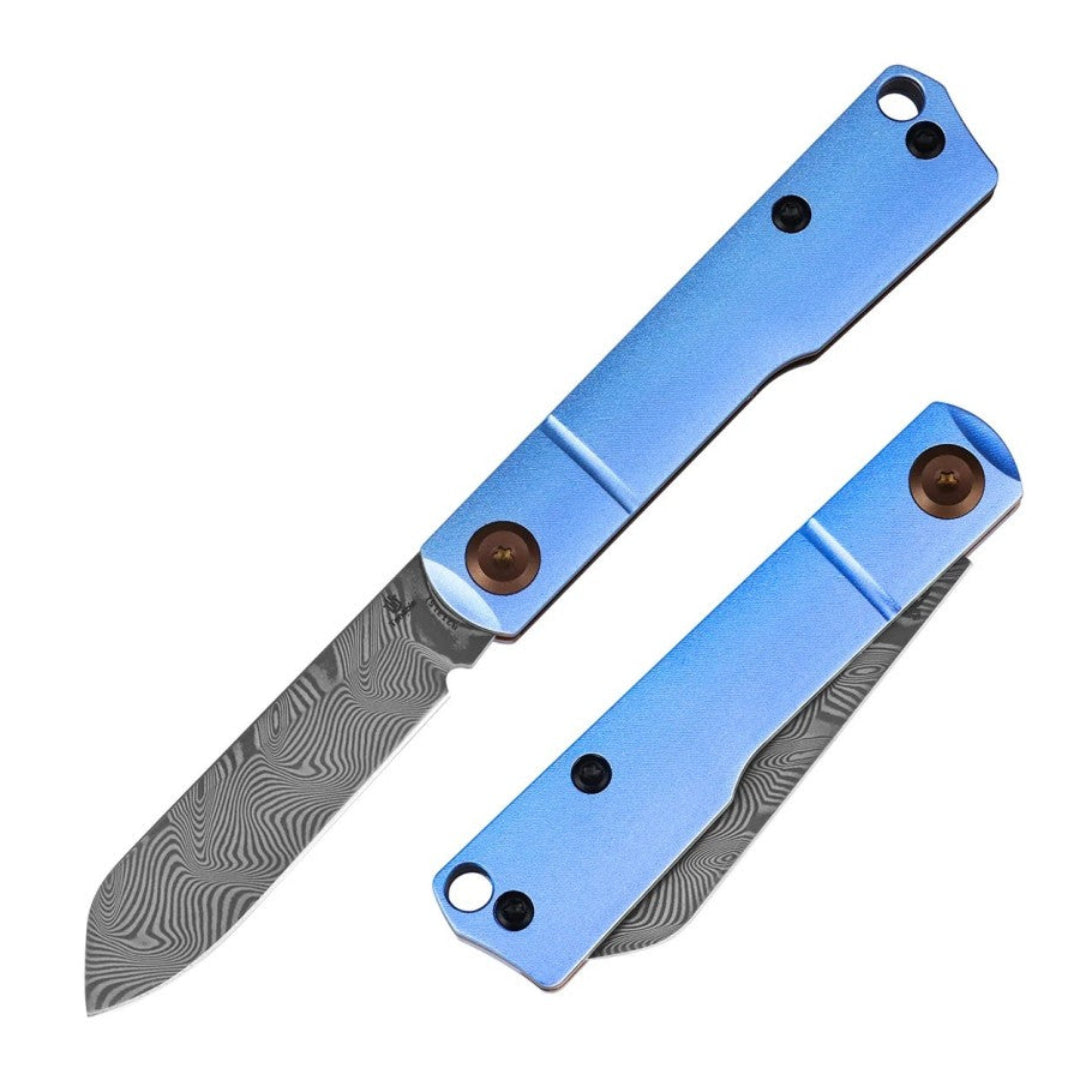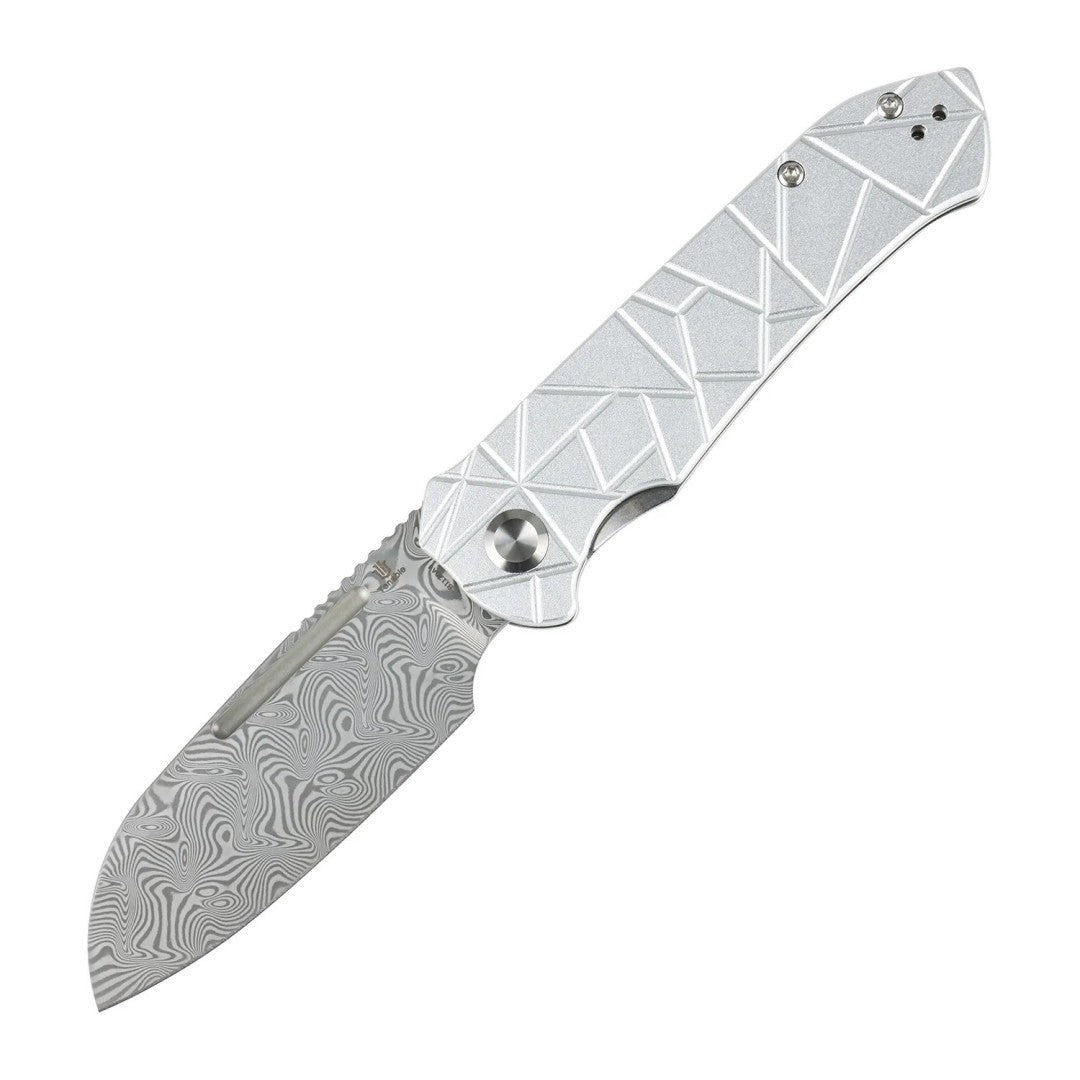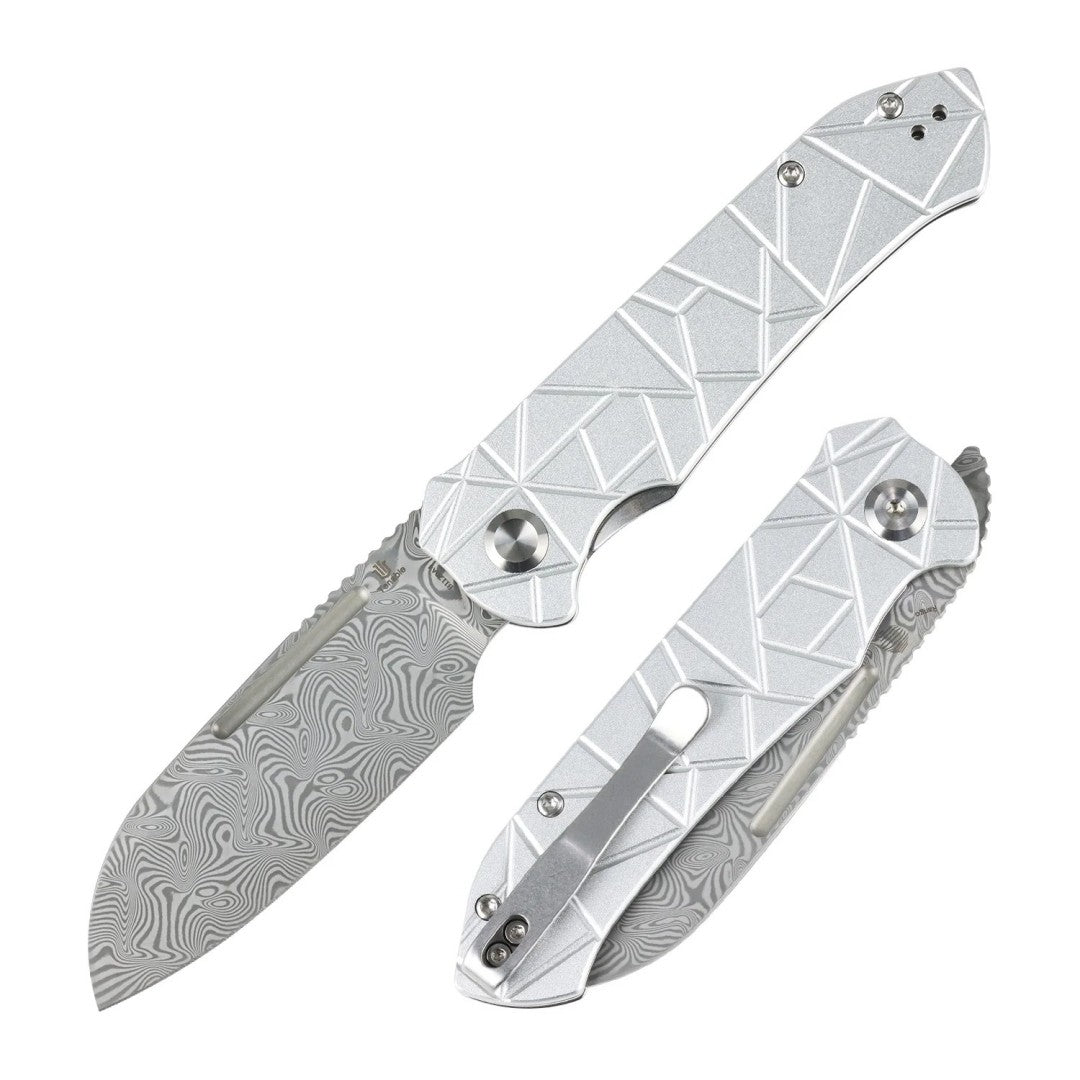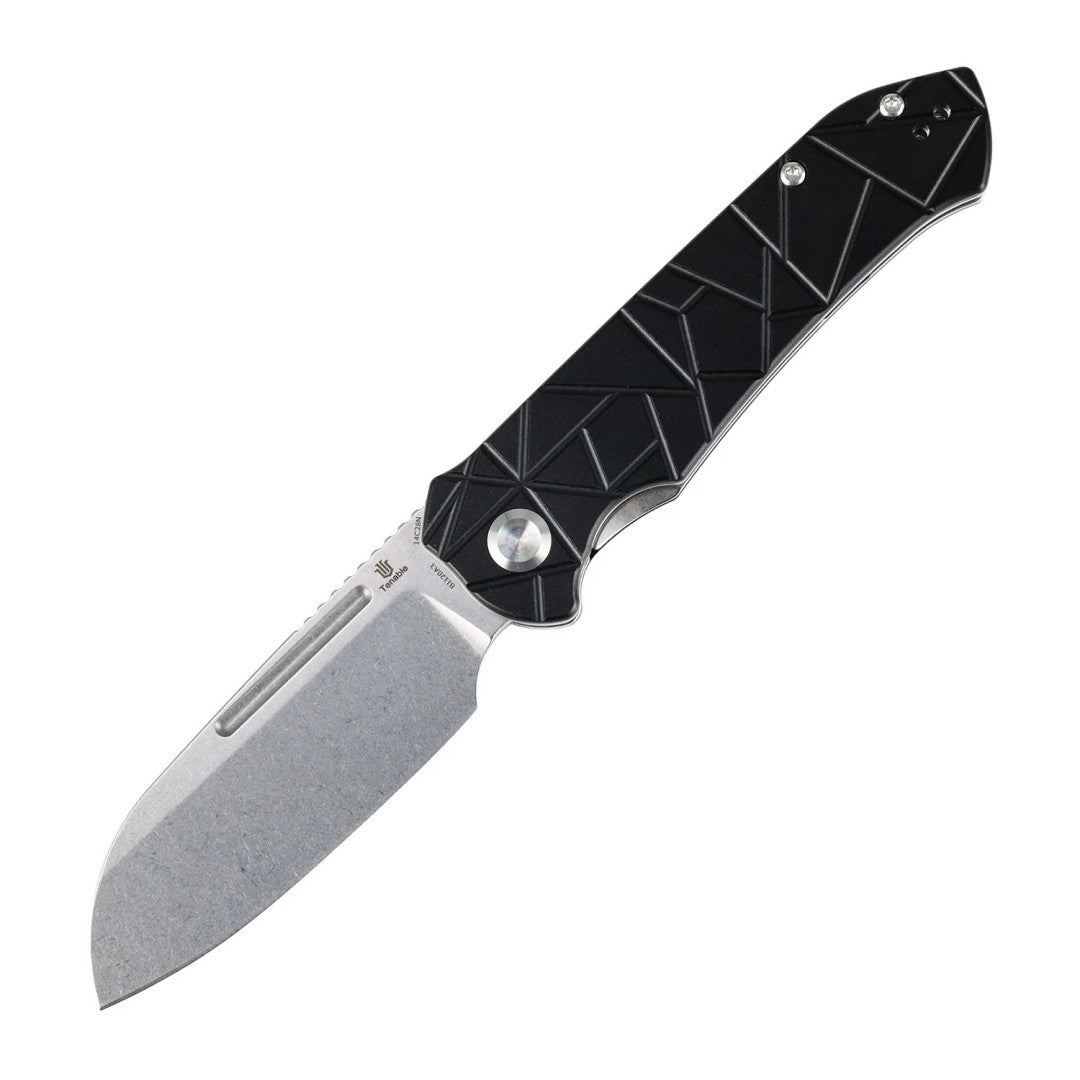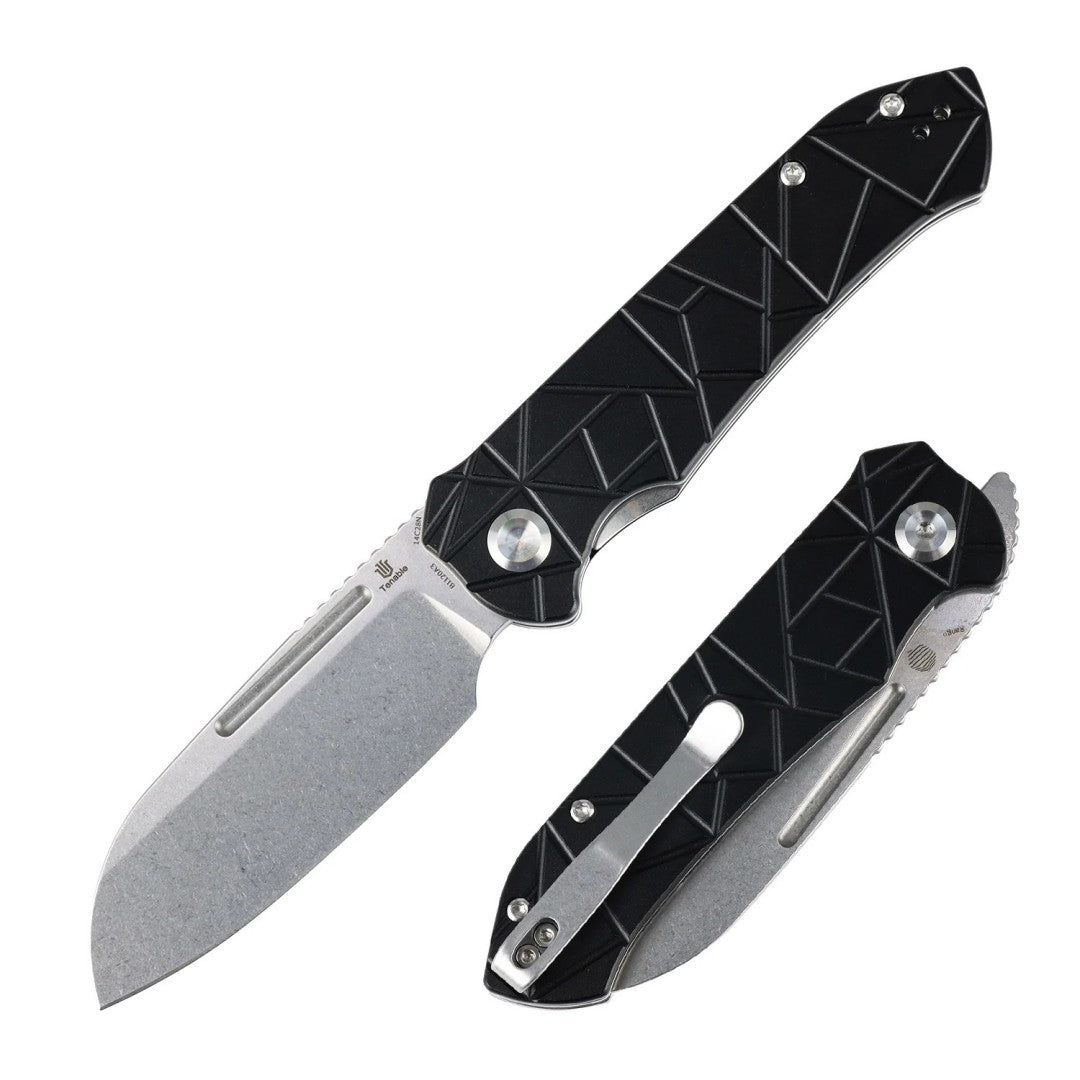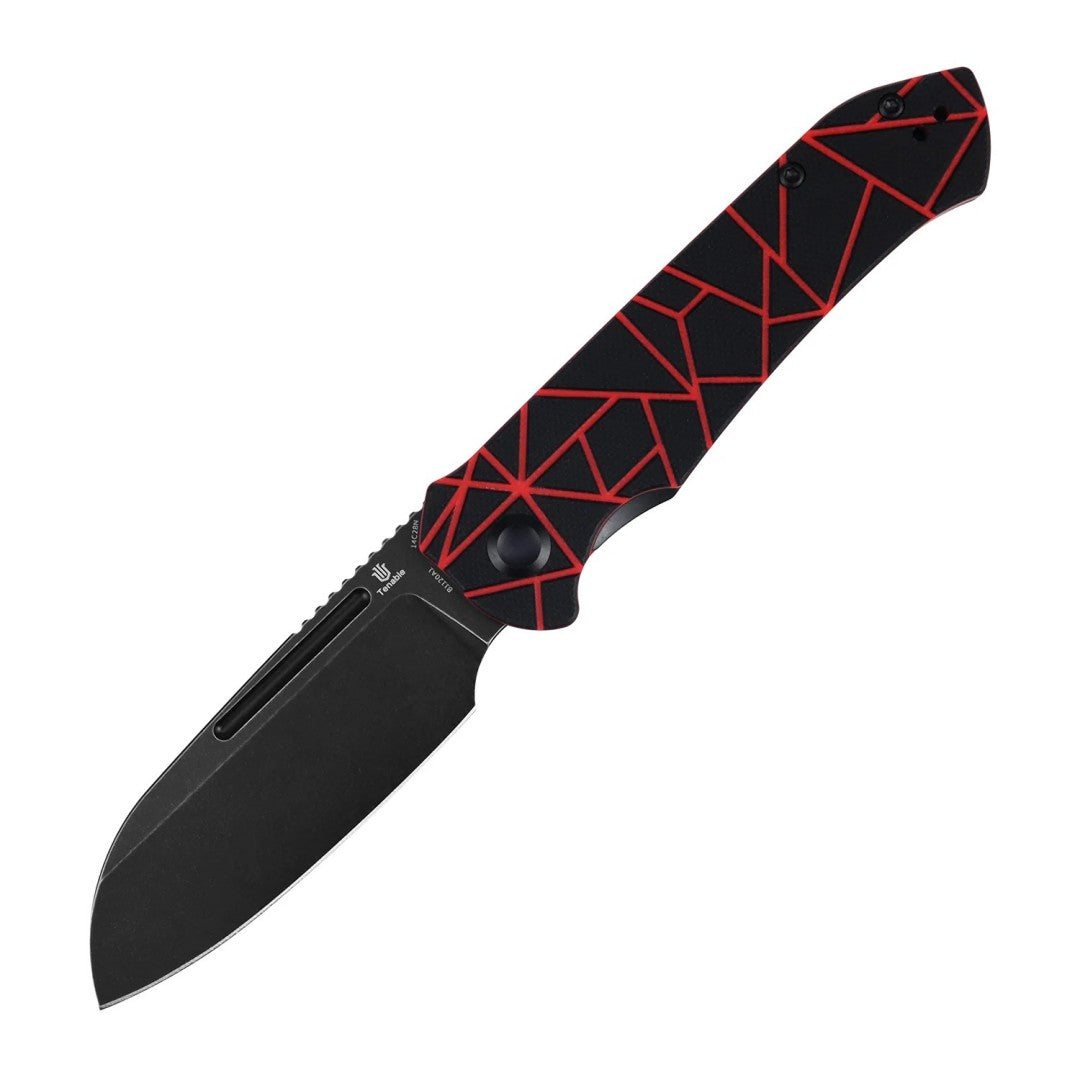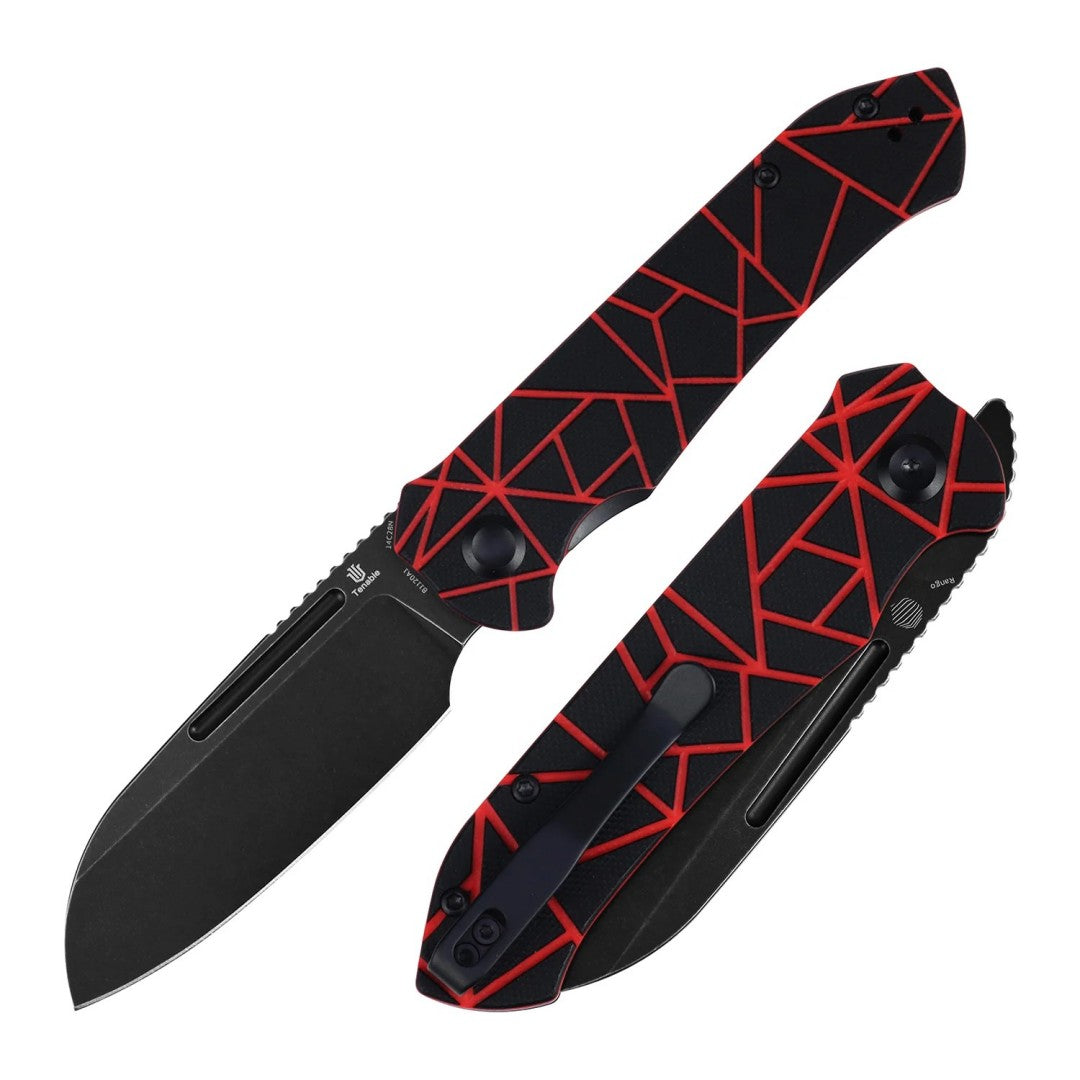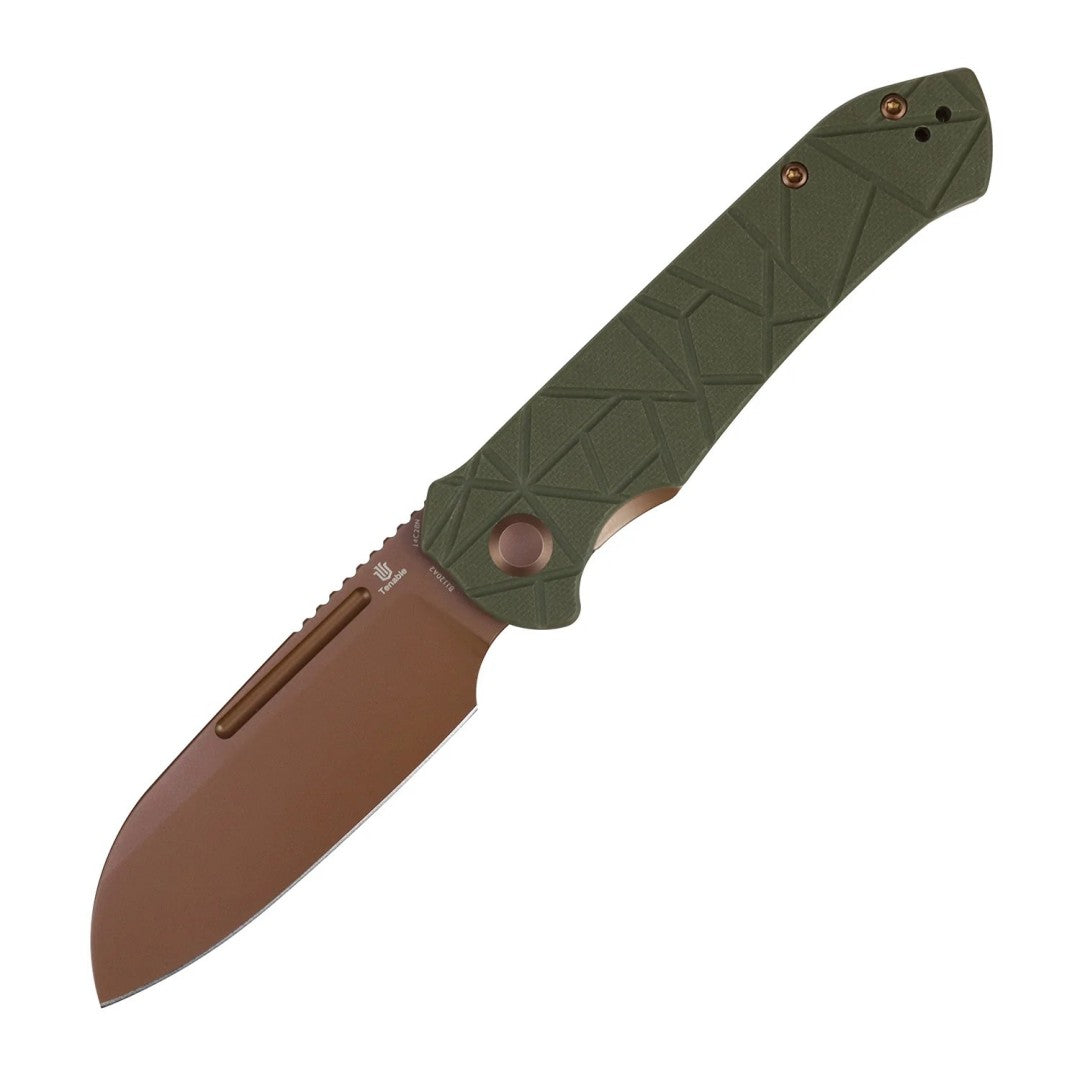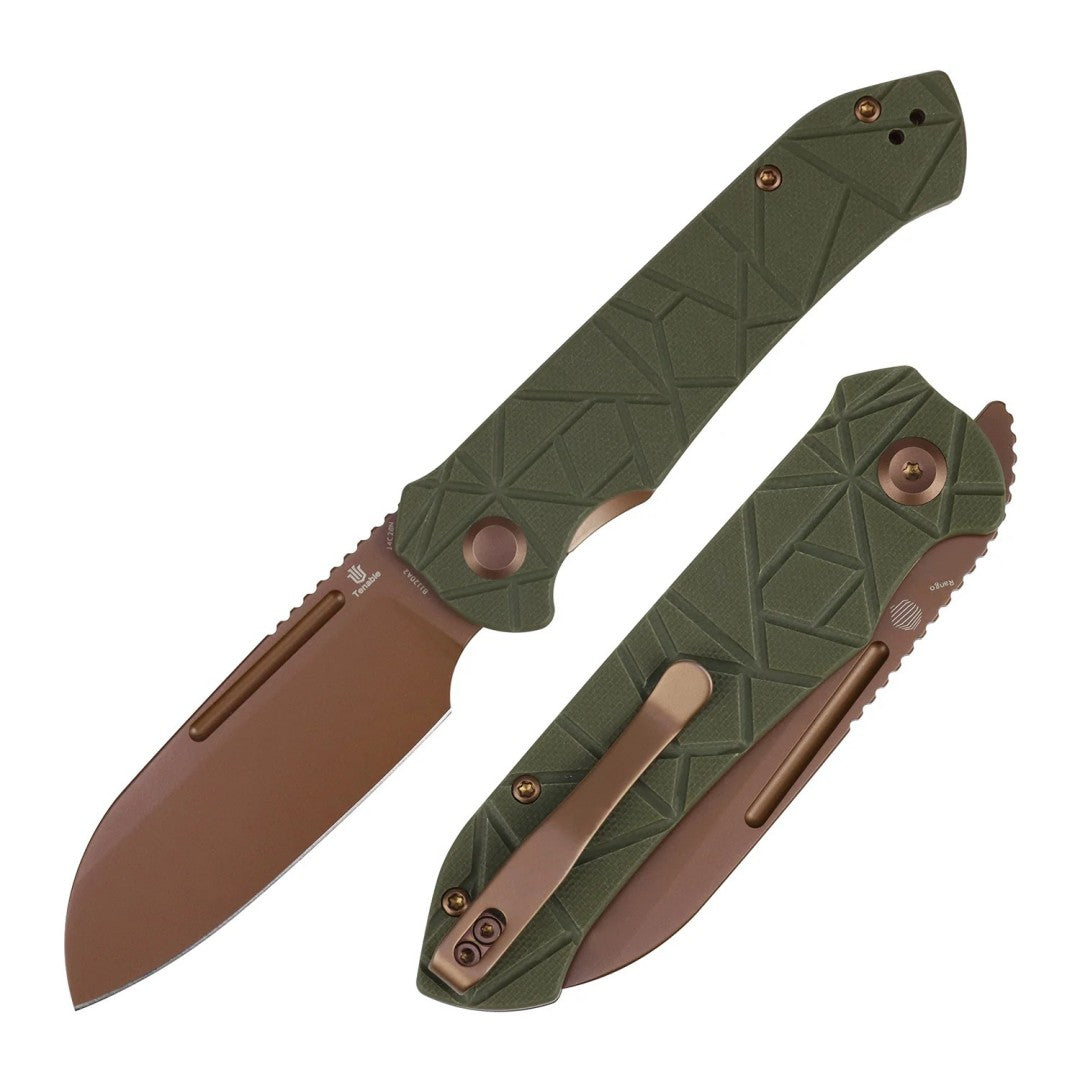
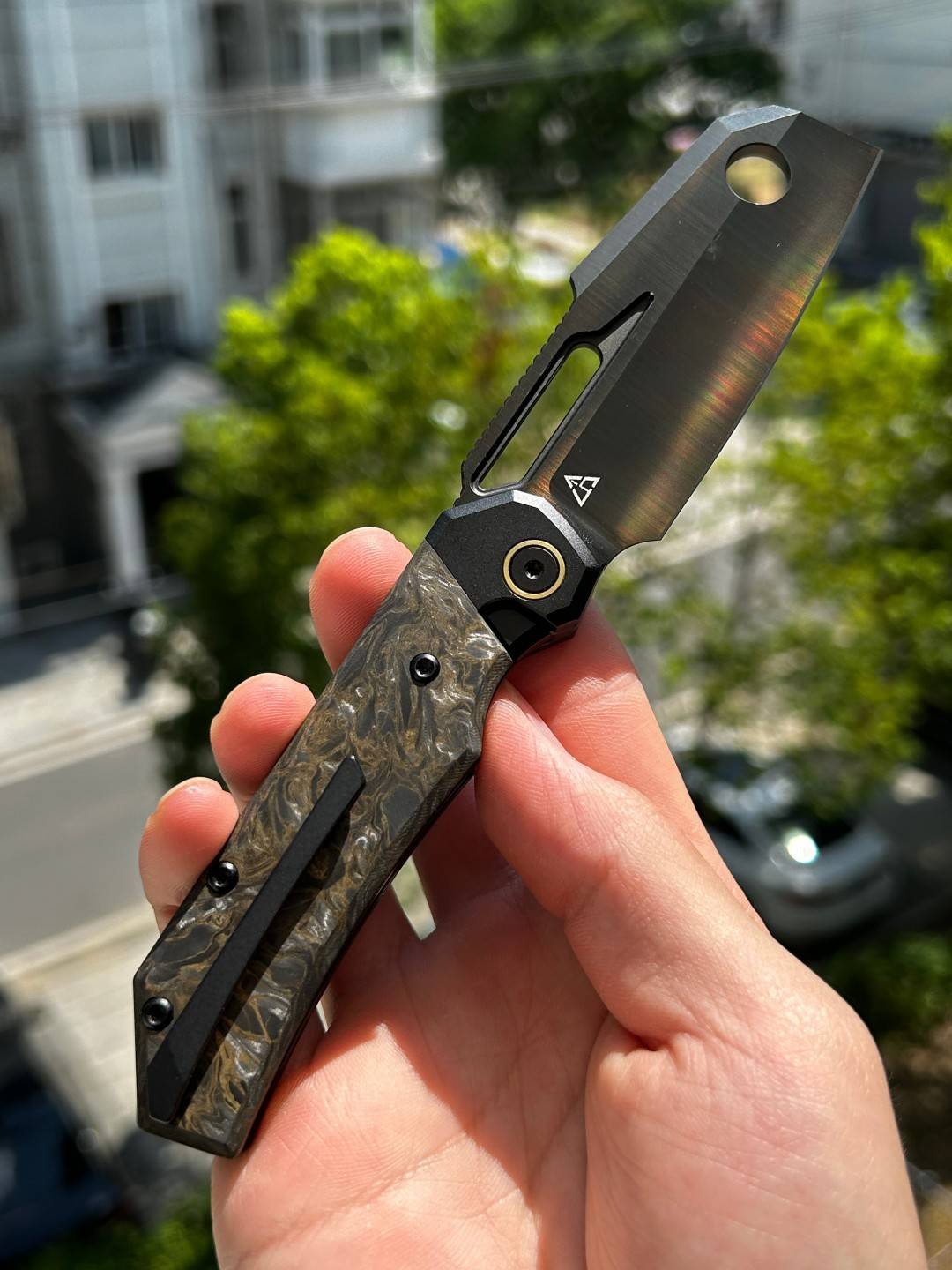
When selecting a high-end pocket tool, the core performance debate almost always centers around two opposing metallurgical properties: abrasive edge retention and impact toughness. Achieving the ideal balance between an apex that holds a razor-sharp working bite through hundreds of cuts and a steel matrix that resists chipping under unexpected shock is the hallmark of great blade design. On the Bestech Nyrrdreki, this equation is solved through advanced Austrian powder metallurgy, targeted cryogenic heat treatment, and specialized blade geometry.
 The Metallurgical Balance: Carbide Density vs. Matrix Toughness
In tool steel metallurgy, edge longevity and impact toughness exist on opposite ends of a mechanical spectrum. Increasing the volume of hard alloy carbides enhances wear resistance, but if carbide clusters grow too coarse, the steel becomes brittle and susceptible to apex fracturing.
Austrian steel manufacturer Böhler resolved this conflict in M390 Microclean by utilizing third-generation gas atomization. This powder metallurgy process sprays molten high-alloy steel into a fine mist that solidifies instantaneously, preventing the formation of large, brittle carbide clusters.
-
Vanadium Carbide Hardness: The four percent vanadium content precipitates ultra-hard microscopic vanadium carbides that act as microscopic teeth, resisting abrasive wear during continuous cutting.
-
Refined Microstructure: Because the carbides are uniformly dispersed at the sub-micron scale, stress concentrations across the cutting bevel are minimized, significantly elevating lateral apex stability.
-
Corrosion Resistance Synergy: A massive twenty percent chromium content stays largely in solid solution, preventing microscopic pitting that could otherwise compromise the integrity of the apex in humid environments.
Heat Treatment Calibration: 60–61 HRC for Optimal Durability
Steel composition provides only the potential for performance; the thermal cycle determines its real-world capability. When designer Fabian Hobbelen partnered with Bestech, the target hardness for the Nyrrdreki was established at 60–61 HRC with a deep cryogenic treatment.
Pushing high-alloy stainless steels above 62 HRC can increase absolute wear resistance on paper, but it significantly reduces impact toughness, leaving the apex vulnerable to micro-chipping when slicing against staples, dirty cardboard, or hard zip ties. Conversely, running the steel below 59 HRC causes the edge to roll prematurely under heavy push cuts. The 60–61 HRC thermal protocol preserves the elastic threshold of the steel matrix, allowing the cutting edge to absorb lateral deflection without micro-fracturing.
Toughness and Edge Life Comparison Across Benchmark Alloys
Evaluating M390 alongside other popular blade alloys highlights how it balances cutting longevity against physical resilience:
| Steel Alloy | Primary Metallurgy Type | Relative Edge Retention | Apex Toughness Profile | Impact Resistance Rating | Corrosion Defense |
| Böhler M390 | Powder Metallurgy | Exceptional | High | Balanced Utility | Superior |
| CPM MagnaCut | Powder Metallurgy | High | Extreme | Heavy Impact | Superior |
| CPM S35VN | Powder Metallurgy | High | Very High | High Structural | High |
| Nitro-V | Nitrogen Ingot | Moderate | Superior | High Elasticity | High |
| D2 Tool Steel | Semi-Stainless Ingot | Moderate-High | Moderate | Moderate / Brittle | Moderate |
While dedicated impact steels like CPM MagnaCut or nitrogen-enriched alloys offer higher absolute impact toughness for heavy chopping, M390 delivers significantly higher abrasive wear resistance. For a compact utility cleaver that primarily encounters slicing, scraping, and scoring tasks, M390's high carbide volume provides substantially longer intervals between sharpenings.
Grind Geometry: Shielding the Apex from Mechanical Strain
Blade thickness and grind style have a profound effect on how impact forces are transmitted through the cutting bevel. On a compact folding knife with a substantial 0.16-inch (4.0 mm) blade spine, a flat grind could create excessive wedging drag that forces the user to apply high downward pressure.
| Engineering Attribute | Dimensional Specification | Impact on Edge Performance |
| Spine Thickness | 0.16 in (4.0 mm) | Absorbs heavy downward leverage and prevents blade flex |
| Primary Grind Style | Deep Radius Hollow Grind | Drastically thins the steel behind the apex to minimize drag |
| Factory Bevel Angle | 18–20 Degrees Per Side (DPS) | Balances acute cutting keenness with solid apex reinforcement |
| Blade Profile | Modified Cleaver / Sheepsfoot | Distributes cutting force across a broad, continuous slicing curve |
By carving deep hollow grinds into the broad blade face, the thickness directly behind the edge bevel is reduced to under 0.020 inches. This thin geometry allows the blade to slice through dense fibrous materials with minimal physical force, reducing the lateral strain placed on the apex and protecting it from premature deformation.
 Field Maintenance and Longevity in Daily Carry
Understanding how M390 behaves over extended use ensures that this compact cleaver remains a dependable asset in a dedicated EDC setup.
-
Preventative Stropping: Because M390 retains its apex shape exceptionally well, light stropping with 1.0-micron or 0.5-micron diamond paste easily maintains hair-shaving keenness without removing blade steel.
-
Controlled Abrasive Sharpening: When eventual edge reprofiling is required, diamond or silicon carbide stones cut cleanly through the hard vanadium carbides, preventing the edge burnishing that can occur with conventional natural stones.
By combining third-generation powder metallurgy, a carefully calibrated cryogenic heat treatment, and an aggressive hollow grind, the Bestech Nyrrdreki delivers remarkable abrasive edge life while maintaining the structural toughness required for daily utility tasks.