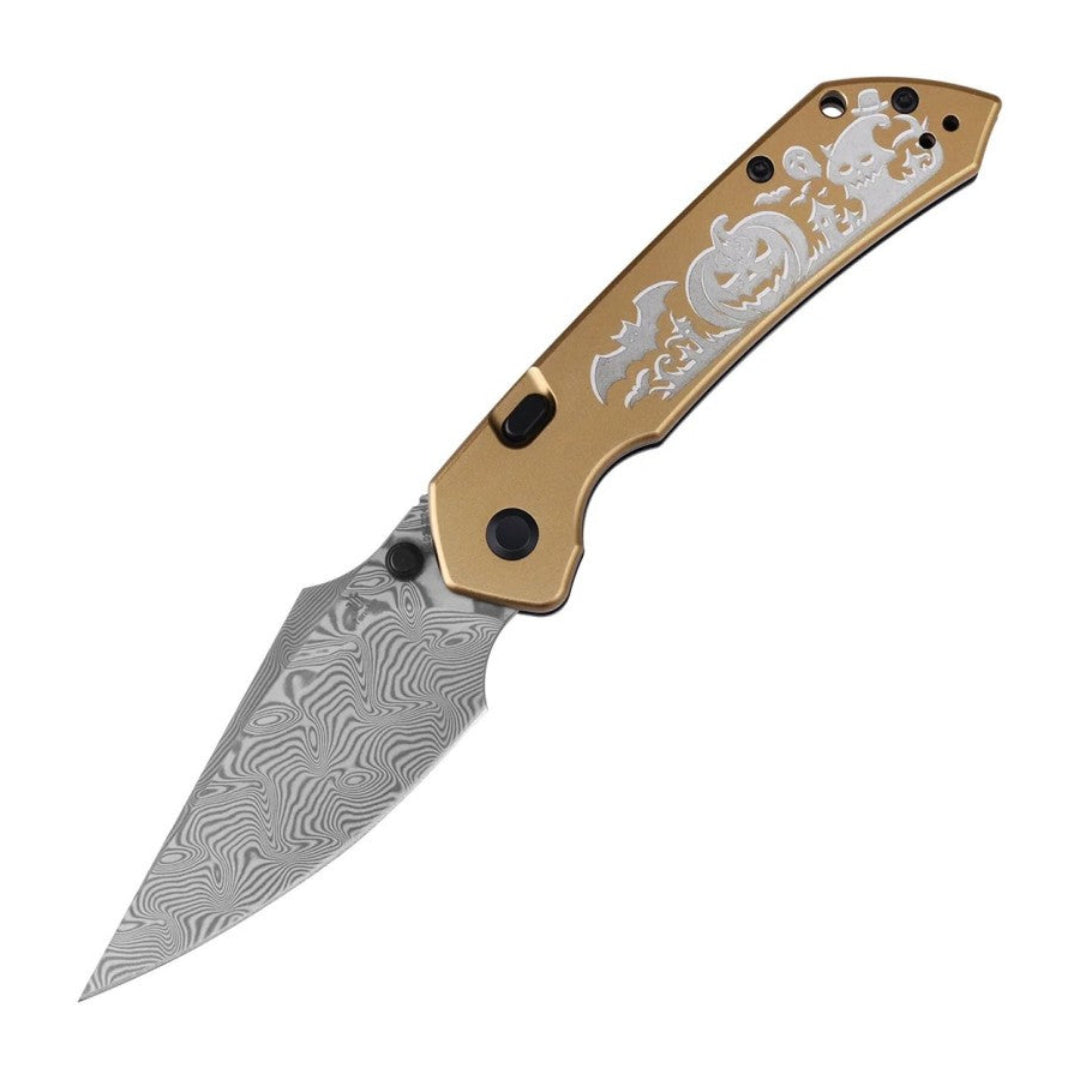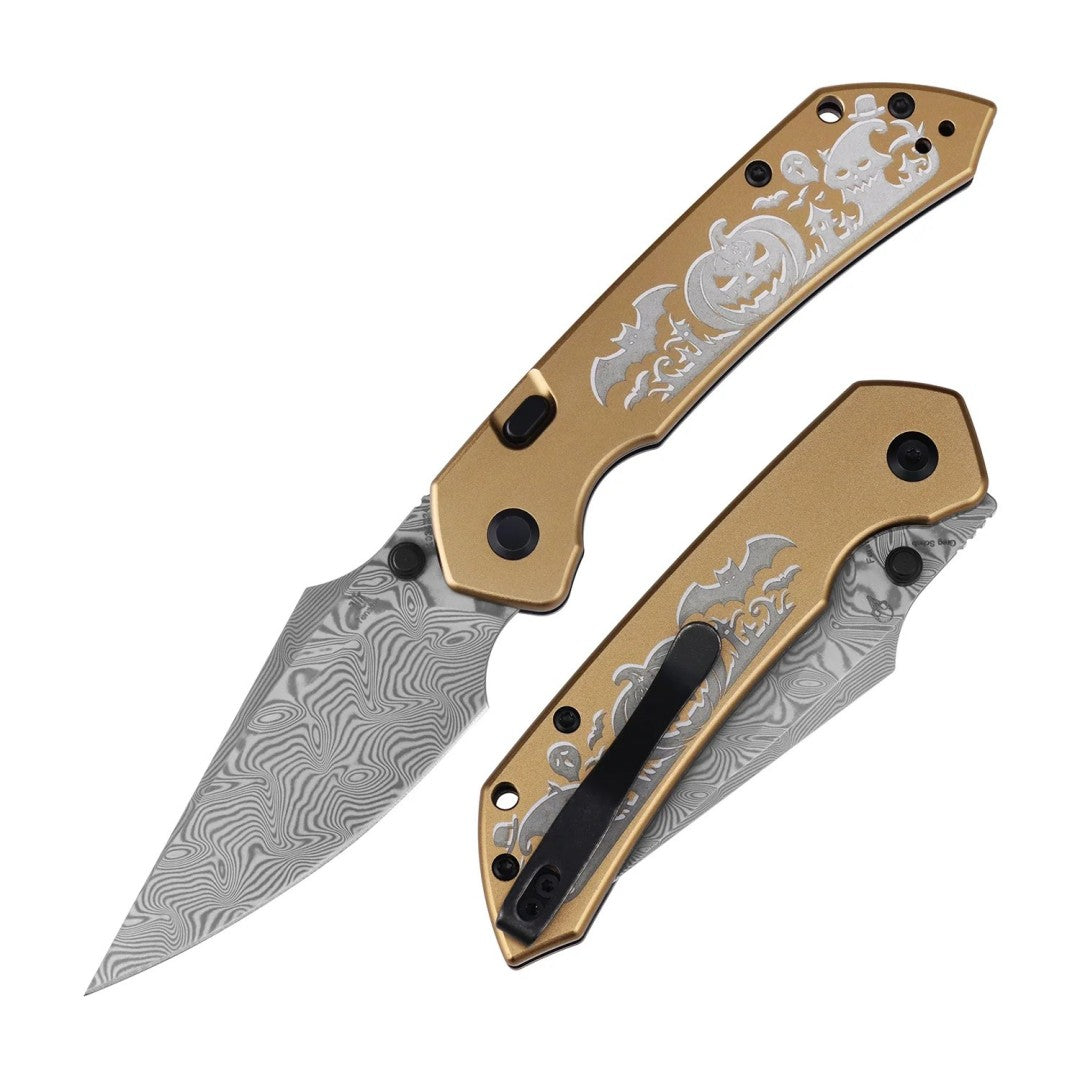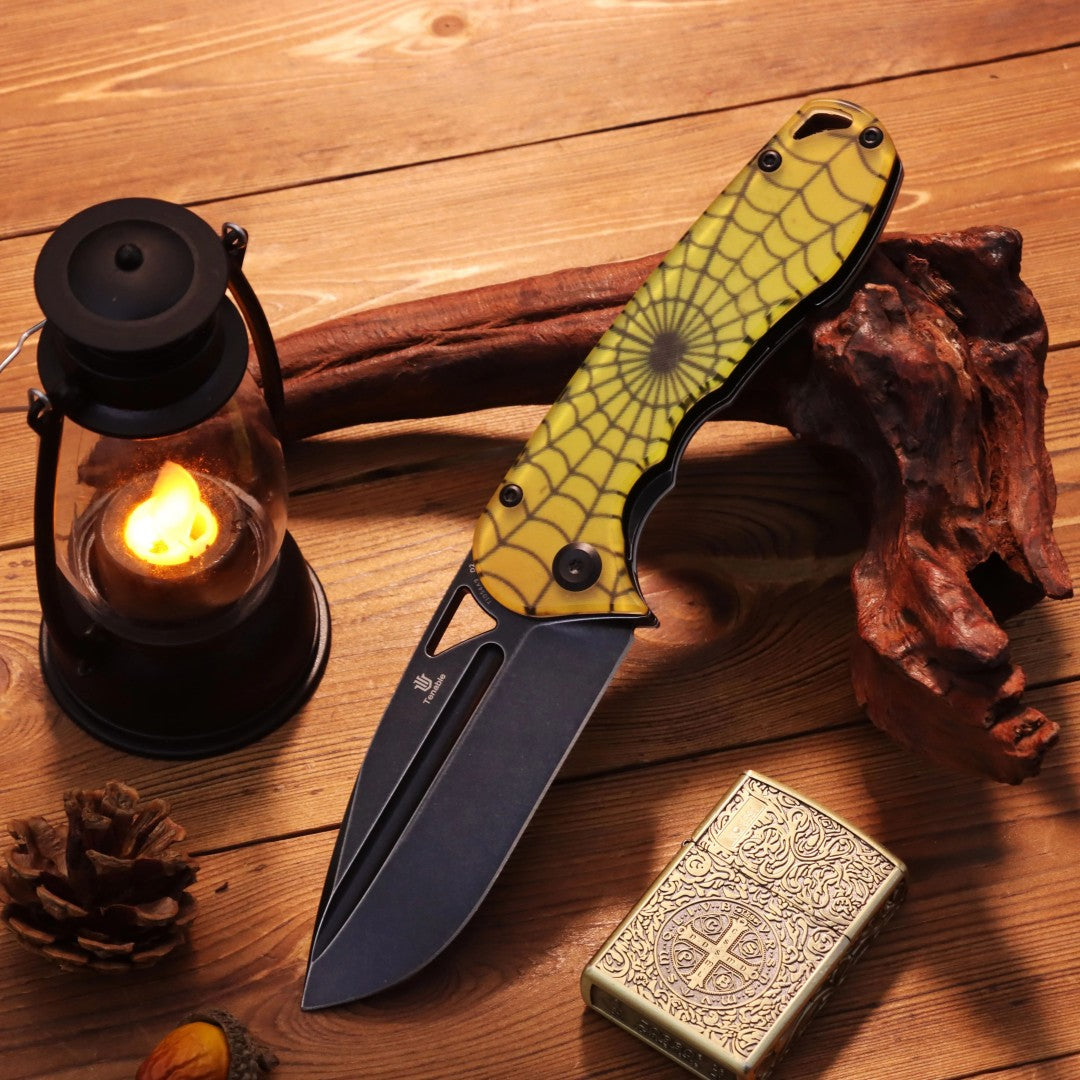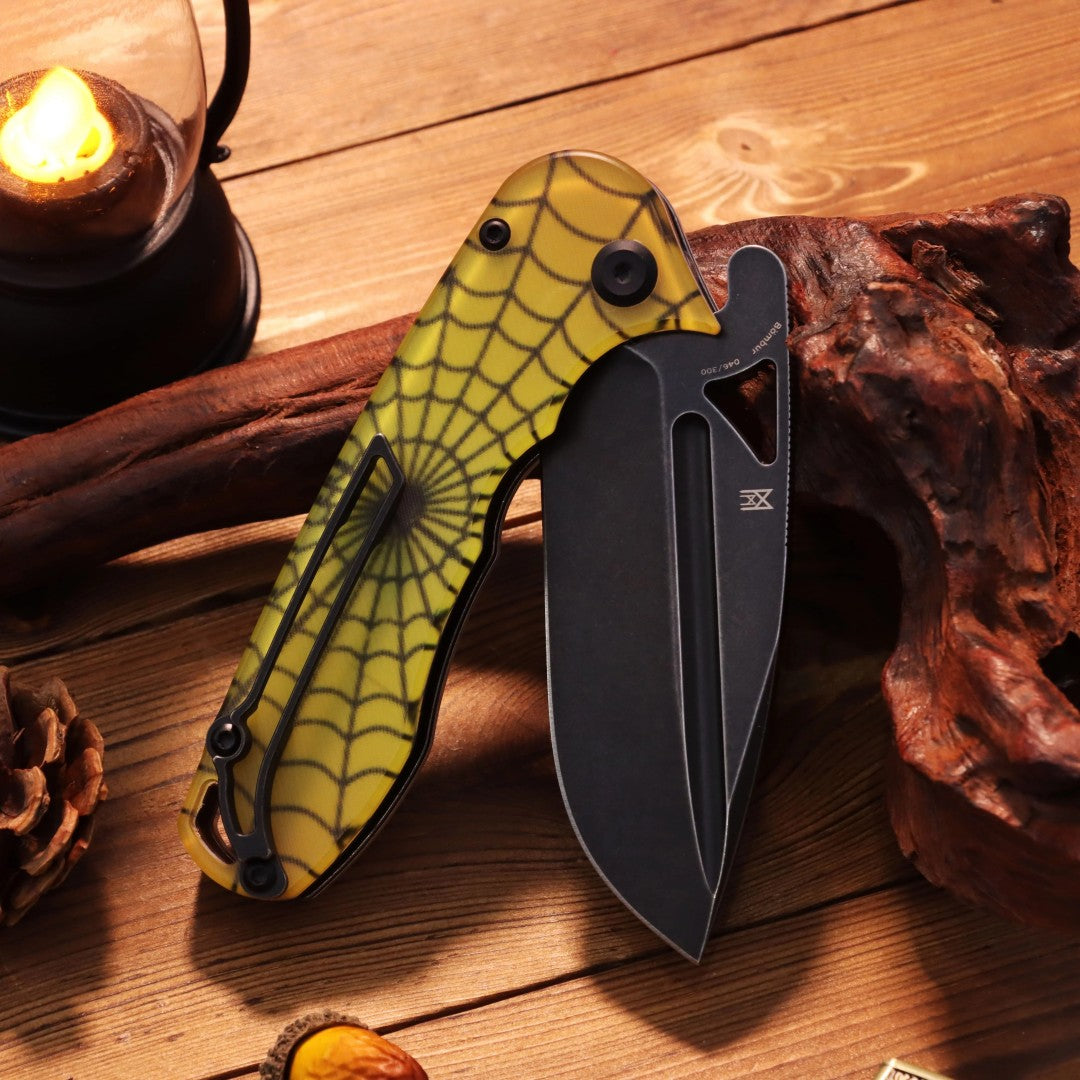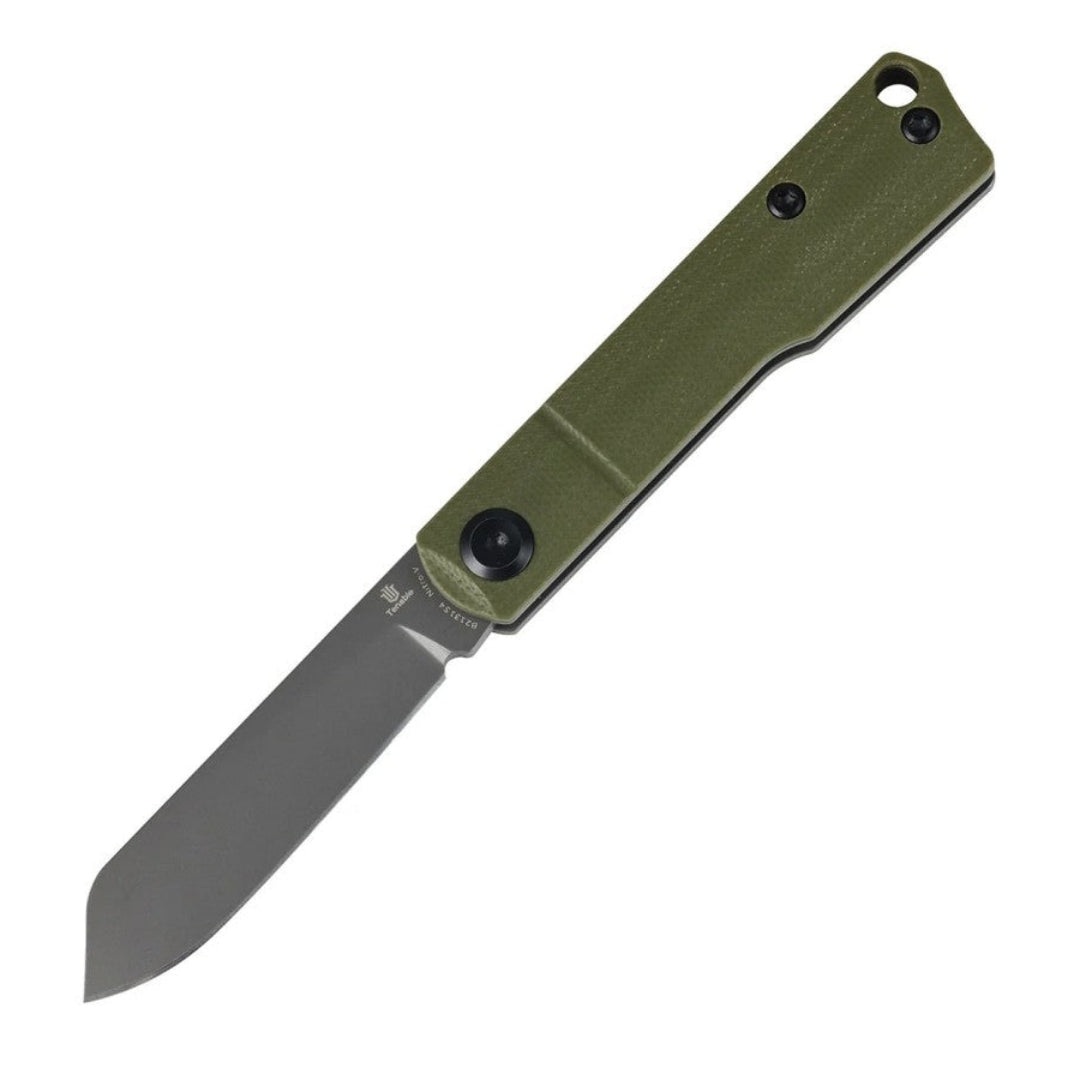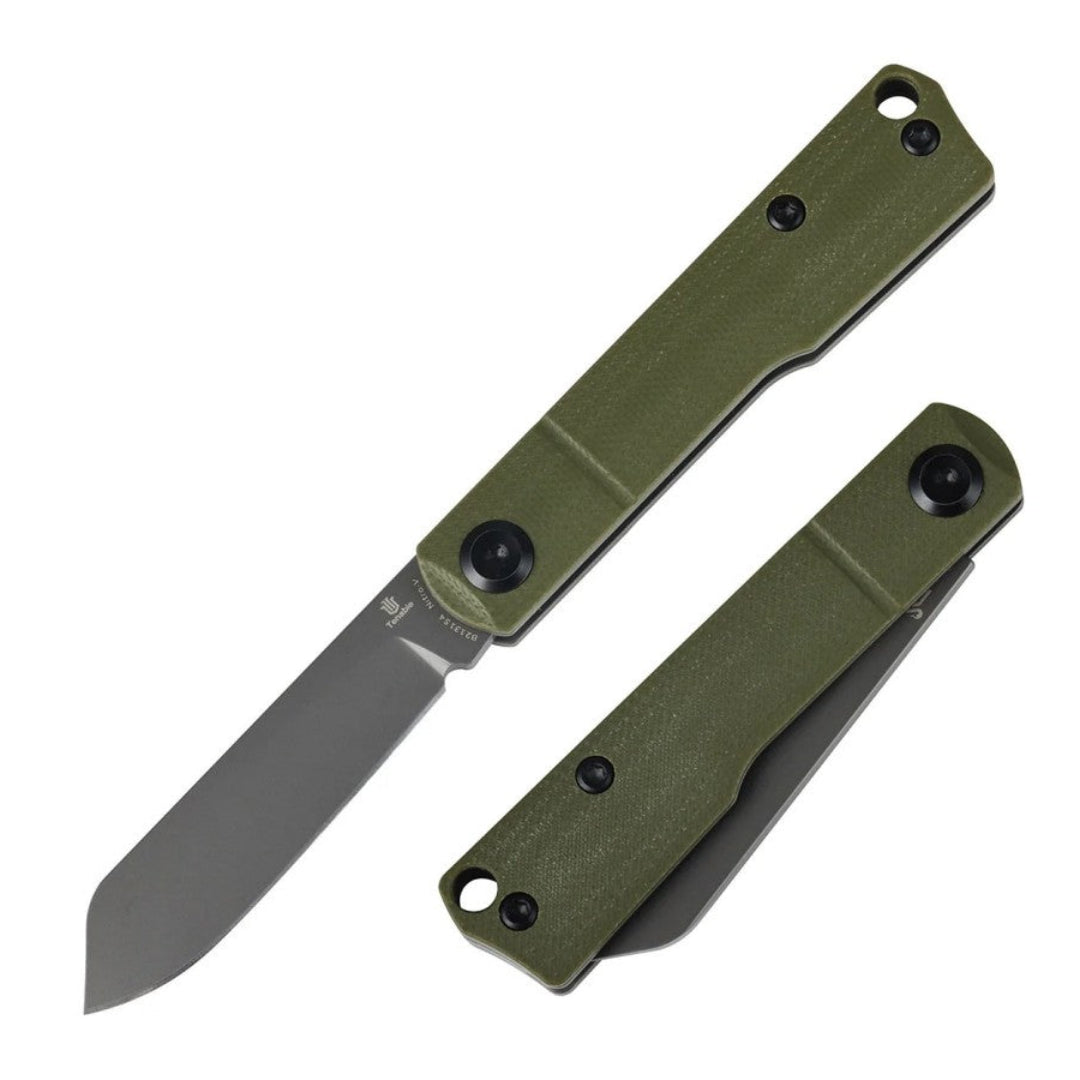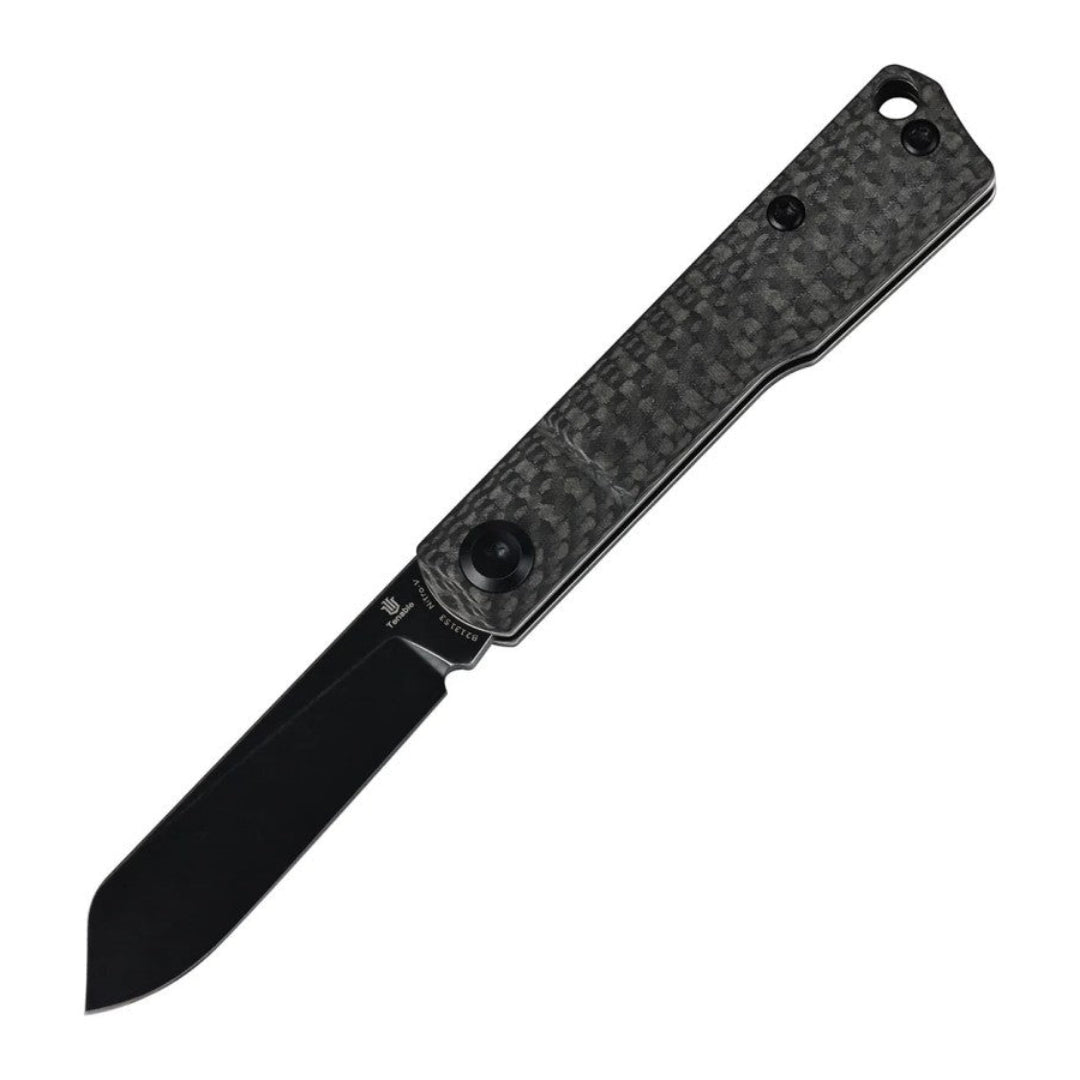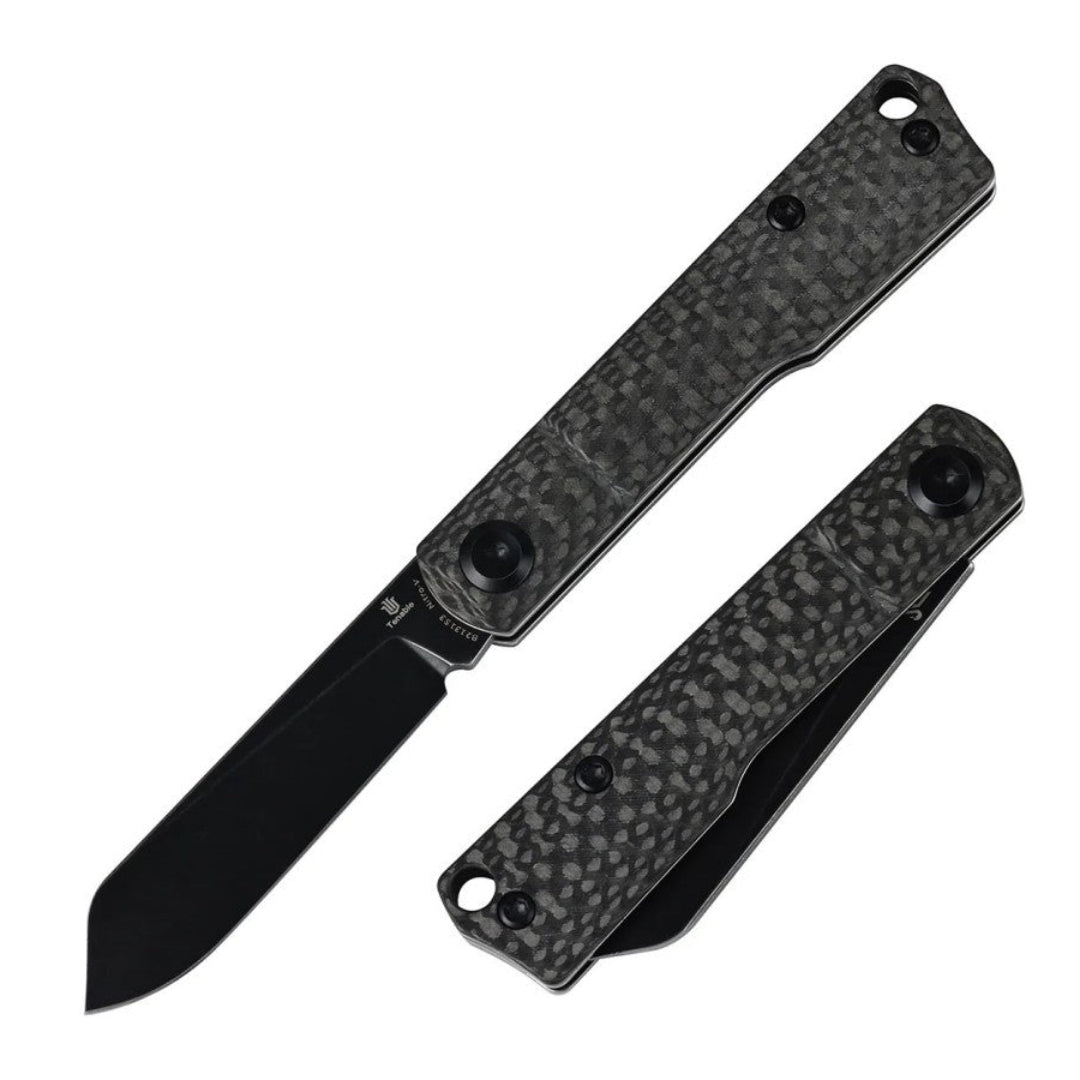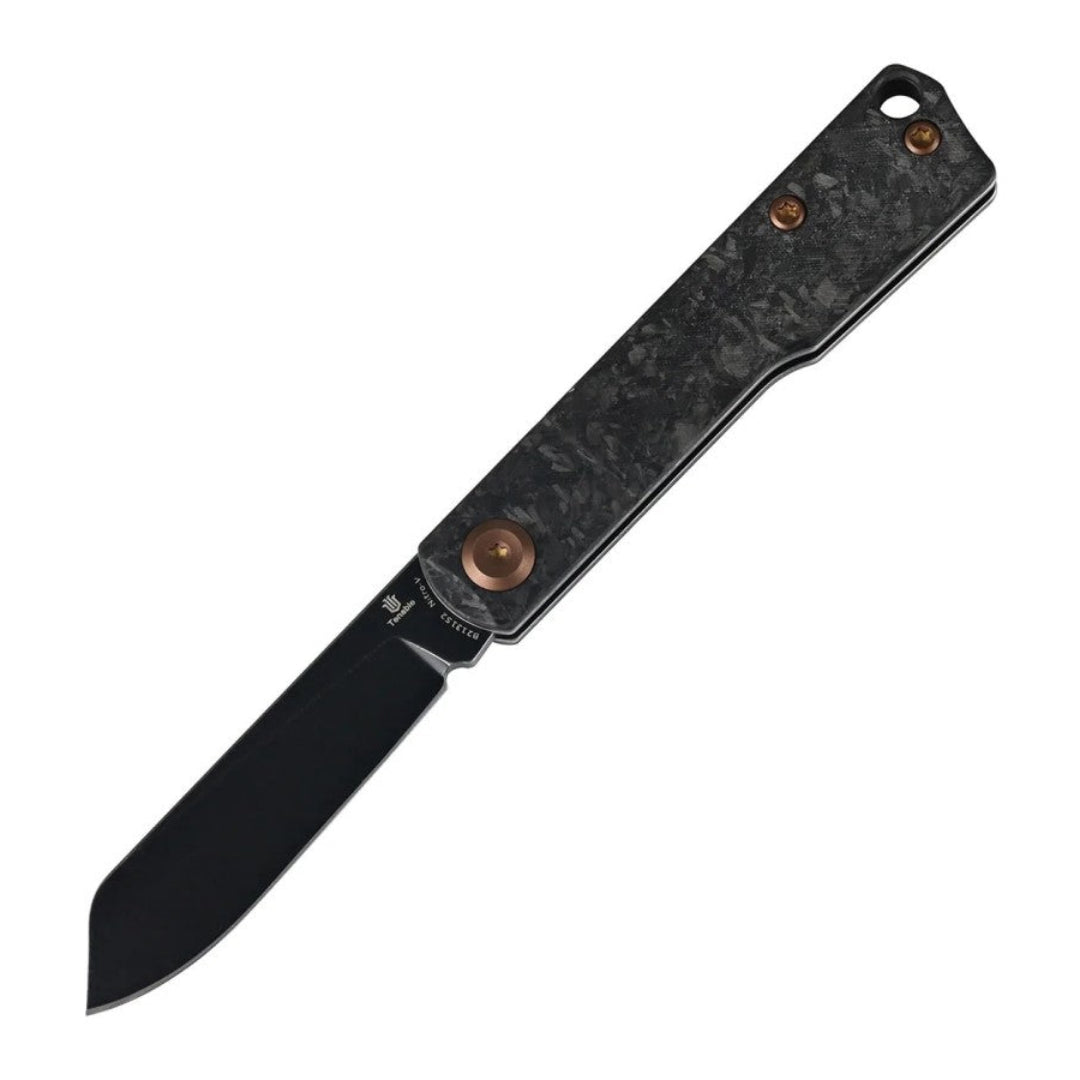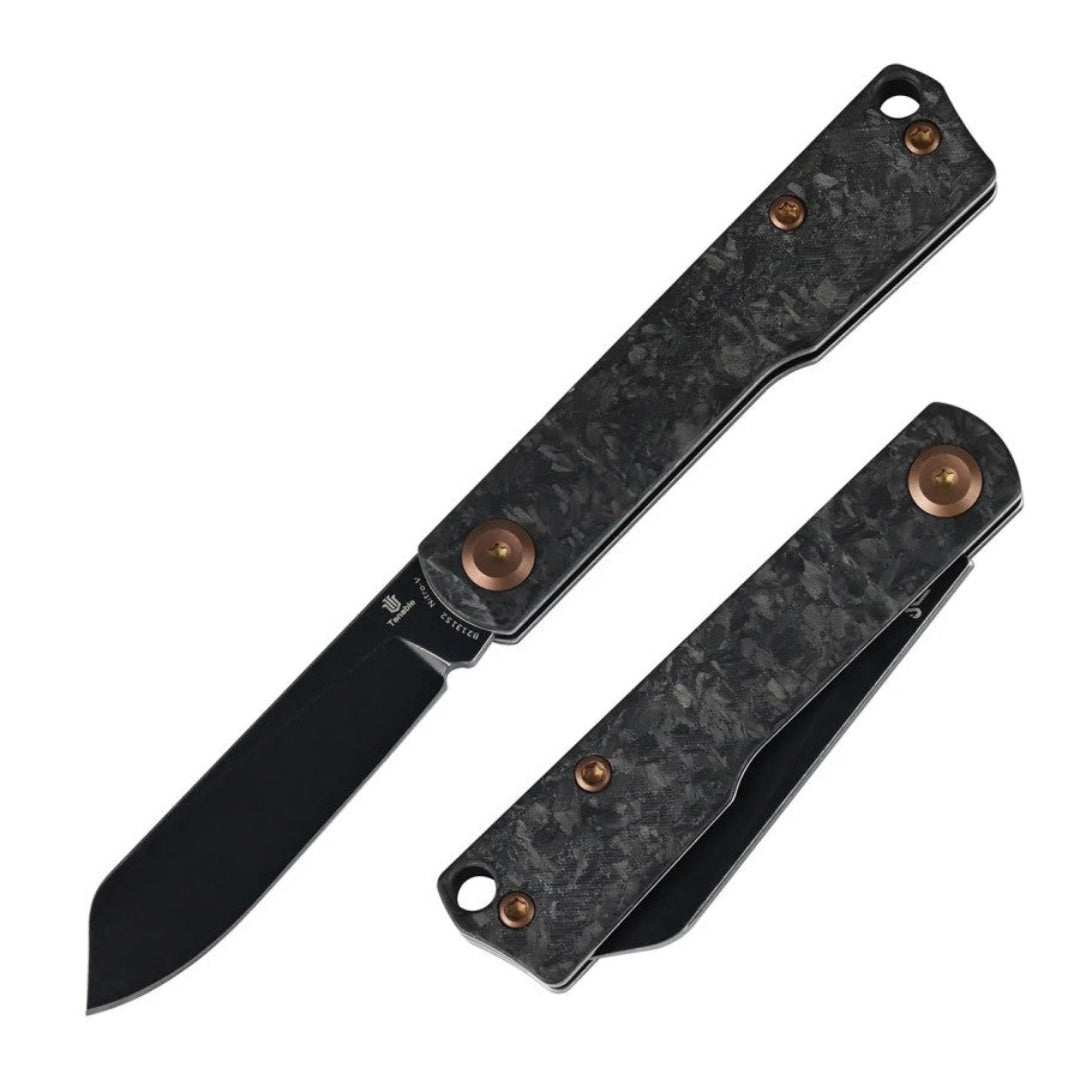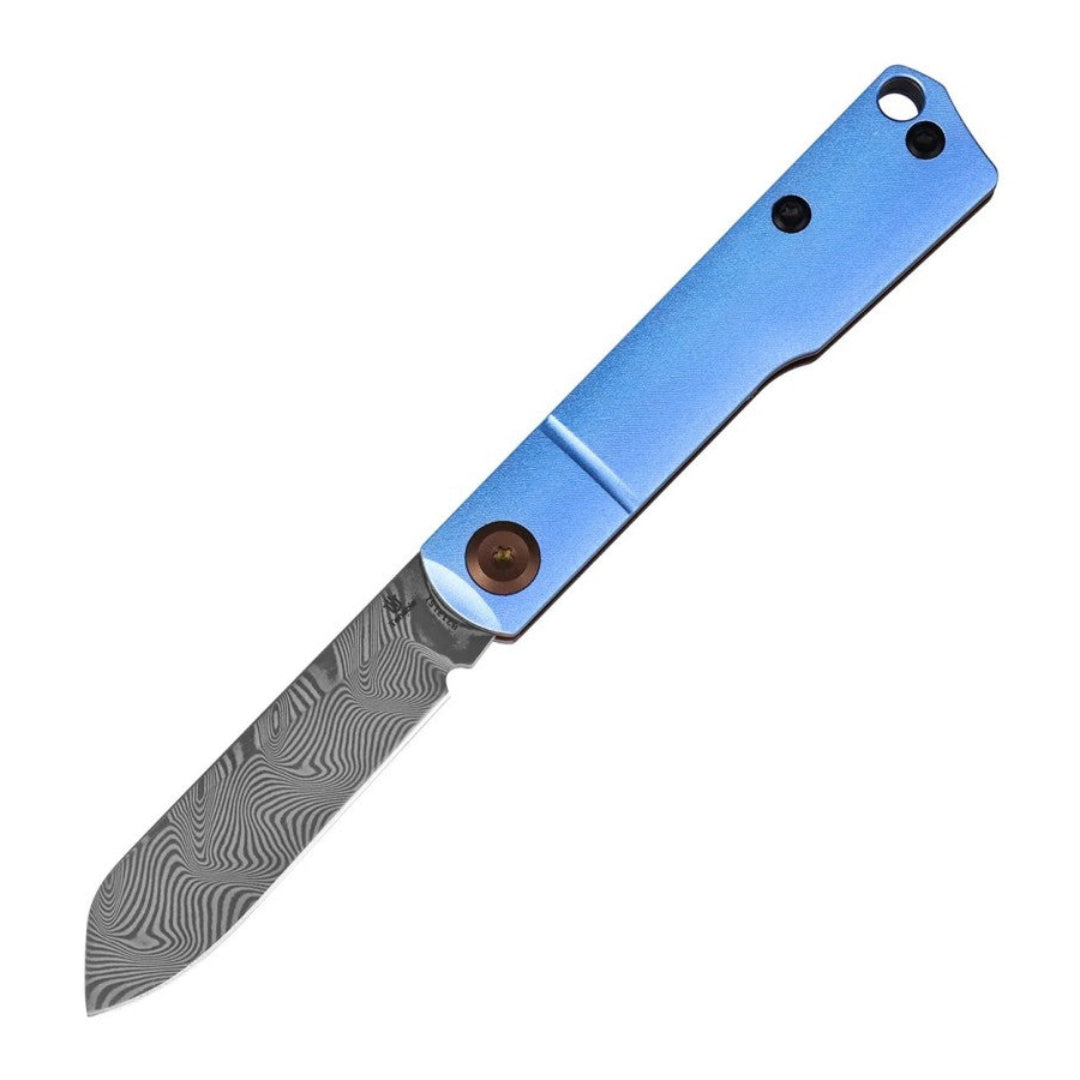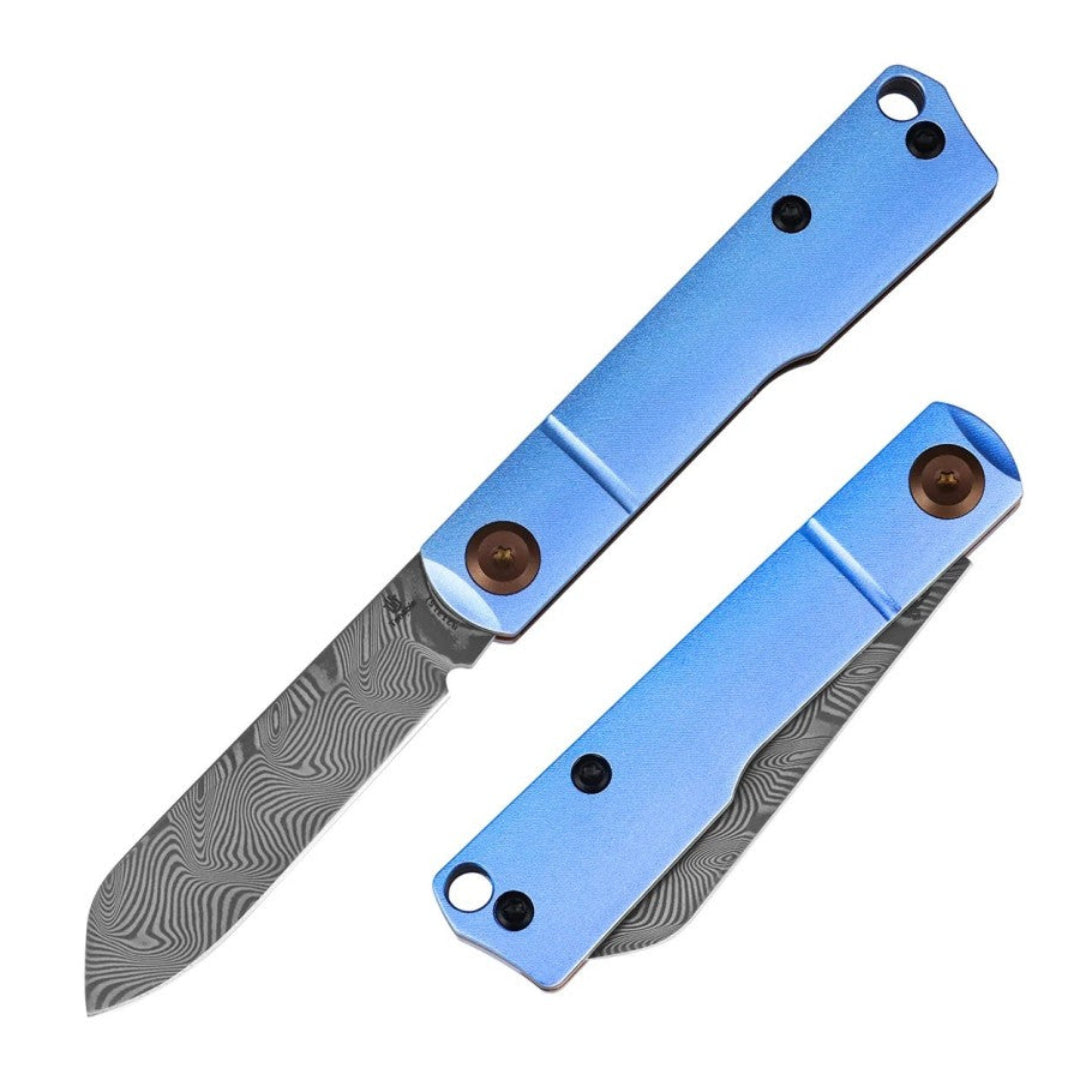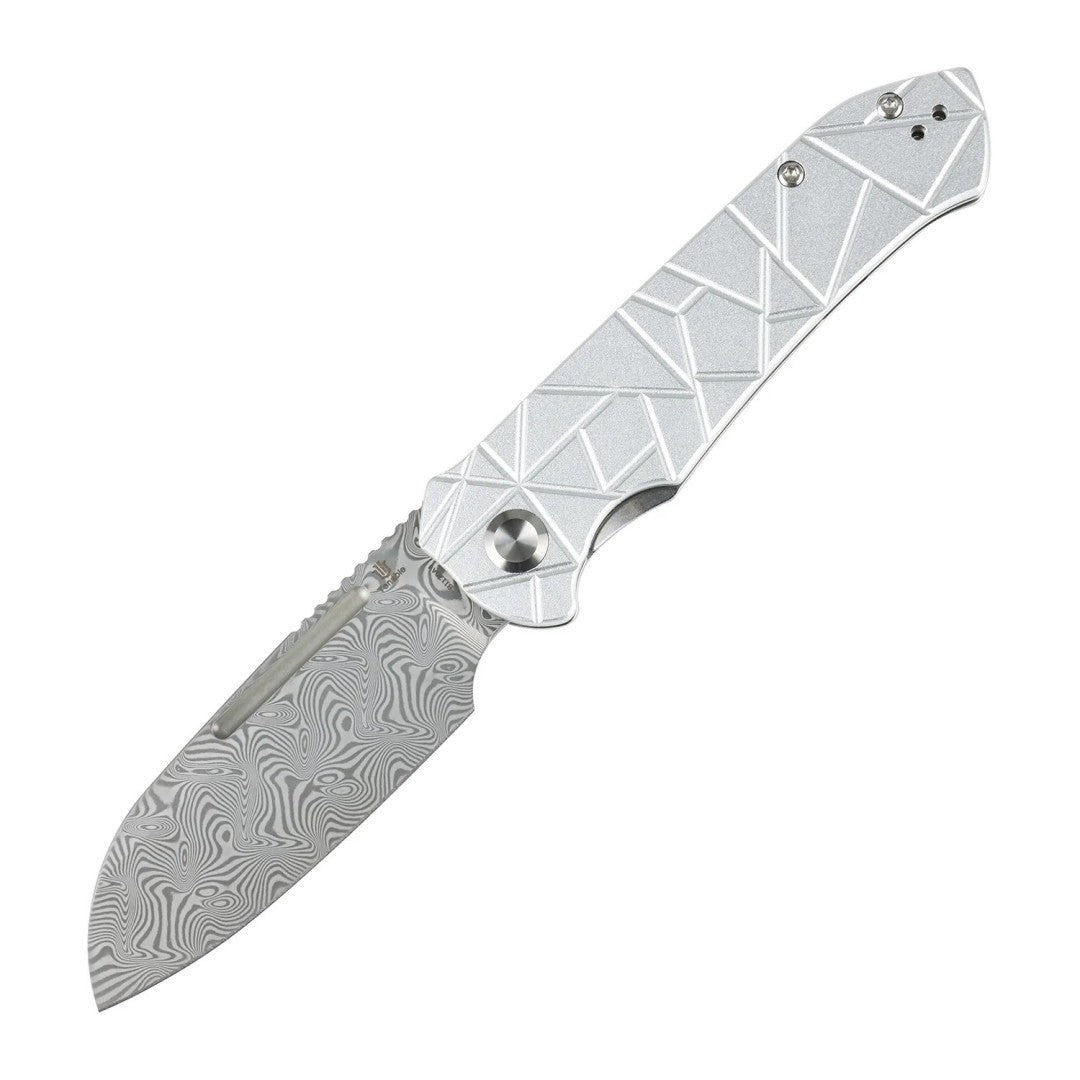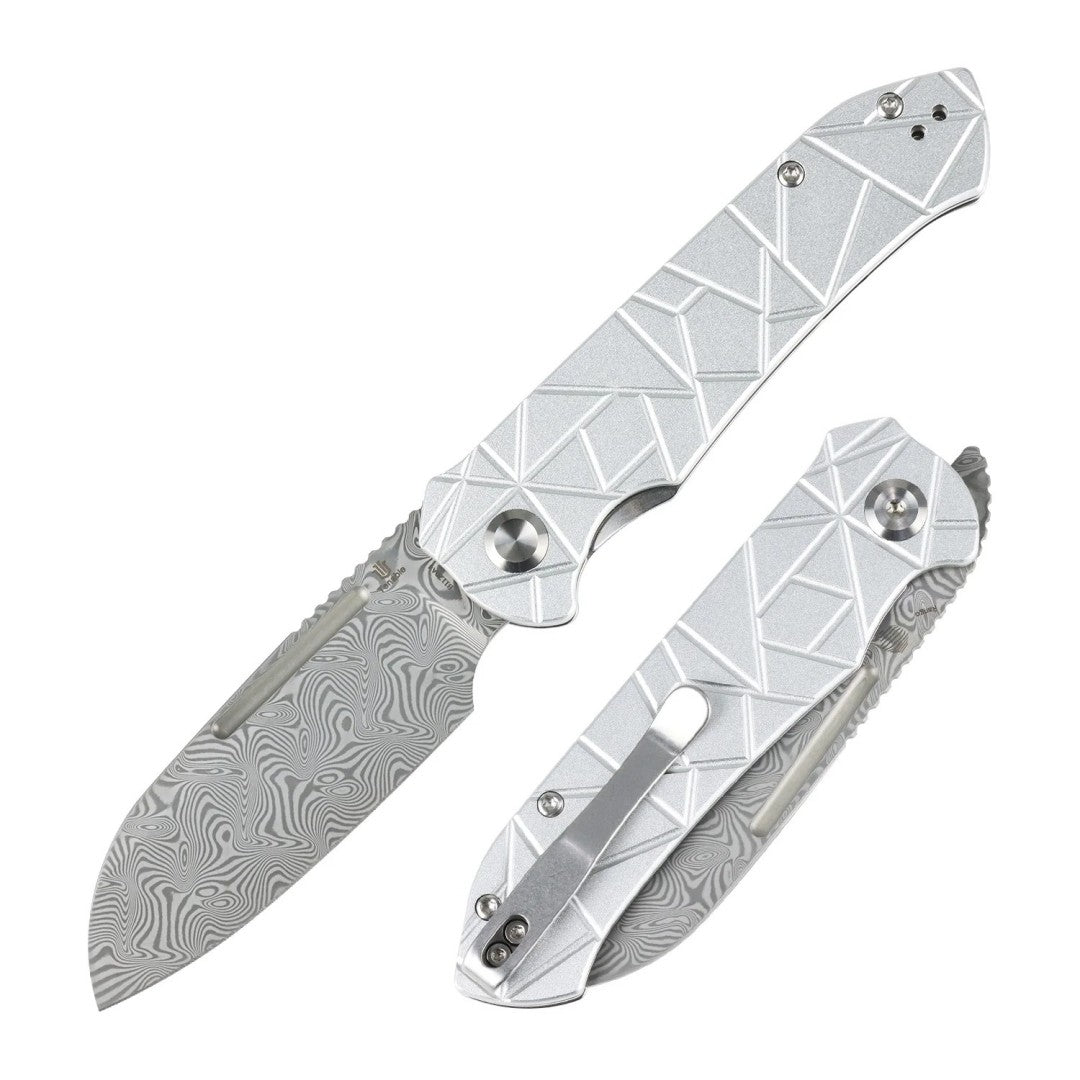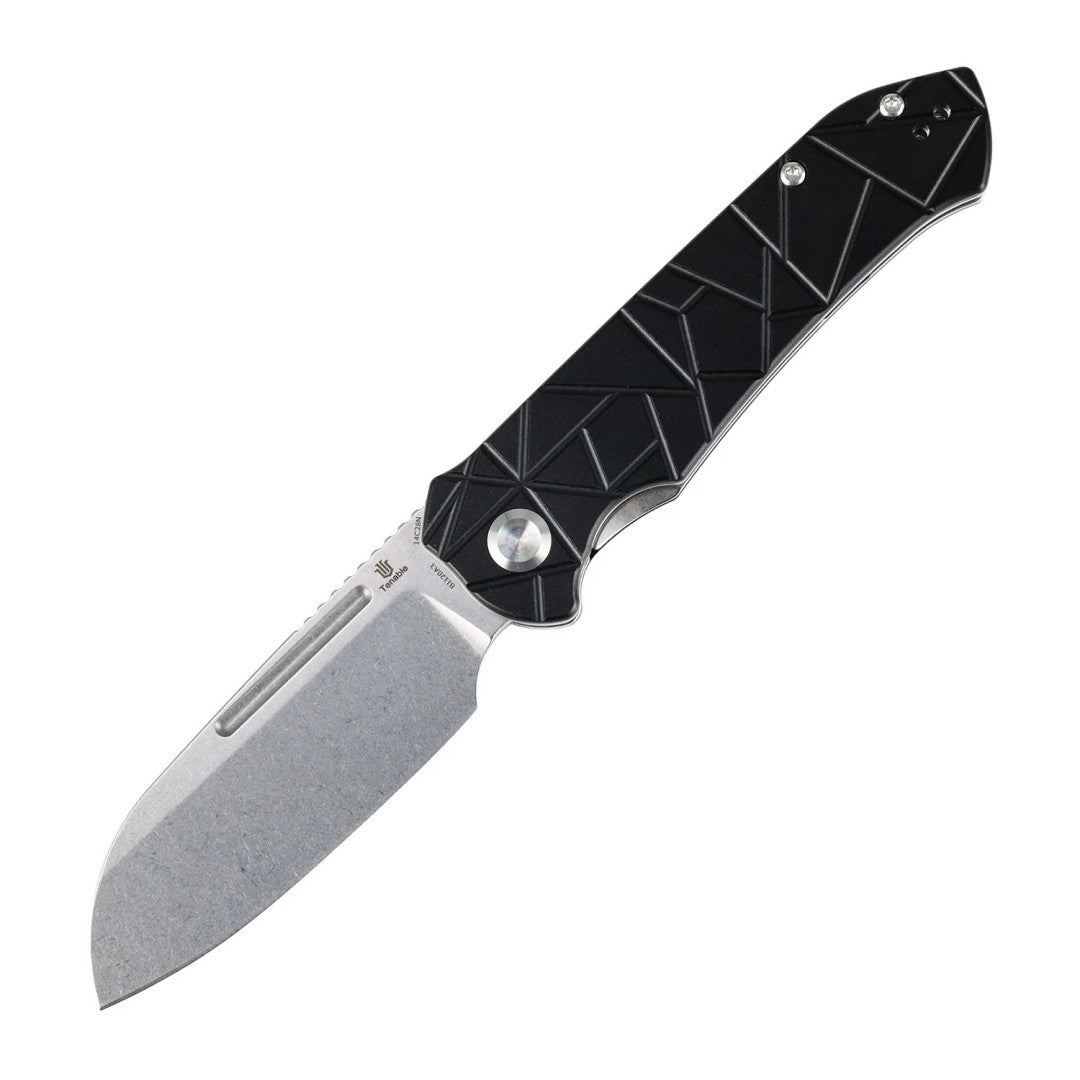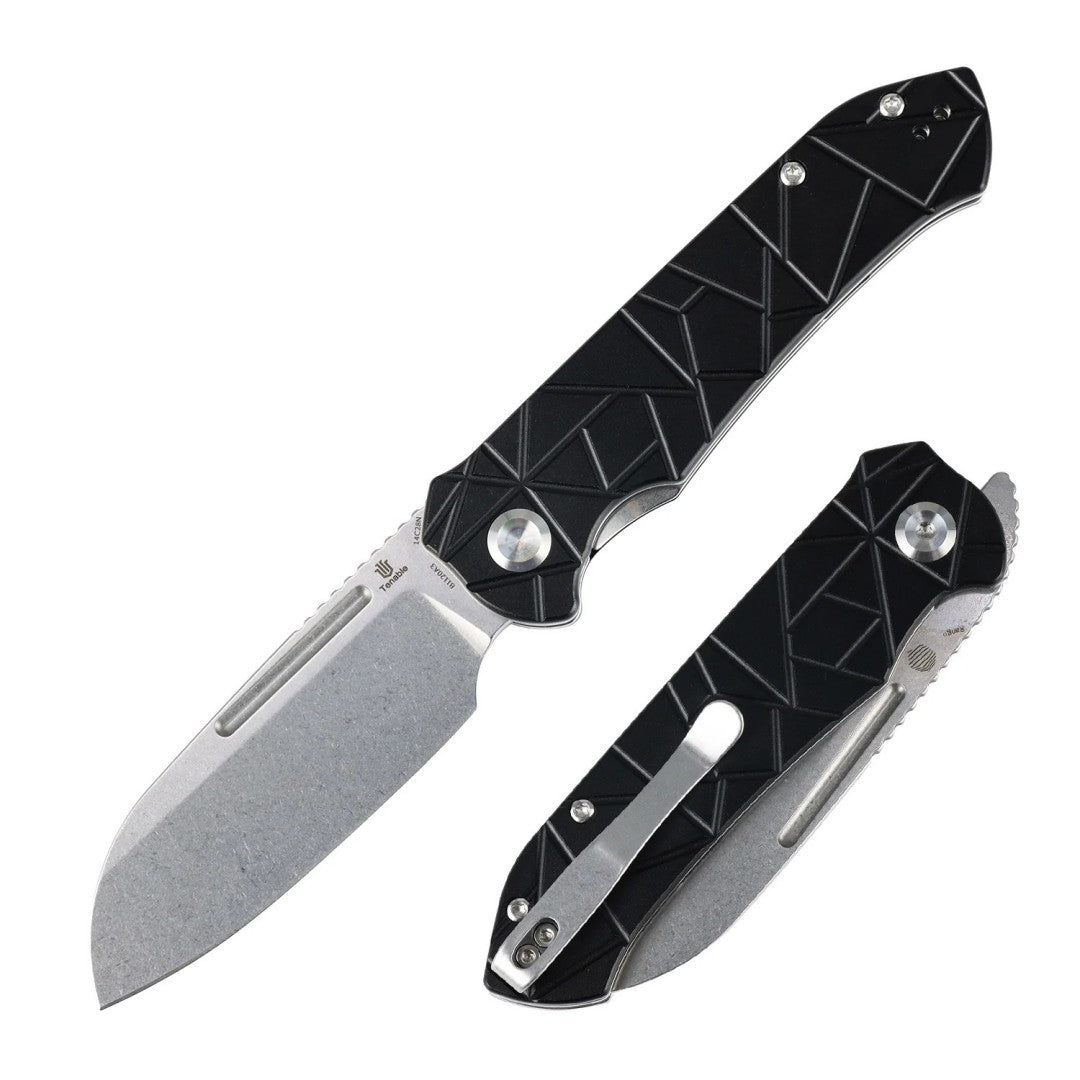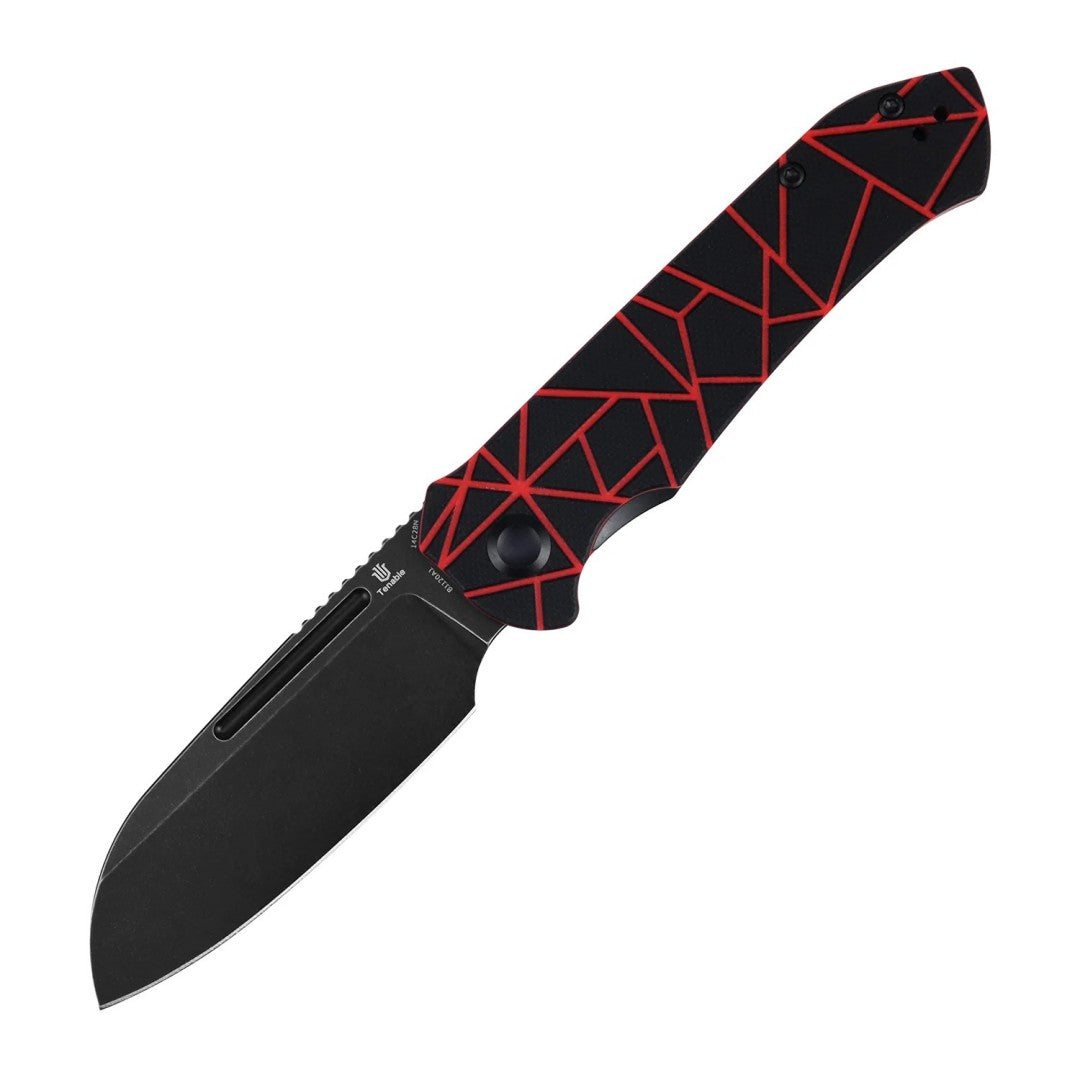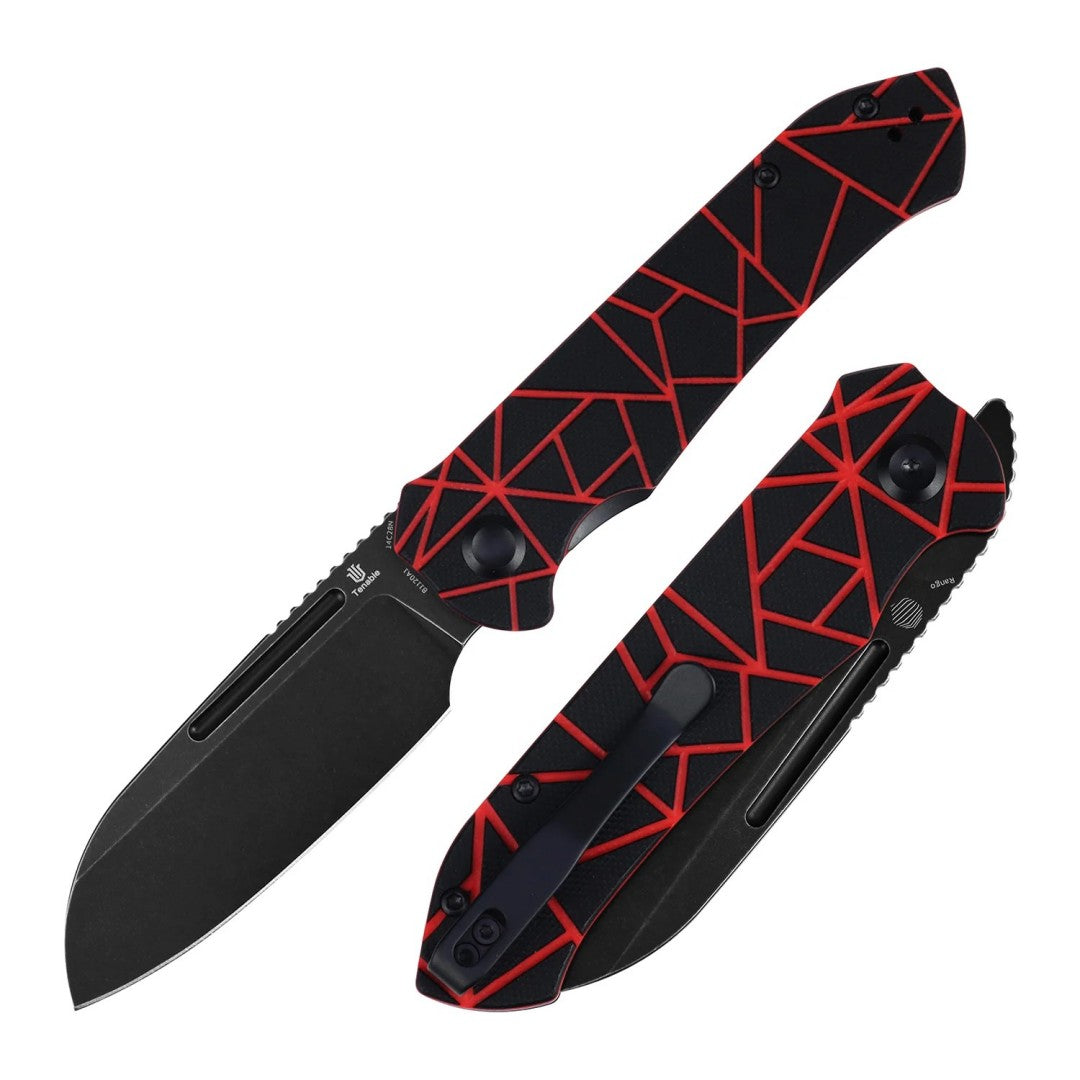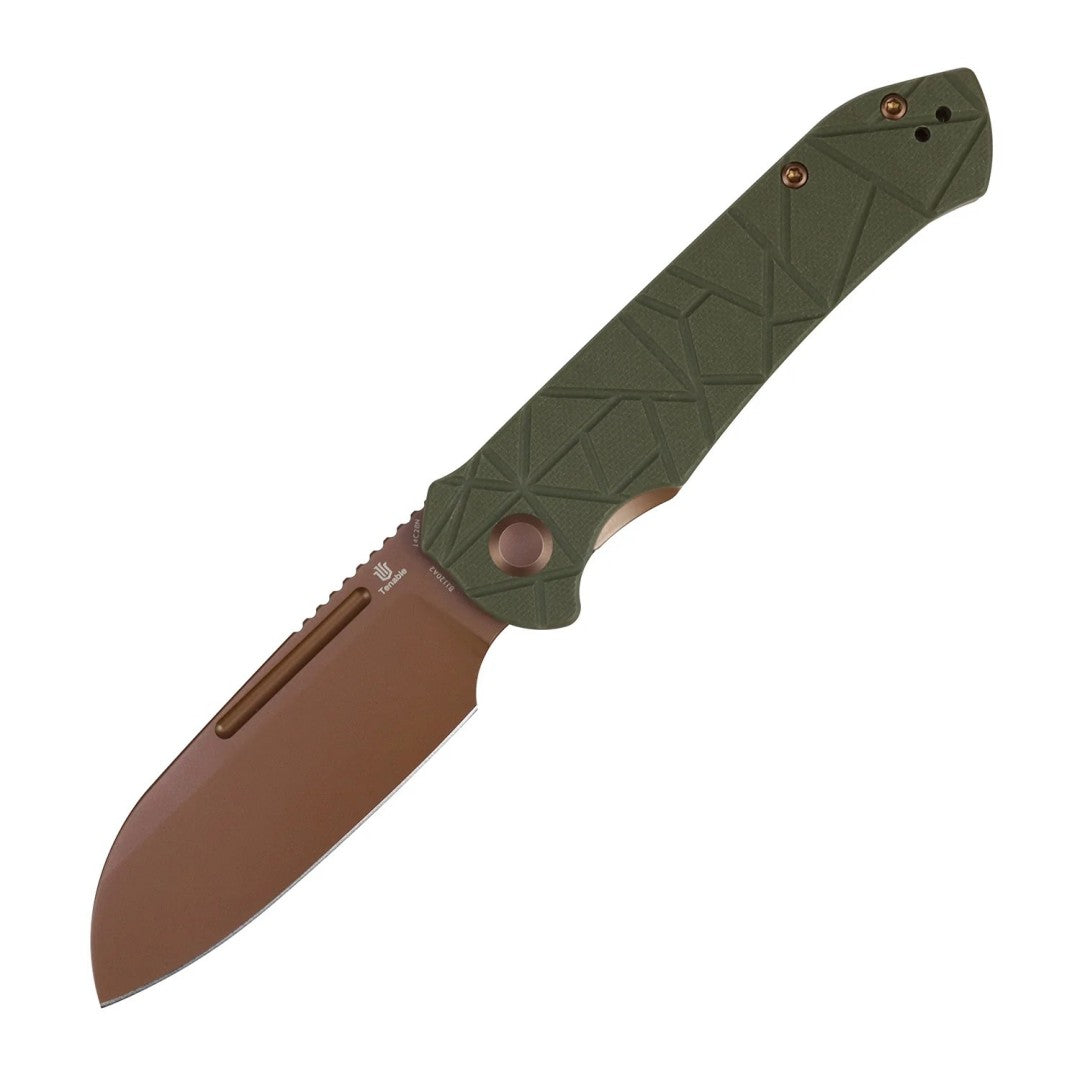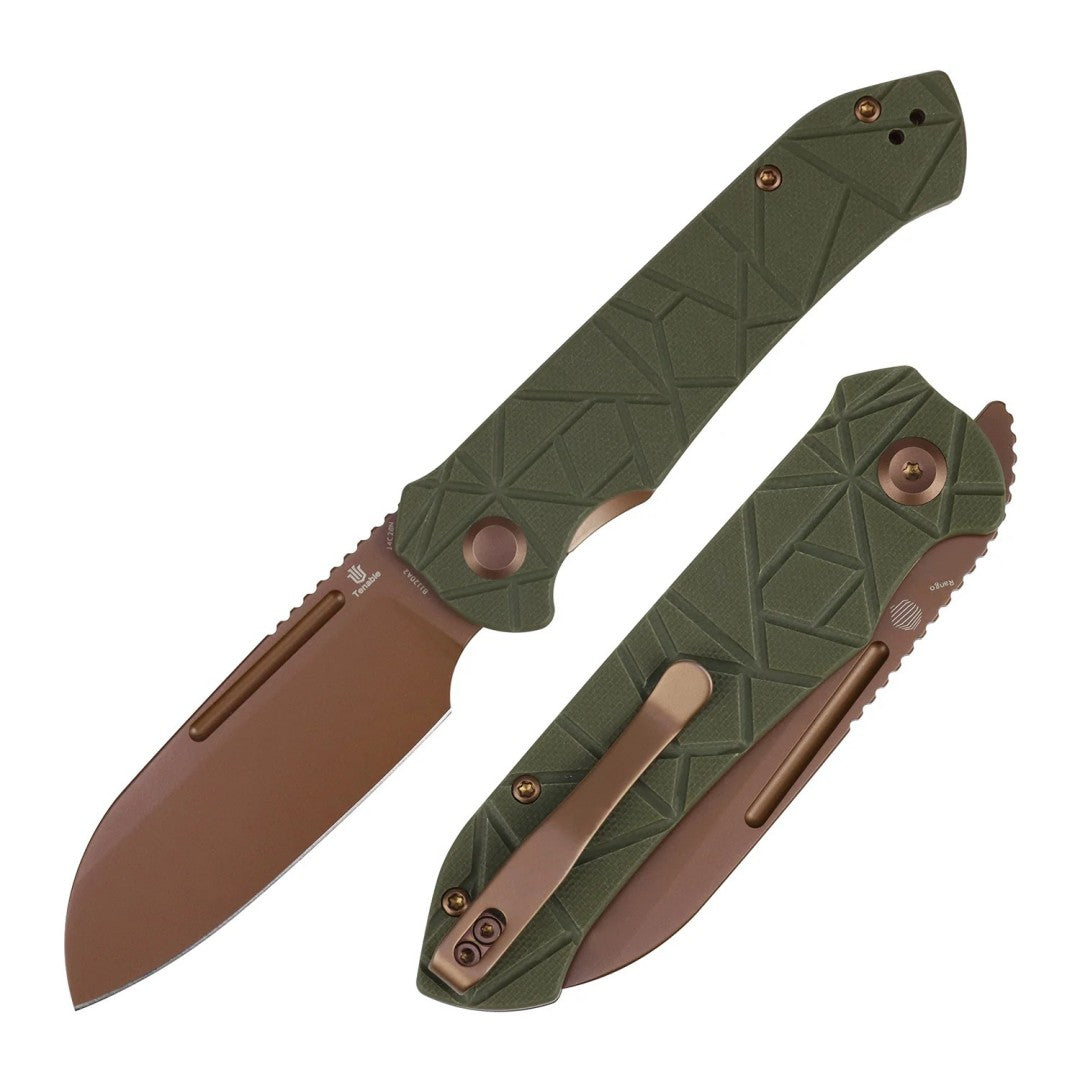
Everyday cutting chores quickly expose the fundamental differences between budget production steels and premium metallurgy. Standard pocket blades frequently dull after a few rounds of cutting heavy cardboard, suffer from unsightly surface corrosion in humid pockets, or require weekly sharpening sessions just to maintain a working apex. The Bestech Nyrrdreki elevates everyday cutting performance into a completely different tier. Built to handle the rigorous demands of a modern EDC lifestyle, this compact cleaver combines high-end Austrian super steel with dedicated grind geometry to outperform standard production pocket knives across every practical metric.
 Powder Metallurgy vs. Standard Ingot Steels
The primary reason entry-level pocket knives lose their edge rapidly lies in how conventional ingot steels are manufactured. Traditional alloys like 8Cr13MoV, AUS-8, and standard D2 are poured as liquid steel and allowed to cool slowly. During this solidification phase, carbon and alloy elements clump together, forming large, uneven carbide clusters. These coarse structures create microscopic weak points along the cutting edge, leading to chipping and rapid dulling.
In contrast, Austrian steelmaker Böhler produces Microclean M390 using third-generation gas atomization powder technology. Molten alloy is blasted with high-pressure inert gas into microscopic droplets that freeze instantly. The resulting powder is compacted under extreme temperature and pressure, producing a dense, perfectly homogeneous microstructure.
-
Vanadium Carbide Matrix: A generous four percent vanadium content precipitates ultra-hard vanadium carbides throughout the steel, giving the edge remarkable resistance against abrasive materials.
-
Extreme Chromium Density: Twenty percent chromium provides complete rust immunity, keeping the blade spotless through exposure to perspiration, rain, and acidic substances.
-
Sub-Micron Grain Refinement: The absence of coarse carbide segregation allows the blade to take a hair-popping edge that resists micro-chipping under lateral cutting resistance.
Thermal Calibration and Precision Heat Treatment
Even the finest powder alloy cannot perform without precise thermal execution. Produced by Bestech in collaboration with Dutch designer Fabian Hobbelen, the Nyrrdreki undergoes vacuum heat treatment paired with an advanced sub-zero cryogenic soak.
Balanced 60–61 HRC Hardness
Pushing high-wear stainless steels beyond 62 HRC can make the cutting bevel brittle and prone to catastrophic chipping on hard targets like thick zip ties. Conversely, running blade steel below 59 HRC leads to premature edge rolling. The 60–61 HRC target strikes the ideal balance, providing extended edge life while maintaining the structural toughness needed for hard utility chores.
Cryogenic Microstructure Transformation
The cryogenic phase converts retained austenite into durable martensite, maximizing the distribution of secondary wear-resistant carbides. This thermal protocol ensures that the steel retains its keen working edge through hundreds of continuous slicing cycles.
Slicing Dynamics: Why Standard Cleavers Bind
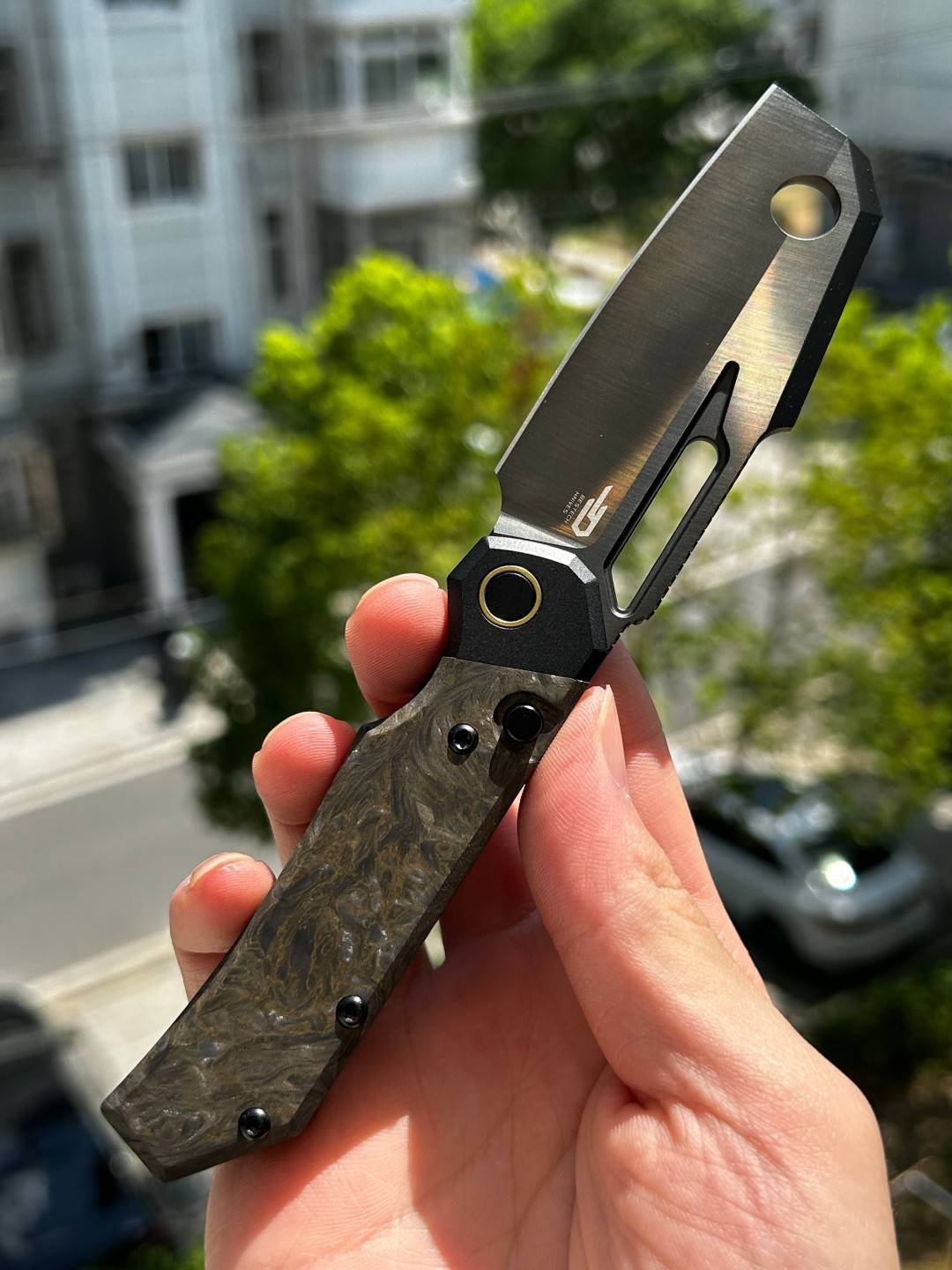
Many compact cleavers on the market rely on thick, flat grinds that act like wedges, creating excessive friction and binding inside deep cuts. The Nyrrdreki breaks away from the limitations of a standard utilitarian folding knife by pairing robust 0.16-inch (4.0 mm) blade stock with a dramatic, deep hollow grind.
| Blade Engineering Parameter | Bestech Nyrrdreki (M390) | Standard Budget Cleaver Folder |
| Primary Steel Grade | Böhler M390 Powder Steel | 8Cr13MoV / D2 / 440C Ingot Steel |
| Primary Grind Style | Deep Radius Hollow Grind | Flat / Saber Wedge Grind |
| Edge Geometry | Sub-0.020 in Behind the Edge | Thick & Drag-Prone (0.030+ in) |
| Corrosion Resistance | Superior (20% Chromium Content) | Moderate to Poor (Prone to Rust & Pitting) |
| Edge Retention Span | Extended (Months of Daily Use) | Short (Requires Frequent Honing) |
Because the hollow grind carves away bulk behind the cutting bevel, the blade glides through dense double-wall cardboard, synthetic webbing, thick plastic straps, and rope without wedging, allowing the abrasive wear resistance of M390 to work at maximum efficiency.
Performance Comparison: M390 vs. Common Pocket Blade Steels
Evaluating M390 directly against common production alloys highlights the substantial performance leap this super steel provides:
| Steel Alloy | Manufacturing Process | Abrasive Wear Resistance | Corrosion Defense | Structural Apex Toughness | Sharpening Longevity |
| Böhler M390 | Powder Metallurgy | Exceptional | Superior | High | Months of Hard Use |
| CPM S35VN | Powder Metallurgy | High | High | Very High | Weeks to Months |
| 14C28N | Ingot Stainless | Moderate | High | Superior | Days to Weeks |
| D2 Tool Steel | Semi-Stainless Ingot | Moderate-High | Moderate | Moderate | Days to Weeks |
| 8Cr13MoV | Budget Ingot Stainless | Low | Moderate | Moderate-High | Requires Constant Maintenance |
Real-World Durability and Daily Utility
The combination of M390 powder metallurgy and deep hollow grinding provides tangible benefits during daily cutting tasks:
-
Packaging and Heavy Breakdown: The microscopic vanadium carbides easily cut through silicate-heavy corrugated cardboard, packaging tape, and plastic strapping without dulling.
-
Textile and Rope Trimming: Dense synthetic fibers are sliced cleanly without snagging or fraying along the edge bevel.
-
Corrosion-Free Everyday Carry: The high chromium concentration creates a passive oxide layer, eliminating the need for constant blade oiling and protecting against pocket sweat and humidity.
-
Simple Strop Maintenance: Instead of needing full stone sharpening after minor use, regular stropping with 1.0-micron or 0.5-micron diamond compound quickly restores the razor apex in seconds.
 Frequently Asked Questions
Why does M390 perform so much better on cardboard than standard steels?
Cardboard contains abrasive clay and silicate particles that wear down soft steel matrixes rapidly. M390 contains microscopic vanadium and chromium carbides that are significantly harder than silicates, allowing the blade to maintain its slicing bite through extensive box breakdown.
Is M390 difficult to sharpen for daily users?
While M390 is wear-resistant, routine maintenance is straightforward. Lightly stropping the edge on a leather strop loaded with diamond paste preserves factory sharpness for months. If complete reprofiling is eventually required, diamond or silicon carbide stones cut the alloy cleanly and quickly.
Does the deep hollow grind make the M390 blade too fragile for utility tasks?
The blade features a substantial 0.16-inch (4.0 mm) spine that provides immense structural rigidity. The hollow grind thins only the lower section behind the edge bevel to maximize slicing efficiency, leaving the core spine strong enough to handle heavy downward cutting leverage safely.