

Overview & First Impressions
Coral restoration is gardening underwater, and it is slower and more careful than most diving. Fragments are attached to nursery trees, monitored for months, then cut free and cemented onto degraded reef. Hours in warm salt water, handling epoxy and cable ties with gloves, quickly separate the tools that work from the ones that only look the part. The EDC knives a restoration diver trusts are chosen for corrosion resistance above all else.
Materials & Construction
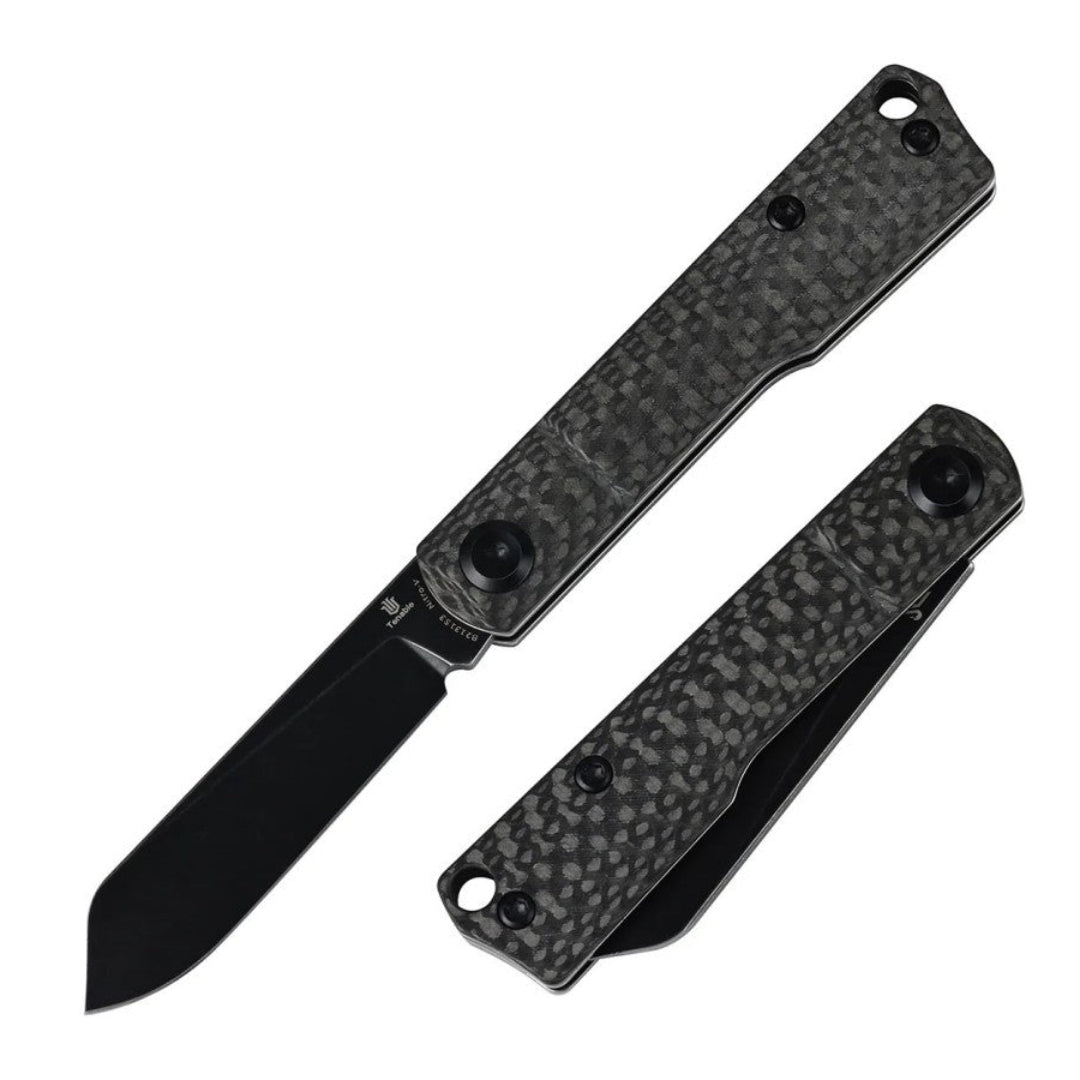
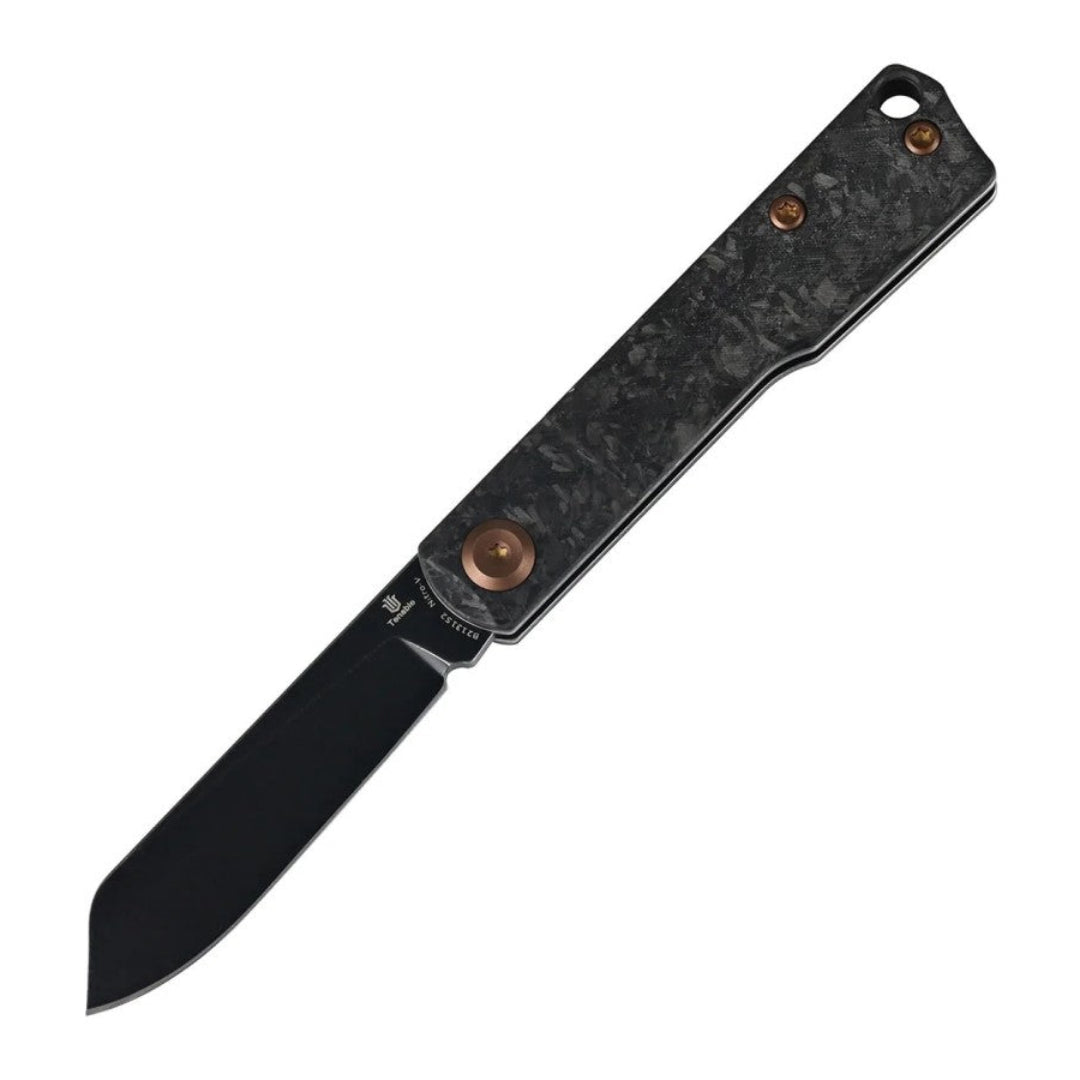
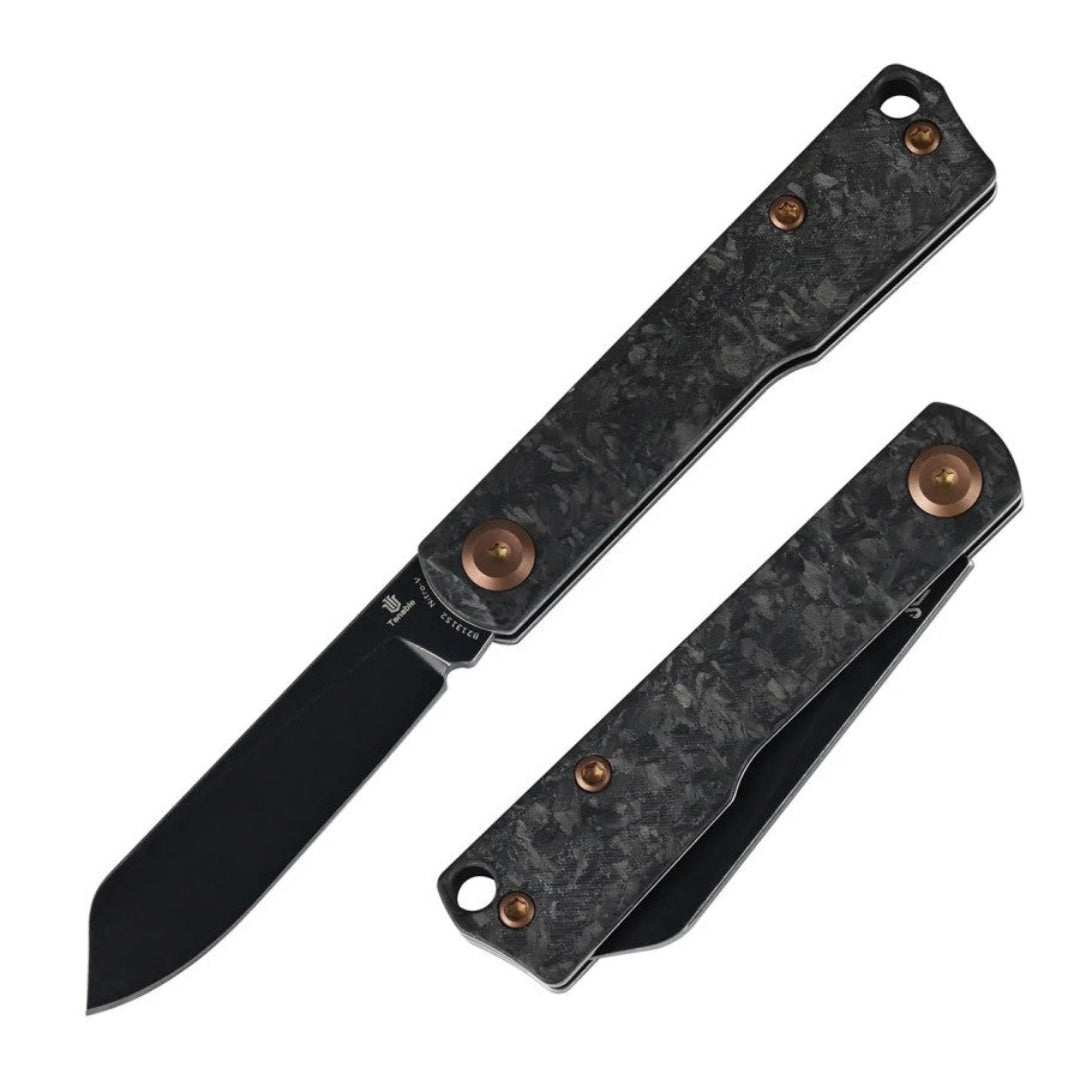
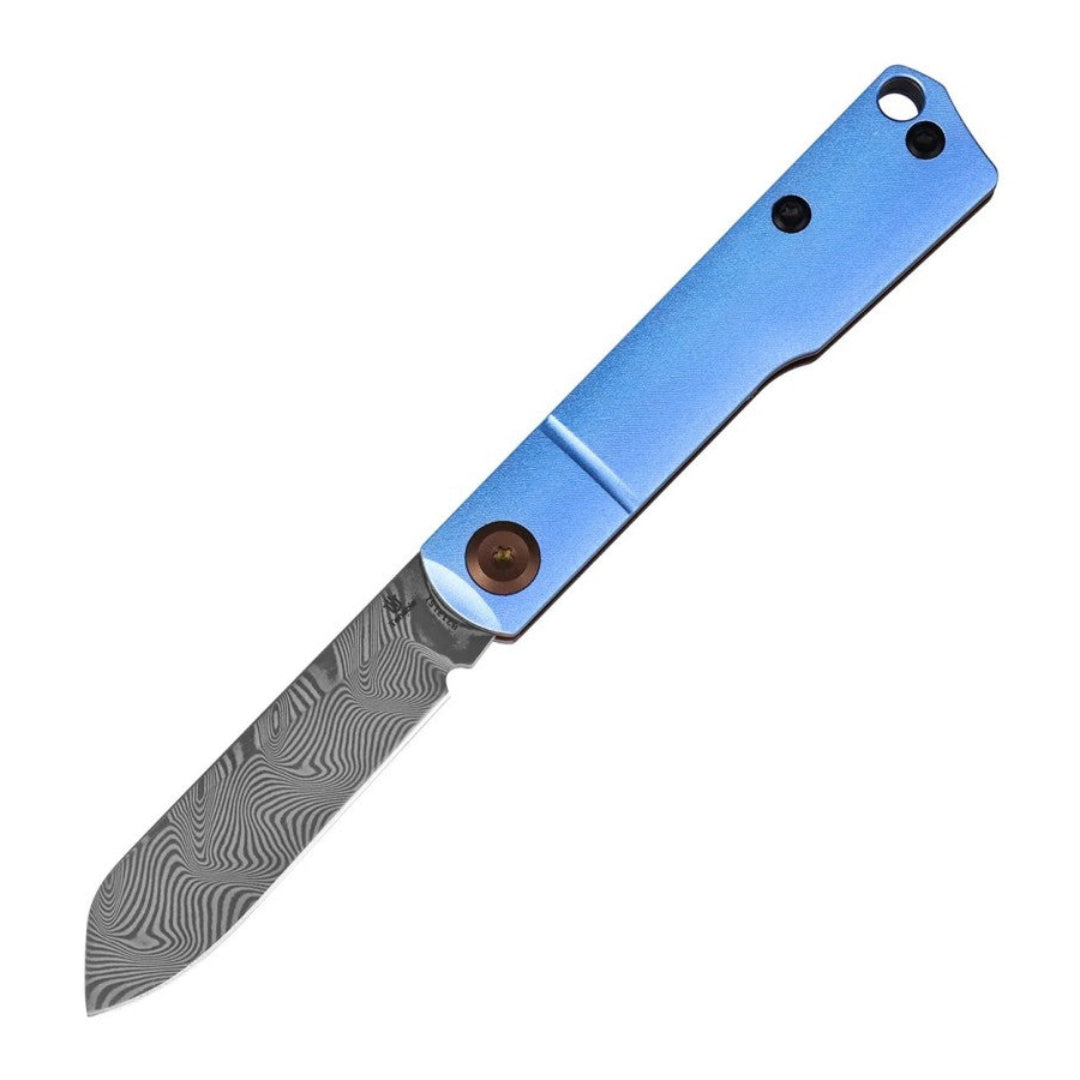
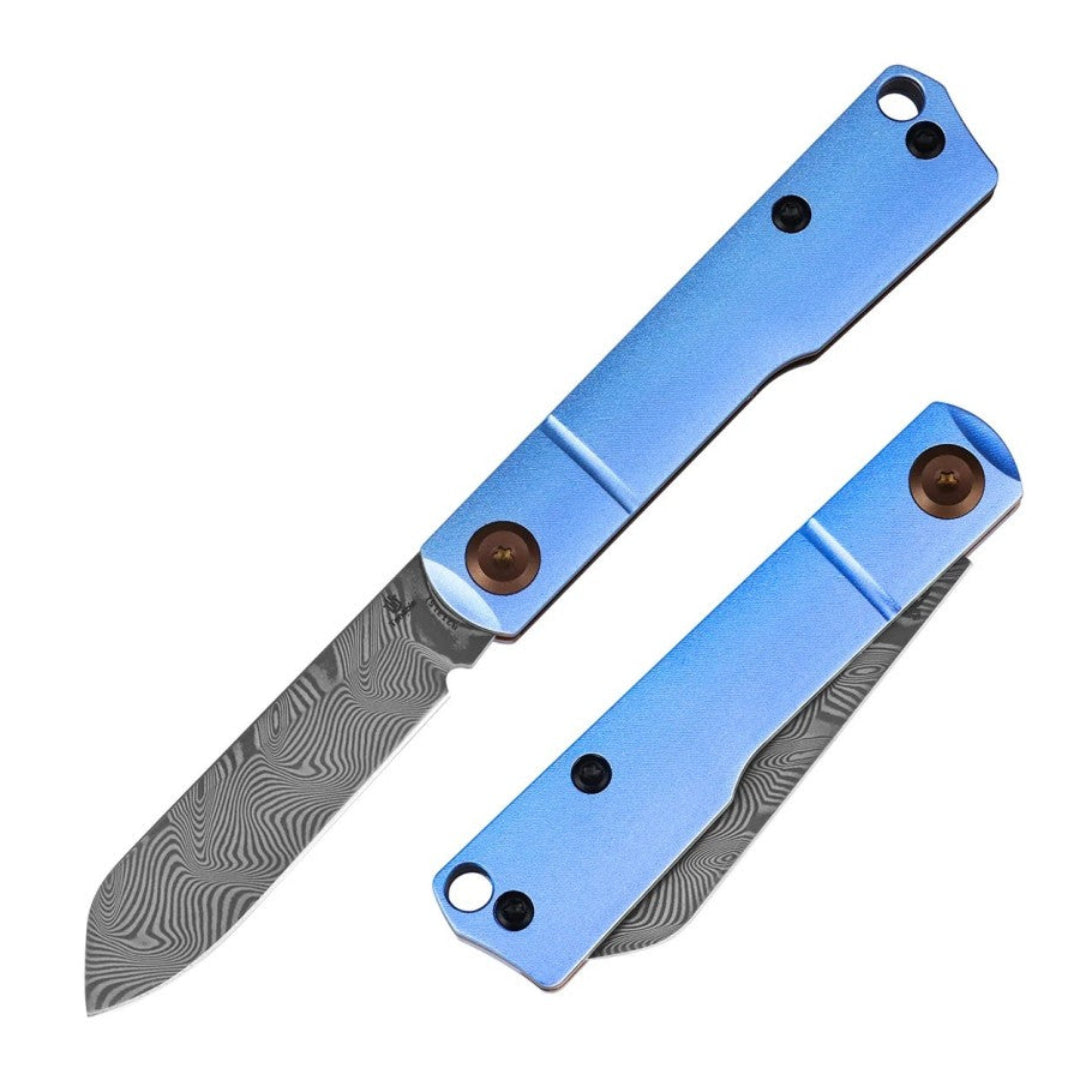
CPM-20CV is a high-vanadium powder-metallurgy stainless that pairs heavy carbide volume with strong corrosion resistance, which is what a blade needs when it lives in salt water. The Sao Knife Elephant SK2609-1 uses that steel in a traditional slip joint with antler scales, and at well under a hundred grams it disappears into a wetsuit pocket. Sao knives favour small, classical patterns that suit fine underwater work rather than heavy tactical shapes.

Design & Details
For folding knives used in the sea, open construction is everything: no hidden channels where salt can pool, no inlays that trap grit, and a mechanism that can be flushed with fresh water in seconds. A slip joint has no spring to corrode the way a locking mechanism can, and for the light cutting a restoration diver performs it is entirely sufficient. A lanyard hole is mandatory, because dropping a tool on a reef is both a loss and a hazard.
Real-World Use
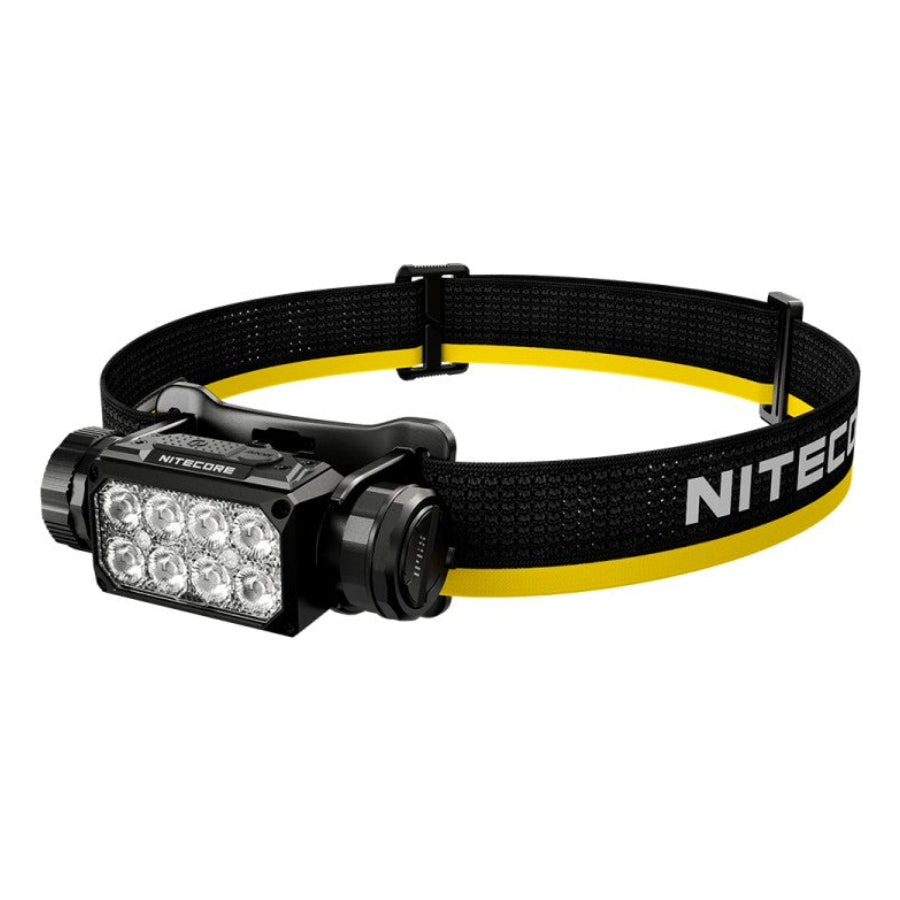
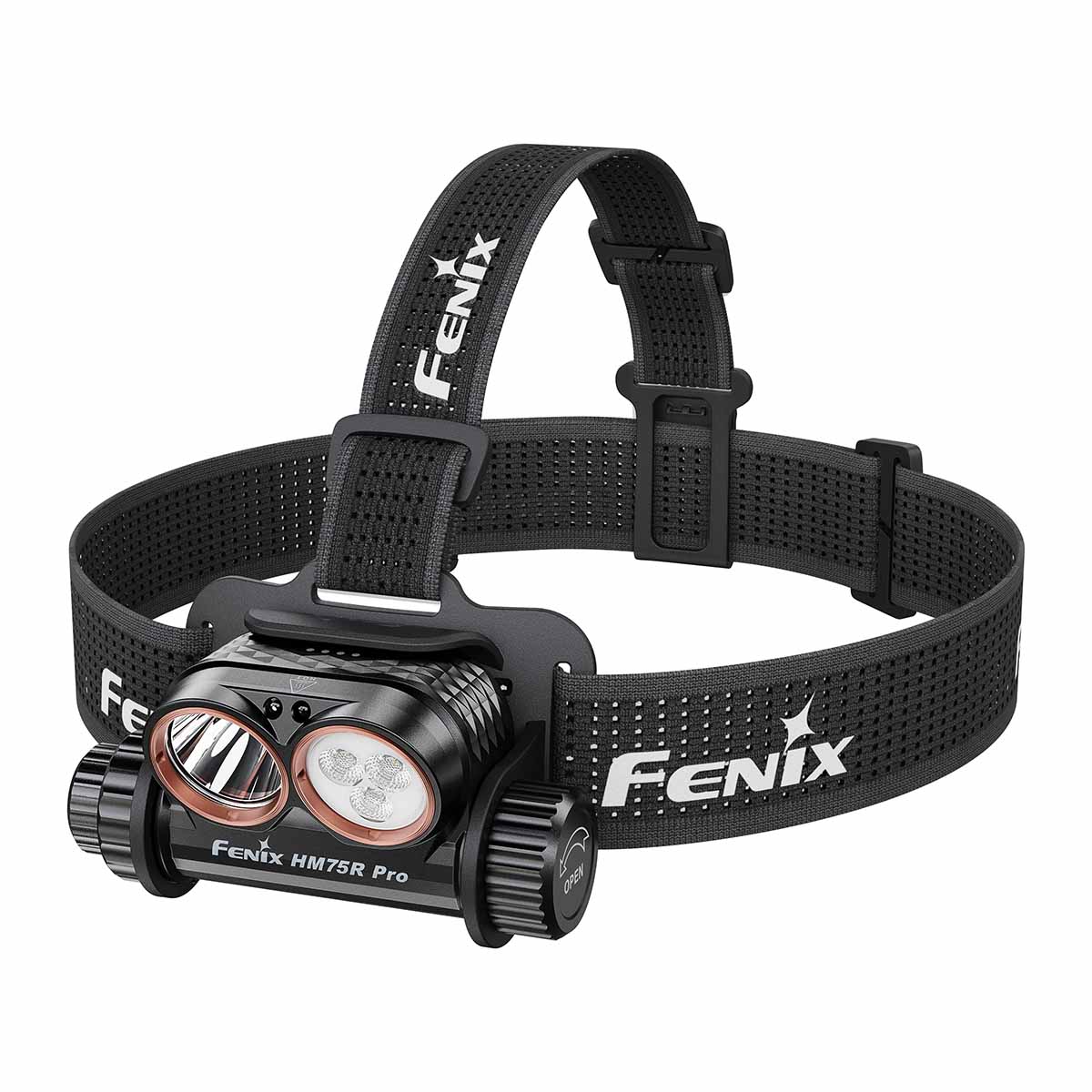
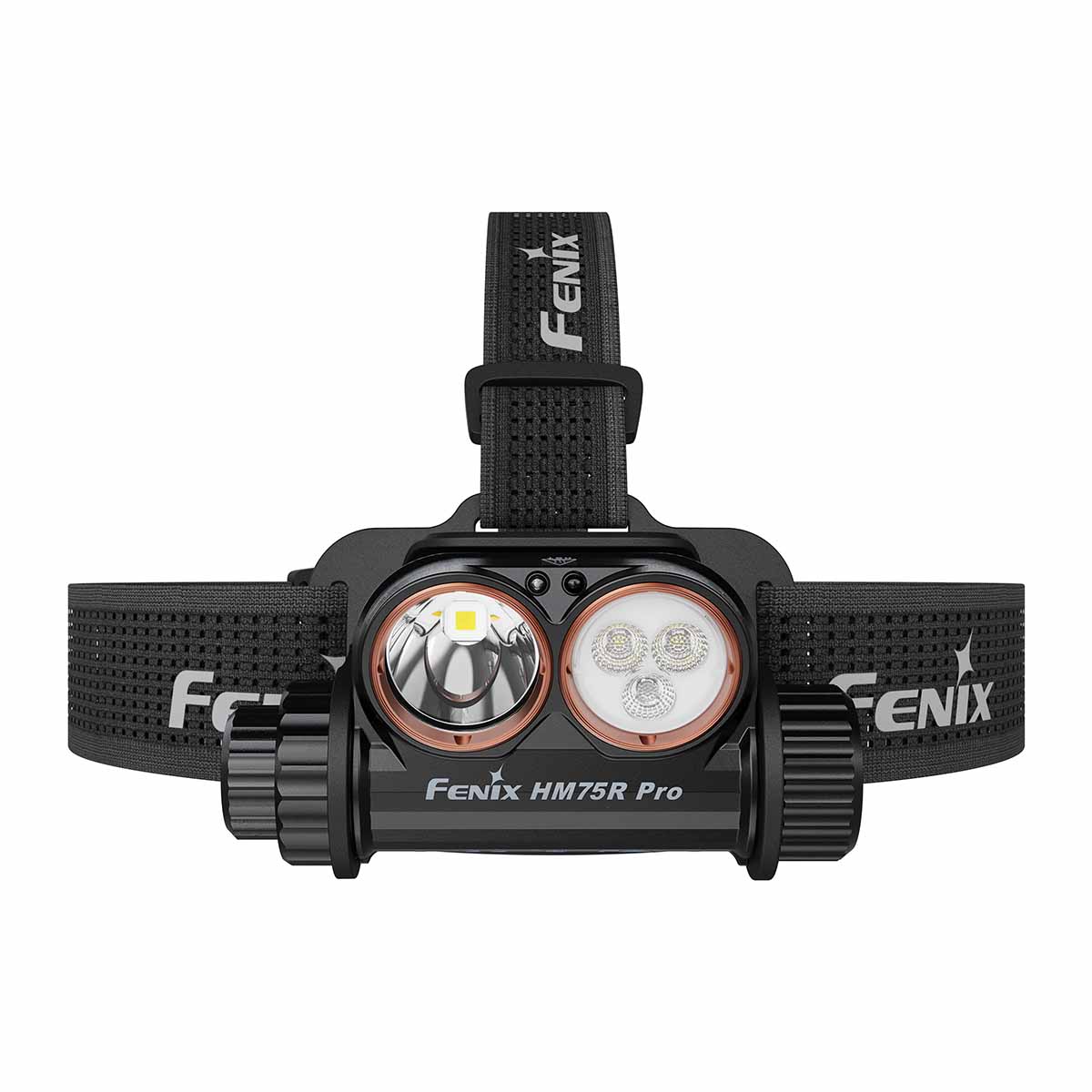
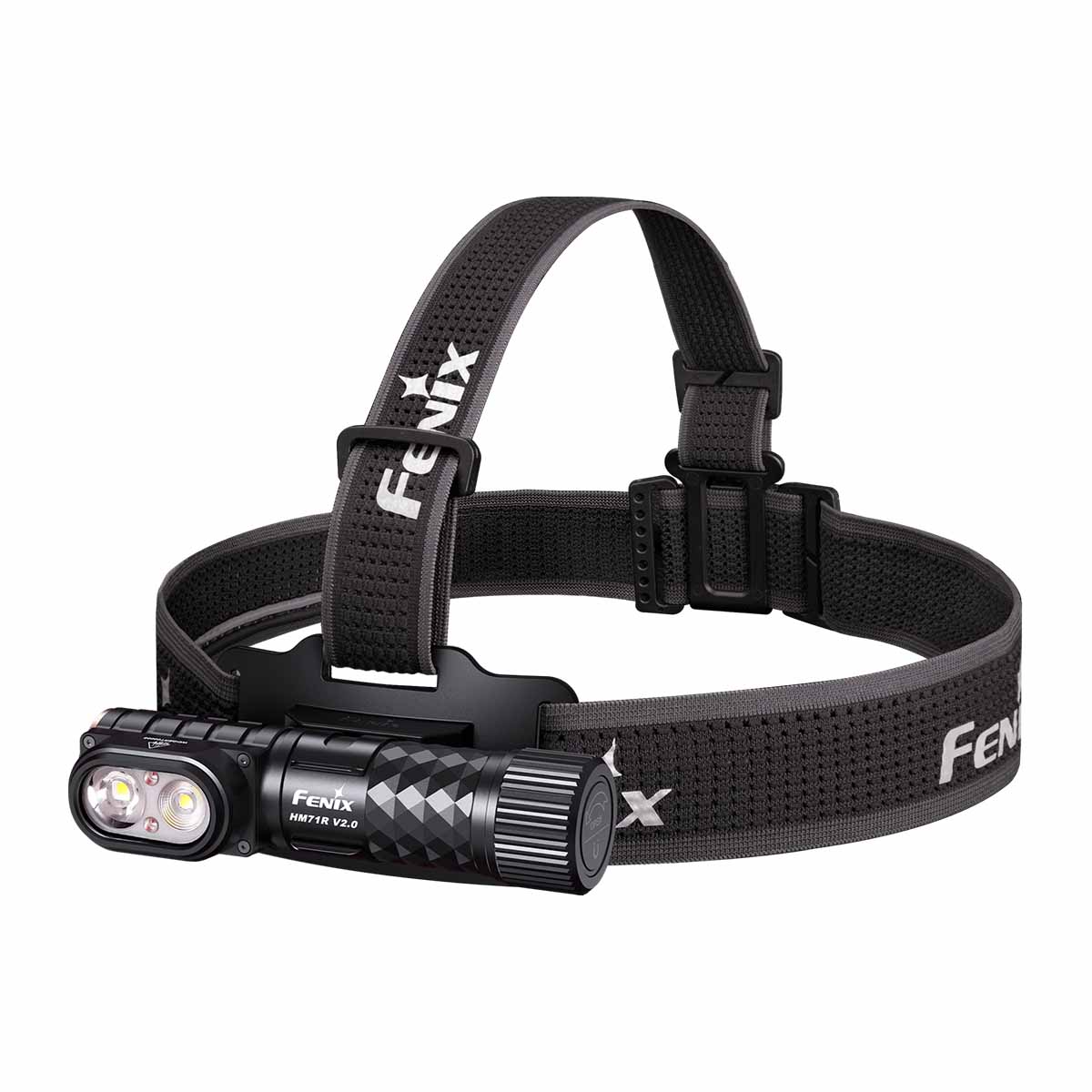
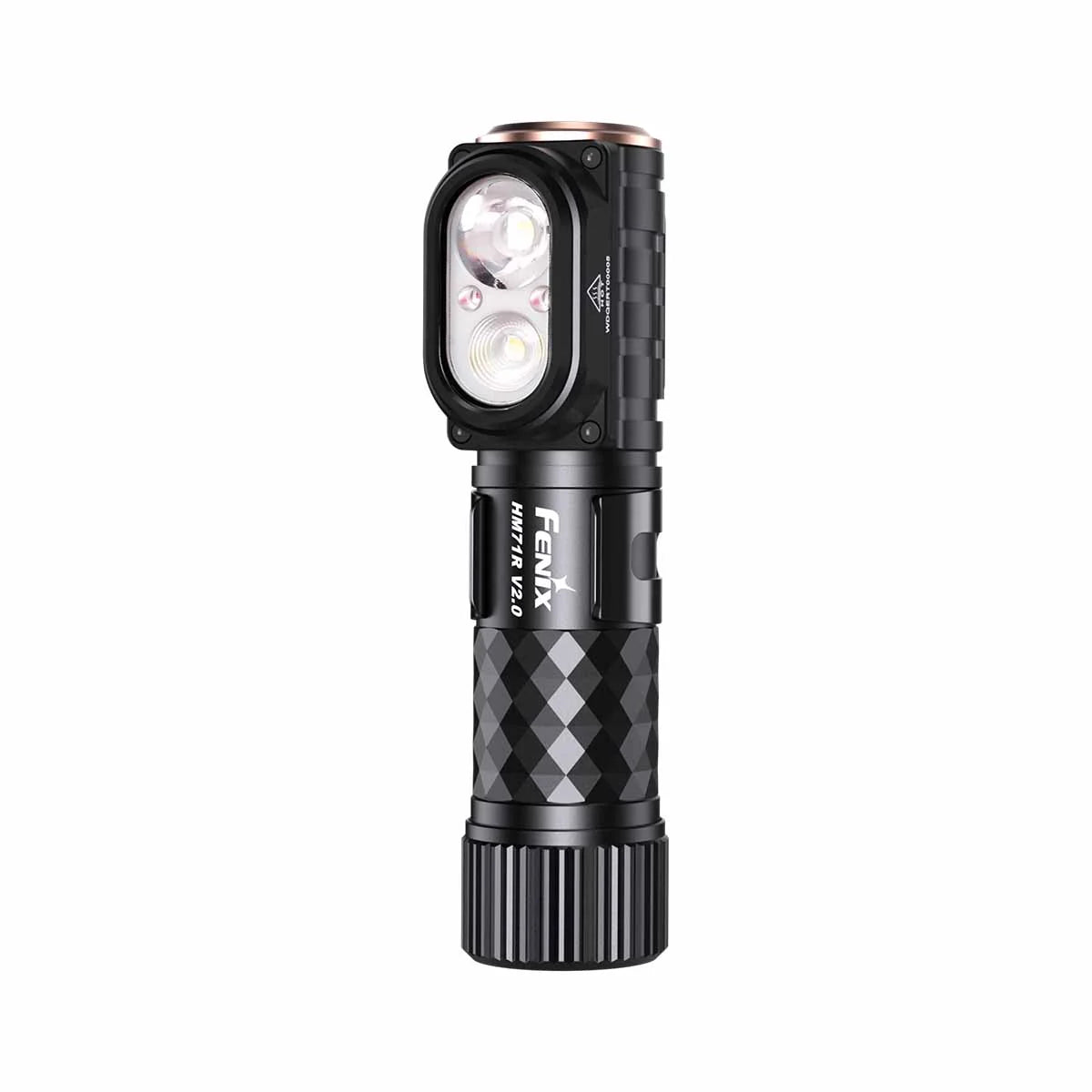
In the water the knife cuts nursery cable ties, trims monofilament and rope, opens epoxy cartridges and frees fragments from grow-out frames. An EDC flashlight is just as important as the blade, because colour and health of coral are judged under white light, and a compact light on a lanyard makes surveys and photo records far more consistent. Both tools must be operable with thick neoprene gloves.

Ownership Notes
A fresh water rinse within an hour of surfacing is the single most important habit. Flush the pivot, dry it, then apply a marine-grade lubricant sparingly, and inspect the lock or spring for any sign of corrosion monthly. Divers who follow that routine get multiple seasons out of a good folder, while divers who do not replace gear every trip. Nursery programs also benefit from standardising personal kit across a team. When every diver carries the same blade and the same compact light in the same place, handing over a task mid-dive takes seconds rather than a shouted explanation. Keep a rinse bucket on the boat, dry the tools on the way home and store them out of the sun. Small consistency of this kind is what keeps a monitoring dataset comparable across months.
Who Is This For?
This suits reef restoration divers, coral nursery technicians, marine conservation interns and dive shop staff running restoration programs. A recreational diver who occasionally volunteers does not need this level of preparation. If your dive log is full of nursery maintenance, choose stainless and build the rinse into your post-dive routine.
Final Verdict
Nothing survives salt water by accident. A high-chromium powder-metallurgy blade in an open-handle folder, a compact light that lives on a lanyard and a rinse routine you never skip will outlast expensive gear that is simply neglected.