

Overview & First Impressions
Kelp farming is rope work in cold, moving salt water. Seed string is wound onto longlines, grown through a winter, then hauled aboard, cut free and delivered to a processor within hours. Everything is wet, everything is slippery, and the knives used on deck are tools rather than accessories. The EDC knives that end up in a seaweed farmer pocket are chosen for grip and corrosion resistance, not for looks.
Materials & Construction
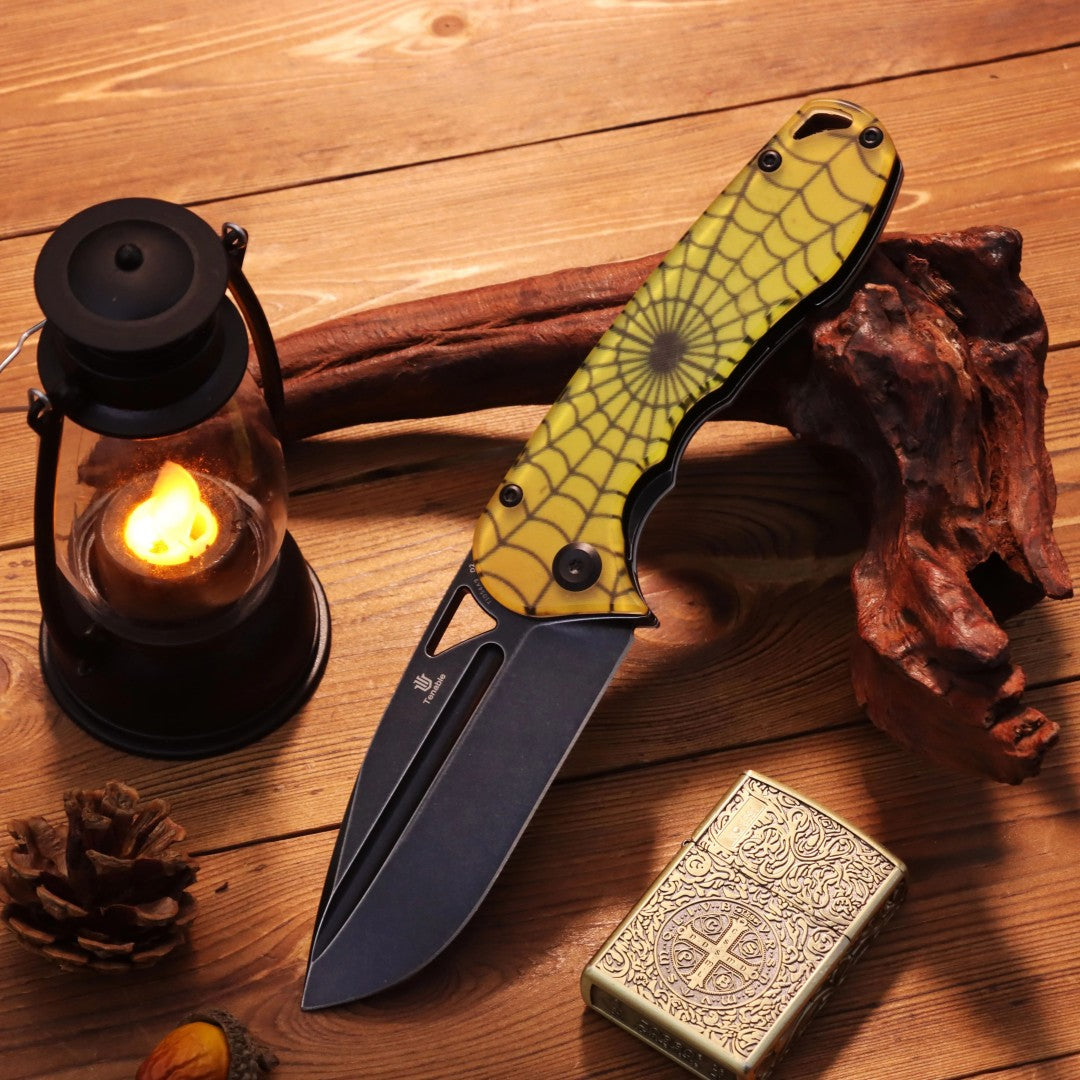
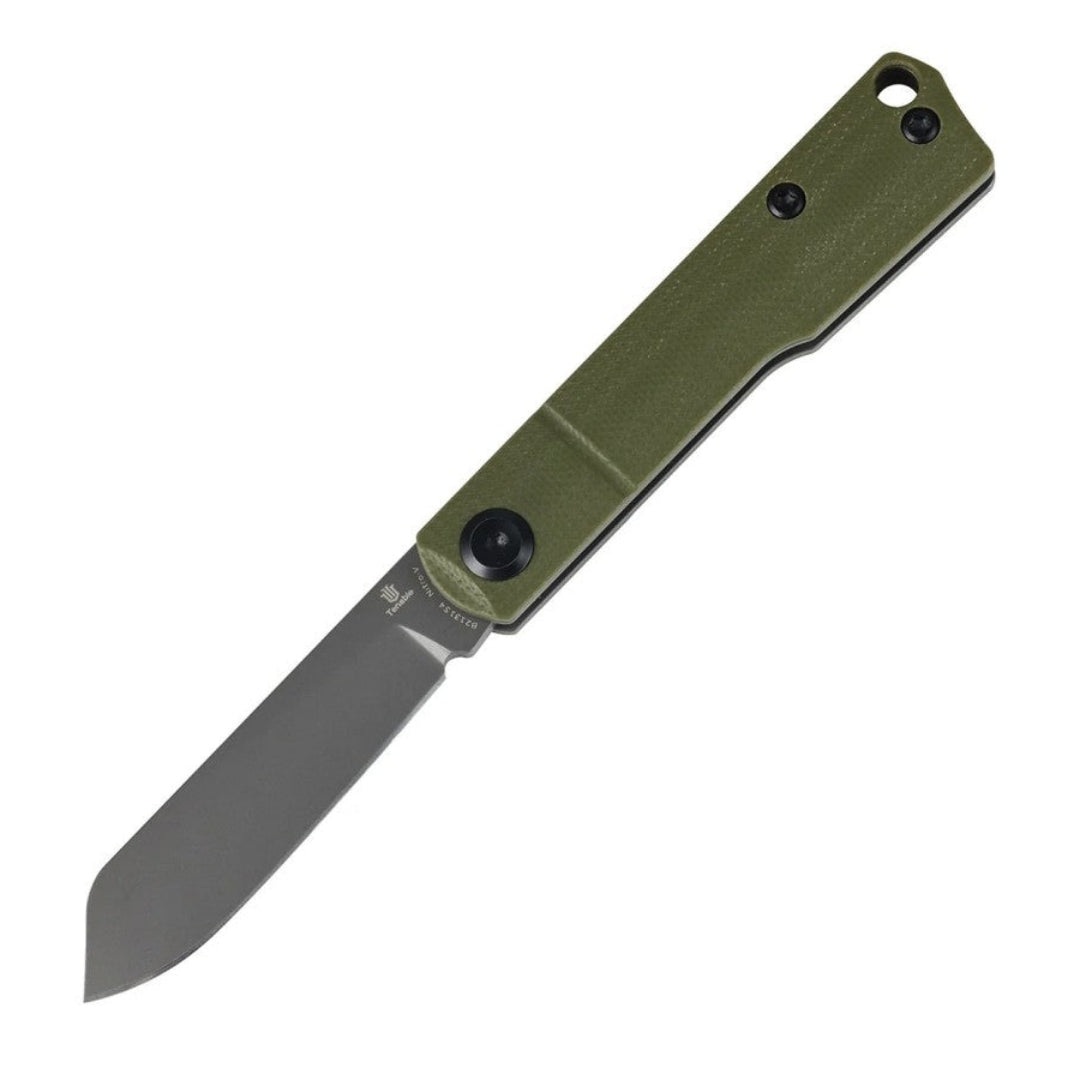
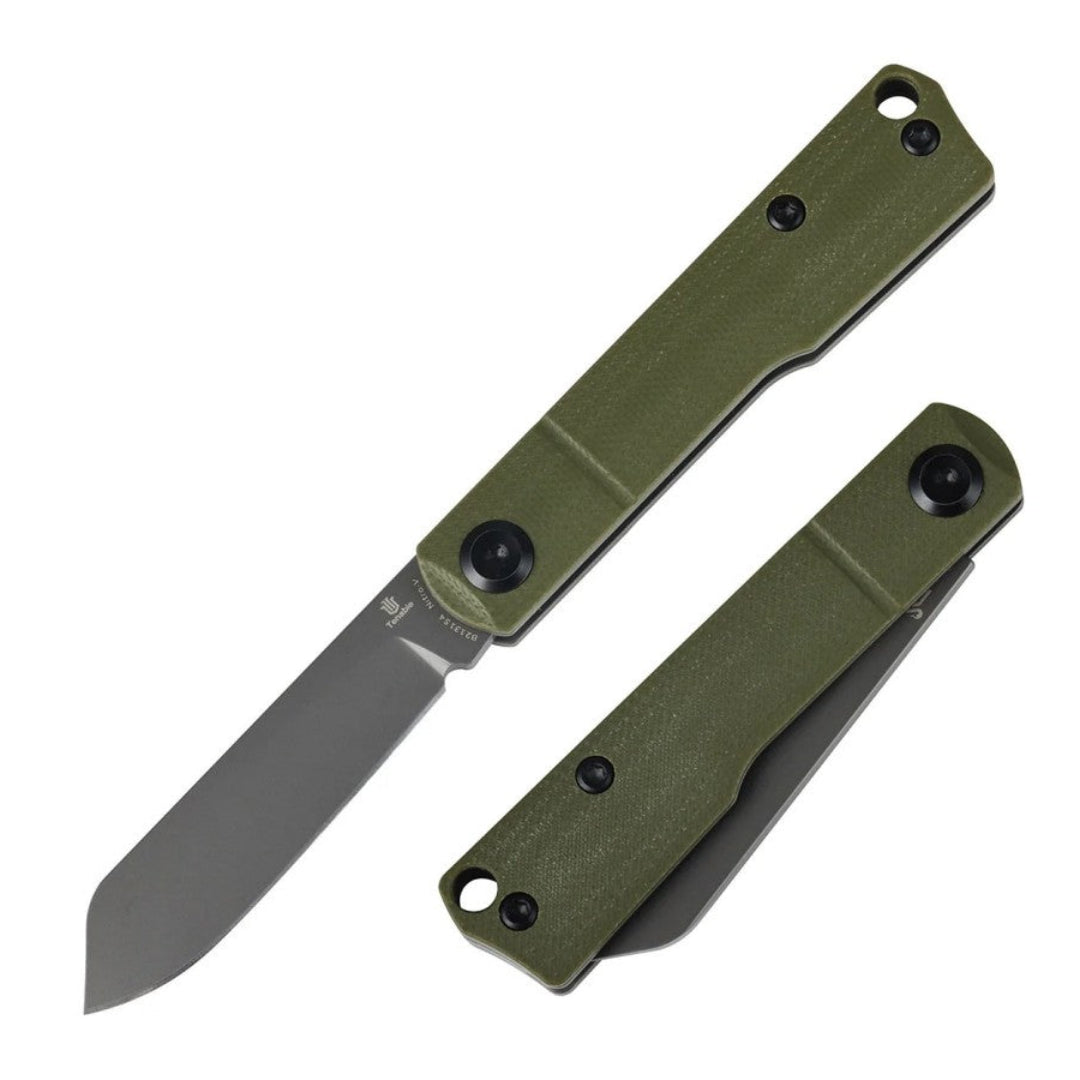
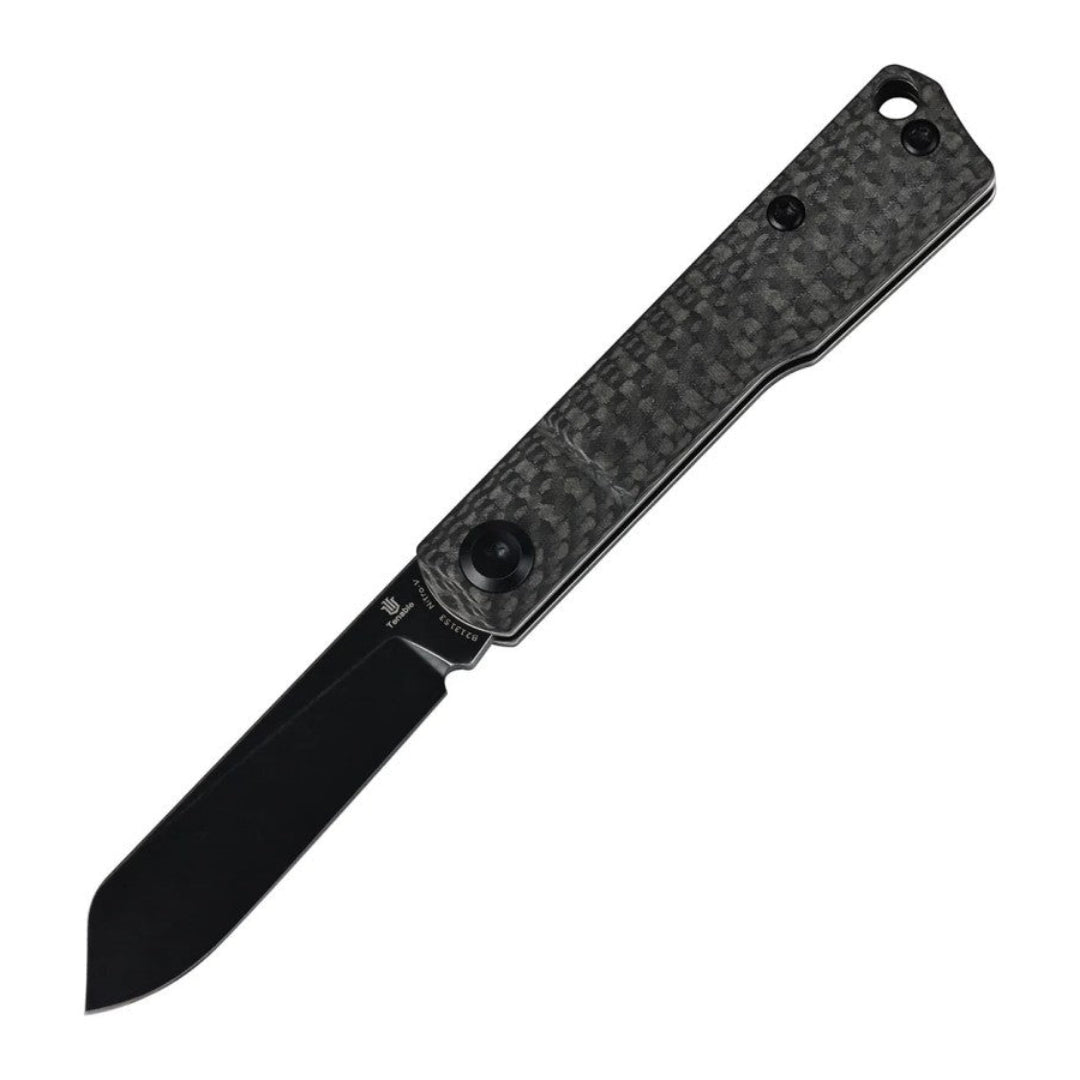
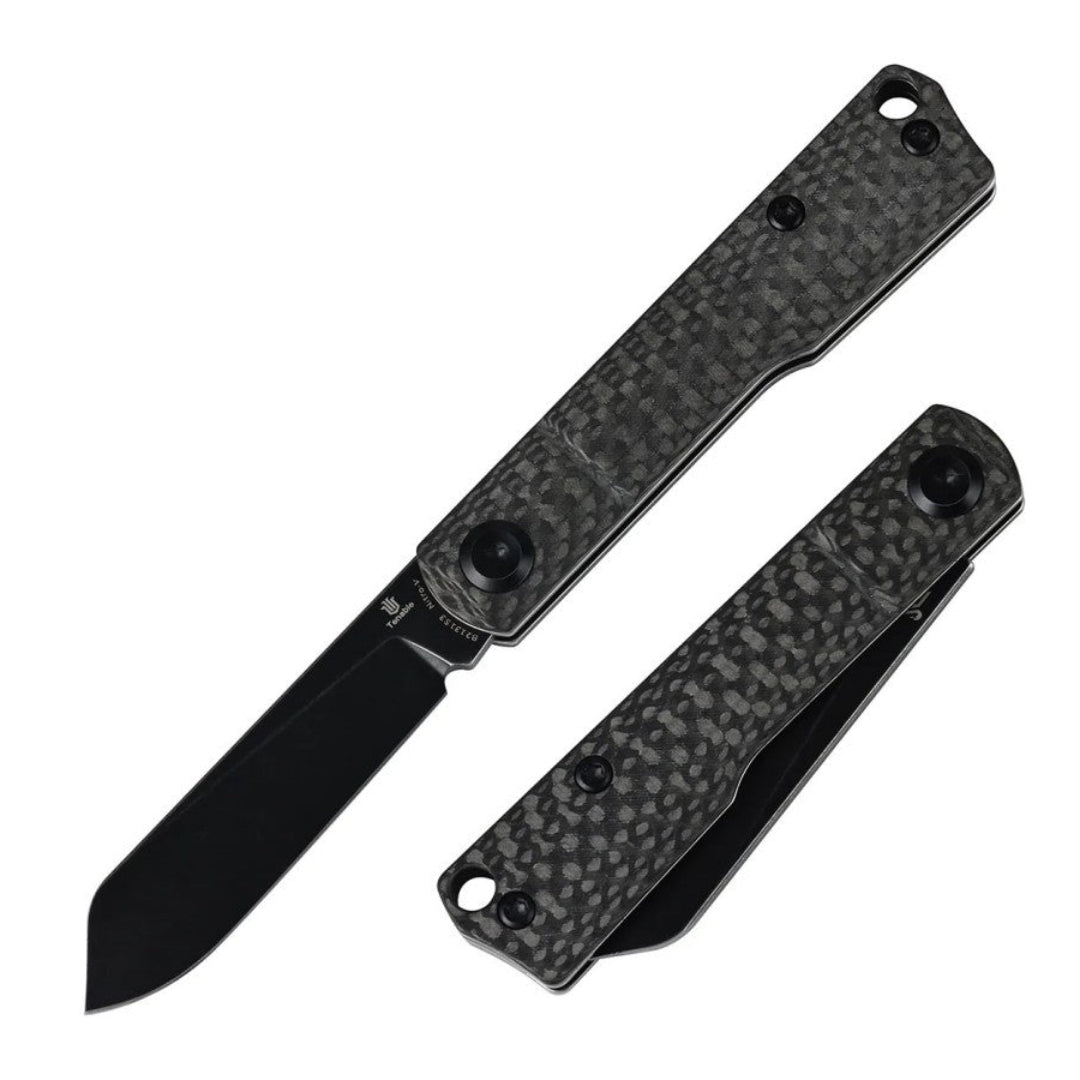
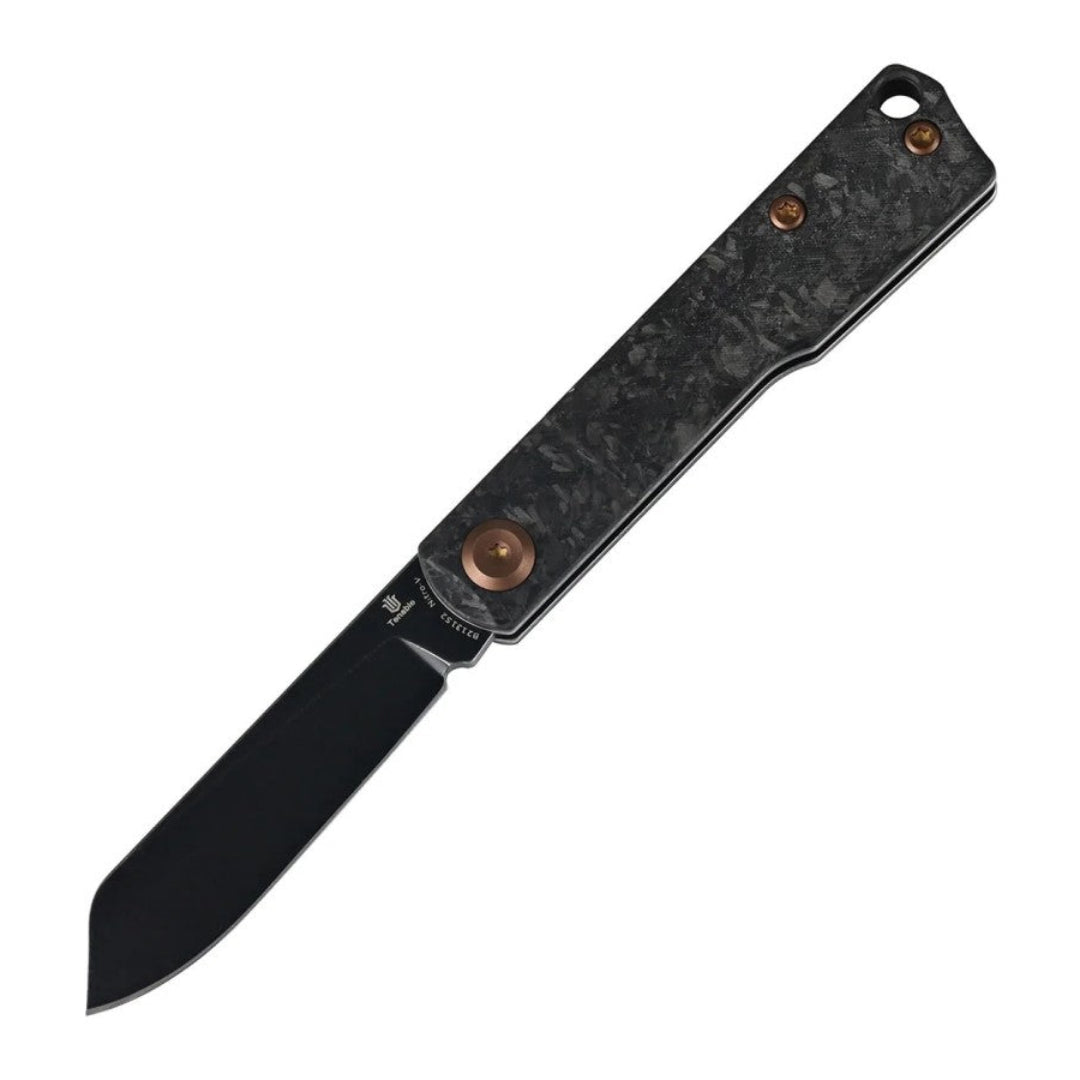
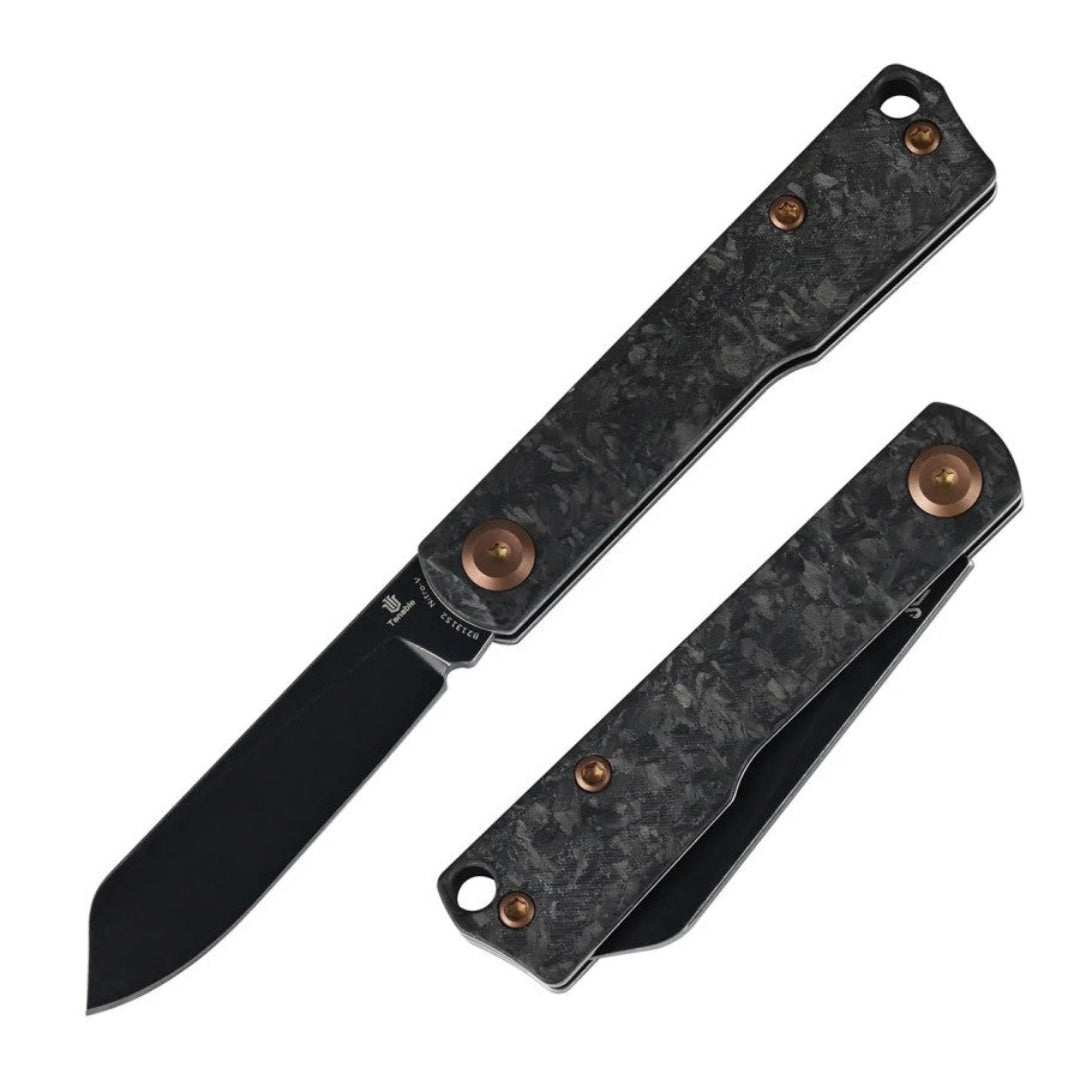
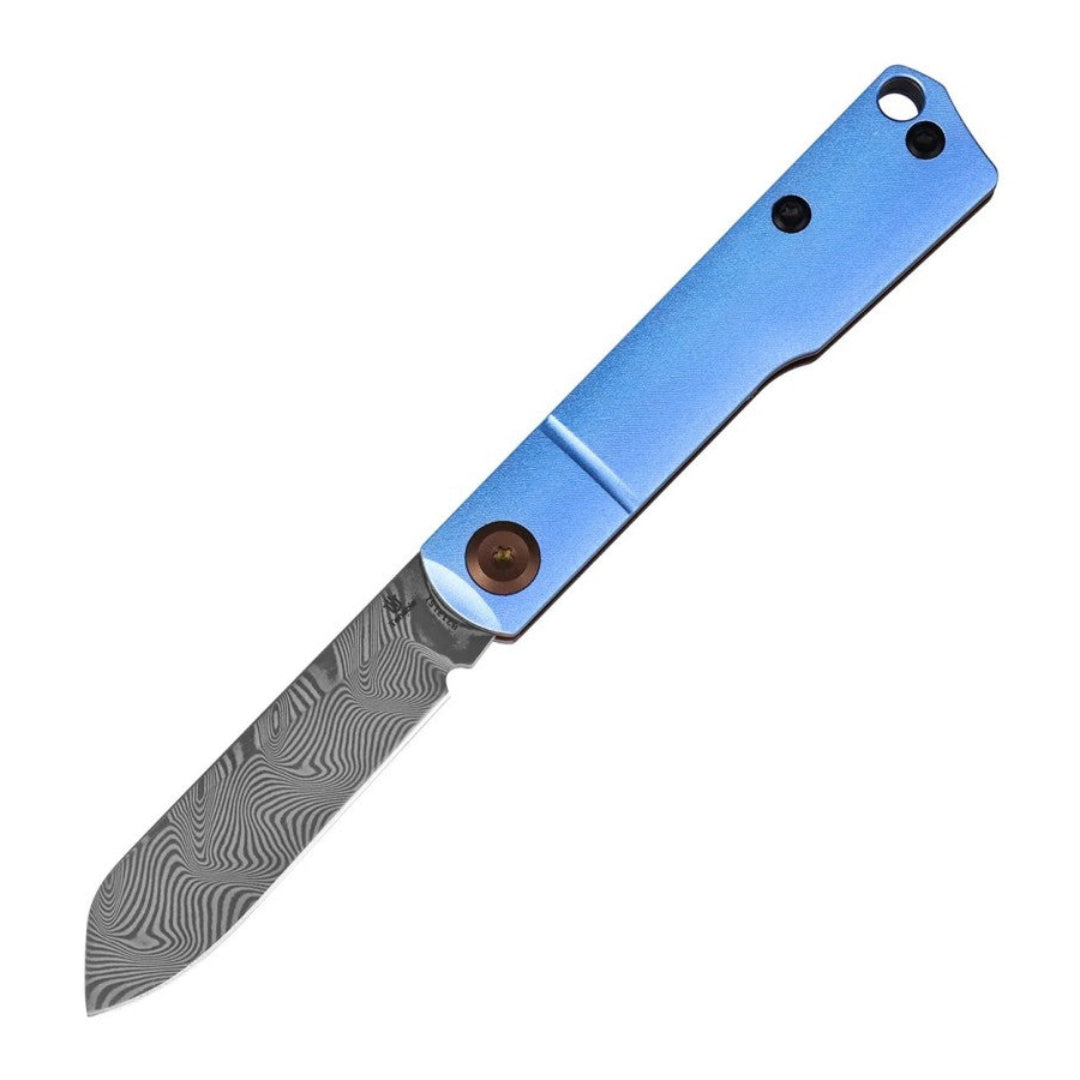
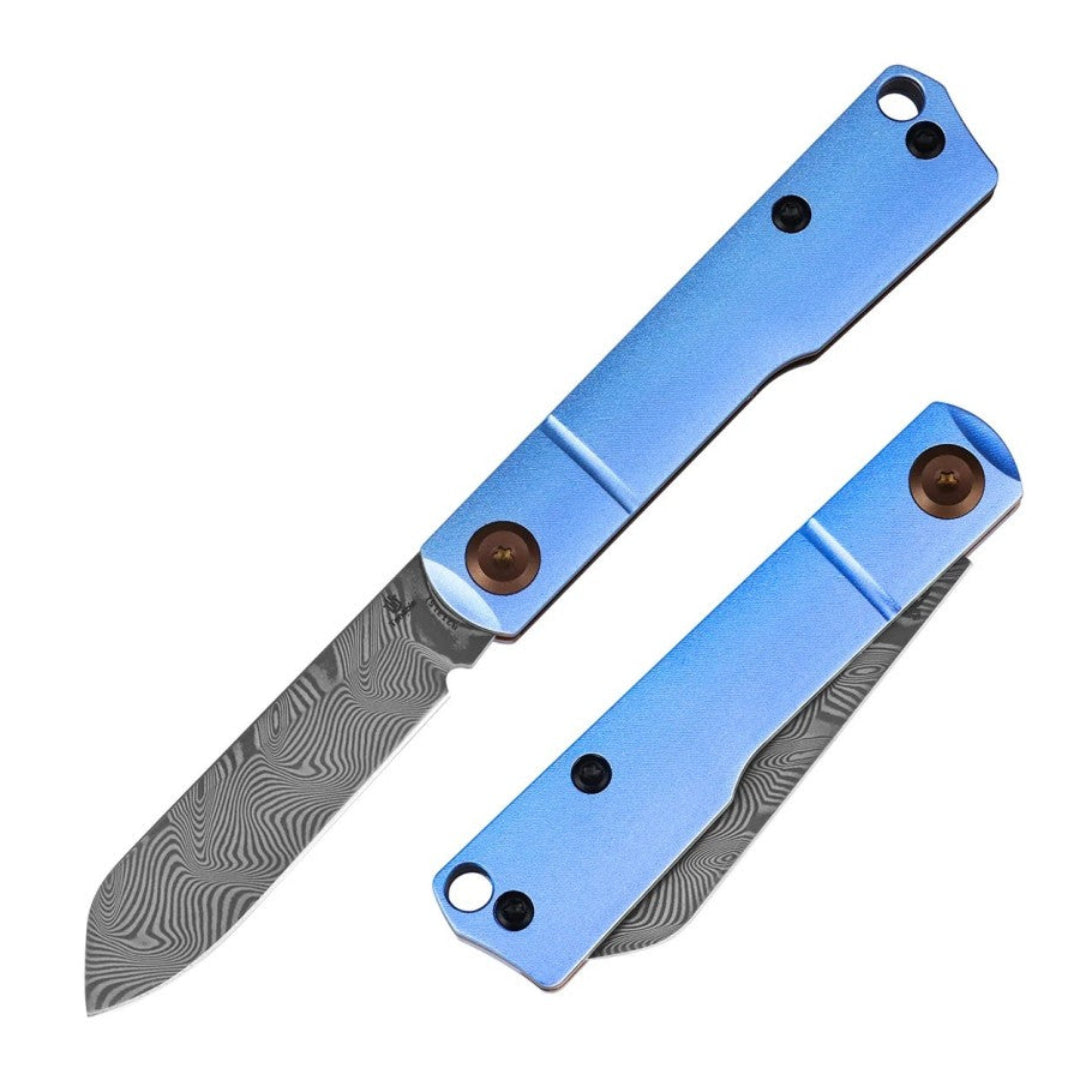
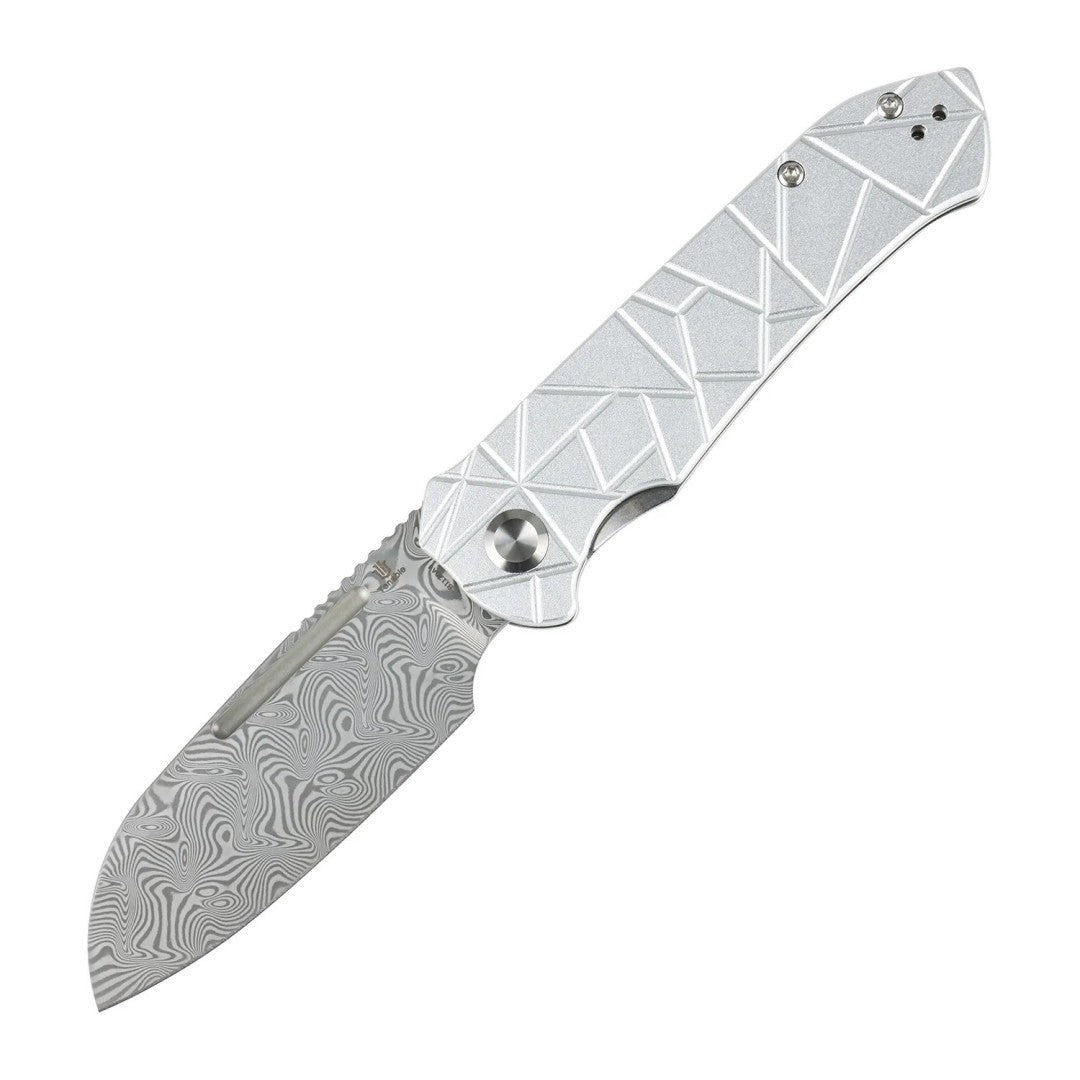
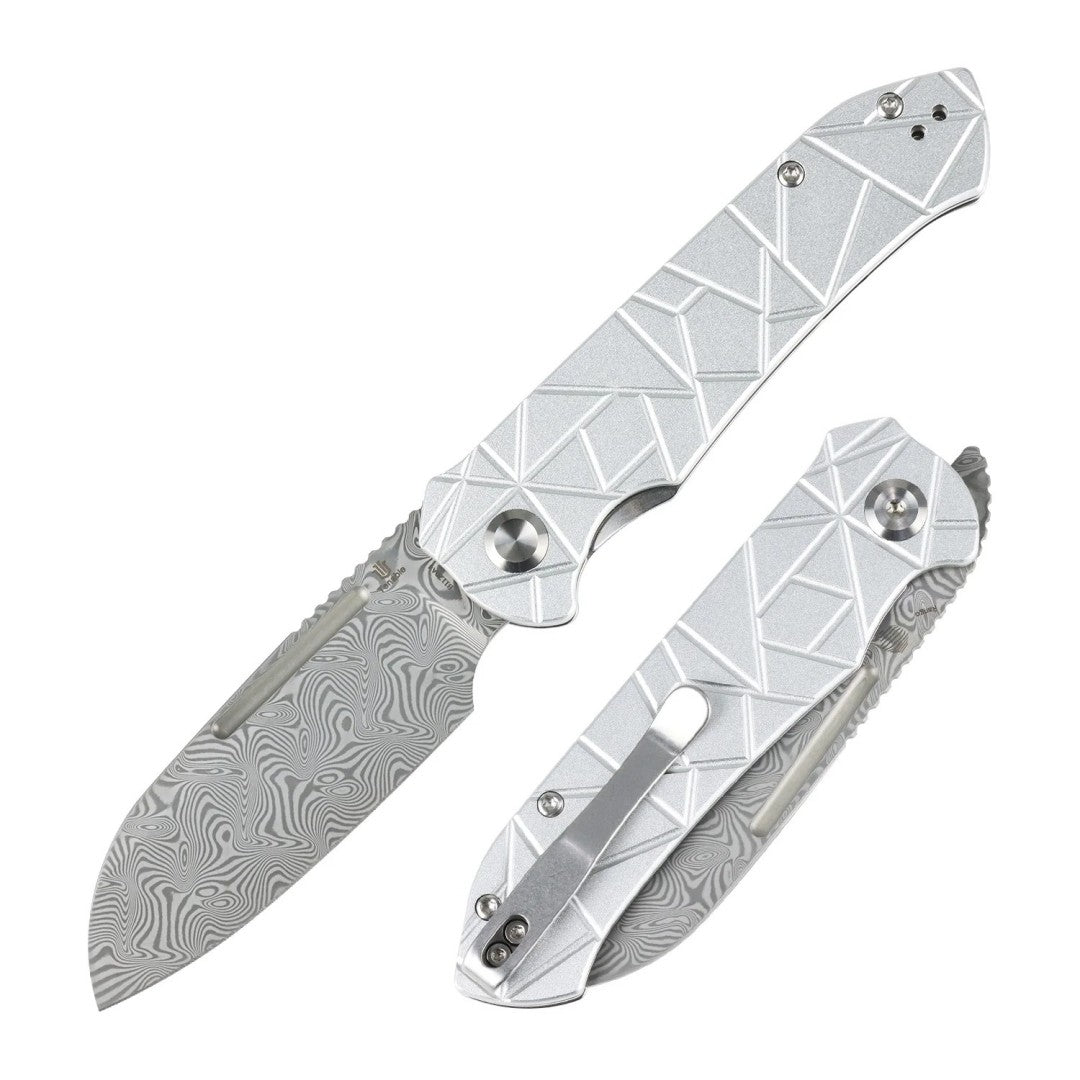
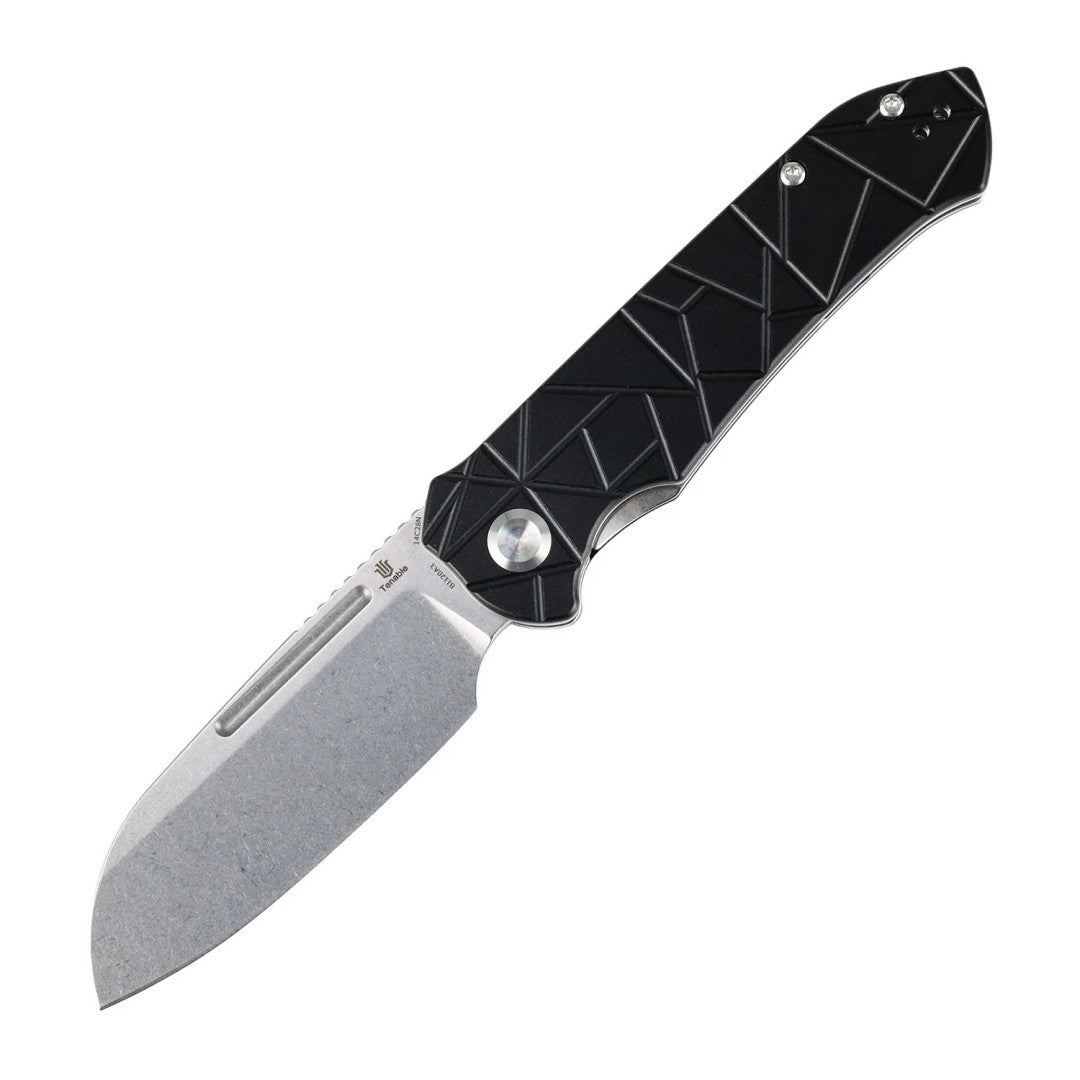
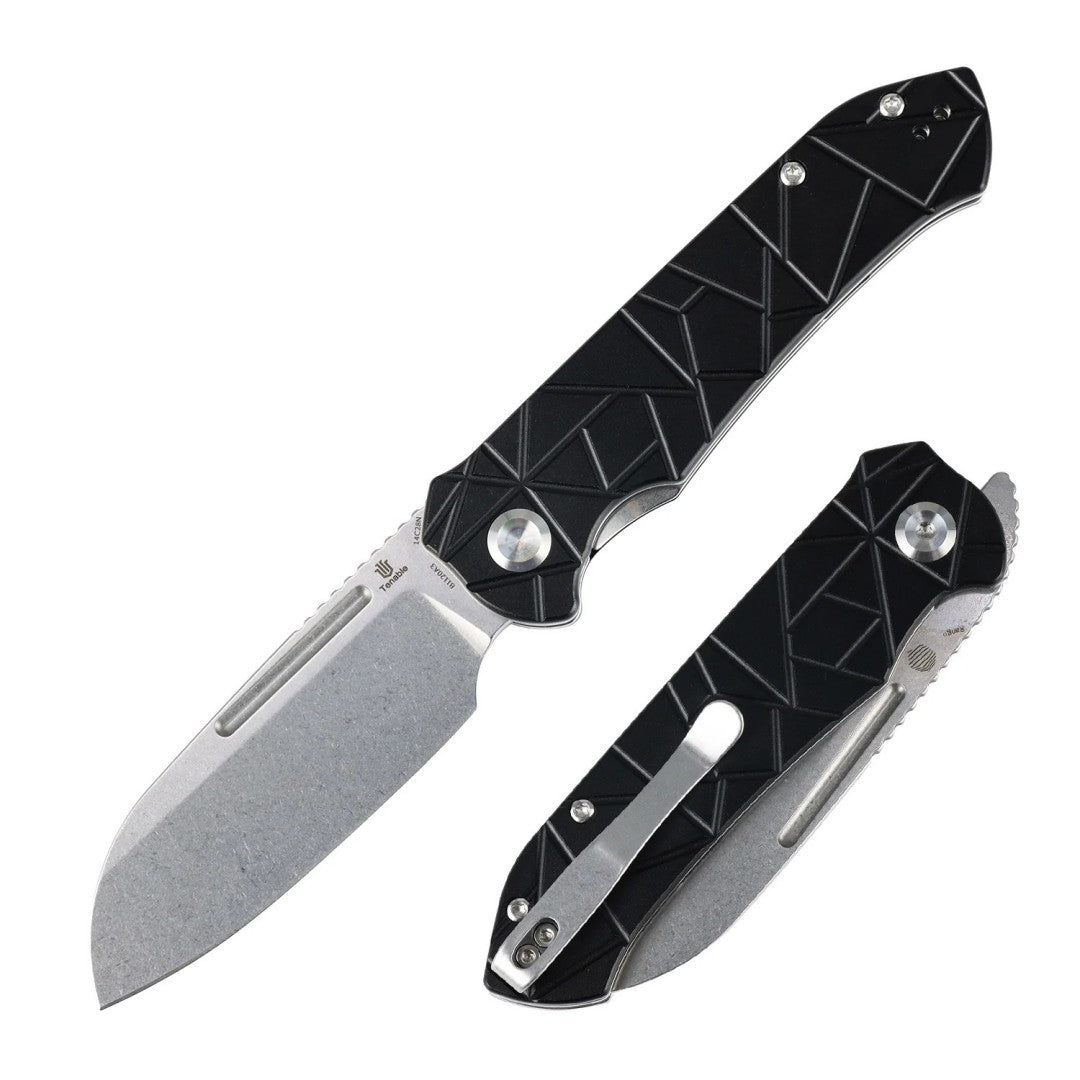
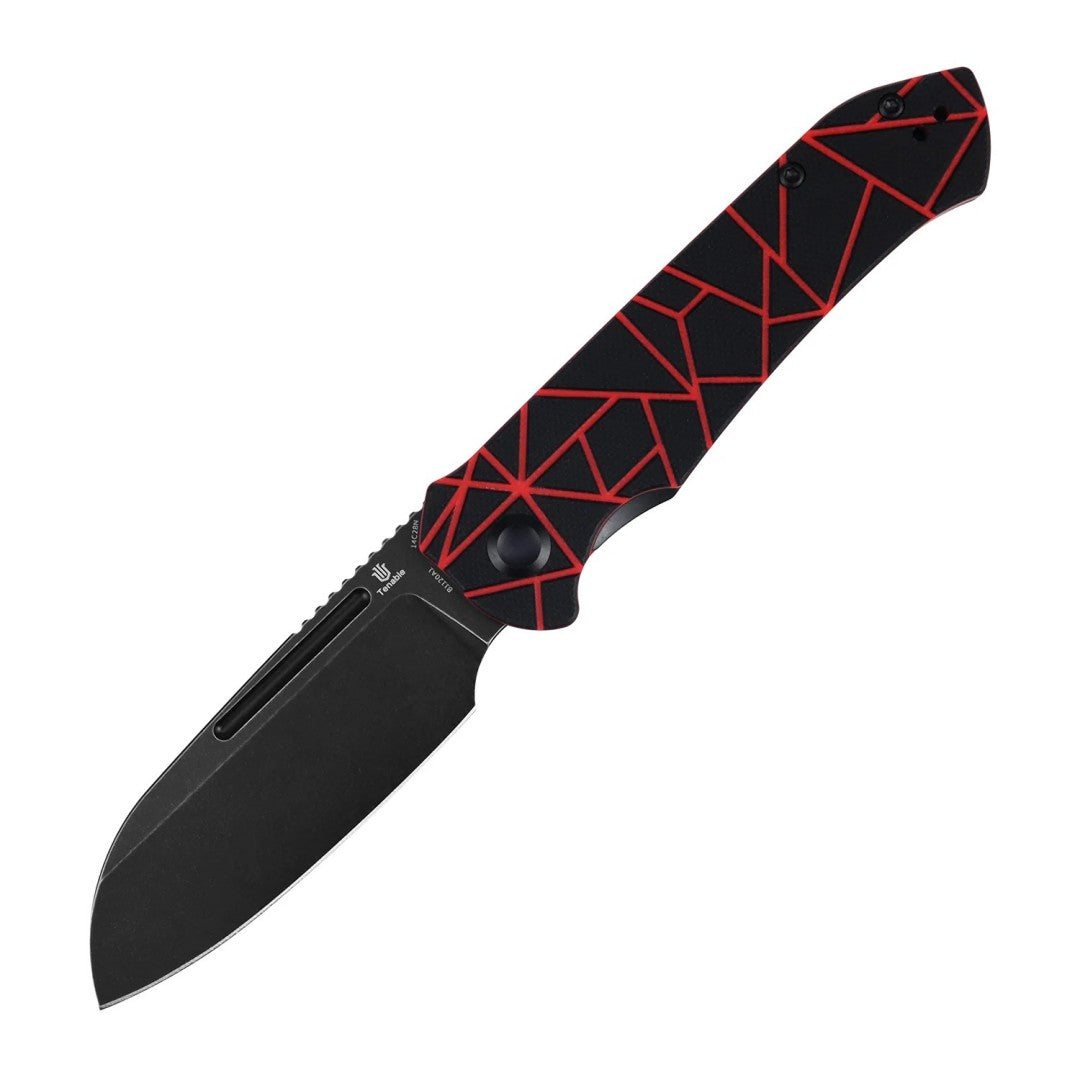
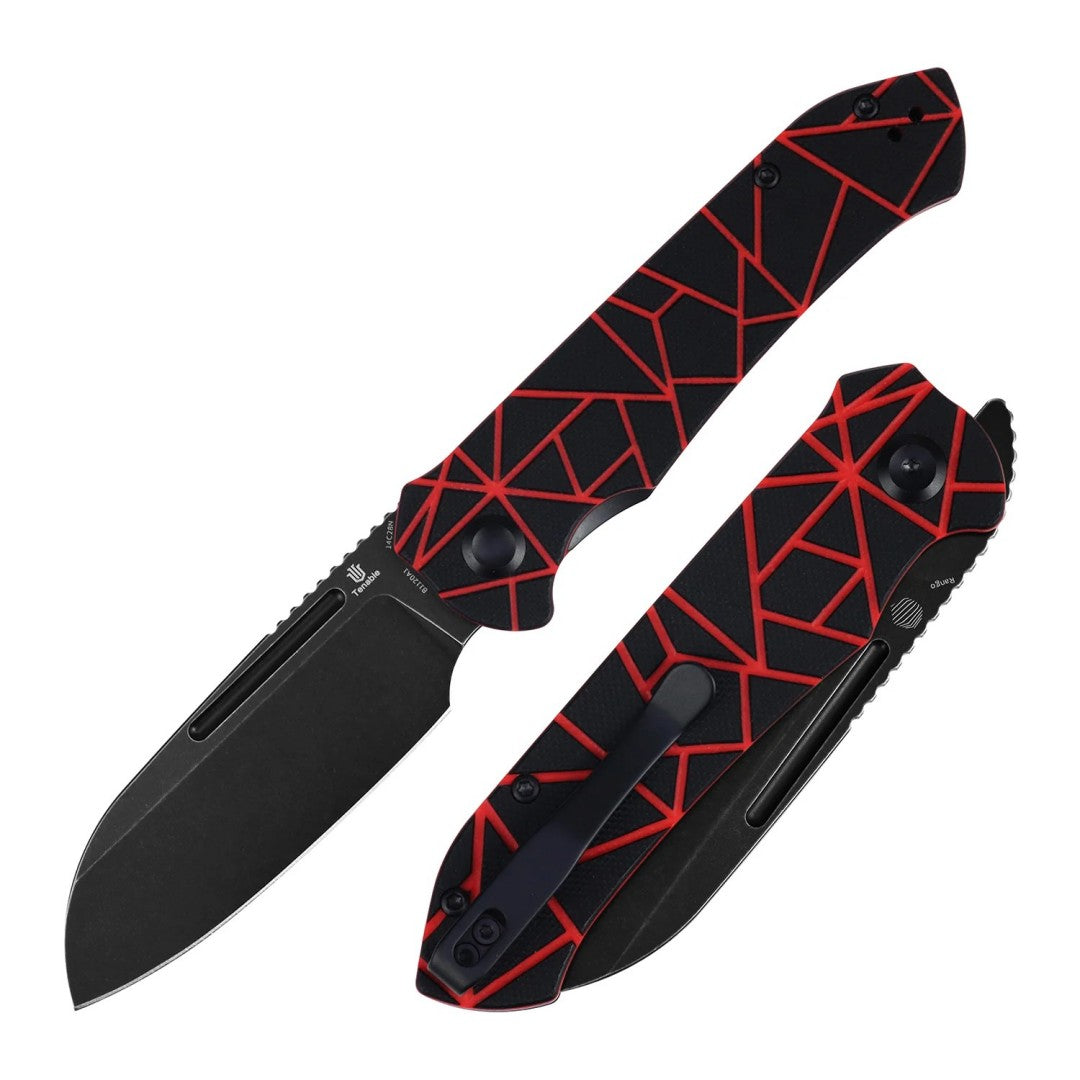
Nitro-V is a nitrogen-enhanced stainless developed for exactly this kind of environment: tough, resistant to staining and able to hold a working edge through repeated cuts against wet fibre. The Tenable Riflestock B2131S4 pairs that steel with a G10 handle and a positive lock, and the textured scale keeps the tool controllable with a wet glove. Tenable knives favour efficient, hard-working designs that tolerate a deck rather than a display case.

Design & Details
Deck knives take impacts that pocket knives never see, so folding knives with a sturdy pivot and a lock that stays engaged under load are essential. A blade with some belly cuts rope and holdfast more cleanly than a straight edge, and a heavily ground tip makes short work of fouled line. A lanyard hole is non-negotiable on a moving deck, where a dropped knife goes over the side and stays there.
Real-World Use
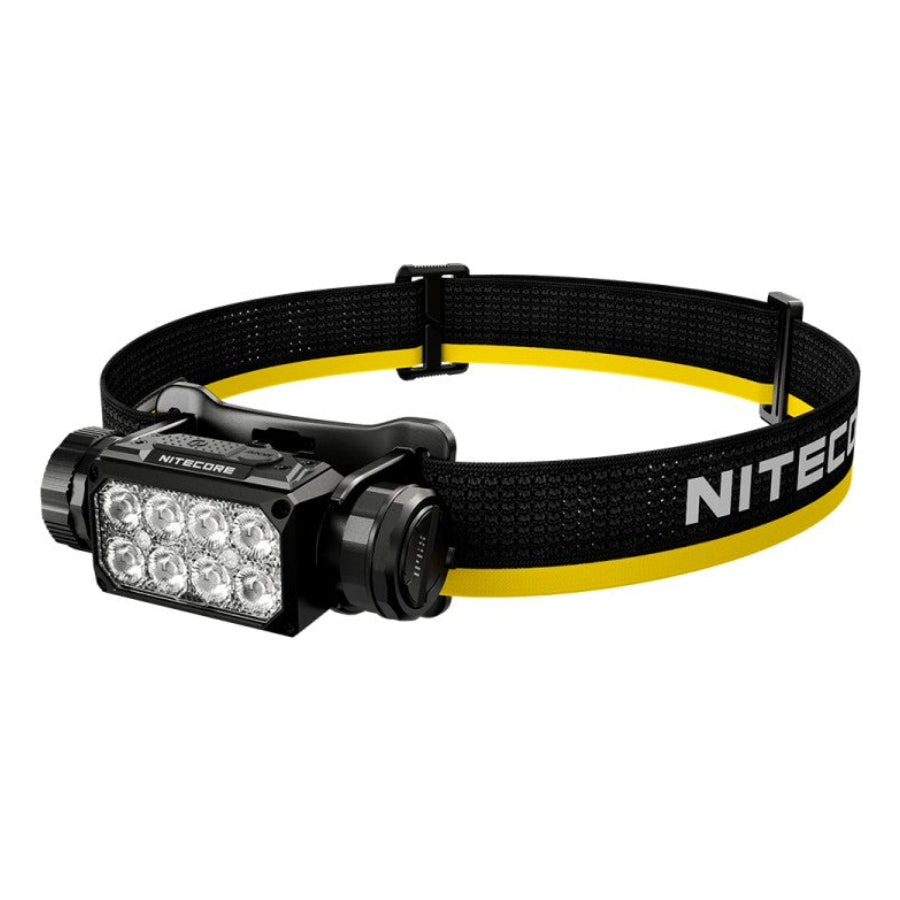
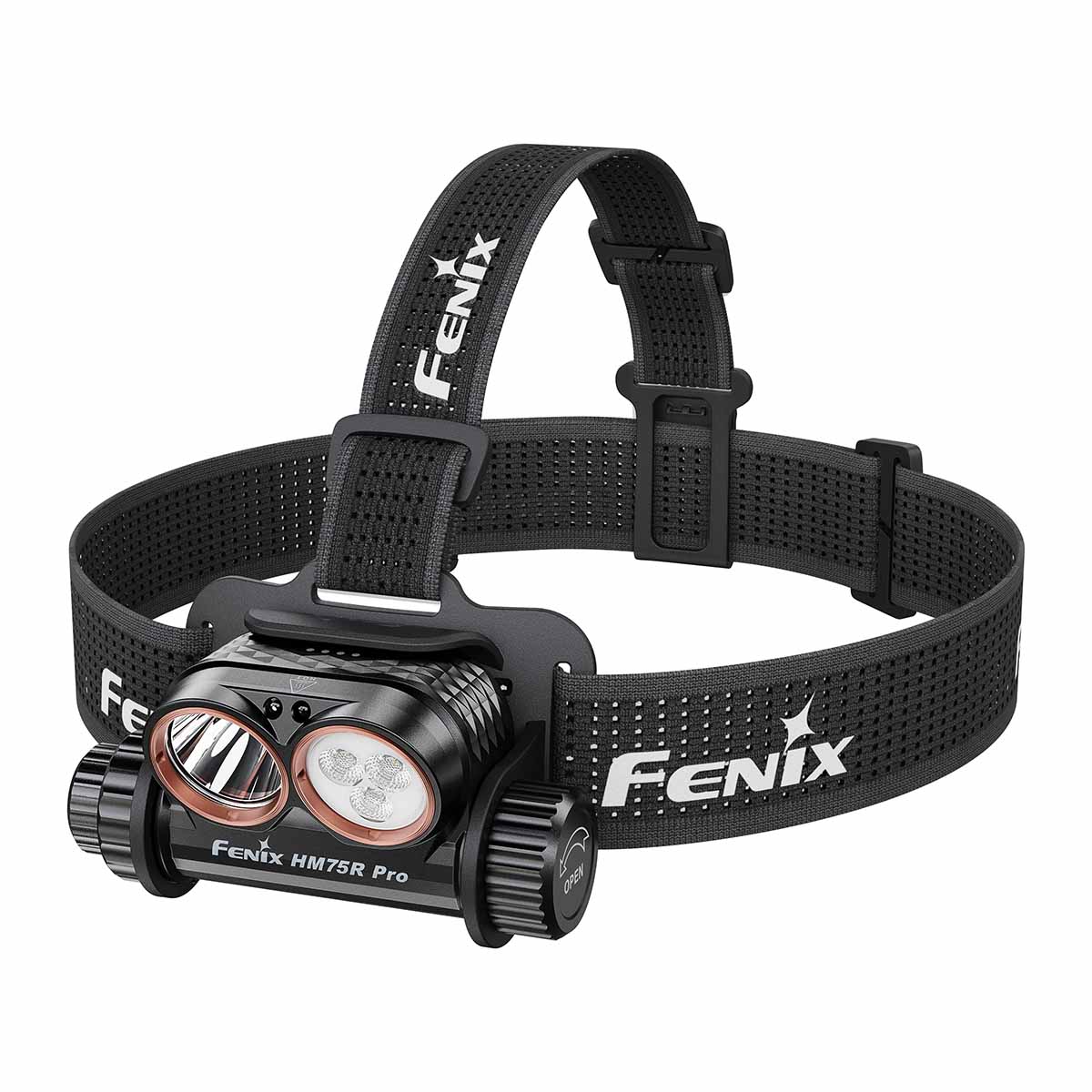
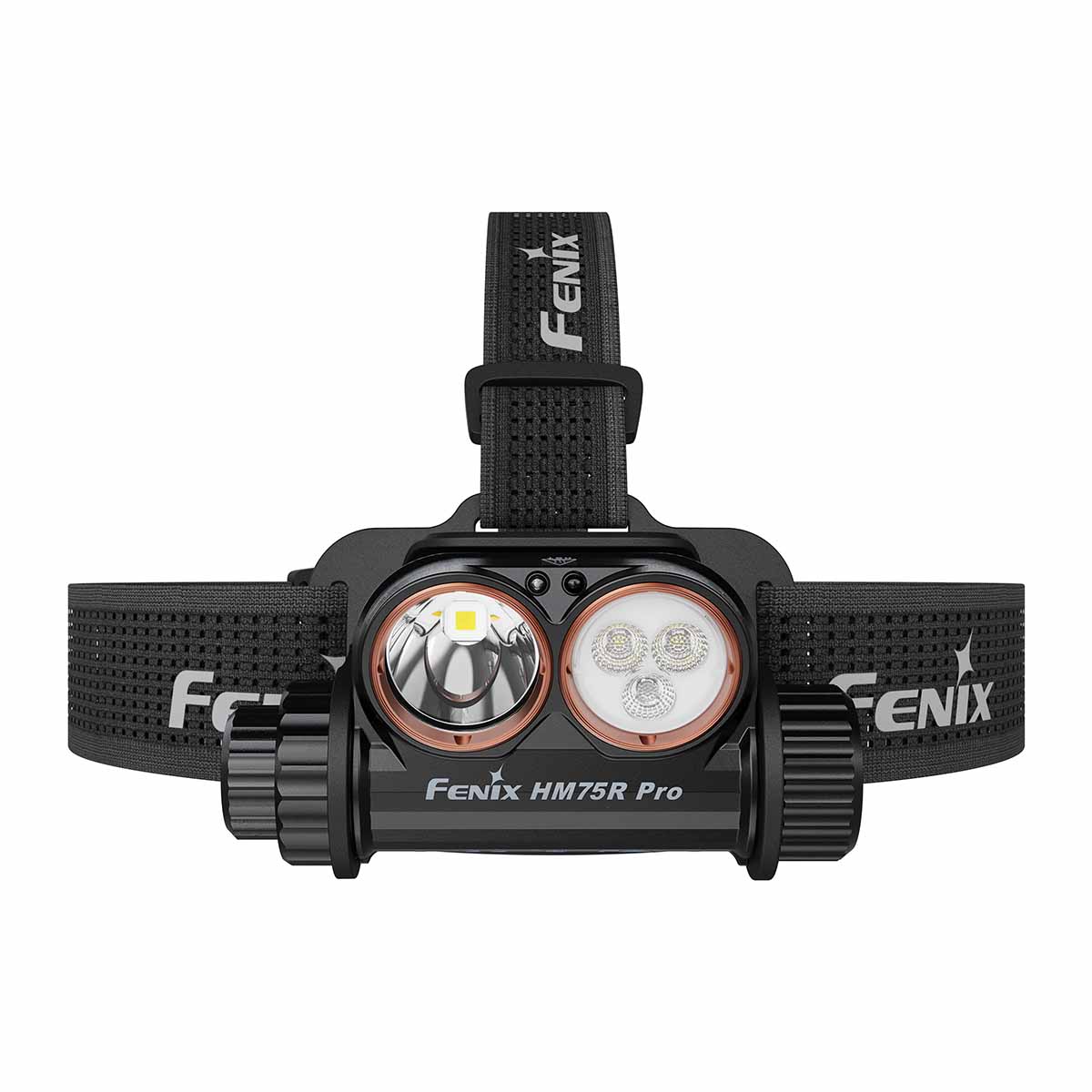
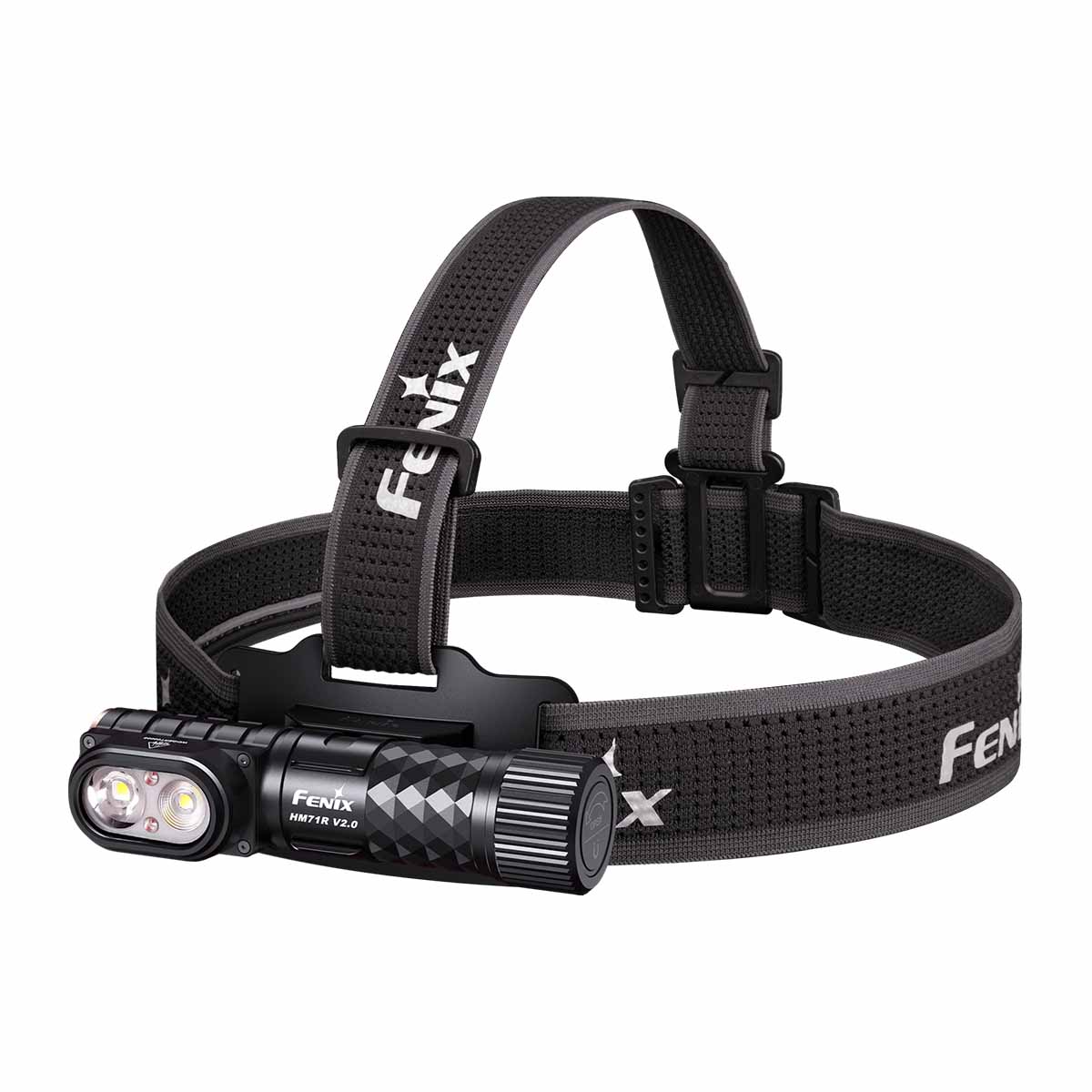
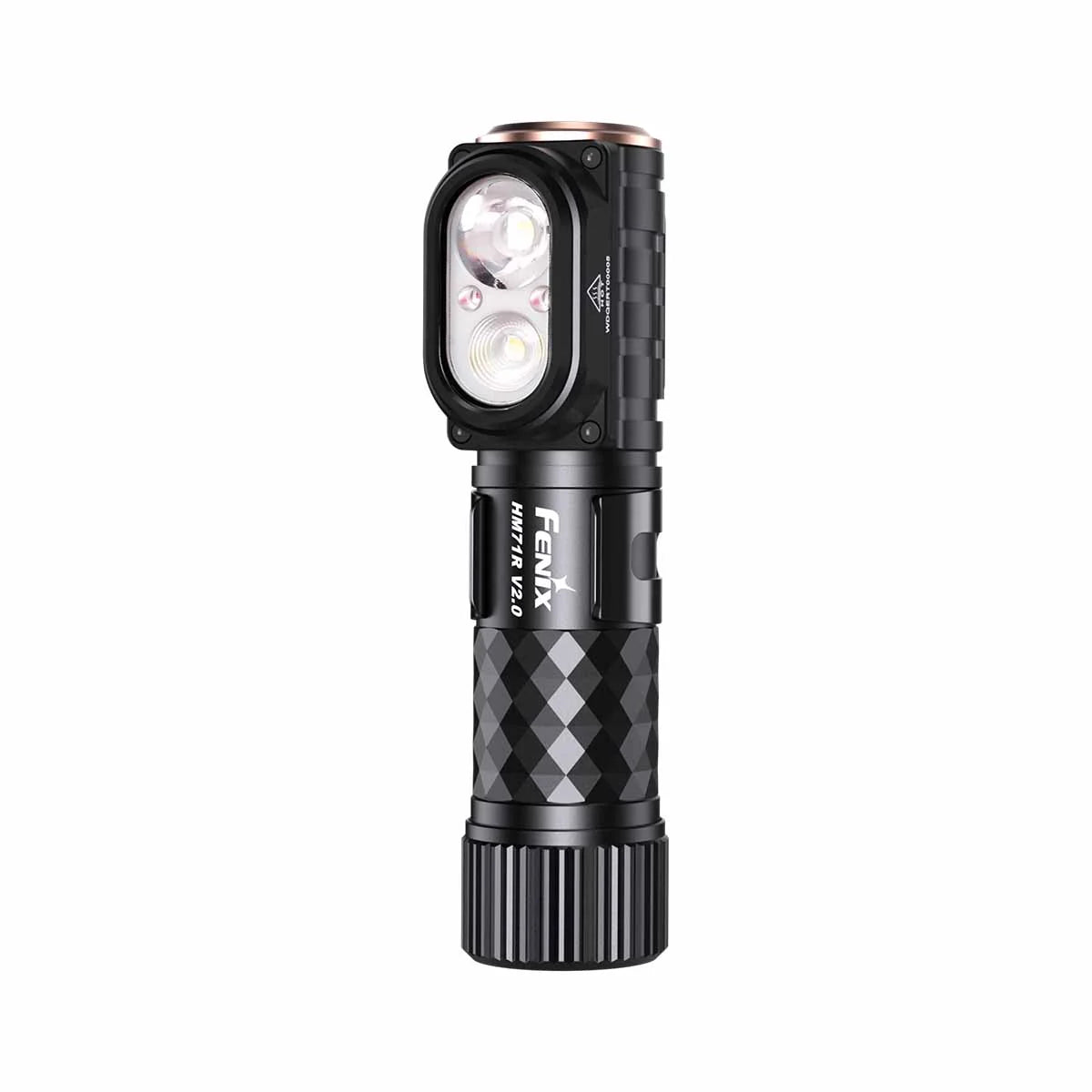
Day to day the knife cuts grow-out rope, trims holdfast, opens feed or gear sacks and frees propellers and intakes from weed. Harvest is a blur of cutting and hauling in cold spray, and a knife that is hard to open with cold hands is worse than useless. Backup light matters as much as the blade on early morning and evening tides, when a headlamp is the difference between working safely and working blind.

Ownership Notes
Salt shortens the life of everything, so the routine is rinse, dry and oil, every single shift. Blades should be flushed of grit and organic matter, the pivot blown out and a light film of lubricant applied while the steel is still warm. EdcMall carries the folders and lights that make this kind of wet, repeated maintenance worthwhile rather than a chore. Farmers also learn to keep a spare knife in the wheelhouse and a sharpener in the truck. A dropped blade on a heaving deck is a twenty minute distraction at the wrong moment, and a second tool removes the temptation to use a dull one. Log the shift, restock the consumables and give the day gear a full dry before it goes back in the locker. Two minutes of housekeeping at the end of a tide is worth an extra hour of cutting the next day.
Who Is This For?
This is for kelp and seaweed farmers, aquaculture deckhands, shellfish growers and shore crews working exposed coastline. A hobby gardener who collects a bucket of seaweed does not need a deck knife. If your hands are wet and cold for a living, buy stainless, buy grip, and treat maintenance as part of the job.
Final Verdict
A wet, salty trade rewards unglamorous choices. A tough nitrogen steel blade, a handle that grips through a glove, a lock that will not fold under load and a light that survives a tide will outlast more expensive knives chosen for style.