
Overview & First Impressions
A pattern-welded billet looks almost featureless off the grinder. The contrast that makes Damascus steel recognisable appears only after the surface is abraded and then dipped in acid, and the way it is finished decides whether the pattern reads as bold ribbons or as a faint grey ghost. That process is also why two identical EDC knives from the same run can look completely different.
Materials & Construction
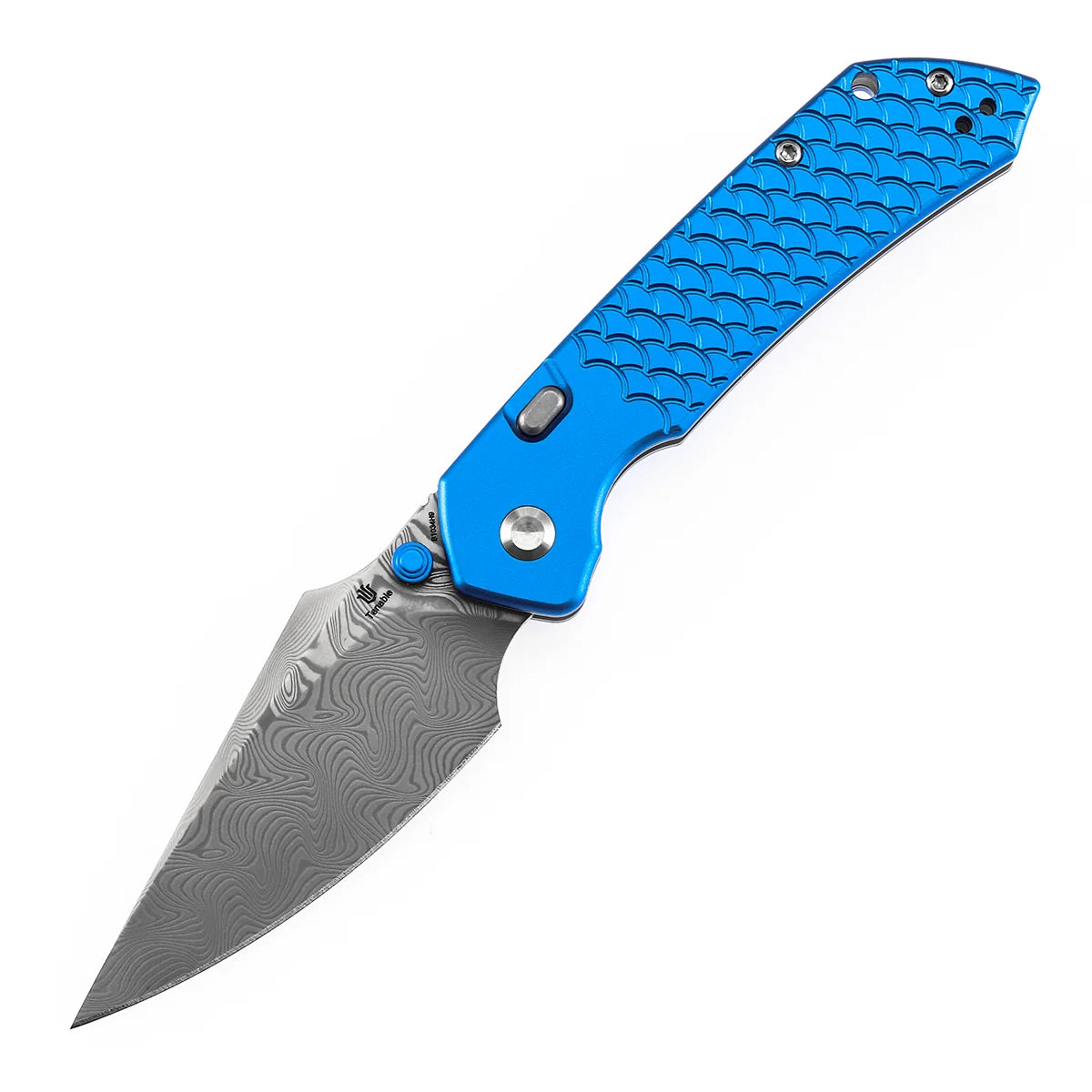
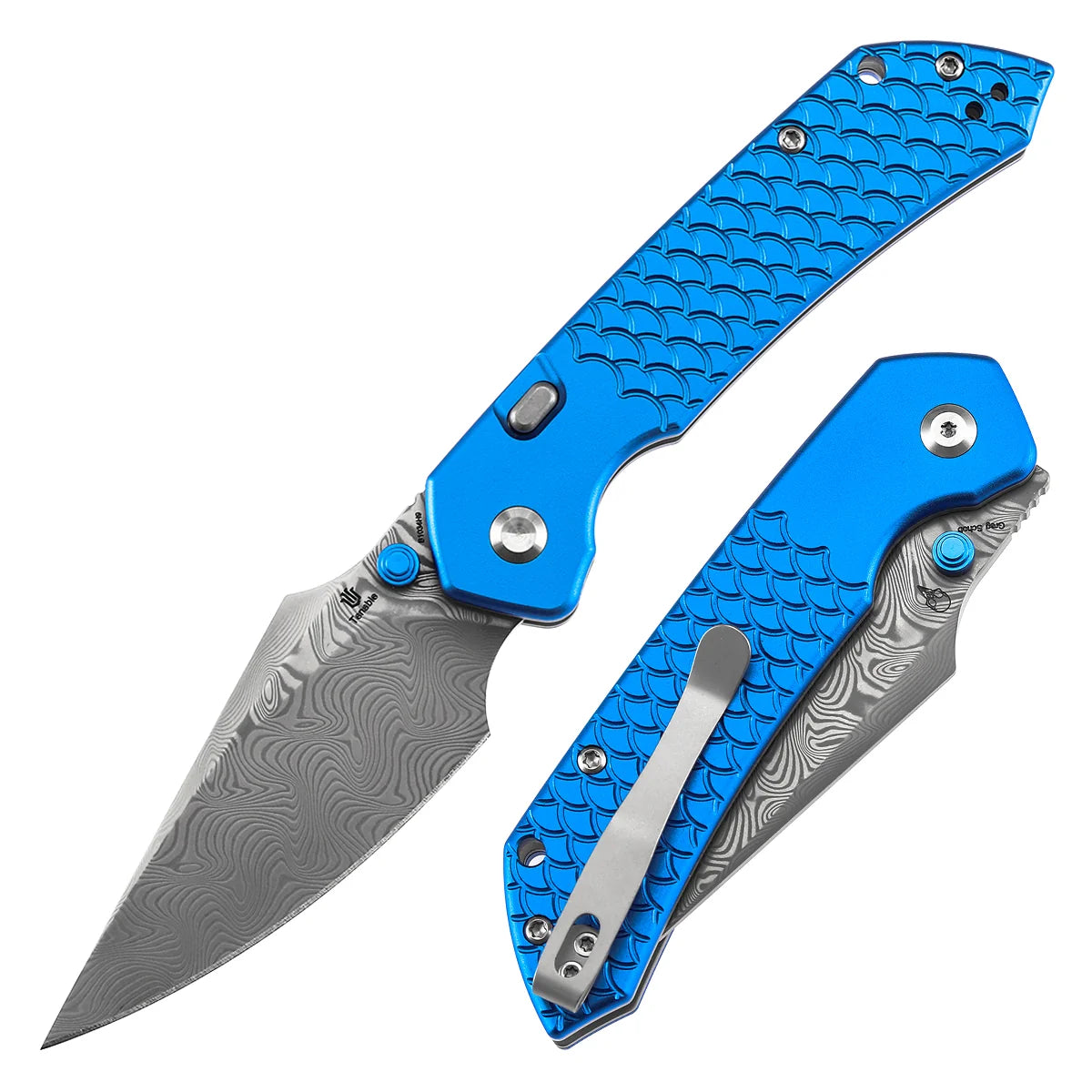
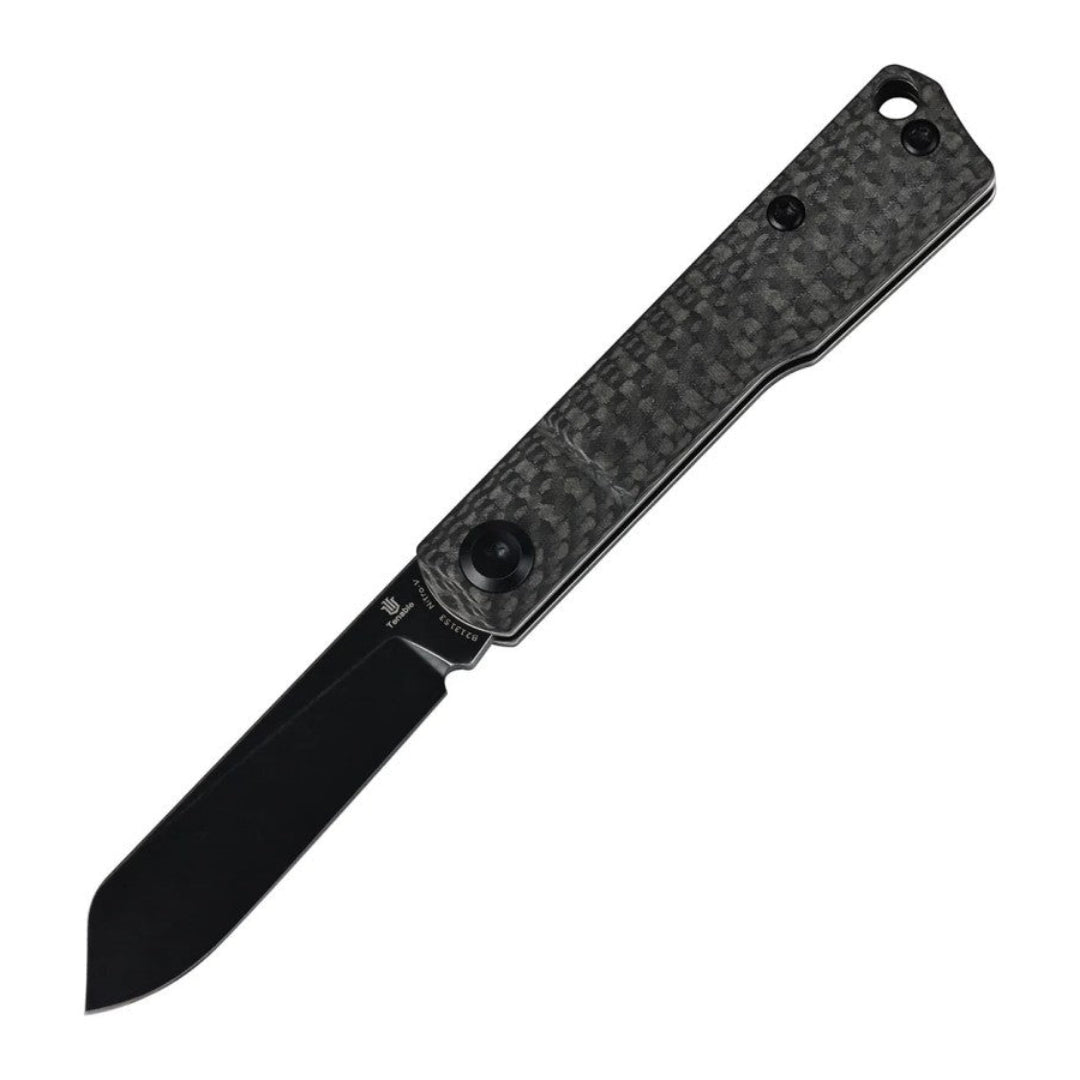
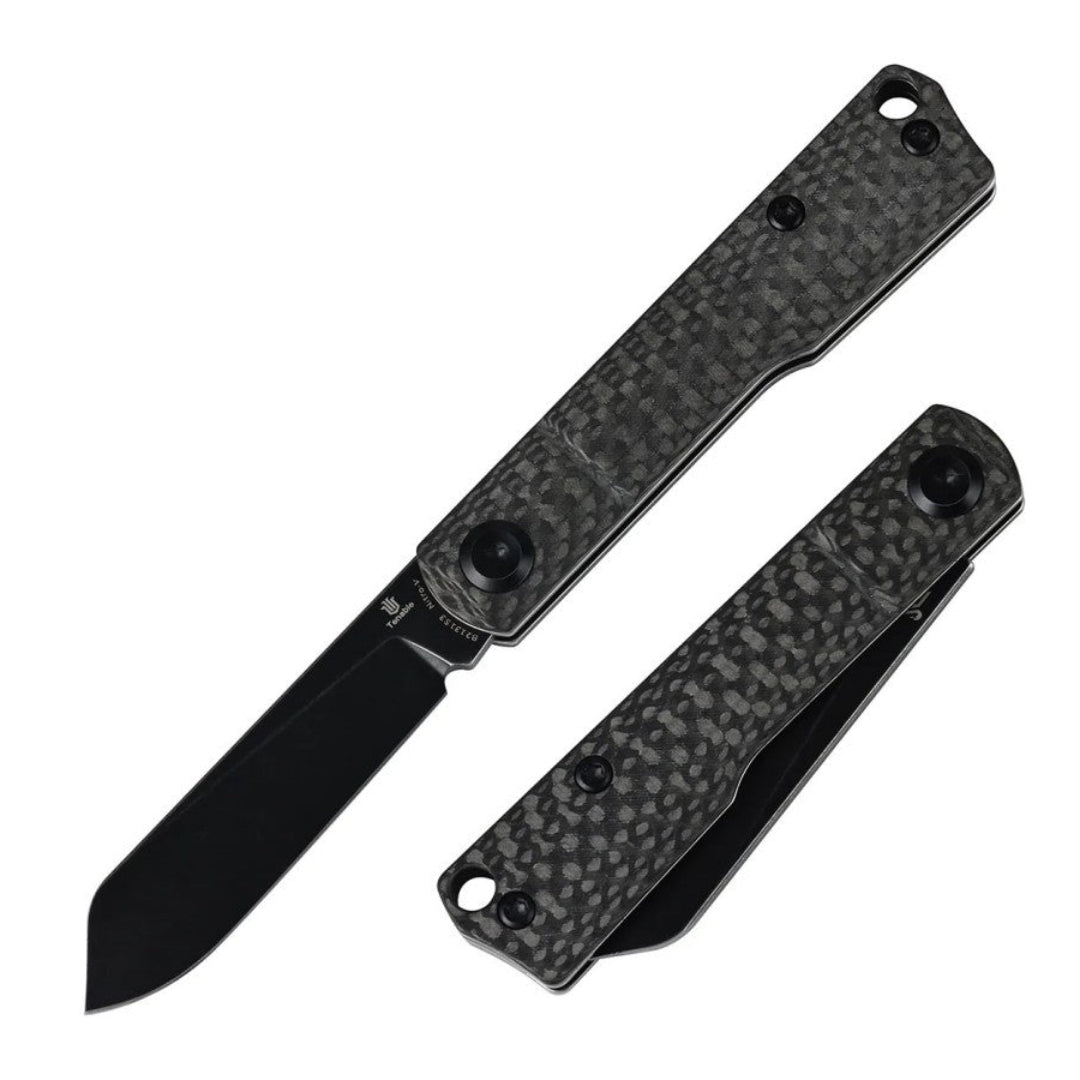
The Tenable knives Fenrir B1034H9 pairs a Damascus blade with a blue aluminum handle and a top liner lock. The two alloys stacked in the billet etch at different rates because their chromium and nickel contents differ, so an acid bath eats the lower-alloy layers faster and leaves the high-alloy layers proud. Polishing before the dip, and neutralising after it, sets the final contrast.

Design & Details
Etching is only half the story. A full polish under the oxide gives the classic mirror-and-black look, while a light stonewash breaks up reflection and hides fingerprints on a working knife. The Fenrir's aluminum frame holds a matte anodised finish that matches a stonewashed blade well, and the top liner lock keeps the release clear of the decorative face.
Real-World Use
In practice a pattern-welded blade is a cutting tool first. The Fenrir opens packaging, cuts cord, trims tape and handles the light daily work of EDC knives without the pattern wearing off, because the contrast runs through the metal rather than sitting on top of it. Edges are touched up on a fine stone, never on a coarse one that would erase detail.

Ownership Notes
Care is mostly about not flattening the contrast. Wipe the blade after use, keep it dry, and avoid abrasive polish that slowly removes the proud layers. A drop of oil goes a long way on a Damascus and almost nothing on a satin blade. EdcMall carries pattern-welded folders, lanyards and display stands for the ones that are too pretty to carry. Buyers should also know that two billets from the same maker can etch differently, because layer counts, alloy pairs and the amount of material ground away all change what appears. That variability is part of the appeal, but it means a photograph is a guide rather than a guarantee. Store the folder dry, oil it after wet carry, and keep a microfibre cloth in the drawer to protect the contrast.
Who Is This For?
This is for collectors, first-time Damascus buyers and anyone curious about why two blades from one maker look so different. A user who only wants toughness should buy a mono-steel blades instead. If you want a knife that performs and looks made, an etched pattern-welded folder is worth the premium.
Final Verdict
Etching is what turns a welded billet into a pattern, and finishing decides how that pattern reads in daylight. The Tenable Fenrir B1034H9 is a good example: a Damascus blade that still does the everyday work of a folding knives tool.