
Overview & First Impressions
Before anyone forge-welded two steels together, smiths in India, Sri Lanka and Persia made patterned blades a different way: they melted iron with carbon in a sealed crucible, cooled it slowly, and forged the resulting cake into a blade. Wootz, as that steel is usually called, is the ancestor of every patterned knife you see today, and the reason Damascus steel still commands attention.
Materials & Construction
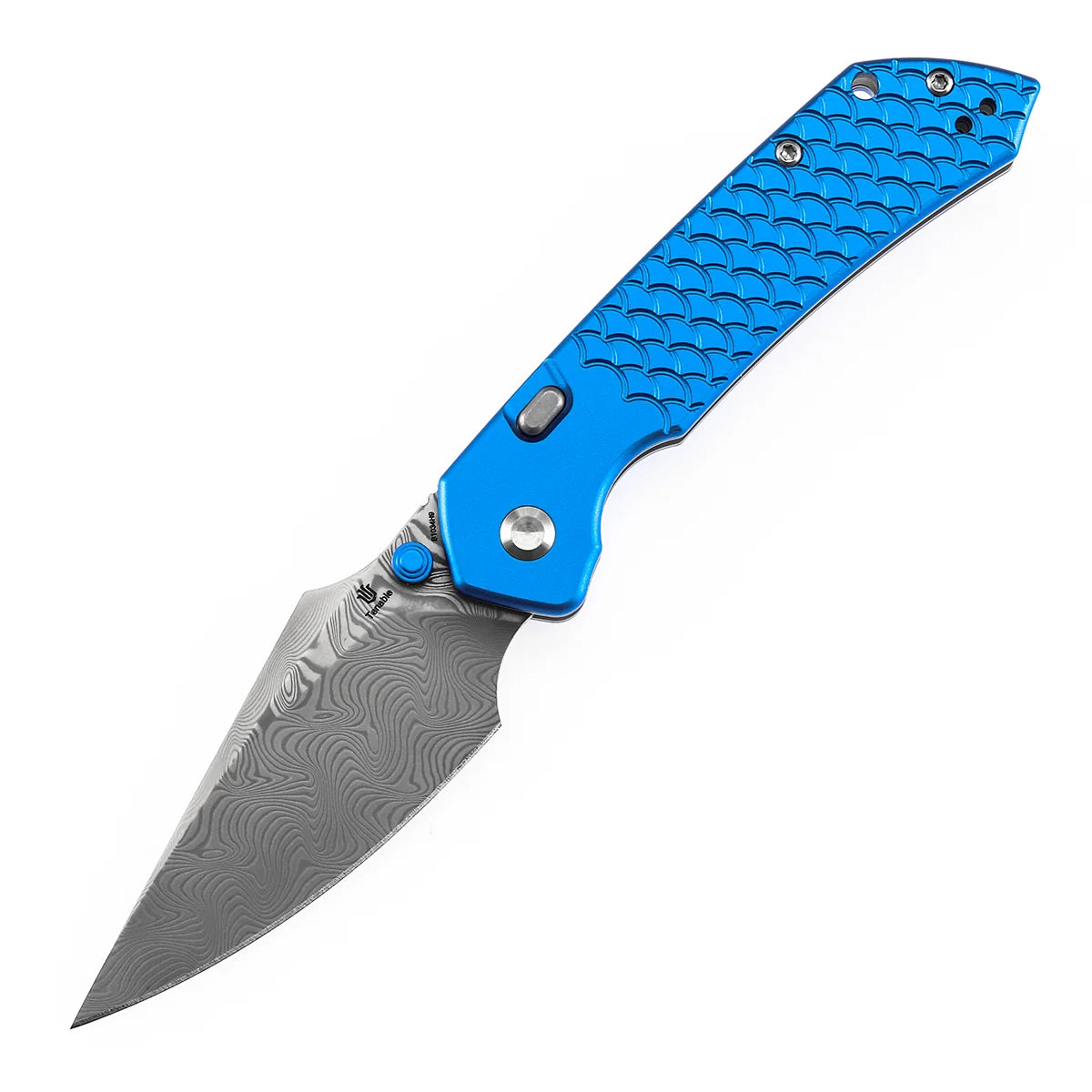
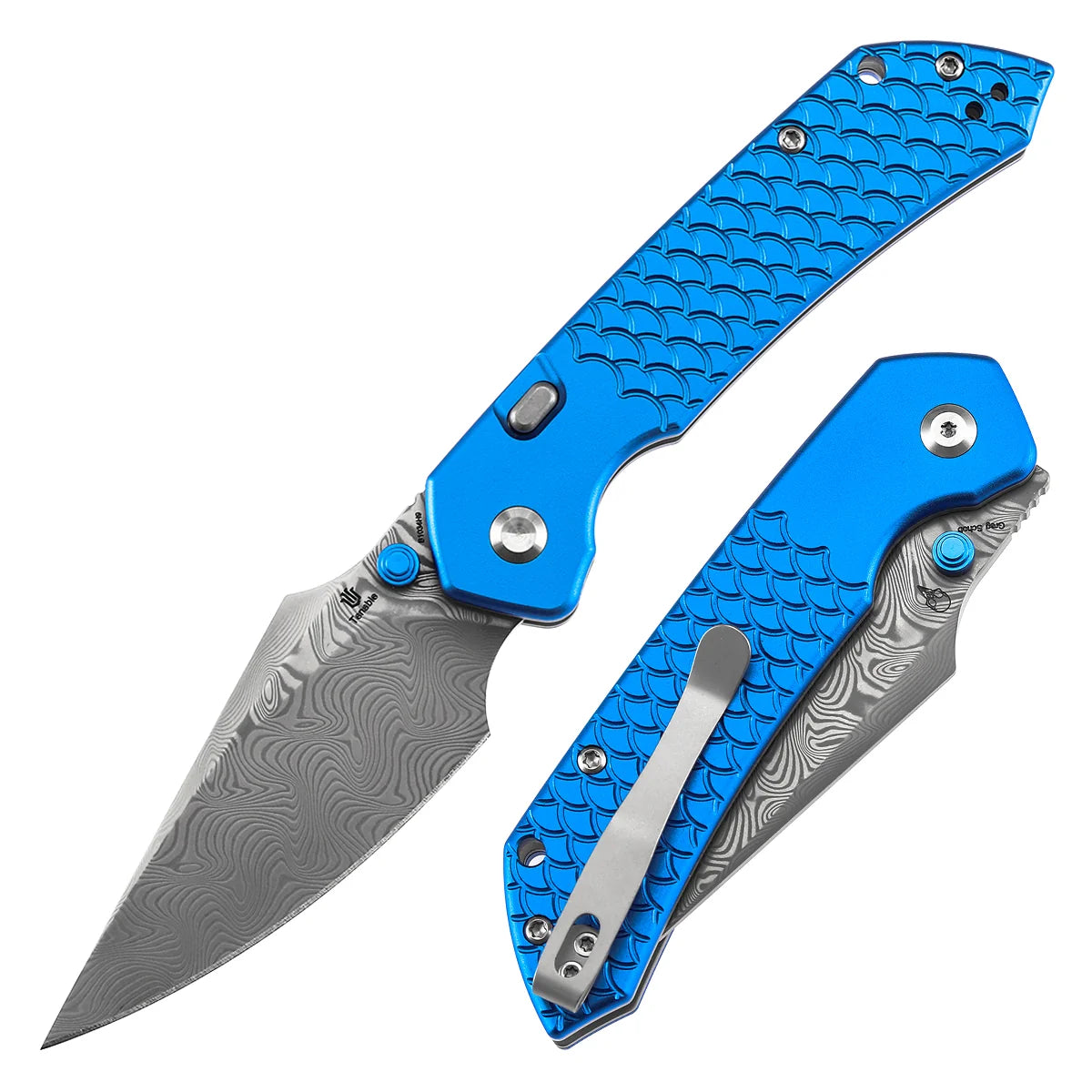
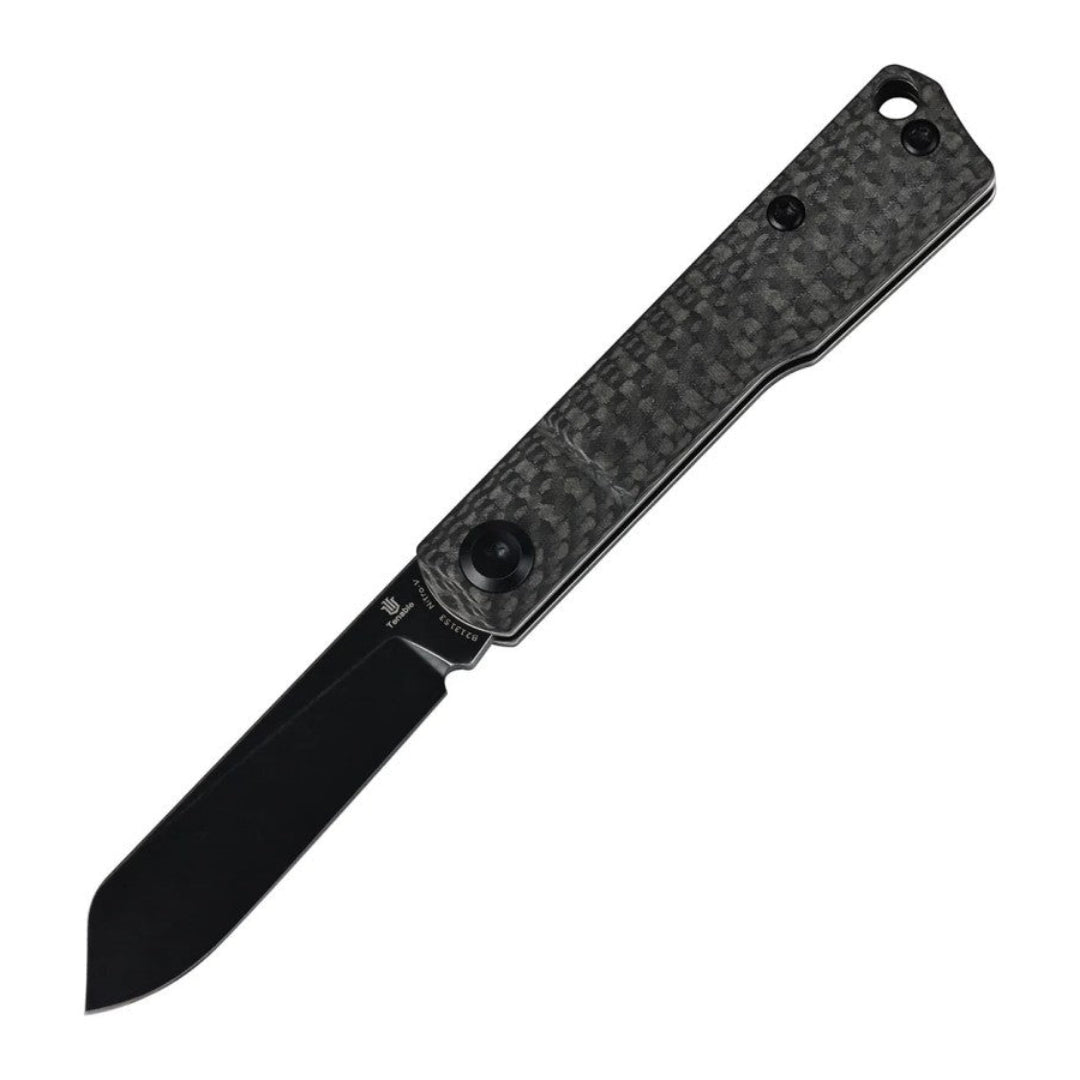
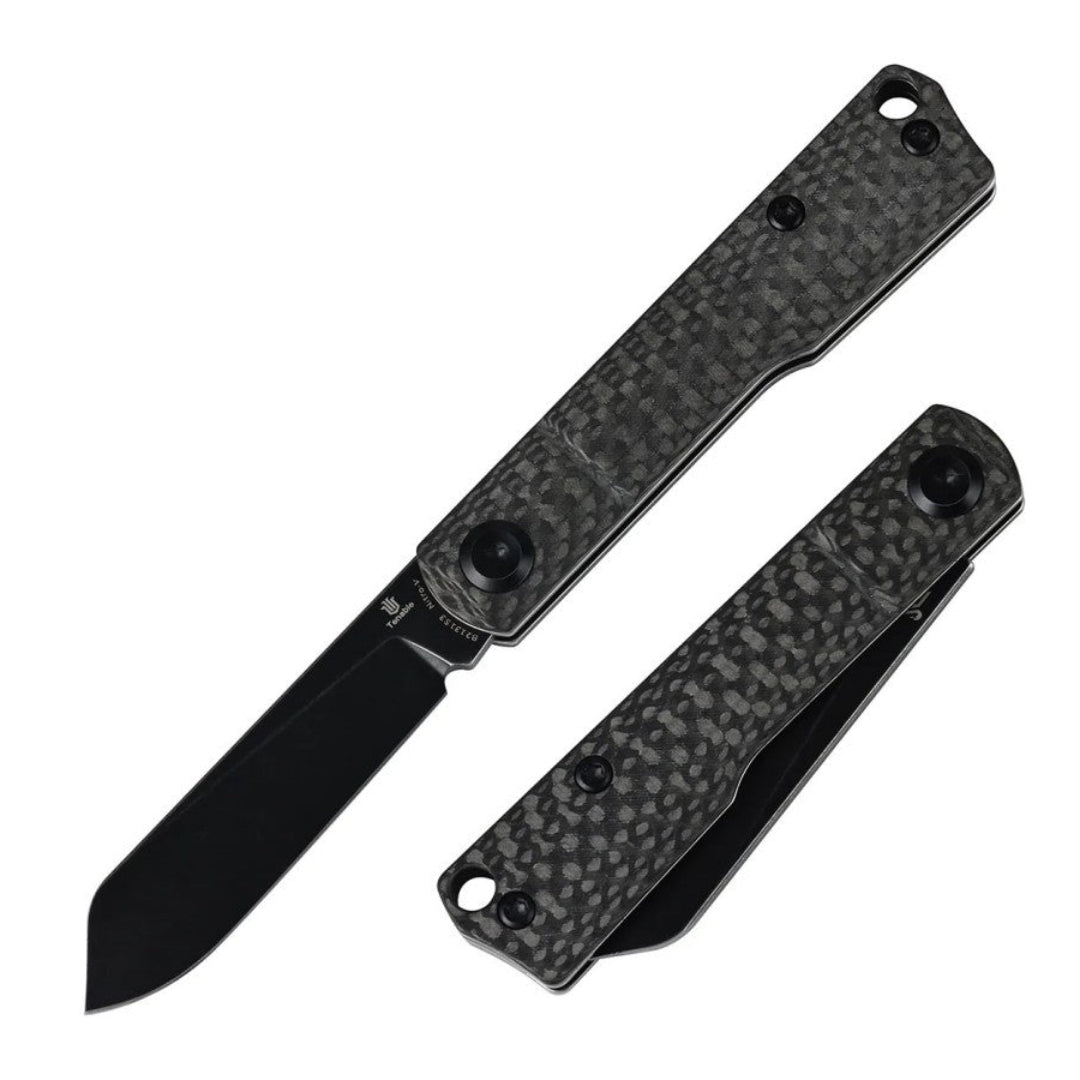
The Kansept knives Pretatout K1032D5 carries a Damascus blade in a purple titanium frame lock. Modern Damascus steel is a forge-welded stack of two compatible alloys, folded and manipulated to create the pattern, which mimics the banding that crucible steel produced through slow solidification and segregation of carbon. Titanium keeps the frame light while adding colour that cannot chip off like a coating.

Design & Details
The history matters because it explains the look. Wootz shows watering bands that follow the blade's crystalline structure, while forge-welded steel shows the seam lines left by folding. On the Pretatout the pattern runs clean along the blade flat, the frame lock allows a slim, strong profile, and the folding knives silhouette is sharp enough to be a showcase piece rather than a drawer queen.
Real-World Use
A modern patterned blade in a titanium frame is perfectly capable of daily work: opening packaging, cutting cord and trimming tape are all within reach, provided the edge is maintained on a fine stone and the surface is protected from rust. The practical argument for owning one is that it performs like a modern folder while carrying a craft tradition that is centuries old.

Ownership Notes
Treat it like a fine tool rather than an ornament. Keep the blade dry, oil it after contact with moisture, and store it in a dry place, because the lower-alloy layers in any patterned steel are the ones that will spot first. EdcMall carries patterned folders, cases and the maintenance bits a collection actually needs. Collectors who actually carry their pattern-welded pieces treat them like any other EDC knives: they open packaging, trim cord and get wiped down at the end of the day, because a blade that never cuts anything is only jewellery. Modern makers chase the same effect with powder steels and controlled folding, which is why a good pattern-welded blade can outperform the historical original while still looking like it came from the same tradition.
Who Is This For?
This suits collectors with an interest in metallurgy, historians of craft and buyers choosing a first serious patterned blade. Someone who needs a beater should look at a workhorse stainless. If you want a knife that has both a story and a usable titanium frame, crucible-style patterning is the right rabbit hole.
Final Verdict
Wootz is the origin story of every patterned blade sold today, and understanding it changes how you look at a Damascus steel folder. The Kansept Pretatout K1032D5 brings that history into a modern titanium frame lock you can carry.