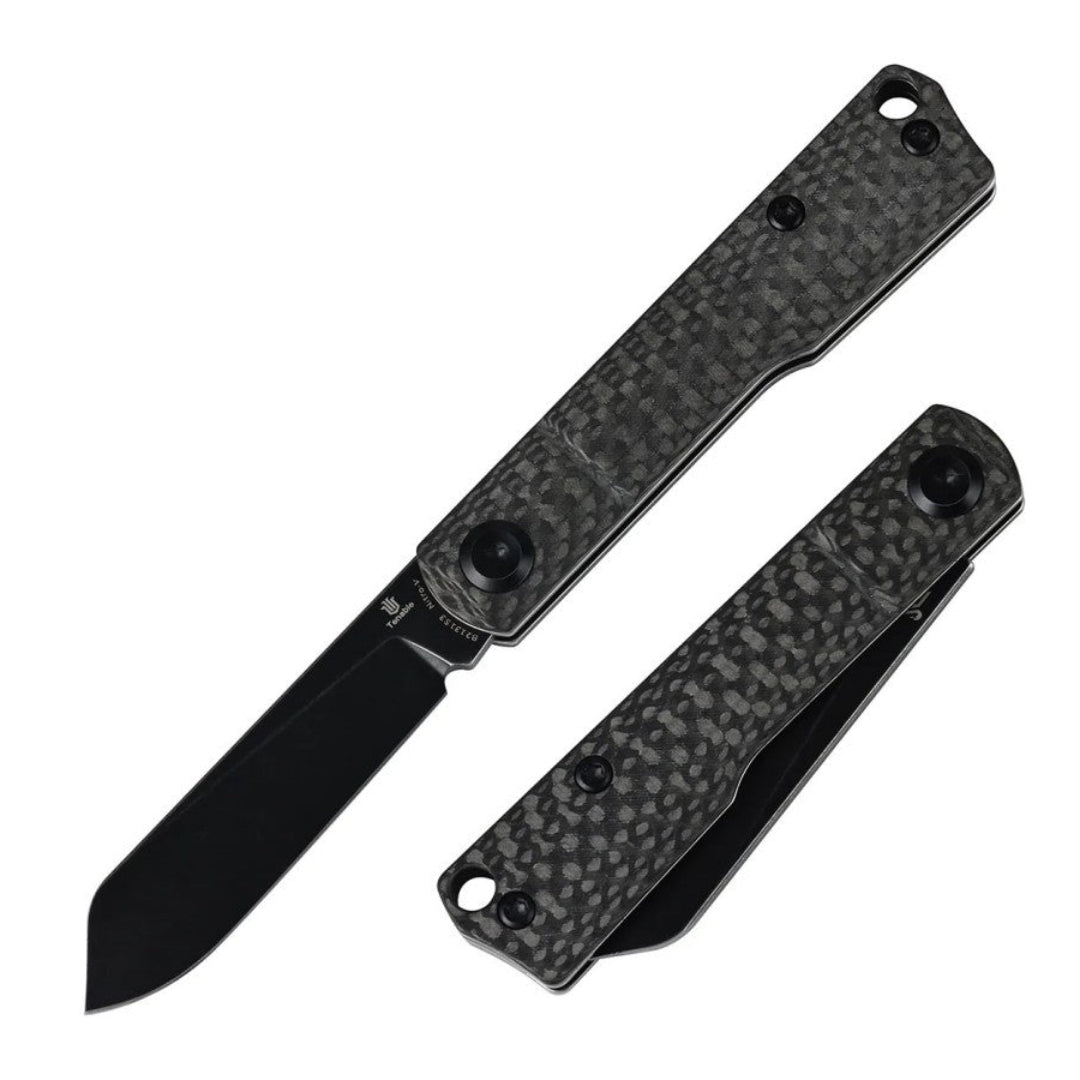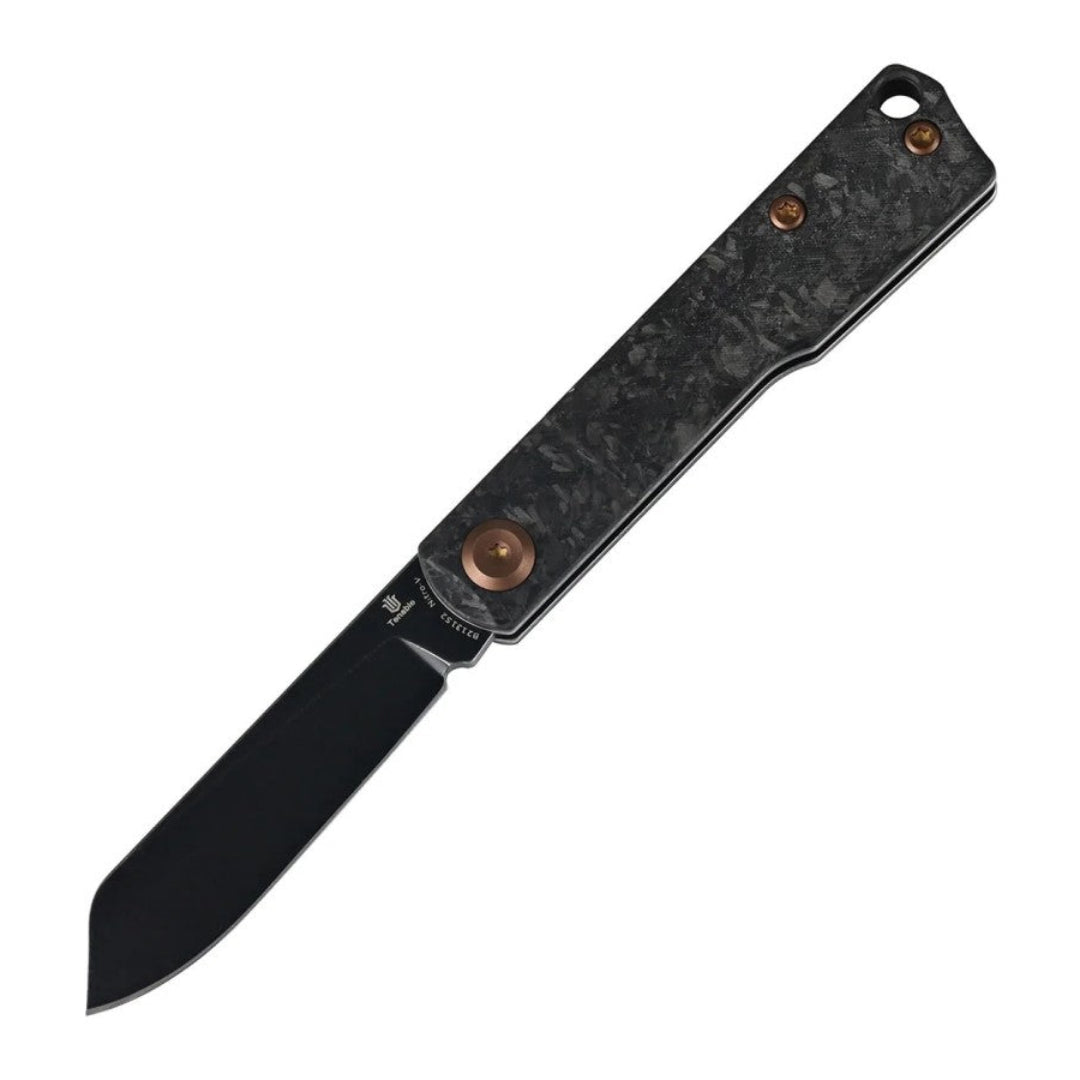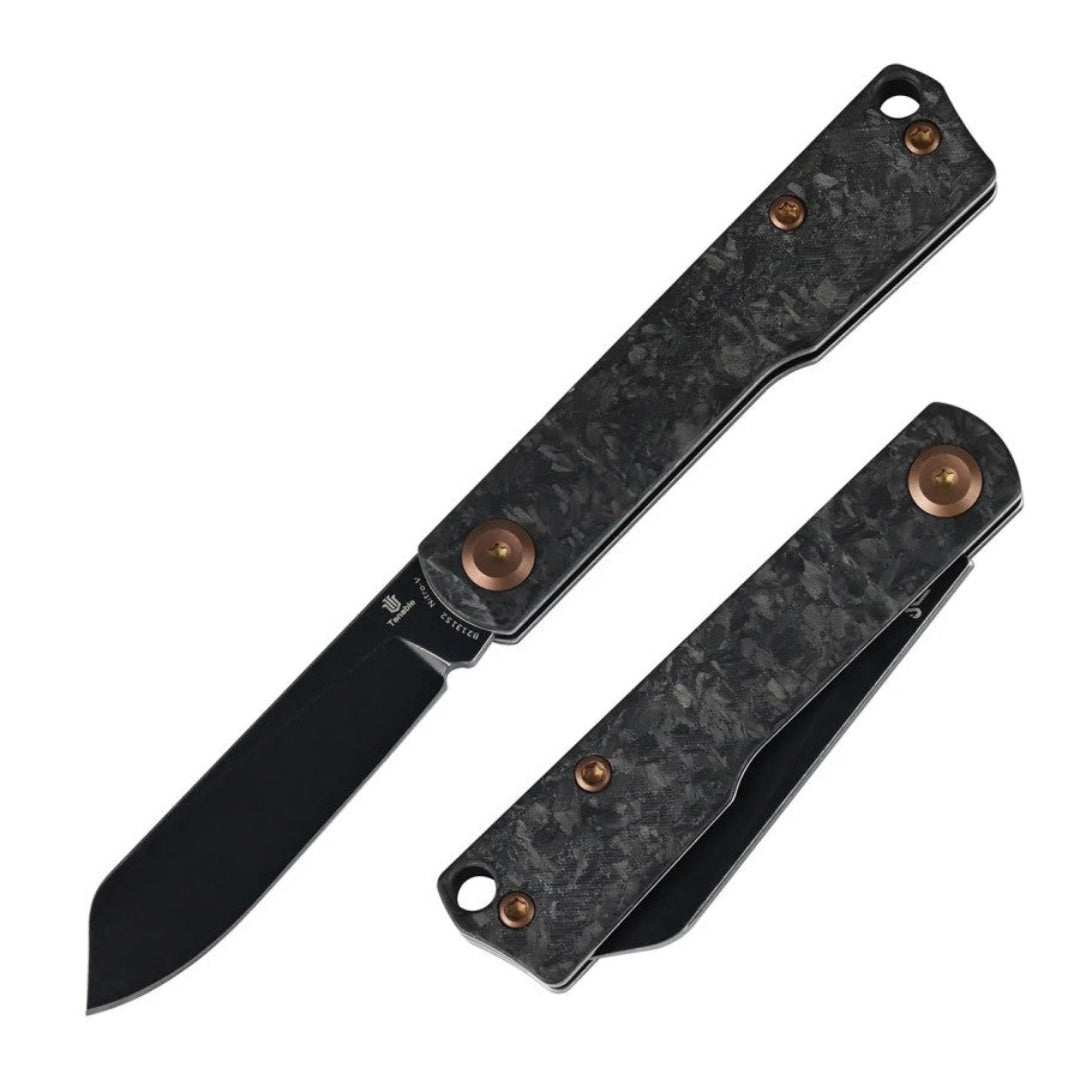
When selecting a compact fixed blade for everyday carry (EDC), two foundational factors dictate how well that knife performs: blade shape and blade steel. A beautiful handle or a fantastic sheath means nothing if the cutting edge cannot retain sharpness or pass through material cleanly.
The QSP Canary Neck Knife has captured massive attention in the EDC community because it punches well above its weight class in both of these categories. Rather than relying on cheap, generic mystery metals and uninspired geometries, QSP engineered this budget-friendly powerhouse with highly intentional geometry and respected metallurgy.
In this deep-dive guide, we will analyze everything you need to know about the QSP Canary’s blade shape, its grind, and the performance characteristics of its steel choices.

The Anatomy of the QSP Canary Blade Shape
At first glance, the Canary’s blade looks simple, but its lines reveal a carefully calculated balance between piercing capability, slicing efficiency, and structural strength.
1. The Profile: Drop Point Meets Spear Point
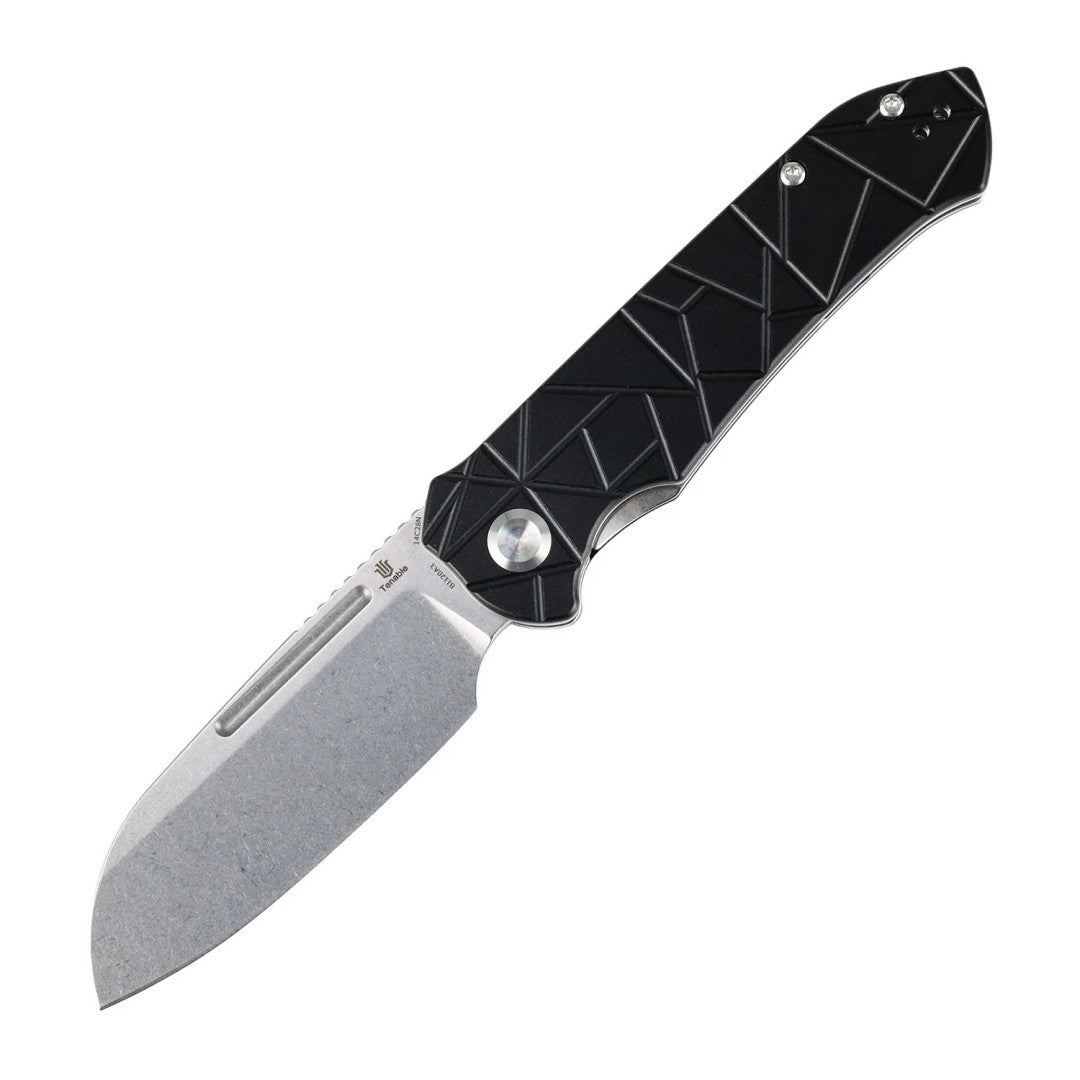
The QSP Canary features a hybrid blade profile that sits right between a traditional drop point and a spear point.
-
The Spine: The spine of the blade gradually curves (drops) downward as it approaches the tip. This positions the point of the knife directly in line with the centerline of the handle during a piercing motion.
-
The Belly: The cutting edge features a gentle, continuous curve—known as the "belly"—which maximizes the usable cutting surface on a compact 2.50-inch (63 mm) blade.
This specific hybrid shape is widely considered the most versatile layout for everyday utility tasks. The tip is strong enough to pierce heavy plastics, open clamshell packaging, and score leather without snapping, while the curved belly provides smooth traction for slicing rope, cardboard, or food.
2. The Grind: Full Flat Grind (FFG)
Blade shape is only half the battle; how that shape is ground down to the edge is what determines its cutting drag. QSP chose a Full Flat Grind for the Canary.
Many compact fixed blades on the market utilize a hollow or saber grind, which leaves a thick shoulder of steel near the middle of the blade. While this makes a knife look rugged, it acts like a wedge, causing the knife to bind up when cutting through deep materials like thick cardboard.
Because the Canary is ground perfectly flat all the way from its 3.0 mm spine down to the apex of the edge, it acts like a razor-sharp razor blade. It glides through materials with incredibly low resistance, making it an absolute slicing machine.
Deep Dive into the Steel: Sandvik 14C28N
The backbone of the standard QSP Canary lineup is Sandvik 14C28N stainless steel. Developed in Sweden by Sandvik Materials Technology, this alloy was formulated specifically for high-performance knife edges.
In a market where budget knives frequently use low-tier steels like 8Cr13MoV or 440C, QSP’s choice of 14C28N completely redefines the value proposition. Let’s break down how this steel performs across the four major categories of metallurgy:
Edge Retention
Sandvik 14C28N is heat-treated by QSP to a Rockwell Hardness (HRC) rating of 58-60. Thanks to a highly refined chemical composition that optimizes fine chromium carbides, it holds a working edge significantly longer than standard budget steels. It can comfortably process dozens of shipping boxes before requiring maintenance.
Toughness
One of the unique superpowers of 14C28N is its immense structural toughness. Unlike ultra-hard super-steels that can be brittle and prone to micro-chipping when hitting a hard knot in wood or a hidden metal staple in cardboard, 14C28N absorbs impacts beautifully. It deforms slightly rather than chipping, preserving the integrity of your blade.
Corrosion Resistance
Because the Canary is designed primarily as a neck knife or an inside-the-waistband (IWB) tool, it constantly rests close to the human body. Body sweat and humidity are highly corrosive to steel. 14C28N features a high chromium content paired with a specialized nitrogen addition that enhances its resistance to pitting and rusting, making it a stellar, low-maintenance choice for humid or sweaty conditions.
Ease of Sharpening
Many modern premium steels hold an edge for a very long time but require expensive diamond sharpening plates and hours of frustrating work to repair once dull. 14C28N defies this trend. It is famously user-friendly on standard sharpening stones, ceramic rods, or basic leather strops, allowing you to bring it back to a hair-shaving edge in just a few minutes.
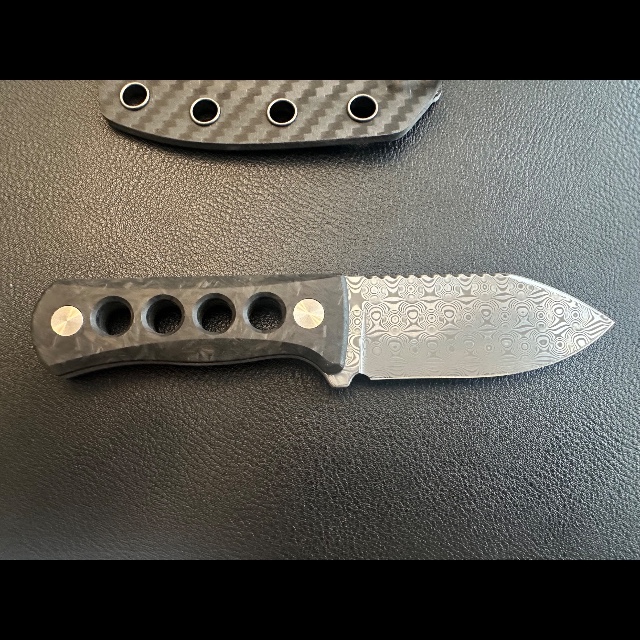
The Artistic Alternative: Laminated Damascus Steel
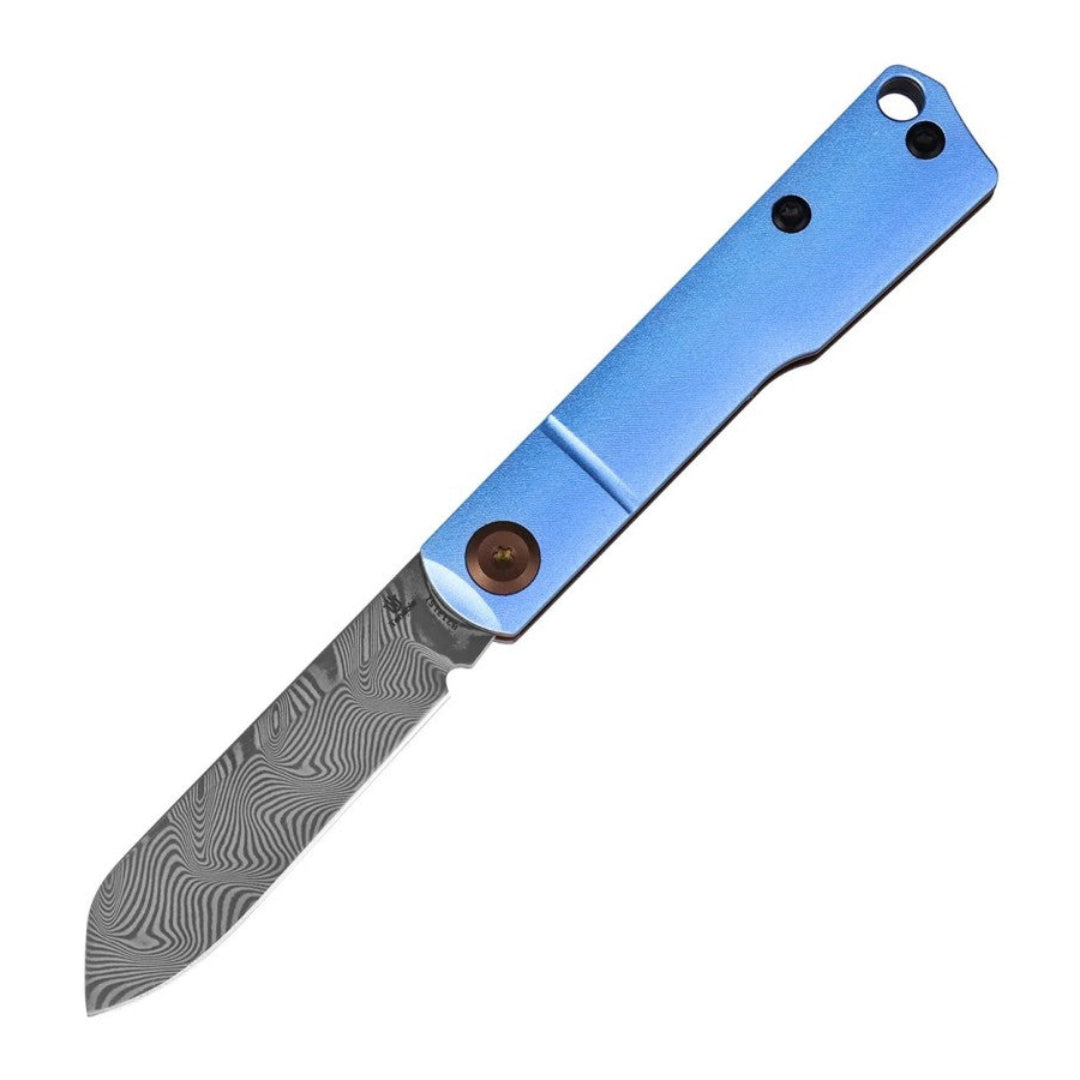
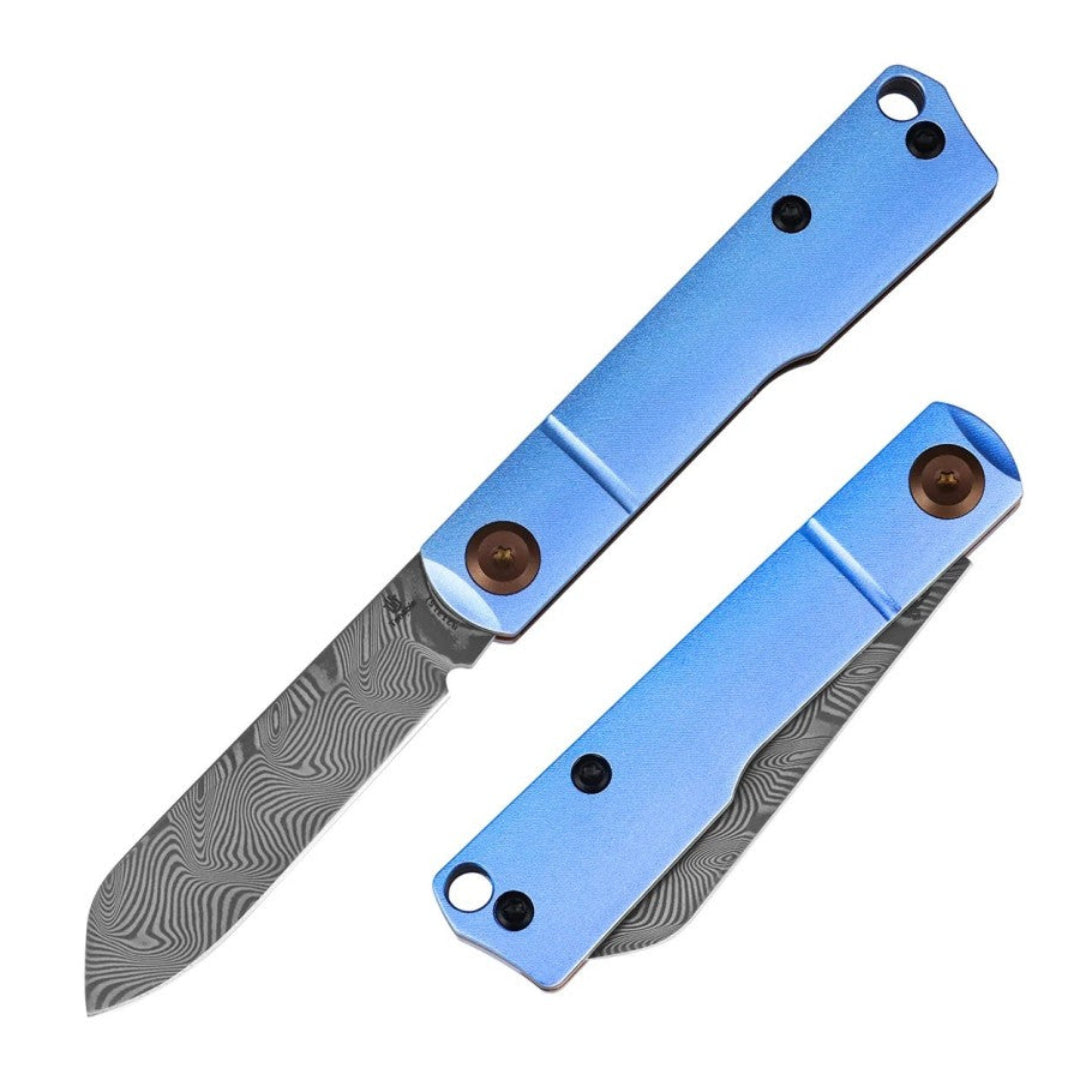
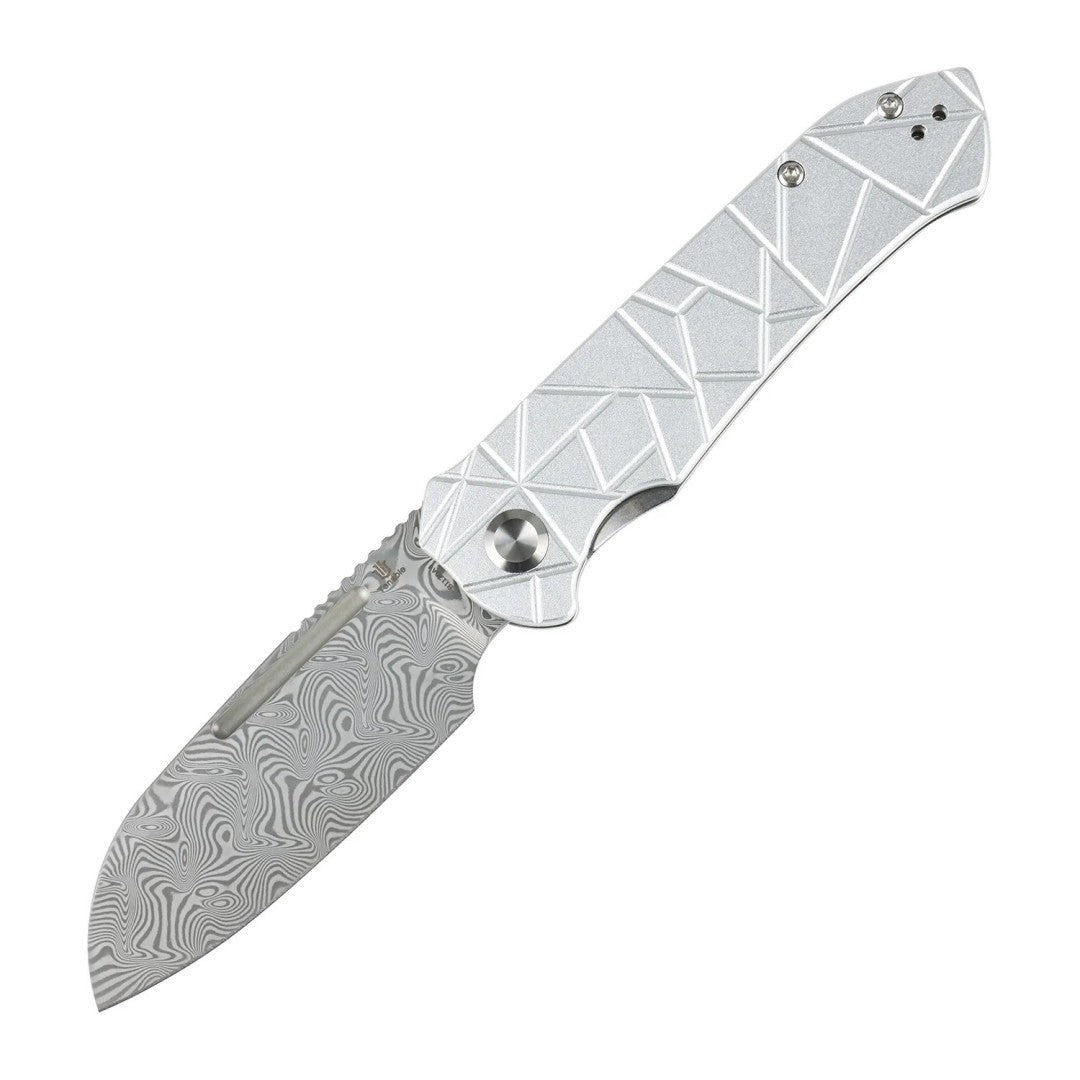
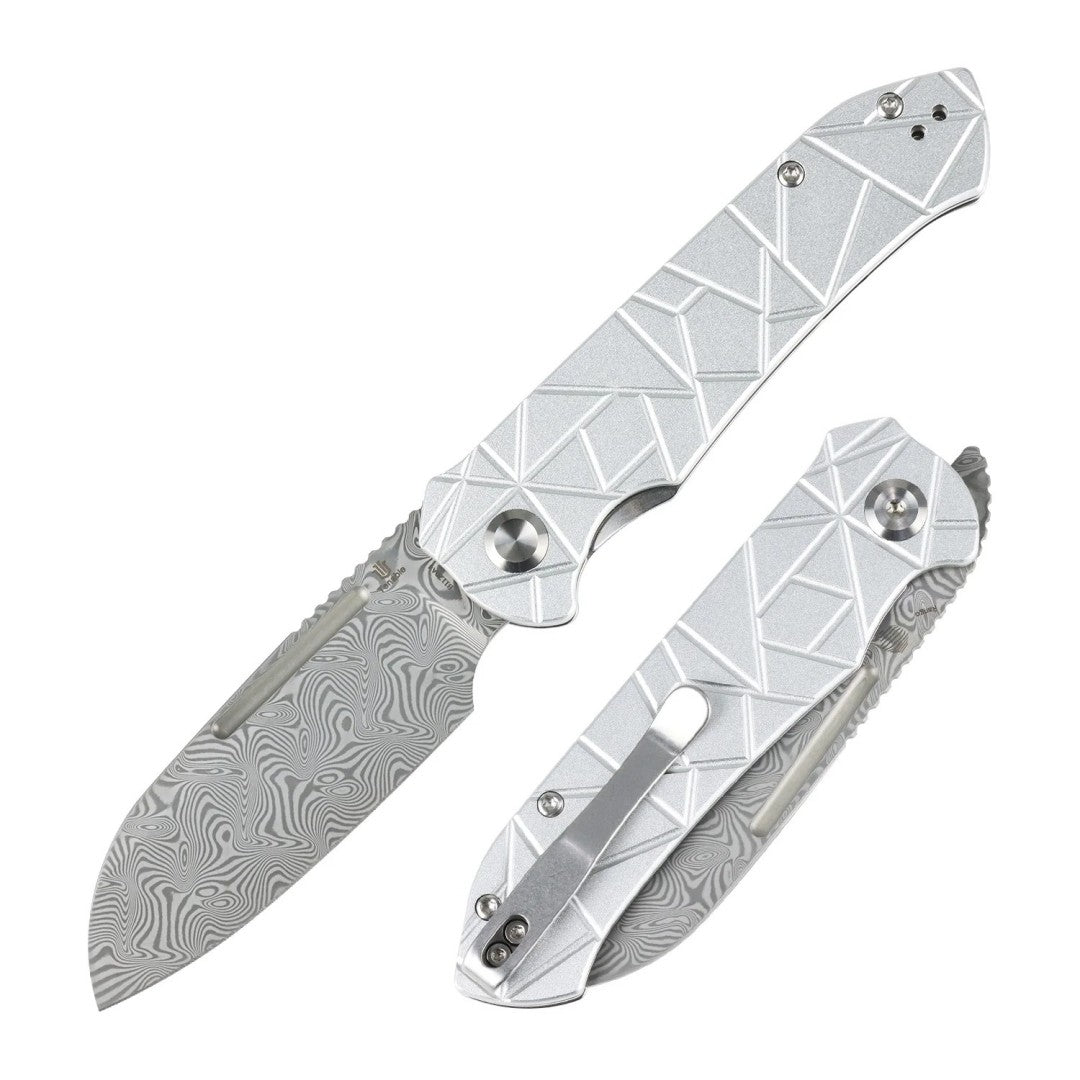
For users who want their everyday carry tool to make a visual statement, QSP also produces premium variants of the Canary utilizing Laminated Damascus.
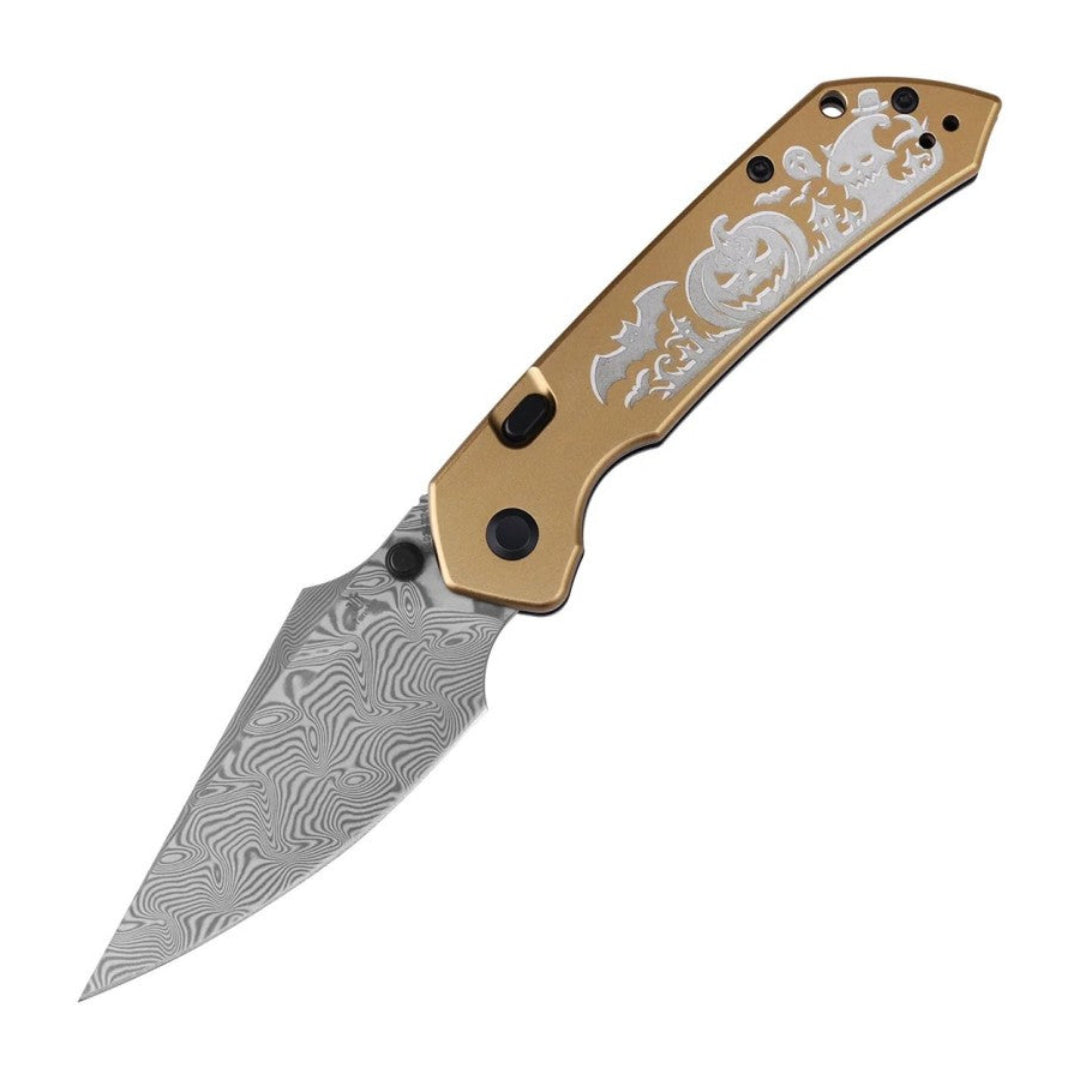
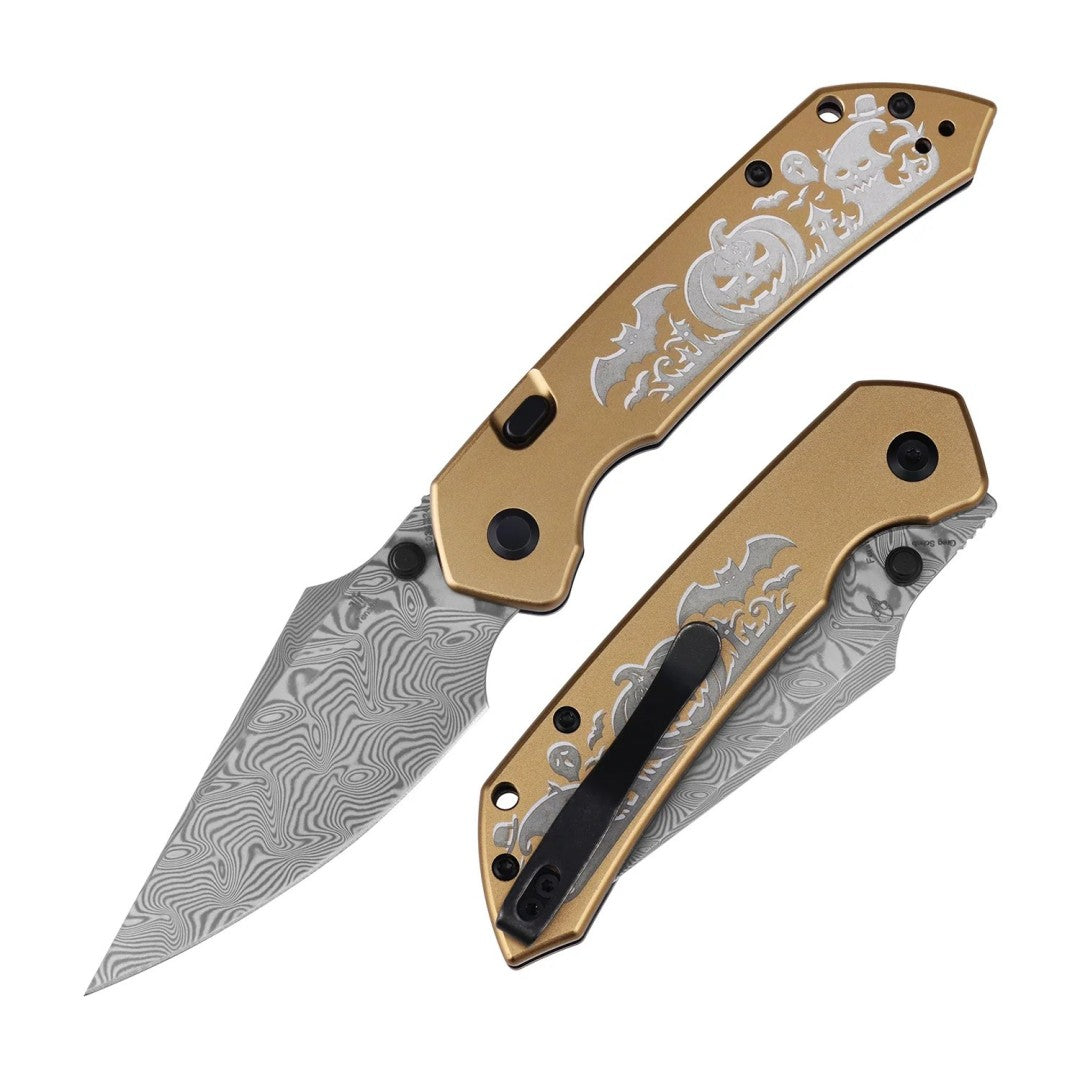
This steel is created by forge-welding alternating layers of hard and soft steel together, which are then acid-etched to reveal striking, high-contrast wavy patterns along the blade. Beyond its beautiful, collectible aesthetic, QSP ensures that the core layer of their Damascus provides dependable edge retention and performance that honors the utilitarian roots of the Canary series.
How Blade Shape and Steel Combine for EDC Success
When you take the smooth slicing capability of the Full Flat Grind, the versatile utility of the drop/spear point tip, and the rugged, low-maintenance properties of Sandvik 14C28N steel, you get a tool that handles real-world work effortlessly.
The QSP Canary’s blade configuration is intentionally designed not to be a heavy pry bar, but a precise, reliable cutting companion that stays sharp, resists rust, and slices clean every single time you pull it from its Kydex sheath.
Frequently Asked Questions (FAQ)
1. What is the thickness of the QSP Canary blade?
The blade spine measures approximately 3.0 mm thick. This gives the compact knife excellent structural rigidity at the spine while tapering down cleanly to a thin, sharp edge.
2. Is the tip of the QSP Canary fragile because of the Full Flat Grind?
No. Because it uses a drop/spear point hybrid profile, there is still plenty of steel mass leading directly up to the tip, making it robust enough for normal puncturing and scoring tasks.
3. Does the Damascus version of the Canary require extra care compared to the 14C28N version?
Yes. While QSP's Laminated Damascus is highly durable, Damascus steels generally contain carbon layers that are more susceptible to moisture than pure stainless 14C28N. It is recommended to keep the Damascus blade dry and occasionally apply a light coat of mineral oil.