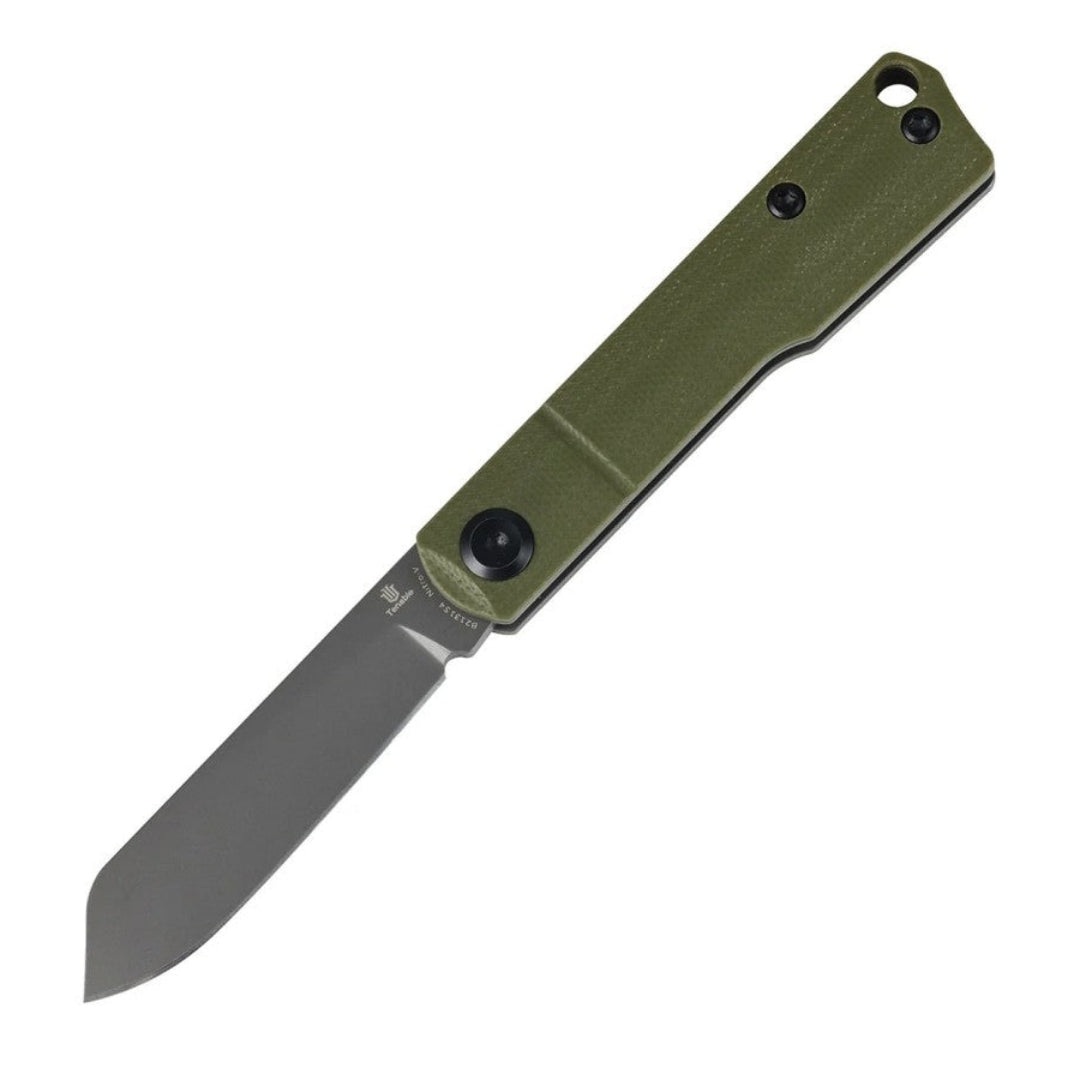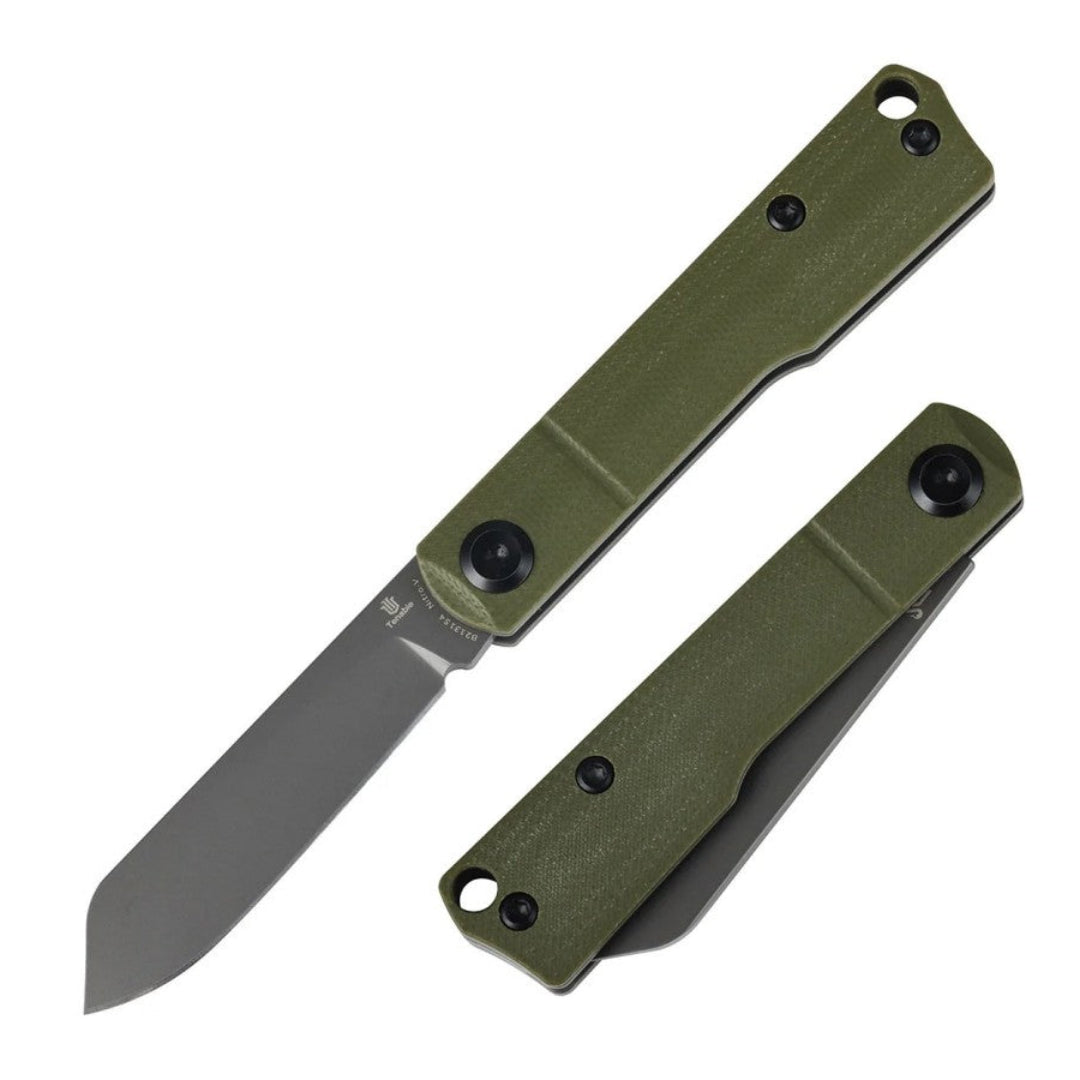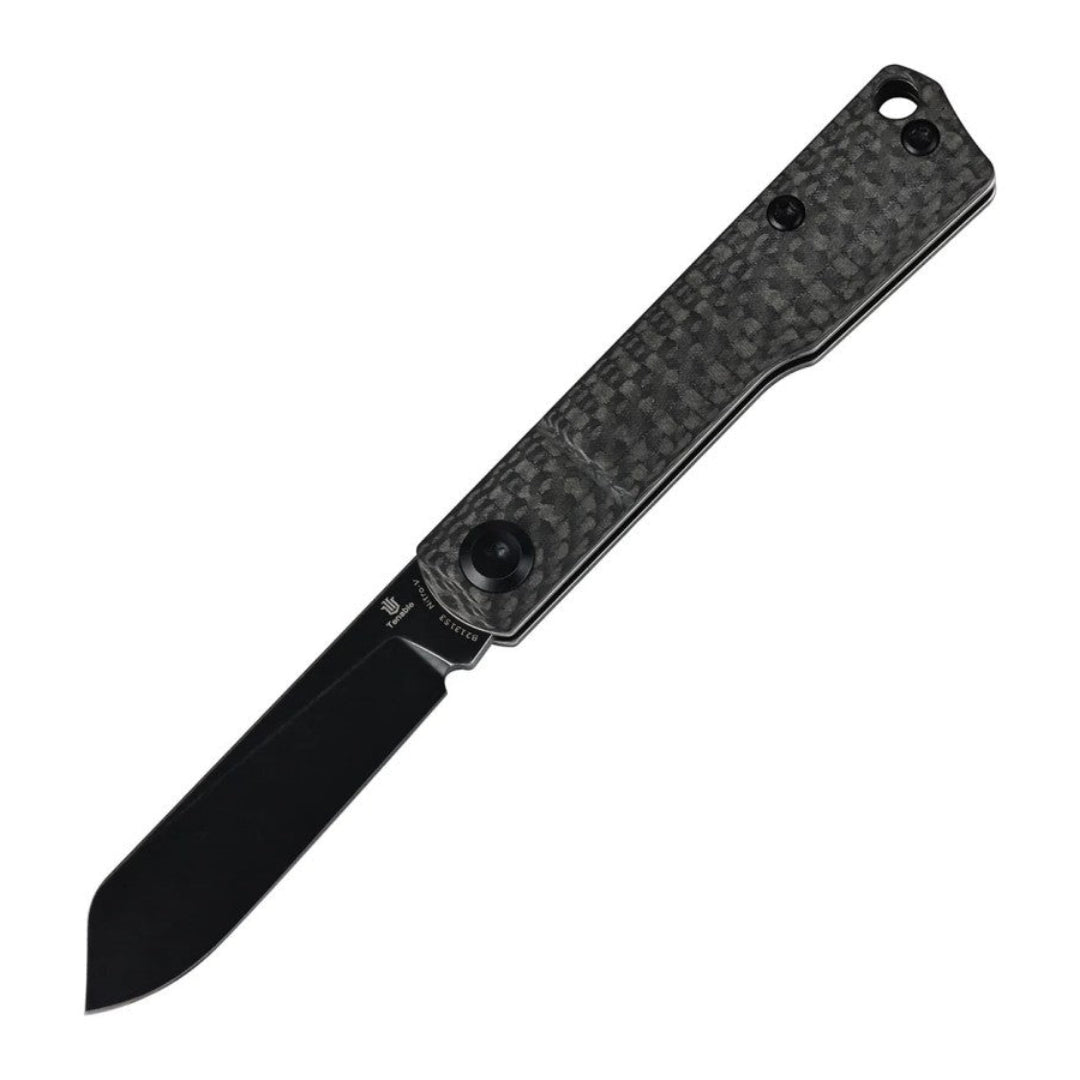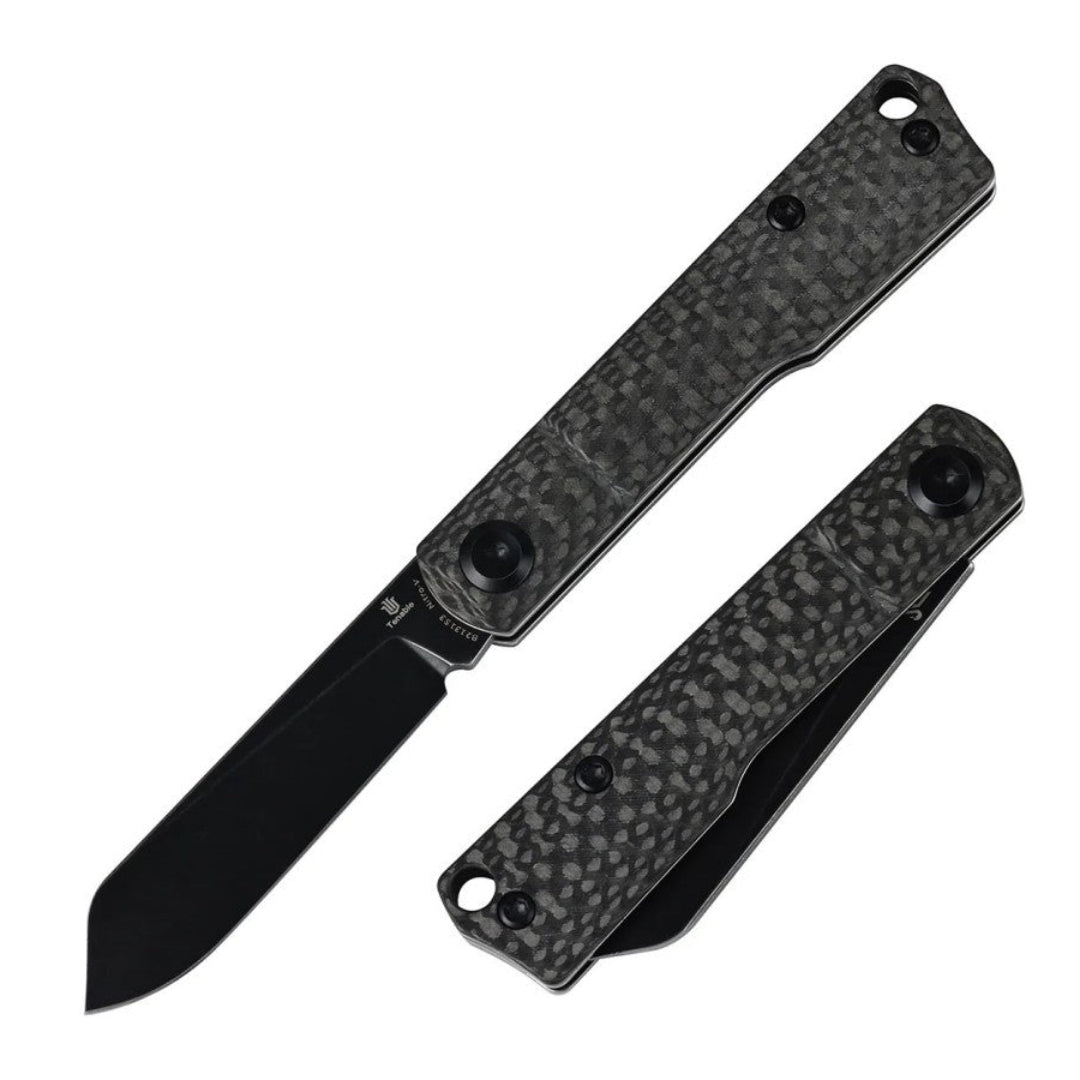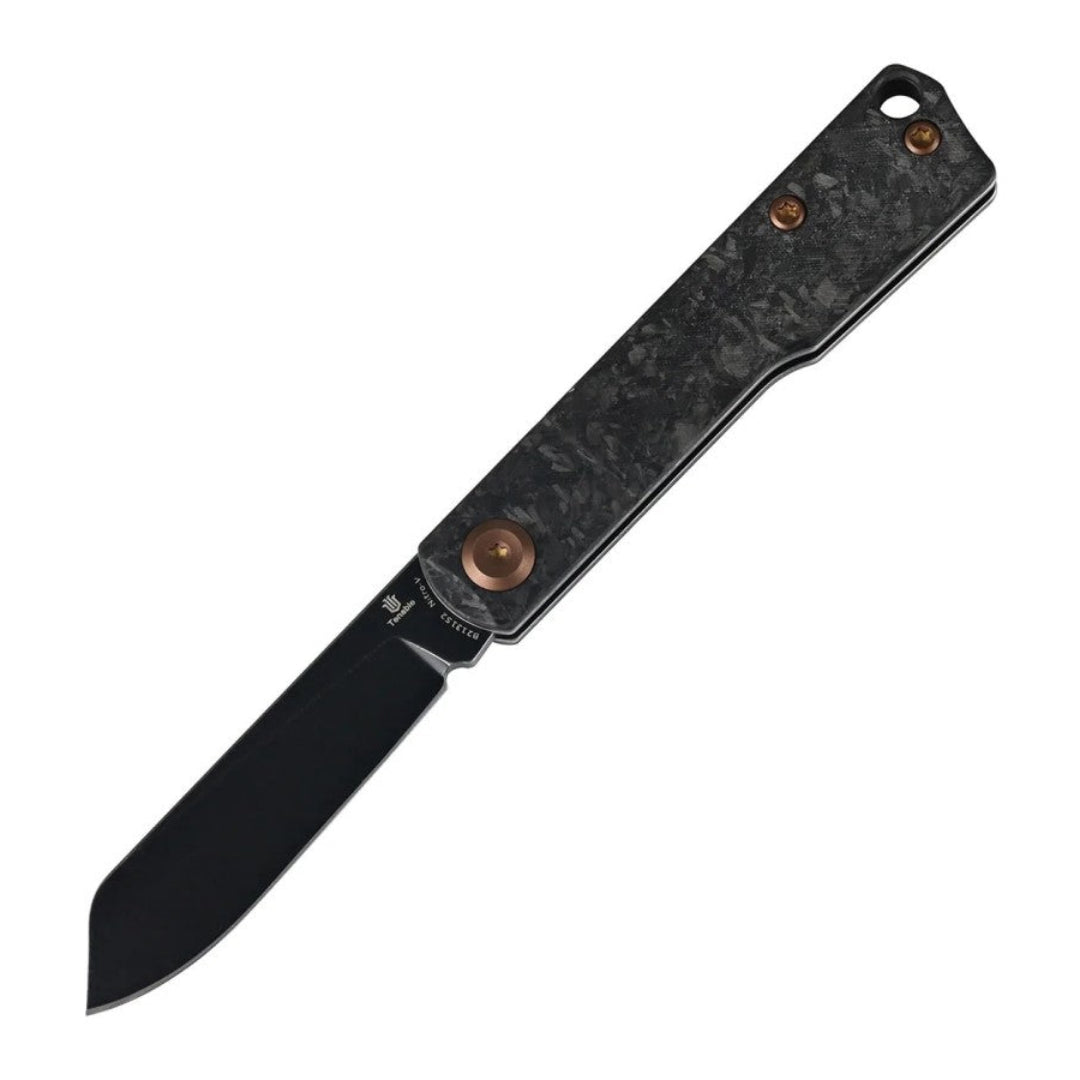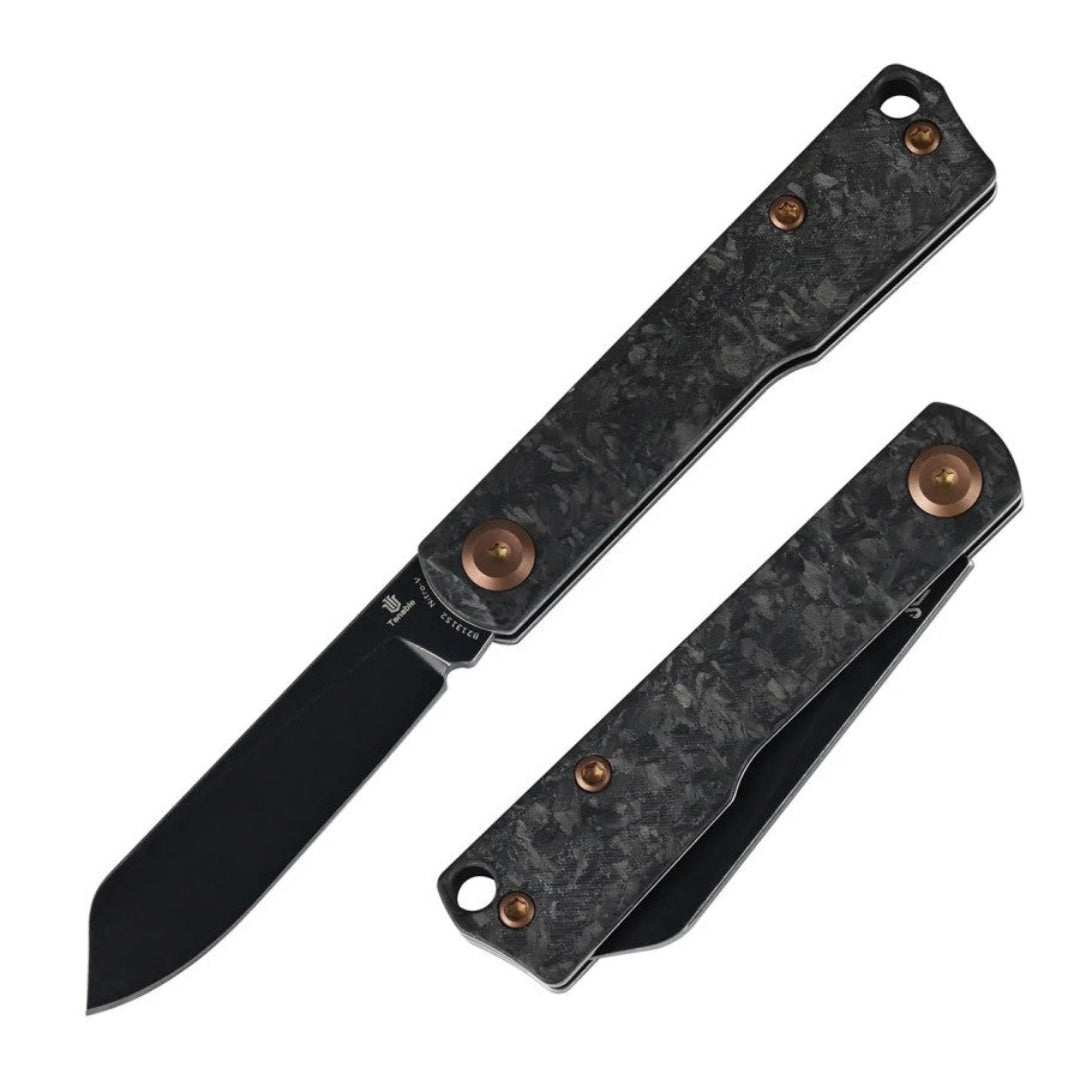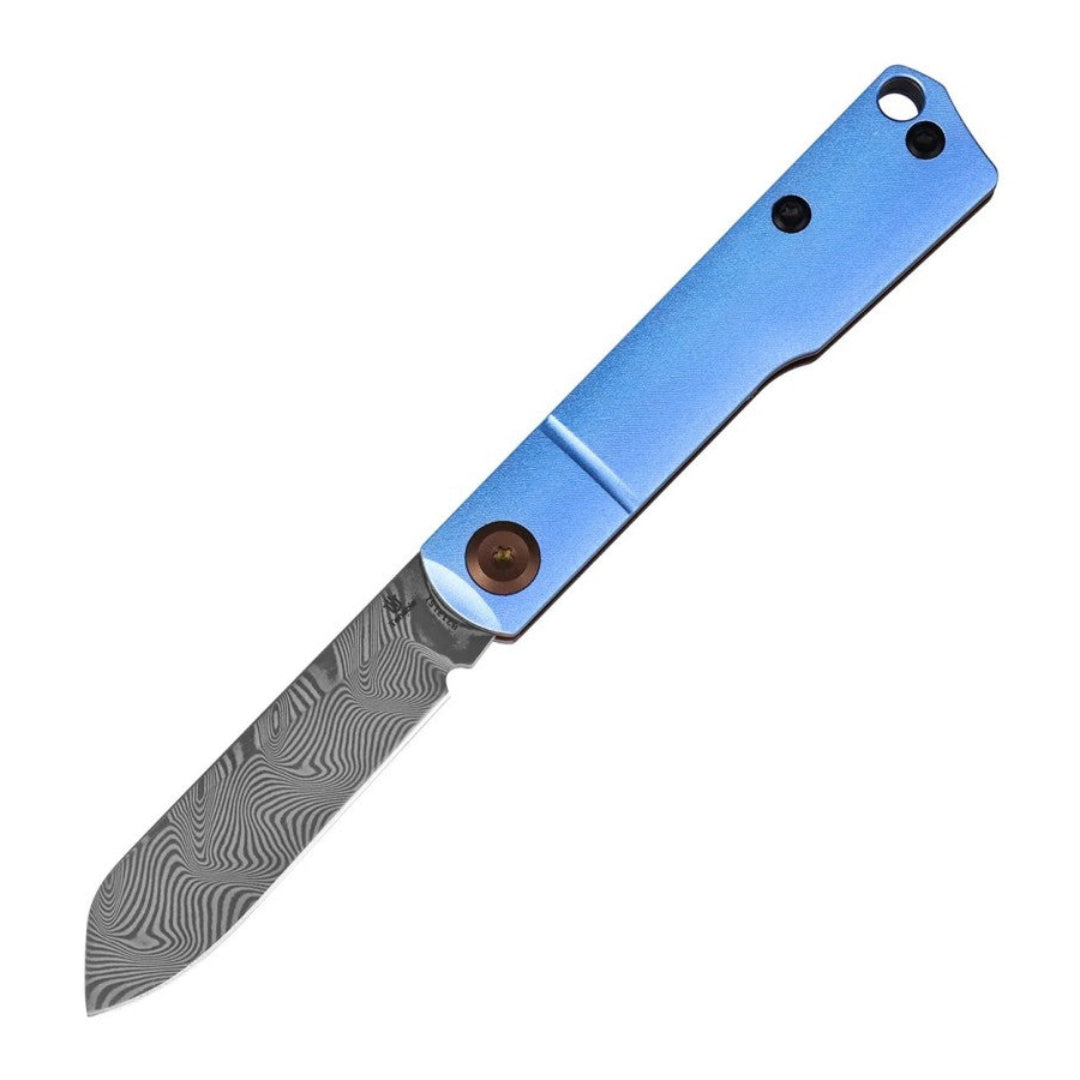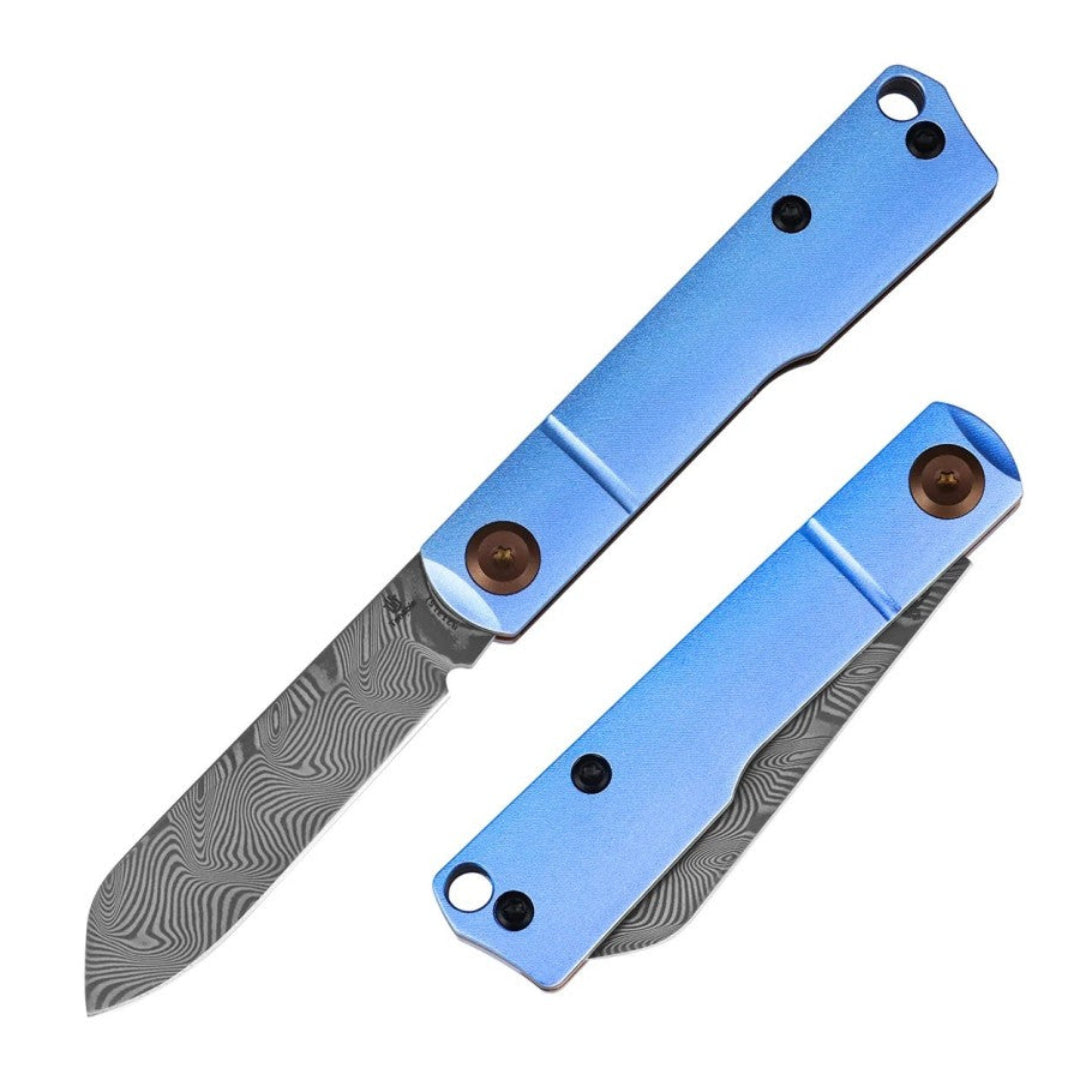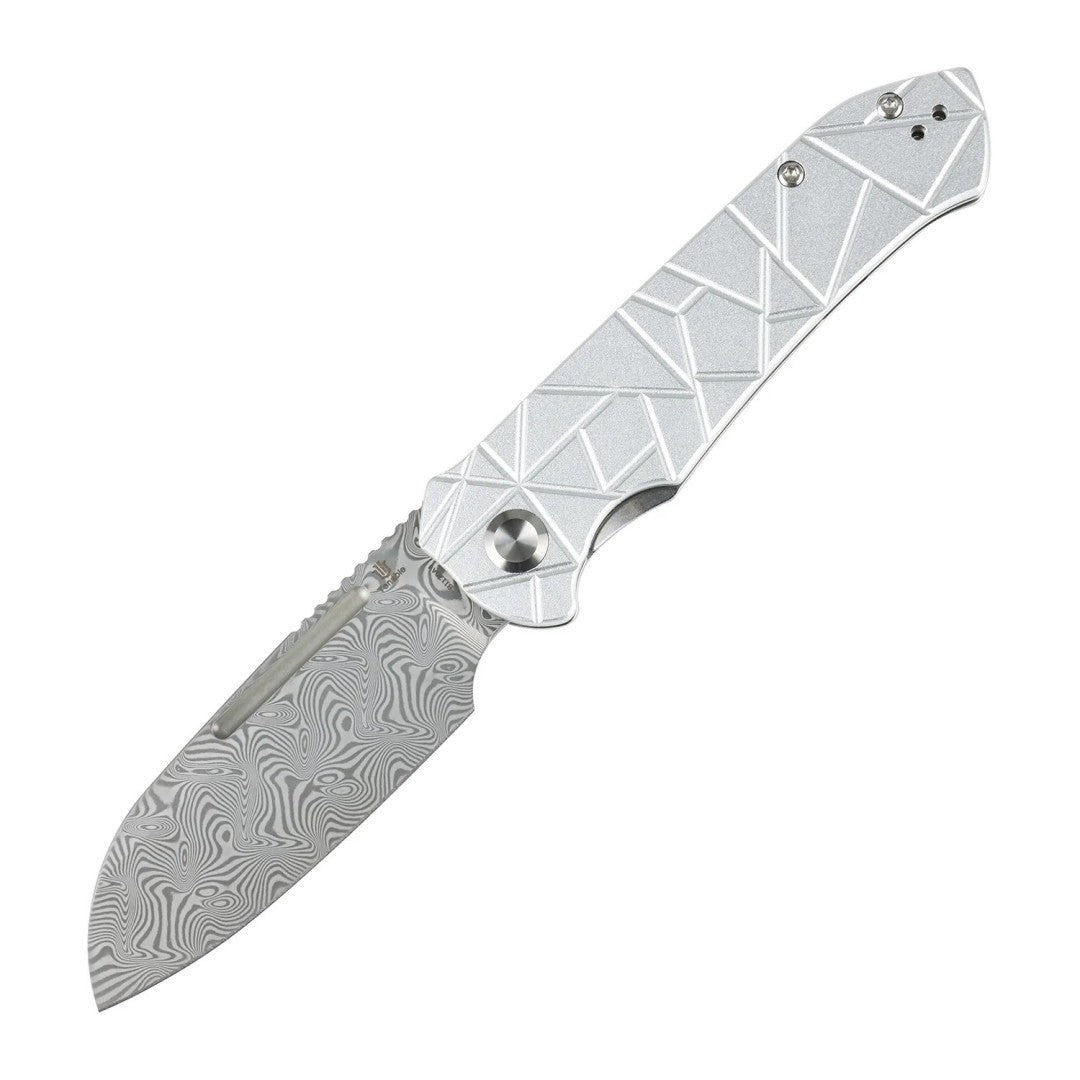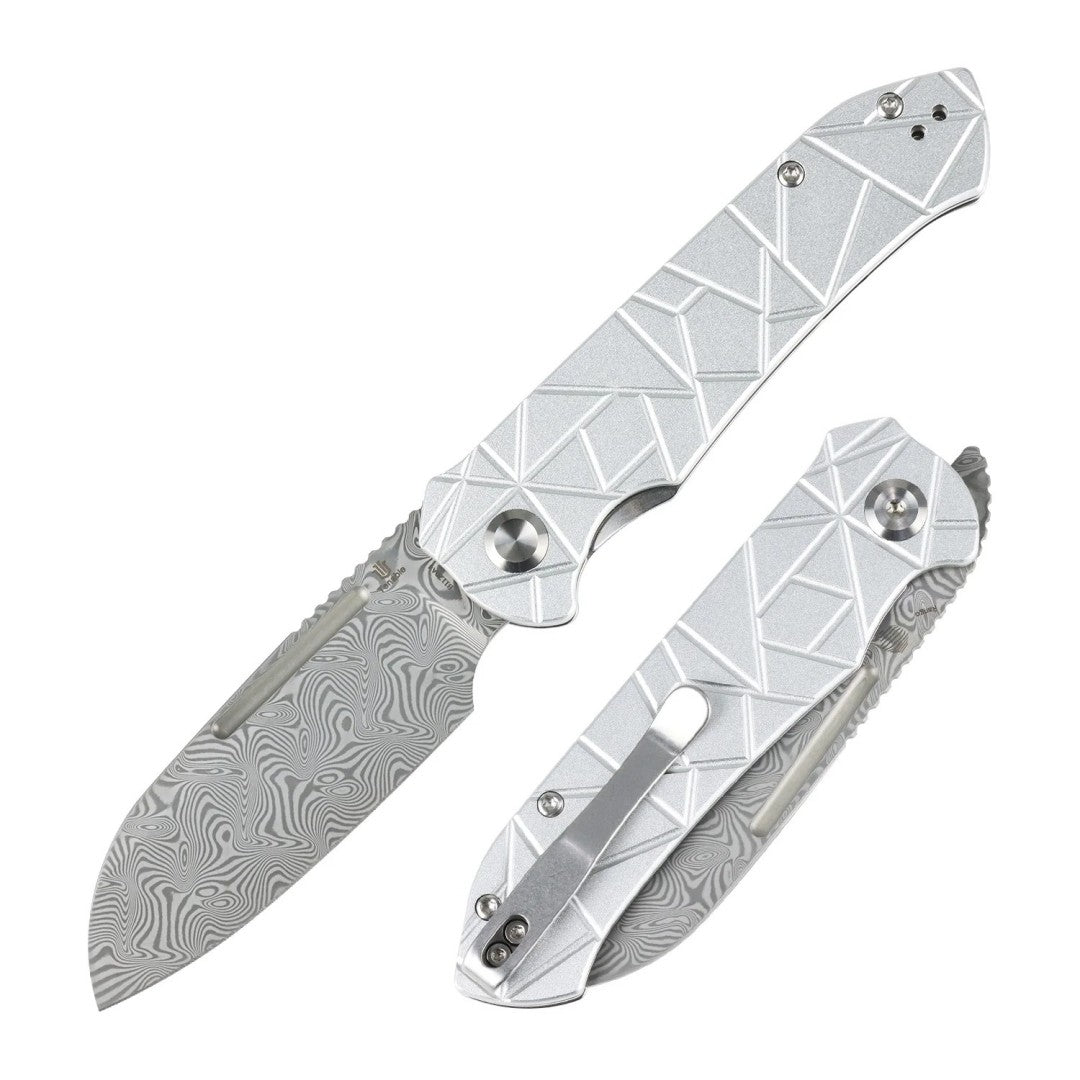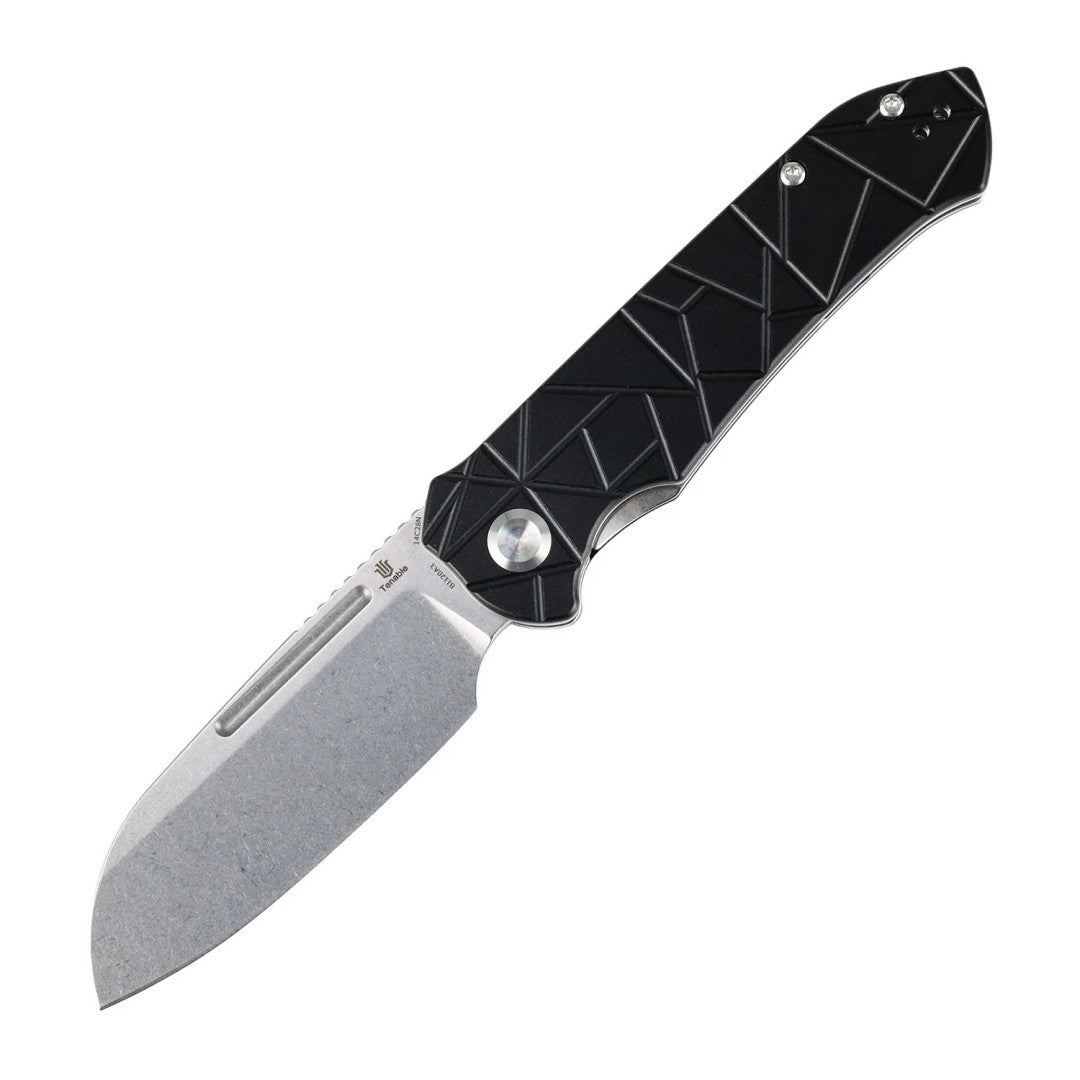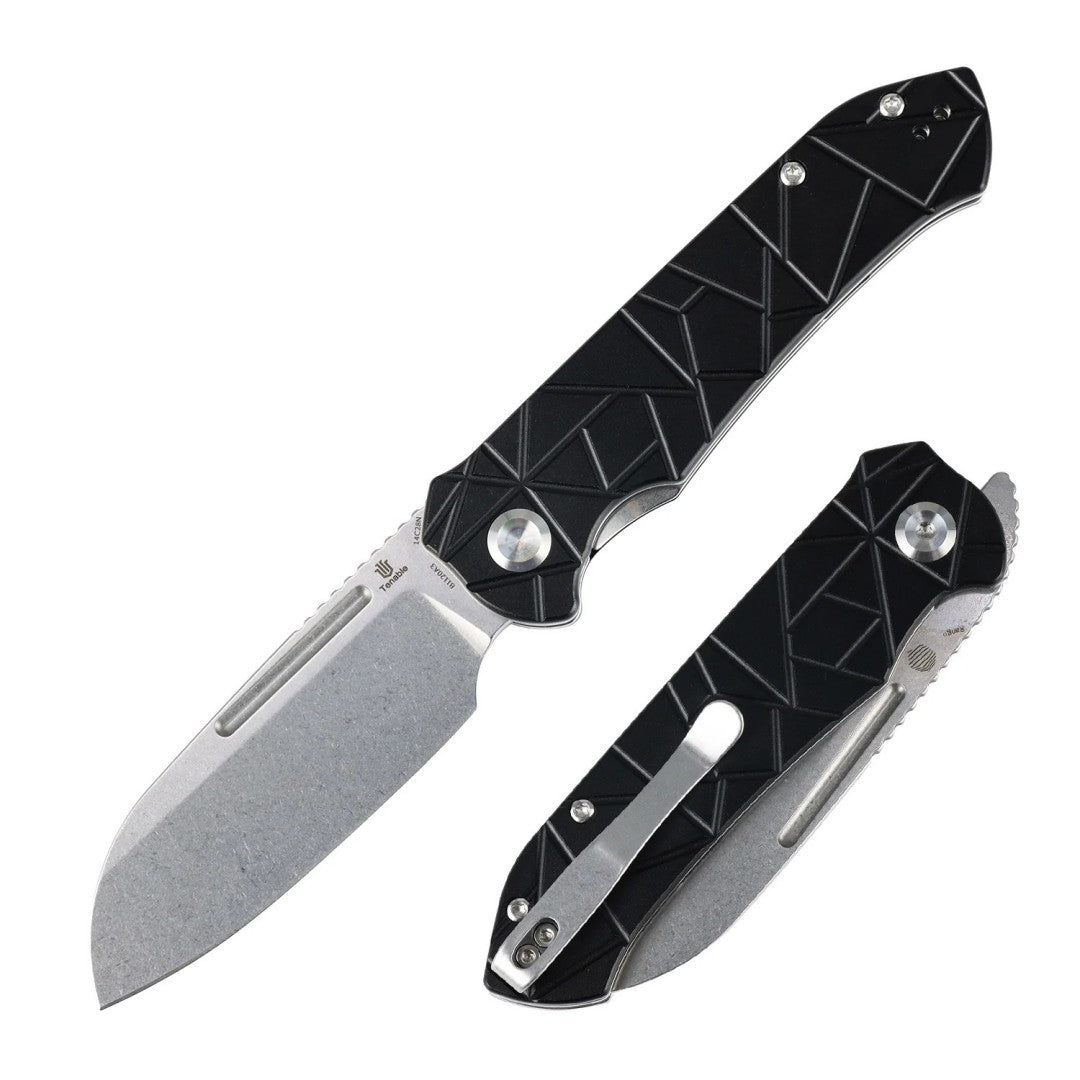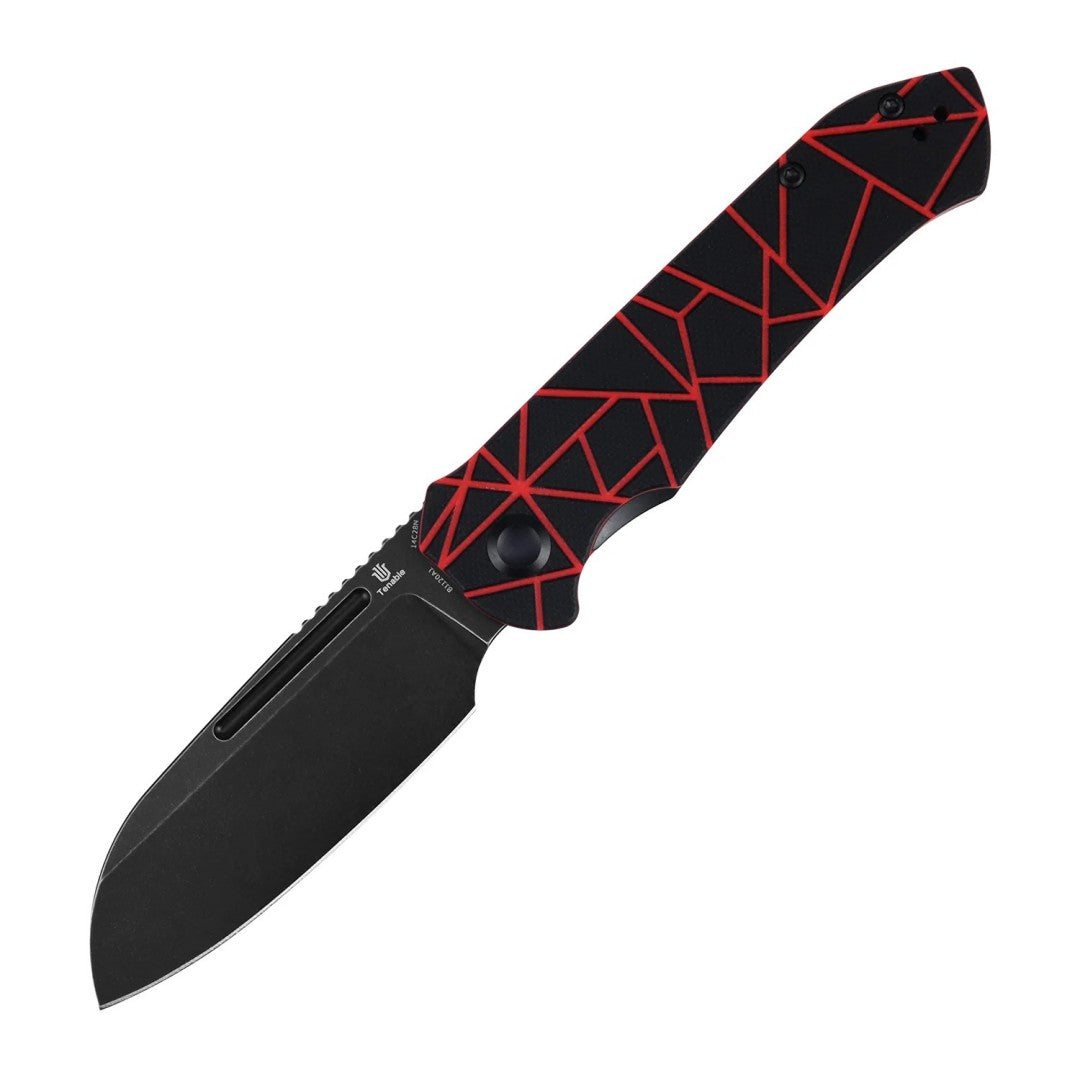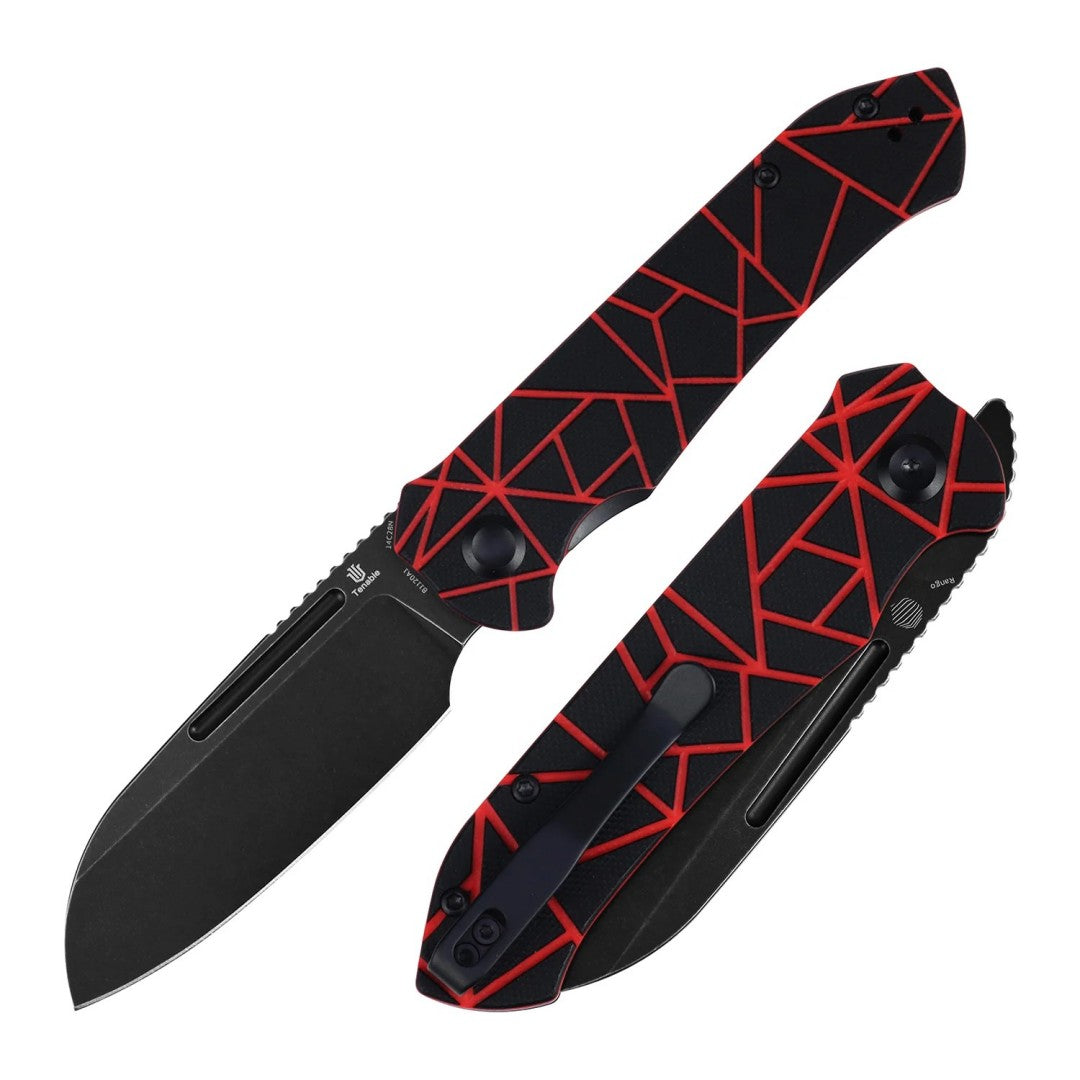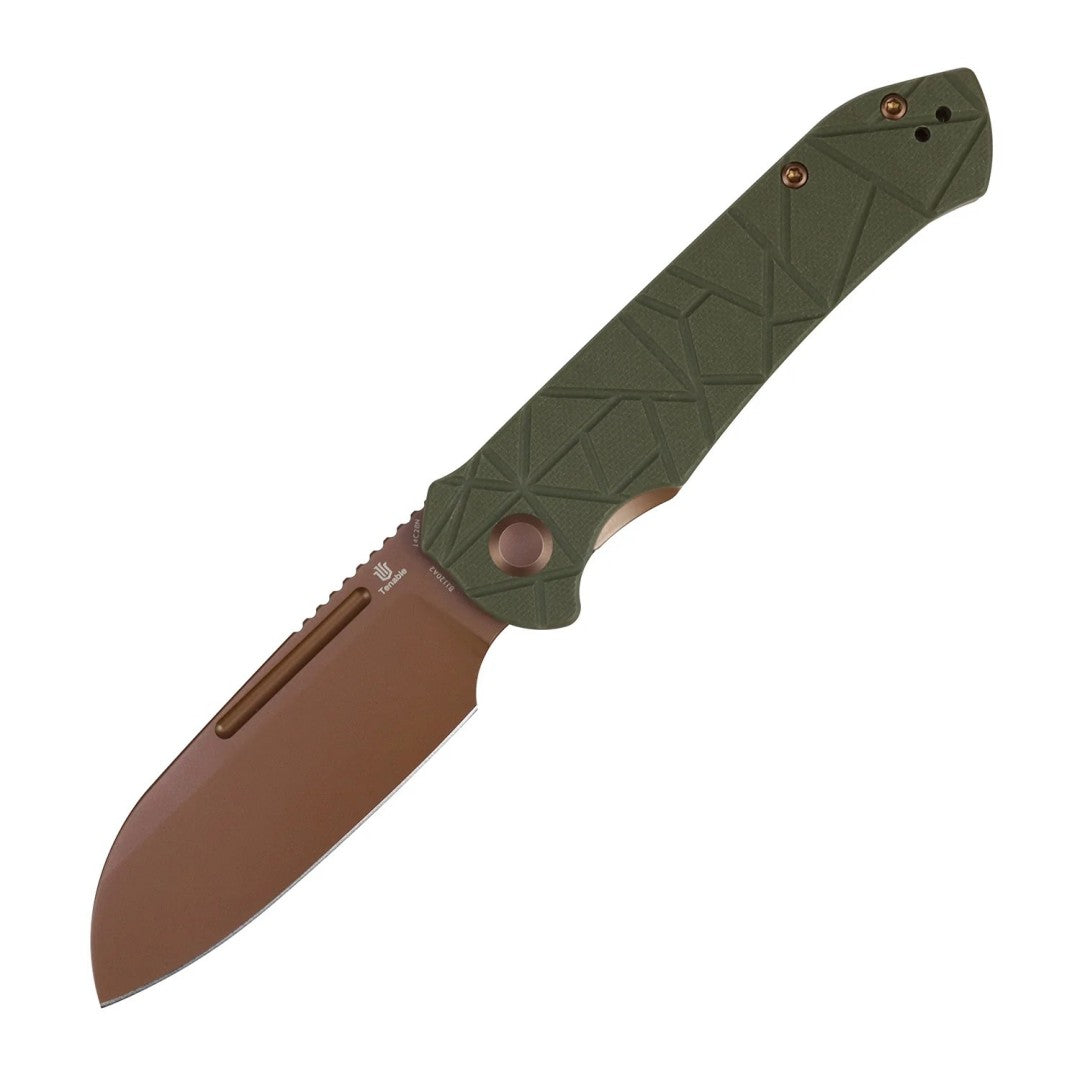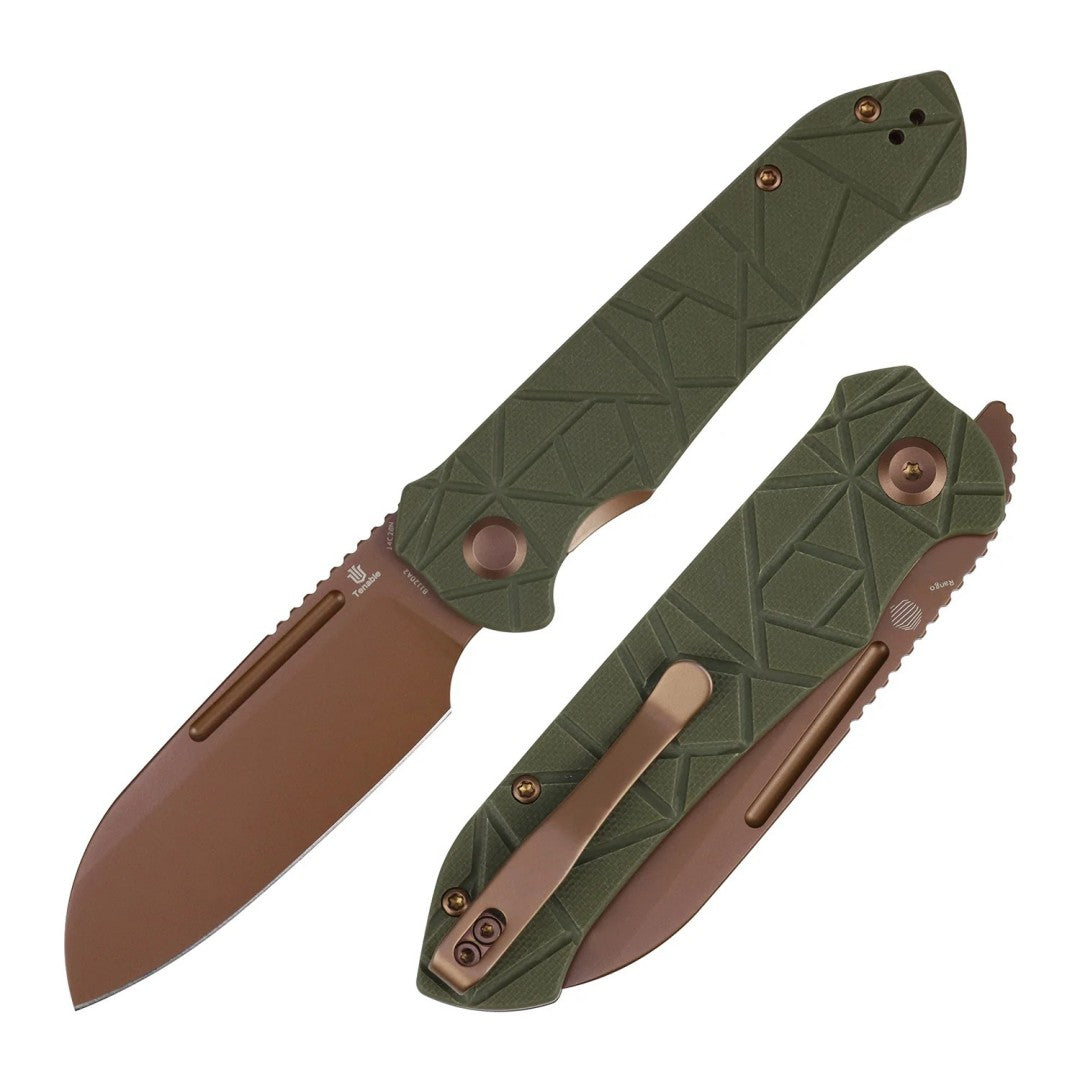
When evaluating an everyday carry (EDC) knife, it is easy to get distracted by fancy handle colors, high-tech locking mechanisms, or tactical styling. However, at the end of the day, a knife is fundamentally a cutting edge. The true measure of its worth is how efficiently that piece of steel passes through material during normal, everyday scenarios.
The QSP Canary Fixed Blade has rapidly become a favorite among gear minimalists and utility workers alike. While its compact footprint and lightweight design make it incredibly easy to carry, it is the masterfully engineered blade itself that keeps people using it.
Below, we take an in-depth look at the physics, geometry, and metallurgy behind the QSP Canary blade, and explain exactly why it excels at real-world, everyday cutting tasks.

1. The Power of the Full Flat Grind
The single biggest factor dictating how a knife cuts is its grind—the way the steel tapers from the thick spine down to the razor-thin cutting edge. Many modern compact fixed blades are built like small tactical pry bars. They feature thick saber or hollow grinds that leave a wide "shoulder" of steel right behind the edge. While this makes a knife incredibly tough, it performs poorly at actual slicing because the thick steel acts like a wedge, splitting materials apart and causing massive drag.
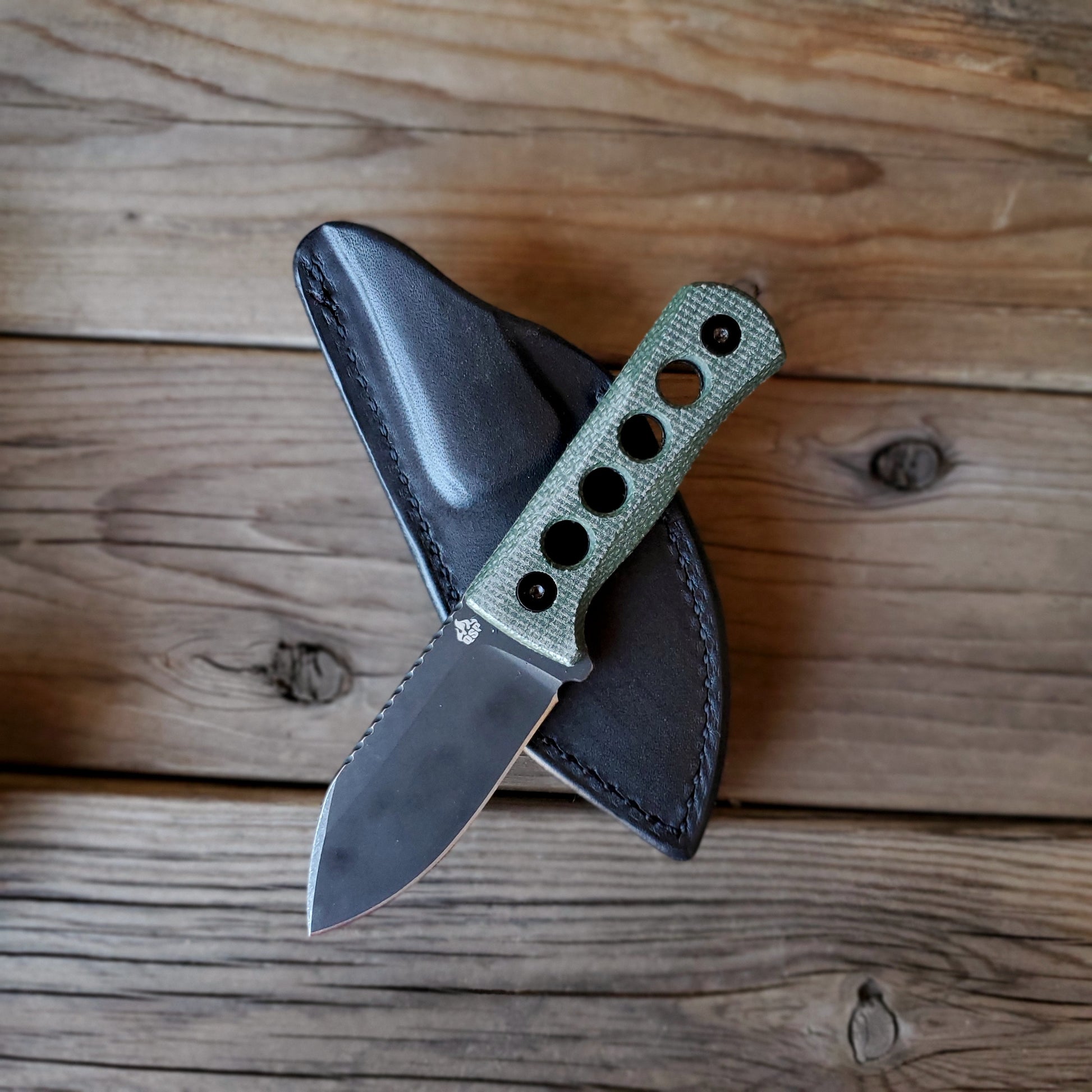
QSP chose a Full Flat Grind (FFG) for the Canary blade. The steel tapers smoothly and continuously all the way from the 3.0 mm spine straight down to the cutting apex.
This creates a highly efficient, thin cross-section behind the edge. When you are slicing through deep materials like thick corrugated cardboard boxes, dense packaging foam, or zip ties, the blade glides through with minimal resistance. You do not have to fight the material or exert excessive force; the geometry does the work for you.
2. A Perfect Hybrid Blade Profile
The Canary features a highly practical blade shape that blends the characteristics of a drop point and a spear point. Measuring 2.50 inches (63 mm) in length, this profile provides two distinct cutting zones that handle completely different tasks beautifully:
The Piercing Tip
Because the spine of the blade gently curves downward to meet the tip, the point is positioned perfectly in line with the centerline of your hand when holding the handle. This alignment gives you immense control during precision puncturing tasks. Whether you need to score a line across heavy leather, pop a tough plastic clamshell package, or cut out a specific shape in tape, the tip remains stable, robust, and highly predictable.
The Curved Belly
Moving away from the tip, the cutting edge features a gentle, continuous curve known as the "belly." This curved section maximizes the contact area of the short 2.50-inch blade against whatever material you are cutting. It allows you to utilize natural rocking and pulling motions, which is exactly what you need when slicing through rope, cutting open heavy bags of mulch, or prepping an apple at your desk.
3. Sandvik 14C28N: The Working Man's Steel
A great blade shape is useless without a steel alloy capable of backing it up. The core QSP Canary lineup relies on Sandvik 14C28N stainless steel, a proprietary alloy formulated in Sweden specifically for professional knife edges.
Everyday cutting tasks subject a blade to a diverse mix of abuse—from abrasive cardboard fibers and dirty ropes to moisture and impact. Sandvik 14C28N excels in this environment because it hits a legendary "sweet spot" across three metallurgical priorities:
-
Edge Stability: Thanks to a highly refined microstructure, the Canary holds its sharp edge through long warehouse shifts without rolling or micro-chipping.
-
Extreme Toughness: Unlike ultra-hard premium super-steels that can be brittle, 14C28N can take sudden impacts—like hitting a hidden copper staple inside a cardboard box—without snapping.
-
Corrosion Resistance: Because this compact knife is frequently carried as a neck knife under a shirt or tucked inside a sweaty waistband, it faces constant humidity. The chemistry of 14C28N resists rust and staining exceptionally well, making it a true low-maintenance tool.
4. Exceptional Edge Control and Leverage
Slicing efficiency isn't just about the steel; it is also about leverage. Because the Canary is a fixed blade rather than a folder, it eliminates the bulk of a pivot mechanism. This allows the sharp cutting edge to start almost immediately where the handle ends.
This design keeps the workload incredibly close to your fingers. When you exert downward pressure on the spine of the blade, your energy is transferred directly to the cutting edge without any mechanical loss. This proximity gives you unmatched control when performing precise detailed work or putting heavy structural pressure on a stubborn piece of thick rope.
Conclusion: Built for Real Life
The QSP Canary blade excels at everyday tasks because it avoids the trap of over-engineering. QSP didn't try to make a tactical weapon or a heavy survival pry bar. Instead, they focused entirely on real-world utility. By combining a thin Full Flat Grind, a highly versatile drop/spear point silhouette, and a rugged, corrosion-resistant Swedish steel, they created a pure, unadulterated slicing machine that handles the friction of daily life effortlessly.
Frequently Asked Questions (FAQ)
1. Can the QSP Canary blade be used for outdoor camp food prep?
Yes, absolutely. The Full Flat Grind makes it an excellent slicer for meats, vegetables, and fruits. Its high corrosion resistance also means acidic juices won't instantly stain or ruin the steel.
2. How often will I need to sharpen the 14C28N steel blade?
For average daily tasks like opening a few packages and cutting tape, the blade will hold its edge for several weeks. When it does slow down, a quick touch-up on a ceramic rod or leather strop will bring back a razor edge instantly.
3. Is the blade tip strong enough to pry open paint cans?
No. While the hybrid tip is strong enough for heavy puncturing and scoring, the Canary is a finely ground slicing instrument. Using the thin tip to pry hard materials can bend or snap the point. Always use a dedicated pry tool for prying.