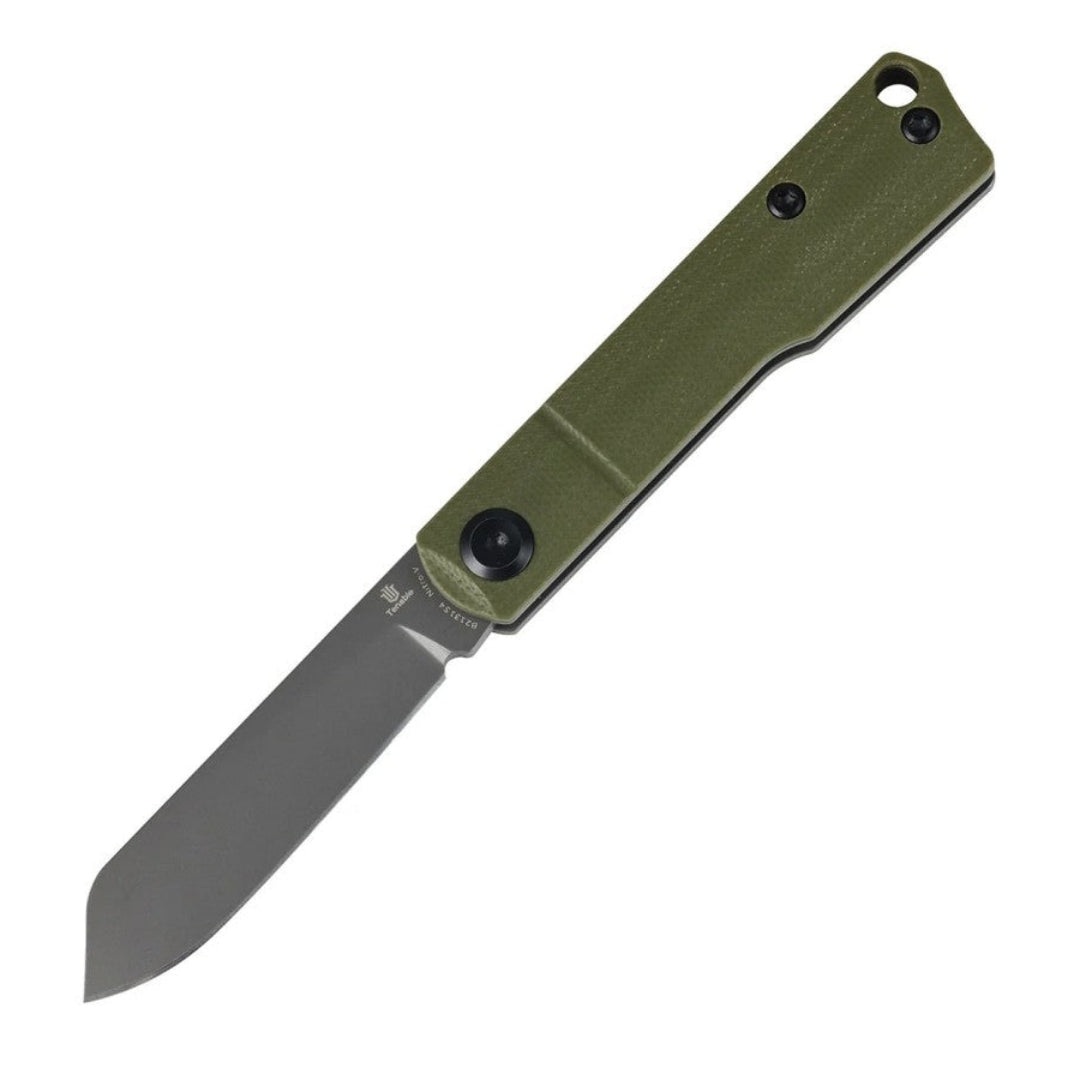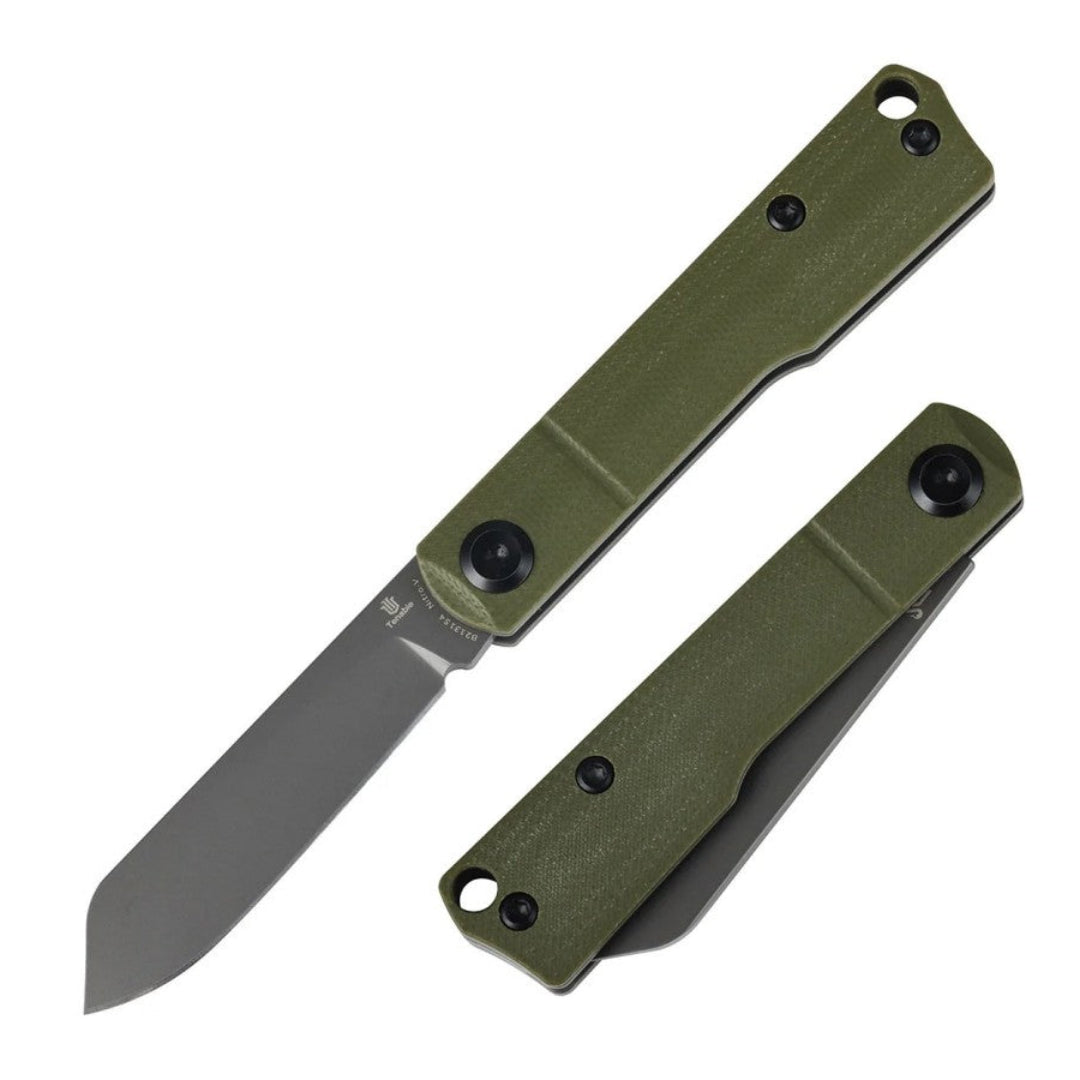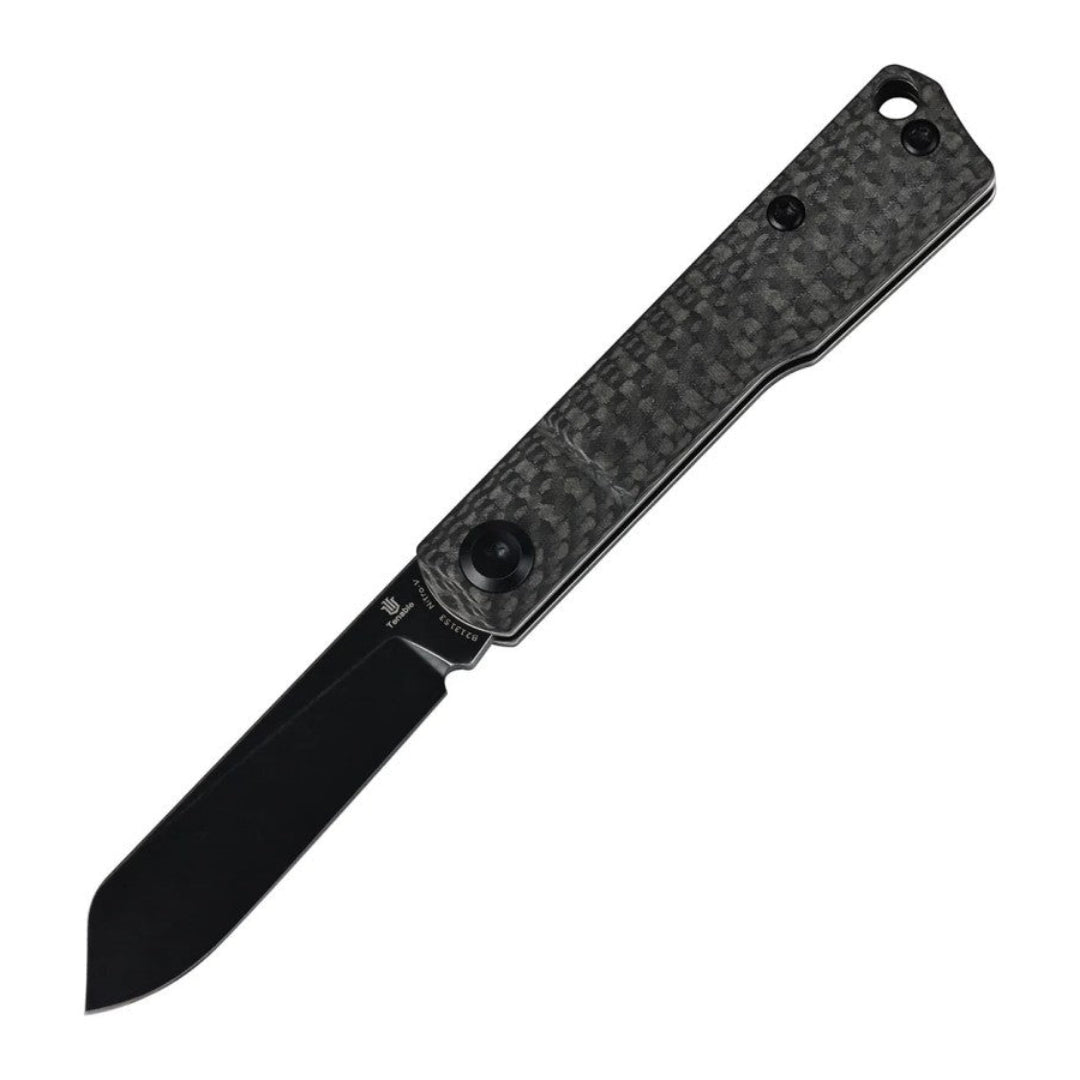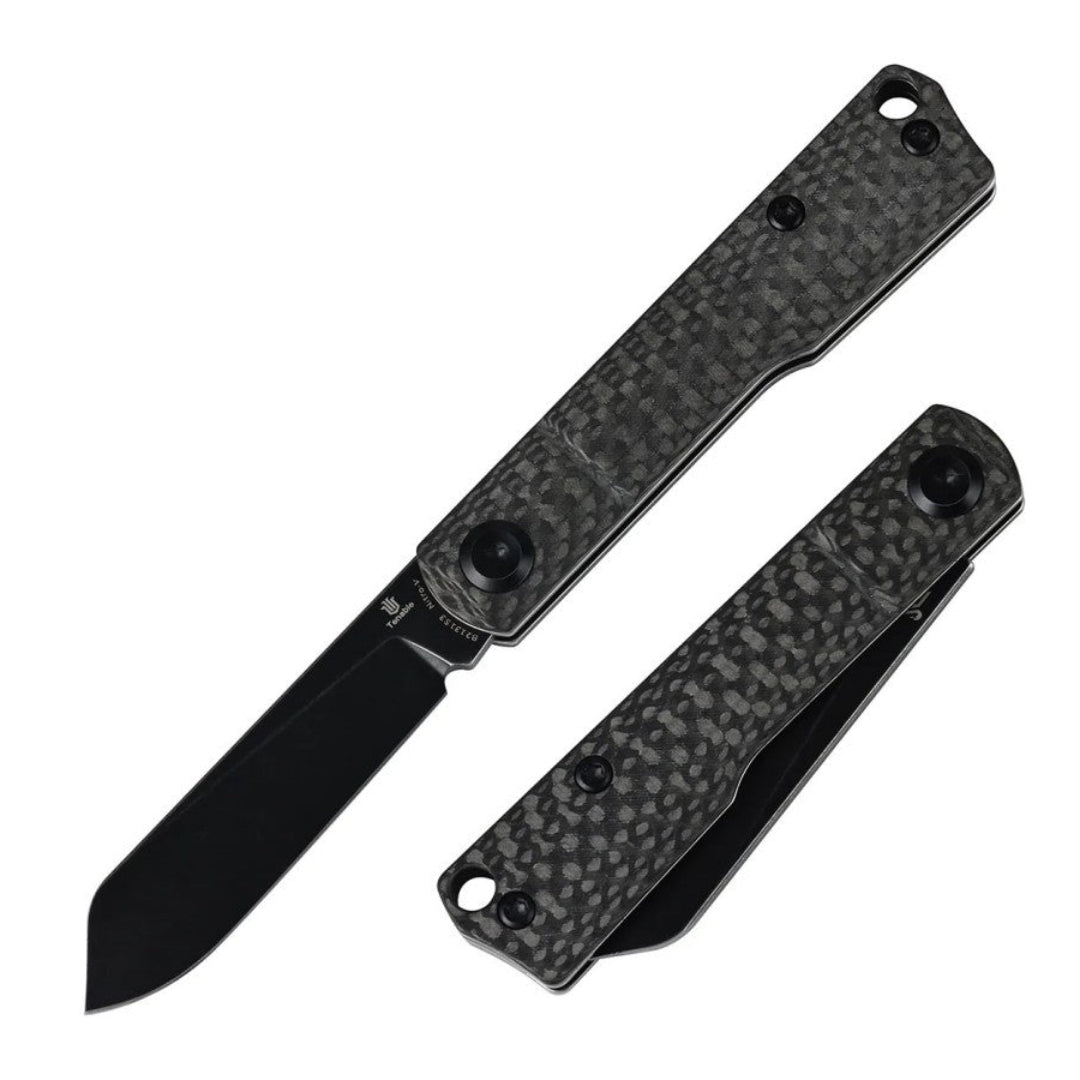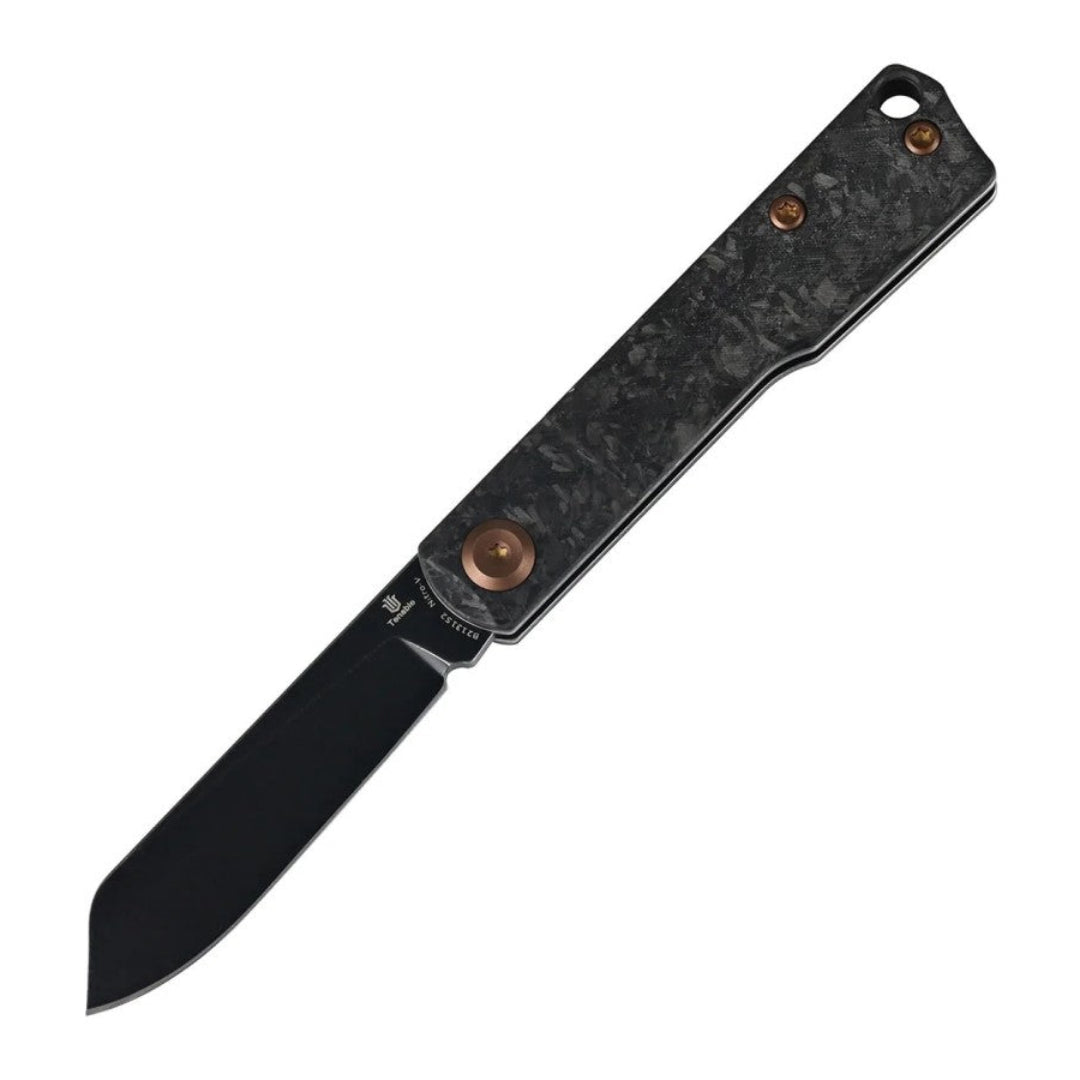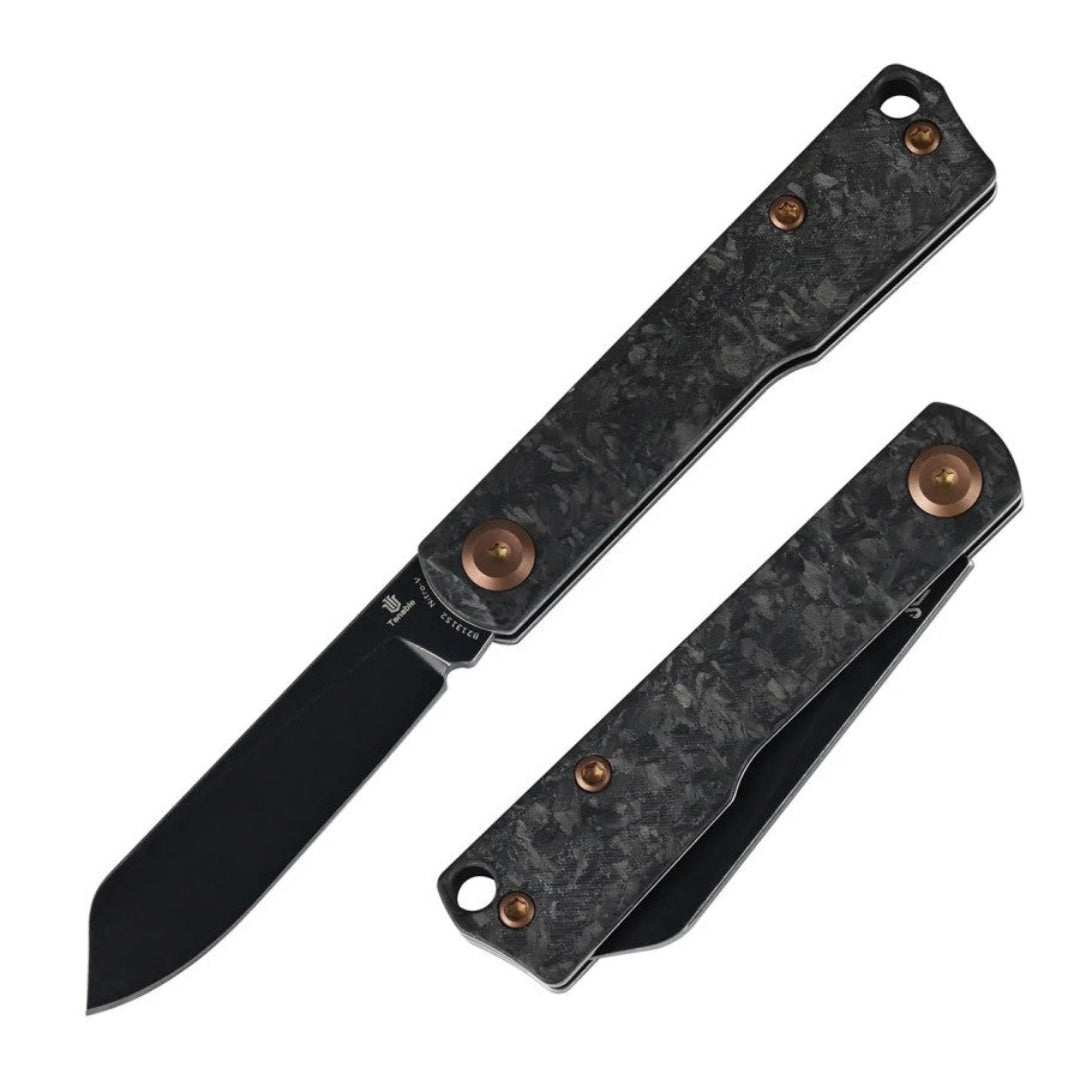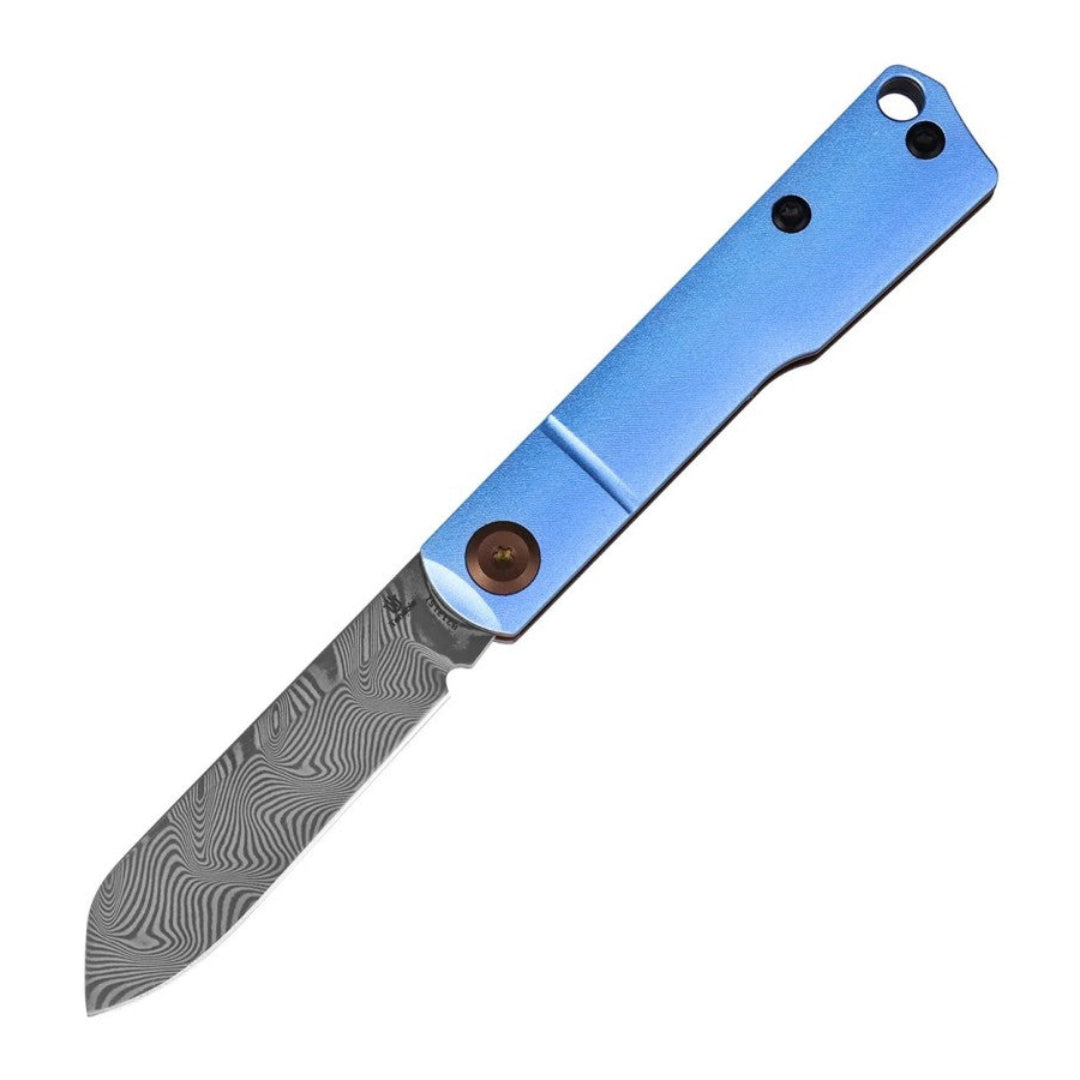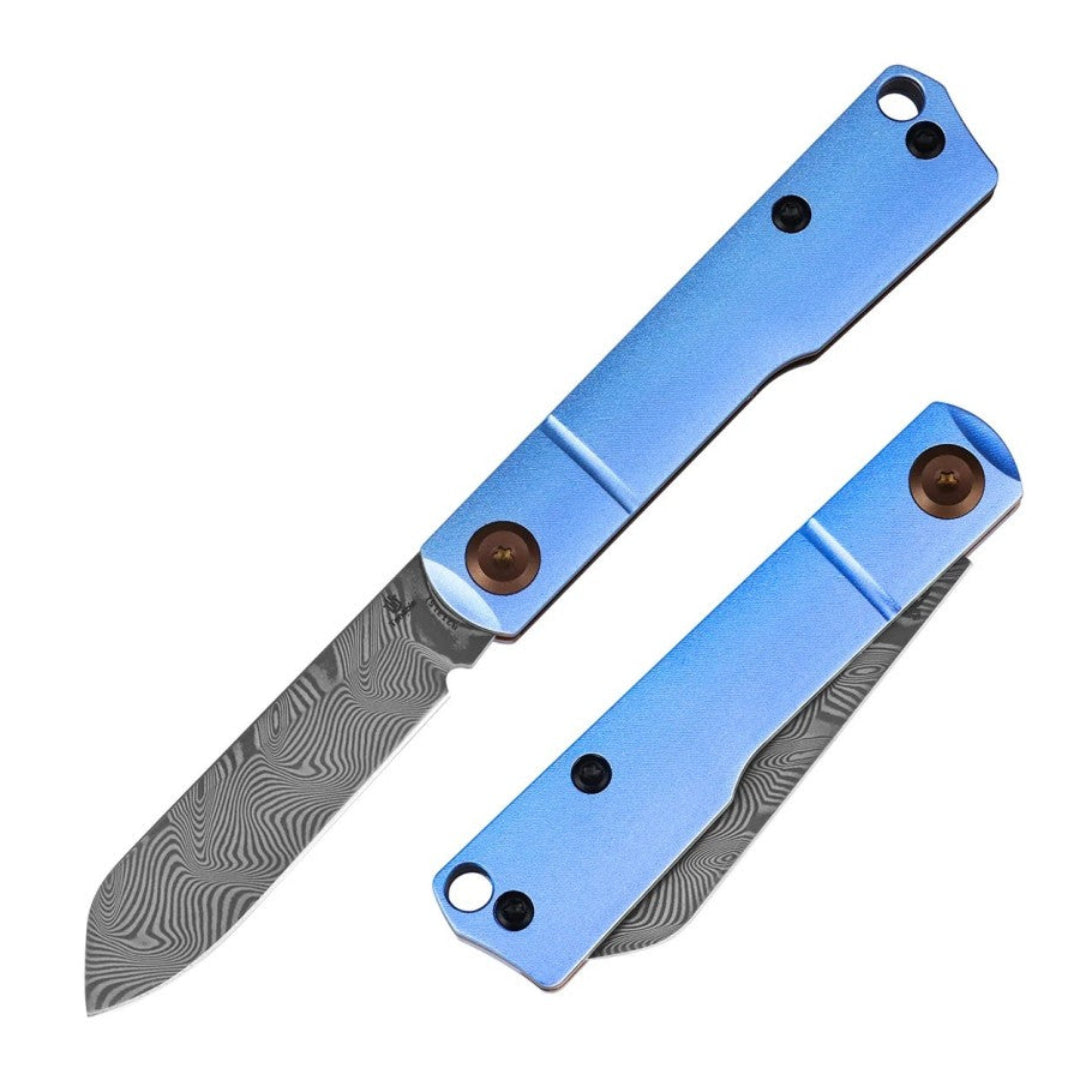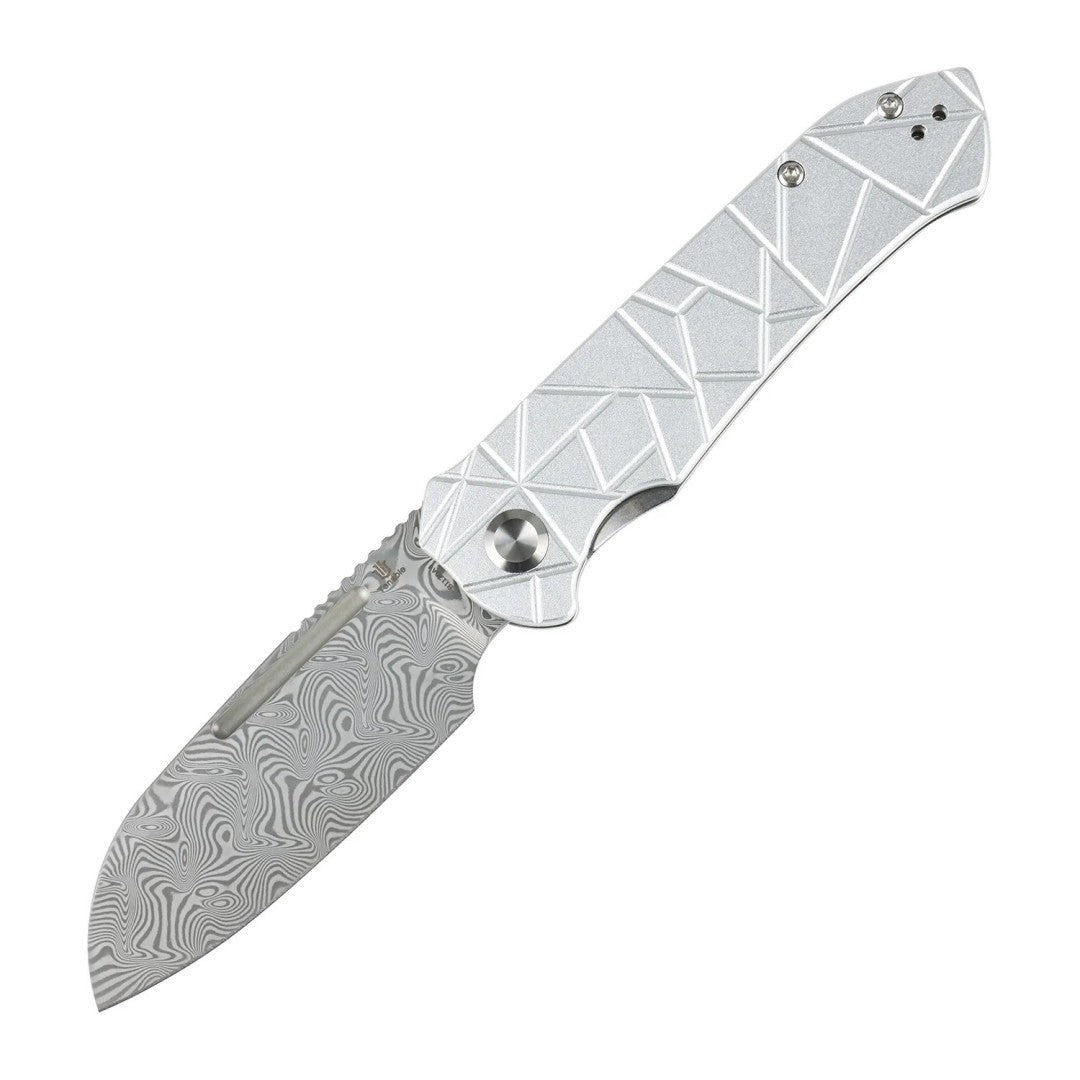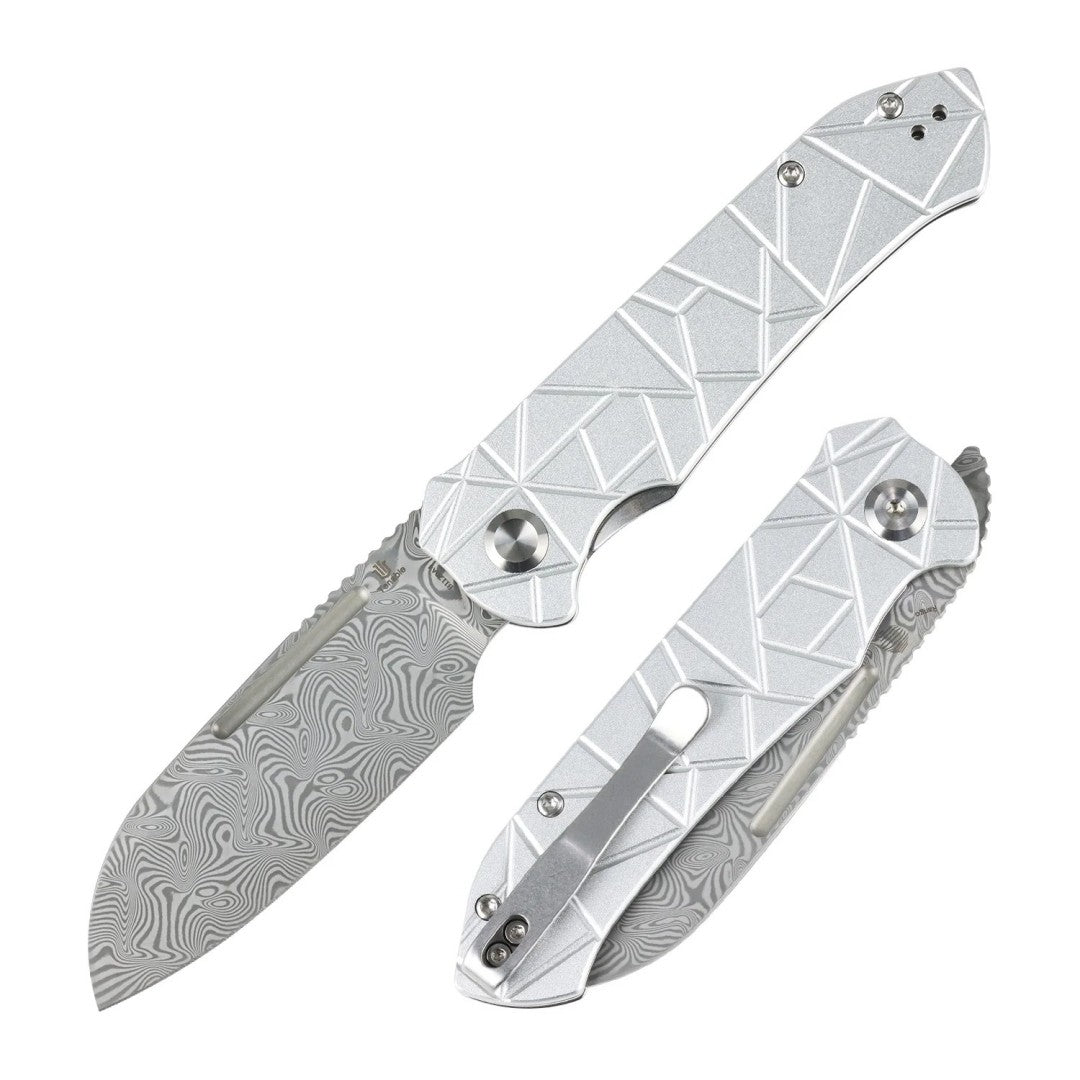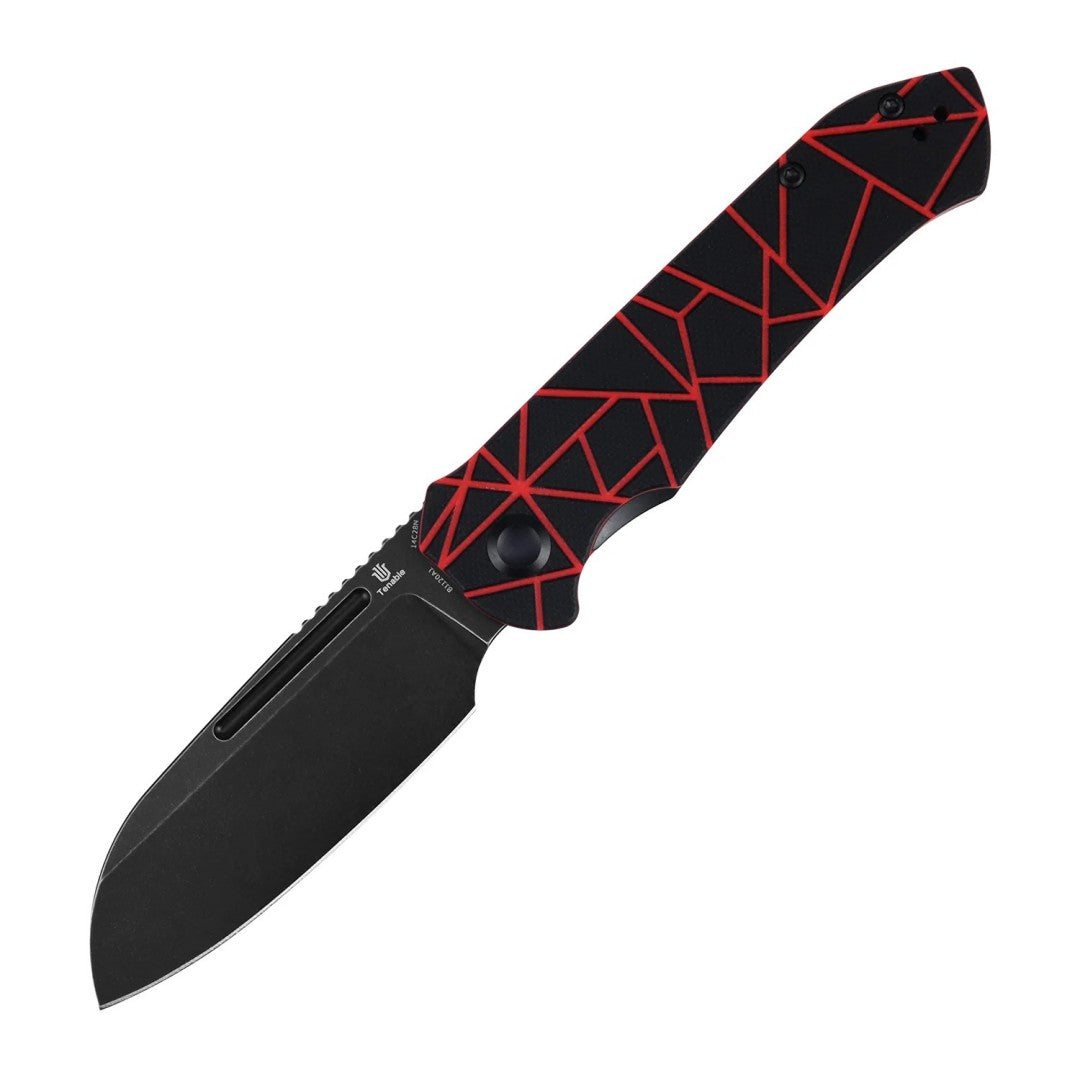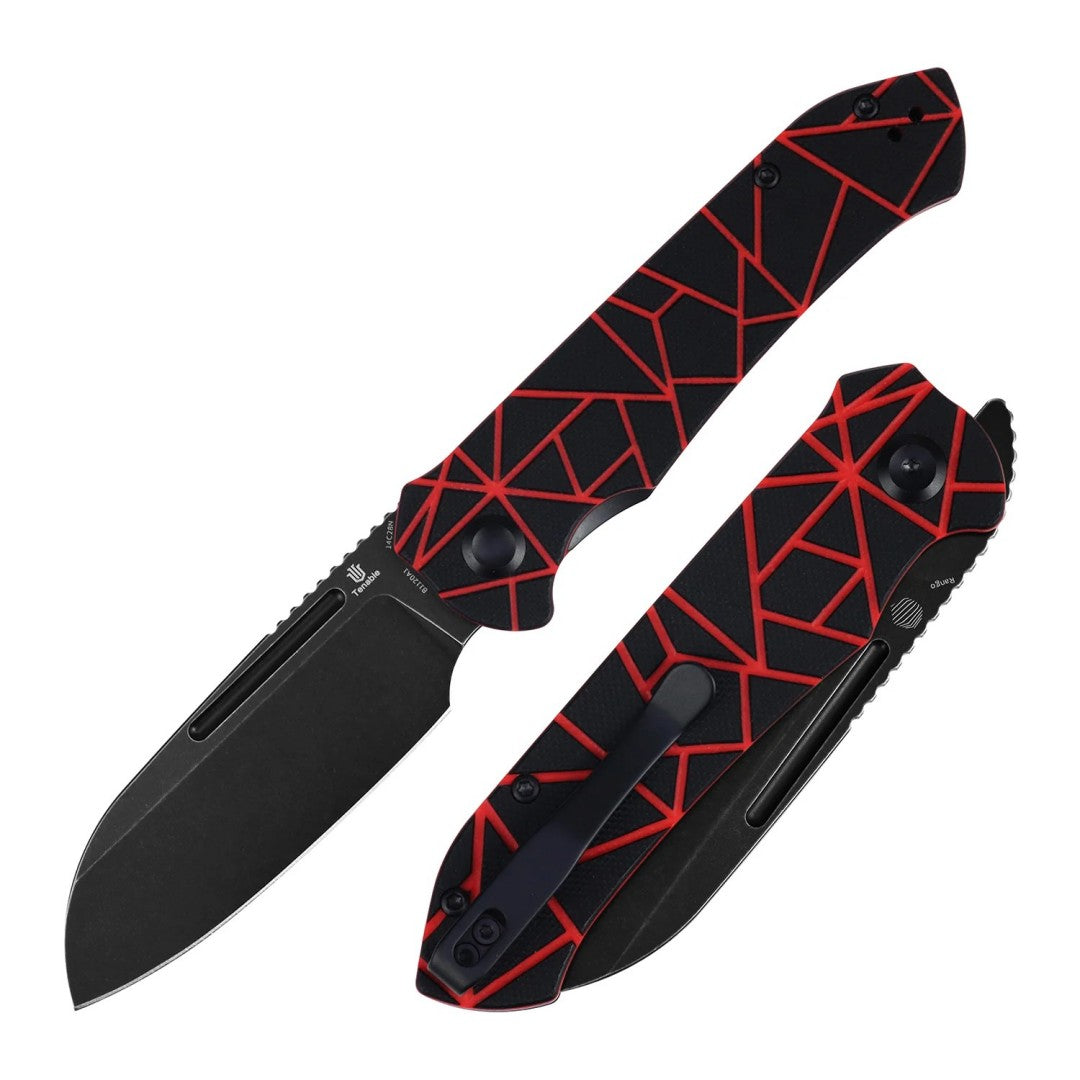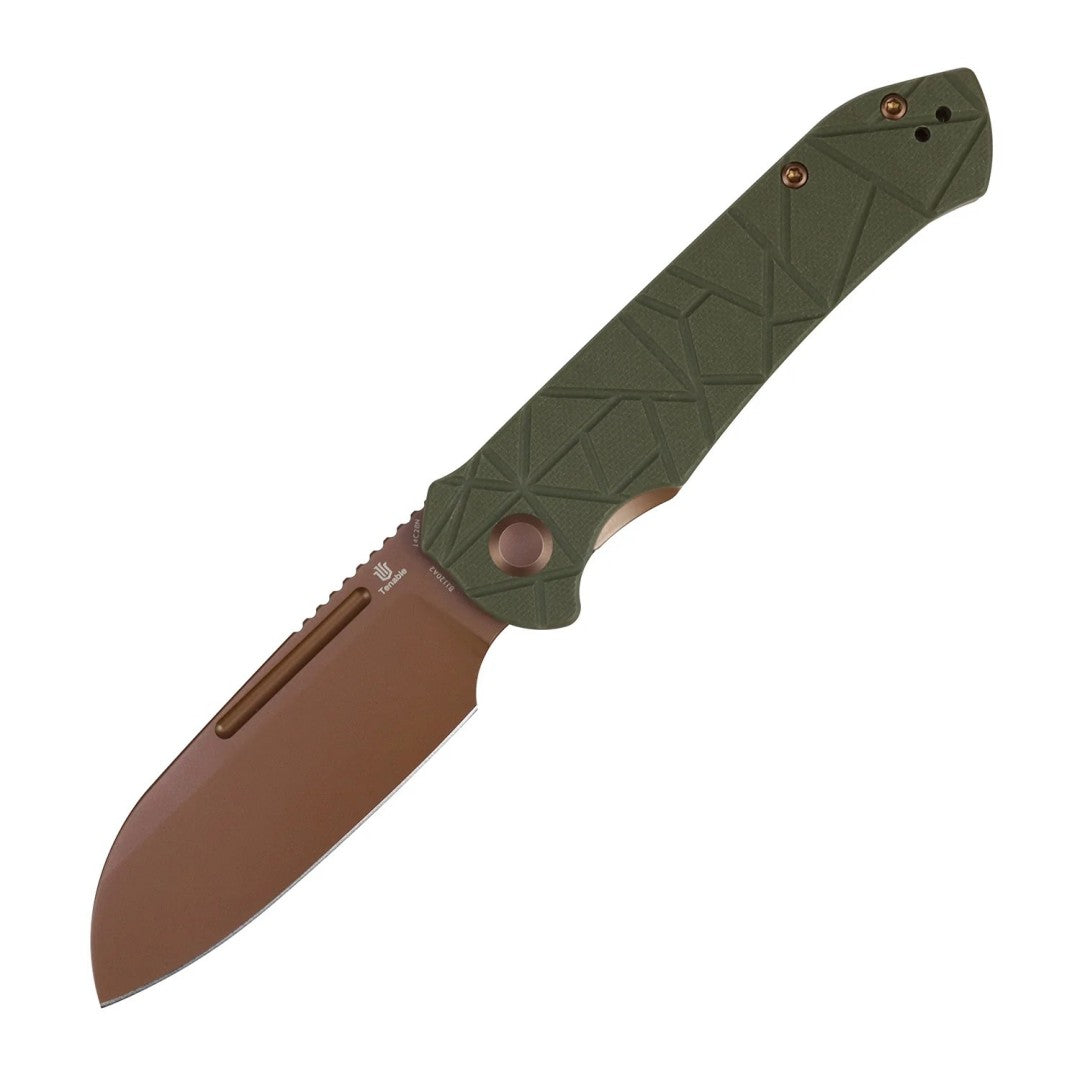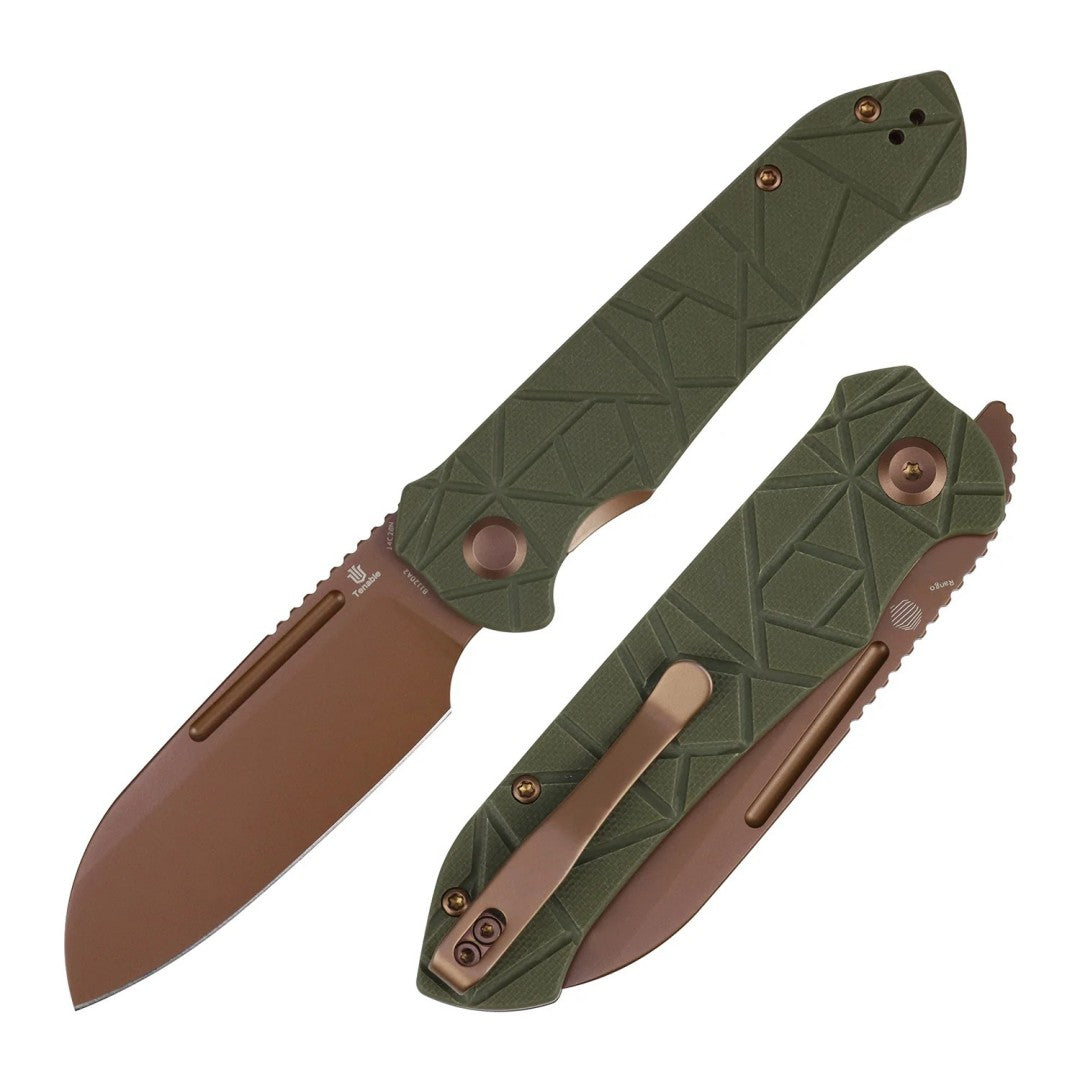


Overview & First Impressions
Breaking down fish is a cleanliness problem before it is a cutting problem. Every surface, every scale and every piece of membrane has to be managed, and the tool in your hand has to be rinsed constantly. That single requirement eliminates most of the knives people first think of, and it is why a compact fixed blade usually wins at a fish bench over anything with a pivot.
Materials & Construction
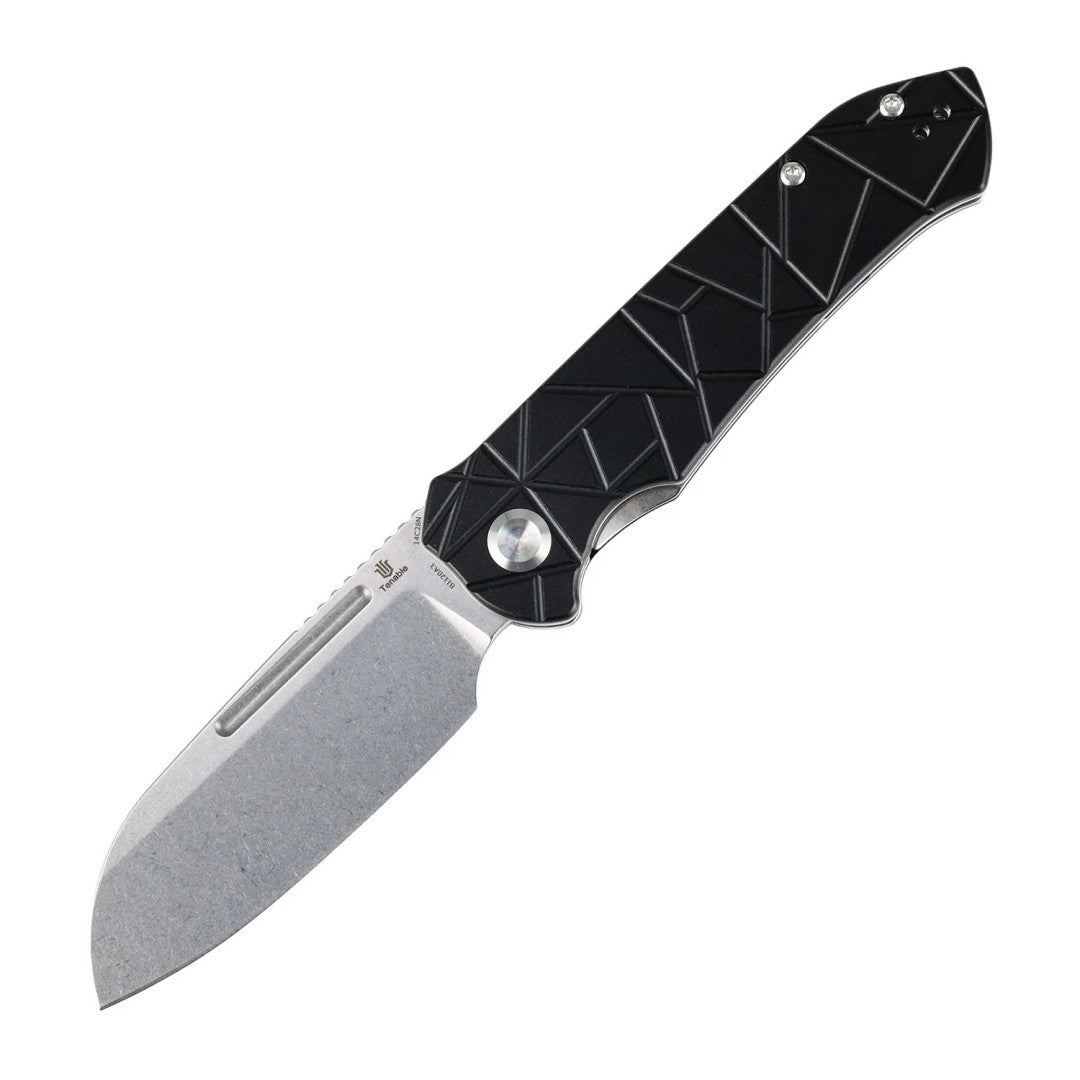
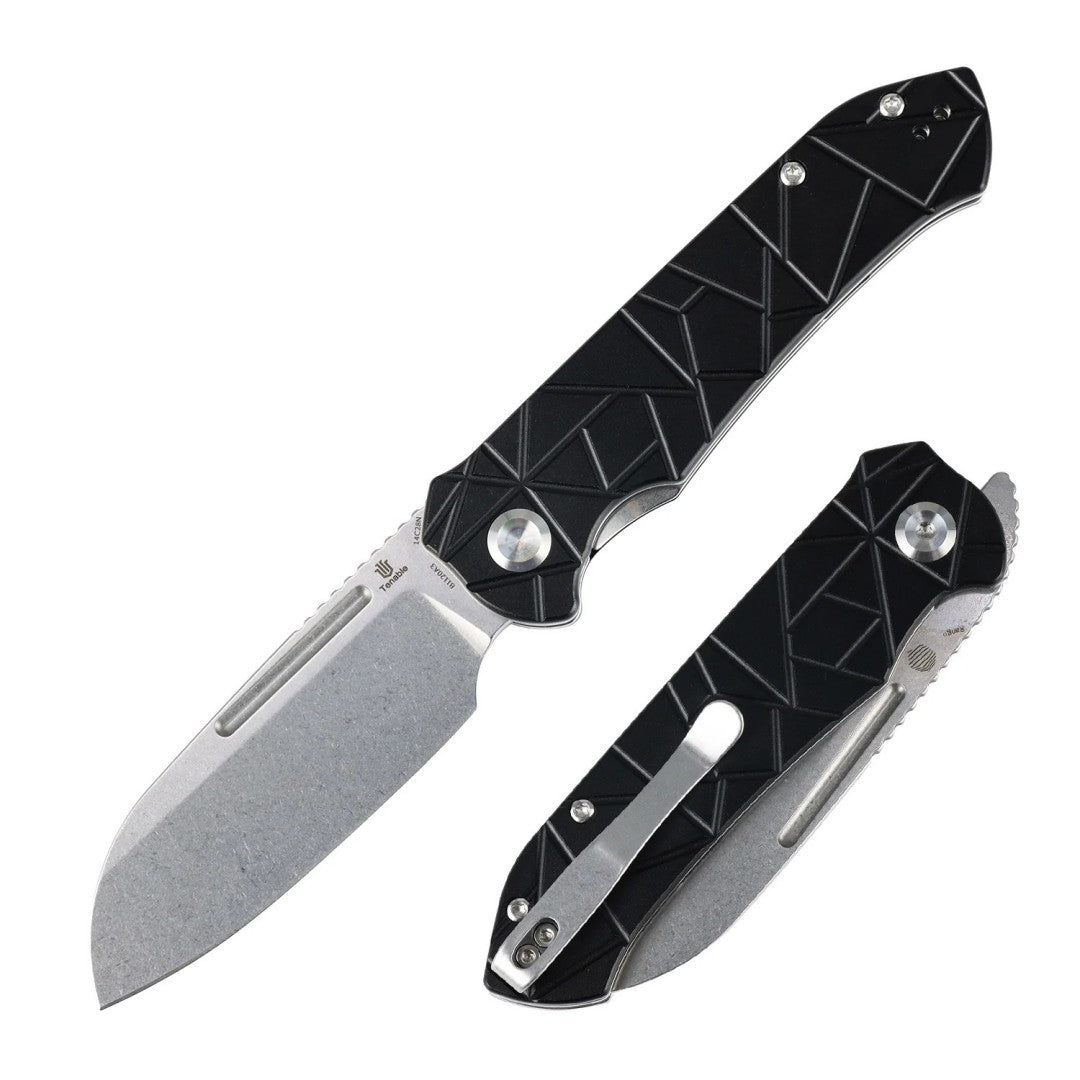
D2 steel is a sensible choice for a working fish knife because of its wear resistance. Scales and skin are abrasive and they dull an edge quickly, so a steel that holds its apex through a dozen fish is worth the slightly higher maintenance. It is not a true stainless, so it needs drying after every session, but it is far more forgiving than carbon steel. The Kansept Flank G006A8 pairs a 58 to 60 HRC D2 steel blade with a black G10 handle at just 1.79 ounces, which is almost nothing in the hand.

Design & Details
A fixed blade has one decisive advantage at a wet bench: nothing to clean inside. There is no pivot, no washer, no lock face and no place for fish slime and bacteria to hide. Folding knives are convenient in a pocket, but at a processing table they create a hygiene problem that a fixed blade simply does not have. G10 is also the right handle material here because it does not absorb liquid or odour the way wood can.
Real-World Use
In practice the knife opens the belly, removes the head and collars, separates fillets from the frame, trims pin bones and bloodline, and skins a fillet. For sushi prep, a short blade with a fine tip handles silver skin and sinew far better than a long slicer. A compact fixed blade like this is also useful for breaking down bait and for gutting on a boat where space is tight.

Ownership Notes
Hygiene drives the maintenance schedule. Wash the blade with hot soapy water and dry it immediately, because D2 will spot if it is left wet. Oil the blade with a food-safe mineral oil after drying, and store the knife in a sheath rather than loose in a drawer where the edge will roll. Never put a knife with a G10 handle in a dishwasher, and never use the same blade for gutting and for cutting ready-to-eat food without washing in between. Anyone building a dedicated fish bench kit usually arrives at the same conclusion after a season: fixed blades are easier to keep clean, and Kansept knives make compact patterns that suit the work without being precious about it. EDC knives still have a place in a tackle bag for line and packaging, but they should not be the tool doing the filleting. EdcMall carries both categories if you want to build the kit in one pass.
Who Is This For?
This is written for anglers who process their own catch, charter boat crews, fishmongers, sushi cooks building their first kit and home cooks who break down whole fish. It is not the right tool for heavy butchery of large game, and anyone processing tuna loins at volume should invest in a proper long slicer.
Final Verdict
At a fish bench, cleanability matters more than convenience. A compact fixed blade in D2 with a G10 handle, rinsed and dried after every session, does more useful work than a folder twice its price.