

Overview & First Impressions
A brewery cellar is a wet, chemical workplace. Caustic and acid cleaners, hot rinse water, condensation and a floor that is always slightly slick make it an environment where tools are dropped and steel is attacked. Cellarmen work fast between cleaning cycles, and the knife in a pocket gets used in short bursts of very practical cutting.
Materials & Construction
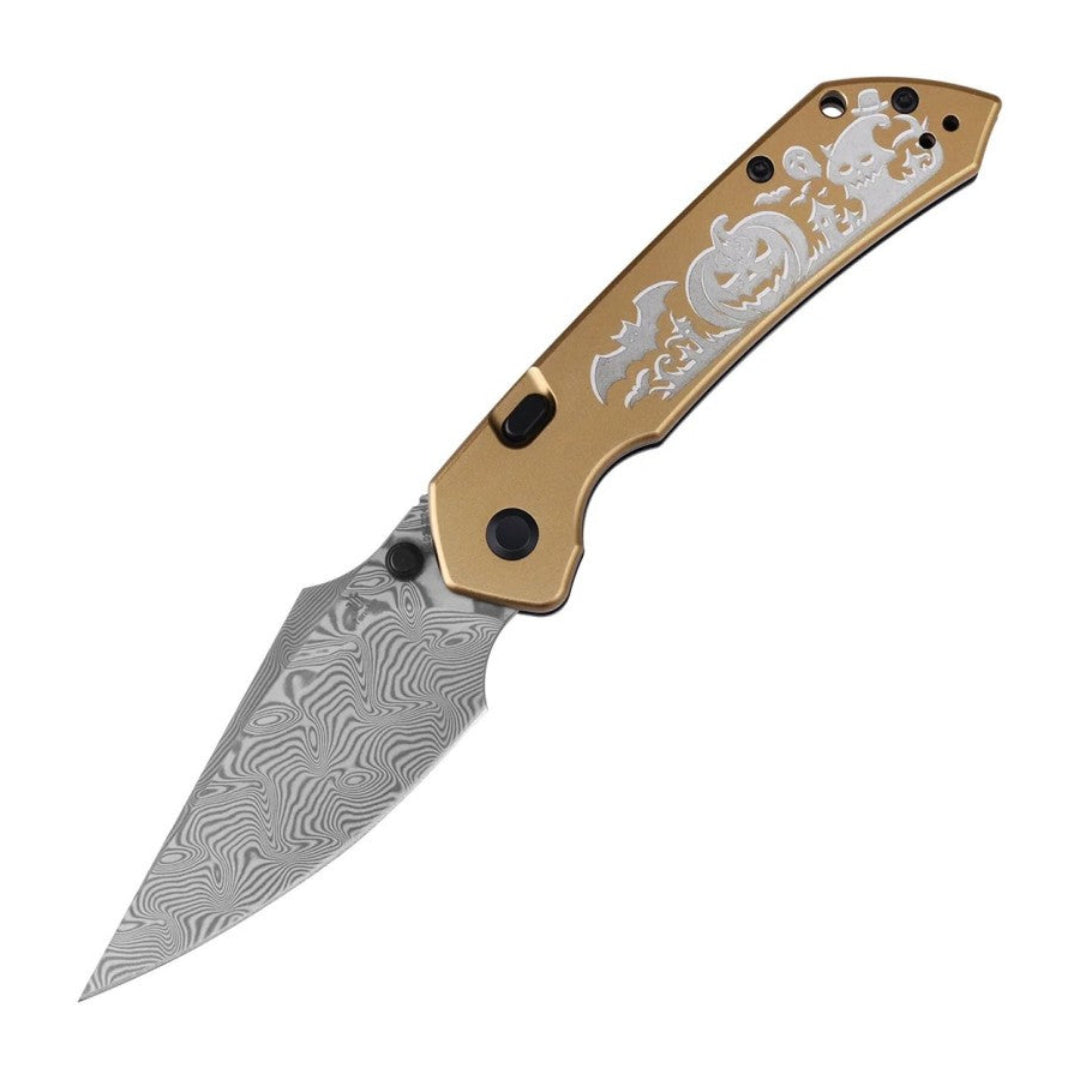
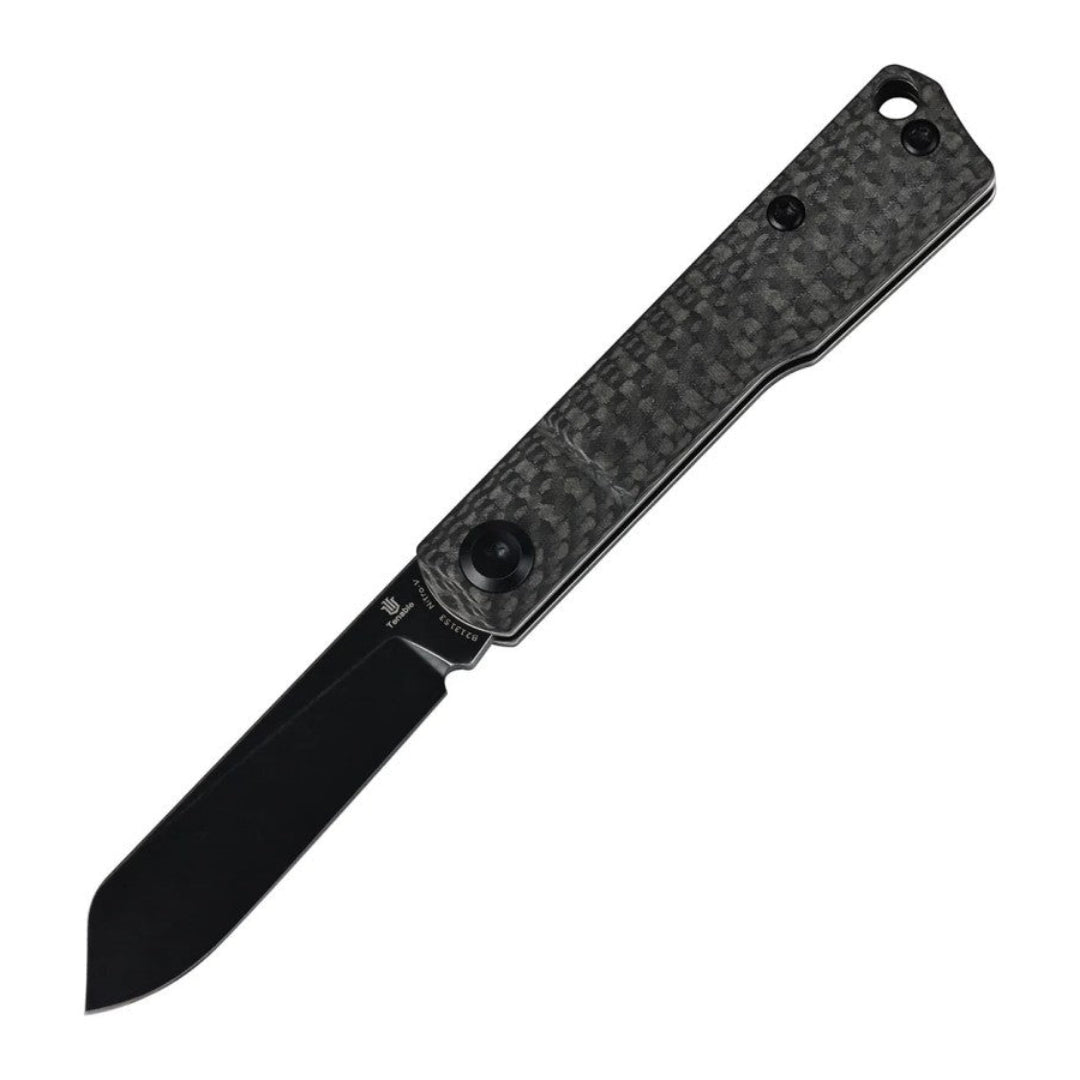
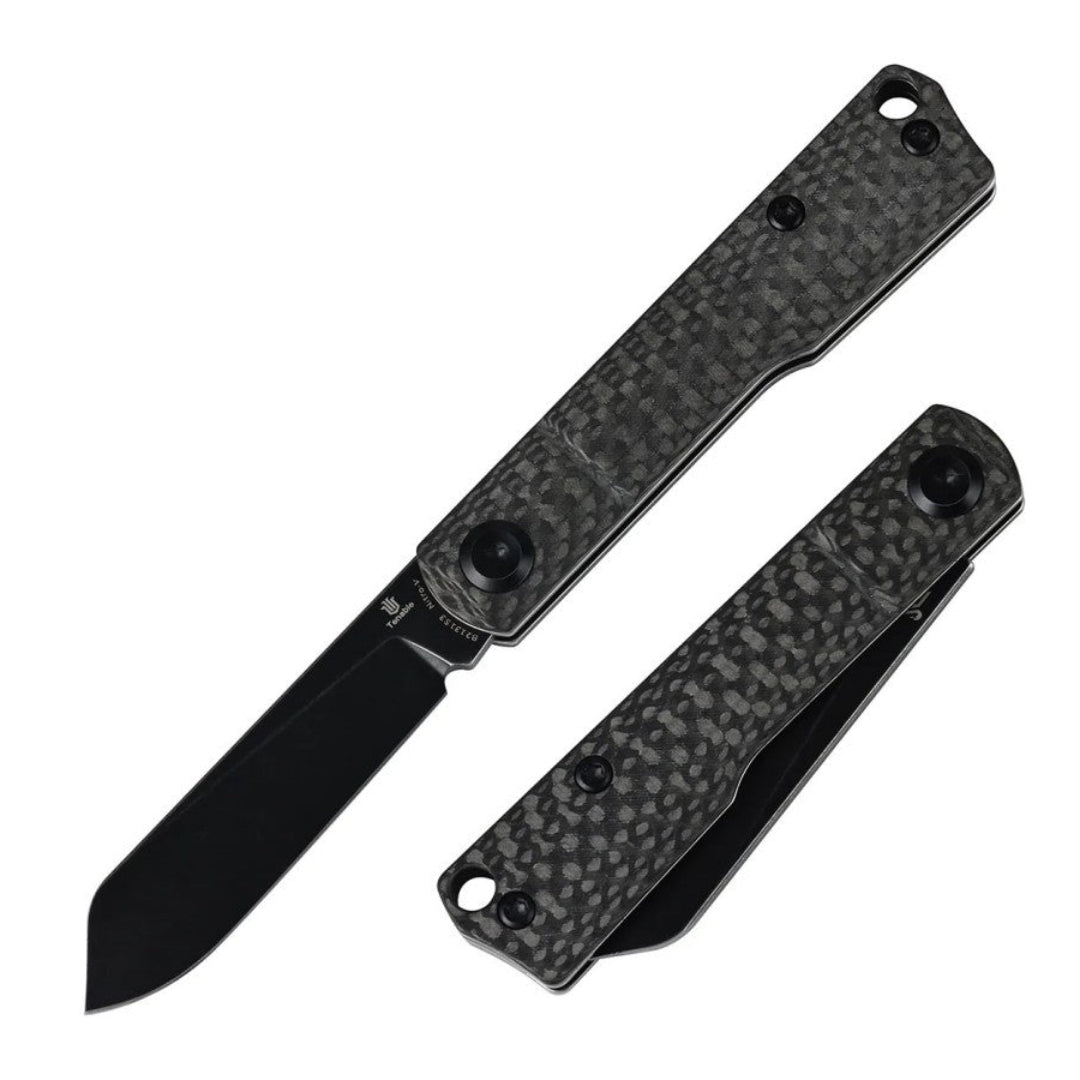
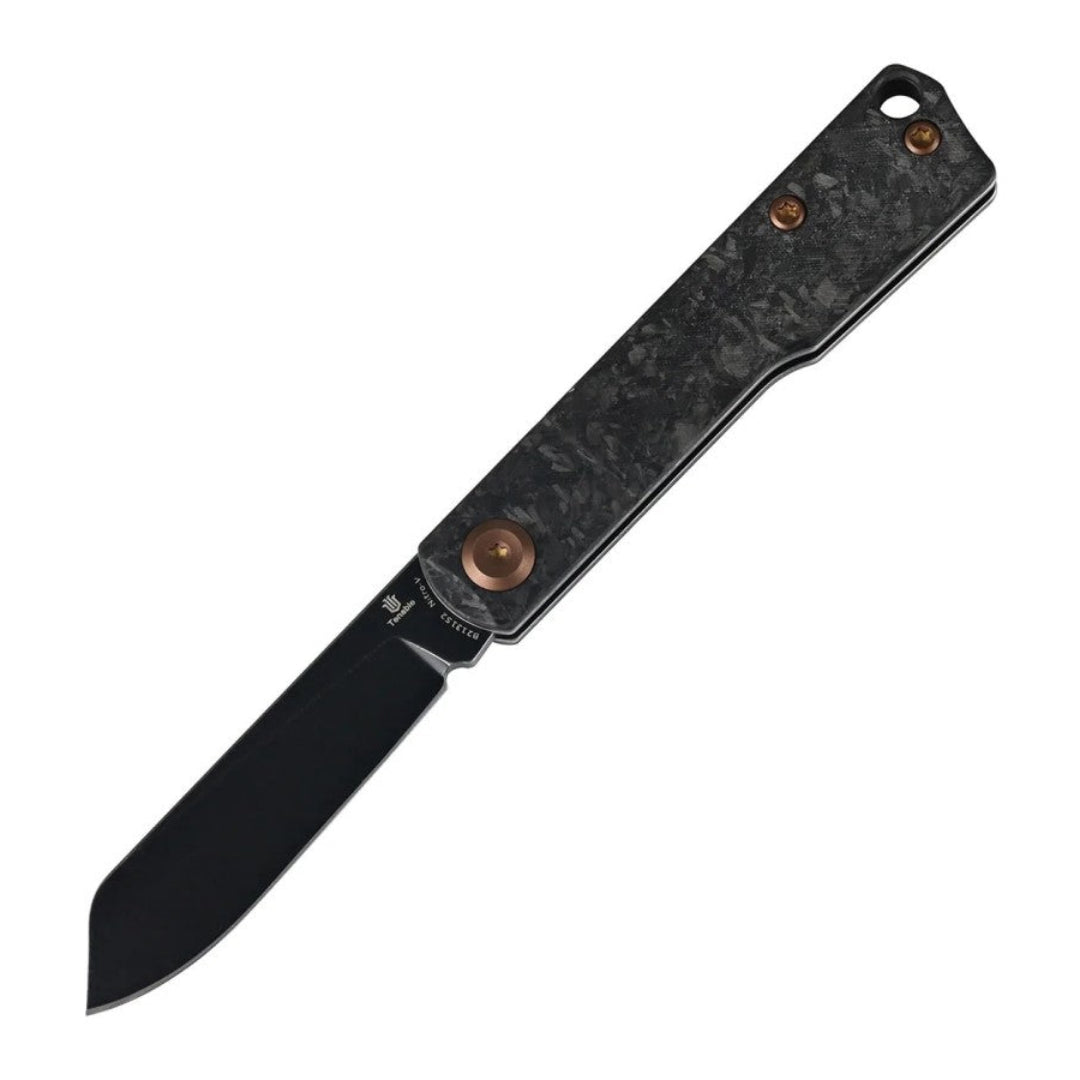
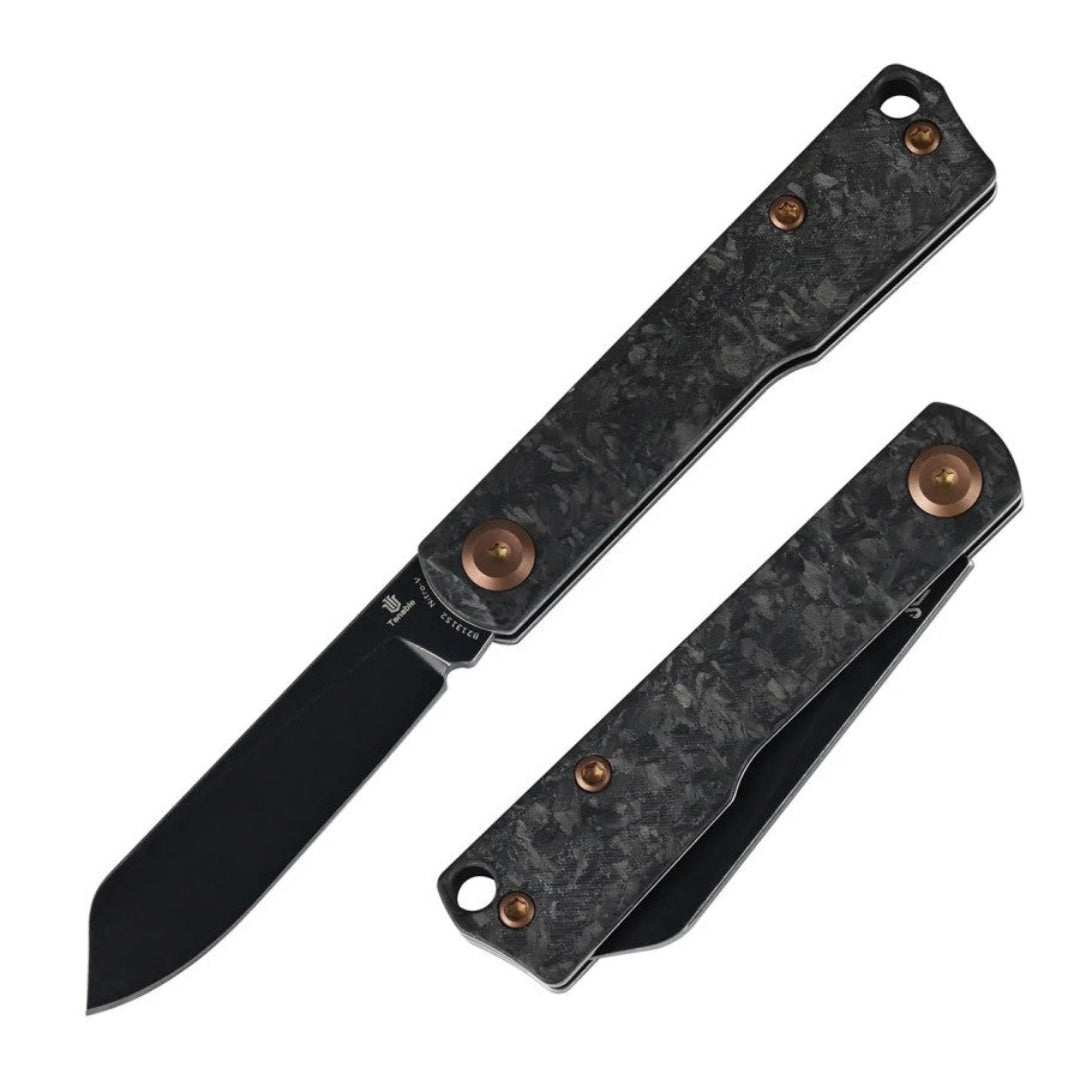
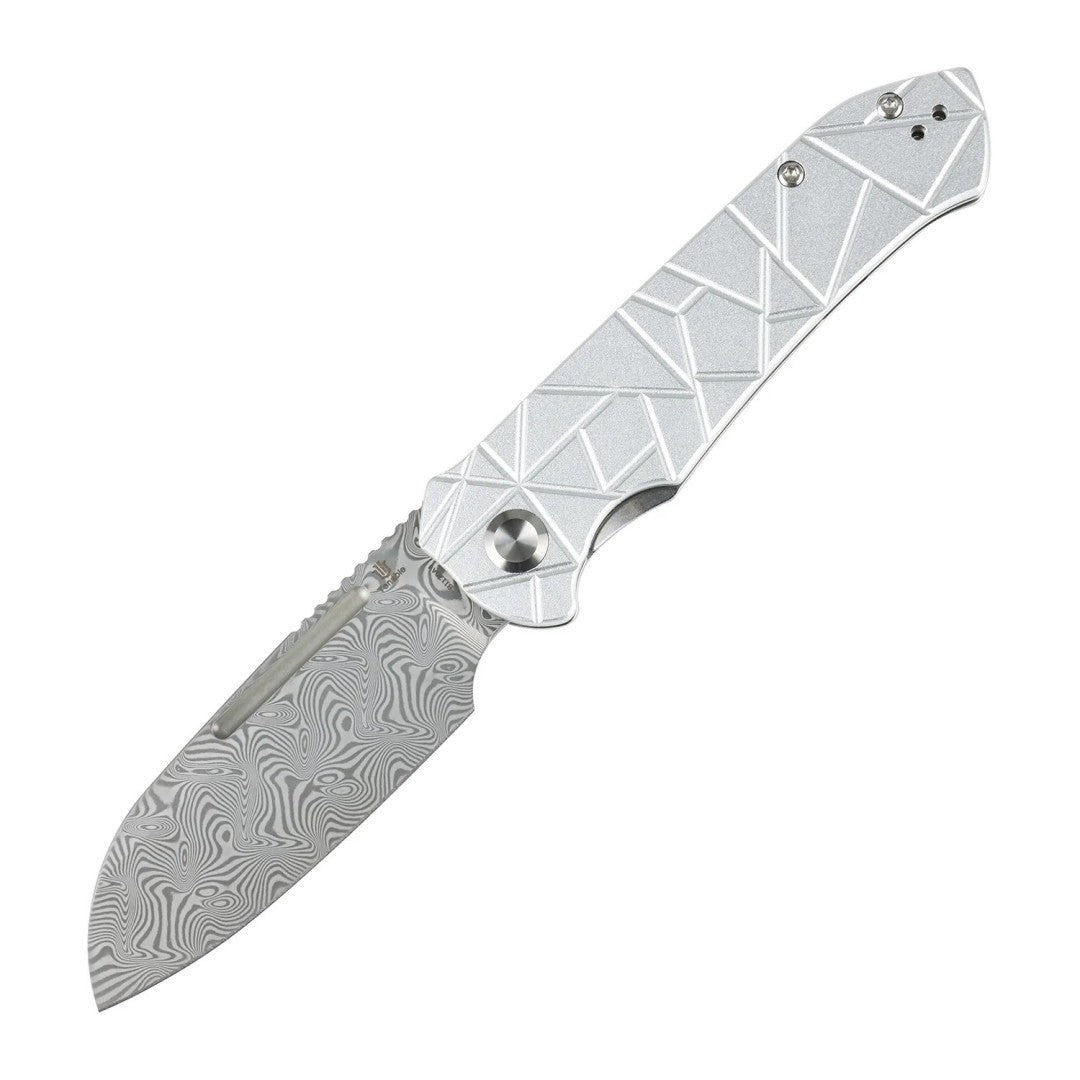
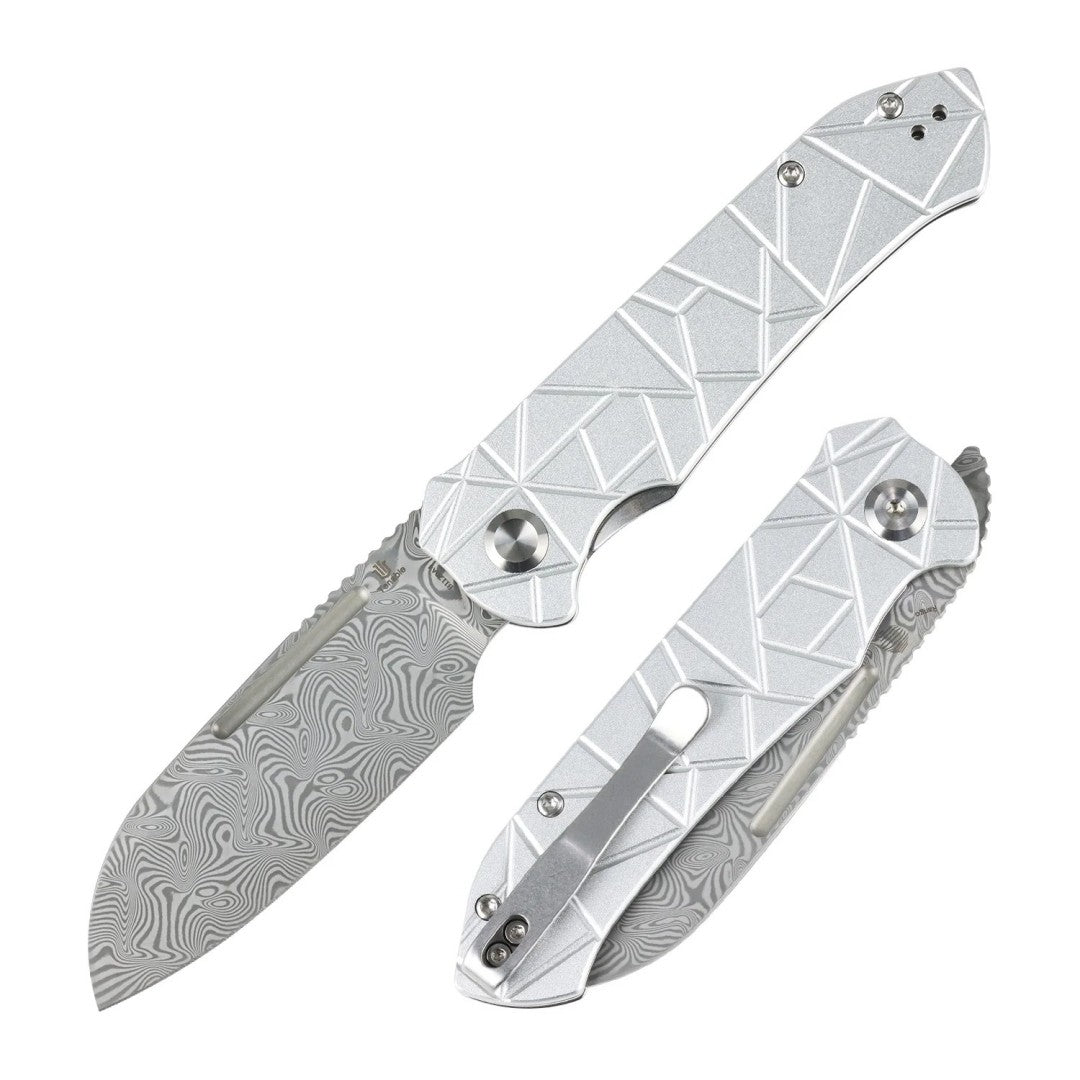
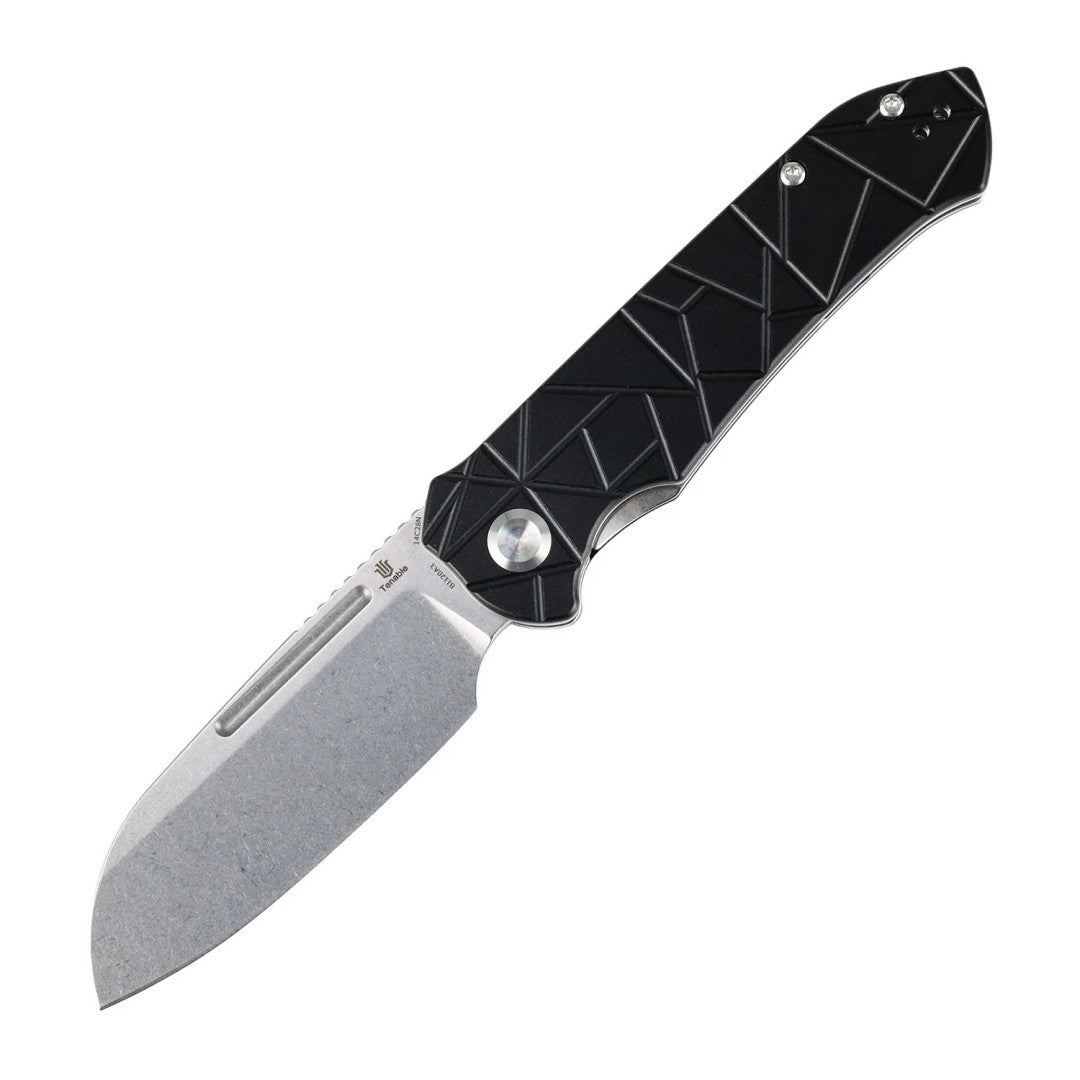
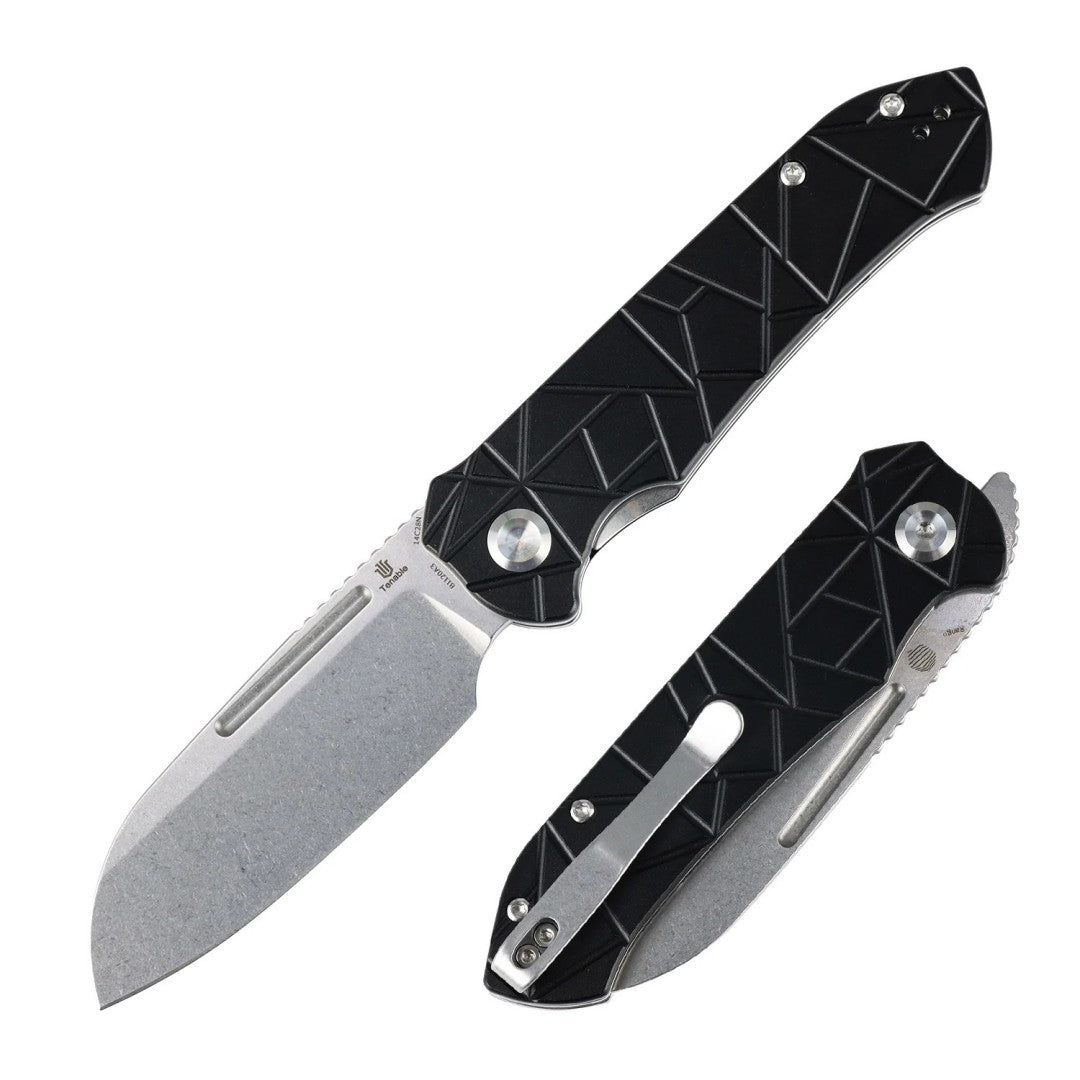
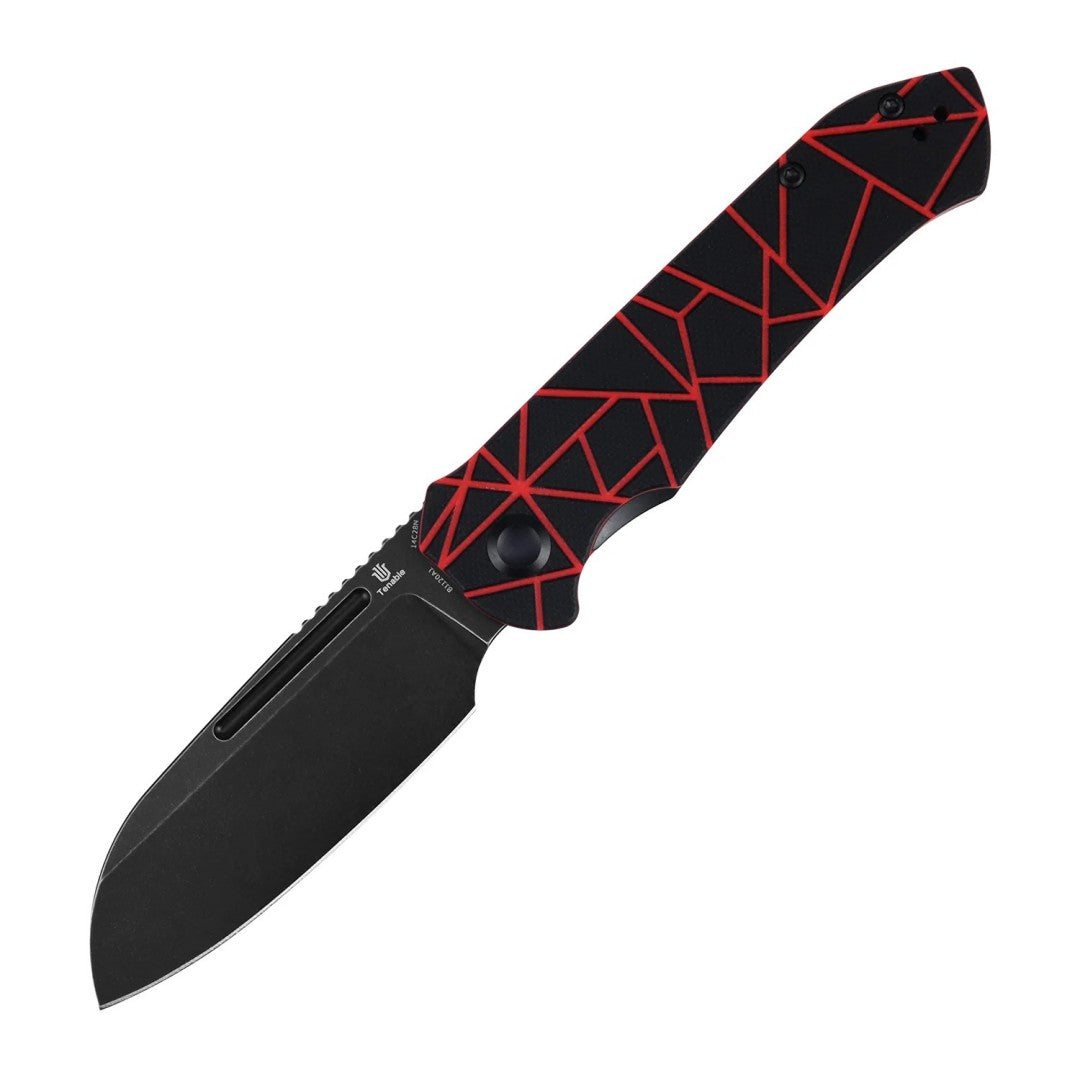
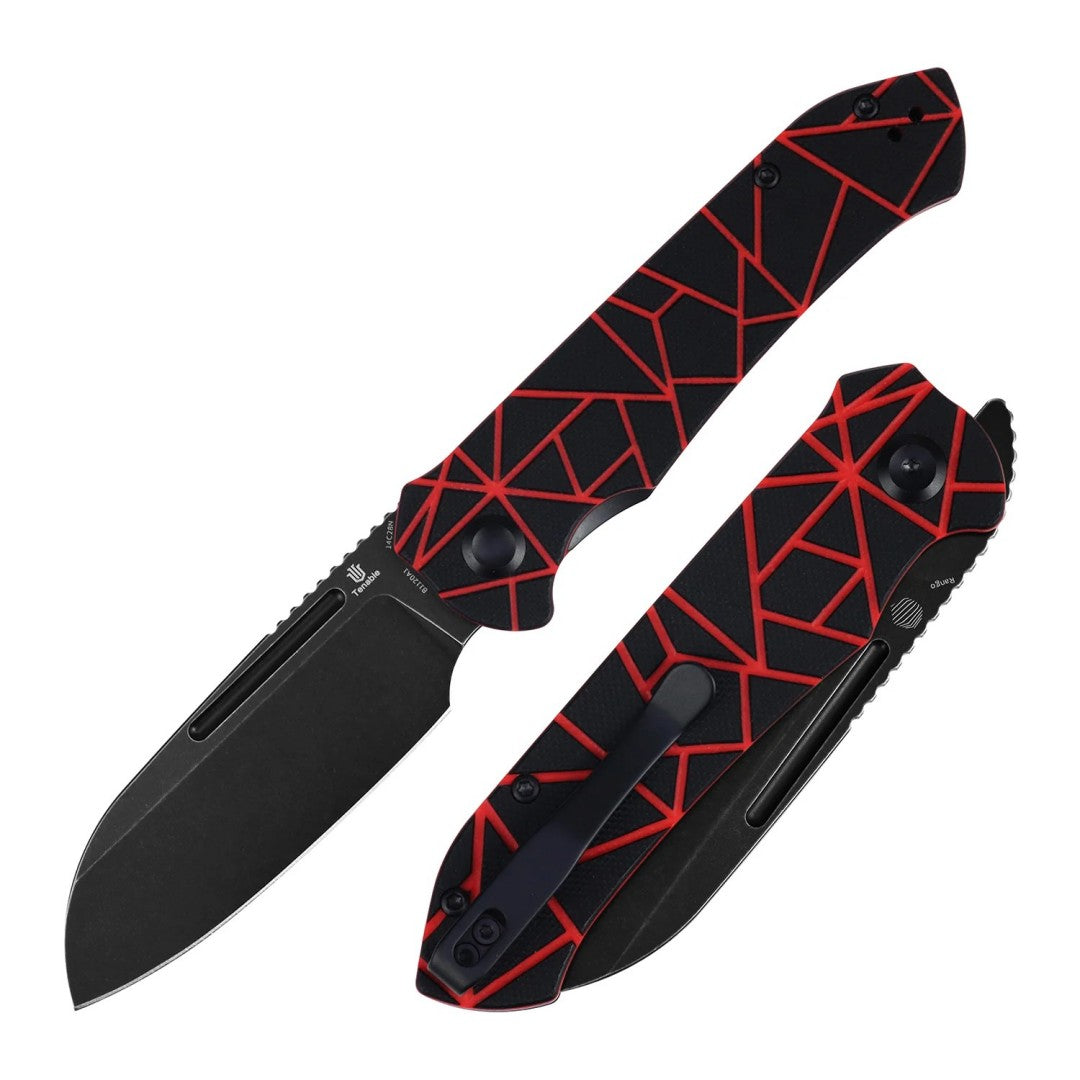
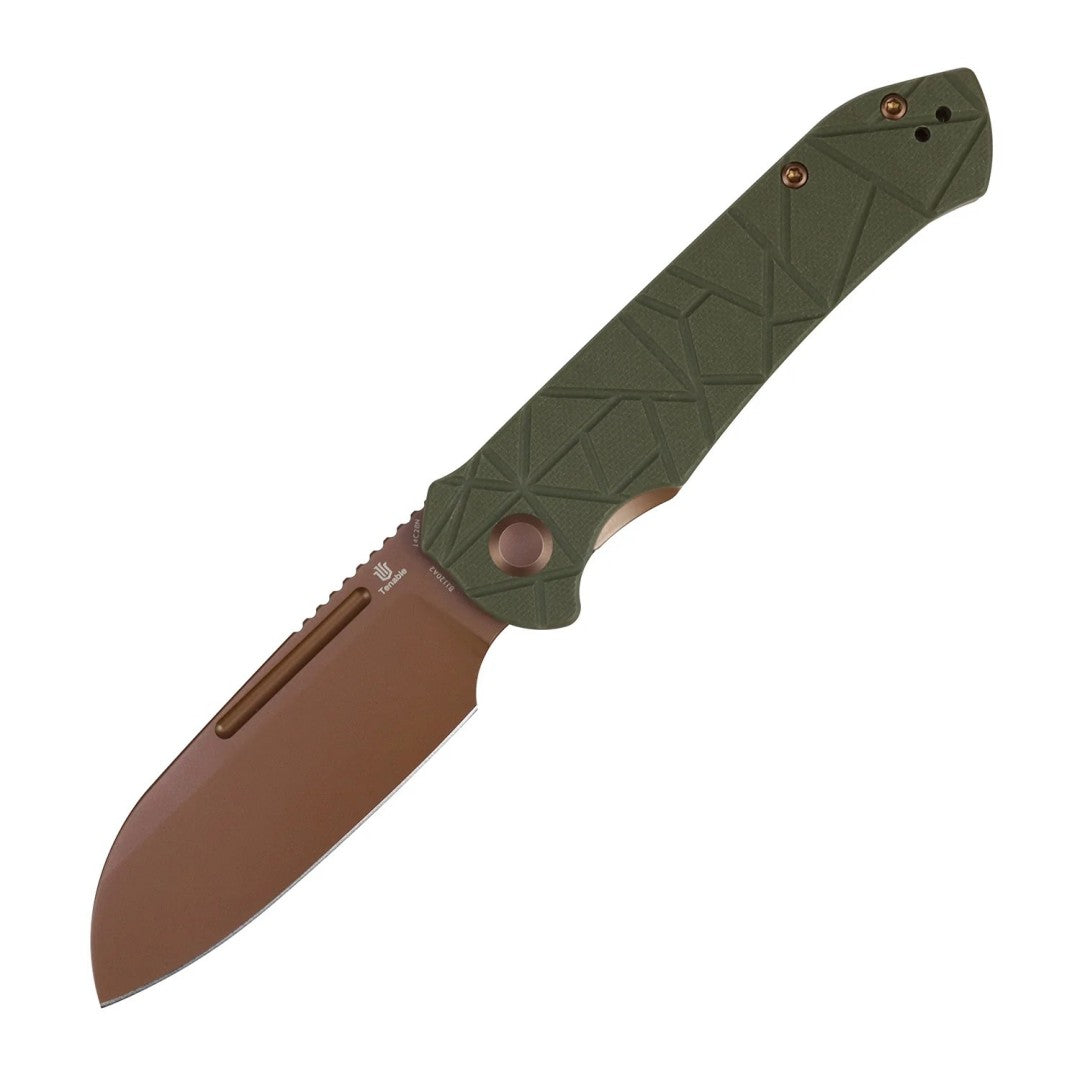
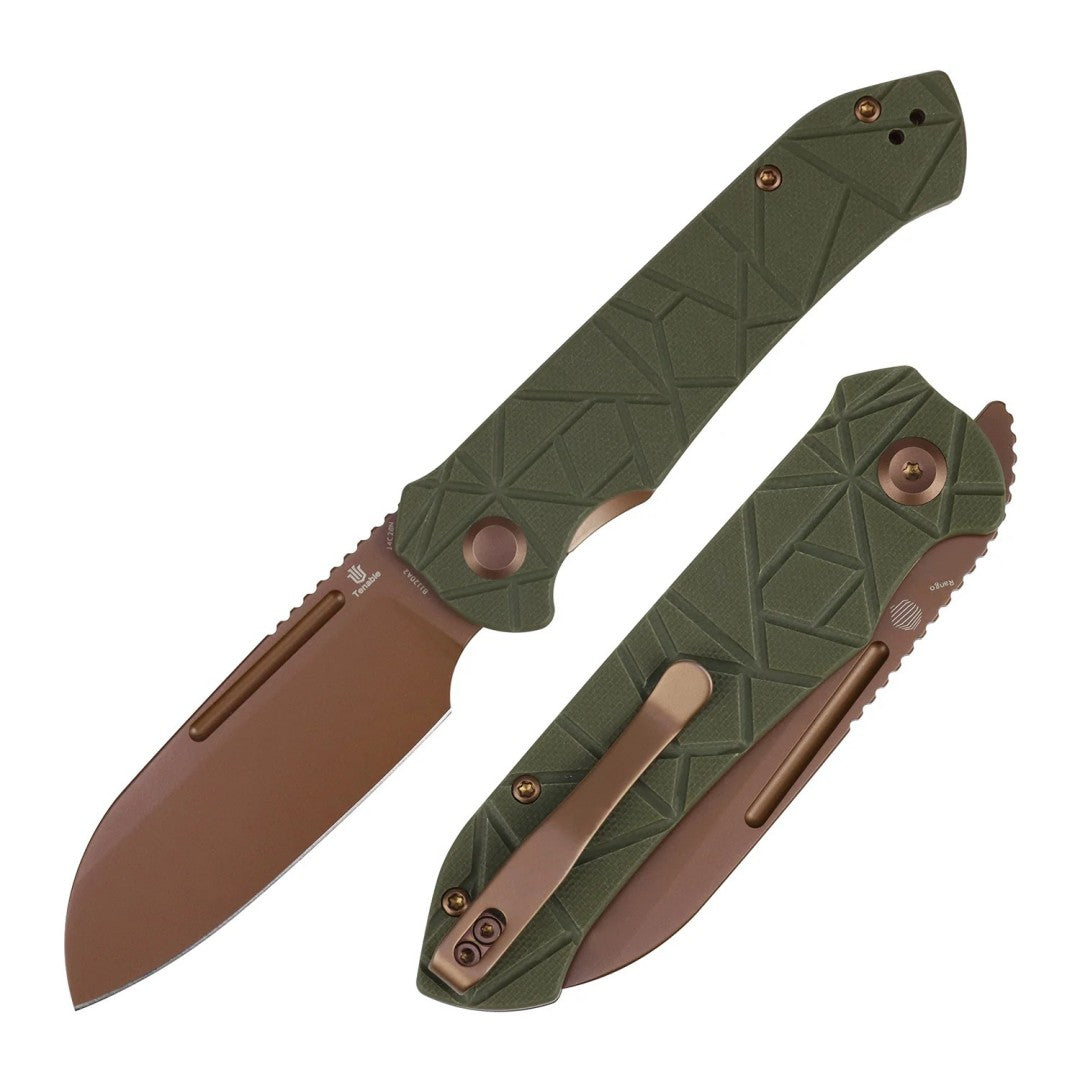
D2 steel is a reasonable fit for a cellar knife, provided the owner is disciplined about drying. Its high chromium content for a tool steel gives decent stain resistance, and its wear resistance holds an edge through hose, tubing and packaging. The Bestech Fanga BG18D uses a satin D2 blade with a 4.25-inch length and 0.15-inch stock in a carbon fiber and G10 interlayer handle, at 126 grams. Bestech knives have a solid reputation for using real materials at a working-tool price.

Design & Details
Cellar work needs a blade long enough to cut hose cleanly in one pass and a handle that stays grippy when wet. The Fanga's interlayer construction combines carbon fiber stiffness with G10 texture, which is a good answer to the slipperiness problem. For folding knives used around cleaning chemicals, a liner lock is sensible because it is easy to inspect and easy to flush, and there is nothing hidden inside the mechanism that will trap caustic residue.
Real-World Use
Through a brew day the knife cuts transfer hose, trims keg coupler gaskets, opens sacks of grain and boxes of fittings, slices tubing for a sample port, cuts cling film over a tank and trims labels. Almost none of it is heavy work, but all of it happens between steps where time matters, which is why one-handed opening and a predictable lock are more valuable than an exotic steel.

Ownership Notes
Rinse the day's chemistry off the knife at the end of every shift, because caustic residue left on steel is far more damaging than plain water. Dry it thoroughly, oil the pivot and check the lock engagement monthly. Do not use the blade to open drums or to pry a stuck coupler, since a bent tip on a working knife is an avoidable problem. Keep a dedicated utility blade nearby for cutting anything that might contain grit or glass. Cellar work strips away every pretence about gear. EDC knives kept in a brewery should be rinsed of chemistry at the end of every shift, dried thoroughly and oiled sparingly, because residue left on steel overnight does more damage than a full day of use. A knife that is cleaned on a schedule is a knife that does not need replacing mid-season.
Who Is This For?
This is for cellarmen, assistant brewers, packaging line operators, draught technicians and anyone maintaining keg systems. Distillery staff and cider makers will find the same priorities. Home brewers in a garage will be fine with a much cheaper knife and a simple drying habit.
Final Verdict
In a cellar, the knife needs length for hose, texture for wet hands and steel that survives being rinsed. A D2 blade with a layered composite handle and a simple liner lock, cleaned every shift, handles the job without drama.