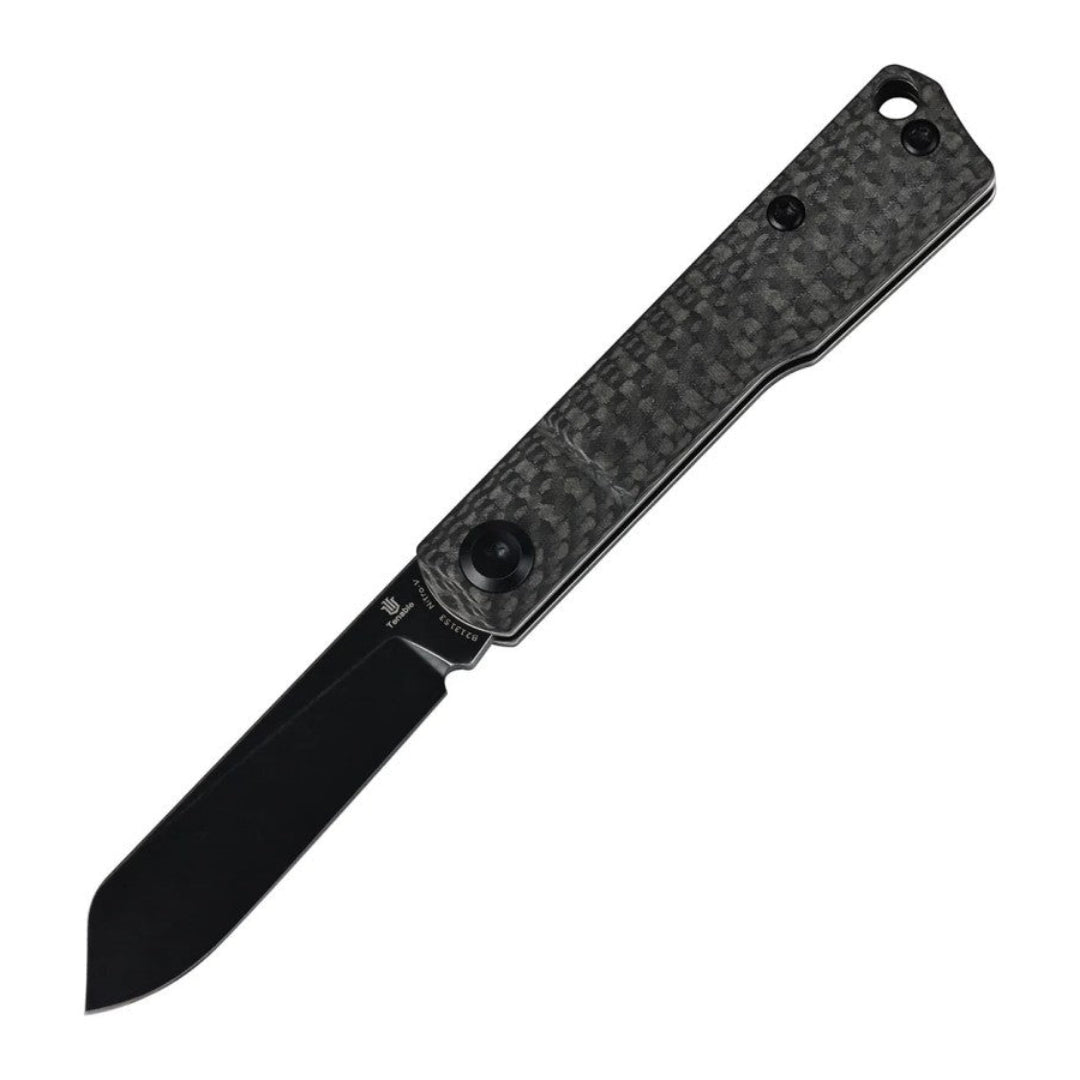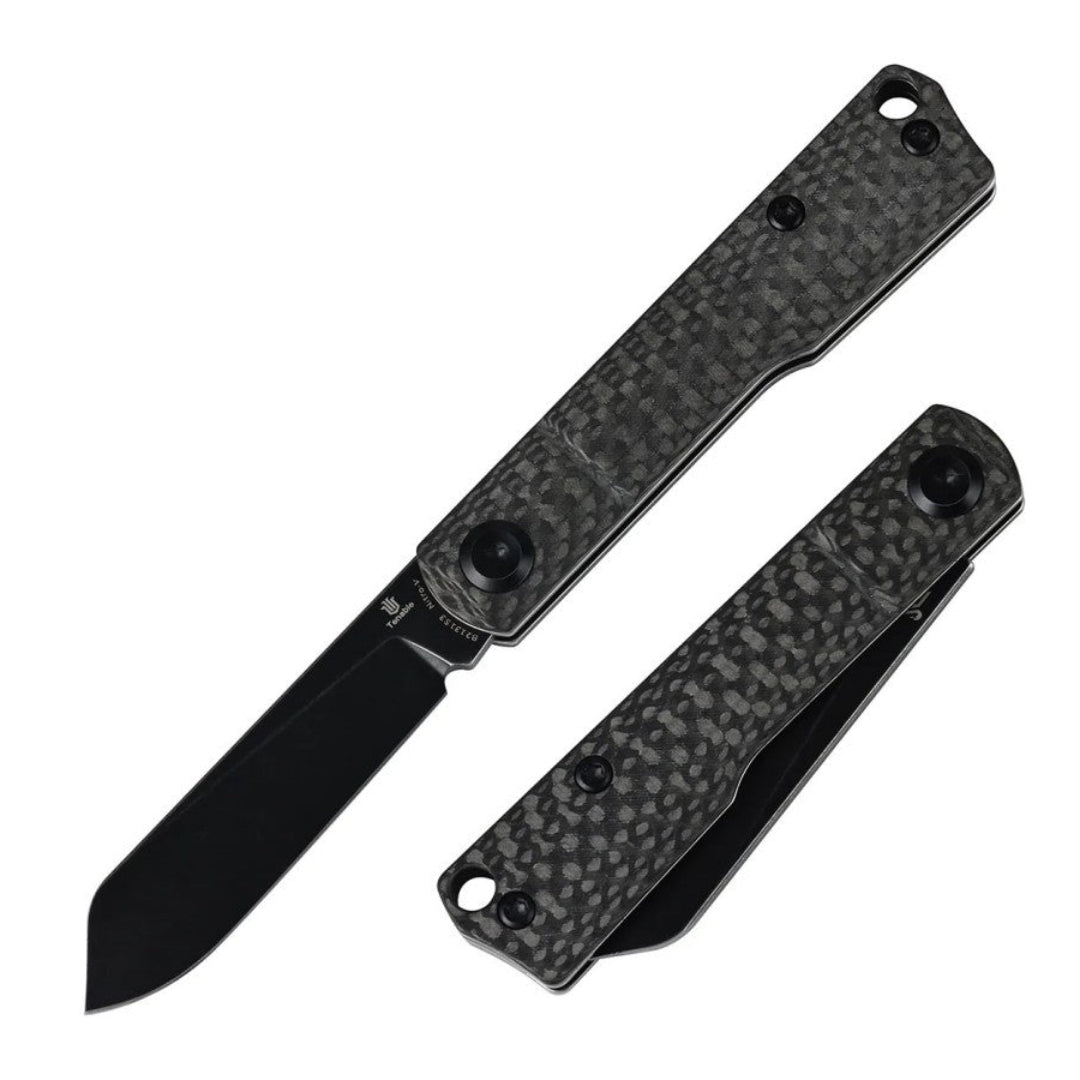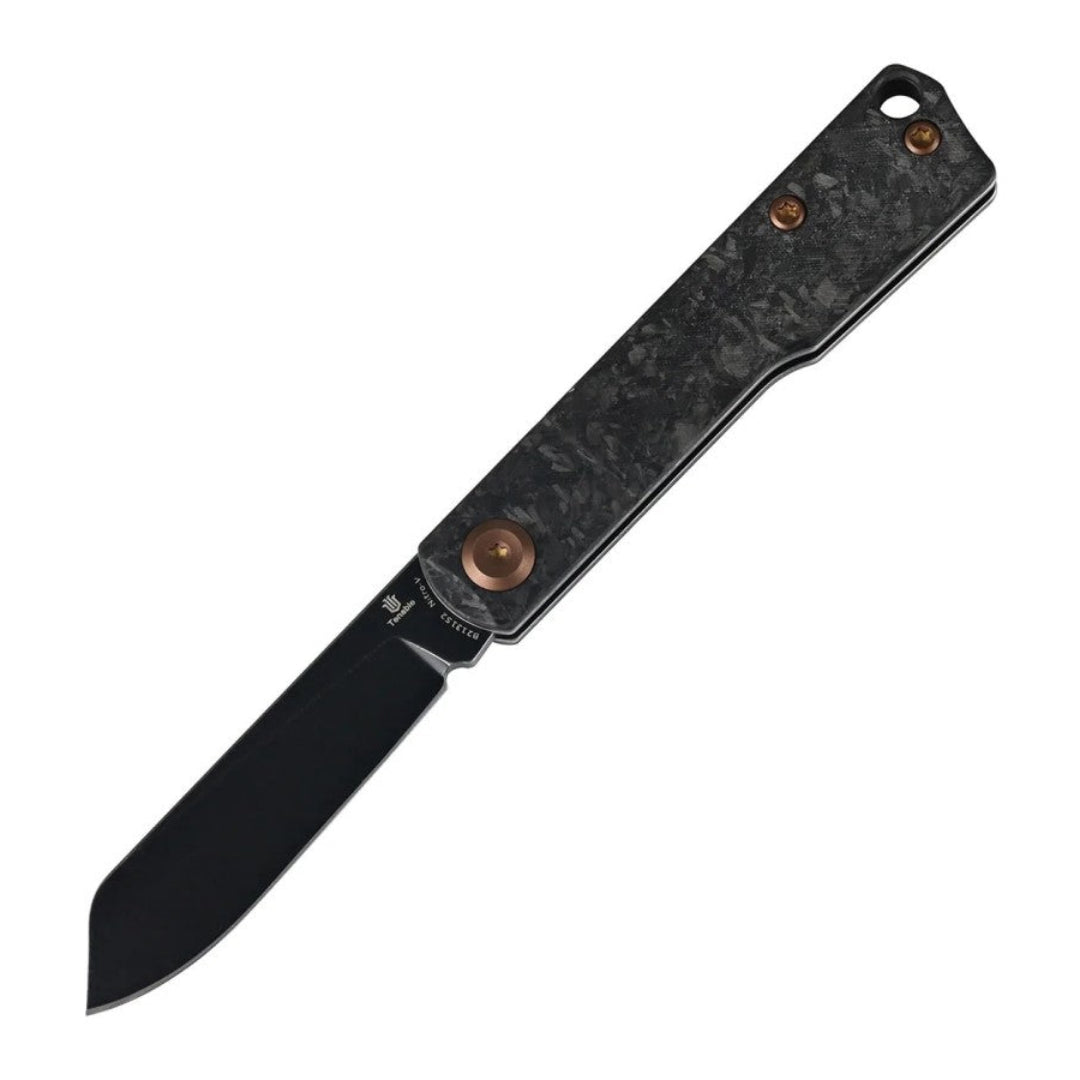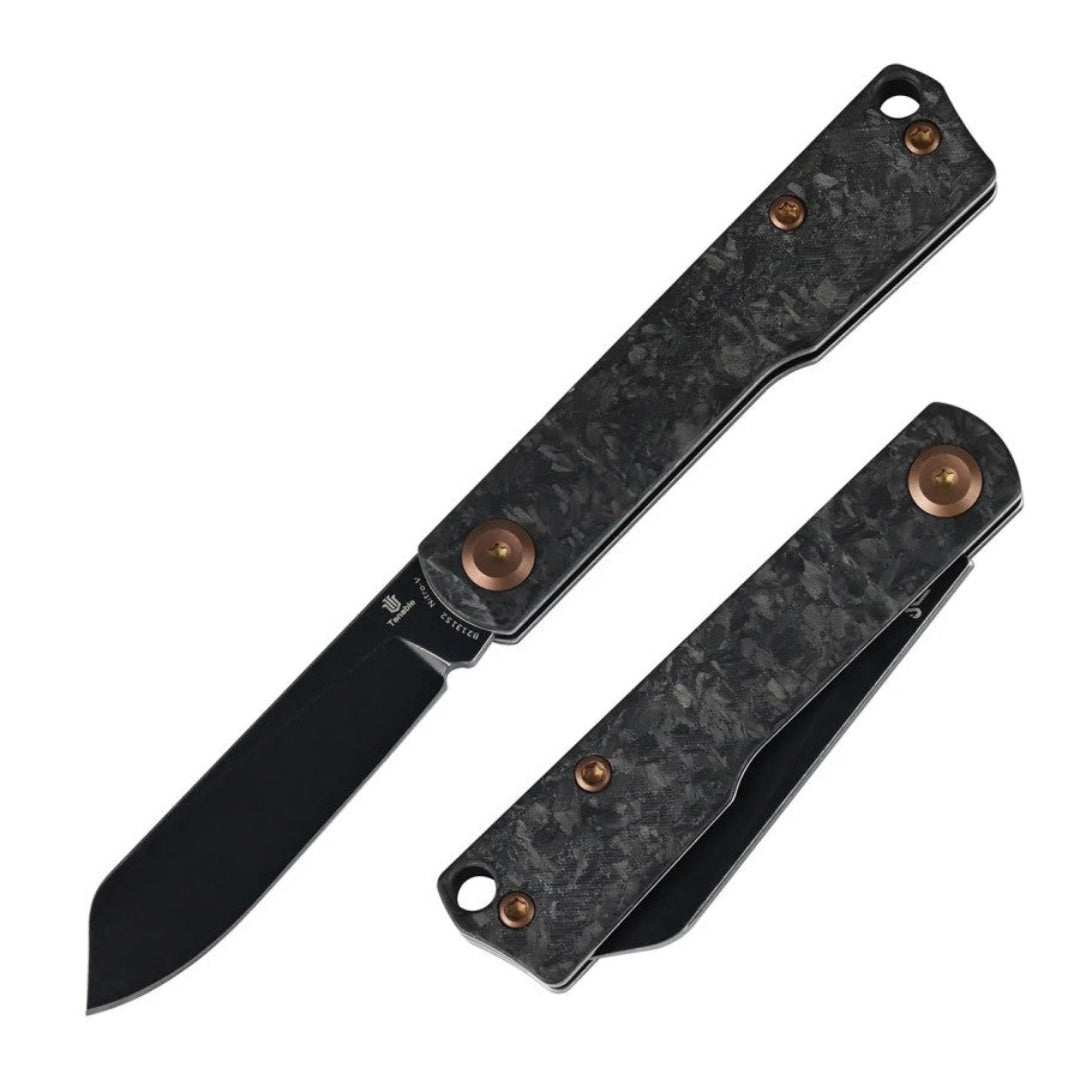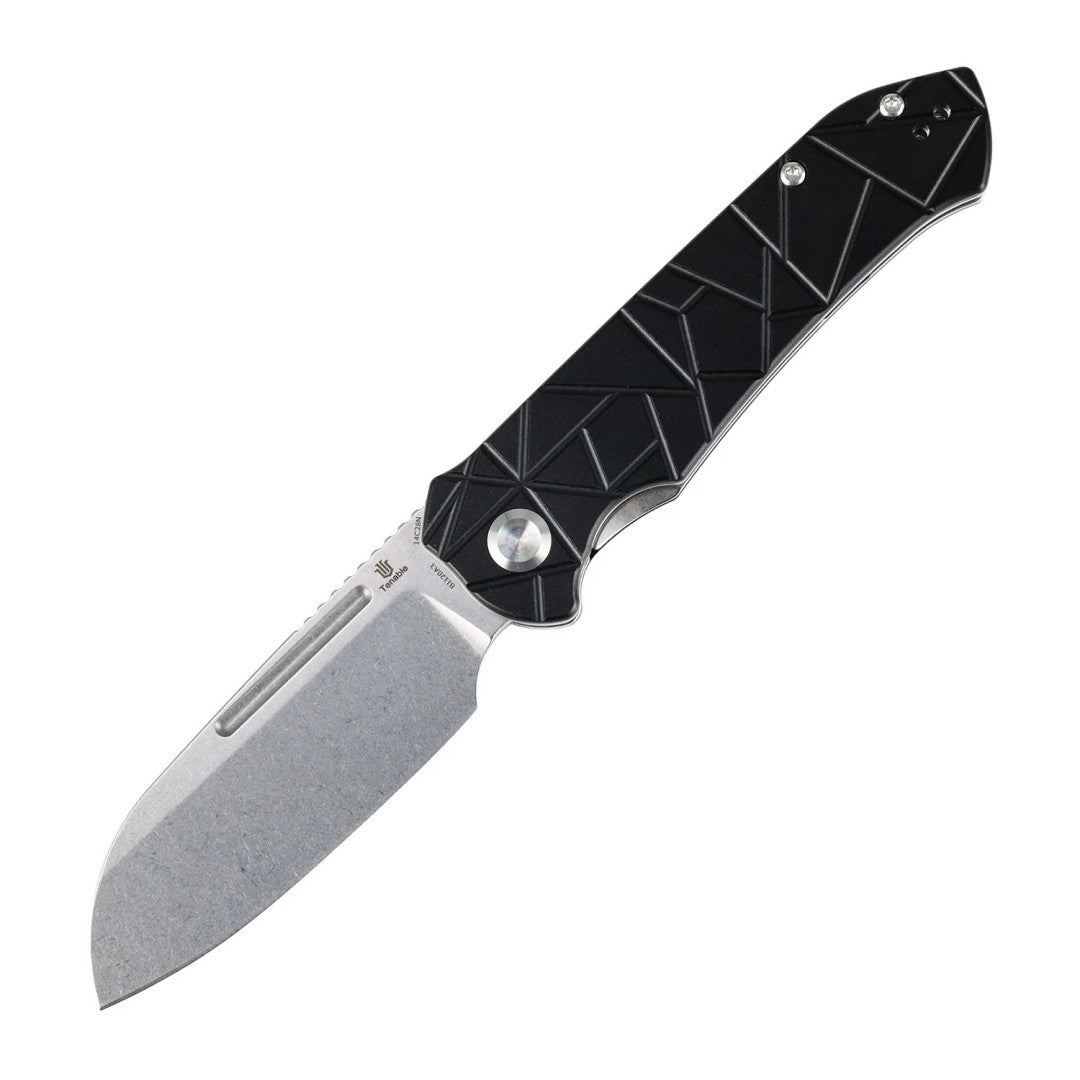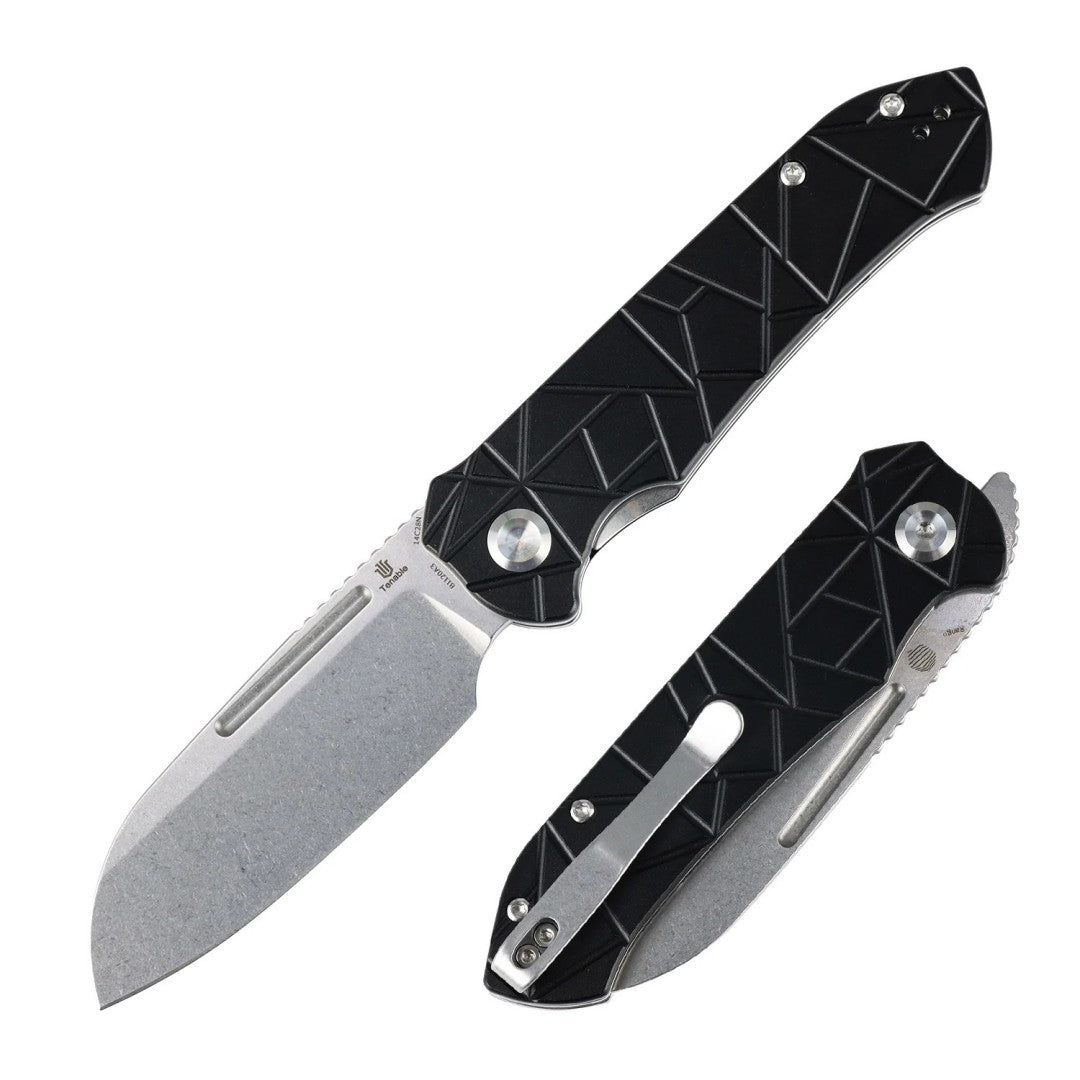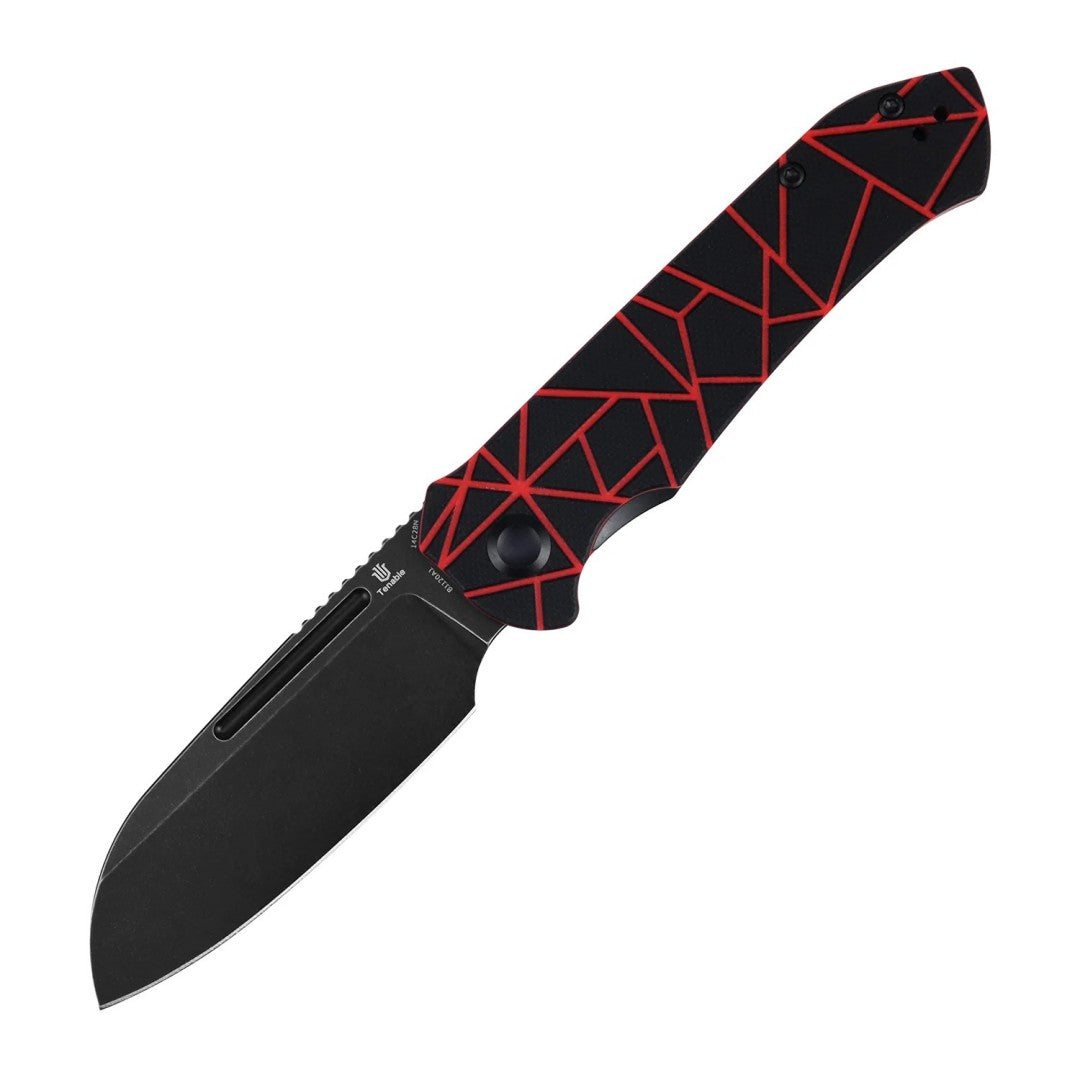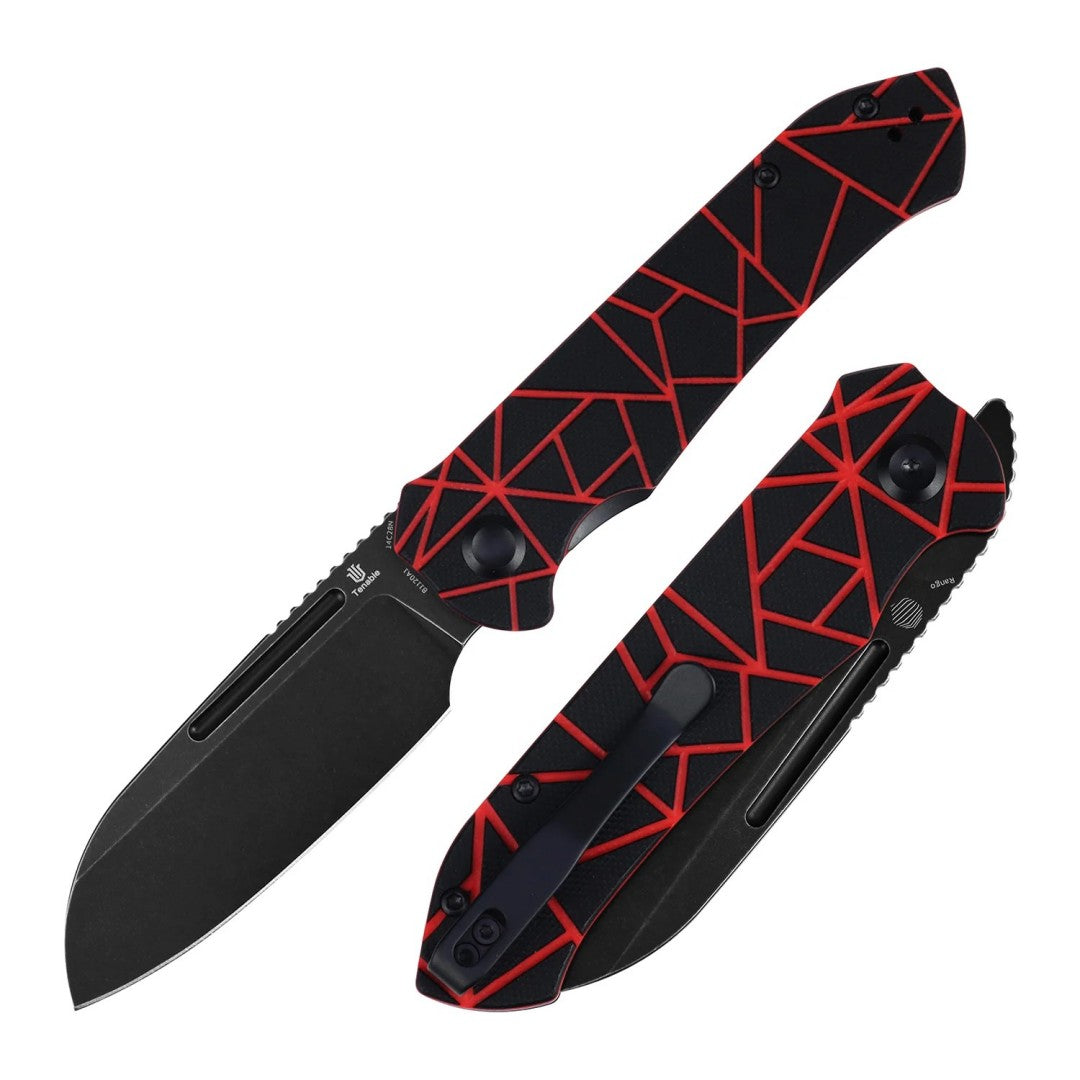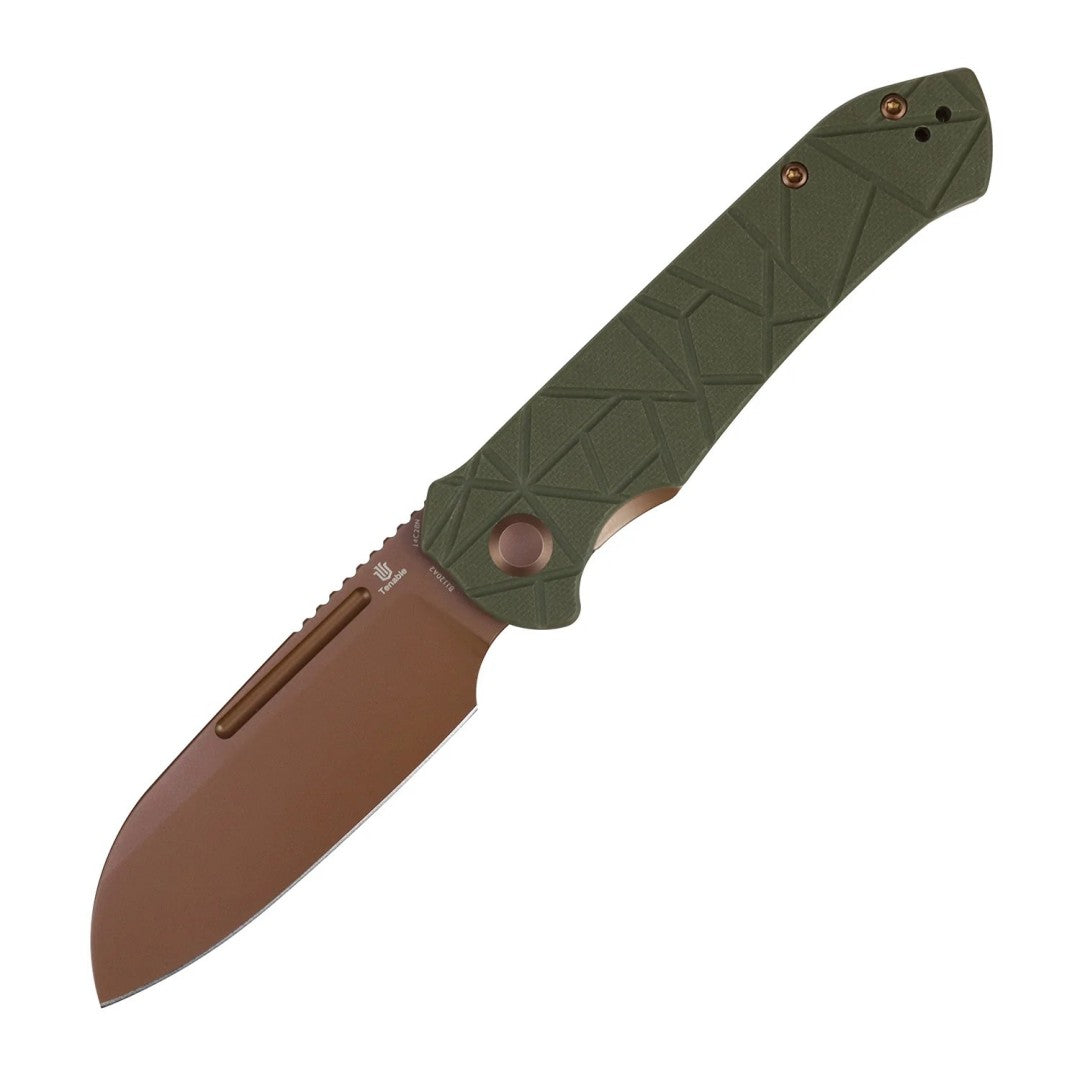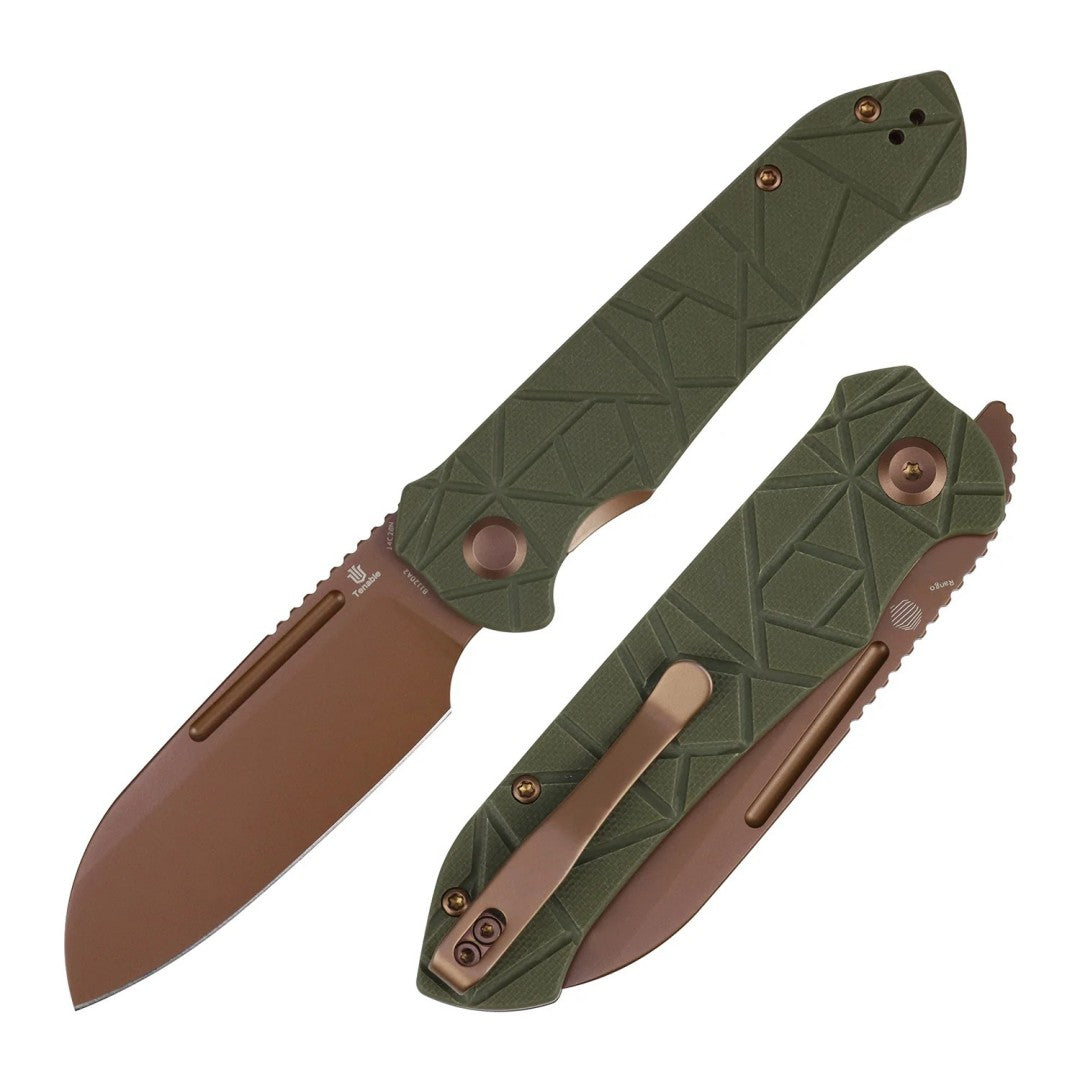


Overview & First Impressions
A sawmill is a place where everything is either wet, oily or covered in sawdust, often all three at once. Work happens on a mill deck in weather, around machinery that does not stop for anyone, and the tools carried are small, quick and used constantly. The knife on a mill deck is not for cutting timber; it is for everything around the timber.
Materials & Construction
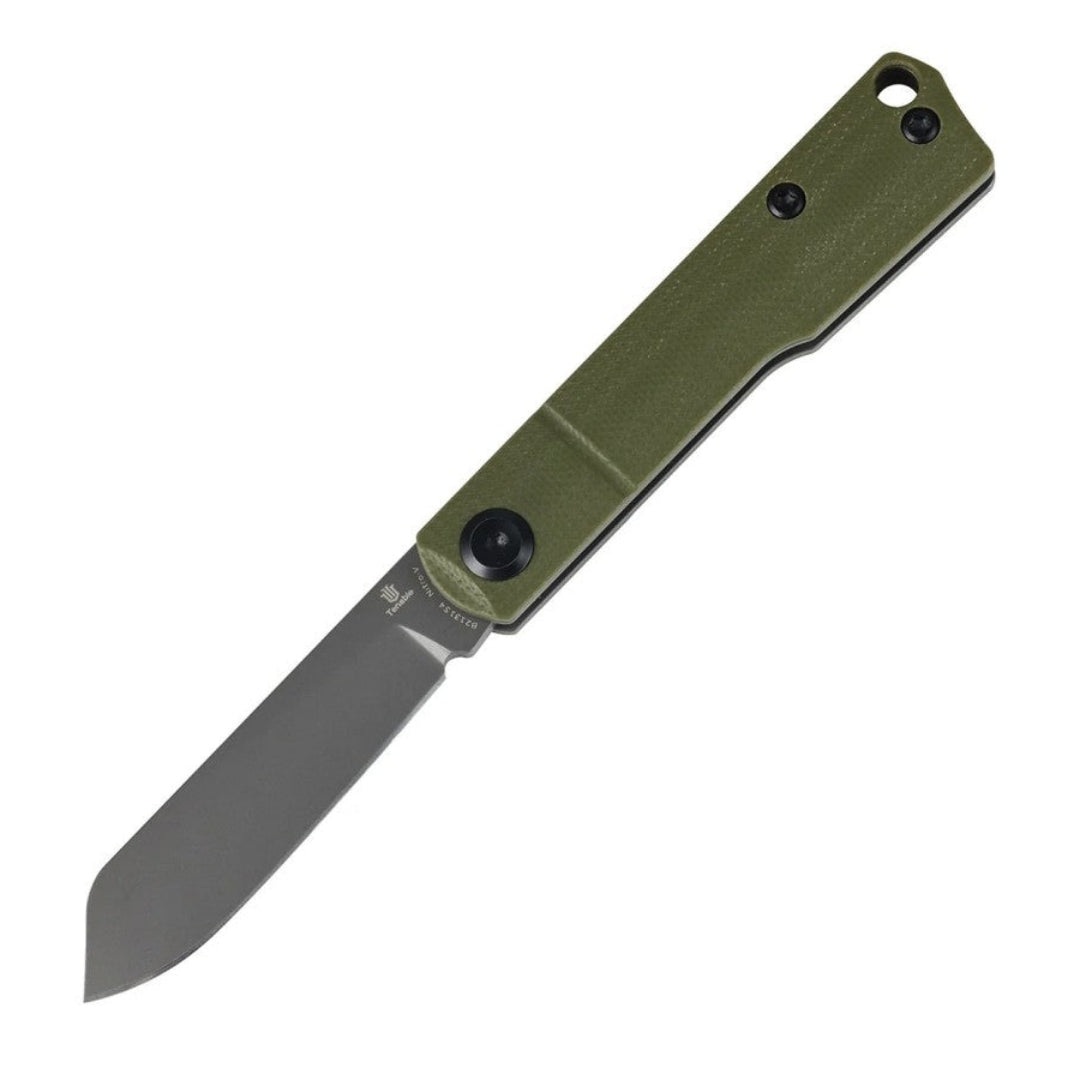
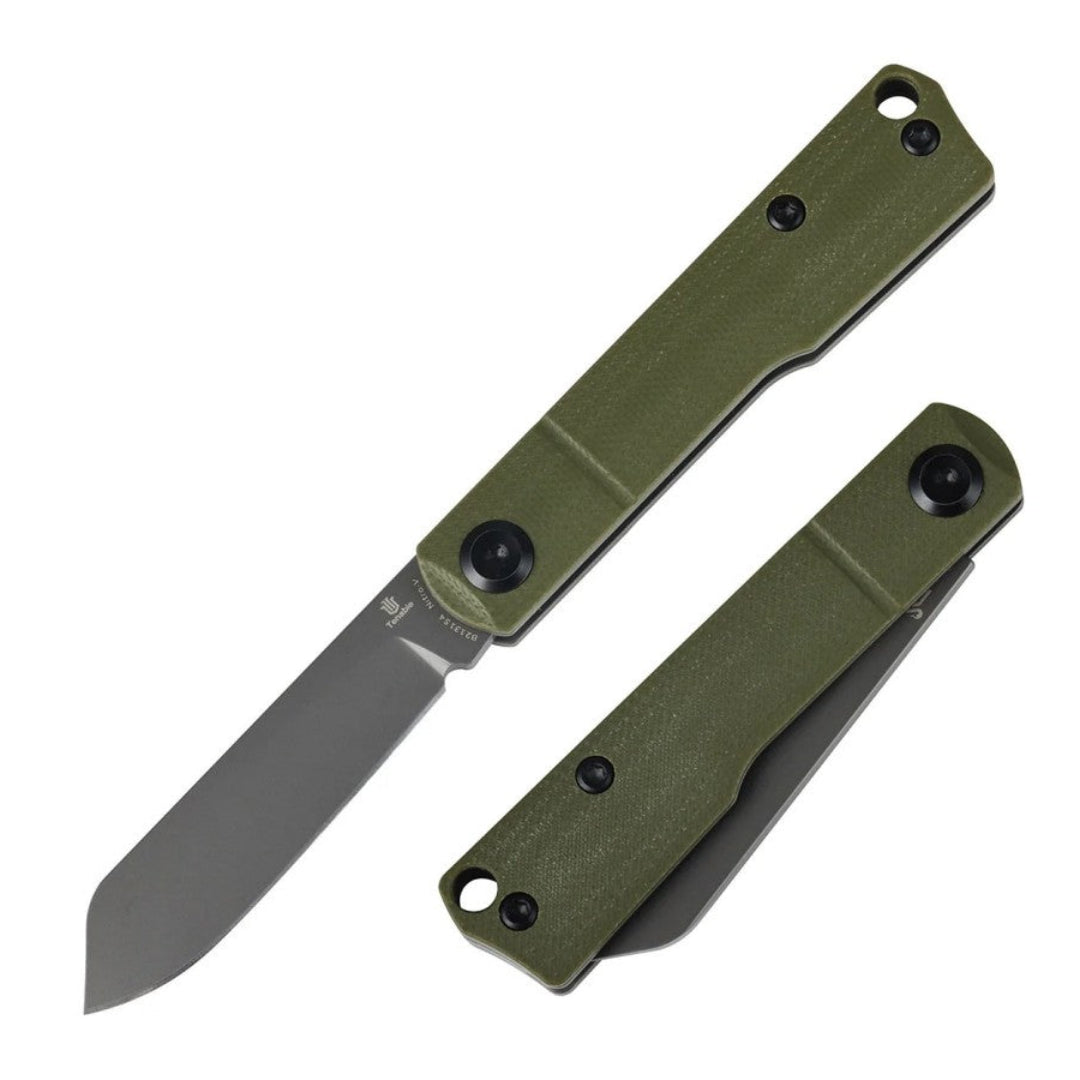
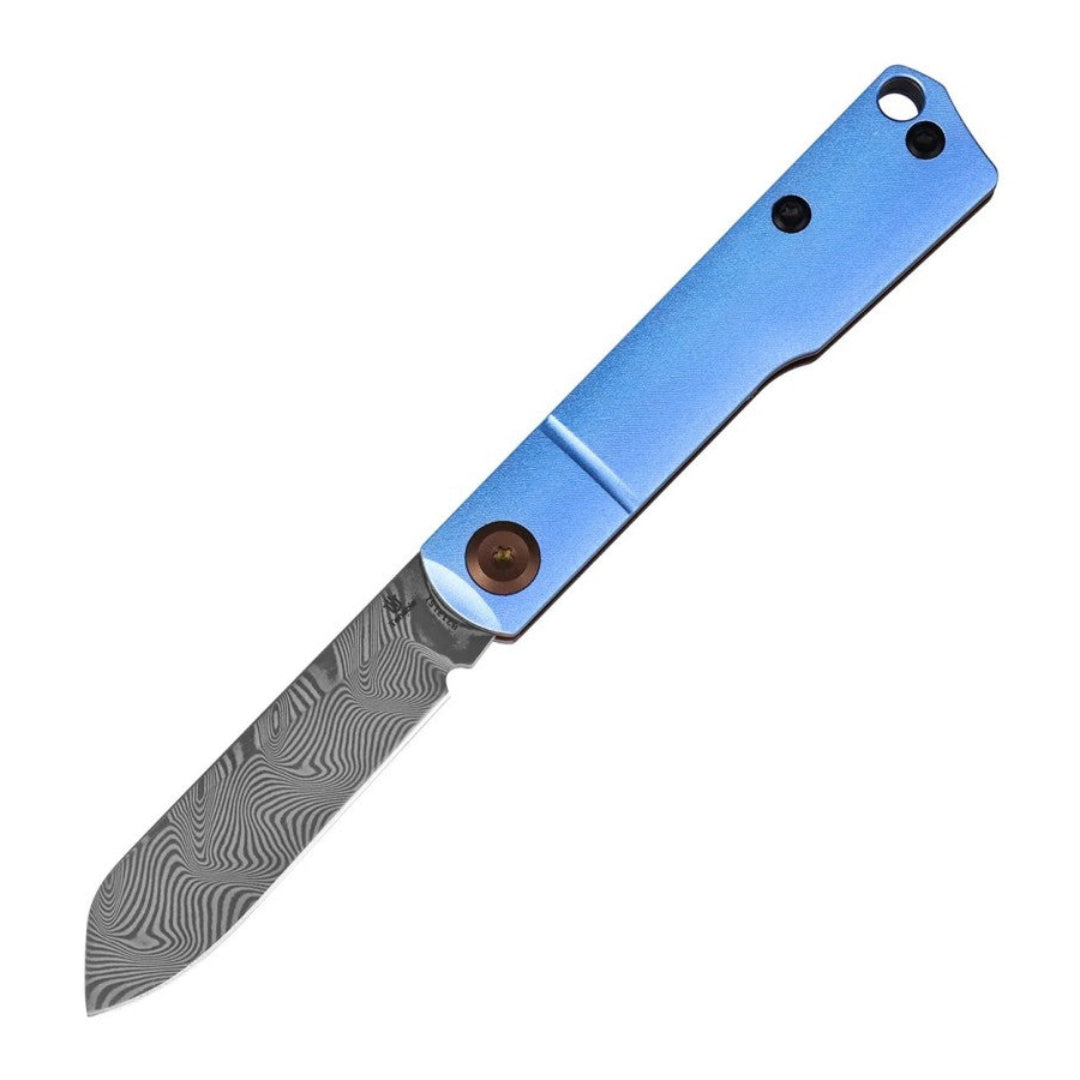
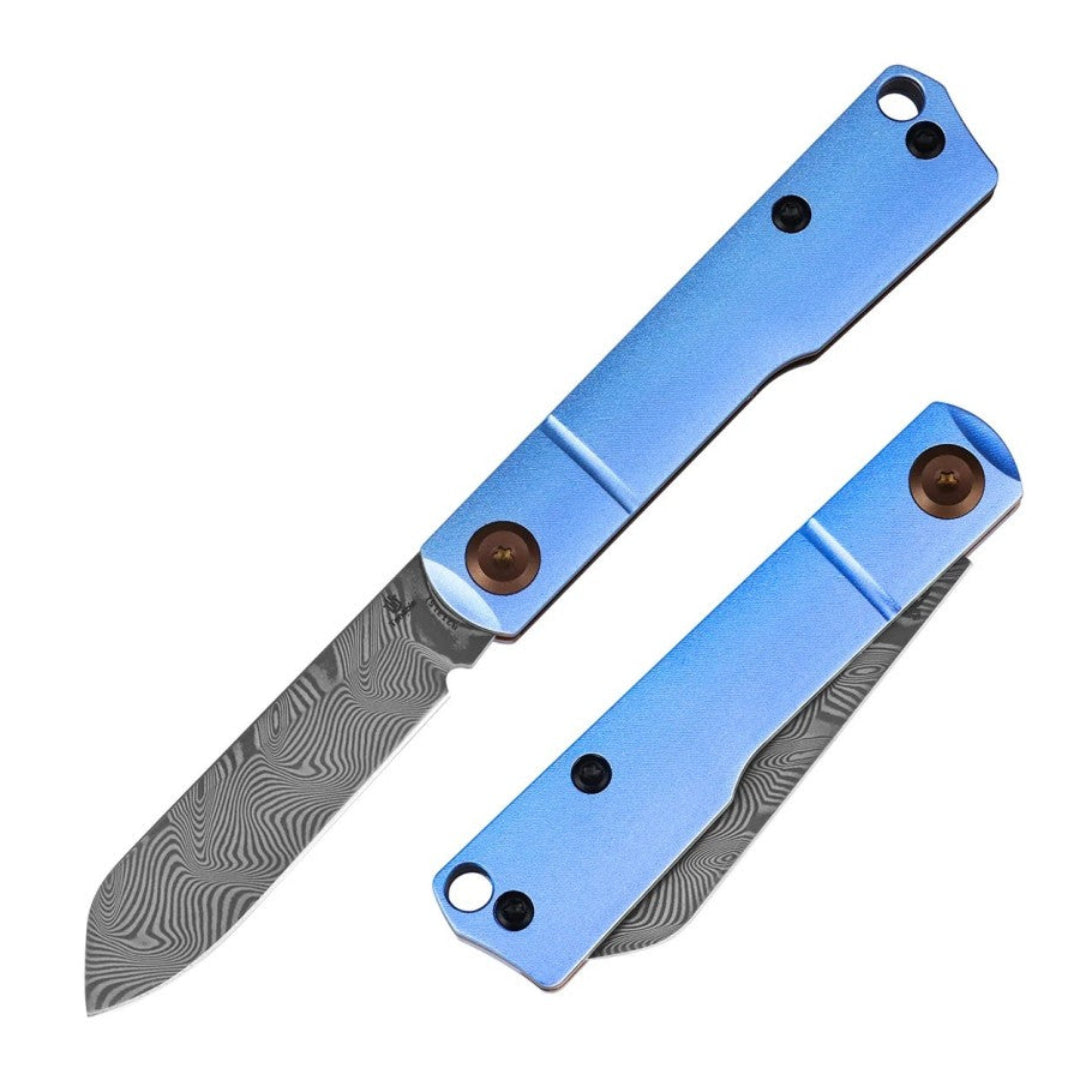
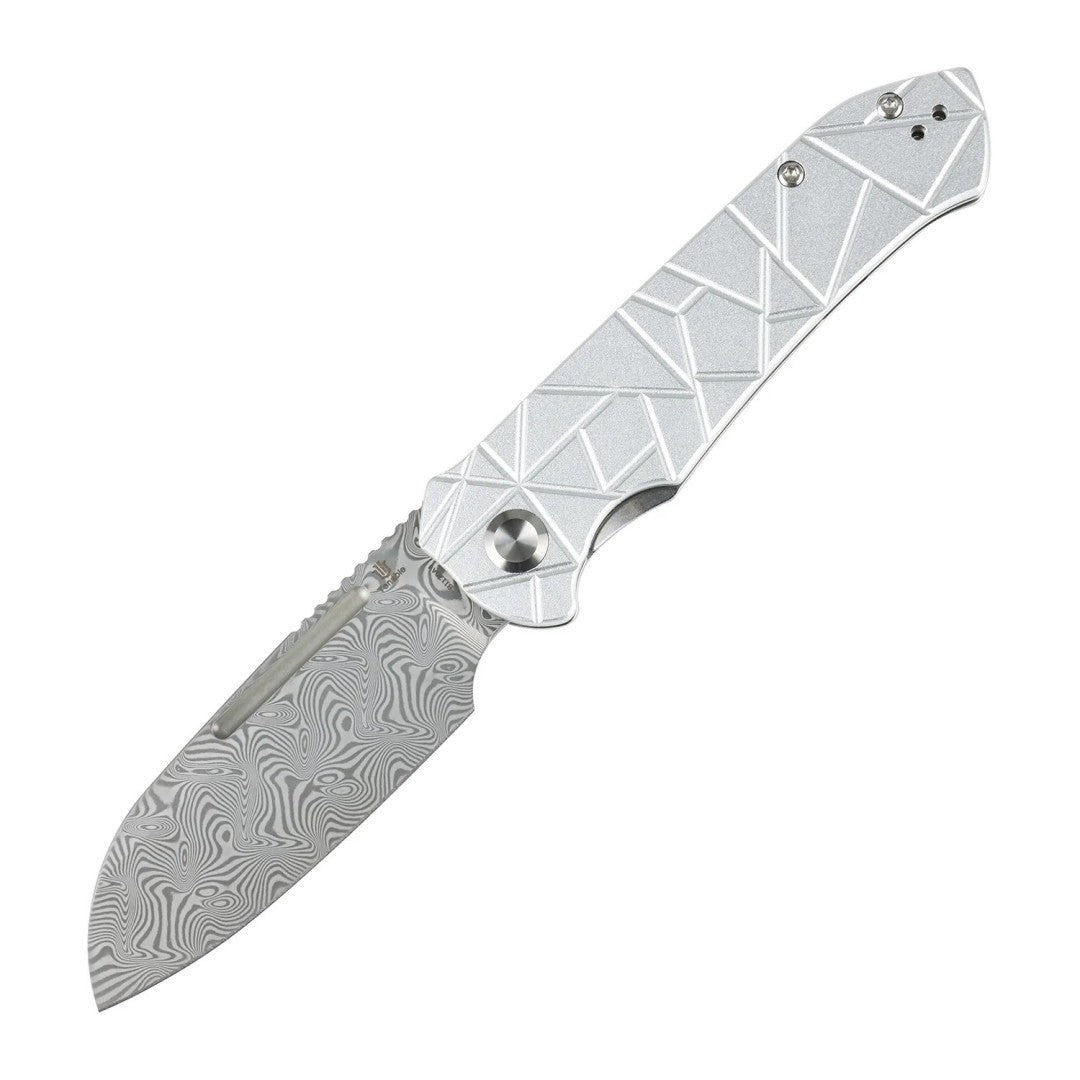
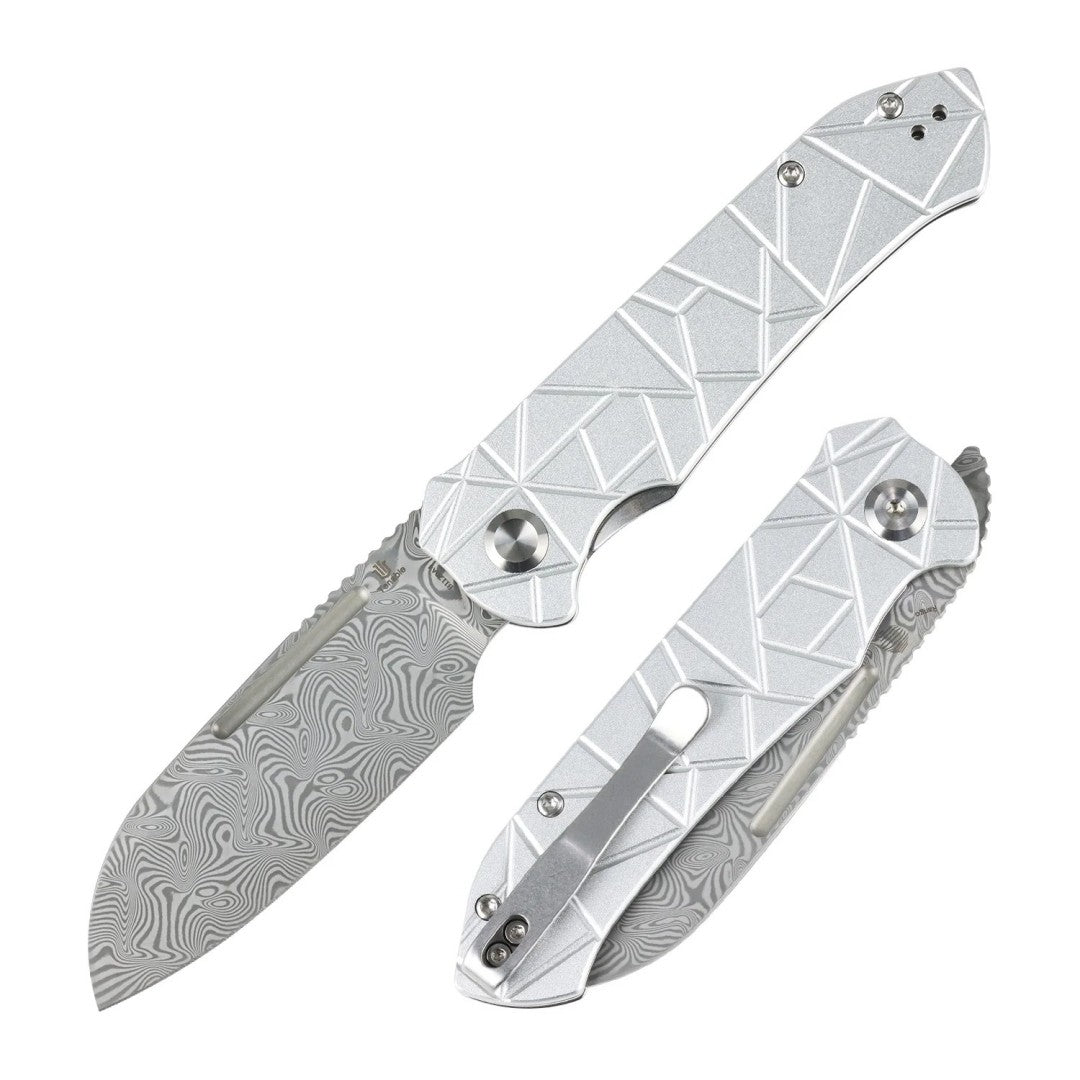
For a mill environment, a steel that sharpens easily and resists light staining is more useful than one with extreme wear resistance, because there is rarely time for a long sharpening session. The Bestechman Cicada's Wing-TL BMK24B uses a thin 10Cr15MoV stainless blade, the same family of Chinese high-chromium steel often written with the cobalt addition, paired with a black G10 handle at just 2.57 ounces. Bestechman knives occupy the value end of the market, which suits a workplace where tools get dropped on gravel.

Design & Details
The top liner lock is a small but real advantage on a mill deck. Because the locking liner runs along the spine rather than the grip side, a heavy squeeze with a work glove does not press on the lock bar, and the fingers get an unobstructed channel along the handle. For folding knives used in dusty environments, the second requirement is an open pivot that can be blown out with an air line, since sawdust is fine enough to migrate into anything.
Real-World Use
On the deck the knife cuts banding straps, trims strapping tape, opens parts boxes, cuts hydraulic hose sleeve, trims tarp, scores a line on a sticker and slices rubber belting for a temporary repair. A thin blade with a keen edge is exactly right for those jobs, and a lightweight handle means the knife can be carried in a vest pocket without pulling the garment down.

Ownership Notes
Sawdust is the maintenance problem. Blow the pivot out at the end of every shift rather than oiling over the top of grit, and wipe the blade with a dry rag. If the knife has been exposed to hydraulic fluid, clean it properly with a mild degreaser and re-lubricate, because oil that has emulsified with water will not protect anything. Strop the edge weekly; a thin blade like this responds to a strop far better than to a stone. Mill workers tend to settle on one rule about cutting tools: buy something you can sharpen in five minutes and are willing to lose. EDC knives kept on a deck get dropped on gravel, splashed with hydraulic fluid and buried in sawdust, and a knife that is quick to touch up does far more useful work than an expensive blade that stays dull because nobody wants to grind it.
Who Is This For?
This suits sawmill workers, saw filers, pallet mill operators, logging crews and anyone working around banding, hose and machinery in a dusty environment. It is also a sensible pick for farmers and fencing crews. It is not a substitute for a proper utility knife when the cutting gets heavy or dirty.
Final Verdict
On a mill deck, speed of sharpening and easy cleaning beat exotic steel every time. A thin 10Cr15MoV blade in a light handle with a top liner lock, blown clean daily, covers a full shift of small cuts without ever becoming the bottleneck.