

Overview & First Impressions
Every parachute rigger works to a rule that has nothing to do with style: the tool in your hand must not damage what it touches. Packing a canopy, replacing a pilot chute or cutting away a damaged suspension line all happen inches from nylon that will later carry a human being, so the cutting tool is chosen for control rather than reach. That is why most riggers carry two things, a compact hook or line cutter on the harness and a small fixed blade on the bench, and why the EDC knives they keep in a kit bag are usually plain, sharp and easy to replace.
Materials & Construction
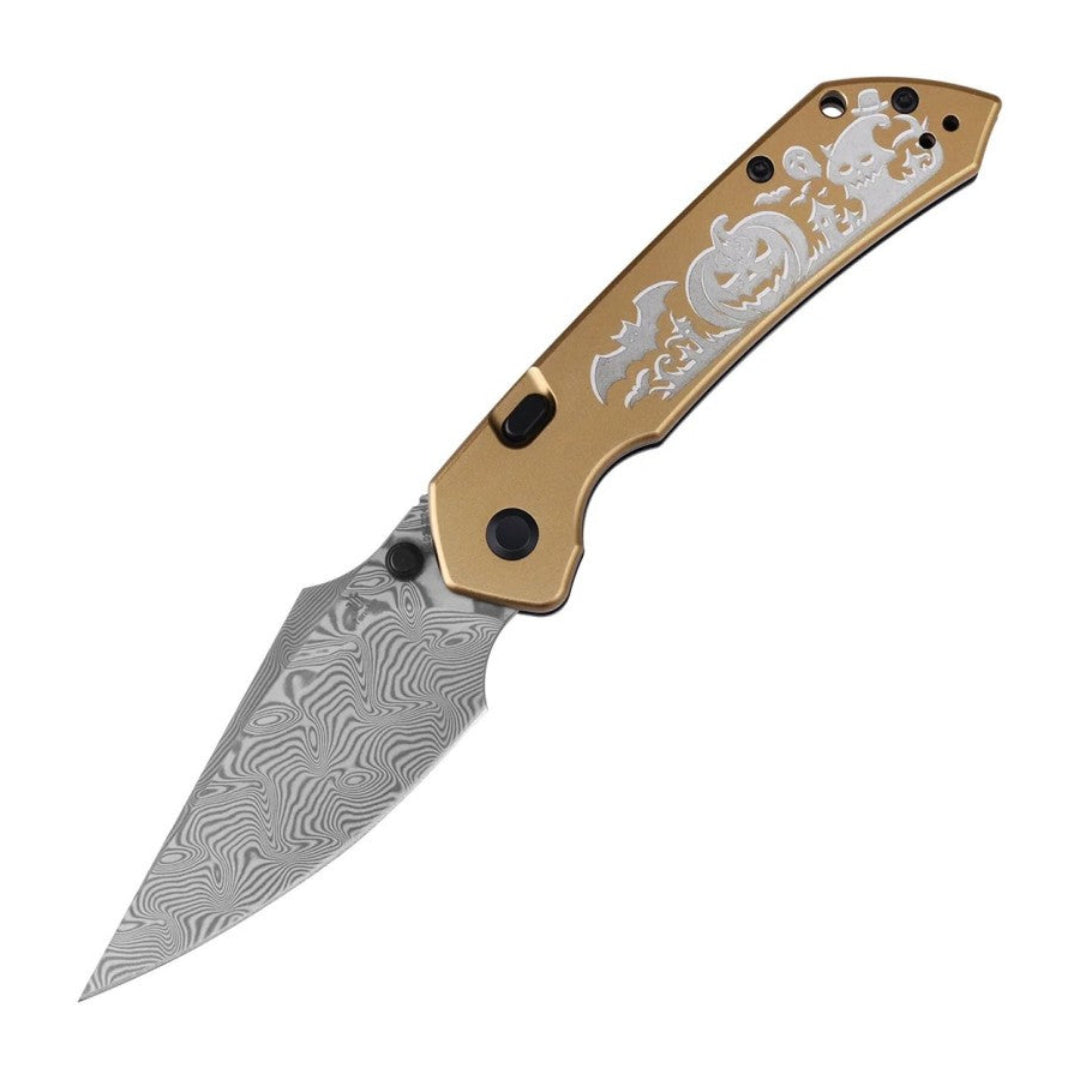
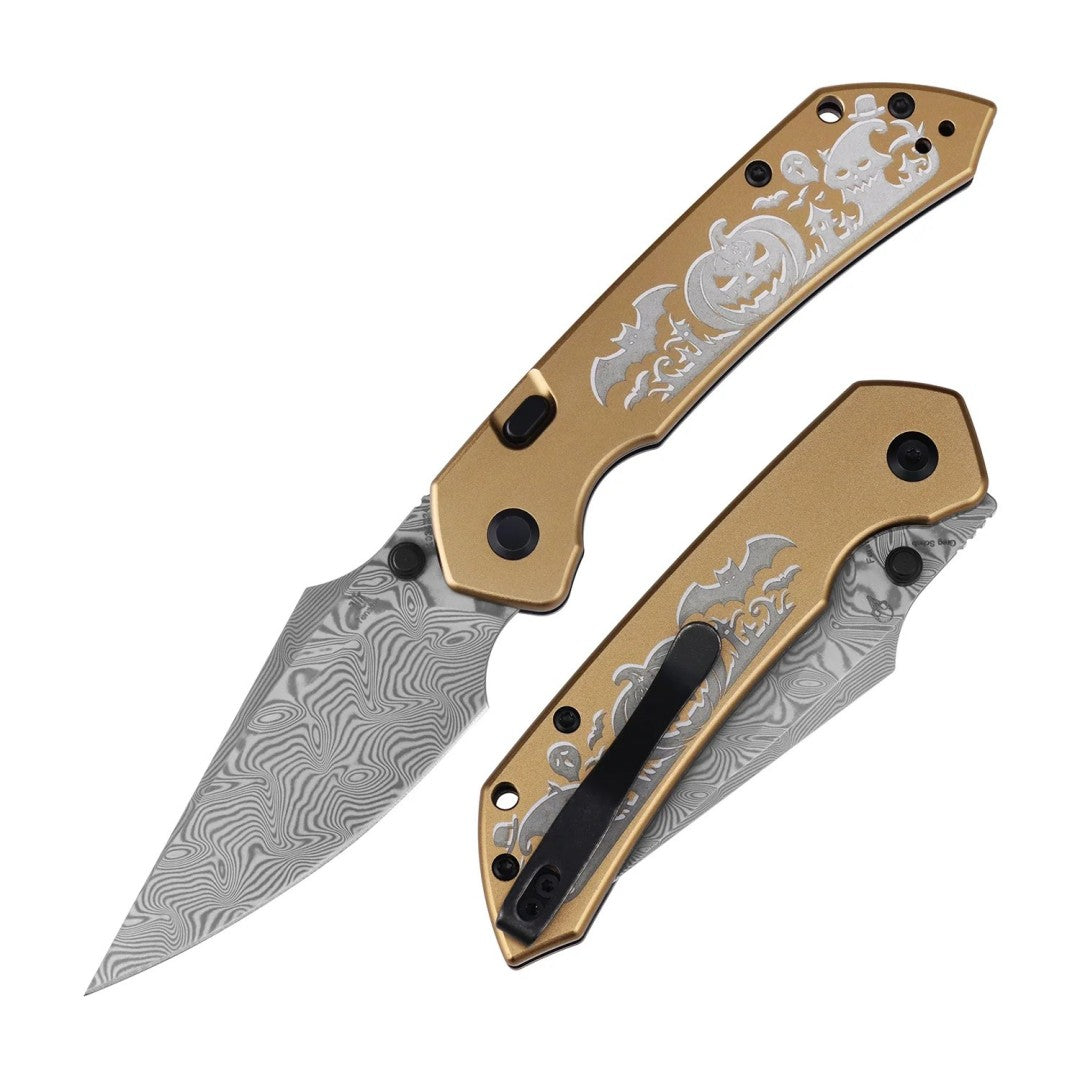
Steel matters less here than geometry and predictability. D2 steel is a high-chromium tool steel with excellent wear resistance, which keeps an edge through repeated cuts against webbing, elastic and cord without constant attention. Kansept knives build the Flank G006A7 around exactly that brief: a D2 blade with a stout spine and a full tang, paired with a machined aluminum handle that stays grippy with slippery fingers. For bench work where a cut must stop precisely where you intend, a short, sharp, fixed blade with no moving parts is the safest possible answer.

Design & Details
A fixed blade wins on a packing table because there is nothing to fold, nothing to work loose and nothing to spring closed unexpectedly. The Flank handle is long enough for a full grip but short enough to steer with fingertips, and its sheath rides flat so it does not catch on a canopy laid across a bench. Riggers who prefer something pocketable still avoid heavily sprung folders, because a stiff detent and a slippery thumb are a bad combination when you are holding a needle and a canopy at the same time.
Real-World Use
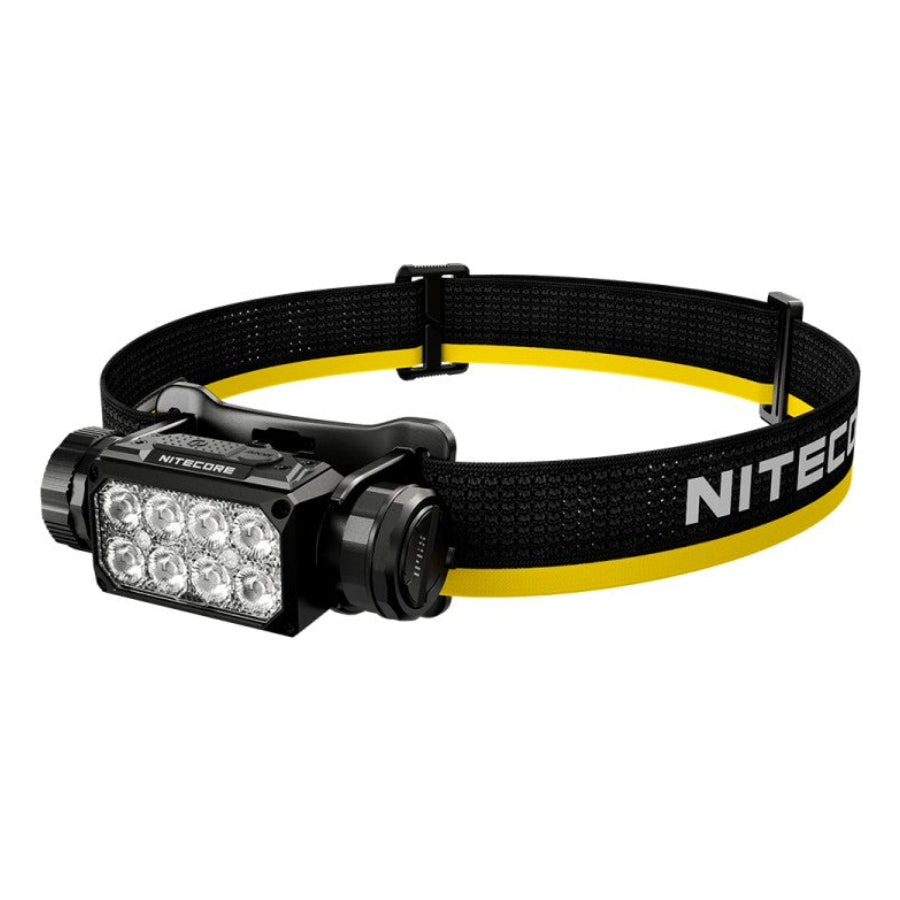
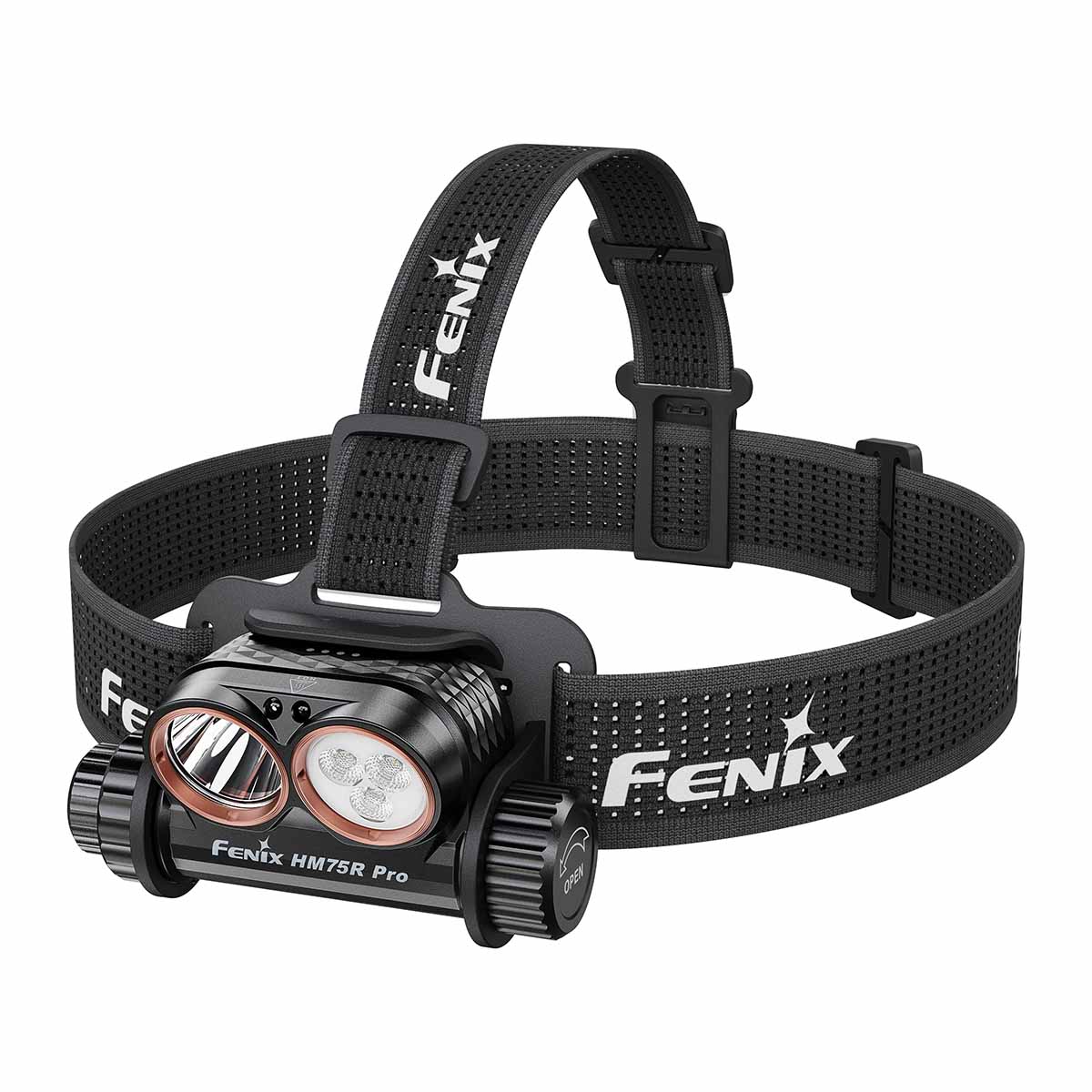
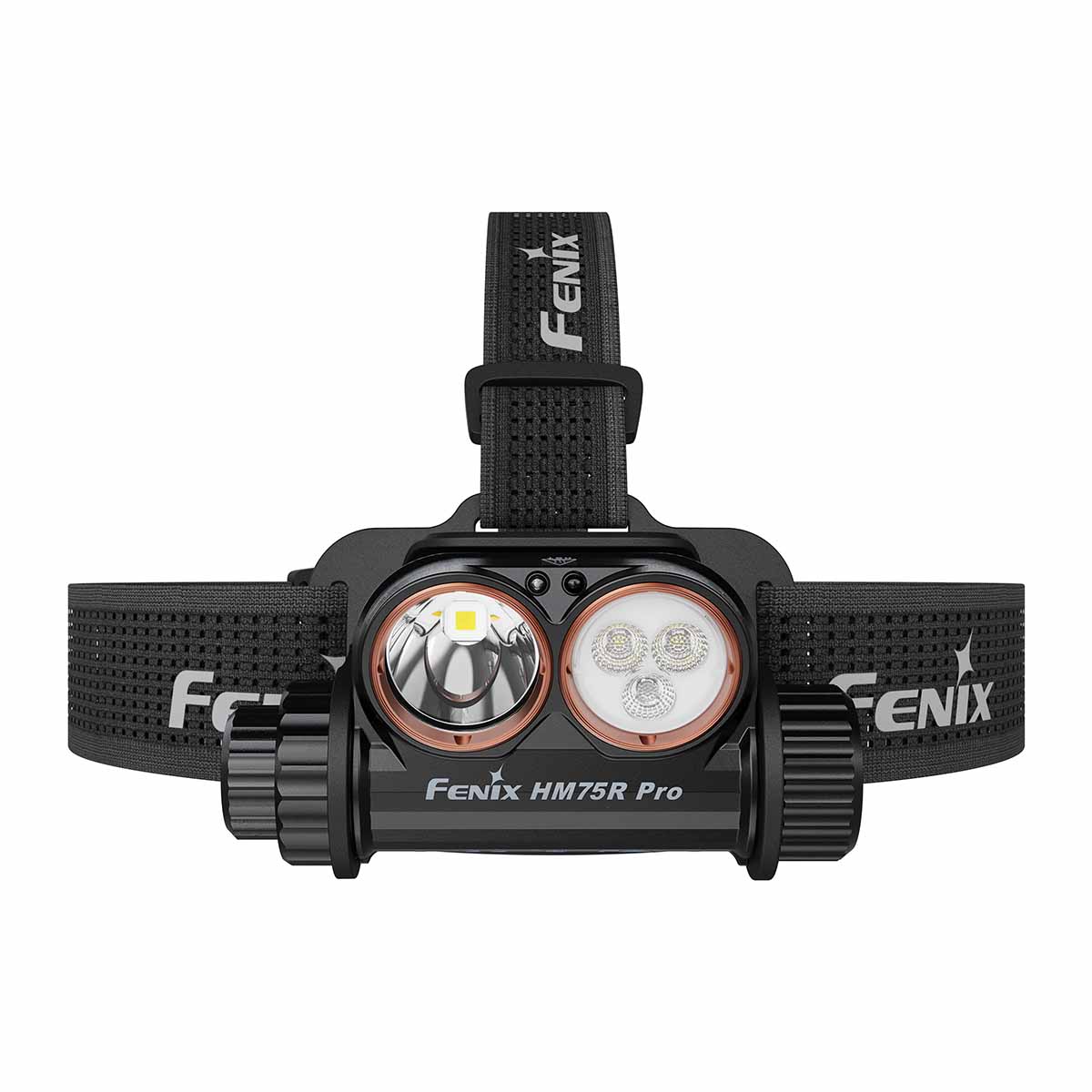
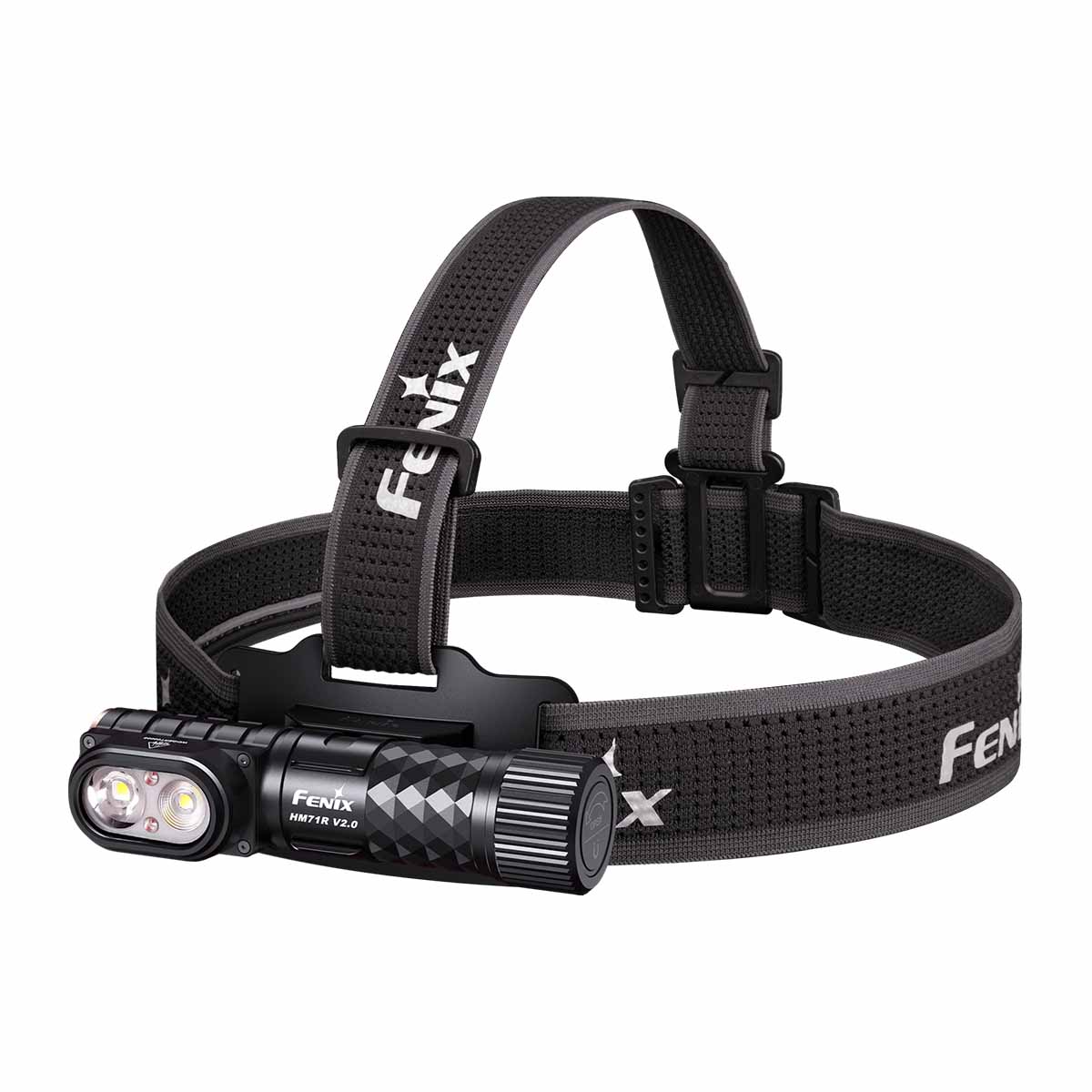
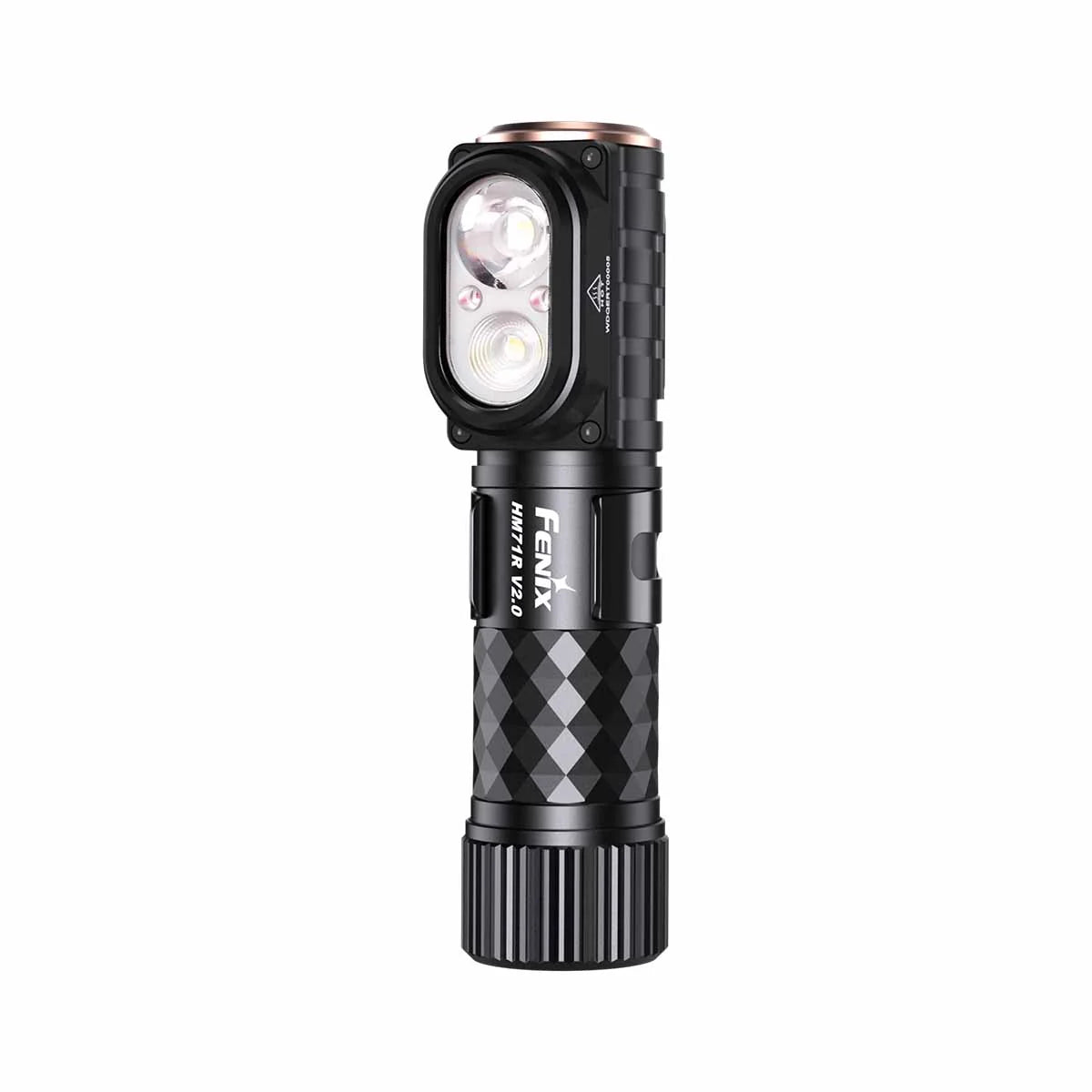
In a real rigging bay the knife opens shipping boxes, trims fingertrap tape, cuts Spectra to length, cleans up stray threads and separates a reserve from its deployment bag without nicking anything that matters. Hook knives handle line cutting in the air, while a bench knife handles everything else. A backup light belongs in the kit too, because lofts, trailers and repack rooms are all short on good light, and a small headlamp clipped inside a rig bag gets used on almost every shift.

Ownership Notes
Keep the rigging knife sharp and dedicated. Once a blade starts doing duty as a screwdriver or a scraper it loses the one property that made it safe in the first place, which is a clean, controlled cut. Riggers typically touch up an edge weekly with a fine stone or a ceramic rod and store the knife away from chemicals and lubricants. EdcMall keeps compact fixed patterns and folders that suit this kind of careful, repetitive workshop duty.
Who Is This For?
This matters most to certified riggers, drop zone equipment staff, military packers and anyone who maintains their own gear. A casual sport jumper who only packs once a season can get away with far less. If your name is on a repack log, though, buy the fixed blade, keep it away from the canopy, and treat every cut as if the nylon were going to fly.
Final Verdict
Rigging is precision work that rewards boring tools. A full-tang blade in a wear-resistant tool steel, a short controlled edge and a strict rule about what the knife is allowed to cut will serve longer than anything with more features. Add a small light and a habit of touching up the edge weekly and the kit will outlast most of the canopies you pack.