
Why Fixed Blades Are Easier but Not Effortless
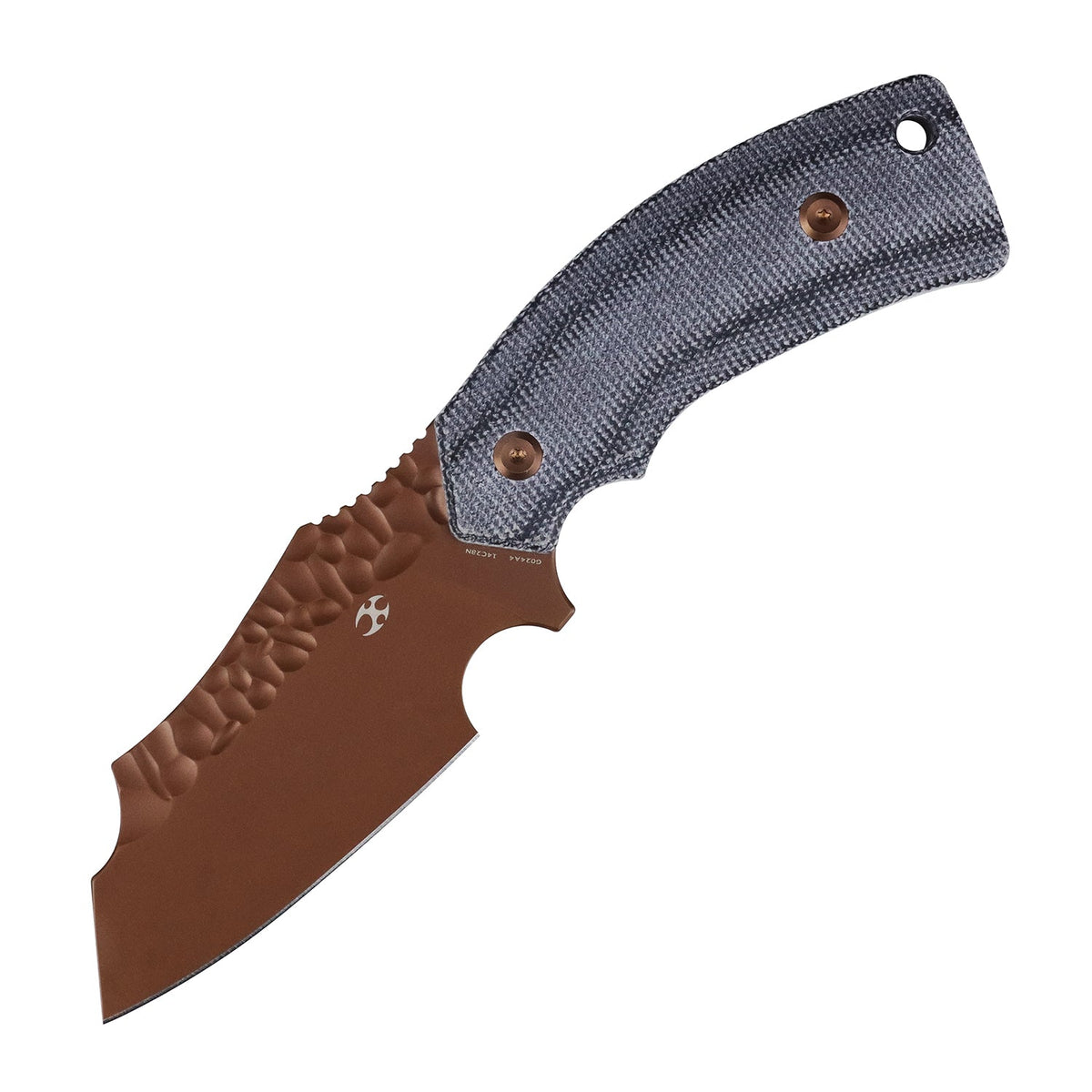
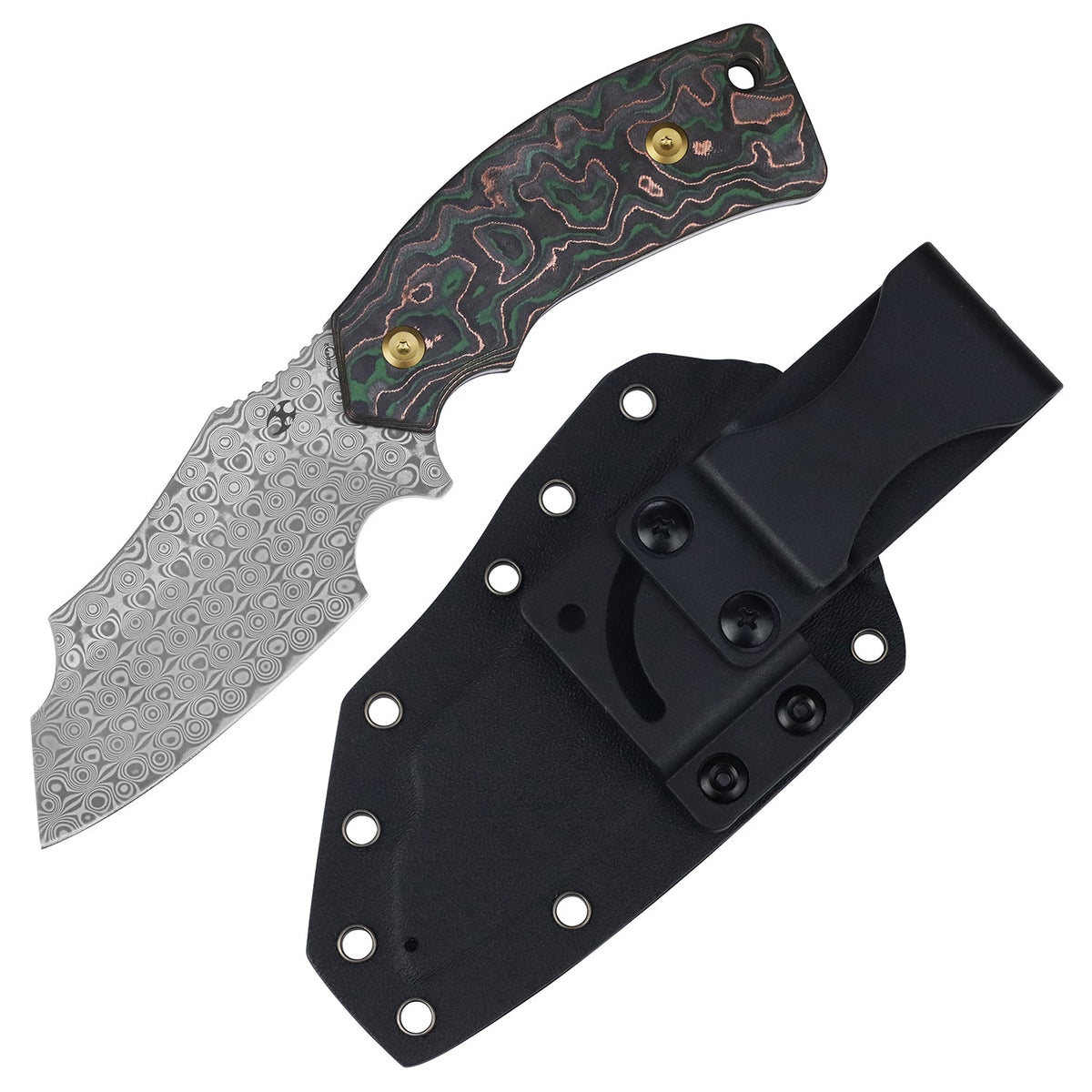
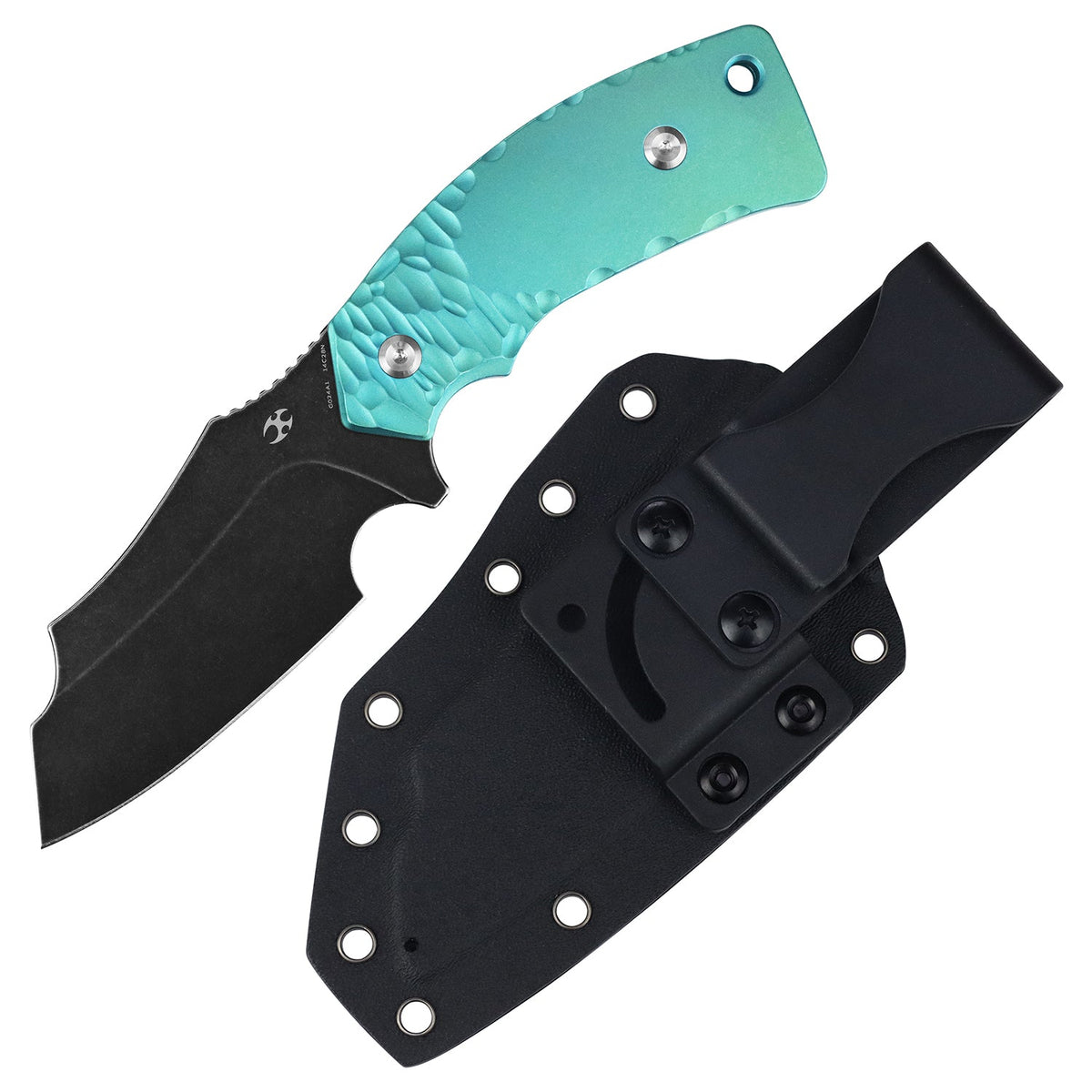
A fixed blade deletes the pivot and lock from your maintenance list, which is half the appeal of the platform. What remains, blade, handle, and sheath, still benefits from a short routine, and the Kansept Sabertooth series is a perfect teaching example because it spans the two most common material pairings: 14C28N blades and Micarta or titanium handles. Ten minutes a month covers all of it, whether you carry the budget brown Micarta A3 or the green titanium A1.

Blade Care for 14C28N
14C28N is among the most corrosion-tolerant steels you can buy, but tolerant is not immune, especially for a knife that lives in a sheath where moisture sits against the steel. Wipe the blade dry after wet work, especially salt exposure or acidic food prep. Run a strop along the edge every couple of weeks to realign the apex before sharpness actually fades. For full sharpenings, use moderate angles and light pressure; the fine carbide structure in 14C28N takes a polished, hair-popping edge with minimal effort, and frequent light touch-ups beat rare heavy grinds.
Micarta: Wash It, Dry It, Love It
Micarta is the rare handle material that improves with neglect-adjacent care. Warm soap and water handles mud, grease, and kitchen residue; a stiff brush works the texture clean. Always let it dry fully before sheathing, since trapped moisture is the only real enemy in the system. Over years, Micarta develops a smooth patina that most owners treasure, and the brown scales on the Sabertooth A3 will darken into a leather-like warmth. Unlike painted handles, there is nothing to chip, and unlike wood, no oiling schedule to forget.

Titanium Trims: Even Less to Do
If you chose the green titanium A1, handle care nearly disappears. Anodization is an oxide layer, not paint, so it cannot peel, and titanium ignores the humidity that ages other materials. Blow lint out of texture recesses occasionally and wipe the blade per the routine above. The carved rock pattern holds pocket debris more than smooth scales, so a soft toothbrush is the only specialty tool worth owning for it.
The Sheath Is Part of the Knife
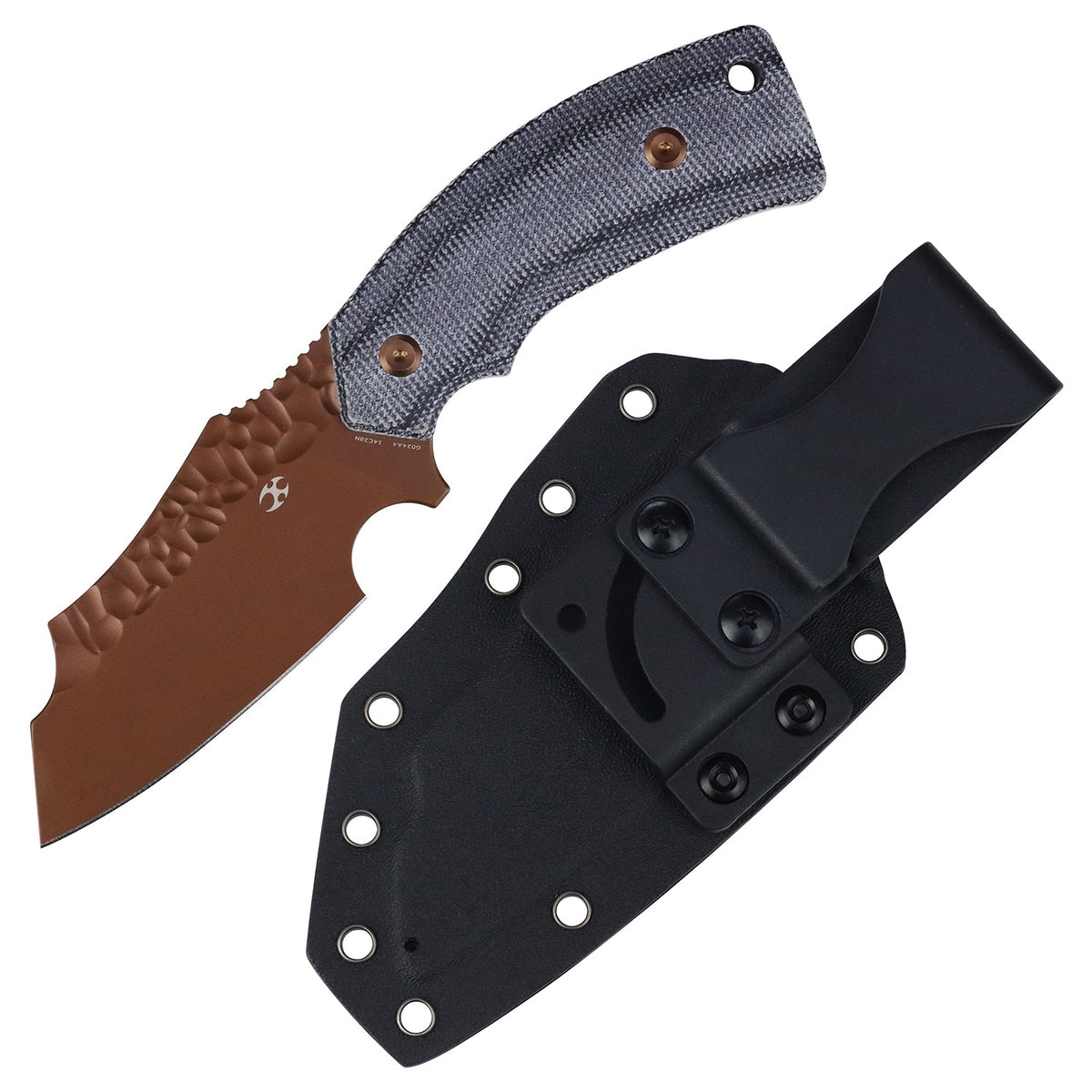
The most overlooked step in fixed blade care is the sheath itself. Moisture held against steel by a damp sheath causes more corrosion than rain ever does. Store the knife unsheathed in dry conditions for long-term storage, air the sheath after wet days, and brush grit from the interior so it cannot abrade the finish on every draw. Kydex needs nothing beyond rinsing; leather benefits from occasional conditioning away from the blade contact surfaces.

A One-Minute Monthly Checklist
Run this loop and no Sabertooth trim will ever surprise you: dry-wipe the blade, brush the handle texture clean, check the edge on a strop, air the sheath, and glance at the lanyard hole hardware. That is the entire contract. Fixed blades reward owners with the lowest maintenance schedule in the knife world, and the payoff compounds every year you carry one.
Final Verdict
Start the routine with whichever trim fits your carry: the Kansept Sabertooth G024A3 for honest Micarta work, the G024A4 for show-and-use, and the rest of the fixed blade knives in the shop follow the same rules.
The same rules cover the shop's 14C28N knives across every brand. The care philosophy traces back to designer-series builds in Jesse Pauley's catalog, and it applies to every platform in the Kansept Knives range. Whatever fixed blade you settle on from the wider EDC gear store, this checklist scales to it unchanged.