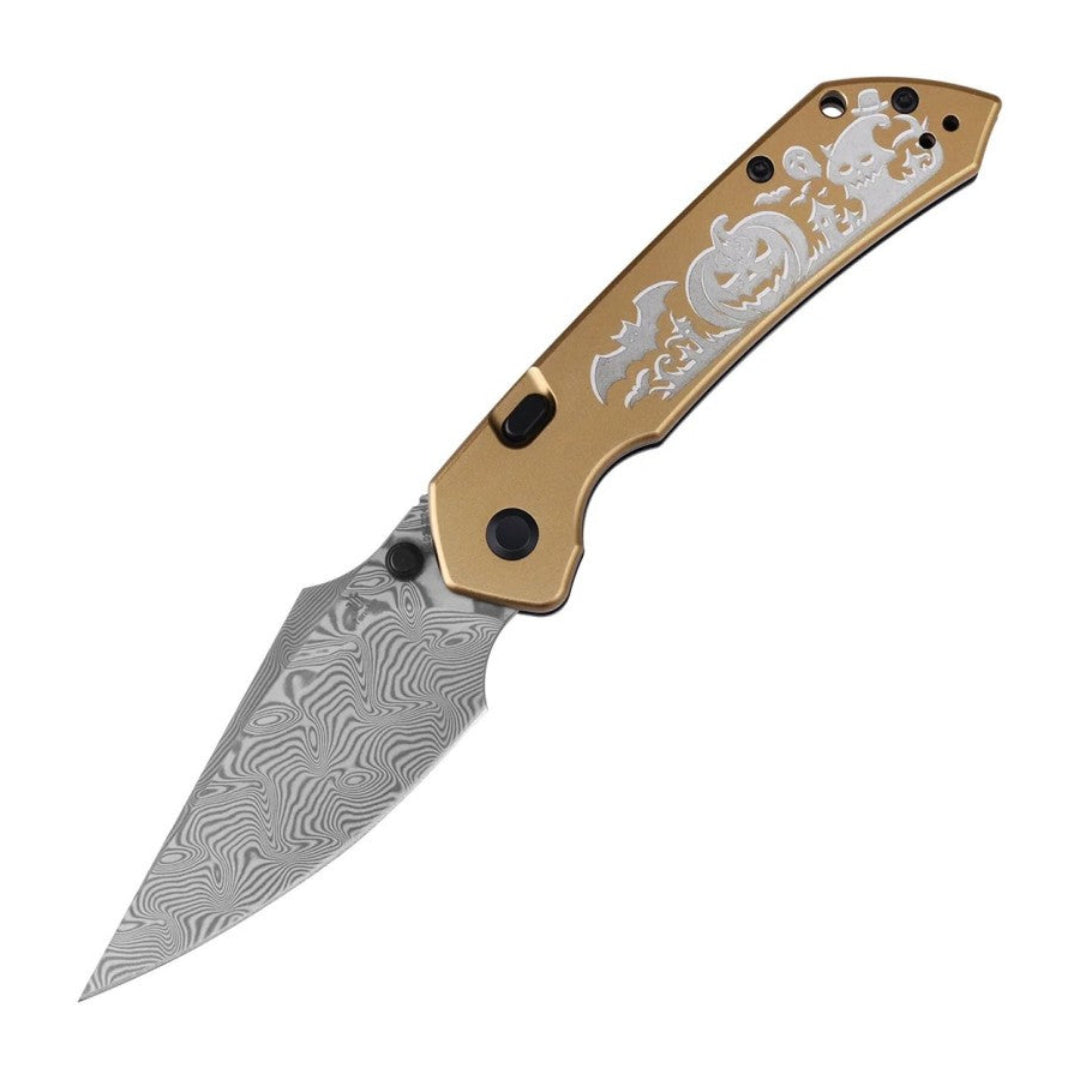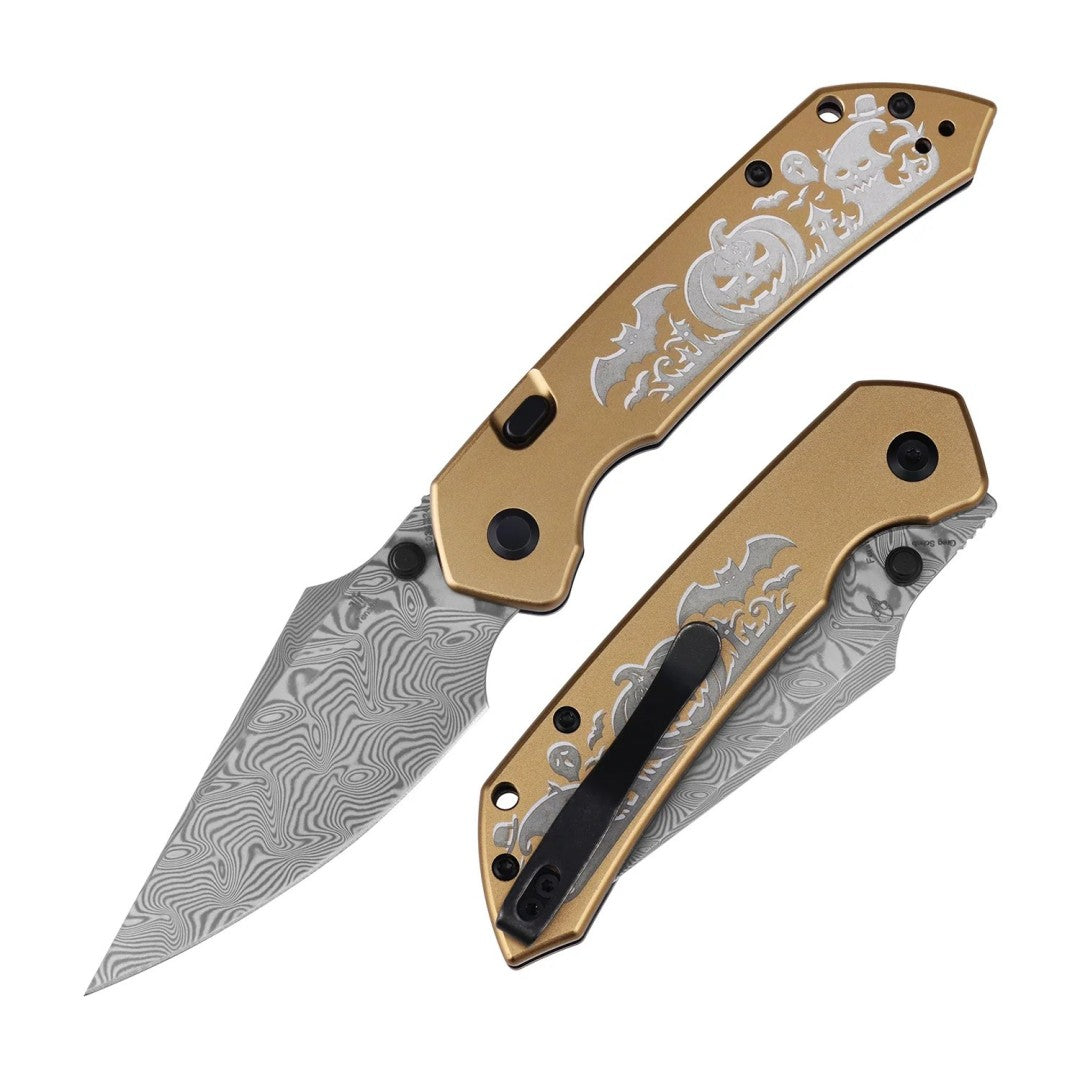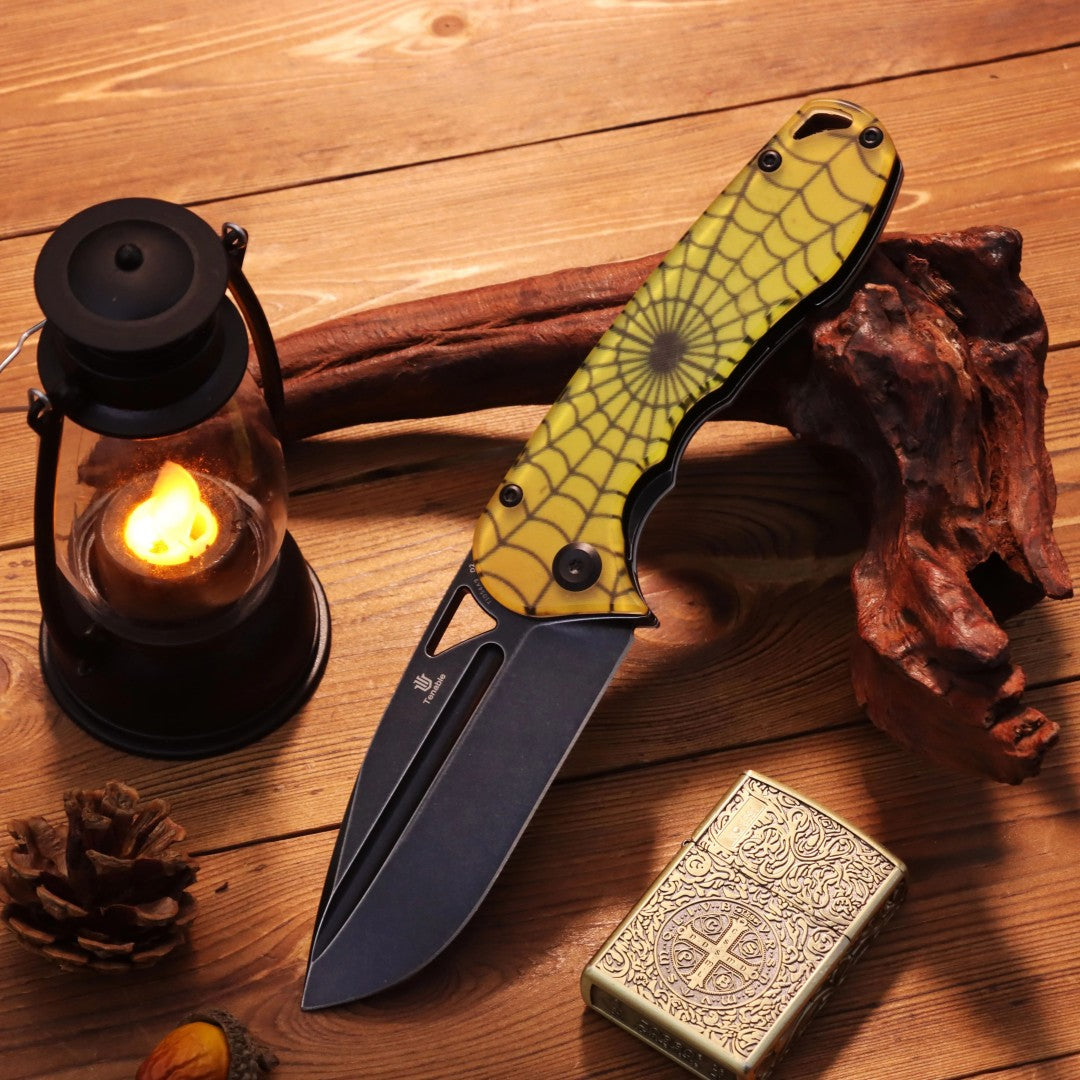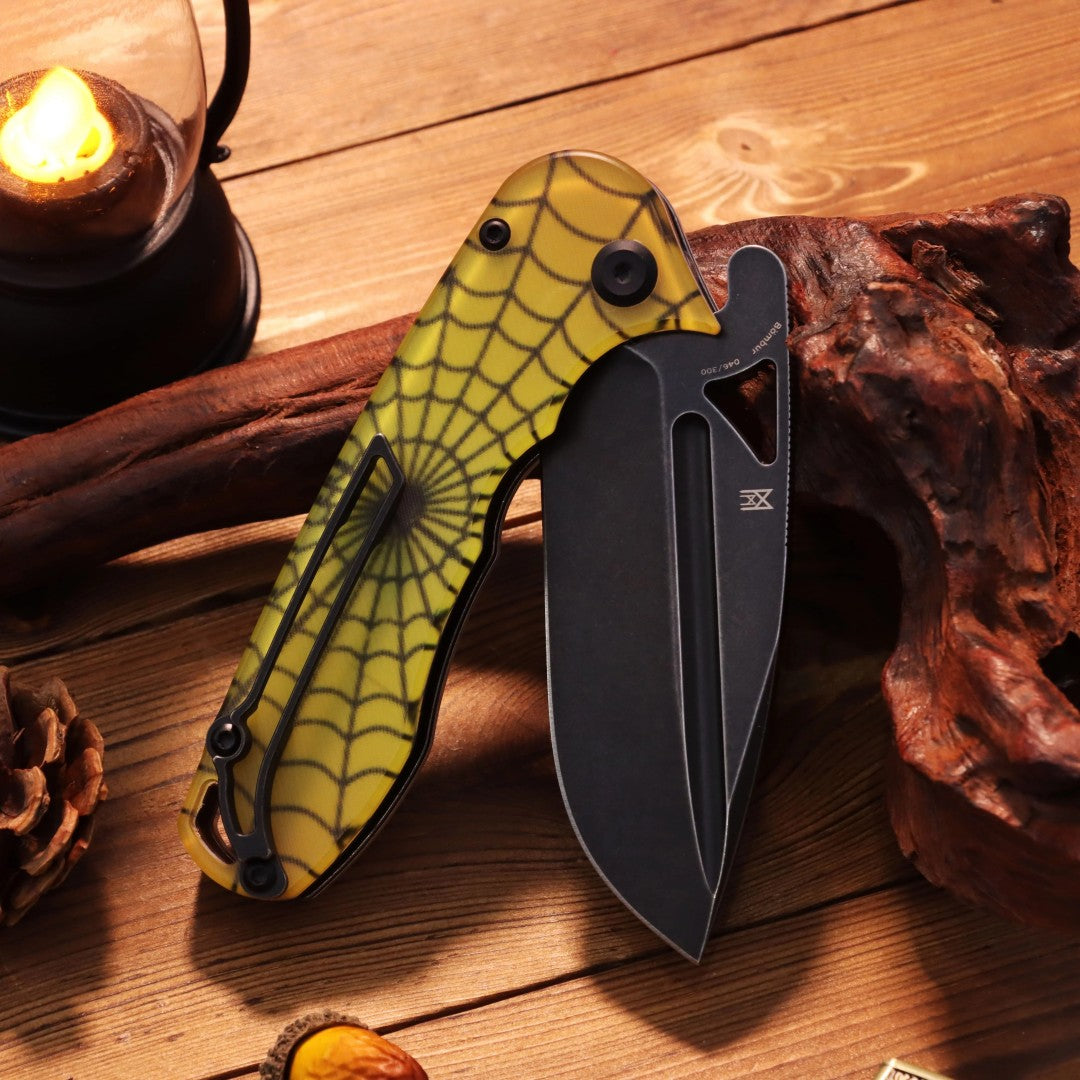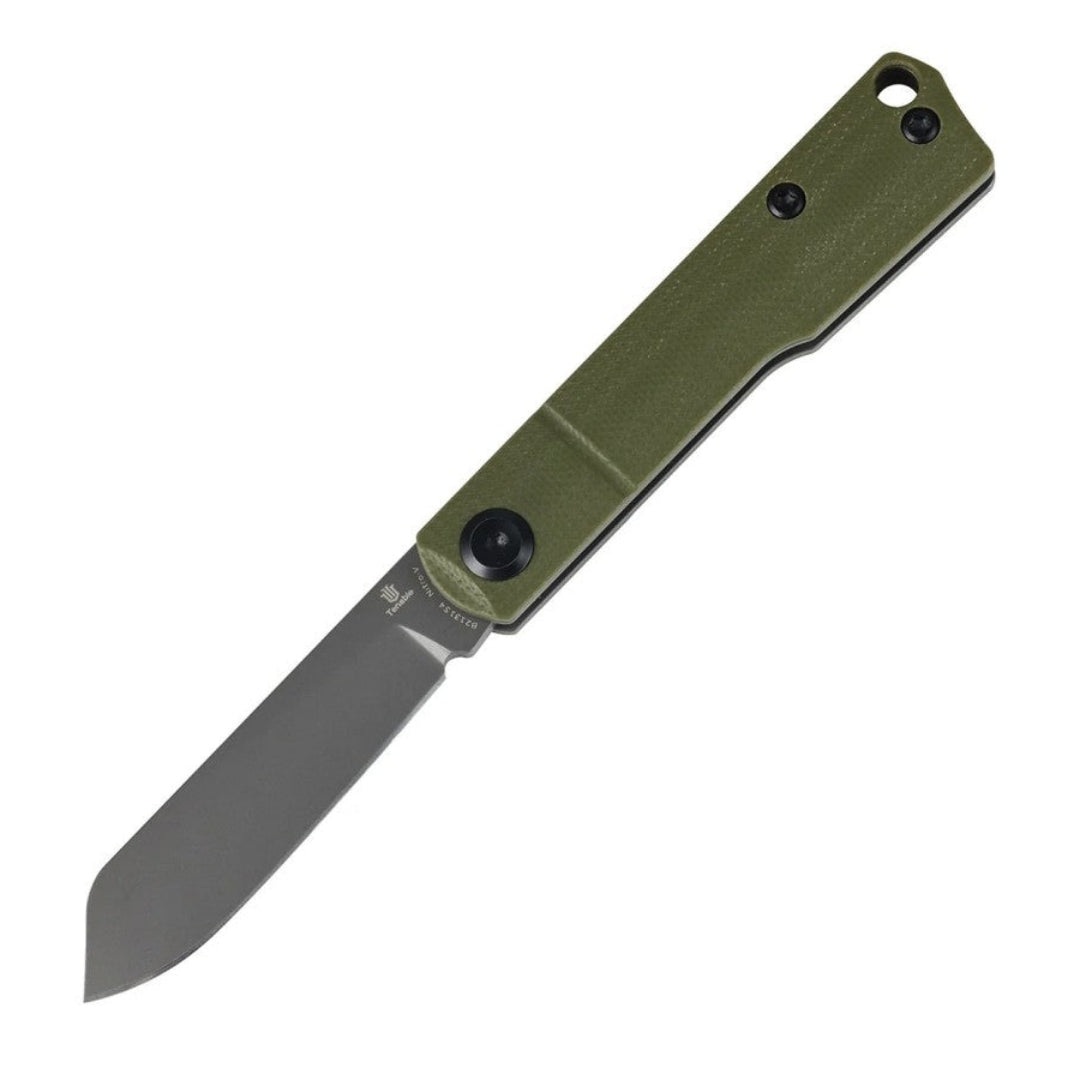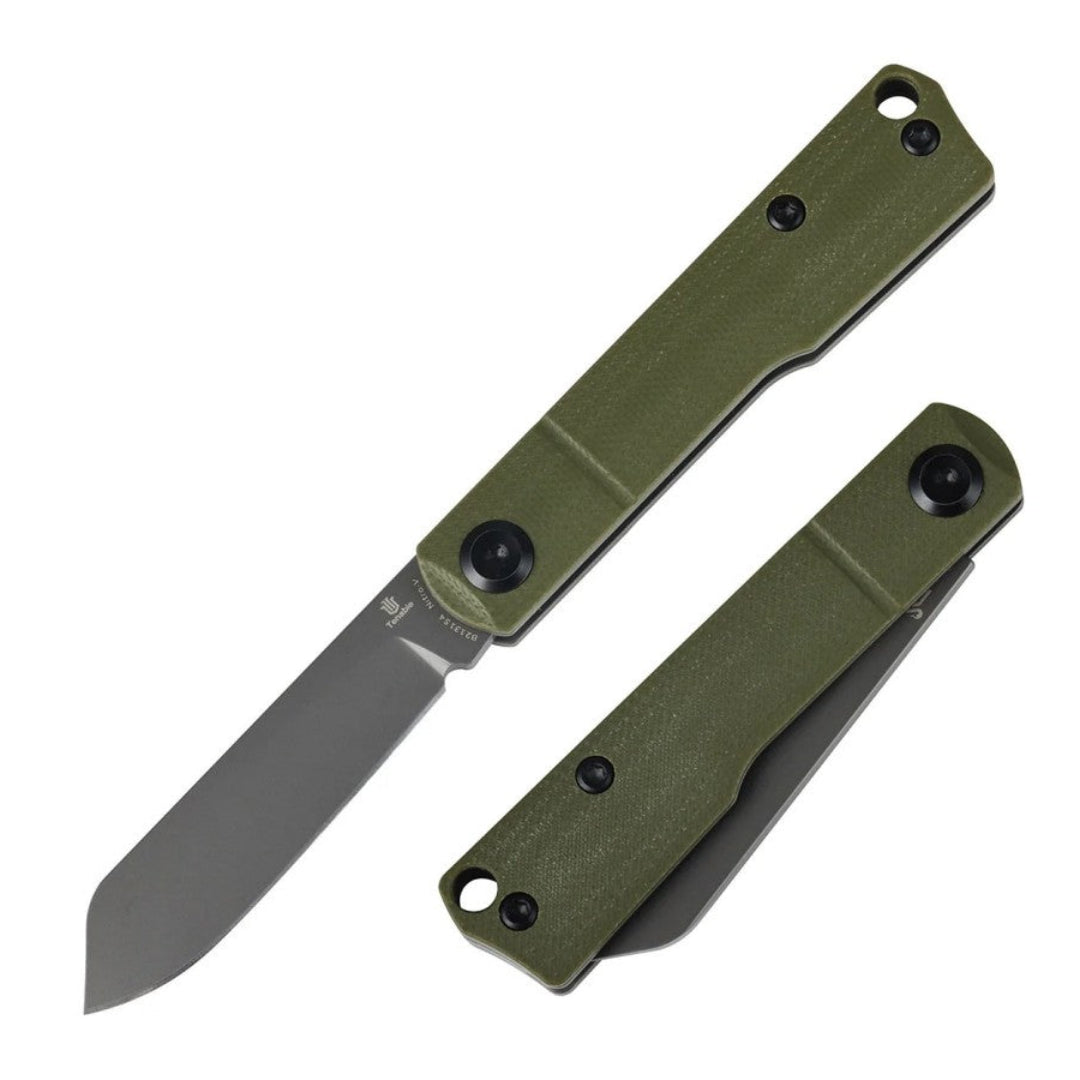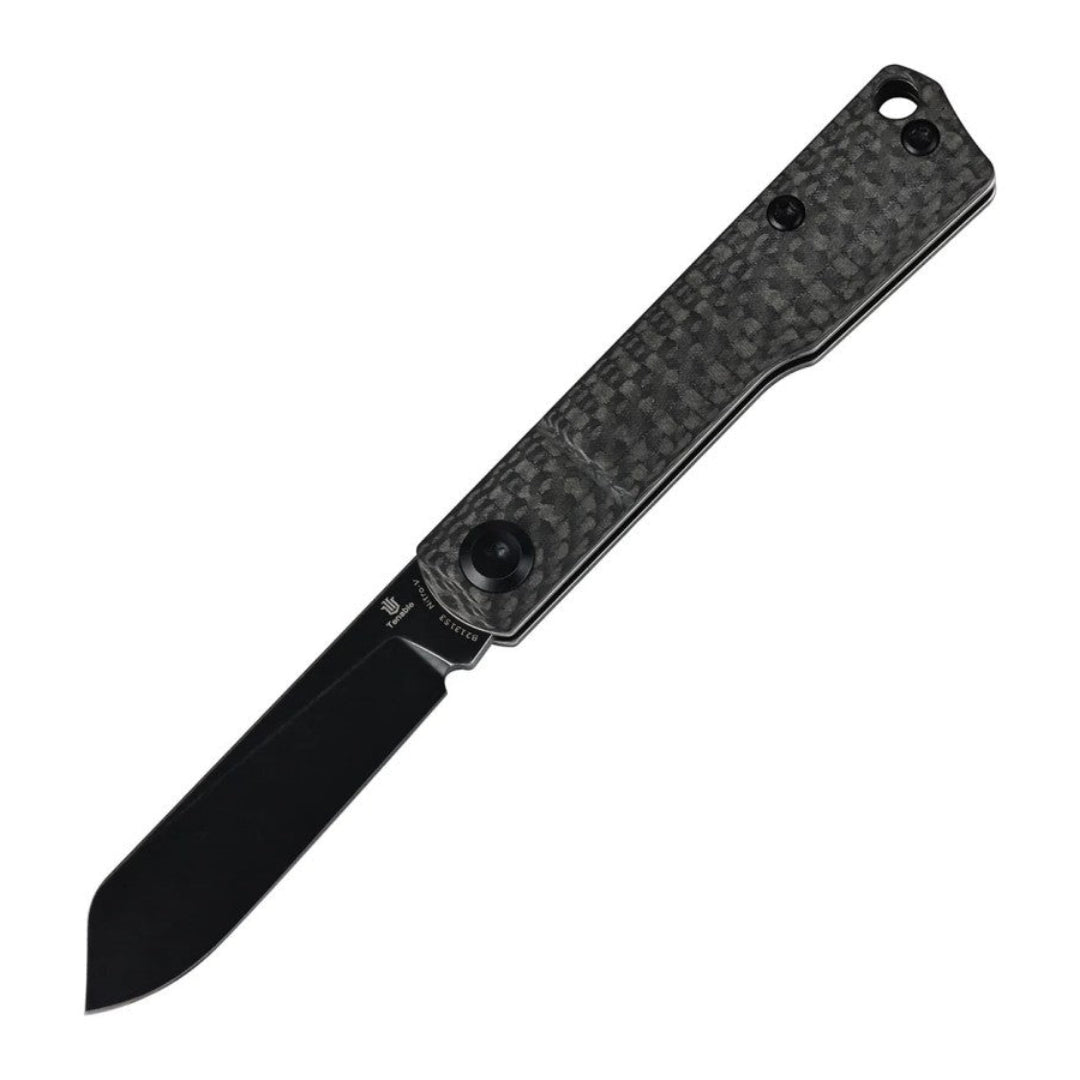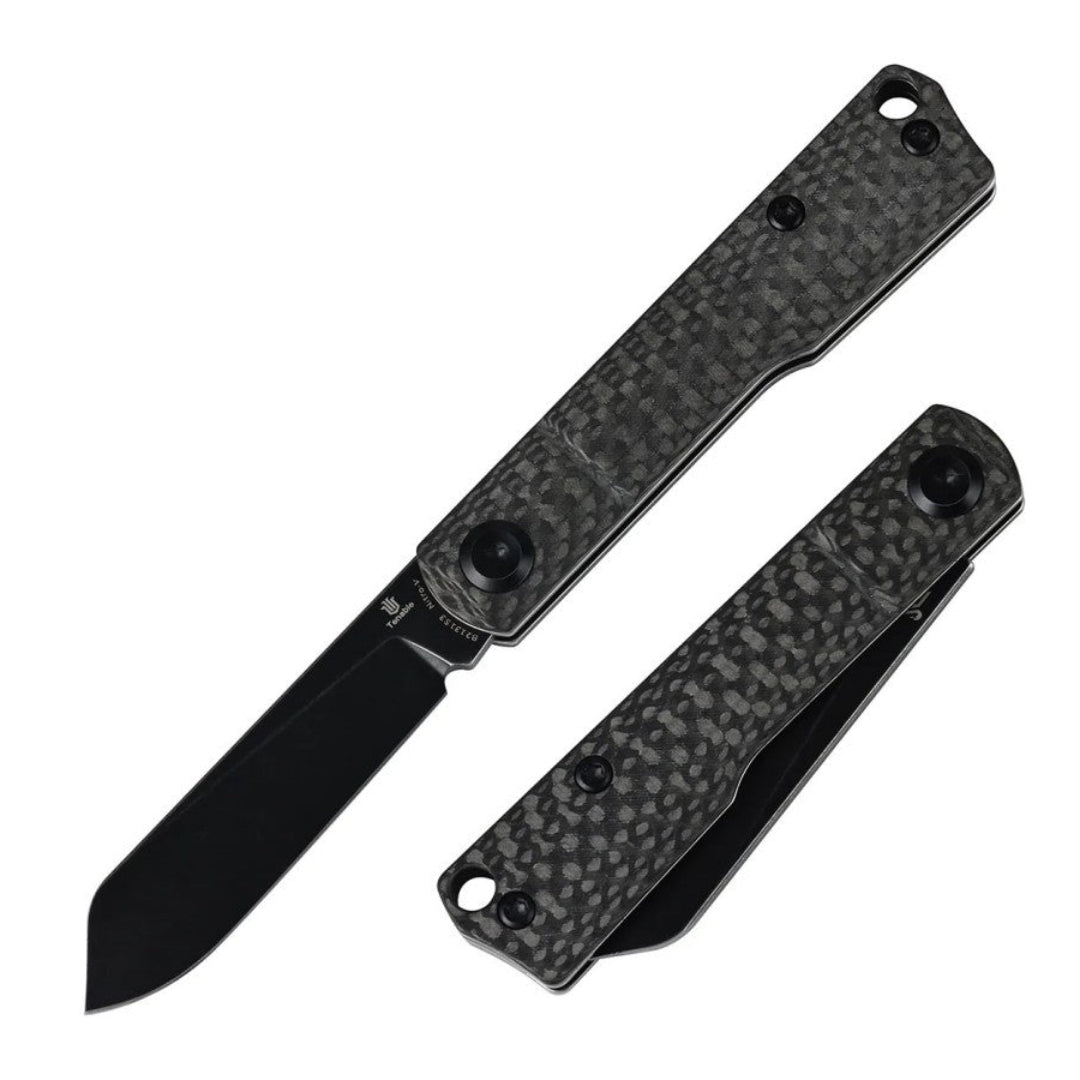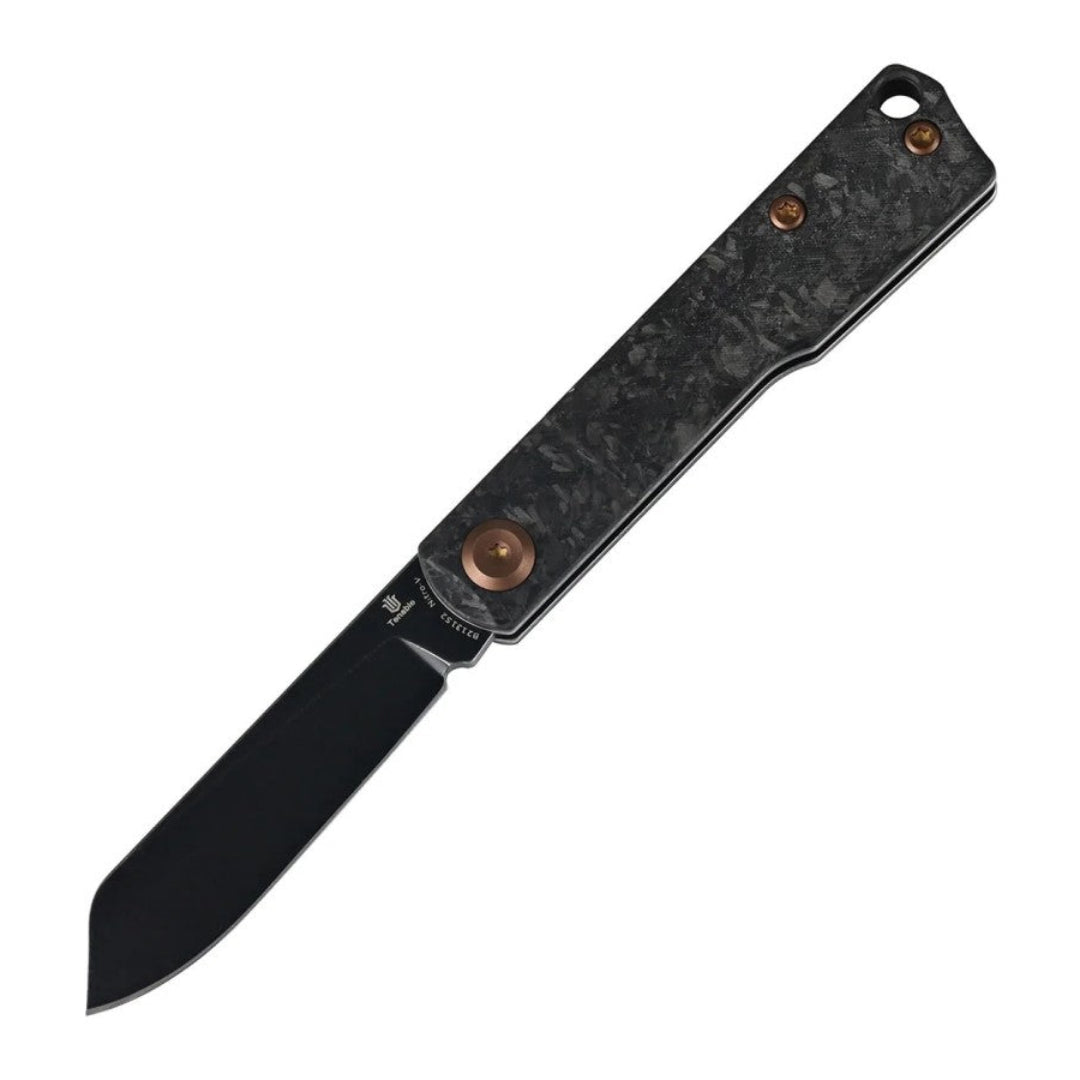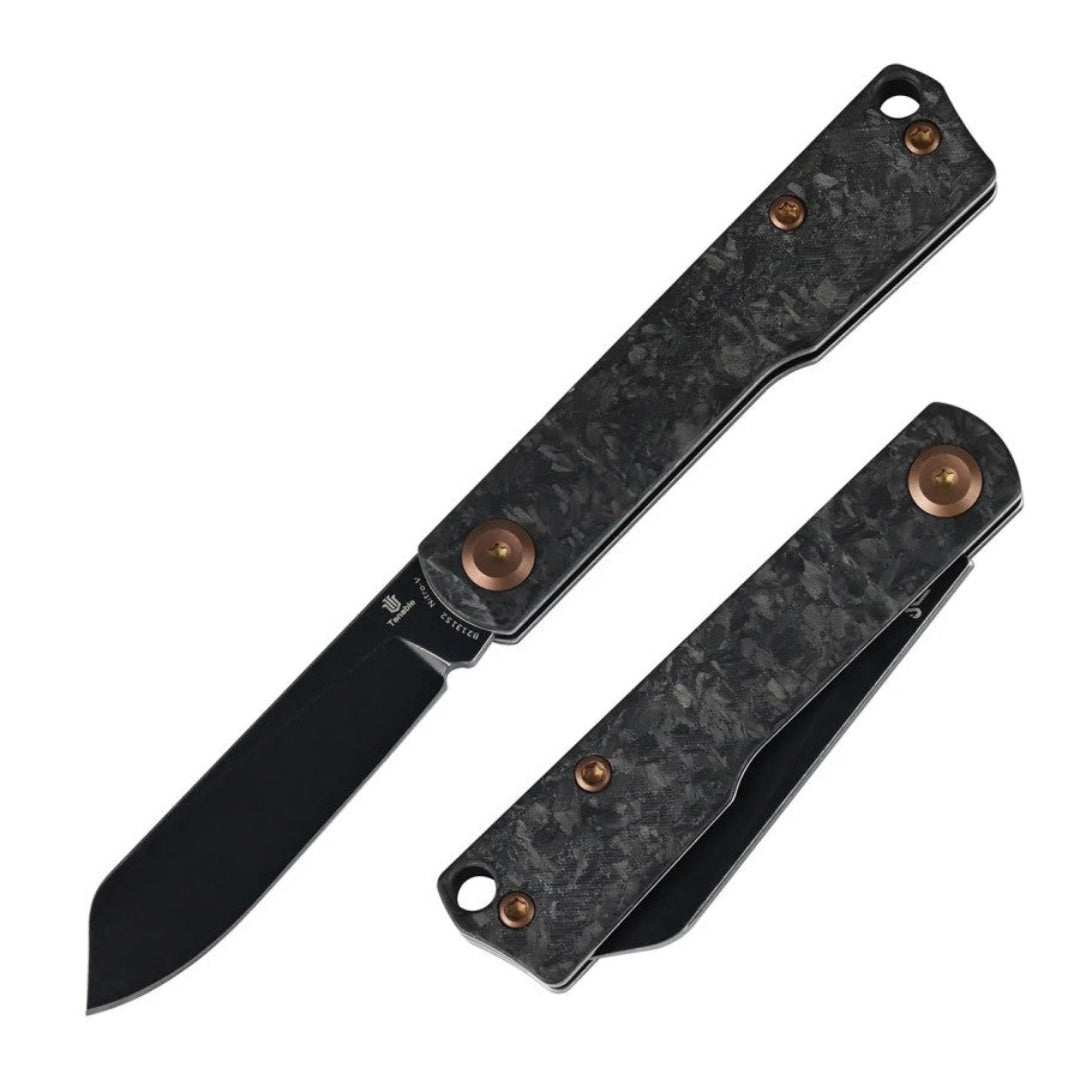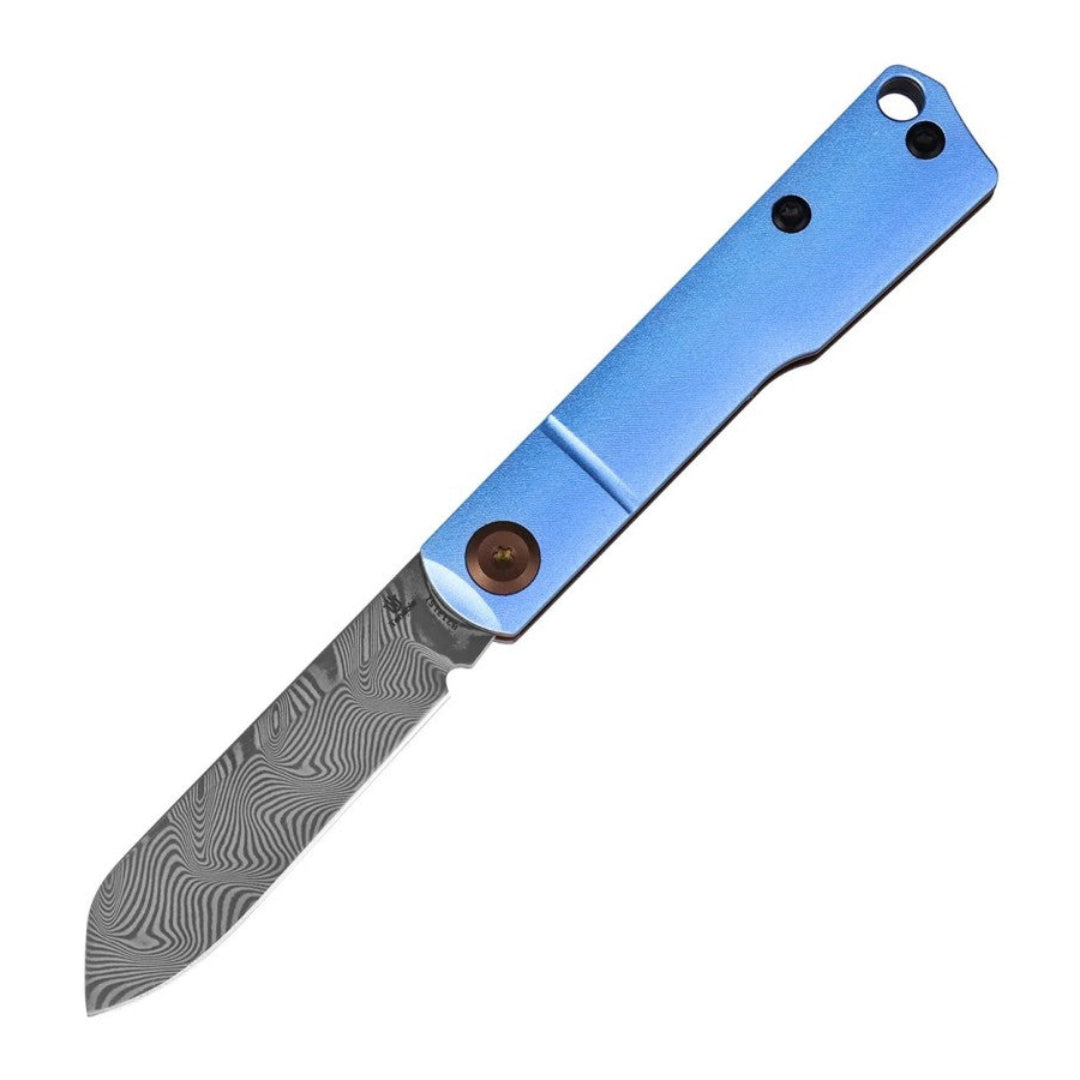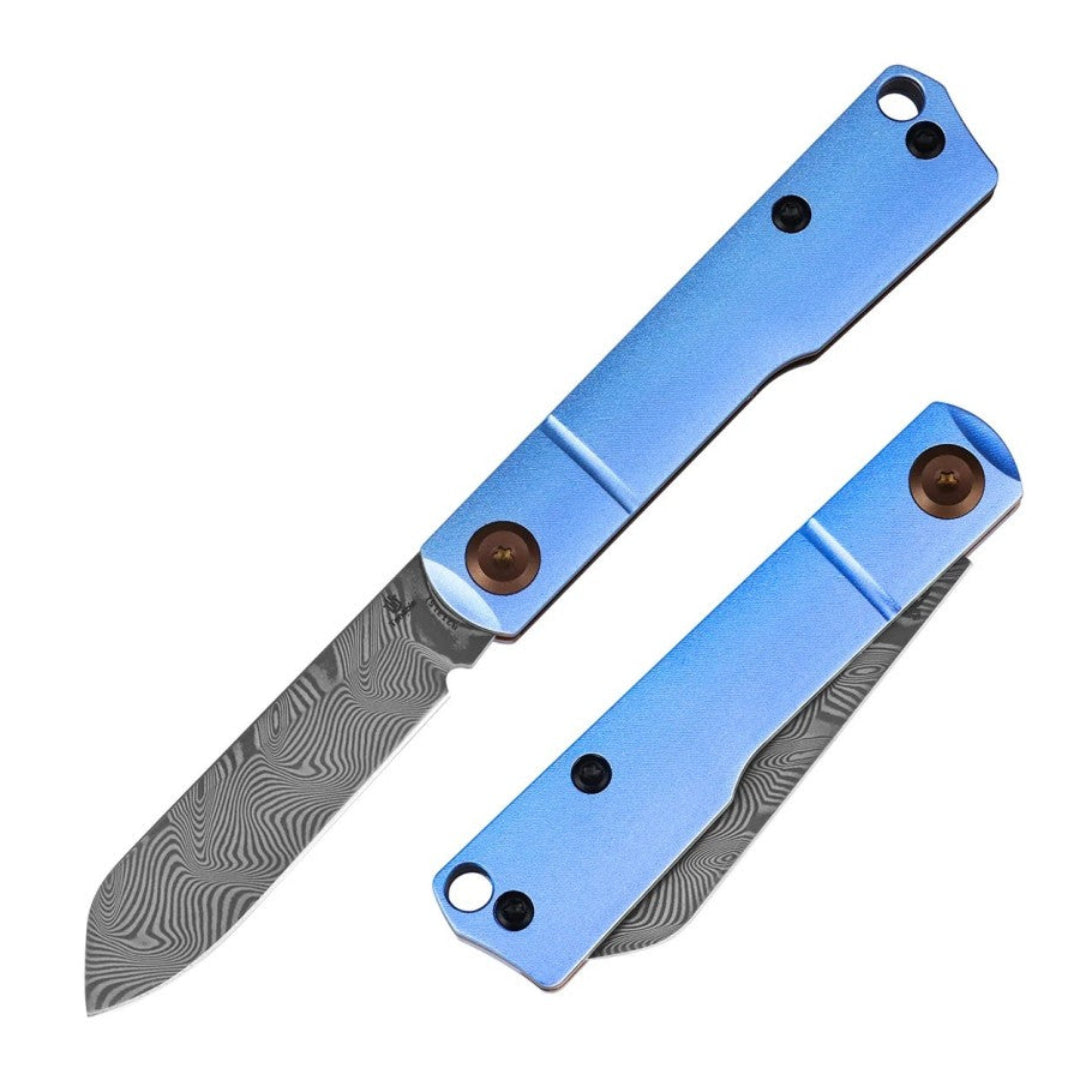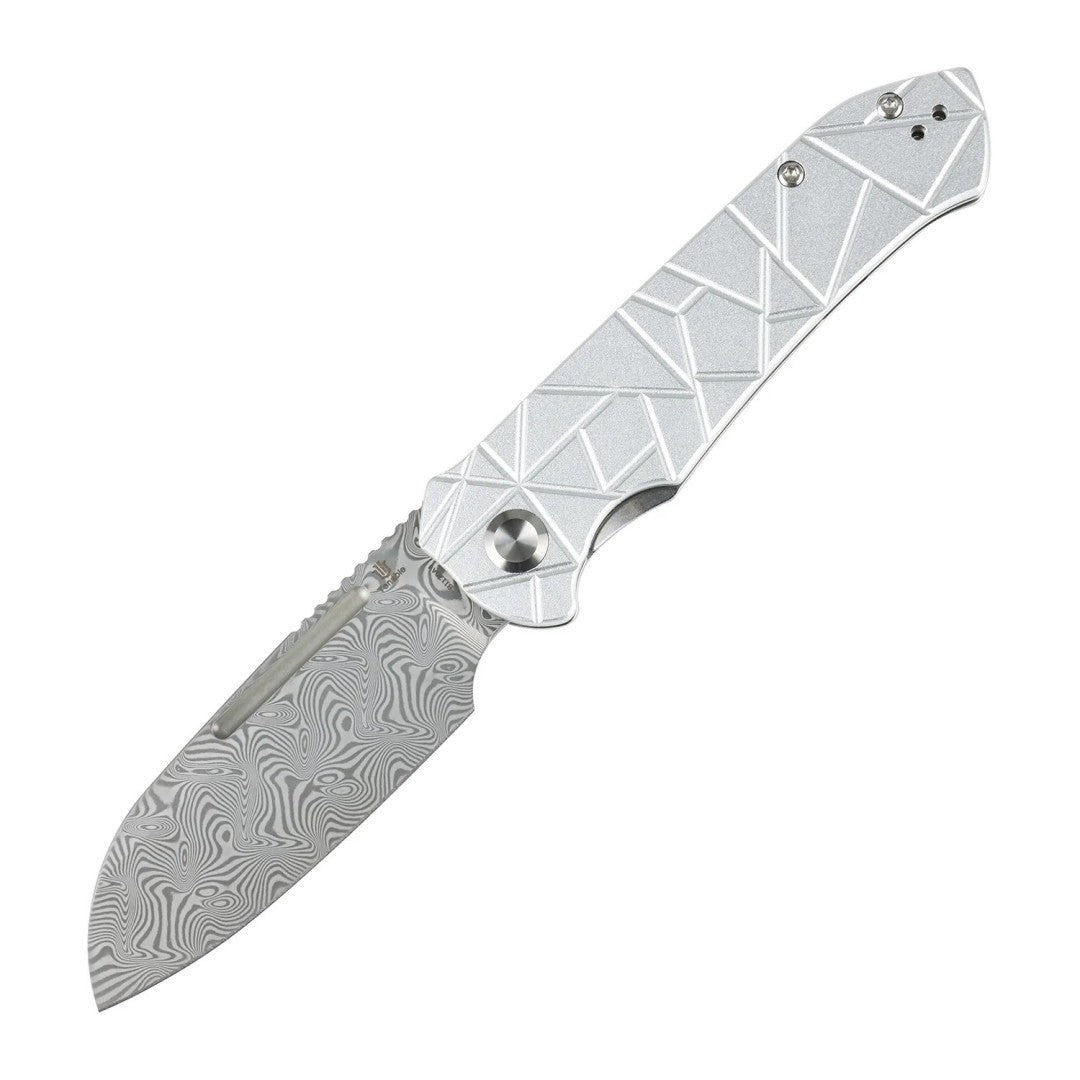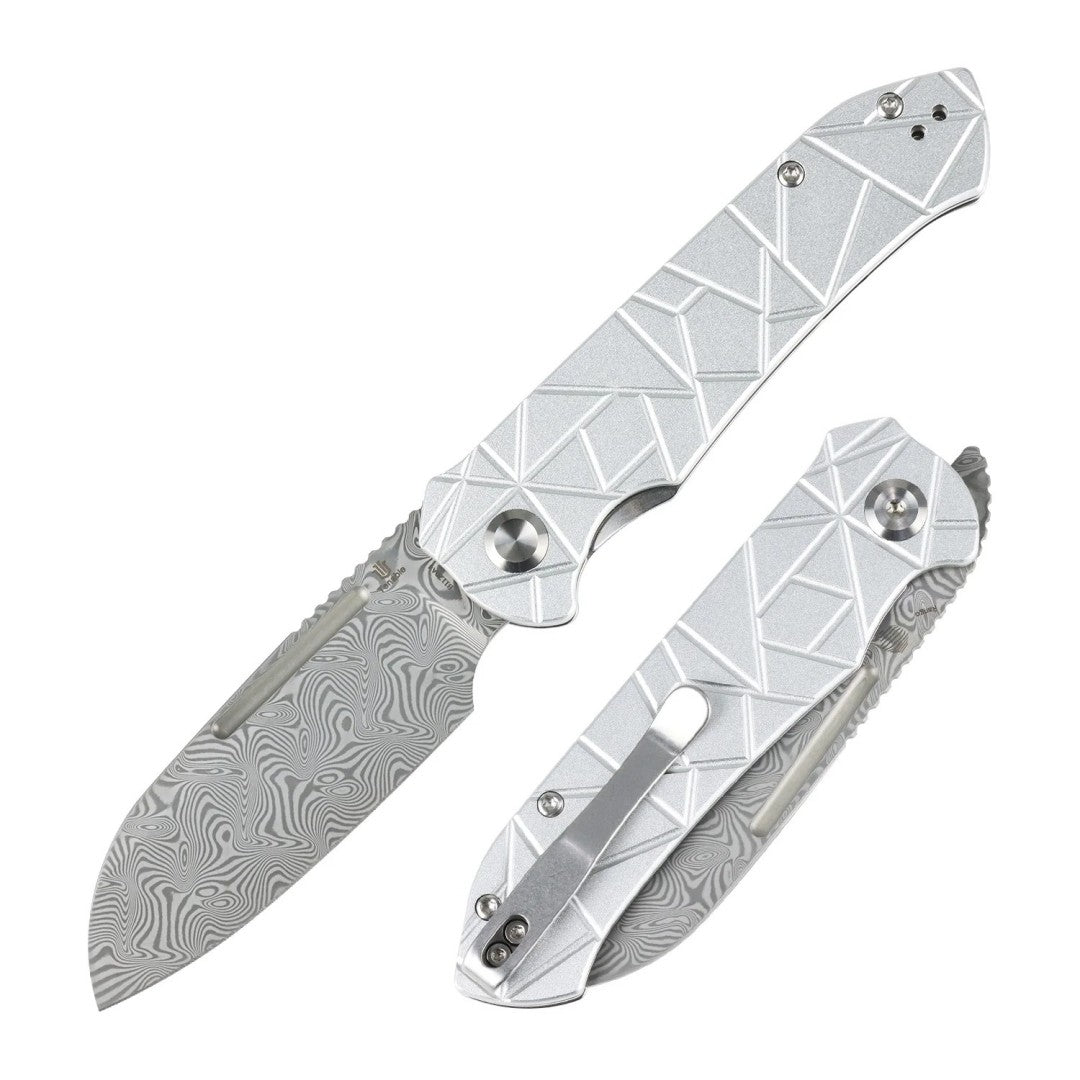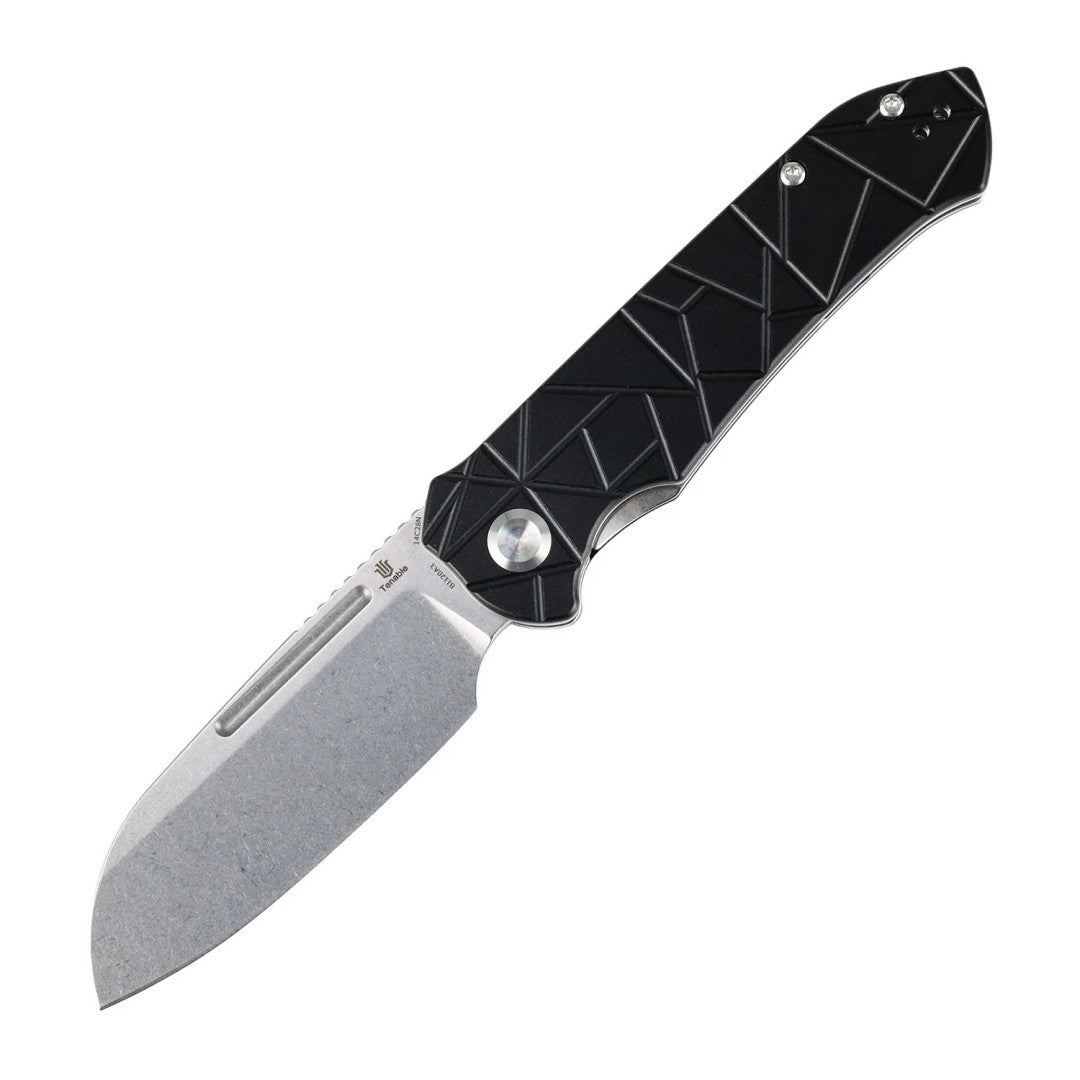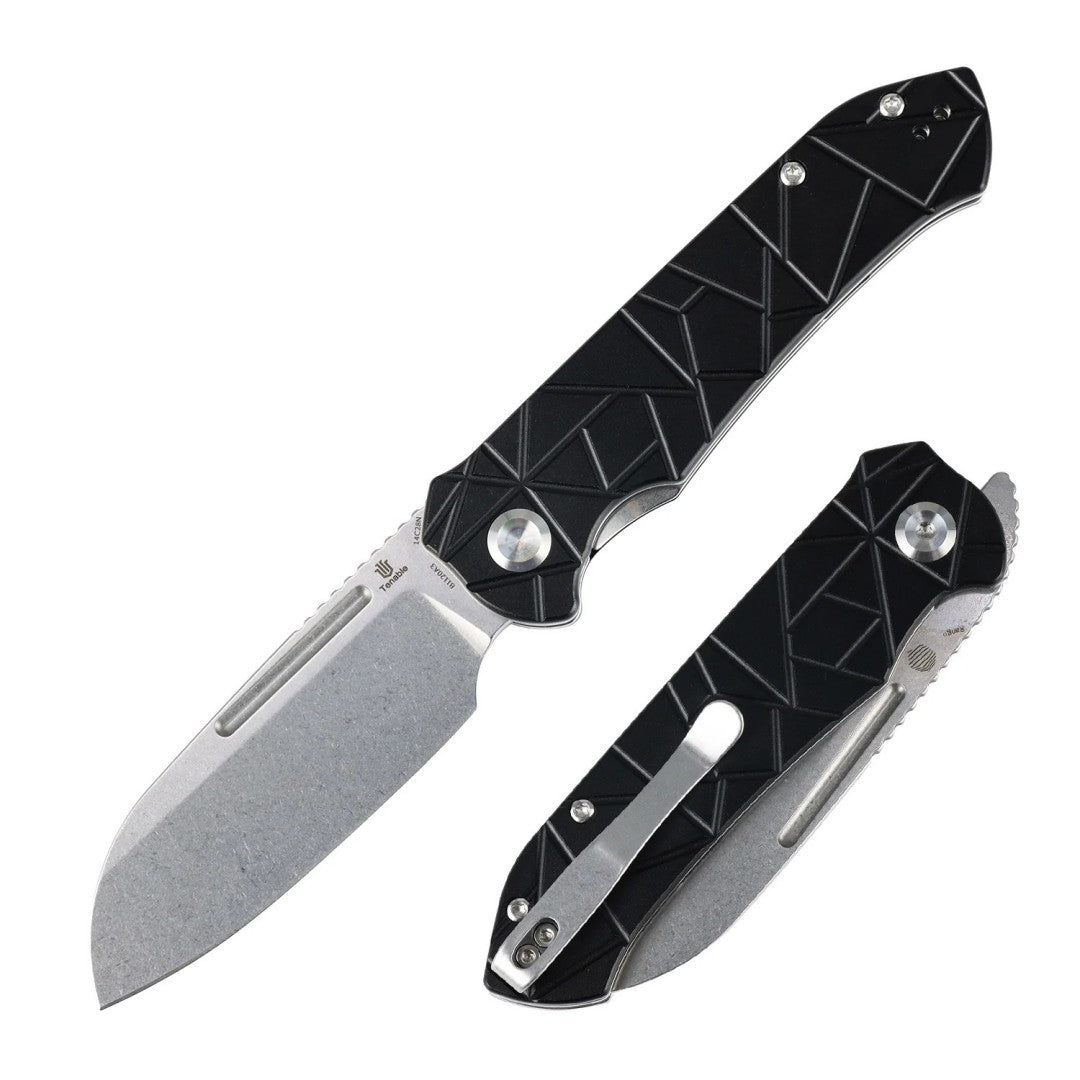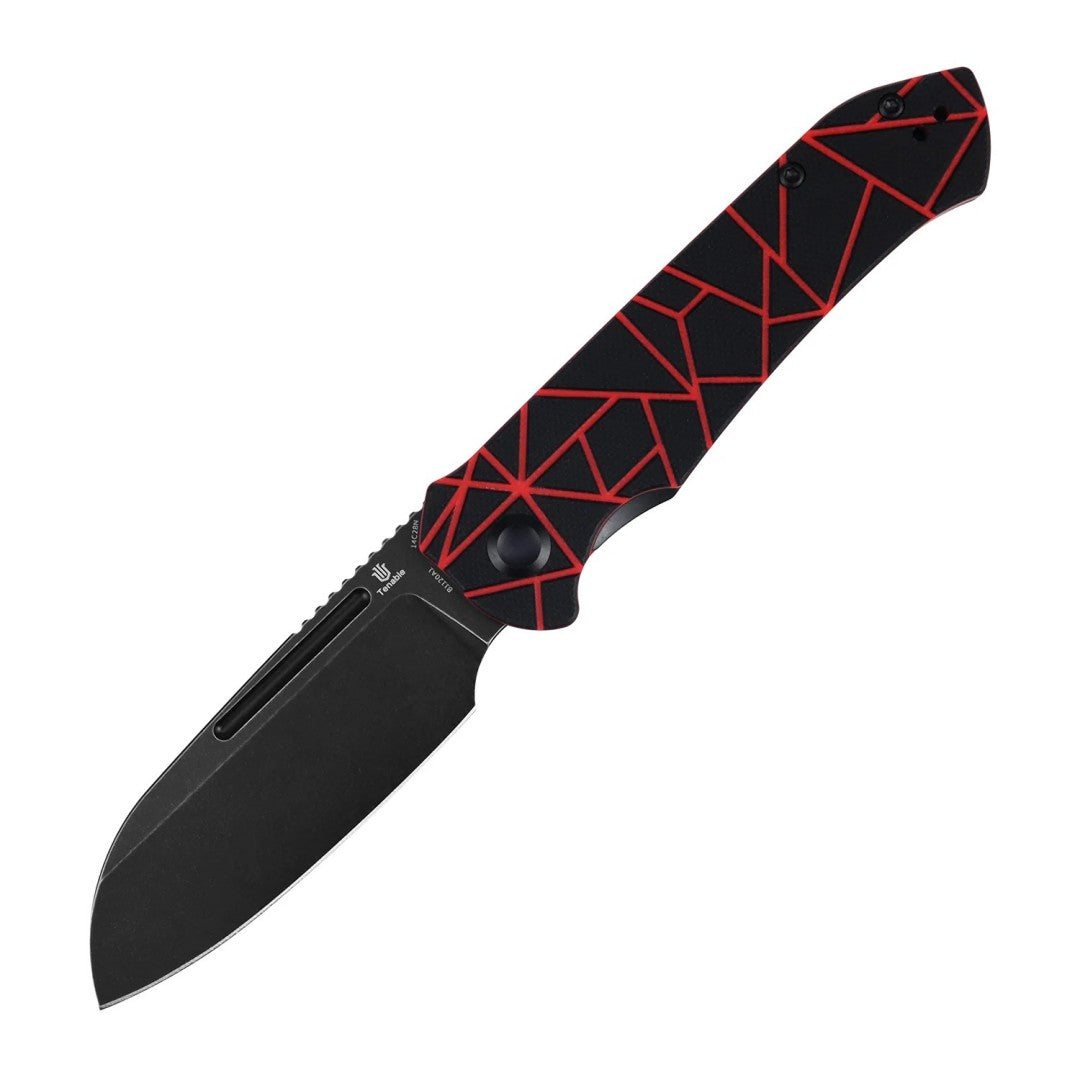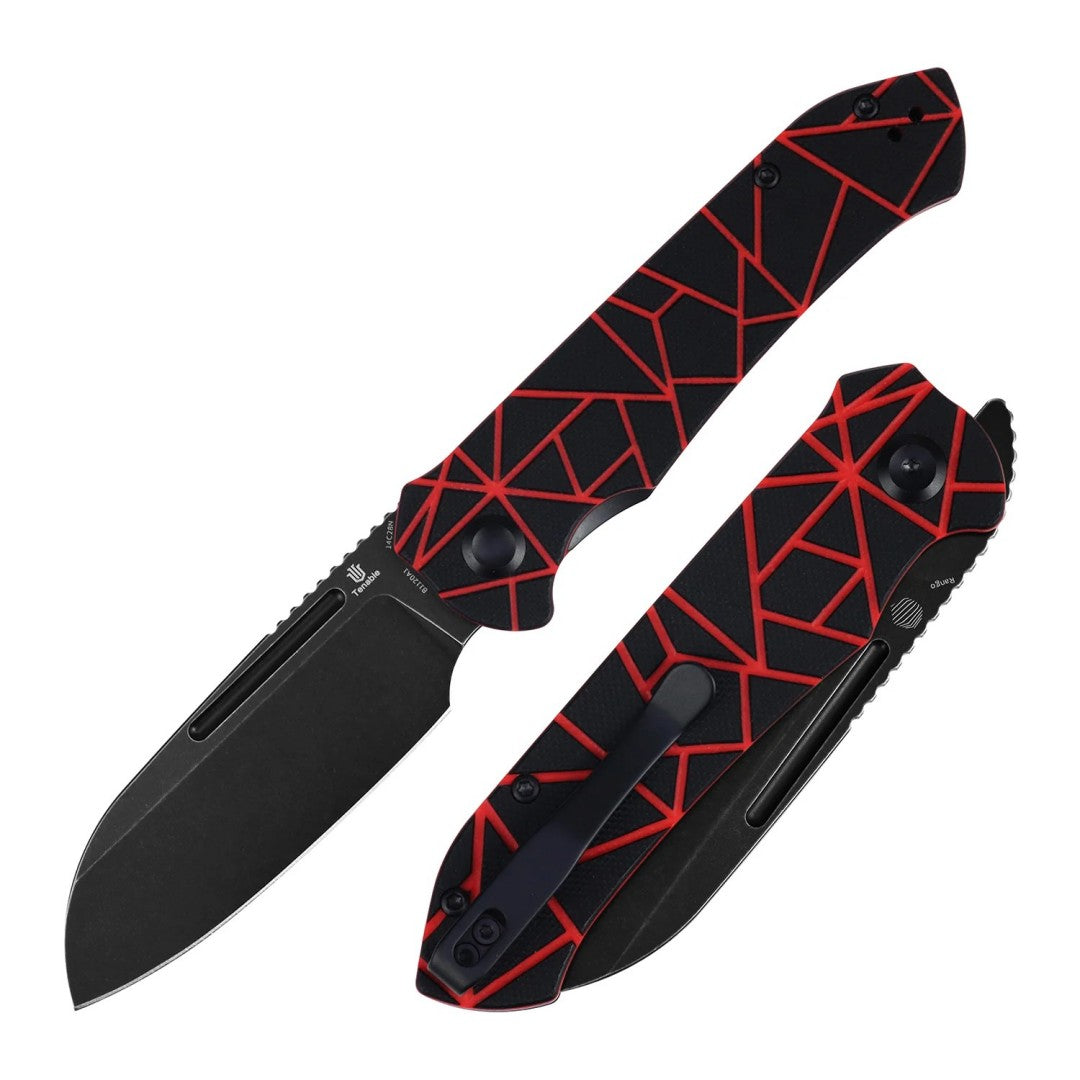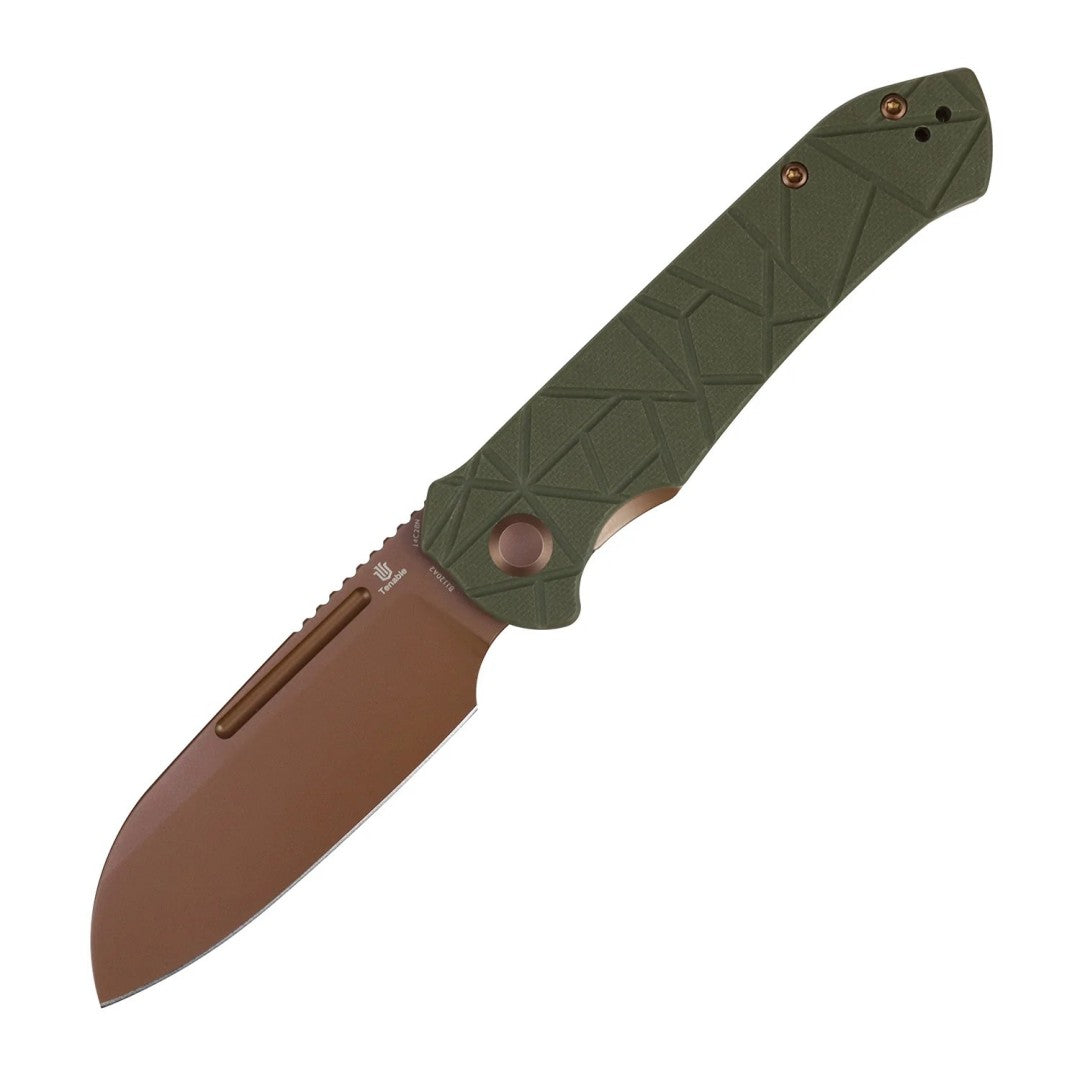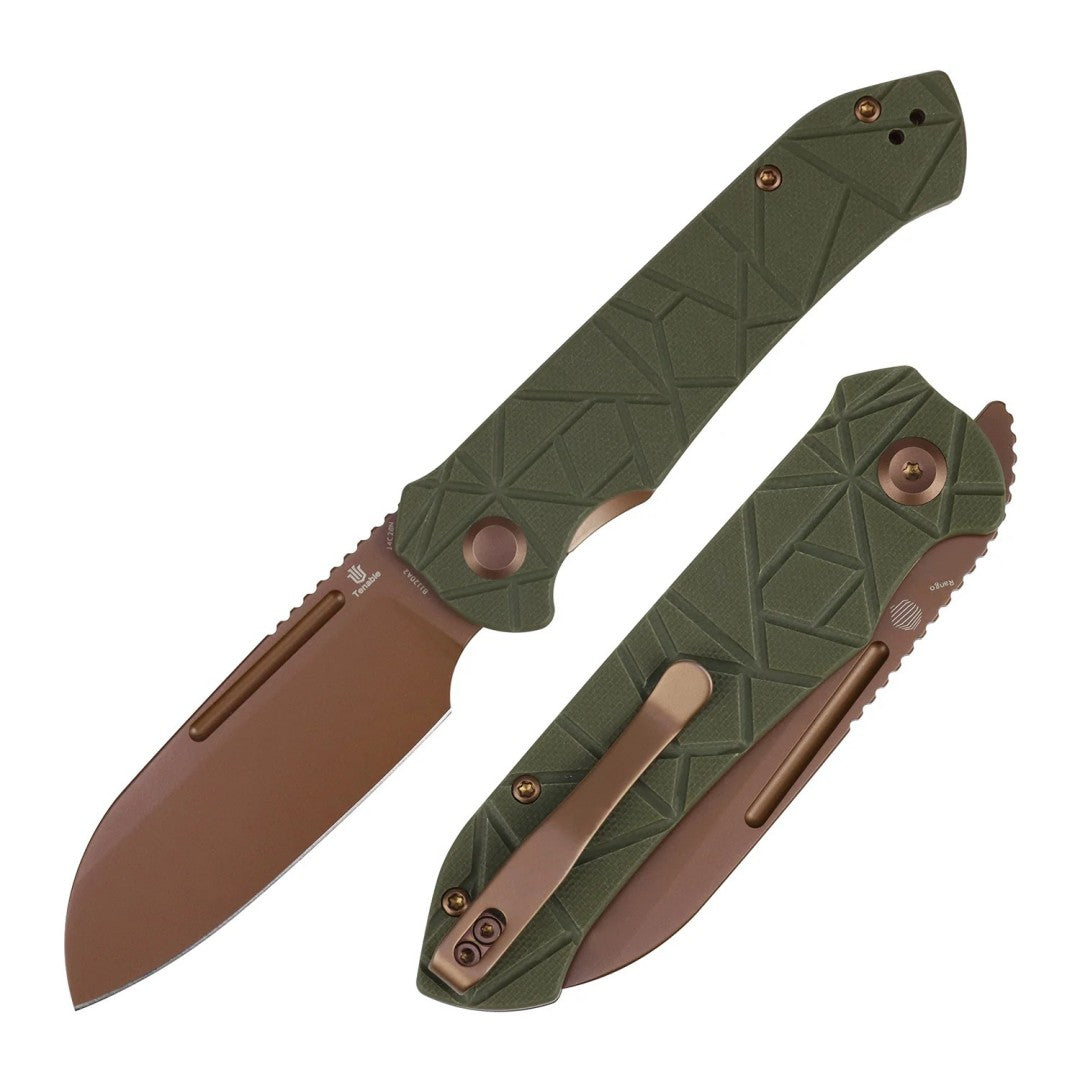

Engineering a pocket knife that seamlessly bridges the gap between custom artistry and production utility requires a deep understanding of metalworking, mechanics, and human hand dynamics. When custom knifemaker Greg Schob of Sparrow Knife Co. partnered with Kansept, the goal was clear: translate his custom design into a high-performance production folder. The resulting Kansept Fenrir stands as a masterclass in functional knife engineering.
From weight distribution to blade geometry, every millimeter of this folder was calculated to deliver optimal performance for daily cutting tasks.
The Structural Blueprint: Ergonomics and Weight Distribution
Greg Schob’s background as a metal fabricator and U.S. Coast Guard veteran directly influenced the structural architecture of the Fenrir. Rather than focusing solely on visual lines, Schob engineered the handle to act as a natural extension of the user's hand.
Bolster Architecture and Balance Point
In many folding knives, the balance point leans heavily toward the blade, causing hand fatigue during prolonged slicing. Schob solved this by engineering a distinct bolster-style handle geometry. By placing slightly more mass at the front bolster area and tapering the rear scales, the knife’s center of gravity rests precisely where your index finger wraps around the grip.
Chamfered Scale Geometry
To ensure comfort during high-pressure push cuts, the handle scales feature 3D-milled chamfering along every border. This eliminates sharp corners and hot spots, providing a secure grip whether executed on textured Micarta, carbon fiber, or precision-milled titanium scales.
Blade Mechanics and Cutting Geometry
The defining feature of the Fenrir is its harpoon drop point blade. Schob engineered this profile to maximize versatility across a wide spectrum of EDC tasks.
| Engineering Aspect | Design Feature | Functional Benefit |
| Spine Architecture | Harpoon Swedge & Jimping | Creates an intuitive thumb rest for downforce during heavy cutting |
| Grind Profile | Precision Hollow Grind | Minimizes drag behind the edge, allowing smooth slicing through dense materials |
| Tip Dynamics | Reinforced Acute Point | Combines piercing capability with structural strength to prevent tip chipping |
| Primary Steel Options | CPM-S35VN / CPM-20CV / Damascus | Provides high edge retention, corrosion resistance, and structural toughness |
 Multi-Lock Integration and Deployment Physics
A critical engineering challenge in translating Schob’s custom model into a production lineup was ensuring the handle architecture could house various lock types without altering the core ergonomics.
Smooth Bearing Pivot Action
The blade pivot rotates on caged ceramic ball bearings set into hardened steel washers. This configuration reduces friction to near-zero, enabling swift deployment whether utilizing the dual thumb studs or the front flipper tab.
Lock Engineering Accommodations
Schob’s design accommodates four distinct locking mechanisms across the lineup:
-
Frame Lock: Utilizes a lock bar cut directly into the titanium scale with a steel insert to prevent lock-stick.
-
Crossbar Lock: Integrates dual steel crossbars and omega springs for completely ambidextrous operation.
-
Liner Lock: Uses nested steel liners to maintain a slim, pocket-friendly profile.
-
Top Liner Lock: Positions the disengagement mechanism along the spine for intuitive, safe one-handed closing.
 Pocket Integration and Carry Dynamics
An engineered tool is only as good as its portability. Schob designed the deep-carry pocket clip to align with the knife's center axis, keeping it flush against the pocket seam. The subtle ramp on the clip ensures easy pocket insertion while maintaining strong retention over thick denim or tactical trousers.
By combining custom fabrication principles with modern manufacturing precision, Greg Schob successfully engineered a folder that offers exceptional strength, precise balance, and reliable cutting power.