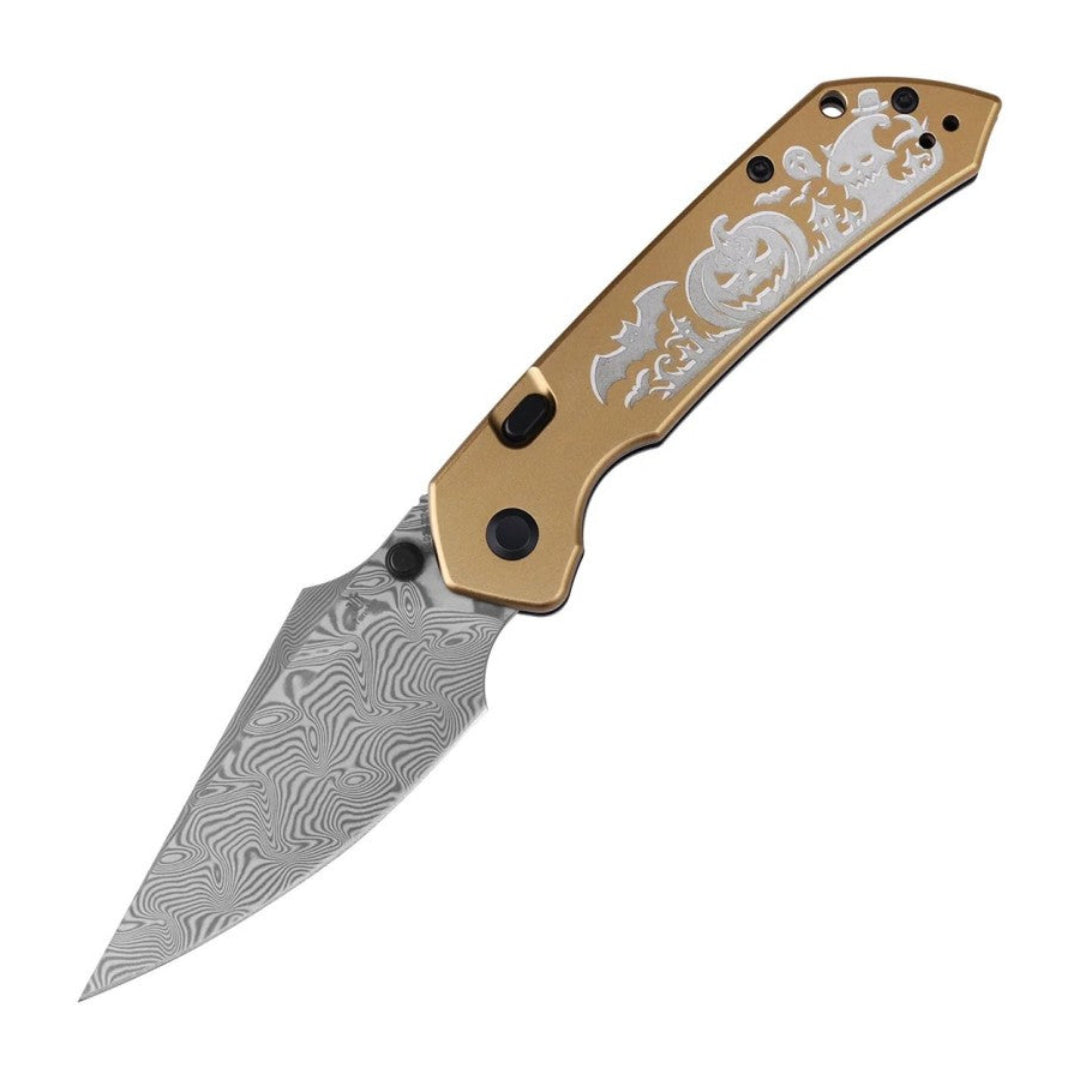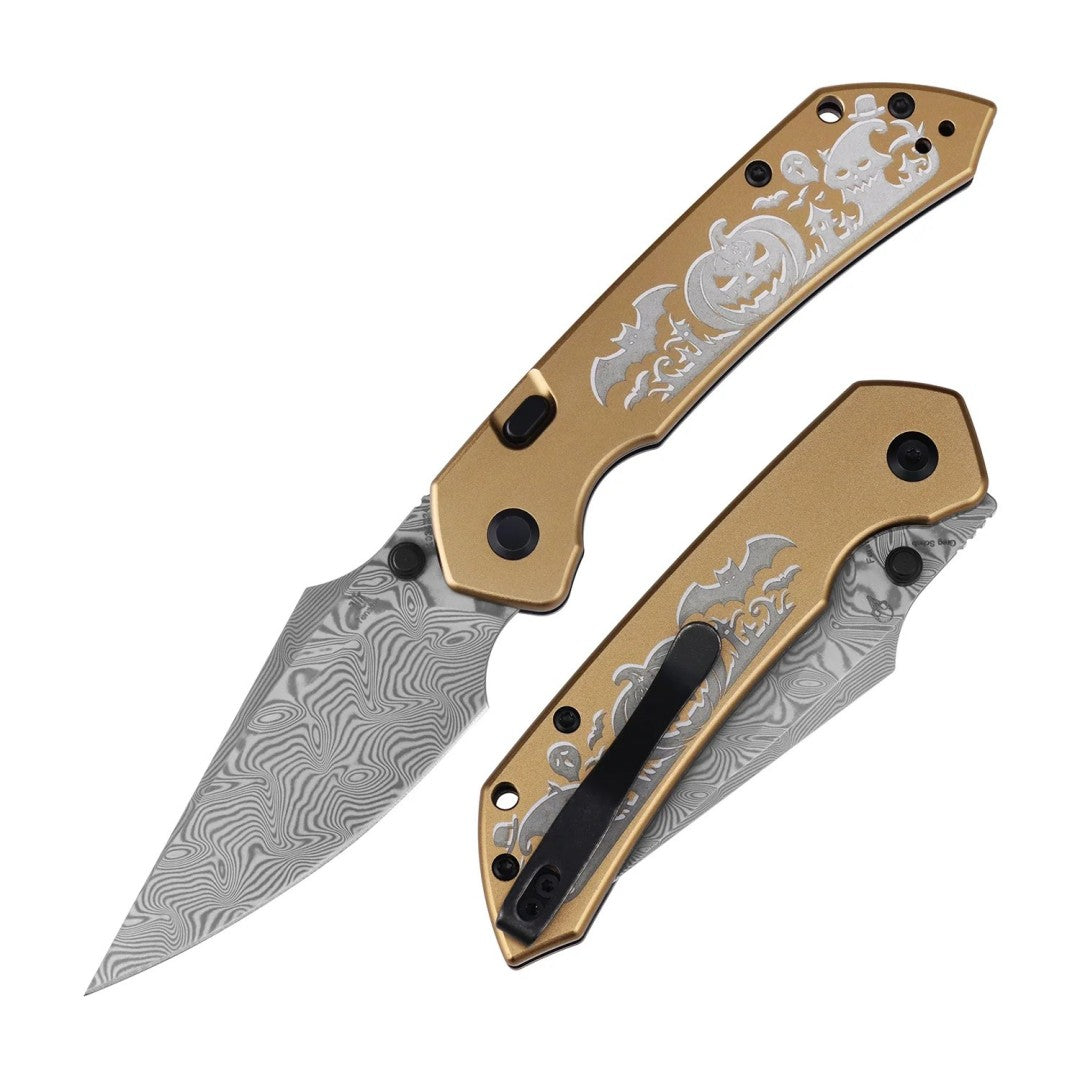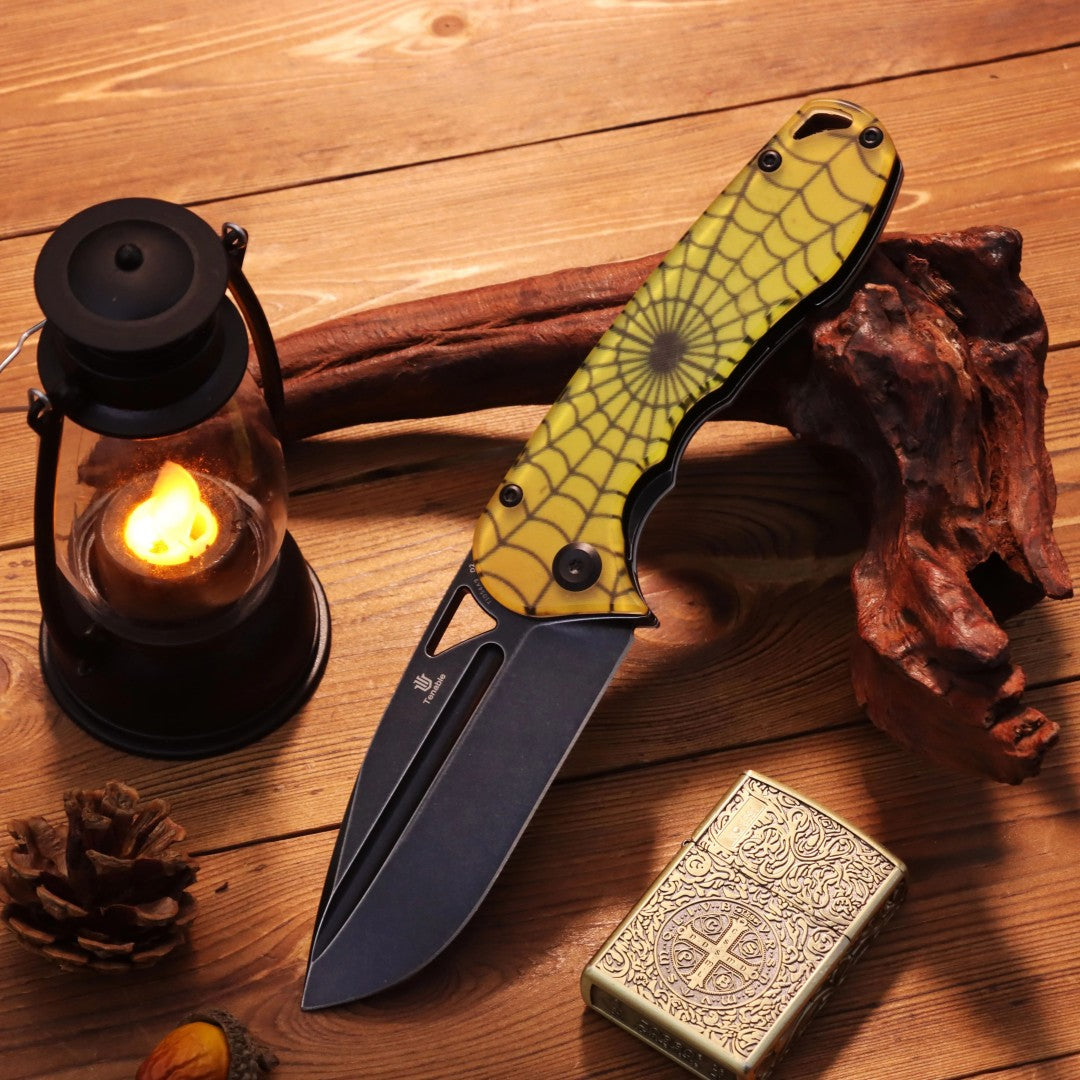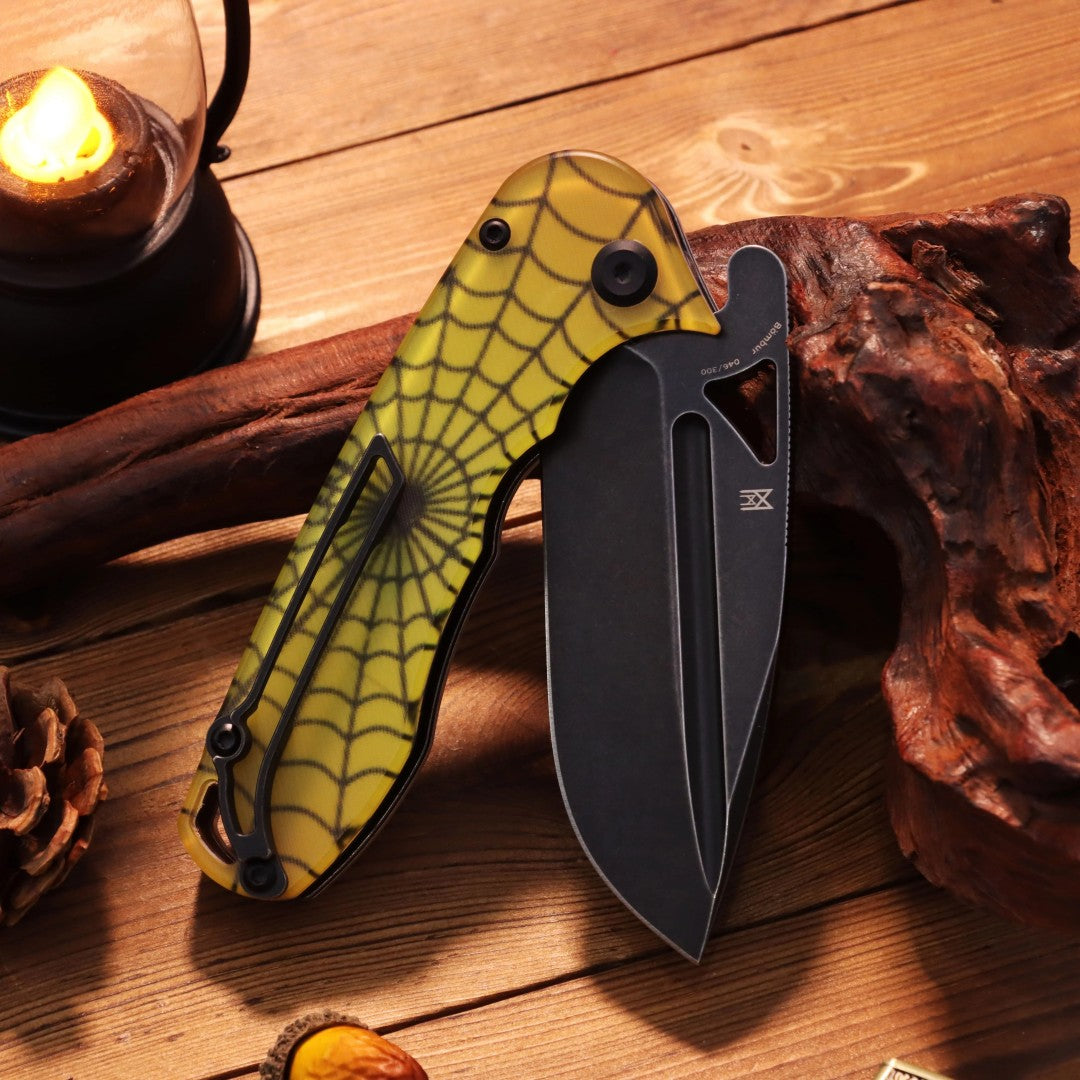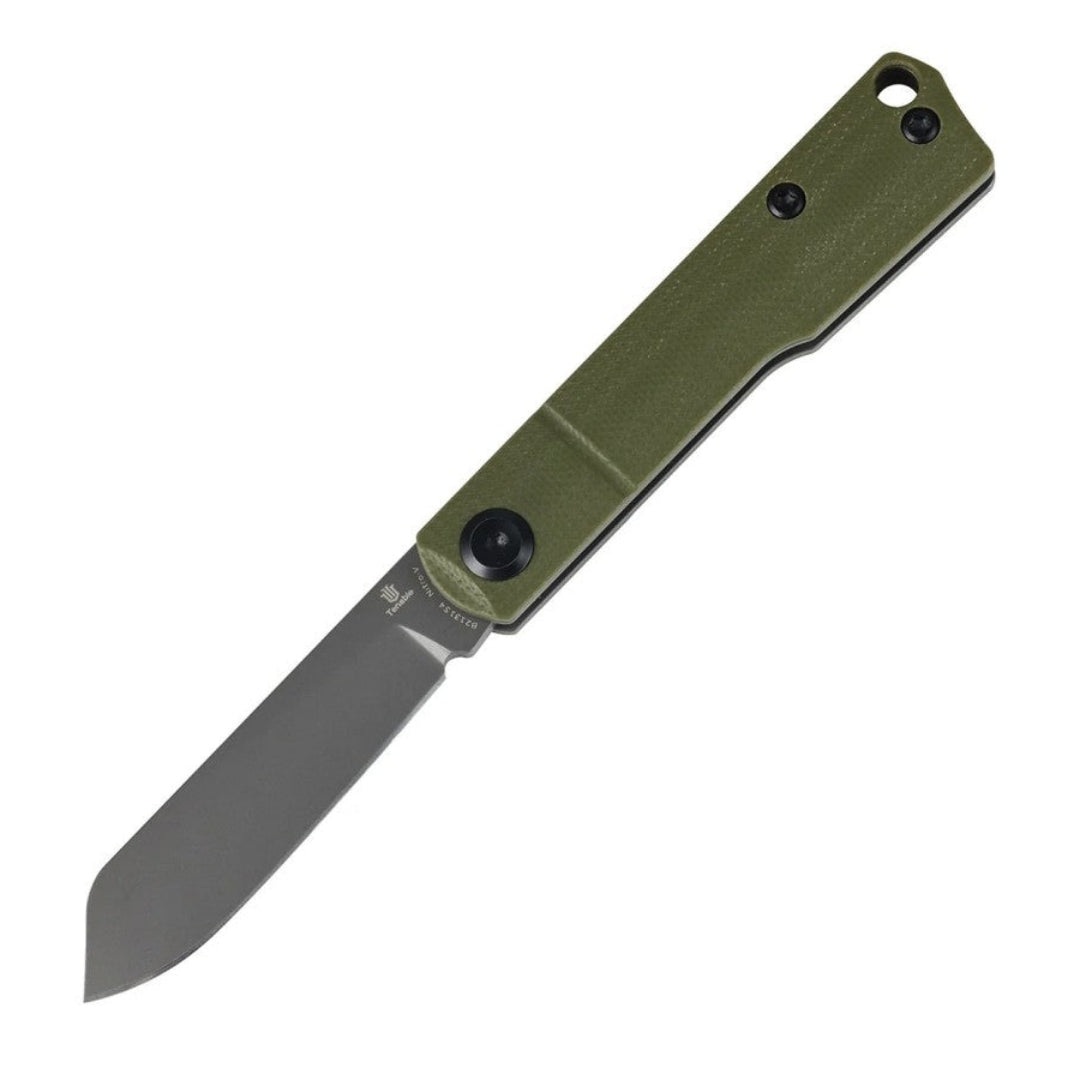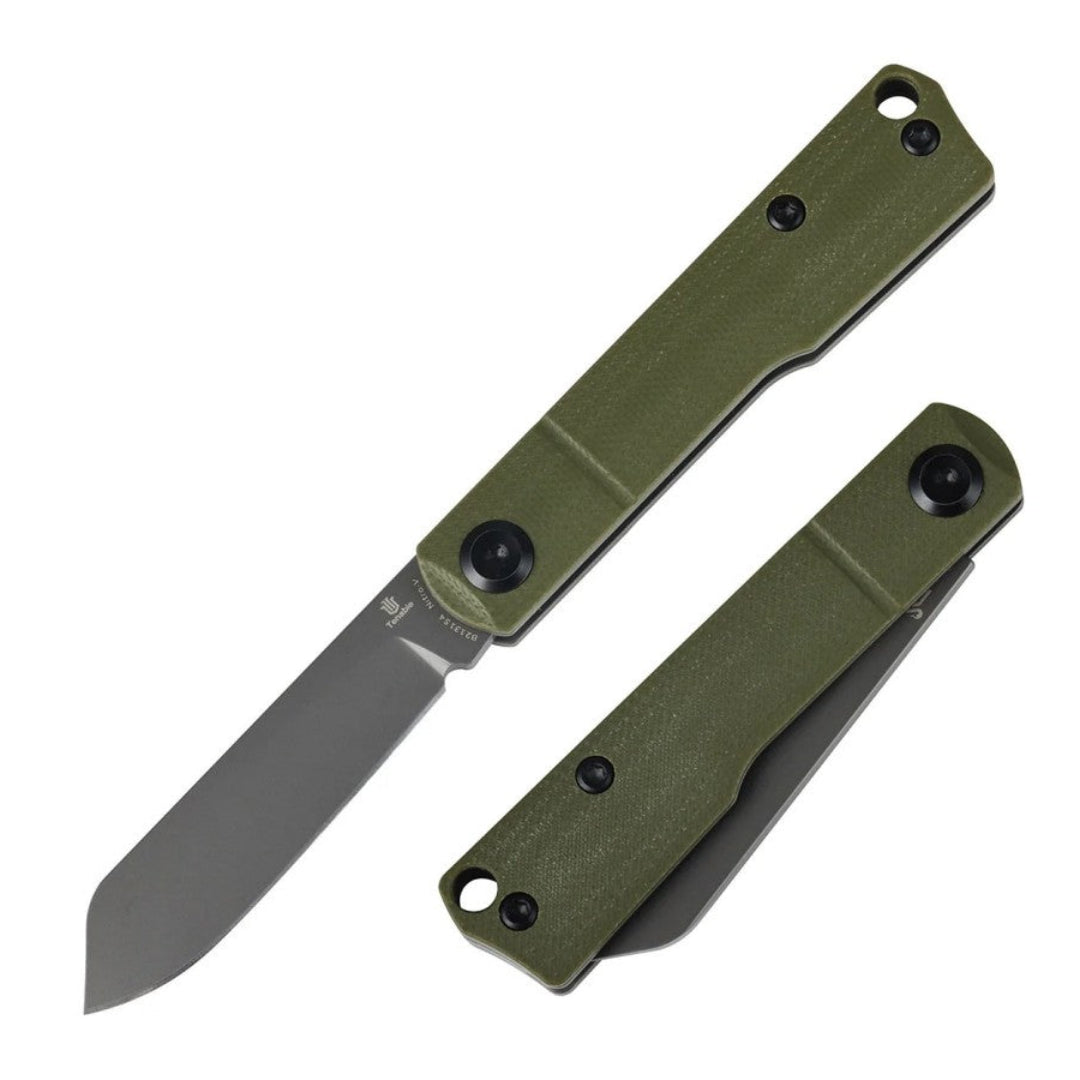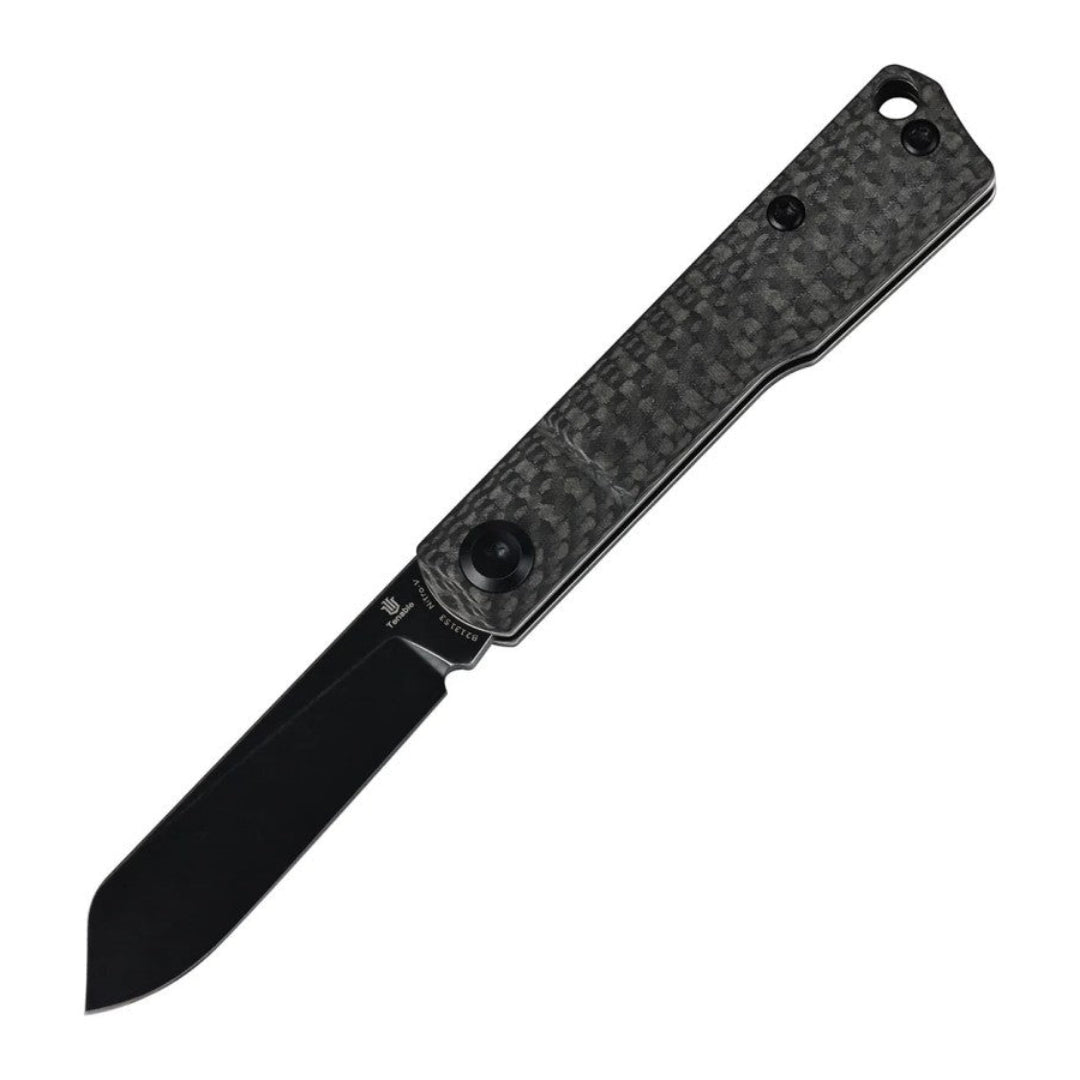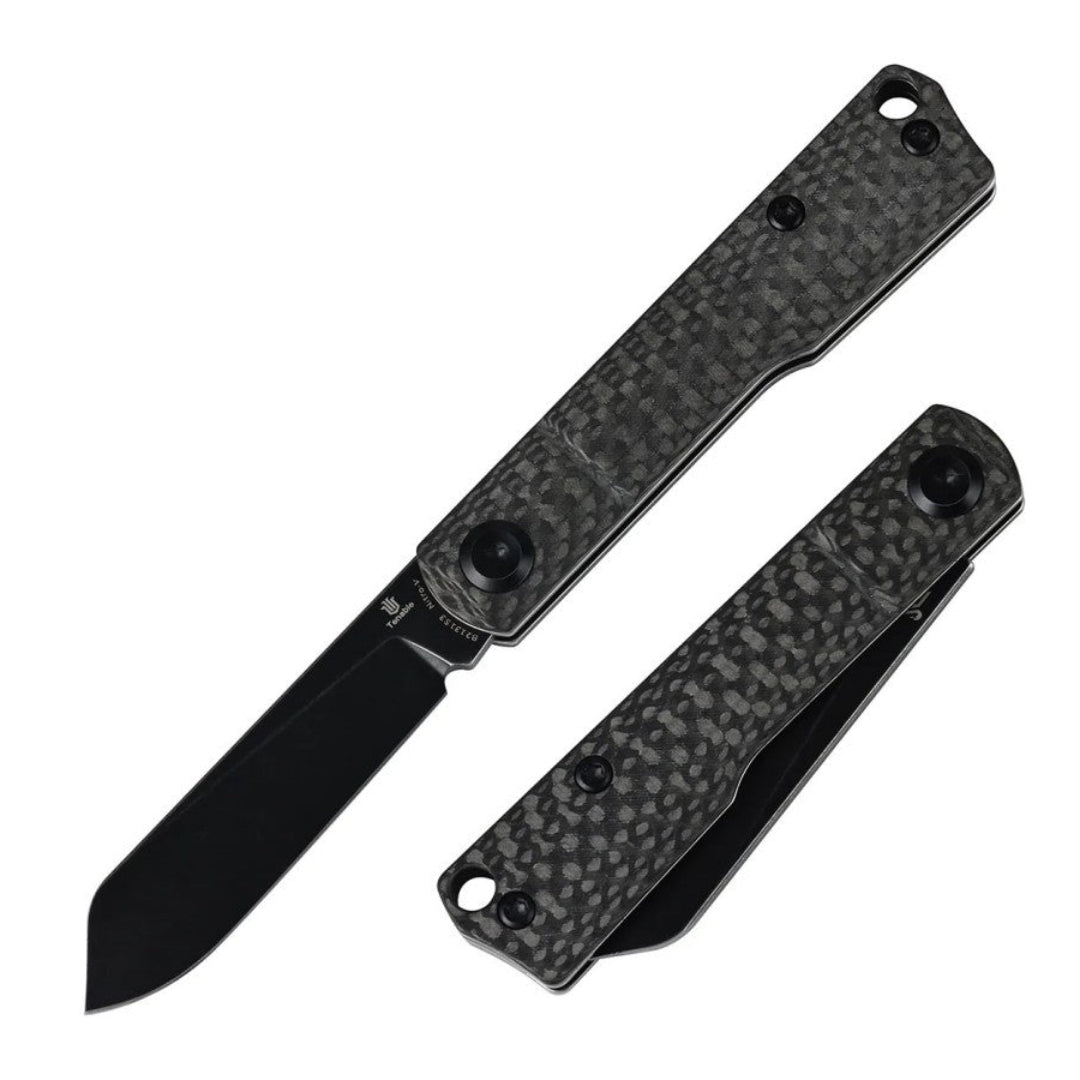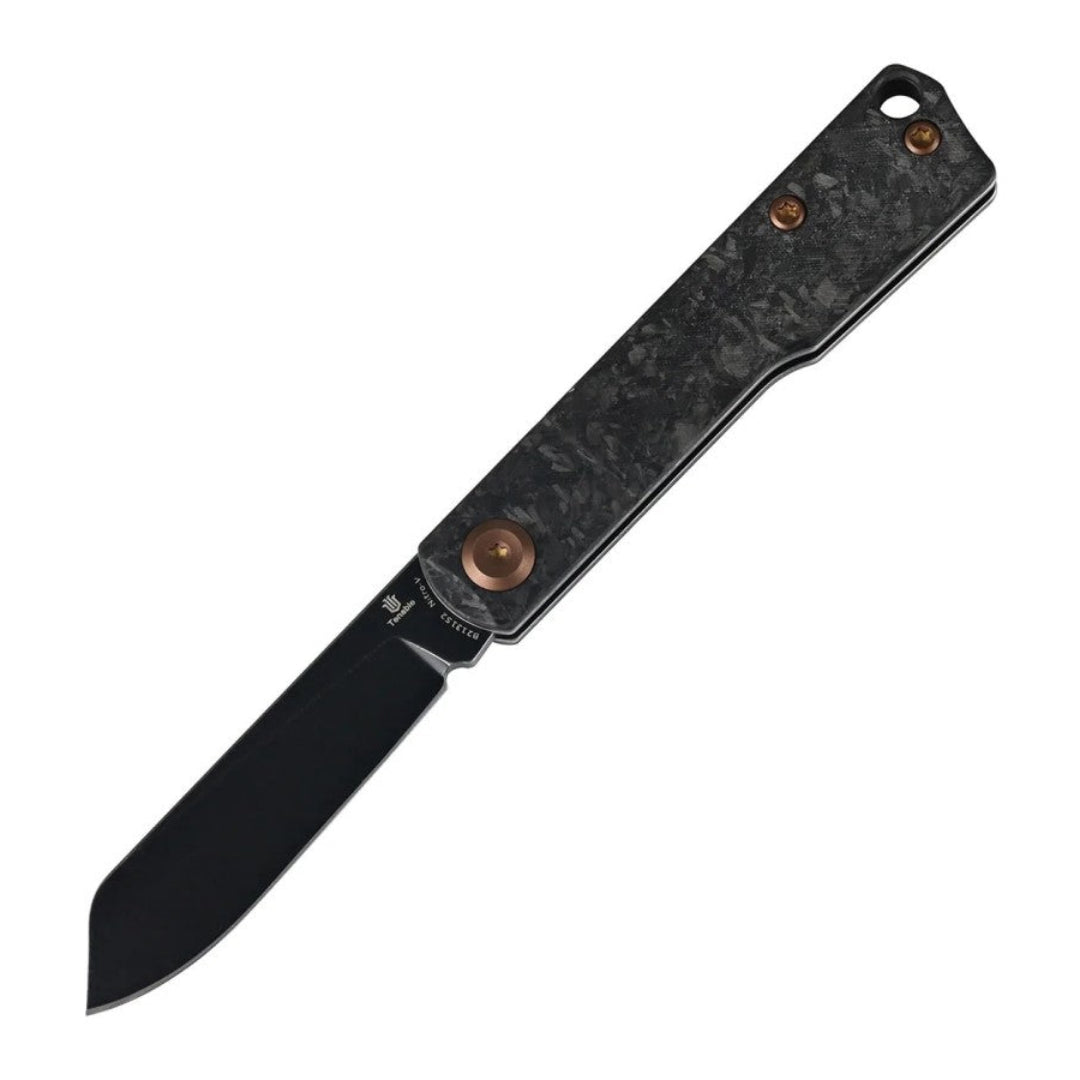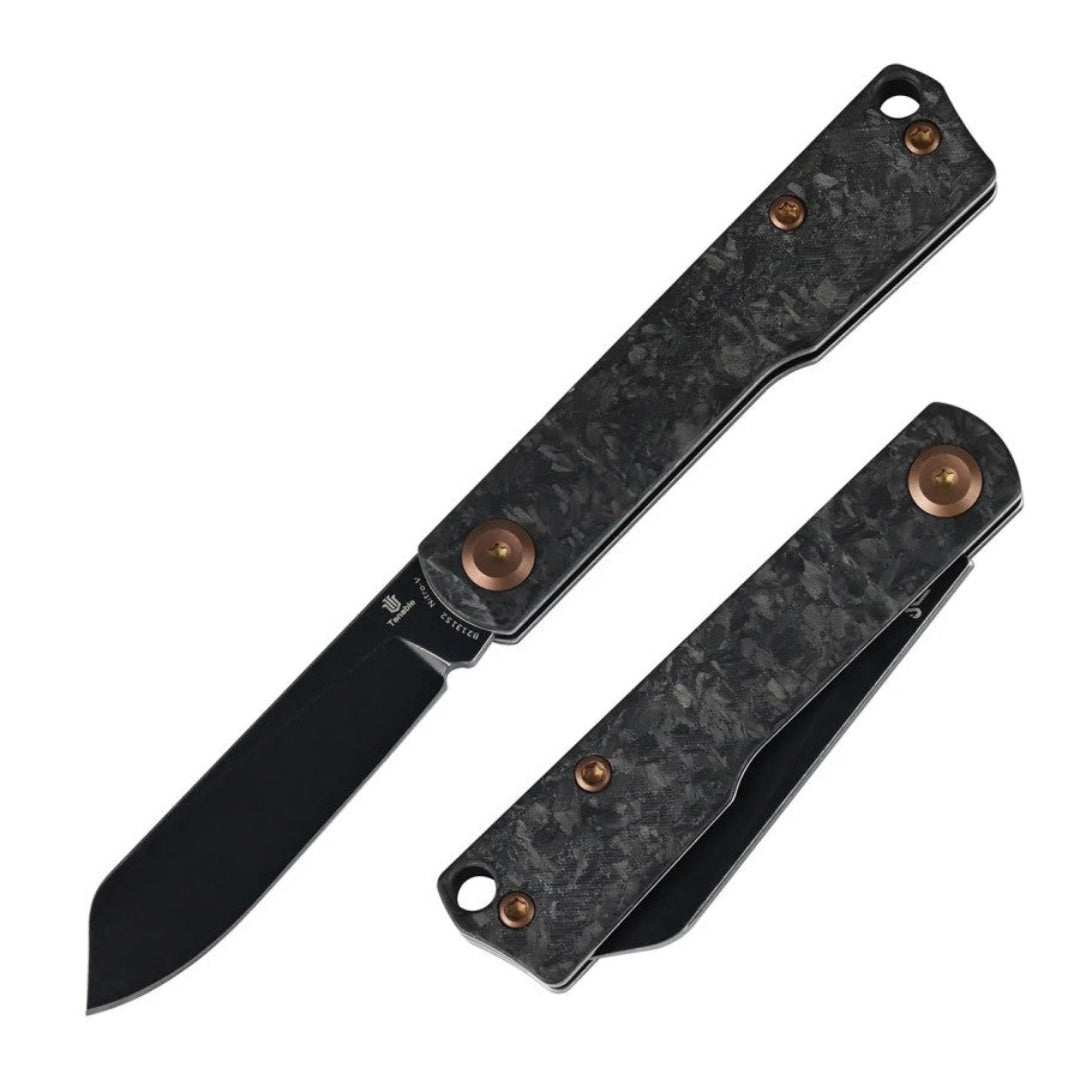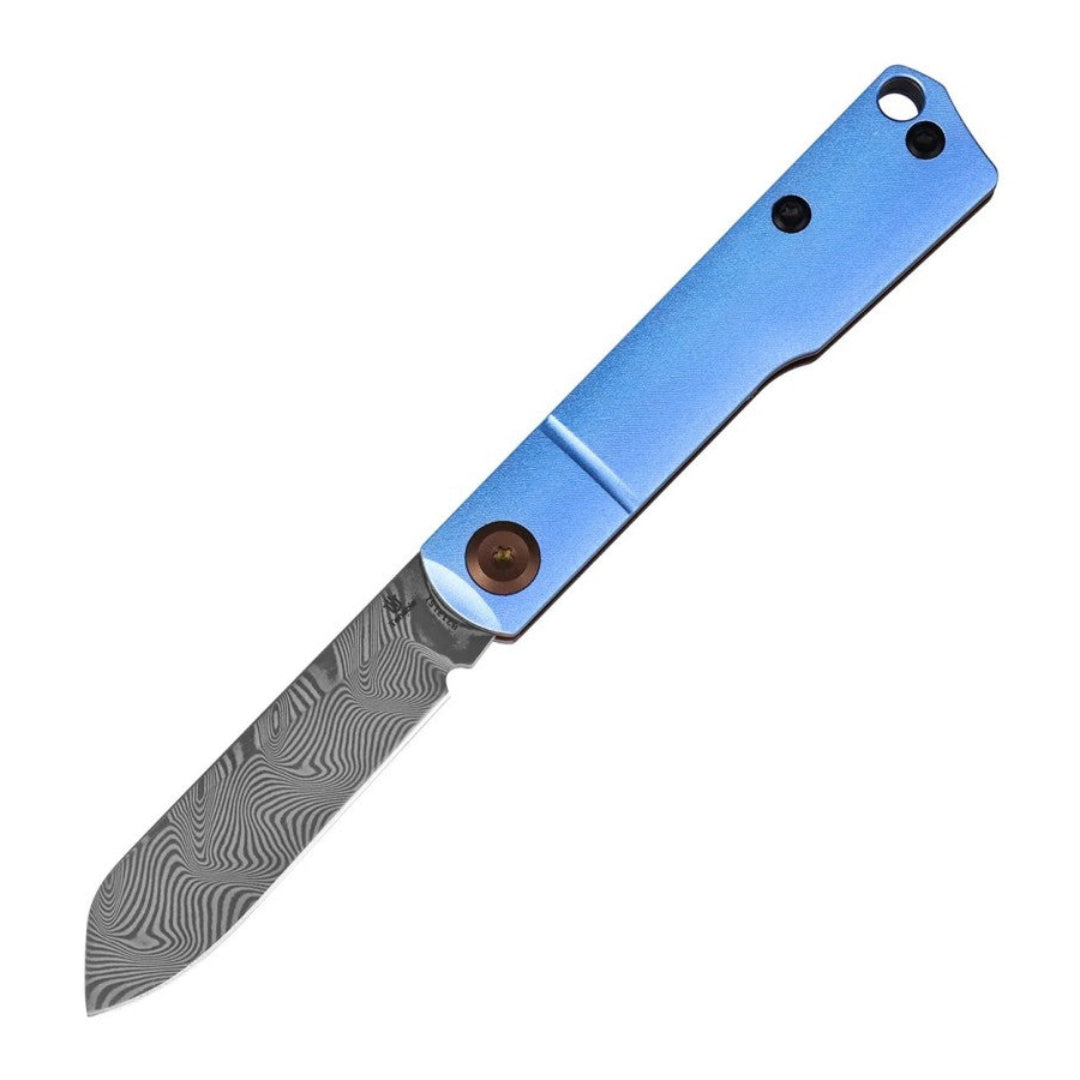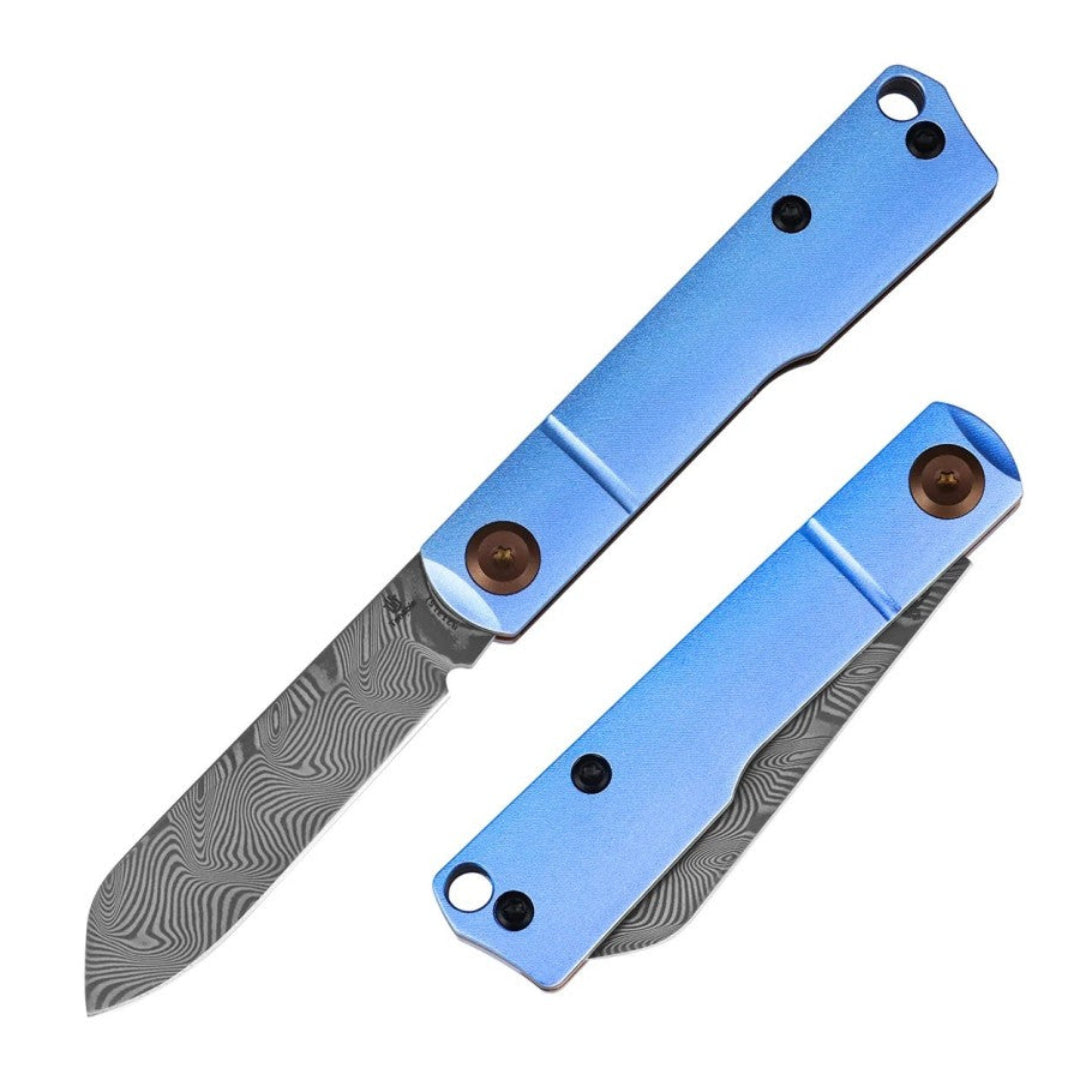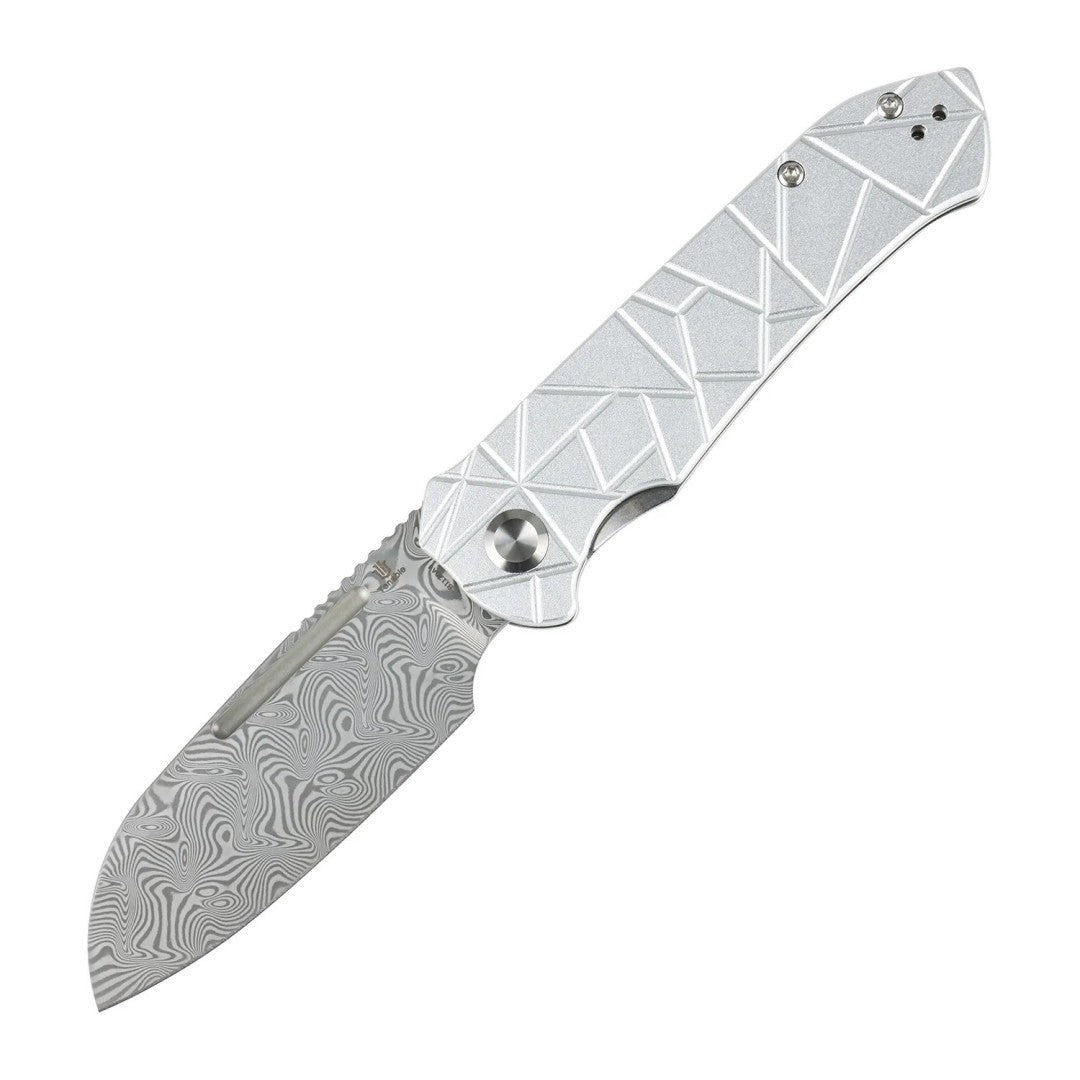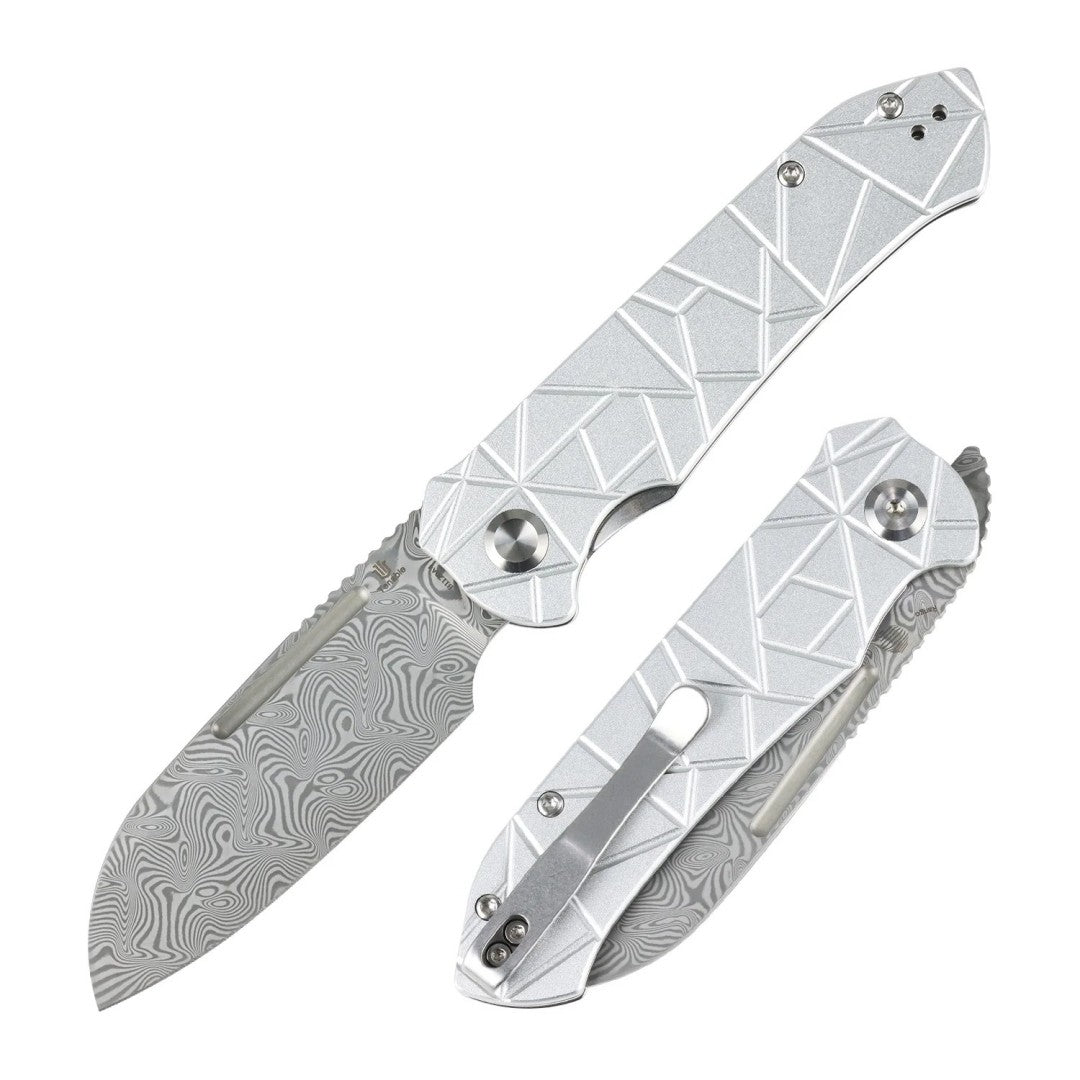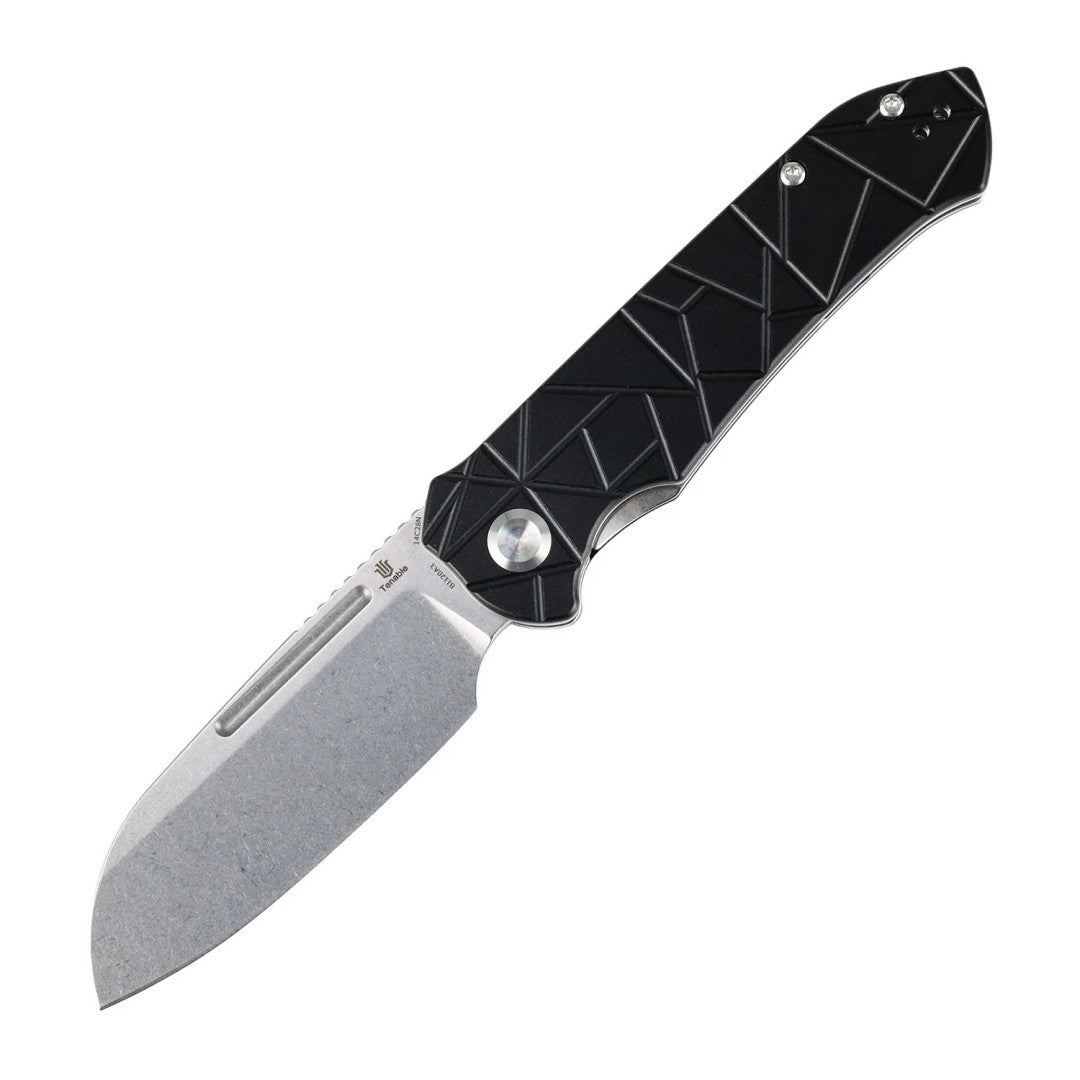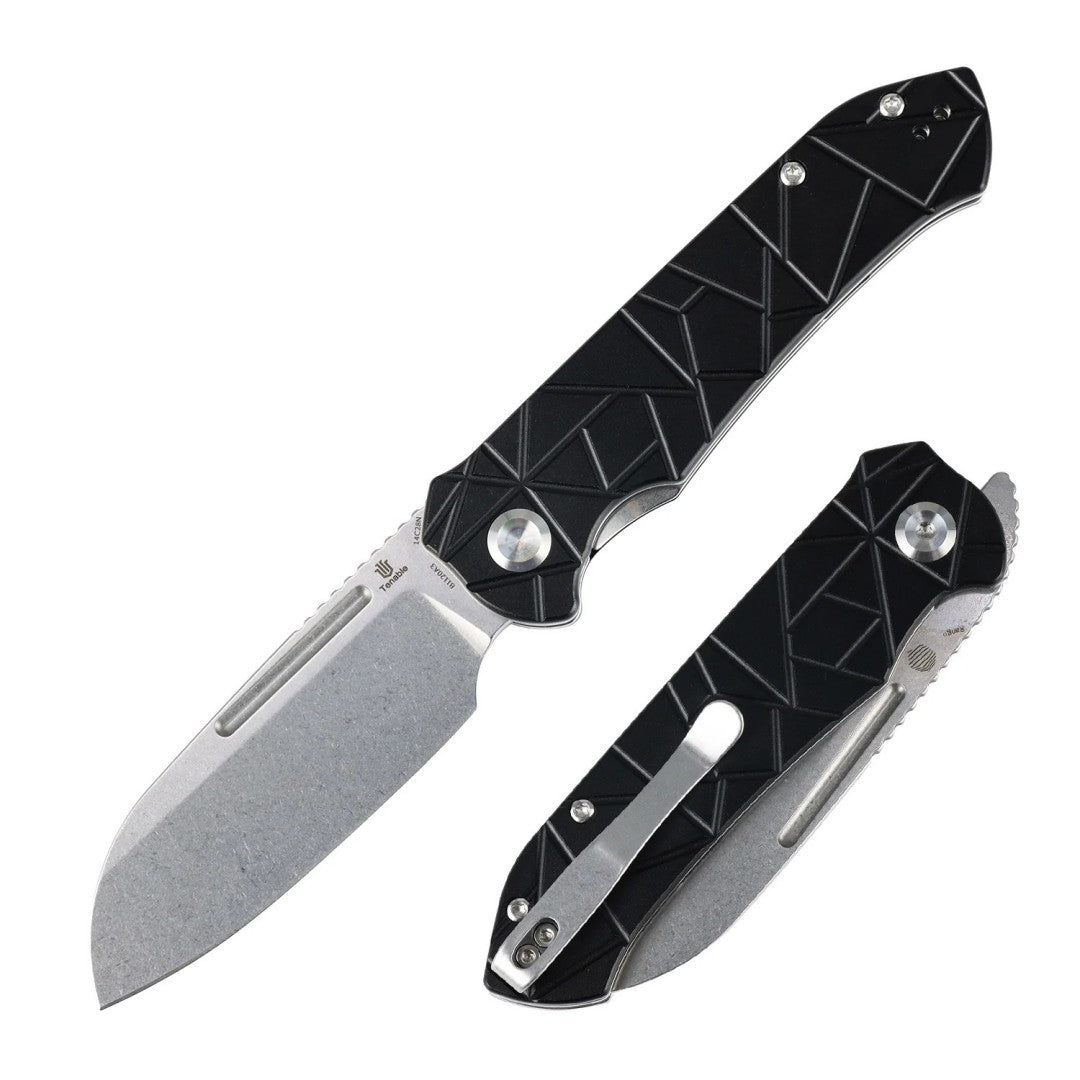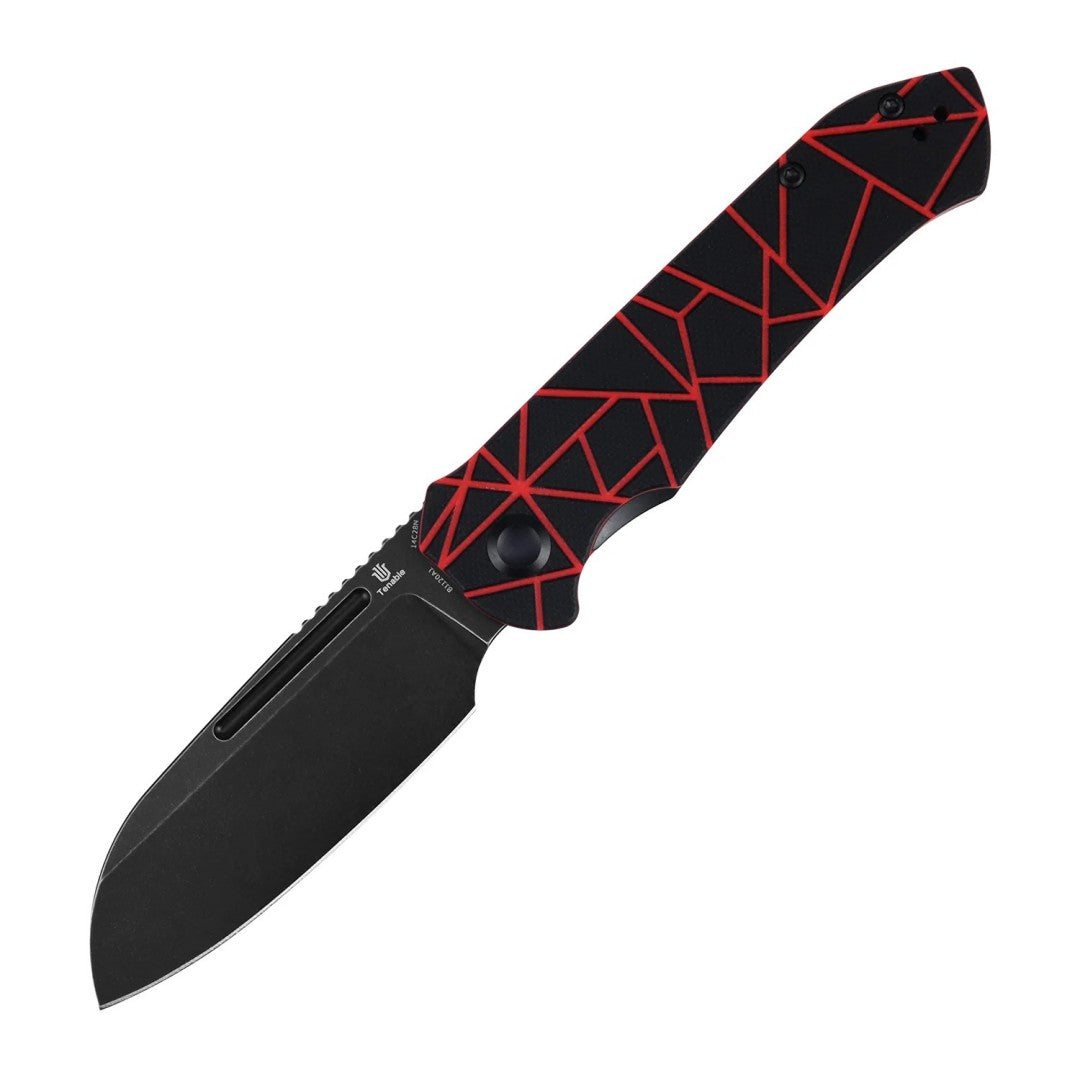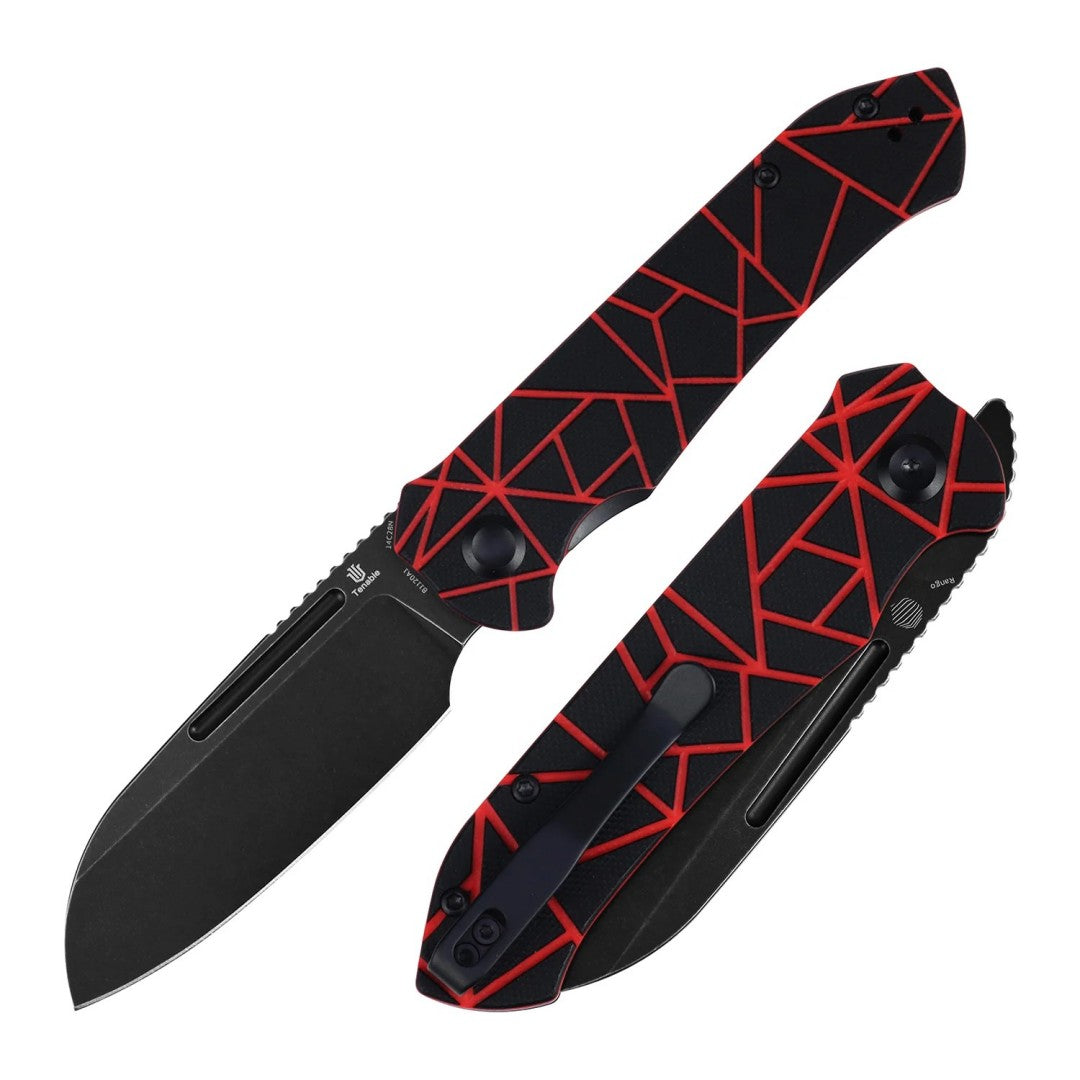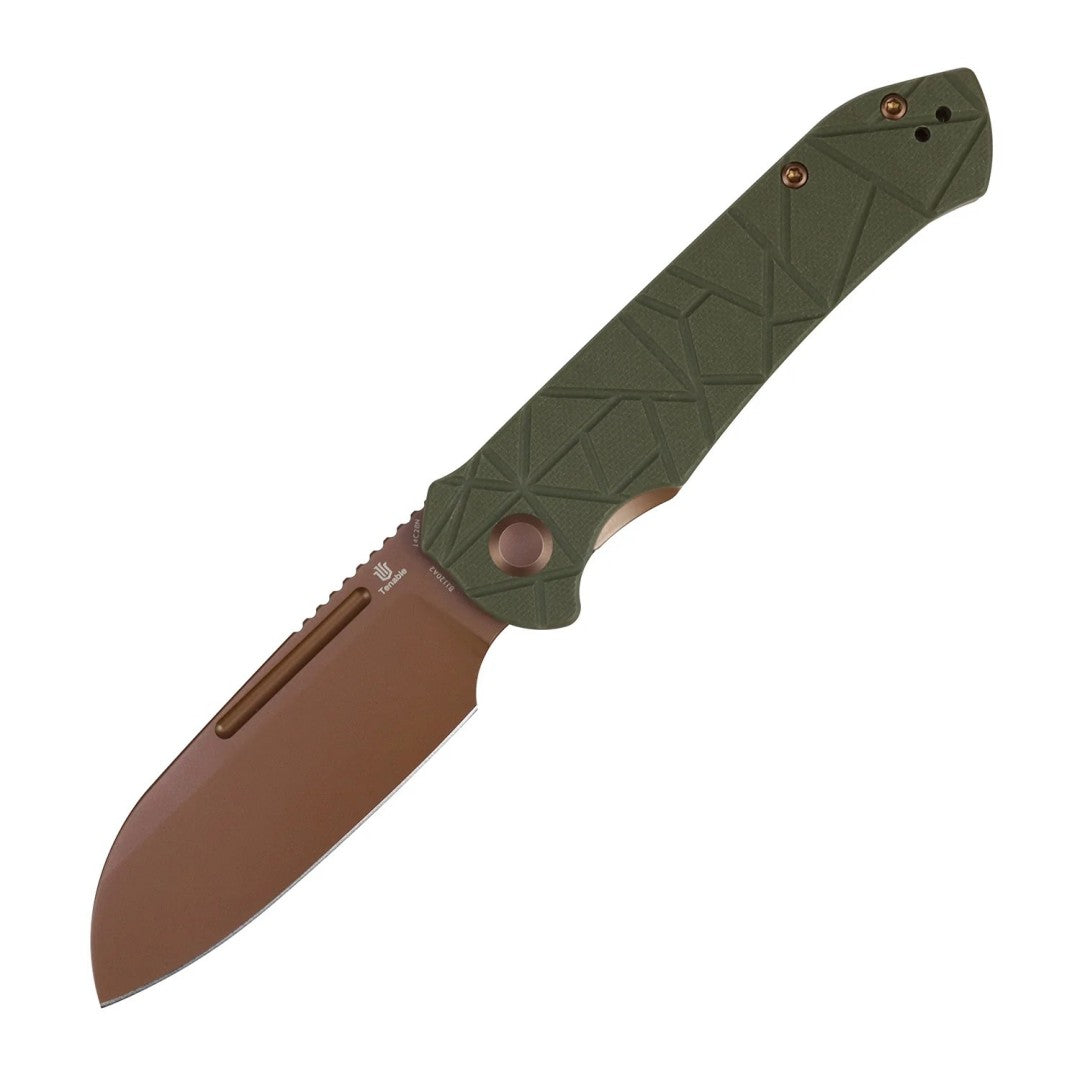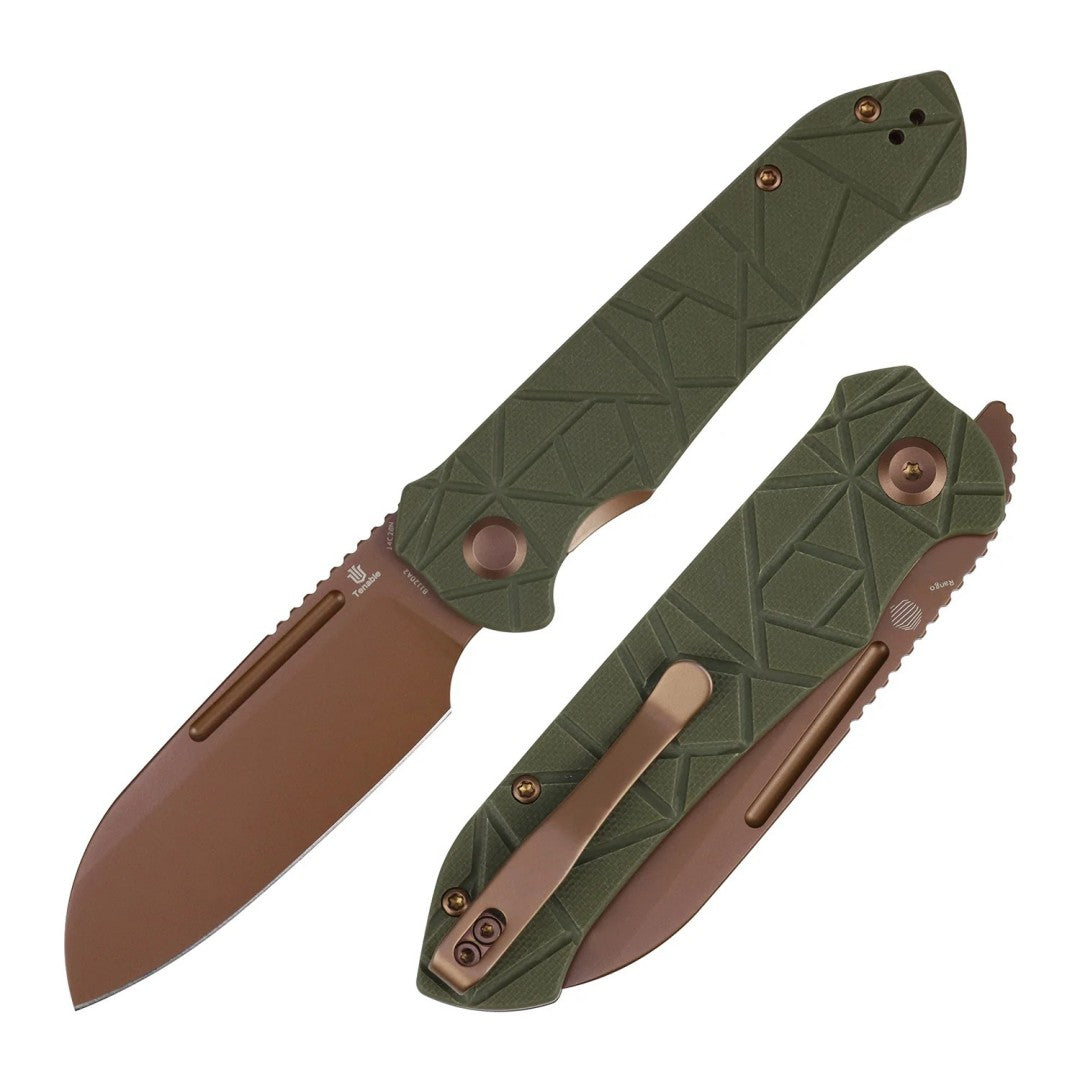

Among modern blade profiles, few balance aggressive aesthetics and practical cutting geometry quite like the harpoon drop point. The Kansept Fenrir, designed by custom maker Greg Schob of Sparrow Knife Co. and manufactured by Kansept, serves as a masterclass in how to execute this shape for real-world utility.
Understanding how to leverage the unique geometry of the Fenrir's blade allows you to handle everything from heavy slicing to delicate scoring with total confidence.
Anatomy of the Harpoon Drop Point Profile
The harpoon drop point combines the broad slicing belly of a traditional drop point with an upper spine ramp or swedge reminiscent of a tactical harpoon. This profile isn't just about looks; every contour serves a functional purpose in daily work.
The Harpoon Spine Ramp
Located along the forward spine, the subtle dip and rise of the harpoon ramp create an intuitive placement zone for your thumb or index finger. By providing an anchor point directly over the blade's pivot and belly, it allows you to transfer downward force into the cut without slipping.
Deep Hollow Grind and Belly
Below the spine, a precision hollow grind thins the steel behind the cutting edge. This creates a keen, low-friction geometry that glides through cardboard, rope, and leather. The generous belly curve increases contact area during long slicing strokes, maximizing cutting efficiency per inch of blade.
Performance Comparison Across Steel Options
To get the most out of the blade geometry, matching the steel type to your primary tasks is essential. The table below outlines how different steel variants perform on this specific platform:
| Steel Variant | Edge Retention | Toughness | Corrosion Resistance | Best Application |
| CPM-S35VN | High | Excellent | High | All-around daily carry, utility work, outdoor chores |
| CPM-20CV | Exceptional | Moderate | Outstanding | Repetitive slicing, abrasive material processing |
| Damascus | Good | Good | Moderate | Light daily tasks, collection showcase, executive carry |
 Cutting Techniques for Daily Tasks
Mastering the harpoon drop point relies on using its distinct zones for specific cutting operations.
Heavy Push Cutting and Slicing
For breaking down heavy materials like double-walled corrugated boxes or thick rubber hose, place your thumb securely on the harpoon thumb ramp. Angle the blade so the belly makes primary contact, and execute a firm pull-stroke. The downforce provided by the harpoon ramp keeps the edge tracking straight without twist or binding.
Precision Detail Work
When opening packages, scoring leather, or shaving fine tinder, choke up on the blade. Place your index finger directly along the harpoon swedge and pinch the handle with your remaining fingers. This "pencil grip" positions your finger right over the tip, turning the acute drop point into a surgical detail tool.
Deployment Mechanics and Lock Synergy
A versatile blade requires solid locking mechanics to handle multidirectional forces safely. The Fenrir housing accommodates various lock configurations to support hard cutting:
-
Frame Lock: Offers rigid lockup for heavy downward pressure and lateral force.
-
Crossbar Lock: Allows quick one-handed opening and closing with spring-loaded security.
-
Liner Lock: Provides a clean internal lockup mechanism for classic carry.
-
Top Liner Lock: Keeps disengagement buttons along the spine, ensuring your fingers never cross the blade path during closure.
 Unlocking Full Blade Potential
The harpoon drop point profile on this folder is far more than a visual statement. By utilizing the thumb ramp for extra leverage, relying on the acute tip for detailed scoring, and choosing the right blade steel for your workflow, you turn an already capable EDC folder into an exceptionally versatile cutting instrument.