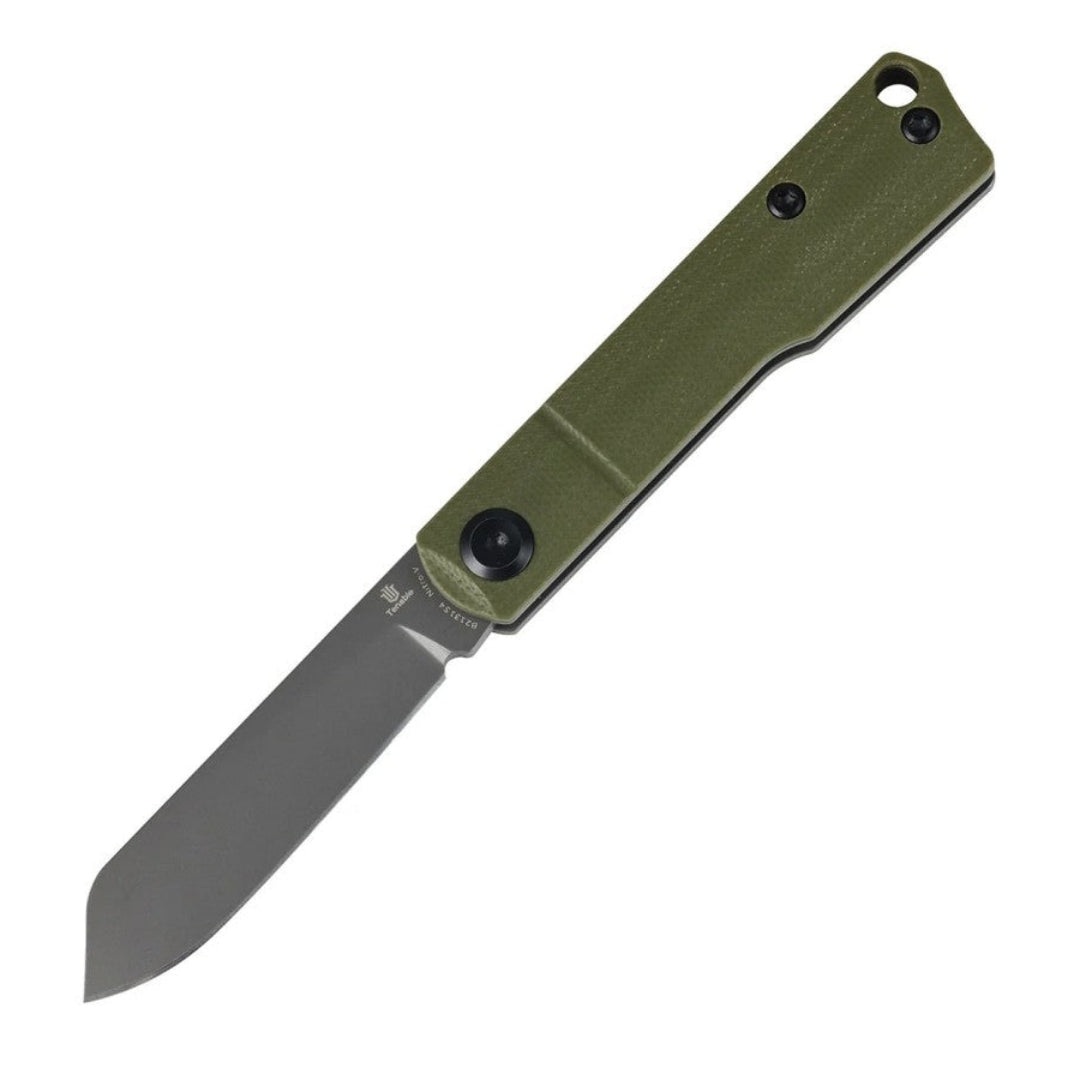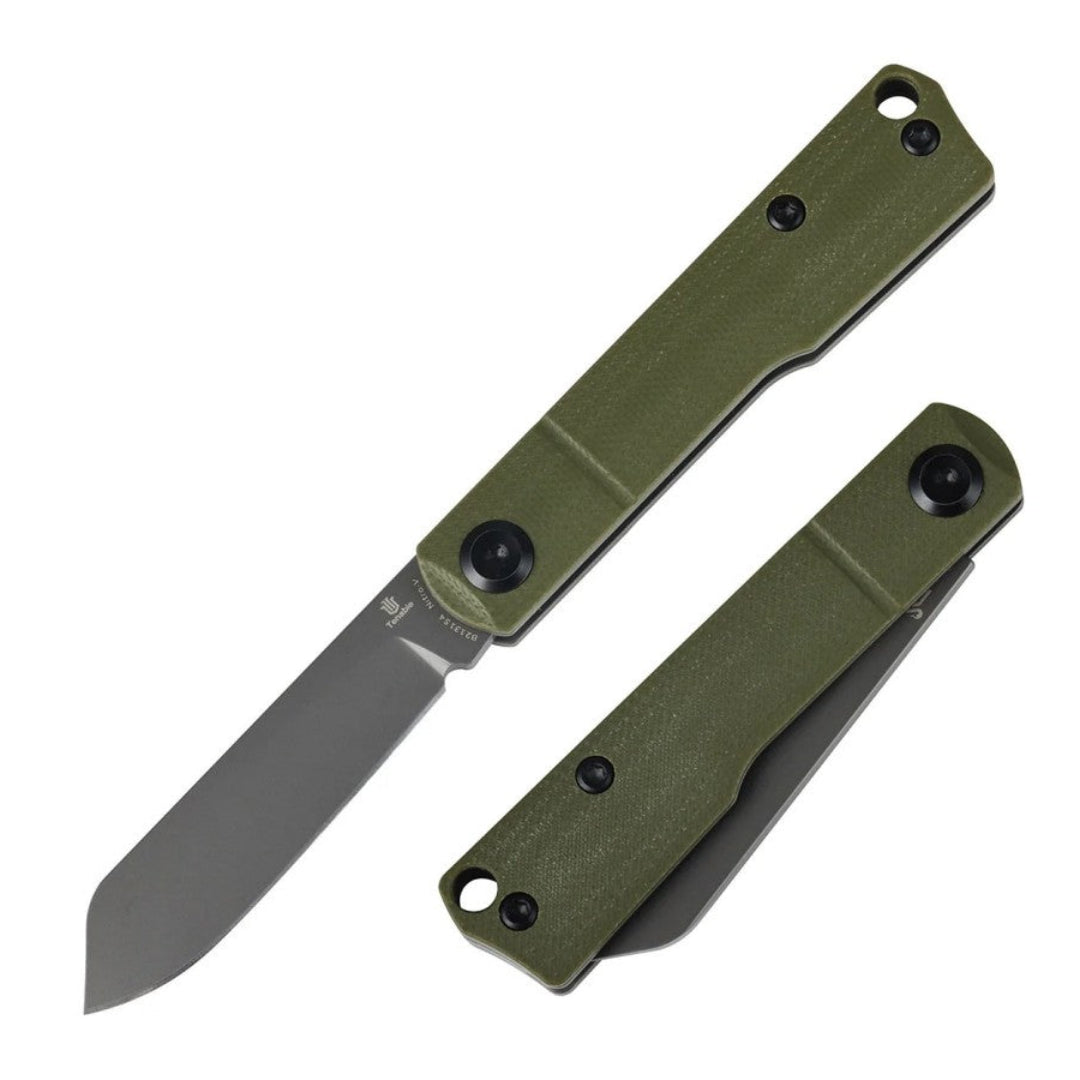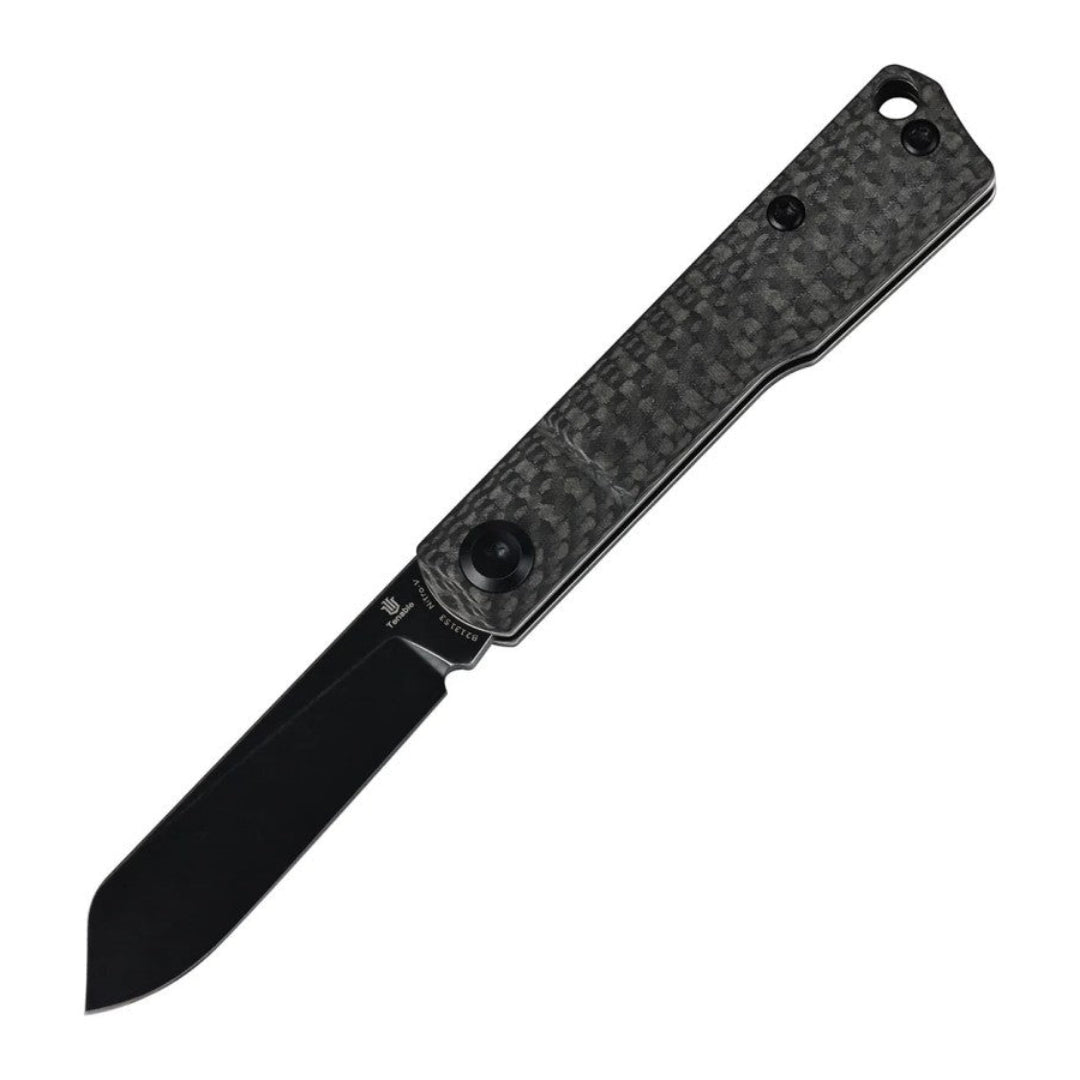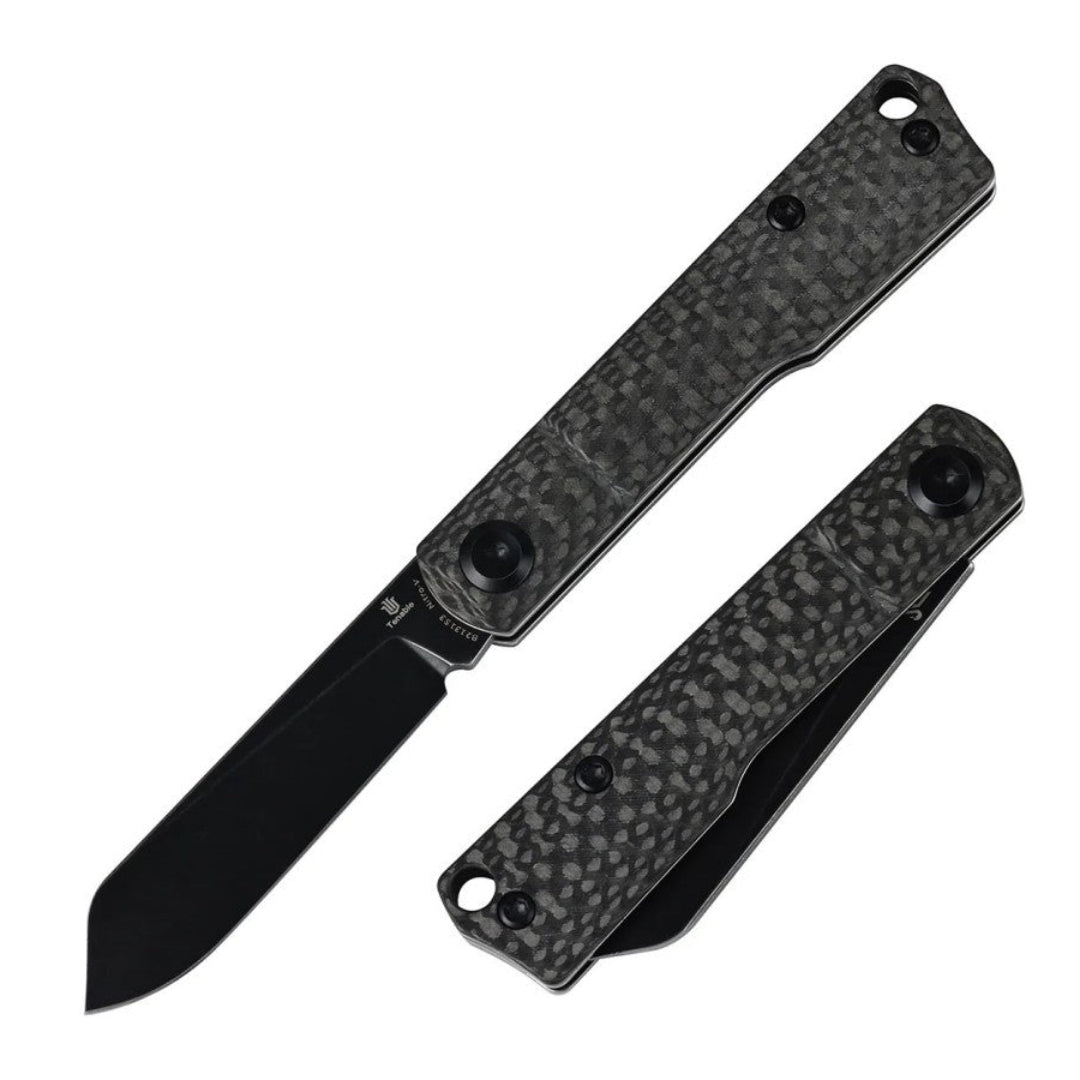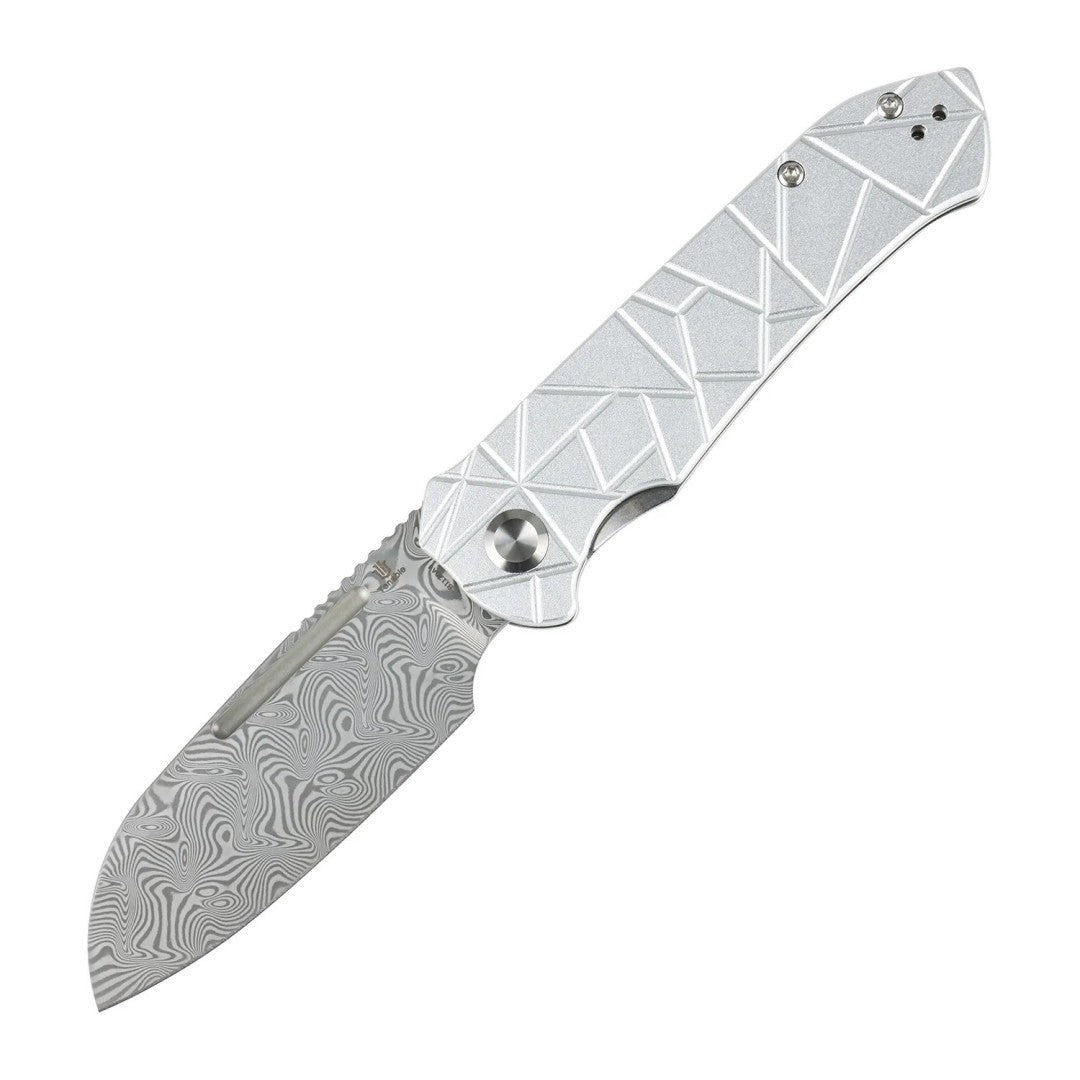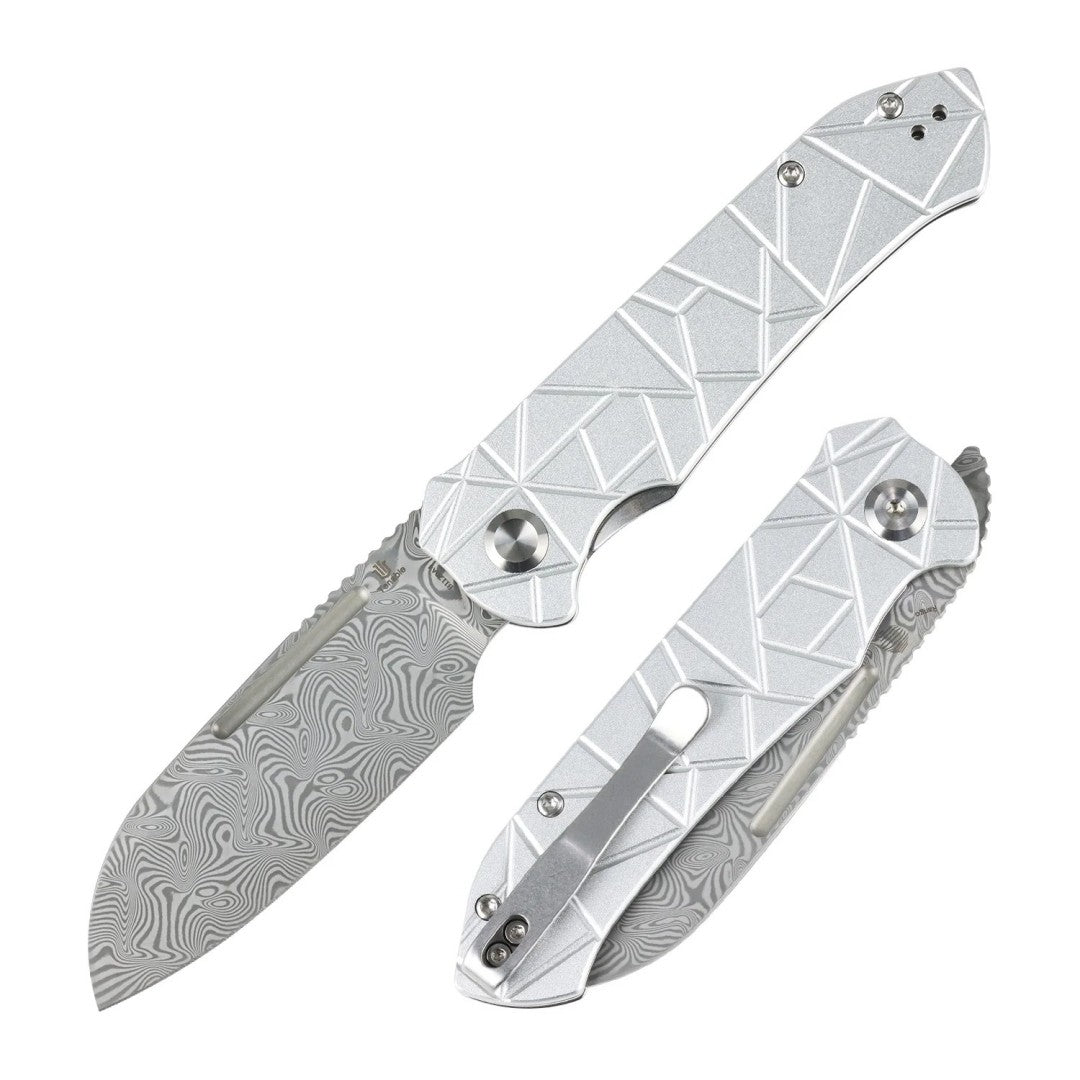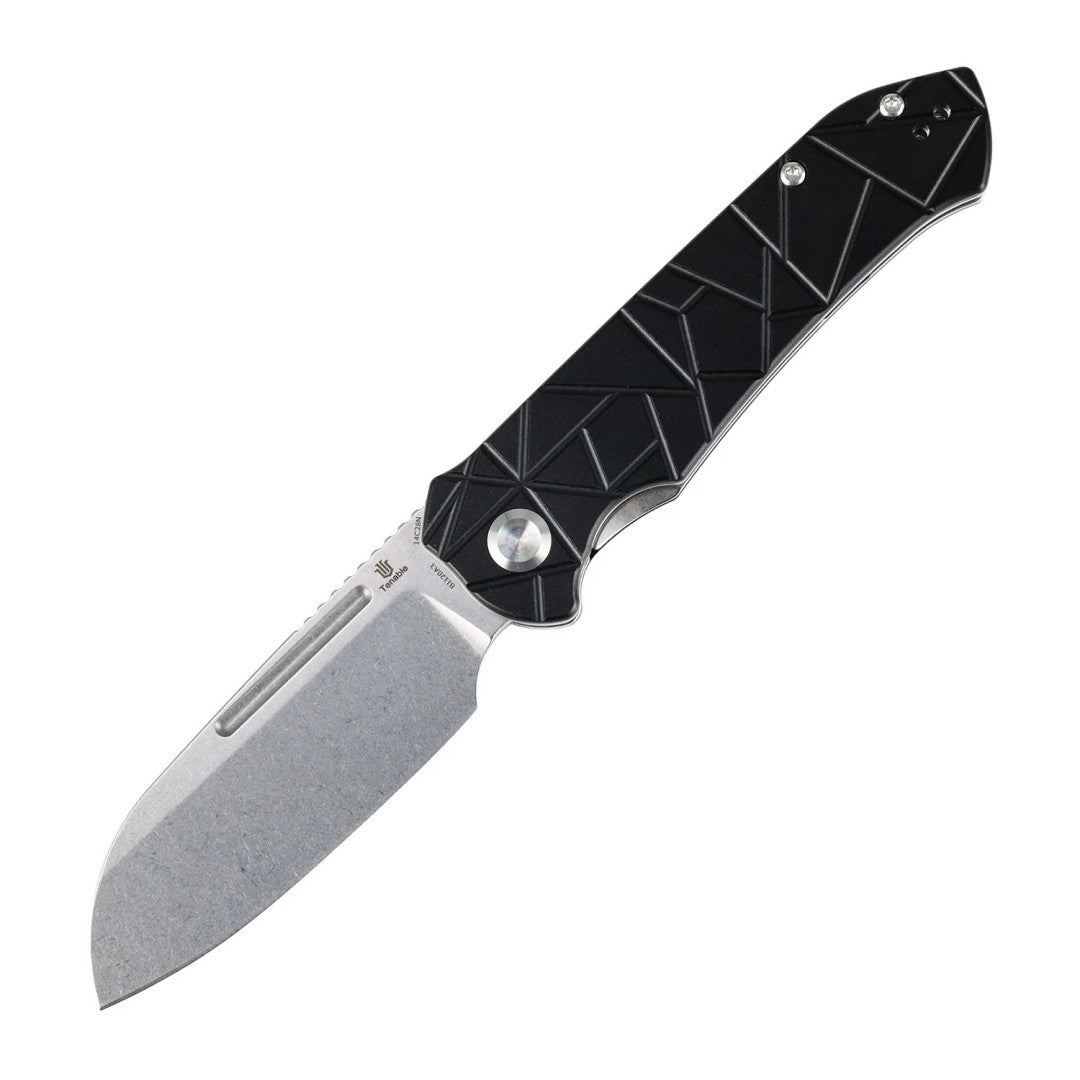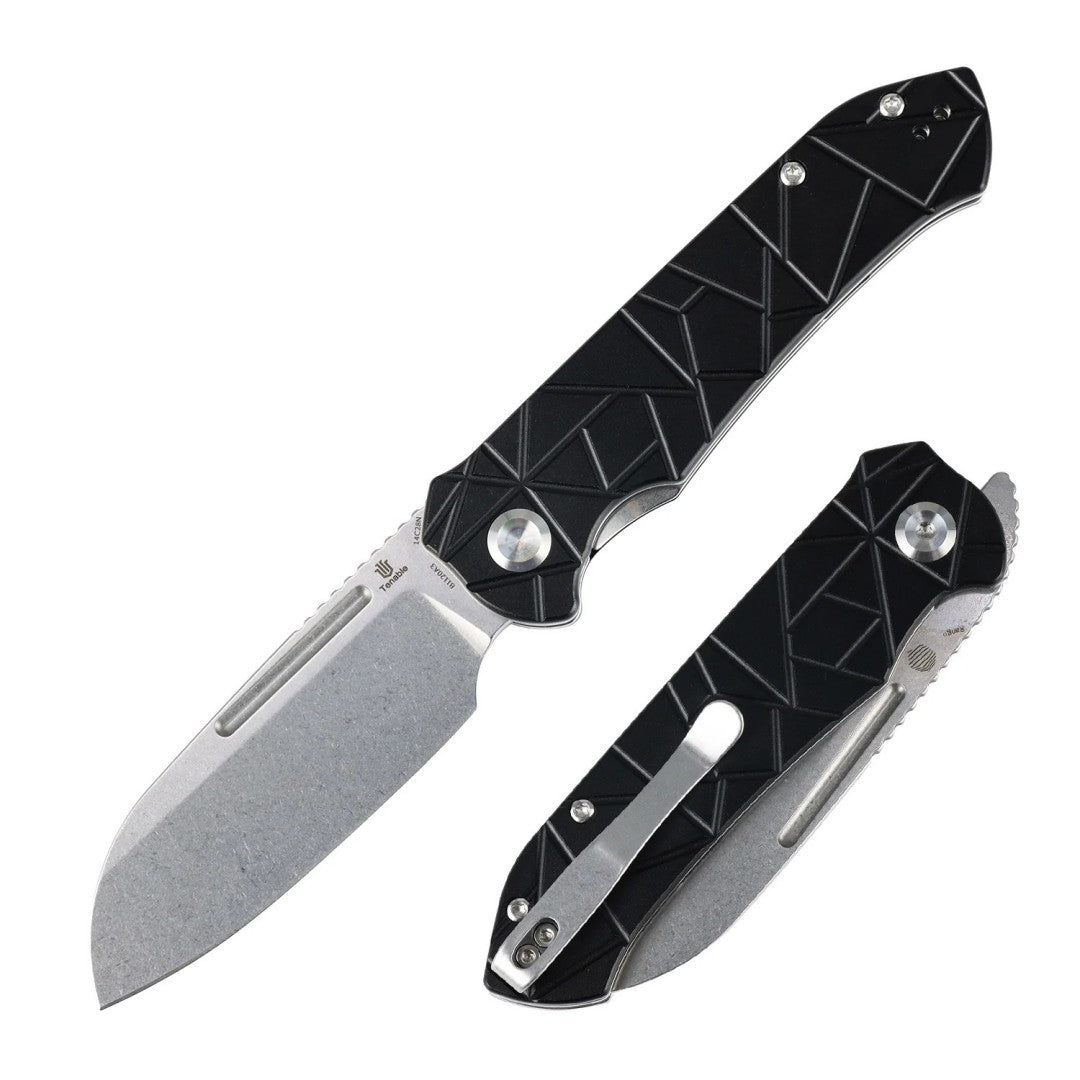

When it comes to high-end everyday carry (EDC) and luxury cutlery, few names command as much immediate reverence as Rockstead. Manufactured in Sakai, Osaka, Japan—a region with a knife-making heritage stretching back over 600 years—Rockstead production pieces are closer to functional works of art than standard tools.
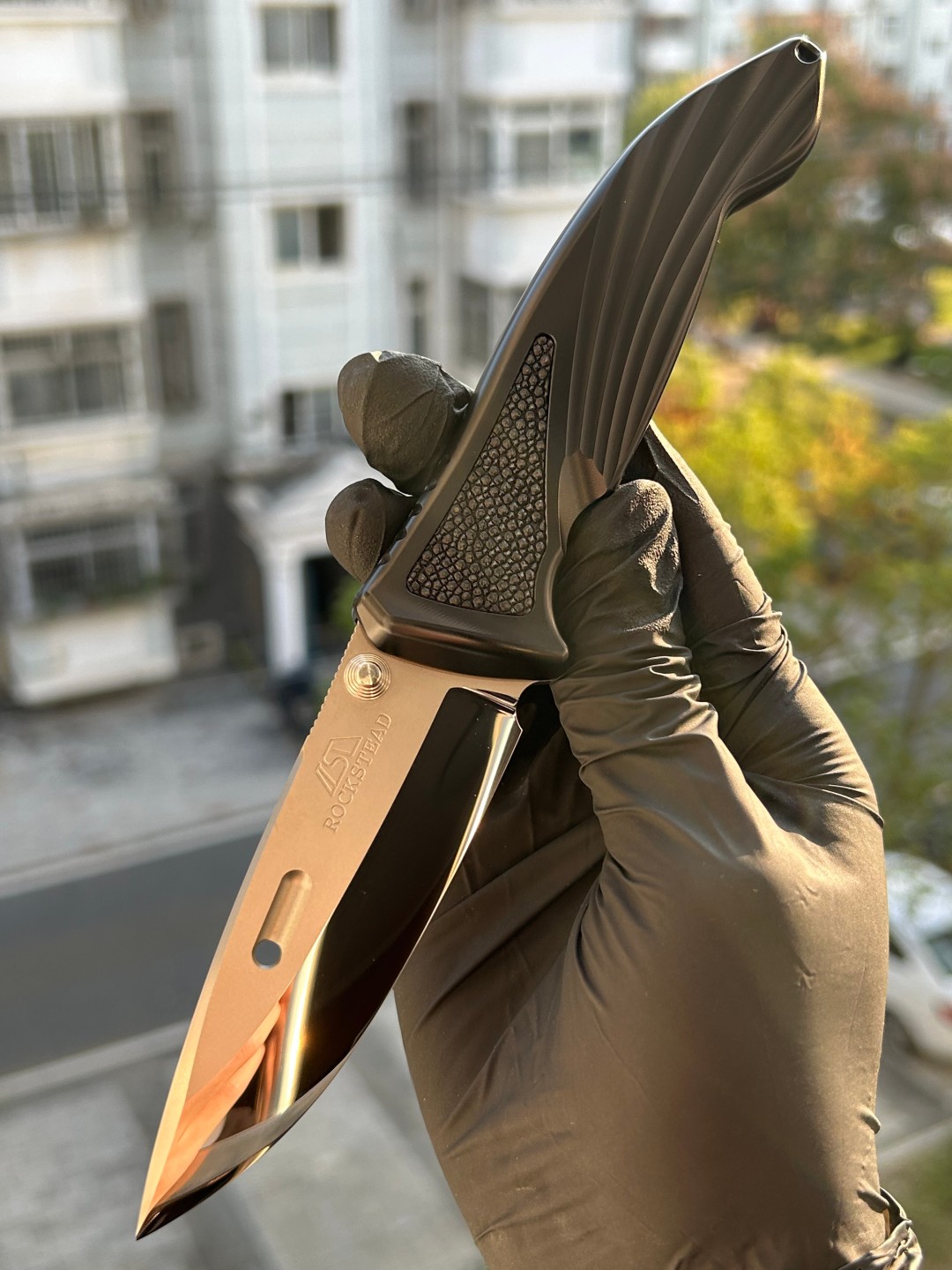
Among their legendary lineup, the Rockstead Shin stands out as a quintessential linerlock pocket knife that embodies absolute structural trust. In fact, "Shin" (信) translates directly to "trust" or "faith" in Japanese.
Whether you are a seasoned collector or an enthusiast hunting for low-competition gems like rockstead shin Foling knives on search engines, understanding what sets this specific model apart requires a deep dive into advanced metallurgy and traditional Japanese sword geometry.
Unboxing Perfection: The Anatomy of the Rockstead Shin
Rockstead knives do not look or perform like anything else on the market. The moment you hold the Shin, the precision engineering becomes undeniable. It features a completely zero-ground, mirror-polished edge that looks smooth even under a microscope, contrasting sharply with the micro-serrations found on typical factory knives.
1. The Honzukuri Convex Edge Geometry
The defining characteristic of the Rockstead Shin is its Honzukuri blade shape. Inspired by the traditional cross-section of a Japanese samurai sword, this geometry is convex on both sides.
This design allows the blade spine and edge shoulders to remain exceptionally thick and robust without sacrificing an ounce of slicing performance. When pushing through tough materials, the convex shape naturally spreads the material apart, preventing the blade from binding or catching.
2. High-Performance Metallurgy: ZDP-189 & YXR7
Rockstead uses proprietary heat-treatment recipes that push steels to hardness levels rarely seen in the knife world. The Shin is primarily available in two elite steel configurations:
-
ZDP-189 Clad by VG-10: A true superpower combination. The core is ultra-high-carbon ZDP-189 powder stainless steel hardened to an astonishing 67 HRC, sandwiched between layers of resilient VG-10 (62 HRC) for added toughness. This creates unmatched edge retention.
-
YXR7 (DLC Coated): For those tracking legacy variants, the discontinued Shin-DLC utilized YXR7 high-speed tool steel matrix hardened to 65 HRC. Because YXR7 is a non-stainless tool steel with incredible impact toughness, Rockstead applied a flawless Diamond-Like Carbon (DLC) coating over a mirror-polished surface to ensure maximum corrosion and scratch resistance.
3. Structural Mechanics & Handle Materials
The handle of the Shin is an exercise in functional ergonomics. Sculpted from thick slabs of A6063S hard-anodized aluminum, it utilizes hidden hardware to maintain a clean, seamless look.
The show-side scale features an authentic Stingray skin (Samé) inlay. This traditional material doesn't just pay homage to classic katana wraps; its natural pearled texture offers an incredibly secure, non-slip grip even when wet.
Technical Specifications Matrix
| Specification | Details |
| Overall Length | 210 mm (8.26") |
| Blade Length | 90 mm (3.54") |
| Blade Thickness | 3.7 mm |
| Weight | 145 g (5.11 oz) |
| Core Steel Options | ZDP-189 Clad by VG-10 (~67 HRC) / YXR7 (~65 HRC) |
| Blade Finish | Hand-Polished Mirror Finish |
| Handle Material | A6063S Aluminum with Genuine Stingray Inlay |
| Locking Mechanism | Liner Lock |
The 1,000-Cut Guarantee: Rockstead famously tests their Honzukuri blades by chopping through thick hemp rope over 1,000 times or repeatedly hacking through dried bamboo. Even after this extreme punishment, the Shin can still cleanly slice through a single sheet of paper without snagging.
Is the Rockstead Shin Worth the Investment?
With a retail price point floating around $1,400 to $1,500, the Rockstead Shin is undeniably a grail-tier investment. However, you aren't just paying for materials; you are paying for manual machining tolerances that rival custom aerospace engineering, absolute quality control, and a edge-holding capacity that outlasts standard production steels by orders of magnitude.
If you want an exceptional Japanese-made pocket knife that bridges the gap between historical sword-making traditions and cutting-edge modern metallurgy, the Shin is an unrivaled choice for your collection.
Frequently Asked Questions (FAQ)
How do I sharpen a Rockstead Shin?
Because of the highly complex Honzukuri convex geometry and a hardness level of up to 67 HRC, you should never use standard flat whetstones, pull-through sharpeners, or guided systems on a Rockstead. Rockstead highly recommends utilizing their official factory sharpening and maintenance program. You can send your registered knife back to Japan, where their master craftsmen will restore the factory mirror edge. For regular touch-ups at home, stropping on smooth leather treated with fine diamond paste is recommended.
What is the difference between Honzukuri and Shinogizukuri grinds?
Rockstead uses two primary blade geometries. Honzukuri is a continuous convex grind from the spine to the edge (found on the Shin), mimicking a traditional katana for maximum edge strength and slicing power. Shinogizukuri is a flat saber grind with a distinct secondary bevel, which is easier to touch up but has a different cutting profile.
Is the ZDP-189 clad steel corrosion-resistant?
Yes, the current production Rockstead Shin uses ZDP-189 clad in VG-10, both of which are high-chromium stainless steels. While it is highly resistant to staining and rust, the extreme carbon content means you should still wipe the blade clean after cutting acidic materials and apply a light coat of high-quality knife oil periodically.
Does the Rockstead Shin come with a warranty?
Yes. Every authentic Rockstead knife comes with a unique serial number and a specification sheet in a traditional cherry wood box. Once you register your knife online on Rockstead’s official website, you gain access to their lifetime warranty against manufacturing defects and their exclusive lifetime sharpening service.