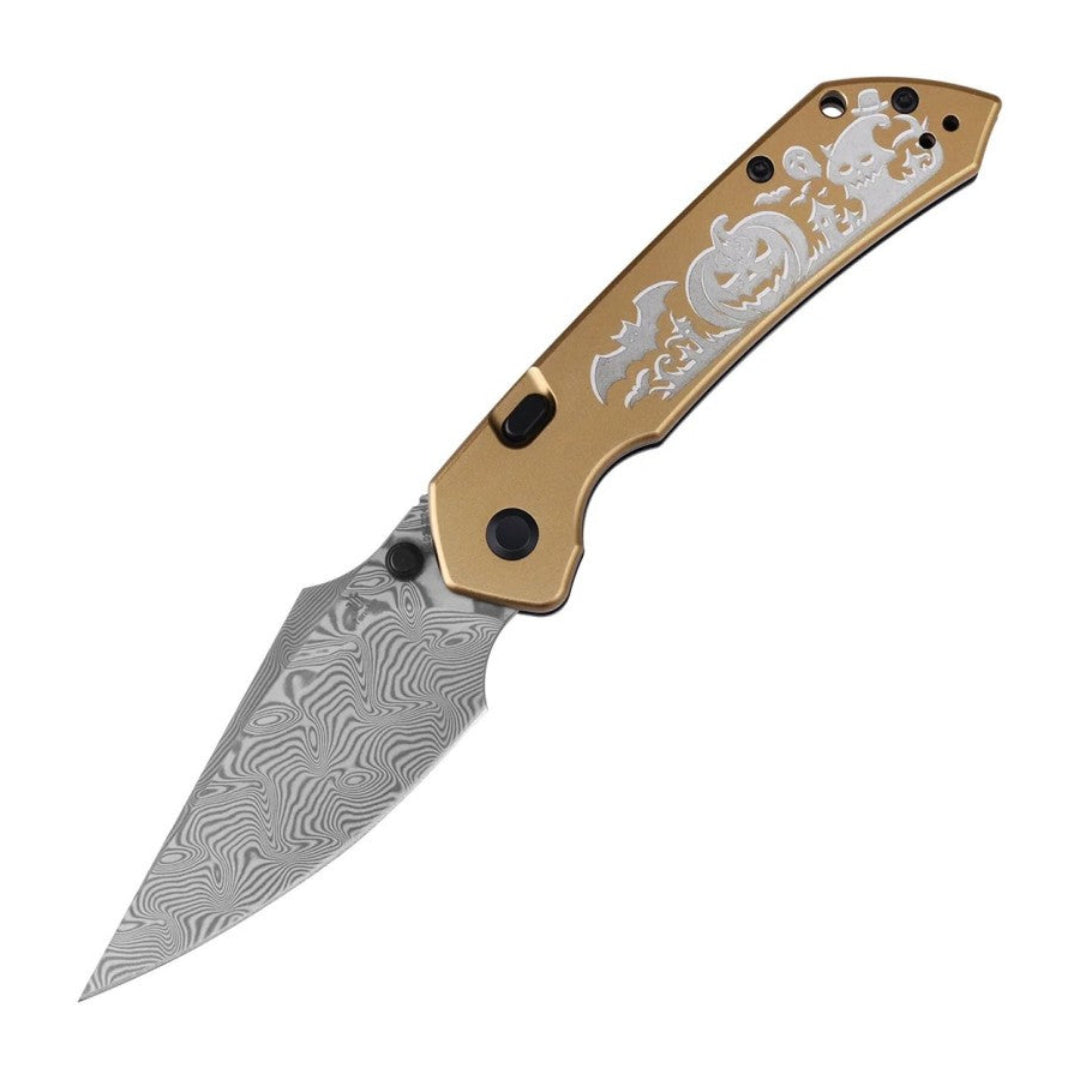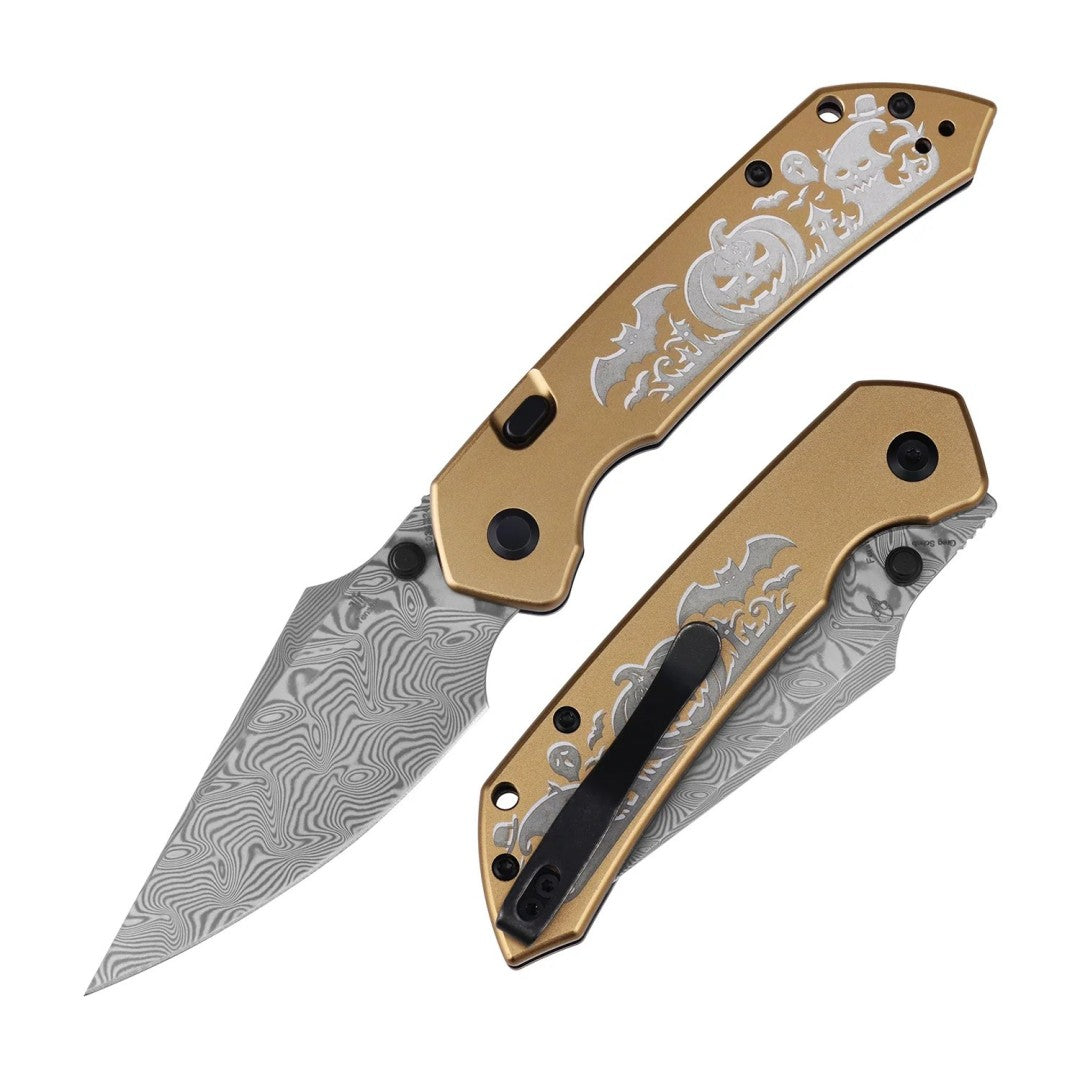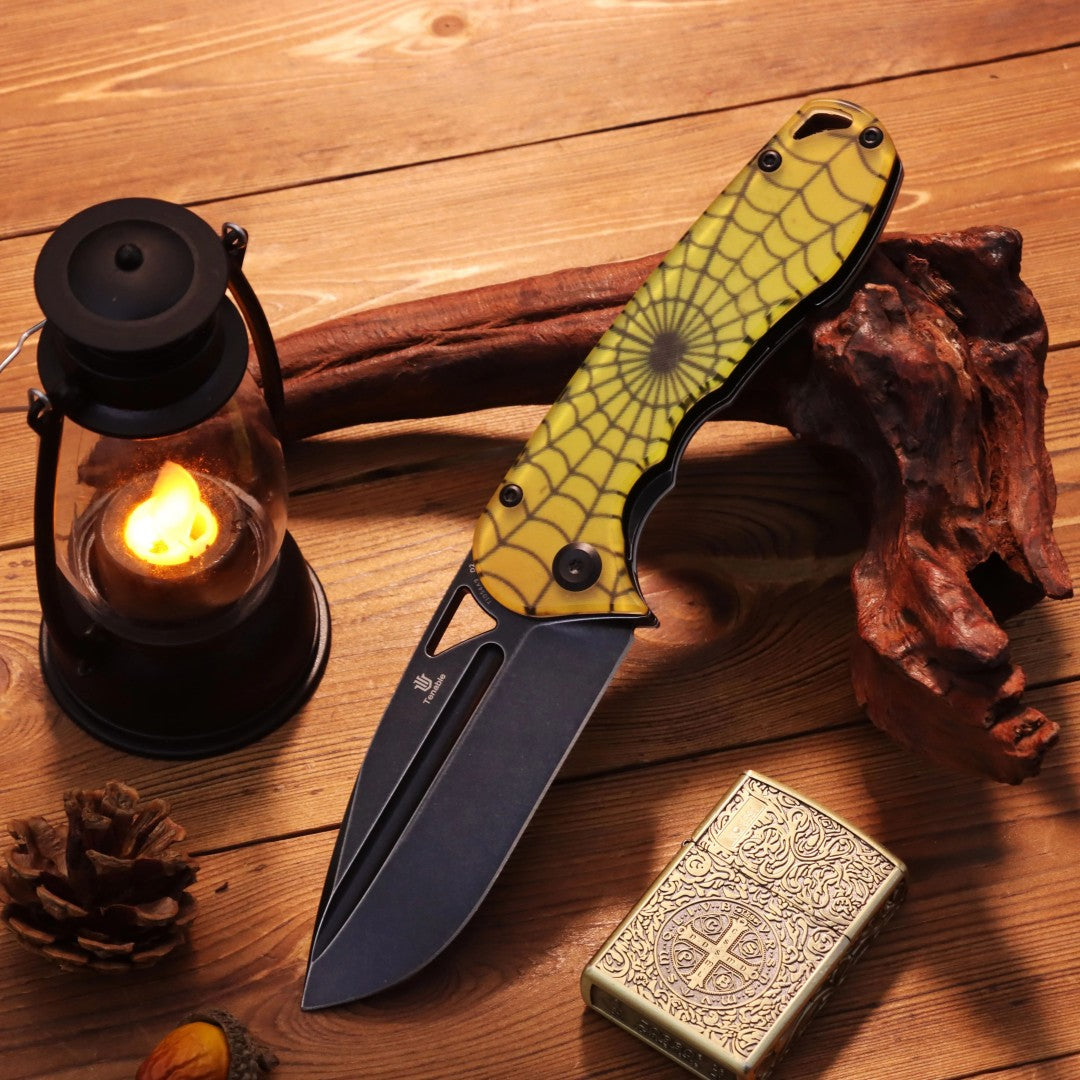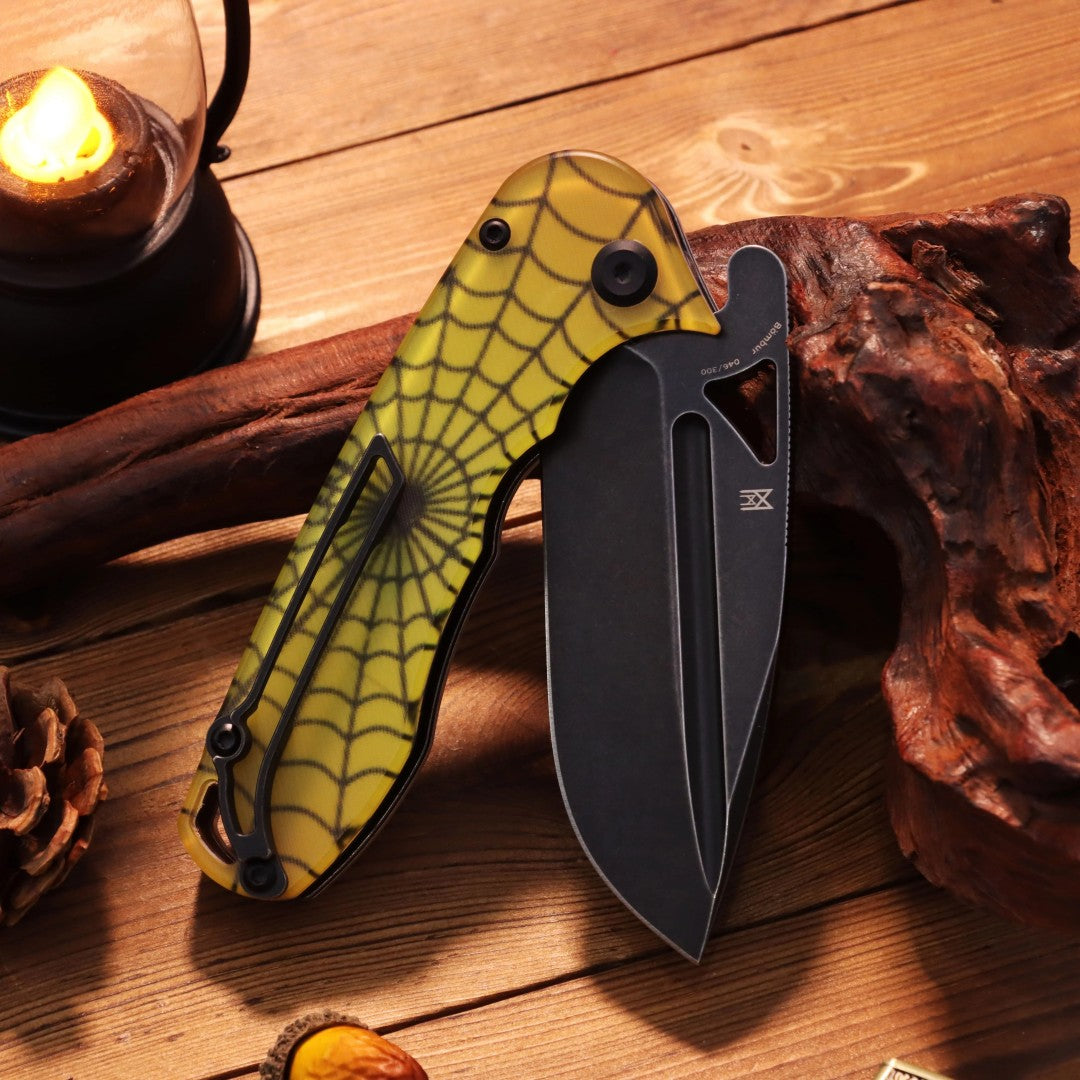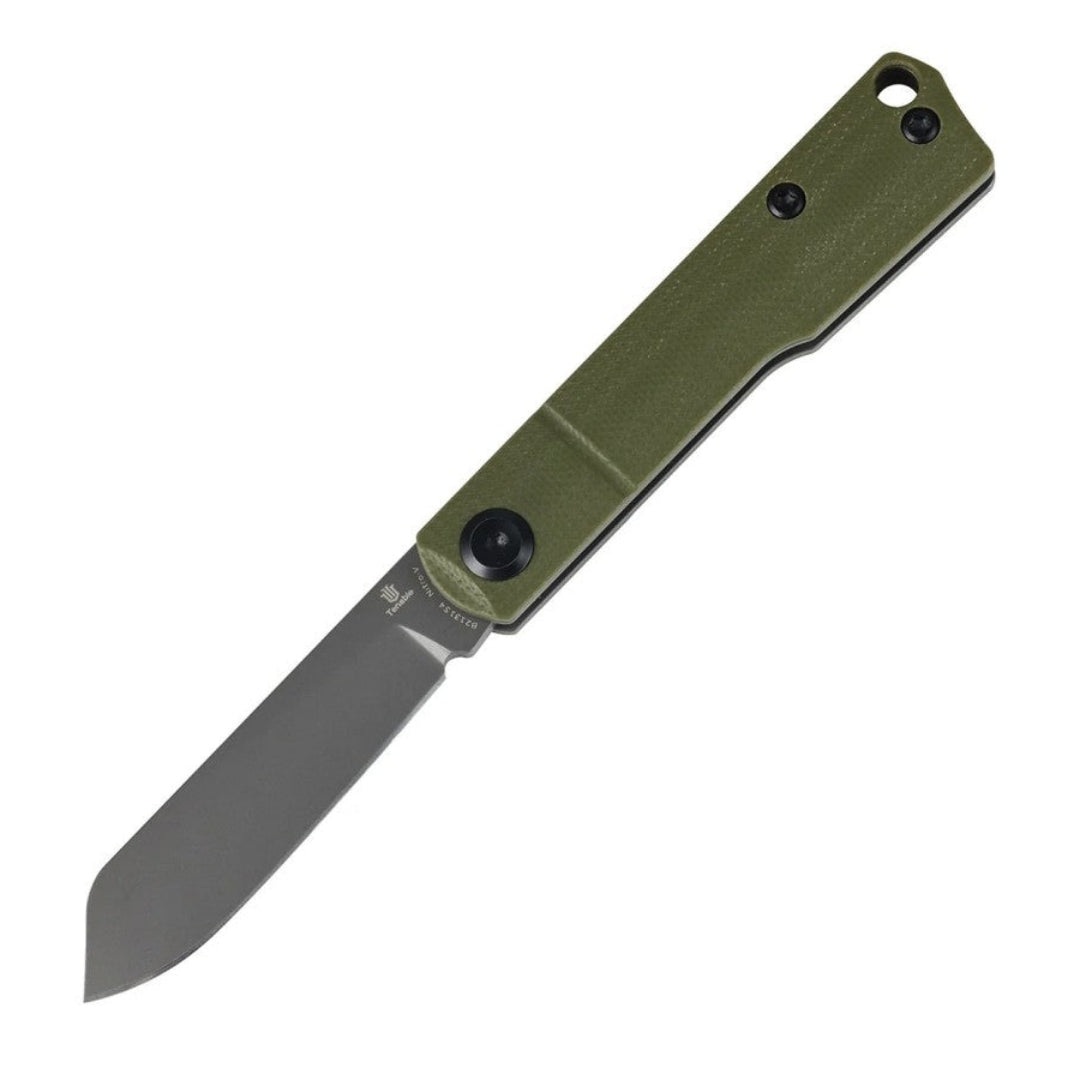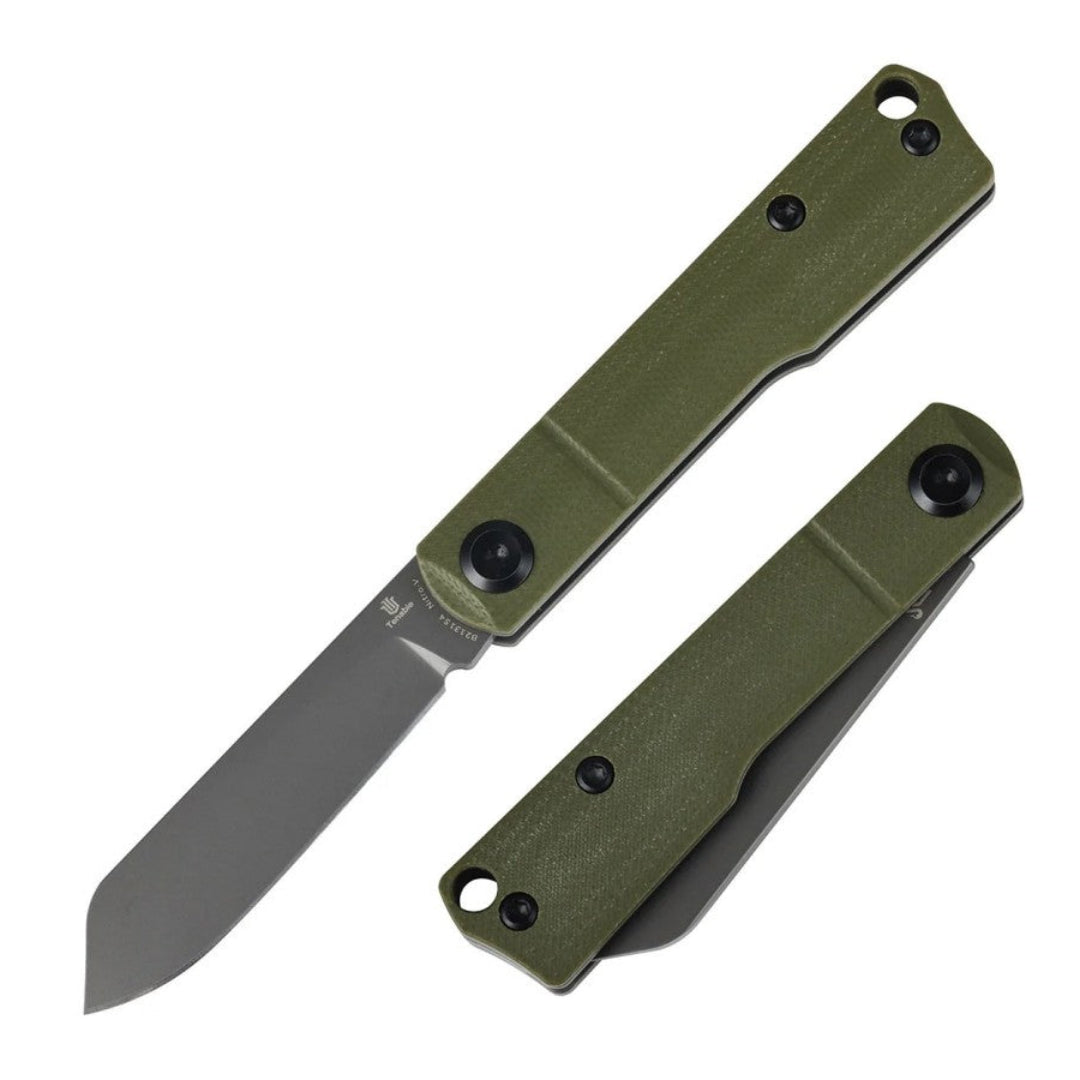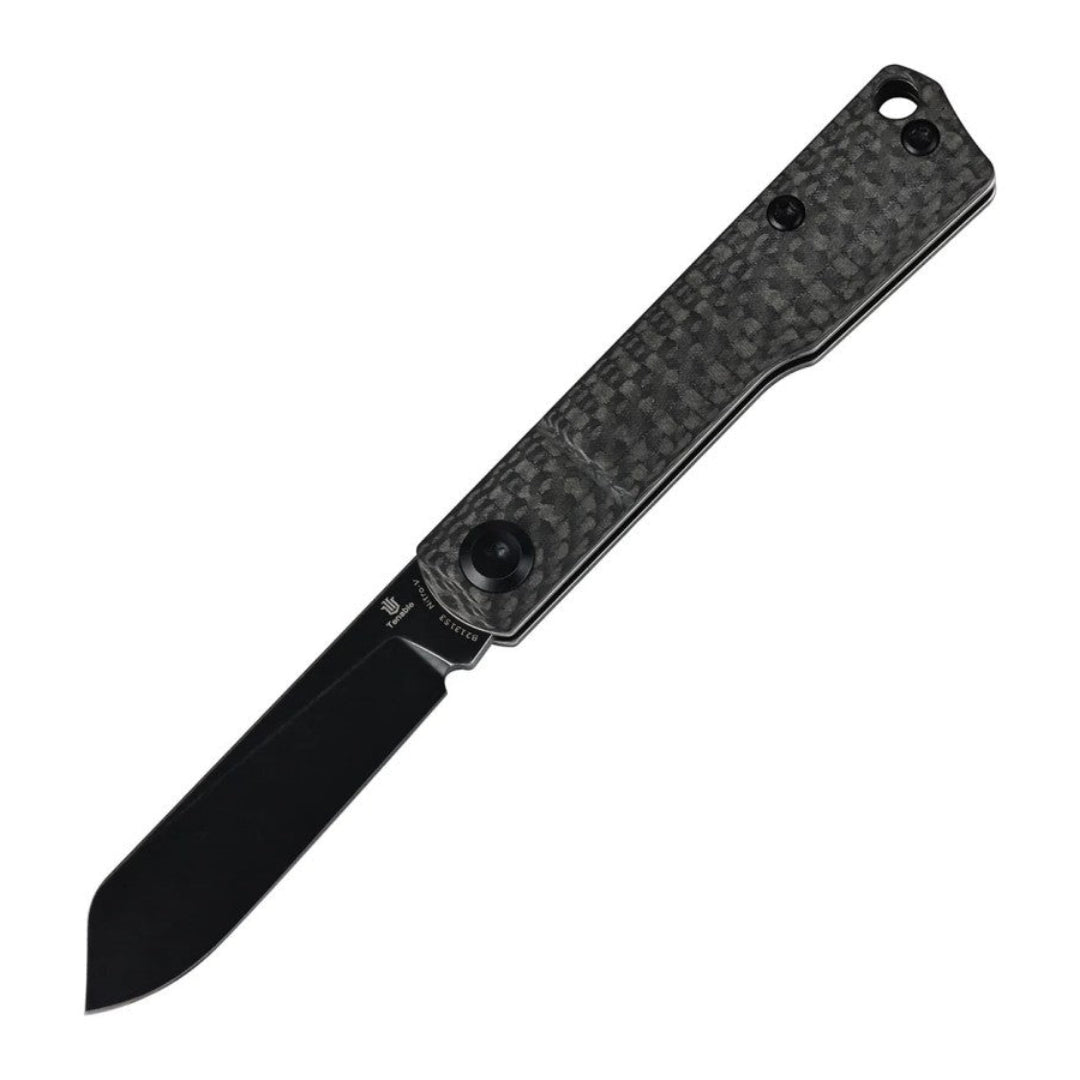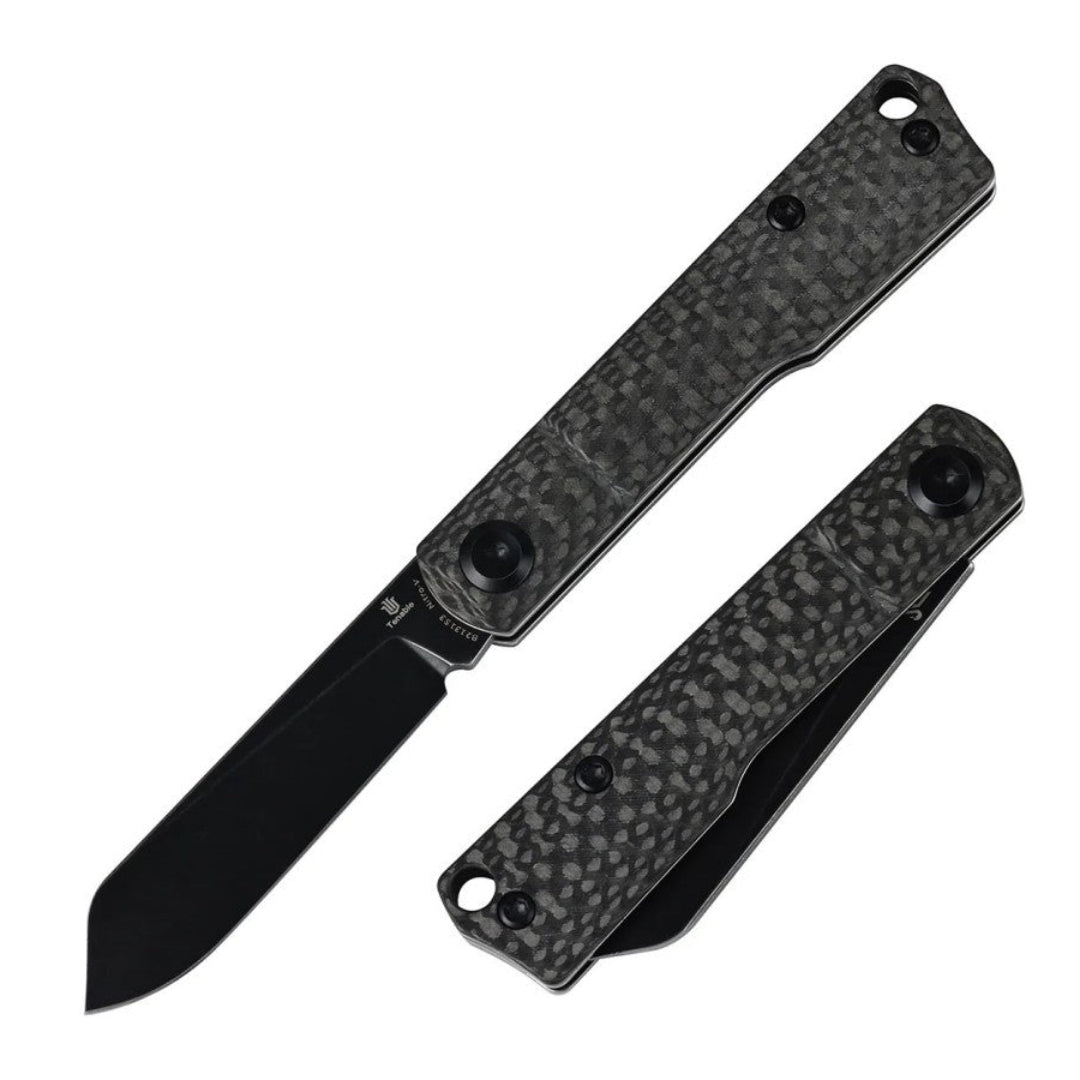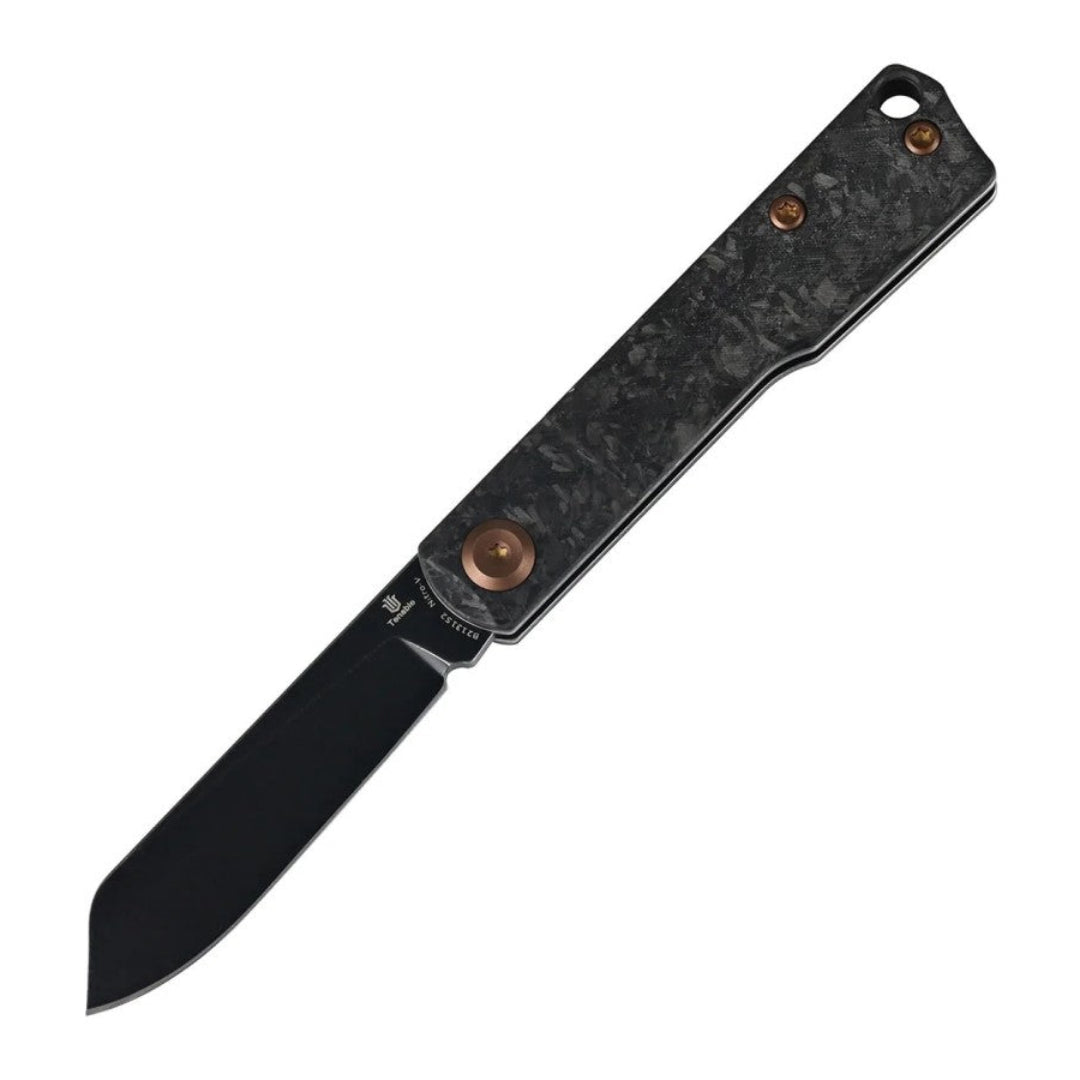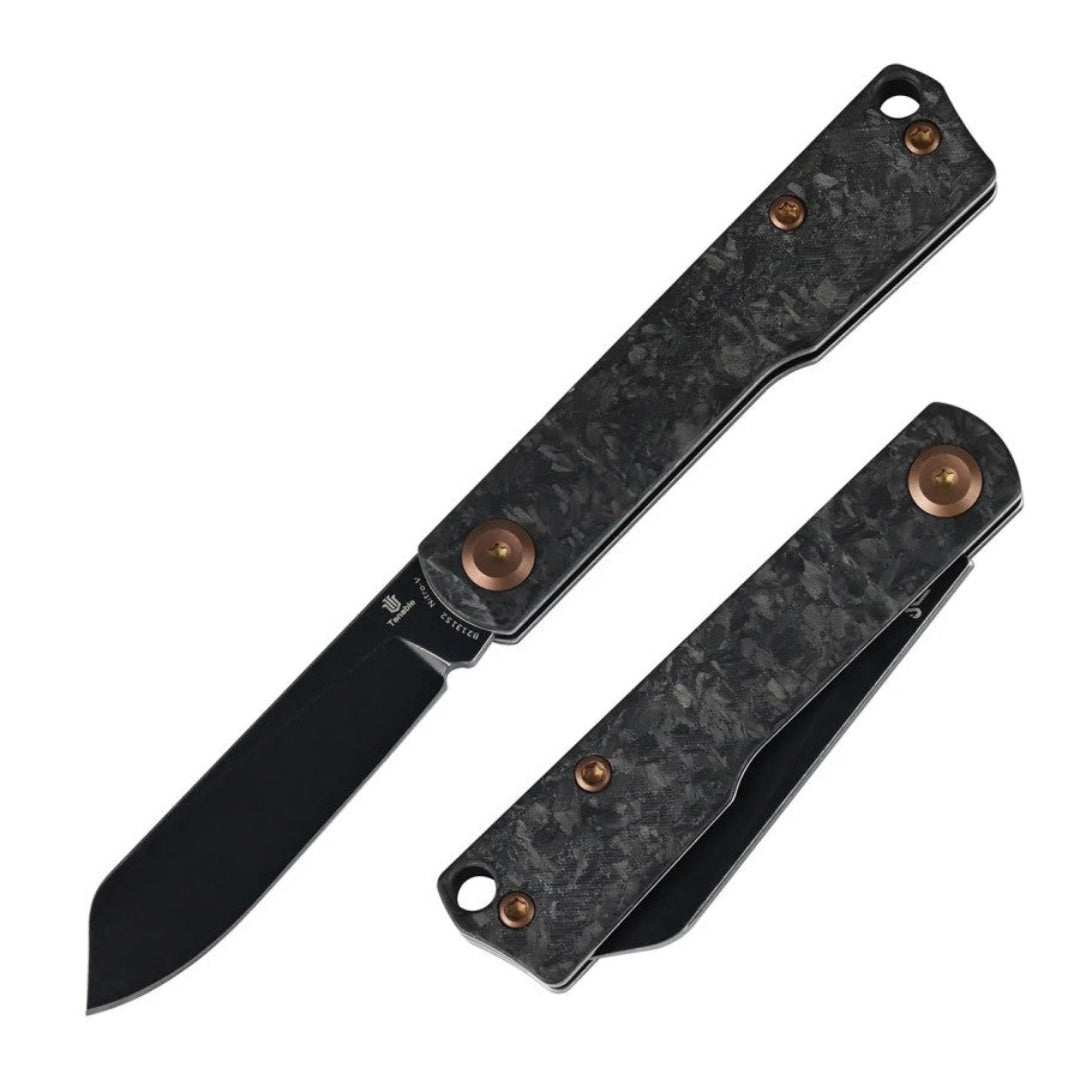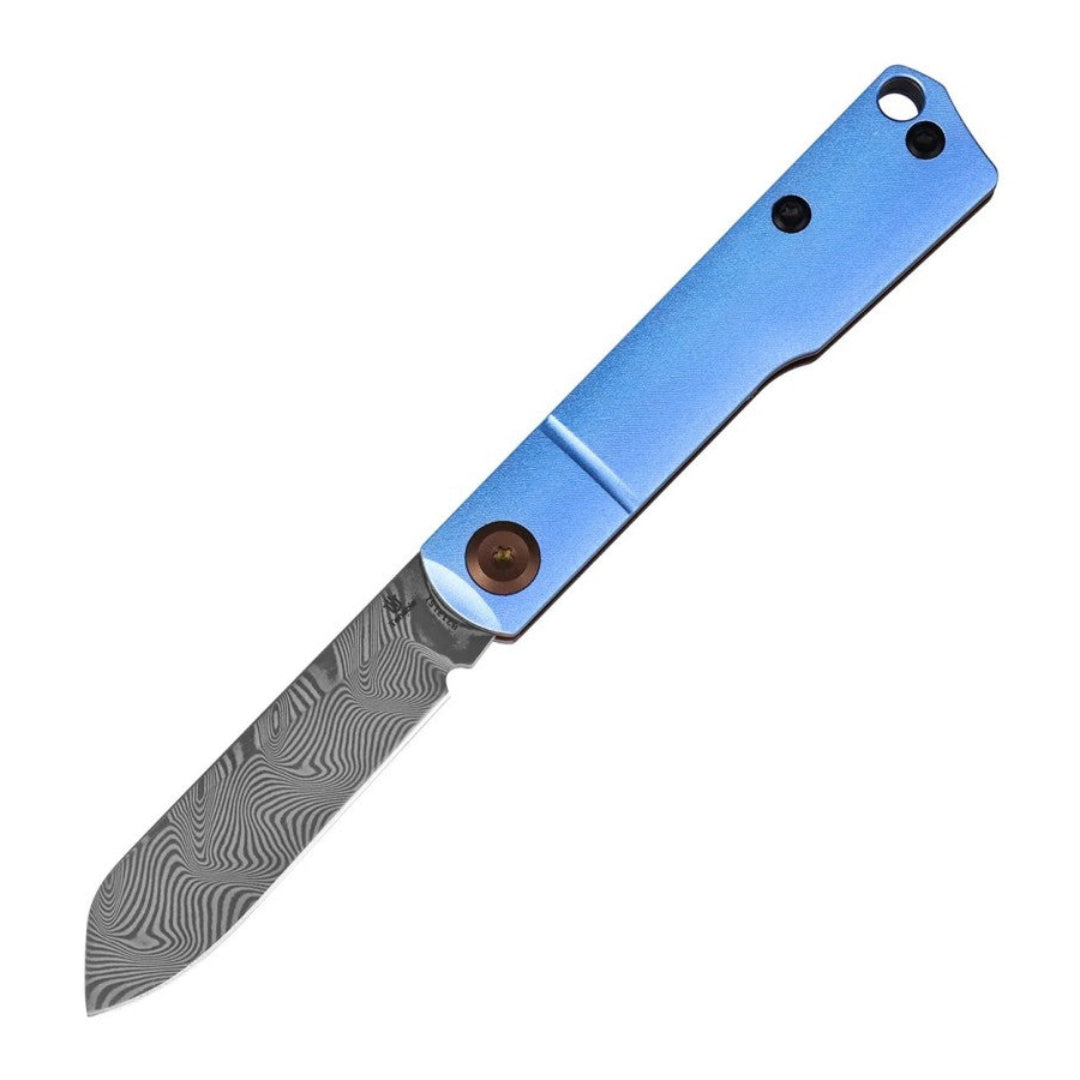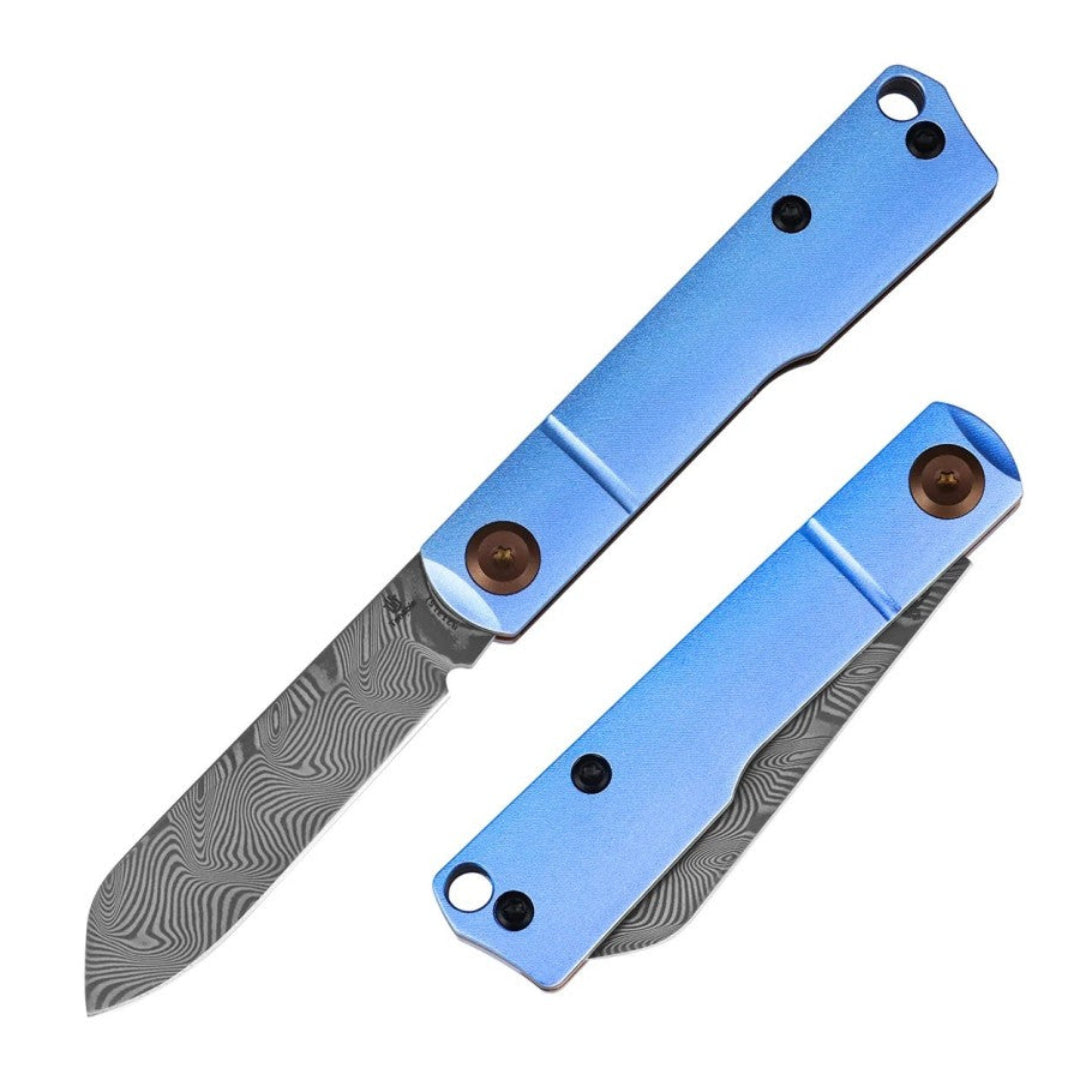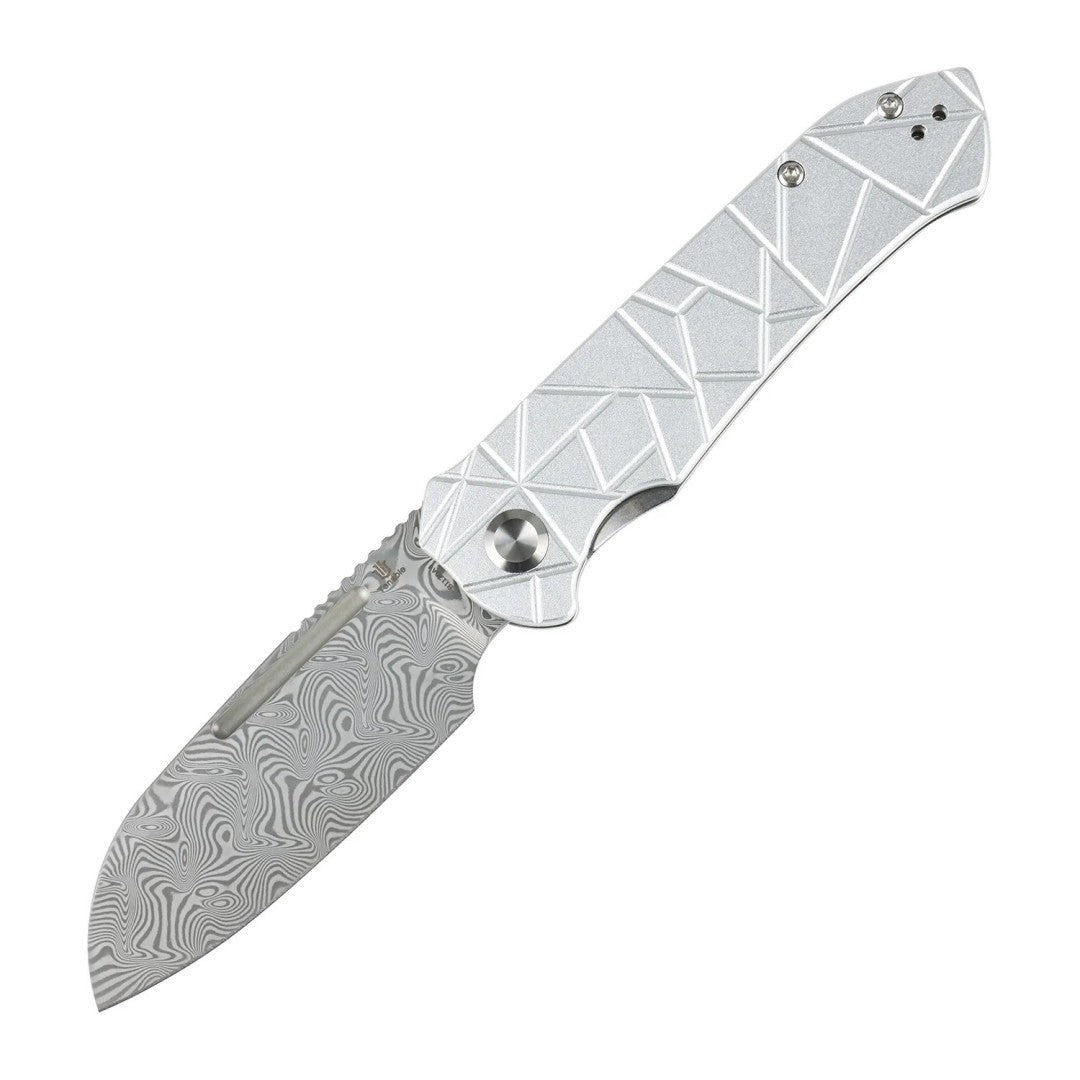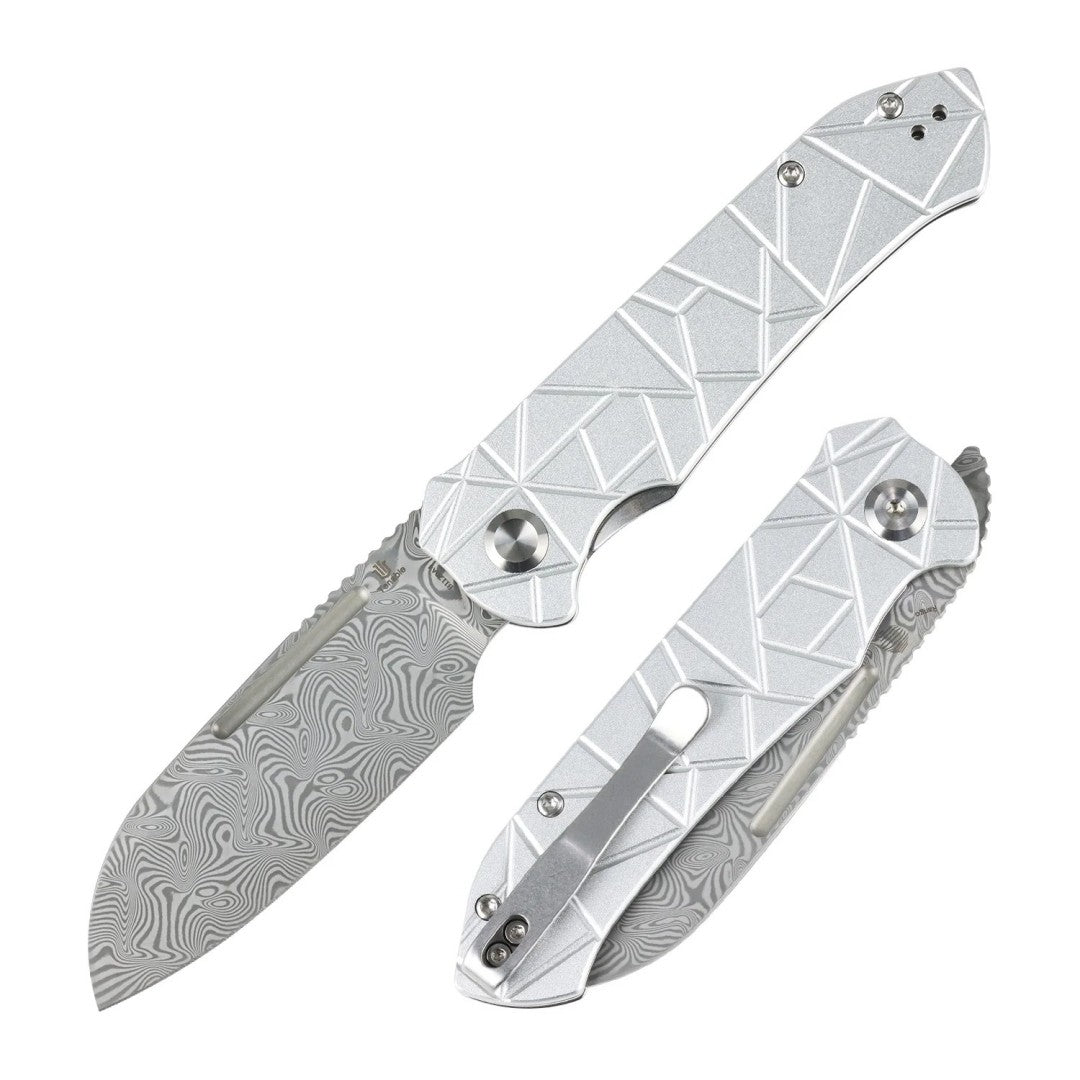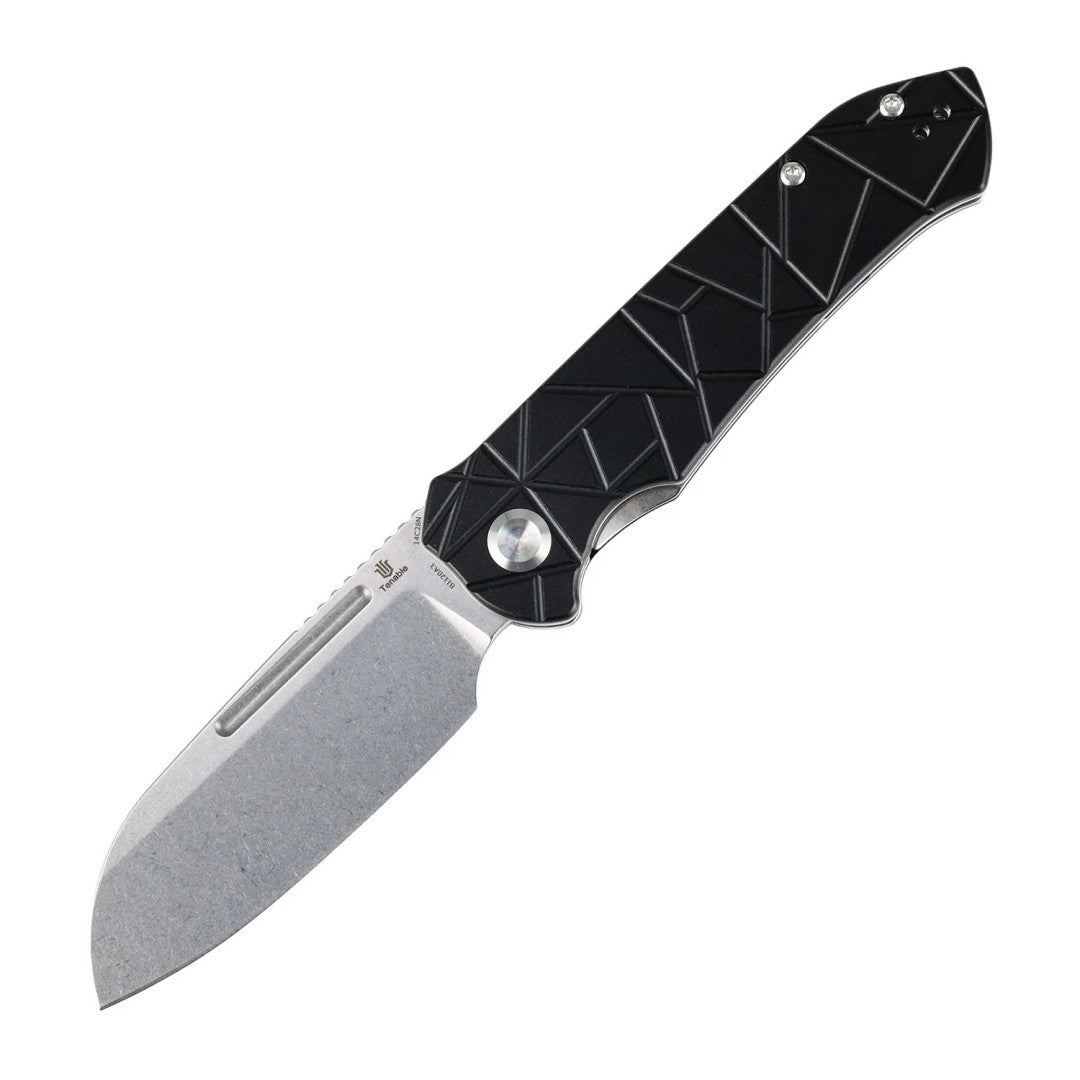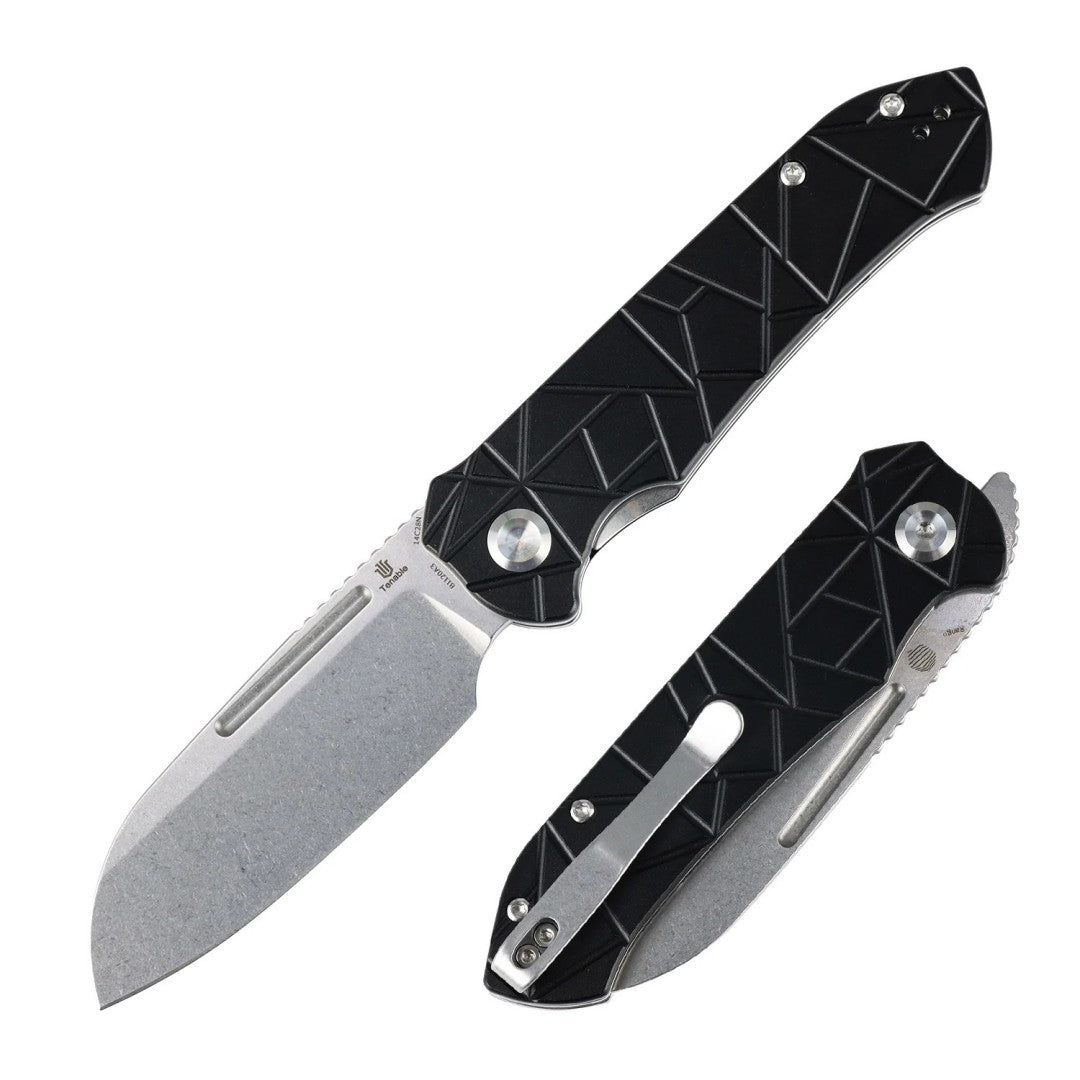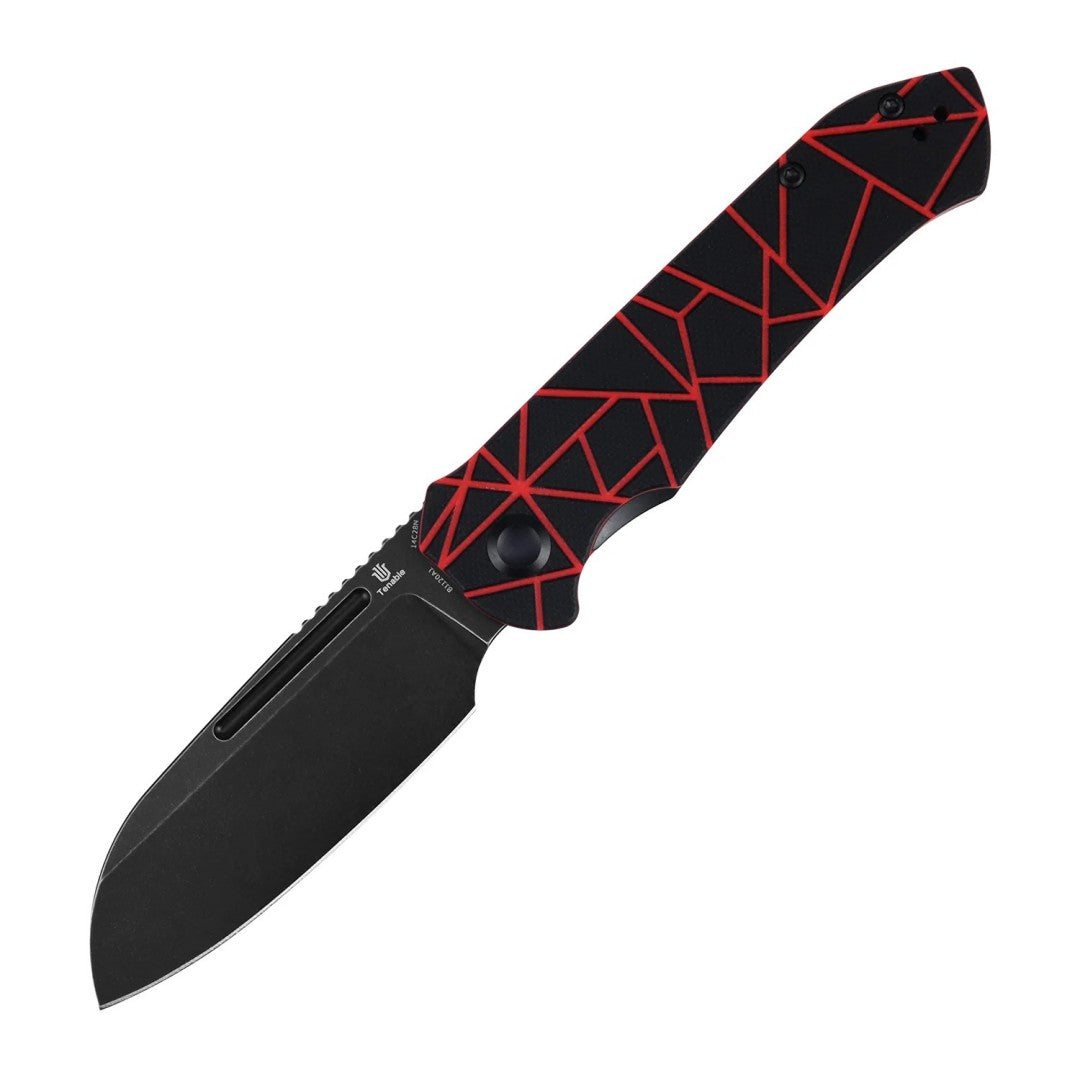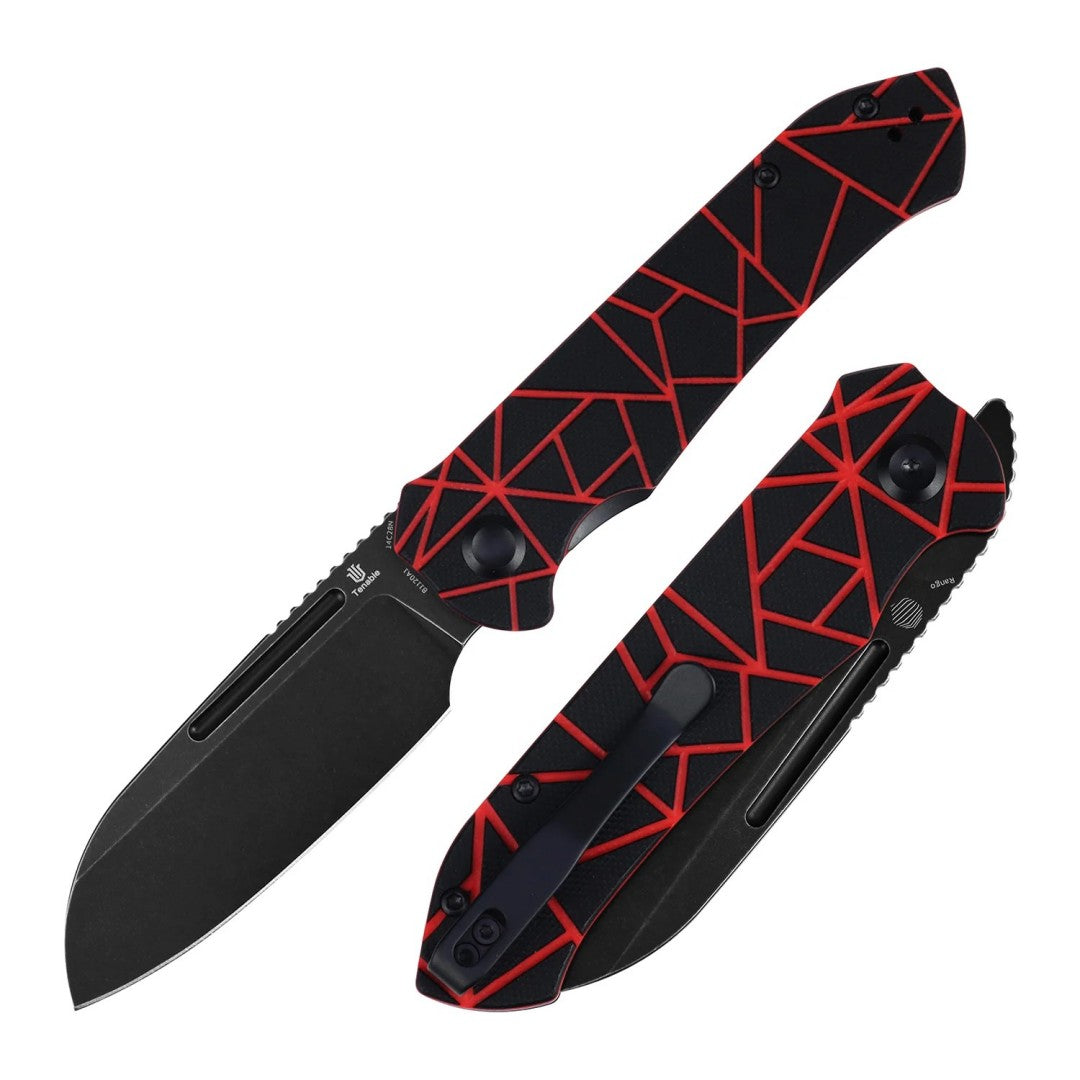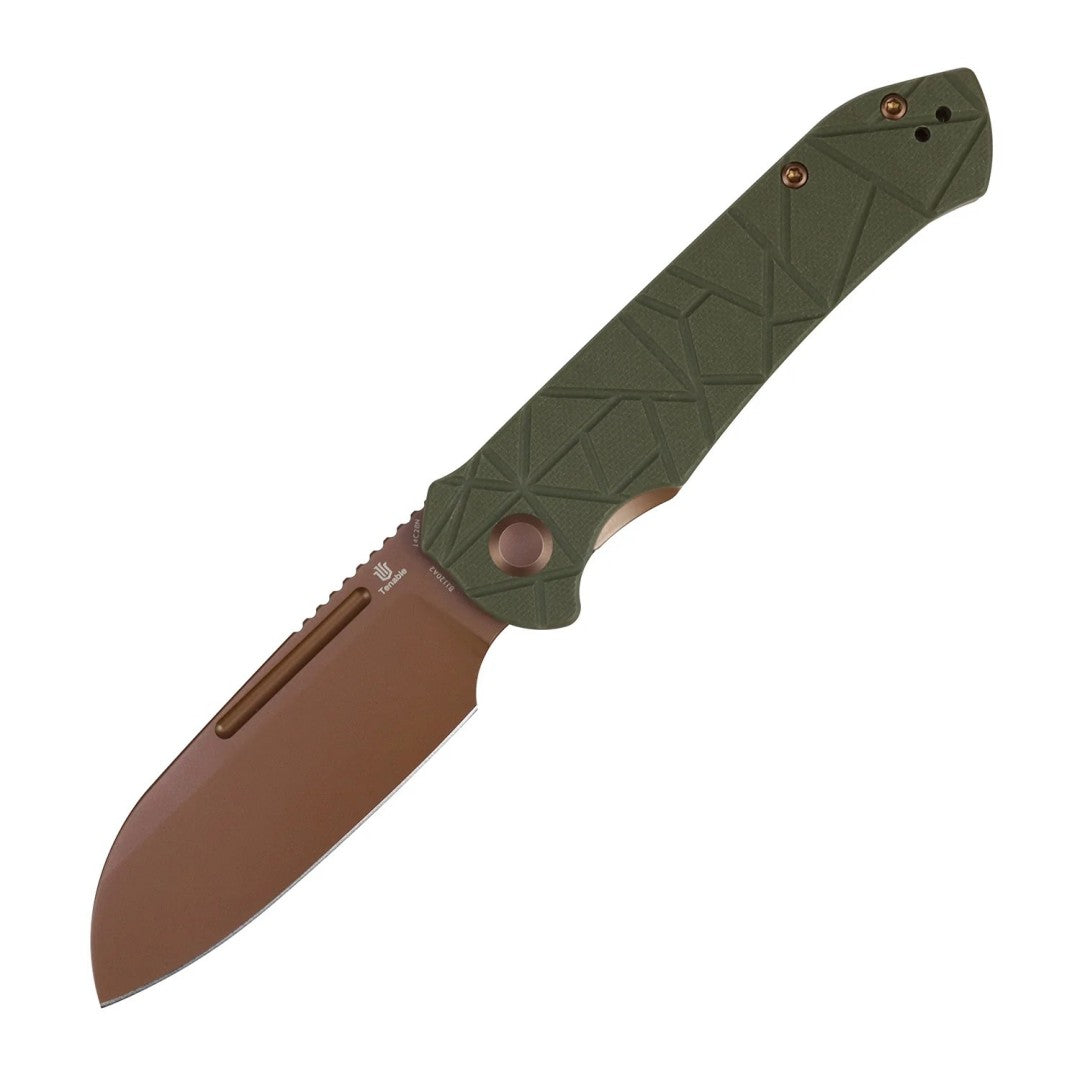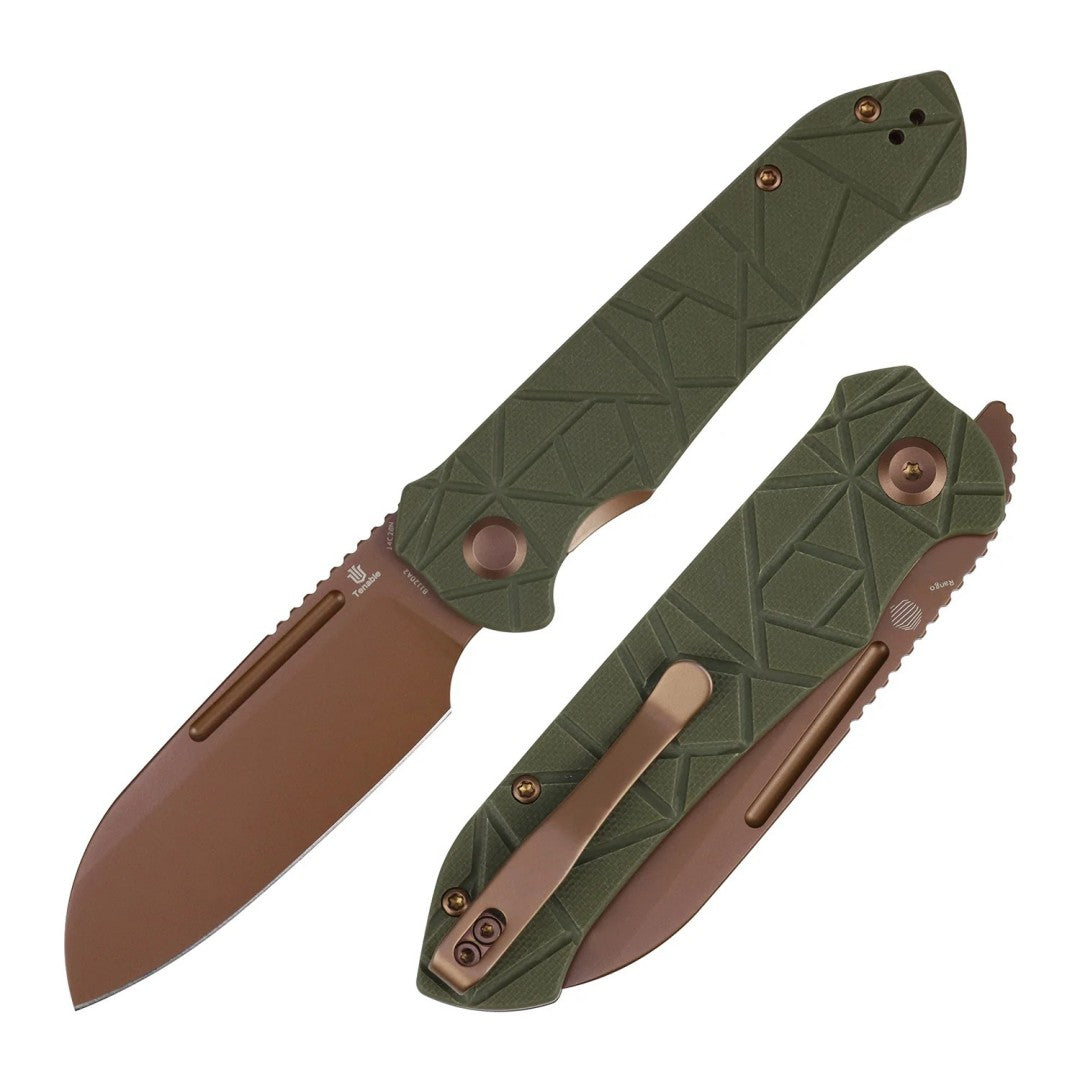
In the world of pocket knives, a design is only as capable as the steel behind its cutting edge. When custom knife designer Dirk Pinkerton joined forces with Kansept to create a utilitarian modified Wharncliffe folder, it quickly became a staple choice for daily cutting tasks. Today, knife enthusiasts face a pivotal choice between two distinct iterations of this design: the value-oriented 154CM standard version and the premium flagship powered by Uddeholm Elmax super steel.
Understanding the real-world differences between these two metallurgy platforms requires examining how alloy compositions, lock architecture, and handle ergonomics influence everyday performance and overall long-term value.
Metallurgical Deep Dive: Ingot Steel vs. Third-Generation Powder Metallurgy
The primary distinction between these two variants of the Kansept Main Street resides within the molecular structure of the blade steel itself.
The Proven Reliability of 154CM
Developed as a high-carbon, molybdenum-bearing stainless steel, 154CM was originally engineered for demanding industrial and aerospace applications before becoming a legendary knife steel. Manufactured using conventional ingot casting methods, it offers a well-rounded balance of edge retention, toughness, and ease of sharpening.
-
Hardness Range: Typically heat-treated between 59 and 61 HRC.
-
Sharpening Characteristics: Highly responsive to standard sharpening stones and field touch-ups.
-
Corrosion Resistance: Excellent protection against everyday humidity and light moisture.
The Advanced Chemistry of Uddeholm Elmax
In contrast, Elmax represents the pinnacle of modern powder metallurgy. Produced by Uddeholm in Sweden, third-generation powder technology atomizes liquid steel into fine droplets, freezing the chemical elements in place before consolidating them under intense heat and pressure. This process eliminates large carbide clusters, resulting in a microscopic structure packed with evenly distributed vanadium and chromium carbides.
-
Hardness Range: Optimized between 60 and 62 HRC.
-
Wear Resistance: Superior abrasive resistance that maintains a keen working edge through heavy cardboard, rope, and dense materials.
-
Toughness & Corrosion: Exceptional resistance to chipping coupled with high chromium content for virtually maintenance-free rust protection.
Technical Specifications and Hardware Overview
Comparing the structural specs highlights how material choices affect the weight, geometry, and mechanical lockup of each knife.
| Component / Feature | Standard 154CM Edition | Premium Elmax Flagship Edition |
| Blade Steel | 154CM High-Carbon Stainless Steel | Uddeholm Elmax Powder Metallurgy Steel |
| Carbide Distribution | Conventional Ingot Structure | Ultra-Fine Powder Metallurgy Microstructure |
| Primary Lock Mechanism | Standard Liner Lock | Innovative Top Liner Lock |
| Target Hardness | 59–61 HRC | 60–62 HRC |
| Edge Retention Rating | Moderate / Daily Use | Extreme / Prolonged Abrasive Cutting |
| Handle Scale Options | Textured G10 / Canvas Micarta | Precision CNC Anodized Aluminum / High-Density Micarta |
| Intended Application | Budget-Friendly Utility Carry | Premium Collector & High-Performance EDC |

Real-World Edge Longevity and Cutting Dynamics
Deploying both knives in side-by-side slicing tests illustrates how these metallurgical differences translate to practical everyday use.
Abrasive Material Performance
The straight Wharncliffe cutting edge of this design focuses pressure directly on the contact point. When breaking down thick corrugated shipping boxes or slicing synthetic straps:
-
The 154CM blade cuts cleanly and reliably through routine volume. Over extended cutting sessions, the apex eventually wears down to a toothy working edge that benefits from a quick stropping session.
-
The Elmax blade holds its razor-sharp factory apex significantly longer. Thanks to high vanadium carbide content, the edge resists dulling and micro-rolling under heavy downward force, making it ideal for high-volume cutting tasks without pause.
Field Maintenance Considerations
While Elmax outperforms in edge holding, 154CM offers a clear advantage when it comes time to re-sharpen. Standard aluminum oxide stones or pocket ceramic sharpeners can quickly restore a 154CM blade to shaving sharpness. Elmax, due to its high wear resistance and elevated hardness, responds best to diamond abrasives and guided sharpening systems.
Mechanical Innovation: Conventional Liner Lock vs. Top Liner Lock
Beyond blade steel, the locking systems mark a significant functional evolutionary step between the two models.
Standard Liner Lock Operations
The classic 154CM variant utilizes a traditional internal liner spring. To disengage the blade, the operator presses the spring bar sideways inside the handle cavity. While simple and reliable, this action places the user's thumb inside the blade's closing path.
Top Liner Lock Ergonomics
The Elmax variant upgrades the experience by implementing a top-mounted release tab. Positioned along the spine of the handle, the Top Liner Lock allows users to depress the lock mechanism and swing the blade closed without ever crossing fingers over the sharp edge path. This provides:
-
Superior Safety: Keeps hands completely clear during one-handed closing routines.
-
Fluid Action: Pairs seamlessly with ceramic ball bearings for smooth deployment via dual thumb studs.
-
Solid Lockup: Engages firmly against the tang to eliminate vertical and horizontal blade play.
Material Aesthetics and Pocket Ergonomics
Handle construction on both variants complements their respective target price points.
Rugged Utility with G10 and Micarta
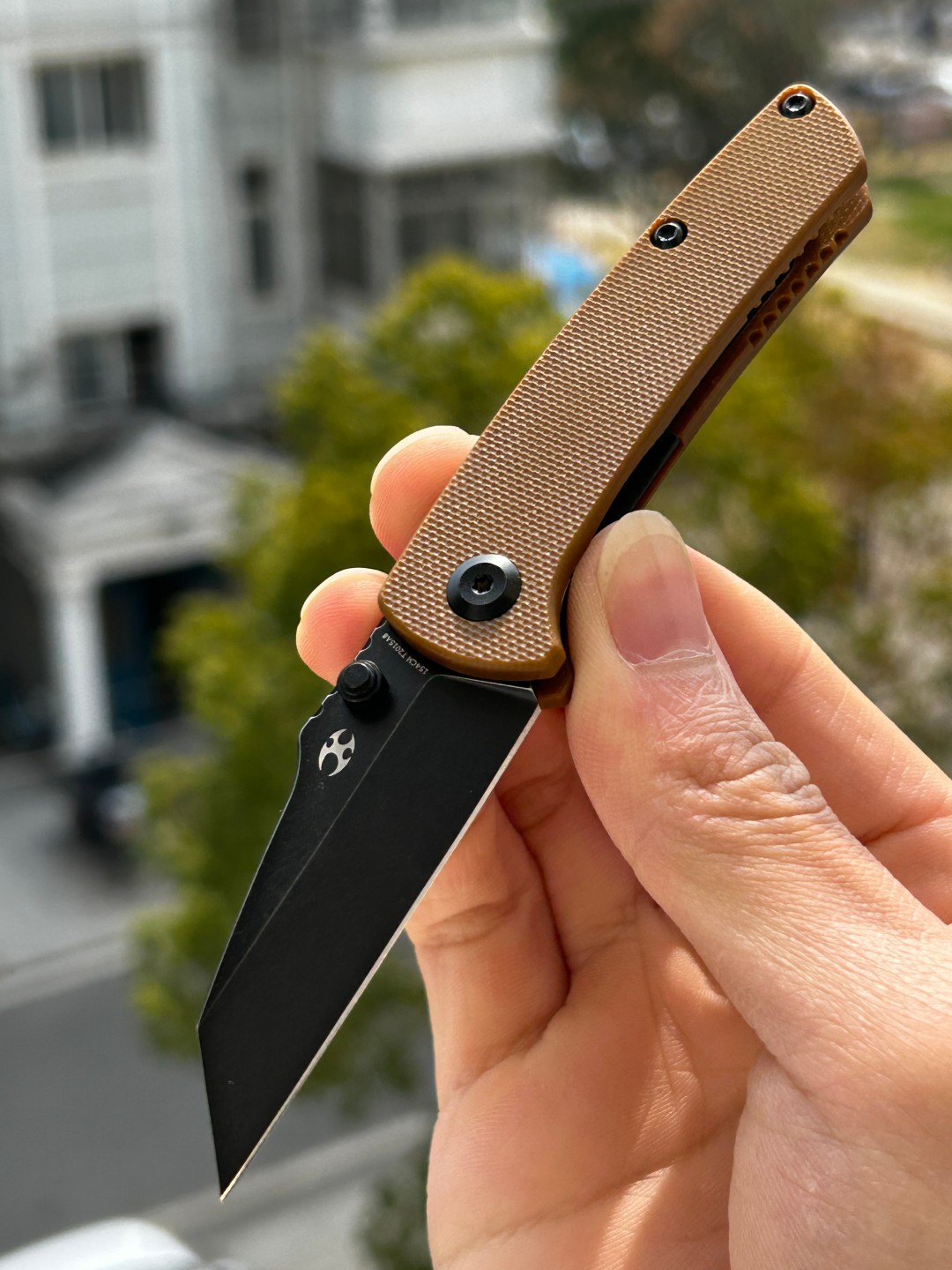
The standard models feature durable G10 or textured canvas Micarta scales. These materials provide outstanding tactile grip, resisting impacts, oils, and temperature extremes while keeping the overall package lightweight and durable.
Technical Precision with Machined Aluminum
The flagship Elmax models elevate handle design by utilizing high-strength 6061-T6 aluminum scales finished with detailed CNC-machined pattern grooves. The anodized surface delivers a modern industrial aesthetic with maximum chassis rigidity. For users who prefer organic materials, high-density Micarta scales are also offered, gaining a rich, personalized patina as they age.
Final Value Assessment: Choosing the Ideal Folder
Selecting the right version comes down to personal priorities in materials, maintenance habits, and budget allocation.
-
Select the 154CM Version if: You want a straightforward, ergonomic everyday workhorse that offers fantastic cutting geometry at an accessible price point, and you do not mind routine sharpening.
-
Select the Elmax Version if: You demand maximum edge longevity, premium handle materials, and an inherently safer top-mounted locking system that elevates the overall knife operating experience.
Both variants celebrate Dirk Pinkerton’s functional design vision, ensuring that regardless of which steel you choose, you receive a capable cutting tool built for daily demands.