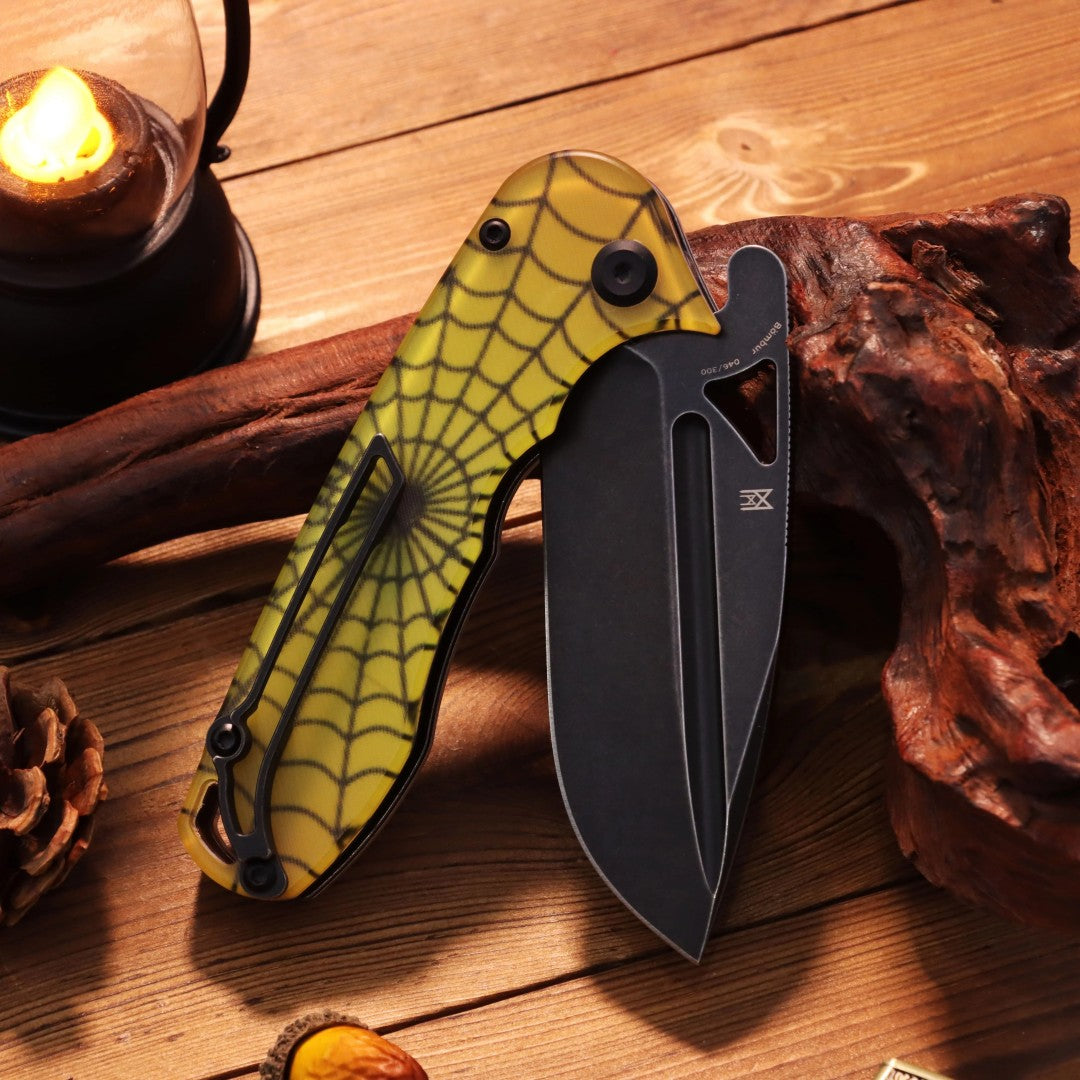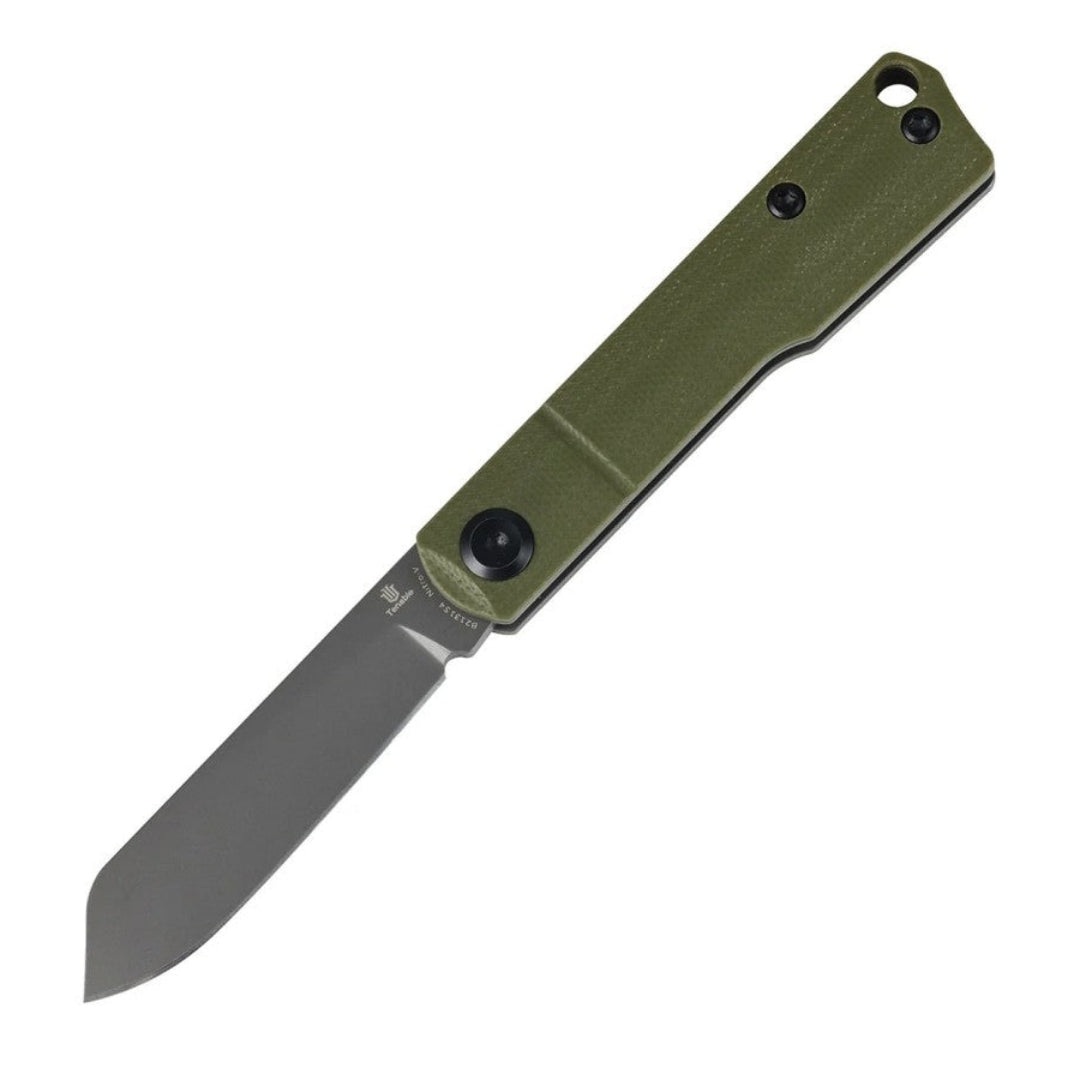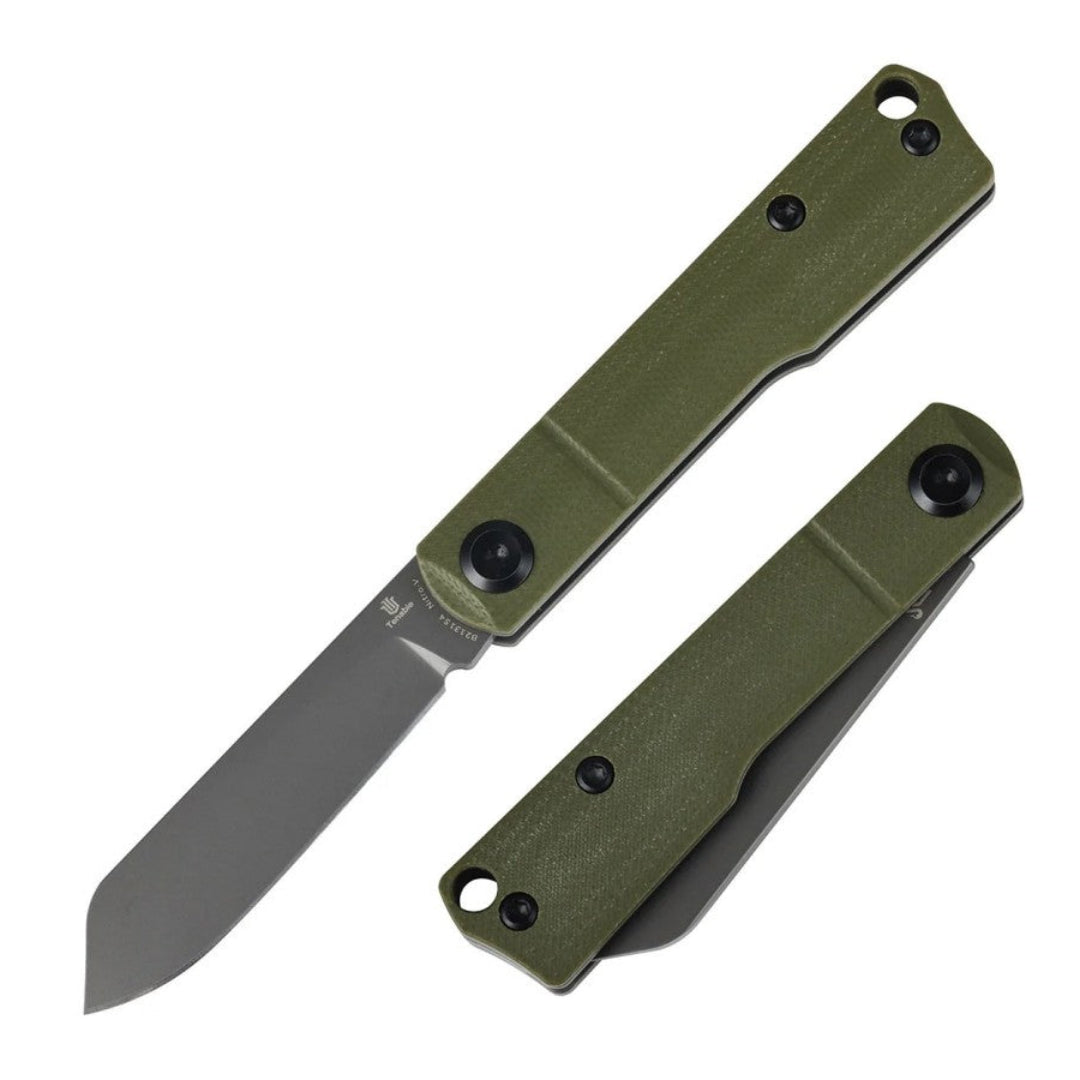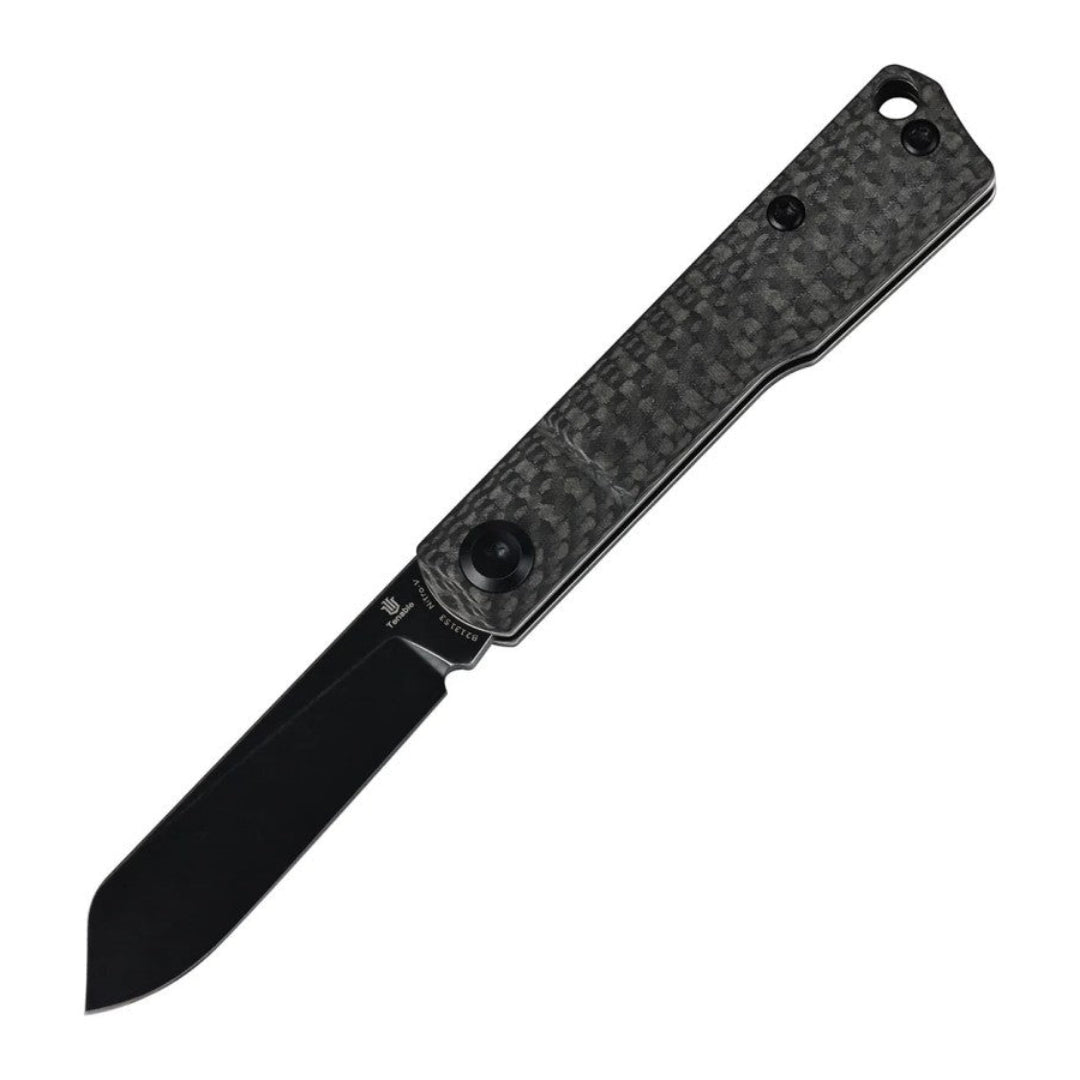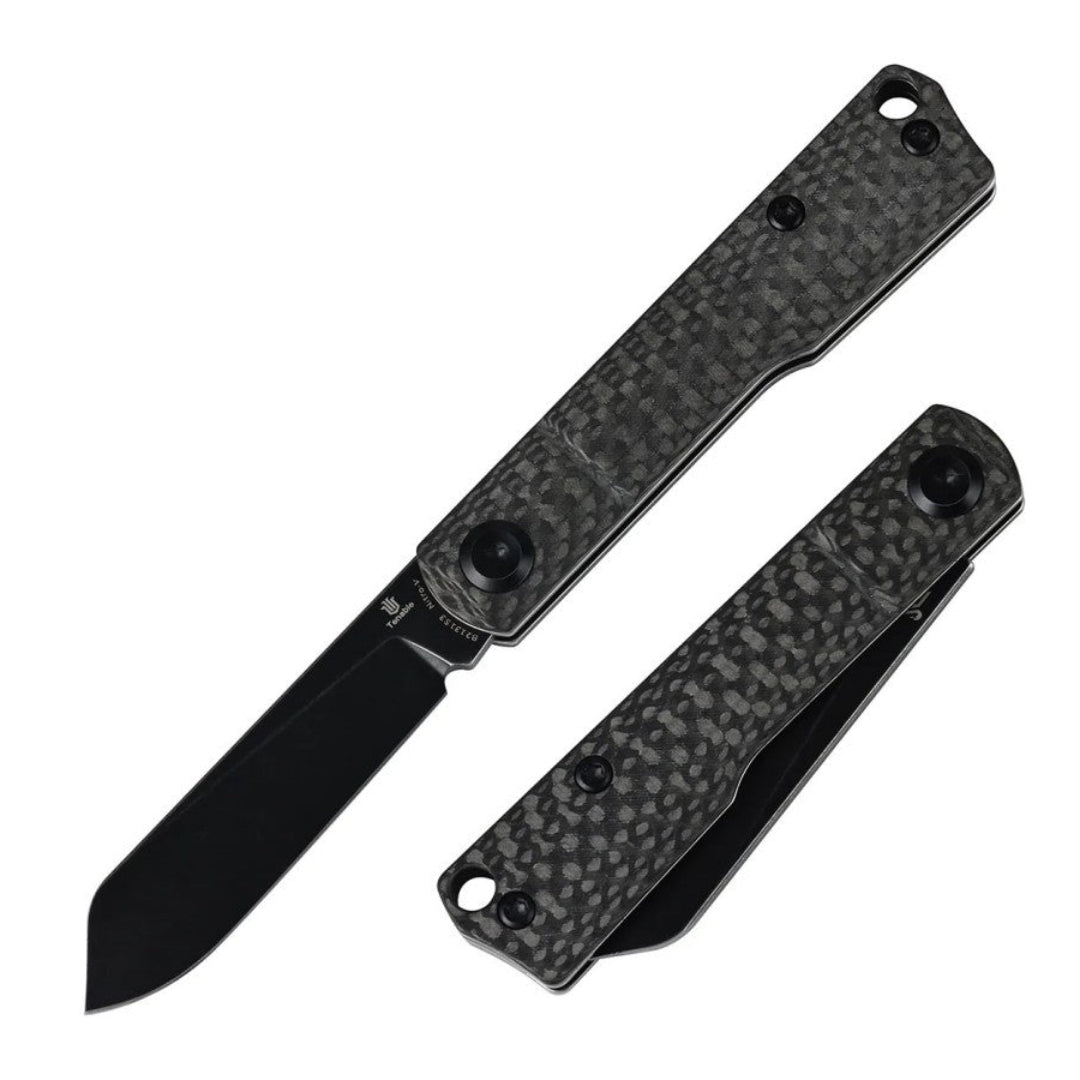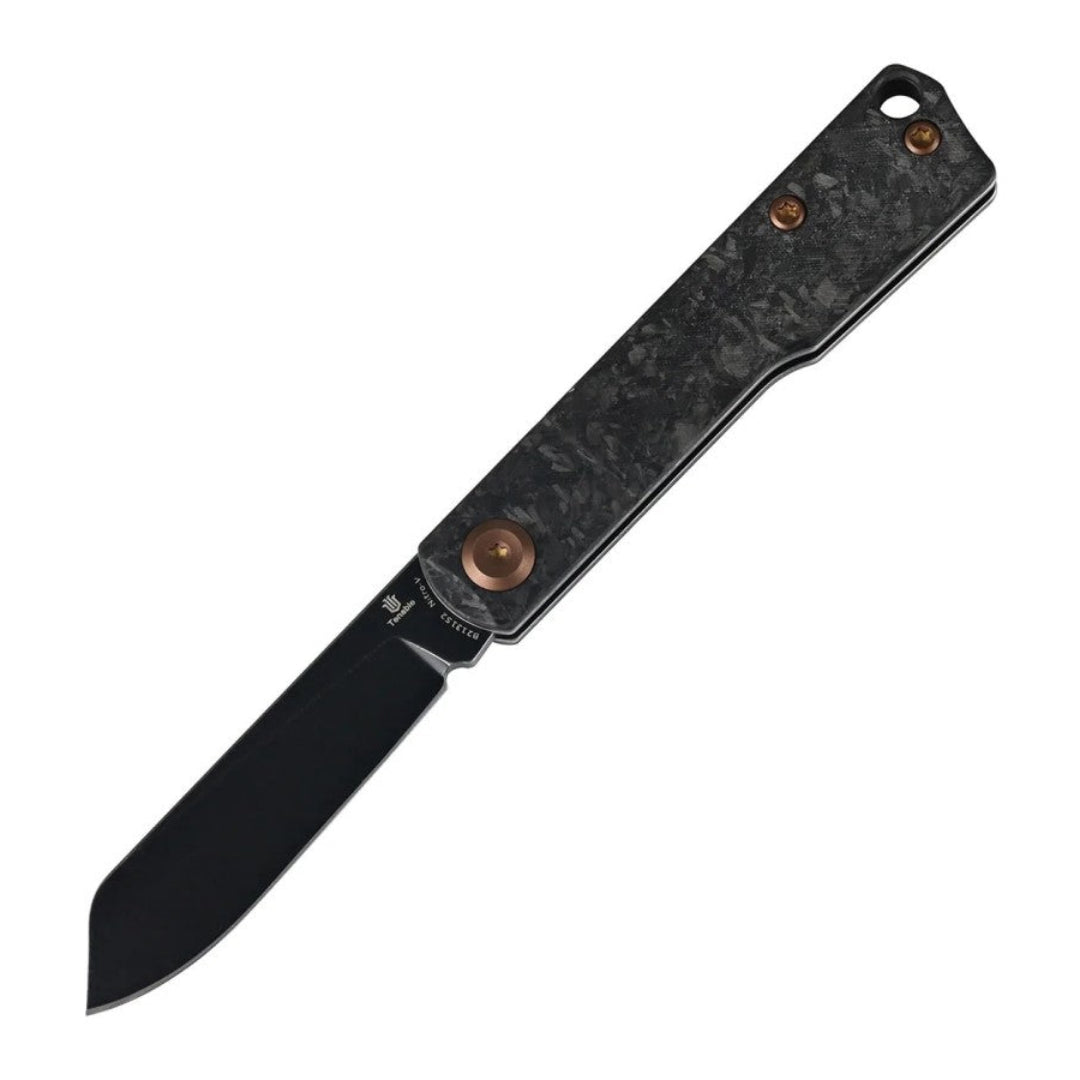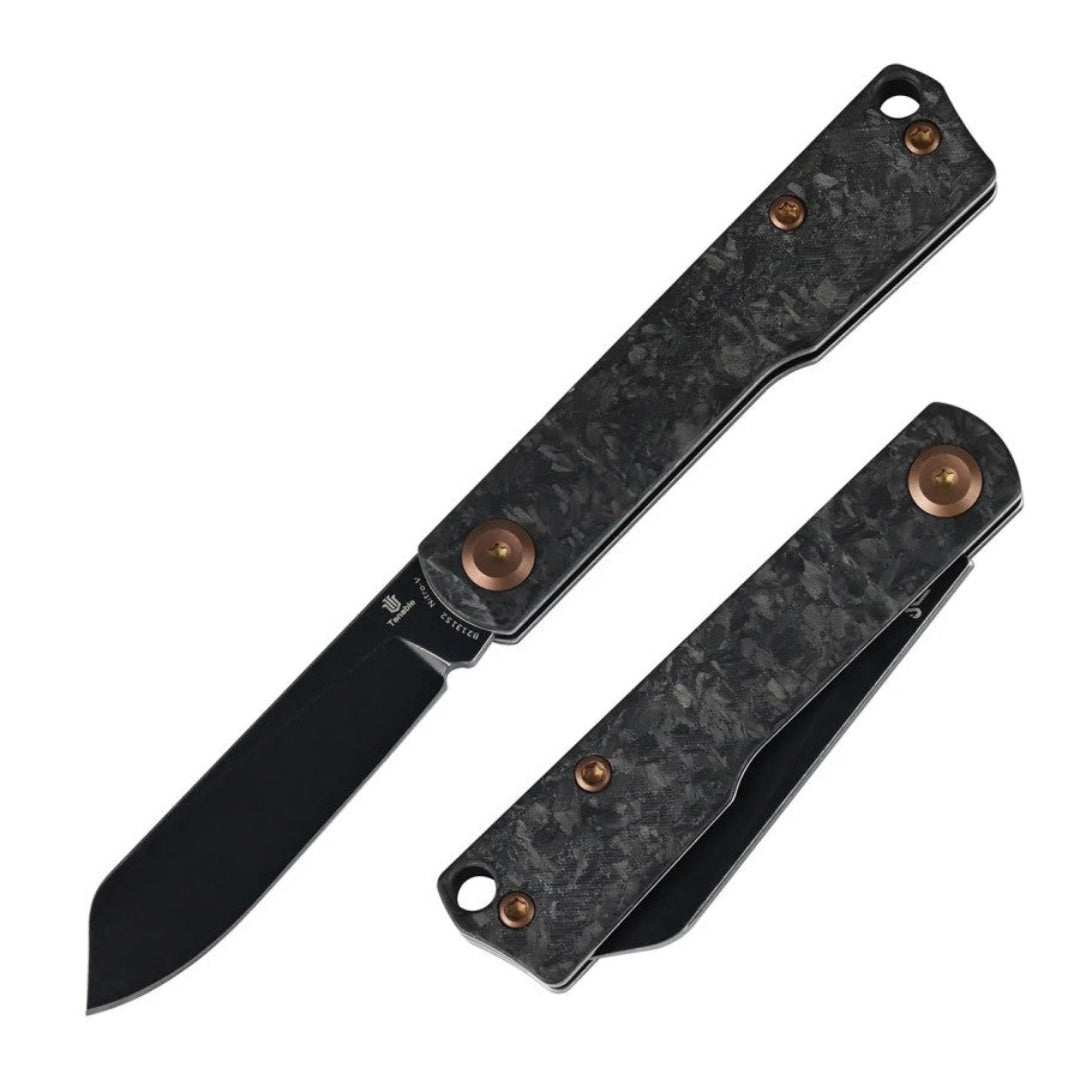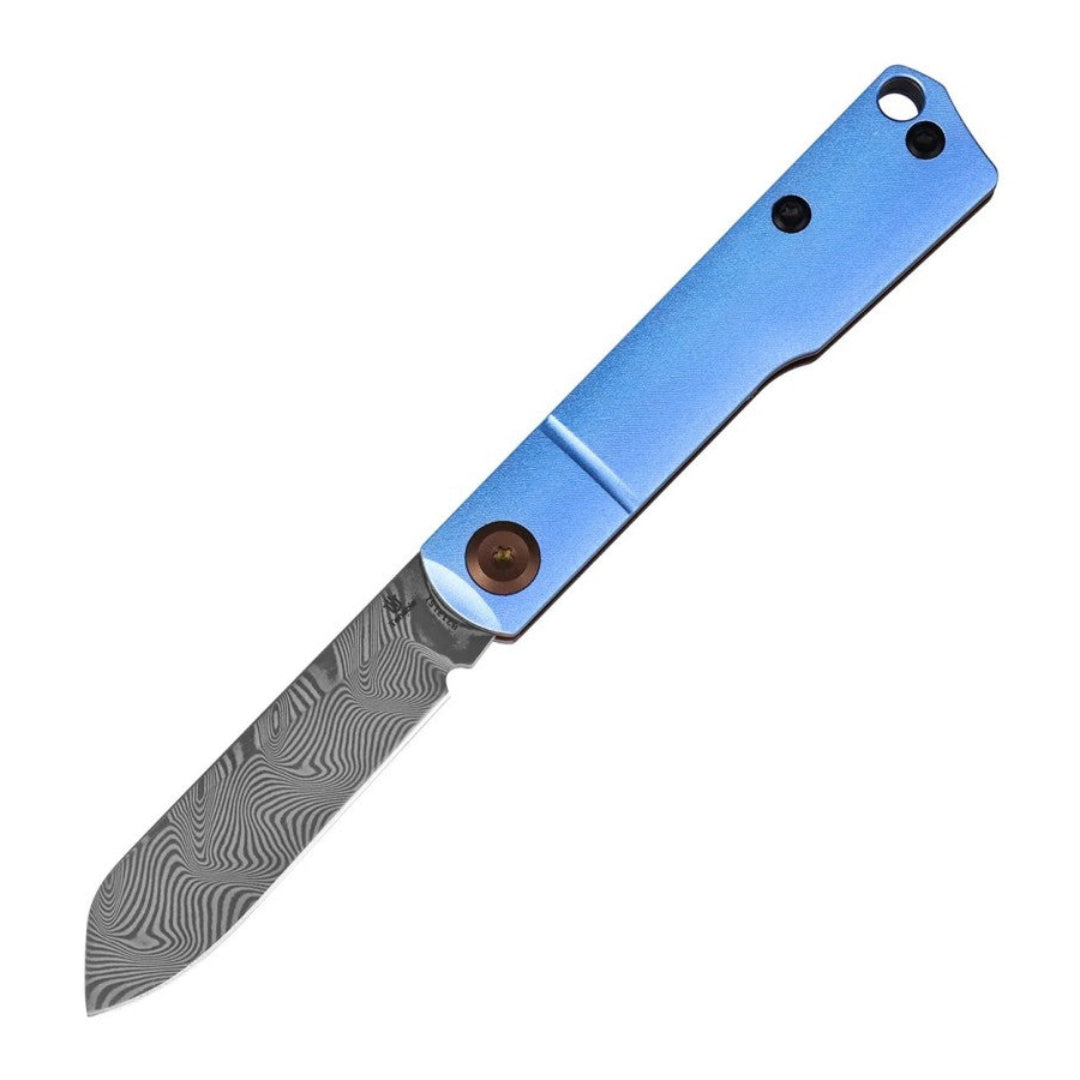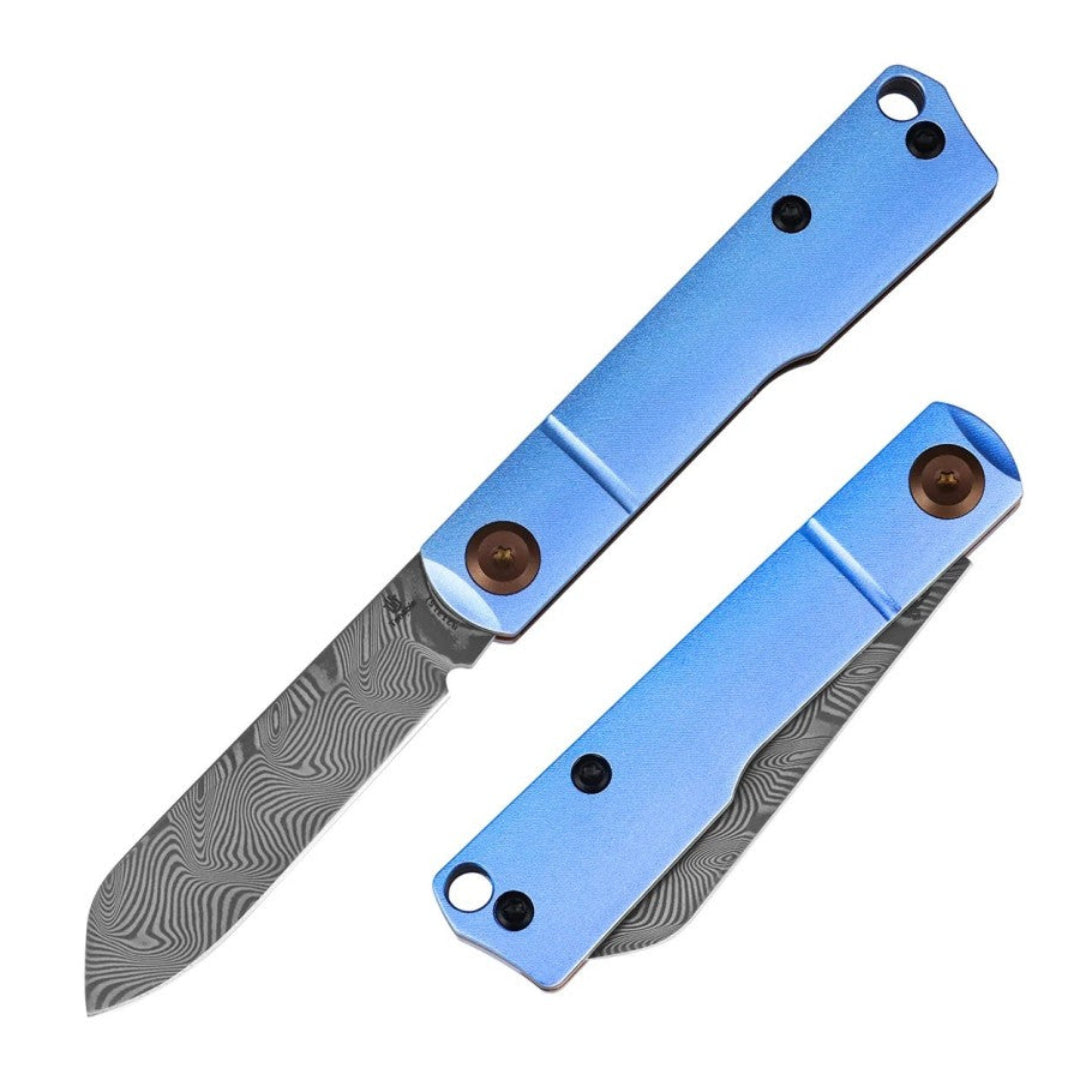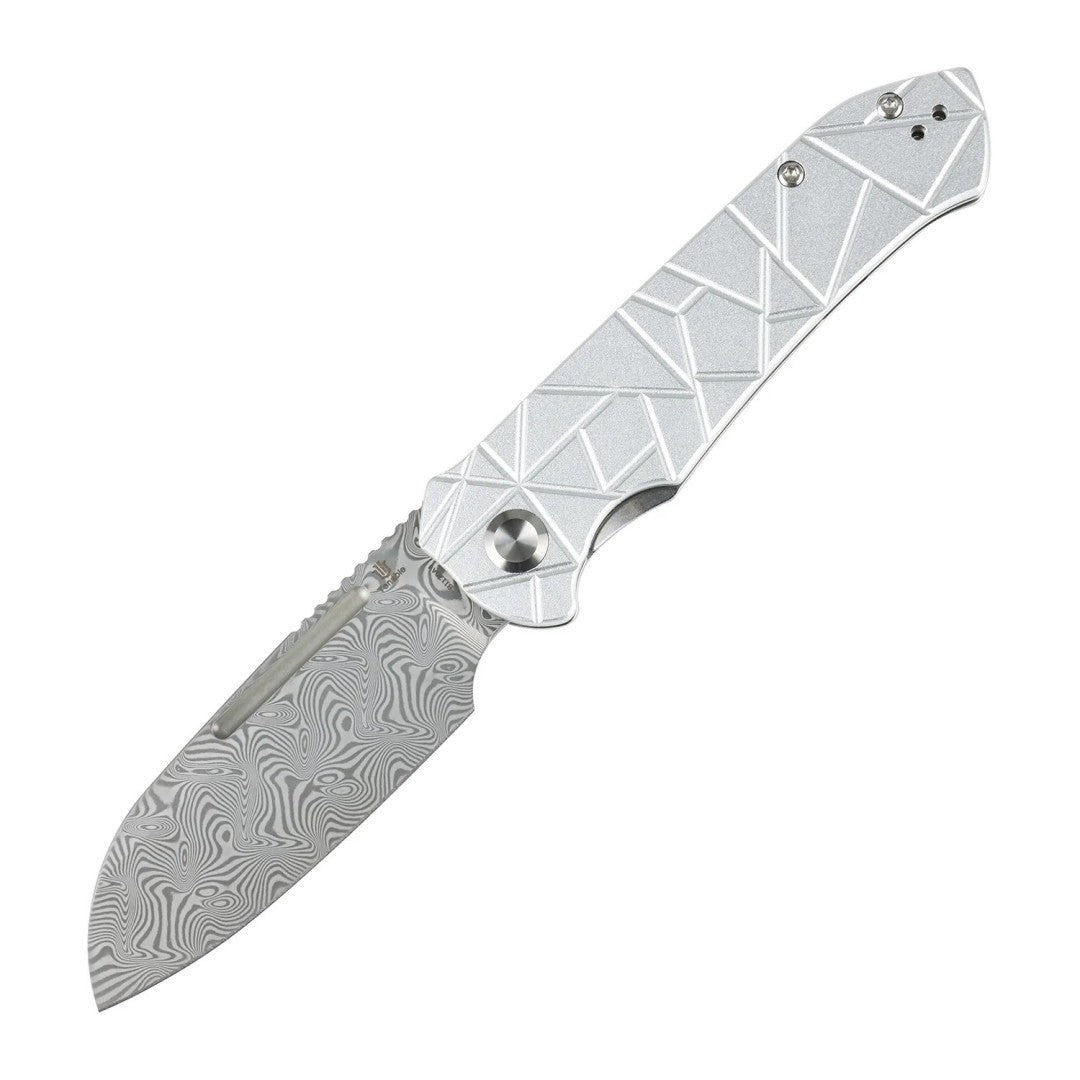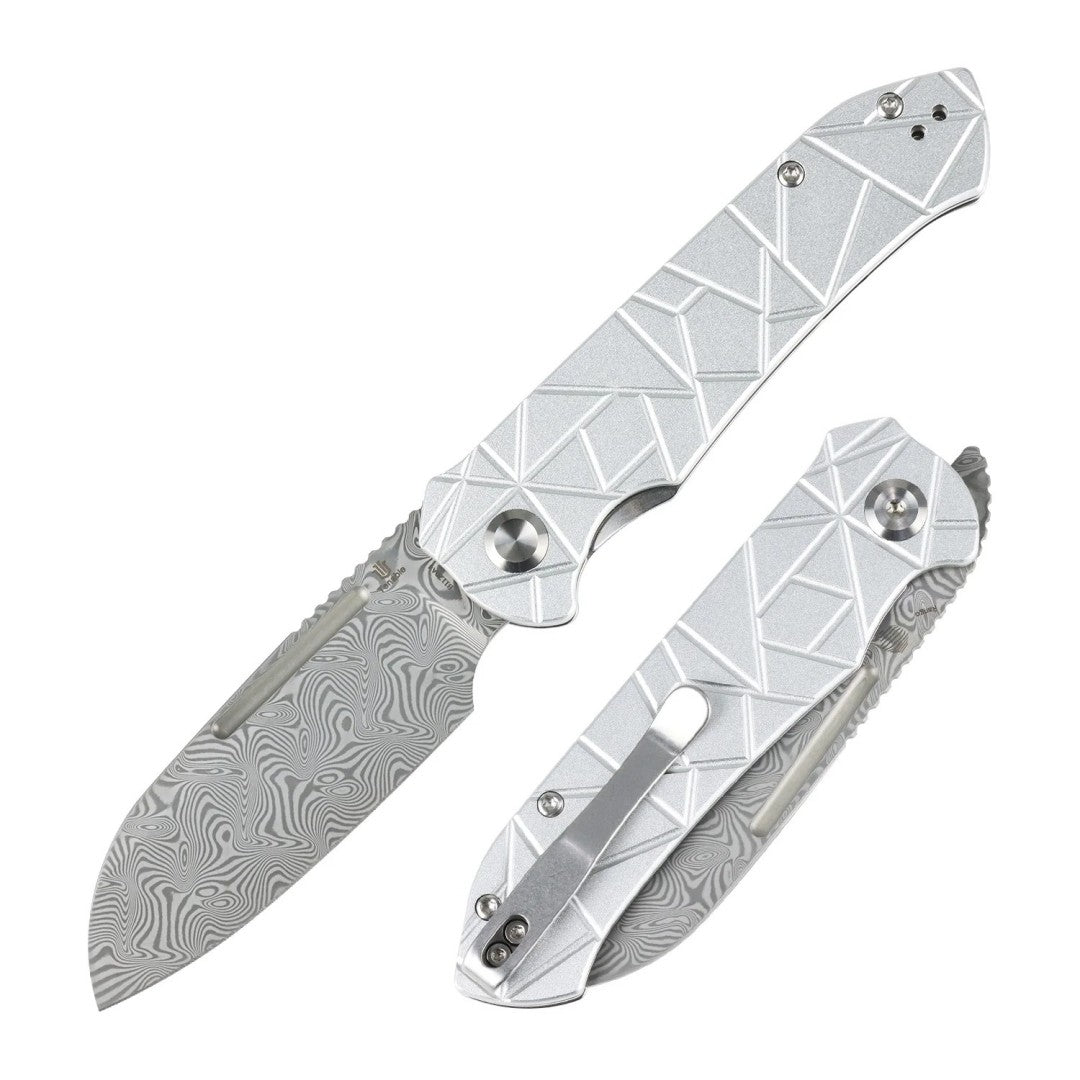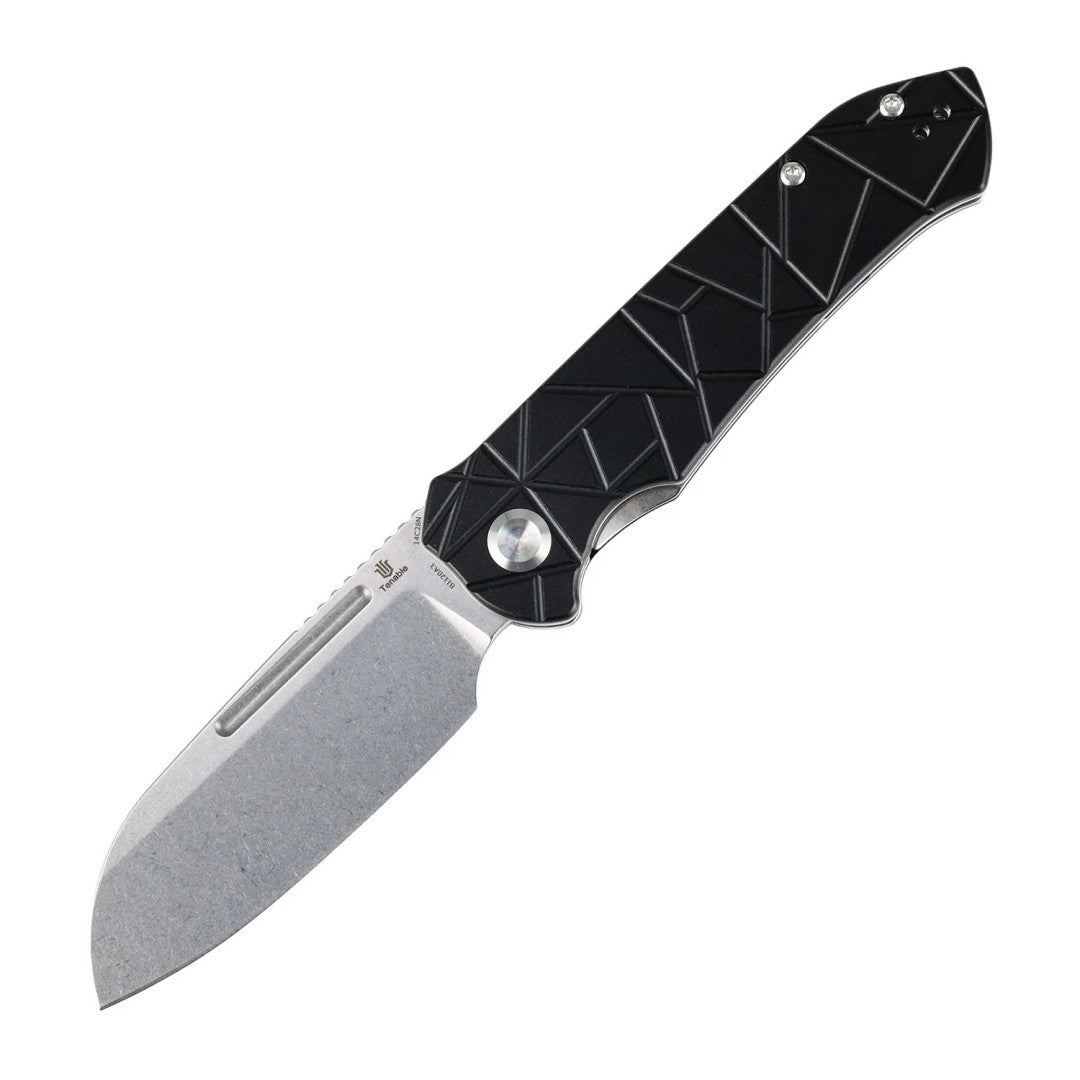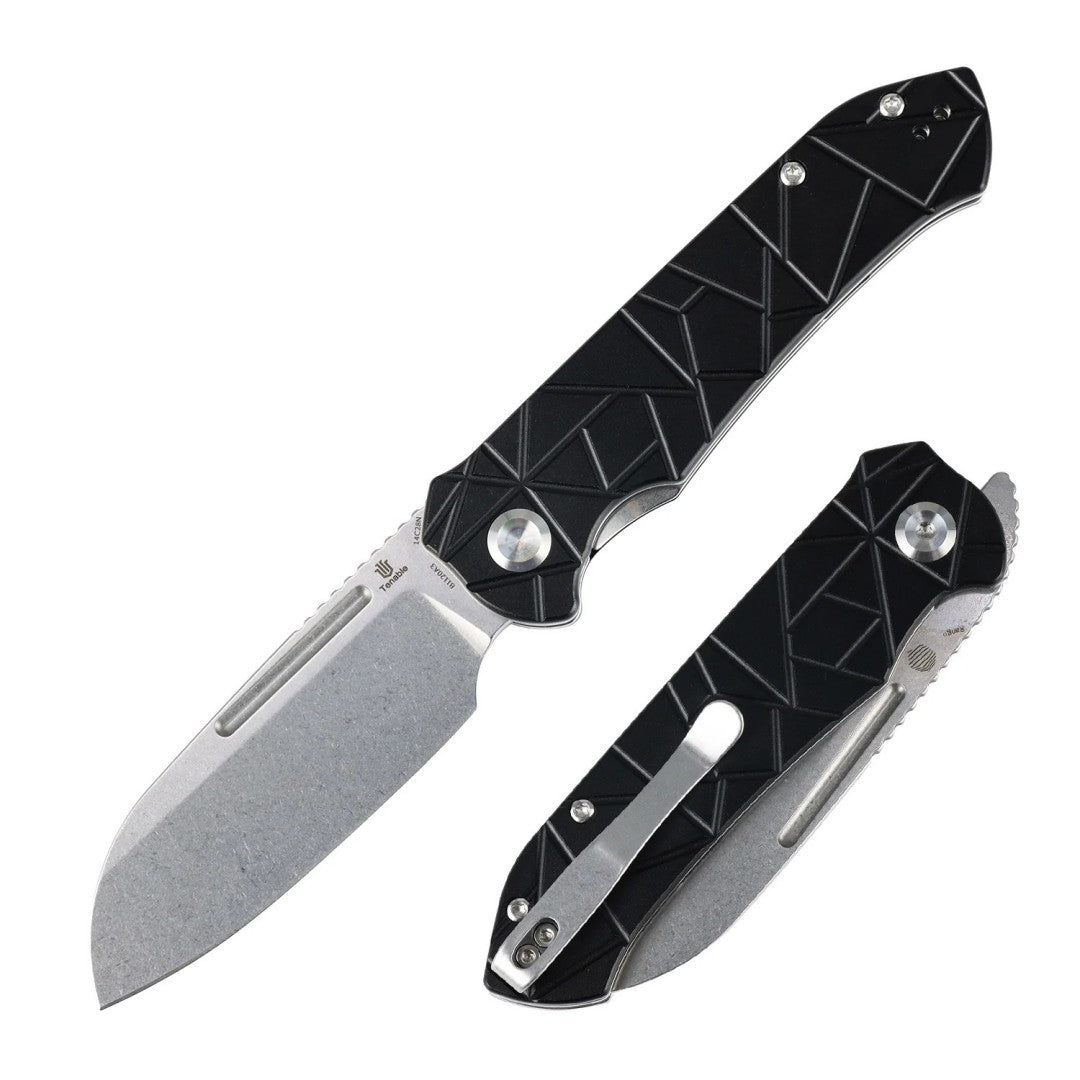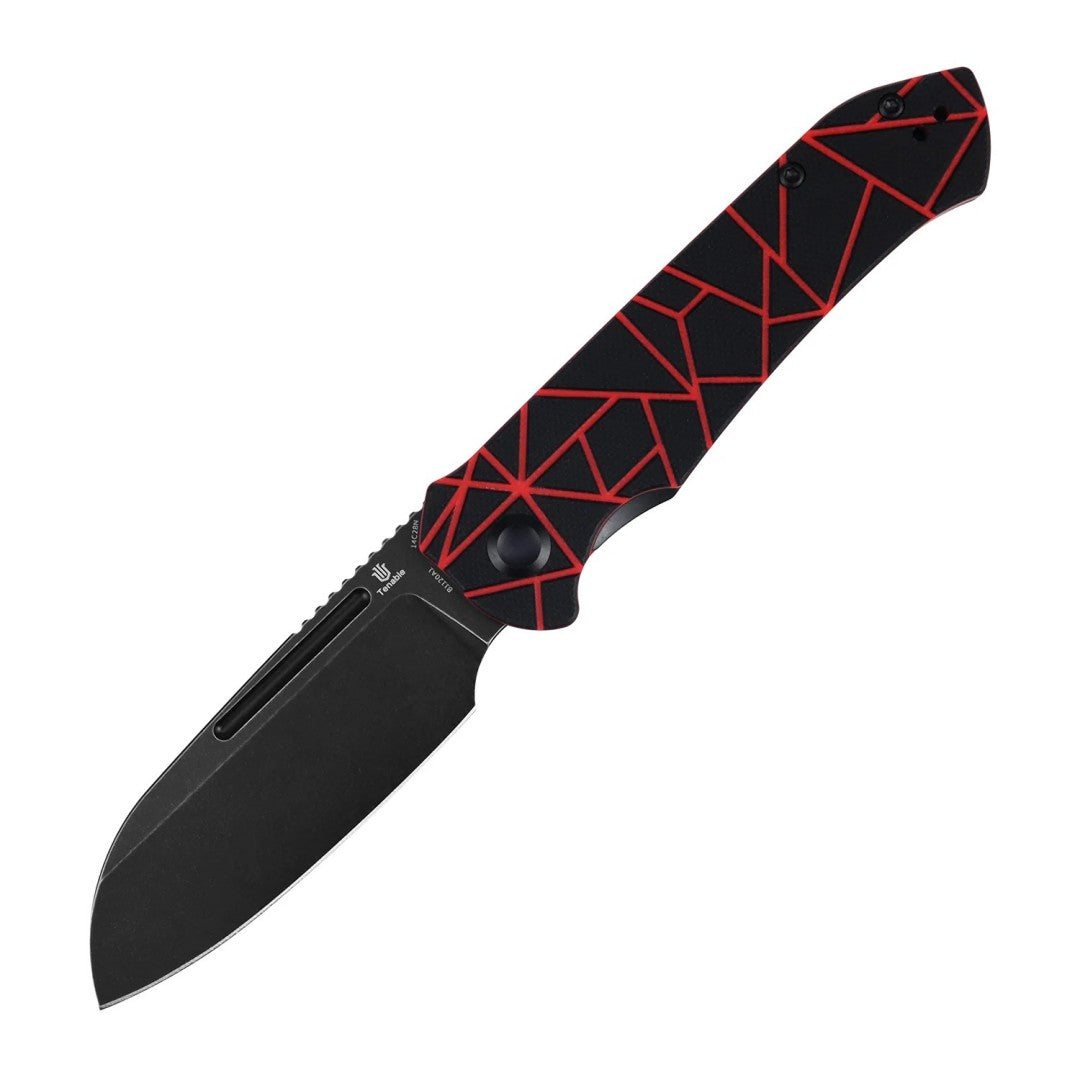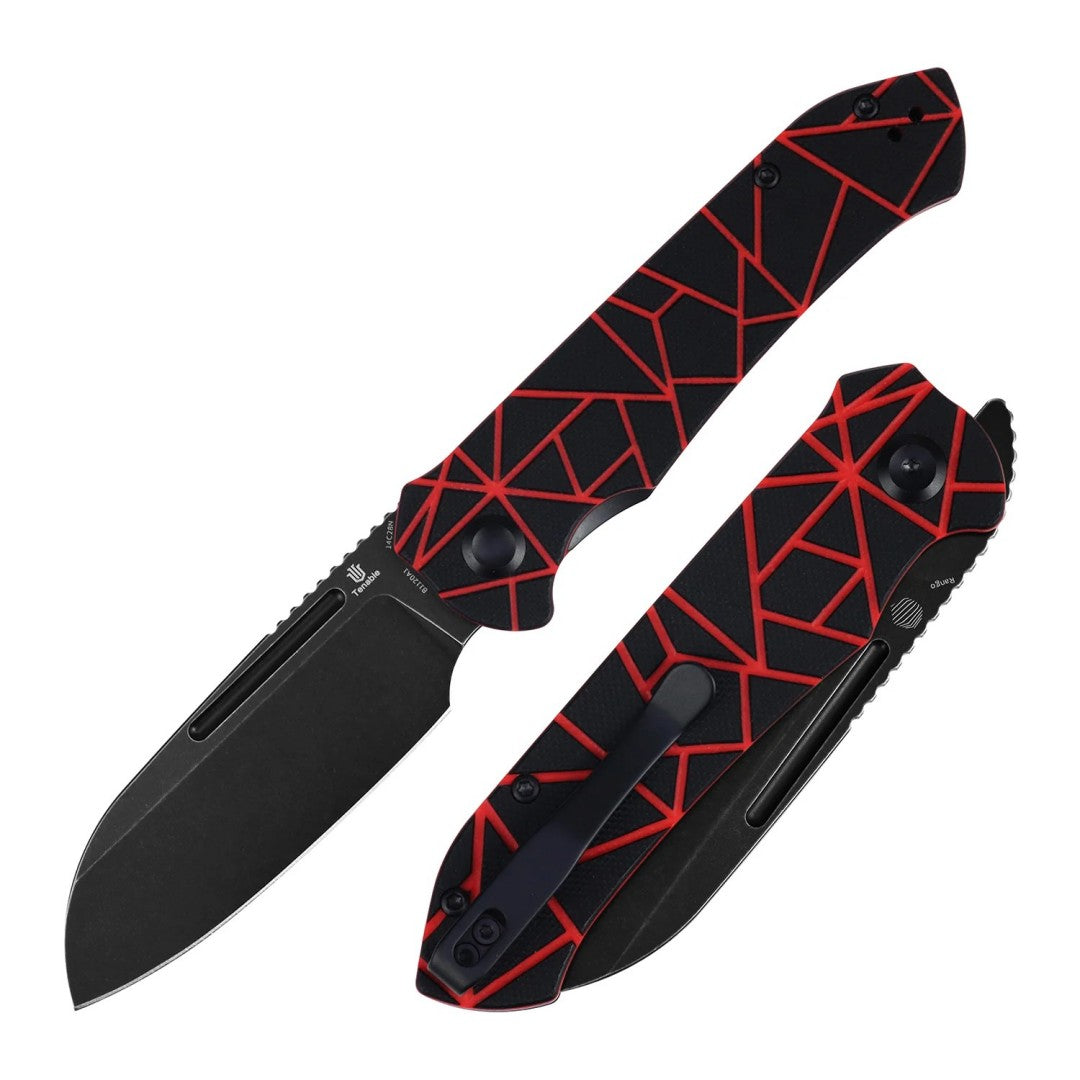
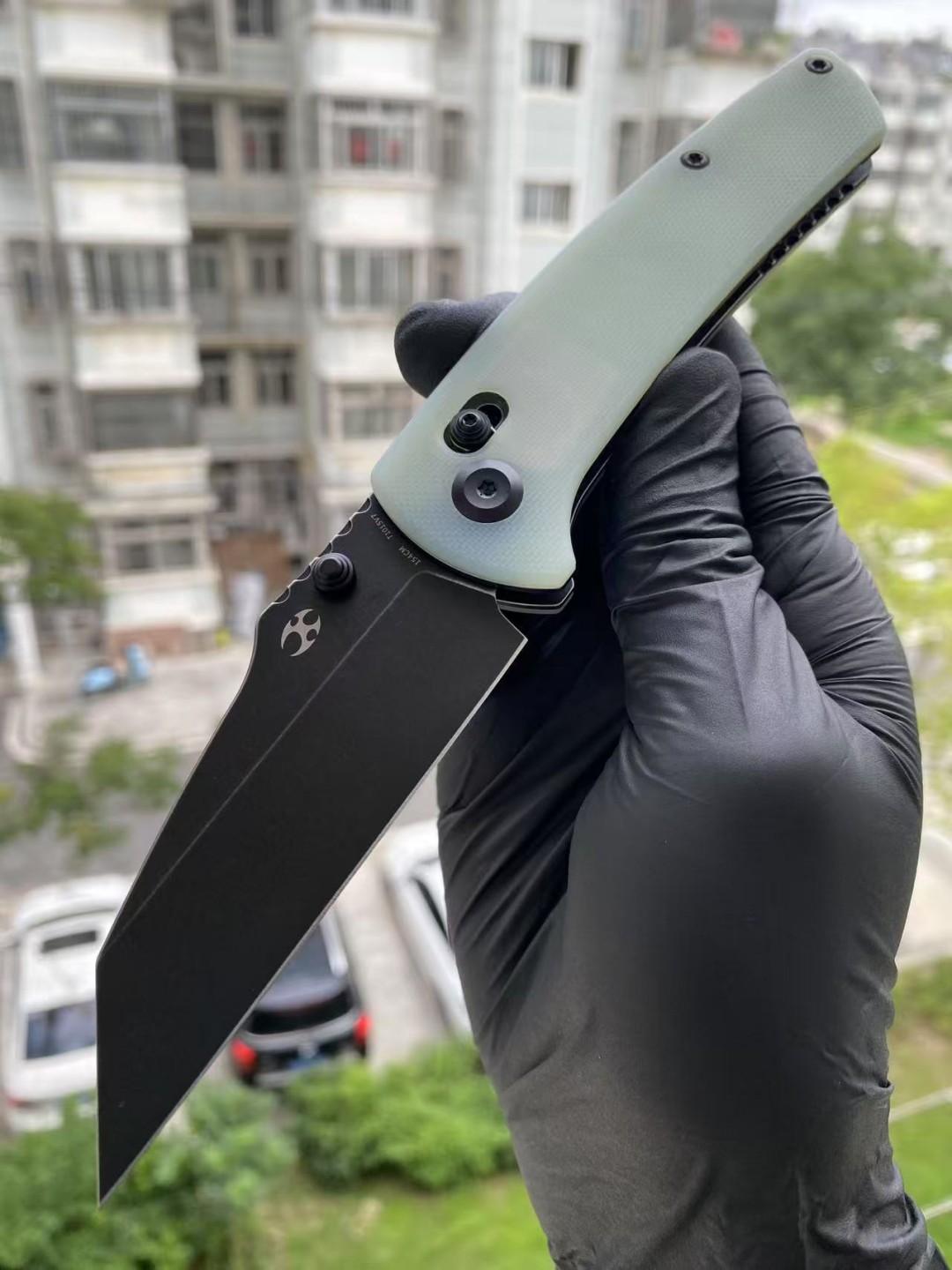
Upgrading your everyday carry gear often comes down to evaluating whether higher-grade materials deliver tangible benefits in daily use. Designed by custom knifemaker Dirk Pinkerton, the modified Wharncliffe profile produced by Kansept has earned a reputation as an exceptionally practical cutting tool. While the standard version built with 154CM steel delivers impressive utility at an accessible price point, the flagship variant featuring Uddeholm Elmax powder steel introduces significant mechanical and metallurgical enhancements.
Determining whether to upgrade to the flagship Kansept Main Street requires looking beyond brand prestige to analyze real-world edge longevity, lock safety, handle ergonomics, and overall value.
Metallurgical Evolution: Ingot Steel vs. Advanced Powder Steel
The core driver behind upgrading to the flagship model is the transition in blade steel technology. Understanding how these two alloys differ at a molecular level highlights what you gain during heavy cutting tasks.
154CM Stainless Steel Performance
As a traditional ingot-cast alloy, 154CM has served as a reliable workhorse steel for decades. It features a balanced blend of carbon, chromium, and molybdenum that delivers dependable performance for routine daily chores.
-
Ease of Sharpening: Highly forgiving on basic ceramic rods and field sharpeners.
-
Toughness Balance: Resists chipping during general slicing and utility work.
-
Working Edge Life: Holds a good edge through moderate cardboard breakdown and package opening before needing a strop.
Uddeholm Elmax Super Steel Advantages
In contrast, Elmax is produced through a third-generation powder metallurgy process. Atomizing molten alloy into microscopic droplets eliminates carbide clustering, creating an ultra-fine, uniform grain structure packed with vanadium carbides.
-
Extended Edge Retention: Maintains a razor-sharp apex significantly longer under heavy abrasive cutting.
-
High Corrosion Immunity: Dense chromium content provides excellent resistance against sweat, moisture, and acidic exposure.
-
Apex Stability: Resists micro-rolling and chipping even when subjected to heavy downward pressure against dense materials.
Material and Hardware Feature Matrix
Comparing the key component differences between both tiers clarifies where the value upgrades are applied across the knife assembly.
| Component / Feature | Standard Base Edition | Flagship Elmax Upgrade |
| Primary Blade Steel | 154CM Stainless Steel | Uddeholm Elmax Powder Steel |
| Steel Metallurgy | Ingot Cast Alloy | 3rd-Gen Powder Metallurgy |
| Lock Mechanism | Traditional Liner Lock | Safety-Focused Top Liner Lock |
| Hardness Rating | 59–61 HRC | 60–62 HRC |
| Handle Materials | Textured G10 / Canvas Micarta | Precision CNC Anodized Aluminum / Micarta |
| Deployment Action | Ceramic Ball Bearings | Ceramic Ball Bearings |
| User Experience Level | Practical Utility Carry | Premium / High-Performance EDC |
 Operational Mechanics: Upgrading Lock Safety
Beyond blade metallurgy, moving to the Elmax version introduces a major mechanical upgrade that fundamentally changes how you interact with the knife.
The Traditional Liner Lock
The standard edition relies on a classic internal liner spring. Disengaging the blade requires pushing the locking leaf inside the handle channel, which inherently places your thumb inside the folding path of the blade edge.
The Spine-Mounted Top Liner Lock
The Elmax variant incorporates an innovative Top Liner Lock button positioned along the spine of the handle scale. This architectural shift provides clear operational benefits:
-
Complete Finger Safety: Disengaging the lock allows the blade to swing closed without your fingers ever crossing the path of the sharp edge.
-
Fluid One-Handed Closure: Pinching or depressing the top tab allows smooth gravity closing backed by low-friction ceramic ball bearings.
-
Structural Lockup: Hardened steel engagement tabs seat firmly against the blade tang, eliminating blade play during heavy downward pressure.
Handle Craftsmanship and Pocket Feel
An upgraded blade steel deserves a refined handle chassis. While the standard version utilizes straightforward G10 scales designed purely for utilitarian grip, the Elmax series elevates tactile feel and visual appeal.
Anodized Aluminum Scales
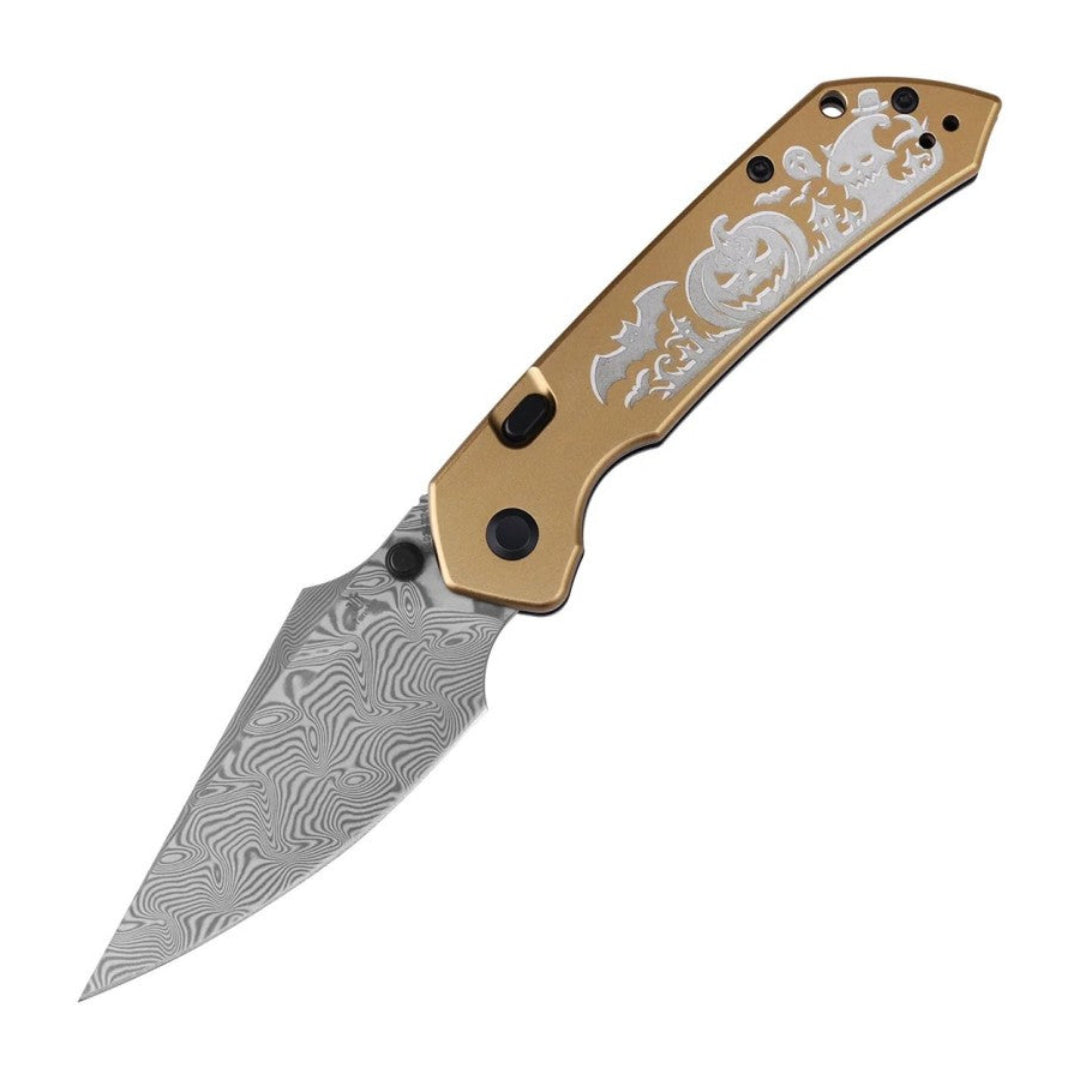
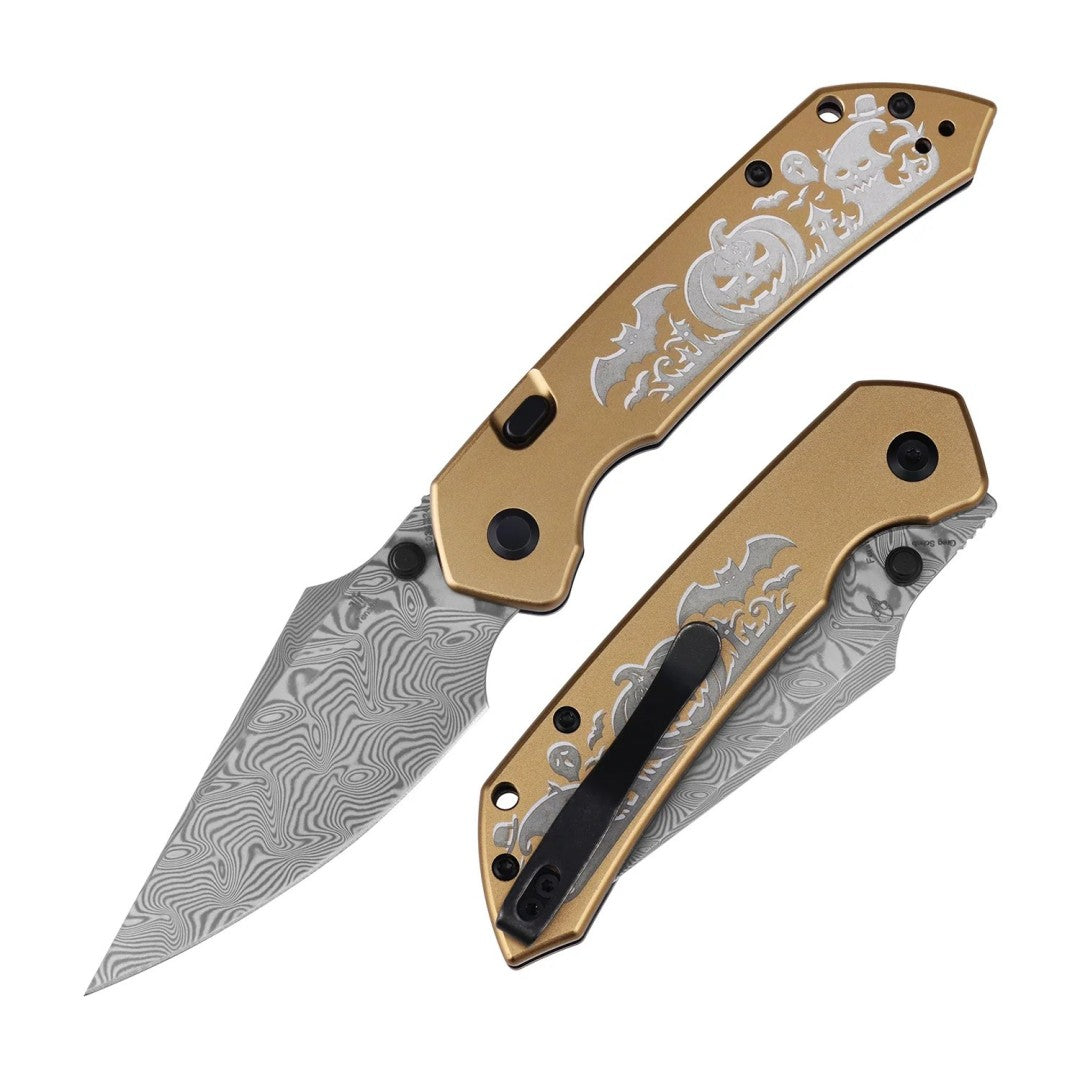
Engineered from aircraft-grade 6061-T6 aluminum, these handle scales feature intricate CNC-machined textures, such as decorative Putter pattern grooves. The rigid aluminum frame provides superior structural stiffness while maintaining a slim, pocket-friendly profile.
Premium Micarta Options
For users who favor an organic tactile texture, high-density Micarta scales offer exceptional traction even when wet. Over time, the material absorbs natural oils from handling, developing a rich, unique patina that personalizes the knife.
Practical Application: When Does the Upgrade Make Sense?
Deciding whether to upgrade depends heavily on how you use your cutting tools on a daily basis.
Stick with the 154CM Model If:
-
You use your pocket knife primarily for light utility tasks like opening mail or light packaging.
-
You prefer maintaining your own blades with standard sharpening equipment.
-
You want an accessible, high-value tool where cosmetic wear from hard use is not a concern.
Upgrade to the Elmax Model If:
-
You frequently cut abrasive media like thick cardboard, rope, or carpet that dulls standard steels quickly.
-
You value the added safety and fluid operational mechanics of the Top Liner Lock.
-
You appreciate premium materials, CNC machining precision, and maximum edge retention in your daily rotation.
 Final Recommendation
Upgrading from 154CM to Elmax on this platform is far more than a minor material refresh. By pairing Uddeholm’s elite powder metallurgy with an advanced top-mounted lock mechanism and premium aluminum or Micarta scales, Kansept created a flagship folder that dramatically improves user safety, cutting longevity, and overall mechanical satisfaction.