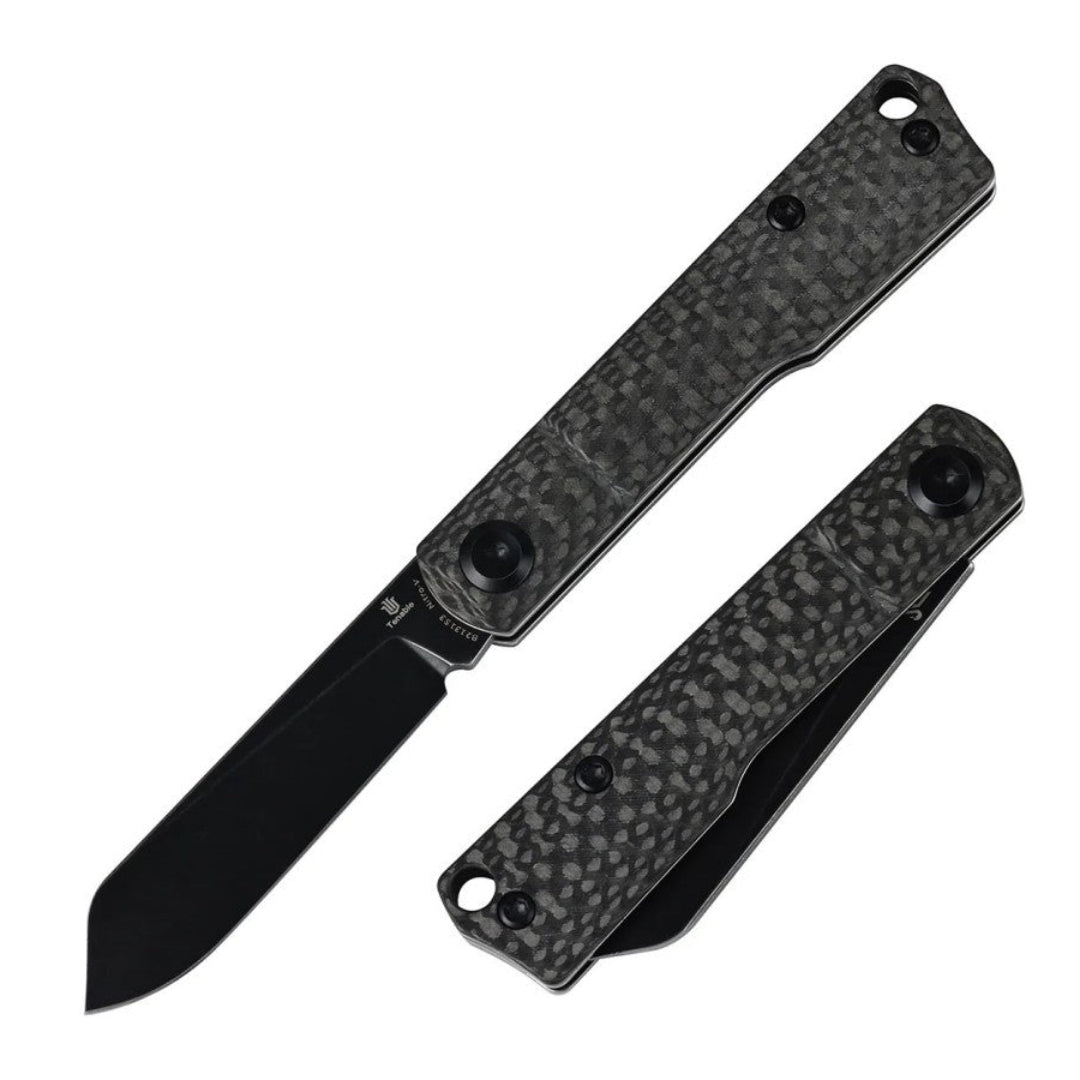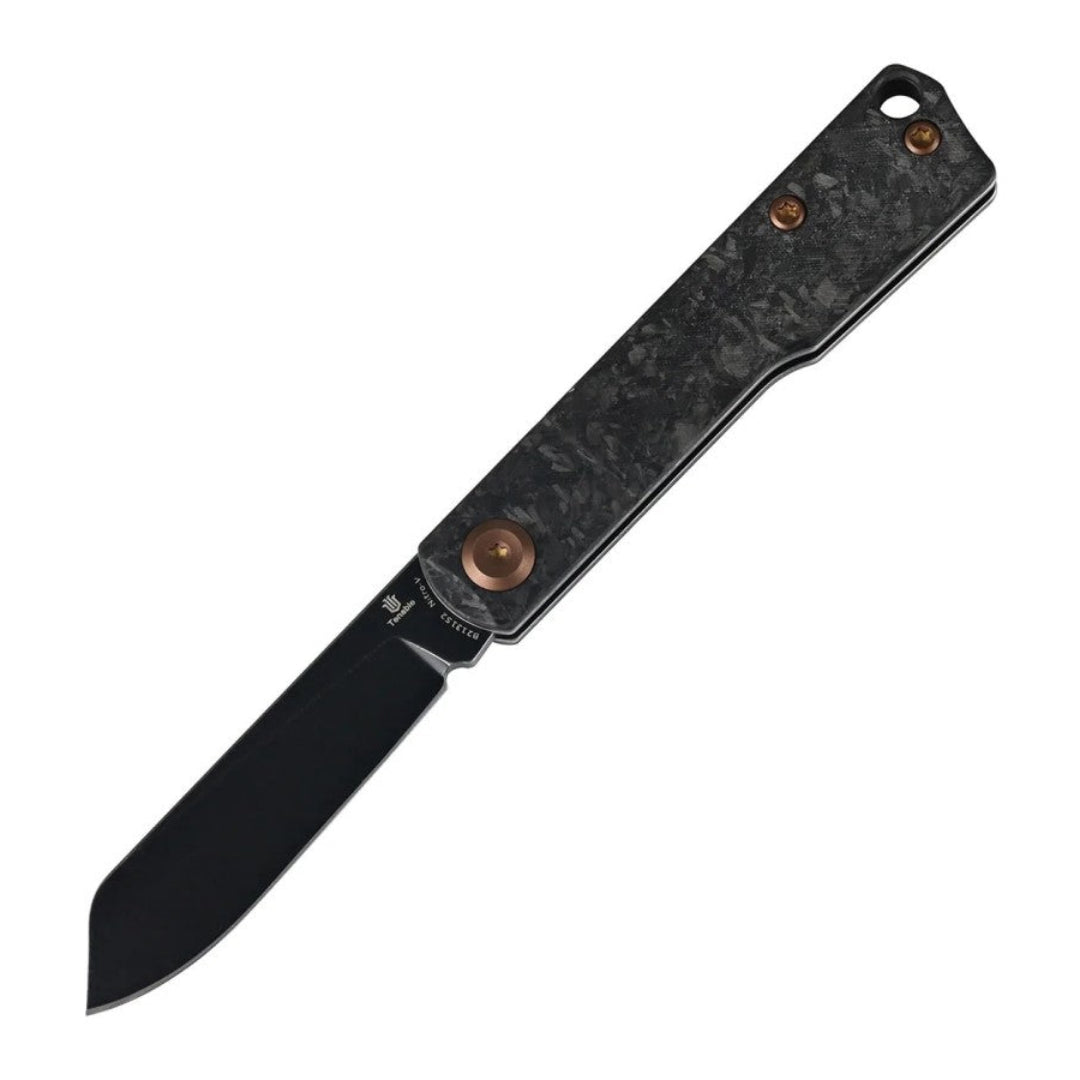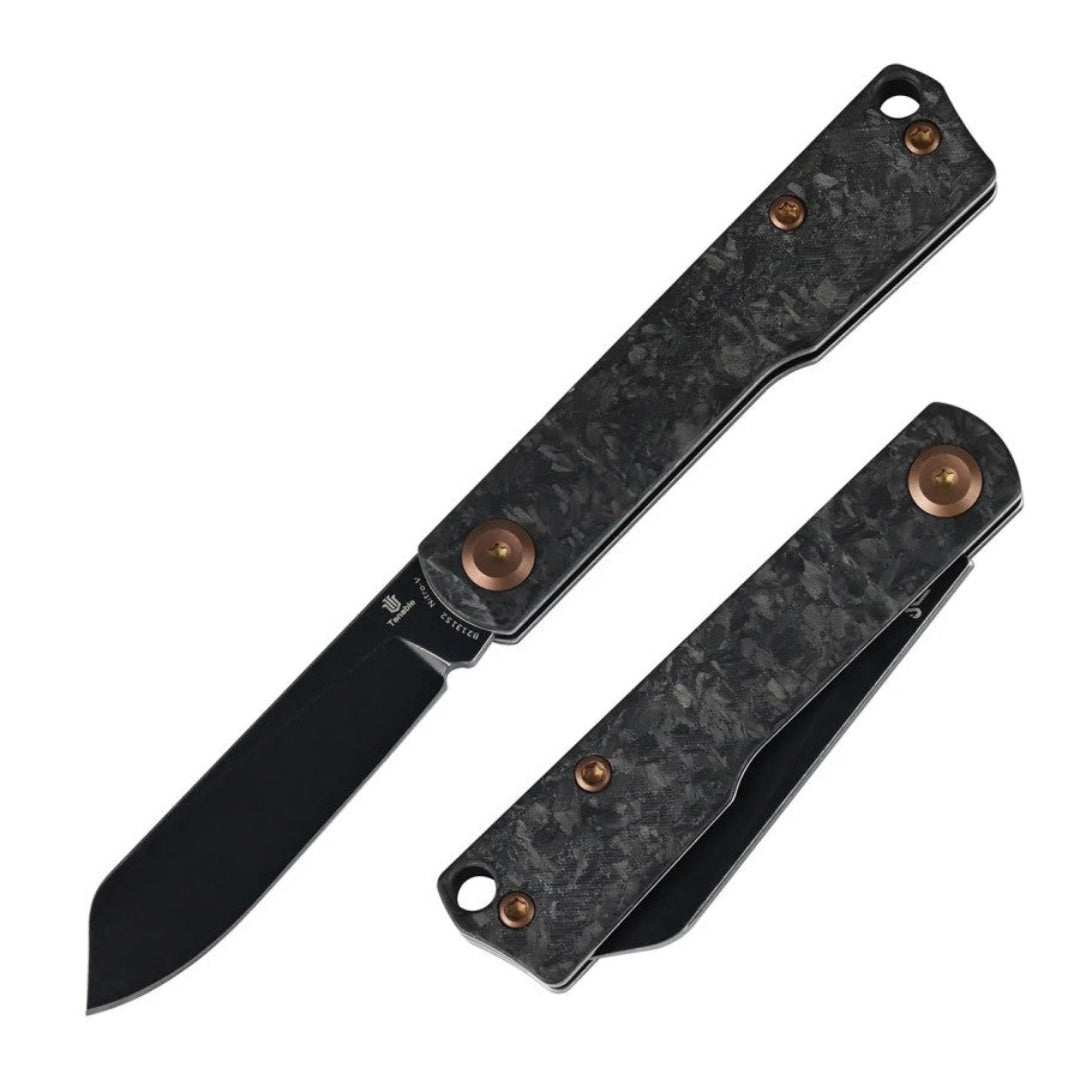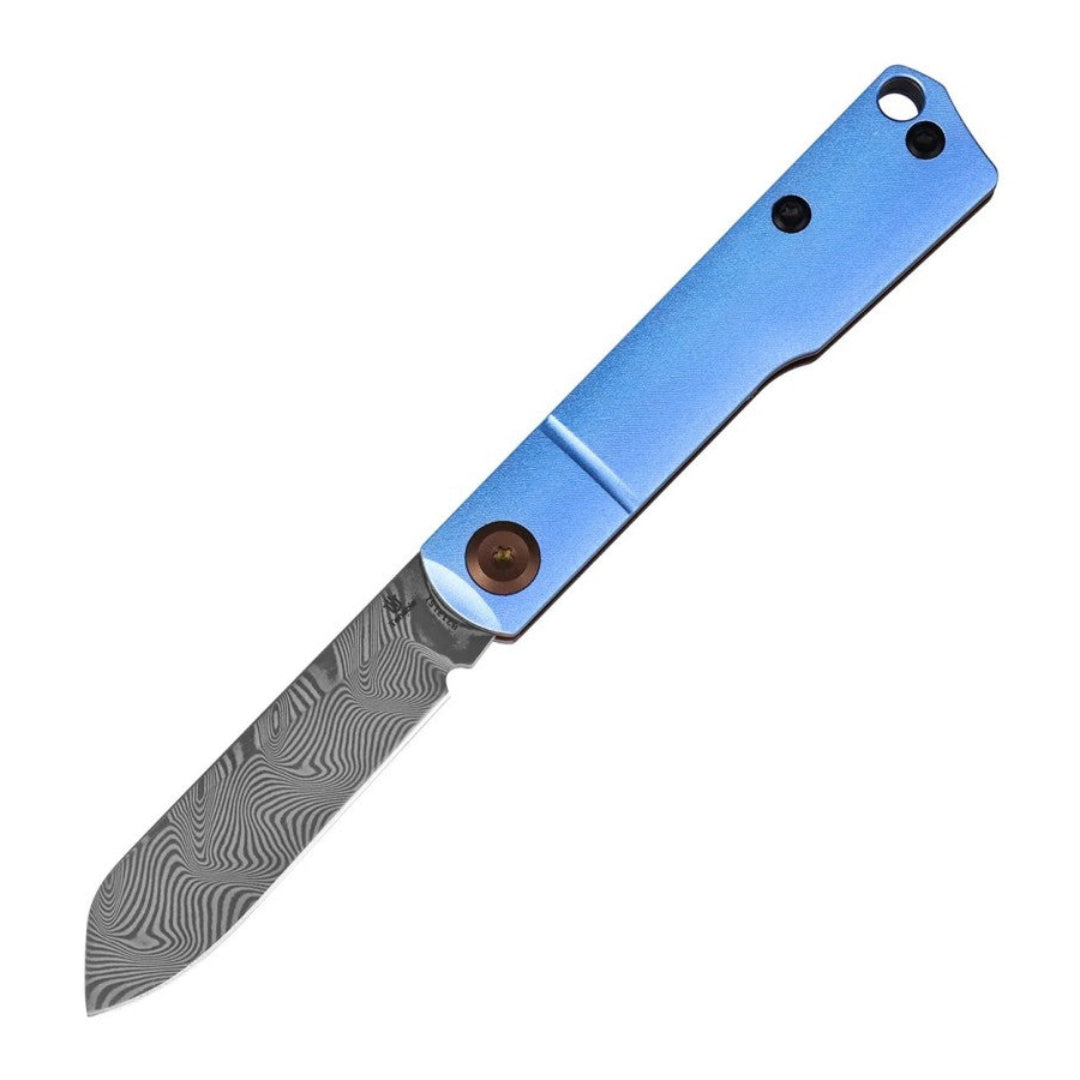
The landscape of everyday carry gear has witnessed a dramatic shift toward minimalism without sacrificing raw capability. While folding pocket knives have dominated pockets for decades, a growing contingency of gear enthusiasts is swapping mechanical hinges for the unyielding strength of a compact fixed blade. The Kansept Parr, drafted by Canadian custom knifemaker Jonathan Styles and executed by the engineers at Kansept, sits directly at the center of this movement. Explicitly scaled to match the footprint of a standard folding knife, this sleek tool answers the EDC community's demand for a lightweight, full-tang utility blade.
However, transitioning to a fixed blade for daily urban or field use requires balancing structural benefits against unique carry realities. Before adding this model to your cart, let’s dive into an objective analysis of its pros and cons to see if it truly aligns with your routine.
Key Specifications Baseline
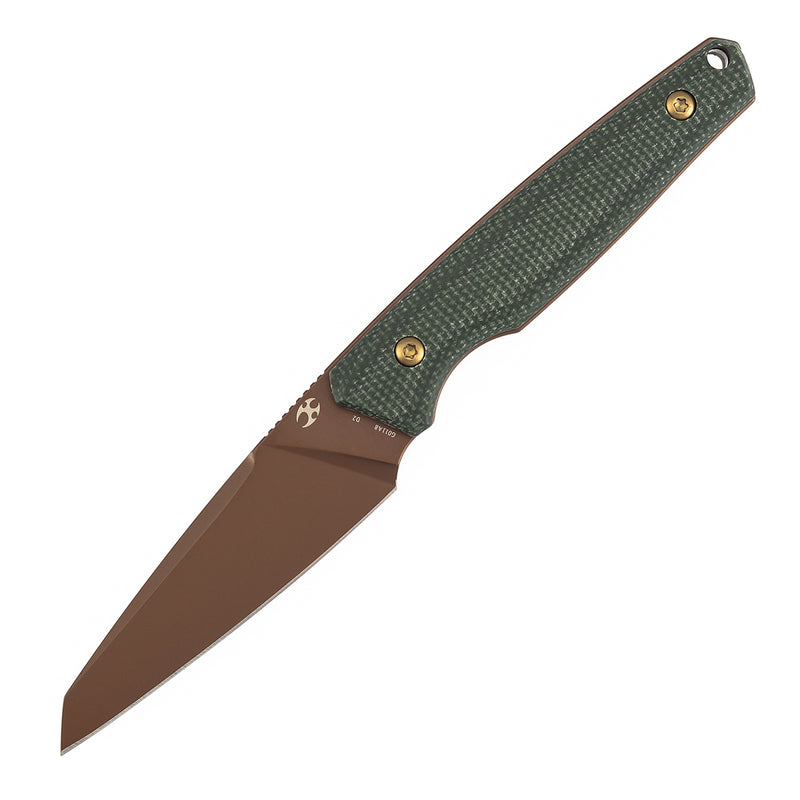
Understanding the dimensions of Jonathan Styles’ blueprint is crucial to evaluating how it behaves under real-world conditions:
-
Overall Length: 6.38 inches (162 mm)
-
Blade Length: 3.12 inches (79.2 mm)
-
Blade Thickness: 0.137 inches (3.5 mm)
-
Bare Weight: 2.00 to 2.34 ounces (depending on scale configuration)
-
Blade Profile: Modified Reverse Tanto

The Pros: Why the Kansept Parr Wins
1. Zero Mechanical Vulnerabilities
The single greatest advantage of adopting this model is the absolute elimination of moving parts. Folding knives, regardless of lock strength, possess internal failure points—omega springs can snap, liner locks can slip under sudden torque, and pocket debris can easily choke a bearing pivot. Because the steel of this full-tang knife runs uninterrupted from the tip to the pommel, it delivers an indestructible structural baseline. You can bear down with full body weight during deep downward cuts without a second thought.
2. Masterfully Optimized Slicing Geometry
The modified reverse tanto blade profile is engineered specifically for modern utility. By dropping the spine down sharply to meet the apex, the design creates an incredibly robust, reinforced point. This allows you to execute precise piercing, scoring, and detail work without worrying about snapping the tip. Combined with a tall flat grind, the blade retains a subtle belly curve that ensures it slices smoothly through dense cardboard and rope instead of binding midway through.
3. True Featherweight Pocketability
At roughly 2.34 ounces or less, it weighs significantly less than many popular medium-sized folders. Kansept trims down the handle scales and finishes the borders with smooth, 3D-machined chamfers. The resulting ultra-flat profile allows the knife to sit flush inside your pocket or behind a waistband, completely bypassing the blocky, uncomfortable bulk associated with traditional belt knives.
4. Tiered Material Selections
Kansept smartly offers this design across distinct price and material tiers:
-
Premium: CPM-S35VN powder steel paired with advanced aerospace-grade Carbon Fiber (including Copper, Shred, or 80S Camo options).
-
Value-Focused: Hard-use D2 tool steel paired with organic Canvas Micarta or indestructible Jade G10 scales.
The Cons: Important Trade-offs to Consider
1. Limited Handle Estate for XL Hands
To ensure the knife remains compact enough for discreet pocket carry, the handle length is restricted to 3.26 inches. If you wear extra-large or wide work gloves, this footprint will inevitably yield a "three-and-a-half-finger" grip, leaving your pinky finger floating off the back pommel. While the deep forward finger guard keeps your hand perfectly safe, it lacks the full-fisted leverage of a dedicated, full-sized survival tool.
2. Zero "Fidget Factor" Deployment
For many modern enthusiasts, the mechanical joy of a flipping action or a smooth button lock is a major part of the ownership experience. The deployment of a fixed blade is purely utilitarian: you draw it directly from its sheath. If you enjoy casually opening and closing your knife at your desk, the austere, silent nature of drawing a fixed blade will not provide that same mechanical tactile satisfaction.
3. Kydex Surface Rubbing
The included Kydex sheath offers fantastic, secure mechanical retention that clicks tightly into place. However, because Kydex is a rigid polymer, ambient pocket lint, dirt, or abrasive grit can get trapped inside the mouth over months of carry. Every time you slide the blade in and out, these trapped particles can leave fine surface scratches or shiny rub marks along the flats of the blade—particularly visible on satin or Damascus finishes.

The Final Buying Directive
The choice to purchase the knife ultimately depends on what you value most in your daily tool rotation:
Buy the Kansept Parr if: You want a precise, lightweight cutting tool that offers the raw reliability of a fixed blade but carries as comfortably and discreetly as a pocket folder.
Pass on it if: You have exceptionally large hands and require a full-sized wrap-around handle, or if your EDC style relies heavily on the mechanical fidget factor of a folding pivot.