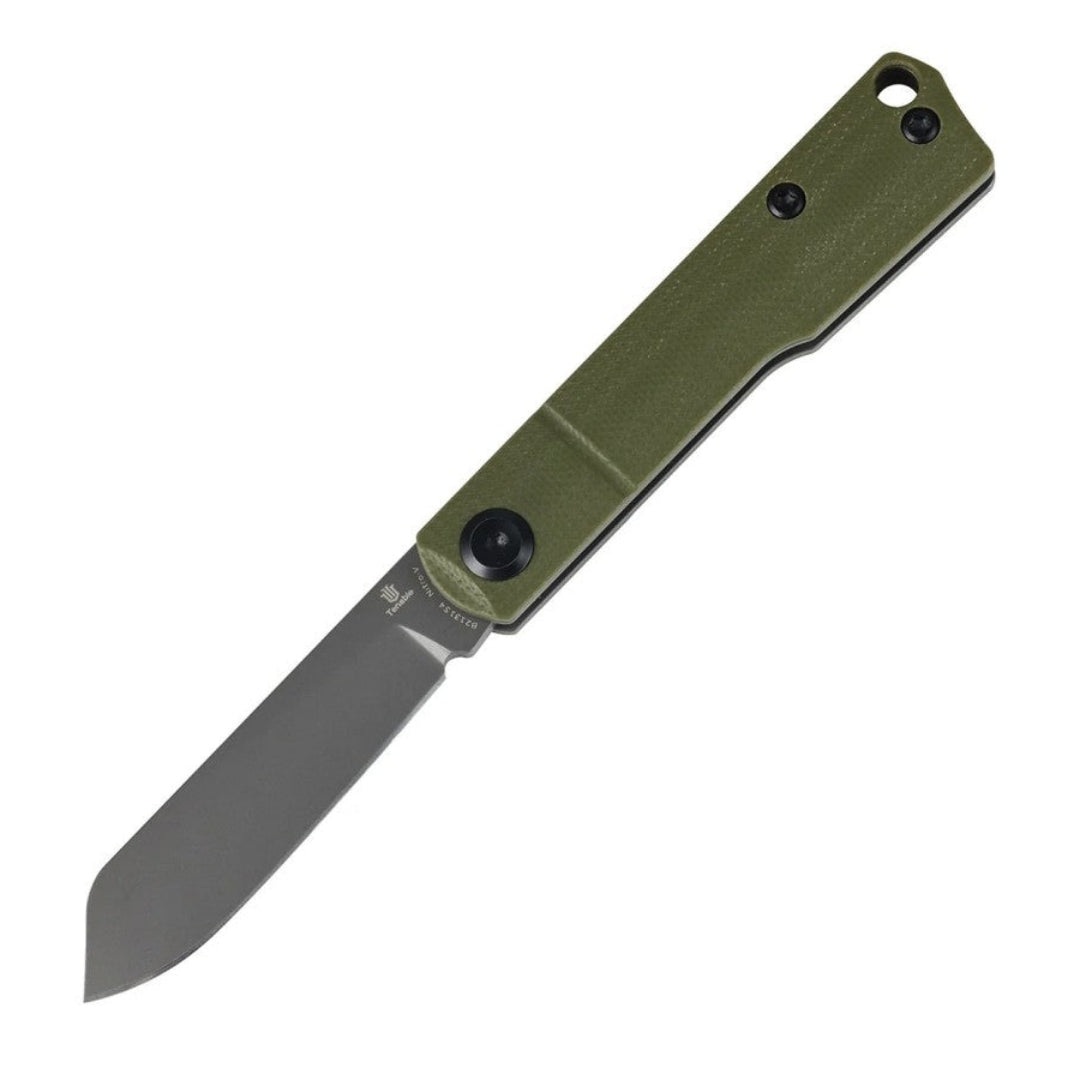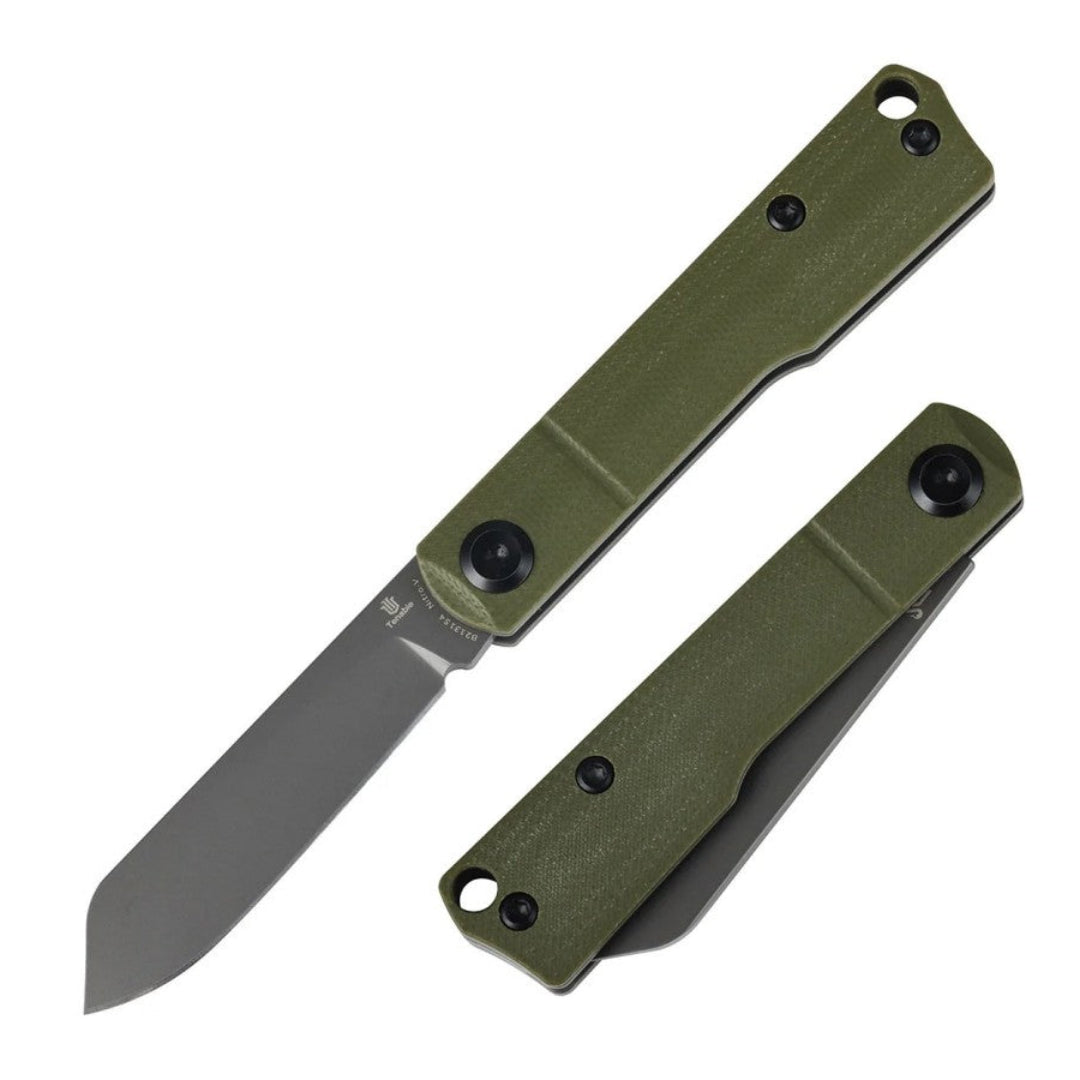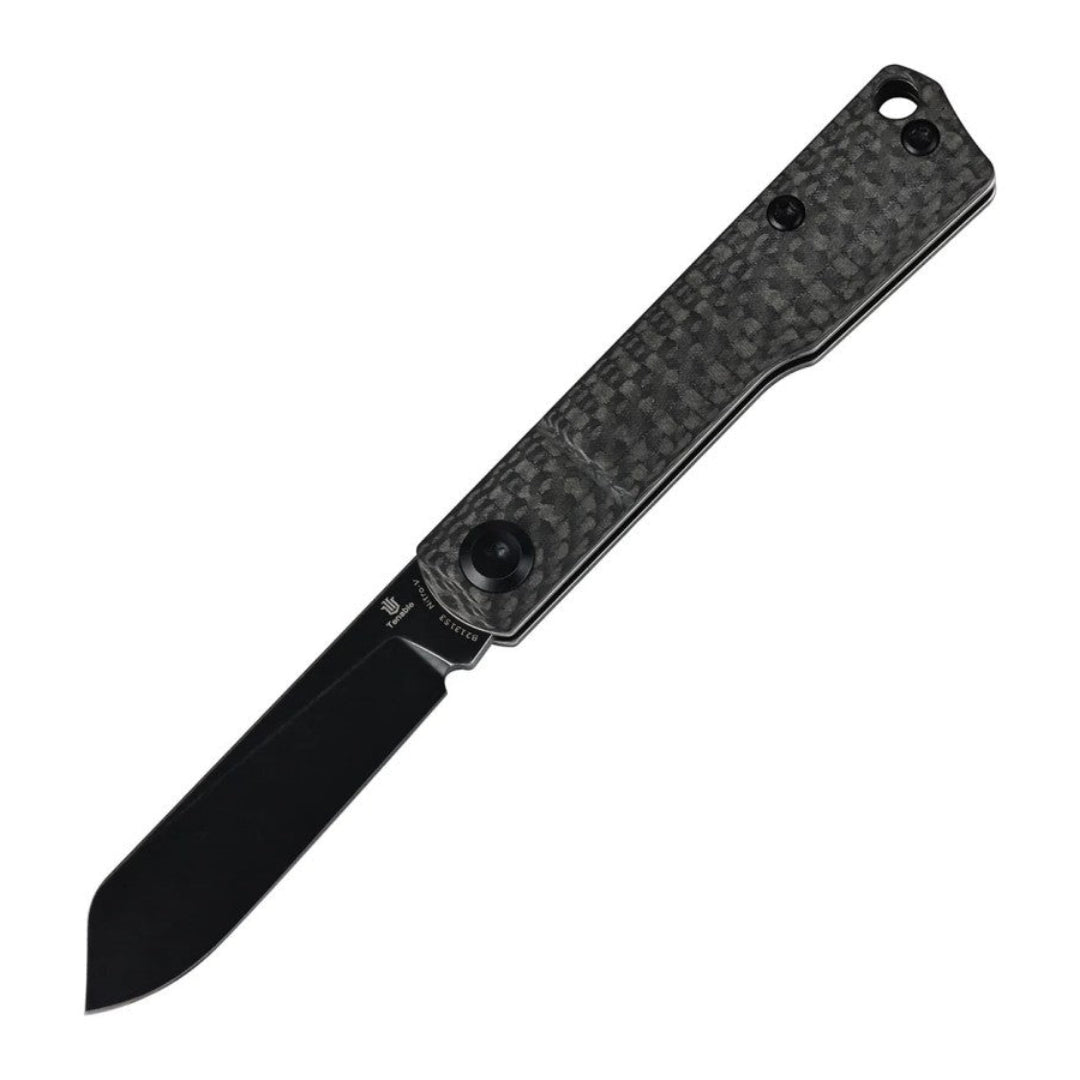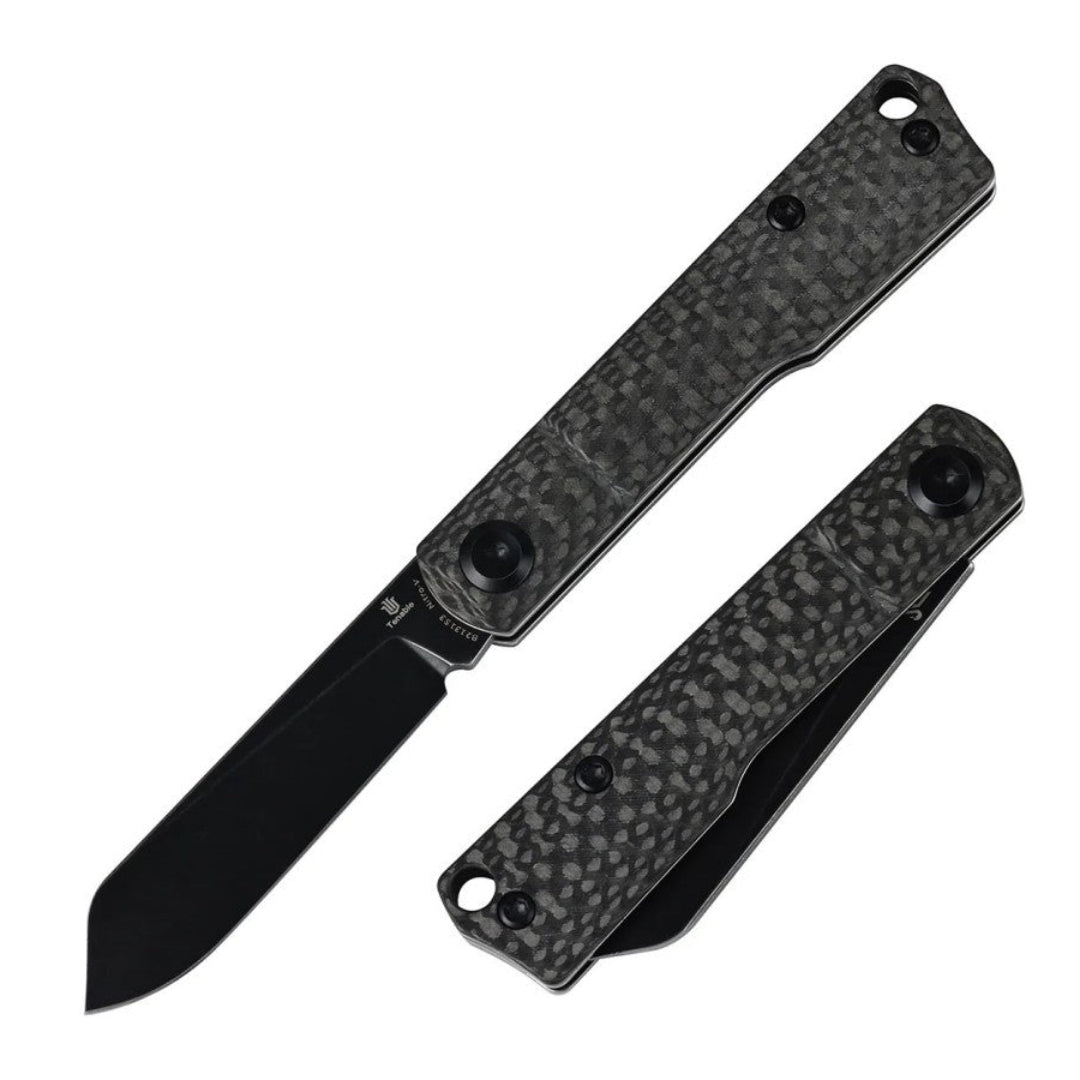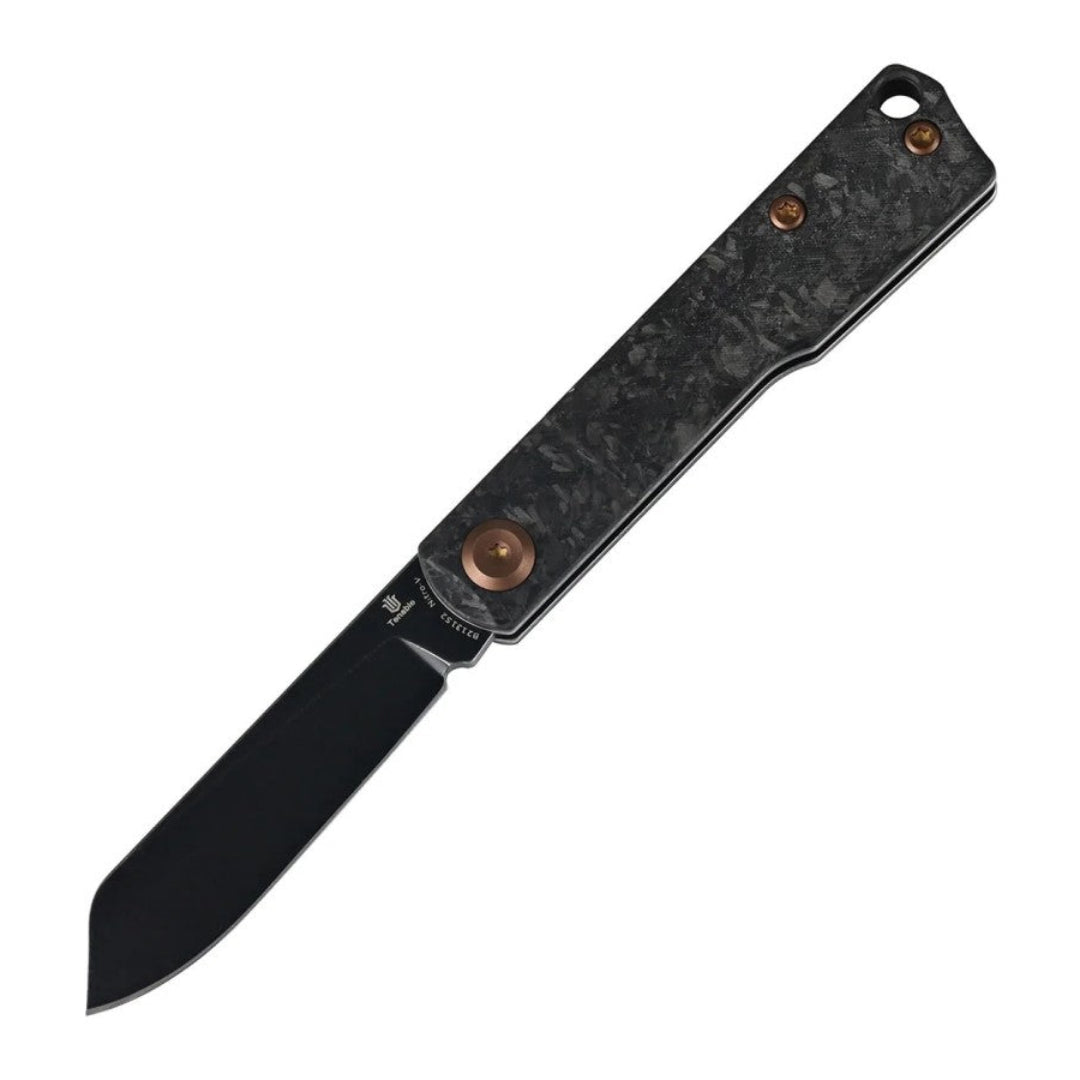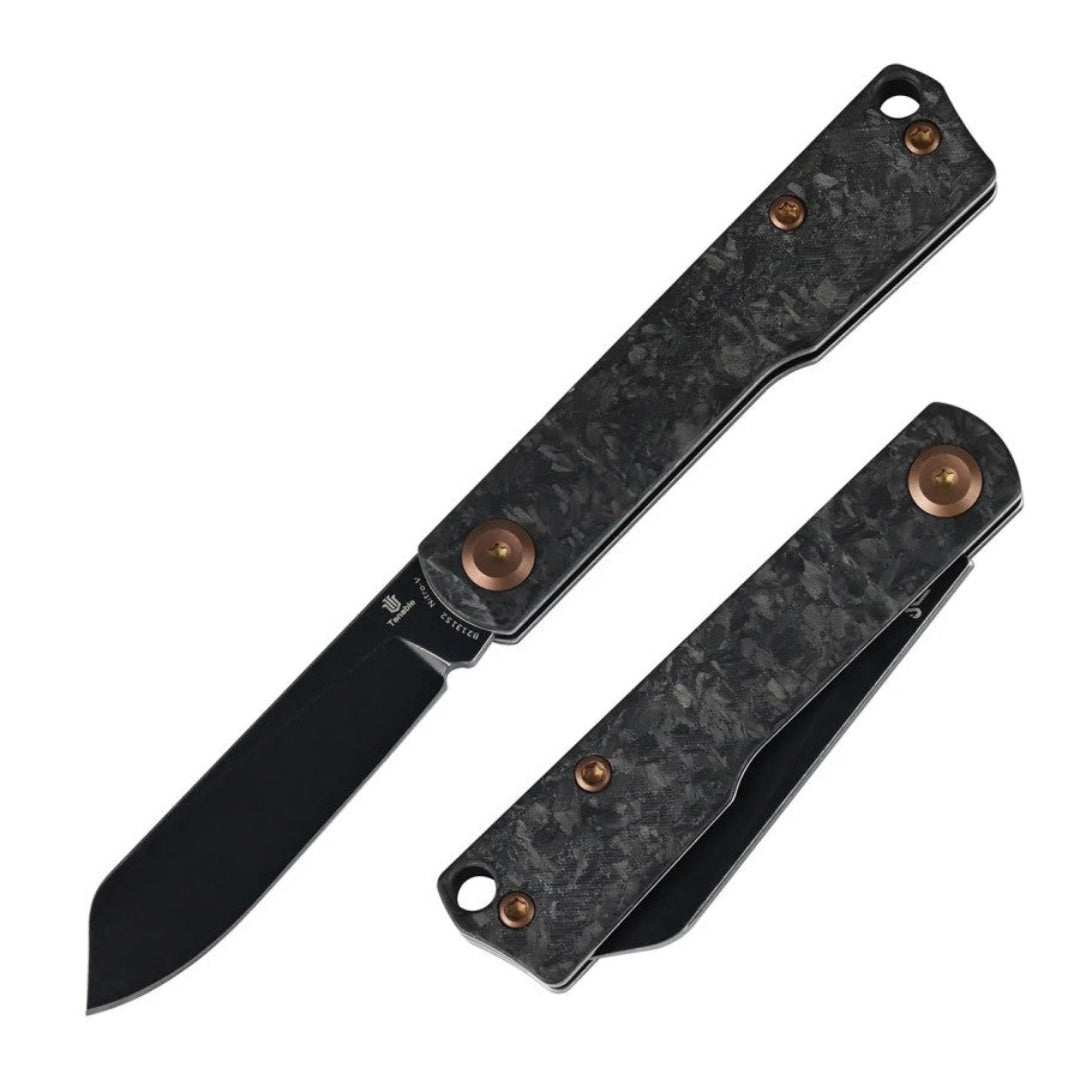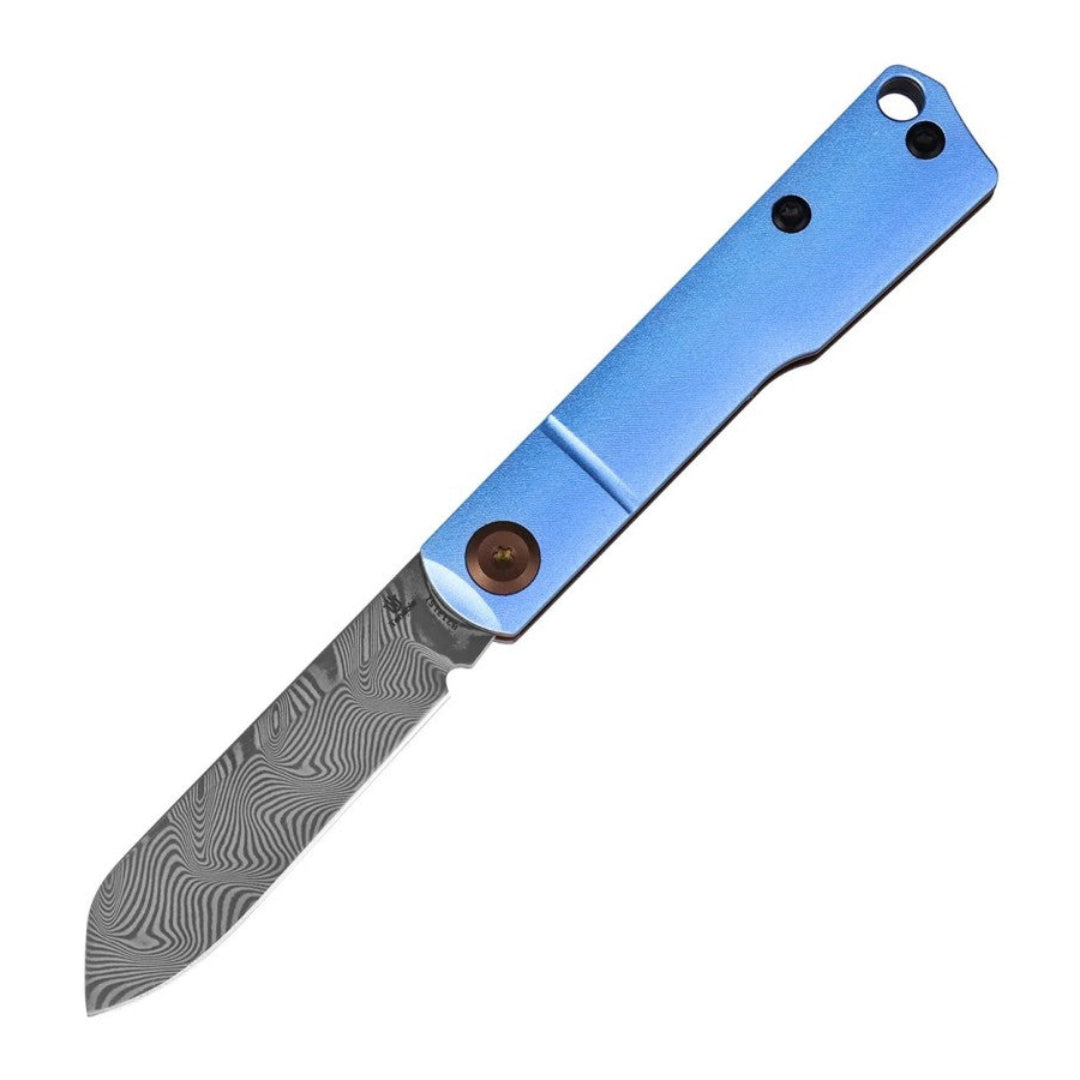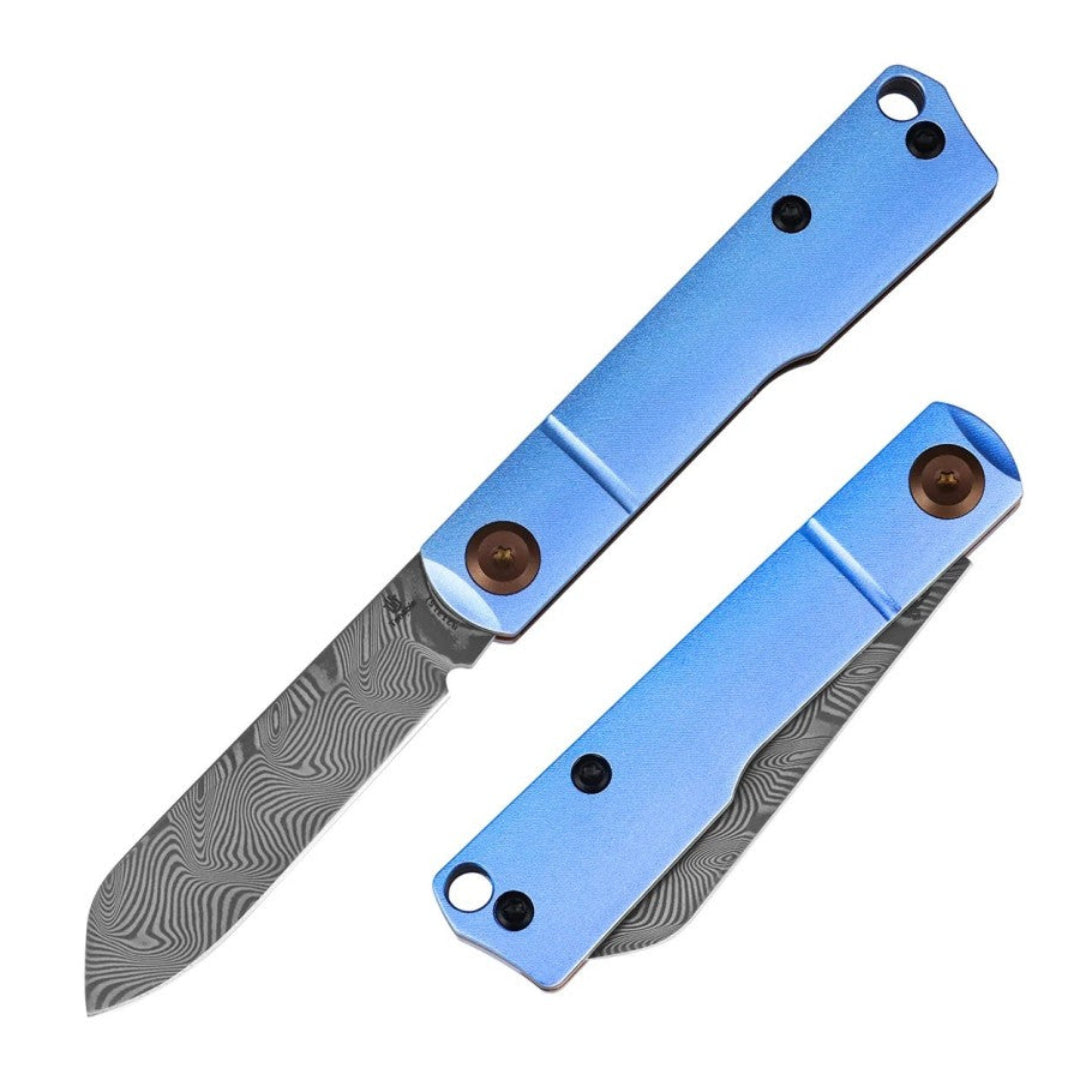

Nagao Higonokami Friction Folder Knife Brass Handle Blue paper Steel Hand Forging Tanto Extra Large 21CM

In an era of high-tech "super steels," ball-bearing pivots, and complex magnetic locking mechanisms, the Nagao Higonokami stands as a defiant reminder that sometimes, the best engineering is the most simple. This traditional Japanese folder has no springs to snap, no liners to bend, and no complex locks to fail. Yet, for over 130 years, it has remained one of the most respected tools in the world.
For the modern Everyday Carry (EDC) enthusiast, the Higonokami represents a "back-to-basics" philosophy that prioritizes reliability, ease of maintenance, and pure cutting performance. In this article, we explore the genius behind the friction folder design and why "less" truly is "more" when it comes to Japanese pocket knives.
The Anatomy of a Friction Folder
At its core, the Nagao Higonokami is a "friction folder." This means the blade is held in place during use solely by the friction of the pivot and the pressure of the user's hand. The design consists of only three essential components:
-
The Blade: A hand-forged piece of multi-layered steel.
-
The Handle: A single sheet of folded metal (usually brass, iron, or stainless steel).
-
The Pivot: A heavy-duty rivet that joins the two.
There is a brilliant "low-tech" genius in this configuration. Without the tension of a backspring (like a Swiss Army Knife) or the engagement of a lock (like a modern flipper), there are fewer moving parts to trap pocket lint, succumb to rust, or break under pressure.
The 'Chikiri': The Human-Interfaced Lock
The most distinctive feature of the Nagao design is the Chikiri—the forged lever extending from the spine of the blade. This is the secret to the knife’s safety and functionality.
When you open the knife, the Chikiri rests against the back of the handle. As you grip the knife, your thumb naturally rests on this lever. This creates a "manual lock." The more pressure you apply to the cut, the more securely your thumb holds the blade open. This interface between the user and the tool creates a level of tactile feedback that modern mechanical locks simply cannot replicate. You aren't just using a tool; you are part of its mechanical integrity.
Why "No Springs, No Locks" is an EDC Advantage
For many in the EDC community, the move toward friction folders is driven by a desire for a more intentional and durable carry.
1. Global Compliance
Knife laws vary wildly across the globe. Many cities and countries have strict bans on "locking" blades or "assisted-opening" knives. Because the Higonokami is a non-locking friction folder, it is often legal to carry in regions where tactical knives are prohibited. It is the ultimate "gentleman’s folder"—sophisticated, non-threatening, and globally respected.
2. Ease of Maintenance
Mechanical locks require precision cleaning and occasional lubrication. If a spring snaps in a modern folder, the knife is often rendered useless. With a Nagao Higonokami, maintenance is elementary. If the pivot becomes loose after years of heavy use, a simple tap on the rivet with a hammer will tighten the friction back to your preference. It is a tool built to last a century, not just a season.
3. Slimness and Weight
By eliminating the internal springs and locking bars, Nagao is able to produce an incredibly slim knife. The Higonokami can slide into a wallet, a suit pocket, or a slim EDC pouch without creating a bulky profile. It offers the cutting power of a full-sized blade with the "pocket footprint" of a pen.
The Performance of Hand-Forged Steel
The simplicity of the handle allows the focus to remain where it matters most: the edge. Most Nagao folders feature a Blue Paper Steel (Aogami) core. Because the design is so simple, you are essentially paying for the quality of the steel and the skill of the blacksmith rather than complex CNC machining.
This high-carbon steel takes an edge that is "scary sharp" and holds it through demanding tasks. Whether you are opening heavy shipping crates, whittling cedar, or prepping a quick meal at a campsite, the direct connection between the blade and the handle provides a rigid, stable cutting platform.
Integrating Simplicity into Your Routine
Adding a friction folder to your tool rotation changes how you interact with your gear. It requires a bit more mindfulness—you have to engage your thumb on the Chikiri and appreciate the mechanical resistance of the pivot.
-
For the Office: A stainless steel or brass Higonokami is a conversation piece that handles mail and snack prep with elegance.
-
For the Workshop: An iron-handled model is a rugged companion for marking wood and stripping wire.
-
For the Outdoors: It serves as a perfect, lightweight backup blade that won't fail due to sand or grit in the mechanism.
Conclusion: The Timelessness of Nagao
The Nagao Higonokami proves that brilliance doesn't require complexity. By stripping away the springs and locks, Nagao has created a knife that is functionally immortal. It is a testament to Japanese minimalism—a tool that does one thing exceptionally well without the need for bells and whistles.
If you are looking for an EDC blade that combines historical soul with indestructible simplicity, the friction folder is the answer.
Experience the genius of minimalist engineering. Explore our full range of authentic Nagao Higonokami friction folders at EDCmall today and rediscover the beauty of the basic.