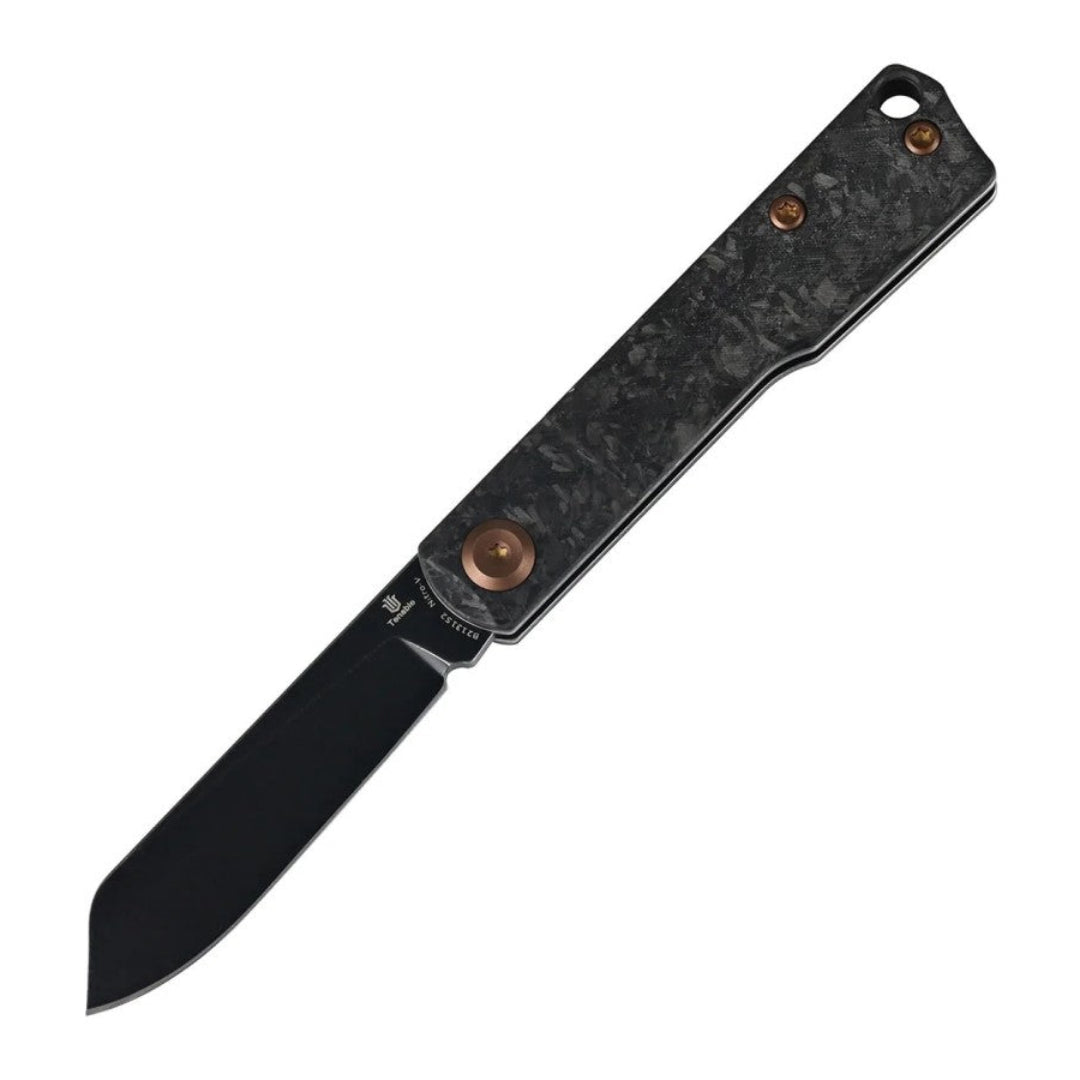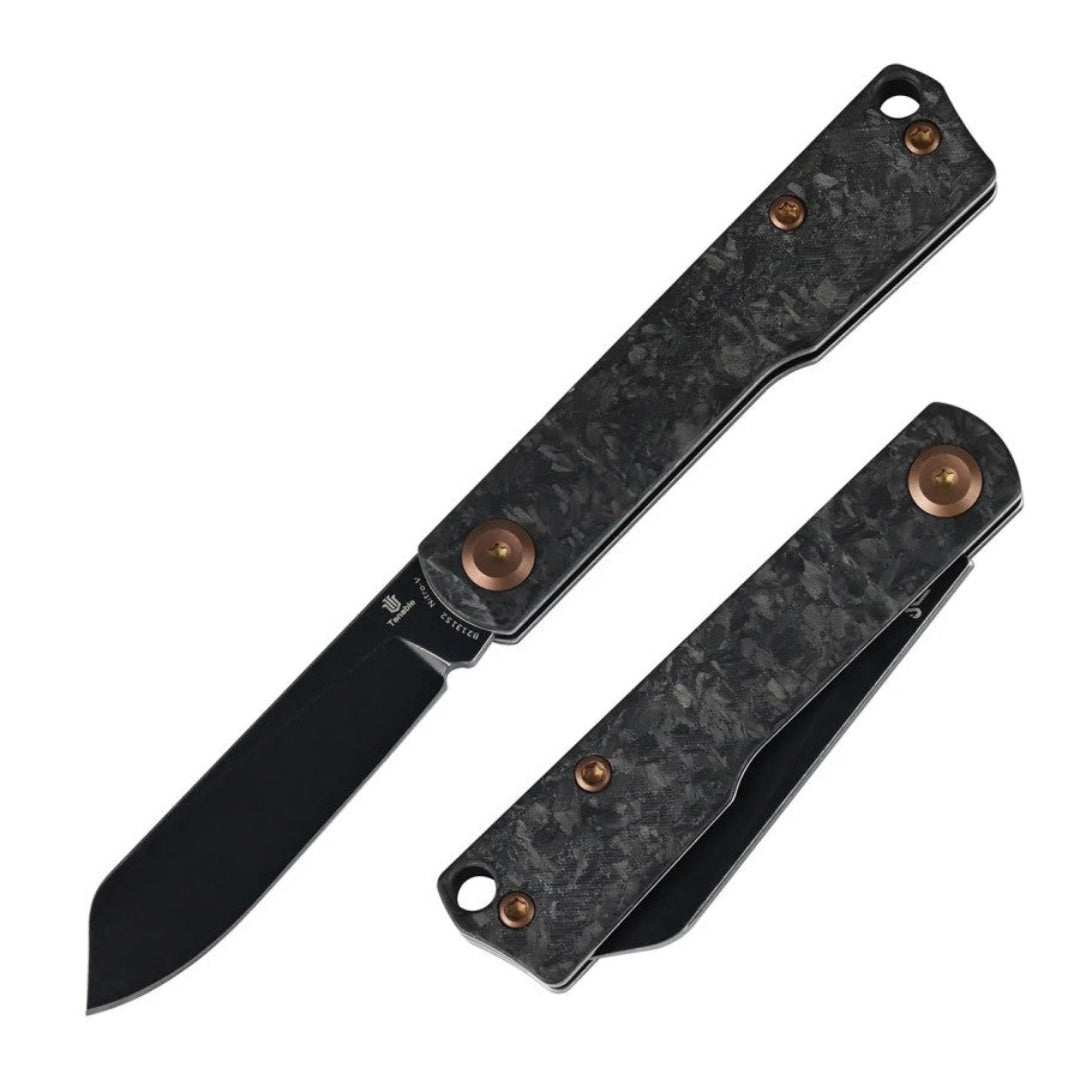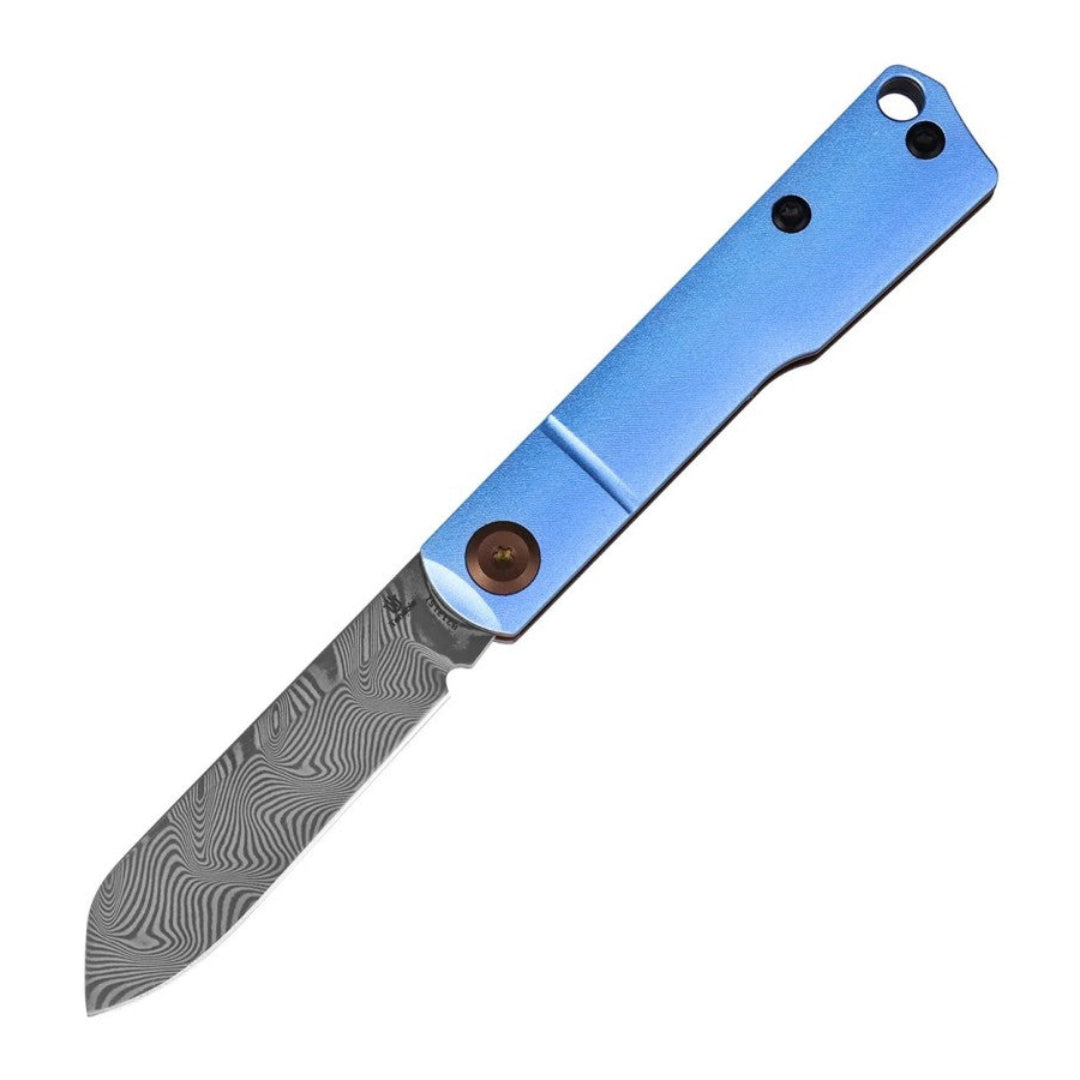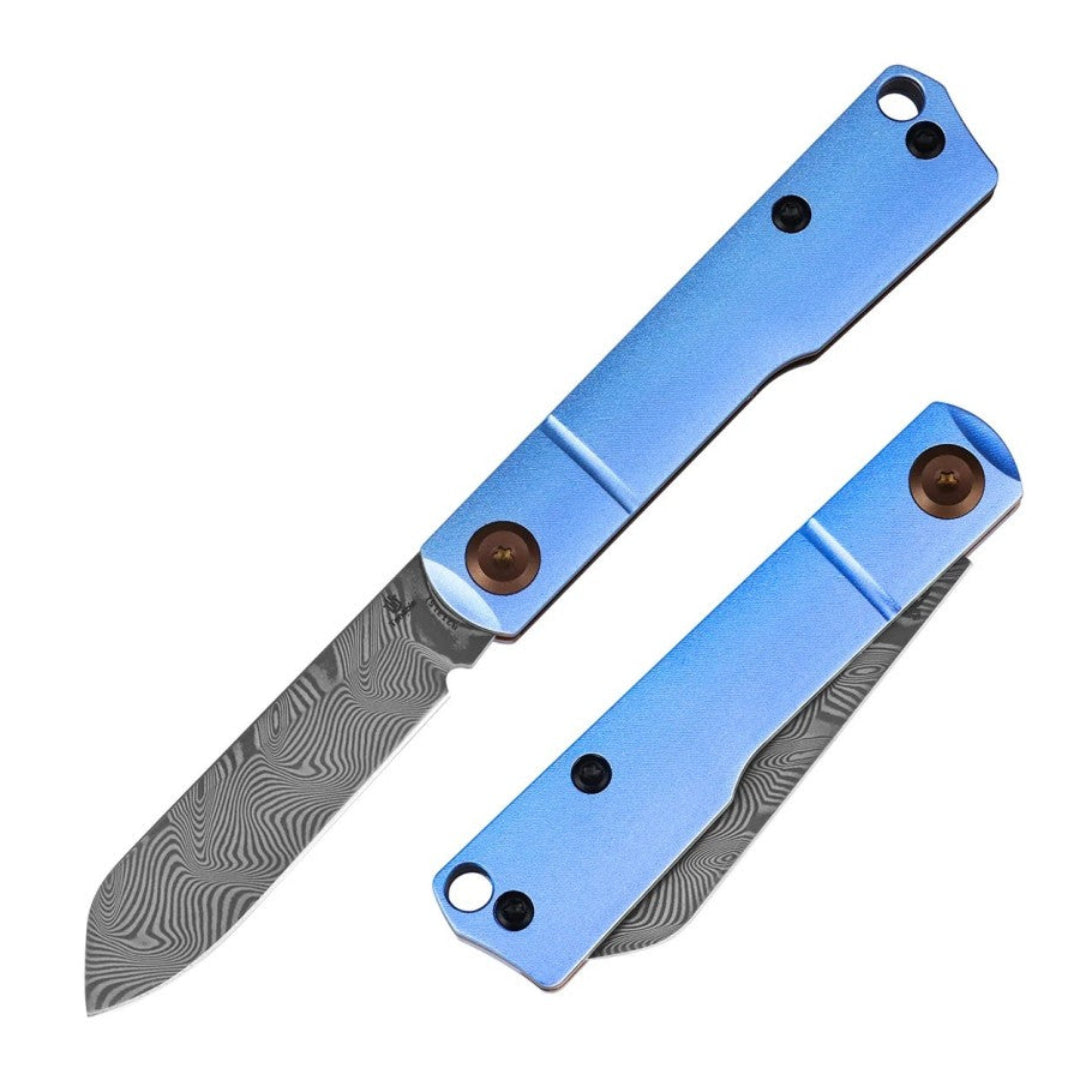

Nagao Higonokami Friction Folder Knife Black Brass Handle Blue paper steel Forging Special Handmake

For many Everyday Carry (EDC) enthusiasts, the first time they hold a Nagao Higonokami, they feel a connection to a bygone era. Unlike modern tactical knives branded with laser-etched English logos and serial numbers, the Higonokami features deep, traditional Kanji characters struck into its metal handle.
These engravings are more than just decoration; they are a certificate of authenticity, a mark of lineage, and a window into the history of Japanese blacksmithing. In this guide, we decode the "Signature Stamp" to help you understand exactly what your favorite tools are telling you.
The Story Behind the Stamp
Every authentic Higonokami is produced by the Kanekoma forge (Nagao Kanekoma Factory). Since the late 19th century, this forge has held the exclusive right to use the "Higonokami" trademark. Because the design was so successful, many other blacksmiths in Miki, Japan, began producing similar friction folders, but only the Nagao family's blades carry the official "Guild Mark."
When you look at the handle of your knife, the vertical column of characters tells a specific story about its origin and the quality of the steel within.
Decoding the Primary Kanji
While the specific layout can vary slightly between the Brass, Iron, and Stainless Steel models, most Nagao knives feature three primary pieces of information:
1. 肥後守 (Higo-no-Kami)
These three characters are the most prominent.
-
Higo (肥後): The name of an ancient province in Japan (modern-day Kumamoto).
-
Kami (守): A title meaning "Governor" or "Lord." The name "Higonokami" was originally a tribute to the Lord of Higo, a title held by influential figures who supported the local blacksmithing guilds. Today, this stamp is the primary indicator that you are holding an authentic trademarked folder.
2. 駒 (Koma)
Usually found inside a small stamped border (often a shield or a circle), this character represents Kanekoma. This is the brand name of the Nagao family forge. If you see the "Koma" (which translates to "horse" or "chess piece") alongside the Higonokami name, you have confirmed the knife's 130-year lineage.
3. 本割込 (Hon-Warikomi)
This is perhaps the most important stamp for users who prioritize performance.
-
Hon (本): True or Authentic.
-
Warikomi (割込): To insert or laminate. This stamp confirms that the blade features laminate construction. It signifies that a high-carbon steel core (Hagane) has been manually inserted into a softer steel jacket. It is the gold standard for high-performance tools, ensuring the blade is both razor-sharp and structurally resilient.
Why the Stamp Matters for EDC Collectors
In the world of EDC gear, authenticity is everything. The market is often flooded with "Higo-style" knives that lack the heritage and heat-treatment expertise of the Nagao forge.
-
Identifying Steel Types: Sometimes, the stamp will specifically denote the steel grade, such as 青紙 (Aogami) for Blue Paper Steel. Knowing how to read these marks helps you choose the right tool for your specific needs—whether it's the edge retention of Blue Steel or the purity of White Steel.
-
Appreciating the Hand-Struck Nature: Because these stamps are often struck by hand or with traditional machinery, they are not always "perfectly" aligned. This variation is a hallmark of the Wabi-Sabi aesthetic, proving that your knife was handled by a craftsman rather than a computer-controlled robot.
The "Gold" Mark: The Brass Handle Tradition
On the classic brass-handled models, the Kanji are often gilded or left raw to darken with the metal's natural patina. As your EDC knife ages, the recessed areas of the Kanji will collect oils and oxidation, making the characters "pop" against the weathered surface. This creates a stunning visual contrast that turns a simple pocket knife into a personalized heirloom.
How to Verify Your Nagao Knife
If you are looking to purchase a Nagao Higonokami for your professional tool kit, look for these three visual cues to ensure authenticity:
-
The Gold Box: Authentic Nagao knives are almost always packaged in a distinctive gold and blue cardboard box featuring the Kanekoma horse logo.
-
The Chikiri (Thumb Lever): The lever should be forged, showing slight hammer marks or a raw texture, rather than being a perfectly smooth, stamped piece of sheet metal.
-
The Trademark Stamp: Ensure the characters for "Higonokami" (肥後守) are present and clearly struck.
Conclusion: Carrying a Legacy
When you pull a Nagao Higonokami from your pocket, you aren't just carrying a blade; you are carrying a story written in Kanji. Decoding these engravings allows you to appreciate the five generations of blacksmithing that went into your tools.
The signature stamp is a promise from the Nagao family to the user—a promise of quality, tradition, and an edge that will never fail.
Own a piece of Japanese history. Explore our collection of authentic, Kanji-stamped Nagao Higonokami knives at EDCmall today and find the blade that speaks to you.