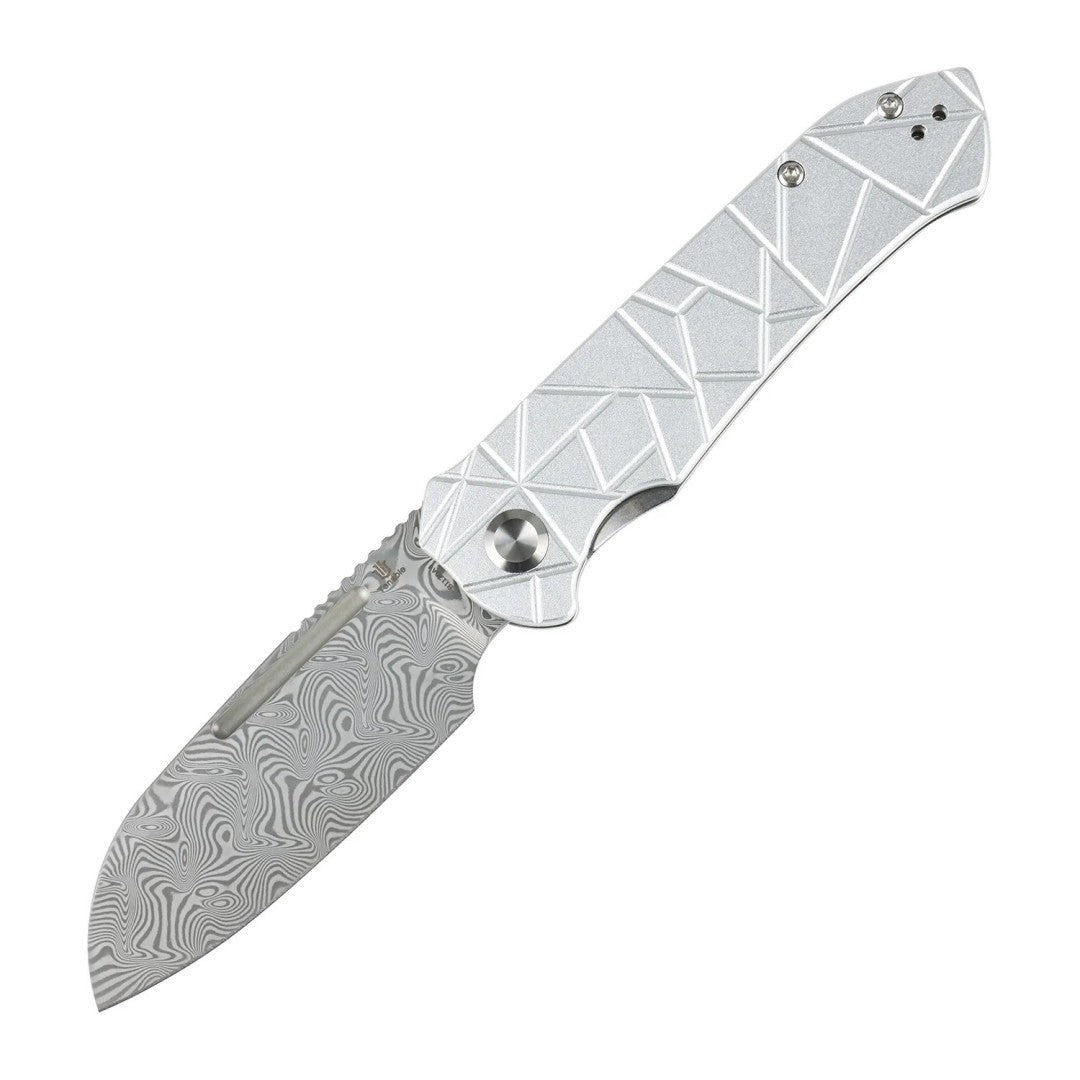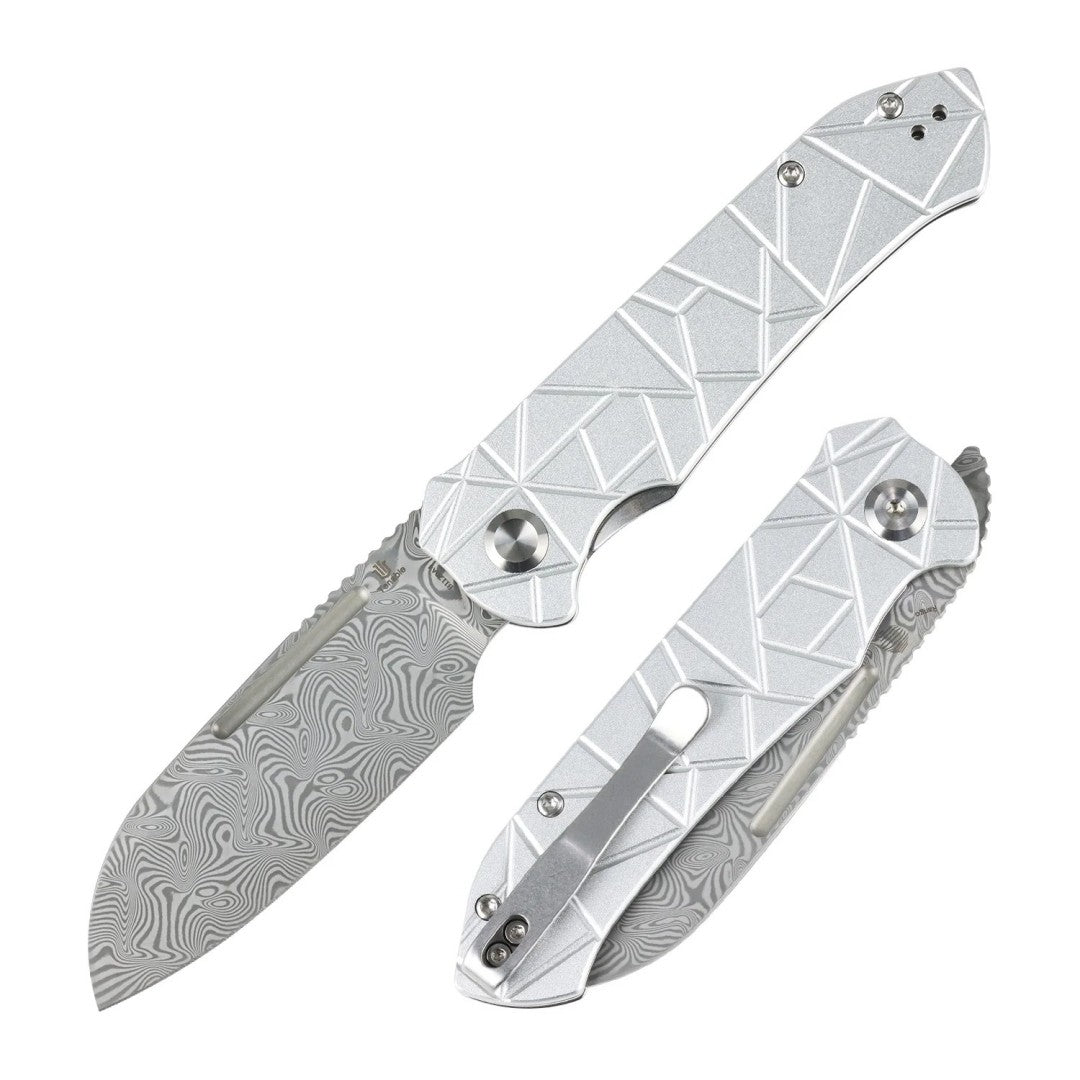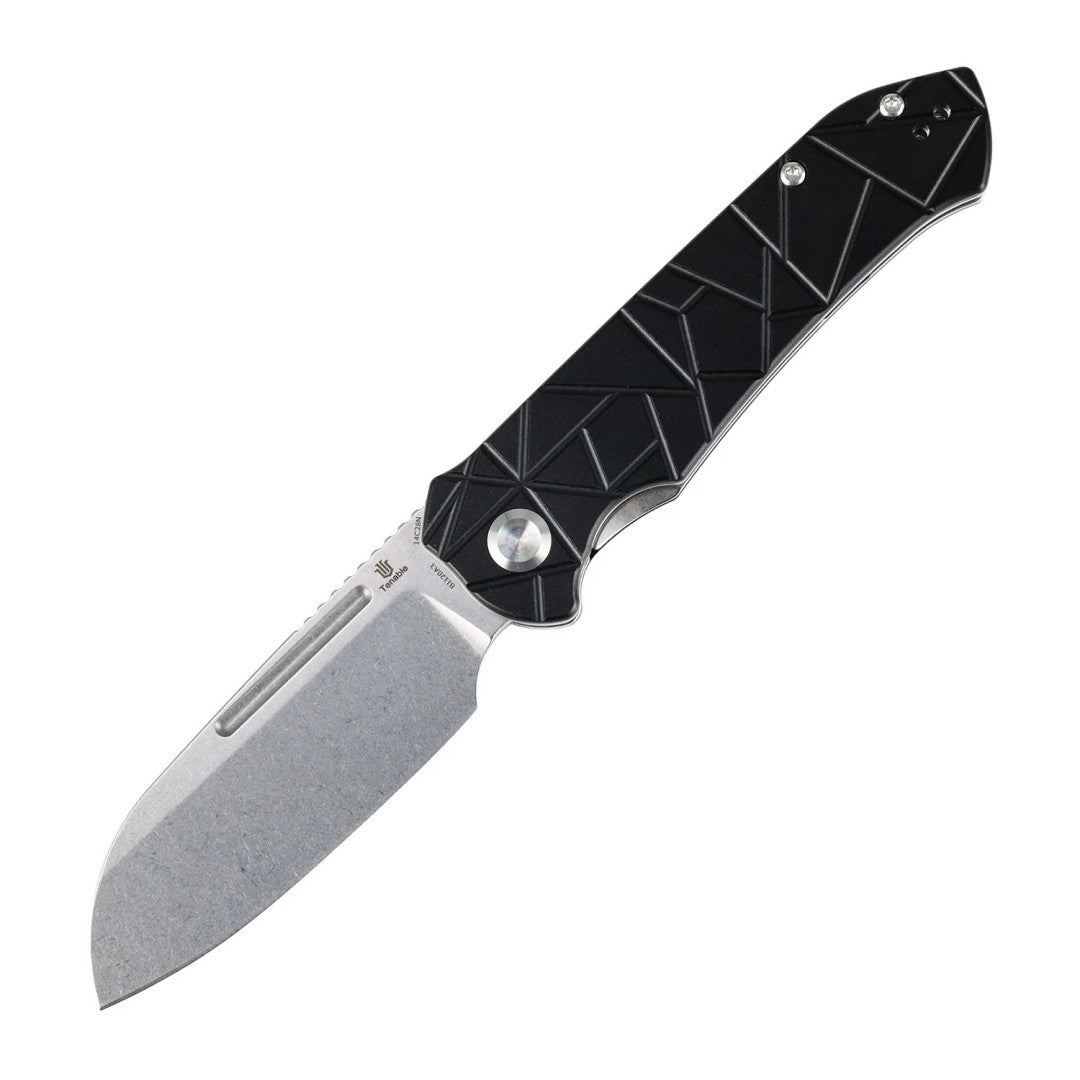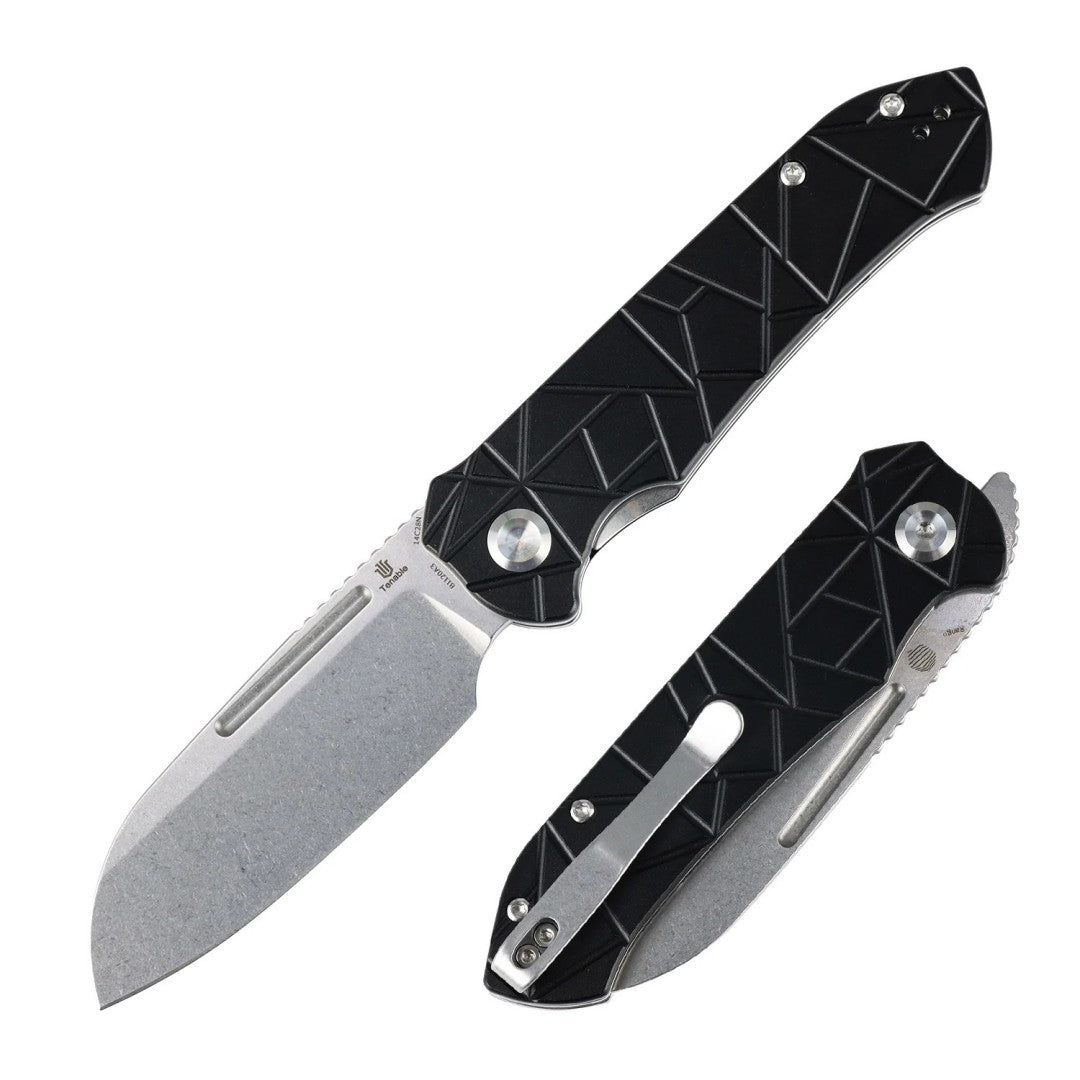

In the world of high-end folding knives, the definition of "quality" often descends into a debate about brand pedigree or aesthetic trends. However, when you dissect a masterpiece like the Rockstead SHU-KOI, the conversation shifts from marketing to pure material science. This is not just a folding knife; it is a clinical demonstration of what happens when powder metallurgy, advanced heat treatment, and aerospace-grade handle materials collide.
To understand why the SHU-KOI occupies its own tier in the EDC world, one must examine its three pillars: the ZDP-189 blade, the staggering 67 HRC hardness, and the titanium architecture.

The Blade: The Power of ZDP-189
The heart of the SHU-KOI is the ZDP-189 blade. For the uninitiated, ZDP-189 is a high-carbon, high-chromium stainless steel produced via the powder metallurgy (PM) process. Unlike traditional forging, which can lead to uneven carbide distribution, the PM process creates an incredibly homogenous steel structure.
Why does this matter? Because the performance of a blade is dictated by its carbides—the hard, microscopic particles that provide edge retention. In ZDP-189, these carbides are extremely fine and densely packed. This allows the edge to be ground to a much finer, more acute angle without the edge "chipping out" or rolling. When Rockstead utilizes this steel, they are starting with the highest possible potential for cutting performance currently available in the commercial knife market.
The Hardness Threshold: The "67 HRC" Factor
This is where Rockstead distinguishes itself from virtually every other manufacturer on the planet. Standard high-end cutlery steels (like M390 or S35VN) are typically treated to a hardness of 60–62 HRC. Hardening them further risks making the steel too brittle; drop the knife on concrete, and it could crack like glass.
The SHU-KOI, however, is pushed to approximately 67 HRC.
Reaching 67 HRC is "the danger zone." Most makers wouldn't dare approach it because the heat-treatment process is incredibly volatile. If the temperature fluctuates by even a few degrees, the entire batch is ruined. Rockstead’s proprietary heat-treatment process is a guarded secret, but the results are undeniable. They have managed to bridge the gap between "hard" and "tough." At 67 HRC, the edge retention is exponentially higher than standard steels, meaning the SHU-KOI stays razor-sharp through tasks that would dull a lesser blade in minutes. This is not just a tool; it is a high-performance cutting machine that defies the standard limitations of metal physics.
The Handle: Titanium Architecture
While the blade provides the performance, the handle provides the platform. The SHU-KOI features a Titanium handle, which is the gold standard for high-end folding knives for several key reasons:
-
Strength-to-Weight Ratio: Titanium is notoriously difficult to machine, but its reward is immense. It provides a rock-solid, non-flexing chassis that protects the internal locking mechanism, yet remains lightweight enough to be carried comfortably every day.
-
Biocompatibility and Corrosion Resistance: Titanium is virtually immune to the oils, sweat, and environmental moisture that cause aluminum or steel handles to corrode or degrade. Over a lifetime of carry, titanium will maintain its structural integrity perfectly.
-
Tactile Feedback: Because of the way titanium is machined, the SHU-KOI offers a "warm," substantial feel in the hand. It doesn't feel like a cheap toy; it feels like a precision instrument.
The Synergy: Geometry and Friction
A frequent error in knife criticism is attributing performance solely to steel hardness. Hardness only matters if the geometry is correct.
The SHU-KOI combines its extreme hardness with a mirror-polished finish. This is often misunderstood as "bling" or purely aesthetic, but in the context of material science, it is a functional necessity. A mirror polish minimizes surface friction. When you drive the SHU-KOI through thick materials, the polished surface allows the blade to pass through with significantly less resistance.
When you combine a 67 HRC edge (which stays sharp) with a mirror-polished geometry (which reduces drag), you achieve an "effortless" cutting experience that is unique to the Rockstead brand. The blade doesn't just sever material; it glides through it.
Technical Specification Summary
| Component | Specification | Benefit |
| Blade Steel | ZDP-189 | Extreme edge retention, fine carbide structure |
| Hardness | ~67 HRC | Unparalleled wear resistance, retains "scalpel" sharpness |
| Handle Material | Titanium | High strength, lightweight, rust-proof, durable |
| Locking System | Button Lock | Fast, reliable, precise deployment |
| Blade Finish | Mirror Polish | Drastic reduction in cutting friction |
Conclusion: Material Integrity
Owning a Rockstead SHU-KOI is an exercise in appreciating the limits of industrial design. By selecting ZDP-189 for its carbide potential, titanium for its structural permanence, and mastering the heat treatment to push the HRC to 67, Rockstead has created a tool where the materials are not just parts of the whole—they are the definition of the performance.
This knife serves as a reminder that when metallurgy and engineering are executed without compromise, the result is something that transcends the standard "Everyday Carry." It is a testament to the belief that if you use the absolute best materials available, the tool itself becomes a benchmark for everything else in your collection.